1. Introduction
The construction industry is one of the most resource-intensive sectors globally, accounting for a significant share of greenhouse gas emissions and waste production. This sector is responsible for approximately 40% of global energy consumption, being the largest energy consumer sector in Europe [
1]. Furthermore, traditional building materials and products contribute heavily to this impact, as approximately 82% of a building’s total embodied carbon is contained within the materials used in its construction [
2].
In response to the European Green Deal and the global push for carbon neutrality, there is an urgent need to transition from a linear “take–make–waste” model to a circular bio-economy. This shift is essential to reach a climate-neutral Europe by 2050, requiring strategies that focus on the production, transport, and use of materials with a lower environmental footprint [
3]. This transition involves the integration of renewable, bio-based materials that can serve as carbon sinks, thereby reducing the reliance on virgin resources. Engineered wood and bio-composites enhance forest carbon sink capacity by extending the time that biogenic CO
2 is kept out of the atmosphere [
4,
5].
Agro-forestry residues, such as corn cob, corn stalk and hemp shive, are abundant, low-cost, and often underutilized materials. These residues possess unique morphological and cellular structures characterized by high porosity and low bulk density, making them ideal for the production of lightweight particleboards [
6]. For instance, corn cob displays a honeycomb structure, while corn stalks feature numerous internal holes, which allow for air encapsulation that significantly improves both thermal and acoustic insulation [
7].
However, their chemical composition, which is rich in cellulose, hemicellulose and lignin, presents specific challenges regarding their compatibility with adhesives and their dimensional stability when exposed to varying environmental conditions [
6]. While cellulose acts as the structural element providing rigidity and stiffness, it is highly susceptible to moisture absorption, leading to dimensional instability and significant thickness swelling [
6]. In contrast, lignin acts as a cementing agent, providing rigidity, and exhibits hydrophobic behaviour, which are essential for controlling water absorption and enhancing mechanical strength [
7].
Understanding the interaction between these botanical residues and the adhesive matrix is fundamental to ensuring the technical viability of the resulting composites [
6]. A major hurdle is the poor compatibility between highly polar, hydrophilic plant fibres and hydrophobic polymeric matrices, which often results in weak interfacial bonding [
8,
9]. Furthermore, secondary substances like extractives can inhibit the adhesive’s ability to wet the particles, creating gaps at the interface that further reduce mechanical performance [
7]. Consequently, ensuring technical success requires a deep knowledge of bio-based adhesives, such as the ones based on citric acid, starch and tannins, to optimize adhesion and improve long-term durability [
4,
6,
10].
The sustainability of particleboards is heavily dependent on the adhesive used. Traditionally, urea–formaldehyde (UF) adhesives have dominated the market, accounting for approximately 85% of the total volume of solids worldwide, due to their excellent bonding strength, chemical versatility and cost-effectiveness [
4,
11]. However, UF adhesives are derived from fossil fuels and are notorious for formaldehyde emissions, which are classified as a Group 1 human carcinogen, posing significant risks to indoor air quality and human health [
10]. Furthermore, life cycle assessments (LCAs) consistently identify these synthetic adhesives as the primary “hotspot” for environmental impact and toxic emissions throughout the composite life cycle [
5].
In this context, natural adhesives derived from condensed tannins have emerged as a premier bio-based alternative. Tannins are water-soluble polyphenolic compounds, extracted primarily from tree bark, such as that of the mimosa tree (
Acacia mearnsii), which contains approximately 18–25% condensed tannins [
12]. Their chemical structure, based on flavonoid units, allows for rapid polymerisation [
13] and the formation of strong covalent bonds through electrophilic substitution reactions [
4]. This is particularly effective when tannins are coupled with bio-sourced hardeners like furfural, a furanic derivative produced from the acid hydrolysis of biomass, which facilitates crosslinking without the need for toxic reagents [
4].
Despite their potential, the primary challenge for tannin-based adhesives remains their high sensitivity to moisture. For instance, boards produced with quebracho–furfural formulations exhibited a thickness swelling (TS) of 80.3% and water absorption (WA) of 122.3% after 24 h of immersion [
4]. While these values can be improved by increasing pressing temperatures to 200 °C, which reduces swelling by nearly 30%, the addition of reinforcing components such as isocyanates or waterproof coatings is often necessary for more demanding environments [
4].
Other promising bio-based adhesives are also under investigation to close the loop on agricultural waste. Citric acid, for example, acts as a natural adhesive by reacting with the hydroxyl groups of lignocellulosic particles, significantly improving the dimensional stability of corn stalk boards [
10]. Additionally, vegetable polyurethanes derived from castor oil offer a formaldehyde-free alternative that has demonstrated a 19% reduction in water absorption compared to traditional urea-bonded boards [
7]. By integrating renewable adhesive systems, the construction industry can transition toward a circular bio-economy where engineered wood products serve as long-term biogenic carbon sinks, keeping CO
2 out of the atmosphere while ensuring healthy indoor environments [
2,
4].
This study addresses a critical knowledge gap in the current literature. Although the hygrothermal and hygroscopic properties of bio-based particleboards have been increasingly documented, a significant knowledge gap remains regarding their surface mechanical integrity and long-term durability under direct liquid water exposure. Most research focuses on apparent density, thermal conductivity or mechanical resistance, often overlooking the surface’s resistance to localized impacts and wear, which are critical for indoor lining applications. While surface integrity parameters, such as surface cohesion and hardness, are standardized and extensively studied for mineral-based materials and products, such as mortars, to ensure their durability [
14], their assessment on bio-based particleboards remains scarce. Adapting these characterization protocols from the field of rendering and plastering mortars to agro-forestry composite boards can contribute to evaluating their suitability as indoor lining materials, where resistance to localized mechanical stress and common maintenance actions is a functional requirement.
The primary novelty of this research lies in the systematic comparison between four distinct agro-forestry residues and two adhesive systems (renewable vs. fossil-based) using adapted protocols, but also a specialized cyclic wetting–drying protocol, providing a new perspective on the service life of these composites.
Consequently, the main goal of this study is to evaluate the physical–mechanical surface performance and the liquid water durability of low-density particleboards. To achieve this, the research investigates composites manufactured from corn cob, corn stalk, hemp shive, and wood fibres, bonded with either an ecological mimosa tannin adhesive or a conventional urea–formaldehyde reference. The experimental approach encompasses the characterization of surface cohesion, Shore A hardness, and impact resistance, alongside an aggressive, customized durability test with water immersion. This comprehensive methodology allows for a direct assessment of how biomass type and adhesive chemistry influence surface degradation, ultimately defining the practical engineering applications and indoor service conditions for these sustainable composites.
3. Results and Discussion
3.1. Apparent Density
Apparent density is a fundamental parameter that governs the mechanical response and surface integrity of lignocellulosic composites.
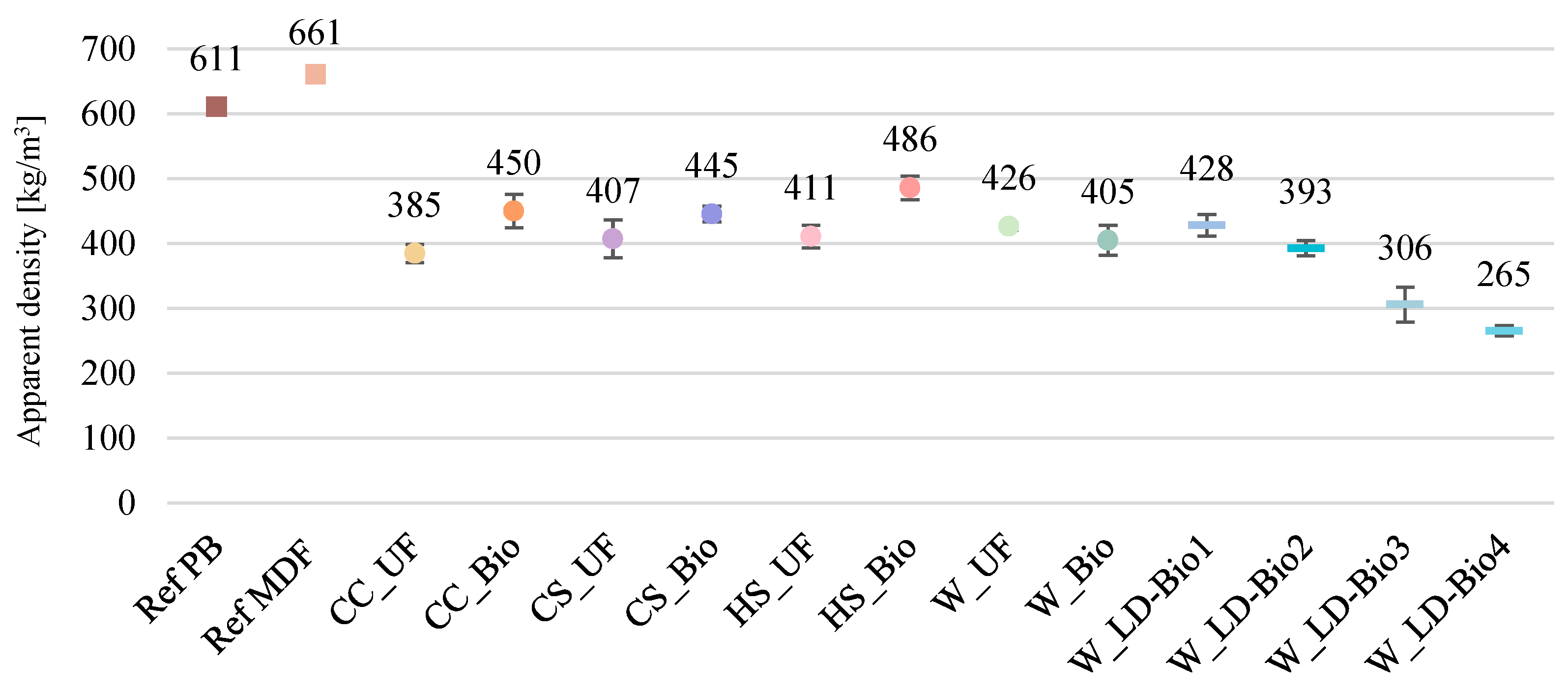
Figure 3 illustrates the mean density values and standard deviations for the developed formulations, including the commercial benchmarks (PB and MDF) and the experimental agro-forestry boards.
The experimental results indicate that the commercial references, Ref MDF and Ref PB, possess the highest densities, with 661 kg/m
3 and 611 kg/m
3, respectively. In contrast, the experimental boards exhibited significantly lower values, reflecting their lightweight nature, despite some variations resulting from the biomass density used and the adhesive concentration. A consistent trend was observed regarding the adhesive system, where boards bonded with the bio-adhesive generally reached higher densities than those utilizing UF adhesive. For the hemp shive (HS) series, this increase was particularly evident, with density rising from 411 kg/m
3 (UF) to 486 kg/m
3 (Bio). However, wood-fibre boards remained relatively stable across both adhesive types, suggesting that bio-adhesive rheology and penetration vary depending on the specific morphology of the agro-residues. The observed density ranges place these materials within the category of low-to-medium-density boards. The results for corn cob and corn stalk are consistent with the ranges reported by Paiva et al. [
23] (334 kg/m
3) and Cardoso [
24] (275–663 kg/m
3). Regarding hemp-based boards, the values may be attributed to differences in pressing parameters and the higher solids content of the bio-adhesive used here. When compared to a broader range of bio-composites in the literature, the developed boards show competitive compactness. They sit above the ultra-lightweight rice straw boards (110–167 kg/m
3) described by Lawanwadeekul et al. [
25] and within the range of bamboo-fibre composites (311–538 kg/m
3) studied by Nguyen et al. [
26]. Interestingly, while synthetic-bonded wood chips typically reach values around 580–590 kg/m
3 [
27], the presently studied tannin-bonded agro-boards achieved similar structural consistency with a lower environmental footprint. This intermediate density profile is strategic, where it maintains the porous structure necessary for thermal insulation, as highlighted by Palumbo et al. [
28], while potentially offering better surface durability than the lighter alternatives found in the literature, such as corn stalk insulation boards (67–750 kg/m
3) reported by Astari et al. [
10].
3.2. Surface Cohesion
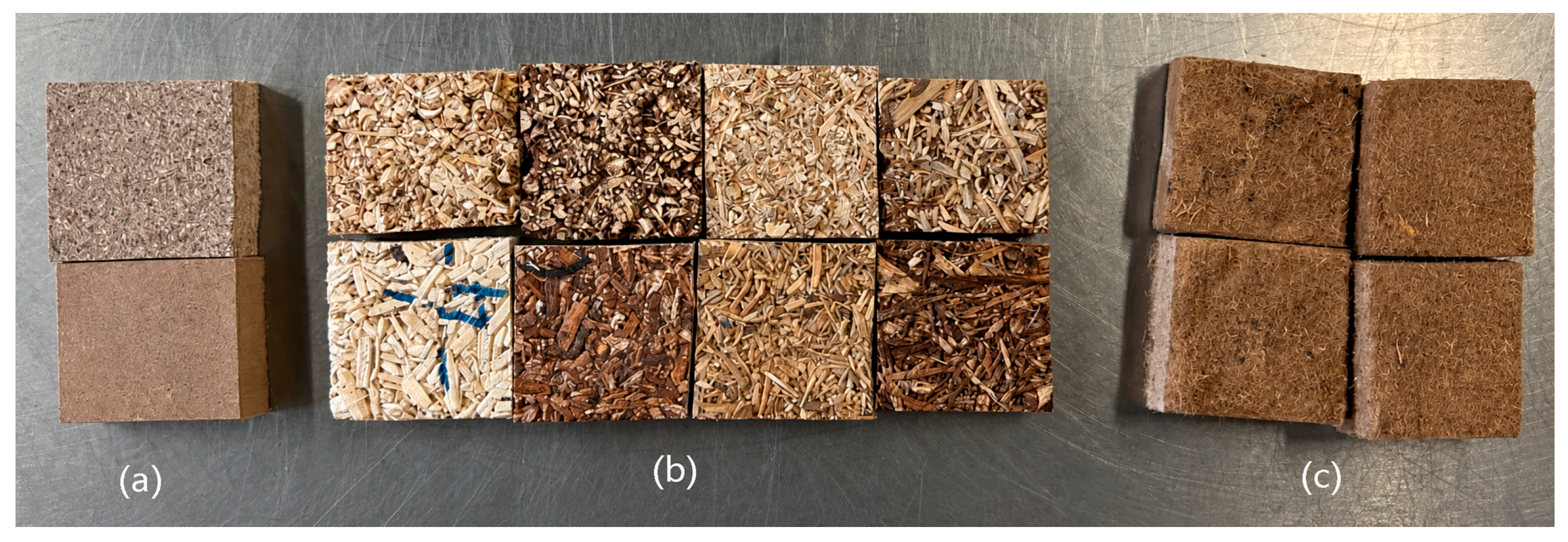
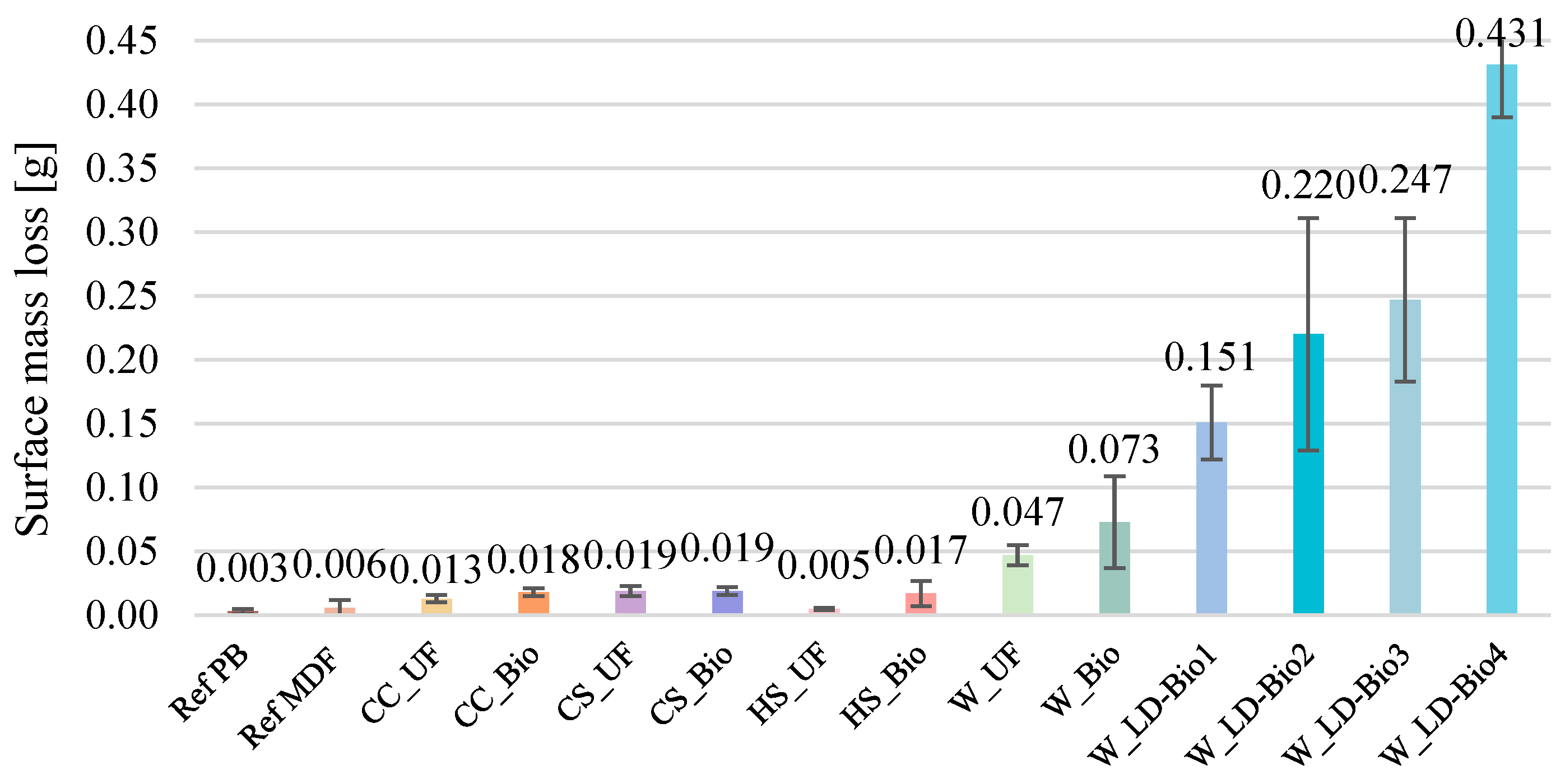
The surface cohesion was evaluated to assess the susceptibility of the boards to surface disintegration, which is a vital parameter for handling during application and for interior lining materials. Since standardized requirements for this properly in low-density bio-based particleboards are currently lacking, the results were compared with those for products intended for similar indoor applications, such as earth-based plasters, which also face limitations regarding water contact and surface friability. The quantitative results of the mass detached during the “peeling tape test” are presented in
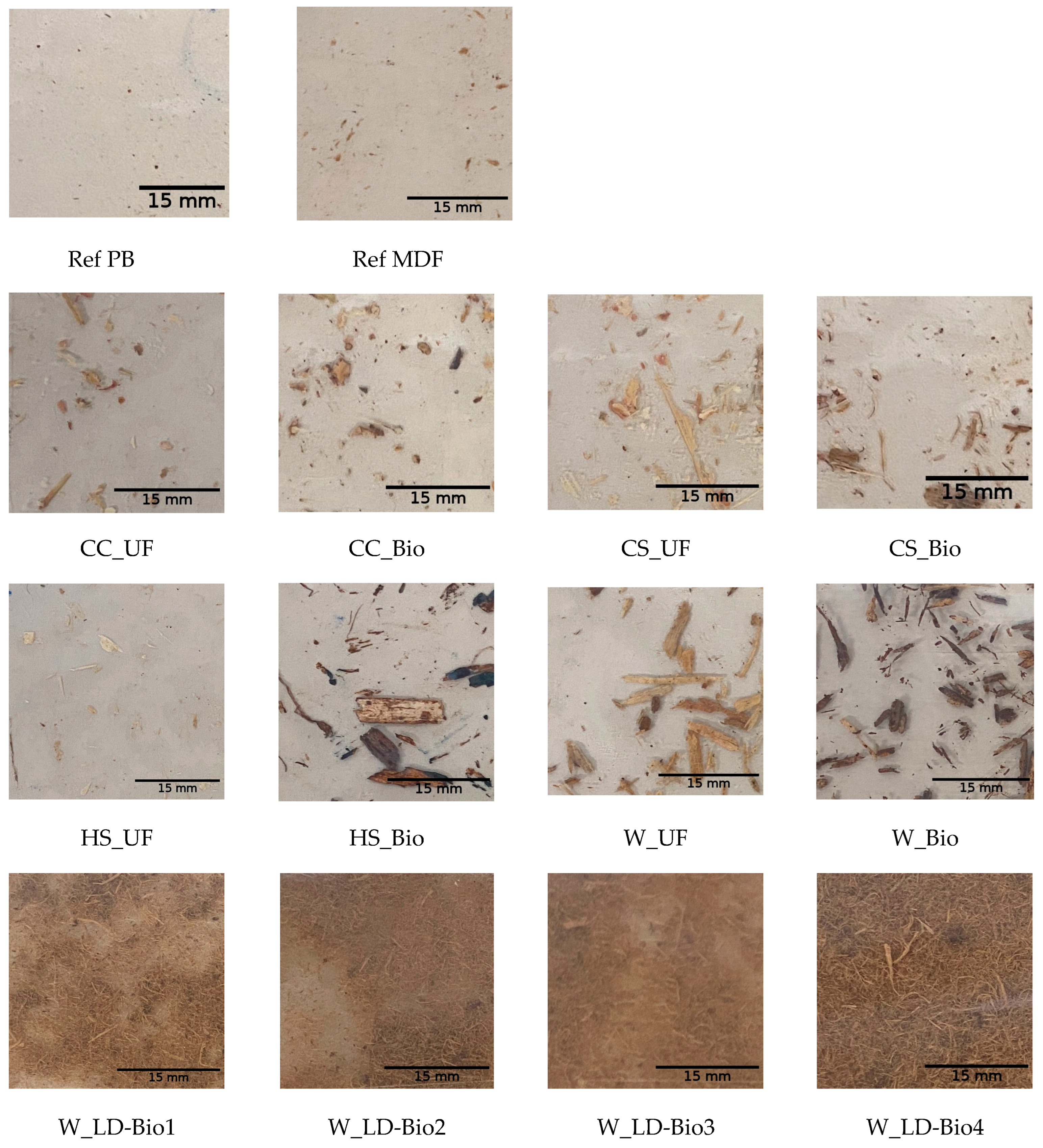
Figure 4, while the qualitative visual assessment of the adhesive tapes is illustrated in
Figure 5.
As expected, the commercial reference boards, Ref PB and Ref MDF, exhibited the highest surface integrity, with negligible mass losses of 0.003 g for both cases. Regarding the experimental particleboards, the influence of the adhesive system was consistent, with boards bonded with UF adhesive generally presenting lower mass loss compared to those bonded with tannin-based adhesives. For instance, in the hemp shive boards (HS series), the mass loss increased from 0.005 g (UF) to 0.017 g (Bio). A similar trend was observed for the wood-based boards, with W-Bio reaching 0.073 g of detached material. However, in the case of corn stalk bio-boards, both adhesive systems showed an identical mass loss of 0.019 g, suggesting that the fibre morphology may play a more dominant role in surface cohesion for this specific residue than the adhesive type itself.
The wood_LD-Bio series, characterized by significantly lower apparent densities, registered the highest mass losses in this study, ranging from 0.151 g (W_LD-Bio1) to 0.431 g (W_LD-Bio4). These results demonstrate a clear inverse correlation between apparent density and surface cohesion: as the density decreases, the friability of the surface layer becomes more pronounced. This behaviour is further confirmed by the qualitative analysis shown in
Figure 5 (where each image captured particles ranging from 0.5 mm to 25 mm), in which tapes applied to low-density boards exhibited a dense layer of detached fibres, indicating a partial loss of the surface integrity upon contact.
This higher mass loss observed in the low-density wood-fibre series agro-residue boards (W_LD-Bio) can be attributed to a “starver joint” phenomenon. In low-density formulations, the specific surface area of the particles is high relative to the proportion of adhesive applied. Consequently, the adhesive may not form a continuous and robust structure across all of these boards and up to the surface. That can justify why the mechanical action of the peeling test shows a higher loss of particles, as the internal cohesion at the surface is limited by the discontinuous distribution of the tannin-based matrix within the porous structure.
When these findings are compared with those of the study by Santos et al. [
19] on earth-based mortars, it can be seen that the agro-forestry panels bonded with UF and Bio adhesives showed similar or even superior performance to the natural interior plasters. Conversely, the low-density series (W_LD-Bio) presented significantly higher mass loss, indicating a substantial surface fibre detachment that alters the composite’s texture. These results suggest that high-density bio-boards are suitable for exposed interior surfaces, whereas the low-density formulations require additional surface treatments or should be integrated into constructive elements that are not directly exposed to frequent manual contact. This is essential to prevent progressive material loss and to ensure that their structural and physical integrity is maintained throughout their service life.
3.3. Surface Hardness
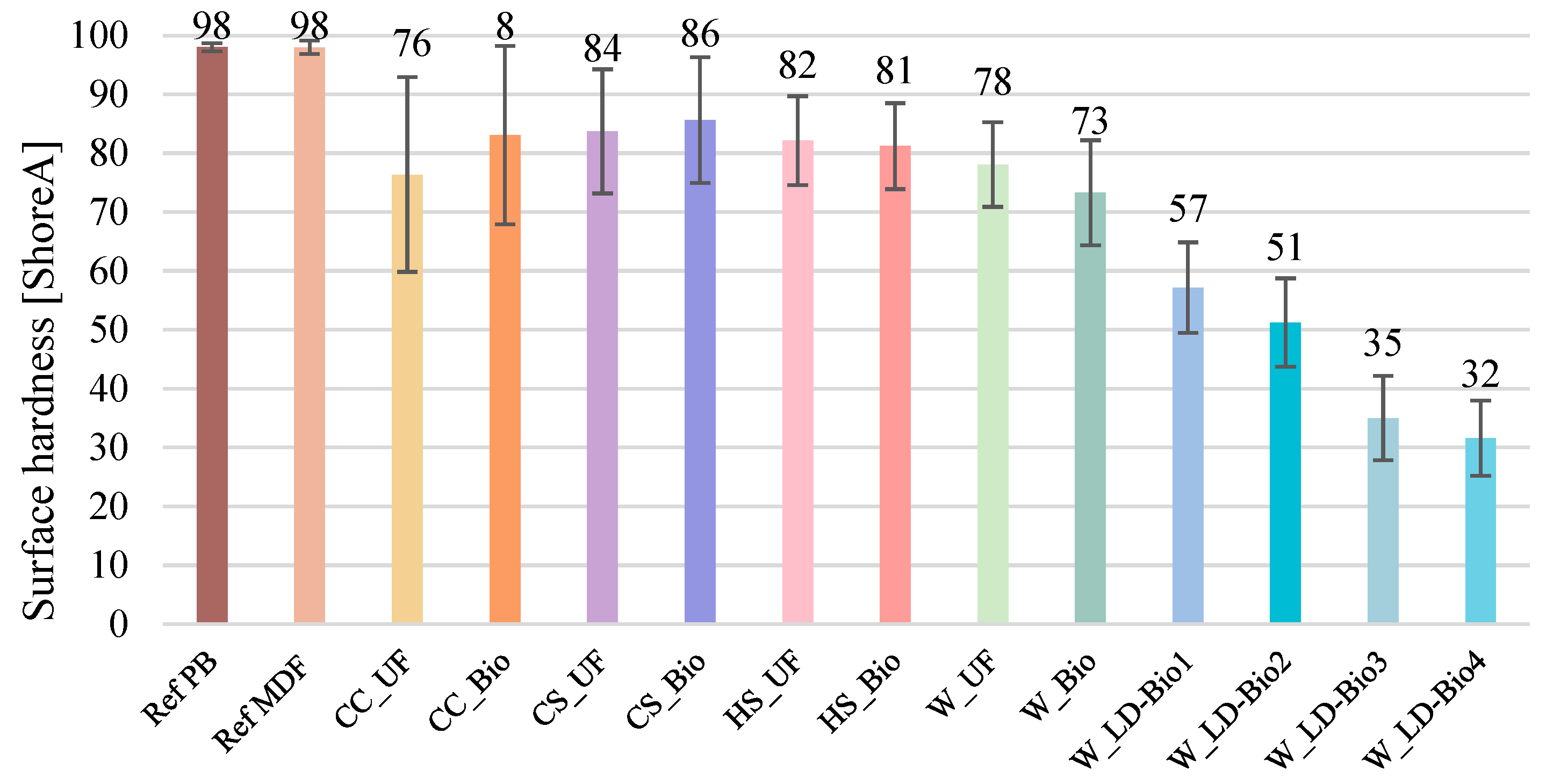
Surface hardness was characterized to evaluate bio-board resistance to localized indentation, a critical factor for materials intended for wall cladding. The results obtained using a Shore A durometer (0–100 scale) for all formulations are presented in
Figure 6. To ensure methodological consistency and allow for a direct comparison between the low and medium-density experimental boards and the commercial references, the Shore A scale was maintained for all measurements.
As illustrated in
Figure 6, the commercial reference boards, Ref PB and Ref MDF, recorded the highest values at 98 Shore A, for both boards. However, it is important to note that these values are almost at the upper limit of the equipment’s scale, which may reduce measurement sensitivity for such high-density boards. Regarding the agro-forestry boards, the hardness values ranged from 73 to 86 Shore A, and the type of adhesive (UF vs. Bio) generally had little influence on this property. For instance, corn cob boards (CC) registered 76 and 83 Shore A for UF and Bio adhesive, respectively, while corn stalk bio-boards (CS series) showed results ranging from 84 to 86 Shore A for UF- and tannin-based adhesives, respectively. Interestingly, the corn-based boards exhibited slightly higher hardness than the wood-fibre boards (Wood-UF: 78 Shore A; Wood-Bio: 73 Shore A), suggesting that the specific morphology and compaction of corn residues seem to provide a robust resistance to surface penetration.
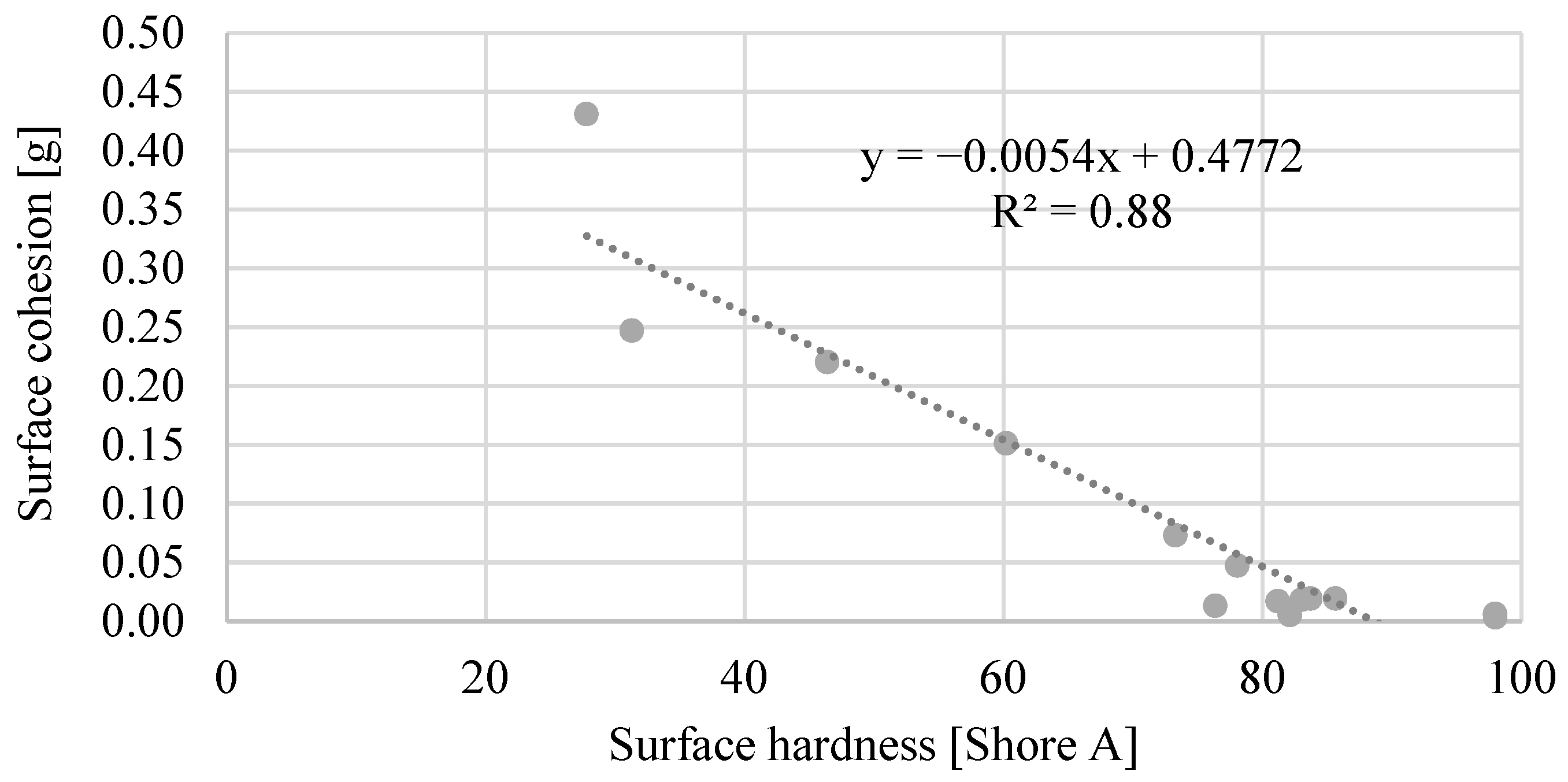
Conversely, the Wood_LD-Bio series exhibited a significant decline in surface hardness, with values ranging from 32 to 57 Shore A. This downward trend highlights the strong positive relationship between apparent density and indentation resistance: as the material density decreases, its surface hardness follows a proportional reduction. This behaviour is attributed to the lower compactness and probably higher void volume of the lightweight bio-boards, which reduces the composite’s ability to resist the penetration by the durometer indenter. Furthermore, a direct correlation was observed between hardness and surface cohesion (see
Figure 7), where higher hardness values typically correspond to better surface integrity and reduced particle detachment.
In a comparative context, the results for corn bio-boards (76–83 Shore A) were significantly higher than those reported by Cardoso et al. [
24], who recorded values between 22 and 74 Shore A for boards with similar residues. This discrepancy is likely justified by the higher apparent densities achieved in this study. Additionally, when compared to earth-based plasters [
14], which range from 67 to 89 Shore A, the majority of the developed bio-boards register comparable or superior performance. This indicates that these bio-boards are well-suited to interior lining applications from a surface hardness perspective, offering a mechanical resistance similar to that of traditional earth-based composites.
3.4. Impact Resistance
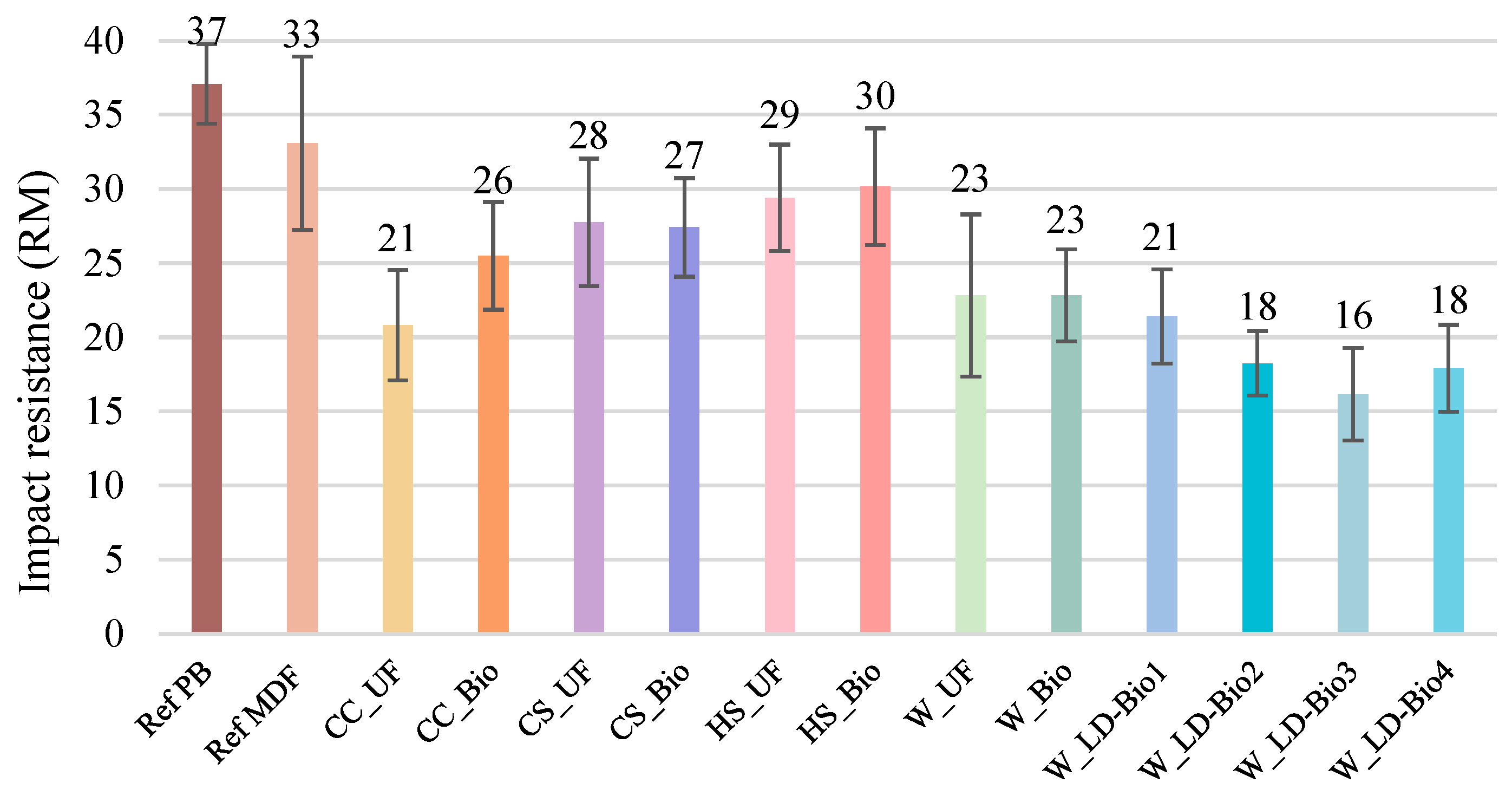
The surface impact resistance, expressed by the rebound index (RM), was evaluated to understand the material’s ability to absorb and redirect energy from localized impacts. The mean values are presented in
Figure 8.
As observed in the previous mechanical characterizations, the commercial reference boards (Ref PB and Ref MDF) exhibited the highest impact resistance, recording 37 RM and 33 RM, respectively. This superior performance is consistent with their high density and industrial compaction, which create a rigid surface capable of efficiently rebounding the sclerometre internal hammer. Regarding the experimental agro-forestry bio-boards, RM values ranged between 21 and 30. A noteworthy trend was observed from hemp-based boards, which appeared to offer the highest impact resistance among the bio-based residues, reaching 29 RM (UF) and 30 RM (Bio). Conversely, corn cob and wood-fibre panels registered slightly lower values, with the lowest resistance observed in the CC-UF formulation (21 RM). Interestingly, the type of adhesive system (urea–formaldehyde vs. tannin-based) did not induce significant variations in impact response, suggesting that the agro-forestry nature and physical arrangement of the particles are the primary factors governing energy dissipation in these composites.
The Wood_LD-Bio series, characterized by significantly lower apparent densities, recorded the lowest RM values in the study, ranging from 16 to 21 RM. This substantial reduction highlights a direct correlation between impact resistance and the composite’s internal structure. The lower compactness and suspect higher porosity of these lightweight boards likely lead to a “dampening” effect, where the composite absorbs the hammer’s energy through localized deformation of the air-filled pores rather than rebounding it.
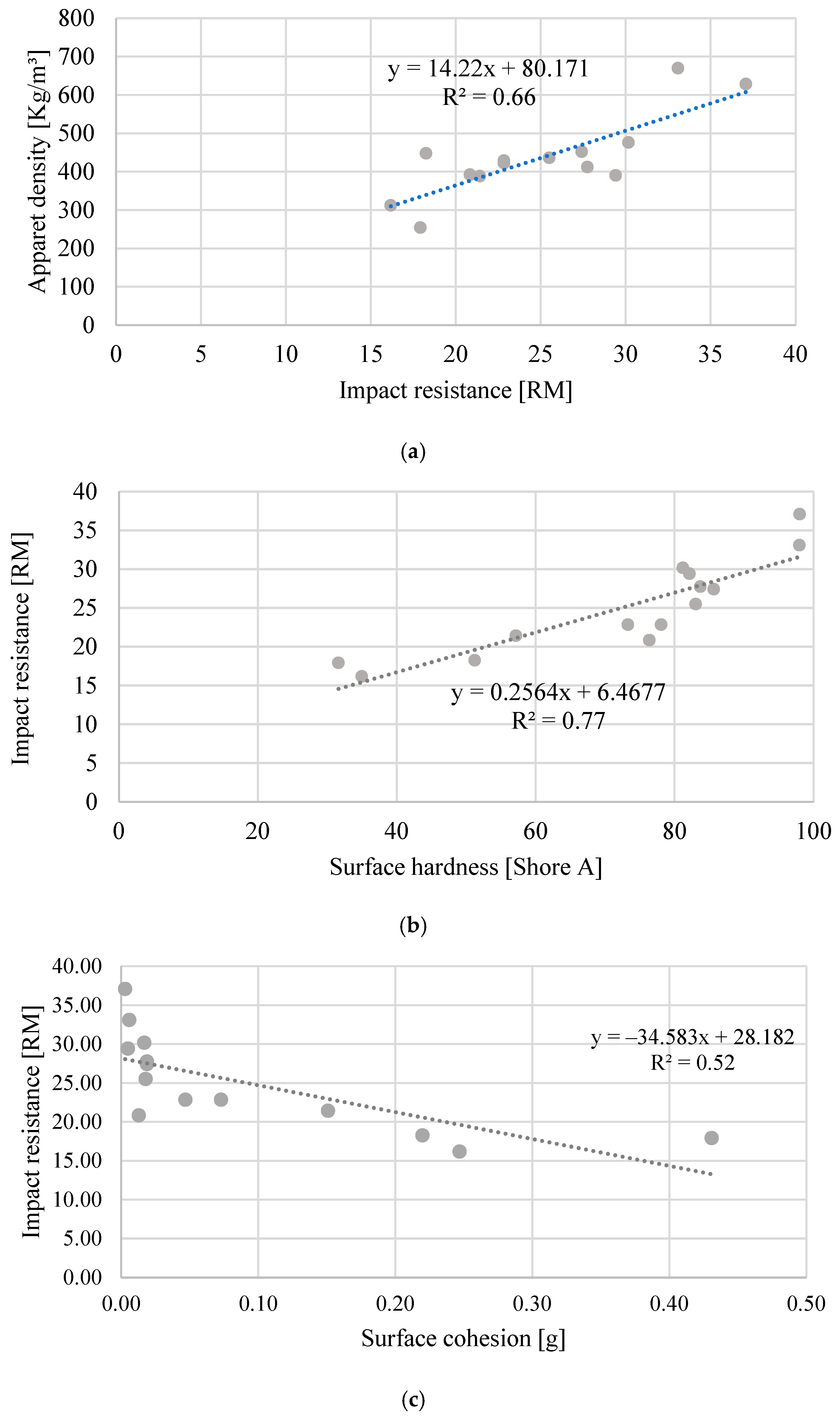
Analysis of the experimental data reveals a strong interconnection between the mechanical properties. A positive correlation was identified between apparent density and impact resistance (R
2 = 0.66;
Figure 9a), confirming that a higher mass volume enhances surface stiffness. Furthermore, a robust relationship was observed between surface cohesion and the rebound index (R
2 = 0.77;
Figure 9b), indicating that boards with higher indentation resistance are also more capable or resisting dynamic impacts.
A moderate correlation was also noticed between impact resistance and surface cohesion (R
2 = 0.52;
Figure 9c), reinforcing the conclusion that the physical–mechanical integrity of the board surface seems to be a multi-dependent phenomenon. These findings suggest that while low-density boards may be more susceptible to surface damage from impacts, the medium-density agro-forestry formulations provide a resilient surface suitable for interior cladding applications.
3.5. Water Absorption and Thickness Swelling
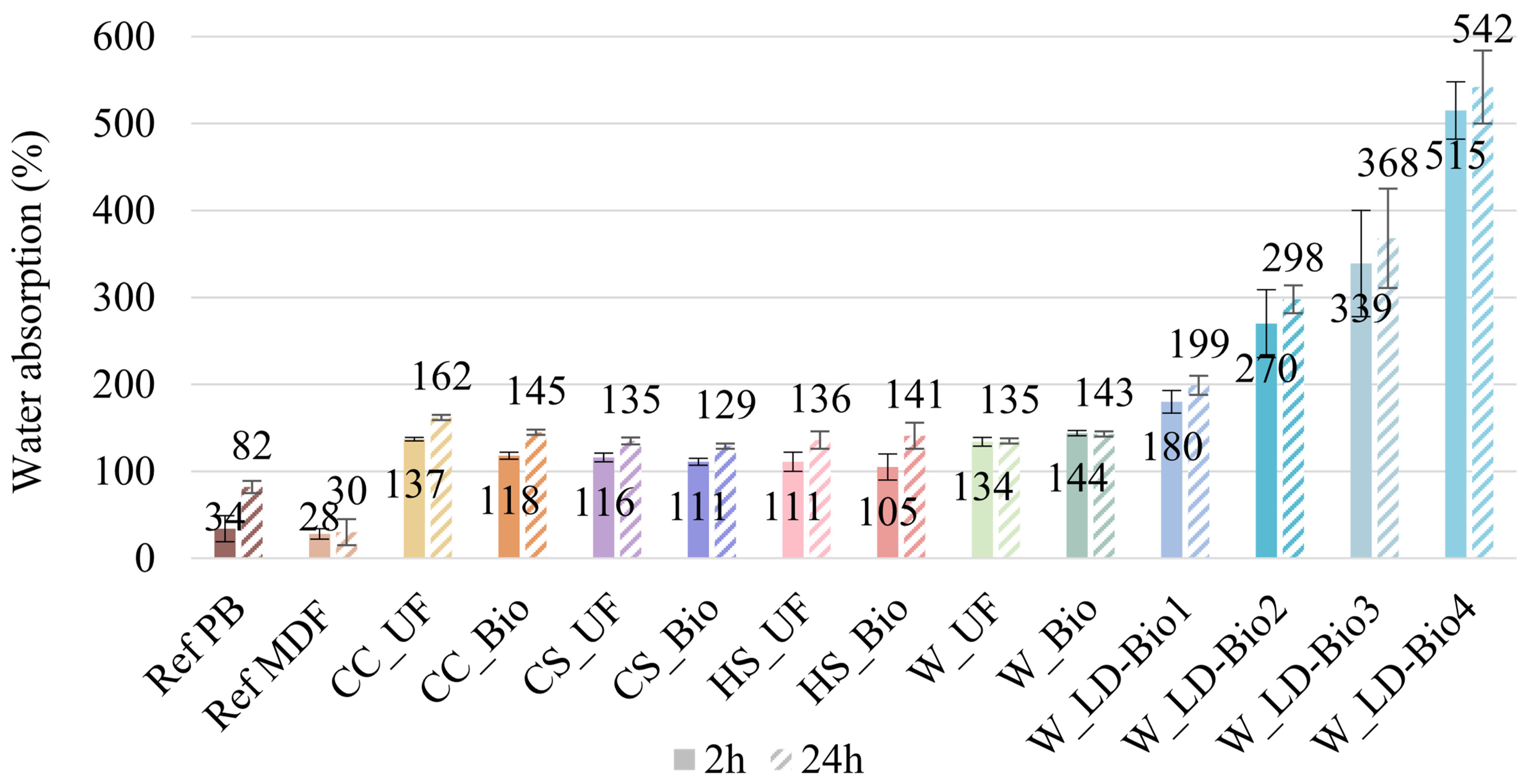
The physical behaviour of the bio-boards under total immersion was evaluated to determine their hygroscopic performance and dimensional stability. The results for water absorption (
WA) after 2 h and 24 h are illustrated in
Figure 10.
As illustrated, the commercial reference boards (Ref PB and Ref MDF) had the lowest water uptake, with WA values ranging from 28% to 34% at 2 h, and from 30% to 82% at 24 h. In contrast, all of the bio-boards showed significantly higher sensitivity to water. In the 2 h period, the agro-forestry bio-boards recorded WA values between 105% (HS-Bio) and 144% (W_Bio), while the low-density series (W_LD-Bio) showed extreme values, reaching up to 515% for the W_LD-Bio4 formulation. This high hygroscopicity is directly linked to the porous nature of the biomass and the lower compactness of the composite matrices, facilitating rapid capillary filling.
Regarding the adhesive system, a distinct trend was observed, where bio-boards bonded with UF generally exhibited higher water absorption values than their tannin-based counterparts. For instance, at 24 h, the CC-UF boards showed 162%
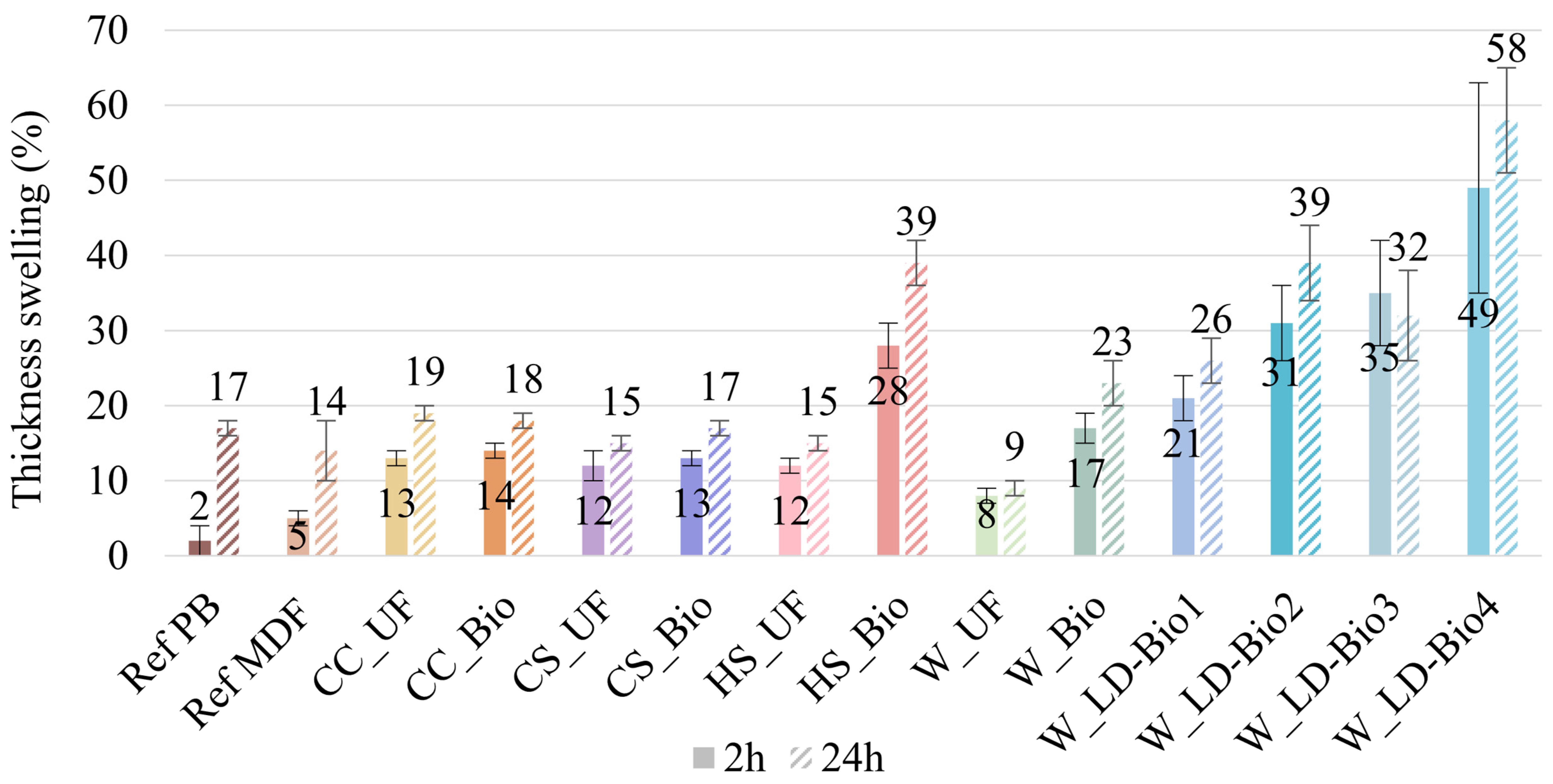
WA compared to 145% for the bio version. Despite their higher mass uptake in UF-bonded boards, the thickness swelling (
TS) results (
Figure 11) reveal a superior dimensional stability for the synthetic adhesive.
This discrepancy between higher water mass uptake (WA) in UF boards and higher expansion (TS) in bio-boards suggests different degradation pathways. While the UF network allows for capillary filling, its robust three-dimensional structure provides high resistance against the internal pressure exerted by the swelling fibres. Conversely, the tannin-based matrix, despite absorbing less water in some instances (e.g., CC-Bio), experiences a more rapid degradation of interfacial bonding between fibres due to its higher solubility and moisture sensitivity, leading to an irreversible loss of matrix structural integrity.
While reference boards remained stable (2–5% at 2 h), experimental boards recorded
TS values mostly between 12% and 28%. The corn stalk (CS) boards demonstrated the highest consistency, with
TS values from 12% to 17%, remaining relatively stable between the 2 h and 24 h marks. These results are particularly favourable when compared to the study by Astari et al. [
10], who reported
TS values of up to 80% when using similar corn-based materials. The results obtained for corn stalk are more aligned with the performance of sugar cane fibre boards studied by Fiorelli [
29], which presented values between 6% and 8%.
However, the instability of the W_LD-Bio series and the HS_Bio boards, which reached TS values of 39% to 58% at 24 h, confirms that the degradation of the tannin-based adhesive has a severe impact on the internal network. Even when water absorption was not the highest, the swelling of the fibres and the potential hydrolysis of the bio-adhesive allowed for significant thickness expansion.
This underlying mechanism most probably relates to the chemical nature of condensed tannins. As natural polyphenols, tannins possess a high density of hydrophilic hydroxyl groups, which, if not fully cross-linked during the thermo-pressing process, remain available to form hydrogen bonds with water molecules. This triggers a hydrolytic degradation of the adhesive matrix, leading to the gradual leaching of non-reacted fractions.
From a microstructural perspective, the lower concentration of reactive solids in natural adhesives compared to the highly controlled synthetic UF adhesives may also result in a less dense adhesive film. This lower cross-linking density, combined with the intrinsic solubility of tannin molecules in liquid water, facilitates the “wash-out” effect of the adhesive. As the non-reacted tannin fractions dissolve in water, they most probably leave behind internal voids that further encourage water penetration and hinder recovery of the original dimensions after drying.
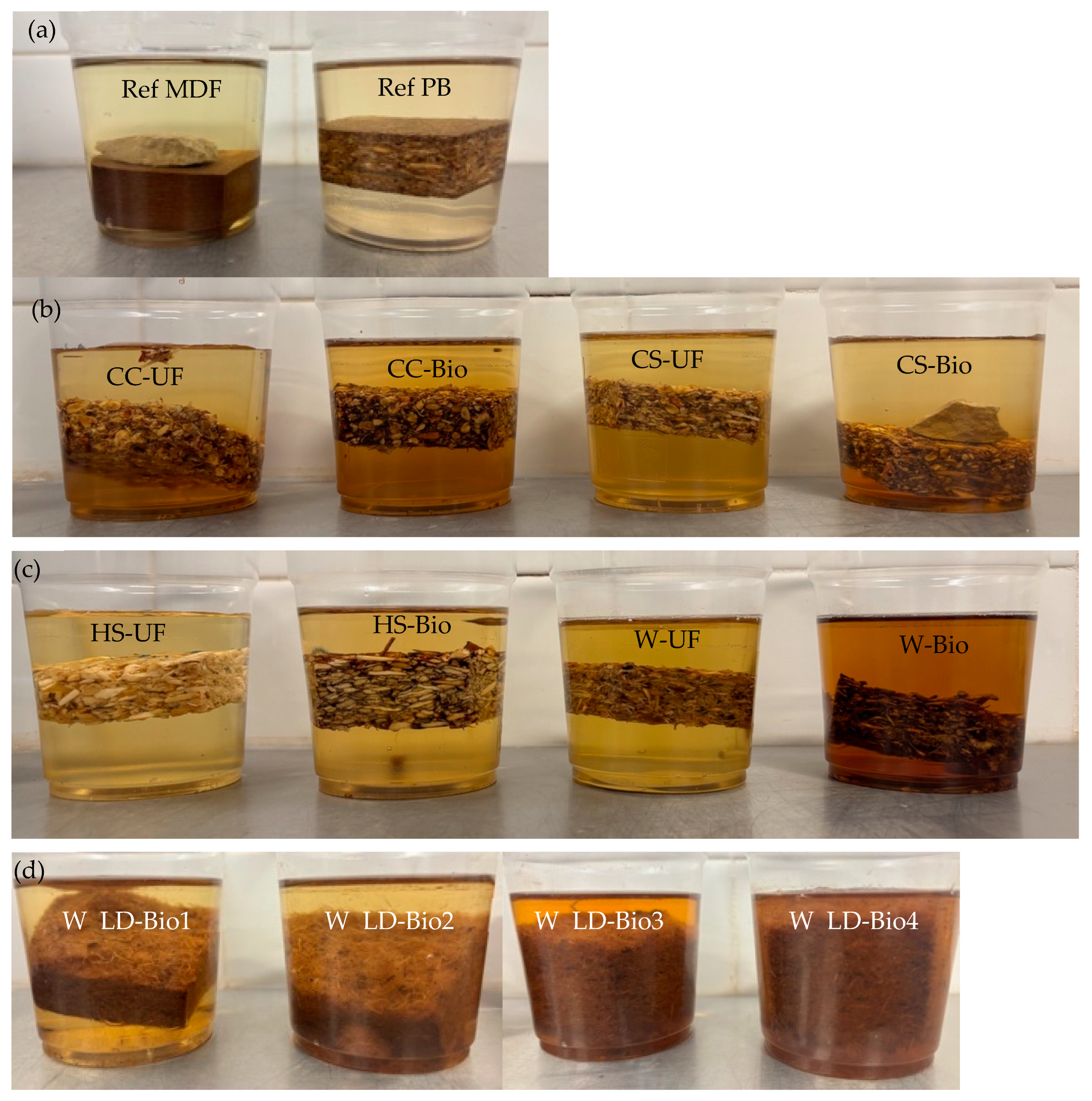
Finally, a qualitative assessment of the immersion water revealed a distinct yellow/brownish coloration in all the containers (
Figure 12a–d), but more significantly in those containing tannin-bonded samples.
While the commercial references showed no major visual differences between them (
Figure 12a), likely due to their hybrid adhesive systems, the experimental boards displayed distinct leaching patterns. In corn-based boards (
Figure 12b), a more intense yellow-to-orange hue was observed, particularly in the CC-Bio and CS-Bio samples. Regarding the third group (
Figure 12c), while hemp shive boards showed a subtle increase in yellowness for the Bio version, the most striking contrast was recorded in the wood-fibre specimens, where W-UF produced a light-yellow leachate, whereas W-Bio resulted in a dark orange colouration. Lastly, the low-density wood-fibre series exhibited a uniformly dark tonal profile across all samples (
Figure 12d), suggesting a high release of extractives and tannins into the water, which is consistent with the lower compactness and density recorded for these specimens.
This leaching effect suggests a partial dissolution of the natural tannin polymer when in direct contact with liquid water, which compromises the integrity of the adhesive bond. This phenomenon is consistent with the findings of Mamatha et al. [
30] and Czarnecki et al. [
31], who observed that synthetic adhesives tend to be more insoluble, providing superior resistance to hydrolytic degradation compared to natural adhesives.
Quantitatively, the analytical gap between the two systems is evident: bio-boards presented TS values that were, on average, 2.5 to 3 times higher than those of their UF counterparts. While the difference in water absorption was often within a ±15% margin, the disparity in thickness swelling (often exceeding a 100% increase in Bio-series) confirms that the limiting factor for tannin-based composites is not the water entry itself, but rather the chemical stability of the saturated bond. These numerical trends highlight the need for future research into bio-based hydrophobic additives to stabilize the polyphenolic matrix.
3.6. Cyclic Behaviour Under Partial Immersion
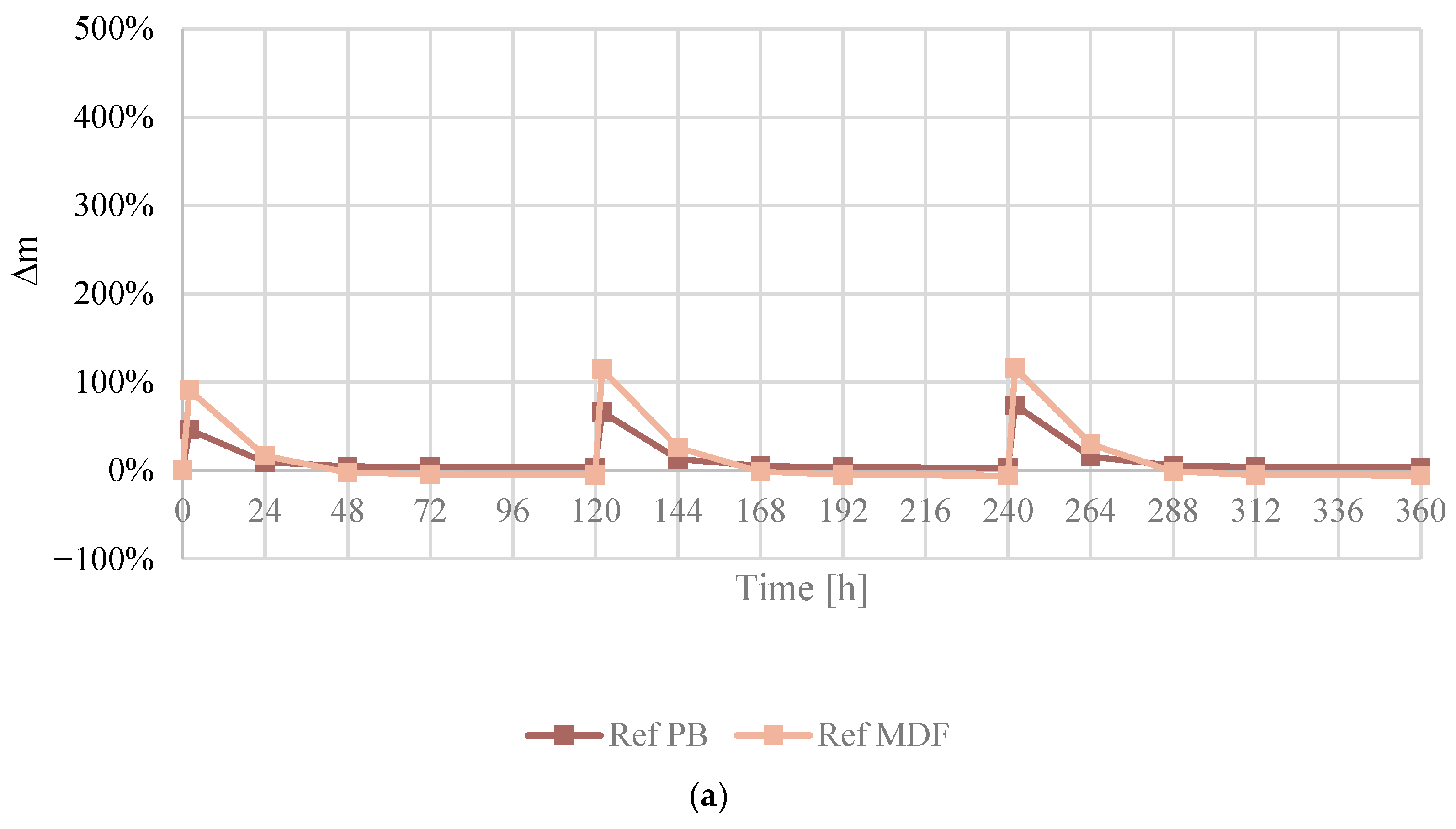
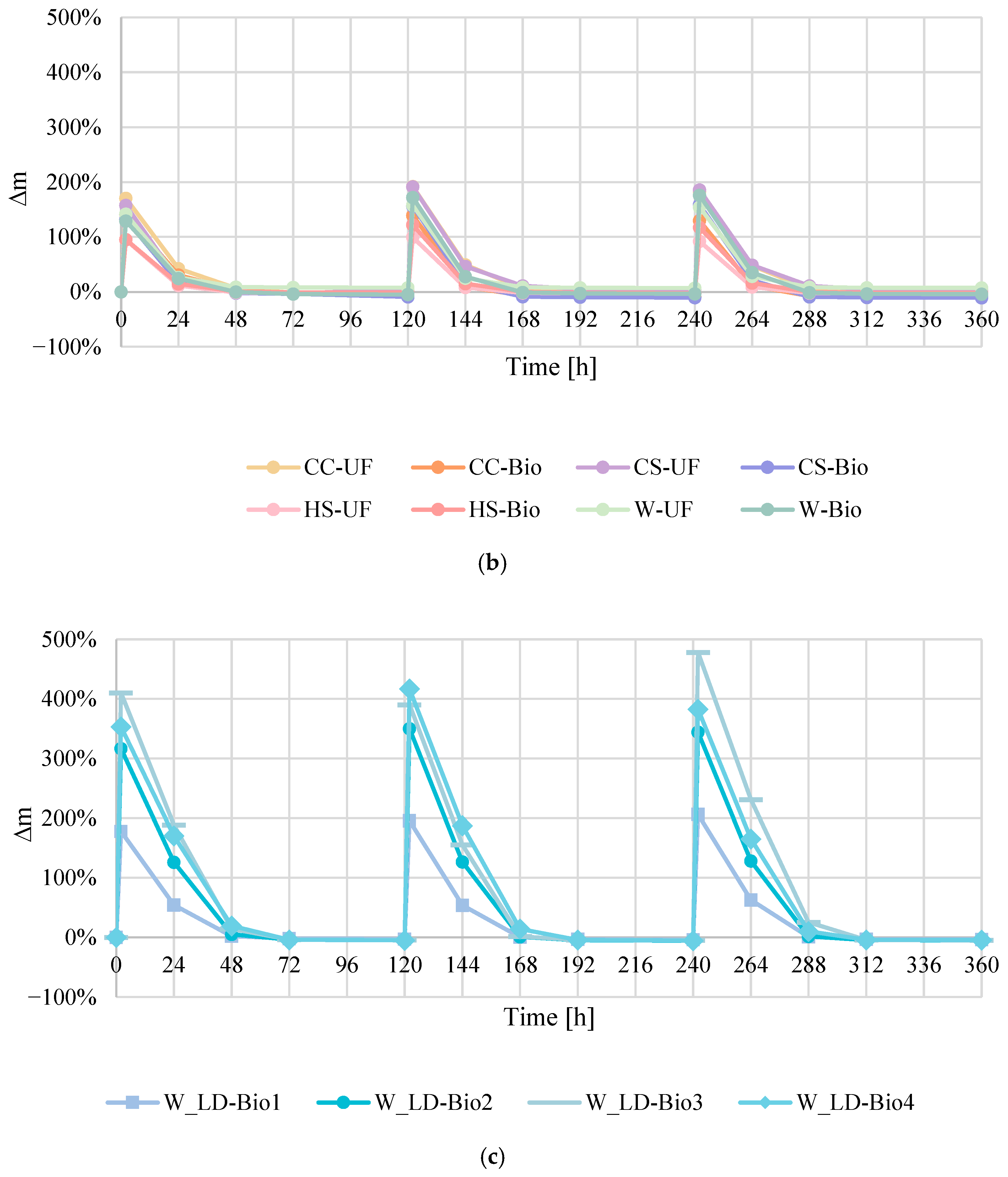
The durability and hygroscopic resilience of the bio-boards were evaluated through a simplified three-cycle partial immersion protocol. This test monitors the material’s response to direct contact with liquid water and its ability to recover after drying under laboratory conditions. The relative mass variation (Δ
m) for the commercial references, agro-forestry formulations, and low-density bio-boards is illustrated in
Figure 13a–c.
Analysis of the initial absorption peaks (t = 2 h) indicates that the apparent density of the bio-boards plays a critical role in absorption kinetics. The low-density series (W_LD-Bio) exhibited an accelerated uptake, reaching mass variations of between 178% and 410% in the first cycle, effectively saturating the internal pore structure and consuming the 5 mm water layer within the first hour. In contrast, the reference boards and agro-forestry formulations showed a more controlled capillary rise, reflecting a more impactful internal network that limits rapid water ingress.
A critical observation in this study is the occurrence of negative mass variation at the end of the drying phases (e.g., CC-Bio and CS-Bio reaching −9% and −11%, respectively, at t = 360 h). While the commercial references (PB and MDF) tended to stabilize near their initial mass, the bio-based boards ended the cycles with a significantly lower mass than their starting point. The loss of mass provides quantitative evidence of leaching and hydrolytic degradation. The direct contact with liquid water most probably promotes the partial dissolution of the natural tannin-based adhesive and the release of the biomass particles.
This behaviour aligns with the leaching observed in the total immersion test (
Section 3.5) and confirms the sensitivity of these natural adhesives to moisture, also identified by Mamatha et al. [
30]. The visual and manual assessment of the specimens after the third cycle (
t = 360 h) further supports these findings. The UF formulations remained structurally stable and less brittle than the tannin-based counterparts. Among the agro-forestry residues, the hemp shive (HS) boards demonstrated the highest cyclic resilience, with the lowest mass fluctuations, with pikes between 92% and 122%, also with no visible signs of delamination.
Conversely, the W-Bio and Wood_LD-Bio4 formulations exhibited the most severe degradation, with clear surface erosion and a significant loss of internal cohesion by the end of the experiment. This fragility is a direct consequence of the adhesive’s dissolution, which compromises the bond between the wood fibres. These results suggest that, while the medium-density corn stalk and hemp boards are viable for interior cladding, the lightweight wood-fibre formulations are unsuitable for exposed surfaces due to their high moisture sensitivity.
3.7. Global Statistical Synthesis
To synthesize the relative performance of tannin-based boards, a global analysis was conducted on the ratios between the experimental formulations and their respective benchmarks (UF for agro-residues and W-UF for low-density boards) (
Table 2). Analyzing these ratios and their corresponding percentage variations enables deeper correlations to be drawn between the biomass type, density, and adhesive performance.
The numerical analysis reveals a remarkable finding regarding the surface integrity of the boards. The mimosa tannin adhesive demonstrated high mechanical compatibility with all biomass types, with Shore A hardness ratios consistently remaining near (0.94 to 1.09). This suggests that the bio-matrix provides a surface resistance comparable to that of synthetic UF adhesives. Even more significantly, the superficial cohesion ratios reached exceptionally high values, particularly for the hemp shive and low-density series (with ratios of up to 3.40 and 9.17, respectively). This suggests that the tannin-based adhesive, likely due to its specific viscosity and curing kinetics, creates a more robust surface film than the conventional UF adhesive. This “shell effect” appears to effectively bond the diverse anatomical structures of the residues, even when the internal compaction is significantly reduced.
However, the durability results highlight a clear uncoupling between water mass uptake and dimensional expansion. While the water absorption of the agro-forestry residues remained nearly identical to the UF references (with variations between −10% and +6%), the thickness swelling (TS) increased substantially for wood and hemp shive, with increments between 113% and 160%. This disparity confirms that the primary challenge lies not in the permeability of the board’s structure, but in the hydrolytic stability of the tannin-bonded lines. Once the hygroscopic fibres reach saturation, the tannin matrix will most probably lack the rigid three-dimensional network required to resist internal swelling pressures, leading to the observed dimensional instability.
These mechanisms are further exacerbated in the low-density series (W_Ld-Bio). The combination of high porosity and the natural sensitivity of the bio-adhesive led to critical expansion ratios, with thickness swelling reaching up to 544% higher than the wood-UF reference. This confirms that, although the tannin adhesive is highly efficient at binding surface fibres and maintaining mechanical integrity under dry conditions, it requires further stabilization when used in low-density composites to mitigate its vulnerability to moisture. Overall, these results establish the bio-boards as a highly competitive composite for indoor applications where mechanical surface quality is prioritized over water resistance.