


Abstract
Water temperature is a key ecological and metabolic factor in rivers and other continental systems, and thermal pollution caused by anthropogenic activities (dams, discharges, urban stormwater, industrial cooling) alters the natural thermal regime of rivers, modifying the structure and functioning of communities (primary producers, macroinvertebrates and fish) and favouring thermophilic and often invasive species. Wastewater treatment plants (WWTPs) generate and discharge excess heat: their effluents are often several degrees above the temperature of the receiving river, which increases the metabolism of communities, favours eutrophication and can intensify the effects of nutrients and toxic pollutants. This excess heat from wastewater is a major renewable energy resource that can be recovered using heat pumps, both in buildings and in the treatment plants themselves, as well as in district heating networks, reducing the demand for fossil fuels and CO2 emissions. Heat recovery in WWTPs, especially from treated effluent connected to district networks, offers very high technical potential (tens of TWh per year on a national scale in some countries) and can contribute significantly to more sustainable urban energy systems. Heat recovery in WWTPs can minimize the thermal impact of effluents on receiving rivers, reducing the negative effects of discharges on the natural environment.
1. Introduction
In December 2018, wastewater was officially recognized by the European Union as a renewable energy source, and heat recovery from it can be included in efforts to reduce greenhouse gas emissions [1]. Given that Wastewater Treatment Plants (WWTPs) are able to generate enormous heat excess, there is a margin to couple wastewater infrastructure to increase energy efficiency at the system level, to allow energy solutions to heat, to integrate volatile renewable electricity and, thus, to promote a sustainable energetic transition and a cleaner production [2].
The main relevant flows suitable for thermal recovery in a wastewater treatment plant can be identified, and each has distinct physical and energy characteristics, which determine the following recovery strategies: energy can be recovered from the raw influent, biological reactors, treated effluent, digestion reject streams and sludge (both raw and digested). However, in this study we are interested in the energy at the end of the process, as this is what can directly alter the temperature of the receiving river.
The temperature range at which anaerobic digestion occurs in the treatment process affects the recoverable energy, with a distinction being made between mesophilic digestion (≈35–37 °C) and thermophilic digestion (typically ≈55 °C) [3]. Although the thermophilic process ‘consumes’ more heat to operate at high temperatures, it also ‘produces’ more recoverable energy; in many cases, the net energy balance can be comparable or even favourable if the biogas and heat from the digestate are utilised effectively. In the context of our discussion, the effluent typically has temperatures higher than the ambient temperature because of the release of biological heat and constitutes a preferred source for recovery via heat pumps and other technologies; however, the exact temperature ranges of the effluent vary widely and depend heavily on climate, plant design and load [4,5].
Although some experience has already been reported in this area [6] the use of heat from wastewater is a relatively new concept in the field of renewable energy [7,8]. It could be said that the difference in temperature between a wastewater effluent―however highly treated it may be―and the receiving river is telling us about wasted heat energy that has also become a pollutant.
In general, when discussing heat recovery from water with excess heat, the focus is purely on energy utilization. Some analyse the possibility of heat recovery from residential buildings to WWTPs [9] from both technical and economic perspectives. Others focus on WWTPs from the same energy and economic perspective [10,11,12,13,14,15]. Finally, other case studies address the impacts of thermal discharges from WWTPs on receiving rivers [16,17,18,19,20,21], but we are not aware of any review that focuses on heat recovery at WWTP outlets and the use of this technology to reduce the environmental impact on receiving rivers. Kordana-Obuch et al. [22] recently conducted a bibliometric review on heat recovery throughout wastewater systems, and we have not found anything in their review that is similar to our approach. In our review, we aim to integrate this use into the context of minimizing environmental impacts, in which the use of thermal energy also serves to minimize the thermal impact of discharge from wastewater treatment plants, without ignoring other impacts that this type of discharge has on water quality.
A methodological section (Appendix A) has been included at the end of the document, describing how the literature search was conducted.
2. Importance of Temperature as an Ecological and Metabolic Factor
2.1. Temperature and Ecological Niche
Temperature is among the most significant environmental factors in relation to the physical, chemical, and biological processes that occur in inland waters [23,24] and, consequently, has a major influence on the biological success of fish and other aquatic organisms [25,26,27]. A general overview of the effects of warming on rivers, including an analysis of their ecological response and loss of resilience, was presented by Johnson et al. [28]. The relative importance of thermal emission impacts was found to be more relevant for the aquatic ecosystems of the Aare and Rhine Rivers than other stressors, such as chemicals and nutrients [29].
Under natural conditions, the temperature of continental waters ranges from −2 °C to almost 100 °C, and no organism can live across the entire range. In the Earth’s temperate zone, the temperature of continental waters normally varies between 0 °C and 25 °C, reaching 30 °C in tropical rivers [30] and 40 °C in rivers in hot desert areas [31]. The temperatures above occur only naturally in volcanic waters and hot springs [32]. Most aquatic organisms have little physiological control over their body temperature (they are poikilothermic organisms), so their metabolism is conditioned by the temperature of the water they inhabit. Some aquatic species can only live within a narrow range of temperature fluctuations (stenotherms), whereas others have a greater tolerance to thermal fluctuations (eurytherms). Most aquatic organisms live between 0 °C and 37 °C, although others can thrive in colder (−2 °C, marine notothenioid fish [33]) and warmer waters, such as some fish (e.g., Cyprinodon julimes, which can withstand temperatures of 44 °C and, eventually, up to 46 °C [34], among others [35]), and invertebrates (e.g., Thermosphaeroma subequalum, which can withstand temperatures of 45 °C [36]). Above 60 °C, only prokaryotic organisms are present, and only cyanobacteria can carry out aerobic photosynthesis under these conditions, with 73 °C being the maximum limit for any type of photosynthesis [37]. Above that temperature, only chemosynthetic organisms can thrive. Numerous thermophilic bacteria that inhabit hot springs such as those in Yellowstone have optimum temperatures in the range of 65 to 75 °C. In marine environments, where pressure allows for a high boiling point, some hyperthermophilic bacteria living in extreme environments have been isolated above 110 °C [37,38].
2.2. Water Treatment Temperature
Heat increases the activity rates of most chemical and physical processes, and organismal respiration increases with temperature within the temperature tolerance range of an organism [39]. Temperature can influence biological reactions in two ways: by influencing the rates of enzyme-catalysed reactions and by affecting the rate of substrate diffusion into cells [40]. Within the thermal range of microorganism function, most reaction rate coefficients increase as temperature increases, but eventually decrease as heat begins to inactivate cellular enzymes and denature other critical proteins and cellular structures within cells [38].
The cellular retention time, hydraulic residence time, redox conditions, temperature, concentration and acclimatization of the sludge used, as well as the technology employed, are common operating parameters in a WWTP and can significantly influence the treatment process [41].
Wastewater from homes arrives at a higher temperature than would be expected without the influence of domestic use, and this favours its biological treatment. In fact, reducing the temperature of the water in wastewater collectors could negatively affect its treatment or, at the very least, slow the work of the WWTPs [42]. However, WWTPs can release heat (e.g., nitrification and denitrification processes are exothermic). An example of the contribution to the heat balance of different elements in a WWTP in Rotterdam, Netherlands, is shown in Figure 1 [43].
Figure 1.
Contribution to the energy balance of a SHARON® reactor at the Dokhaven WWTP in Rotterdam (reproduced with permission from Loosdrecht [43]).
3. Water Temperature and Climate Change
Many studies predict the impact of climate change on the temperature of inland waters [44,45] and, by extension, on the organisms that inhabit them [46,47,48,49,50].
Air temperature has tended to increase worldwide over the past century, and has become more pronounced since the early 1970s [51,52]. The IPCC’s Sixth Assessment Report (AR6) [52] predicts that widespread air temperature increases will continue throughout the 21st century. Using the IPCC Fourth Assessment Report (AR) SRES A2 scenario [53,54], Van Vliet et al. [45] predict that this increase will affect river temperatures by between 0.8 °C and 1.6 °C for the period 2071–2100 relative to the period 1971–2000. These changes are expected to be larger under the most pessimistic scenarios of the Sixth Assessment Report. They predict that the greatest increases will occur in the United States of America, Europe, eastern China, and parts of southern Africa and Australia.
Groundwater temperature is also affected by the temperature increases predicted by the IPCC models. Under a medium-severity scenario, groundwater at the depth of the water table (excluding permafrost) is estimated to have warmed by an average of 2.1 °C between 2000 and 2100, with the lowest warming rates occurring in mountainous regions such as the Andes and the Rocky Mountains [55].
Because of temperature increases, aquatic ecosystems have already experienced global water temperature changes (e.g., Australia [56], North America [57], Europe [58], and Asia [59]). This warming is exacerbated by reduced flow in many rivers, as has been shown by several authors [60,61]. Rivers with low base flows are more sensitive to warming [62]. Consequently, climate change will increase the impacts on aquatic ecosystems [63,64,65,66,67] and on habitat availability for many fish species because of increased temperatures and reduced flow rates [68,69,70]. Van Vliet et al. [45] predicted mean flow reductions in the range of 25–50% at southern and central latitudes in Europe (at the top of the range in the south, and at the bottom of the range at central latitudes, including the British Isles) and increases between 0% and 25% in the Scandinavian Peninsula, which could increase to 50% inland. However, it should not be forgotten that the climate scenarios used by these authors are more benign than the most recent ones from the IPCC Sixth Assessment Report [52].
4. Thermal Pollution
Caissie [24] defines thermal pollution as a reduction in water quality caused by temperature changes in natural water bodies as a result of anthropogenic activities. The causes of anthropogenic temperature alteration in natural water bodies can be grouped into: (i) deforestation and afforestation, (ii) damming of running water, and (iii) effluent discharge, including cooling systems for energy and industrial plants.
Deforestation has been observed to cause extreme elevations in water temperature in diverse biomes: temperature increases of up to 6 °C have been observed in the Amazon Basin [71] and 7 °C in Oregon (USA) [72], among many others (see the review of Moore & col. [73]). On the other hand, the afforestation of basins and riverbanks can induce temperature reductions in running water [74,75]. Damming implies the accumulation of water in reservoirs that reduces night–day oscillations because of the strong thermal inertia of the large, accumulated water mass (Figure 2). The mass of water influences its own thermal stability, as heat capacity is a function of specific heat and mass [76]. This means that a larger body of water (a river or a larger lake) is more thermally stable than a smaller one. Below 30 °C (the approximate temperature at which specific heat is at its minimum), the lower the temperature, the greater the specific heat and, consequently, for the same mass, the greater the heat capacity. Logically, these effects are in turn influenced by the ratio of the increase in surface area exposed to the atmosphere relative to the increase in mass [77]. A direct consequence of reservoirs is an alteration in the discharge temperature of the drainage water, which can undergo very significant cooling and heating with respect to the natural thermal regime, causing disturbances in the biological communities located downstream of the discharge [78,79,80,81,82,83]. Direct thermal pollution can occur when the water mass is used to cool a system (factories, power plants [84,85,86]) or as a receptor of warmer wastewater effluent [87]. Table 1 summarizes some studies showing the longitudinal effect of thermal discharge on the temperature of receiving rivers. Urban stormwater is another factor of thermal pollution―that is assimilable to thermal discharge, as it is typically warmer than expected because of its circulation through the city [88,89]. With a lower density than the receiving water body, the contribution of heated water discharged into another water body causes density currents, which are particularly noticeable at the free surface and in the upper layers of the water, where it gives rise to a thermal plume [90]. After the heated water from the effluent and the river water has completely mixed, the change in water temperature depends solely on heat exchange with the environment. Heat exchange with the riverbed and banks can also be considered [90], which is negligible in most cases, as it is very small compared with the value of the heat exchange between the water surface and the atmosphere. However, when the heated water effluent is discharged near or on the riverbank, it can have a significant value [91].
Figure 2.
(a) Aerial view of the El Pardo Dam (Madrid, Spain; capacity: 43 hm3; maximum depth: 35 m); (b) orthophoto of the reservoir; (c) orthophoto of the reach of the Manzanares River in which the thermograph was deployed (red dot: exact location of the thermograph, 800 m downstream of the El Pardo Dam); (d) daily fluctuation in water temperature in the Manzanares River at the thermograph location. The temperature was recorded every hour using a HOBO Pendant MX 2201 Water Temperature Data Logger (Onset Computer Corporation, Bourne, Massachusetts, USA) (Own data). Daily temperature variations are very constant because of the strong thermal inertia of the water mass that makes up the El Pardo Reservoir. (Orthophotos obtained from the National Geographic Institute -IGN-; photograph of the dam obtained from the Tagus Hydrographic Confederation -CHT-).
Table 1.
Alteration of the temperature with respect to that of the receiving mass of the outflow.
Temperature alterations can strongly influence aquatic ecosystems, since most aquatic organisms tolerate only a relatively narrow temperature range (e.g., [92,93,94,95]). The consequences of warming on aquatic species range from minimal effects to lethal effects [29,96], although acclimatisation can occur, allowing animals to survive at temperatures somewhat higher than they normally would. However, aquatic plants are more resistant to high temperatures [84]. Not only the value of the recorded temperature but also the moment of the phenological cycle in which it occurs, is important since its fundamental phases can be altered (such as spawning [97] or hatching [46]). Direct effects include the aforementioned metabolic and reproductive alterations and, under extreme conditions, death due to damage to the nervous system [98,99].
5. Observed and Potential Thermal Impact of WWTP Effluents on Receiving Rivers
WWTP discharge alters the natural conditions of receiving water bodies, affecting their physicochemical and biological characteristics and, consequently, the metabolism of the receiving environment [100]. The thermal impact on receiving rivers can be significant and varies seasonally [21]. Wilson & Worrall [11] reported that, on average, wastewater effluent was 2.2 °C warmer than receiving river water, which can increase the temperature of the river. Such a thermal difference was also related to secondary and tertiary treatments in the WWTPs: compared with the Secondary Biological treatment (SB), Secondary Activated Sludge treatment (SAS) has a negative effect on stream temperature. On the other hand, compared with the Tertiary Biological treatment (TB), Tertiary Activated Sludge treatment (TAS) has a positive effect on stream temperature. The thermal influence of a discharge can range from a few hundred metres to several kilometres downstream, depending on factors such as the temperature difference, the ratio between the discharged flow and the receptor, the flow velocity, the turbulence of the mixture, the morphology of the channel, and environmental conditions (ambient temperature, solar radiation, wind).
Sewage effluent from WWTPs resulted in elevated metabolic rates in receiving fluvial systems. Zhang & Chadwick [101] reported that the eutrophication caused by WWPT is promoted jointly by nutrient supply and water temperature. When assessing the effects of alterations in the thermal regime, it is more useful to know the temperatures that organisms prefer and those they avoid than the temperatures that are lethal to them. However, both critical and lethal temperatures are only indicative of thermal impacts on aquatic ecosystems, since these impacts generally take place in streams with fluctuating temperature regimes, in contrast to the constant temperatures at which the tests for their assessment are conducted. Furthermore, in this case, the indirect effects can be far more significant than those directly caused by changes in temperature regimes that alter the aquatic environment and modify both the physical and biological habitats. Thus, in the first case, the alteration of water viscosity must be highlighted, which causes changes in the river substrate (an essential element of the benthic and interstitial habitats that are required by most aquatic species), as it affects the transport–sedimentation balance of solids. Temperature also controls the evaporation rate, and the saturation point of dissolved gases and solids, thereby influencing the concentration of vital elements and substances (such as oxygen and nutrients) and/or toxins in the water. High water temperatures may alter the toxicity of nutrients such as ammonia [102] and pesticides [103,104]. When an oxygen deficit occurs in water, the maximum lethal temperatures of several fish species decrease [105]. The dissolved oxygen concentration of a vegetated river is strongly related to its thermal regime and flow conditions [106]. In general, in polluted waters, an increase in temperature reduces the survival period of fish exposed to lethal doses. The indirect effects on the biological component can also be significant, as they affect all the trophic levels of the ecosystem. At each level, the metabolism, growth, and reproduction of populations are altered, which in turn affects all their interactions (competition, predation, and parasitism), which are frequently the regulatory mechanisms of the entire ecosystem.
5.1. Effects on Primary Producers
Primary producers in rivers are represented by periphyton, phytoplankton, and macrophytes. Increased water temperature generally corresponds to an increase in the biomass of these organisms and in primary production. Maximum algal growth occurs at different temperatures, depending on the species [107,108]. These maximum growth rates can generally be summarized as follows [109] (Table 2):
Table 2.
Temperature range of maximum growth [109].
Therefore, a temperature increase generally leads to the disappearance of the most demanding cold-water species and their replacement in the community, or an increase in abundance, by more thermophilic species. Above 30–32 °C, any further temperature increase led to a decrease in algal diversity, resulting in a tendency for the community to be dominated by cyanobacteria.
Studies on thermal pollution produced by power plants have shown that moderate temperature increases (2–5 °C) generally stimulate primary production between spring and autumn [110,111], although more pronounced increases or high temperatures in summer often result in photosynthetic inhibition and phytoplankton mortality [110]. The underlying mechanisms include direct thermal effects on metabolic rates and photosynthetic efficiency, as well as indirect effects mediated by changes in thermal stratification, nutrient availability, herbivory pressure, and dissolved oxygen budgets. The average annual primary production in a thermal power plant whose temperature increased by an average of 6.3 °C resulted in a 27% increase in annual primary production [112]. However, aerobic and anaerobic processes, as well as the balance between respiration and production, depend not only on the effluent but also on the characteristics of the receiving river.
The temperature increase induced by WWTP discharge, which is particularly pronounced during winter [20], can amplify the effects of nutrient enrichment by accelerating metabolic rates. However, studies suggest that compared with primary production, warming increases respiration more rapidly [113]. In WWTP discharges, the interaction between elevated temperature and nutrient load can intensify the proliferation of phytoplankton and benthic algae, alter species composition by favouring cyanobacteria and tolerant taxa, and shift the metabolic balance of the ecosystem toward heterotrophic conditions [114,115]. Yang et al. [21] reported increases of 84% in phosphate and 19% in nitrate in receiving rivers, which can translate into substantial increases in primary production when other factors (light, temperature, residence time) are favourable. However, this subsidy effect can be modulated or counteracted by stress factors associated with discharge, including trace contaminant toxicity, high turbidity, or inhibitory concentrations of ammonium [116].
The effects on the species composition of phytoplankton communities are equally important as the effects on total biomass. WWTP discharge favours species that are tolerant to eutrophication and degraded water quality conditions [117] and may promote the development of potentially toxic cyanobacteria [118]. These changes in species composition have implications for water quality, trophic network structure, and the provision of ecosystem services. Furthermore, the level of wastewater treatment is critical in determining the magnitude of the impacts. Tertiary treatment, which includes specific nutrient removal processes, is significantly more effective than secondary treatment at reducing nitrogen and phosphorus loads [21]. However, even with tertiary treatment, effluents contain residual amounts of nutrients and organic matter that can have detectable ecological effects, especially in rivers with low dilution capacity.
Nevertheless, the dilution capacity of the receiving river, which is determined by its flow rate, emerges as the main factor modulating the effects of discharge. The effects are typically more pronounced during periods of low flow, when the dilution capacity is reduced and the hydraulic residence time is prolonged [119]. It is therefore important to know the annual flow regimes of both the discharger and the receiver. Dilution of both, nutrients and heat excess, is important, where applicable, as the combined effect of these two factors increases the metabolism of the receiving environment and, ultimately, affects the aquatic community both qualitatively and quantitatively.
5.2. Effects on Macroinvertebrates
Water temperature is among the most fundamental abiotic factors that structure macroinvertebrate communities in lotic ecosystems, influencing their physiological processes, metabolic rates, ontogenetic development, behaviour, and survival [120], and these communities are particularly sensitive to temperature variations because of their ectothermic nature and life cycles, which are closely synchronized with seasonal temperature regimes [107,121,122,123,124]. In addition, rising temperatures can amplify the toxic effects of chemical pollutants on aquatic macroinvertebrates, as has been demonstrated in numerous studies (e.g., [104,125,126,127]). This relationship between temperature and the biology and ecology of macroinvertebrates has been extensively studied because of the potential effects of global warming on their populations and communities; thus, making inferences about the effects of thermal discharge from these studies is primarily a question of scale.
The growth of macroinvertebrate species (especially the most thermophilic ones) increases with increasing temperature, provided that there is sufficient food in the aquatic environment. There is clear evidence that macroinvertebrates develop higher feeding rates at higher temperatures, but they may experience reduced body size at maturity, altered reproductive phenology, and even an unbalanced sex ratio [128]. If the temperature increase is significant, feeding activity may cease long before lethal temperatures are reached, thus halting growth. Thus, although rising temperatures increase macrobenthic growth, their reproductive potential is reduced by the production of relatively small adults.
Macroinvertebrates can be classified according to their thermal preferences into categories ranging from cold stenotherms (narrow range, low temperatures) to eurytherms (wide range) [129]. At the community level, warming can lead to species replacement, with psychrophilic taxa being displaced by thermophilic species [130,131]. Thermal tolerance studies have identified families that are particularly sensitive to warming, including Paramelitidae, Notonemouridae, Teloganodidae and Philopotamidae, as well as moderately sensitive families such as Palaemonidae, Heptageniidae, Leptophlebiidae, Corydalidae and Aeshnidae [120]. The maximum water temperature explains up to 29% of the variability in the Ephemeroptera, Plecoptera, Trichoptera and Coleoptera communities in small and medium-sized rivers [124]. In the United Kingdom, an analysis of more than 2300 rivers over 21 years revealed that long-term changes in taxon prevalence correlated with sensitivity to pollution and flow, although short-term (<2 years) thermal effects were evident [132]. Worthington et al. [133] reported that in the Severn River, the abundance and richness of the macroinvertebrate community decreased more than 0.5 km downstream below a discharge of 4.5 °C above ambient temperature. The abundances of Musculium lacustre, Simulium reptans, and Orthocladiinae were greater at the unheated control site, whereas more pollution-tolerant species such as Asellus aquaticus and Erpobdella octoculata were more abundant in the thermally impacted reaches. In parallel to the decline in psychrophilic species, warming facilitates the emergence and colonization of limnophilic and thermophilic taxa. In the Loire River, the expansion of invasive species such as Corbicula sp., an Asian bivalve that is tolerant to high temperatures, has been observed [130]. Pander et al. [134] specifically examined the effects of thermal variability on native versus nonnative gammarid species and reported differential responses that favour nonnative species under altered thermal regimes. In lowland rivers with hydromorphological degradation, the increase in temperature contributed to a 150% increase in the total abundance of macroinvertebrates, as well as in the abundance and richness of sediment-dwelling and nonnative taxa, in which case the increase was as high as 235% [135].
The effects of warming on taxonomic richness are complex and context dependent. In the thermal manipulation experiment by Hogg et al. [128], no significant changes in taxonomic richness were detected despite reductions in density. However, predictive models for the Spanish Mediterranean area indicate drastic reductions in taxon richness under scenarios of thermal increase, with 65.96% of taxa inhabiting medium-high elevations experiencing contractions in their distribution area [136]. On the other hand, in Finland, Mustonen et al. [137] modelled increases in taxonomic richness, particularly in the north, which is consistent with northwards shifts in the distributions of many species and the replacement of others. Other examples of structural changes in communities can be found, for example, in Li et al. [138] and Fruget et al. [139]. All these changes can give rise to other functional changes, affecting the base of aquatic food webs, with cascading consequences for consumers, including macroinvertebrates. Rising temperatures and increased primary production, mainly in the form of phytoplankton, will lead to functional changes in the macroinvertebrate community: grazing and shredding organisms will give way to a community dominated by collectors, in an environment where the P:R (production versus respiration) ratio will be shifted towards respiration [140]. In this environment, invasive species may find conditions favourable for proliferation.
5.3. Effects on Fish
As in the case of macroinvertebrates, fish are ectothermic organisms in which the internal temperature and the temperature of the surrounding environment are closely linked, directly affecting metabolic processes and growth expectations [141,142,143,144]. In addition to growth inhibition, temperature increases can cause pathological crises in fish (susceptibility to contaminants [145] and infections [146,147,148]). There is a direct, curvilinear relationship between oxygen consumption at rest in fish and ambient temperature [149]; for example, a tropical fish at a temperature of 30 °C needs approximately six times more oxygen than a polar fish at 0 °C does [150]. Heat stress also triggers a cascade of physiological responses, including the activation of the hypothalamic-pituitary-adrenal axis, the production of heat shock proteins (HSPs), changes in oxidative metabolism, and alterations in ionic balance. These responses, although initially adaptive, can become harmful when stress is chronic or when the organism’s acclimatization capacity is exceeded [151,152]. Pregler et al. [153] reported that temperature variation can generate interspecific synchrony but spatial asynchrony in the survival of freshwater fish communities, with implications for the regional stability of populations. Moreover, the discharge of thermal water into cold water (or the release of cold water into warm bodies of water) attracts certain fish species, especially during autumn and winter, leading to concentrations and migrations that differ from natural patterns [123,154]. Réalis-Doyelle et al. [155] reported differential mortality depending on the development temperature of brown trout embryos and fry. Sessions et al. [156] reported that the heat shock response exhibits plasticity in lake whitefish embryos (Coregonus clupeaformis) exposed to repeated heat stress, suggesting acclimatization ability at the molecular level. Pandey [152] documented concurrent changes in thermal tolerance thresholds and cellular responses to thermal stress, revealing new molecular signatures and markers of acclimatization to high temperatures in rainbow trout. Through its impact on feeding efficiency and body condition, temperature can also affect competitive interactions in invasive and native freshwater benthivorous fish [157]. Coulter et al. [158] documented species-specific effects of subdiurnal temperature fluctuations on consumption, growth, and stress responses in two physiologically similar fish species. Other physiological functions that may be affected by temperature include protein metabolism [138,159]; osmoregulation [160]; the timing of reproduction [161]; cardiac function [162,163]; gene expression [164,165]; blood and reproductive maturation [166]; fish behaviour [167,168]; and other haematological, physiological, gene expression and behavioural variables [169]. Lukšienė et al. [170] reported that high temperature thermal effluent areas negatively influence the gametogenesis of the female perch Perca fluviatilis, roach Rutilus rutilus and pike Esox lucius, resulting in reduced reproductive capacity. In experiments with brown trout, warming increased damage to sperm and reduced oocyte fertility, as well as causing asynchrony in maturation in the most extreme scenario [171].
Few fish species inhabit water with temperatures exceeding 30 °C. Stenothermic species do not tolerate oscillations greater than 8–10 °C. In temperate waters, most species are eurythermal, although their optimal temperature range varies with the season and stage of development [172]. There are also lethal temperatures, which as an example are set out below, such as the maximum temperatures of some species (Table 3), although this also depends on the populations, water quality, exposure time and the acclimatisation temperature:
Table 3.
Lethal temperatures of several fish species [105].
In summary, at the individual level, warming reduces thermal safety margins, increases physiological stress and can cause direct mortality when critical thresholds are exceeded. At the population and community level, warming can cause changes in the distribution, composition and structure of fish communities. Physiological and even behavioural acclimatisation may help fish to survive, but the decline in their competitive ability―linked to a reduction in their functional capacity (such as their ability to swim away from predators or to feed [173])―can become an insurmountable disadvantage when faced with competitors better adapted to the new conditions, which would ultimately alter the community.
5.4. Effects of Warming on River Communities
The response of a river’s biological community to rising water temperatures depends largely on its composition. If species are highly sensitive to thermal changes, and if they have a stenotic thermal spectrum, their impact will be much greater. Species adapted to cold waters (cryophilic) are replaced by thermophilic species as rivers warm up, becoming confined to colder headwater sections until they may eventually disappear. However, some species may benefit from warming including invasive species (e.g., [174,175,176]).
In general, compared with communities with low diversity, well-structured communities with high diversity are more strongly affected. In mountain rivers, water temperature and flow regimes are strongly linked to climatic seasonality, and therefore naturally fluctuate considerably. Conversely, in the lower reaches of rivers, the water originates from a relatively large area where the heterogeneous characteristics of the headwaters and tributaries mix, resulting in much smoother temperature and flow regimes downstream. River communities, throughout their evolution, have adapted their life strategy to these types of fluctuations, and therefore are distributed along the river following a continuous altitudinal gradient, or zonation [177], whose different compositions, structures and functions indicate different responses to different environmental conditions [140]. The effects of temperature can range from very local to very widespread, and the severity of their consequences for the receiving system will depend on the specific circumstances.
6. Wastewater Temperature Recovery
Thermal energy can be recovered with high efficiency from the source in the buildings where it is generated [178] or in wastewater treatment plants [179]. The potential for recoverable thermal energy from wastewater is much greater than the chemical energy contained in it [180]. In general, wastewater treatment involves increasing the water temperature to increase biodegradation. Ideally, the energy from treated wastewater can be used in the WWTP itself, e.g., for heating the digester tank or for low-temperature sludge drying. Both applications allow the energy of wastewater to be harnessed at a temperature level that is attractive for heat pumps [181].
Wastewater effluents are typically warmer than the rivers to which they are discharged. Excess thermal energy could be recovered, minimizing the thermal impact on the receiving river. Wilson and Worral’s [11] analysis using data from England for the period 2000–2019 revealed that effluent temperatures were on average 2.2 °C higher than receiving river temperatures, with a corresponding annual heat recovery potential of ∼18.3 TW h that could meet ∼3.6% of the UK heat demand. The temperature of the raw wastewater (wastewater that has completed treatment before leaving the facility) was on average 1.5 °C higher than the effluent temperature, implying that an additional ∼12.5 TW h is lost annually during treatment before discharge. In the same study, the greatest difference in temperature between the effluent and rivers and between the raw wastewater and effluent occurred during the autumn and winter months, indicating that the highest seasonal heat recovery potential coincides with the highest heat demand. The temperature difference between the effluents and rivers increased at an average rate of ~0.03 °C per year between 2000 and 2019. Wastewater treatment plants (WWTPs) discharge continuously and are located near human settlements, which account for most of the heat demand. Therefore, heat can be recovered and, in addition, the environmental impact on rivers can be reduced. Furthermore, Neugebauer et al. [10] calculated that in Austria alone, wastewater treatment plants can provide 40% of the installed thermal capacity in district heating networks without resorting to combined energy sources.
There are already numerous examples of heat recovery from wastewater in Switzerland, Finland, Norway, Sweden, Canada, Japan, and so forth [11]. The first WWTP with a heat recovery system was in Obermeilen (Switzerland) and was built in 1975 [182].
The first heat recovery plant in a Japanese WWTP was built in Tokyo in 1987 to serve its administrative buildings [183]. The authors report that the heat energy lost in the sewage system of the Tokyo metropolitan district is equivalent to the energy consumed by 400,000 homes for heating and cooling, which suggests the potential for energy recovery. Another major project was carried out in Sapporo, where recovered heat energy was reused to melt snow on the streets [183]. Mikkonen et al. [184] estimated the recoverable heat energy from wastewater in Sweden at 720 GW h per year for each degree of temperature recovery. The use of heat pump technology could also increase the overall efficiency of the heat recovery system by providing cooling energy during the summer season [178]. Lingsten and Lundkvist [185] quantify the consumption of water and sewage services in Sweden at 1.3 TW h of electricity and approximately 0.5 TW h of other energy sources, excluding the energy content of the chemicals used in water treatment. WWTPs are the largest electricity consumer at 630 GW h, with aeration consuming 24% of the electricity. In turn, the WWTPs produce approximately 0.6 TW h of biogas and approximately 2.5 TW h of thermal energy. Đurđević et al. [186] modelled wastewater utilization in the city of Rijeka, Croatia. The case study site had an operating WWTP with a capacity of 540,000 population equivalents and 3000 L/s of effluent water at full load. On the basis of the considered water flow rate and a temperature decrease of 6.5 °C, a heat recovery potential of 75 MW was obtained, which was 72% of the capacity of the existing natural gas plant.
The energy potential of treated wastewater is much greater than that of raw wastewater. This is because, downstream of the wastewater treatment plant, the wastewater can be cooled much more than upstream―up to 8 °C. For aquatic fauna, such cooling of the wastewater is even desirable. Unfortunately, the high energy potential of treated wastewater cannot be utilized in many locations because wastewater treatment plants are located outside residential areas, where heating is unavailable [181].
Ideally, the energy from treated wastewater can be used within the WWTP itself, either for heating the digester tank or for low-temperature sludge drying. Both applications allow the energy of wastewater to be harnessed at a temperature level that is attractive to heat pumps. However, there are few examples of the internal use of wastewater heat in WWTPs. This is because many wastewater treatment plants have large amounts of waste heat available from the use of waste gases in combined heat and power units. In the future, this idea could attract increasing interest if larger wastewater treatment plants increasingly condition their waste gas to meet natural gas quality standards and thus be able to feed it into the public gas grid [181].
In Switzerland, in 2008, 20 WWTPs externally utilized heat from treated wastewater [181]. A distinction can be made between two heat supply systems: cold and hot district heating. In the former, treated wastewater is extracted from the wastewater treatment plant outlet and pumped through a “cold” main pipeline to the consumer. Heat generation using heat pumps occurs decentrally. After heat extraction, the cooled wastewater is returned to the wastewater treatment plant or discharged directly into a receiving stream or river. In the case of the “hot” district heating system, usable heat is generated centrally at the wastewater treatment plant or in a neighbouring building. In the case of the Swiss capital, the wastewater treatment plant is designed for approximately 350,000 residents. It has a heat recovery potential of more than 30 MW from treated wastewater. Part of this potential (1400 kW) is used in the heating system of the neighbouring Bremgarten district. The Bremgarten Cooperative sells a total of 5 GWh of heat per year. Approximately 60% of this heat comes from wastewater. Owing to the significant difference in height between the wastewater treatment plant and heat users, the network is divided into three sections with intermediate heat exchangers. The measured annual coefficient of performance of the wastewater heat pump system (including network pumps) is 3.0 [181].
Other notable examples include Mokravica (Poland), Gaobeidian (China) and As-Samra (Jordan). In the case of Mokrawica, recovery estimates from various points within the WWTP showed average power outputs of 309–451 kW and winter minimums of 58–68 kW at certain locations within the plant [14]. With respect to the influence of climate, the analysis of recoverable power by plant location quantified average and winter minimum ranges, which is useful for designing heat pump recovery systems [14]. At the Gaobeidian WWTP, a full-scale case is illustrated in which the energy recovery system already in place achieved 268,788 MWh/year against a consumption of 280,717 MWh/year, and it was estimated that an increase in the recovery of waste heat from the effluent could increase the energy neutralisation ratio to over 500% in extreme scenarios. This is an example of a plant that has almost achieved energy neutrality because of integrated energy recovery and utilisation; the results of this study demonstrate the synergistic effect of waste heat recovery and biogas on the overall balance [187]. The As-Samra case is of particular interest because it concerns a plant located in a hot climate [188]. The ORC integration analysis and economic evaluation revealed that an optimal ORC installation of ~412 kWe was viable with specific NPV and LCOE figures for that context, illustrating how technological implementation and energy analysis depend on the local operational profile. The main sources of waste heat identified at the As-Samra WWTP are the exhaust gases from the combustion process and the circulating water in the generator jackets. This heat can be utilised in various applications, such as power generation, cooling and water desalination. The implementation of WHR systems in WWTPs is crucial because of the significant amount of heat generated during the treatment process. If this heat is not recovered and then utilised, it is lost to the environment, resulting in the inefficient use of energy resources. Heat recovery can improve overall energy efficiency, reduce reliance on external energy sources and decrease the environmental footprint by minimising waste heat emissions. Recovered heat can be used to maintain optimal temperatures in anaerobic sludge digestion, provide heat for space heating within WWTP facilities, preheat water for various processes, and drive systems such as the Organic Rankine Cycle (ORC) to generate additional electricity [188].
To determine the thermal recovery potential at a specific WWTP, it is essential to have local measurements of temperatures, flow rates and regulatory constraints; the cases cited demonstrate processes and magnitudes but do not allow for the generalisation of universal thermal ranges without local data [13,14,187,189,190].
7. The Normative Matter
From a regulatory point of view, when the case of the European Union is analysed, the use of waste heat from WWTP effluents has not yet been given much consideration. RED III [1] places the recovery of thermal energy from WWTP effluent in a grey area. This Directive distinguishes between “waste heat”, which is recognized only when it is discharged into a district heating network, and “ambient energy”, which explicitly includes the heat contained in surface water and sewage water, allowing thermal energy extracted from wastewater already integrated into the sanitation system to be classified as renewable. As Holzleitner-Senck et al. reported [191], this distinction leads to paradoxical results: the direct and efficient recovery of heat from WWTP effluent using a dedicated circuit and heat pumps―without passing through a district network―may fall outside the legal categories of waste heat and renewable energy, while the recovery of the same thermal flow a few metres downstream, already in the collector, could be considered renewable ambient energy for the purposes of RED III targets. This would allow heat recovery from treated water to fall within the definition of waste heat in RED III but more as a kind of semantic loophole than as a matter of substance. Consequently, consideration should be given to revising the definition of waste heat in RED III to explicitly include the use of heat from treated wastewater, regardless of whether it is used in district networks or direct supply schemes, in line with the principles of energy efficiency and decarbonization that inspire both RED III and the Energy Efficiency Directive. In the case of the U.S., we have not found a federal definition of waste heat applicable to WWTPs, although incentives under the United States Code may be applicable. 42 U.S.C. § 6343 [192].
The examples shown make it clear that heat recovery is technically and economically viable. However, this is an area that still needs to be explored in greater depth, as few steps have been taken thus far and more proactivity is required on the part of the agents involved (energy and environmental agencies, water managers). An appropriate regulatory framework must be created that goes beyond political intentions alone (as is the case with other sources of self-generated renewable energy). Economic viability must be studied on a case-by-case basis, as in many cases, it is a question of scale (affordable in large facilities where recovery is significant), or in certain cases, this option must be treated strictly as an environmental correction measure regardless of its economic profitability.
8. Final Discussion
Experience has shown that wastewater heat pumps operate efficiently. Primary energy consumption relative to the useful energy produced is much lower than that of traditional heating and cooling systems. Compared with a condensing gas heater, a wastewater heat pump (with a peak-load boiler) uses 10% less primary energy, and 23% less primary energy than an oil heater. Furthermore, compared with other heat pump systems (groundwater and geothermal probes), wastewater systems perform well. This is because the heat source has favourable temperatures year-round. When properly planned and optimally operated, wastewater systems achieve high annual coefficients of performance. The highest value measured in Switzerland at a facility in Basel is greater than 7 [181], and the CO2 footprint is reduced by 78% compared with that of an oil heating system.
Recovering heat energy from WWTP effluent has advantages over recovering wastewater closer to its source, before it enters the WWTP [8,193]: (i) flow rate and temperature variations are typically small and predictable, which improves system management [16]; (ii) the use of treated wastewater reduces equipment fouling and clogging; and (iii) it has no negative effects on biological wastewater treatment [194]. Moreover, although heat energy is lost on its way through the sewer network [195], the exothermic biological processes occurring in wastewater treatment plants also increase its temperature. Recovered heat can be used internally at WWTPs, but the amount often exceeds internal heat requirements, and it is feasible to deliver the excess heat to a local district heating system, if it exists.
In 2005, thermal energy utilization through heat pumps was estimated to produce 22% of the CO2 emissions produced by an oil-fired plant and 35% of those produced by a gas-fired plant [196]. The efficiency of heat recovery technology is constantly evolving; thus, these figures are expected to improve. Furthermore, although further development is needed, thermal energy can be stored in thermal accumulators, using materials with suitable thermodynamic properties to capture the heat produced [197].
One issue of concern is the heat loss between the recovery station and the end user. Neugebauer et al. [10] highlighted the importance of the spatial proximity of heat recovery locations for potential users. Factors to consider include the number of operating hours and thermal losses due to heat transport [198]. These contributions have provided useful insights into the impact of temporal and spatial variations on the performance of heat recovery systems.
Spriet et al. [2] proposed a three-step methodology to ensure the optimal use of the thermal energy at hand, which includes an energy analysis at the wastewater treatment plant, a spatiotemporal analysis of supply and demand in areas of potential supply, and an integrated analysis, superimposing the supply and demand profiles. These authors concluded that wastewater constitutes a suitable energy source to supply baseloads, but the spatiotemporal patterns reveal that both periods of excess wastewater heating potential and periods requiring additional heating will occur in bivalent systems. Therefore, the urban and regional spatial grid, the mix of land uses and their density largely affect the design and usable quantity of this renewable energy source. Finally, the use of wastewater energy provides viable and valuable contributions to sustainable urban energy supply systems and cleaner production if the electricity sources for the respective heat pump systems are renewable and guarantee low- to zero-emission operation.
For obvious operational reasons, natural temperature fluctuations throughout the day cannot be accurately replicated in the effluent; therefore, working with a deviation of ±1 °C from the average daily temperature of the receiving body at the time of discharge seems, a priori, more than acceptable. It is also important to adjust heat production to actual heat demand, and together these considerations should promote the development of integrated models that jointly address energy production and impact minimisation. The possibility of generating automatic models that integrate real-time data on influent and effluent temperatures and energy requirements now seems feasible given the available technology and the processing capabilities of artificial intelligence.
To assess the suitability of a heat recovery strategy in wastewater treatment plants and ensure its correct implementation, we propose a procedure (Figure 3) that begins with an energy analysis of the treatment plants and a spatio-temporal analysis of energy supply and demand. This should be followed by an analysis of the impact of thermal discharges and a spatio-temporal assessment of the river system’s tolerance margins to temperature changes, culminating in an integrated analysis for the optimal use of thermal energy and the minimisation of environmental impacts. To fully exploit this potential, several lines of work must continue to be developed, including thermal energy storage, improving the efficiency of recovery technologies, refining the definition of tolerable margins of temperature variation in the receiving river, and strategic planning that explicitly takes into account the spatial proximity between sources and demands. Taken together, these guidelines can contribute to more efficient energy management of wastewater discharges and to the conservation of natural resources affected by effluents from wastewater treatment plants.
Figure 3.
Scheme of the heat recovery design strategy.
9. Conclusions
As a corollary, this document presents a set of general conclusions and proposals to advance the development of heat recovery as a means of reducing the environmental impact of WWTP discharge, particularly thermal impact. Water temperature has emerged as a key ecological and metabolic factor in rivers, since it influences species distribution, metabolism, growth, reproduction, and survival rates. Thermal pollution caused by human activities such as dams, discharges, urban stormwater, and industrial cooling alters the natural thermal regime of rivers, thereby modifying the structure and functioning of communities of primary producers, macroinvertebrates, and fish, and favouring thermophilic species. Wastewater treatment plants (WWTPs) generate and discharge excess heat, and their effluents are often several degrees warmer than those of the receiving river; this increases the metabolism of aquatic communities, favours eutrophication, and can intensify the effects of nutrients and toxic pollutants, as well as the replacement of species. Moreover, excess heat from wastewater represents a major renewable energy resource that can be recovered using heat pumps, both in buildings and in the treatment plants themselves, as well as in district heating networks, thereby reducing the demand for fossil fuels and associated CO2 emissions. In particular, heat recovery in WWTPs, especially from treated effluent connected to district networks, offers very high technical potential and can contribute significantly to more sustainable urban energy systems, while also minimizing the thermal impact of effluents on receiving streams and reducing the negative effects of discharges on the natural river environment. Nevertheless, research on the range of temperatures tolerable by the receiving system, which is essential for defining suitable operating temperatures for energy recovery, is lacking. In this context, there is a need to develop models that incorporate river ecological requirements, particularly those relating to instantaneous temperature and energy demand, to adjust heat recovery. Models that combine real-time data with decision-making systems powered by AI could provide a means of achieving these objectives.
Author Contributions
Conceptualization, methodology, analysis, and writing―original draft preparation, was prepared by J.M.S. and D.G.d.J. J.M.S. was responsible for the editing and final corrections. All authors have read and agreed to the published version of the manuscript.
Funding
This research received no external funding.
Institutional Review Board Statement
Not applicable.
Informed Consent Statement
Not applicable.
Data Availability Statement
No new data were created or analyzed in this study.
Conflicts of Interest
The authors declare that they have no conflicts of interest.
Appendix A
The literature search was designed as a tool to ensure comprehensiveness and avoid significant omissions, but it does not constitute a bibliometric study, as it does not quantify publication patterns or analyse scientific output metrics. The search was conducted using SciSpace [198], Google Scholar and OpenAlex [199]. We followed the recommendations of the PRISMA 2020 statement for the preparation and presentation of the systematic review [200]. To conduct a literature search, we posed the following guiding question: Can heat recovery at WWTPs serve to mitigate the thermal impact on receiving rivers? After testing various combinations of keywords, combinations of terms from Table A1 were used, as these yielded a manageable number of references: Table A1. Keywords used in each of the searches, classified by topic.
Table A1.
Keywords used in each search, categorised by topic.
The inclusion criteria for the references identified were: (i) that the studies addressed heat recovery in wastewater treatment plants, thermal impacts on rivers, or interactions between energy and river ecology; and (ii) that they were peer-reviewed articles, book chapters, or technical reports. Table A2 summarises the identification and screening of the results obtained.
Table A2.
PRISMA table [200] showing the number of records classified by topic (N: number of records).
References
- European Parliament. Directive (EU) 2018/2001 of the European Parliament and the Council, of 11 December 2018, on the Promotion of the Use of Energy from Renewable Sources. Off. J. Eur. Union 2018, 328, 85–209. [Google Scholar]
- Spriet, J.; McNabola, A.; Neugebauer, G.; Stoeglehner, G.; Ertl, T.; Kretschmer, F. Spatial and Temporal Considerations in the Performance of Wastewater Heat Recovery Systems. J. Clean. Prod. 2020, 247, 119583. [Google Scholar] [CrossRef] [Scilit]
- Arnell, M.; Ahlström, M.; Wärff, C.; Saagi, R.; Jeppsson, U. Plant-Wide Modelling and Analysis of WWTP Temperature Dynamics for Sus Tainable Heat Recovery from Wastewater. Water Sci. Technol. 2021, 84, 1023–1036. [Google Scholar] [CrossRef] [Scilit]
- Hawley, C.; Fenner, R. The Potential for Thermal Energy Recovery from Wastewater Treatment Wo Rks in Southern England. J. Water Clim. Change 2012, 3, 287–299. [Google Scholar] [CrossRef] [Scilit]
- De Vrieze, J.; Smet, D.; Klok, J.; Colsen, J.; Angenent, L.T.; Vlaeminck, S.E. Thermophilic Sludge Digestion Improves Energy Balance and Nutrient Recovery Potential in Full-Scale Municipal Wastewater Treatment Plants. Bioresour. Technol. 2016, 218, 1237–1245. [Google Scholar] [CrossRef] [Scilit]
- Budde, P.E.; Doran, M.D.; Ratai, W.R. Energy Recovery from Wastewater Treatment Plant Effluent. Water Pollut. Control. Fed. 1979, 51, 2155–2167. [Google Scholar]
- Chen, W.-A.; Lim, J.; Miyata, S.; Akashi, Y. Methodology of Evaluating the Sewage Heat Utilization Potential by Modelling the Urban Sewage State Prediction Model. Sustain. Cities Soc. 2022, 80, 103751. [Google Scholar] [CrossRef] [Scilit]
- Frijns, J.; Hofman, J.; Nederlof, M. The Potential of (Waste)Water as Energy Carrier. Energy Convers. Manag. 2013, 65, 357–363. [Google Scholar] [CrossRef] [Scilit]
- Nagpal, H.; Spriet, J.; Murali, M.; McNabola, A. Heat Recovery from Wastewater—A Review of Available Resource. Water 2021, 13, 1274. [Google Scholar] [CrossRef] [Scilit]
- Neugebauer, G.; Kretschmer, F.; Kollmann, R.; Narodoslawsky, M.; Ertl, T.; Stoeglehner, G. Mapping Thermal Energy Resource Potentials from Wastewater Treatment Plants. Sustainability 2015, 7, 12988–13010. [Google Scholar] [CrossRef] [Scilit]
- Wilson, M.P.; Worrall, F. The Heat Recovery Potential of ‘Wastewater’: A National Analysis of Sewage Effluent Discharge Temperatures. Environ. Sci. Water Res. Technol. 2021, 7, 1760–1777. [Google Scholar] [CrossRef] [Scilit]
- Bartnicki, G.; Ziembicki, P.; Klimczak, M.; Kalitka, A. The Potential of Heat Recovery from Wastewater Considering the Protection of Wastewater Treatment Plant Technology. Energies 2023, 16, 227. [Google Scholar] [CrossRef] [Scilit]
- Lagoeiro, H.; Davies, G.; Revesz, A.; Maidment, G. Heat Recovery Opportunities from Wastewater Treatment Plants. In Proceedings of the 2023 ASHRAE Winter Conference; ASHRAE: Atlanta, GA, USA, 2023. [Google Scholar]
- Łokietek, T.; Tuchowski, W.; Leciej-Pirczewska, D.; Głowacka, A. Heat Recovery from a Wastewater Treatment Process—Case Study. Energies 2023, 16, 44. [Google Scholar] [CrossRef] [Scilit]
- Twi-Yeboah, N.; Osei, D.; Dontoh, W.H.; Asamoah, G.A.; Baffoe, J.; Danquah, M.K. Enhancing Energy Efficiency and Resource Recovery in Wastewater Treatment Plants. Energies 2024, 17, 3060. [Google Scholar] [CrossRef] [Scilit]
- Tuncay, E. The Effect of Wastewater Treatment Plant Effluent on Water Temperature, Macroinvertebrate Community, and Functional Feeding Groups Structure in the Lower Rouge River, Michigan. Master’s Thesis, University of Michigan, Dearborn, MI, USA, 2016. [Google Scholar]
- Beganskas, S.; Toran, L. Urban Stream Temperature Patterns: Spatial and Temporal Heterogeneity in the Philadelphia Region, Pennsylvania, USA. Hydrol. Process. 2021, 35, e14039. [Google Scholar] [CrossRef] [Scilit]
- Bartnik, A.; Jokiel, P. The Influence of Treated Wastewater from the Lodz City Agglomeration on the Ice Regime and Water Temperature of the Ner River. Misc. Geogr. 2021, 25, 194–203. [Google Scholar] [CrossRef] [Scilit]
- Adams, C.M.; Winkelman, D.L.; Schaffer, P.A.; Villeneuve, D.L.; Cavallin, J.E.; Ellman, M.; Rodriguez, K.S.; Fitzpatrick, R.M. Elevated Winter Stream Temperatures below Wastewater Treatment Plants Shift Reproductive Development of Female Johnny Darter Etheostoma Nigrum: A Field and Histologic Approach. Fishes 2022, 7, 361. [Google Scholar] [CrossRef] [Scilit]
- Adams, C.M.; Winkelman, D.L.; Fitzpatrick, R.M. Impact of Wastewater Treatment Plant Effluent on the Winter Thermal Regime of Two Urban Colorado South Platte Tributaries. Front. Environ. Sci. 2023, 11, 1120412. [Google Scholar] [CrossRef] [Scilit]
- Yang, Z.; Worrall, F.; Knapp, J.L.A. The Impact of Sewage Treatment Plant Discharges on the Water Quality of Receiving Rivers. Ecohydrology 2025, 18, e70087. [Google Scholar] [CrossRef] [Scilit]
- Kordana-Obuch, S.; Wojtoń, M.; Starzec, M.; Piotrowska, B. Opportunities and Challenges for Research on Heat Recovery from Wastewater: Bibliometric and Strategic Analyses. Energies 2023, 16, 6370. [Google Scholar] [CrossRef] [Scilit]
- Webb, B.W.; Hannah, D.M.; Moore, R.D.; Brown, L.E.; Nobilis, F. Recent Advances in Stream and River Temperature Research. Hydrol. Process. 2008, 22, 902–918. [Google Scholar] [CrossRef] [Scilit]
- Caissie, D. The Thermal Regime of Rivers: A Review. Freshw. Biol. 2006, 51, 1389–1406. [Google Scholar] [CrossRef] [Scilit]
- Nukazawa, K.; Shiraiwa, J.; Kazama, S. Evaluations of Seasonal Habitat Variations of Freshwater Fishes, Fireflies, and Frogs Using a Habitat Suitability Index Model That Includes River Water Temperature. Ecol. Model. 2011, 222, 3718–3726. [Google Scholar] [CrossRef] [Scilit]
- Wootton, R. Ecology of Teleost Fishes; Chapman & Hall: London, UK, 1990. [Google Scholar]
- Jobling, M. Environmental Biology of Fishes; Chapman & Hall: London, UK, 1995. [Google Scholar]
- Johnson, M.F.; Albertson, L.K.; Algar, A.C.; Dugdale, S.J.; Edwards, P.; England, J.; Gibbins, C.; Kazama, S.; Komori, D.; MacColl, A.D.C.; et al. Rising Water Temperature in Rivers: Ecological Impacts and Future Resilience. WIREs Water 2024, 11, e1724. [Google Scholar] [CrossRef] [Scilit]
- Verones, F.; Hanafiah, M.M.; Pfister, S.; Huijbregts, M.A.J.; Pelletier, G.J.; Koehler, A. Characterization Factors for Thermal Pollution in Freshwater Aquatic Environments. Environ. Sci. Technol. 2010, 44, 9364–9369. [Google Scholar] [CrossRef] [Scilit]
- Lewis, W. Physical and Chemical Features of Tropical Flowing Waters. In Tropical Stream Ecology; Dudgeon, D., Ed.; Academic Press: London, UK, 2008; pp. 1–21. [Google Scholar]
- Matthews, W.J.; Zimmerman, E.G. Potential Effects of Global Warming on Native Fishes of the Southern Great Plains and the Southwest. Fisheries 1990, 15, 26–32. [Google Scholar] [CrossRef] [Scilit]
- Meybeck, M.; Friedrich, G.; Thomas, R.H.; Chapman, D. Rivers. In Water Quality Assessments: A Guide to the Use of Biota, Sediments, and Water in Environmental Monitoring; Chapman, D.V., Ed.; Chapman & Hall: London, UK, 1996; pp. 243–318. [Google Scholar]
- Matschiner, M.; Colombo, M.; Damerau, M.; Ceballos, S.; Hanel, R.; Salzburger, W. The Adaptive Radiation of Notothenioid Fishes in the Waters of Antarctica. In Extremophile Fishes: Ecology, Evolution, and Physiology of Teleosts in Extreme Environments; Riesch, R., Tobler, M., Plath, M., Eds.; Springer International Publishing: Cham, Switzerland, 2015; pp. 35–57. [Google Scholar]
- Montejano, G.; Becerra, I. Caracterización Del Hábitat Acuático Asociado al Pez Cyprinodon (Nsp.) Julimes; World Wide Fund: Mexico City, Mexico, 2009. [Google Scholar]
- Hillyard, S.D.; Podrabsky, J.E.; van Breukelen, F. Desert Environments. In Extremophile Fishes: Ecology, Evolution, and Physiology of Teleosts in Extreme Environments; Riesch, R., Tobler, M., Plath, M., Eds.; Springer International Publishing: Cham, Switzerland, 2015; pp. 59–83. [Google Scholar]
- Schotte, M. Thermosphaeroma Mendozai, a New Species from Hot Springs in Northern Chihuahua, Mexico (Crustacea: Isopoda: Sphaeromatidae). Proc. Biol. Soc. Wash. 2000, 113, 989–995. [Google Scholar]
- Lengeler, J.W.; Drews, G.; Schleger, H.G. (Eds.) The Biology of the Prokaryotes; Georg Thieme Verlag: Stuttgart, Germany, 1999. [Google Scholar]
- Madigan, M.T.; Martinko, J.M.; Parker, J. Brock Biology of Microorganisms, 8th ed.; Prentice Hall: Upper Saddle River, NJ, USA, 1997. [Google Scholar]
- Boyd, C.E. Solar Radiation and Water Temperature. In Water Quality: An Introduction; Boyd, C.E., Ed.; Springer International Publishing: Cham, Switzerland, 2020; pp. 21–39. [Google Scholar]
- Grady, C.L., Jr.; Daigger, G.T.; Love, N.G.; Filipe, C.D. Biological Wastewater Treatment, 3rd ed.; IWA-CRC Press: Boca Raton, FL, USA, 2011. [Google Scholar]
- Suárez, S.; Omil, F.; Lema, J.M. Presencia de Compuestos Farmacéuticos En Aguas Residuales y Posibilidades de Eliminación En Estaciones Depuradoras. In Aguas Continentales: Gestión de Recursos Hídricos, Tratamiento y Calidad del Agua; Barceló, D., Ed.; Consejo Superior de Investigaciones Científicas: Madrid, Spain, 2008; pp. 225–240. [Google Scholar]
- Chun, Y.; Kim, D.; Hattori, S.; Toyoda, S.; Yoshida, N.; Huh, J.; Lim, J.-H.; Park, J.-H. Temperature Control on Wastewater and Downstream Nitrous Oxide Emissions in an Urbanized River System. Water Res. 2020, 187, 116417. [Google Scholar] [CrossRef] [Scilit] [PubMed]
- van Loosdrecht, M.C.M. Innovative Nitrogen Removal. In Biological Wastewater Treatment; IWA Publishing: London, UK, 2008; pp. 139–153. [Google Scholar]
- van Vliet, M.T.H.; Ludwig, F.; Zwolsman, J.J.G.; Weedon, G.P.; Kabat, P. Global River Temperatures and Sensitivity to Atmospheric Warming and Changes in River Flow. Water Resour. Res. 2011, 47, W02544. [Google Scholar] [CrossRef] [Scilit]
- van Vliet, M.T.H.; Franssen, W.H.P.; Yearsley, J.R.; Ludwig, F.; Haddeland, I.; Lettenmaier, D.P.; Kabat, P. Global River Discharge and Water Temperature under Climate Change. Glob. Environ. Change 2013, 23, 450–464. [Google Scholar] [CrossRef] [Scilit]
- Santiago, J.M.; Alonso, C.; García de Jalón, D.; Solana-Gutiérrez, J.; Muñoz-Mas, R. Effects of Climate Change on the Life Stages of Stream-Dwelling Brown Trout (Salmo Trutta Linnaeus, 1758) at the Rear Edge of Their Native Distribution Range. Ecohydrology 2020, 13, e2241. [Google Scholar] [CrossRef] [Scilit]
- Rahel, F.J.; Keleher, C.J.; Anderson, J.L. Potential Habitat Loss and Population Fragmentation for Cold Water Fish in the North Platte River Drainage of the Rocky Mountains: Response to Climate Warming. Limnol. Oceanogr. 1996, 41, 1116–1123. [Google Scholar] [CrossRef] [Scilit]
- Santiago, J.M.; Muñoz-Mas, R.; Solana-Gutiérrez, J.; García de Jalón, D.; Alonso, C.; Martínez-Capel, F.; Pórtoles, J.; Monjo, R.; Ribalaygua, J. Waning Habitats Due to Climate Change: The Effects of Changes in Streamflow and Temperature at the Rear Edge of the Distribution of a Cold-Water Fish. Hydrol. Earth Syst. Sci. 2017, 21, 4073–4101. [Google Scholar] [CrossRef] [Scilit]
- Santiago, J.M.; García de Jalón, D.; Alonso, C.; Solana, J.; Ribalaygua, J.; Pórtoles, J.; Monjo, R. Brown Trout Thermal Niche and Climate Change: Expected Changes in the Distribution of Cold-Water Fish in Central Spain. Ecohydrology 2016, 9, 514–528. [Google Scholar] [CrossRef] [Scilit]
- Webb, B.W.; Walsh, A.J. Changing UK River Temperatures and Their Impact on Fish Populations. In Proceedings of the Proceeding of the British Hydrological Society International Conference; Webb, B.W., Acreman, M., Maksimovic, C., Smithers, H., Kirby, C., Eds.; British Hydrological Society: London, UK, 2004; Volume 2, pp. 177–191. [Google Scholar]
- Brunet, M.; Jones, P.D.; Sigró, J.; Saladié, O.; Aguilar, E.; Moberg, A.; Della-Marta, P.M.; Lister, D.; Walther, A.; López, D. Temporal and Spatial Temperature Variability and Change over Spain during 1850–2005. J. Geophys. Res. 2007, 112, D12117. [Google Scholar] [CrossRef] [Scilit]
- Intergovernmental Panel on Climate Change (IPCC). Climate Change 2021—The Physical Science Basis: Working Group I Contribution to the Sixth Assessment Report of the Intergovernmental Panel on Climate Change; Cambridge University Press: Cambridge, UK, 2023. [Google Scholar]
- Nakicenovic, N.; Alcamo, J.; Davis, G.; de Vries, H.J.M.; Fenhann, J.; Gaffin, S.; Gregory, K.; Grubler, A.; Jung, T.Y.; Kram, T.; et al. Emissions Scenarios: A Special Report of Working Group III of the Intergovernmental Panel on Climate Change; Cambridge University Press: Cambridge, UK, 2000. [Google Scholar]
- Intergovernmental Panel on Climate Change (IPCC). Climate Change 2013—The Physical Science Basis: Working Group I Contribution to the Fifth Assessment Report of the Intergovernmental Panel on Climate Change; Cambridge University Press: Cambridge, UK, 2014. [Google Scholar]
- Benz, S.A.; Irvine, D.J.; Rau, G.C.; Bayer, P.; Menberg, K.; Blum, P.; Jamieson, R.C.; Griebler, C.; Kurylyk, B.L. Global Groundwater Warming Due to Climate Change. Nat. Geosci. 2024, 17, 545–551. [Google Scholar] [CrossRef] [Scilit]
- Chessman, B.C. Climatic Changes and 13-Year Trends in Stream Macroinvertebrate Assemblages in New South Wales, Australia. Glob. Change Biol. 2009, 15, 2791–2802. [Google Scholar] [CrossRef] [Scilit]
- Kaushal, S.S.; Likens, G.E.; Jaworski, N.A.; Pace, M.L.; Sides, A.M.; Seekell, D.; Belt, K.T.; Secor, D.H.; Wingate, R.L. Rising Stream and River Temperatures in the United States. Front. Ecol. Environ. 2010, 8, 461–466. [Google Scholar] [CrossRef] [Scilit]
- Orr, H.G.; Simpson, G.L.; des Clers, S.; Watts, G.; Hughes, M.; Hannaford, J.; Dunbar, M.J.; Laizé, C.L.R.; Wilby, R.L.; Battarbee, R.W.; et al. Detecting Changing River Temperatures in England and Wales. Hydrol. Process. 2015, 29, 752–766. [Google Scholar] [CrossRef] [Scilit]
- Chen, G.; Fang, X.; Fan, H. Estimating Hourly Water Temperatures in Rivers Using Modified Sine and Sinusoidal Wave Functions. J. Hydrol. Eng. 2016, 21, 05016023. [Google Scholar] [CrossRef] [Scilit]
- Pekarova, P.; Halmova, D.; Miklanek, P.; Onderka, M.; Pekar, J.; Skoda, P. Is the Water Temperature of the Danube River at Bratislava, Slovakia, Rising? J. Hydrometeorol. 2008, 9, 1115–1122. [Google Scholar] [CrossRef] [Scilit]
- Moatar, F.; Gailhard, J. Water Temperature Behaviour in the River Loire since 1976 and 1981. Comptes Rendus Geosci. 2006, 338, 319–328. [Google Scholar] [CrossRef] [Scilit]
- Carlson, A.K.; Taylor, W.W.; Schlee, K.M.; Zorn, T.G.; Infante, D.M. Projected Impacts of Climate Change on Stream Salmonids with Implications for Resilience-Based Management. Ecol. Freshw. Fish 2017, 26, 190–204. [Google Scholar] [CrossRef] [Scilit]
- Webb, B.W. Trends in Stream and River Temperature. Hydrol. Process. 1996, 10, 205–226. [Google Scholar] [CrossRef]
- Wade, A.J. Monitoring and Modelling the Impacts of Global Change on European Freshwater Ecosystems. Sci. Total Environ. 2006, 365, 3–14. [Google Scholar] [CrossRef] [Scilit]
- Webb, B.W.; Nobilis, F. Long-Term Changes in River Temperature and the Influence of Climatic and Hydrological Factors. Hydrol. Sci. J. 2007, 52, 74–85. [Google Scholar] [CrossRef] [Scilit]
- Woodward, G.; Perkins, D.M.; Brown, L.E. Climate Change and Freshwater Ecosystems: Impacts across Multiple Levels of Organization. Philos. Trans. R. Soc. B Biol. Sci. 2010, 365, 2093–2106. [Google Scholar] [CrossRef] [Scilit] [PubMed]
- Arismendi, I.; Safeeq, M.; Johnson, S.L.; Dunham, J.B.; Haggerty, R. Increasing Synchrony of High Temperature and Low Flow in Western North American Streams: Double Trouble for Coldwater Biota? Hydrobiologia 2012, 712, 61–70. [Google Scholar] [CrossRef] [Scilit]
- Hughes, L. Biological Consequences of Global Warming: Is the Signal Already. Trends Ecol. Evol. 2000, 15, 56–61. [Google Scholar] [CrossRef] [Scilit] [PubMed]
- Parmesan, C. Ecological and Evolutionary Responses to Recent Climate Change. Annu. Rev. Ecol. Evol. Syst. 2006, 37, 637–669. [Google Scholar] [CrossRef] [Scilit]
- Barbarossa, V.; Bosmans, J.; Wanders, N.; King, H.; Bierkens, M.F.P.; Huijbregts, M.A.J.; Schipper, A.M. Threats of Global Warming to the World’s Freshwater Fishes. Nat. Commun. 2021, 12, 1701. [Google Scholar] [CrossRef] [Scilit]
- Ilha, P.; Schiesari, L.; Yanagawa, F.I.; Jankowski, K.; Navas, C.A. Deforestation and Stream Warming Affect Body Size of Amazonian Fishes. PLoS ONE 2018, 13, e0196560. [Google Scholar] [CrossRef] [Scilit] [PubMed]
- Johnson, S.L.; Jones, J.A. Stream Temperature Responses to Forest Harvest and Debris Flows in Western Cascades, Oregon. Can. J. Fish. Aquat. Sci. 2000, 57, 30–39. [Google Scholar] [CrossRef]
- Moore, R.D.; Spittlehouse, D.L.; Story, A. Riparian Microclimate and Stream Temperature Response to Forest Harvesting: A Review. JAWRA J. Am. Water Resour. Assoc. 2005, 41, 813–834. [Google Scholar] [CrossRef]
- Webb, B.W.; Crisp, D.T. Afforestation and Stream Temperature in a Temperate Maritime Environment. Hydrol. Process. 2006, 20, 51–66. [Google Scholar] [CrossRef] [Scilit]
- Parkyn, S.M.; Jane, N. Pine Afforestation and Stream Health: A Comparison of Land-Use in Two Soft Rock Catchments, East Cape, New Zealand. New Zealand Nat. Sci. 2007, 31, 113–135. [Google Scholar]
- Stelczer, K. Physical, Chemical and Biological Properties of Water. In Applied Surface Hydrology; Starosolszky, O., Ed.; Water Resources Publications: Littleton, CO, USA, 1987; pp. 150–174. [Google Scholar]
- Stefan, H.G.; Preud’homme, E.B. Stream Temperature Estimation from Air Temperature. Water Resour. Bull. 1993, 29, 27–45. [Google Scholar] [CrossRef] [Scilit]
- Casado, C.; García de Jalón, D.; del Olmo, C.M.; Barceló, E.; Menes, F. The Effect of an Irrigation and Hydroelectric Reservoir on Its Downstream Communities. Regul. Rivers Res. Manag. 1989, 4, 275–284. [Google Scholar] [CrossRef] [Scilit]
- Maheu, A.; St-Hilaire, A.; Caissie, D.; El-Jabi, N.; Bourque, G.; Boisclair, D. A Regional Analysis of the Impact of Dams on Water Temperature in Medium-Size Rivers in Eastern Canada. Can. J. Fish. Aquat. Sci. 2016, 73, 1885–1897. [Google Scholar] [CrossRef] [Scilit]
- Prats, J.; Armengol, J.; Marcé, R.; Sánchez-Juny, M.; Dolz, J. Dams and Reservoirs in the Lower Ebro River and Its Effects on the River Thermal Cycle. In The Ebro River Basin; Barceló, D., Petrovic, M., Eds.; The Handbook of Environmental Chemistry; Springer: Berlin, Heidelberg, Germany, 2011; pp. 77–95. [Google Scholar]
- Santiago, J.M.; García de Jalón, D.; Alonso, C.; Solana, J. Comportamiento Térmico de Dos Tramos Fluviales de Cabecera Del Sistema Central: Impacto Del Embalse de Torrecaballeros (Segovia); Marcombo: Valencia, Spain, 2013; Volume 1, pp. 153–160. [Google Scholar]
- Zaidel, P.A.; Roy, A.H.; Houle, K.M.; Lambert, B.; Letcher, B.H.; Nislow, K.H.; Smith, C. Impacts of Small Dams on Stream Temperature. Ecol. Indic. 2021, 120, 106878. [Google Scholar] [CrossRef] [Scilit]
- García de Jalón, D. Impactos de Las Modificaciones Del Régimen Térmico En Las Comunidades Fluviales. In Efectos Térmicos en Presas y Embalses; Dolz, J., Puertas, J., Aguado, A., Agulló, L., Eds.; Colegio de Ingenieros de Caminos, Canales y Puertos: Madrid, Spain, 1997; pp. 95–108. [Google Scholar]
- Langford, T.E.L. Ecological Effects of Thermal Discharges; Elsevier Applied Science Publishers Ltd.: London, UK; New York, NY, USA, 1990. [Google Scholar]
- Raptis, C.E.; van Vliet, M.T.H.; Pfister, S. Global Thermal Pollution of Rivers from Thermoelectric Power Plants. Environ. Res. Lett. 2016, 11, 104011. [Google Scholar] [CrossRef] [Scilit]
- Madden, N.; Lewis, A.; Davis, M. Thermal Effluent from the Power Sector: An Analysis of Once-through Cooling System Impacts on Surface Water Temperature. Environ. Res. Lett. 2013, 8, 035006. [Google Scholar] [CrossRef] [Scilit]
- Kinouchi, T.; Yagi, H.; Miyamoto, M. Increase in Stream Temperature Related to Anthropogenic Heat Input from Urban Wastewater. J. Hydrol. 2007, 335, 78–88. [Google Scholar] [CrossRef] [Scilit]
- Hester, E.T.; Bauman, K.S. Stream and Retention Pond Thermal Response to Heated Summer Runoff from Urban Impervious Surfaces. JAWRA J. Am. Water Resour. Assoc. 2013, 49, 328–342. [Google Scholar] [CrossRef] [Scilit]
- Jones, M.P.; Hunt, W.F.; Winston, R.J. Effect of Urban Catchment Composition on Runoff Temperature. J. Environ. Eng. 2012, 138, 1231–1236. [Google Scholar] [CrossRef] [Scilit]
- Benedini, M.; Tsakiris, G. Thermal Pollution. In Water Quality Modelling for Rivers and Streams; Water Science and Technology Library; Springer: Dordrecht, The Netherlands, 2013; Volume 70, pp. 199–212. [Google Scholar]
- Kalinowska, M.B. Effect of Water–Air Heat Transfer on the Spread of Thermal Pollution in Rivers. Acta Geophys. 2019, 67, 597–619. [Google Scholar] [CrossRef] [Scilit]
- Nelson, J.A.; Rieger, K.J.; Gruber, D.; Cutler, M.; Buckner, B.; Oufiero, C.E. Thermal Tolerance of Cyprinids along an Urban-Rural Gradient: Plasticity, Repeatability and Effects of Swimming and Temperature Shock. J. Therm. Biol. 2021, 100, 103047. [Google Scholar] [CrossRef] [Scilit]
- Santiago, J.M. Thermal Ecology of Brown Trout and the Climate Change Challenge. In Tilapia and Trout: Harvesting, Prevalence and Benefits; Richardson, B., Ed.; Fish, Fishing and Fisheries; Nova Science Publishers: New York, NY, USA, 2017; pp. 79–119. [Google Scholar]
- Sunar, M.C.; Kır, M. Thermal Tolerance of Acartia Tonsa: In Relation to Acclimation Temperature and Life Stage. J. Therm. Biol. 2021, 102, 103116. [Google Scholar] [CrossRef] [Scilit]
- Walters, A.W.; Mandeville, C.P.; Rahel, F.J. The Interaction of Exposure and Warming Tolerance Determines Fish Species Vulnerability to Warming Stream Temperatures. Biol. Lett. 2018, 14, 20180342. [Google Scholar] [CrossRef] [Scilit]
- de Vries, P.; Tamis, J.E.; Murk, A.J.; Smit, M.G.D. Development and Application of a Species Sensitivity Distribution for Temperature-induced Mortality in the Aquatic Environment. Environ. Toxicol. Chem. 2008, 27, 2591–2598. [Google Scholar] [CrossRef] [Scilit]
- Coutant, C.C. Perspectives on Temperature in the Pacific Northwest’s Fresh Waters; Environmental Sciences Division Publication, Oak Ridge National Laboratory: Oak Ridge, TN, USA, 1999.
- Logue, J.; Tiku, P.; Cossins, A.R. Heat Injury and Resistance Adaptation in Fish. J. Therm. Biol. 1995, 20, 191–197. [Google Scholar] [CrossRef] [Scilit]
- Alfonso, S.; Gesto, M.; Sadoul, B. Temperature Increase and Its Effects on Fish Stress Physiology in the Context of Global Warming. J. Fish Biol. 2021, 98, 1496–1508. [Google Scholar] [CrossRef] [Scilit] [PubMed]
- Graham, J.L.; Stone, M.L.; Rasmussen, T.J.; Foster, G.M.; Poulton, B.C.; Paxson, C.R.; Harris, T.D. Effects of Wastewater Effluent Discharge and Treatment Facility Upgrades on Environmental and Biological Conditions of Indian Creek, Johnson County, Kansas, June 2004 through June 2013; U.S. Geological Survey: Reston, VA, USA, 2014.
- Zhang, M.; Chadwick, M.A. Influences of Elevated Nutrients and Water Temperature from Wastewater Effluent on River Ecosystem Metabolism. Environ. Process. 2022, 9, 43. [Google Scholar] [CrossRef] [Scilit]
- Erickson, R.J. An Evaluation of Mathematical Models for the Effects of pH and Temperature on Ammonia Toxicity to Aquatic Organisms. Water Res. 1985, 19, 1047–1058. [Google Scholar] [CrossRef] [Scilit]
- Berger, E.; Haase, P.; Kuemmerlen, M.; Leps, M.; Schäfer, R.B.; Sundermann, A. Water Quality Variables and Pollution Sources Shaping Stream Macroinvertebrate Communities. Sci. Total Environ. 2017, 587–588, 1–10. [Google Scholar] [CrossRef] [Scilit]
- Verheyen, J.; Delnat, V.; Theys, C. Daily Temperature Fluctuations Can Magnify the Toxicity of Pesticides. Curr. Opin. Insect Sci. 2022, 51, 100919. [Google Scholar] [CrossRef] [Scilit]
- Alabaster, J.S.; Lloyd, R. Water Quality Criteria for Freshwater Fish; Butterworths: London, UK, 1980. [Google Scholar]
- Rajwa-Kuligiewicz, A.; Bialik, R.J.; Rowiński, P.M. Dissolved Oxygen and Water Temperature Dynamics in Lowland Rivers over Various Timescales. J. Hydrol. Hydromech. 2015, 63, 353–363. [Google Scholar] [CrossRef] [Scilit]
- Petts, G.E.; Amoros, C. (Eds.) Fluvial Hydrosystems; Chapman & Hall: London, UK, 1996. [Google Scholar]
- Butterwick, C.; Heaney, S.I.; Talling, J.F. Diversity in the Influence of Temperature on the Growth Rates of Freshwater Algae, and Its Ecological Relevance. Freshw. Biol. 2005, 50, 291–300. [Google Scholar] [CrossRef] [Scilit]
- Krenkel, P.A.; Parker, F.L. Biological Aspects of Thermal Pollution; Vanderbilt University: Portland, OR, USA, 1969. [Google Scholar]
- Servais, P.; Billen, G. Impact of a Nuclear Power Plant on Primary Production and Bacterial Heterotrophic Activity in the River Meuse at Tihange (Belgium). Arch. Hydrobiol. 1989, 114, 415–429. [Google Scholar] [CrossRef] [Scilit]
- Hickman, M.; Klarer, D.M. The Effect of the Discharge of Thermal Effluent from a Power Station on the Primary Productivity of an Epiphytic Algal Community. Br. Phycol. J. 1975, 10, 81–91. [Google Scholar] [CrossRef] [Scilit]
- Nędzarek, A.; Tórz, A.; Bonisławska, M.; Drost, A. Influence of Spent Cooling Water on Primary Production. Pol J Env. Stud 2013, 22, 801. [Google Scholar]
- Song, C.; Dodds, W.K.; Rüegg, J.; Argerich, A.; Baker, C.L.; Bowden, W.B.; Douglas, M.M.; Farrell, K.J.; Flinn, M.B.; Garcia, E.A.; et al. Continental-Scale Decrease in Net Primary Productivity in Streams Due to Climate Warming. Nat. Geosci. 2018, 11, 415–420. [Google Scholar] [CrossRef] [Scilit]
- Jacobson, L.M.; David, M.B.; Mitchell, C.A. Algal Growth Response in Two Illinois Rivers Receiving Sewage Effluent. J. Freshw. Ecol. 2008, 23, 179–187. [Google Scholar] [CrossRef] [Scilit]
- Carey, R.O.; Migliaccio, K.W. Contribution of Wastewater Treatment Plant Effluents to Nutrient Dynamics in Aquatic Systems: A Review. Environ. Manage. 2009, 44, 205–217. [Google Scholar] [CrossRef] [Scilit]
- Parker, A.E.; Dugdale, R.C.; Wilkerson, F.P. Elevated Ammonium Concentrations from Wastewater Discharge Depress Primary Productivity in the Sacramento River and the Northern San Francisco Estuary. Mar. Pollut. Bull. 2012, 64, 574–586. [Google Scholar] [CrossRef] [Scilit]
- Oberholster, P.J.; Botha, A.-M.; Chamier, J.; de Klerk, A.R. Longitudinal Trends in Water Chemistry and Phytoplankton Assemblage Downstream of the Riverview WWTP in the Upper Olifants River. Ecohydrol. Hydrobiol. 2013, 13, 41–51. [Google Scholar] [CrossRef] [Scilit]
- Olano, H.; Martigani, F.; Somma, A.; Aubriot, L. Wastewater Discharge with Phytoplankton May Favor Cyanobacterial Development in the Main Drinking Water Supply River in Uruguay. Environ. Monit. Assess. 2019, 191, 146. [Google Scholar] [CrossRef] [Scilit] [PubMed]
- Rodríguez-Castillo, T.; Barquín, J.; Álvarez-Cabria, M.; Peñas, F.J.; Álvarez, C. Effects of Sewage Effluents and Seasonal Changes on the Metabolism of Three Atlantic Rivers. Sci. Total Environ. 2017, 599–600, 1108–1118. [Google Scholar] [CrossRef] [Scilit] [PubMed]
- Dallas, H.F.; Rivers-Moore, N.A. Critical Thermal Maxima of Aquatic Macroinvertebrates: Towards Identifying Bioindicators of Thermal Alteration. Hydrobiologia 2012, 679, 61–76. [Google Scholar] [CrossRef] [Scilit]
- Ward, J.V.; Stanford, J.A. Ecological Factors Controlling Stream Zoobenthos with Emphasis on Thermal Modification of Regulated Streams. In The Ecology of Regulated Streams; Ward, J.V., Stanford, J.A., Eds.; Springer: New York, NY, USA, 1979; pp. 35–55. [Google Scholar]
- Huryn, A.D.; Wallace, J.B. Life History and Production of Stream Insects. Annu. Rev. Entomol. 2000, 45, 83–110. [Google Scholar] [CrossRef] [Scilit]
- Lessard, J.L.; Hayes, D.B. Effects of Elevated Water Temperature on Fish and Macroinvertebrate Communities below Small Dams. River Res. Appl. 2003, 19, 721–732. [Google Scholar] [CrossRef] [Scilit]
- Haidekker, A. The Effect of Water Temperature Regime on Benthic Macroinvertebrates: A Contribution to the Ecological Assessment of Rivers. Ph.D. Thesis, Duisburg-Essen University, Essen, Germany, 2004. [Google Scholar]
- Piggott, J.J.; Townsend, C.R.; Matthaei, C.D. Climate Warming and Agricultural Stressors Interact to Determine Stream Macroinvertebrate Community Dynamics. Glob. Change Biol. 2015, 21, 1887–1906. [Google Scholar] [CrossRef] [Scilit] [PubMed]
- Macaulay, S.J.; Hageman, K.J.; Piggott, J.J.; Juvigny-Khenafou, N.P.D.; Matthaei, C.D. Warming and Imidacloprid Pulses Determine Macroinvertebrate Community Dynamics in Experimental Streams. Glob. Change Biol. 2021, 27, 5469–5490. [Google Scholar] [CrossRef] [Scilit]
- Sinclair, T.; Craig, P.; Maltby, L.L. Climate Warming Shifts Riverine Macroinvertebrate Communities to Be More Sensitive to Chemical Pollutants. Glob. Change Biol. 2024, 30, e17254. [Google Scholar] [CrossRef] [Scilit]
- Hogg, I.D.; Williams, D.D. Response of Stream Invertebrates to a Global-Warming Thermal Regime: An Ecosystem-Level Manipulation. Ecology 1996, 77, 395–407. [Google Scholar] [CrossRef] [Scilit]
- Hubler, S.; Stamp, J.; Sullivan, S.P.; Fernandez, M.; Larson, C.; Macneale, K.; Wisseman, R.W.; Plotnikoff, R.; Bierwagen, B. Improved Thermal Preferences and a Stressor Index Derived from Modeled Stream Temperatures and Regional Taxonomic Standards for Freshwater Macroinvertebrates of the Pacific Northwest, USA. Ecol. Indic. 2024, 160, 111869. [Google Scholar] [CrossRef] [Scilit]
- Floury, M. Analyse Des Tendances d’évolution de Peuplements de Macroinvertébrés Benthiques Dans Un Contexte de Réchauffement des Eaux. Ph.D. Thesis, Université Blaise Pascal, Clermont-Ferrand II, France, 2013. [Google Scholar]
- Floury, M.; Usseglio-Polatera, P.; Ferreol, M.; Delattre, C.; Souchon, Y. Global Climate Change in Large European Rivers: Long-Term Effects on Macroinvertebrate Communities and Potential Local Confounding Factors. Glob. Change Biol. 2013, 19, 1085–1099. [Google Scholar] [CrossRef] [Scilit]
- Vaughan, I.P.; Ormerod, S.J. Linking Interdecadal Changes in British River Ecosystems to Water Quality and Climate Dynamics. Glob. Change Biol. 2014, 20, 2725–2740. [Google Scholar] [CrossRef] [Scilit]
- Worthington, T.A.; Shaw, P.J.; Daffern, J.R.; Langford, T.E.L. The Effects of a Thermal Discharge on the Macroinvertebrate Community of a Large British River: Implications for Climate Change. Hydrobiologia 2015, 753, 81–95. [Google Scholar] [CrossRef] [Scilit]
- Pander, J.; Habersetzer, L.; Casas-Mulet, R.; Geist, J. Effects of Stream Thermal Variability on Macroinvertebrate Community: Emphasis on Native Versus Non-Native Gammarid Species. Front. Environ. Sci. 2022, 10, 869396. [Google Scholar] [CrossRef] [Scilit]
- de Donnová, S.; Devánová, A.; Barešová, L.; Zahrádková, S.; Bojková, J. Hydromorphological Degradation Modifies Long-Term Macroinvertebrate Responses to Water Quality and Climate Changes in Lowland Rivers. Environ. Res. 2024, 261, 119638. [Google Scholar] [CrossRef] [Scilit]
- Alba-Tercedor, J.; Sáinz-Bariáin, M.; Poquet, J.M.; Rodríguez-López, R. Predicting River Macroinvertebrate Communities Distributional Shifts under Future Global Change Scenarios in the Spanish Mediterranean Area. PLoS ONE 2017, 12, e0167904. [Google Scholar] [CrossRef] [Scilit] [PubMed]
- Mustonen, K.-R.; Mykrä, H.; Marttila, H.; Sarremejane, R.; Veijalainen, N.; Sippel, K.; Muotka, T.; Hawkins, C.P. Thermal and Hydrologic Responses to Climate Change Predict Marked Alterations in Boreal Stream Invertebrate Assemblages. Glob. Change Biol. 2018, 24, 2434–2446. [Google Scholar] [CrossRef] [Scilit]
- Li, F.; Cai, Q.; Jiang, W.; Qu, X. The Response of Benthic Macroinvertebrate Communities to Climate Change: Evidence from Subtropical Mountain Streams in Central China. Int. Rev. Hydrobiol. 2012, 97, 200–214. [Google Scholar] [CrossRef] [Scilit]
- Fruget, J.-F.; Jézéquel, C.; Archambaud, G.; Dessaix, J.; Roger, M.-C. Long-Term Effects of Global and Local Changes on Benthic Macroinvertebrate Communities in Multi-Stressed Large Rivers: The Example of the Rhône River during the Last 30 Years. Knowl. Manag. Aquat. Ecosyst. 2015, 29, 416. [Google Scholar] [CrossRef] [Scilit]
- Vannote, R.L.; Minshall, G.W.; Cummins, K.W.; Sedell, J.R.; Cushing, C.E. The River Continuum Concept. Can. J. Fish. Aquat. Sci. 1980, 37, 130–137. [Google Scholar] [CrossRef] [Scilit]
- Atkinson, D. Temperature and Organism Size: A Biological Law for Ectotherms? Adv. Ecol. Res. 1994, 25, 1–58. [Google Scholar]
- Elliott, J.M.; Hurley, M.A. A New Energetics Model for Brown Trout, Salmo Trutta. Freshw. Biol. 1999, 42, 235–246. [Google Scholar] [CrossRef] [Scilit]
- Elliott, J.M.; Hurley, M.A. Modelling Growth of Brown Trout, Salmo Trutta, in Terms of Weight and Energy Units. Freshw. Biol. 2001, 46, 679–692. [Google Scholar] [CrossRef] [Scilit]
- Jørgensen, C.; Enberg, K.; Mangel, M. Modelling and Interpreting Fish Bioenergetics: A Role for Behaviour, Life-History Traits and Survival Trade-Offs. J. Fish Biol. 2016, 88, 389–402. [Google Scholar] [CrossRef] [Scilit] [PubMed]
- Dietrich, J.P.; Van Gaest, A.L.; Strickland, S.A.; Arkoosh, M.R. The Impact of Temperature Stress and Pesticide Exposure on Mortality and Disease Susceptibility of Endangered Pacific Salmon. Chemosphere 2014, 108, 353–359. [Google Scholar] [CrossRef] [Scilit]
- Karvonen, A.; Rintamäki, P.; Jokela, J.; Valtonen, E.T. Increasing Water Temperature and Disease Risks in Aquatic Systems: Climate Change Increases the Risk of Some, but Not All, Diseases. Int. J. Parasitol. 2010, 40, 1483–1488. [Google Scholar] [CrossRef] [Scilit]
- Strepparava, N.; Segner, H.; Ros, A.; Hartikainen, H.; Schmidt-Posthaus, H.; Wahli, T. Temperature-Related Parasite Infection Dynamics: The Case of Proliferative Kidney Disease of Brown Trout. Parasitology 2017, 145, 281–291. [Google Scholar] [CrossRef] [Scilit]
- Waldner, K.; Borkovec, M.; Borgwardt, F.; Unfer, G.; El-Matbouli, M. Effect of Water Temperature on the Morbidity of Tetracapsuloides Bryosalmonae (Myxozoa) to Brown Trout (Salmo Trutta) under Laboratory Conditions. J. Fish Dis. 2021, 44, 1005–1013. [Google Scholar] [CrossRef] [Scilit]
- Johnston, I.A.; Clarke, A.; Ward, P. Temperature and Metabolic Rate in Sedentary Fish from the Antarctic, North Sea and Indo-West Pacific Ocean. Mar. Biol. 1991, 109, 191–195. [Google Scholar] [CrossRef] [Scilit]
- Clarke, A.; Johnston, N.M. Scaling of Metabolic Rate with Body Mass and Temperature in Teleost Fish. J. Anim. Ecol. 1999, 68, 893–905. [Google Scholar] [CrossRef] [Scilit]
- Madeira, C.; Mendonça, V.; Leal, M.C.; Flores, A.A.V.; Cabral, H.N.; Diniz, M.S.; Vinagre, C. Thermal Stress, Thermal Safety Margins and Acclimation Capacity in Tropical Shallow Waters—An Experimental Approach Testing Multiple End-Points in Two Common Fish. Ecol. Indic. 2017, 81, 146–158. [Google Scholar] [CrossRef] [Scilit]
- Pandey, A.; Rajesh, M.; Baral, P.; Sarma, D.; Tripathi, P.H.; Akhtar, M.S.; Ciji, A.; Dubey, M.K.; Pande, V.; Sharma, P.; et al. Concurrent Changes in Thermal Tolerance Thresholds and Cellular Heat Stress Response Reveals Novel Molecular Signatures and Markers of High Temperature Acclimation in Rainbow Trout. J. Therm. Biol. 2021, 102, 103124. [Google Scholar] [CrossRef] [Scilit] [PubMed]
- Pregler, K.C.; Lu, X.; Valentine, G.P.; Kim, S.; Kanno, Y. Temperature Variation Generates Interspecific Synchrony but Spatial Asynchrony in Survival for Freshwater Fish Communities. Ecol. Evol. 2023, 13, e10700. [Google Scholar] [CrossRef] [Scilit]
- Todd, C.D.; Friedland, K.D.; MacLean, J.C.; Whyte, B.D.; Russell, I.C.; Lonergan, M.E.; Morrissey, M.B. Phenological and Phenotypic Changes in Atlantic Salmon Populations in Response to a Changing Climate. ICES J. Mar. Sci. J. Cons. 2012, 69, 1686–1698. [Google Scholar] [CrossRef] [Scilit]
- Réalis-Doyelle, E.; Pasquet, A.; De Charleroy, D.; Fontaine, P.; Teletchea, F. Strong Effects of Temperature on the Early Life Stages of a Cold Stenothermal Fish Species, Brown Trout (Salmo Trutta L.). PLoS ONE 2016, 11, e0155487. [Google Scholar] [CrossRef] [Scilit]
- Sessions, K.J.; Whitehouse, L.M.; Manzon, L.A.; Boreham, D.R.; Somers, C.M.; Wilson, J.Y.; Manzon, R.G. The Heat Shock Response Shows Plasticity in Embryonic Lake Whitefish (Coregonus Clupeaformis) Exposed to Repeated Thermal Stress. J. Therm. Biol. 2021, 100, 103036. [Google Scholar] [CrossRef] [Scilit]
- Benjamin, C.; Hill, J.; Ricciardi, A. Thermal Effects on Feeding Efficiency and Body Condition in Invasive and Native Benthivorous Freshwater Fishes. Biol. Invasions 2026, 28, 51. [Google Scholar] [CrossRef] [Scilit]
- Coulter, D.P.; Sepúlveda, M.S.; Troy, C.D.; Höök, T.O. Species-Specific Effects of Subdaily Temperature Fluctuations on Consumption, Growth and Stress Responses in Two Physiologically Similar Fish Species. Ecol. Freshw. Fish 2016, 25, 465–475. [Google Scholar] [CrossRef] [Scilit]
- McCarthy, I.D.; Houlihan, D.F. The Effect of Temperature on Protein Metabolism in Fish: The Possible Consequences for Wild Atlantic Salmon (Salmo Salar) Stocks in Europe as a Result of Global Warming. In Global Warming: Implications for Freshwater and Marine Fish; Wood, C.M., McDonald, D.G., Eds.; Seminar Series; Cambridge University Press: Cambridge, UK, 1997; pp. 51–77. [Google Scholar]
- McCormick, S.D. Smolt Physiology and Endocrinology. In Euryhaline Fishes; McCormick, S.D., Farrell, A.P., Brauner, C.J., Eds.; Fish Physiology; Elsevier: Amsterdam, The Netherlands, 2012; Volume 32, pp. 199–251. [Google Scholar]
- Warren, D.R.; Robinson, J.M.; Josephson, D.C.; Sheldon, D.R.; Kraft, C.E. Elevated Summer Temperatures Delay Spawning and Reduce Redd Construction for Resident Brook Trout (Salvelinus Fontinalis). Glob. Change Biol. 2012, 18, 1804–1811. [Google Scholar] [CrossRef] [Scilit]
- Farrell, A.P. Effects of Temperature on Cardiovascular Performance. In Global Warming: Implications for Freshwater and Marine Fish; Wood, C.M., McDonald, D.G., Eds.; Seminar Series; Cambridge University Press: Cambridge, UK, 1997; pp. 135–158. [Google Scholar]
- Vornanen, M. The Temperature Dependence of Electrical Excitability in Fish Hearts. J. Exp. Biol. 2016, 219, 1941–1952. [Google Scholar] [CrossRef] [Scilit]
- Meshcheryakova, O.V.; Churova, M.V.; Veselov, A.E.; Nemova, N.N. Activities of Cytochrome c Oxidase and Mitochondrial Lactate Dehydrogenase Isozymes and Cox1, Cox2, Cox4, and Cox6 Gene Subunit Expression in Cold Adaptation of Salmo Trutta L. Russ. J. Bioorganic Chem. 2016, 42, 162–169. [Google Scholar] [CrossRef] [Scilit]
- White, C.R.; Alton, L.A.; Frappell, P.B. Metabolic Cold Adaptation in Fishes Occurs at the Level of Whole Animal, Mitochondria and Enzyme. Proc. R. Soc. B Biol. Sci. 2012, 279, 1740–1747. [Google Scholar] [CrossRef] [Scilit] [PubMed]
- Jeffries, K.M.; Hinch, S.G.; Sierocinski, T.; Clark, T.D.; Eliason, E.J.; Donaldson, M.R.; Li, S.; Pavlidis, P.; Miller, K.M. Consequences of High Temperatures and Premature Mortality on the Transcriptome and Blood Physiology of Wild Adult Sockeye Salmon (Oncorhynchus Nerka): Temperature Stress and Mortality in Sockeye Salmon. Ecol. Evol. 2012, 2, 1747–1764. [Google Scholar] [CrossRef] [Scilit]
- Colchen, T.; Teletchea, F.; Fontaine, P.; Pasquet, A. Temperature Modifies Activity, Inter-Individual Relationships and Group Structure in Fish. Curr. Zool. 2016, 63, 175–183. [Google Scholar] [CrossRef] [Scilit]
- Frost, A.J.; Thomson, J.S.; Smith, C.; Burton, H.C.; Davis, B.; Watts, P.C.; Sneddon, L.U. Environmental Change Alters Personality in the Rainbow Trout, Oncorhynchus Mykiss. Anim. Behav. 2013, 85, 1199–1207. [Google Scholar] [CrossRef] [Scilit]
- Mu, W.; Wang, J.; Zhou, Y.; Feng, S.; Huang, Y.; Li, Q. Behavioral, Hematological, Histological, Physiological Regulation and Gene Expression in Response to Heat Stress in Amur Minnow (Phoxinus Lagowskii). Fishes 2025, 10, 335. [Google Scholar] [CrossRef] [Scilit]
- Lukšienė, D.; Sandström, O.; Lounasheimo, L.; Andersson, J. The Effects of Thermal Effluent Exposure on the Gametogenesis of Female Fish. J. Fish Biol. 2000, 56, 37–50. [Google Scholar] [CrossRef]
- Lahnsteiner, F.; Leitner, S. Effect of Temperature on Gametogenesis and Gamete Quality in Brown Trout, Salmo Trutta. J. Exp. Zool. Part Ecol. Genet. Physiol. 2013, 319, 138–148. [Google Scholar] [CrossRef] [Scilit]
- Currie, R.J.; Bennett, W.A.; Beitinger, T.L. Critical Thermal Minima and Maxima of Three Freshwater Game-Fish Species Acclimated to Constant Temperatures. Environ. Biol. Fishes 1998, 51, 187–200. [Google Scholar] [CrossRef] [Scilit]
- Angilletta, M.J. Thermal Adaptation: A Theoretical and Empirical Synthesis; Oxford University Press: Oxford, UK, 2009. [Google Scholar]
- Rahel, F.J.; Olden, J.D. Assessing the Effects of Climate Change on Aquatic Invasive Species. Conserv. Biol. 2008, 22, 521–533. [Google Scholar] [CrossRef] [Scilit]
- Coulter, D.P.; Sepúlveda, M.S.; Troy, C.D.; Höök, T.O. Thermal Habitat Quality of Aquatic Organisms near Power Plant Discharges: Potential Exacerbating Effects of Climate Warming. Fish. Manag. Ecol. 2014, 21, 196–210. [Google Scholar] [CrossRef] [Scilit]
- Penk, M.R.; Williams, M.A. Thermal Effluents from Power Plants Boost Performance of the Invasive Clam Corbicula Fluminea in Ireland’s Largest River. Sci. Total Environ. 2019, 693, 133546. [Google Scholar] [CrossRef] [Scilit] [PubMed]
- Hawkes, H.A. River Zonation and Classification. In River Ecology; Whitton, B.A., Ed.; Blackwell Scientific Publications: Oxford, UK, 1975; pp. 312–374. [Google Scholar]
- Meggers, F.; Leibundgut, H. The Potential of Wastewater Heat and Exergy: Decentralized High-Temperature Recovery with a Heat Pump. Energy Build. 2011, 43, 879–886. [Google Scholar] [CrossRef] [Scilit]
- Saagi, R.; Arnell, M.; Wärff, C.; Ahlström, M.; Jeppsson, U. City-Wide Model-Based Analysis of Heat Recovery from Wastewater Using an Uncertainty-Based Approach. Sci. Total Environ. 2022, 820, 153273. [Google Scholar] [CrossRef] [Scilit] [PubMed]
- Hao, X.; Li, J.; van Loosdrecht, M.C.M.; Jiang, H.; Liu, R. Energy Recovery from Wastewater: Heat over Organics. Water Res. 2019, 161, 74–77. [Google Scholar] [CrossRef] [Scilit]
- Schmid, F. Sewage Water: Interesting Heat Source for Heat Pumps and Chillers; Swiss Energy Agency for Infrastructure Plants: Zurich, Switzerland, 2008. [Google Scholar]
- Zogg, M. History of Heat Pumps. Swiss Contributions and International Milestones; Process and Energy Engineering; Department of Environment, Transport, Energy and Communications DETEC: Oberburg, Switzerland, 2008; p. 114. [Google Scholar]
- Funamizu, N.; Iida, M.; Sakakura, Y.; Takakuwa, T. Reuse of Heat Energy in Wastewater: Implementation Examples in Japan. Water Sci. Technol. 2001, 43, 277–285. [Google Scholar] [CrossRef] [Scilit]
- Mikkonen, L.; Rämö, J.; Keiski, R.L.; Pongrácz, E. Heat Recovery from Wastewater: Assessing the Potential in Northern Areas. In Proceedings of the Water Research Conference; Thule Institute, University of Oulu: Oulu, Finland, 2013; pp. 161–164. [Google Scholar]
- Lingsten, A.; Lundkvist, M. Nulägesbeskrivning Av VA-Verkens Energianvändning; The Swedish Water and Wastewater Association: Stockholm, Switzerland, 2008; p. 36. [Google Scholar]
- Đurđević, D.; Balić, D.; Franković, B. Wastewater Heat Utilization through Heat Pumps: The Case Study of City of Rijeka. J. Clean. Prod. 2019, 231, 207–213. [Google Scholar] [CrossRef] [Scilit]
- Pang, C.; Luo, X.; Rong, B.; Nie, X.; Jin, Z.; Xia, X. Carbon Emission Accounting and the Carbon Neutralization Model for a Typical Wastewater Treatment Plant in China. Int. J. Environ. Res. Public. Health 2023, 20, 140. [Google Scholar] [CrossRef] [Scilit] [PubMed]
- Al-Dahidi, S.; Alrbai, M.; Al-Ghussain, L.; Alahmer, A. Maximizing Energy Efficiency in Wastewater Treatment Plants: A Data-Driven Approach for Waste Heat Recovery and an Economic Analysis Using Organic Rankine Cycle and Thermal Energy Storage. Appl. Energy 2024, 362, 123008. [Google Scholar] [CrossRef] [Scilit]
- Chae, K.-J.; Ren, X. Flexible and Stable Heat Energy Recovery from Municipal Wastewater Tre Atment Plants Using a Fixed-Inverter Hybrid Heat Pump System. Appl. Energy 2016, 179, 565–574. [Google Scholar] [CrossRef] [Scilit]
- Corbala-Robles, L.; Ronsse, F.; Pieters, J.; Volcke, E. Heat Recovery during Treatment of Highly Concentrated Wastewater: Econ Omic Evaluation and Influencing Factors. Water Sci. Technol. 2018, 78, 2270–2278. [Google Scholar] [CrossRef] [Scilit] [PubMed]
- Holzleitner-Senck, M.-T.; Moser, S.; Denk, M. Waste Heat Inconsistencies in the EU’s Energy Legislation. Util. Policy 2025, 93, 101880. [Google Scholar] [CrossRef] [Scilit]
- 42 U.S. Code § 6343—Waste Energy Recovery Incentive Grant Program. Available online: https://www.law.cornell.edu/uscode/text/42/6343 (accessed on 9 March 2026).
- Elías-Maxil, J.A.; van der Hoek, J.P.; Hofman, J.; Rietveld, L. Energy in the Urban Water Cycle: Actions to Reduce the Total Expenditure of Fossil Fuels with Emphasis on Heat Reclamation from Urban Water. Renew. Sustain. Energy Rev. 2014, 30, 808–820. [Google Scholar] [CrossRef] [Scilit]
- Arnell, M.; Lundin, E.; Jeppson, U. Sustainability Analysis for Wastewater Heat Recovery—Literature Review; Lund University: Lund, Sweden, 2017. [Google Scholar]
- EnergieSchweiz. Heizen Und Kühlen Mit Abwasser—Ratgeber Für Bauherrschaften Und Gemeinden; EnergieSchweiz: Bern, Switzerland, 2005.
- Sørensen, B.B. Renewable Energy. Physics, Engineering, Environmental Impacts, Economics & Planning, 5th ed.; Academic Press: Burlington, MA, USA, 2017. [Google Scholar]
- Lichtenwoehrer, P.; Erker, S.; Zach, F.; Stoeglehner, G. Future Compatibility of District Heating in Urban Areas—A Case Study Analysis in the Context of Integrated Spatial and Energy Planning. Energy Sustain. Soc. 2019, 9, 12. [Google Scholar] [CrossRef] [Scilit]
- SciSpace: AI-Powered Research Platform. Available online: https://scispace.com (accessed on 2 April 2026).
- Priem, J.; Piwowar, H.; Orr, R. OpenAlex: A Fully-Open Index of Scholarly Works. arXiv 2022, arXiv:2205.01833. Available online: https://arxiv.org/abs/2205.01833 (accessed on 2 April 2026).
- Page, M.J.; McKenzie, J.E.; Bossuyt, P.M.; Boutron, I.; Hoffmann, T.C.; Mulrow, C.D.; Shamseer, L.; Tetzlaff, J.M.; Akl, E.A.; Brennan, S.E.; et al. The PRISMA 2020 Statement: An Updated Guideline for Reporting Systematic Reviews. BMJ 2021, 372, n71. [Google Scholar] [CrossRef] [Scilit] [PubMed]
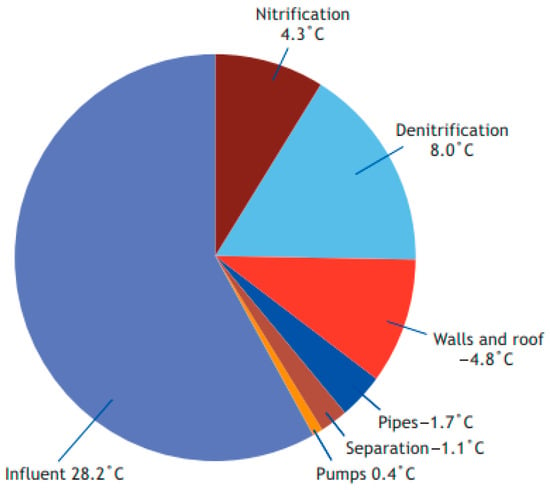
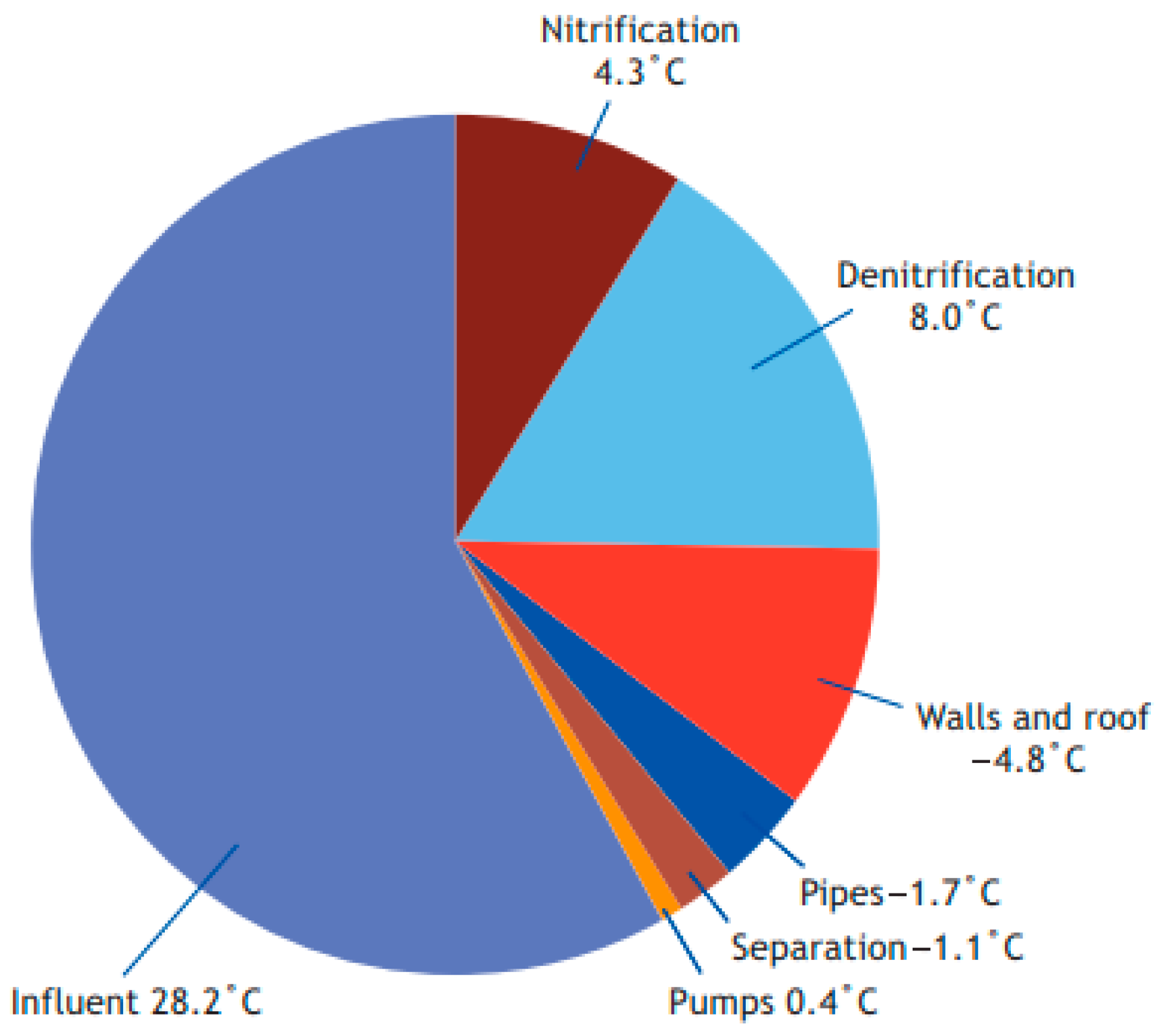
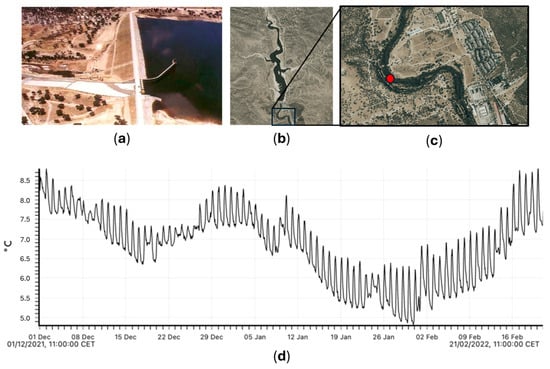
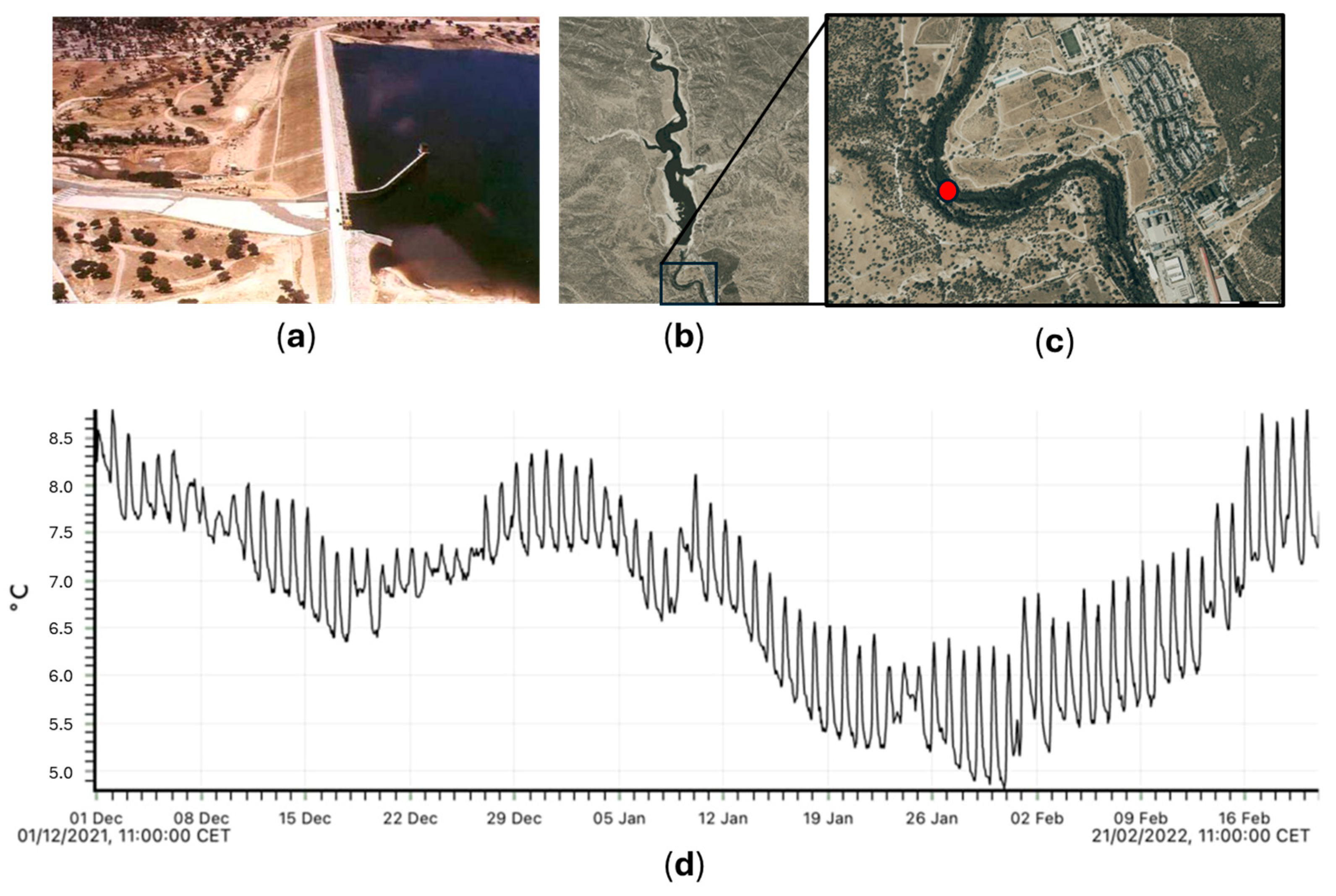
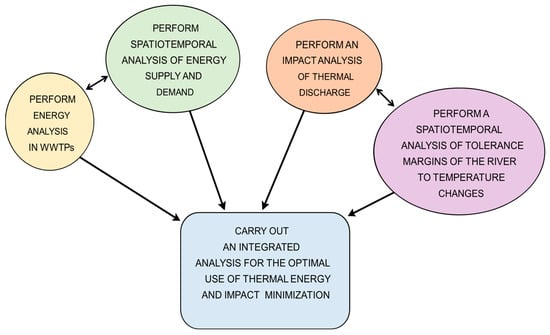
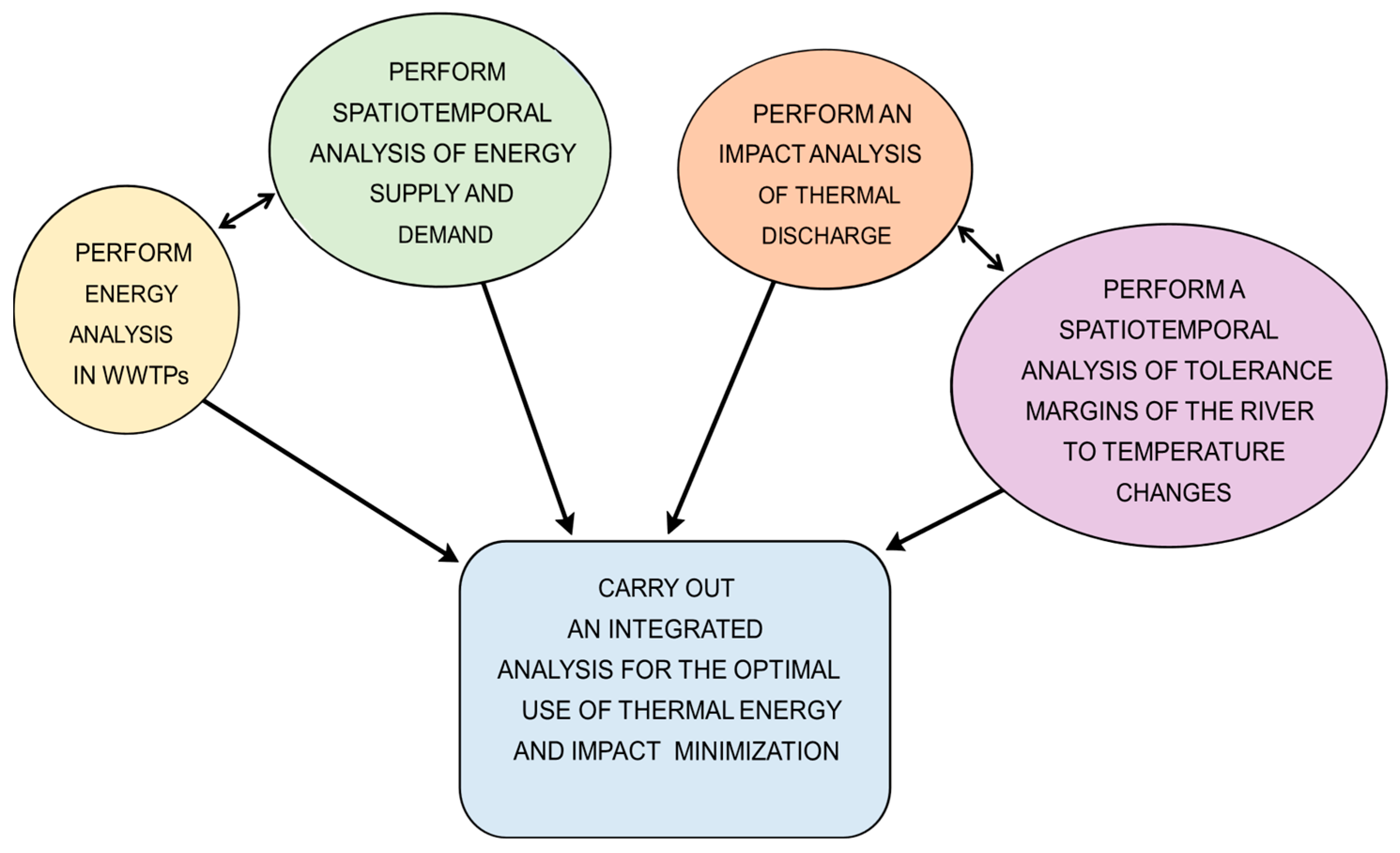

Disclaimer/Publisher’s Note: The statements, opinions and data contained in all publications are solely those of the individual author(s) and contributor(s) and not of MDPI and/or the editor(s). MDPI and/or the editor(s) disclaim responsibility for any injury to people or property resulting from any ideas, methods, instructions or products referred to in the content. |
© 2026 by the authors. Licensee MDPI, Basel, Switzerland. This article is an open access article distributed under the terms and conditions of the Creative Commons Attribution (CC BY) license.