Article

Cascade Dam Development Restructures Multi-Trophic Aquatic Communities Through Environmental Filtering in the Hanjiang River, the Largest Tributary of the Yangtze, China


1
Hubei Water Resources Research Institute, Wuhan 430072, China
2
Hubei Water Resources and Hydropower Science and Technology information Center, Wuhan 430072, China
3
Hubei Lake Protection Center, Wuhan 430070, China
*
Author to whom correspondence should be addressed.
Sustainability 2026, 18(8), 3731; https://doi.org/10.3390/su18083731
Submission received: 13 March 2026 / Revised: 3 April 2026 / Accepted: 7 April 2026 / Published: 9 April 2026
(This article belongs to the Topic Taxonomy and Ecology of Zooplankton)

Abstract

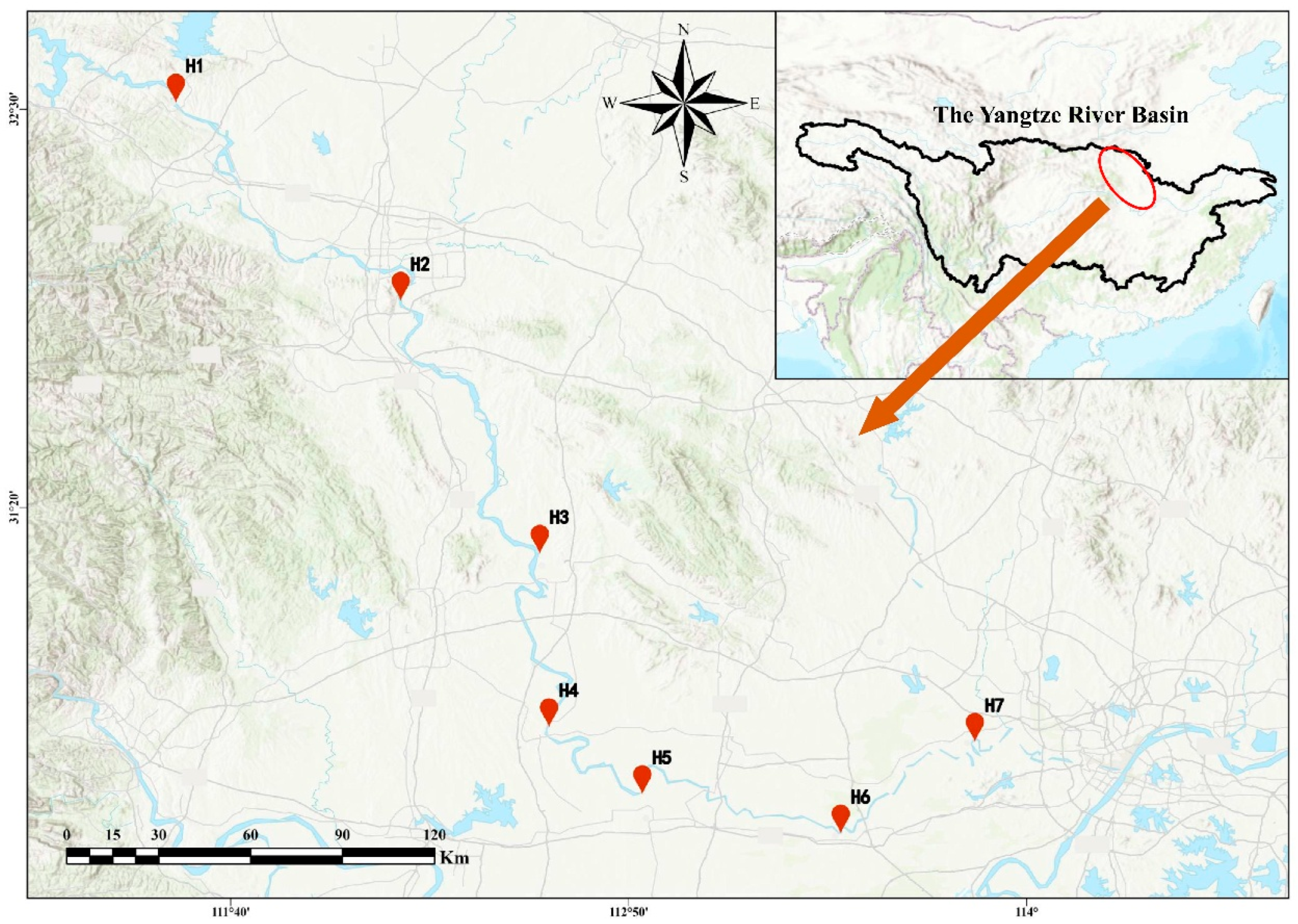
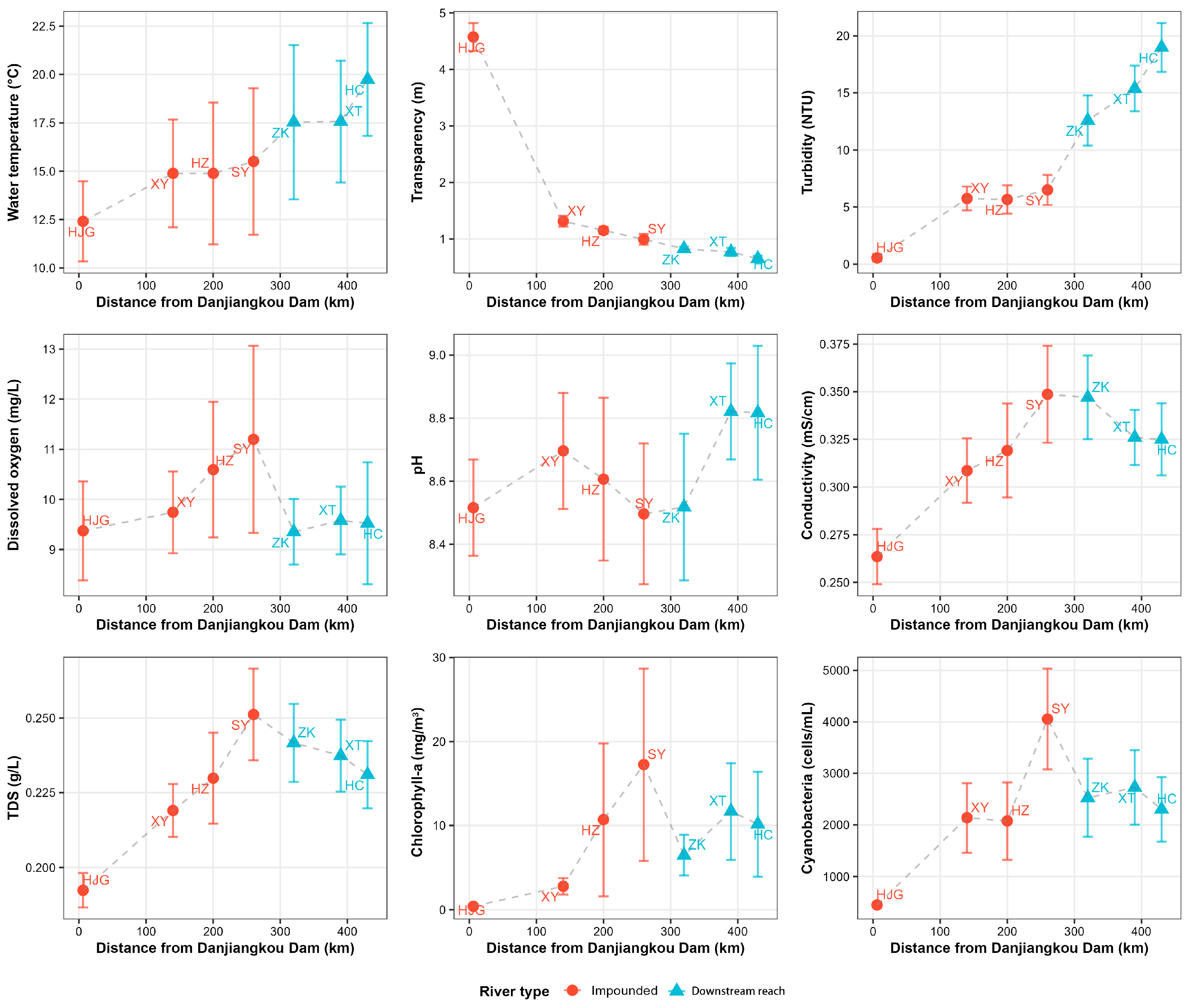
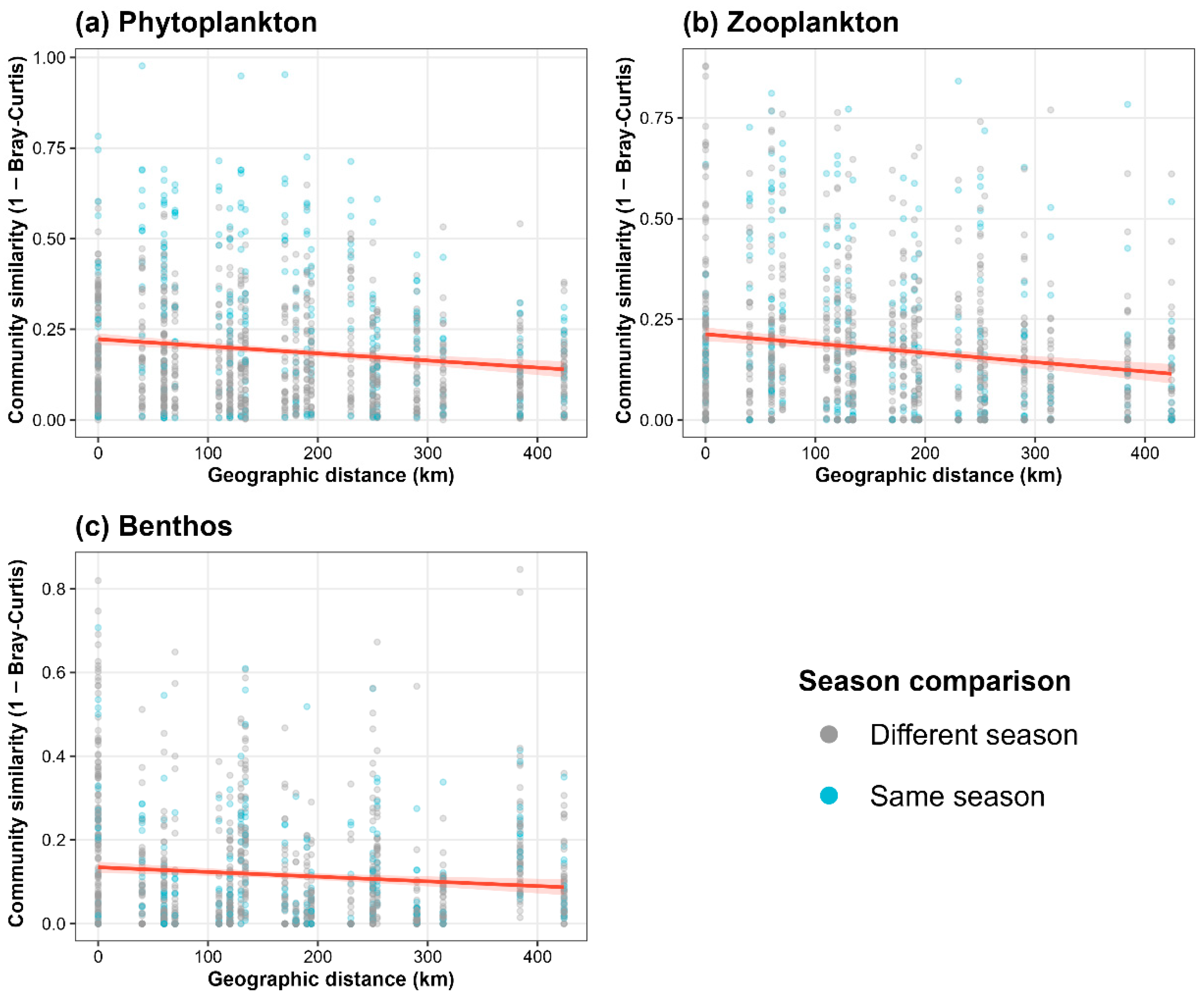
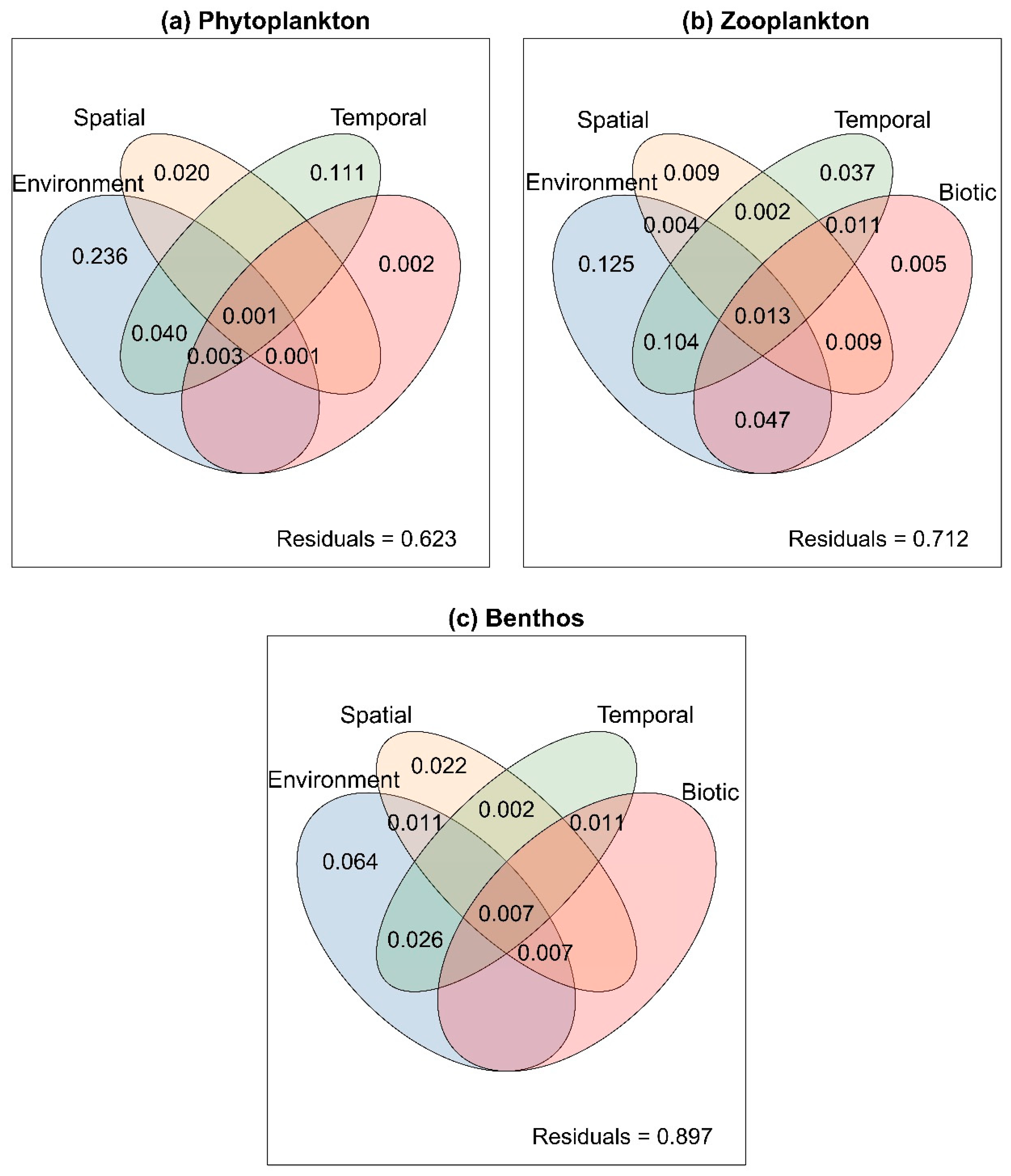
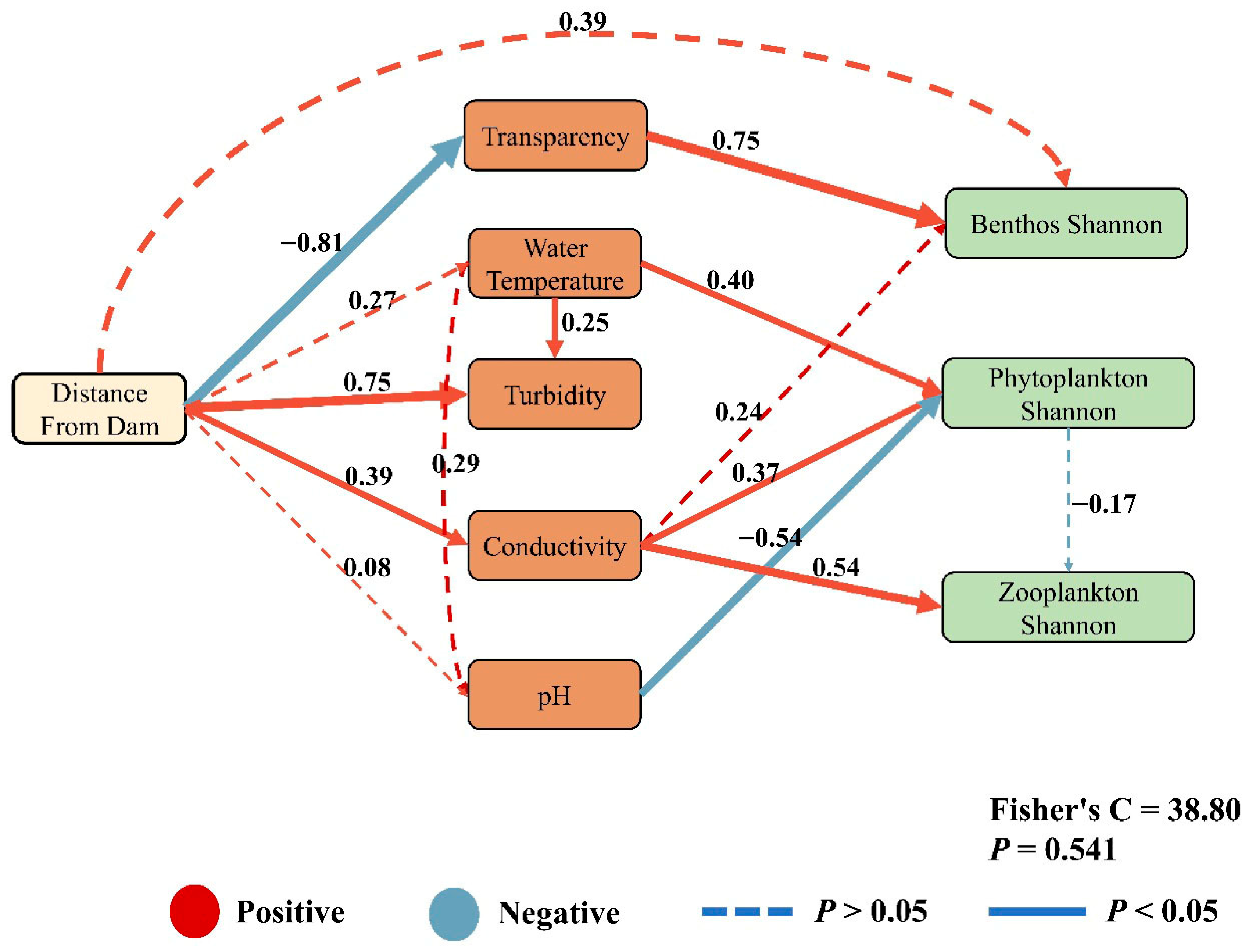
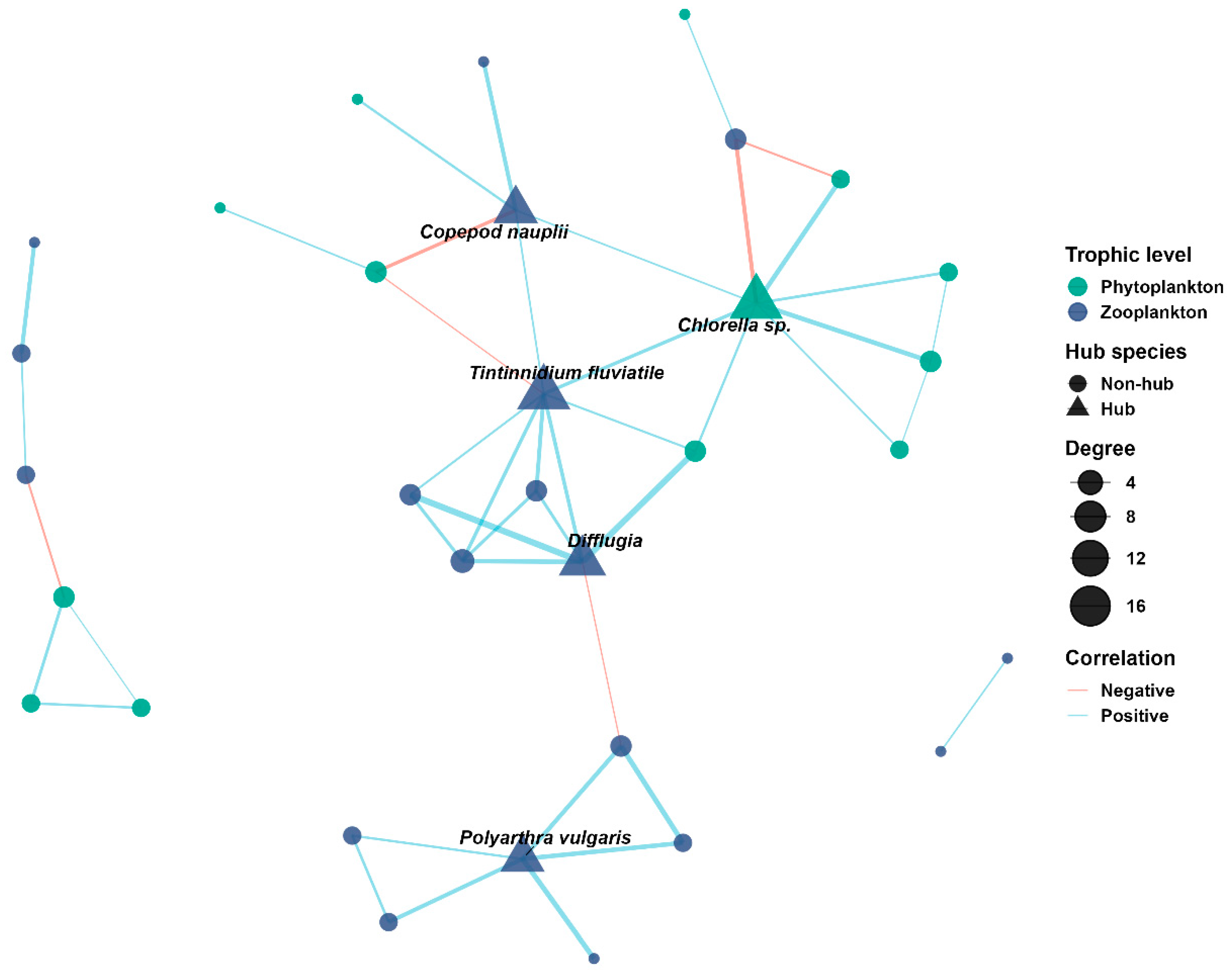
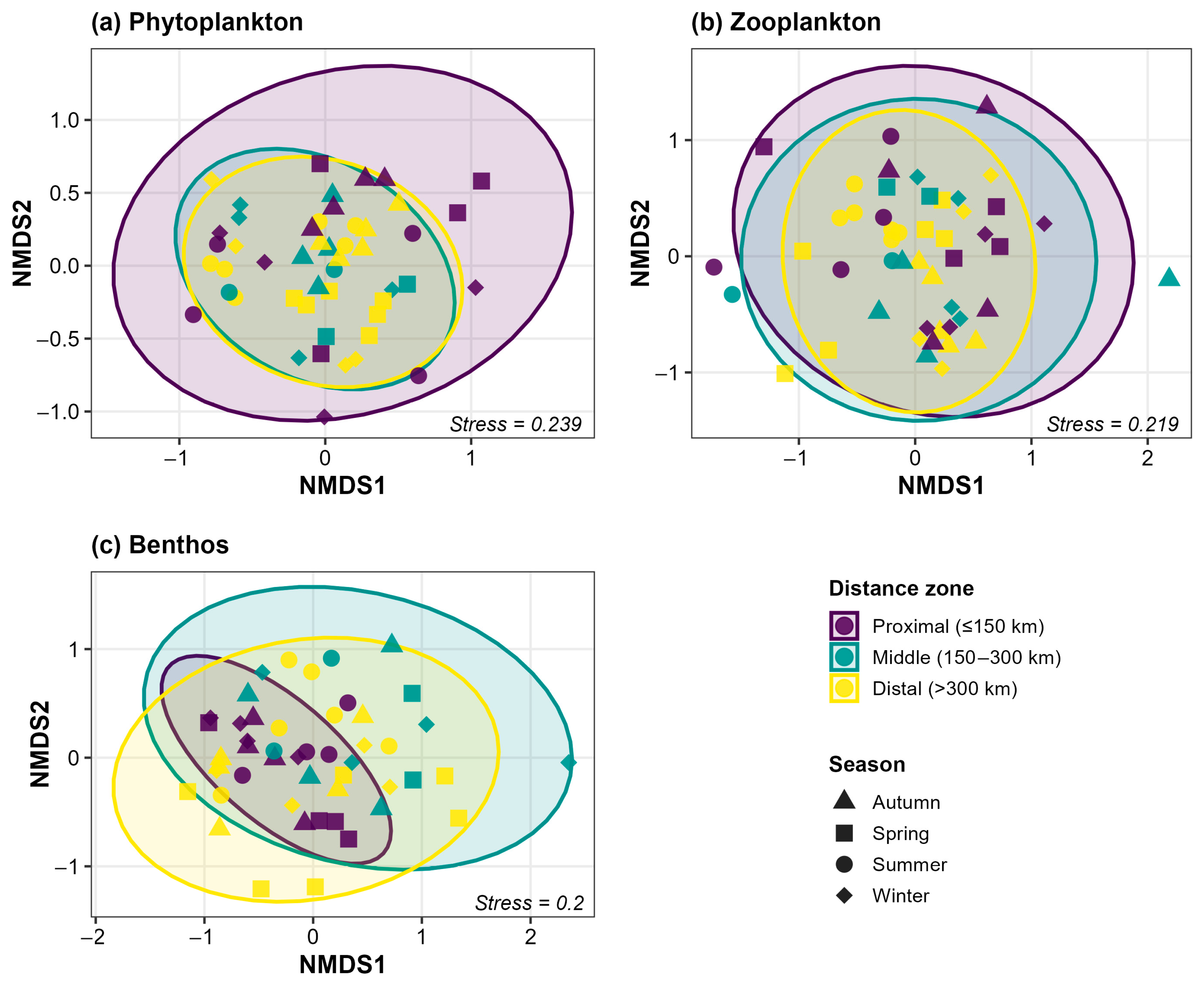
Reconciling hydropower development with aquatic biodiversity conservation is a central challenge for sustainable river management worldwide. Cascade dam configurations, in which multiple impoundments are arranged in series along a single channel, impose longitudinal environmental gradients that restructure biological communities across trophic levels. Whether the resulting multi-trophic responses are independently driven by shared abiotic gradients (environmental filtering) or mechanistically coupled through direct food-web interactions (trophic cascading) remains unresolved. We surveyed phytoplankton, zooplankton, and benthic macroinvertebrates simultaneously at seven stations along a 430 km gradient downstream of Danjiangkou Dam in the Hanjiang River, the largest tributary of the Yangtze River and the source of China’s South-to-North Water Diversion Middle Route, over eight seasonal campaigns (2015–2017). Variance partitioning, piecewise structural equation modeling, Mantel tests, and co-occurrence network analysis were applied to partition environmental and trophic pathways. Environmental filtering dominated community restructuring at all three trophic levels, while the biotic proxy for direct trophic interactions explained less than 0.4% of community variation, consistent with weak detectable trophic coupling at seasonal resolution. Distance from Danjiangkou Dam shaped downstream transparency and turbidity gradients that mediated trophic-level-specific responses along distinct environmental axes (pH and water temperature for phytoplankton, conductivity for zooplankton, and transparency for benthic macroinvertebrates). Benthic macroinvertebrates were systematically decoupled from the pelagic analytical framework, absent from the cross-trophic co-occurrence network and structured more by spatial configuration than by water-column variables. Hub species in the network were associated with downstream mineralized conditions, confirming that network architecture reflects shared environmental preferences rather than biotic interactions. These findings support a management shift from single-dam mitigation toward cascade-scale coordination of environmental flow regimes, sediment connectivity, and substrate restoration as integrated strategies for sustaining multi-trophic biodiversity in regulated rivers.
Keywords: cascade dam; environmental filtering; multi-trophic community; sustainable river management; co-occurrence network cascade dam; environmental filtering; multi-trophic community; sustainable river management; co-occurrence network