


Abstract
This study investigates how participants conceptualise sustainability and sustainability citizenship, as well as how these conceptualisations relate to perceived agency. Drawing on two open-ended prompts, it analyses participants’ visions of a sustainable future and the roles they would like to play within it. The dataset was based on 1714 coded response segments from 164 participants. Methodologically, the study combines qualitative content analysis, independent human-AI double coding, manual validation, inter-rater reliability assessment, and residual-based co-occurrence analysis within a qualitatively grounded mixed-methods design. The results show that sustainability is predominantly framed in civic, symbolic, and ecological terms, whereas strategic competence and professionally articulated agency remain less visible. Sustainability meanings and role conceptions also vary systematically across disciplinary contexts. In addition, the analyses reveal patterned gaps between participants’ future visions and their self-attributed roles in sustainability transformations. The study contributes empirical insights into sustainability meaning-making and perceived agency and shows how LLM-assisted coding can be embedded in a transparent mixed-methods workflow. For sustainability education, the findings underline the importance of strengthening strategic and systemic dimensions of competence and linking civic engagement more closely to professional pathways of action.
1. Introduction
1.1. Sustainability Competence and Citizenship
Sustainability is regarded as one of the most pressing global challenges of the 21st century, calling for balancing economic, environmental, and social systems in order to ensure a liveable planet for future generations [1]. Intergenerational justice, climate protection, and equitable development have placed sustainability at the core of international policy agendas [2]. Furthermore, education is at the centre of efforts, with the UNESCO 2030 Agenda’s “Education for Sustainable Development” (ESD) as a central strategy. Its target 4.7 of the Sustainable Development Goals (SDGs) is supposed to equip learners of all ages with knowledge, competencies, and values required to foster sustainable societies to catalyse informed action [3]. ESD promotes lifelong learning, critical thinking, and transformative capacities, including global citizenship and the ability to act responsibly in complex social and ecological systems [4,5,6]. Despite these ambitions, public understanding of sustainability remains fragmented, often limited to environmental dimensions while neglecting the equally important social and economic pillars [7,8,9,10,11].
The concept of Sustainability Citizenship (SC) emphasises an active role of individuals in shaping a sustainable future through informed private, public, and political engagement [12]. Within sustainability science, SC provides an analytical bridge between individual meaning-making, competence development, and broader societal transformation processes. It includes knowledge of systemic interrelations, commitment to social and intergenerational justice, and the willingness to take responsibility. However, gaps are apparent between normative policy frameworks and actual public understanding. Empirical research shows that most individuals associated with sustainability are aligned with vague ideas of “doing good”, often reduced to environmental protection or green consumerism [7]. Central elements of competence frameworks, such as systems thinking, normative reflection, or anticipatory planning, rarely appear in everyday discourse [13,14]. The concepts people have about sustainability and their own contribution are also relevant for the future development of learning environments to promote SC. Learners enter a learning setting with sturdy, experience-based explanations [15]. Research on conceptual change shows that these explanations form coherent naïve theories, not scattered errors; progress demands their reorganisation, not mere addition of facts [16]. Science education embodies this view by didactic reconstruction of everyday conceptions and by building individual instruction upon that footing [17]. Diagnostic tools make alternative ideas visible and guide focused intervention [18].
However, sustainability teaching faces a specific additional challenge. Socio-environmental problems are not only conceptually complex but also normatively and politically charged. Learners do not approach them as neutral scientific topics but as value-laden societal issues. As a result, educational settings are shaped by pre-existing meaning structures, moral framings, and role imaginaries that may either enable or constrain transformative learning.
Understanding these pre-structured sustainability concepts is therefore not merely of theoretical interest but a prerequisite for designing effective sustainability teaching capable of addressing socio-environmental complexity.
1.2. Research Gap: Everyday Concepts and Perceived Agency
A related challenge concerns how individuals feel able to contribute to sustainability goals. SC extends the traditional notion of environmental stewardship by stressing responsibilities across private, public, and political domains. It combines knowledge of global interdependence with a commitment to social and intergenerational equity and the willingness to act accordingly. Existing studies provide strong theoretical foundations by showing high levels of abstract support for sustainability, but often lack empirical insight into real concepts and self-understandings held by the public [7,8]. Many assessments are limited to closed-ended surveys or observable behaviours, offering little insight into how individuals understand their roles as sustainability actors.
Although sustainability is widely valued and normatively supported, far less is known about how these abstract commitments translate into structured cognitive models and perceived action pathways within educational contexts. Competence frameworks describe the abilities learners should develop, yet sustainability teaching operates with students who already hold experience-based and discipline-shaped conceptions [13,19,20]. However, sustainability teaching starts from learners’ pre-existing and experience-based conceptions, which are often shaped by disciplinary contexts [9,15,17,21].
If these everyday concepts privilege moral positioning or ecological symbolism while neglecting systemic interdependencies and strategic transformation processes, teaching socio-environmental complexity becomes substantially more difficult [22,23]. Strategic competence does not develop automatically and requires deliberate curricular support [24]. A central yet underexplored question therefore concerns the extent to which learners’ own sustainability concepts already contain the cognitive structures required to navigate trade-offs, governance dynamics and long-term transformation strategies.
1.3. AI-Supported Qualitative Analysis as a Route to Scale and Rigour
Qualitative analyses remain indispensable for uncovering learners’ frames and refining individual concepts. As coding large sets of open responses is labour-intensive and time-consuming, relatively small subject numbers are the standard for such studies. Additionally, the analysis is open to subjectivity [25]. Recent progress in natural-language processing suggests a way forward that Large Language Models (LLMs) can sort unstructured text, detect semantic links and propose thematic categories within minutes, independent of sample sizes [26]. Educational research studies show that hybrid workflows with LLM (pre-coding followed by expert review) cut analyses time dramatically by even improving code consistency [27]. They also allow sample sizes close to quantitative proxies [28]. Of course, the tool needs to be used with care: models may misinterpret marginalised voices or embed hidden bias [29,30]. Prompt design and human oversight remain essential [31]. By using this sensible manner, LLMs offer a practicable route to the long-standing goal of rapid yet rigorous analysis of conceptions, opening space for richer mixed-method designs in science education.
Beyond methodological innovation, AI-supported qualitative analysis also holds potential as a diagnostic instrument in sustainability education, enabling scalable insight into learners’ conceptual structures and thereby informing competence-oriented curriculum design.
1.4. Study Aims and Research Questions
In consequence, our study introduces an innovative residual-based approach supported by LLMs to analyse conceptualisations of sustainability. It investigates how individuals conceptualise sustainability and SC in their own words, as well as how these concepts relate to perceived ability to act sustainably. It uses a qualitative concept analysis of open-ended responses, supported by LLMs’ semantic capabilities. The study aims to identify conceptual patterns, evaluate their alignment with recognised competency frameworks, and identify expressions of agency and efficacy. Consequently, the following research questions are guiding our study:
- RQ1. How can large language models usefully support, and where do they fall short in, qualitative analysis of open-ended responses in sustainability education research?
- RQ2. What conceptualisations of sustainability and sustainability citizenship emerge from participants’ open responses?
- RQ3. How do these conceptualisations map onto established sustainability competence frameworks (e.g., systems thinking, normative, strategic/action competence)?
- RQ4. How do participants describe their perceived ability to contribute to sustainable change?
By analysing both conceptualisations of sustainability and self-attributed roles, the study not only explores current meaning structures but also provides empirical indications of where sustainability teaching may need to strengthen systemic and strategic competence development in order to address socio-environmental complexity more effectively.
2. Methodology
2.1. Study Design and Analytical Workflow
Our present study employed a qualitatively grounded mixed-methods design with sequential integration to examine how participants conceptualise sustainability and sustainability citizenship, as well as how these conceptualisations relate to perceived agency.
For the first step, open-ended responses were analysed using a structured qualitative content analysis. This step focused on capturing the semantic meaning and interpretive content of participants’ formulations. The category system was developed through a combined deductive–inductive procedure: initial categories were derived by the researchers from established sustainability competence frameworks, supported by LLM-assisted exploration of the literature. Subsequently, category definitions were iteratively refined and operationalised by comparing them with empirical data, including the integration of representative response examples and the clarification of inclusion and exclusion criteria. This process resulted in a coding framework that could be consistently applied by both human and AI-assisted coding procedures.
The combination of deductive and inductive elements follows established principles of qualitative content analysis and underpins the coding framework in this study. While the deductive component ensures alignment with existing sustainability competence models, inductive refinement keeps the category system responsive to the empirical diversity of participants’ expressions. This balances theoretical grounding with sensitivity to the data.
In a second step, the resulting category assignments were analysed quantitatively using cross-tabulation and standardised residual analysis. This enabled the identification of systematic co-occurrence patterns among competence dimensions, thematic fields, and role conceptions across the dataset.
The qualitative and quantitative components served complementary analytical functions. Qualitative coding provided the interpretive grounding by identifying meaning structures within individual responses, while the quantitative analysis extended this perspective by revealing relational patterns not visible at the level of single cases.
Importantly, the quantitative procedures did not replace qualitative interpretation but built on it, enabling a reconstruction of conceptual structures across the dataset. This integration combines interpretive depth with the identification of structural patterns.
Subgroup analyses were conducted to explore disciplinary differences in sustainability meaning-making. Given the non-random sampling of participants, these analyses are interpreted as analytically informative rather than statistically representative.
Because responses could receive multiple codes within each analytical level, the resulting co-occurrence data were not fully independent. They were therefore treated as structurally informative and interpreted as exploratory patterns in the subsequent residual-based analysis.
2.2. Participants
A total of 164 participants (median age 22 years, mean 25.5 years, range 14–62) completed an anonymous online survey that met Swiss and EU data-protection rules. In the sample group, 58% were female, and 3% did not specify a gender. Half of the sample group were teachers (51.8%), about half of whom were science teachers (40.9%). A quarter (25.6%) hold professional positions in business, economics, and law, with economic backgrounds.
2.3. Instrument: Open-Ended Prompts
The two open-ended prompts were developed to elicit rich, reflective responses on sustainability-related concepts and self-perceptions. Participants were presented with the following questions:
- (Q1), “How do you imagine a sustainable future?”
- (Q2), “What role would you like to play in that sustainable future?”
The first question (Q1) aimed to evoke a future-oriented, value-laden vision and was intended to invite reflection across multiple sustainability dimensions (ecological, social, economic, and governance/culture) to encourage holistic reflection. The second question (Q2) shifted focus to personal agency, exploring perceived capacities, aspirations, and developmental needs within a sustainability context. The exact wording of the questionnaire, including introductory instructions, is provided in Appendix A.1.
All submitted responses were screened for completeness and content validity. All participants provided substantive answers to both open-ended questions, and no empty responses were recorded.
The coding framework included categories for non-classifiable or empty responses; however, these were not applicable in the final dataset, as all responses could be meaningfully assigned to the existing categories. This suggests a high level of response completeness and interpretability.
Both questions were newly formulated for this study and informed by sustainability education literature, with the dual aim of capturing what participants value and how they locate themselves as actors in sustainability transformations [32]. The positively vision-oriented design of Q1 and Q2 aligns with pedagogical approaches in Education for Sustainability (ESD) that emphasise motivation, imagination, and agency [32]. At the same time, research on question framing indicates that such normative prompts may favour optimistic or socially desirable narratives and underrepresent ambivalence, conflict, or structural constraints [33].
Despite this limitation, the visioning format was chosen deliberately, as it creates psychological safety [34,35,36] and serves as a recognised entry point into reflective and potentially systemic thinking in transformative education [37].
2.4. Data Collection and Ethics
Data was collected via an online questionnaire created with Microsoft Forms. Participants accessed the survey through a QR code. No personal data or email addresses were collected at any stage. After completion, the response data were stored locally on a secure PC and removed from the online platform.
2.5. AI-Supported Coding Procedure and Reliability
A commercially available LLM (OpenAI GPT-5, via ChatGPT Plus web interface, build 08-2025) was used in an assistive role in both the development of the coding framework and the categorisation of responses. It supported the creation of the category system and the allocation of responses within this system. The analytical responsibility for all coding decisions remained with the research team.
The coding procedure followed a structured, multi-step workflow designed to ensure transparency and reproducibility [38]. First, an initial category system was developed deductively based on established sustainability competence frameworks and iteratively refined using the empirical material. Second, the complete dataset was independently coded by a human coder and by the LLM using the same coding manual. All codable responses were thus double-coded across the relevant category levels (A × B for Q1 and A × C for Q2).
Third, inter-rater reliability between human and AI coding was calculated prior to any consensual revision. Cohen’s κ was computed separately for each category level in SPSS 29.0 to assess agreement beyond chance. Fourth, all cases of disagreement between human and AI coding were systematically reviewed by the research team. Discrepancies were resolved with reference to the coding manual and the original response text. In cases of recurring ambiguity, category definitions were further refined and affected responses were re-evaluated.
The coding manual specified for each category (a) a concise label, (b) an operational definition, (c) inclusion and exclusion criteria, and (d) anchor examples from the dataset. Multiple coding within a level was permitted to capture multidimensional responses. Non-substantive or blank responses were excluded from the analysis.
Prompt design followed a structured format, including a task definition, category list, coding rules, and a standardised output format. Prompts were iteratively refined, with particular attention given to improving the classification of low-frequency, normatively complex, or symbolically expressed responses. Ambiguous or borderline cases were flagged during coding and subjected to manual review. Clear instructions and systematic prompt variation were treated as key methodological principles in LLM-assisted coding, in line with prior research showing that prompt design significantly affect model performance [39].
Because the proprietary web interface does not allow full control over all model parameters, the procedure is reproducible at the level of workflow and coding logic rather than as an identical technical rerun. To ensure methodological robustness, all AI-generated coding outputs were systematically validated by human review before inclusion in the final dataset. The exact workflow and wording of the prompts are provided in Appendix A.2.
Statistical analyses and visualisations were conducted using IBM SPSS Statistics, version 29.0.0. The analysis included descriptive frequencies, reliability testing for the coding categories, and analysis of the cross table with Chi2 test and Cramer’s V.
3. Results
The open-ended responses were analysed using a two-tier coding scheme, designed to capture both thematic content and competence-related thinking. For each question, two analytical dimensions were applied:
- Level A (both Questions): Competence dimension, based on established frameworks in Education for Sustainable Development (ESD) [13,14,40,41]. This level identifies mental skills such as systems thinking, anticipatory competence, normative reasoning, or strategic action (Table 1).
- Level B (Question 1): Thematic domains, covering transformation fields like ecology, economy, justice, or governance (Table 2).
- Level C (Question 2): Role conceptions, such as educator, professional, activist, policymaker, or civic contributor (Table 3).
Table 1.
Competency Framework (Level A).
Table 2.
Transformation Fields (Level B).
Table 3.
Role Conceptions and Future Visions (Level C).
Multiple coding within each level was allowed to reflect the multidimensional nature of participants’ responses. For example, the statement “A future in which resources are conserved and sustainability is increasingly at the centre of political decisions, enabling collective action” was coded as Anticipatory competence × Ecological Dimension, Anticipatory competence × Governance, Cooperative competence × Ecological Dimension, and Cooperative competence × Governance.
Further methodological details on the development of the coding framework, the LLM-assisted coding workflow, and the reliability procedures are described in Section 2.1 and Section 2.5. The following sections present the resulting category distributions and association patterns.
PDF artefacts, such as Umlauts, font design, or OCR breaks, can cause difficulties for LLMs to recognise the text correctly. To prevent errors based on PDF artefacts, the responses were saved as CSV files. IDs are clearly identified by the label “ID: 1” to “ID: 164”. Prompt clarity and iterative refinement were employed as central methodological principles in LLM-assisted coding, based on prior research indicating that clear instructions and systematic prompt variation significantly affect model performance [39].
All runs used ChatGPT Plus (build 08-2025). We applied Scholar GPT for literature-based deductive framework generation; Creative Writing Coach for semantic-sensitive deductive and inductive framework generation; and GPT-5 with advanced reasoning and simultaneous “thinking along” for coding the dataset.
Evidence suggests that the web interface fixes a low temperature for classification prompts; reproducibility was correspondingly high. For full control, we recommend future checks via the API [42,43,44,45]. The analysis included descriptive frequencies, reliability testing for the coding categories, and analysis of the cross table with Chi2 test and Cramer’s V.
3.1. Reliability and Performance of AI-Supported Coding
First, we address RQ1: How can large language models be used to support the qualitative analysis of open-ended responses in sustainability education research? The comparison between human-coded and AI-assisted coding showed high agreement across all levels of the categories. Cohen’s κ ranged from 0.77 to 0.95, with the strongest alignment in the coding of competences and role descriptions in Question 2. This indicates that large language models can reliably support the categorisation of open-ended survey data, particularly when coding frameworks are well-defined and prompts are clearly structured.
However, human interpretation remained essential, especially for low-frequency or ambiguous responses involving normative reasoning and symbolic-cultural language. Overall, the combined approach proved effective: LLMs improved efficiency and consistency in large datasets, while human coders ensured nuance, accuracy, and conceptual clarity in complex cases.
3.2. Completeness and Coverage of the Coding Framework
All responses to the transition fields question (Q1) and the role question (Q2) could be fully classified within the existing category system. No additional codes were required to assign each statement to existing categories within the coding framework. No “other” category was required. Every non-blank response mapped to at least one of the nine sustainability competencies (Level A) and one of the thematic categories for transformation fields (Level B) or roles (Level C), depending on the question.
3.3. Conceptualisations of a Sustainable Future (Q1)
3.3.1. Dominant Sustainability Dimensions in Future Visions
Participants’ responses to the open-ended question “How do you imagine a sustainable future?” primarily focused on ecological concerns, including climate change, renewable energy, and biodiversity protection. Social issues such as equity, participation, and education were addressed less frequently, followed by governance and political dimensions. Economic models (e.g., circular economy, fair pricing) and cultural or individual aspects (e.g., minimalism, conscious living) were mentioned occasionally. Some participants also highlighted structural barriers, including political inaction or systemic limitations of current economic models. These thematic emphases were reflected in the applied coding scheme.
3.3.2. Competence Patterns in Future-Oriented Thinking
At the competence level (Level A), anticipatory thinking and normative orientation were the most prominent. Participants frequently articulated future-oriented reasoning, such as envisioning long-term consequences and imagining desirable societal shifts. Normative references to justice, fairness, and responsibility were also common. In contrast, systemic and strategic thinking were rare, especially when respondents were asked to describe their own role in a sustainable future. Instead, they emphasised motivational aspects and personal reflection.
3.4. Self-Attributed Roles and Competencies (Q2)
3.4.1. Preferred Roles in a Sustainable Future
Each statement to the role question (Q2) could be assigned to at least one competence code (Level A) and one role conception (Level C). The participants predominantly described professional or education-related roles they desired for a sustainable future. Frequently mentioned activities included teaching, research, consulting and multiplier roles. Roles that address institutional, political or entrepreneurial change processes, on the other hand, were rarely mentioned.
Within the role typology (level C), the categories of professional self-realisation and educational and multiplier roles occurred most frequently. The categories of entrepreneurship and innovation, as well as political participation, were less represented.
3.4.2. Self-Reported Competence Profiles
Reflection, motivation and normative orientation were the most frequently mentioned competence codes (level A). Systemic thinking and strategic competencies were found in only a few self-descriptions.
3.5. Divergence Between Societal and Personal Sustainability Competencies
The dataset reveals that participants referenced different competencies depending on the question prompt (Q1, Q2). A differential distribution pattern of competence frequencies is evident between Q1 and Q2 (Figure 1), suggesting that respondents generally consider different competences to be relevant for the realisation of a sustainability citizenship (Q1). Meanwhile, their self-reported competences (Q2) exhibit a significantly divergent pattern. This divergence suggests that participants differentiate between societal-level sustainability competencies and those they perceive as their own. Taken together, the two questions provide a more complete picture of the respondents’ competence profiles: one reflecting their normative understanding of what sustainability requires, and the other revealing their perceived personal strengths and roles within sustainability processes.
Figure 1.
Competencies presented in question 1 and question 2.
3.6. Disciplinary “Fingerprints” of Sustainability Concepts and Agency
To examine disciplinary variation, we conducted separate analyses for the three subgroups (Educators, STEM, Business & Law) to visualise fingerprints of responses. Differences in subgroup size do not limit the validity of pattern-based and residual analyses, which can identify stable thematic structures even in smaller qualitative samples [46,47]. The subgroup analyses, therefore, provide analytically useful supplementary evidence for identifying patterned differences within the present sample.
Across both questions, the frequency distributions of competence categories (Figure 2) reveal substantial differences between the competencies participants consider important for a sustainable society (Q1) and those they attribute to themselves (Q2), as well as notable subgroup-specific patterns.
Figure 2.
Competencies—“fingerprints” of three professional groups. Blue = Education & Social Work; red = Natural Sciences/Engineering; green = Business & Law.
3.6.1. Q1A and Q2A—Competencies
In Q1, the overall sample emphasised Normative orientation (24%) and Anticipation (20%) as the most relevant societal competencies, followed by Action & implementation (17%) and Reflection (13%). Educators closely mirrored this structure, whereas the STEM subgroup diverged sharply, foregrounding Systemic thinking (18%) and Action & implementation (21%) and assigning much lower relevance to Anticipation (4%). Business & Law participants highlighted Action & implementation (36%) and Strategic competence (10%) more strongly than any other group.
In contrast, Q2 (participants’ self-reported competencies) showed a markedly different pattern. Across the overall sample, Motivation dominated (30%), followed by Normative orientation (19%), Reflection (18%), and Action & implementation (14%). Educators reflected this structure, whereas STEM respondents now emphasised Anticipation (24%) and Problem solving (21%) as their personal strengths. Business & Law participants displayed a profile characterised by high levels of Reflection (28%) and Motivation (28%), supplemented by moderate levels of Action & implementation (16%) and Strategic competence (8%). Taken together, these distributions indicate that participants prioritise different competencies depending on whether they describe societal sustainability requirements or their own perceived strengths, and that these differences are systematically shaped by disciplinary background.
3.6.2. Q1B—Sustainability Dimensions
The frequency distribution for Question 1B (sustainability dimensions, Figure 3), shows that participants most frequently associated their open responses with the ecological dimension (38% overall), followed by the cultural–individual level (18%), Politics & Governance (13%), the economic dimension (11%), obstacles and chances (11%), and, least frequently, the social dimension (9%).
Figure 3.
“Fingerprints” of concepts about Transformation Fields (1B) of three professional groups. Blue = Education & Social Work; red = Natural Sciences/Engineering; green = Business & Law.
Educators largely mirrored the overall pattern, with ecology (39%) and cultural–individual aspects (15%) dominating, alongside notable mentions of Politics & Governance (15%) and obstacles/chances (14%). By contrast, the STEM subgroup displayed a distinct distribution: ecological associations were even more prominent (49%), while mentions of Politics & Governance (7%), the economic dimension (15%), and cultural–individual aspects (22%) appeared at different magnitudes relative to the other groups. Social aspects (2%) and obstacles/chances (5%) were particularly rare in STEM responses. The Business & Law subgroup showed another unique profile, with a more balanced distribution across ecological (25%), social (20%), economic (18%), and cultural–individual (26%) dimensions, while obstacles/chances (2%) and Politics & Governance (10%) were less prevalent.
Overall, these descriptive patterns indicate that the ecological dimension is the most frequently foregrounded sustainability dimension across the sample, yet the relative prominence of social, economic, cultural, and governance-related aspects varies considerably between the three disciplinary subgroups.
3.6.3. Q2C—Roles Agency
The frequency distribution for Question 2, Category C (roles and visions, Figure 4), shows a diverse pattern of perceived sustainability-related roles across the full sample and within the three subgroups. Overall, Professional self-realisation was the most frequently mentioned role (24%), followed by the Educational & multiplication role (22%), the Cultural–symbolic role (20%), and Ecological action (18%). Mentions of Social commitment (13%) were less common. Political participation (2%) and Entrepreneurship & Innovation (0.4%) were hardly mentioned.
Figure 4.
“Fingerprints” of concepts about roles and visions (2C) of three professional groups. Blue = Education & Social Work; red = Natural Sciences/Engineering; green = Business & Law.
Educators largely reproduced this overall structure, with particularly high frequencies for Professional self-realisation (27%), Educational & multiplication roles (25%), and Cultural–symbolic roles (19%). In the STEM subgroup, Professional self-realisation was even more prominent (32%), accompanied by elevated mentions of Social commitment (21%) and Entrepreneurship & Innovation (4%), while Ecological action (10%) and Educational roles (14%) appeared less frequently than in the other groups. The Business & Law subgroup displayed a distinct profile characterised by a comparatively low frequency of Professional self-realisation (10%) but high proportions of Social commitment (25%), Ecological action (25%), and Cultural–symbolic roles (25%). Mentions of Political participation and Entrepreneurship & Innovation were absent in this subgroup.
Taken together, the distributions indicate notable variation in how disciplinary groups perceive their roles in contributing to sustainability, with some roles (e.g., educational, cultural-symbolic) showing broad relevance across groups, while others reflect more specific subgroup patterns.
3.7. Residual-Based Cross-Table Analyses of Conceptual Structures
To examine conceptual and structural patterns in the data, residual-based cross-tabulation was applied. Four matrices were constructed: A × A (competence by competence), A × B (competence by transformation field), A × C (competence by role), and B × C (transformation field by role). Because responses could receive multiple codes within each level, each co-occurring code pair contributed once to the respective matrix.
As a consequence of this coding approach, the resulting co-occurrence data are not fully statistically independent. In line with approaches to multiple-response and code-based content analysis [48], chi-square statistics, standardised residuals, and Cramer’s V are therefore interpreted as exploratory indicators of association patterns rather than strict tests of independence.
This interpretation is consistent with recent applications of mixed-methods content analysis, where co-occurrence patterns are analysed to identify structured relationships while acknowledging the limitations of statistical independence [49,50].
The analysis is based on standardised residuals (z-values), which indicate how strongly observed frequencies deviate from expected frequencies. Positive residuals represent category combinations that occur more frequently than expected, while negative residuals indicate underrepresented combinations. For interpretation, the analysis focuses on residuals with an absolute value of |z| ≥ 2, which are commonly considered meaningful deviations.
The four matrices were analysed in relation to the research questions. The A × C and B × C matrices were used to examine how role conceptions and transformation fields relate to sustainability meaning-making (RQ2) and perceived agency (RQ4). The A × A and A × B matrices were used to identify competence structures and their alignment with established sustainability competence frameworks (RQ3).
Accordingly, the results are interpreted as structured patterns of association within the dataset rather than as statistically generalisable or causal relationships.
For RQ2, what conceptualisations of sustainability and sustainability citizenship emerge from participants’ open responses, the A × C and B × C matrices were analysed to show how roles and dimensions contribute to the formation of conceptual meaning spaces. For RQ3, how these conceptualisations map onto established sustainability competence frameworks, the A × A and A × B matrices were used to identify patterns of competence and to map these onto existing framework categories. Finally, for RQ4, how participants describe their perceived ability to contribute to sustainable change, the A × C and B × C matrices were revisited to investigate how agency and transformation fields are situated within role structures.
All four matrices showed highly significant associations (A × A: χ2 (72) = 1804.38, p < 0.001, V = 0.363; A × B: χ2 (54) = 1661.35, p < 0.001, V = 0.402; A × C: χ2 (56) = 2397.23, p < 0.001, V = 0.447; B × C: χ2 (42) = 1715.33, p < 0.001, V = 0.408). Below, we report the most relevant standardised residuals (|z| ≥ 2), focusing on the strongest positive and negative deviations and on systematic differences between subgroups (Educators, STEM, Business & Law).
To summarise, the residual-based analyses of the four matrices (A × A, A × B, A × C, B × C) demonstrate that participants conceptualise sustainability and sustainability citizenship in divergent ways, both in the overall sample and in the three occupational groups studied. In relation to the conceptualisation of sustainability and sustainability citizenship (RQ2), it can be posited that the collective understanding of sustainability is predominantly characterised by symbolic–political and socially engaged interpretations. The analysis revealed that cultural–symbolic roles, political participation and ecological action were particularly prominent, while professional self-positioning remained significantly underrepresented. The subgroups exhibited distinct patterns: In the field of education, the concept of sustainability was understood in social, educational, and political terms. Participants in the STEM field developed an understanding of sustainability that was analytical, future-oriented and innovation-related. Meanwhile, the Business and Law sector linked sustainability with strategic, cooperative, and economic-professional logics. The interpretation of sustainability varies across different professional disciplines, with its meaning varying depending on the specific field of expertise.
In relation to the assignment of competencies related to sustainability (RQ3), the A × A and A × B analyses identified four consistent competency clusters across the entire group: a normative–reflexive cluster, an action/solution-oriented cluster, a systemic-cooperative cluster, and a symbolic–political pattern. The analysis revealed a general weakness in strategic competence across all groups. The subgroups exhibited distinct profiles, characterised by specific characteristics and behaviours. It is evident that educators have placed a significant emphasis on the cultivation of normative and reflexive competencies. Conversely, there appears to be a relative paucity of emphasis on strategic, systemic and ecological competencies. The STEM field demonstrated the most pronounced expression of anticipatory, systemic and problem-solving competencies, yet exhibited a paucity of normative-ecological connections. Conversely, Business & Law demonstrated a predominant strategic-cooperative competence profile, intricately interwoven with governance, economic and social dimensions. However, its ecological competence connections remained marginal.
In relation to the question of perceived ability to bring about sustainable change (RQ4), the A × C and B × C analyses demonstrated that the collective expressed a primary engagement-oriented inclination towards action, with political participation, ecological action, and cultural–symbolic forms of expression manifesting as the prevailing modes of expression. Conversely, professional self-efficacy is scarcely evident. The subgroups, however, demonstrate distinct patterns. It is evident that educators primarily locate their agency in three key domains: namely, political action, educational multiplication, and socio-ecological engagement. These domains are intricately interwoven with the processes of cultural meaning-making and cultural reproduction. The STEM sector is characterised by its emphasis on innovation, analytical reflection, and educational activities as key mechanisms for identifying and enhancing opportunities. However, the sector’s approach to environmental sustainability and professional orientation is largely marginal. Conversely, Business & Law delineates a distinctly professionalised manifestation of sustainability agency, intricately interwoven with economic opportunities, strategic contemplation, and professional enhancement.
4. Discussion
4.1. Methodological Contribution: Potentials and Limits of AI-Supported Qualitative Analysis
In this study, large language models were employed in an assistive capacity to support the structuring and categorisation of open-ended responses, while all coding decisions and interpretations remained under researcher control.
The methodological contribution of this study lies in the systematic integration of LLM-assisted coding into a structured mixed-methods workflow, combining qualitative content analysis, inter-rater reliability assessment, and residual-based co-occurrence analysis.
This approach shows how LLMs can be used in a transparent and methodologically controlled way to support large-scale qualitative analysis without reducing interpretive depth. Similar findings have been reported in recent educational research, where LLM-assisted coding significantly increased efficiency and consistency in analysing student conceptions while maintaining the need for human validation [51]. The high level of agreement between human and LLM-assisted coding further indicates that such approaches can provide reliable support for structured qualitative categorisation when categories and prompts are clearly defined.
Consistent with recent methodological research, LLMs perform particularly well in surface-level analytical tasks such as summarisation, clustering, and initial code allocation [52,53,54]. In this sense, they can be understood as amplifiers of human analytical capacity rather than replacements for interpretive reasoning [55]. Their strengths lie in efficiency, scalability, and consistency, especially when handling larger datasets. Empirical applications in science education further demonstrate that such hybrid workflows can substantially reduce analysis time while preserving coding quality [51].
However, previous research has shown that theoretically dense, normatively nuanced, or politically sensitive categories can pose challenges for automated coding [29,52,56]. Although high reliability was achieved, human oversight remained particularly important when assigning interpretively complex competence categories. This consideration is especially relevant in sustainability education research, where concepts are normatively charged and socially embedded [57,58]. Despite strong inter-rater agreement, categories involving implicit normative or strategic dimensions required careful human validation.
Overall, the hybrid workflow adopted here aligns with emerging recommendations for responsible AI integration in qualitative research: transparent prompting, iterative refinement, coding manuals, and reliability checks enhance methodological rigour while preserving epistemic responsibility [54]. For sustainability education research, such an approach enables larger-scale diagnostic insight without relinquishing interpretive accountability.
4.2. Plurality of Sustainability Meanings Among Young People
The findings reveal that sustainability is not understood in a uniform manner but is shaped by socially and academically embedded meaning structures. Rather than expressing a single, coherent model of sustainability citizenship, participants articulated diverse perspectives-symbolic, political, ecological, pedagogical, innovative, or professional-depending on their disciplinary context. This plurality aligns with previous research highlighting the socially constructed and context-dependent nature of sustainability conceptions [9,10,21,59].
Across the overall sample, sustainability was predominantly framed in civic and symbolic terms. Participants emphasised cultural meaning, political engagement, ecological responsibility, and identity-related orientations more frequently than professional or career-based transformation roles. This finding corresponds to research on environmental and sustainability citizenship, which foregrounds values, identity, and civic responsibility as core dimensions of engagement [60,61]. Similarly, international studies show that young adults often approach environmental and social challenges primarily through the lens of citizenship rather than through professional futures [61].
From a theoretical perspective, the identified role conceptions can be interpreted as empirical expressions of sustainability citizenship. This concept encompasses forms of engagement across private, civic, and political domains. The role categories observed in this study—such as educational, professional, or cultural–symbolic roles—can be understood as differentiated ways in which participants locate themselves within these domains.
Notably, explicitly political forms of participation were only weakly represented in the data. This suggests that sustainability is primarily framed in civic, symbolic, or professional terms, while institutional and political agency remains less salient in participants’ self-conceptions. This pattern points to a potential gap between normative models of sustainability citizenship and everyday understandings of agency.
Taken together, the results suggest that sustainability is widely internalised as a moral–civic orientation. However, this framing does not automatically translate into professionally embedded or strategically articulated transformation pathways.
4.3. Disciplinary Contexts as Drivers of Sustainability Meaning-Making
The observed plurality is not random but systematically patterned by disciplinary background. Academic contexts appear to function as interpretive filters that shape how sustainability challenges are understood and enacted.
Educators tended to describe sustainability in socially reflective and politically engaged terms, emphasising cultural–symbolic expression, normative judgement, and reflexivity. This orientation reflects pedagogical cultures that prioritise ethical awareness and interpretive engagement [19,62]. In contrast, STEM participants approached sustainability through a future-oriented, analytical perspective. Their focus on innovation, systemic thinking, and problem-solving resonates with established sustainability competence frameworks that stress systems and anticipatory thinking [13,20]. Weaker connections to normative-ecological dimensions and limited reference to professional identity mirror findings in engineering education, where sustainability is sometimes framed primarily as a technical challenge.
Participants from Business & Law displayed a comparatively strategic and professionalised understanding of sustainability, linking transformation more explicitly to organisational processes, economic structures, and governance mechanisms. These differences underline that sustainability meaning-making is embedded in disciplinary logics and professional imaginaries.
Across the dataset, four competence clusters were visible: normative-reflective, action/problem-solving, systemic-cooperative, and symbolic–political. These correspond with established competence frameworks in sustainability education [14,20]. However, the relative prominence of these clusters varied systematically between disciplinary groups.
4.4. The Missing Link: Strategic Competence and Challenge of Teaching Socio-Environmental Complexity
Strategic competence is widely recognised as a central component of sustainability competence frameworks, together with systems thinking, anticipatory, normative, and interpersonal competence [13,19,20]. Within these frameworks, strategic competence is generally defined as the ability to design and implement purposeful interventions for sustainability. It connects sustainability-related values and future visions with realistic pathways of change and coordinated action [13,63]. From the perspective of education for sustainable development, this competence is particularly important. Sustainability challenges are characterised by socio-environmental complexity, interdependencies across the SDGs, and the need to avoid simplistic “quick fixes” [22,41].
Against this background, our results show that strategic competence is only weakly articulated in the participants’ responses, especially in their self-descriptions of roles and strengths. While normative orientation, motivation, and reflective elements dominate the self-reported competence profiles, systems thinking and strategic competence appear only in a limited number of statements and at comparatively low frequencies across all groups (see Section 3.3, Section 3.4, Section 3.5 and Section 3.6). This pattern indicates that many participants express a strong commitment to sustainability, but only rarely describe in concrete terms how sustainability transformations could be strategically initiated, structured, or advanced.
For sustainability teaching, this finding poses a challenge. Learners may enter educational contexts with value-based and often ecologically framed understandings of sustainability, but with fewer conceptual tools to address systemic interdependencies, trade-offs, and processes of change. In the literature, this difficulty is reflected in repeated calls to strengthen systems-oriented and complexity-sensitive pedagogies in sustainability education. This includes explicit scaffolding of system modelling, multi-perspective reasoning, and strategy-oriented learning designs [23,64]. Furthermore, empirical evaluations of sustainability programmes indicate that strategic and related competencies are not automatically developed and require deliberate curricular integration [24]. Taken together, our findings underline the importance of addressing strategic competence more explicitly in sustainability teaching. Sustainability should not only be understood as a moral or ecological orientation, but also as a set of developable capacities for engaging with socio-environmental complexity in transformative ways.
4.5. Disciplinary Differences in Perceived Sustainability Agency
Perceptions of agency (RQ4) followed a similar pattern to sustainability understandings and competence mobilisations. Overall, participants demonstrated an engagement-driven sense of agency, shaped by political involvement, ecological concern, and symbolic-cultural expression. This profile reflects what scholars have termed a “civic–affective” orientation in sustainability education [65]. Ecological actions were framed more in terms of symbolic and political meaning than as expressions of competence, supporting findings that sustainability agency often emerges through affective, ethical, or identity-related dimensions [5,66]. Among the subgroups, only participants from Business & Law consistently described their agency in professional terms, underlining how disciplinary environments shape the perceived opportunities for engaging with sustainability [65].
4.6. Implications for Sustainability Education and Competence Development
The study highlights a structural imbalance in current sustainability teaching: while normative commitment is widespread, strategic transformation capacity remains less articulated. A central contribution of the study is the identification of patterned differences in sustainability concepts, competence expressions, and perceived agency across disciplinary contexts. Rather than assuming a homogeneous model of “sustainability citizenship,” the findings point to the need for context-sensitive and diagnostic approaches that build on learners’ existing meaning structures [20].
4.6.1. Diagnosis as a Basis for Competence-Oriented Teaching
Open-ended responses provide insight not only into thematic associations (e.g., ecological versus governance dimensions), but also into how learners conceptualise action and competence. Such formats can serve as formative diagnostic tools to identify conceptual blind spots, particularly regarding governance processes and strategic transformation pathways [63].
AI-supported qualitative analysis can support such diagnostics at scale. Methodological research suggests that large language models may assist structured coding when embedded in transparent, human-supervised procedures [31,51,67]. Recent studies demonstrate that such approaches are particularly effective in identifying and analysing student conceptions in educational contexts, thereby supporting diagnostic applications at scale [51]. Hybrid approaches enable the analysis of larger text corpora while maintaining interpretive responsibility, thereby expanding possibilities for systematic diagnostic use in higher education.
4.6.2. Teaching Socio-Environmental Complexity as Strategic Capacity
Across groups, sustainability is frequently framed in moral or ecological terms, whereas strategically embedded thinking appears less visible. This pattern suggests that sustainability education should more explicitly address systemic interdependencies, trade-offs, and governance dynamics as learnable analytical dimensions.
Complex-systems approaches to SDG teaching offer practical entry points, including systems mapping, network-based analysis of SDG interactions, and structured examination of synergies and trade-offs [23]. Collaboration with real-world partners can connect systems analysis with strategic intervention design and implementation [20]. Course-level research further underlines the relevance of reflective and capability-oriented pedagogies for developing transformation-related competences [68].
Learners enter educational settings with experience-based sustainability concepts that shape their interpretation of socio-environmental problems. Teaching complexity therefore requires explicit engagement with these perspectives. Educational designs should expand and differentiate them by introducing governance-related, systemic, and long-term dimensions.
4.6.3. Bridging Civic and Professional Agency
The prominence of civic–symbolic roles, combined with limited expressions of professional self-efficacy, points to a further pedagogical implication. Learners may require structured support to connect civic engagement with profession-related and strategically organised action pathways.
Role-based learning designs represent one possible approach. By enacting sustainability agency from different societal positions (e.g., teacher, engineer, entrepreneur, policy officer), students can analyse both constraints and leverage points of each role. Strategic competence thus becomes visible as a developable capacity rather than an assumed personal characteristic [69].
In teacher education in particular, research emphasises that professional sustainability competence requires systematic engagement with complexity, knowledge diversity, and transformation-oriented learning environments [69,70].
Taken together, the findings support a shift from teaching sustainability primarily as value orientation toward teaching it as structured socio-environmental problem solving with explicit strategic pathways. By empirically identifying patterns in learners’ conceptualisations and agency perceptions, the study provides diagnostic insight that can inform competence-oriented curriculum development.
4.7. Limitations and Directions for Future Research
Several limitations should be considered when interpreting the findings.
First, the sample is not representative of the general population. Participants were recruited within educational and professional contexts, with a high proportion of educators and academically trained individuals. The findings should therefore be interpreted as analytically informative rather than statistically representative.
This also applies to the subgroup comparisons. The disciplinary patterns identified in this study highlight structured differences in sustainability meaning-making within the sample, rather than supporting general claims about educators, STEM participants, or Business and Law professionals as broader populations.
In addition, the statistical analyses used in this study, including chi-square tests, Cramer’s V, and residual-based co-occurrence analysis, are interpreted as exploratory indicators of association patterns rather than as confirmatory tests of independence. The results should therefore be understood as revealing structured relationships within the dataset, not as statistically generalisable findings.
Second, the use of vision-oriented prompts may have encouraged forward-looking and normatively positive responses. While this format aligns with transformative and agency-focused pedagogies, more ambivalent or conflict-oriented perspectives on sustainability may be underrepresented.
Third, although the LLM-assisted coding procedure showed high reliability, large language models have known limitations in interpreting normatively dense or context-dependent expressions. Despite systematic human supervision, subtle semantic nuances may not always be fully captured.
Finally, the study is situated within a specific cultural and geographical context. Sustainability meanings and role conceptions are shaped by educational traditions, policy frameworks, and socio-cultural discourses. Cross-cultural studies would therefore be necessary to assess the transferability of the identified patterns.
Future research could extend this approach to more diverse populations, alternative prompt formats, and longitudinal designs to examine how sustainability concepts and agency perceptions develop over time.
5. Conclusions
This study examined how participants conceptualise sustainability, sustainability citizenship, and their own roles in transformation. The findings reveal a plural and discipline-shaped landscape of sustainability meanings. Sustainability is predominantly framed in civic and ecological terms, whereas strategically embedded transformation pathways and professionally articulated agency are less visible. Normative commitment is widely expressed, but strategic competence remains comparatively weakly articulated.
The results indicate that learners often enter educational settings with coherent and experience-based sustainability concepts, yet these do not consistently integrate systemic and strategic dimensions. This suggests an imbalance between value orientation and structured transformation capacity. Disciplinary contexts further shape these patterns, pointing to the need for field-sensitive approaches rather than a uniform model of sustainability citizenship.
Pedagogically, the findings support a stronger emphasis on teaching socio-environmental complexity as an explicit analytical and strategic task. Governance processes, trade-offs, and coordinated transformation pathways should be addressed as learnable dimensions of competence. Diagnostic approaches can support this process by making learners’ conceptual structures visible and accessible for curriculum development.
Overall, the study provides empirical insight into how sustainability meanings and perceived agency are patterned across contexts and highlights the importance of systematically fostering strategic and systemic competences in sustainability education.
Author Contributions
Conceptualisation, C.C.; methodology, C.C.; validation, F.X.B. and C.C.; formal analysis, C.C.; resources, F.X.B.; data curation, C.C.; writing—original draft preparation, C.C.; writing—review and editing, F.X.B.; supervision, F.X.B.; funding acquisition, F.X.B. All authors have read and agreed to the published version of the manuscript.
Funding
This work was supported by SYNAPSES in detail by ERASMUS-EDU-2022-PEX-TEACH-ACA (Grant Agreement No. 101102346), as well as by the Open Access Publishing Fund of the University of Bayreuth (German Research Foundation, grant number LA 2159/8-6).
Institutional Review Board Statement
Ethical review and approval were waived for this study. According to §1 of the German Federal Data Protection Act (Bundesdatenschutzgesetz, BDSG), which came into effect on 25 May 2018, the Act applies to the processing of personal data by public and private bodies. The BDSG governs data protection and does not stipulate specific requirements for ethical review.
Informed Consent Statement
Informed consent was obtained from all subjects involved in the study.
Data Availability Statement
Data is unavailable due to privacy and ethical restrictions.
Acknowledgments
The authors used Grammarly to ensure appropriate language during the preparation of this manuscript, since they are not native speakers. In addition to standard literature research, ChatGPT 5.2 was applied for the concept categorisation as described in the paper. The authors have reviewed and edited the output and take full responsibility for the content of this publication.
Conflicts of Interest
The authors declare no conflicts of interest.
Abbreviations
The following abbreviations are used in this manuscript:
| AI | Artificial Intelligence |
| ESD | Education for Sustainable Development |
| LLM | Large Language Model |
| RQ | Research Question |
| SC | Sustainability Citizenship |
| SDGs | Sustainable Development Goals |
| STEM | Science, Technology, Engineering and Mathematics |
Appendix A
Appendix A.1. Survey Structure
- The exact wording of the questionnaire is reproduced below in English.
- Thank you very much for taking part in this survey!
- We’re curious—what are your thoughts? Please answer the questions carefully, but be as spontaneous as possible.
- Your input will help us to develop the educational station. Thank you for your support.
- Your privacy is important to us. Your participation is voluntary, anonymous and compliant with the GDPR.
- Question 1: I have read the information about this study. Participation is voluntary and anonymous. I agree to participate in this survey.
- □
- Yes, I agree to participate. (Redirect to the next question)
- □
- No, I do not agree to participate (Redirect to the end of the questionnaire)
- Question 2: How do you imagine a sustainable future?
- Question 3: What role would you like to play in that sustainable future?
- Question 4: My profession or training (short open text)
- Question 5: My agegroup (Drop down menu)
- Question 6: I identify as (Drop Down Menue: female, male, non-binary, prefer not to say)
- Thank you for your valuable contribution!
Appendix A.2. Prompts
Note: This workflow diagram is general in nature and can be adapted accordingly for a new dataset on a different topic.
- Prompt 1—name possible categories
- You are assisting in the preparation of a qualitative content analysis.
- The research question is based on the student prompt:
- [insert wording—e.g., 1: How do you imagine a sustainable future? or 2: What role would you like to play in that sustainable future?]
- Task:
- Please suggest possible thematic categories within the system [add system: e.g., competencies for a sustainability citizenship; transformation fealds; roles for a sustainability citizenship] that could occur in student responses to this question.
- The aim is not yet to analyse the dataset itself, but to identify plausible response dimensions that may be relevant for later coding.
- Please provide:
- 1.
- A category label
- 2.
- A short description of the category
- 3.
- An example of the kind of response that might fit this category
- Prompt 2—refine existing category system
- We have developed a category system for analysing student responses to the question:
- [add question]
- Please refine the following categories.
- For each category:
- 1.
- Improve the wording of the category label
- 2.
- Write a short operational definition
- 3.
- Provide 1–2 example responses that would fit the category
- [Category list inserted]
- Prompt 3—initial test coding
- Attached you will find the [students.PDF]. It is a dataset of student responses in the following format:
- ID; Response
- Use the given coding framework [category.PDF] to assign the appropriate categories to each response.
- Rules:
- -
- Multiple categories may apply.
- -
- Assign all categories that are clearly represented in the response.
- -
- Output format: ID; Assigned category/categories
- -
- Separate multiple categories with semicolons.
- Comment: This also worked well if you did not upload the categories and answers as a PDF, but instead pasted the text into the prompt. This can reduce problems with the analysis of PDFs. In this case, the following text would then be inserted.
- Coding framework:
- [insert category labels and definitions]
- Dataset:
- [insert responses]
- Prompt 4—final encoding
- You will receive a dataset of student responses in the format:
- ID; Response
- Please assign the appropriate categories according to the coding framework.
- Rules:
- -
- Multiple categories may apply.
- -
- If a category is not represented, code it as 0.
- -
- If a response cannot be assigned to any category, code it as −1.
- -
- Output format: ID; Assigned category/categories
- -
- Separate multiple categories with semicolons.
- Coding framework:
- [insert final category labels and definitions]
- Dataset:
- [insert responses]
- Comment: It worked just as well with attached PDFs.
- Prompt 5—Form combinations of two systems (e.g., A and B)
- Attached you find the [Students-CategoryA-CategoryB.PDF]. It is a table containing the coding results from two category systems. It is written as following:
- ID; categories A; multiple categories separated with semicolons; ID; categories B; multiple categories separated with semicolons;
- System A = [lable of category sytem A, e.g., competencies]
- System B = [lable of category sytem B, e.g., Transformation fealds]
- Task:
- For each response ID, combine the assigned categories from System A and System B.
- Output format:
- ID; System A category; System B category
- If multiple categories are assigned in one or both systems, list all resulting combinations for that response ID.
References
- Purvis, B.; Mao, Y.; Robinson, D. Three pillars of sustainability: In search of conceptual origins. Sustain. Sci. 2019, 14, 681–695. [Google Scholar] [CrossRef] [Scilit]
- Vasconcellos Oliveira, R. Back to the Future: The Potential of Intergenerational Justice for the Achievement of the Sustainable Development Goals. Sustainability 2018, 10, 427. [Google Scholar] [CrossRef] [Scilit]
- Shulla, K.; Filho, W.L.; Lardjane, S.; Sommer, J.H.; Borgemeister, C. Sustainable development education in the context of the 2030 Agenda for sustainable development. Int. J. Sustain. Dev. World Ecol. 2020, 27, 458–468. [Google Scholar] [CrossRef] [Scilit]
- Thomas, I. Critical Thinking, Transformative Learning, Sustainable Education, and Problem-Based Learning in Universities. J. Transform. Educ. 2009, 7, 245–264. [Google Scholar] [CrossRef] [Scilit]
- Cincera, J.; Kroufek, R.; Bogner, F.X. The perceived effect of environmental and sustainability education on environmental literacy of Czech teenagers. Environ. Educ. Res. 2023, 29, 1276–1293. [Google Scholar] [CrossRef] [Scilit]
- Conradty, C.; Bogner, F.X. Education for Sustainable Development: How Seminar Design and Time Structure of Teacher Professional Development Affect Students’ Motivation and Creativity. Educ. Sci. 2022, 12, 296. [Google Scholar] [CrossRef] [Scilit]
- Sánchez-Bravo, P.; Chambers, E., V; Noguera-Artiaga, L.; Sendra, E.; Chambers, E., IV; Carbonell-Barrachina, Á.A. Consumer understanding of sustainability concept in agricultural products. Food Qual. Prefer. 2021, 89, 104136. [Google Scholar] [CrossRef] [Scilit]
- Eizenberg, E.; Jabareen, Y. Social Sustainability: A New Conceptual Framework. Sustainability 2017, 9, 68. [Google Scholar] [CrossRef] [Scilit]
- Maurer, M.; Bogner, F.X. How freshmen perceive Environmental Education (EE) and Education for Sustainable Development (ESD). PLoS ONE 2019, 14, e0208910. [Google Scholar] [CrossRef] [Scilit]
- Maurer, M.; Bogner, F.X. First steps towards sustainability? University freshmen perceptions on nature versus environment. PLoS ONE 2020, 15, e0234560. [Google Scholar] [CrossRef] [Scilit]
- Fiedler, S.T.; Heyne, T.; Bogner, F.X. “Sustainable” Is Synonymous to “Eco-Friendly”: Student Perceptions about Sustainability and Sustainable Behavior. Creat. Educ. 2023, 14, 1284–1308. [Google Scholar] [CrossRef]
- Granados-Sánchez, J. Sustainable Global Citizenship: A Critical Realist Approach. Soc. Sci. 2023, 12, 171. [Google Scholar] [CrossRef] [Scilit]
- Wiek, A.; Withycombe, L.; Redman, C.L. Key competencies in sustainability: A reference framework for academic program development. Sustain. Sci. 2011, 6, 203–218. [Google Scholar] [CrossRef] [Scilit]
- Roczen, N.; Kaiser, F.G.; Bogner, F.X.; Wilson, M. A Competence Model for Environmental Education. Environ. Behav. 2014, 46, 972–992. [Google Scholar] [CrossRef] [Scilit]
- Driver, R. Students’ conceptions and the learning of science. Int. J. Sci. Educ. 1989, 11, 481–490. [Google Scholar] [CrossRef] [Scilit]
- Vosniadou, S. Conceptual change in learning and instruction: The framework theory approach. In International Handbook of Research on Conceptual Change; Vosniadou, S., Ed.; Routledge: Abingdon, UK, 2013; pp. 11–30. ISBN 9780203154472. [Google Scholar]
- Duit, R.; Treagust, D.F. Conceptual change: A powerful framework for improving science teaching and learning. Int. J. Sci. Educ. 2003, 25, 671–688. [Google Scholar] [CrossRef] [Scilit]
- Treagust, D.F. Development and use of diagnostic tests to evaluate students’ misconceptions in science. Int. J. Sci. Educ. 1988, 10, 159–169. [Google Scholar] [CrossRef] [Scilit]
- Rieckmann, M. Future-oriented higher education: Which key competencies should be fostered through university teaching and learning? Futures 2012, 44, 127–135. [Google Scholar] [CrossRef] [Scilit]
- Brundiers, K.; Barth, M.; Cebrián, G.; Cohen, M.; Diaz, L.; Doucette-Remington, S.; Dripps, W.; Habron, G.; Harré, N.; Jarchow, M.; et al. Key competencies in sustainability in higher education—Toward an agreed-upon reference framework. Sustain. Sci. 2021, 16, 13–29. [Google Scholar] [CrossRef] [Scilit]
- Annelin, A.; Boström, G.-O. Interdisciplinary perspectives on sustainability in higher education: A sustainability competence support model. Front. Sustain. 2024, 5, 1416498. [Google Scholar] [CrossRef] [Scilit]
- Kioupi, V.; Voulvoulis, N. Education for Sustainable Development: A Systemic Framework for Connecting the SDGs to Educational Outcomes. Sustainability 2019, 11, 6104. [Google Scholar] [CrossRef] [Scilit]
- Weber, J.M.; Lindenmeyer, C.P.; Liò, P.; Lapkin, A.A. Teaching sustainability as complex systems approach: A sustainable development goals workshop. Int. J. Sustain. High. Educ. 2021, 22, 25–41. [Google Scholar] [CrossRef] [Scilit]
- Trencher, G.; Vincent, S.; Bahr, K.; Kudo, S.; Markham, K.; Yamanaka, Y. Evaluating core competencies development in sustainability and environmental master’s programs: An empirical analysis. J. Clean. Prod. 2018, 181, 829–841. [Google Scholar] [CrossRef] [Scilit]
- Conradty, C.; Bogner, F.X. STEAM teaching professional development works: Effects on students’ creativity and motivation. Smart Learn. Environ. 2020, 7, 26. [Google Scholar] [CrossRef] [Scilit]
- Brown, T.B.; Mann, B.; Ryder, N.; Subbiah, M.; Kaplan, J.; Dhariwal, P.; Neelakantan, A.; Shyam, P.; Sastry, G.; Askell, A.; et al. Language Models are Few-Shot Learners. In Proceedings of the 34th International Conference on Neural Information Processing Systems, Vancouver, BC, Canada, 6–12 December 2020; pp. 1877–1901. [Google Scholar]
- Long, Y.; Luo, H.; Zhang, Y. Evaluating large language models in analysing classroom dialogue. npj Sci. Learn. 2024, 9, 60. [Google Scholar] [CrossRef] [Scilit] [PubMed]
- He, Z.; Schonlau, M. Automatic Coding of Open-ended Questions into Multiple Classes: Whether and How to Use Double Coded Data. Surv. Res. Methods 2020, 14, 267–287. [Google Scholar] [CrossRef]
- Bender, E.M.; Gebru, T.; McMillan-Major, A.; Shmitchell, S. On the Dangers of Stochastic Parrots. In FAccT’21: Proceedings of the 2021 ACM Conference on Fairness, Accountability, and Transparency, Virtual Event, Canada, 3–10 March 2021; ACM: New York, NY, USA, 2021; pp. 610–623. ISBN 9781450383097. [Google Scholar]
- Weidinger, L.; Mellor, J.; Rauh, M.; Griffin, C.; Uesato, J.; Huang, P.-S.; Cheng, M.; Glaese, M.; Balle, B.; Kasirzadeh, A.; et al. Ethical and social risks of harm from Language Models. arXiv 2021. [Google Scholar] [CrossRef] [Scilit]
- Tai, R.H.; Bentley, L.R.; Xia, X.; Sitt, J.M.; Fankhauser, S.C.; Chicas-Mosier, A.M.; Monteith, B.G. An Examination of the Use of Large Language Models to Aid Analysis of Textual Data. Int. J. Qual. Methods 2024, 23. [Google Scholar] [CrossRef] [Scilit]
- Maurer, B.; Rieckmann, M.; Schluchter, J.-R. Medien–Bildung–Nachhaltige Entwicklung; Beltz Juventa: Weinheim, Germany, 2024. [Google Scholar] [CrossRef] [Scilit]
- Sharot, T. The optimism bias. Curr. Biol. 2011, 21, R941–R945. [Google Scholar] [CrossRef] [Scilit] [PubMed]
- Charteris, J.; Anderson, J.; Page, A. Psychological safety in innovative learning environments: Planning for inclusive spaces. Int. J. Incl. Educ. 2024, 28, 688–704. [Google Scholar] [CrossRef] [Scilit]
- Ryan, R.M.; Deci, E.L. Self-determination theory and the facilitation of intrinsic motivation, social development, and well-being. Am. Psychol. 2000, 55, 68–78. [Google Scholar] [CrossRef] [PubMed]
- Finnegan, W.; d’Abreu, C. The hope wheel: A model to enable hope-based pedagogy in Climate Change Education. Front. Psychol. 2024, 15, 1347392. [Google Scholar] [CrossRef] [Scilit]
- Bernert, P.; Wanner, M.; Fischer, N.; Barth, M. Design principles for advancing higher education sustainability learning through transformative research. Environ. Dev. Sustain. 2025, 27, 20581–20598. [Google Scholar] [CrossRef] [Scilit]
- Mayring, P. Qualitative Inhaltsanalyse–Abgrenzungen, Spielarten, Weiterentwicklungen. Forum Qual. Sozialforschung/Forum Qual. Soc. Res. 2019, 20, 15. [Google Scholar] [CrossRef]
- Zhang, H.; Wu, C.; Xie, J.; Lyu, Y.; Cai, J.; Carroll, J.M. Harnessing the power of AI in qualitative research: Exploring, using and redesigning ChatGPT. Comput. Hum. Behav. Artif. Hum. 2025, 4, 100144. [Google Scholar] [CrossRef] [Scilit]
- Rieckmann, M. The global perspective of education for sustainable development: A European-Latin American study about key competencies for thinking and acting in the world society. Environ. Educ. Res. 2013, 19, 257–258. [Google Scholar] [CrossRef] [Scilit]
- UNESCO. Education for Sustainable Development Goals: Learning objectives; UNESCO: Paris, France, 2017. [Google Scholar] [CrossRef] [Scilit]
- McHugh, M.L. The chi-square test of independence. Biochem. Med. 2013, 23, 143–149. [Google Scholar] [CrossRef] [Scilit]
- Bergsma, W. A bias-correction for Cramér’s and Tschuprow’s. J. Korean Stat. Soc. 2013, 42, 323–328. [Google Scholar] [CrossRef] [Scilit]
- Ben-Shachar, M.S.; Patil, I.; Thériault, R.; Wiernik, B.M.; Lüdecke, D. Phi, Fei, Fo, Fum: Effect Sizes for Categorical Data That Use the Chi-Squared Statistic. Mathematics 2023, 11, 1982. [Google Scholar] [CrossRef] [Scilit]
- Lalongo, C. Understanding the effect size and its measures. Biochem. Med. 2016, 26, 150–163. [Google Scholar] [CrossRef] [Scilit]
- Guest, G.; Bunce, A.; Johnson, L. How Many Interviews Are Enough? Field Methods 2006, 18, 59–82. [Google Scholar] [CrossRef] [Scilit]
- Vasileiou, K.; Barnett, J.; Thorpe, S.; Young, T. Characterising and justifying sample size sufficiency in interview-based studies: Systematic analysis of qualitative health research over a 15-year period. BMC Med. Res. Methodol. 2018, 18, 148. [Google Scholar] [CrossRef] [Scilit] [PubMed]
- Mahieu, B.; Schlich, P.; Visalli, M.; Cardot, H. A multiple-response chi-square framework for the analysis of Free-Comment and Check-All-That-Apply data. Food Qual. Prefer. 2021, 93, 104256. [Google Scholar] [CrossRef] [Scilit]
- Waters, A.R.; Jones, S.R.; Uppalapati, M.; Gududuru, A.; Bono, M.H.; Hecht, H.K.; Scout, N.F.N.; Kent, E.E. A Content Analysis of Cancer-Related Changes in Perceptions of Self, Relationships, and Health Among LGBTQI+ Cancer Survivors Across the Life Course: Findings From OUT: The National Cancer Survey. Psycho-Oncology 2024, 33, e70044. [Google Scholar] [CrossRef] [Scilit] [PubMed]
- Schiltz, H.K.; Clarke, E.; Rosen, N.; de La Rosa, S.G.; Masjedi, N.; Christopher, K.; Lord, C. A Longitudinal Mixed-Methods Characterization of Family Support from Adolescence to Young Adulthood in Autism and Other Developmental Disabilities. J. Autism Dev. Disord. 2024, 54, 3225–3241. [Google Scholar] [CrossRef] [Scilit] [PubMed]
- Braune, J.; Conradty, C.; Bogner, F.X.; Paul, J. A game-changer for qualitative research: Artificial intelligence as an efficient tool for analyzing student conceptions about microplastics. Front. Educ. 2026, 11, 1770878. [Google Scholar] [CrossRef] [Scilit]
- Wen, C.; Clough, P.; Paton, R.; Middleton, R. Leveraging large language models for thematic analysis: A case study in the charity sector. AI Soc. 2025, 41, 731–748. [Google Scholar] [CrossRef] [Scilit]
- Rong, H.H.; Davis, J.; Rada-Orellana, M. Benchmarking large language models against qualitative coding and natural language processing in decoding public sentiment on urban upzoning. Urban Inform. 2025, 4, 17. [Google Scholar] [CrossRef] [Scilit]
- Than, N.; Fan, L.; Law, T.; Nelson, L.K.; McCall, L. Updating “The Future of Coding”: Qualitative Coding with Generative Large Language Models. Sociol. Methods Res. 2025, 54, 849–888. [Google Scholar] [CrossRef] [Scilit]
- Shneiderman, B. Human-Centered Artificial Intelligence: Reliable, Safe & Trustworthy. Int. J. Hum.–Comput. Interact. 2020, 36, 495–504. [Google Scholar] [CrossRef] [Scilit]
- Nadeem, M.; Bethke, A.; Reddy, S. StereoSet: Measuring stereotypical bias in pretrained language models. In Proceedings of the 59th Annual Meeting of the Association for Computational Linguistics and the 11th International Joint Conference on Natural Language Processing (Volume 1: Long Papers); Online; Zong, C., Xia, F., Li, W., Navigli, R., Eds.; Association for Computational Linguistics: Stroudsburg, PA, USA, 2021; pp. 5356–5371. [Google Scholar]
- Sætra, H.S. AI in Context and the Sustainable Development Goals: Factoring in the Unsustainability of the Sociotechnical System. Sustainability 2021, 13, 1738. [Google Scholar] [CrossRef] [Scilit]
- Vladimirova, K.; Le Blanc, D. Exploring Links Between Education and Sustainable Development Goals Through the Lens of UN Flagship Reports. Sustain. Dev. 2016, 24, 254–271. [Google Scholar] [CrossRef] [Scilit]
- Jordan, K.E.; Jónsson, Ó.P.; Guðjohnsen, R.Þ.; Aðalbjarnardóttir, S.; Garðarsdóttir, U.E. Citizenship, character, sustainability: Differences and commonalities in three fields of education. J. Moral Educ. 2023, 52, 7–20. [Google Scholar] [CrossRef] [Scilit]
- Dobson, A. Environmental citizenship: Towards sustainable development. Sustain. Dev. 2007, 15, 276–285. [Google Scholar] [CrossRef] [Scilit]
- Jagers, S.C.; Matti, S. Ecological Citizens: Identifying Values and Beliefs that Support Individual Environmental Responsibility among Swedes. Sustainability 2010, 2, 1055–1079. [Google Scholar] [CrossRef] [Scilit]
- Walshe, N. Understanding students’ conceptions of sustainability. Environ. Educ. Res. 2008, 14, 537–558. [Google Scholar] [CrossRef] [Scilit]
- Redman, A.; Wiek, A. Competencies for Advancing Transformations Towards Sustainability. Front. Educ. 2021, 6, 785163. [Google Scholar] [CrossRef] [Scilit]
- Peretz, R. Integrating Systems Thinking into Sustainability Education: An Overview with Educator-Focused Guidance. Educ. Sci. 2025, 15, 1685. [Google Scholar] [CrossRef] [Scilit]
- Shephard, K. Higher education for sustainability: Seeking affective learning outcomes. Int. J. Sustain. High. Educ. 2008, 9, 87–98. [Google Scholar] [CrossRef] [Scilit]
- Olsson, D.; Gericke, N.; Chang Rundgren, S.-N. The effect of implementation of education for sustainable development in Swedish compulsory schools–assessing pupils’ sustainability consciousness. Environ. Educ. Res. 2016, 22, 176–202. [Google Scholar] [CrossRef] [Scilit]
- Dunivin, Z.O. Scaling hermeneutics: A guide to qualitative coding with LLMs for reflexive content analysis. EPJ Data Sci. 2025, 14, 28. [Google Scholar] [CrossRef] [Scilit]
- Sandri, O.; Holdsworth, S. Pedagogies for sustainability: Insights from a foundational sustainability course in the built environment. Int. J. Sustain. High. Educ. 2022, 23, 666–685. [Google Scholar] [CrossRef] [Scilit]
- Fischer, D.; King, J.; Rieckmann, M.; Barth, M.; Büssing, A.; Hemmer, I.; Lindau-Bank, D. Teacher Education for Sustainable Development: A Review of an Emerging Research Field. J. Teach. Educ. 2022, 73, 509–524. [Google Scholar] [CrossRef] [Scilit]
- Goller, A.; Rieckmann, M. What do We Know About Teacher Educators’ Perceptions of Education for Sustainable Development? A Systematic Literature Review. J. Teach. Educ. Sustain. 2022, 24, 19–34. [Google Scholar] [CrossRef] [Scilit]
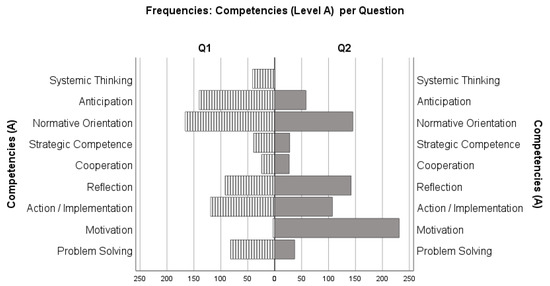
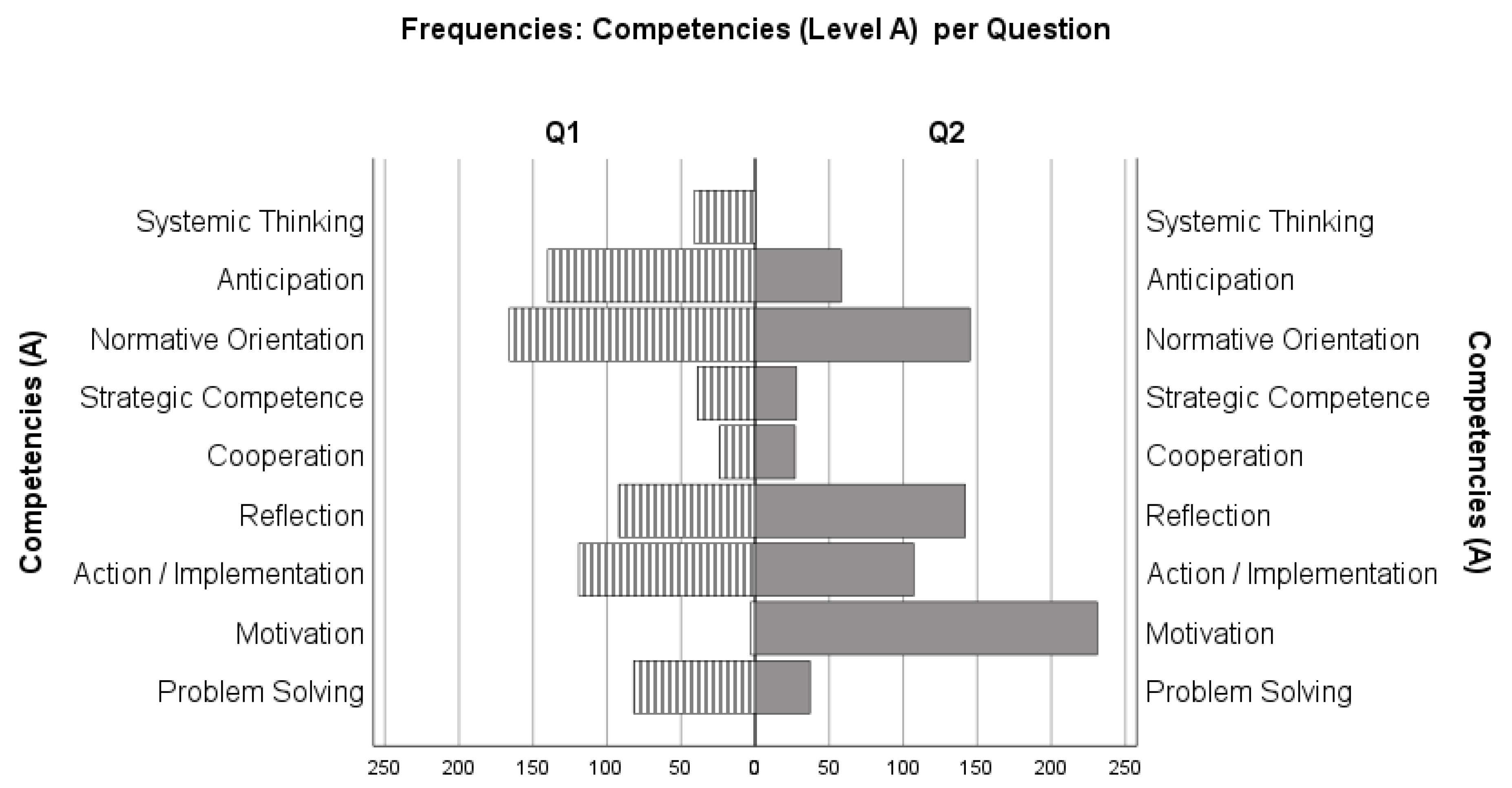
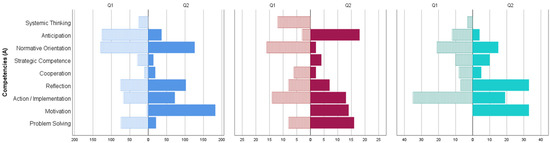
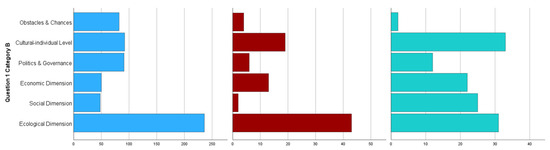
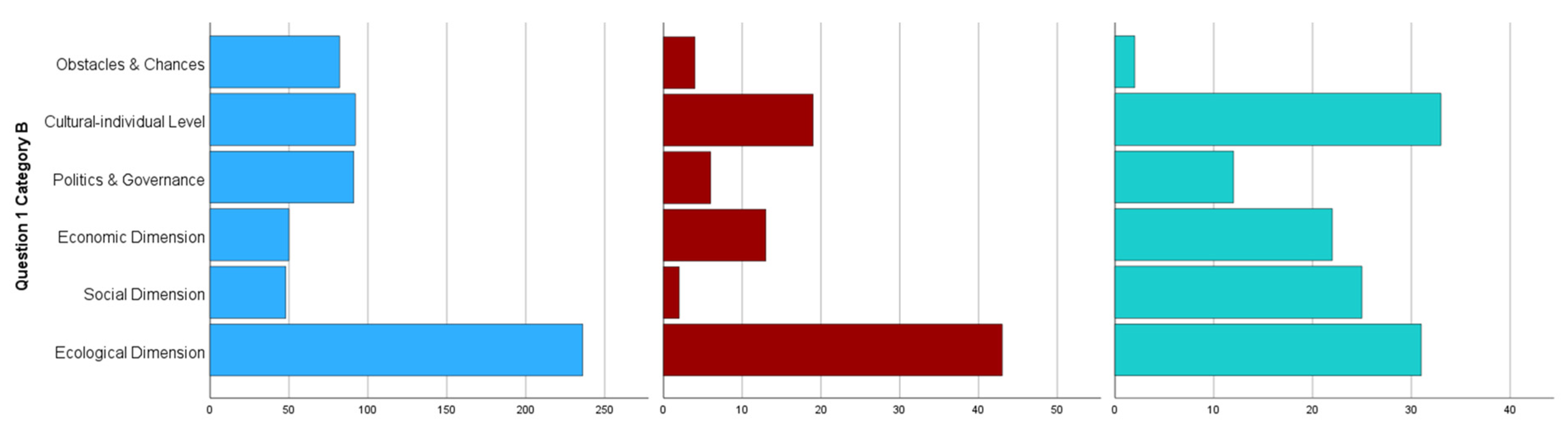
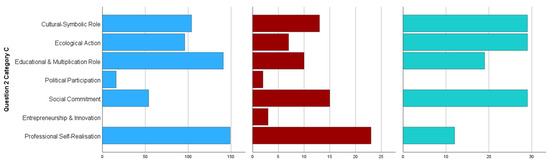
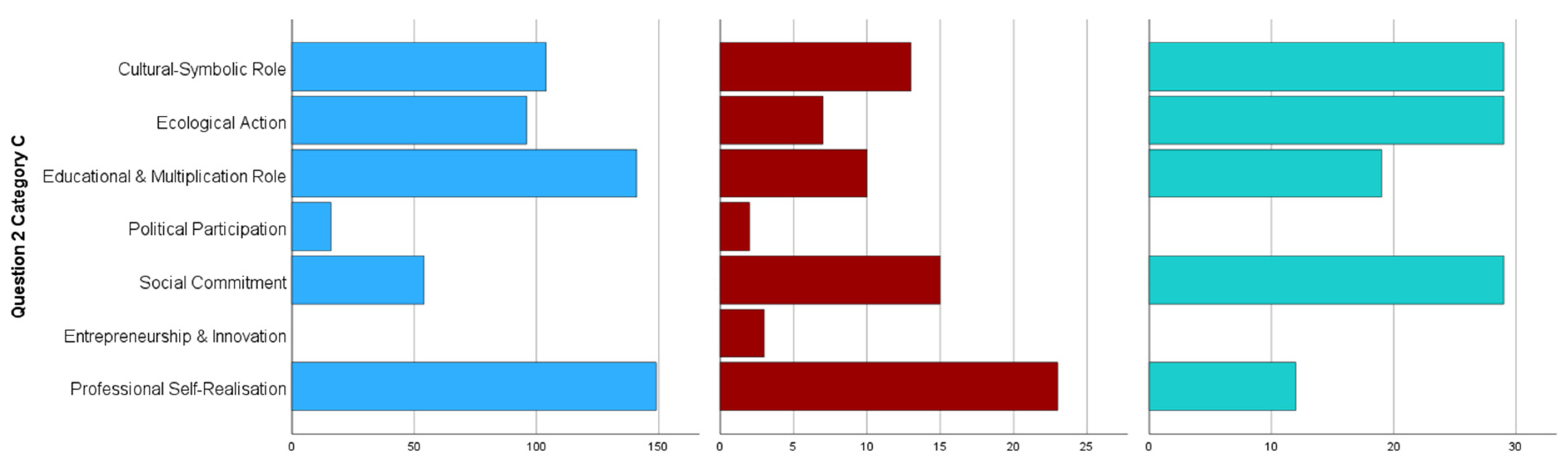

Disclaimer/Publisher’s Note: The statements, opinions and data contained in all publications are solely those of the individual author(s) and contributor(s) and not of MDPI and/or the editor(s). MDPI and/or the editor(s) disclaim responsibility for any injury to people or property resulting from any ideas, methods, instructions or products referred to in the content. |
© 2026 by the authors. Licensee MDPI, Basel, Switzerland. This article is an open access article distributed under the terms and conditions of the Creative Commons Attribution (CC BY) license.