1. Introduction
Considering that the renewable energy transition is a significant pathway in addressing climate change and green development, the United Nations Sustainable Development Goals emphasize that establishing a new energy system dominated by green energy is essential to ensure food security, promote economic growth, and maintain social stability [
1]. In recent years, the energy sector has been witnessing a significant and systematic global change: moving gradually from conventional energy sources and toward the adoption of clean and sustainable energy. This transition is not just an environmental choice; it has become a strategic necessity to achieve energy security and economic resilience against accelerating climate challenges. With the rapid progress of these shifts, the literature highlights that their success does not rely only on technical and economic feasibility, but depends on social and cultural factors that shape societal acceptance and support for this pathway [
2]. It is important to realize that decisions related to energy efficiency or the promotion of green policies result from a complex interaction of social structures where individual and collective attitudes are formed within a specific context of norms, trust, and networks of relationships.
Accordingly, young people, especially university students, play a crucial role in driving social change and adopting new ideas. They are not only passive recipients of policies but also key agents in shaping public opinion. Thus, they are the innovators and the carriers of future-oriented behaviors [
3]. A previous study indicated that school support has emerged as a critical factor, significantly influencing students’ perceptions [
4]. Similarly, the university environment is a vital framework for socialization in contributing to the formation of students’ identities, values, and attitudes toward major issues such as climate change and energy sustainability. For these reasons, this sector serves as an important indicator of society’s future orientations and its capacity for the transition.
The concept of social capital has emerged as a theoretically significant framework in the social sciences. Nonetheless, it took some time before it became a subject of study, discussion, and debate in sociology, as indicated by several sources [
5]. The literature indicates that the first use of the term ‘social capital’ in a sense close to the modern concept is attributed to Hanifan (1916–1920) in her study on the importance of rural schools as centers for building and developing social links and shared resources within local communities [
6].
From a sociological perspective, social capital is defined as the stock of trust (both general and institutional), social networks (bonding within homogeneous groups, bridging between different groups, and linking with formal institutions), and norms of civic engagement that enables individuals and groups to cooperate in achieving shared ambitions [
7]. The literature indicates that communities rich in social capital are better able to cope with crises, adopt complex innovations, and drive major societal transformations [
8]. Trust reduces the potential risks associated with change, networks transmit knowledge and positive values, and active participation offers a sense of responsibility and ownership toward public issues.
In the case of the Sultanate of Oman, it consciously positions itself within this global pathway through its strategic documents, especially Oman Vision 2040, which places sustainable development and environmental protection at the center of its priorities. Hence, this study explores the ‘role of social capital in shaping university students’ attitudes toward the energy transition’. It is based on a multivariable analysis approach that allows for a precise understanding of the complex interaction between individual students’ characteristics and their social capital resources and the institutional context of the university in which they operate, including the sustainability climate, opportunities for participation, and trust in governance.
2. Problem Statement
Despite of the central role of the energy transition in Oman’s strategic planning documents, the social and human dimensions of this transition have received less research attention compared to the technical and economic aspects. Most studies have focused on policy analysis, project feasibility, and technical timelines. On the other hand, studies examining social and human dimensions, including the role of informal social structures such as social capital in shaping individual attitudes and behaviors, remain very limited. Huang and Li (2025)’s study provides a more explanatory theoretical framework for understanding the socio-psychological basis regarding individuals’ willingness to pay for green energy, with important implications for the green energy transition and individual green consumption [
1].
This research gap limits a comprehensive and realistic understanding of how public opinion among youth, who represent the largest segment of Oman’s population, can be activated to support energy transition choices and adopt environmental sustainability. The relationship between social capital and environmental attitudes is not simple nor deterministic. In fact, it is context-dependent and can be moderated by other factors. Trust and social networks are also some important elements for the success of any collective action, including environmental initiatives, which emphasizes the need of measuring these factors. Research indicates that social capital plays an important role in influencing individuals’ willingness to invest in and pay for green energy [
1]. The current study adopts the concept of social capital as a multi-dimensional building. As Claridge [
9] (2018) points out, horizontally, bridge social capital refers to the connections that bridge social gaps between different individuals/groups, while, vertically, link social capital refers to relationships that extend across formal or institutional power hierarchies (such as ties to institutions). These distinctions help explain how students acquire information and build trust through peer networks and institutional channels simultaneously.
The problem addressed in this study lies in the fact that energy transition efforts within universities require a supportive social and institutional environment that raises students’ awareness of the renewable energy transition and transforms this awareness into actual behavior. Despite this, there is a lack of empirical research that examines the availability of social capital among students, including trust, social networks, bridging ties, and participation, and how it influences their attitudes toward the renewable energy transition. Moreover, the research problem is also highlighted by the limited evidence on students’ levels of knowledge (both objective knowledge and perceived awareness), their acceptance and support, and their intentions and behaviors in favor of energy conservation and green initiatives on campus.
In addition, the contribution of the institutional context, such as the sustainability climate, participation opportunities, and trust in governance and procedural justice in strengthening or weakening the effect of social capital, on students’ attitudes is still unclear. This research gap may be accompanied by potential differences among students based on college type (applied vs. humanities) and their exposure to sustainability-related knowledge through coursework or voluntary initiatives. Therefore, this study addresses this gap by measuring these dimensions collectively, examining the relationships among them, and assessing the explanatory role of environmental and energy-related knowledge alongside social capital and institutional factors in shaping supportive attitudes and behaviors toward the renewable energy transition among university students.
2.1. Study Objectives
This study aims to achieve a main objective: to measure the contribution of social capital, awareness of the renewable energy transition, and the institutional context in increasing the total support for the renewable energy transition among Sultan Qaboos University students. Based on this main objective, the following objectives are derived:
To measure students’ levels of support for the renewable energy transition, along with the dimensions of social capital, awareness, and components of the institutional context.
To examine whether the levels of support for the renewable energy transition differ according to demographic, academic, and prior experience characteristics (gender, academic year, college type, completion of relevant sustainability courses, and previous participation in volunteer initiatives).
To explore the nature of the relationship between social capital and the components of support for the renewable energy transition among students.
To assess the effects of social capital dimensions, awareness, and institutional context on students’ support for the renewable energy transition using ordinal regression and identify the strongest predictors.
2.2. Study Questions
The main question of this study is the following: To what extent do social capital, awareness of the renewable energy transition, and the institutional context within the university explain the level of support for the renewable energy transition among Sultan Qaboos University students?
Sub-Questions
What are the levels of support for the renewable energy transition, the dimensions of social capital, objective knowledge and self-perceived awareness, and the components of the institutional context (sustainability climate, participation opportunities, and trust in governance/procedural justice) among university students?
Do levels of support for the renewable energy transition differ according to demographic, academic, and prior experience characteristics (gender, academic year, college type, completion of relevant courses, and previous participation in volunteer initiatives)?
What is the nature of the relationship between social capital and the components of support for the renewable energy transition among students?
To what extent do social capital dimensions (including bridging), awareness, and institutional context predict students’ support for the renewable energy transition in an ordinal regression model, and which predictors exhibit the strongest independent effects after adjustment for covariates?
2.3. The Review of the Literature
Many countries and governments have worked to create strategic plans for achieving net zero emissions by 2050 and 2060. Oman is one of the countries that is planning to shift to clean energy to achieve net zero by 2050 and has several transition pathways by which it could attain that goal [
10]. To translate this national commitment into action, Oman’s energy system has undergone a transformation strategy and a national energy transformation program comprising multiple initiatives and plans aiming to expand clean energy sources and improve energy efficiency to strengthen energy security [
11].
Even though society has a big impact on the renewable energy transition, social components have not gained enough emphasis in recent discussions about it, which have mostly focused on technological and economic issues about the renewable energy transition in academics [
12]. The social action element has become increasingly important in the renewable energy transition in the past few years, with social capital emerging as a main concept highlighting the social impact regarding community participation in efforts toward energy trends [
13].
Social capital is considered a crucial element in supporting community participation, enhancing acceptance and cooperation among stakeholders, and building the community’s capacity for adaptation and resilience during the transition toward a more sustainable energy system. Therefore, investing in the development and strengthening of social capital makes the energy transition process more efficient and equitable [
14]. The influence of social factors in the renewable energy transition process has gained great importance, as social dimensions contribute to enhancing community engagement in the shift toward sustainable energy [
11]. This has been highlighted in several studies, such as that of Fraser [
15], which demonstrates the impact of social and economic factors on governments’ adoption of renewable energy sources such as solar and wind energy, as well as the significant influence of social capital and political institutions in promoting renewable energy adoption.
Similarly, Broska [
16]’s study’s study aims at exploring the sustainable community motivations that contribute to the transition toward sustainability within local communities. The results show the impact of active community participation, commitment to shared values and norms, and environmental awareness in encouraging individuals to adopt sustainable behaviors and engage in environmentally sustainable projects and initiatives [
13].
Segreto et al. [
17] seek to understand the impact of citizens’ social acceptance on the development of renewable energy systems by analyzing the role of mutual trust between the community and decision-makers in strengthening this acceptance. Their study focuses on the importance of adopting a participatory and transparent approach in the planning and implementation stages of renewable energy projects because this helps build trust and expand local acceptance of renewable energy systems.
In this regard, it is important to highlight the influence of social capital on the renewable energy transition. Social capital facilitates local community participation in energy transition processes by promoting dialog, cooperation, and knowledge exchange among various stakeholders. It also enhances mutual trust and community acceptance of sustainable energy initiatives and supports the use of both material and moral local resources to improve project efficiency. Moreover, it encourages more sustainable and consistent behaviors, making it a central factor in fostering collaboration among actors in the energy sector [
18].
Geskus et al. [
19] demonstrate the role of social capital in promoting cooperation and civic engagement among members of community cooperatives, stimulating the adoption of sustainable energy and a successful transition toward renewables [
16].
Giacovelli [
14] focuses on social capital and its three dimensions, structural, cognitive, and relational, as the main drivers of a successful transition to renewable energy. The study’s results show the contributions of social capital through shared knowledge, values, and local priorities in empowering inclusive energy systems and energy transition initiatives.
On the other hand, social ties and civic participation play a central role in increasing the likelihood of adopting solar energy projects and achieving success in the transition toward renewable energy [
15]. This is supported by several researchers, such as van der Schoor and Scholtens, who highlight the role of community initiatives in enabling local communities to contribute effectively to the spread of renewable energy by supporting a decentralized and sustainable energy system. Similarly, another study emphasized the role of social networks in developing community-level renewable energy projects and sustaining community renewable energy production to ensure the continuity and efficiency of these systems [
20].
Furthermore, the existence of strong social networks influences individuals’ decisions to participate in community energy initiatives [
21]. Regarding the effectiveness of social capital in forming university students’ attitudes toward the energy transition, universities can play a very important role in expanding educational opportunities for citizens in the field of energy and in promoting behavioral transformations at both the individual and collective levels. Through their active partnerships and collaborations with local communities in energy transition issues, universities can also provide educational and practical experiences that help in adopting new behavioral patterns among their students [
22].
Many studies have examined and documented this relationship, such as Janmaimool & Chontanawat [
23]’s study. They indicate that participation in sustainable energy behaviors is predicted by cognitive variables: perceived benefits, climate change concern, self-efficacy, and social norms. On the other hand, self-responsibility and action knowledge are not very significant. Interventions that sharpen perceived benefits and efficacy and employ visible norms are more likely to shift student attitudes and behavior toward the energy transition than knowledge-only approaches.
Guo et al. [
24] compare British (98) and Chinese (94) undergraduates’ sustainable attitudes and behavioral intentions (e.g., willingness to pay a premium) for renewable and nuclear energy. Both groups exhibit a high climate change awareness but limited energy knowledge bases. Acceptance and WTP are consistently higher for renewables than for nuclear energy. ‘Energy security beliefs’ and ‘energy-source familiarity’ are basic predictors of intentions. UK students show a somewhat higher WTP than their Chinese peers, though not always significantly. The study underscores that, for students, perceived security and familiarity shape the acceptance of specific transition pathways with education around contested technologies (e.g., nuclear).
Eshiemogie, Ighalo, & Banji [
25] survey engineering undergraduates in Nigeria on knowledge, perceptions, and awareness of renewable energy. While ~98% report having heard of renewables, only ~24% feel highly confident in their understanding. Most of them indicate that renewable energy content is missing from curricula yet expressed support for its inclusion.
Biancardi et al. [
26] implement a pre/post design in an Italian management engineering program to test whether a sustainability course shifts students’ attitudes about decarbonization, willingness to pay (WTP) for renewables, and support for policy tools. Students show more sustainable attitudes after the course, differentiating fossil versus renewable energy more clearly in price/WTP judgments and expressing a higher support for energy communities, green subsidies, and efficiency. The study indicates that structured higher-education exposure can move attitudes in pro-transition directions and refine students’ policy preferences, even over one term [
27].
Véliz et al. [
28] conduct a survey-based study analyzing the factors influencing university students’ acceptance or rejection of different energy sources and exploring their vision for the future of energy. The results indicate that ideological and political orientations affect individuals’ attitudes toward the transition to renewable energy sources, with socially liberal individuals being more willing to embrace clean technologies such as solar and wind power.
2.4. Conceptual Framework
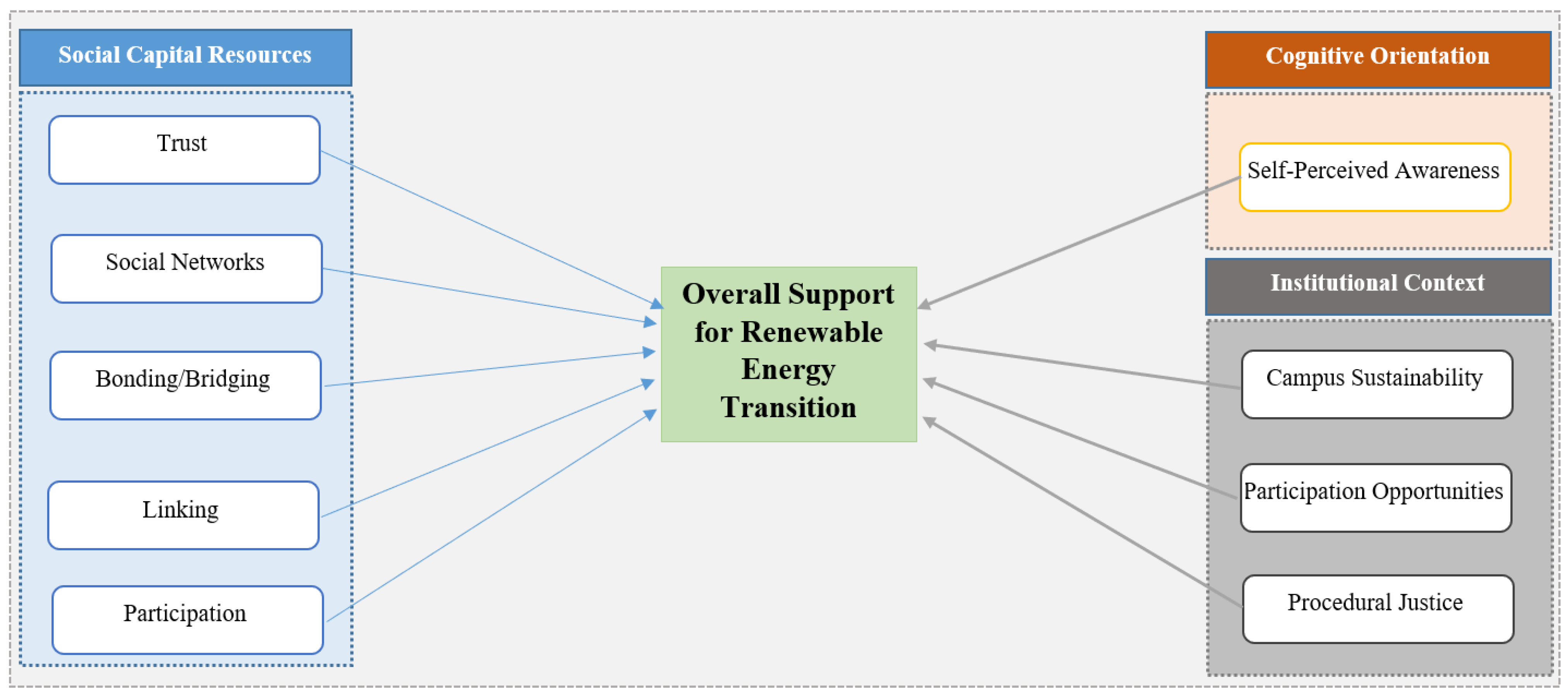
This study is grounded in a multidimensional conceptualization of social capital and institutional context theory to explain students’ support for the renewable energy transition. The proposed research model assumes that students’ overall support is shaped by three interrelated explanatory domains:
Social capital resources (trust, social networks, bridging, linking, and participation),
Cognitive orientation (self-perceived awareness),
Institutional context (campus sustainability climate, participation opportunities, and procedural justice).
The model conceptualizes these domains as parallel explanatory predictors of students’ overall support for the renewable energy transition. Social capital constitutes a set of relational and normative resources—such as trust, networks, and participation—that facilitate cooperation, collective engagement, and shared responsibility toward sustainability initiatives. Self-perceived awareness represents the cognitive dimension of the framework, enhancing students’ attitudinal alignment with renewable energy goals and environmental responsibility. The institutional context captures structural and governance-related conditions, including sustainability climate and procedural justice, which influence perceptions of legitimacy, transparency, and fairness within the university environment.
Figure 1 illustrates the conceptual framework tested in this study.
4. Study Tool
The tool of this study is designed to measure the dimensions of social capital, objective knowledge and self-perceived awareness of the renewable energy transition, contextual variables, as well as the overall support index among Sultan Qaboos University students. This tool contains three main domains of independent variables. The first one measures the dimensions of social capital: trust, social networks, bridging, linking with institutions, and student participation. The second one evaluates objective knowledge and self-perceived awareness related to the renewable energy transition. The third one focuses on contextual variables such as the sustainability climate on campus, opportunities for student participation, and trust in governance and procedural justice.
The dependent variable is the overall support index for the renewable energy transition. In addition, the questionnaire includes two demographic variables related to students’ prior experience in the fields of sustainability and energy: having taken a course related to sustainability or energy and previous participation in any initiatives or voluntary programs related to the environment, sustainability, or clean energy. The questionnaire also includes basic demographic variables: gender, college type, college name, and year of study.
A five-point Likert scale is used to measure the level of agreement for all items across the different study dimensions except for the objective knowledge dimension, as three response options are used to assess knowledge: true, false, and I do not know. The study tool was reviewed by a panel of faculty members from the College of Arts and Social Sciences during the Fall 2025 semester to ensure the clarity of the items and their validity in accurately and reliably measuring the targeted variables.
Table 1 shows the study variables and the number of items for each variable.
A composite variable is calculated for each independent variable and for the dependent variable by summing participants’ responses to all items within the dimension representing this variable. This step aims at creating a composite scale reflecting each dimension of social capital and students’ attitudes toward the renewable energy transition. For the dependent variable, after creating the composite variable, it is classified into three groups to facilitate analysis: low support (total responses ranging from 8 to 18), medium support (total responses ranging from 19 to 29), and high support (total responses ranging from 30 to 40). The categorization was adopted to facilitate the interpretation of substantively meaningful support levels (low, moderate, high) rather than relying solely on a continuous composite score. These groups enable the use of ordinal logistic regression (OLR) in examining the relationship between the dimensions of social capital and students’ attitudes toward the renewable energy transition more effectively.
4.1. Reliability and Construct Validity
The consistency of each dimension in the questionnaire is measured using Cronbach’s Alpha. The reliability values range from (0.715 to 0.893) for the independent variables and (0.864) for the dependent variable (overall support index) indicating an accepted level of internal consistency and confirming the reliability of the study measures. Construct validity is also evaluated using correlation coefficients between each sub-dimension and the overall composite variable for all items. All relations are positive and statistically significant at the (0.05 or 0.01) level, confirming that each dimension contributes appropriately in representing the overall variable and supporting construct validity.
Table 2 shows the results.
4.2. Statistical Data Analysis Methodology
This study uses ordinal logistic regression (OLR) to investigate the relationship between the dimensions of social capital among Sultan Qaboos University students and their attitudes toward the renewable energy transition. This analysis is chosen for the dependent variable, the overall support index for energy transition, to be measured on an ordinal scale. This method allows for estimating the cumulative probability of students being at higher levels of support compared to lower levels of the overall support index.
Objective knowledge (KO), measured using ten true/false/don’t know items, was analyzed descriptively to assess students’ factual understanding of renewable energy transition concepts. Because these items cover heterogeneous technical aspects and were not designed as a single unidimensional latent scale, KO was not included in the ordinal logistic regression model. Instead, the regression retained self-perceived awareness (KS), a Likert-type scale with established internal consistency and stronger conceptual alignment with attitudinal support.
Demographic and experiential variables, including the completion of sustainability-related courses and prior participation in volunteer initiatives, were examined using nonparametric group comparison tests to assess differences in the overall support levels. These variables were treated as background characteristics and were not included in the multivariable ordinal logistic regression model, which focused on theoretically grounded social capital, knowledge, and institutional context constructs.
Before estimating the ordinal logistic regression (OLR) model, high correlation among the independent variables is evaluated using the Variance Inflation Factor (VIF) following the recommendations of O’Brien [
29]. where values above (10) indicate potential multicollinearity issues. The proportional odds assumption, a fundamental requirement for ordinal logistic regression, is tested using the test of parallel lines as recommended by Agresti [
30] Model goodness-of-fit is measured using likelihood ratio chi-square tests and Pseudo R
2 statistics. The significance of the regression coefficients is examined at (
p < 0.05). All statistical analyses are conducted using IBM SPSS Statistics (Version 23).
Regarding sample adequacy, the final sample size (n = 437) exceeds the commonly recommended minimum thresholds for ordinal logistic regression models with multiple predictors, thereby supporting the statistical power and stability of the parameter estimates. Given the number of independent variables included in the model, the sample size satisfies conventional events-per-variable guidelines for regression analysis.
4.3. Multicollinearity Diagnostics
Before conducting the regression analysis, a diagnostic test for multicollinearity among the independent variables is done using preliminary linear regression.
Table 3 presents the Tolerance and Variance Inflation Factor (VIF) values for all nine independent variables included in the model. The results indicate that all variables have Tolerance values above the recommended minimum (0.20) and VIF values below the critical threshold (5.0), suggesting that there is no serious multicollinearity issue among the variables. This supports the stability and reliability of the subsequent ordinal logistic regression estimates [
29,
31].
4.4. Demographic Characteristics of the Participants
A total of 437 students from various colleges and academic disciplines at Sultan Qaboos University (Sultanate of Oman) participated in this study.
Table 4 shows the distribution of participants by gender, college type, college name, and year of study. The results of this study show that (48.1%) of the participants were males, while (51.9%) were females, indicating a relatively balanced gender distribution. Regarding college type, more than half of the participants (62.0%) were from humanities colleges, and (38.0%) were from applied sciences colleges. When considering the distribution by college, the highest proportion of students was from the College of Arts and Social Sciences (33.4%), followed by the College of Education (13.7%), whereas the lowest proportions were in the Colleges of Nursing (4.8%) and Medicine and Health Sciences (7.1%). In terms of the year of study, the largest representation was in the fourth year (20.1%) and fifth year (18.8%), and the lowest representation was in the foundation year (10.1%) and sixth year (9.2%).
4.5. Distribution of Students by College Type and Exposure to Environmental Sustainability Courses
The results shown in
Table 5 indicate significant differences between college types regarding the study of courses related to environmental sustainability and energy. In total, 123 students (28.1%) from applied sciences colleges had taken such courses, compared to 93 students (21.3%) from humanities colleges, while the majority of humanities students (178 students (40.7%)) had not taken these courses. Overall, the distribution between students who had taken these courses and those who had not is nearly equal (49.4% vs. 50.6%).
5. Study Results
This section displays the statistical results and the study’s questions based on descriptive and inferential analyses of the study sample: 437 students from Sultan Qaboos University. The aim of this article is to provide a comprehensive understanding of the levels of overall support for the renewable energy transition, the dimensions of social capital, and students’ knowledge and awareness of energy transition, as well as to evaluate the impact of demographic, academic, and prior experience factors on these variables. Moreover, this section highlights the relationships between independent and dependent variables, indicating the most influential factors in promoting the attitudes of the students toward energy transition within the university environment.
First, we present the results related to levels of public support for the renewable energy transition, dimensions of social capital, objective knowledge and self-perceived awareness, and components of the institutional context: sustainability climate, opportunities for participation, and trust in governance/procedural justice among university students.
To address this part, descriptive statistical analysis is used through means, standard deviations, frequencies, and percentages.
1. Level of the Overall Support for the Renewable Energy Transition
The results of the descriptive statistical analysis of the overall support index show a clear tendency toward high levels of support among the participants.
Table 6 shows that the vast majority of participants (77.3%) are classified in the high-support category, reflecting a strong level of acceptance and support for the renewable energy transition and environmental sustainability on campus. In contrast, the proportions of moderate and low support are relatively lower, indicating limited hesitation or opposition among the participants. These results show that most participants belong to the high-support category rather than the other support levels. This means that support for the renewable energy transition is obviously dominant among the sample. This pattern helps explain the analytical results and suggests that certain factors are playing a role in strengthening overall support. It also indicates that the studied environment has a generally positive climate that encourages acceptance and support for the renewable energy transition.
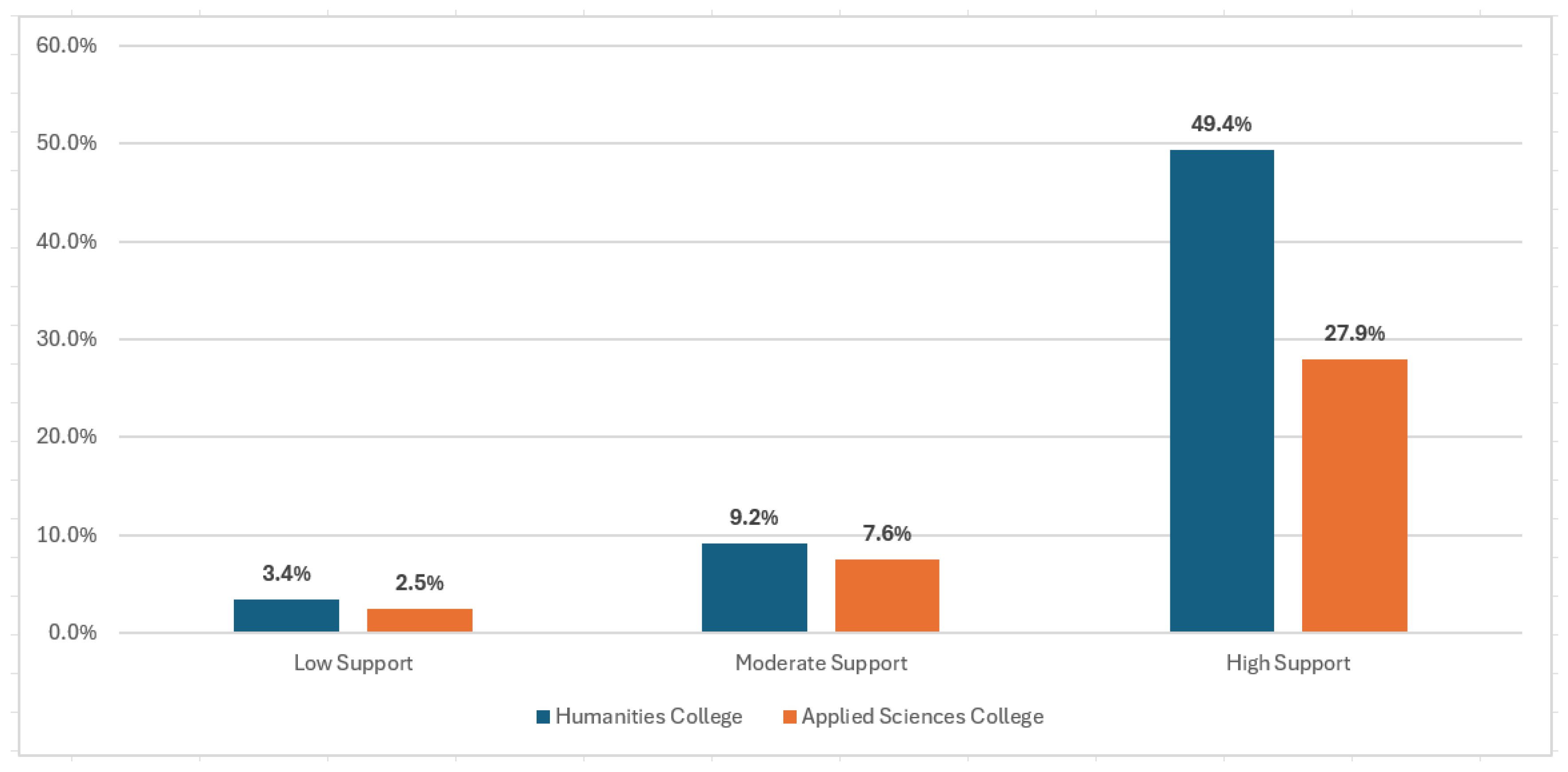
Figure 2 shows the distribution of levels of overall support for the renewable energy transition by college type. It indicates that the high-support category represents the largest proportion in both humanities and applied colleges. This reflects a positive orientation toward the renewable energy transition among university students across different fields of study. However, humanities colleges record a higher level of high support compared to applied colleges, while the proportions of moderate and low support remain limited in both types. These findings propose that differences in academic background may be associated with varying levels of acceptance and support for the renewable energy transition.
2. Levels of Social Capital Dimensions
Table 7 shows that all dimensions of social capital recorded relatively high mean scores as a percentage of the maximum possible score, ranging from 83.2% to 92.8%. The institutional linking dimension has the highest relative mean (92.8%), followed by bridging social capital (92.7%). Student participation and social networks ranked relatively lower although they still fall within the high level. These results indicate the presence of strong social capital among university students, especially in terms of relationships with formal institutions and openness to different groups within the university community.
3. Objective Knowledge and Self-perceived awareness of the Renewable Energy Transition
Table 8 shows the results for objective knowledge among university students. It displays that the students have a good general understanding of renewable energy transition and sustainable energy concepts, particularly those related to individual behavior, energy efficiency, and public transportation. Most of the items received high percentages of correct answers reflecting a clear awareness of the role of daily practices in reducing emissions. For example, (66.1%) of students acknowledged the importance of public transportation in lowering emissions, (62.2%) highlighted the role of recycling in reducing energy consumption, and (61.3%) confirmed that changing individual behavior contributes to reducing emissions on campus. On the other hand, the results also reveal some knowledge gaps in more technical and complex issues, such as energy storage and building insulation, where the percentage of ‘I don’t know’ responses increase. There is also variation in understanding some common concepts: (55.6%) of students correctly recognized that the renewable energy transition is not limited to replacing oil with solar energy, while a notable proportion were unsure. These results indicate a knowledge pattern that gathers a high general awareness of behavioral and sustainability issues, with a continuing need to strengthen specialized technical understanding related to the mechanisms of the energy transition.
4. Components of the Institutional Context
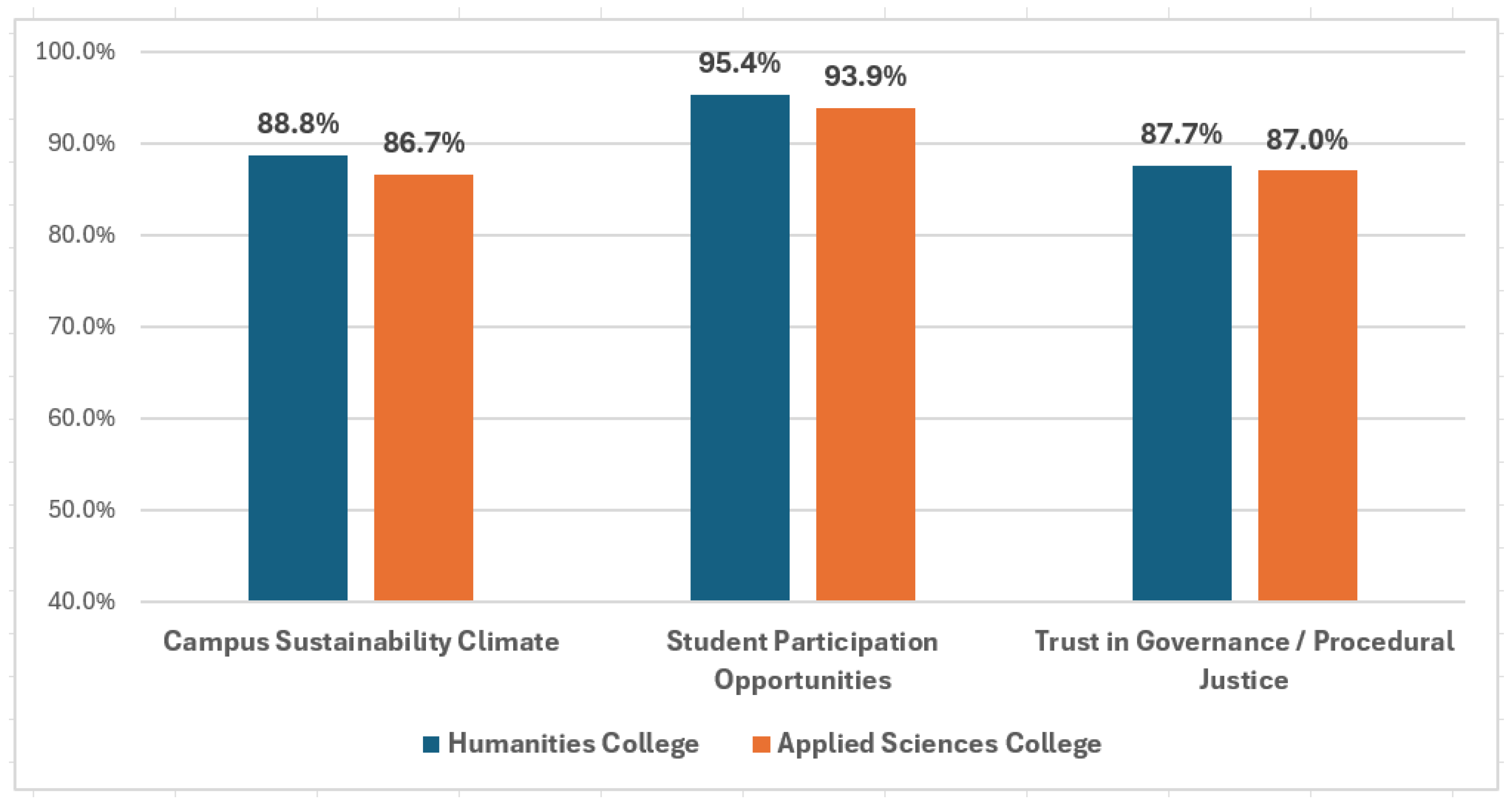
The descriptive analysis results indicate that students evaluate the institutional context at the university positively and at a high level. The relative mean scores were (88.0%) for the campus sustainability climate, (94.8%) for student participation opportunities, and (87.4%) for trust in governance and procedural justice. These results reflect students’ perception of a supportive university environment for sustainability, participation, and fair governance.
Figure 3 shows the distribution of students’ evaluations of the institutional context components regarding college type. Humanities colleges had slightly higher averages compared to applied colleges for all three components. The average score for the campus sustainability climate was (88.8%) for students in humanities colleges versus (86.7%) in applied colleges. For student participation opportunities, the scores were (95.4%) and (93.9%), respectively, while trust in governance and procedural justice was (87.7%), compared to (87.0%). These results reflect students’ perception of a supportive university environment for sustainability, participation, and fair governance in all colleges, with small differences favoring humanities colleges. This suggests that opportunities for institutional engagement are relatively similar across different academic contexts within the university.
Second, we present the results on the differences in overall support for the renewable energy transition regarding demographic, academic, and prior experience characteristics: gender, academic year, college type, enrollment in related courses, and previous participation in volunteer initiatives.
This part of the study shows the results of statistical tests examining differences in the level of overall support for the renewable energy transition among students based on gender, academic year, college type, enrollment in related courses, and previous participation in environmental, sustainability, or clean energy initiatives or programs. Mann–Whitney U tests are used for binary variables, and the Kruskal–Wallis test is used for variables with multiple categories.
1. Test of differences in overall support for the renewable energy transition regarding students’ demographic characteristics and prior experience
To examine whether the levels of overall support for the renewable energy transition differ according to students’ demographic, academic, and prior experience characteristics, the study used the Mann–Whitney U test for binary variables. This analysis includes three main variables: gender, college type, and previous participation in any environmental, sustainability, or clean energy volunteer initiatives or programs.
Table 9 shows the test results. It indicates that the overall support levels did not differ significantly by gender (U = 23,064; Z = −0.801;
p = 0.423) or college type (U = 21,123.5; Z = −1.465;
p = 0.143). No significant differences were found based on previous participation in volunteer initiatives (U = 20,245.5; Z = −1.175;
p = 0.240). These results reflect the acceptance and generally high level of support for the renewable energy transition among all students regardless of demographic, academic, or prior experience characteristics.
2. Test of differences in overall support for the energy transition by college and academic year
To examine whether the levels of overall support for the renewable energy transition differ based on students’ college and academic year, this study uses the Kruskal–Wallis test.
Table 10 shows the test results, which indicate that the overall support levels did not differ significantly across different colleges (χ
2 = 7.143, df = 8,
p = 0.521), with mean ranks ranging from (191.54) to (232.16) across colleges. This reflects a high positive acceptance of the renewable energy transition regardless of academic specialization. The Kruskal–Wallis results show no significant differences by academic year (χ
2 = 6.505, df = 6,
p = 0.369) despite the variation in mean ranks between (203.06) and (238.52). This suggests that the overall support levels remain relatively high among students at all stages of study, with no clear effect of academic year on their attitudes toward the renewable energy transition.
Third, we present the results on the relationship between social capital and components of overall support for the renewable energy transition among students.
The relationship between the dimensions of social capital and the overall support index for the renewable energy transition is measured using correlation analysis, with the results presented in
Table 11. The results indicate that all dimensions of social capital are positively correlated with the level of overall support. This suggests that higher trust, expanded social networks, stronger institutional linking, and student participation are associated with higher support levels. This relationship highlights the role of social capital as a supportive framework for enhancing acceptance, support, and pro-energy transition behavior, which emphasizes the importance of trust and institutional relationships in fostering positive attitudes toward sustainable policies and practices.
Fourth, we present the results on the explanatory impact of social capital dimensions, self-perceived awareness, and the institutional context on raising overall support levels.
To measure the explanatory impact of social capital dimensions, self-perceived awareness, and the institutional context on the levels of overall support for the renewable energy transition, the study uses an ordinal logistic regression model due to the ordinal nature of the dependent variable. This approach allows for evaluating the strength and effect of each independent variable on the likelihood of moving to higher support levels, while controlling for the influence of other variables. It also provides a solid basis for understanding the contribution of these dimensions in shaping students’ attitudes toward the renewable energy transition.
1. Results of the Ordinal Logistic Regression Analysis
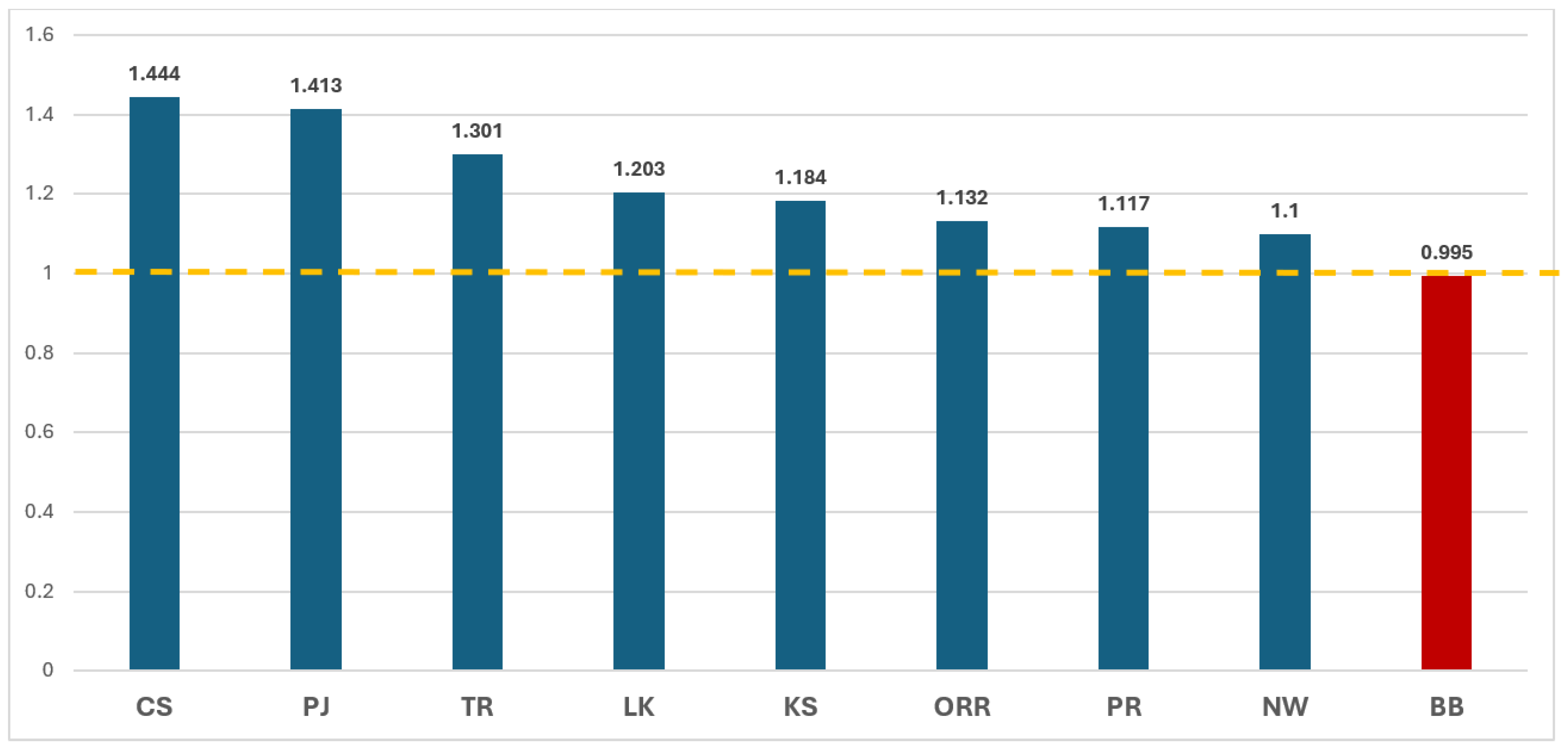
Table 12 shows the results of the ordinal logistic regression model regarding the factors that influence students’ levels of the overall support index. The results show that most of the independent variables (eight variables) have a significant positive effect on the likelihood of moving to higher levels of the index, while the bridging variable (BB) does not show a significant effect. The variable measuring the campus sustainability climate (CS) is the strongest predictor (β = 0.367, OR = 1.443,
p < 0.001), indicating that each one-unit increase in students’ evaluation of the sustainability climate increases the likelihood of a higher support category by (44.3%). This is followed by trust in governance/procedural justice (PJ) (β = 0.346, OR = 1.413,
p < 0.001) and trust (TR) (β = 0.263, OR = 1.301,
p < 0.001), showing the prominent role of trust and fair governance in strengthening the support index. The other variables, linking with institutions (LK), self-perceived awareness (KS), student participation opportunities (OP), student participation (PR), and social networks (NW), show moderate statistically significant positive effects. In contrast, bridging (BB) is not statistically significant (β = −0.005, OR = 0.995,
p = 0.941).
2. Model Fit and Statistical Validity Assessment
The overall model fit is measured using likelihood ratio tests, Pseudo R-square statistics, and the test of parallel lines.
Table 13 shows that the model demonstrates a statistically significant improvement compared to the intercept-only model (χ
2 = 331.171, df = 9,
p < 0.001), indicating that the inclusion of independent variables substantially enhances the model’s explanatory power. The Pseudo R-square values support the strength of the model. The Nagelkerke Pseudo R
2 value of (0.722) indicates that the model explains approximately (72.2%) of the variance in the overall support index, while the McFadden Pseudo R
2 value of (0.569) suggests that (56.9%) of the variance is explained by the independent variables. Finally, the test of parallel lines is not statistically significant (χ
2 = 13.750, df = 9,
p = 0.132), supporting the proportional odds assumption and confirming that the ordinal logistic regression model is appropriate for the ordinal nature of the dependent variable.
Fifth, we present the results regarding the most influential variables in raising students’ level of overall support for the renewable energy transition, with an estimation of the independent and significant effect of the bridging dimension after controlling the other variables.
To identify the strongest determinants, the study relies on odds ratio values derived from the ordinal logistic regression analysis, as illustrated in
Figure 4. The results show that the campus sustainability climate is the most influential determinant in increasing the likelihood that students move to higher levels of overall support for the renewable energy transition. This is followed by trust in governance and procedural justice, and then overall trust, highlighting the central role of institutional and trust-based cultural factors in shaping students’ attitudes. The results also indicate that other variables show statistically significant positive effects to varying degrees, reflecting their cumulative contribution to enhancing overall support levels, such as linking with institutions, self-perceived awareness, student participation opportunities, student participation, and social networks. Conversely, the bridging dimension does not show a statistically significant effect after the inclusion of the other variables in the model. This suggests that its potential effect is reduced when institutional, cognitive, and cultural factors are controlled, indicating a limited role for bridging as an independent determinant of overall support for the renewable energy transition in the university environment.
7. Conclusions
This study reveals that social capital, based on the adopted measurement indicators of trust, social networks, the bridging (bonding/cohesion) dimension, linking with institutions, and student participation, predicts the level of support for the renewable energy transition among Sultan Qaboos University students. Through conducting a multivariable analysis, the results show that the institutional context has the strongest explanatory power for support levels, followed by trust in governance/procedural justice and then interpersonal trust. Accordingly, strengthening support is associated with the presence of a supportive university environment characterized by fairness, transparency, and genuine opportunities for participation. These findings support the idea that the success of renewable energy transitions cannot be reduced to technical solutions only, but to social and institutional foundations related to the university community’s ability to build and sustain networks of cooperation and trust as well.
Theoretically, the results contribute in supporting the concept of social capital as a multidimensional construct that helps explain pro-energy transition attitudes within the university context and deepen the understanding of the relationship between the institutional climate and individual attitudes. Practically, this study provides a diagnostic framework that enables universities to assess and strengthen their sustainability environments by expanding inclusive participation, embedding fair governance, and activating experiential learning as key drivers of pro-environmental behavior and renewable energy transition support.
Implications
The implications of this study extend to both policy and practice. At the policy level, the findings highlight the importance of integrating social capital dimensions, particularly institutional trust and participatory governance, into renewable energy transition strategies, as these factors support a higher societal acceptance and strengthen commitment to transition pathways. This study indicates that sustainable transition relies not only on technological innovation but also on social legitimacy and a sense of collective ownership among youth and academic communities.
For higher education institutions, the results refer to a set of actionable measures including enhancing sustainability-focused curricula and educational programs, expanding student participation channels in environmental sustainability decision-making, and embedding transparent and fair governance practices. Strengthening the campus sustainability climate can transform universities into practical learning and action environments, providing an integrated space where knowledge, attitudes, and social capital interact, thereby promoting pro-green behaviors.
Regarding future research directions, this study recommends expanding longitudinal studies to capture the dynamics of social capital and sustainability behaviors among students over time, as well as conducting cross-university comparisons to evaluate the effects of cultural and contextual differences. In addition, using qualitative approaches is expected to provide a deeper understanding of how social networks and institutional trust form and develop and how they relate to actual engagement in sustainability practices and the renewable energy transition.
One methodological limitation concerns the distribution of the dependent variable, as a large proportion of respondents fall within the high-support category. Although the ordinal logistic regression assumptions were satisfied, such an imbalance may influence the stability and precision of coefficient estimates. Future research may consider alternative modeling strategies, including treating the composite score as continuous or applying generalized ordered models to further assess robustness. Despite this imbalance, all model diagnostics—including the test of parallel lines and multicollinearity checks—indicated that the ordinal logistic regression model was statistically appropriate for the data structure.
This study is based on a cross-sectional, self-reported survey conducted within a single university context, which limits the generalizability of the findings beyond Sultan Qaboos University and restricts causal inference. The relationships identified should therefore be interpreted as explanatory associations rather than causal effects. Although appropriate diagnostic tests supported the suitability of the ordinal logistic regression model, potential endogeneity and common method variance cannot be fully excluded in survey-based research. Furthermore, while the measurement instruments demonstrated a satisfactory internal consistency and convergent validity, additional psychometric validation—such as factor-analytic testing across diverse samples—would further strengthen the robustness of the constructs. Future research employing longitudinal designs, multi-institutional samples, and advanced modeling approaches would enhance external validity and deepen our understanding of the observed relationships.
In addition, future research would benefit from incorporating qualitative or mixed-methods approaches—such as in-depth interviews, focus groups, or case-based institutional analysis—to provide deeper insight into why certain institutional and trust-related factors emerge as more influential in shaping support for the renewable energy transition. Such qualitative inquiry would allow researchers to explore the underlying mechanisms, perceptions, and contextual narratives that complement the statistical associations identified in this study. Integrating qualitative evidence would therefore enhance explanatory depth and provide a more comprehensive understanding of the social and institutional dynamics underpinning pro-transition attitudes.





 ,
,