Article

Inclusive and Sustainable Digital Technological Transformation, Legal Innovation in Marketing and Business Performance of China and the European Union

1
Law School & Intellectual Property School, Jinan University, 855 Xingye Avenue East, Panyu District, Guangzhou 511443, China
2
School of Public Policy and Administration, Xi’an Jiaotong University, 28, Xianning West Road, Xi’an 710049, China
3
School of Criminal Justice, China University of Political Science and Law, 27 Fuxue R, Beijing 102249, China
4
School of Law, Hainan University, No. 58 People’s Avenue, Haikou 570228, China
*
Author to whom correspondence should be addressed.
Sustainability 2026, 18(5), 2523; https://doi.org/10.3390/su18052523
Submission received: 15 January 2026 / Revised: 24 February 2026 / Accepted: 3 March 2026 / Published: 4 March 2026
(This article belongs to the Special Issue Inclusive and Sustainable Marketing and Business Performance)

Abstract

The significance of inclusive and sustainable digital technological transformation, legal innovation, and marketing practices is analysed, with a focus on their impact on business performance in China and the European Union. This discussion underscores the significance of legal innovations and digital transformations. How does AI-driven marketing contribute to sustainability-oriented marketing practices and business performance strategies? What differences exist between China and the EU in digital governance and legal innovation supporting sustainable digital transformation? Previous research on digital transformation has primarily focused on the adoption and efficiency of technology, as well as a firm’s performance, with the roles of legal innovation and inclusiveness often considered; however, there is a dearth of comparative research that incorporates comparisons between China and the European Union, especially when considering the condition of sustainable digital marketing and the implications of the different legal systems. This research encompasses regulations governing the digital economy and sustainability policies in China and the European Union, as well as case studies of organisations that have transformed the digital environment. Considering legal innovations coupled with digital transformations, this debate aims to underscore the importance of sustainable practices in driving economic growth and international trade.

1. Introduction

Global trade, also known as international trade, is the dynamic exchange of capital, goods, and services across international borders. The underlying economic theory of international trade revolves around principles of interdependence, complementary relationships, and the significant gains that can be derived from this trade. The primary goals of engaging in trade are to complete the production of various products and to establish a robust and effective supply chain. This process is a crucial element of international production networks [1]. Significantly deeper integration of the Chinese and European economies is accompanied by increased business collaboration between the two regions. Moreover, digital technologies and various legal innovations are emerging as essential vectors that promote a more open, accessible, and prosperous environment for countries and their social development in this complex context [2]. Multinational enterprises have taken on a pivotal role as intermediaries, ensuring that their operations remain sustainable while simultaneously supporting Chinese development, thereby enhancing competitiveness and fostering international business within the European Union. However, globalisation has opened a multitude of opportunities for many. Digital processes and innovative legal solutions continue to play a significant role in driving global transformations. To navigate these turbulent waters effectively, public–private partnerships may be instrumental in designing effective strategies to sustain worldwide trade and facilitate business activities under challenging conditions [3].
This study identifies a significant gap in the overlap between digital transformation, legal innovation, and sustainability, an area with little research, especially in China and the EU. There is a wide range of legal frameworks for the digital economy, including differences in data protection and trade policies. There is also little research on the use of AI for sustainability in marketing in emerging economies, as it is mainly studied in developed economies [4]. Globally, local governments and private businesses are adopting digital technologies at accelerating rates to drive economic growth and innovation in a rapidly evolving environment. Legal innovations mediate the interactions between digital technologies and financial activities. Legal innovations reduce transaction costs by clarifying market rules and guiding resource allocation, thereby supporting sustainable development. The combined use of digital technologies and legal innovations alters the patterns and mechanisms of global trade and business sustainability [5]. Digital technologies are tools, methods, and systems that enhance the development and deployment of products, services, and operations; examples include e-commerce platforms, mobile payment solutions, cloud computing, data analytics, artificial intelligence, blockchain, augmented reality, and virtual reality. Legal innovations encompass novel frameworks, policies, and rules formulated, adopted, and implemented by governments; examples include newly created digital trade agreements, regulatory guidelines, protocols, standards, and harmonised market access requirements [6].
The main objective of the problem that has been identified is how legal innovation in different jurisdictions, such as China and the EU, can be harmonised to be more inclusive for sustainable digital transformation. More specifically, how can digital legal frameworks be used to enhance sustainability in business models, especially for SMEs? Another area that has been identified as requiring research is how AI can be leveraged for sustainability in marketing in these jurisdictions. Finally, how do international trade policies impact digital transformation, and how can inclusivity for small businesses and underrepresented groups be ensured to enable widespread, sustainable business performances?
The World Trade Organisation (WTO) originally defined e-commerce as the electronic production, distribution, marketing, sale, or delivery of goods and services, a view that persisted until 2013 [7]. The United States International Trade Commission (USITC) provided an official definition of digital trade, further refined in subsequent reports, emphasising the delivery of products and services through digital networks [8]. The Organisation for Economic Cooperation and Development (OECD) defines digital trade as digitally enabled transactions involving goods and services that can be delivered either physically or digitally, with participants including consumers, firms, and governments. Digital trade plays an increasingly significant role in driving economic growth and fundamentally reshapes trade patterns, reducing market costs and enhancing trade efficiency [9].
The dynamic interaction between technological and legal frameworks is crucial in shaping trade patterns and sustainability in the global value chain [10]. International trade has undergone significant changes in recent decades, particularly since the 1990s, with notable changes compared to the first decades of the twentieth century. The increase in cross-border transactions is particularly relevant in the context of globalisation [11]. Globalisation can be defined as the international integration arising from the interchange of world views, products, ideas, and other varieties of culture [12]. As global trade expands to new dimensions of innovation and transformation, it extends beyond the exchange of physical goods and services to encompass the trade of data and other digital products.
Although an increasing number of countries rely on digital tools for long-distance business transactions, the rapid growth of digital tools and content has also engendered new concerns and challenges regarding cybersecurity and consumer protection [13]. Modern trade is therefore both a product of and a catalyst for innovation, and states must soon collaborate to establish new regulations and restrictions for the safe placement and exchange of goods and capital (see Figure 1). The digital economy currently accounts for approximately 15.5% of global GDP, and the digital supply chain comprises nearly 10% of international trade. As such, certain digital technologies are better equipped to shape and control modern supply chains and therefore hold significant capacity to influence security and sustainability [14]. This paper is structured as follows: Section 2 provides a literature review and an overview of academic critiques. Section 3 outlines the materials and methods employed, specifically the secondary data sources and the methods used to collect them. The results reveal the types of digital products identified and the spatial hierarchy of the urban market; Section 4 analyses the results, their significance, their potential applications, and the study’s limitations. Finally, Section 5 concludes with a summary of the most vital arguments and recommendations for future e-development and research.

2. Literature Review

Sustainability has become a vital concern in global business practices, necessitating comprehensive involvement across the supply chain to enhance environmental and social standards. The pursuit of sustainable business models focuses on maintaining economic growth while minimising environmental damage, aligning with the Sustainable Development Goals outlined in global agreements, such as the Paris Climate Change Agreement. Consequently, many governments now emphasise promoting sustainable development through environmental protection [15]. Beyond corporate responsibility, sustainability also aligns with government competitiveness, prompting the widespread adoption of green concepts across various entities. Significant areas of sustainability include sustainable supply chains, corporate social responsibility, and adherence to environmental regulations. These facets enable businesses to make substantial contributions to environmental preservation, social welfare, and economic prosperity, thereby supporting the goals outlined in the Paris Agreement [16].
These highly sophisticated human activities represent the seeds of global trade, incorporating exchanges of products and services. Such connections have been accompanied by the cross-border transportation of cultural elements, various aspects of human activity on the Earth, and other natural processes. As time has passed, new forms of transportation have increasingly carried goods and trade further afield. Global trade has been a driving force for business worldwide, particularly as innovation and invention have enabled greater trade volumes through lower-cost transportation [17]. Trade accelerated only after the mid-1980s and accelerated further through the introduction of new information technology. In the third decade of the twenty-first century, the development of global trade has ushered in a new era [18].

2.1. Digital Transformation in China

The widespread use of digital technologies and legal innovations is now considered an inevitable norm that profoundly impacts global trade and the sustainability of business worldwide. Digital transformation is enabling emerging economies worldwide to catch up with developed countries. China, as the world’s second-largest economy, effectively leverages digital technologies and emphasises sustainability within its system, serving as a benchmark for other economies [19]. Over the past four decades, China has emerged as the world’s manufacturing hub. Exporters and importers are increasingly drawn to its open market, which has adversely affected global trade logistics and demand for Chinese goods. China needs to enhance productivity through better technologies, incorporate legislation to protect trade-related digital technologies, and adopt emerging economic sustainability measures that promote long-term growth [20].

2.2. Overview of Global Trade Dynamics

Global trade has been a competitive domain for millennia, supplying scarce and riskier resources domestically while others have an overabundance. Environmental and political changes can also disrupt the flow of suppliers, volunteers, and consumers alike. Innovations in maritime and rail travel shifted demand by connecting previously unthreatened suppliers to distant markets, with long-term sustainability considerations emerging only in the last half-century [21]. Economies that managed to adapt to these new risks and demands reshaped a sizeable share of global trade. Although rapid developments in the 20th century were spearheaded by the physical movement of vessels and cargo, the late 20th and early 21st centuries have witnessed a new wave of change, almost entirely driven by the interaction of information between producers and consumers [22]. Rural wild berry domestication, along with the domestication of animals and farm plants, enabled societies to expand rapidly and achieve a higher standard of living for their citizens [23].
Societies traded at distant ports well before Martin Behaim’s terrestrial globe of 1492, and technological breakthroughs that preserved and stored food for travellers existed long before Andreas Celsius proposed the scale of relative cold and heat [24]. However, late-20th-century enterprises serving domestic markets would now falter if their supply chains were disrupted. A group of Aramean traders under Hazael followed Odin in western German territories [25]. The effects on the global economy far exceeded merchants’ expectations, with industry demanding more, cheaper, and better goods from farther regions. New enterprises driven by this unquenchable desire for growth were still able to move goods in significant volumes through emerging markets in the East and Near East [26,27].

2.3. Legal Innovations in Trade

The prominence of digital commerce in today’s world economy is unprecedented, and it continues to rise at a rapid pace. International trade accounts for 30.7% of global production. Technology has enhanced the potential of all countries, enabling developing economies to compete with those in the developed world [28]. A digital product revolution is on the brink of significantly influencing global trade patterns, particularly in the Asia-Pacific region. Legal innovation has a significant impact on trade, shaping the context in which actors interact and operate. An increasing number of FTAs now include provisions on data flows, domestically available content, the protection of source, encryption, electronic authentication, electronic signatures, the privacy of personal data, and unsolicited commercial electronic messages [29]. Whereas China’s approach to digital trade reflects the existing WTO approach of treating online services as traditional services delivered through electronic means, the USA’s conceptualisation views e-commerce as the production and distribution of digitally encoded products using information and communication technologies. Studying and understanding digital technologies and legal innovations is crucial for the sustainable development of global trade and business. Digital technologies and legal innovations have become fundamental to enhancing sustainability practices in international trade flows [30].

2.4. Impact of Technology on Trade Patterns

Global trade has had a profound impact on economic growth, and its dynamics continue to evolve. Global value chains have been proliferating since 1990, even before the rise of China and the global financial crisis. Growth slowed somewhat after 2011 as manufacturing shifted from advanced economies to emerging economies, particularly China. Factors such as rising protectionism hindered the formation of new production linkages [31]. Manufacturing value-added shows a shift in relative importance among these intensities since 1990, with a redistribution of demand from intermediate goods to final goods that predates the global financial crisis and the rise of China [32]. Demographics have played a significant role, and trade growth consequently slowed following their peak effect in the early 2000s. Global trade and the third unbundling are closely linked. The proportion of goods and services imported directly by multinational firms has quadrupled since the mid-1990s. Global production systems are becoming more dispersed as firms rely on their affiliates to supply consumer markets [33].
Production and trade flows have been reshaped based on the comparative operating costs within multinational firms. As the global value chain expands, countries specialise in tasks rather than entire industries, products, and trade; therefore, it centres on functions that incorporate a significant amount of information and communication technology, primarily located in advanced economies and on labour-intensive assembly operations, and primarily located in emerging economies. Underlying these trade trends is the advancement of new technologies that facilitate the even greater dispersion of production and firm organisation [34]. Output and equipment often span multiple areas across an entire plant floor. The amount of control required necessitates that manufacturers follow up with production in real time and Industry 4.0, smart factories, or cyber–physical production systems enable precisely this form of monitoring and control [35].

2.5. E-Commerce Platforms

Electronic commerce has reshaped the way companies transact across borders, enabling both small and large companies to expand their business to global markets. The platform business model is considered one of the high-growth models in the service and technology sectors. The global e-commerce market was valued at USD 6.28 trillion in 2020 and is predicted to reach USD 27.15 trillion by 2030 [36]. It can be argued that e-commerce platforms have become an essential element for business expansion in the trade and service industries. E-commerce platforms enable sellers and buyers to list and exchange goods and services on a single platform, typically generating income through commission fees. Most platforms primarily function as association platforms that facilitate interaction between buyers and sellers [37]. The platform economy is an integral part of the emerging digital economy, with the potential to create new sources of value and transform traditional trade businesses into sustainable ones. Some of the digital technologies fuelling the emergence of the platform economy include cloud computing, big data and analytics, mobile devices, voice recognition, machine learning, AI, and blockchain technology [38,39].

2.6. Blockchain Management System

Blockchain applications are expected to transform global trade by digitising document and payment flows. International trade involves various documents exchanged across the supply chain to establish product ownership, authorise the movement of goods after customs inspection, and provide assurances for payment. Each entity relies on paper-based documents, which entail substantial costs, averaging around 5% of the value of shipped goods [40]. Blockchain offers a holistic platform to address these challenges. Firms initiate transactions by requesting a contract on the blockchain to guarantee goods and payments, such as smart contracts, which autonomously execute and track the end-to-end logistics of goods [41]. Goods are dispatched, and all intermediate documents are approved and assigned to the B2B smart contract on the blockchain, jointly created by the buyer and seller. Following the shipment of goods, transport documents are approved on the blockchain with a unique QR code recorded on the ledger [42].

2.7. Artificial Intelligence in Supply Chain Management

Artificial intelligence is the simulation of human intelligence by machines and includes three levels: (1) AI, which is generally used to describe any artificial synthetic programme which can schedule some of the functions of human intelligence; (2) machine learning: the ability of computers to independently learn without explicit programming; (3) deep learning: a highly developed form of machine learning that is capable of discovering connections between huge volumes of data and making predictions [43]. Over recent years, big data, AI, and Industry 4.0 projects within the manufacturing and supply chain sectors have increased considerably. For example, the number of Industry 4.0-related projects increased from 400 in 2013 to over 5000 in 2018 [44]. The improved ability to collect and analyse large volumes of data on production and supply conditions revolutionises these systems. Connecting smart devices and automatically capturing and sharing data exchange information throughout the supply chain enables companies to analyse their operations and those of suppliers and clients. Through such innovative technologies, companies can fulfil demand forecasts, efficiently manage the distribution process, reduce the time required to move from factory to consumer, support their suppliers by promptly providing all necessary information, and increase logistics transparency [45].

2.8. Legal Innovations in Trade Regulation

The role of legal innovations is assessed from three perspectives, reflecting the dynamic interplay among trade and contract law, intellectual property law, and digital trade law. These different frameworks shape how goods and services exchanges happen and determine the opportunities and challenges of new supply chains and new business models supported by digital technologies [46]. As the use of digital technologies in trade increases and these technologies shape new patterns of relationships, distribution strategies, and tradable products, new challenges emerge that digital trade regulation must address. It is first necessary to identify the primary legal constraints that influence digital supply chain management and control on business sustainability goals. The main perspectives of business sustainability provide the backbone, with a special emphasis on responsible supply chain management and, more broadly, on environmental and climate protection. Trade agreements constitute the foundation of the world trading system [47].

3. Materials and Methods

This study adopts a comparative research methodology to examine the effects of inclusive and sustainable digital, technological, and legal innovations on the practices and performances of marketing functions in China and the European Union (EU) [48]. The selection of China and the EU is informed by the consideration that they are two of the largest trading blocs in the world and have a significant influence on the development of global digital governance platforms. State-driven digital policies characterise China, while the EU is centred on rights protection and competition in its digital regulatory framework [49]. This study adopts secondary data sources, which are official databases, government and organisational reports, policy documents, and international statistical sources, supplemented by quality literature from reputable journals and books published by top publishers like MDPI, Springer, Elsevier, Frontiers, Wiley, IEEE, Oxford University Press, SAGE, and many others. Some of the essential legal and regulatory frameworks that have been analysed in this study include the General Data Protection Regulation (GDPR) and the Digital Markets Act (DMA) of the EU, and the Cybersecurity Law, the Data Security Law, and the Made in China 2025 strategy of China. The computable data, on the other hand, were obtained from the Organisation for Economic Cooperation and Development (OECD) [50]. The collected data were analysed and synthesised to provide insights for the literature review and focus the analysis and discussion of the comparative digital governance landscape [50].

3.1. Results and Analysis

3.1.1. Cross-Border Digital Trade

The development of digital trade between countries is closely tied to advances in digital infrastructure and technological innovation in foreign trade and the broader economy. Digital technology enhances production efficiency and increases trade volume in traditional foreign trade, which relies heavily on digital infrastructure. Improvements to digital infrastructure have promoted logistics and supply chain development, opening new opportunities for the digital transformation of traditional foreign trade [51]. China proposed a digital economy development strategy, and the digital economy subsequently experienced rapid development, accompanied by a notable enhancement in cross-border digital trade [52]. According to data released by China Electronic Commerce Research, China’s digital trade volume in 2021 reached 3.94 trillion yuan, representing a 29.1% increase from the previous year. The widespread use of the internet and the rapid development of digital technology have led to digital trade becoming a prominent new service industry and an essential embodiment of international trade liberalisation and globalisation. The emergence and broad application of technologies such as the Internet of Things, big data, blockchain, and artificial intelligence have dramatically reduced the cost of information transmission, lowered transaction costs, and improved the efficiency of international trade [53].

3.1.2. Data Privacy and Trade Compliance

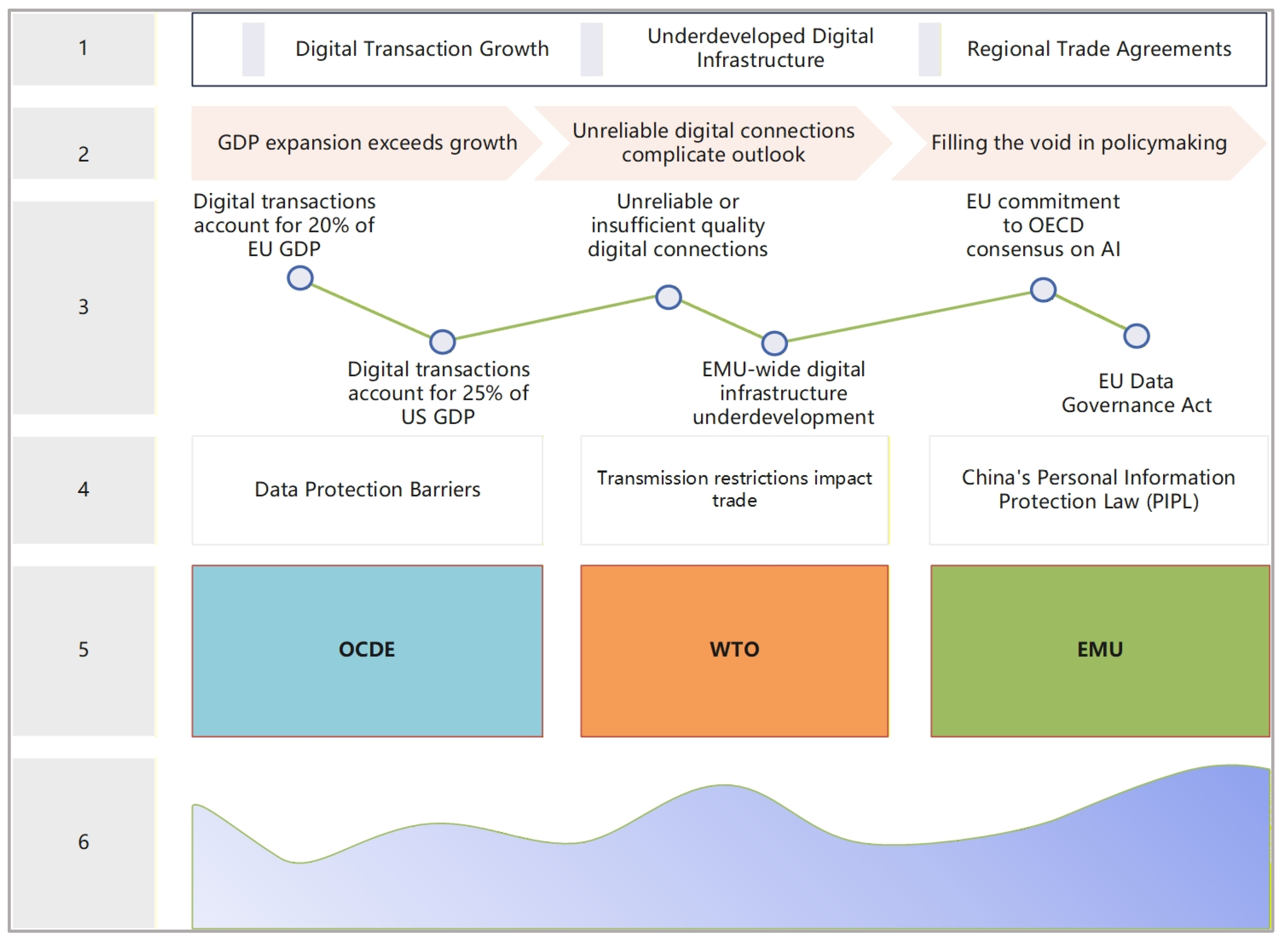
Digital, data-driven innovation now stands at the forefront of international trade discourse. Global trade volume continues to grow despite recent impediments. Digital transactions account for 20% of EU GDP and 25% of US GDP, yet global trade growth exceeds the expansion of Gross Domestic Product (GDP) [54]. The vital role of digital technologies, big data, AI, distributed ledgers, fifth-generation mobile networks, and cloud computing in enabling cross-border commerce justifies calls for inclusive data flow strategies. Multilateral policymaking struggles to keep pace with the accelerated digital evolution of international trade; regional trade agreements are beginning to fill the void [55]. This is evident in the European Union’s (EU) commitment to the OECD consensus on public oversight of artificial intelligence (AI) and the Data Governance Act, both of which reflect similar perspectives to those outlined in the 2020 EU–China agreement (see Figure 2). The general underdevelopment of EU-wide digital infrastructure further complicates the outlook. The 2020 review of EU–China cooperation emphasises that a single digital connection is often unreliable or of insufficient quality [56].
A data protection policy can create trade barriers if appropriate rules for international data flows are not in place. China’s Personal Information Protection Law (PIPL) aims to navigate such transmission restrictions. It neither meets cross-border data transfer requirements, presumably deferring to national security priorities [57], nor does it imitate the EU’s single-model General Data Protection Regulation (GDPR). While the PIPL aspires to signal compliance with WTO norms and mitigate trade barriers, its equivalence with the EU’s adequacy decision remains virtually unattainable in the short term. Compliance with China’s new regulatory framework, therefore, becomes a paramount challenge, with Novel Materials, China National Building Material, and Huawei already declared candidates for global adaptation of their Intellectual Property Rights (IPR) systems and trade infrastructures [58].

3.1.3. Challenges and Results of Measure Analysis

The coexistence of a protected yet thriving market in China, combined with the EU’s relatively healthy regulatory framework, underscores the need to further explore market efficiency, regulatory challenges, and growth prospects during the digital transformation. As enterprises in both China and the EU become increasingly integrated into global digital flows, technological and legal innovations will be indispensable catalysts for trade growth and sustainability [59]. Digital technologies with the potential to reshape the prosperity and resilience of global supply chains include e-commerce platforms, the Internet of Things, blockchain, cloud computing, and big data. Legal innovations must address a broad array of regulatory challenges, including multi-jurisdictional e-commerce rules, contradictory contract terms, unclear liability for online transactions, divergent technical regulations, and complex intellectual property regimes. After a period of isolation from the international trade cycle, financial revolutions in the 18th century integrated the world economy through efficient capital flows, which were pivotal for integrating global commodity markets, financing industrialisation in emerging economies, and significantly improving living standards in developing nations [60]. Similarly, the emergence of digital technologies accelerated late 20th-century globalisation, as computers and communication satellites enabled businesses to optimise cost structures and maintain uninterrupted global supply chains [61]. By simplifying and expediting the processing of financial transactions, digital technologies have accelerated fundamental trade cycles, thereby accelerating worldwide development and fostering widespread wealth creation [62]. Technological barriers to sustainable growth in China include weak data supervision, cross-border data control, and market power concentration. Following the adoption of the General Data Protection Regulation in 2018, the European Commission opened five investigations into the major tech firms operating within its jurisdiction [63]. However, past investments in technology infrastructure have positioned China and the EU for successful, sustainable digital trade [64].

3.1.4. Digital Trade and Technological Transformation

We present relevant data and evidence on sustainable digital technological transformation and legal innovation in global trade with a focus on China and the European Union [65]. This study provides evidence on global digital trade volumes, trends, and growth patterns, as well as EU–China bilateral trade data, and firm-level results on how digital transformation and innovation capabilities affect the economy. Table 1 illustrates broad-based trade flows, along with nuanced firm-level factors related to technology, law, and other aspects. It is not only the ways of good business, through reliance on modernised vehicles, that help build the long-term competitiveness of cross-border digital commerce [66].

3.1.5. Data Protection and E-Commerce Laws

The most pertinent legal systems in China and the European Union facilitate the transformation of SDTTD for world trade and business entities [73]. Robust provisions on data protection, data security, and e-commerce operations are outlined in Chinese laws (PIPL, DSL, E-Commerce Law), as shown in Table 2, which also outlines domestic and cross-border digital trade rules. EU laws (DSA, Data Act, and GPSR) introduced standard regulations for digital platforms, data sharing, and product safety. Collectively, these models demonstrate how legal innovation can foster safe, efficient, and sustainable digital commerce for businesses [74,75].

3.1.6. China–EU Economic Landscape of GDP

We investigate the nominal GDP of China and the EU between 2010 and 2024 (in USD trillions), with nominal GDP growth indicating a continued shift in the economy [76]. China also compares favourably to the EU, where overall progress has been stable at the member-state level. These elements are crucial to consider when evaluating sustainable digital technology transformation and legal innovation, as GDP scales investment potential, trade levels, and the adoption of digital technologies by global business enterprises [77]. China and EU show powerful dynamics for digital transformation, albeit with different focus areas in China. The pace of uptake in platform commerce is as extreme as it is for AI tools and big infrastructure, including data hubs in Europe [78]. There is a heavy focus on enterprise digitalization and an explicit placeholder in the DAM set of legal harmonisation steps for consumer protection concerns and some rules around sharing data (as shown in Table 3). These disparities in technology preferences, infrastructure, and law make for diverging market environments for business enterprises, which are suitable for analysing comparatively how legal innovation can facilitate sustainable digital trade [79].

3.1.7. Trading Economics Widgets

Trading economics widgets offer a broad dataset, including millions of economic indicators from 196 economies, which provide actual, predicted, and historical data for a specific period. These include data from the EU and China. In this study [82], we used the Chinese economy and EU economies to compare the digital technological transformation and its impact on business and trade growth, as reflected in GDP, as shown in Table 4 and Table 5. Data on the Chinese economy were collected from official sources, while data on the EU economy were collected from the official statistical body, which provides updated information [83].

4. Discussion

4.1. Comparative Analysis of China and the EU

China and the EU differ significantly in their approaches to digital transformation, attitudes towards legal innovation, and business sustainability initiatives. China has aggressively prioritised digital development, including the enactment of national e-commerce legislation and support for disruptive technologies, the EU has adopted a more comprehensive regulatory framework that emphasises digital freedoms and consumer protections. The EU also maintains a strong focus on sustainability and the environmental dimensions of business activities, whereas China remains in a phase of healthy growth and rapid technology adoption [84]. Cooperation and collaboration remain the most promising avenues for further progress and mutual enrichment. China and the EU recognise the pivotal importance of digital technologies for trade and economic development, offering abundant market opportunities. China’s economic and technological rise presents opportunities for multilateral engagement with the EU across trade, investment, climate change, technology, and geopolitics. Both parties actively pursue sustainable development, social progress, security, cultural heritage, and multilateralism. A European agenda for a sustainable China association promises a more substantial EU commitment to partner with the Chinese state and non-state actors in realising a future pathway for a sustainable world economy, though striking a balance between short-term economic priorities and more enduring social and environmental objectives remains challenging [85].
Suppose Chinese firms follow a Chinese priority path toward trade and investment opportunities with limited regard for social and environmental risks. In that case, the EU can potentially assist them in choosing pathways consistent with a sustainable future. China and the EU possess complementary strengths in science, digital infrastructure, and high-tech manufacturing that could enhance shared value and sustainable development. Although significant differences characterise the relationships between the EU and China, viable conditions for collaboration also exist. Both parties have a strong preference for cooperation, and the scale and diversity of their economic interactions preclude any realistic alternative to continued engagement [86]. China and the European Union (EU) have witnessed the emergence of digital technologies and legal innovations as major forces shaping global trade patterns, which may pose challenges for less developed countries complying with these developments. This paper integrates these two strands into a framework that links digital technologies and legal innovation. Through an analysis of China and the EU, this study examines how they leverage a combination of digital technologies and legal innovations to promote global trade and sustainable business [87].

4.2. Opportunities for Collaboration

The interplay between digital technologies and legal innovations is pivotal in shaping global trade practices that support business sustainability. Identifying opportunities for collaboration between China and the EU can enhance their complementarity in international trade and contribute to sustainable business development. The potential for joint rule-making by public and private bodies is a significant prospect for cooperation. Technological advancement alone does not drive development; the influence of existing legal frameworks is equally critical [88]. The evolving landscape following the abandonment of the Trans-Pacific Partnership (TPP) affords China a greater role in shaping international e-commerce laws, consistent with its status as a leading trade and digital power. China and its enterprises are likely to favour the classification of digital products, advocate enhanced consumer and privacy protections, and support mechanisms to address electronic transfer restrictions. Conversely, they approach human rights implications of digital trade with caution; in the absence of a comprehensive international legal instrument on corporate responsibility in this domain, informal regulations developed by private bodies are preferred [89]. The restructuring of the international trade agreement architecture and the encouraged cooperation between public and private sectors create avenues for strengthening global e-commerce governance [90].
More concretely, the unification of programming standards and the coordination of technology cooperation projects between China and the EU may lower technical barriers and, indeed, programming standards may facilitate interoperability among collaborative technology projects, such as joint ventures or innovation cooperation, thus enabling both regions to leverage their resources, expertise, and best practices, promoting technological development and limiting technology fragmentation. The legal and trade relations between China and the EU are key factors in the adoption of these technologies. For instance, data governance, intellectual property rights, and trade relations between China and the EU play a crucial role in shaping the policy environment in which these technologies can be adopted, either positively or negatively. The policy environment between China and the EU can either support or hinder the flow of digital technologies between them, depending on their compatibility. These relationships are crucial in understanding the evolution of digital trade between China and the EU.

4.3. Digital Transformation in the EU and China

The European Union (EU) has consistently promoted digital transformation to drive innovation across sectors such as industry, commerce, infrastructure, education, and the public sector. Digital technologies enable enterprises to enhance processes, automate operations, and customise offerings, thereby advancing business sustainability. The EU Digital Single Market strategy, encompassing digital networks [91], electronic platforms, and payment systems, aims to harmonise legal frameworks and eliminate barriers across the Single Market to facilitate the free movement of goods, persons, services, and capital. Drawing on the vision of the 2000 Lisbon Strategy and the 2007 Digital Agenda, the Digital Single Market strategy establishes a comprehensive regulatory framework for digital goods and services, encompassing digital networks and infrastructure, online platforms, electronic communications, digital content and services, including audiovisual media services, as well as data protection. This strategy aims to create new opportunities for both citizens and businesses [92].
The application of digital technologies in trade contributes significantly to business growth. Some countries, such as China, stand out in this environment and its peculiarities. The Digital Trade Development Award was created with the same purpose, and the Digital Trade Research Centre of Shanghai, the International Institute for International Business and Economic Cooperation of Shanghai, and the College of Economics and Construction Management of Shanghai, Metropolitan University have chosen seven projects linked to digital trade through a public voting system [93] including the Associated Pool of Indonesia, the Medical Tourism Marketplace Platform, Talent, Space, Alibaba.com, Little Shop, and the Industrial Internet from Shanghai Boat Group [94].

4.4. Sustainability Initiatives

Sustainability initiatives in the European Union encompass a broad range of strategies that integrate economic development with environmental protection and social equity. Within these strategies, digital technologies serve as key enablers of innovation, efficiency, and coordination, thereby facilitating the delivery of sustainability objectives across multiple domains [95]. A central component concerns the agricultural sector, where sustainability initiatives encompass enhancing production techniques, minimising environmental impacts, promoting healthier lifestyles and consumption patterns, mitigating food waste, and transforming food systems. Digital agriculture contributes to these aims by advancing bioeconomy agricultural production in accordance with the principles of circularity, while enabling new technologies that enhance the impact and innovation capacity of bioscience throughout the agri-food value chain. These technologies support transitions guided by agroecological principles and digital solutions, helping reduce pesticide pollution and encouraging the adoption of low-impact, environmentally friendly building materials [96]. Optical technologies and imaging systems also contribute to sustainable growth by improving environmental quality and compliance with social norms, and innovation exerts a positive effect on EU economic growth [97].

4.5. Promoting Sustainable Business Practices

Sustainable trade practices represent an increasingly crucial element for companies, governments, and international governance. Business sustainability rests on three interrelated pillars: economic, environmental, and social. In the digital economy, sustainability has become a critical factor in corporate survival, as companies establish partnerships with governmental and non-governmental organisations to address the economic and environmental pillars of sustainability. Sustainable business practices influence a broad range of areas, including sustainable supply chains [98]. Implementing business sustainability requires a global, systemic approach that encompasses research and practice across multiple levels, disciplines, and stakeholders. For global business, China has launched strategies that promote sustainable growth through digital development, the digital economy, and industrial digitalisation.
A foreground priority involves leveraging digital technologies to drive sustainable business development while addressing social concerns related to the eco-environment and mitigating climate change. In coherence with China’s approach, the European Green Deal aims to harmonise economic growth, social welfare, and environmental protection. Digital technologies create mechanisms that accelerate adaptation to sustainability changes by operating in a highly dynamic and changing environment, which is necessary to ensure business sustainability. New technologies can reinforce existing strategies, stimulate the development of ad hoc strategies and business models, and support the identification of new organisational forms that impact business models and value-creation mechanisms through a dynamic, collaborative process of delocalized organisational sense-making [99].

4.6. Evolving and Strengthening Legal Frameworks

The complex interplay between technologies and trade regulation creates a dynamic environment in which digital commerce evolves rapidly. The law both shapes and responds to these technological developments, influencing investment decisions, application design, regulatory monitoring, and enforcement. Digital commerce continues to disrupt and present opportunities for traditional businesses, making it imperative to continually update one’s understanding of related legal issues. Through innovations such as online marketing, digital signatures, and electronic delivery systems, companies can now reach a broader, more diverse customer base. The law is adapting to ensure that commercial transactions remain fair and efficient, a balance crucial to ongoing economic growth and modernisation [100].
Intellectual property rights (IPRs) protection plays a vital role in trade regulation. Article 59 of the WTO Agreement on Trade-Related Aspects of Intellectual Property Rights (TRIPS) allows members to adopt measures to control or prohibit IPR abuse that adversely affects international trade. Like many countries, China has issued policies to regulate the application and enforcement of IPRs in global trade. In addition to protecting rights holders, these rules contribute to effective trade regulation and the maintenance of market order. However, while progress has been made in balancing intellectual property and public interest, further improvements are required in monitoring the use of intellectual property, especially for electronically transmitted products such as computer software [101]. Data protection and free trade constitute another cornerstone of international commerce. Governments are increasingly recognising the critical importance of protecting personal data to ensure citizens’ safety and freedom, as well as to create a healthy market environment.
Thus, data protection has emerged as a significant topic in international trade discussions. China has implemented regulations on the collection of personal data via the internet and developed an operational system to address unauthorised use of personal data and traditional commercial risks. Numerous countries have enacted legislation mandating compliance regarding the everyday use of data; among them, the EU has established the most comprehensive regulations, encompassing standards for information security, personal data safeguards, transfers of personal data, and other related provisions, thereby creating a comprehensive legal protection framework [102]. Digital technologies enable new, sustainable business designs and value chain configurations, and multinational trade agreements introduce legal innovations that ensure fundamental rights for digital trade while addressing the vulnerabilities associated with e-commerce. Insights from China and the European Union further elucidate the impact of sustainable development strategies. The interplay of digital technologies and legal innovations plays a fundamental role in shaping the broader landscapes of global trade and business sustainability.

5. Conclusions

The findings from this study confirm that, in the digital era, inclusive and sustainable technological transformation in a digital era, supported by legal innovation, strongly influences marketing strategies and performance in China and the European Union. Although various regulatory structures define implementation strategies, these regions also confirm that efficient and sound digital infrastructure and legal frameworks improve trade efficiency, market competitiveness, and sustainable growth. Changing legal perspectives reflect changing needs and economic realities, while new technologies also raise new requirements for legal protection. Technology and law interact in the pursuit of sustainable development. Digital transformation is reshaping global trade and business. As a traditional manufacturing country, China encourages enterprises to participate in digital transformation by enhancing their digital infrastructure and implementing relevant laws and regulations. The European Union has engaged in digital transformation earlier and more deeply, especially in e-commerce, supported by a mature and detailed legal system that protects all aspects of digital business [103].
The EU and China use digital transformation and legal ingenuity to improve business performance and marketing processes; however, the EU relies on rights regulation, while China promotes industrial strategies. The close dependence between global supply chains and global trade has led to a shared destiny. The sustainability of international trade depends on the sustainability of the worldwide supply chain. Doing business well under the concept of sustainability is a sustainable development strategy that aligns with customer and stakeholder expectations. Technological innovation drives production and trade and is the source of progress. Renewing the legal order in response to various situations is a process that sustains development.

5.1. Lessons Learned from Comparative Practices

In a comparative analysis of digital technologies and legal innovations in China and the EU, five key lessons emerge from practices. First, the dynamic upgrading of digital technologies and business models depends on the extent of their penetration in global trade. Initially, land-based information transmission evolved toward air, wireless, and satellite systems, underpinned by ubiquitous carrier networks and the continuous improvement of storage and data transmission capacity. Second, new mechanisms and multilateral platforms accelerate the development of innovative techniques, which in turn invite more binding and targeted regulations. Third, evolving legal rules provide a framework for denser digital trade, facilitating the increasingly extensive and penetrating commercialization of new techniques. Fourth, the large-scale commercial adoption of new configurations recognises the pivotal role of law in forming global and regional platforms that balance economic and non-economic values. Fifth, standards-based cooperation contributes to the greater recognition of common interests in enhancing commerce between China and the EU [104].

5.2. Policy Recommendations

Policy recommendations encourage the further development of compatible digital infrastructures and facilitate innovation in digital infrastructure, regulation, applications, and talent exchanges. Where possible, states should improve existing free trade agreements or pursue new ones, drawing on harmonised digital trade rules. Business partnerships are a practical means to enhance collective digital trade offerings and drive sustained growth through combined resources and collaborative innovation. Such undertakings are best accompanied by cross-border supply chain cooperation that clearly delineates roles, reduces transaction costs, manages risks, and streamlines administrative procedures. Underpinning all business activity should be the promotion of best practices and standards that ensure digital trade growth delivers economic and social benefits for all. This study elaborated on the possible consequences of the implications for trade costs for the EU. Although adopting China’s data localisation approach could reduce trade costs associated with data storage accessibility for the EU, the effect may increase compliance costs for enterprises, especially transnational ones.

5.3. Implications and Future Directions

Today, global trade and business environments have become increasingly digitalised, triggering a need for innovation in digital technologies and legal arrangements. Online platforms have emerged to enable firms to participate in international trade at low costs, while applying green trade approaches to facilitate their economic and social development. Existing digital platforms and technologies for global trade are not yet well developed and are scattered in a fragmented manner. Consequently, some emerging cutting-edge technologies and trends are expected to help establish an eco-green digital trade system with the high interoperability and transparency needed to sustain future global trade and business development. Regarding the simultaneous implementation and development of digital technologies and legal innovations, these prospects must be comprehensively evaluated to better understand their impacts on global trade, particularly through a comparative perspective between China and the EU.
Advanced digital technologies for green and digital trade have become a focal point for fulfilling sustainable development requirements. International cooperation on infrastructure can help overcome fundamental digital challenges, and the complementarity between digital and green technologies can foster innovation when both are available. Novel digital services and green IoT tend to work together to align trade patterns with business sustainability, and international market expansion can provide developing countries with alternative growth options.

Author Contributions

Conceptualisation, methodology, writing—original draft preparation, data curation, investigation, validation, formal analysis, and resources: Z.D., S. and L.L. Data curation, investigation, legal analysis, writing—original draft preparation, supervision, project administration, and funding acquisition: M.B.K. All authors have read and agreed to the published version of the manuscript.

Funding

Postdoctoral research project in Hainan Province, Hainan Free Trade Port: Contribution to Global Trade and Rule of Law Cooperation in countries along the Belt and Road (2025-174).

Institutional Review Board Statement

Not applicable.

Informed Consent Statement

Not applicable.

Data Availability Statement

The data supporting the findings of this study are available on request from the corresponding author.

Conflicts of Interest

The authors declare no conflicts of interest.

Abbreviations

The following abbreviations are used in this manuscript:
IPRIntellectual Property Rights
EUEuropean Union
AIartificial intelligence
IOTInternet of Things
DMADigital Markets Act
GDPGross Domestic Product
WTOWorld Trade Organisation
PIPLPersonal Information Protection Law
GDPRGeneral Data Protection Regulation
ICTsinformation and communication technologies
USITCThe United States International Trade Commission
OECDThe Organisation for Economic Cooperation and Development
TPPTrans-Pacific Partnership

References

  1. Du, M.; Huang, C.; Liao, L. Trade Liberalization and Energy Efficiency: Quasi-Natural Experiment Evidence from the Pilot Free Trade Zones in China. Econ. Anal. Policy 2025, 85, 1739–1751. [Google Scholar] [CrossRef] [Scilit]
  2. Chabowski, B.R.; Gabrielsson, P.; Hult, G.T.M.; Morgeson, F.V. Sustainable International Business Model Innovations for a Globalizing Circular Economy: A Review and Synthesis, Integrative Framework, and Opportunities for Future Research. J. Int. Bus. Stud. 2025, 56, 383–402. [Google Scholar] [CrossRef] [Scilit]
  3. Lai, Z.; Sumbal, S.; Khaskheli, M.B.; Wang, Y. The Impact of Digital Marketing on Sustainable Consumption and Environmental Product Management in China: A Business Model and Legal Perspective. Sustainability 2025, 17, 11353. [Google Scholar] [CrossRef] [Scilit]
  4. Bi, W.; Min, Y.; Xu, W.; Zhang, X. Institutional Reform and Enterprise Digitalization: A Quasi-Natural Experiment in Cross-Border E-Commerce Pilot Zones. Econ. Anal. Policy 2026, 90, 799–817. [Google Scholar] [CrossRef] [Scilit]
  5. Aggarwal, V.; Karwasra, N. Artificial Intelligence v/s Human Intelligence: A Relationship between Digitalization and International Trade. Future Bus. J. 2025, 11, 16. [Google Scholar] [CrossRef] [Scilit]
  6. Kreiterling, C. Digital Innovation and Entrepreneurship: A Review of Challenges in Competitive Markets. J. Innov. Entrep. 2023, 12, 49. [Google Scholar] [CrossRef] [Scilit]
  7. Ray, H.J. European Union and Primary Commodity Trade: The Saga of International Banana Trade. In Business Strategies and Public Policies in India and Europe: Ideas for a Sustainable, Inclusive and Resilient Society; Banerji, B., Sharma, S., Eds.; Springer Nature: Singapore, 2025; pp. 165–179. ISBN 978-981-96-1789-0. [Google Scholar]
  8. Xu, Z. The Evolution of Sino–U.S. Trade Policy and Its Effects on Electronics Exports and Manufacturing Geography. J. Bus. Econ. Res. 2025, 1. [Google Scholar] [CrossRef] [Scilit]
  9. Plebon-Huff, S.; Haji-Mohamed, H.; Gardiner, H.; Ghanem, S.; Koh, J.; LeBlanc, A.G. Contextualization of Diabetes: A Review of Reviews from Organisation for Economic Cooperation and Development (OECD) Countries. Curr. Diabetes Rep. 2025, 25, 19. [Google Scholar] [CrossRef] [Scilit]
  10. do Prado, V. World Trade Organization (WTO) Negotiations—How to “Get It Right.”. In The New Economic Diplomacy; Routledge: London, UK, 2025. [Google Scholar]
  11. The Benefits of the EU Single Market: Evidence from the Gravity Model—ProQuest. Available online: https://www.proquest.com/openview/10a527209e07e92dca1fd3402b32705d/1?pq-origsite=gscholar&cbl=6770830 (accessed on 11 November 2025).
  12. Barkat, K.; Alsamara, M.; Al Kwifi, O.S.; Jarallah, S. Does Trade Openness Mitigate Environmental Degradation in Organisation for Economic Cooperation and Development (OECD) Countries? Implications for Achieving Sustainable Development. Nat. Resour. Forum 2025, 49, 677–698. [Google Scholar] [CrossRef] [Scilit]
  13. Wang, X.; Lin, Q.; Wu, Z.; Zhang, Y.; Li, C.; Liu, J.; Zhang, S.; Li, S. Agricultural GDP Exposure to Drought and Its Machine Learning-Based Prediction in the Jialing River Basin, China. Agric. Water Manag. 2025, 307, 109265. [Google Scholar] [CrossRef] [Scilit]
  14. Albanese, G.; Carrieri, V.; Rita Ferrara, A.; Speziali, M.M. Beyond GDP: Assessing the Impact of the 2007–13 EU Cohesion Policy. Reg. Stud. 2025, 59, 2352532. [Google Scholar] [CrossRef] [Scilit]
  15. Mudhee, K.H.; Hilal, M.M.; Alyami, M.; Rendal, E.; Algburi, S.; Sameen, A.Z.; Khurramov, A.; Abboud, N.G.; Barakat, M. Assessing Climate Strategies of Major Energy Corporations and Examining Projections in Relation to Paris Agreement Objectives within the Framework of Sustainable Energy. Unconv. Resour. 2025, 5, 100127. [Google Scholar] [CrossRef] [Scilit]
  16. Offiong, A.E.A.; Unung, V.B.; Amalu, E.M.; Undie, P.A.; Adie, I.A. Climate Change Impacts And The Paris Agreement: Progress, Challenges, And The Way Forward. Transdiscipl. J. Educ. Sustain. Dev. Stud. 2025, 1, 16–33. [Google Scholar] [CrossRef]
  17. Hughes, J.D.; McNeill, J.R. The Ancient World, c. 500 BCE–500 CE. In A Companion to Global Environmental History; John Wiley & Sons, Ltd.: Hoboken, NJ, USA, 2025; pp. 16–33. ISBN 978-1-119-98822-9. [Google Scholar]
  18. Churchman, P.D. Transition Co-Design for Purposive United Kingdom Road Freight Decarbonisation. Ph.D. Thesis, University of Leeds, Leeds, UK, 2025. [Google Scholar]
  19. Xiao, D.; Xu, J.; Li, Q. The “Double-Edged Sword” Effect of Air Quality Information Disclosure Policy—Empirical Evidence Based on the Digital Transformation of Chinese Listed Companies. Energy Econ. 2024, 133, 107513. [Google Scholar] [CrossRef] [Scilit]
  20. Chen, Q.; Zhao, X.; Zhang, X.; Jiang, Z.; Wang, Y. Driving Forces of Digital Transformation in Chinese Enterprises Based on Machine Learning. Sci. Rep. 2024, 14, 6177. [Google Scholar] [CrossRef] [Scilit]
  21. Mamasoliev, S. The role of international trade in u.s. Economic growth. Innov. Dev. Res. Educ. 2024, 3, 139–147. [Google Scholar]
  22. Wiedenhofer, D.; Streeck, J.; Wieland, H.; Grammer, B.; Baumgart, A.; Plank, B.; Helbig, C.; Pauliuk, S.; Haberl, H.; Krausmann, F. From Extraction to End-Uses and Waste Management: Modeling Economy-Wide Material Cycles and Stock Dynamics around the World. J. Ind. Ecol. 2024, 28, 1464–1480. [Google Scholar] [CrossRef] [Scilit]
  23. Houssini, K.; Li, J.; Tan, Q. Complexities of the Global Plastics Supply Chain Revealed in a Trade-Linked Material Flow Analysis. Commun. Earth Environ. 2025, 6, 257. [Google Scholar] [CrossRef] [Scilit]
  24. Loureiro, R.M. Searching the East by the West: Martin Behaim Revisited. RiMe Riv. DellIstituto Storia DellEuropa Mediterr. 2021, 2021, 105–125. [Google Scholar] [CrossRef]
  25. Schmieder, F. Old and New Land in the North and West: The North Atlantic on the Medieval Globe around 1500. Mediev. Globe 2021, 7, 131–151. [Google Scholar]
  26. McIntosh, C. Occult Germany: Old Gods, Mystics, and Magicians; Simon and Schuster: New York, NY, USA, 2024; ISBN 978-1-64411-735-4. [Google Scholar]
  27. Rydberg, V. Teutonic Mythology: The Gods and Goddesses of the Northland (Vol. 1–3): Enriched Edition. Complete Edition; Good Press: Glasgow, UK, 2023. [Google Scholar]
  28. Zhang, D. Understanding the Evolution of China’s Approach to Digital Trade: Interests, Ideas, and Institutions. Asian Rev. Political Econ. 2024, 3, 7. [Google Scholar] [CrossRef] [Scilit]
  29. Mittameedi, S.K.; Dogra, V.; Sayal, A. Customer Experience in E-Commerce: A Systematic Review of Metrics, Models, and the Role of AI. IEEE Access 2025, 13, 154422–154437. [Google Scholar] [CrossRef] [Scilit]
  30. Chen, Y.; Gao, Y. Comparative Analysis of Digital Trade Development Strategies and Governance Approaches. J. Digit. Econ. 2022, 1, 227–238. [Google Scholar] [CrossRef] [Scilit]
  31. Chen, X. The Regime Complex for Digital Trade in Asia and China’s Engagement. Asia Eur. J. 2024, 23, 393–413. [Google Scholar] [CrossRef] [Scilit]
  32. Wang, S.; Li, Q.; Khaskheli, M.B. Management Economic Systems and Governance to Reduce Potential Risks in Digital Silk Road Investments: Legal Cooperation between Hainan Free Trade Port and Ethiopia. Systems 2024, 12, 305. [Google Scholar] [CrossRef] [Scilit]
  33. Hu, Y.; Zhou, H.Q.; Yan, B.; Zou, Z.; Li, Y. An Assessment of China’s Digital Trade Development and Influencing Factors. Front. Psychol. 2022, 13, 837885. [Google Scholar] [CrossRef] [Scilit]
  34. Ullah, M.; Khan, N.U.; Javed, K. From Paper to Platform: Reforming E-Commerce Laws Through WTO and China-FTA Lenses. Dialogue Soc. Sci. Rev. DSSR 2025, 3, 115–126. [Google Scholar]
  35. Zeng, K.; Lu, Y.; Li, Y. Trade Agreements and Global Value Chain (GVC) Participation: Evidence from Chinese Industries. Econ. Political 2021, 33, 533–582. [Google Scholar] [CrossRef] [Scilit]
  36. Budhathoki, M.; Xu, H.; Song, Y.; Ma, Z.; Benter, A.; Zhang, W.; Li, S.; Newton, R.; Campbell, D.; Little, D. Perceptions Fuelling the Demand for High Value Imported Aquatic Food in China. Sustain. Futures 2025, 9, 100569. [Google Scholar] [CrossRef] [Scilit]
  37. Escaith, H. From Hyper Globalization to Global Value Chains Decoupling: Withering Global Trade Governance? J. Appl. Econ. Sci. JAES 2022, 17, 404–418. [Google Scholar]
  38. Banda, L.G.; Kassam, Z.Z. E-Commerce and Household Consumption in the United States: An Arrangement of Convenience. Cogent Bus. Manag. 2023, 10, 2275360. [Google Scholar] [CrossRef] [Scilit]
  39. Ulugbek, O. HOW E-COMMERCE IS TRANSFORMING INTERNATIONAL TRADE. Mod. Am. J. Soc. Sci. Humanit. 2025, 1, 252–265. [Google Scholar]
  40. Rahman, N.; Rahman, M.N.; Manini, M.M.; Sharma, K. Determinants of Global Value Chain Participation in Regional Trade Agreements: The Case of Regional Comprehensive Economic Partnership (RCEP). J. Ind. Bus. Econ. 2024, 51, 111–134. [Google Scholar] [CrossRef] [Scilit]
  41. Khaskheli, M.B.; Zhao, Y.; Lai, Z. Sustainable Maritime Governance of Digital Technologies for Marine Economic Development and for Managing Challenges in Shipping Risk: Legal Policy and Marine Environmental Management. Sustainability 2025, 17, 9526. [Google Scholar] [CrossRef] [Scilit]
  42. Grosse, R.; Gamso, J.; Nelson, R.C. China’s Rise, World Order, and the Implications for International Business. Manag. Int. Rev. 2021, 61, 1–26. [Google Scholar] [CrossRef] [Scilit]
  43. Culot, G.; Podrecca, M.; Nassimbeni, G. Artificial Intelligence in Supply Chain Management: A Systematic Literature Review of Empirical Studies and Research Directions. Comput. Ind. 2024, 162, 104132. [Google Scholar] [CrossRef] [Scilit]
  44. Müller, J.M.; Kiel, D.; Voigt, K.-I. What Drives the Implementation of Industry 4.0? The Role of Opportunities and Challenges in the Context of Sustainability. Sustainability 2018, 10, 247. [Google Scholar] [CrossRef] [Scilit]
  45. Rath, K.C.; Khang, A.; Roy, D. The Role of Internet of Things (IoT) Technology in Industry 4.0 Economy. In Advanced IoT Technologies and Applications in the Industry 4.0 Digital Economy; CRC Press: Boca Raton, FL, USA, 2024. [Google Scholar]
  46. Al-Okaily, M.; Younis, H.; Al-Okaily, A. The Impact of Management Practices and Industry 4.0 Technologies on Supply Chain Sustainability: A Systematic Review. Heliyon 2024, 10, e36421. [Google Scholar] [CrossRef] [Scilit]
  47. Qureshi, K.M.; Mewada, B.G.; Kaur, S.; Khan, A.; Al-Qahtani, M.M.; Qureshi, M.R.N.M. Investigating Industry 4.0 Technologies in Logistics 4.0 Usage towards Sustainable Manufacturing Supply Chain. Heliyon 2024, 10, e30661. [Google Scholar] [CrossRef] [Scilit]
  48. Hacker, P.; Cordes, J.; Rochon, J. Regulating Gatekeeper Artificial Intelligence and Data: Transparency, Access and Fairness under the Digital Markets Act, the General Data Protection Regulation and Beyond. Eur. J. Risk Regul. 2024, 15, 49–86. [Google Scholar] [CrossRef] [Scilit]
  49. Heinzel, M.; Weaver, C.; Jorgensen, S. Bureaucratic Representation and Gender Mainstreaming in International Organizations: Evidence from the World Bank. Am. Political Sci. Rev. 2025, 119, 332–348. [Google Scholar] [CrossRef] [Scilit]
  50. Blind, K.; Niebel, C.; Rammer, C. The Impact of the EU General Data Protection Regulation on Product Innovation. Ind. Innov. 2024, 31, 311–351. [Google Scholar] [CrossRef] [Scilit]
  51. Erixon, F.; Guinea, O.; du Roy, O. Keeping up with the US: Why Europe’s Productivity Is Falling Behind; ECIPE Policy Brief: Etterbeek, Belgium, 2024. [Google Scholar]
  52. Zhang, C.; Liu, B.; Yang, Y. Digital Economy and Urban Innovation Level: A Quasi-Natural Experiment from the Strategy of “Digital China.”. Humanit. Soc. Sci. Commun. 2024, 11, 574. [Google Scholar] [CrossRef] [Scilit]
  53. Tsairi, Y.; Martens, K. Workplace Responsibility for Employee Mobility? A Review of Sustainability Reporting Frameworks. Transp. Rev. 2024, 44, 1077–1102. [Google Scholar] [CrossRef] [Scilit]
  54. Holmes, C.; Widuto, A. Can the EU Move ‘Beyond GDP’? JCMS J. Common Mark. Stud. 2025, 64, 491–510. [Google Scholar] [CrossRef] [Scilit]
  55. Felbermayr, G.; Hinz, J.; Langhammer, R.J. US Trade Policy after 2024: What Is at Stake for Europe? Kiel Policy Brief: Kiel, Germany, 2024. [Google Scholar]
  56. Niessen, L.; Bocken, N.M.P.; Dijk, M. The Road to Flourishing—Can We Drive Strongly Sustainable Business Intention through a Game-Based Tool? J. Clean. Prod. 2024, 474, 143567. [Google Scholar] [CrossRef] [Scilit]
  57. Wang, H.; Peng, G.; Du, H. Digital Economy Development Boosts Urban Resilience—Evidence from China. Sci. Rep. 2024, 14, 2925. [Google Scholar] [CrossRef] [Scilit]
  58. Yovchev, R.; Golitsis, P.; Khudoykulov, K. Determinants of GDP Growth and Debt-to-GDP: A Comparative Study of Finland and Greece after Joining the European Monetary Union. J. East-West Bus. 2024, 30, 309–335. [Google Scholar] [CrossRef] [Scilit]
  59. Stockburger, L.; Kokosioulis, G.; Mukkamala, A.; Mukkamala, R.R.; Avital, M. Blockchain-Enabled Decentralized Identity Management: The Case of Self-Sovereign Identity in Public Transportation. Blockchain Res. Appl. 2021, 2, 100014. [Google Scholar] [CrossRef] [Scilit]
  60. Zhao, C.; Ju, S.; Xue, Y.; Ren, T.; Ji, Y.; Chen, X. China’s Energy Transitions for Carbon Neutrality: Challenges and Opportunities. Carbon Neutrality 2022, 1, 7. [Google Scholar] [CrossRef] [Scilit]
  61. Angurala, M.; Sharma, Y.; Mishra, S. Empowering Industries: Unveiling the Potential of Industrial Internet of Things. In Proceedings of the 2024 11th International Conference on Computing for Sustainable Global Development (INDIACom), New Delhi, India, 28 February–1 March 2024; pp. 166–170. [Google Scholar]
  62. Hool, A.; Helbig, C.; Wierink, G. Challenges and Opportunities of the European Critical Raw Materials Act. Miner. Econ. 2023, 37, 661–668. [Google Scholar] [CrossRef] [Scilit]
  63. Tight, M. Internationalisation of Higher Education beyond the West: Challenges and Opportunities—The Research Evidence. Educ. Res. Eval. 2022, 27, 239–259. [Google Scholar] [CrossRef] [Scilit]
  64. Cai, Y. Towards a New Model of EU-China Innovation Cooperation: Bridging Missing Links between International University Collaboration and International Industry Collaboration. Technovation 2023, 119, 102553. [Google Scholar] [CrossRef] [Scilit]
  65. Cai, M. Transforming Trade and Environment: Digital Trade’s Impact on Carbon Emissions in the European Union. J. Int. Dev. 2024, 37, 570–583. [Google Scholar] [CrossRef] [Scilit]
  66. Tang, W.; Lan, Q. Does Digital Trade Promote China’s Manufacturing Industry Upgrading?—Based on Structure Rationalization Perspective. Econ. Change Restruct. 2024, 57, 128. [Google Scholar] [CrossRef] [Scilit]
  67. GDTE. Global Digital Trade Volume Surges to $7.13 Trillion in 2023, According to the Global Digital Trade Development Report 2024. Available online: https://www.globenewswire.com/news-release/2024/12/03/2990849/0/en/Global-Digital-Trade-Volume-Surges-to-7-13-Trillion-in-2023-According-to-the-Global-Digital-Trade-Development-Report-2024.html (accessed on 6 December 2025).
  68. Yang, Y. Digital Trade a New Engine for Growth. Available online: https://global.chinadaily.com.cn/a/202409/27/WS66f60449a310f1265a1c51f1.html (accessed on 6 December 2025).
  69. EU-China Trade: Facts and Figures. Available online: https://www.consilium.europa.eu/en/infographics/eu-china-trade/?utm_source=chatgpt.com (accessed on 6 December 2025).
  70. EU High-Tech Trade Back to a Surplus in 2024—News Articles—Eurostat. Available online: https://ec.europa.eu/eurostat/web/products-eurostat-news/w/ddn-20250924-2?utm_source=chatgpt.com (accessed on 6 December 2025).
  71. Zhang, L.; Pham, T.D.; Li, R.; Do, T.T. Enhancing the Sustainable Development of the ASEAN’s Digital Trade: The Impact Mechanism of Innovation Capability. Sustainability 2025, 17, 1766. [Google Scholar] [CrossRef] [Scilit]
  72. Cui, J. AI-Driven Digital Transformation and Firm Performance in Chinese Industrial Enterprises: Mediating Role of Green Digital Innovation and Moderating Effects of Human-AI Collaboration. arXiv 2025, arXiv:2505.11558. [Google Scholar]
  73. Yu, L. The Regulation of Transborder Data Flows from the EU to China Within the Framework of China-EU E-Commerce under the GDPR. Ph.D. Thesis, Göttingen University, Göttingen, Germany, 2023. [Google Scholar]
  74. Feng, Y. The Future of China’s Personal Data Protection Law: Challenges and Prospects. Asia Pac. Law Rev. 2019, 27, 62–82. [Google Scholar] [CrossRef] [Scilit]
  75. Yaxiaer, M. The Challenge of Balancing Data-Driven Security with Small and Medium-Sized Enterprise (SME) Commerce in China’s e-Commerce Sector. Master’s Thesis, National College of Ireland, Dublin, Ireland, 2025. [Google Scholar]
  76. Brühl, V. The Economic Rise of China—An Analysis of China’s Growth Drivers. Int. Econ. Econ. Policy 2024, 22, 16. [Google Scholar] [CrossRef] [Scilit]
  77. Guarascio, D.; Reljic, J.; Zezza, F. Energy Vulnerability and Resilience in the EU: Concepts, Empirics and Policy. J. Ind. Bus. Econ. 2025, 52, 683–726. [Google Scholar] [CrossRef] [Scilit]
  78. Zhang, H.; Qi, Y.; Zhang, G. Comparative Analysis of Intelligent Connected Vehicle Industry in China, United States and European Union from Technology Lifecycle Perspective. Kybernetes 2025, 54, 749–770. [Google Scholar] [CrossRef] [Scilit]
  79. China’s GDP Data over the Years—Quick and Easy Data. Available online: https://www.kylc.com/stats/global/yearly_per_country/g_gdp/chn.html (accessed on 7 December 2025).
  80. European Union GDP (Yearly)—Historical Data & Trends. Available online: https://ycharts.com/indicators/europe_gdp_usd (accessed on 7 December 2025).
  81. European Union Indicators. Available online: https://tradingeconomics.com/european-union/indicators (accessed on 13 January 2026).
  82. China Indicators. Available online: https://tradingeconomics.com/china/indicators (accessed on 13 January 2026).
  83. Wang, G.; Sbai, E.; Wen, L.; Sheng, M.S. The Impact of Renewable Energy on Extreme Volatility in Wholesale Electricity Prices: Evidence from Organisation for Economic Cooperation and Development Countries. J. Clean. Prod. 2024, 484, 144343. [Google Scholar] [CrossRef] [Scilit]
  84. Negri-Ribalta, C.; Lombard-Platet, M.; Salinesi, C. Understanding the GDPR from a Requirements Engineering Perspective—A Systematic Mapping Study on Regulatory Data Protection Requirements. Requir. Eng. 2024, 29, 523–549. [Google Scholar] [CrossRef] [Scilit]
  85. Seitzer, H.; Baek, C.; Steiner-Khamsi, G. Instruments of Lesson-Drawing: Comparing the Knowledge Brokerage of the OECD and the World Bank. Policy Stud. 2024, 45, 839–859. [Google Scholar] [CrossRef] [Scilit]
  86. Murthy, S.S.; Trapani, D.; Cao, B.; Bray, F.; Murthy, S.; Kingham, T.P.; Are, C.; Ilbawi, A.M. Premature Mortality Trends in 183 Countries by Cancer Type, Sex, WHO Region, and World Bank Income Level in 2000–19: A Retrospective, Cross-Sectional, Population-Based Study. Lancet Oncol. 2024, 25, 969–978. [Google Scholar] [CrossRef] [Scilit]
  87. Yang, M. Framing of Development Policies toward Africa: A Comparative Study of China and the European Union. Eurasian Geogr. Econ. 2024, 67, 23–44. [Google Scholar] [CrossRef] [Scilit]
  88. Song, L.; Pasztor, S. A Comparative Analysis of China and the EU’s Conceptualisation and Implementation of Policies towards the Global South. Hung. J. Afr. Stud. 2024, 18, 57–78. [Google Scholar] [CrossRef] [Scilit]
  89. Zhang, J.; Drury, M. Sustainable Agriculture in the EU and China: A Comparative Critical Policy Analysis Approach. Environ. Sci. Policy 2024, 157, 103789. [Google Scholar] [CrossRef] [Scilit]
  90. Wang, S.; Li, Y.; Khaskheli, M.B. Innovation Helps with Sustainable Business, Law, and Digital Technologies: Economic Development and Dispute Resolution. Sustainability 2024, 16, 3910. [Google Scholar] [CrossRef] [Scilit]
  91. Wang, Z.; Hu, T.; Liu, J. Decoupling Economic Growth from Construction Waste Generation: Comparative Analysis between the EU and China. J. Environ. Manag. 2024, 353, 120144. [Google Scholar] [CrossRef] [Scilit]
  92. Pingkuo, L.; Junqing, G. Comparative Analysis on the Development Potential of Green Hydrogen Industry in China, the United States and the European Union. Int. J. Hydrogen Energy 2024, 84, 700–717. [Google Scholar] [CrossRef] [Scilit]
  93. Tim, Y.; Cui, L.; Sheng, Z. Digital Resilience: How Rural Communities Leapfrogged into Sustainable Development. Inf. Syst. J. 2021, 31, 323–345. [Google Scholar] [CrossRef] [Scilit]
  94. Khaleel, M.; Nassar, Y.; El-Khozondar, H.J.; Elmnifi, M.; Rajab, Z.; Yaghoubi, E.; Yaghoubi, E. Electric Vehicles in China, Europe, and the United States: Current Trend and Market Comparison. Int. J. Electr. Eng. Sustain. 2024, 2, 1–20. [Google Scholar] [CrossRef] [Scilit]
  95. Ito, A. Digital China: Policy Initiatives, Progress, and Challenges. In Growth Mechanisms and Sustainable Development of the Chinese Economy: Comparison with Japanese Experiences; Ma, X., Tang, C., Eds.; Springer Nature: Singapore, 2022; pp. 97–123. ISBN 978-981-19-3858-0. [Google Scholar]
  96. Mariani, L.; Trivellato, B.; Martini, M.; Marafioti, E. Achieving Sustainable Development Goals Through Collaborative Innovation: Evidence from Four European Initiatives. J. Bus. Ethics 2022, 180, 1075–1095. [Google Scholar] [CrossRef] [Scilit]
  97. Hummel, K.; Jobst, D. An Overview of Corporate Sustainability Reporting Legislation in the European Union. Account. Eur. 2024, 21, 320–355. [Google Scholar] [CrossRef] [Scilit]
  98. Schütze, F.; Stede, J. The EU Sustainable Finance Taxonomy and Its Contribution to Climate Neutrality. J. Sustain. Finance Invest. 2024, 14, 128–160. [Google Scholar] [CrossRef] [Scilit]
  99. Haque, F.; Ntim, C.G. Do Corporate Sustainability Initiatives Improve Corporate Carbon Performance? Evidence from European Firms. Bus. Strategy Environ. 2022, 31, 3318–3334. [Google Scholar] [CrossRef] [Scilit]
  100. Lo, C.W.-H.; He, C.; Zhan, X.; Li, P.H.Y. Sustainable Development Governance in Action: China. In Handbook on the Governance of Sustainable Development; Edward Elgar Publishing: Cheltenham, UK, 2022; pp. 274–293. ISBN 978-1-78990-432-1. [Google Scholar]
  101. Li, H.Y.; Liu, Q.; Ye, H.Z. Digital Development Influencing Mechanism on Green Innovation Performance: A Perspective of Green Innovation Network. IEEE Access 2023, 11, 22490–22504. [Google Scholar] [CrossRef] [Scilit]
  102. Teixeira, J.E.; Tavares-Lehmann, A.T.C.P. Industry 4.0 in the European Union: Policies and National Strategies. Technol. Forecast. Soc. Change 2022, 180, 121664. [Google Scholar] [CrossRef] [Scilit]
  103. Cui, V.; Vertinsky, I.; Wang, Y.; Zhou, D. Decoupling in International Business: The ‘New’ Vulnerability of Globalization and MNEs’ Response Strategies. J. Int. Bus. Stud. 2023, 54, 1562–1576. [Google Scholar] [CrossRef] [Scilit]
  104. Leal-Arcas, R. Challenges and Opportunities in the EU-China Trade Relations. In China and the Belt and Road Initiative: Trade Relationships, Business Opportunities and Political Impacts; Kim, Y.-C., Ed.; Springer International Publishing: Cham, Switzerland, 2022; pp. 35–54. ISBN 978-3-030-86122-3. [Google Scholar]
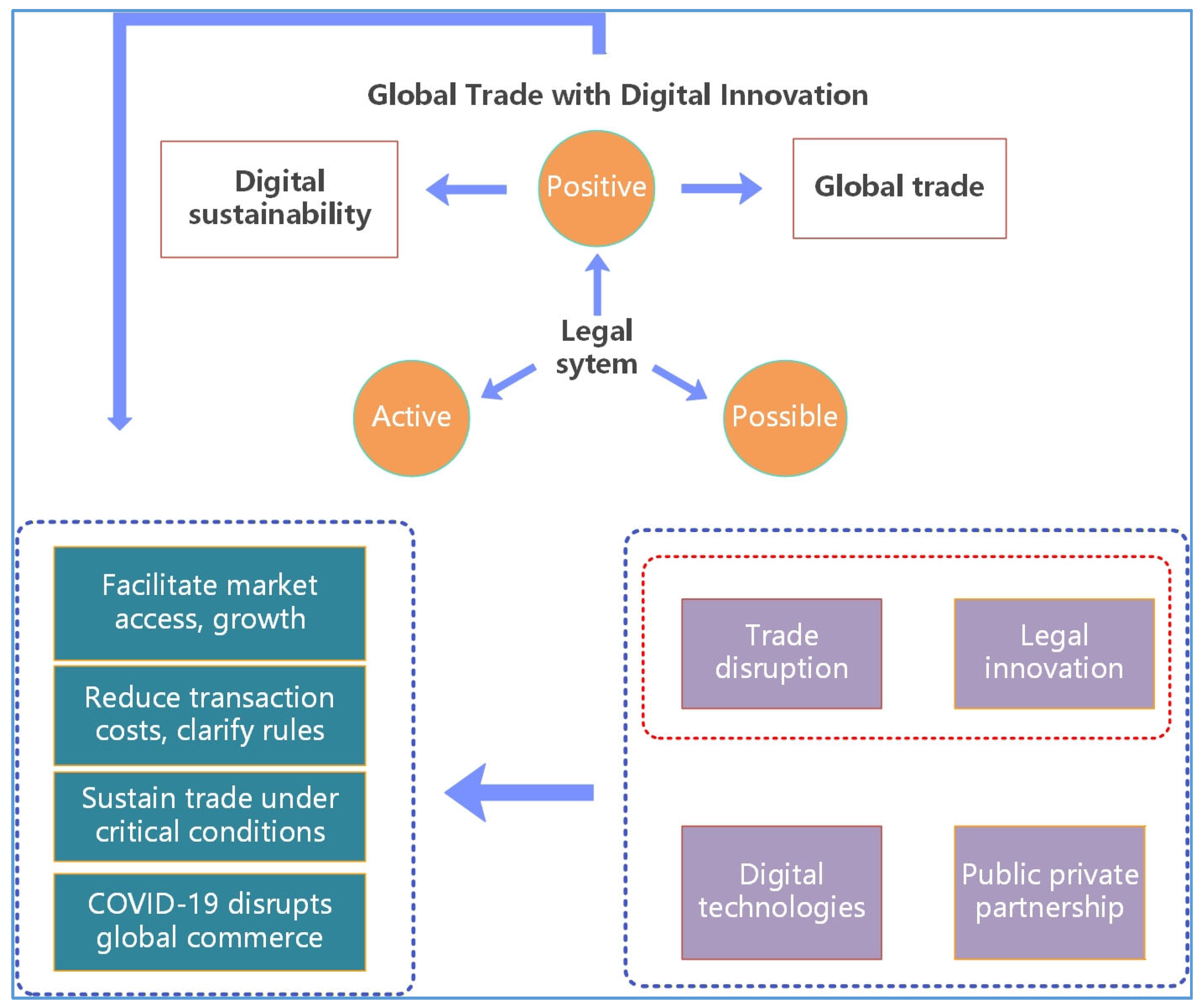
Figure 1. The authors developed the model through their innovative contributions and key research points.
Sustainability 18 02523 g001
Figure 2. Digital trade innovation.
Sustainability 18 02523 g002
Table 1. EU–China bilateral trade overview.
Countries and YearsIndicatorValueNotes
2023 (Global)Total global digital trade volumeUS $7.13 trillion[67]
2021 to 2023
(Global)
Growth of digital trade volumeFrom US $6.02 trillion (2021) US $7.13 trillion (2023)—~8.8% annual growth rateSame report
2023 (Global)Share of digital trade in overall international tradeIncreased from ~19.6% to ~22.5% between 2021 and 2023Same report
2023 (China)Digitally delivered services (import + export)2.72 trillion yuan (approx. US$387.5 billion)[68]
2023 (China)Cross-border e-commerce trade (import + export)2.37 trillion yuan; up 15.3% YoYSame report
2024 (EU & China)Total trade (goods + services) between the EU and ChinaExceeded €845 billion[69]
2024 (EU & China)EU exports of goods to China~€213.2 billionSame source
2024 (EU & China)EU imports of goods from China~€519.0 billionSame source
2024 (EU high-tech goods trade)Extra-EU high-tech products trade balanceSurplus of €23 billion in 2024 (exports €501B vs. imports €478B)[70]
2007 to 2021 (ASEAN study to analogous global relevance)Effect of innovation capability on digital trade developmentInnovation capability significantly promotes sustainable digital trade, via digital readiness and regulatory/governance quality[71]
2015 to 2022 (Chinese industrial firms)Impact of AI-driven digital transformation on firm performance (mediated by “green digital innovation”)Digital transformation significantly enhanced firm performance; green innovation mediates the effect[72]
Source: Data obtained from official reports, peer-reviewed studies, international trade statistics, Eurostat, the Chinese Ministry of Commerce, and recent empirical research.
Table 2. Digital services, data, and product safety regulations.
Law Year ProvisionsDigital Trade & Business Enterprises
Personal Information Protection Law (PIPL, China)2021Governs the collection, processing, storage, and cross-border transfer of personal data; establishes consent requirements and obligations for data processors.Ensures data privacy compliance for Chinese enterprises, which is critical for cross-border digital trade and data-driven business activities.
Data Security Law (DSL, China)2021Regulates the classification, storage, and transfer of essential and “core” data, and sets obligations for data governance and export approvals.Provides the legal foundation for secure data management, which is essential for digital transformation and sustainable business operations.
E-Commerce Law (China)2019Regulates online platforms, sellers, and service providers; mandates registration, transparency, and accountability for e-commerce activities.Supports legal compliance and governance for digital trade; guides enterprises in cross-border online business.
Digital Services Act (DSA, EU)2024Regulates online platforms and intermediaries; mandates transparency, content moderation, liability rules, and platform responsibility.Affects enterprises that provide digital services or operate platforms; ensures fair, safe, and sustainable digital trade in EU markets.
Data Act (EU)2023Harmonises rules on the access, use, and sharing of data across the EU, promoting fair data usage and the development of data-driven services.Enables enterprises to leverage data for innovation and cross-border digital commerce while ensuring compliance with EU standards.
General Product Safety Regulation (GPSR, EU)2024Ensures that all products placed on the EU market meet safety standards; applies to both physical and digital commerce.Protects consumers and businesses; ensures compliance in cross-border trade and e-commerce operations.
Source: Data compiled from official legislation texts, government publications, and regulatory agency reports from China and the European Union.
Table 3. Nominal GDP of China and the European Union.
YearChina GDP (USD) [80]EU GDP (USD) [81]
202418.74 trillion (18,743,803,170,827)19.42
202318.27 trillion (18,270,356,654,533)18.60
2022CNY18.32 trillion (18,316,765,021,690)17.00
202118.20 trillion (18,201,698,719,564)17.50
202015.00 trillion (14,996,414,166,715)15.51.
201914.56 trillion (14,560,167,101,283)15.81
201814.15 trillion (14,147,765,772,963)16.09
2017CNY 12.54 trillion (12,537,559,062,282)14.08
2016CNY 11.46 trillion (11,456,024,084,962)13.99
201511.28 trillion (11,280,814,787,468)13.66
201410.67 trillion (10,674,533,168,257)15.76
20139.74 trillion (9,743,124,247,267)15.40
20128.67 trillion (8,673,664,713,189)14.73
2011CNY 7.67 trillion (7,671,757,207,851)15.88
20106.19 trillion (6,192,564,874,453)14.64T
Source: Data were collected from official statistical and international economic databases, as well as the latest econometric estimates of the Chinese and EU economies.
Table 4. Indicators for the EU.
Indicators for the EULastPreviousHighestLowest Year
GDP Annual Growth Rate1.61.714.7−13.1percentSeptember 2025
Current Account to GDP2.51.93.2−1.4percent of GDPDecember 2024
Government Debt to GDP80.780.589.562.4percent of GDPDecember 2024
Government Budget−3.1−3.4−0.4−7.2percent of GDPDecember 2024
Source: These statistics range from actual figures to consensus forecasts. We relied only on the EU’s statistics, which we obtained on 13 January 2026. https://tradingeconomics.com/european-union/indicators. Accessed on 30 December 2025.
Table 5. Indicators for China.
Indicators for China LastPreviousHighestLowestCountingYear
Currency6.976.978.731.53 January 2026
Stock Market41394165612495.79pointsJanuary 2026
GDP Growth Rate1.1112.8−10.5percentSeptember 2025
GDP Annual Growth Rate4.85.218.9−6.8percentSeptember 2025
Unemployment Rate5.15.16.23.9percentNovember 2025
Inflation Rate0.80.728.4−2.2percentDecember 2025
Inflation Rate MoM0.2−0.12.6−1.8percentDecember 2025
Interest Rate335.773percentDecember 2025
Cash Reserve Ratio7.57.521.56percentDecember 2025
Balance of Trade11290.07138−61.99USD billionNovember 2025
Current Account198712871987−523USD hundred millionSeptember 2025
Current Account to GDP2.21.510.1−3.7percent of GDPDecember 2024
Government Debt to GDP88.38288.320.4percent of GDPDecember 2024
Government Budget−6.5−5.80.58−8.6percent of GDPDecember 2024
Business Confidence50.149.259.235.7pointsDecember 2025
Manufacturing PMI50.149.954.940.3pointsDecember 2025
on Manufacturing PMI50.249.562.229.6pointsDecember 2025
Services PMI5252.158.426.5pointsDecember 2025
Consumer Confidence89.489.612785.5pointsOctober 2025
Retail Sales MoM−0.420.124.98−10.77percentNovember 2002
Corporate Tax Rate25253325percentDecember 2025
Personal Income Tax Rate45454545percentDecember 2025
Source: These statistics range from actual figures to consensus forecasts. We relied only on Chinese statistics, which we obtained on 13 January 2026. https://tradingeconomics.com/european-union/indicators. Accessed on 30 December 2025.
Disclaimer/Publisher’s Note: The statements, opinions and data contained in all publications are solely those of the individual author(s) and contributor(s) and not of MDPI and/or the editor(s). MDPI and/or the editor(s) disclaim responsibility for any injury to people or property resulting from any ideas, methods, instructions or products referred to in the content.