Article

Behavioural Trajectories and Spatial Responses: A Study on Lag Sequential Analysis and Design Framework for Elderly Caregivers in Chinese Dual-Earner Households

1
Academic of Arts and Design, Beijing City University, Beijing 101309, China
2
School of Digital Technology & Innovation Design, Zhengzhou University of Light Industry, Zhengzhou 450002, China
*
Authors to whom correspondence should be addressed.
Sustainability 2026, 18(5), 2326; https://doi.org/10.3390/su18052326
Submission received: 12 January 2026 / Revised: 8 February 2026 / Accepted: 25 February 2026 / Published: 27 February 2026

Abstract

The present study examines the behavioural trajectories and spatial utilisation of elderly caregivers within intergenerational families, set against the backdrop of China’s accelerating ageing population and the widespread prevalence of dual-income households. Existing studies predominantly rely on static data, which makes it difficult to capture the dynamic relationship between behaviour and space. The present study employs lagged sequence analysis in combination with non-participatory observation and video recording techniques to conduct a 14-day behavioural tracking and sequence analysis of two typical dual-income families in Beijing (totaling 2137 behavioural events), thereby establishing a research framework of “behavioural observation, sequence analysis, and design translation.” The identification of three typical behavioural sequence patterns was achieved through the implementation of behavioural coding, spatio-temporal trajectory modelling, and sequence correlation testing. The identified sequence patterns are as follows: a simple “cooking–eating” sequence, a complex “child-centred” sequence, and a cyclical “housework–rest–communication” sequence. These patterns exposed fundamental contradictions with prevailing spatial functions. The study proposes synergistic spatial and furniture design strategies to support elderly caregivers’ behavioural flow, alleviate caregiving burdens, and foster intergenerational integration. This research not only validates the methodological value of lag sequence analysis in behaviour-driven design but also provides theoretical and empirical foundations for sustainable residential environments that promote intergenerational cohesion and reduce caregiving stress.

1. Introduction

The process of ageing within China is accelerating. By the conclusion of 2024, the national population aged 60 and above had reached 310 million, accounting for 22.0% of the total population. Among the population under discussion, those aged 65 and above numbered 220 million, representing 15.6% of the total [1]. These changes impose greater demands on health management, daily care, and social support systems for the elderly.
Within the overarching policy framework of China’s elderly care sector, the “9073” model has emerged as the prevailing approach. This model signifies that 90% of senior citizens opt for home-based care, 7% rely on community-based support, and 3% reside in institutional care facilities [2]. When examining the emotional bonds between parents and children, the mental health of elderly people must not be overlooked [3]. The composition of households in Chinese cities is subject to institutional and cultural contexts that are markedly distinct from those in Western urban settings. Indeed, dual-income families have long been a dominant feature of Chinese urban areas [4]. As demonstrated in Figure 1, census data from China indicates that the number of three-generation households in China increased from 62,122,440 in 2000 to 69,562,135 in 2010, and further to 65,528,182 in 2020. Notwithstanding the rapid socioeconomic development that has taken place, the choice of one spouse to abandon employment in order to become a full-time carer remains a minority option. Despite an observed rise in dual-income households, intergenerational childcare remains the predominant family care arrangement [5]. This childcare model involves three generations—elderly grandparents, young parents, and grandchildren—directly reflecting intra-family intergenerational dynamics and influencing shifts in family security [6]. Within the Confucian tradition, the elderly are recognised as a fundamental component of the “family–state symbiosis” system. However, accelerated modern urbanisation has led to the fragmentation of family structures. Conventional family structures and values have undergone a gradual shift, resulting in the marginalisation of the elderly from their traditional core position [7]. A substantial body of research has demonstrated a direct correlation between the quality of intergenerational relationships and the mental health and life satisfaction of older adults [8]. Positive intergenerational interaction has been demonstrated to enhance the sense of belonging and happiness experienced by the elderly, as well as fostering filial piety and family responsibility in children [9]. Spatial and furniture design exerts a considerable influence on the enhancement of intergenerational relationships and the improvement of quality of life for older adults. For instance, furniture that provides comfort, materials with appropriate color schemes, incorporating natural lighting into artificial sources, tectonic arrangements within the space and applying creative green solutions [10].Thereby increasing the comfort of older adults living alongside their families. Moreover, the advent of smart home technology, exemplified by voice-controlled systems and remote health monitoring devices, has engendered novel prospects for the augmentation of home care efficiency for the elderly [11]. Consequently, within the dual-income household paradigm, the optimisation of home-based elderly care through the rational design of family space and living environments to promote intergenerational interaction and alleviate family caregiving burdens remains an area of research that requires further attention.
Existing research on intergenerational family living environments often relies on static data or unidimensional analysis, failing to capture the dynamic sequential interactions between elderly caregivers’ behaviours and their spatial systems. To address this limitation, the present study employs Lag Sequential Analysis (LSA) as its core methodology, utilizing Noldus the Observer XT 16.0 software for a period of 14 days of detailed behavioural tracking and analysing a total of 2137 caregiving scenarios. The present study proposes a research framework for behaviour-driven design strategies, based on behavioural insights. The core contribution of this research lies in the establishment of a sustainable design innovation pathway, which can be outlined as follows: behaviour observation, sequence analysis, and design transformation. This process converts observed behavioural patterns into design solutions, enhancing intergenerational integration between elderly caregivers and family members.

2. Literature Review

In extant user behaviour research, scholars have employed diverse methodologies to investigate household behaviour patterns and their implications for system design. Quantitative research methods, including statistical modelling, regression analysis, and data mining, are utilised extensively to identify behaviour patterns [12]. Furthermore, qualitative approaches—encompassing interviews, focus groups, and ethnographic studies—are utilised to obtain a more profound understanding of user needs and design preferences [13]. Regarding the specific techniques employed in data analysis, machine learning and artificial intelligence technologies are utilised for the recognition and prediction of user behaviour [14]. In the domain of social sciences, researchers employ Social Network Analysis (SNA) to analyse interaction patterns among household members [15].
Notwithstanding considerable methodological and conceptual advances in extant research, several notable shortcomings persist. Firstly, regarding methodologies for examining user behaviour, a significant proportion of extant research relies primarily on static data, namely, behaviour information gathered at specific points in time with questionnaires or interviews [16]. Nevertheless, this approach is not effective in capturing dynamic behaviour shifts, thus limiting the applicability of research conclusions. Secondly, the majority of studies focus on single-dimensional analyses, such as health monitoring [17] or social support [18], lacking comprehensive multi-dimensional investigations. Moreover, extant studies principally concentrate on individual behaviour patterns, overlooking the interactive influences between family members [19]. Another salient issue is that current research frequently operates within isolated environments (e.g., laboratories or specific households), neglecting to adequately account for the influence of diverse cultural backgrounds, family structures, and environmental variables. The interaction patterns of families across different regions may be shaped by cultural customs, social norms, and technological accessibility. These factors are frequently oversimplified or overlooked in existing studies [20]. A significant proportion of research remains confined to the data analysis stage, with a paucity of research translating findings into actionable design frameworks [21].
In order to address the limitations of existing research, an increasing number of studies in recent years have adopted User Behaviour Observation in order to obtain more authentic data. Researchers employ video recording [22] or smart home sensors [23] to monitor users’ daily activities. This approach has been demonstrated to provide more comprehensive behaviour data, thus facilitating a more profound comprehension of dynamic interaction patterns within domestic environments. Lag Sequential Analysis has recently been introduced into the field of user behaviour research with a view to exploring temporal dependencies between behaviour events [24]. Through the analysis of behaviour sequences, it is possible to discern correlations between different patterns, thus providing insights into the optimisation of system design. In the context of smart home research, Lag Sequential Analysis has been shown to identify household members’ usage preferences across different time periods, thereby optimizing intelligent responses within the home environment [25]. The approach’s merits lie in its ability to analyse not only individual behaviour sequences but also interaction patterns among multiple household members. For instance, it can be used to study the coordination of activities between parents and children within domestic spaces [26]. Lag Sequential Analysis (LSA) is a vital tool for studying behaviour patterns. It has been demonstrated that LSA can reveal the interactions between older adults and their domestic environment and household members. The living space assessment model indicates that the needs of older adults are reflected in their daily activities and routines [27]. The concept of Living Space Assessment is predicated on the consideration of the interaction between individuals and their environment. The fundamental premise of LSA is to evaluate the interaction between individuals and their environment [28]. It also provides data-driven support for optimizing domestic spatial design. Setting the Lag value to 1 enables precise capture of the immediate succession between preceding and subsequent behaviours while ensuring sufficient effective behavioural sequence samples. This approach circumvents the issues of data sparsity and unreliable statistical results that can arise from excessively high lag orders. Several studies have shown that a Lag 1 schedule is effective in increasing variable responding with human participants [29].
In summary, research into sustainable design support frameworks for dual-income households is evolving towards multidimensional data analysis and intelligent optimisation. However, extant studies are deficient in dynamically capturing behaviour data and analysing household interaction patterns. Within the Chinese cultural context, the shifting status of the elderly profoundly impacts family structures and intergenerational relationships. Concomitant with the shift towards modern lifestyles, there has been a gradual erosion of traditional filial piety culture, giving rise to a concomitant change in the needs and behaviour patterns of older adults. The integration of User Behaviour Observation with lagged sequence analysis provides a novel research avenue for exploring behaviour patterns within domestic environments. This approach has been demonstrated to enhance the intelligence of design systems, whilst also more effectively addressing users’ personalised needs. Theoretical underpinnings for future developments in smart home and family support systems are thus provided. Future research may further explore cross-cultural comparative studies to validate family behaviour patterns across diverse cultural contexts.

3. Methods

3.1. Design Framework

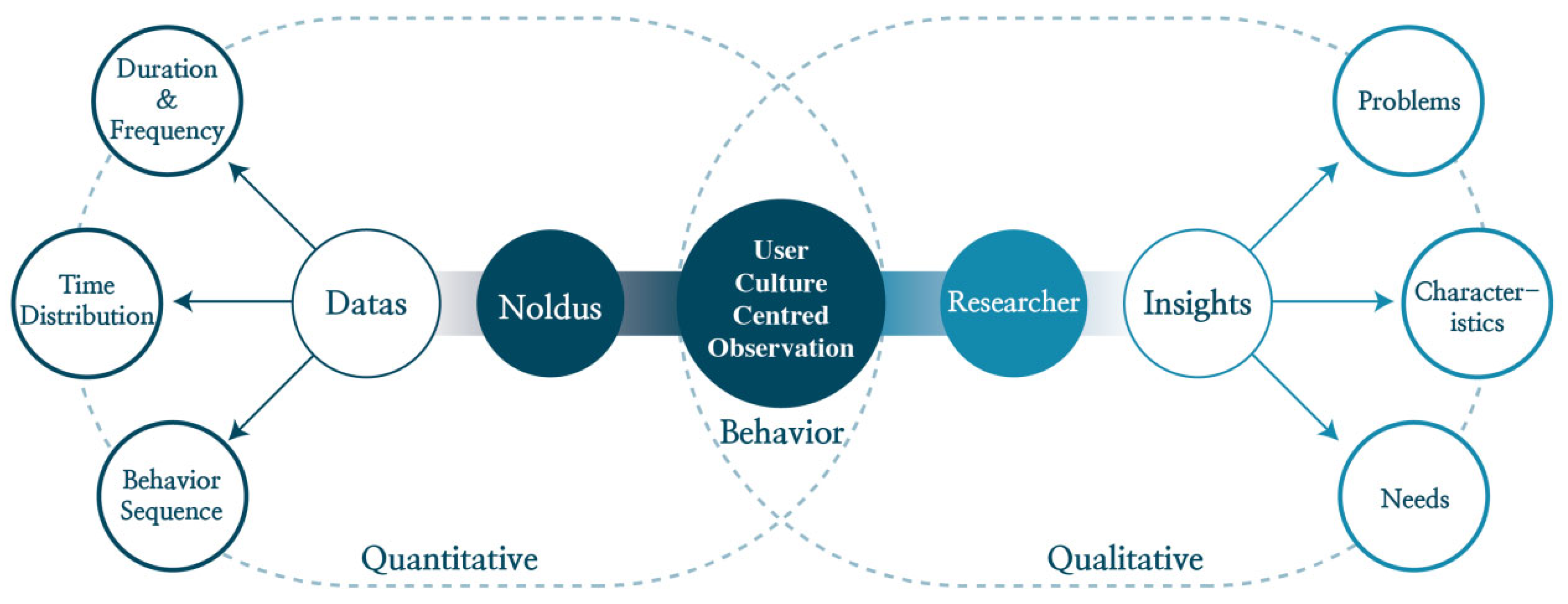
The present research framework is designed to facilitate the analysis of complex user behaviours, with a view to translating these into design strategies. The fundamental objective of this approach is to establish a logical progression from concrete observation to abstract analysis, thereby providing a framework for the development of design strategies. This approach is designed to ensure that design concepts are grounded in authentic behaviour patterns.
Within the overarching design framework, behaviour constitutes both the starting point and central focus of the entire research process. The methodology involves the systematic observation of users’ specific actions within real-life scenarios. Documenting a substantial volume of raw behaviour events, it provides the empirical foundation for analysis. The analytical phase constitutes the methodological core of the framework, which is refined into two steps. Firstly, behaviour observation involves the objective and meticulous documentation of users’ specific activities, leading to the formulation of observational conclusions regarding similar or shared behaviours. Secondly, the objective of behaviour sequence analysis is to explore temporal connections and sequences between different behaviours by coding observational findings, thereby constructing stable behaviour patterns and intrinsic logic.
The framework-driven output phase is guided by insights derived from behaviour recording and analysis, and the generation of concrete design strategies to inform product optimisation and innovation. These strategies represent a direct extension and creative transformation of prior empirical observations and analytical conclusions, forming a complete design logic that bridges “understanding how users act” to “proposing how design should support them” (see Figure 1).
In summary, the application of the design framework employs a structured process of observation, coding, and analysis. By capturing user behaviour, coding it, and analysing it to distil underlying patterns, it transforms fragmented user activities into behaviour knowledge, thereby generating design strategies. This approach establishes a clear research pathway during the initial design phase and ensures that the final design solution consistently revolves around the behaviour logic and intrinsic needs of real users. Consequently, it enhances the scientific rigour, relevance, and effectiveness of design decisions within practical scenarios.

3.2. Non-Participatory Observation and Research Design

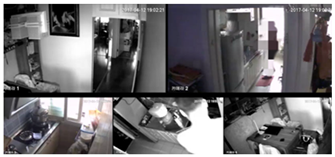
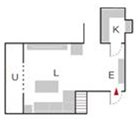
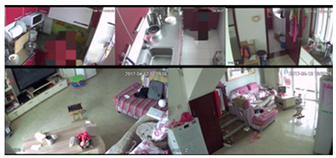
The present study adopts an ethnography-based non-participatory observation approach, focusing on the perspective of “from behaviour trajectories to design systems”. The objective of this study is to comprehensively understand the challenges faced by users in domestic living contexts, their characteristics, and their requirements. This understanding will then be used to propose corresponding design directions. Consequently, 25 representative households residing in Beijing were selected for on-site investigations, with these families then being categorised into distinct groups based on the age of their children. Concurrently, semi-structured interviews were conducted with users from each household to ascertain their perceptions of spatial environments. Following the analysis of interview findings, a sample of six representative households was selected according to user preferences. The installation of fixed cameras in these residences resulted in the capture of footage, thereby eliminating potential issues. Subsequent to this, stratified sampling was employed from the six representative household samples to further select two typical dual-income households where elderly relatives assumed childcare responsibilities for grandchildren. The present study employed Noldus Observer XT software to conduct 21 days of continuous behaviour recording, subsequently analysing 14 days of valid video data (see Table 1).
The present study selected two households for in-depth analysis based on a comparative research logic. The objective is to reveal the intrinsic differences and mechanisms underlying behavioural sequences and spatial usage within two generational residential patterns by controlling variables such as household structure and spatial conditions. The terms “permanent residence” and “non-permanent residence” are employed to denote different categories of residency. This approach emphasizes the in-depth exploration of behavioural patterns and the interpretation of underlying mechanisms, as opposed to statistical representativeness of the sample. This renders it both reasonable and applicable in exploratory research.
In order to ensure the protection of the subjects’ privacy, a rigorous set of measures was implemented. The process of obtaining informed consent is detailed to ensure voluntary participation only after participants have been made fully aware of the study’s purpose, data usage, storage, and potential sharing methods. In order to mitigate privacy concerns arising from the 24 h recording in private domestic settings, the scope and duration of filming were strictly limited to collecting only data deemed to be essential for the research. The objective of this study was to mitigate the impact of observer effects by familiarizing participants with the video equipment prior to the recording of household activities, thereby reducing the occurrence of unnatural behaviour.
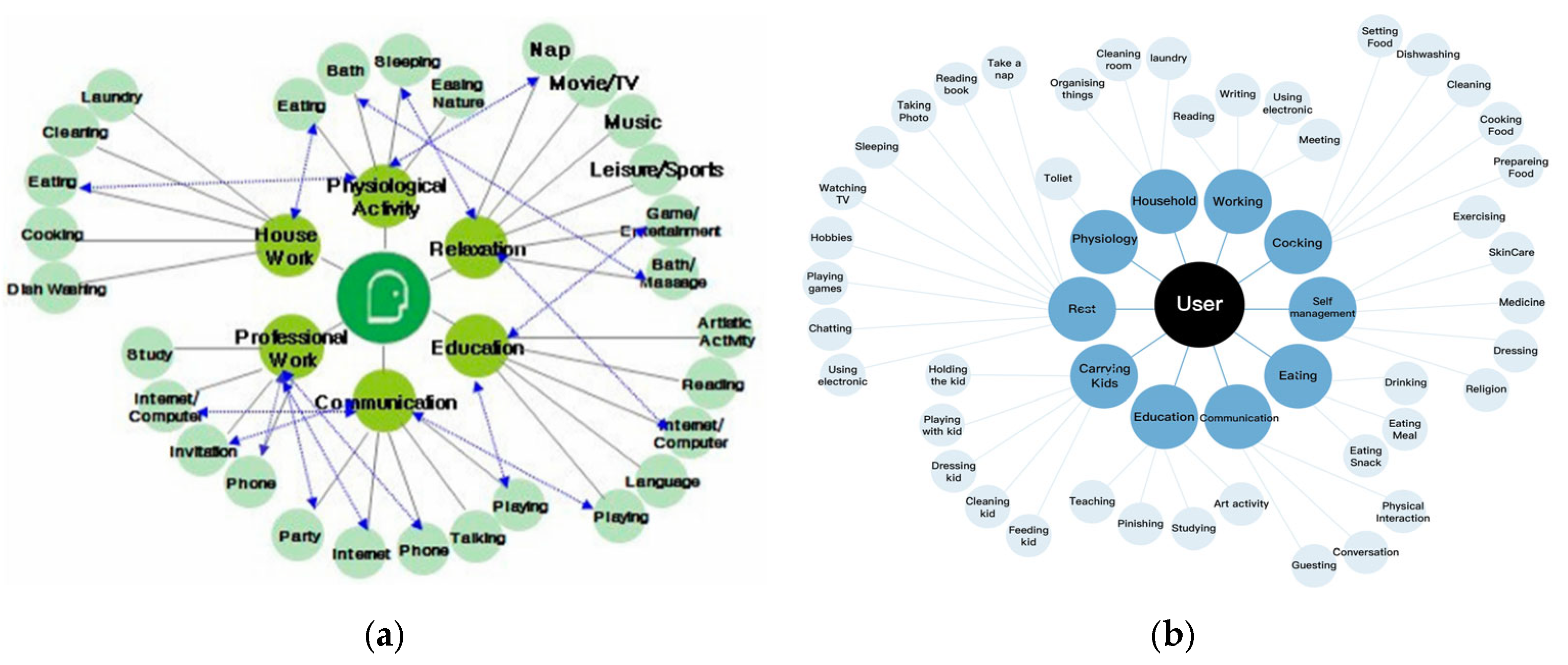
In order to guarantee the scientific rigor and objectivity of behavioural recording and classification, studies on lifestyle types were divided by the OCDC in 2011 [30] (as illustrated in Figure 2). This framework underwent a process of refinement through successive updates to the behavioural classification system, informed by video observations of household members’ actual living patterns. The present study employed card sorting methodology. A behavioural coding system was constructed through comprehensive observation and characteristic documentation of subjects’ behaviours within video footage. This approach effectively mitigated potential observer bias while ensuring clear delineation between observed behaviours and their documented specifications. The final behavioural classification comprises 11 primary behavioural categories and 40 sub-behaviour codes, which broadly encompass common activities within living spaces. Behaviours that proved challenging to categorize were documented under the designated “Insights” section. The model establishes multidimensional associations between codes based on the interplay between living spaces and behavioural factors. The device has cumulatively captured 2137 behaviour events within core scenarios such as feeding and playtime companionship. This provides empirical support for lag sequence analysis, enabling the identification of latent user needs and the formation of a design hypothesis database (see Table 2).
The programmer facilitates the importation of images through the utilisation of observation software, and it can handle both field-recorded video footage and direct observation from video materials. With regard to individual video files, it is possible to segment these into multiple sections or regions for the purpose of analysis. The process of inputting codes for observation can be expedited by the configuration of shortcut keys for the purpose of rapid recording. Furthermore, the observation speed can be adapted in accordance with various behavioural characteristics. Furthermore, the progress bar allows for adjustment of image positioning, repetition, or confirmation of observed content, while clicking individual item codes enables retrieval of behaviour trends for corresponding time periods. The primary observation elements, which include user identification, location, behaviour, and posture, are recorded manually. Secondary factors, including task frequency, the time required for specific user movements, and pre-action latency, are logged with computer assistance. Database entries can be filtered according to diverse analytical models and combined with the system’s quantitative analysis visualisations to facilitate effective user observation.
The collected data was processed through preliminary software observation and manual recording. The utilisation of Excel spreadsheets facilitated the establishment of a behaviour database sample, thereby enabling the organisation and analysis of the data. The employment of “case coding” in conjunction with a 14-day dataset facilitated the comparison of behaviour differences across households or trends within the same household. The “Time” and “Duration” columns were utilised to calculate patterns in behaviour timing and duration statistics, with “Start–Stop” markers defining clear behaviour cycles. Individuals were filtered by “User” to analyse behaviour preferences. Following the categorisation of “Behaviours”, these were integrated with “Spatial” data to construct a three-dimensional model for statistical frequency and proportion. Finally, subjective notes in the “Insights” column supplemented quantitative analysis, uncovering underlying causes and needs to inform subsequent research and optimisation.
This methodology has been utilised to quantify the distinct behaviour needs and frequency patterns of elderly individuals across different zones. The primary activities undertaken in the designated living room sofa area are centred on restfulness, interaction with offspring, and the utilisation of mobile telephony. In the kitchen work area, actions predominantly involve the preparation and consumption of food and the washing-up. The variation in worktop heights has been shown to exacerbate the frequency of bending over during these tasks [30]. Within the designated entrance hall and foyer zones, elderly occupants primarily engage in activities such as retrieving and placing items, in addition to caring for children. Furthermore, the balcony space was found to be a location for both domestic chores and brief respites, reflecting the dual behaviour tendencies of elderly individuals in this area towards household tasks and relaxation.
As the application and refinement of this technique have increased, inconsistencies in the statistical methods employed have been identified to a degree that justifies verification [31]. Statistical tests for cross-dependencies have been demonstrated to aid in estimating precise confidence intervals for cross-correlations and correlation coefficients [32]. This approach has been applied across a range of domains, including studies of psychomotor sequences [33], infant behaviour sequences [34], and educational behaviour sequences [35].

4. Results

4.1. Sample Comparison Analysis

In order to facilitate enhanced visualisation of behavioural data and spatial changes among elderly caregivers and family members, this study employed the Observer XT visualisation analysis system to organise spatiotemporal behavioural data axes within residential spaces.
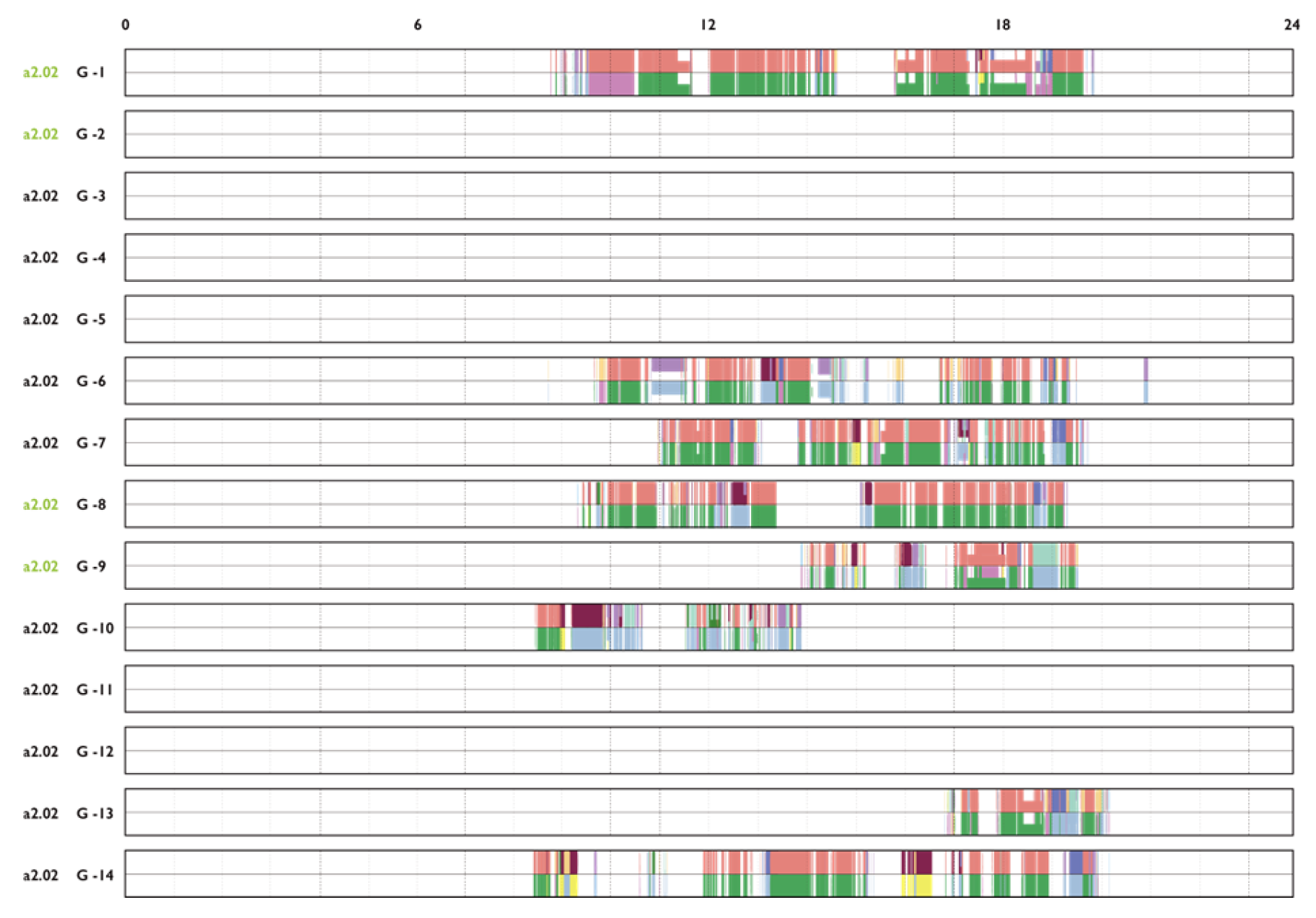
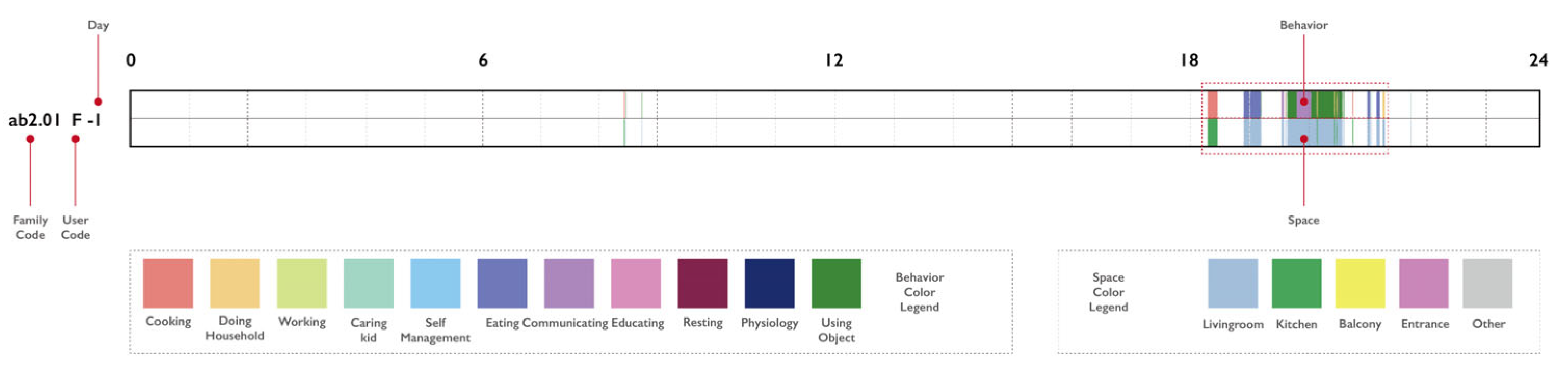
Figure 3 provides a graphical representation of the spatio-temporal data of residential behaviour. The coding of the families and the users is presented on the left side of the figure (F—father; M—mother; G—grandmother; K—kid). The figure also presents the day on which the data were collected (1st–14th). The upper portion of the axial data displays behavioural patterns, while the lower portion focuses on spatial elements. It is noteworthy that the data for each day was recorded in a 24 h format. The utilisation of colour coding facilitates the identification of specific behaviours and spatial locations, thereby providing a visual representation that can be subjected to subsequent analysis (see Figure 3).
As demonstrated in Table 3, as family structures become more compact and younger generations adopt lifestyles that are characterised by greater flexibility, the traditional functions of familial caregiving are gradually diminishing. The results of visualising behavioural and spatiotemporal data from two households involving elderly members are presented: these are households a2.02 and b2.01. Each household was subjected to a 14-day observation period. A thorough examination of the collated data set revealed a recurring pattern in the spatiotemporal distribution of behaviours, exhibiting a consistent midweek-to-weekend rhythm (see Table 3).
In household a2.02, the behavioural pattern exhibited parent-led activities, with intermittent involvement from the elderly. As the primary caregivers for the children, the parents exhibited a full-day behavioural sequence, which included the cooking, doing household chores, and working, as well as evening parent-child interactions. This established a consistent family rhythm. In the context of familial visits, grandparents predominantly engage in culinary endeavours within the confines of the kitchen or in interactions with their grandchildren in the living room. Consequently, family interactions contribute to the provision of short-term companionship, which is essential for the maintenance of the existing routine. Spatial use is concentrated in shared areas such as the living room and kitchen in order to accommodate the family’s temporary coexistence.
In the b2.01 household, behavioural patterns manifest as distributed collaboration, where elders take the lead and parents provide supplementary support. In light of the considerable time that parents spend engaged in their professional activities, members of the older generation assume the responsibility of providing round-the-clock care, encompassing cooking, caring kids, using objects, and self-management. It is evident that parents predominantly provide assistance with childcare and domestic duties upon their return to their residences in the evenings or on weekends. Consequently, the household is characterised by the elderly as the primary source of support, with parents offering supplementary assistance during designated time periods. The utilisation of space is indicative of functional differentiation, with the living room, kitchen and balcony constituting the elderly’s primary daily zones. Conversely, the living room assumes significance as an interactive space during parental residence.
In summary, the present study reveals two distinct patterns of intergenerational collaboration. They play a pivotal role in upholding the established order of the family through the practice of filial piety. The principle articulated in the Book of Rites—“Only when the people know to honour their elders and support the aged can they then practice filial devotion and fraternal duty”—finds direct expression in the spatial layout of traditional residences [36]. These are revealed through a comparative analysis of behavioural sequences and spatiotemporal data from households a2.02 and b2.01. The two distinct patterns are as follows: parent-dominated phased clustering and elder-dominated distributed collaboration. Both patterns demonstrate a cyclical “weekday–weekend” rhythm. In household a2.02, this pattern manifests as core interaction periods that are significantly extended and intensified by parents being at home all day on weekends and by visits from elders. In household b2.01, it has been demonstrated that the synergistic effect of elders’ multifaceted caregiving and parents’ weekend companionship creates a cyclical shift in intergenerational roles and spatial functions.
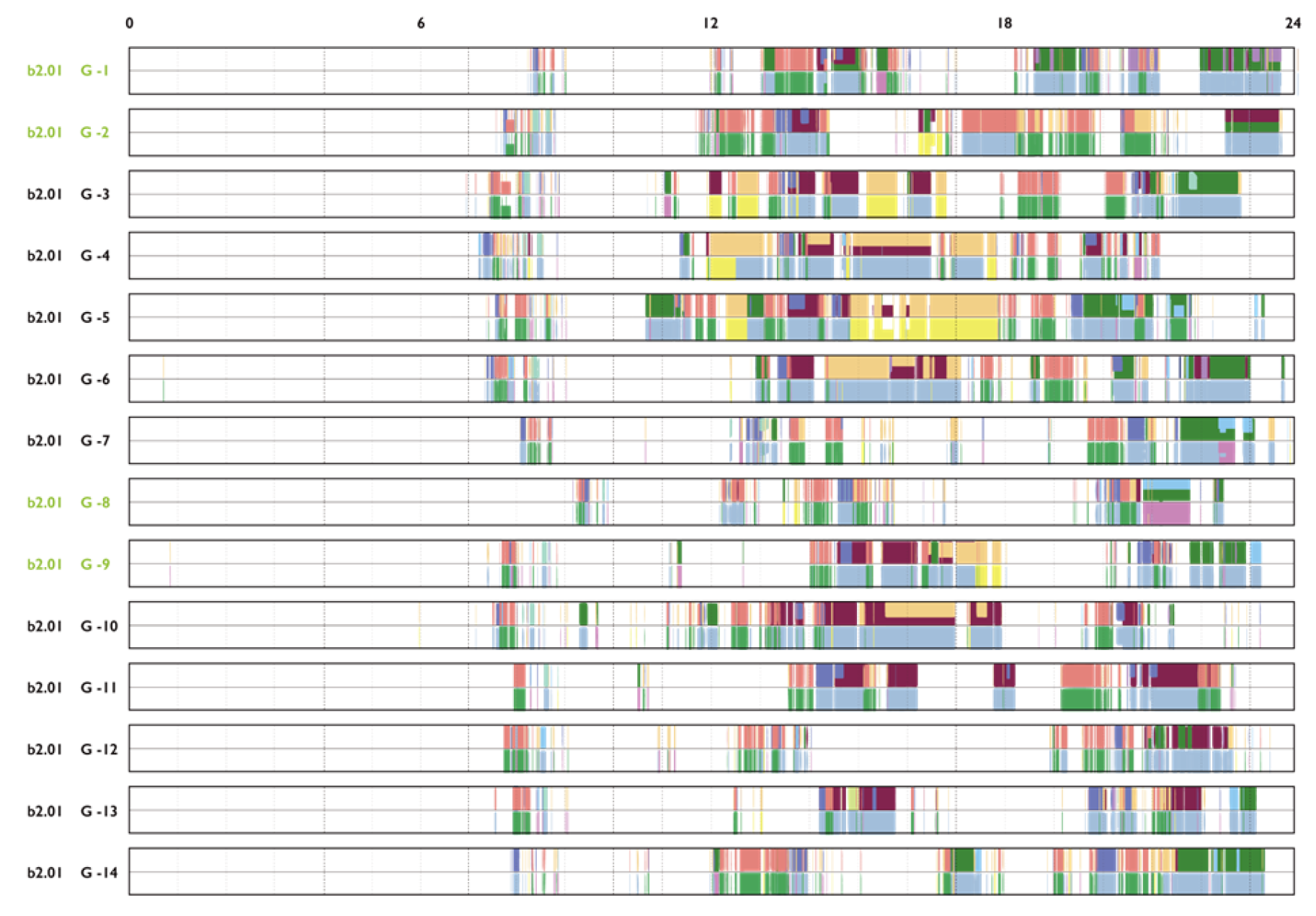
Despite the fact that the younger elderly population still constitutes the majority, there has been an increase in the proportion of healthy elderly individuals, whilst the share of the very elderly has also increased on an annual basis [35]. The objective of this study was to analyse the behavioural patterns and role functions of older adults within family environments. To this end, two contrasting samples of elderly individuals from two households were analysed: a non-residential older adult (a2.02) who rarely resides at home, and a residential older adult (b2.01) who lives with family members. The present study discloses the structural intricacy of quotidian activities, spatio-temporal distribution patterns, and functional roles within family interactions for the elderly under differing residential arrangements.
A visual comparative analysis of behavioural data from both a2.02 and b2.01 identified significant differences in behavioural patterns, spatio-temporal distribution and role functions between the two groups. The analysis revealed that a2.02, representing non-residential seniors, exhibited highly concentrated and monotonous behavioural patterns. Activities are principally conducted in communal domestic areas, such as living rooms and kitchens, with a peak period occurring during specific timeframes between the afternoon and evening. The behavioural sequences of the subjects under investigation are relatively simple and linear and reflect characteristics of short-term participants.
As residential elderly individuals, the b2.01 subjects exhibit distinct diversity, segmentation, and daily routine characteristics in their behaviour. The behavioural codes in question can be subdivided into multiple subcategories, which span both the temporal domain (the entire day) and the spatial domain (spanning various locations such as the kitchen, balcony, entrance, and living room). The behavioural sequences of these organisms are complex and intersecting, with some behaviours potentially exhibiting cyclical patterns. This finding reflects the multifaceted role of the male subject in the household, as both the primary breadwinner and the individual responsible for the management of domestic affairs (see Figure 4 and Figure 5).
A comparative analysis of these two elderly individuals is therefore indicated to reveal the behavioural patterns of seniors within the family context. It is imperative that the spatial design of residential homes is adapted to provide greater flexibility and multifunctionality in order to support the complex daily activity patterns of elderly residents. In contrast, non-home-dwelling seniors prioritize spatial comfort and accessibility to facilitate effective integration and interaction during their limited residential periods. This study, grounded in behavioural sequencing, provides a framework for understanding the spatial needs of seniors across different living arrangements and informs corresponding design solutions.

4.2. Lag Sequence Analysis

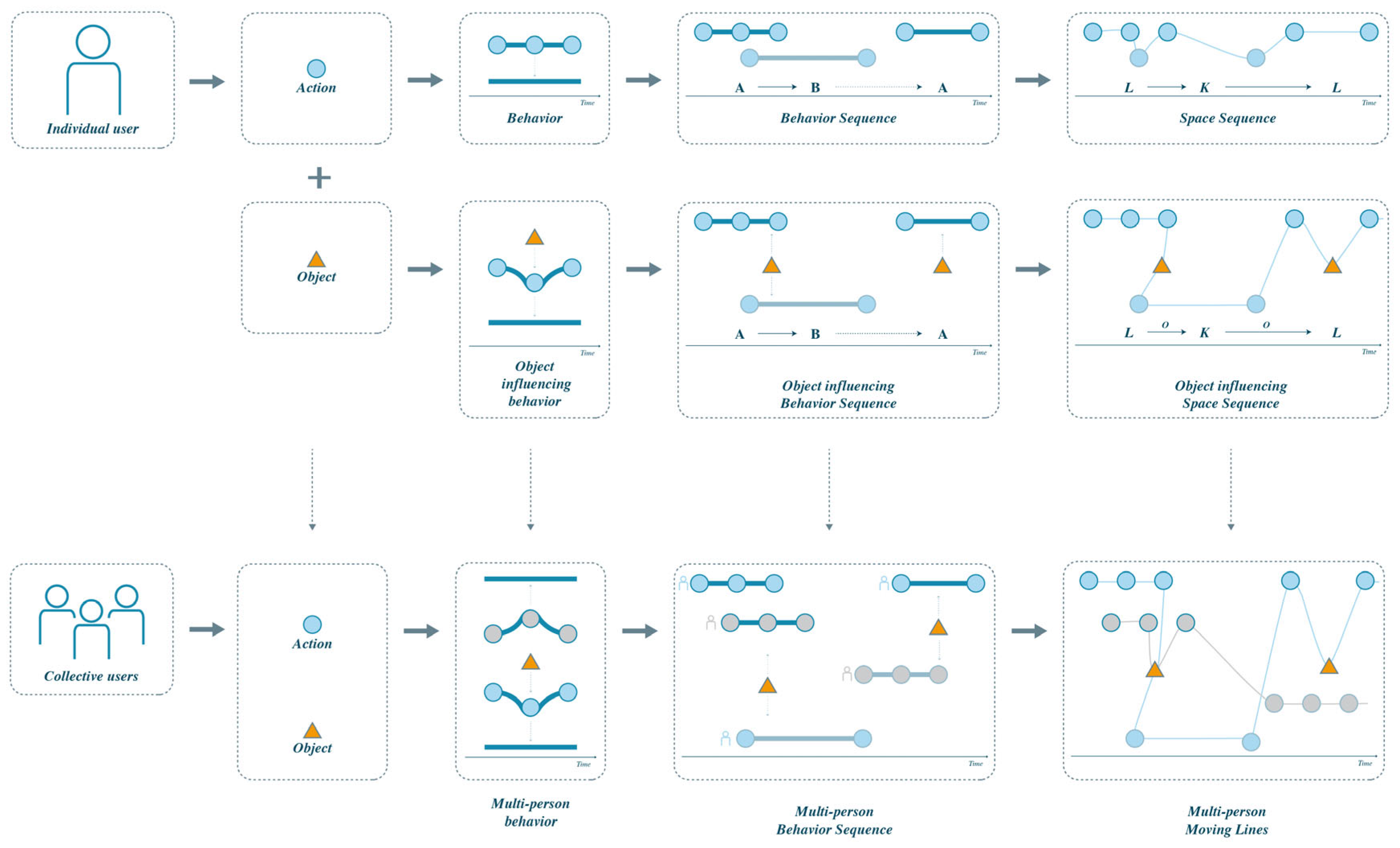
Within residential spaces, complex and mutually influential behavioural relationships emerge from the interplay of “action–behaviour–behaviour sequence–spaces sequence” between individuals (see Figure 6).
The present paper employs LSA to construct a sustainable design support framework for dual-income households, thereby enhancing the quality of daily life for such families. In subsequent data processing, lag sequence analysis was employed to decode the temporal logic of behaviour sequences among elderly carers in dual-income households [37]. This method entails the calculation of the frequency of transitions between behavioural events within a specified lag. Doing so determines the influence relationship between behavioural events, thus unveiling the temporal characteristics and interdependence of family members’ behaviour [38]. Concurrently, cross-dependency statistical tests were applied to interval estimates of correlation coefficients, enabling in-depth analysis of dynamic associations between behaviour sequences. Integrating Lag Sequential Analysis with dynamic behaviour observation enables researchers to predict household needs with greater accuracy across different scenarios and adjust response strategies accordingly [39] (see Table 4).
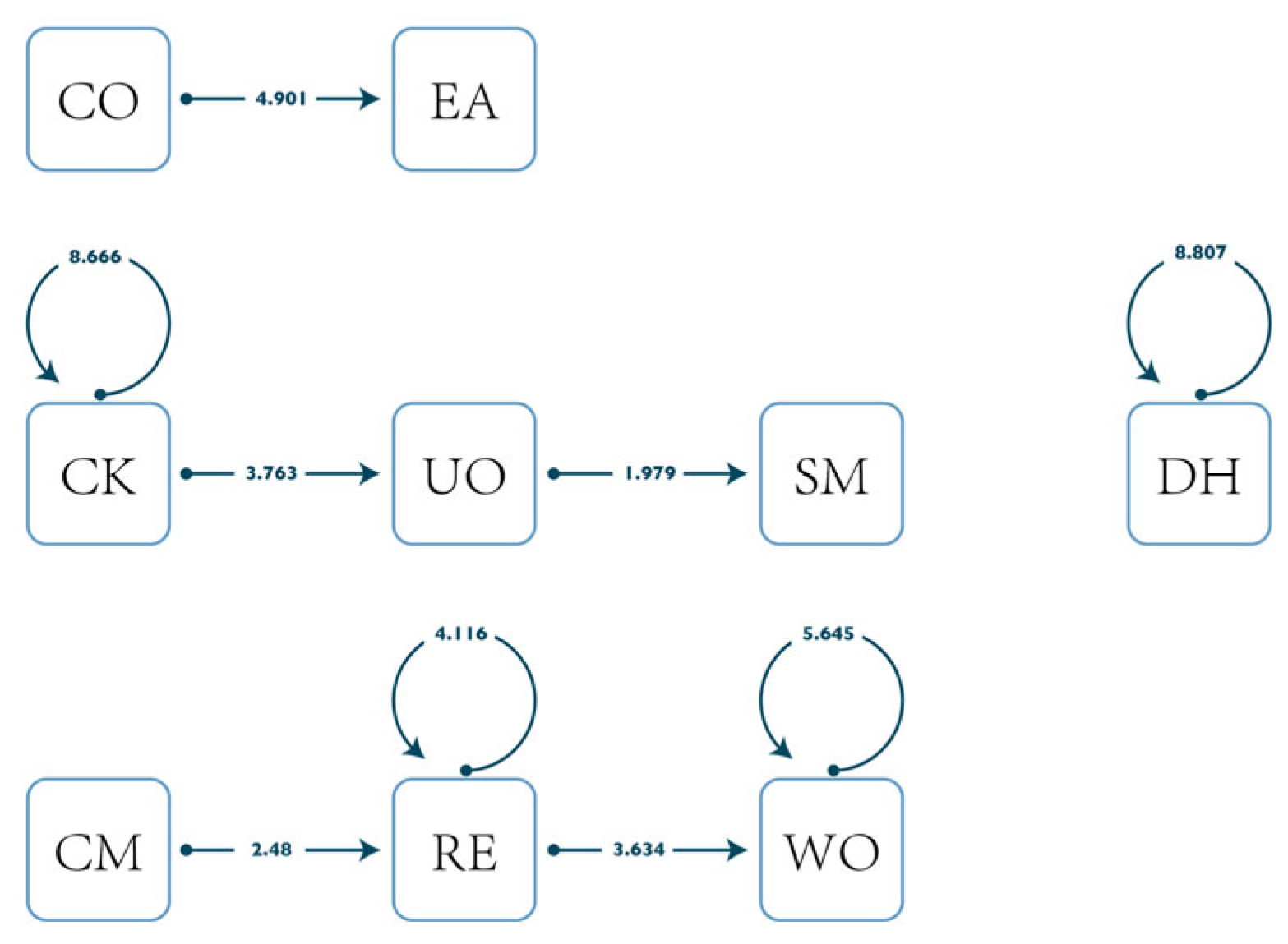
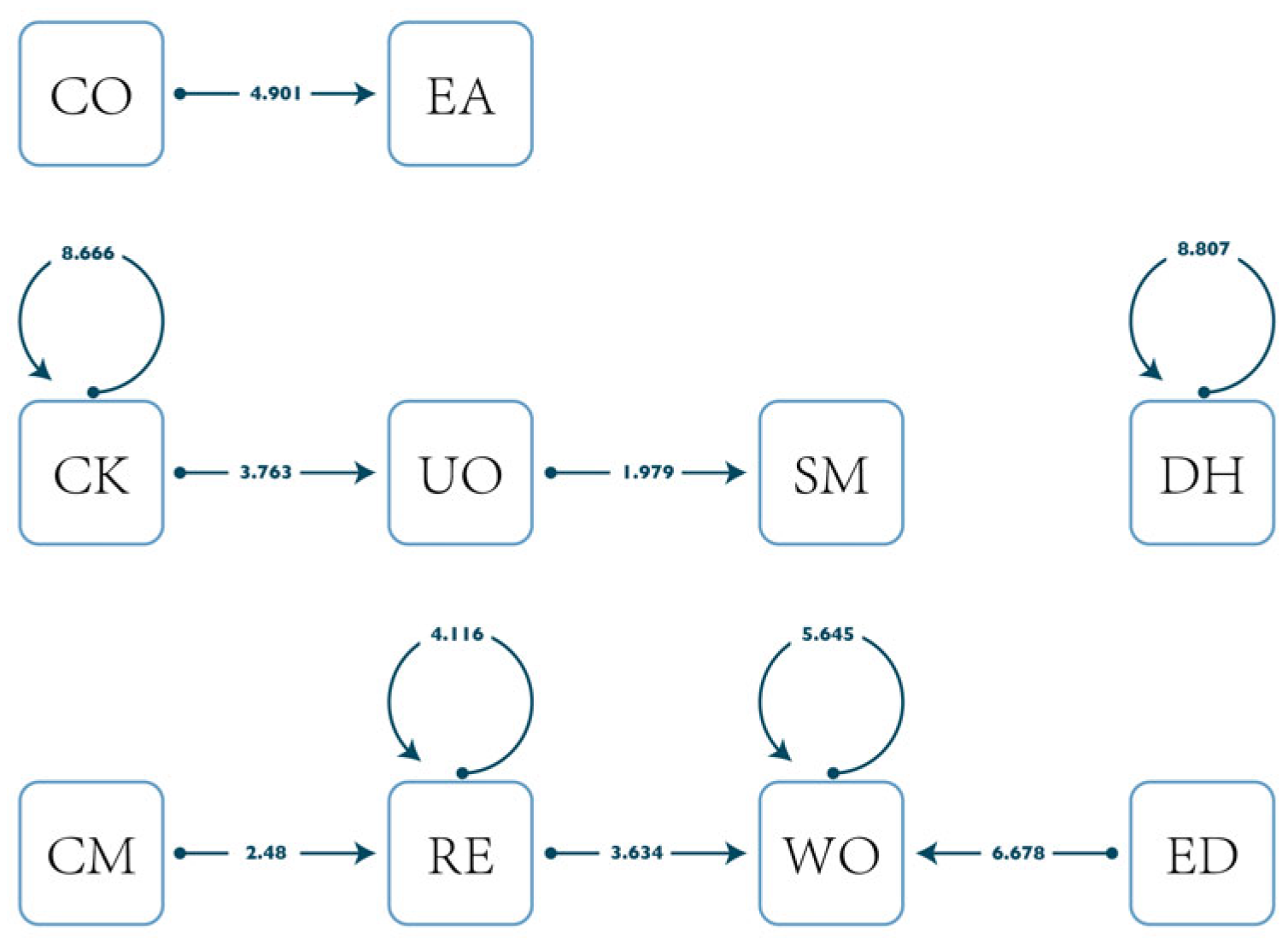
In the behaviour sequence analysis of elderly individuals, a total of 1530 behaviour transition nodes were identified. Residual analysis revealed that multiple sequences exhibited significant temporal characteristics. The residual value after transitioning from behaviour “DH” to behaviour “DH” was 8.808; from behaviour “CK” to behaviour “CK” it was 8.666; and from behaviour “WO” to behaviour “WO” it was 5.645. The residual value following the transition from behaviour “CO” to behaviour “CO” was 5.09, whereas the residual value subsequent to the transition from behaviour “CO” to behaviour “EA” was 4.901. The residual value after transitioning from behaviour “RE” to behaviour “RE” was 4.116. The residual value from behaviour “CK” adjusted to behaviour “UO” is 3.763; from behaviour “RE” adjusted to behaviour “WO” is 3.634; and from behaviour “CM” adjusted to behaviour “RE” is 2.48. The residual value adjusted from behaviour “CM” to behaviour “CM” is 2.329, and the residual value adjusted from behaviour “DH” to behaviour. The residual value from adjusting behaviour “SM” is 2.067, while the residual value from adjusting behaviour “UO” to behaviour “SM” is 1.979. The high residual sequences that have been validated through lag sequence analysis offer compelling evidence of the temporal dependencies between behaviour events, thereby providing a substantial foundation for in-depth analysis of behaviour trajectories among elderly carers in dual-income households (see Table 5).
Adjusted residual error Z-score: Subsequent to the calculation of conversion rates at each time point within the behavioural sequence, Z-score values are computed. The purpose of this calculation is to evaluate the accuracy of conversion rates. Consequently, the adjusted residual error equation [40] is employed.
Yule’s Q Correlation Value: Yule’s Q is indicative of transition correlations between behavioural sequences, as evidenced by the combination of adjusted residual values and correlation strength measurements. The determination of correlation is based on the premise that the value falls within the interval [−1… +1]. When z ≥ 1.96 (at the critical value for a normal distribution and 0.05 significance level), a Q value of at least 0.30 indicates that transitions between behavioural sequences are significant [41].
A behaviour transition diagram for the elderly has been presented, yielding the following behaviour sequence actions: CO → CO; CO → EA; CK → CK; CK → UO; UO → SM; DH → DH; DH → SM; CM → CM; CM → RE; RE → RE; RE → WO; WO → WO; ED → WO (see Figure 7).
Following the execution of a chi-squared test for association, the behaviour transition diagram for the elderly was obtained. A comprehensive evaluation of the data through correlation analysis yielded the identification of several noteworthy behaviour transition sequences, including the following: CO → EA; DH → DH; WO → WO; CK → CK; CK → UO; CM → RE; ED → WO; RE → WO; RE → RE; UO → SM (see Figure 8).

5. Discussion

As demonstrated in Table 6, the behaviour sequences exhibited by elderly individuals manifest a more monotonous post-meal pattern in comparison to that observed in mothers and children. This finding suggests that behavioural habits among the elderly inherently possess a stronger repetitive characteristic. In the context of cohabitation with family members, elderly individuals frequently assume a dominant role in household cooking activities, with kitchen spatial configurations being adapted accordingly. It is noteworthy that elderly individuals manifest pronounced behaviour alterations when in solitude as opposed to the presence of children or grandchildren, while childcare remains the primary responsibility within the household unit. Portable chairs have been identified as playing a pivotal role in facilitating intergenerational interaction. The adjustable height and width of the equipment cater to both children with limited mobility and elderly users, while also providing a physical meeting point for emotional exchange between grandparents and grandchildren (see Table 6). Therefore, the concept of age-friendly design encompasses not only the prioritisation of safety and convenience but also the fostering of interaction and communication among family members.
The extant research indicates that the spatial design of residential properties and the configuration of furniture have a significant impact on the behaviour of elderly individuals who care for others. An analysis of behaviour patterns within multi-generational households reveals that suboptimal layouts and ill-suited furniture dimensions impede daily care activities for elderly carers. In light of the decline in physical capability and mobility that is characteristic of the elderly population, the provision of more accessible spaces and appropriately sized furniture is imperative for the facilitation of daily activities. For instance, the dimensions of kitchen sinks and hob work surfaces have been shown to have a significant impact on the frequency of bending, which, in turn, affects cooking and simultaneous childcare tasks. Furthermore, the dimensions of living room sofas and tea tables are often ill-suited to the space available, resulting in discomfort for those using them. Conversely, correctly sized furniture has been shown to reduce the risk of fatigue and injury in the elderly.
Contrary to the extant literature, which has previously examined the correlation between individual health and elderly lifestyles, this study places emphasis on the behaviours of elderly carers within the home environment, with reference to their interactions with spatial and furniture usage. Examples of this include dining scenarios lacking dedicated meal areas, or sofas overloaded with functions, forcing carers to eat while simultaneously tidying. Furthermore, the presence of mixed-use living room spaces, coupled with deficiencies in storage and furniture design, has the potential to impede the capacity of carers to provide sustenance to children or to engage in play activities. This emphasis on the significance of domestic environmental factors in the lives of elderly carers complements existing research on older adults’ lifestyles, broadening the scope of this field and providing evidence for optimizing carers’ experiences through spatial design.
The present study employs a data-driven behavioural trajectory analysis method. By observing and recording the factual behaviours of household members, it is possible to encode behavioural sequences to construct analysable user journey maps. This approach is founded on empirical observation and quantitative analysis, thereby circumventing the conventional limitations of researcher-based subjective judgments. The primary function of this methodology is to resolve issues of excessive subjective inference stemming from logical gaps by identifying repetitive patterns within behavioural spatiotemporal data. This facilitates more precise identification of dynamic relationships between actions, spaces, and furniture, thereby providing reliable and verifiable empirical evidence for the design of user journey maps.

5.1. Behaviour and Spatial Contradictions in Dining Scenarios

In dual-career households where intergenerational cohabitation is practiced, the actions of elderly caregivers form a trajectory that spans “functional space transitions” and “intergenerational behaviour coordination”. As demonstrated in Table 7 through lag sequence analysis, deconstructing the “resting–cooking–dining–washing” behaviour chain reveals how spatial functional overlap and mismatched furniture dimensions exert dual impacts on behaviour efficiency and user experience. The deconstruction of “daily behaviour–spatial conflicts” provides a critical entry point for sustainable design. Approaches to this issue range from reconfiguring functional zoning in order to restore independent spatial attributes to iterating age-friendly furniture through the use of adjustable and modular designs. These enhancements have been shown to boost spatial adaptability, thereby driving precise alignment between spatial systems and elderly care behaviour trajectories (see Table 7).
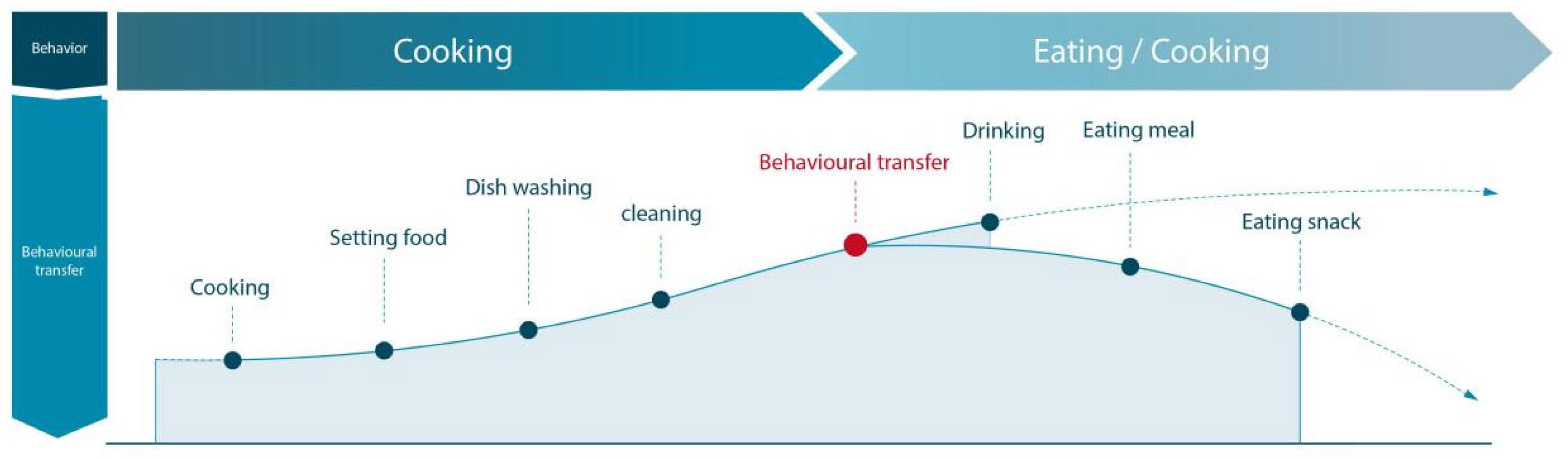
Figure 8, entitled “A simple sequence of actions from cooking to dining”, provides a visual representation of the continuous behaviour process undertaken by elderly carers moving between the kitchen and living room. It reflects the core links within the daily behaviour chain of ‘resting, cooking, dining, washing up’. Behaviour sequence analysis is employed to reveal the characteristics of functional integration and behaviour interweaving within the living space, thereby providing empirical evidence for a sustainable design support framework for dual-income households (see Figure 9).
The process of distilling abstract patterns from observed specific behaviours visually reveals spatial mismatch issues. The present study posits the notion that, within constrained spatial frameworks, a systematic and integrated furniture design approach should facilitate the seamless and intuitive progression of older adults through the entire process, from food preparation to dining. The design strategy is founded on two principles. Firstly, the integration of spatial-furniture systems is promoted in order to dismantle the physical and functional barriers between kitchens and living rooms. This involves the development of composite furniture systems capable of accommodating the “preparation, transfer, consumption” behaviour sequence with flexibility. It is imperative that such systems incorporate extendable, transformable, or mobile kitchen-dining interfaces to ensure the continuity of behaviour sequences through the continuity of the physical environment. Secondly, precise adjustments to dimensions and forms must be implemented. Through the utilisation of sequence analysis, the identification of behaviour pain points is facilitated, thus enabling the design of key contact points, such as worktops, seating, and tabletops, with adjustable or adaptive features. This ensures optimal alignment with the physiological structure and usage scenarios of the elderly, thereby enhancing comfort, safety, and the overall experience.

5.2. Dynamic Behaviour in Living Room Care

In dual-income households, the living room functions as an overlapping space for multiple activities undertaken by elderly carers. As demonstrated in Table 8, the sequence of activities, from childcare to mobile leisure, exercise and household organisation, is characterised by its dynamism. Lag sequence analysis reveals that the integration of childcare, leisure, exercise and storage tasks within a single space leads to an overload of its functionality, resulting in disordered movement patterns. Design flaws, such as cumbersome furniture movement and disorganised storage, have been shown to exacerbate physical exertion and safety hazards. The concept of sustainable design addresses this issue by introducing flexible functional zoning and the integration of smart furniture, thereby resolving the conflict between “dynamic activities and static space”. This reconfiguration of living room space enables elderly individuals to provide care for multiple generations with ease, facilitating the coordination of activities and ensuring that energy expenditure remains within optimal levels. This, in turn, provides a framework for dual-income households to engage in intergenerational collaboration (see Table 8).
Figure 10 reveals that within contemporary Chinese nuclear family structures, children have become the de facto focal point of household life. The diverse demands placed upon them have been shown to directly shape and drive the daily behaviour patterns of elderly caregivers. Focusing on childcare, this sequence gives rise to concurrent and alternating behaviours, encompassing rest, communication, self-management, and household chores. It visually illustrates the operational challenges experienced by elderly individuals, including “spatial functional overload” and “disrupted behaviour pathways”. Furthermore, it profoundly reflects the physical and psychological pressures faced by elderly individuals in role adaptation and intergenerational coordination.
Consequently, the design approach for this sequence must transcend the optimisation of individual objects or functions, shifting towards a systematic coordination of spatial flexibility, intelligent furniture responsiveness, and adaptive storage capabilities. The design strategy employs two principal methodologies. Firstly, it integrates circulation routes and spatial zones in a way that is appropriate to their context. Utilizing movable partitions or modular furniture, it rapidly reconfigures micro-environments for “care–leisure–household tasks”, responding to dynamic behaviour flows through physical spatial adaptability. Secondly, it establishes a proactive storage system that categorizes items based on usage frequency and sentimental value. Intelligent labelling has been demonstrated to reduce cognitive load and physical risks for elderly individuals during multitasking transitions. The overarching objective of the design is to transform complex caregiving tasks into clear, predictable procedures by leveraging the synergy of spatial layout and furniture. This enhancement of operational efficiency is accompanied by the creation of more relaxed opportunities for intergenerational interaction. Therefore, it is evident that the subject under discussion fulfils its function by addressing the technical requirements in a manner that is conducive to the fostering of family cohesion and sustainable care on both social and emotional planes.

5.3. Intergenerational Interaction in Leisure Settings

An analysis of the behaviour trajectories of elderly carers, encompassing communication, rest, laundry, and health management, has given rise to concerns regarding spatial marginalisation and weakened intergenerational bonds. As demonstrated in Table 9, based on lag sequence analysis, the absence of dedicated elderly interaction zones in living rooms, along with functional fragmentation between balconies and living areas, impedes domestic efficiency. It is evident that lighting and furniture designs that fail to consider the behaviour patterns of elderly individuals can exacerbate their “invisibility” within domestic settings. This exploration of the “behaviour trajectory–intergenerational emotional bond” correlation enables sustainable design to construct spatial systems supporting intergenerational communication and self-care. This objective is realised through the establishment of dedicated elderly leisure corners, adaptable furniture configurations, and intelligent environmental responses. The aforementioned designs ensure that elderly carers’ daily activities fulfil family responsibilities while receiving dual mental and physical care, thereby strengthening the sustainable foundation for intergenerational cohabitation within dual-income households (see Table 9).
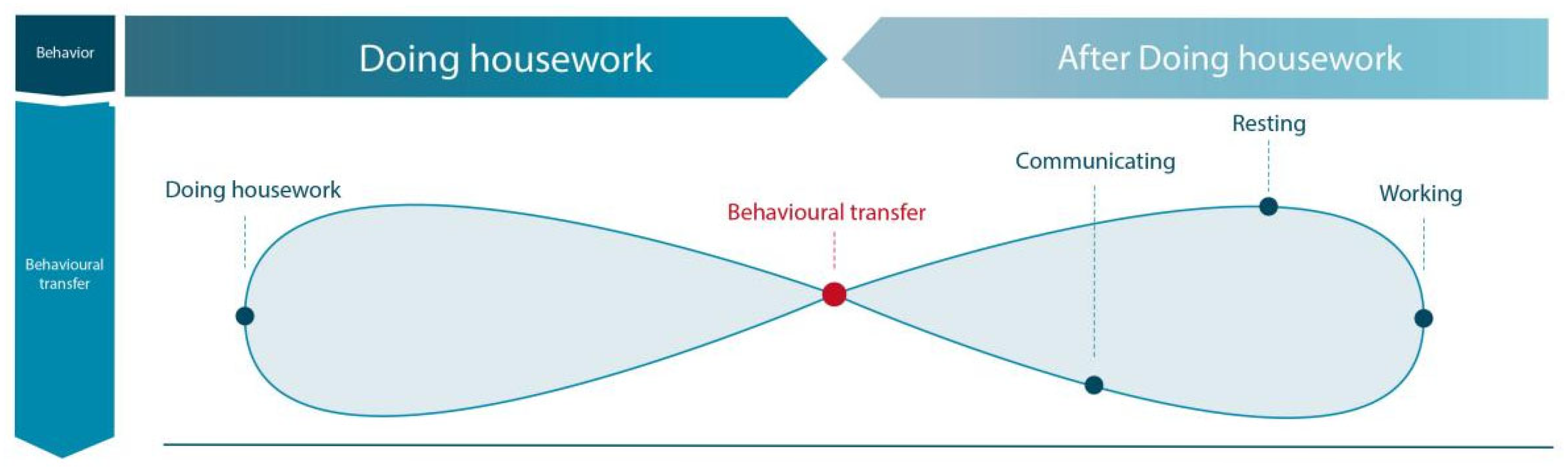
The cyclical sequence of domestic tasks reveals a dynamic closed loop formed between household chores and subsequent behaviours such as communication, rest, and work. It situates specific activities within an ongoing behaviour cycle, thereby highlighting the continuity of elderly care responsibilities and the inherent rhythm of behaviour transitions (see Figure 11).
Figure 11 reveals a dynamic behaviour sequence of cyclical transitions between self-management and domestic labour, centred on frequent shifts between behaviour roles and task objectives, with particular focus on key derivative actions such as storage and retrieval. This characteristic necessitates furniture designs capable of rapidly adapting functionality, form, or layout according to distinct interaction modes such as “use” and “contact”. Consequently, design strategies should concentrate on developing reconfigurable, multimodal responsive furniture systems. The core of the concept lies in the systematic optimisation of the continuity of specific actions, such as storage and retrieval, through rapid functional reconfiguration, flexible form adjustments, and dynamic layout adaptation. Consequently, furniture metamorphoses from static entities into interactive mediators that proactively regulate behaviour rhythms and sustain spatial order. In the intricate milieu of intergenerational cohabitation, this phenomenon engenders effective respite opportunities and connection possibilities for the elderly, thereby attaining a sustainable equilibrium between duty fulfilment and holistic care.

6. Conclusions

6.1. Design Research and Contributions

The present study established an empirical research framework of “behaviour observation–sequence analysis–design translation”, integrating a lag sequence analysis system into research on sustainable household design. Through meticulous capture and sequence decoding of elderly carers’ behaviour trajectories within dual-income, multi-generational households, the analysis identified three patterns: the simple “cooking–dining” sequence, the complex “child-centred” sequence, and the cyclical “housework–rest–communication” sequence. This revealed an underlying common issue of “behaviour–space mismatch”. It is evident that static living spaces are ill-suited to the dynamic and multifaceted nature of daily caregiving routines, which necessitate a high degree of flexibility and adaptability. This mismatch has been shown to intensify the physical strain experienced by the elderly population, leading to the emergence of chaotic movement patterns. Consequently, these demographic faces marginalisation within intergenerational interactions.
In response to the findings, the present study identifies, accommodates and optimises behaviour sequences through the synergistic reconfiguration of space and furniture. Specifically, the following principles are to be observed: In the case of simple behaviour sequences, emphasis is placed on the integrated adaptation of space and furniture, with the aim of ensuring continuity of activity flows via adjustable, modular composite furniture; In the case of complex behaviour sequences, focus is directed towards spatial elasticity and storage responsiveness, with the aim of supporting multitasking transitions through movable partitions and intelligent storage systems; In the case of cyclical behaviour sequences, the focus lies on furniture reconfigurability and pattern transformation, with the aim of enabling respite and connection within elderly care rhythms. These strategies are underpinned by a core design principle: a sustainable domestic environment should not be an accumulation of isolated objects, but rather a supportive system capable of flexibly responding to behaviour, alleviating care burdens, and fostering intergenerational integration.
This research contributes to the field through dual advancements in methodology and design theory. Methodologically, it validates lag sequence analysis as an effective behaviour-driven design research tool, establishing a comprehensive empirical pathway from behaviour data collection and sequence coding to design strategy generation. In terms of design theory, it goes beyond generic guidelines for age-friendly design by proposing a differentiated design logic based on behaviour sequence typology. This provides both theoretical underpinnings and practical guidance for designing “precision-oriented” and “systematic” home care environments. Even though the sample originates from specific urban households, the behaviour sequence types revealed and their conflicting relationships with spatial arrangements offer significant reference value for understanding intergenerational cohabitation and constructing supportive home care environments within broader contexts.

6.2. Limitations and Future Directions

The present study is subject to certain limitations, which are a consequence of its research framework and conclusions being constrained by its origin, background, and data conditions. Firstly, as an empirical study conducted in collaboration with Hanssem Corporation, the collection, use, and publication of core data necessitated strict commercial licensing and approval through the OCDC ethics review process. This resulted in a protracted cycle from video collection to obtaining publication permission, as the behavioural coding and data analysis—conducted over a period of one year by 11 researchers affiliated with the Graduate School of Techno Design at Kookmin University—was only authorised in 2022. Consequently, the foundational data exhibits a certain degree of temporal lag, failing to fully reflect recent changes in household behaviours and technological environments.
Secondly, the research is bound by specific frameworks in terms of sample selection, as well as the breadth and depth of data acquisition, due to the aforementioned project attributes and procedural constraints. For instance, although machine learning can predict user behaviour, its black-box nature may yield results that are difficult to interpret [42]. Conversely, qualitative research methods, such as interviews, can capture users’ subjective experiences; however, they are subject to limitations regarding their generalisability due to their reliance on small sample sizes [43]. Moreover, the binding effect of this confidentiality clause does not cease upon project completion. It is important to note that, between the years 2023 and 2024, the detailed processes and outcomes of in-depth research and product development, based on the foundational data outlined above, remain subject to these restrictions. This not only objectively limits the scale and diversity of the original sample but may also impact the accessibility and comparability of data in subsequent follow-up studies or cross-cultural comparisons. This has the potential to engender long-term challenges to the universality and ongoing refinement of research conclusions.
The lagged sequence analysis and behavioural observation framework employed in this study demonstrates strong applicability and expansion potential. Building upon this foundation, future research may explore several avenues for deeper investigation. Firstly, long-term tracking and comparative analyses could be conducted, such as revisiting similar households after five or ten years. This would reveal the dynamic evolution of behavioural patterns and spatial needs through a longitudinal perspective. Secondly, the scope could be expanded to include different cultural contexts or focus on comparative analyses of more complex family member interactions, thereby fostering more universal academic discourse. Finally, the incorporation of more sophisticated data collection techniques and targeted analytical models has the potential to advance research towards more precise, goal-oriented data analysis, thereby enhancing the applicability and explanatory power of design strategies.

Author Contributions

Q.A.: conceptualisation, methodology, and writing—review; W.X.: data curation, writing—review and editing; Y.W.: writing—original draft, X.L.: visualisation, writing—review. All authors have read and agreed to the published version of the manuscript.

Funding

This work was supported by the Research on the Inheritance and Innovation Path of Jingzuo Furniture under the Change of Beijing Urban Lifestyle, Beijing City University, KYQH202449. This work was also supported by the Oriental Cultural & Design Center.

Institutional Review Board Statement

This study was conducted in accordance with the Declaration of Helsinki and was approved by the Ethics Committee of Kookmin University (A2022-0501 and 1 May 2022).

Informed Consent Statement

Informed consent was obtained from all subjects involved in this study.

Data Availability Statement

The data presented in this study are openly available in Mendeley Data: https://data.mendeley.com/datasets/b9bpyw7grt (accessed on 17 January 2025); https://data.mendeley.com/datasets/5874fmcfn3 (accessed on 17 January 2025).

Acknowledgments

We thank all the participants in the recording and all the researchers for coding.

Conflicts of Interest

The authors declare no conflicts of interest.

References

  1. National Bureau of Statistics of China. Statistical Communiqué of the People’s Republic of China on the 2024 National Economic and Social Development. 2025. Available online: https://english.www.gov.cn/archive/statistics/202503/01/content_WS67c2695cc6d0868f4e8f02ae.html (accessed on 2 August 2025).
  2. National Bureau of Statistics. The service industry plays a more prominent role, and development quality continues to improve. In 75 Years of China’s Economic Development Achievements of New China, 1st ed.; National Bureau of Statistics: Beijing, China, 2024; Volume 4. [Google Scholar]
  3. Lin, Z.; Chen, F. Evolving parent–adult child relations: Location of multiple children and psychological well-being of older adults in China. Public Health 2018, 158, 117–123. [Google Scholar] [CrossRef] [Scilit] [PubMed]
  4. Zhang, Y. Gender differences in internal labor division and daily activity patterns of dual-earner families in Beijing. Abstr. Acad. Pap. 2012, 217–218. [Google Scholar]
  5. Gu, T.W.Q.; Tinayi, A. Difficulties and countermeasures of dual-earner families from the perspective of family social work: A case study of Community X in City H. Public Relat. World 2024, 8, 163–165. [Google Scholar]
  6. Sun, Y. The impact of intergenerational care on the subjective well-being of the elderly from the perspective of family care. Master’s Thesis, Shanghai Normal University, Shanghai, China, 2023. [Google Scholar]
  7. Bedford, O.; Yeh, K.H. Evolution of the conceptualization of filial piety in the global context: From skin to skeleton. Front. Psychol. 2021, 12, 570547. [Google Scholar] [CrossRef] [Scilit]
  8. Zhou, Z.; Wang, L.; Dong, Y. Research on innovative design of community mutual aid elderly care service platform based on Kano model. Heliyon 2023, 9, e15546. [Google Scholar] [CrossRef] [Scilit]
  9. Dsouza, J.M.; Chakraborty, A.; Kamath, N. Intergenerational communication and elderly well-being. Clin. Epidemiol. Glob. Health 2023, 20, 101251. [Google Scholar] [CrossRef] [Scilit]
  10. Obeidat, A.M.; Obeidat, A.M. Interior Design Strategies for Improving Quality of Life: How Can Residential Spaces Reflect a Healthy Lifestyle and Psychological Comfort. Int. J. Hous. Sci. Its Appl. 2024, 45, 71–86. [Google Scholar] [CrossRef] [Scilit]
  11. Pal, D.; Funilkul, S.; Vanijja, V.; Papasratorn, B. Analyzing the elderly users’ adoption of smart-home services. IEEE Access 2018, 6, 51238–51252. [Google Scholar] [CrossRef] [Scilit]
  12. Xu, S.; Yang, X.; Liu, J.; Chong, M.K.-C.; Cheng, Y.; Gong, W.; Zou, G. Health and wellbeing among the empty nest and non-empty nest elderly in China—Results from a national cross-sectional study. PLoS ONE 2023, 18, e0291231. [Google Scholar] [CrossRef] [Scilit]
  13. Tarallo, R.S.; Neri, A.L.; Cachioni, M. Attitudes of elderly persons and professionals towards intergenerational exchanges. Rev. Bras. De Geriatr. Gerontol. 2017, 20, 421–429. [Google Scholar] [CrossRef] [Scilit]
  14. Majumder, S.; Aghayi, E.; Noferesti, M.; Memarzadeh-Tehran, H.; Mondal, T.; Pang, Z.; Deen, M.J. Smart homes for elderly healthcare—Recent advances and research challenges. Sensors 2017, 17, 2496. [Google Scholar] [CrossRef] [Scilit] [PubMed]
  15. Black, K.; Oh, P. Assessing age-friendly community progress: What have we learned? Gerontol. 2022, 62, 6–17. [Google Scholar] [CrossRef] [Scilit] [PubMed]
  16. Nogimura, A.; Otani, T.; Noguchi, T.; Nakagawa-Senda, H.; Watanabe, M.; Yamada, T.; Suzuki, S. Gender and age variations in the association between multigenerational cohabitation and self-rated health among middle-aged and older adults in Japan. Nagoya J. Med. Sci. 2024, 86, 262. [Google Scholar] [PubMed]
  17. Wang, X.; Ellul, J.; Azzopardi, G. Elderly fall detection systems: A literature survey. Front. Robot. AI 2020, 7, 71. [Google Scholar] [CrossRef] [Scilit]
  18. De Oliveira, M.C.G.M.; Salmazo-Silva, H.; Gomes, L.; Moraes, C.F.; Alves, V.P. Elderly individuals in multigenerational households: Family composition, satisfaction with life and social involvement. Estud. Psicol. 2019, 37, e180081. [Google Scholar] [CrossRef] [Scilit]
  19. Silverstein, M.; Bengtson, V.L. Intergenerational solidarity and the structure of adult child-parent relationships in American families. Am. J. Sociol. 1997, 103, 429–460. [Google Scholar] [CrossRef] [Scilit]
  20. Rogers, Y.; Marsden, G. Does he take sugar? Moving beyond the rhetoric of compassion. Interactions 2013, 20, 48–57. [Google Scholar] [CrossRef] [Scilit]
  21. Norman, D.A. The research-practice gap: The need for translational developers. Interactions 2010, 17, 9–12. [Google Scholar] [CrossRef] [Scilit]
  22. Crabtree, A.; Rodden, T. Domestic routines and design for the home. Comput. Support. Coop. Work. 2004, 13, 191–220. [Google Scholar] [CrossRef] [Scilit]
  23. Nembrini, J.; Lalanne, D. Human-building interaction: When the machine becomes a building. In Proceedings of the Human-Computer Interaction-INTERACT 2017: 16th IFIP TC 13 International Conference, Mumbai, India, 25–29 September 2017; Proceedings, Part II 16; Springer International Publishing: New York, NY, USA, 2017; pp. 348–369. [Google Scholar]
  24. Bakeman, R.; Quera, V. Analyzing Interaction: Sequential Analysis with SDIS and GSEQ; Cambridge University Press: Cambridge, UK, 1995. [Google Scholar]
  25. Moutacalli, M.T.; Bouzouane, A.; Bouchard, B. The behavioural profiling based on times series forecasting for smart homes assistance. J. Ambient. Intell. Humaniz. Comput. 2015, 6, 647–659. [Google Scholar] [CrossRef] [Scilit]
  26. Brush, A.J.B.; Lee, B.; Mahajan, R. Home automation in the wild: Challenges and opportunities. In Proceedings of the SIGCHI Conference on Human Factors in Computing Systems; Association for Computing Machinery: New York, NY, USA, 2011; pp. 2115–2124. [Google Scholar]
  27. Loup, J.; Snow, A.L.; Hilgeman, M. Living Within and Without: Life-Space Mapping to Visualize Need and Resource Access of Rural Dementia Dyads. Innov. Aging 2020, 4, 434–435. [Google Scholar] [CrossRef] [Scilit]
  28. Miyashita, T.; Tadaka, E.; Arimoto, A. Cross-sectional study of individual and environmental factors associated with life-space mobility among community-dwelling independent older people. Environ. Health Prev. Med. 2021, 26, 9. [Google Scholar] [CrossRef] [Scilit] [PubMed]
  29. Heldt, J.; Schlinger, H.D., Jr. Increased variability in tacting under a lag 3 schedule of reinforcement. Anal. Verbal Behav. 2012, 28, 131–136. [Google Scholar] [CrossRef] [Scilit] [PubMed]
  30. Liu, F.; Wang, Y.; An, Q. Spatio-Temporal Analysis of Beijing Residents’ Lifestyles: Data-Driven Insights into Apartment Interior Design. Buildings 2025, 15, 576. [Google Scholar] [CrossRef] [Scilit]
  31. Allison, P.D.; Liker, J.K. Analyzing sequential categorical data on dyadic interaction: A comment on Gottman. Psychol. Bull. 1982, 91, 393–403. [Google Scholar] [CrossRef]
  32. Faraone, S.V.; Dorfman, D.D. Lag sequential analysis: Robust statistical methods. Psychol. Bull. 1987, 101, 312–323. [Google Scholar] [CrossRef]
  33. Drapeau, M.; de Roten, Y.; Beretta, V.; Blake, E.; Koerner, A.; Despland, J.N. Therapist technique and patient defensive functioning in ultra-brief psychodynamic psychotherapy: Alag sequential analysis. Clin. Psychol. Psychother. 2008, 15, 247–255. [Google Scholar] [CrossRef] [Scilit]
  34. Justice, L.M.; Weber, S.E.; Ezell, H.K.; Bakeman, R. A Sequential Analysis of Children’s Responsiveness to Parental Print References During Shared Book-Reading Interactions. Am. J. Speech-Lang. Pathol. 2002, 11, 30–40. [Google Scholar] [CrossRef] [Scilit]
  35. Wang, H.; Tlili, A.; Zhong, X.; Cai, Z.; Huang, R. The Impact of Gender on Online Learning Behavioural Patterns: A Comparative Study Based on Lag Sequential Analysis. In 2021 International Conference on Advanced Learning Technologies (ICALT); IEEE: Piscataway, NJ, USA, 2021; pp. 190–194. [Google Scholar]
  36. Fan, R. Confucian filial piety and long term care for aged parents. HEC Forum 2006, 18, 1. [Google Scholar] [CrossRef] [Scilit]
  37. National Bureau of Statistics. From a populous country to a country with strong human resources: Achievements in high-quality population development. In 75 Years of China’s Economic Development Achievements of New China, 1st ed.; National Bureau of Statistics: Beijing, China, 2024; Volume 15. [Google Scholar]
  38. An, Q.; Zhang, X.; Ma, J.; Zhang, X. An Observational Study on Elderly Caregivers’ Lifestyle and Behaviours-A Lag Sequential Analysis in Modern Chinese Dual-Earner Households. In International Conference on Human-Computer Interaction; Springer: Berlin/Heidelberg, Germany, 2025; pp. 143–151. [Google Scholar]
  39. Cook, D.J.; Youngblood, M.; Heierman, E.O. MavHome: An agent-based smart home. In Proceedings of the First IEEE International Conference on Pervasive Computing and Communications; IEEE: Piscataway, NJ, USA, 2003; pp. 521–524. [Google Scholar]
  40. Bakeman, R.; Gottman, J.M. Observing Interaction: An Introduction to Sequential Analysis; Cambridge University Press: Cambridge, UK, 1997. [Google Scholar]
  41. Davis, J.A. Elementary Survey Analysis; Prentice-Hall: Hoboken, NJ, USA, 1971. [Google Scholar]
  42. Doshi-Velez, F.; Kim, B. Towards a rigorous science of interpretable machine learning. arXiv 2017, arXiv:1702.08608. [Google Scholar] [CrossRef] [Scilit]
  43. Creswell, J.W.; Creswell, J.D. Research Design: Qualitative, Quantitative, and Mixed Methods Approaches; SAGE Publications: Thousand Oaks, CA, USA, 2017. [Google Scholar]
Figure 1. Sustainable design process framework.
Sustainability 18 02326 g001
Figure 2. (a) Description of existing, living behaviour classification; (b) behavioural codes for composite lifestyle were reorganised through behavioural card classification method. Figure 2 is sourced from Spatio-temporal analysis of Beijing residents’ lifestyles: data-driven insights into apartment interior design [30].
Sustainability 18 02326 g002
Figure 3. Timeline data legend.
Sustainability 18 02326 g003
Figure 4. Non-residential grandmother behavioural timeline, a2.02.
Sustainability 18 02326 g004
Figure 5. Residential grandmother behavioural timeline, b2.01.
Sustainability 18 02326 g005
Figure 6. Family behaviour sequence relationship diagram.
Sustainability 18 02326 g006
Figure 7. Grandmothers’ behavioural transfer map.
Sustainability 18 02326 g007
Figure 8. Behavioural transfer map of grandmothers after validation by correlation test.
Sustainability 18 02326 g008
Figure 9. A simple sequence of actions from cooking to dining.
Sustainability 18 02326 g009
Figure 10. Complex behaviour sequences centred on children.
Sustainability 18 02326 g010
Figure 11. Cyclical sequence of household chores.
Sustainability 18 02326 g011
Table 1. Observation family information form.
Family CodeRecorded PlanInformationCamera View
a2.02Sustainability 18 02326 i00189 m2—Boy, 3rd
Grandma, 65th
Sustainability 18 02326 i002
b2.01Sustainability 18 02326 i003119 m2—Girl, 5th
Grandma, 71st
Sustainability 18 02326 i004
Table 2. Code schema.
User CodeBehaviour CodeSpace CodeObject Code
Mother
Father
Kid1
Kid2
Grandmother
Grandfather
Guest
Nanny
Cooking (CO)
Doing housework (DH)
Working (WO)
Caring for kid (CK)
Self-management (SM)
Eating (EA)
Communicating (CM)
Education (ED)
Resting (RE)
Physiological activities (PAs)
Using object (UO)
Living room
Bathroom
Kitchen
Entrance
Utility
Dining room
Main room
Room1
Room2
Cooking Object
Housework Object
Office Object
Bedding Personal Object
Food
Furniture
Electronic
Kid Object
Table 3. Family behaviour data timeline.
Family CodeFatherMotherKidGrandmother
a2.02Sustainability 18 02326 i005Sustainability 18 02326 i006Sustainability 18 02326 i007Sustainability 18 02326 i008
b2.01Sustainability 18 02326 i009Sustainability 18 02326 i010Sustainability 18 02326 i011Sustainability 18 02326 i012
Table 4. Frequency conversion of grandmother behaviour f(g,t), Lag = 1.
Lag Behaviour
CODHWOCKSMEACMEDREUOTotalp(g,t)
Starting
Behaviour
CO34444105648397001706280.41
DH625548182270901850.121
WO14184202010320.021
CK34843714110111010.066
SM6816413123200001360.089
EA32514116041550.035
CM1172718311024701802700.176
ED14083000000250.016
RE31811922160110900.059
UO321020100090.006
Total719166691659653200061215311
p(g,t)0.470.1080.0450.1080.0630.0350.13100.040.0011
Table 5. Q of Z scores and Yule after adjusting for grandmothers’ behaviour Z.
Lag Behaviour
Z-Score/
Yule’s Q
CODHWOCKSMEACMEDREUO
CO*5.094.033−4.588−1.9651.842*4.901−1.8640−2.135−0.835
0.26−0.35−0.624−0.1680.191*0.615−0.1460−0.297−1
DH−3.918*8.807−1.641−3.021*2.067−1.890.65500.651−0.371
−0.309*0.649−0.394−0.490.273−0.5660.07300.12−1
WO−0.372−1.42*5.6450.316−0.006−1.083−1.1570−0.252−0.146
−0.067−0.587*0.7740.085−0.002−1−0.3910−0.128−1
Priming
Behaviour
CK−2.777−0.979−0.275*8.666−2.2660.282−0.6730−1.593*3.763
−0.289−0.182−0.072*0.709−0.7540.075−0.110−0.628*1
SM0.7360.359−0.924−0.4831.284−0.8410.5920−2.49−0.312
0.0660.05−0.235−0.0730.203−0.2450.0750−1−1
EA1.839−0.383−0.958−0.815−1.364−0.66−0.43501.308−0.191
0.251−0.091−0.438−0.21−0.57−0.319−0.0950*0.331−1
CM−1.328−0.4951.8820.407−1.92−2.697*2.3290*2.48−0.463
−0.089−0.0550.2570.043−0.311−0.6990.2080*0.338−1
ED0.91−1.7591.6780.198−1.304−0.955−1.9550−1.027−0.129
0.182−10.2350.061−1−1−10−1−1
RE−2.459−0.617*3.634−0.247−1.634−0.6641.3650*4.116−0.25
−0.27−0.116*0.537−0.045−0.509−0.2350.1920*0.589−1
UO−0.8241.10.957−1.046*1.979−0.57−0.1750−0.613−0.077
−0.28*0.405*0.455−1*0.625−1−0.0930−1−1
Table 6. Simple behavioural sequences of grandmothers.
FactorAnalysis
Behaviour SequenceSustainability 18 02326 i013
codingBehaviouralSequenceSpace
a2.02 g-13Washing → cooking → serving → eatingSink–gas cooker room–table and chairsKitchen–living room
b2.01 g-12Washing → cooking → serving → eatingSink–gas cooker room–tea table/sofaKitchen–living room
Behaviour SequenceSustainability 18 02326 i014
codingBehaviouralSequenceSpace
a2.02 g-13Eat with your child → use your cell phone → eat with your childStand/portable chair–sofaFireplace
b2.01 g-9Playing with child → using cell phone → taking medication → knocking leg (exercise)Sofas–coffee tables–portable chairsLiving room foyer–living room
Behaviour SequenceSustainability 18 02326 i015
codingBehaviouralSequenceSpace
b2.01 g-4Room cleaning → medicationStorage room–tea roomKitchen–entrance
Table 7. Behaviour and spatial conflicts in dining scenarios.
StageRECOEACO
BehaviourTaking a napWash vegetables
Preparing food
Setting food
Eating mealDish washing
TouchpointLiving roomKitchenLiving roomKitchen
SofaSink, gas hobTea table, sofa, chairsSink
EmotionSustainability 18 02326 i016
Pain PointSpace: 1. Lack of dedicated dining area; elderly residents sit on stools for meals.
Furniture: 1. Sofa serves multiple functions—recreation, dining, and entertainment combined.
2. The tea table’s dimensions are disproportionate, being excessively large, causing discomfort for elderly users. The sofa is too small, forcing the elderly to sit on small stools.
3. The differing depths and heights of the sink and hob worktops increase the frequency of bending over for the elderly.
Behaviour: 1. While other family members continue eating, the elderly must tidy up while dining.
Opportunity PointSpace: 1. The dining area should be reorganised in order to reinstate its function as a place for dining.
Furniture: 1. Replace the multifunctional sofa to separate the dining seating from the relaxation section.
2. Introduce a movable, adjustable tea table that can be resized according to the elderly person’s physical condition and moved as needed.
3. As the kitchen is frequently used by the elderly, the countertop dimensions for the sink and hob should be tailored to their height and behaviour habits, reducing the need for frequent bending.
Behaviour: 1. The elderly can wait until other family members have finished eating before tidying up in one go, minimizing repetitive actions.
Table 8. Dynamic behaviours in living room care.
StageCKUOSMDH
BehaviourFeeding kid
Playing with kid
Using PhoneTaking medicationTapping the legs (exercise)Cleaning roomOrganising thing
TouchpointLiving roomLiving roomEntrance hallLiving roomKitchenLiving room
Folding chair
TV storage unit
Folding chairSmall tea tableSofaDisplay cabinetTea cabinet
Sofa
EmotionSustainability 18 02326 i017
Pain PointSpace: 1. The living room is a multifunctional space, serving a variety of purposes including leisure, dining and recreation.
2. The issue of inadequate storage capacity, coupled with the absence of a clearly defined categorisation system, poses a significant challenge for elderly residents in locating items.
Furniture: 1. It has been observed that elderly individuals often adopt a cautious approach when attempting to reach furniture during cleaning activities, often using assistive devices such as stools. This practice, however, can potentially result in the creation of safety hazards.
Behaviour: 1. It has been observed that there is a tendency to place items or clutter on countertops in a casual manner. This behaviour may be indicative of a lack of awareness regarding storage options.
2. The living room, kitchen, hallway and balcony are utilised predominantly by elderly individuals as primary activity zones, resulting in repetitive and criss-crossing cleaning routes.
Opportunity PointSpace: 1. The utilisation of partitions and movable furniture is recommended in order to effectively segment the various functions of the living room.
2. The implementation of categorised storage units, labelled drawers, and tiered shelving systems has been demonstrated to facilitate organisation.
Furniture: 1. The utilisation of smart home furnishings has been demonstrated to alleviate the burden on elderly occupants of room cleaning and tidying.
Behaviour: 1. The strategic arrangement of flexible furniture has been demonstrated to enhance movement patterns, thereby facilitating the execution of repetitive cleaning tasks.
Table 9. Intergenerational Interaction in Leisure Settings.
StageCMREDHSM
BehaviourReading
Chatting
Watching TV
Using phone
LaundryTaking medicine
TouchpointLiving roomLiving roomBalconyLiving room
Folding chair
TV storage unit
Folding chairWashing machine
Clothes drying rack
Sofa
Tea table
EmotionSustainability 18 02326 i018
Pain PointSpace: 1. In the context of domestic life, the elderly are often marginalised in terms of the living space allocated to them when their children are at home.
Furniture: 1. In the context of familial discourse, it is customary for the senior members of the family to be seated on stools.
2. The tea table is subject to extensive utilisation, functioning as a dining surface, storage for miscellaneous items, and a multipurpose workstation.
Behaviour:1. The elderly opt to forgo the utilisation of the living room lights during daylight hours, instead opting to engage in the act of mending garments in a seated position on the balcony chair.
Opportunity PointSpace: 1. It is recommended that a designated area be allocated for the elderly to relax and engage in activities, ideally situated in a corner of the living room and furnished with comfortable seating. This provides them with a fixed yet liberating space, enhancing a sense of belonging and preventing marginalisation.
2. The reconfiguration of the living room layout is proposed, with the implementation of a circular sofa arrangement. This is hypothesised to facilitate increased interaction between family members and to serve as a means of strengthening relationships between elderly individuals and their relatives.
Furniture:1. The utilisation of foldable modular tea tables that undergo expansion for dining purposes and subsequent folding for storage purposes serves to minimise space usage.
Behaviour: 1. The installation of smart motion-activated lighting systems, which are designed to illuminate upon entry and extinguish upon departure, is recommended. The soft, non-glaring light meets the daytime lighting needs of elderly residents in the living room while conserving energy and encouraging them to spend time in this space.
Disclaimer/Publisher’s Note: The statements, opinions and data contained in all publications are solely those of the individual author(s) and contributor(s) and not of MDPI and/or the editor(s). MDPI and/or the editor(s) disclaim responsibility for any injury to people or property resulting from any ideas, methods, instructions or products referred to in the content.