1. Introduction
Sustainability is a new paradigm of life that emerges as a response to the unprecedented pressure that human activity is exerting on natural resources, accelerating climate change, and putting ecosystems across the planet at risk. The Intergovernmental Panel on Climate Change reiterates that human actions continue to push the Earth system beyond its planetary boundaries in multiple domains [
1]. Today’s societies are challenged to develop strategies that drastically decrease their environmental impact without compromising economic viability and social well-being. This transformation towards sustainable patterns of production and consumption implies knowing the environmental impacts throughout the value chain, from raw material extraction to final disposal, as an initial condition for a profound environmental transformation [
2,
3].
This is where life cycle assessment (LCA) has been developed as a methodological tool to systematically measure and assess environmental impacts throughout the life cycle of a product, process, or system. Standardized by ISO 14040 and 14044 [
4,
5], LCA is an analytical framework that covers the entire life cycle, from raw material extraction (“cradle”) to disposal or recycling (“grave”) [
6]. Beyond the identification of critical points, LCA can be used to compare different alternative production technologies/processes to help decision-makers advance the SDGs [
7]. The use of LCA has expanded rapidly, as evidenced by the increase in scientific articles and its progressive incorporation into public policies and corporate strategies worldwide. This expansion is in line with global environmental goals; the EU has included life cycle in the European Green Pact and the Circular Economy Action Plan, requiring LCA-based environmental reporting [
8,
9], and other countries are gradually integrating life cycle approaches into their national environmental management frameworks [
10].
Recent studies demonstrate the capacity of LCA in different productive fields. In agribusiness, LCA has been useful for improving resource efficiency and justifying sustainable policies, with analyses of impacts on cropping systems, management practices, and food supply chains [
11,
12]. In the energy field, LCA is an essential tool for analyzing renewable sources—solar photovoltaic, wind, and bioenergy—and new technologies, such as green hydrogen and energy storage systems [
13]. The industrial sector has used LCA to make production more efficient and products more sustainable, finding opportunities to substitute materials for more environmentally friendly ones and documenting the benefits of eco-design in supply chains [
2,
14]. The construction sector consumes about 40% of global energy and generates 30% of greenhouse gas emissions but is increasingly using LCA to measure the environmental performance of buildings and infrastructure, with recent studies looking at integration with digital technologies such as digital twins and blockchain [
15]. In the field of waste management, LCA has defined the best environmental strategies for different waste streams in different impact categories, with case studies comparing management scenarios and showing significant improvements for certain treatment pathways [
16,
17].
Despite major advances in all fields, the literature shows major methodological and conceptual inconsistencies that hinder the comparison of studies and the accumulation of knowledge. These differences are reflected in the definitions of functional units and system boundaries, the impact assessment methods chosen, and the interpretation of results [
14]. Recent studies have found methodological shortcomings, such as failure to account for all additives in inventory databases, exclusion of recyclable reusable plastics, and inconsistent treatment of biogenic carbon [
14]. These differences restrict the comparison of studies and may generate opposing conclusions on the sustainability of products or processes, evidencing the need for methodological standardization.
Faced with these limitations, LCA has broadened its scope from the first approaches focused exclusively on environmental aspects to comprehensive approaches that consider economic, social, and cultural aspects. This evolution has led to the Life Cycle Sustainability Assessment (LCSA), which emerges as a need to assess sustainability in a comprehensive manner, considering the three pillars of sustainable development: environmental, economic, and social [
15]. But the implementation of LCSA faces great methodological challenges, especially to consistently integrate the three dimensions due to the lack of data for a complete social assessment [
16].
This systematic review responds to three specific research questions. Research question 1 (central): How has LCA contributed to the environmental transformation of production systems, and what methodological and institutional elements define its effectiveness as a sustainability tool? RQ2 (methodological): What methodological similarities and differences exist in the use of LCA in different industrial sectors, and how do these influence the comparability and reliability of the results? RQ3 (integration): To what extent has the integration of LCA into comprehensive frameworks such as the LCSA adequately captured the interdependencies between the environmental, economic, and social dimensions of sustainability?
But despite the explosion of studies and growing adoption of LCA, existing systematic reviews focus primarily on methodological advances (impact assessment approaches, database improvements, technical standardization) but do not delve into how LCA can trigger environmental transformation at the systems level. Previous reviews have traced the technical development and sectoral applications of LCA, but there is still a gap in understanding how LCA actually creates change in production systems, policy frameworks, and organizational practices. Existing literature does not adequately address the revolutionary capabilities of LCA beyond assessment: shaping industrial decision-making, enabling the transition to the circular economy, informing data-driven policies, and enabling stakeholder participation in sustainability goals. Moreover, while sectoral applications are discussed in depth, the cross-sectoral patterns that show the broader impact of LCA on sustainable development pathways have not been sufficiently investigated [
17], nor have the institutional and organizational factors that determine whether LCA knowledge leads to substantial environmental improvements or remains in the discursive sphere.
Based on the identified gaps, this systematic review is guided by three research questions:
RQ1 (central): How has LCA contributed to the environmental transformation of production systems, and what methodological and institutional elements define its effectiveness as a sustainability tool?
RQ2 (methodological): What methodological similarities and differences exist in the use of LCA across different industrial sectors, and how do these influence the comparability and reliability of results?
RQ3 (integration): To what extent has the integration of LCA into comprehensive frameworks such as the LCSA adequately captured the interdependencies between the environmental, economic, and social dimensions of sustainability?
Building on these questions, the overarching objective of this systematic review is to synthesize the current state of LCA as a driver of environmental transformation, analyzing its methodological development, success factors, and implementation barriers across sectors and geographies, with scientific evidence published between 2018 and 2024.
To address these research questions, three specific objectives were formulated:
- (1)
To systematically review the methodological approaches used in LCA studies across productive sectors (energy, agri-food, manufacturing, building, and waste), identifying emerging trends, prevailing practices, and sectoral particularities that impact the quality of environmental assessment and comparability of results.
- (2)
To critically analyze the development of LCA towards comprehensive sustainability frameworks, such as life cycle sustainability assessment (LCSA), reviewing the methodologies proposed to integrate economic and social dimensions with environmental impacts, and identifying challenges and opportunities for a comprehensive sustainability assessment.
- (3)
To analyze the contribution of LCA to the progress of the most relevant SDGs, especially SDG 12 (Responsible Consumption and Production) and SDG 13 (Climate Action), summarize evidence on how life-cycle thinking supports sustainable production practices, evidence-based policies, and environmental governance across diverse geographies and institutions.
The environmental sustainability framework, as originally put forward in the Brundtland Report [
18], has evolved from an abstract principle to a specific methodological tool for its application. Accelerated environmental degradation, loss of biodiversity, and increasing extreme weather events have generated a pressing need to shift towards forms of production and consumption that fit within the biophysical limits of the planet, with LCA being a tool for understanding the environmental impacts of development patterns [
19]. This field has grown exponentially in the last decade, with annual increases in scientific publications exceeding 30% since 2010 [
20], positioning LCA on the academic map and making it relevant for public policies and management practices.
According to ISO 14040 and ISO 14044 [
4,
5], the LCA methodological framework consists of four interdependent stages: goal and scope definition, life cycle inventory (LCI) analysis, life cycle impact assessment (LCIA), and interpretation [
21,
22]. The conceptual and methodological evolution mirrors the evolution of global ecological priorities. Initially focused on energy analysis and material balances, LCA has been incorporating expanded impact categories and sophisticated assessment methodologies that consider socioecological and economic perspectives to complement environmental analysis [
23]. International efforts such as the Global Guidance for Life Cycle Assessment unify methodologies and characterization factors across geographic scales, including new impact categories such as species extinction risk and microplastics effects [
12].
Sectoral applications have been enriched with information across sectors. Spillover has made it possible to compare conventional and alternative production systems and to identify points of improvement for resource efficiency [
24,
25,
26]. The analysis shows common patterns and recurring challenges: the LCA is increasingly applied at all stages of the product life cycle to avoid load shifting; standardized impact categories are increasingly recognized; however, differences still exist in the choice of assessment method, the definition of the functional unit, and the inclusion of the socioeconomic dimension [
27]. These differences illustrate the inherently political nature of sustainability frameworks and reveal the normative nature of many methodological decisions, which need to be made explicit in the interpretation of the results.
The synchronization between LCA and SDGs is an opportunity to implement the 2030 Agenda. Although both frameworks have sustainability objectives, structured methodologies to make systematic connections are still scarce [
28]. LCA supports SDG 12 with quantitative impact information to recognize inefficient processes, SDG 13 with greenhouse gas emission calculations, and SDG 9 with innovation to develop sustainable infrastructure [
29]. Following the Kunming-Montreal Global Framework for Biodiversity, indicators are being created to measure biodiversity gains and losses, such as “net biodiversity gain” metrics, which allow biodiversity to be tracked in life cycle assessments [
25].
Despite its methodological rigor, the use of LCA has certain limitations. The amount of data required for a complete analysis may restrict its use in data-poor situations. The uncertainties inherent in modeling complex systems generate variability in the results, so it is necessary to report the degree of confidence. Adequate integration of temporal and spatial scales still represents a major methodological frontier [
19]. These constraints have promoted the emergence of complementary methodologies, such as social life cycle assessment (S-LCA) and LCSA, which incorporate the three dimensions of sustainable development for a comprehensive assessment [
30]. New trends evidence ongoing efforts to overcome constraints: the combination with artificial intelligence, big data analysis, and Digital Twin technologies improves data collection and processing [
31], and the inclusion of LCA in circular economy frameworks extends analytical boundaries beyond individual products to interconnected production systems [
32].
Life Cycle Assessment is a methodology to promote environmental sustainability, providing scientifically analyzed quantitative evidence in diverse contexts and minds, generating the basis for decision-making. This methodological standardization, based on international standards and new proposals, places LCA at the interface between sustainability theory and practice. In times of interconnected environmental crises, LCA is the necessary link between theoretical frameworks and practice to forge pathways for change that integrate economic prosperity, social well-being, and effective conservation of the planet’s life-supporting ecosystems.
1.1. Theoretical Foundation
1.1.1. Conceptual Evolution of Life Cycle Assessment: From Environmental Tool to Sustainability Framework
The theoretical architecture of environmental sustainability, as originally formulated in the Brundtland Report [
1], underwent an epistemological transformation from an abstract principle to a methodological mechanism for operationalizing sustainable development. Anthropogenic environmental degradation is intensifying, biodiversity is being lost at an unprecedented rate, and extreme weather events are multiplying; a radical transformation towards production and consumption patterns within planetary boundaries is required. In this process, the life cycle has established itself as an analytical tool that can provide systematic quantification frameworks for assessing the environmental impacts of industrialization and urbanization pathways on temporal and spatial scales [
2].
Life cycle is a methodology for assessing the environmental sustainability of a product, process, or service throughout its value chain, from raw material acquisition to production, use, and end-of-life management. This holistic look goes beyond traditional life cycle environmental assessments, which analyze isolated stages, showing systemic interdependencies and leverage points for improving environmental performance [
3]. The boom in LCA research, growing at an annual rate of over 30% since 2010 [
6], has put this methodology on the scientific map and made it relevant for public policy and corporate environmental management, where accurate quantification of environmental impacts is crucial for evidence-based decision-making.
1.1.2. Methodological Architecture and Standardization Frameworks
The International Organization for Standardization has established methodological protocols through ISO 14040 and ISO 14044 [
4,
5], which define the LCA methodological framework, which is composed of four interdependent stages: definition of objectives and scope, life cycle inventory (LCI) analysis, life cycle impact assessment (LCIA), and interpretation [
7,
8]. The first stage delimits, defines the functional unit and system boundaries, the scope of the analysis, and the criteria for comparison. The life cycle inventory systematically collects and quantifies the material and energy flows into and out of the system under study, generating a complete metabolic profile of resource use and associated emissions. Impact assessment transforms these inventory flows into environmental impact indicators in the categories of climate change, acidification, eutrophication, ecotoxicity, resource depletion, and human health by means of scientific environmental characterization models. Interpretation combines the results, identifies environmental hotspots, estimates uncertainties, and develops recommendations for improvement, creating iterative feedback mechanisms to improve analytical rigor and applicability.
The methodological design of LCA is increasingly adapted to ecological priorities and new sustainability paradigms. Initially focused on energy analysis and material balances, LCA gradually incorporated expanded impact categories and increasingly complex assessment methodologies that consider socioecological and economic dimensions to complement conventional environmental metrics [
9]. Current global guidelines for LCA seek methodological unification and standardization of characterization factors across geographic scales and incorporate new impact categories, such as species extinction risk, degradation of ecosystem services, or microplastic pollution [
10]. This evolution shows how the discipline adapts to new environmental problems and develops new ways of solving sustainability problems.
1.1.3. Sectoral Applications and Transdisciplinary Integration
The adaptability of life cycle assessment is evident in the multiple sectoral applications that enrich methodological knowledge and face sector-specific analytical challenges. In the agri-food sector, LCA has enabled the strict comparison between conventional and alternative systems, revealing opportunities for improved resource use efficiency in various impact categories [
11,
12]. These tools have identified important trade-offs between dimensions of environmental impact, such as greenhouse gas emissions versus water consumption, allowing informed choices to be made that consider contextual environmental priorities and regional resource constraints.
Manufacturing industries have applied LCA to drive eco-innovation and eco-design from the earliest stages of product conception, thereby reducing their environmental impact with preventive rather than corrective measures [
13]. These applications have repeatedly shown that the best opportunities for environmental improvements are not in the production stages but in the upstream stages of extraction and processing of raw materials or in the use stages, emphasizing the relevance of holistic life cycle perspectives for environmental management and the risk of load shifting when assessments define narrow system boundaries.
The energy sector has applied LCA to compare the average environmental performance of conventional and renewable energy sources, including indirect impacts such as manufacturing, infrastructure, and end-of-life management, which simpler assessment methodologies ignore [
2,
14]. Recent case studies of PV systems, for example, have used LCA to compare different end-of-life scenarios, such as material recycling and energy recovery, showing that the manufacturing stage is responsible for most of the life-cycle impact and thus the key points for technological improvement and circularizing the economy.
In construction, which consumes about 40% of global energy and generates 30% of GHG (greenhouse gas) emissions, the use of LCA has been expanded to decrease environmental impact with materials, design, and efficiency [
15]. Initial studies have combined LCA with digital technologies such as digital twins and blockchain to create real-time environmental assessments that integrate real-time operational data throughout the life cycle of buildings, overcoming traditional approaches based on static historical data and enabling adaptive environmental management strategies.
Life cycle assessment (LCA) tools have proven to be able to determine the best treatment routes for different waste streams and impact categories, such as global warming, human toxicity, acidification, or eutrophication potential [
33,
34]. Comparative assessments of waste management scenarios—landfill, incineration with energy recovery, mechanical recycling, and biological treatment—show significant differences in average environmental performance, which informs the formulation of waste management policies and prioritization of infrastructure investments.
1.1.4. Methodological Challenges and Standardization Imperatives
Despite methodological advances and the explosion of sectoral applications, the literature synthesis evidences that there are still inconsistencies that impede the comparison of studies and the accumulation of knowledge. These methodological differences manifest themselves in the definitions of functional units, in the demarcation of system boundaries, in the selected impact assessment methodologies, and in the frameworks for interpretation of results [
14]. For specific cases, such as the assessment of bioplastics, systematic reviews have identified methodological flaws, such as incomplete inventory of additives, omission of reusable and recyclable product systems, and inconsistency in biogenic carbon treatment protocols [
14]. These variations limit the possibility of comparative research and can generate opposing conclusions about the sustainability of functionally equivalent products or processes, illustrating the urgent need for improved methodological standardization and transparency in the communication of methodological decisions and their implications.
Many methodological decisions—including system delineation, allocation procedures, impact assessment methods, and temporal discounting—introduce inherent subjectivity to LCA results. Although international standards provide general guidelines, they leave room for interpretation by analysts, which can influence the results and conclusions. This methodological plurality offers analytical adaptability to assessment contexts and stakeholder needs but impedes comparability of results and transferability of knowledge across studies, sectors, and geographic locations.
1.1.5. Evolution Towards Integrated Sustainability Assessment
Being aware of the limitations of exclusively environmental assessment paradigms, life cycle assessment has been moving towards more holistic sustainability assessment frameworks that consider environmental, economic, and social dimensions. This conceptual broadening has driven life cycle sustainability assessment (LCSA), applying holistic sustainability assessment by simultaneously considering the three pillars of sustainable development [
15]. LCSA combines environmental LCA with LCC (life cycle cost) for economic assessment and S-LCA (social life cycle) for social assessment, generating multidimensional sustainability profiles that support balanced decision-making between environmental, economic, and social objectives.
But LCSA faces major methodological and practical challenges. The integration of three very different types of assessment (each with its own units of measurement, temporal and spatial scales, and stakeholders) poses serious conceptual and methodological challenges [
16]. The problems are especially noticeable in social impact measurement, where data are scarce, impact pathways are entangled and contextual, and value judgments are inevitable in synthesizing different social indicators into comprehensive evaluation frameworks. These examples demonstrate the ongoing need for methodological and empirical innovation in integrated sustainability assessment and reinforce the need to transparently communicate the methodological limitations and normative assumptions underpinning assessment frameworks.
1.1.6. Epistemological and Institutional Determinants of LCA Practice
The practice of LCA is not merely a technical exercise but is profoundly shaped by epistemological assumptions and institutional contexts that determine both what is assessed and how results are interpreted and used. Recent systematic reviews have highlighted that methodological decisions in LCA—such as the choice of system boundaries, allocation rules, temporal discounting, and impact weighting—are inherently normative, reflecting underlying value judgments that are often left implicit rather than explicitly acknowledged [
14,
19].
From an epistemological perspective, the tension between positivist approaches (seeking objective, universally comparable metrics) and constructivist perspectives (recognizing the contextual, stakeholder-dependent nature of sustainability assessments) remains unresolved in LCA scholarship. Iofrida et al. [
35] demonstrated that the diversity of approaches in social LCA reflects bigger paradigmatic differences in how sustainability is conceptualized and operationalized. This epistemological plurality has practical consequences: it explains why functionally equivalent studies can reach opposing conclusions and why methodological standardization alone cannot resolve all comparability issues.
Institutional factors play an equally determinant role. The adoption and effectiveness of LCA are mediated by organizational capacity, regulatory frameworks, and the political economy of sustainability governance. Troullaki et al. [
19] identified that barriers to sustainability assessment are not only methodological but also institutional—including resistance to change, limited technical capacity, and misalignment between the temporal horizons of scientific assessment and policy decision-making cycles. The progressive integration of LCA into European regulatory frameworks (European Green Pact, Circular Economy Action Plan) illustrates how institutional recognition can accelerate methodological development and standardization but also introduces tensions between scientific rigor and regulatory simplification [
29].
Furthermore, the geographic concentration of LCA expertise in high-income countries creates structural inequalities that condition whose sustainability priorities are reflected in methodological development and database construction [
2,
19]. These power asymmetries in knowledge production have epistemological consequences: characterization factors, impact categories, and even the definition of what constitutes “environmental transformation” are disproportionately shaped by research traditions and environmental priorities of the Global North, potentially marginalizing the sustainability concerns of developing economies.
Recognizing these epistemological and institutional dimensions is essential for understanding why LCA, despite its methodological sophistication, faces persistent gaps between evaluative capacity and transformative implementation—a central concern of this systematic review.
1.1.7. Alignment with the Sustainable Development Goals and Policy Integration
Synchronization between LCA and the SDG framework can be an opportunity to implement the 2030 Agenda across product systems, sectors, and economies. Although both frameworks have sustainability objectives, methodologies to create systematic connections and bidirectional feedback loops between LCA and SDG progress indicators are still under development [
17]. But also the contribution of LCA to specific SDGs is remarkable: it supports SDG 12 (Responsible Consumption and Production) with quantitative impact data that reveal inefficient processes and enable the development of better alternatives in supply chains; it drives SDG 13 (Climate Action) by quantifying greenhouse gas emissions to design mitigation strategies and account for international commitments; and it facilitates SDG 9 (Industry, Innovation and Infrastructure) by stimulating innovation towards sustainable industry and environmentally improved infrastructure systems [
18].
The gradual integration of life cycle into environmental policy frameworks, such as when the EU included LCA principles in the European Green Pact and the Circular Economy Action Plan, is evidence that comprehensive environmental assessment is increasingly being recognized politically [
19]. Also, developing economies, such as China, have been integrating life cycle approaches into national environmental management policies, demonstrating the global acceptance of LCA as a tool for sustainable development governance. But tensions remain between the methodological rigor required for scientific credibility and the analytical simplicity required for policy applicability, and continued efforts are needed to create accessible LCA tools and communication strategies that maintain analytical integrity and increase policy relevance.
1.1.8. Contemporary Challenges and Emerging Frontiers
Despite its methodological rigor and growing application, life cycle assessment has certain limitations that need to be explicitly acknowledged and to which research should continue to contribute. High data requirements for comprehensive assessments may restrict applicability in data-limited situations, such as in developing countries or in new industries lacking environmental monitoring infrastructure [
2]. Uncertainties in modeling complex and changing sociotechnical systems create variability in results, so it is necessary to communicate uncertainty and perform sensitivity analyses to determine confidence limits and identify crucial data gaps. Better integration of time and spatial differentiation in impact assessment methodologies is a complex frontier, as standardized typing factors often do not reflect localized environmental vulnerabilities and temporal variability in the environment [
2].
These limitations have opened the door to complementary assessment methodologies, such as social life cycle assessment (S-LCA) or life cycle sustainability assessment (LCSA), which attempt to integrate the three dimensions of sustainable development into holistic assessment frameworks [
36]. But, at the same time, new technologies evidence attempts being made to overcome traditional limitations and expand the scope of LCA. Integration with artificial intelligence, big data, and digital twin technologies can improve data collection, processing efficiency, and scenario modeling capabilities beyond the temporal and resource constraints that have historically limited the scope of LCA [
20]. Social footprinting is another new methodology capable of measuring large-scale social impact with national statistics covering over 99% of global GDP, population, and carbon footprint, but without detail for specific technologies or organizational entities [
21].
Furthermore, the integration of LCA into circular economy frameworks has expanded the analytical boundaries beyond individual products to interconnected systems of production and consumption, allowing for the assessment of system-level interventions such as industrial symbiosis, product-as-a-service business models, or circular supply chains [
22]. In line with the Kunming-Montreal Global Framework for Biodiversity, current indicator development efforts seek to integrate the effect on biodiversity into life cycle assessment methodologies, with “net biodiversity gain” metrics that allow for systematic biodiversity monitoring and reduced impact on product and process development [
23].
In summary, LCA is a scientific tool for environmental sustainability, generating systematically analyzed quantitative evidence in different contexts for informed decision-making. The shift in environmental assessments from fragmented and unithematic assessments to comprehensive and systems-oriented sustainability assessments increasingly reflects the current understanding of the complexity, interconnectedness, and multiscale nature of environmental problems. This methodological unification, anchored in international standardization but at the same time incorporating new proposals to broaden its scope and improve the significance of its results, positions LCA at the neuralgic point between sustainability theory and its application. In the interconnected global environmental crises, the life cycle is established as the analytical framework needed to build bridges between conceptual paradigms and practical strategies to forge transformational pathways that integrate economic prosperity, social justice, and management of the Earth’s life-supporting ecosystems.
LCA (life cycle assessment) is more than an accounting tool: it is a decision-making infrastructure for sustainability transitions. The framework is anchored in three feedback loops that create real change. First, LCA creates quantifiable evidence to shape environmental policy, turning vague promises into concrete goals. Second, policy mandates encourage companies to integrate life-cycle thinking into design, production, and purchasing decisions, making regulations concrete. Third, implementations feed back into methodologies and databases, generating cycles of continuous improvement. And this position is relevant: the power of LCA does not emanate from technical sophistication but from strategic integration into governance systems and its ability to reveal complex environmental trade-offs in technical, political, and social contexts.
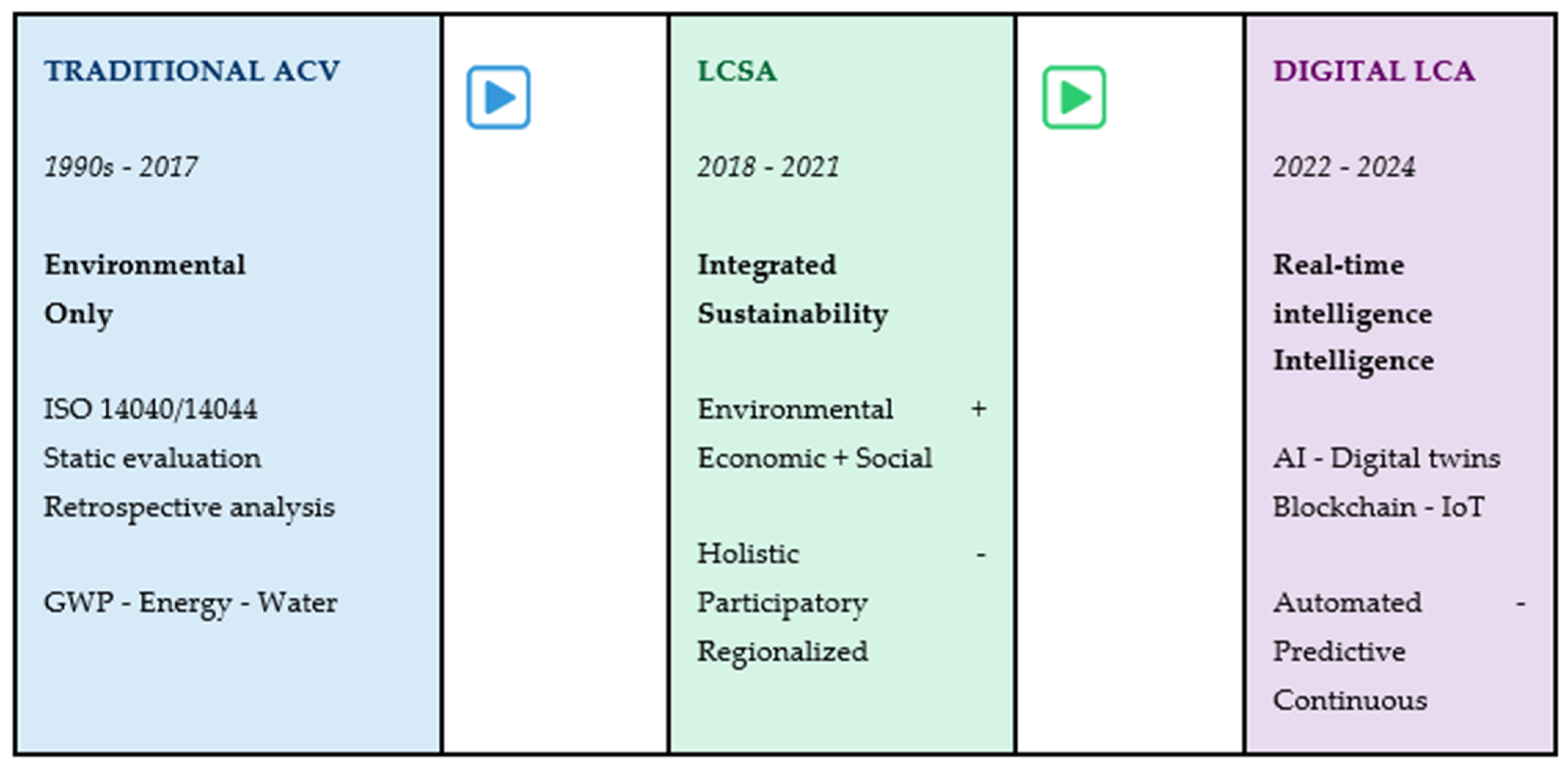
Figure 1 shows this evolution from an assessment tool to an integrated decision infrastructure.
Figure 1 summarizes the conceptual evolution described above and shows how LCA has evolved from an environmental tool (standardized ISO 14040/14044 [
4,
5]) to integrated sustainability frameworks (LCSA) and digital intelligence infrastructure. This evolution is a reflection of how the field has been responding to the growing sustainability challenges and technological opportunities documented between 2018 and 2024.
2. Materials and Methods
2.1. Search Strategy
The systematic literature search was conducted in three major multidisciplinary databases: Scopus, Web of Science (WoS), and ScienceDirect. The search was restricted to peer-reviewed articles published between January 2018 and December 2024 in the English language. The following Boolean search string was used consistently across all databases:
“Life Cycle Assessment” OR “LCA” OR “Life Cycle Analysis” OR “Life Cycle Sustainability Assessment” OR “LCSA”) AND (“environmental transformation” OR “sustainability” OR “environmental impact” OR “circular economy” OR “sustainable development” OR “SDGs” OR “climate change mitigation”) AND (“methodology” OR “framework” OR “application” OR “case study”).
The search was done in the title, abstract, and keyword fields. No additional filters by subject area were employed to ensure comprehensive coverage. The initial search yielded 657 results (Scopus: 319, Web of Science: 215, ScienceDirect: 123). All records were exported to [Mendeley] to remove duplicates and perform culling.
The period 2018–2024 was chosen to encompass the latest innovative LCA methodologies, such as the incorporation of life cycle sustainability assessment (LCSA) frameworks and digital technologies (AI, digital twins, blockchain), which gained traction during this time. In addition, this scope aligns with the launch stage of the 2030 Agenda and Sustainable Development Goals, making it relevant to current sustainability policies and practices. The 6 years combine comprehensiveness and analytical feasibility for a rigorous qualitative synthesis.
2.2. Inclusion and Exclusion Criteria
Studies were included if they (a) applied LCA in at least one productive sector (energy, agri-food, manufacturing, construction, or waste management); (b) provided original empirical data or methodological innovations in LCA; (c) explicitly addressed environmental transformation, sustainability assessment, or contribution to the SDGs; and (d) were published in peer-reviewed journals of high methodological rigor.
Exclusion criteria were: (a) conference papers, book chapters, and gray literature; (b) studies focused solely on LCC or S-LCA with no environmental LCA component; (c) purely theoretical or opinion articles with no empirical application; (d) studies with insufficient methodological transparency (e.g., poorly defined system boundaries, lack of inventory data); and (e) duplicates or articles not written in English or Spanish.
2.3. Study Selection and Data Extraction
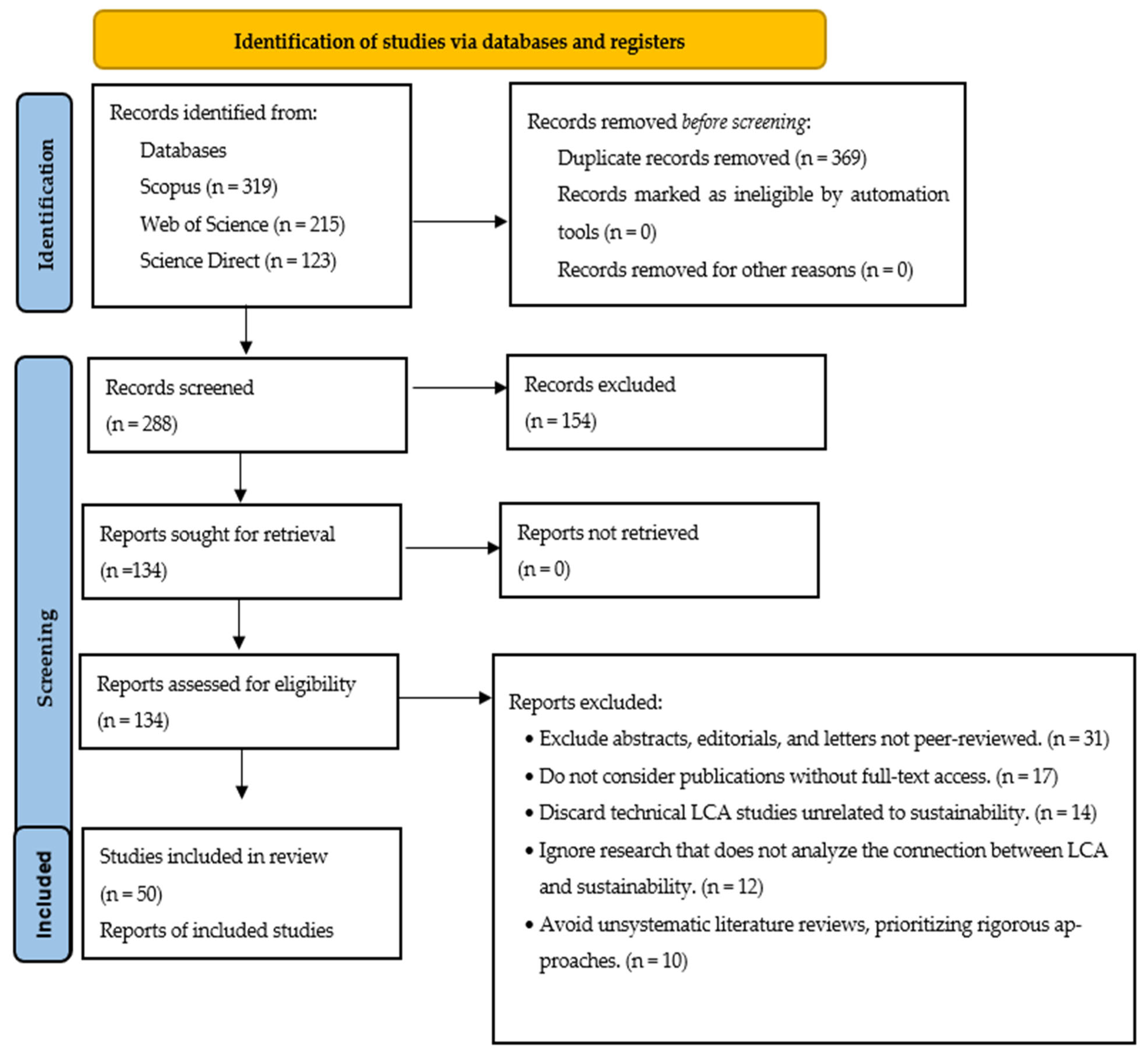
Study eligibility was guided by the PRISMA 2020 statement (
Figure 2;
File S1) [
37].. At the identification stage, 657 records were obtained from three databases: Scopus (
n = 319), Web of Science (
n = 215), and ScienceDirect (
n = 123). After eliminating 369 duplicates with Mendeley, two independent reviewers [D.A.L.A. and E.G.B.A.] pre-selected 288 records according to title and abstract. At the screening stage, 154 studies were eliminated for not meeting the established criteria. The remaining 134 full articles were reviewed for eligibility, and 84 studies were excluded: 31 lacked peer review, 17 were not yet available, 14 discussed only technical issues without focusing on sustainability, 12 did not define the relationship between LCA and sustainability, and 10 were non-systematic reviews. The final inclusion stage yielded 50 studies that met the criteria of quality, thematic relevance, accessibility, and methodological validity.
Figure 2 shows the PRISMA flow chart illustrating this systematic screening process.
The information was extracted using a standardized form that included: (1) general information on the study (authors, year, country, sector); (2) methodological details of the LCA (functional unit, system boundaries, software, database, impact assessment method); (3) main conclusions on environmental hotspots, contributions to the SDGs, and sustainability frameworks; and (4) methodological challenges and recommendations.
2.4. Data Synthesis and Analysis
A qualitative synthesis approach rather than quantitative meta-analysis was followed because of the large heterogeneity of LCA methodological frameworks in the inclusion studies. In particular, the studies analyzed used different functional units (per kg of product, per MJ of energy, per m2 built), system boundaries (cradle-to-door, cradle-to-grave, cradle-to-cradle), and life cycle assessment (LCIA) methods (ReCiPe, CML, TRACI, environmental footprint), which made direct numerical aggregation impossible as methodologically inappropriate and potentially misleading. In addition, the sectoral heterogeneity of the studies, which ranged from the energy and agri-food sectors to manufacturing, construction, and waste management, resulted in very different environmental indicators and impact categories that could not be combined in a statistical meta-analysis.
The purpose of this review was to synthesize methodological trends, identify emerging frameworks (e.g., LCSA integration), and analyze the contribution of LCA to sustainability governance, rather than to generate aggregate impact estimates. Therefore, a narrative synthesis method was used, systematically extracting and classifying findings into three thematic dimensions: (1) methodological approaches and innovations, (2) sectoral applications and environmental hotspots, and (3) policy implications and contribution to the SDGs. This approach made it possible to scrutinize qualitative patterns, methodological convergences and divergences, and contextual determinants of LCA effectiveness for environmental transformation, which would not have been possible with a simple quantitative aggregation.
VOSviewer software (version 1.6.19; Centre for Science and Technology Studies, Leiden University, Leiden, The Netherlands) was used for complementary bibliometric analysis, visualizing networks of conceptual relationships and terminological co-occurrence to identify thematic clusters, emerging trends, and patterns of knowledge production in the field. The analytical architecture of this systematic review is composed of different evaluative dimensions that make it possible to analyze the trajectory of LCA, methodological trends, barriers to its implementation, and patterns of use by sector.
Table 1 summarizes the two main analytical dimensions studied, giving an overview of the changes that have defined life cycle assessment during the period analyzed.
2.5. Methodological Quality Assessment
The Critical Appraisal Skills Programme (CASP) tool, an internationally validated instrument for the critical reading of scientific research, was used. This guide evaluates ten criteria: clarity of objectives, adequacy of methodological design, appropriate selection of participants/cases, rigor in data collection, reflection on the relationships between the researcher and the participants, ethical considerations, rigor in data analysis, transparency in the presentation of results, the value of the research, and its contribution to knowledge (
Table 2).
2.6. Selection of Representative Studies for Quality Assessment
To ensure methodological rigor and analytical feasibility, a sample of 10 studies (20% of the corpus) was stratified for a critical quality assessment with CASP. The selection criteria favored sectoral (articles from the energy, agri-food, manufacturing, construction, and waste management sectors), methodological (from conventional LCA and LCA frameworks to digitized approaches), geographical (case studies from different regions and institutional frameworks), and temporal (articles published between 2018 and 2024) heterogeneity. This stratified form ensures that the quality assessment results represent the heterogeneity of the entire corpus and allows for a methodological analysis of different LCA applications.
2.7. Methodological Limitations
Some methodological choices define what this review can and cannot conclude. By restricting ourselves to articles in English and Spanish, we increase consistency but inevitably lose relevant contributions in other languages. Research from Eastern Europe, East Asia, and Latin America is generally published in local journals to which we do not have access, biasing our corpus toward Anglo-Saxon and Western studies. Our reliance on Scopus, Web of Science, and ScienceDirect deepens the problem: these databases favor media with global reach, systematically relegating to the background the scientific output of emerging economies that is published in regional journals not indexed in the major systems. By excluding technical reports, conference proceedings, and government documents from the gray literature, rich information on industrial and policy implementations that rarely make it to peer-reviewed journals is lost. The 2018–2024 span collects the latest developments but forgets the classic papers and, of course, anything that may have been published after our searches. Overall, these decisions benefit rich institutions in rich countries, biasing geographically and institutionally what we cannot remedy.
We have made these concessions deliberately. Peer review ensures quality. Major databases enable reproducibility. Deadlines constrain the project. The question is whether the corpus thus generated, with all its limitations, still informs us about the history of LCA. We believe it does. But readers should be aware that these limits shape and constrain what we can say with certainty about the overall practice of LCA.
3. Results
The results are organized into eight subsections that progressively build from descriptive corpus characterization (
Section 3.1: temporal distribution;
Section 3.2: thematic classification) through bibliometric network analysis (
Section 3.3: terminological co-occurrence;
Section 3.4: international collaboration;
Section 3.5: scientific community structure) to substantive synthesis (
Section 3.6: sectoral applications and methodological innovation;
Section 3.7: policy integration;
Section 3.8: SDG contributions). This structure mirrors the analytical framework presented in
Table 1, allowing systematic coverage of both methodological and transformative dimensions of LCA.
3.1. Temporal Distribution and Corpus Characteristics
The systematic analysis includes fifty peer-reviewed articles published between 2018 and 2024 in high-impact journals such as Journal of Cleaner Production, Science of the Total Environment, and Renewable Energy (
Table A1 in
Appendix A). The complete list of studies, together with their methodological characteristics and SDG alignment, is presented in
Appendix A (
Table A1).
Beyond the two main dimensions listed in
Table 1 (Methodology section), the corpus identifies six other transformative dimensions: temporality (from static to predictive approaches with real-time assessment), sectorialization (diversification towards complex interconnected systems), circular economy (towards holistic circularity frameworks), regionalization (towards context-specific characterization), digitization (integration of blockchain, IoT, digital twins, machine learning) and policy communication interfaces (towards policy design tools and integrated corporate reporting).
Quantitative analysis of temporal dispersion yields the following distribution: 2018 (
n = 11, 22%), 2019 (
n = 9, 18%), 2020 (
n = 2, 4%), 2021 (
n = 8, 16%), 2022 (
n = 2, 4%), 2023 (
n = 7, 14%), and 2024 (
n = 11, 22%). The sharp drop in 2020 and 2022 (4% each year) likely reflects publication delays related to the COVID-19 pandemic and academic interruptions. Importantly, 2018 and 2024 are the years with the highest number of studies (11 each, 22%), which may indicate both the beginning of consolidation of current LCA frameworks and the recent increase in methodological innovations. The overall pattern is cyclical rather than linear growth, with a CAGR of 0% over the whole period, although the 2023–2024 evolution shows a new momentum with a year-on-year growth of 57%. The temporal trajectory reveals a progressive methodological maturation across four identifiable stages. The foundational period (2018–2019) established comparative and sectoral LCA applications, including automotive life cycle comparisons [
14], transport supply chain assessments [
24], social LCA epistemological frameworks [
35,
36], and simplified screening tools for electronics [
27]. The consolidation period (2020–2021) introduced holistic and integrative approaches, with advances in eco-innovation modeling [
8], biocomposite assessment tools [
20], methodological harmonization of the interpretation phase [
22], barriers to sustainability assessment [
19], and the first integrated sustainability frameworks for energy systems [
33]. The deepening period (2022–2023) refined methodological sophistication through biofuel LCA from agricultural residues [
10], alignment with EU policy frameworks [
29], industrial optimization studies [
2], bioeconomy standardization [
3], and integrated building renovation tools [
6]. The emerging frontier (2024) is characterized by digital integration and expanded sectoral coverage, including digital twins combined with blockchain for dynamic building assessment [
15], photovoltaic end-of-life scenarios [
38], digital technology integration frameworks, urban agriculture product-service systems [
34], and multi-energy port systems [
13].
3.2. Thematic Classification of the Studies
The systematic classification of the 50 studies comprising the sample shows certain trends in the areas of application and methods used (
Table 3). The sectoral analysis reveals the predominance of applications in buildings and the built environment (
n = 12, 24%), followed by energy systems (
n = 8, 16%) and integrated waste management according to circular economy principles (
n = 8, 16%). Methodologically, the traditional environmental LCA still prevails (
n = 28, 56%), but a dispersion towards life cycle sustainability assessment frameworks (
n = 10, 20%) and economic integration by means of life cycle costing (
n = 5, 10%) is already observed. It is important to highlight that new forms of digital integration (digital twins, blockchain, BIM) are 6% of the studies (
n = 3), showing an emerging but growing technological transformation in LCA practice. This thematic diversity demonstrates the growing relevance of LCA in addressing different sustainability challenges and reveals patterns of sectoral and methodological convergence that are shaping strategic research and policy priorities.
3.3. Thematic Network Architecture
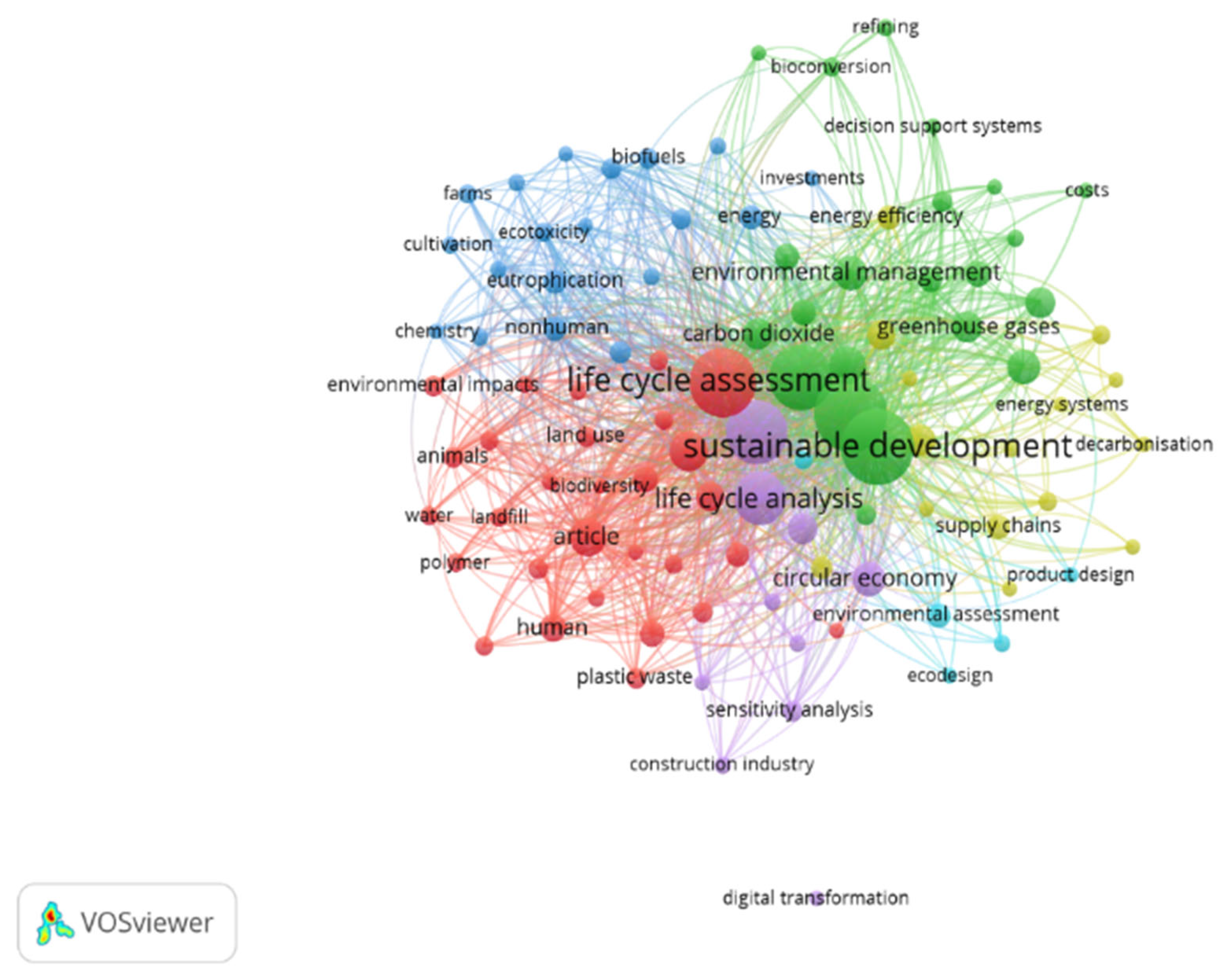
The bibliometric representation with VOSviewer shows the intellectual network that makes up the current LCA research.
Figure 3 shows the centrality of LCA in the discourse of environmental transformation.
The topology network reflects “life cycle assessment” as the central organizing node and strong semantic associations with “sustainability,” confirming the transformation of LCA from an analytical tool to a conceptual framework. Green represents climate mitigation priorities; red broadens the focus to environmental justice and ecosystem health, including emerging cross-species dimensions; blue delineates the intersections between agricultural and industrial sustainability; yellow emphasizes supply chain assessment and energy transition assessment; and purple defines LCA as methodological infrastructure for the circular economy. The relationships between clusters prove to be integrated and interdisciplinary. The peripheral location of “digital transformation” points to emerging pathways.
3.4. Global Research Collaboration Networks
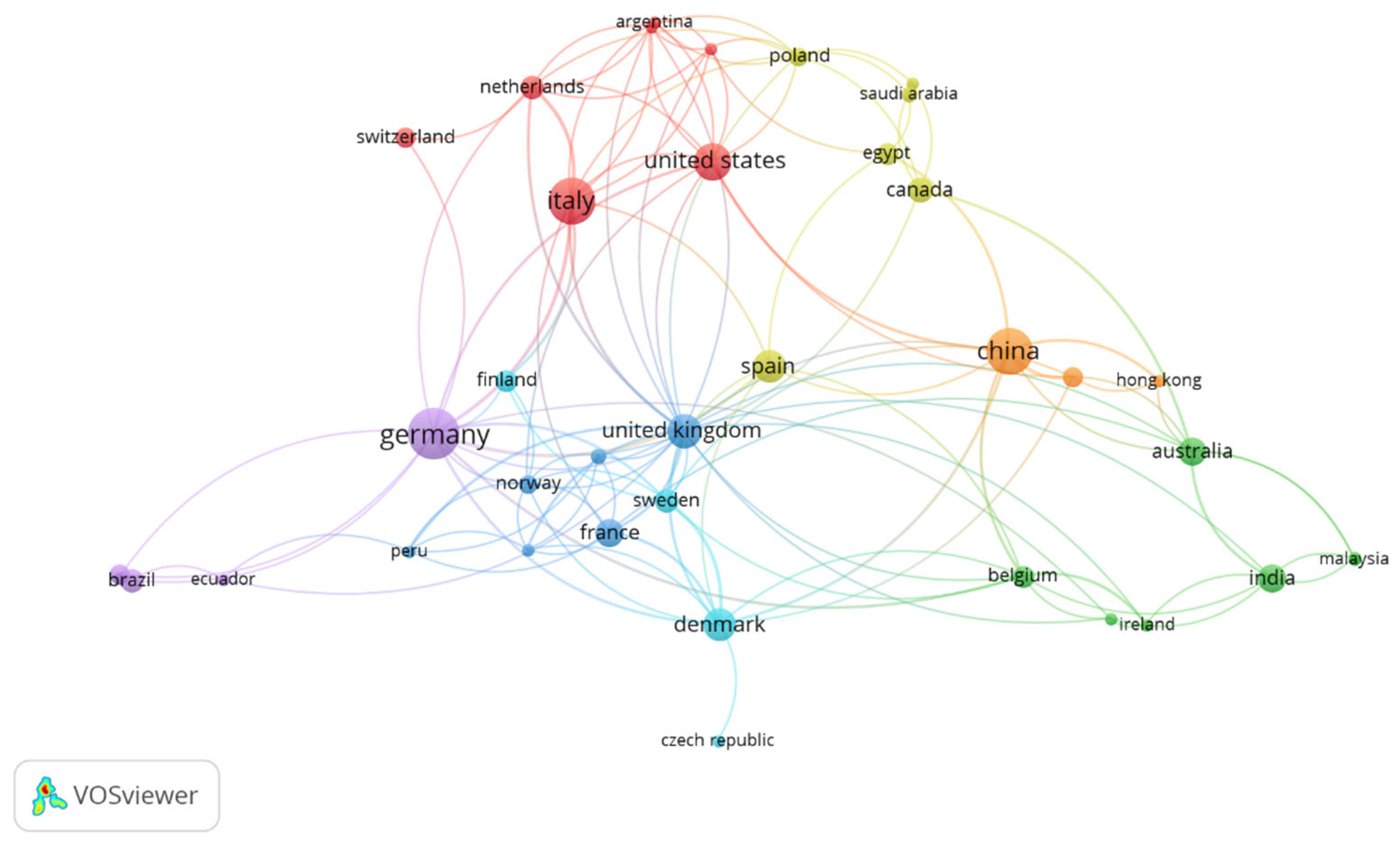
Patterns of international collaboration reveal increasingly globalized research architectures.
Figure 4 presents the structure of the co-authorship network.
The United States, the United Kingdom, Germany, Italy, China, and Spain stand as main nodes acting as production centers and collaborators. The polycentric architecture of the network reveals US ties with Italy, the Netherlands, Spain, Argentina, China, and Canada. Germany remains connected to Europe and expands to Brazil and Ecuador, reinforcing North–South knowledge flows. China connects Australia, Hong Kong, India, and Malaysia in the Asia–Pacific partnership. The United Kingdom is a continent-spanning bridge hub. The remoteness of the Czech Republic, Saudi Arabia, Egypt, and Argentina points to low participation but may be amenable to development.
3.5. Structure of the Scientific Community
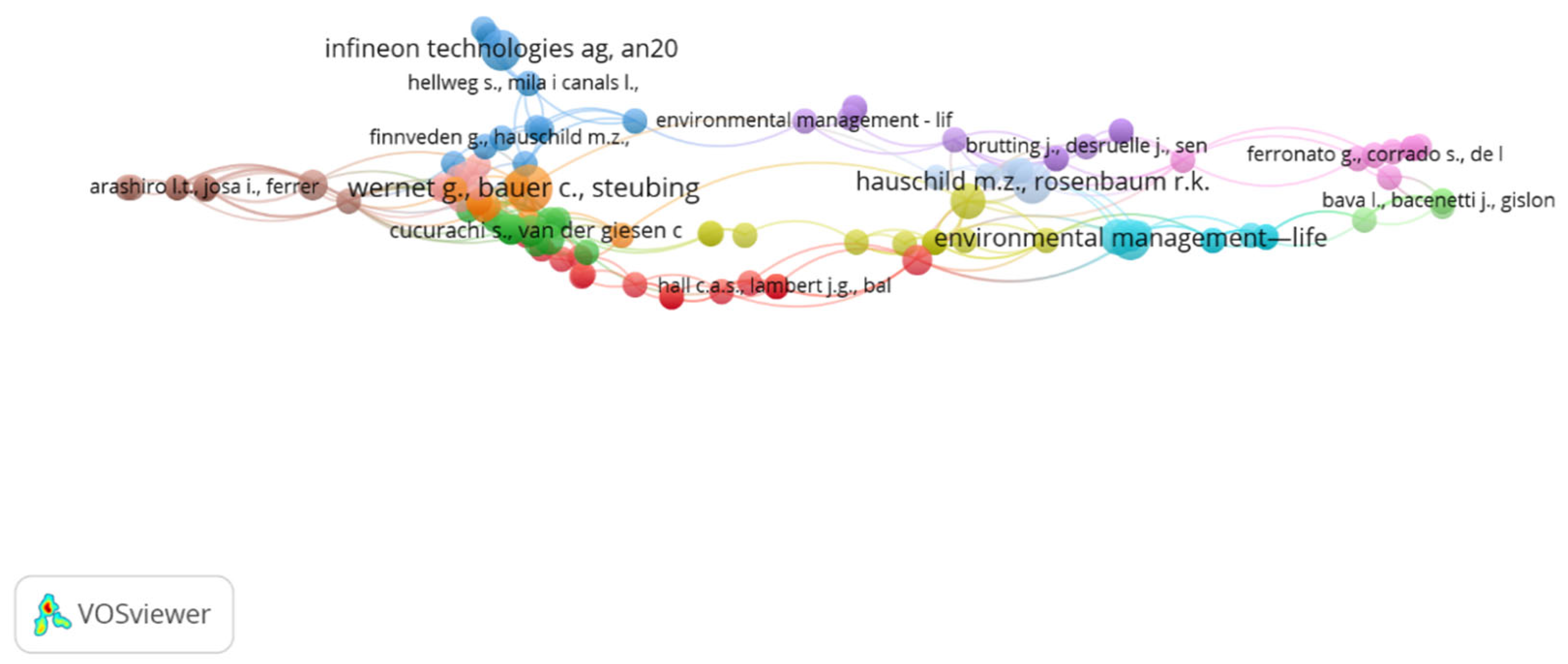
Collaborative networks at the individual level reveal the dynamics of knowledge production.
Figure 5 presents the co-authorship relationships between researchers.
The network reveals central bridging nodes that serve as pivotal points of collaboration. The blue cluster groups the creators of methodological standards; the green, the standardizers of impact assessment; the red, the extenders towards energy-ecological analysis; and the brown, sectoral applications. Institutional players such as Infineon Technologies AG illustrate the interfaces between academia and industry. The network has a highly connected core with peripheral dispersion, like the consolidating fields extending into new territories.
3.6. Sectoral Applications and Methodological Innovation
Sectoral diversification ranges from traditional sectors to complex systems. In energy, Hernández-López et al. [
38] studied renewables with end-of-life scenarios. In the agri-food industry, Lago-Olveira et al. [
11] investigated the use of ozonated water in viticulture. This adaptability is a strength, but it makes cross-sectoral comparison methodologically challenging.
Methodological innovation involves moving from static frameworks to dynamic ones that include economic and social dimensions. Digital technology (blockchain, digital twins) overcomes data availability constraints, as shown by Figueiredo et al. [
15]. LCSA represents the pursuit of integrating the three dimensions of sustainable development, but challenges persist in quantifying social impact and achieving dimensional integration [
16]. Progressive regionalization is moving beyond methodological universalism in favor of contextualized methodologies. However, Bishop et al. [
18] found continuing inconsistencies in how functional units, system boundaries, and impact assessment methods are defined—differences that hinder knowledge synthesis and can lead to contradictory conclusions.
3.7. Integration of Policies and Transformational Dimensions
The proposal by Röck et al. [
40] to integrate the life cycle into the European Green Pact is an example of how the methodology is advancing as an evidence-based policy tool. The transformation is manifested in three dimensions: methodological (from static to dynamic integrative frameworks), practical (towards complex interconnected systems), and institutional (integration into regulatory frameworks, public policies, and corporate reporting).
Among the coincidences found are the use of the life cycle to prevent the externalization of burdens, the standardized recognition of impact categories, and the methodological bases of ISO 14040/14044 [
4,
5] standards. The differences refer to the definitions of functional units, the delimitation of system boundaries, the ways of characterizing the impact, and the ways of integrating it socioeconomically. Building on the policy integration patterns identified above, the following section examines how LCA contributes to specific Sustainable Development Goals.
3.8. Contributions to the Sustainable Development Goals
LCA supports SDG 12 (Responsible consumption and production) by revealing unsustainable patterns, in line with the studies of Sanyé-Mengual and Sala [
29]. The contribution to SDG 13 (Climate Action) is achieved through the quantification of greenhouse gases. Support for SDG 9 (Industry, Innovation, and Infrastructure) is achieved by fostering innovations, as evidenced by Paturu and Varadarajan [
34] research on urban product and service systems.
The incorporation of LCSA shows partial progress: among the successes are fuzzy logical frameworks that consider uncertainties, participatory methodologies, and advances in social footprinting. These include incommensurability, social data constraints, subjectivity of weighting, and difficulty of communication.
Effectiveness bottlenecks include methodological bottlenecks (lack of standardization, increasing complexity, data scarcity, difficulty in communicating uncertainty) and institutional bottlenecks (technical-political knowledge gap, limited capacities, institutional resistance, geographical inequality concentrating capacity in industrialized countries).
The evidence from the reviewed corpus suggests that LCA is progressively evolving from an assessment tool toward a framework for sustainability decision-making, although this transformation remains uneven across sectors and geographies.
To take advantage of its transformative potential, challenges at the technical (methodological homogenization), institutional (capacity building), and epistemological (comprehensive transdisciplinary approaches) levels must be met.
4. Discussion
This discussion synthesizes the conclusions in relation to the research objective and the three specific objectives established for this systematic review. The subsections are organized to address each dimension systematically:
Section 3.1 examines the overarching transformative role of LCA (addressing RQ1);
Section 3.2 analyzes methodological convergences and divergences across sectors (addressing RQ2);
Section 3.3 evaluates integration progress toward comprehensive sustainability frameworks (addressing RQ3); and
Section 3.4,
Section 3.5,
Section 3.6,
Section 3.7 and
Section 3.8 examine cross-cutting themes including digital transformation, policy integration, SDG contributions, global research inequalities, future research priorities, and practical implications.
The objective was to critically synthesize the current status of life cycle assessment as a driver of environmental transformation, analyzing its methodological development, success factors, and application barriers in various sectors and geographies, with scientific evidence published between 2018 and 2024.
For objective 1 (to systematically analyze methodological approaches in productive sectors), the review found high convergence in the use of the life cycle paradigm [
21,
22], but at the same time, large divergences in definitions of functional unit, system boundaries, and impact assessment methods that hinder comparability across sectors [
14]. Sectoral showed that agri-food assessments struggle with allocation problems when multi-products emerge from integrated production systems [
11,
12,
24,
25,
26]; building applications deal with temporal complexities when building life cycles span decades [
15]; manufacturers have successfully used LCA to drive eco-innovation from the earliest conceptual stages [
13]; and waste management comparisons face methodological dilemmas when alternative treatment routes generate very different output profiles [
33,
34]. Emerging trends include incremental regionalization of characterization factors [
9,
10], explicit uncertainty quantification [
30,
31,
32,
41], and nascent technology integration through digital twins, blockchain, and IoT sensors [
42], representing the emerging frontier of digital transformation in LCA practice [
2,
19,
22,
42].
On objective 2 (critically analyze the LCA trajectory toward holistic sustainability frameworks), evidence shows real conceptual progress toward life cycle sustainability assessment [
15,
16], but with continuing implementation challenges. Among the advances are sophisticated integration frameworks using fuzzy logic and multi-criteria decision analysis, participatory methodologies [
20,
21,
36], and social footprint approaches. But there are still important limitations: incomparability between environmental, economic, and social metrics [
15,
16]; social data limitations, as existing metrics are mainly based on national-level statistics that lack the technological or organizational granularity required for corporate decision-making [
20,
36]; and the difficulty of communication when exposing multidimensional sustainability profiles to decision-makers [
2,
19]. As Troullaki et al. [
19] point out, these challenges represent deeper epistemological tensions about the appropriate boundaries of sustainability assessment and the measurability of essentially distinct value dimensions [
16].
Regarding objective 3 (analyze how LCA supports the SDGs), the synthesis confirms that LCA contributes to SDG 12 (Responsible Consumption and Production), SDG 13 (Climate Action), and SDG 9 (Industry, Innovation, and Infrastructure) by quantifying impact, identifying hotspots, and comparing technologies for evidence-based policies [
17,
18,
28,
29]. Integration into European policy frameworks (Green Pact, Circular Economy Action Plan) is an example of institutional recognition [
19]. But as Sanyé-Mengual and Sala [
29] indicate, structured links between product LCA knowledge and SDG indicators at the national level are still weak [
17,
28], creating aggregation and attribution challenges. The mainly environmental orientation of LCA [
3,
6,
7] falls short of covering the social SDGs (poverty, inequality, health, education) [
20,
28,
36], restricting its comprehensiveness, despite developments in ACVA [
15,
16].
These conclusions mark the structure of the thematic analysis that follows: the revolutionary power of LCA, methodological mandates, integration challenges, implications of digital transformation, policy pathways, SDG implementation, inequalities in global research, future research priorities, implications for practice, and synthesis towards a deliberative sustainability assessment infrastructure.
4.1. LCA as a Catalyst for Environmental Transformation: Theoretical and Practical Implications
This systematic review demonstrates that LCA has transcended its use as a simple environmental assessment tool to become an agent of change for systemic environmental transformation in production systems, politics, and sustainability science. The bibliometric metrics reaffirm the extension of LCA in the current environmental discourse as an integrating mechanism of the environmental, economic, and social dimensions along the value chain. This trajectory is consistent with the premise underlying the research questions and evidences the relationships between methodological rigor, institutionalization capacity, and transformative effectiveness.
The timeline below illustrates the evolution that has occurred between 2018 and 2024 along three parallel paths. Methodologically, the shift from environmental-only approaches with established methodologies (ReCiPe, CML) to dynamic frameworks with digital, localized technologies and quantified uncertainty represents an evolution. But this sophistication creates, paradoxically, a growing complexity that distances it from organizations with few resources, generating a tension between analytical rigor and applicability. In practice, sectoral diversification from traditional sectors to complex interconnected mixes (renewable energies, bioeconomy, circular models, sustainable building, etc.) is rich but fragments the methodological consensus and makes intersectoral comparability difficult. From the institutional point of view, the progressive inclusion in legislative frameworks (European Green Pact), global commitments (SDGs), or corporate information systems is a recognition of policies, but the persistent techno-political gap prevents converting scientific knowledge into effective policy measures.
4.2. Methodological Convergences, Divergences, and Standardization Imperatives
The analysis reveals a paradoxical coexistence of methodological convergence and divergence. Three stabilizing convergences emerge: the universalization of the life cycle paradigm to avoid burden-shifting across value chain stages, the standardized recognition of impact categories under international frameworks, and the acceptance of ISO 14040/14044 [
4,
5] methodological structures. These commonalities enable knowledge accumulation and cross-study comparability. However, significant divergences persist. Functional unit definitions vary across sectors—product-based units suit industry but not service systems, while agricultural assessments require land area or nutritional output bases—hindering cross-sectoral comparison. System boundaries incorporate infrastructure, capital goods, and indirect effects non-homogeneously, with direct implications for result interpretation. Impact assessment method selection follows geographical and disciplinary preferences: European studies predominantly employ ReCiPe, whereas American studies favor TRACI, generating systematic incomparability in the valuation of functionally equivalent systems. Socioeconomic integration remains the most heterogeneous dimension, ranging from complete absence to sophisticated multicriteria frameworks, reflecting epistemological disagreements on LCSA scope and rigor. The cross-sectoral comparison in
Table 4 confirms that these divergences follow predictable patterns linked to each sector’s production nature: energy studies use energy-based functional units (MJ, MWh) with systemic boundaries; construction favors area-based units (m
2) with cradle-to-grave boundaries spanning decades; and agri-food assessments face unique allocation challenges in multi-product systems where mass-based, economic, or system expansion allocation can substantially shift results [
11,
12]. These patterns suggest that universal harmonization is neither feasible nor desirable; rather, sector-specific protocols maintaining a common ISO 14040/14044 [
4,
5] core while allowing justified adaptations represent emerging best practice. The UNEP/SETAC Life Cycle Initiative’s product category rules exemplify this strategy, though adoption remains uneven—construction and energy lead implementation while agri-food and waste management lag behind—reflecting varying institutional maturity and requiring sector-specific capacity building. Crucially, these inconsistencies are not merely technical but reveal the normative nature of LCA: decisions about system boundaries, allocation rules, temporal discount rates, and impact weighting involve value judgments that strongly influence results yet often remain implicit, demanding greater transparency for users to assess robustness in specific decision-making contexts. Finally, the regionalization imperative addresses limitations of generic characterization factors, as localized vulnerabilities—water scarcity, eutrophication susceptibility, biodiversity in megadiversity hotspots—require spatially explicit assessment, though spatial specificity must be balanced with analytical feasibility given increased data demands and potential site incomparability.
Table 5 summarizes the nature and extent of LCA contributions to specific Sustainable Development Goals across the reviewed corpus.
4.3. Integration of the Dimensions of Sustainability: Progress, Limitations, and Epistemological Challenges
The transition towards life cycle sustainability assessment is a major conceptual step but an unresolved methodological challenge. The corpus captures the evolutions, from the development of a fuzzy logic framework dealing with uncertainty, participatory approaches involving stakeholders, and social footprint methodologies to measure large-scale social impact. The FELICITA framework is an example of the best attempts at integration, using multi-criteria decision analysis to coherently combine environmental, economic, and social dimensions.
But there are serious constraints that impede the application of LCSA. The central problem of scalar incommensurability—consistently combining environmental impacts (physical-chemical units), economic costs (monetary units), and social impacts (welfare units)—has not yet been solved. The combination of dimensions needs explicit or implicit weighting mechanisms that introduce normative judgments, but there is no agreement on weighting criteria. As Troullaki et al. [
19] point out, these challenges represent deeper epistemological tensions about the appropriate boundaries of sustainability assessment and the commensurability of value dimensions.
The availability of social data is a structural constraint. Unlike environmental flows, amenable to process-based inventories, or monetary flows, traceable by accounting systems, social impacts are causally complex, context-dependent, and valued by stakeholders. Existing methodologies, such as the Social Hotspot Database or PSILCA, use national statistical data, lacking the technological or organizational granularity needed for business decisions. Participatory methods overcome this limitation by incorporating stakeholder voices but add subjectivity and contextual specificity, making generalization and comparison difficult.
The communication barrier is a pragmatic barrier. Multidimensional sustainability profiles resist reduction to a single number without loss of information and without normative impositions through weightings. Decision-makers facing trade-offs between environmental, economic, and social performance require transparent visualization of multidimensional results, but communication formats that strike a balance between comprehensiveness and accessibility are still under development. While the challenges of integrating sustainability dimensions remain significant, emerging digital technologies offer potential solutions to several of the data and modeling limitations identified. The following section examines this digital frontier.
4.4. Digital Transformation and Emerging Technological Frontiers
The scattered but growing presence of “digital transformation” in the terminology network indicates a new frontier with major implications for the practice of LCA. Blockchain technology has the potential to enhance supply-chain traceability significantly, thereby mitigating several of the data-quality challenges that have long affected LCA, although empirical evidence of large-scale implementation remains limited. IoT sensor networks can enable real-time monitoring, potentially reducing reliance on static inventory estimates by providing operational data closer to actual conditions. Digital twins offer the capacity to simulate prospective scenarios, facilitating design-stage interventions rather than retrospective corrections. Machine learning and AI algorithms can find patterns in large, complex data, which could automate inventory creation and impact characterization. But as Figueiredo et al. note, digital integration opens the door to new questions. Implementation costs create barriers to entry that can widen the gap between rich and poor organizations. Data privacy issues arise when granular operational data flows through blockchains. Interoperability issues arise when diverse software platforms and data standards exist. Model checking is complicated when machine learning algorithms generate a black box of causality and uncertainty propagation.
The path of digitization both democratizes and complexifies the practice of LCA. Clouds lower computational barriers, opening the door to adoption. But at the same time, algorithmic sophistication can mask methodological decisions and underlying assumptions, limiting transparency and the ability for non-expert users to critically evaluate them. To this end, accessibility, transparency, and training should be prioritized.
4.5. Policy Integration: Achievements, Gaps, and Implementation Pathways
The integration of life cycle thinking into major policy frameworks—the European Green Pact, circular economy strategies, and sustainable product policies—is a step forward. As the research by Röck et al. [
40] shows, LCA has moved from an academic instrument to a policy infrastructure defining laws, public procurement criteria, or performance standards. This institutionalization generates a continuous demand for stroke expertise and favors methodological development.
But the persistent technical-political gap makes policy translation impossible. Policymakers need actionable information with high consequences, but LCA results are often multidimensional profiles with substantial uncertainties and strong contextual dependencies that resist simplification. This gap is evidenced in several ways: oversimplification that ignores critical details, complexity that paralyzes decision-making, or selective use to support predetermined conclusions rather than to inform genuinely open deliberation.
To incorporate policies effectively requires three interrelated steps. First, methodologies must combine rigor and ease of use, perhaps with multilevel frameworks that allow different depths of analysis for different decision contexts. Second, communication strategies need to make both central trends and uncertainties explicit to allow for risk-based decision-making rather than false precision. Third, institutional capacity building needs to train policymakers with life-cycle thinking so that they can evaluate LCA-based claims and apply their results in broader decision-making contexts.
4.6. Contributions to the Sustainable Development Goals: Implementation and Limitations
The contributions to SDG 12 (Responsible Consumption and Production), SDG 13 (Climate Action), and SDG 9 (Industry, Innovation, and Infrastructure) demonstrate LCA’s potential for implementing the 2030 Agenda through value chain impact measurement, hotspot identification, and technology comparison. However, systematic connections between LCA outputs and SDG indicators remain underexplored [
29], as LCA operates at the product level while SDG monitoring occurs at national or global scales. Of the 50 reviewed studies, approximately 70% provide quantitative data directly mappable to SDG targets GHG quantification for SDG 13 target 13.2 and resource efficiency metrics for SDG 12 target 12.2, while 30% address SDG relevance only conceptually. The strongest linkages correspond to SDG 13 and SDG 12, whereas SDG 9 and SDG 17 show weaker operationalization, framed as enabling conditions rather than measured outcomes. Two structural challenges explain the gap between widespread conceptual alignment (44 of 50 studies) and limited empirical demonstration: the aggregation problem, whereby translating product-level findings such as photovoltaic carbon footprint quantification [
38] into national indicators requires non-standardized frameworks; and the attribution problem, as demonstrating causal LCA contribution to SDG improvement demands longitudinal evidence largely absent from the literature. While cross-sectional evidence links LCA to environmental performance improvements [
11,
13,
34], no study tracks the complete causal pathway from LCA evidence to measured SDG progress, with Sanyé-Mengual and Sala [
29] representing the most developed mapping attempt yet, lacking empirical causal verification—a critical future research priority.
4.7. Global Research Networks: Knowledge Production, Transfer, and Inequality
The polycentric but unequal global research network shown by bibliometric analysis represents both opportunities and challenges. The concentration of knowledge production in established scientific powers (USA, UK, Germany, China) offers methodological leadership and accumulation of resources for advanced research. North–South cooperation, such as Germany’s cooperation with Latin America, enables the transfer of technology and knowledge to boost capacity building in developing countries.
But the geographical inequality of scientific and technological capacity deepens the inequalities in the development and application of LCA. The marginality of countries such as Argentina, Egypt, or the Czech Republic suggests low participation, perhaps due to resource constraints, institutional barriers, or different priorities in sustainability. This inequality is evident in reality: multinationals and high-resource organizations dominate LCA capabilities, while SMEs and actors from emerging economies face obstacles to implementing it, despite having greater opportunities for sustainability improvement.
Addressing this inequality requires targeted capacity building, open access tools and databases, South-South collaboration for peer-to-peer learning among emerging economies, and recognition of differentiated sustainability priorities and constraints across geographic and economic contexts. The India–Australia–Malaysia group, working on sustainability challenges in the Global South, is an example of productive orientations in the sense of prioritizing context-appropriate methodologies rather than uncritical transfer of approaches from industrialized countries.
4.8. Limitations, Future Orientations, and Research Priorities
This systematic review acknowledges limitations, including the linguistic restriction to English and Spanish, the temporal boundary from 2018 that omits early developments [
9,
10], and the exclusion of gray literature [
2], constraints adopted for feasibility and rigor.
Six research priorities emerge from the identified gaps. First, sector-specific methodological harmonization through consensus guidelines coordinated by bodies such as the UNEP/SETAC Life Cycle Initiative, encompassing product category rules for agri-food allocation, temporal conventions for construction LCA, and end-of-life frameworks for energy storage, maintaining ISO 14040/14044 [
4,
5] core principles [
14]. Second, systematic investigation of synergies and conflicts between LCA and circular economy metrics, particularly how remanufacturing and industrial symbiosis challenge conventional system boundaries [
22,
27]. Third, development of characterization factors linking LCA impact categories to ecosystem service valuations within the Kunming-Montreal Global Biodiversity Framework [
25]. Fourth, creation of technology-specific social indicator databases surpassing current tools such as PSILCA, prioritizing extractive industries, electronics, and agri-food chains [
20,
21,
36]. Fifth, empirical validation of digitally integrated LCA approaches against conventional methodologies [
15], assessing implementation barriers for SMEs and developing countries. Sixth, cross-jurisdictional case studies examining how LCA evidence influences environmental regulations and procurement policies [
29].
Sector-specific challenges reveal structural limitations requiring targeted innovations. Energy storage LCA relies on static databases unable to capture evolving battery manufacturing, while system boundaries inadequately represent grid-level integration benefits, and critical material dependency introduces geopolitical risks beyond current impact categories [
7,
38]. Building sector LCA assumes static conditions over 50+ year lifespans despite varying occupancy, climate trajectories, and grid decarbonization [
15], while BIM-LCA integration lacks standardized protocols [
43], and conventional cradle-to-grave assessments fail to accommodate dynamic renovation cycles, demanding temporal characterization factors, standardized data exchange protocols, and modular assessment frameworks.
4.9. Implications for Research and Practice
The findings of this systematic review have implications for research, practice, policy, and training, each of which needs a different but interconnected response to realize the transformative potential of LCA.
For the researchers, these methodological differences found [
14] justify prioritizing harmonization efforts that maintain analytical rigor and consider legitimate contextual differences. The challenges that still exist in integrating dimensions [
15,
16] require research efforts to create social indicators with the same robustness as environmental metrics [
20,
21,
36]. Current S-LCA methodologies rely mainly on national statistics [
20,
36], but decision-making needs company-specific granularity. Designing primary data collection protocols, sector databases, and participatory methodologies [
20,
21,
36] that integrate stakeholder perspectives and sustain generalization is a research priority. The new frontier of digital transformation [
22] needs to systematically explore implementation pathways, validation protocols, and accessibility mechanisms that prevent digital integration from deepening existing inequalities [
2,
19,
22] between resource-rich and resource-poor organizations.
For practitioners of all disciplines, the guide clarifies key decision points in the application of LCA. Manufacturing industries have successfully used LCA to promote eco-innovation from the early stages of conception [
13], showing the effectiveness of proactive environmental intervention. But sectoral applications show that tensions still exist [
11,
12,
24,
25,
26,
27]. Agri-food assessments have allocation problems when multiple products emerge from integrated production systems [
11,
12,
24,
25,
26]. Building applications face temporal challenges when building lifetimes span decades with evolving energy networks and material recycling infrastructures [
15]. Waste management comparisons face methodological challenges when alternative treatment routes create radically different impact profiles [
33,
34]. Organizations have to balance analytical depth and practicality [
2,
19], possibly with tiered approaches that match depth of analysis to decision situations and resources. SMEs have specific difficulties in accessing sophisticated capabilities [
2,
19], creating the need for simplified but robust screening tools that preserve analytical integrity and minimize data burden.
For policymakers, the results confirm the potential of LCA as a policy infrastructure [
19], but also show its limitations. The integration captured in European frameworks (Green Pact, Circular Economy Action Plan) [
19] shows institutional recognition. But the continuing technopolitical gap [
17,
19] prevents its effective translation. Policymakers require practical information with strong implications [
17,
18,
19], but LCA results are often multidimensional profiles with significant uncertainties [
2,
14,
30,
31,
32] that defy simplification. Successful policy integration requires three interrelated developments [
17,
18,
19]: methodological tools that balance rigor and ease of use; communication channels to disseminate key trends and uncertainties, enabling risk-based decision making; and institutional capacity to strengthen policymakers’ understanding of the life cycle. Poor connections between product LCA knowledge and SDG indicators at the national level [
17,
18,
28] are a major gap that needs to develop methodologies to scale up from micro to macro monitoring frameworks that implement the 2030 Agenda [
17,
18,
28].
For the international scientific community, the geographic inequalities evidenced [
2,
19,
20] require focused actions to resolve persistent inequities in scientific and technical capacity. The localization of knowledge production in the major scientific powers [
19,
20] provides methodological leadership but generates dependency relationships. North–South cooperation [
19], for example, in Germany’s partnerships with Latin America, allows the transfer of technology and knowledge to boost capacity building. But resolving inequalities requires open tools and databases [
19,
20], South–South collaboration for peer learning and recognition of local sustainability priorities [
18,
19], rather than uncritical application of models created in industrialized countries. The India–Australia–Malaysia group, working on the sustainability challenges of the Global South [
19], is an example of productive orientations that emphasize context-appropriate methodologies.
5. Conclusions
This systematic review addressed the main objective of critically synthesizing the current status of life cycle assessment as a driver of environmental transformation between 2018 and 2024. The analysis of fifty peer-reviewed articles, assessed through CASP quality evaluation (
Table 2), bibliometric network analysis (
Figure 3,
Figure 4 and
Figure 5), thematic classification (
Table 3), and cross-sectoral methodological comparison (
Table 4), yields the following evidence-based conclusions organized by research question.
To answer research question 1 (How has LCA affected environmental transformation, and what makes it effective?), the reviewed evidence indicates that LCA is evolving beyond its original function as an environmental assessment tool toward becoming an agent of systemic change. The bibliometric evidence that LCA is a neuralgic point in the current environmental discourse, a point that articulates science, technology, policy, and design in integrated sustainability paradigms. Five different thematic clusters (environmental management and climate change mitigation, socioecological impacts and environmental justice, intersections between agricultural and industrial sustainability, supply chain decarbonization, and circular economy) show a holistic scope, but without losing architectural coherence. Effectiveness factors include methodological rigor, institutionalization capacity, and strategic placement in governance systems, beyond technical sophistication per se.
For research question 2 (How are the sectors similar and how do they differ methodologically, and how do these differences affect comparability?), a critical analysis reveals background stability with great variability. The extension of the life cycle paradigm, the standardized definition of impact categories, and the acceptance of the ISO 14040/14044 [
4,
5] methodological framework allow the accumulation of knowledge and open the door to comparative discourse. But the still divergent definitions of functional units, system boundaries, impact measurement methodologies, and socio-economic integration approaches hinder comparability across sectors. These discrepancies are not only technical inconsistencies but also involve value judgments that need to be made more explicit in terms of methodological choices and their implications. The sector is full of examples: agri-food assessments run into attribution problems when multi-products emerge from integrated systems; construction applications grapple with time frames spanning decades; manufacturing has harnessed LCA for eco-innovation; and waste management comparisons face methodological dilemmas when alternative routes yield opposite results.
In relation to research question 3 (How has the LCSA managed to resolve the interdependencies between the dimensions of sustainability?), the move towards life-cycle sustainability assessment is a conceptual advance but also a pending challenge. Among the advances found are sophisticated integration frameworks (FELICITA, using fuzzy logic and multi-criteria), participatory approaches, and methodologies for quantifying social impact. But there are serious limitations that hinder their application, such as incommensurability (integration of environmental impacts in physical-chemical terms, economic costs in monetary units, and social impacts in welfare units), lack of social data, subjectivity of weighting, and difficulty of communication. These challenges reflect deeper epistemological tensions about the appropriate boundaries of sustainability assessment and the commensurability of value dimensions.
The evolution shows us that a synchronic transformation is unfolding on three levels. Methodologically, the evolution from exclusively environmental approaches to dynamic frameworks integrating digital technologies, regionalized characterization, and multidimensional analysis marks a maturation, but the increasing complexity paradoxically restricts access to organizations with few resources. From a practical perspective, sectoral diversification from classical fields to complex interconnected systems is chameleon-like but breaks methodological consensus. From an institutional perspective, increasing integration into regulatory frameworks (European Green Pact, circular economy strategies) and corporate information systems demonstrates policy recognition, but continuing technical-political knowledge gaps hinder the translation of scientific knowledge into concrete actions.
Recorded contributions to the SDGs (specifically SDGs 12, 13, and 9) prove the potential of LCA to implement the 2030 Agenda by measuring its impacts, revealing hotspots, and enabling benchmarking. But systematic linkages between output-level knowledge and national-level indicators are still incipient, and methodological advances are needed for proper aggregation and attribution. The mapping of the global research network shows a polycentric but uneven knowledge production, concentrated in the established scientific powers. North–South alliances support technology transfer and capacity building, but geographical inequality in scientific capabilities deepens the gaps. The peripheral situation of emerging economies points to barriers to implementation, although the potential for improved sustainability is potentially greater, requiring targeted capacity building and contextualized methodological development.
Original contribution: This systematic review takes a step forward in knowledge, synthesizing the metamorphosis of LCA from analytical tool to comprehensive decision infrastructure, making explicit the mechanisms by which life cycle thinking generates environmental change, beyond methodological evolution. The combination of bibliometric network analysis with critical methodological synthesis offers new insights into the intellectual architecture, spatial inequalities, and epistemological controversies that define current LCA practice. Making explicit the trade-offs between analytical rigor and applicability, identifying sector-specific methodological challenges, and documenting the remaining gaps between evaluative capacity and transformative implementation provide practical guidance for researchers, practitioners, and policymakers working on sustainability transitions.
To harness the power of LCA, the needle must be moved on several interrelated fronts. From a technical perspective, methodological harmonization must balance the benefits of standardization with legitimate contextual flexibility and create robust social indicators and accessible tools. From an institutional perspective, capacity building, policy integration, and equitable access need investment. From an epistemological perspective, questions about what can be assessed, assumptions of commensurability, and value dimensions need to be permanently reconsidered.
These conclusions should be interpreted within the methodological limitations acknowledged in
Section 2.7, particularly the linguistic restriction to English and Spanish, the temporal scope of 2018–2024, and the exclusion of gray literature. The findings reflect patterns in the indexed peer-reviewed literature and may not fully represent LCA practice in regions or sectors underrepresented in major databases.
The way forward involves rethinking the place of sustainability assessment in the context of broader sociotechnical transitions. The evidence suggests that LCA is most effective not as a deterministic calculator generating definitive answers, but as a structured framework for deliberating difficult trade-offs, unavoidable uncertainties, and contested values. This reconversion from prescriptive instrument to deliberative infrastructure makes LCA relevant to help realize the profound transformations required to address interconnected environmental crises, supporting development pathways that truly integrate economic prosperity, social justice, and planetary ecological limits. The convergence of technical refinement, institutional commitment, and epistemological maturity will define whether life cycle thinking ever fulfills its promise as an infrastructure for sustainable development in the Anthropocene.