1. Introduction
With the advent of the Fourth Industrial Revolution and the era of the digital economy, Intellectual Property (IP) has evolved beyond a mere legal right to become a cornerstone for achieving Sustainable Development Goals (SDGs), particularly in fostering innovation and resilient infrastructure [
1]. As highlighted in recent studies, patent data serves as a reliable proxy for measuring innovation and tracking progress toward sustainable development targets [
2,
3]. As efforts to gain a competitive edge in the technology market through technological innovation and research and development (R&D) continue, intellectual property has become a key indicator for evaluating national competitiveness [
4,
5,
6]. Among these, patents are a representative output of innovation based on new ideas and technological creation and are recognized as an important indicator for quantitatively measuring technological innovation activities and productivity by country as well as evaluating the possibility of conversion into actual economic value [
7]. Since patents can only be registered after they have been recognized for their originality and progressiveness through an examination process following the application, they play a very important role in evaluating the technological competitiveness and innovation capacity of countries and companies [
8,
9], and numbers of studies support this by showing that the more patents a company has, the greater its innovation capacity [
10].
From a sustainability-oriented innovation perspective, Science, Technology, and Innovation (STI) is widely recognized as central to progress toward the Sustainable Development Goals (SDGs), and patent data is often used to trace technological development on a scale. Recent empirical work reinforces this connection; for instance, Hajikhani and Suominen [
11] utilized machine learning to map patent data to specific SDGs, demonstrating that patents serve as a critical proxy for quantifying the contribution of technological innovation to sustainable development goals. This perspective is further supported by Omri [
12], who empirically demonstrated that in high-income economies, technological innovation serves as a catalyst for simultaneously advancing economic growth, environmental quality, and social progress. Thus, optimizing patent administration is essential for leveraging these innovations to achieve the multidimensional targets of the SDGs.
Accordingly, patent offices of governments and industries around the world are strengthening their efforts to closely analyze patent application trends and establish various policies to expand the creation and utilization of sustainable intellectual property by forecasting technological development trends and economic growth [
13,
14]. This aligns with the United Nations Sustainable Development Goal 9 (Industry, Innovation, and Infrastructure), which emphasizes the promotion of inclusive and sustainable industrialization and fostering innovation [
15]. In a situation where the number of patent application filings is increasing every year, analyzing the changes in the number of patent applications is an important basis for evaluating the performance of existing policies and predicting the size of future intellectual property, and this provides essential information for establishing new technology commercialization policies, intellectual property policies, and patent office policies for continuous innovation.
In the Republic of Korea, the number of patent application filings has increased much faster than the number of examiners in the past 10 years, leading to a rapid increase in the number of patent applications, while the number of patent registrations has shown a relatively slow increase [
16]. According to data from 2021, the number of patent examiners in Korea is approximately 1000, which is over 13 times fewer than that of China, where 13,704 examiners are employed. Consequently, each Korean examiner must process an annual average of 197 cases, indicating a substantial workload burden. This imbalance delays the patent examination period and creates a bottleneck phenomenon due to processing delays [
17]. This is not a problem limited to the Korean Intellectual Property Office (KIPO) but has been raised as a similar problem in the European Patent Office (EPO) [
18]. Such administrative inefficiencies are not merely operational issues but represent a failure in sustainable governance, potentially stifling the lifecycle of technological innovation. To secure the sustainability of the national innovation ecosystem, it is imperative to move from reactive administration to proactive, data-driven strategy planning.
To address these systemic bottlenecks, this study draws on the concept of anticipatory governance, which emphasizes the capacity of public institutions to anticipate recurrent demand and maintain reliable service performance under uncertainty. In this view, forecasting is not merely a technical exercise but a governance capability that supports resilient and accountable institutional operation through proactive capacity planning. From this standpoint, persistent delays represent a failure in sustainable governance, potentially stifling the lifecycle of technological innovation. Therefore, securing the efficiency and transparency of patent administration through accurate forecasting is not only an administrative necessity but also a strategic bridge between SDG 16 (Effective, Accountable Institutions) and SDG 9 (Resilient Innovation Infrastructure), ensuring that the institutional capacity can sustainably support the lifecycle of technological innovation [
19,
20].
In today’s rapidly shortening technology life cycle, if the patent examination period is prolonged, the market may decline before the inventor secures the patent. In addition, the validity period (duration) of the patent right that occurs after the patent registration is 20 years from the date of application, and the longer the examination period, the more disadvantageous it is for the applicant, as the validity period is shortened. This problem has a negative impact on the rights acquisition of companies that continuously seek to lead innovation, and there is a risk that the quality of examination will deteriorate as the examination environment deteriorates, ultimately lowering the credibility of the patent office.
Prior studies suggest that patent filings may be associated with a range of external factors (e.g., macroeconomic conditions, industrial structure, and policy environments in the short run, and R&D investment and innovation infrastructure in the long run) [
21]. However, rather than modeling these determinants, this study focuses on univariate forecasting using historical monthly filings to identify intrinsic temporal patterns (especially annual seasonality) and to improve prediction accuracy for operational planning.
The predicted number of patent applications provides a basis for understanding future technology development trends in advance and thus for the patent office and related ministries to efficiently manage human resources [
22]. Continuous changes in policy strategies through future forecasting will directly affect the organization, personnel, and budget management based on application, examination, and registration fees of the patent office, which is the main ministry related to patent rights [
23,
24]. This makes it possible to establish policy strategies that can adapt to the rapidly changing innovation cycle.
In order to forecast the fluctuations in patent applications, recent studies have utilized machine learning and deep learning techniques. However, most existing studies have focused on annual statistics or industry groups, and there is a relative lack of research analyzing the seasonality of monthly patent applications. This is largely because high volatility and data limitations make modeling difficult. Consequently, the field of seasonal analysis in patent data remains under-researched. If it is confirmed that patent applications have seasonality, a forecasting model that reflects this can make more accurate predictions, enabling the establishment of innovative patent policies that account for seasonal trends.
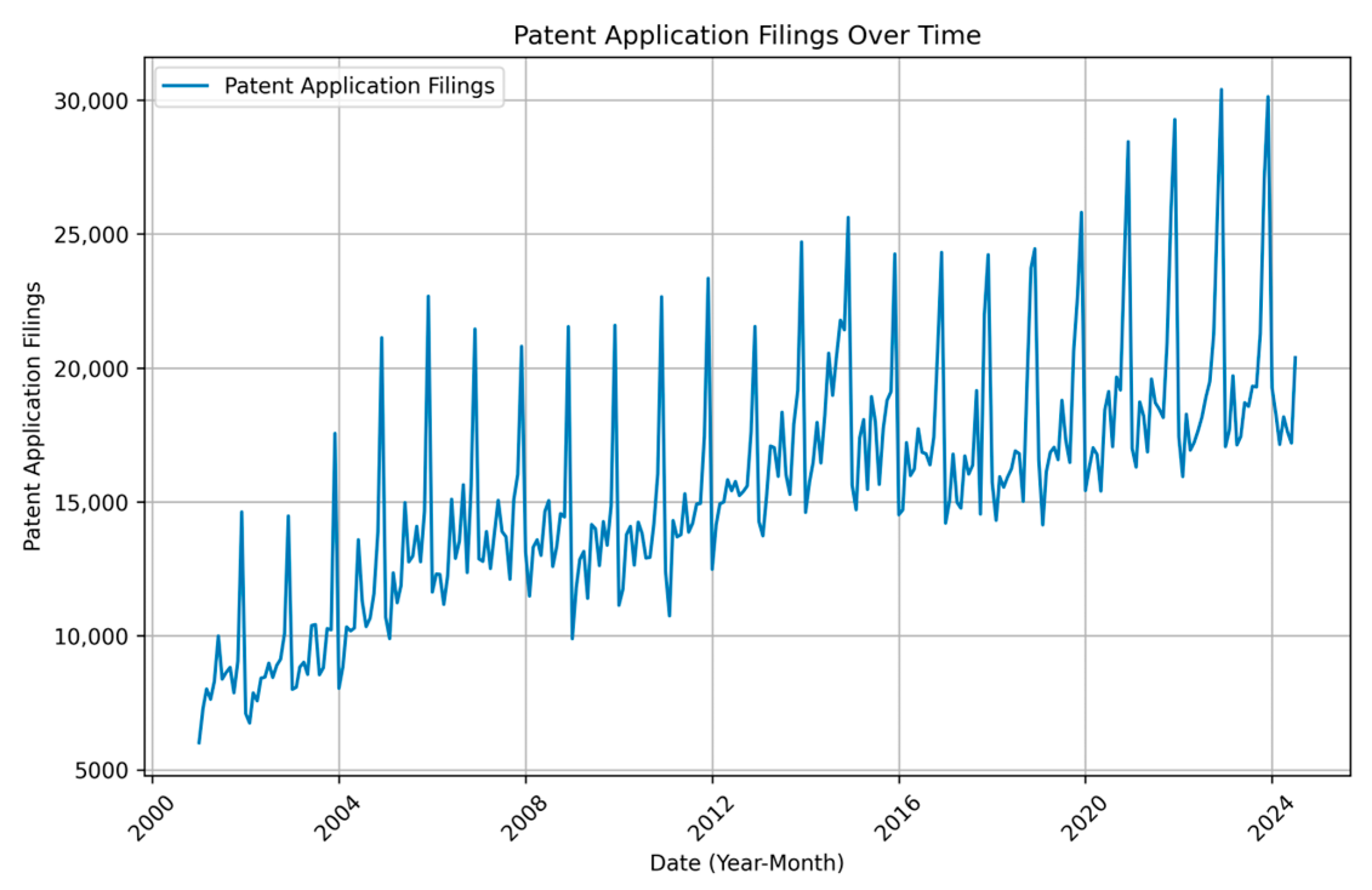
This study was conducted based on monthly patent application data provided by the Korea Intellectual Property Office (KIPO). According to World Intellectual Property Statistics by the World Intellectual Property Organization (WIPO), the Republic of Korea ranked 5th in the number of international patent applications through the Patent Cooperation Treaty (PCT) from 2010 to 2019 but rose to 4th place in 2020 and has maintained that ranking to date. In this respect, the KIPO is one of the top five patent offices in the world, along with the United States Patent and Trademark Office (USPTO), the Japan Patent Office (JPO), and the European Patent Office (EPO), and is evaluated as an organization that can represent global patent application trends [
25].
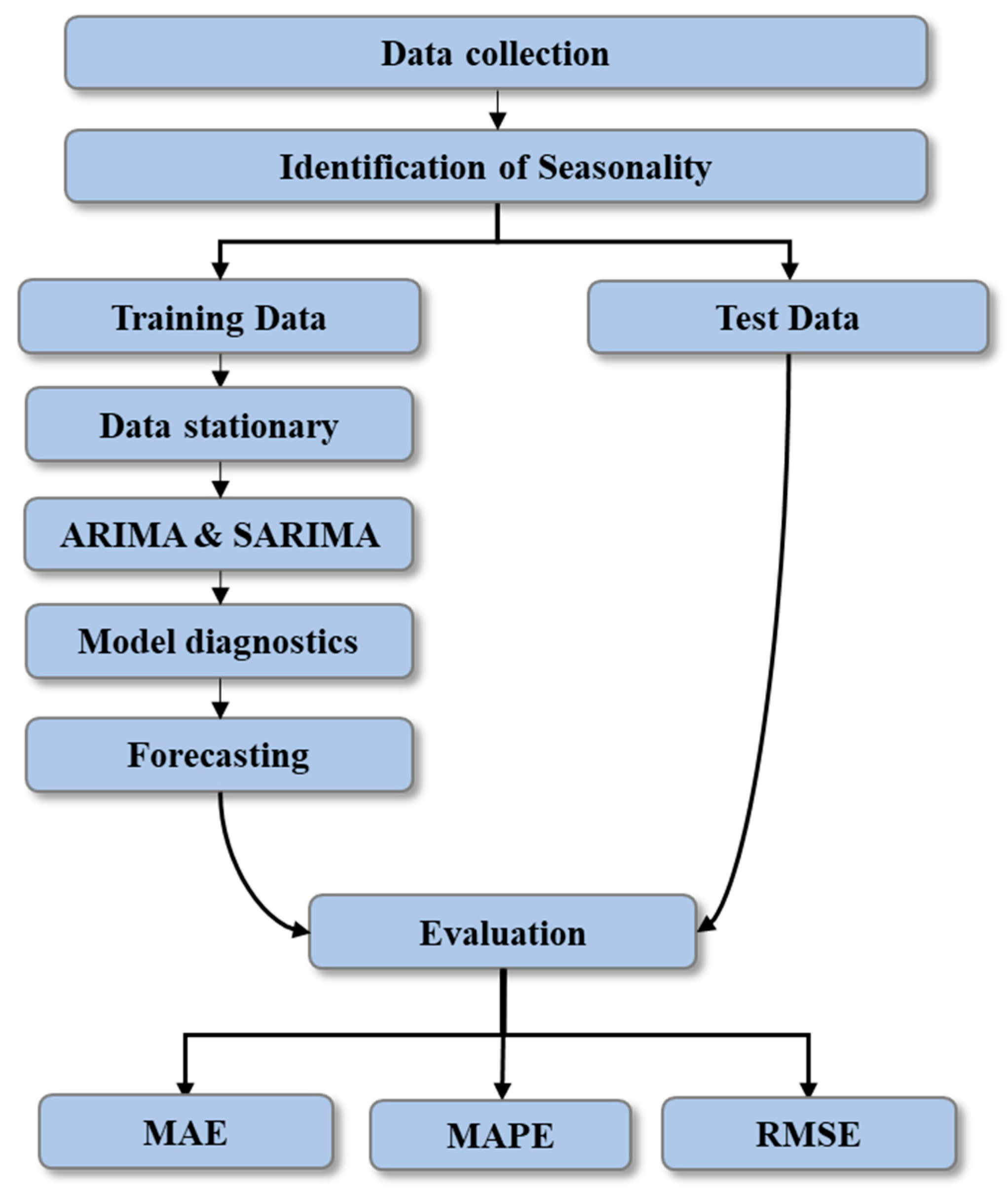
The main goal of this study is to examine whether monthly patent application filings in Korea exhibit a statistically significant annual seasonal pattern and to evaluate whether incorporating seasonality improves forecasting accuracy. The study proceeds in two parts. First, we identify seasonality in the monthly patent application filing fluctuations and verify it statistically using the Kruskal–Wallis test. Second, we compare the forecasting performance of a seasonality-aware SARIMA model against a non-seasonal ARIMA model. By doing so, this study aims to support the transition toward “sustainable governance” by providing accurate forecasting data essential for optimizing resource allocation. It is important to clarify that our design is predictive rather than causal; thus, we focus on intrinsic temporal patterns rather than estimating the causal effects of external economic variables.
The results of this study will provide important implications for understanding the monthly variability of patent application filings and preparing policy responses through predictions. It is expected that understanding the seasonal characteristics of patent application filings and utilizing a prediction model that reflects this will make a substantial contribution to patent administration and, through this, to the establishment of national technological innovation policies and strategic decisions in the industry [
26].
The structure of this paper is organized as follows:
Section 2 reviews the literature on patent forecasting models and formulates the research hypotheses.
Section 3 describes the dataset and the statistical methodologies employed, specifically the Kruskal–Wallis test and the ARIMA/SARIMA modeling frameworks.
Section 4 presents empirical results, which include the verification of seasonality, a performance comparison between the forecasting models, and a sectoral analysis distinguishing between private and public R&D patterns.
Section 5 provides a comprehensive discussion on the robustness of these seasonality against macroeconomic shocks, interprets the sectoral disparities, and suggests policy implications for sustainable governance. Finally,
Section 6 summarizes the conclusions, significance, limitations, and directions for future research.
6. Conclusions
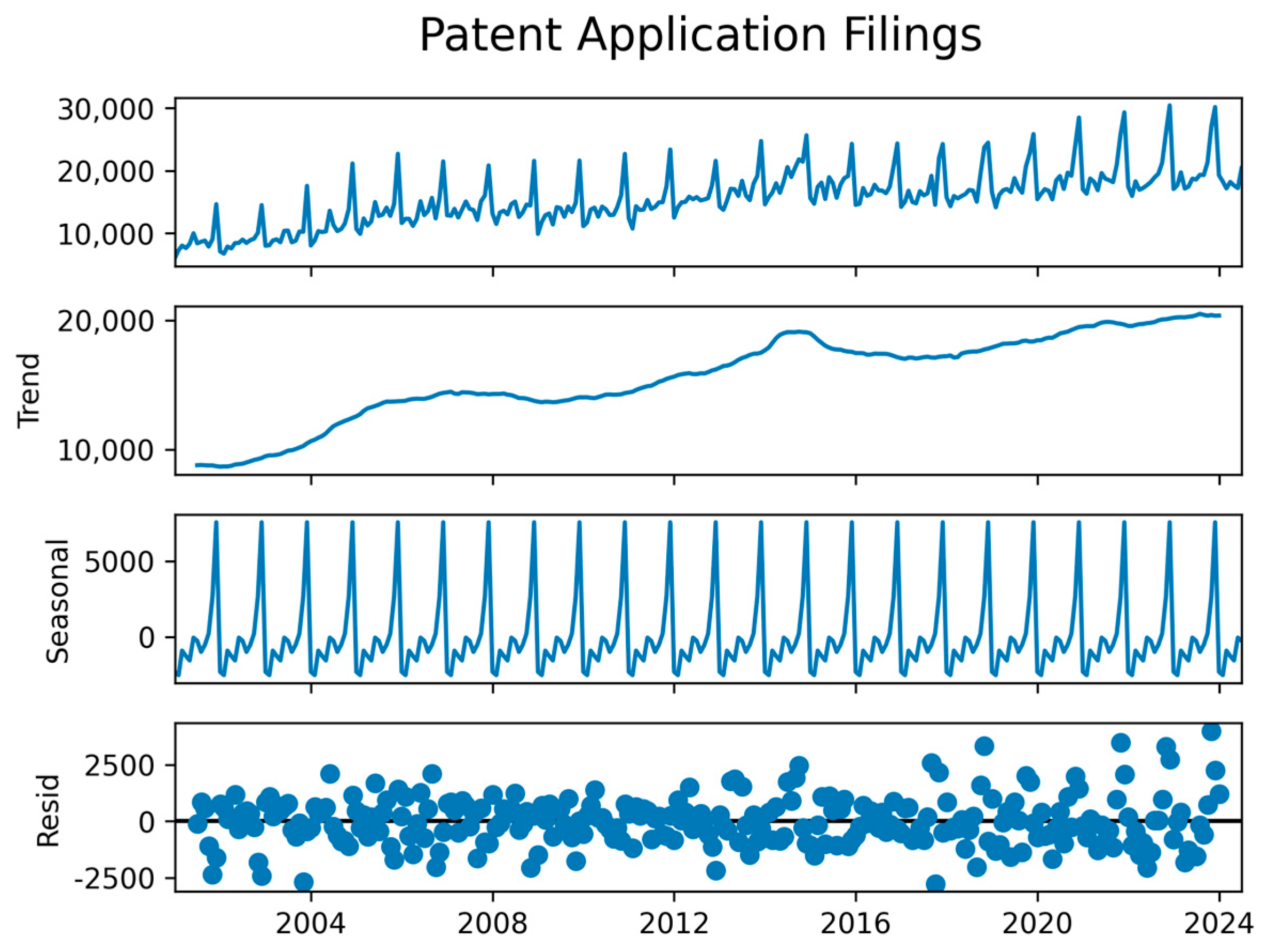
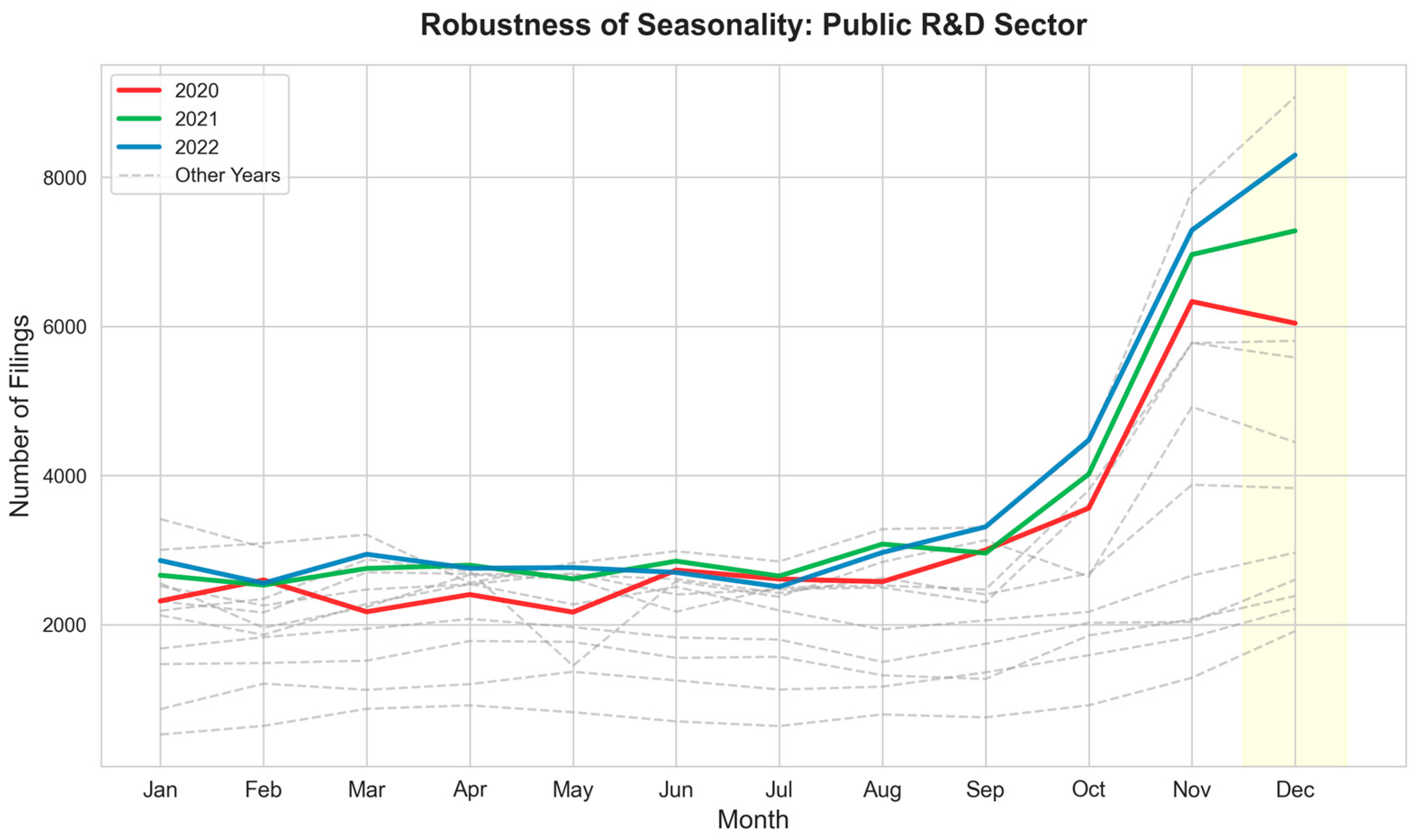
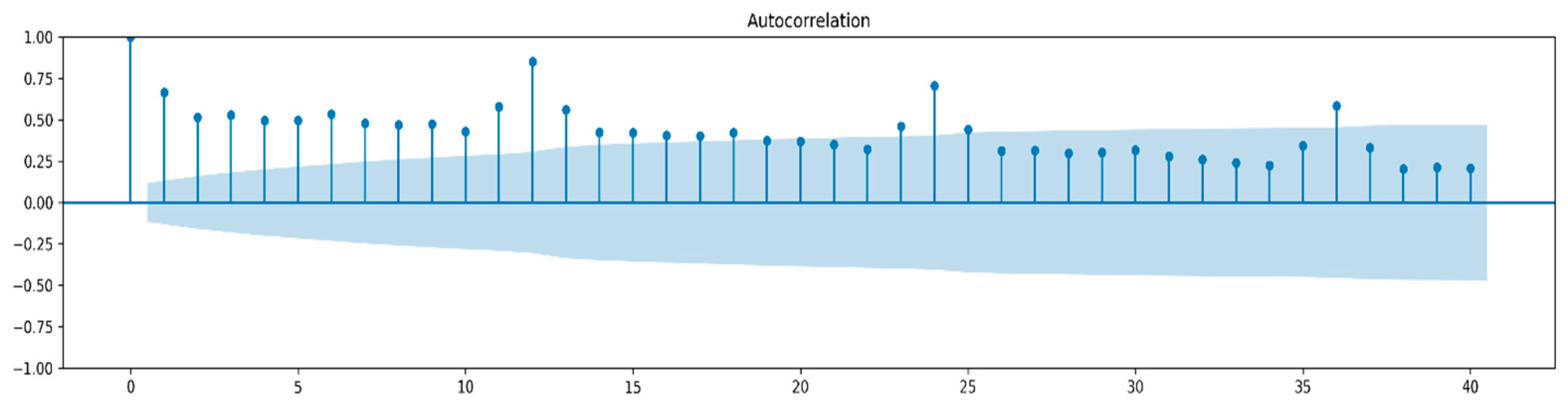
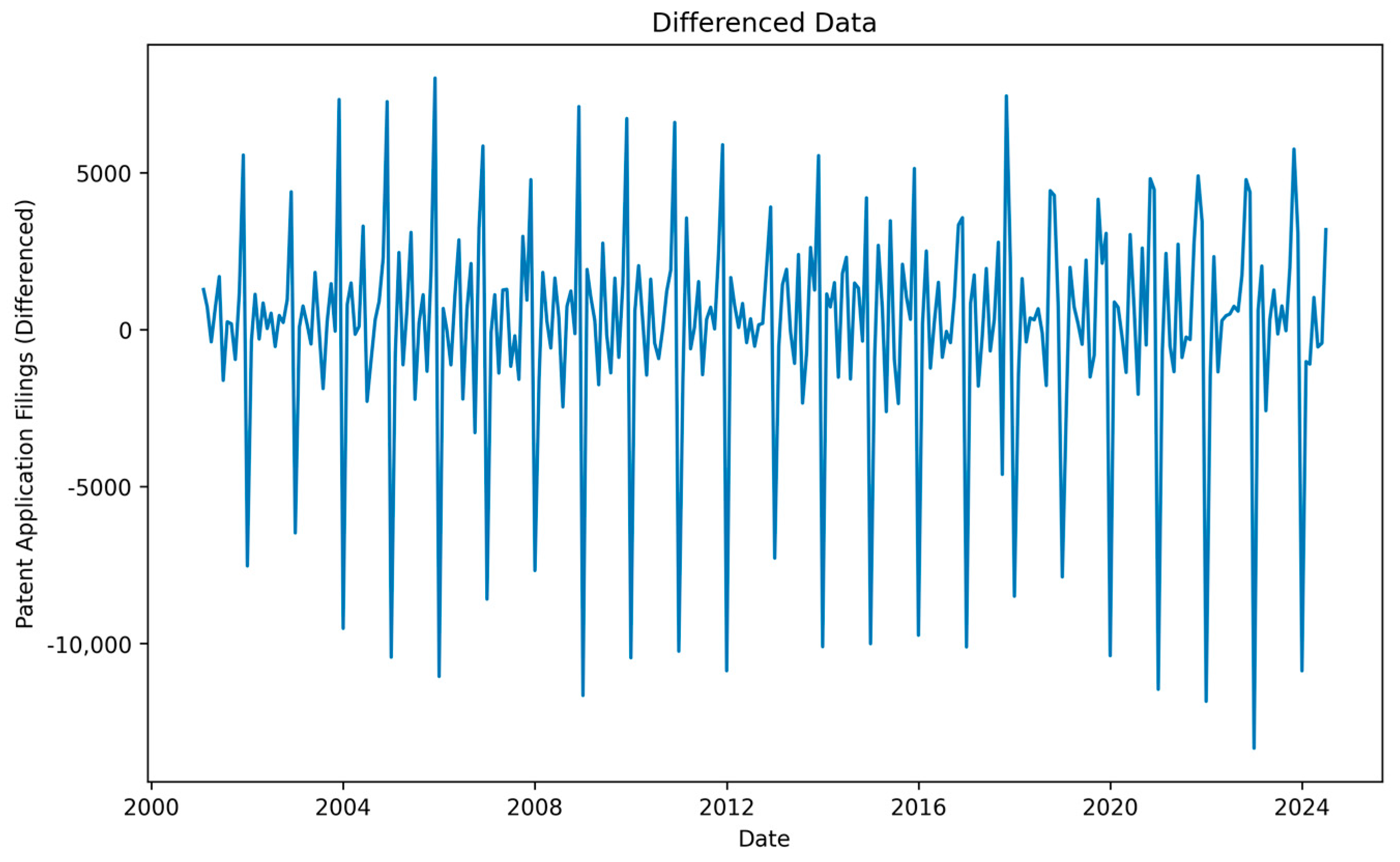
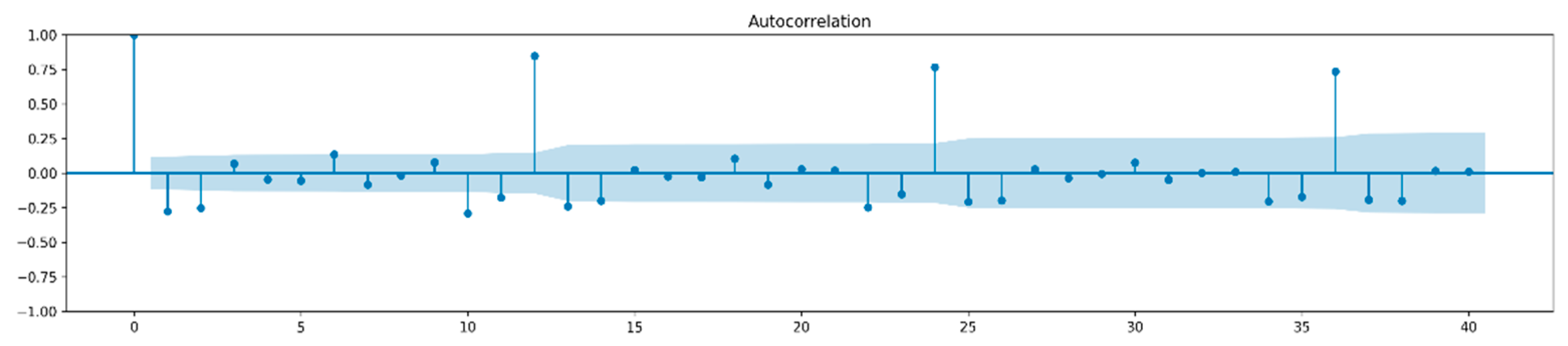
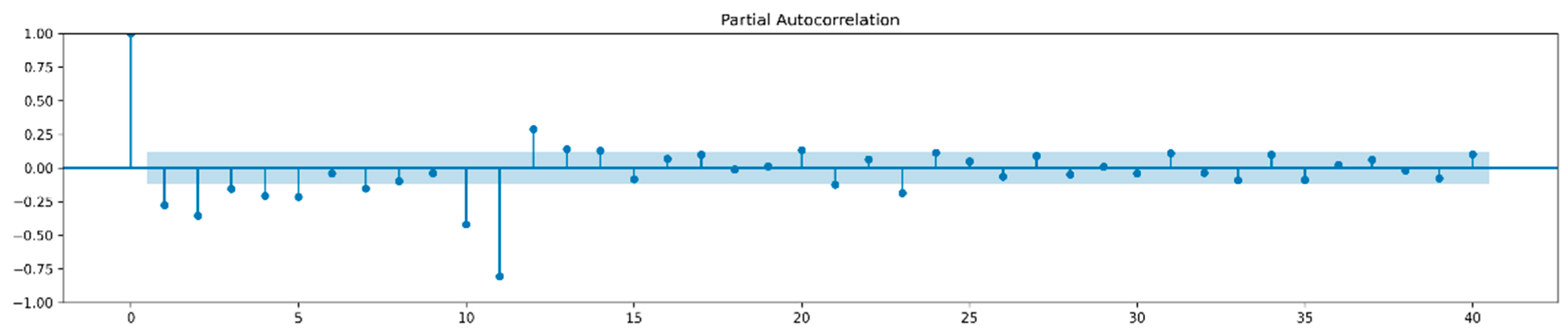
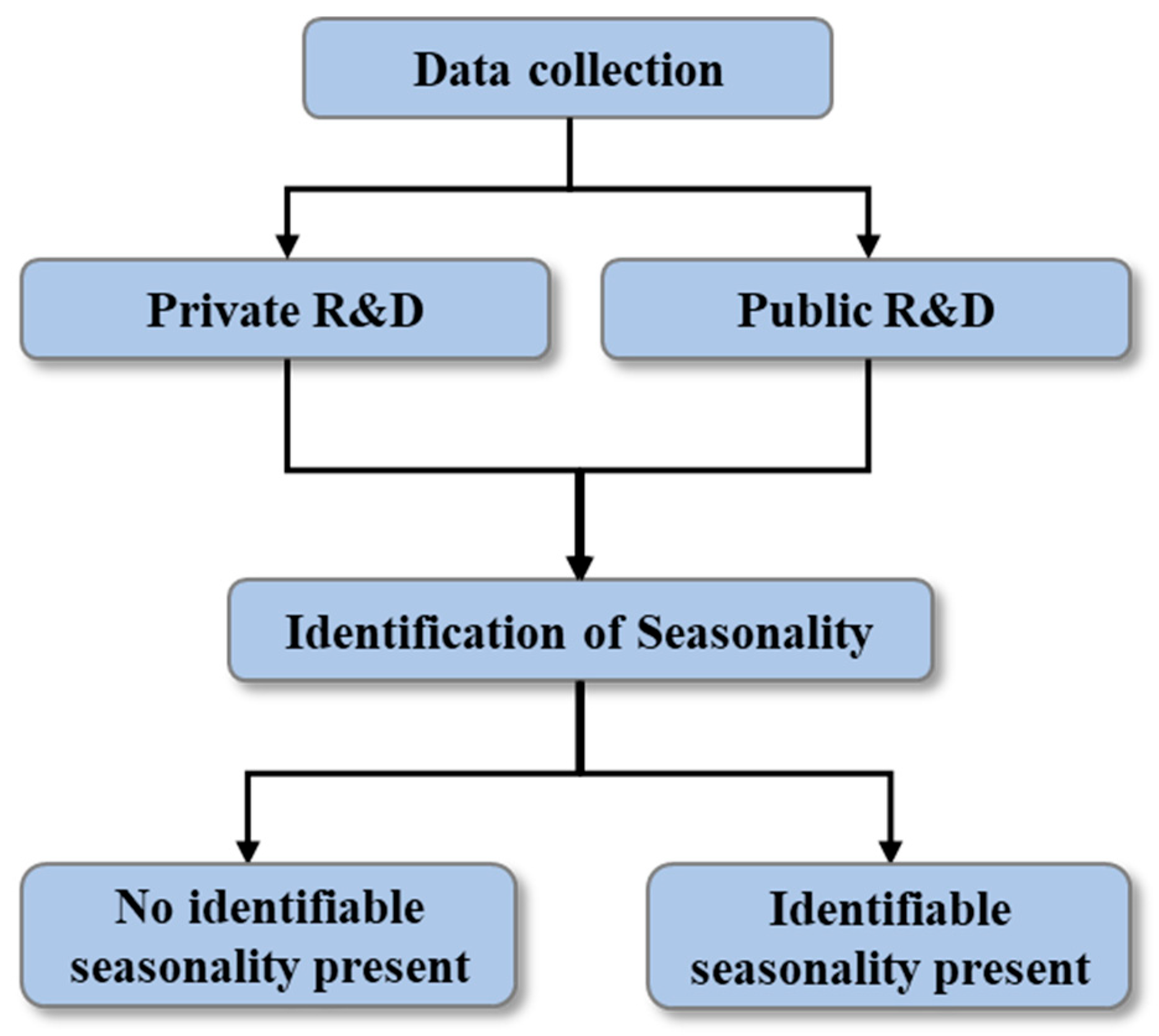
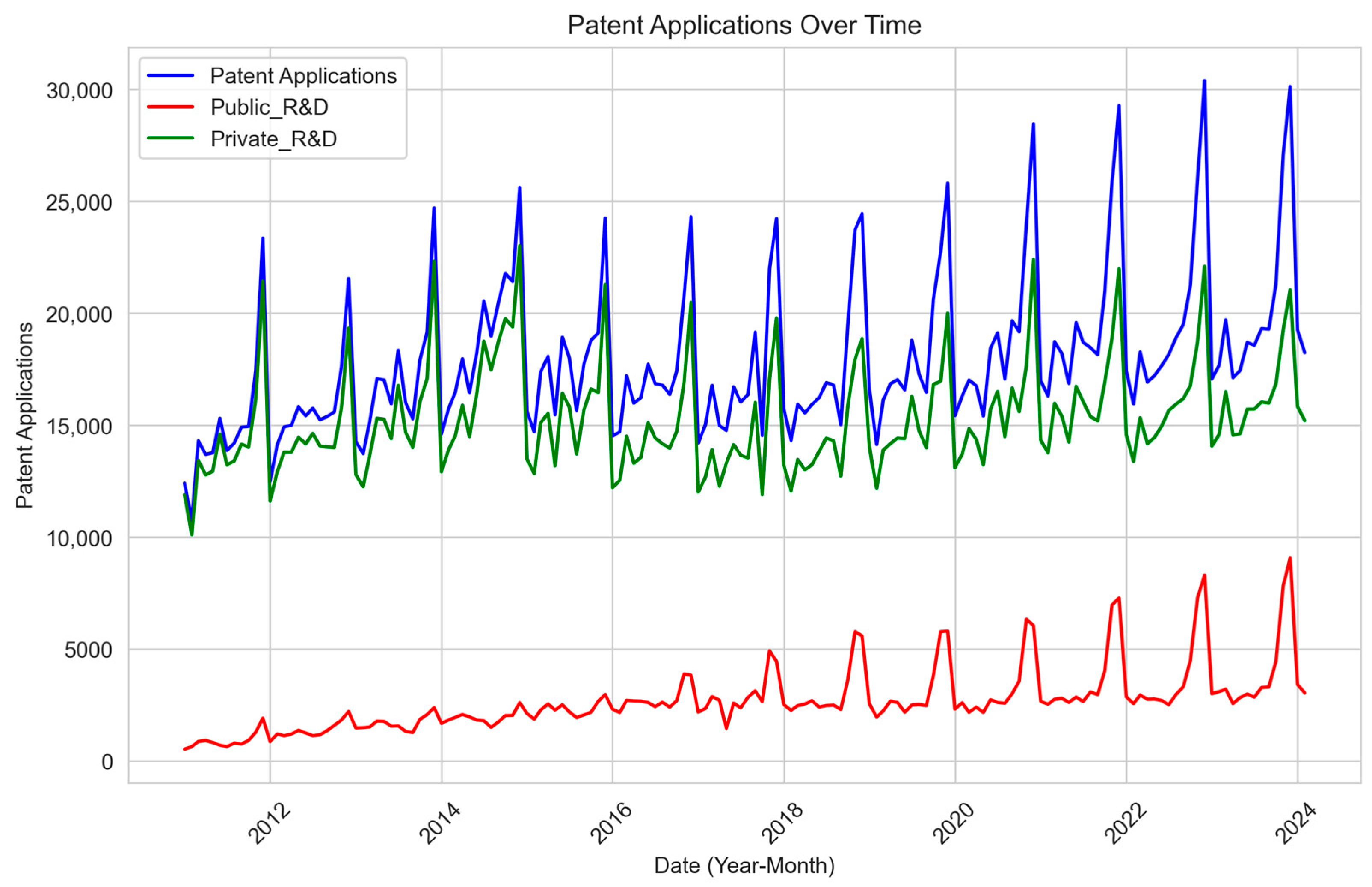
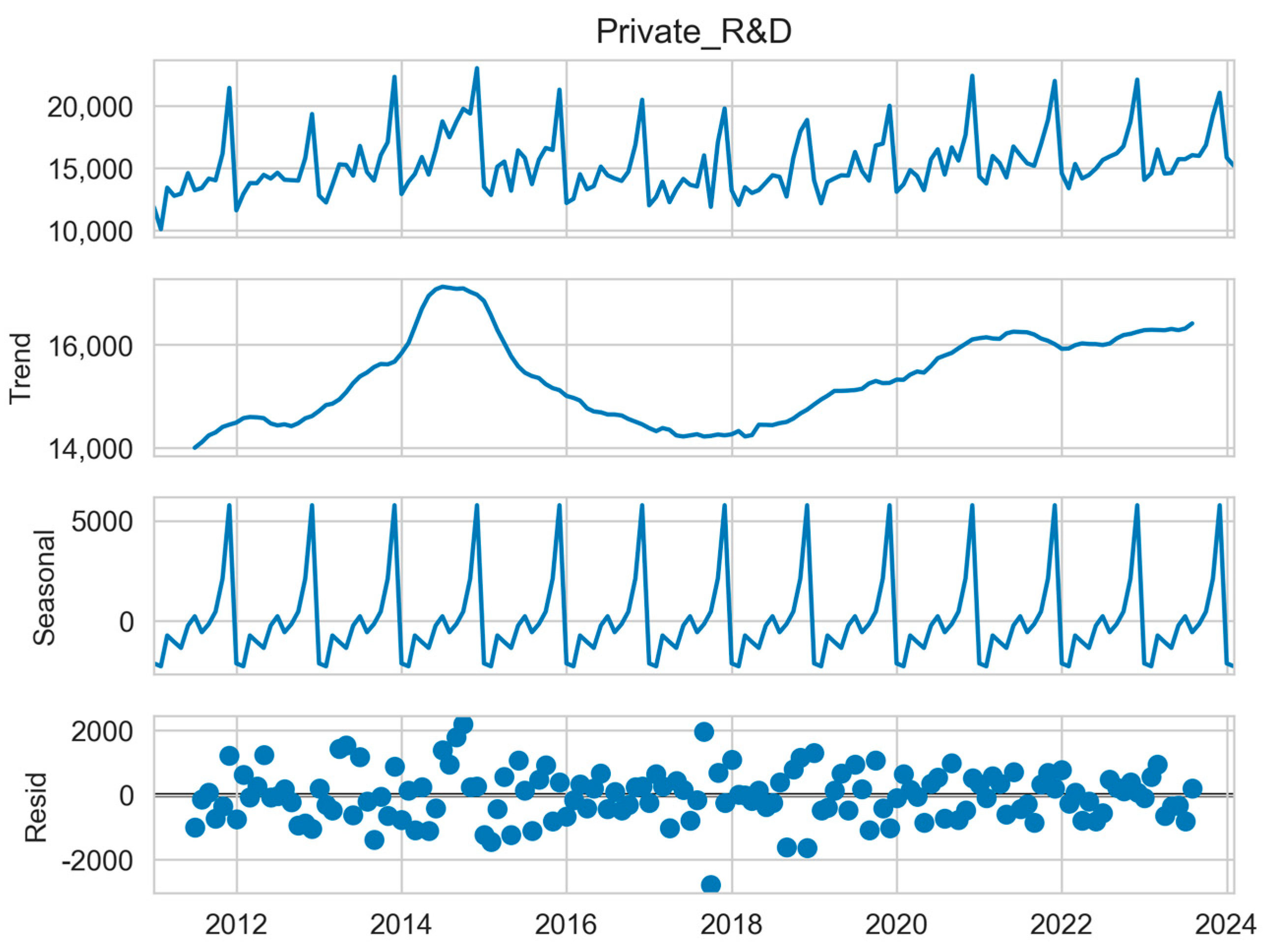
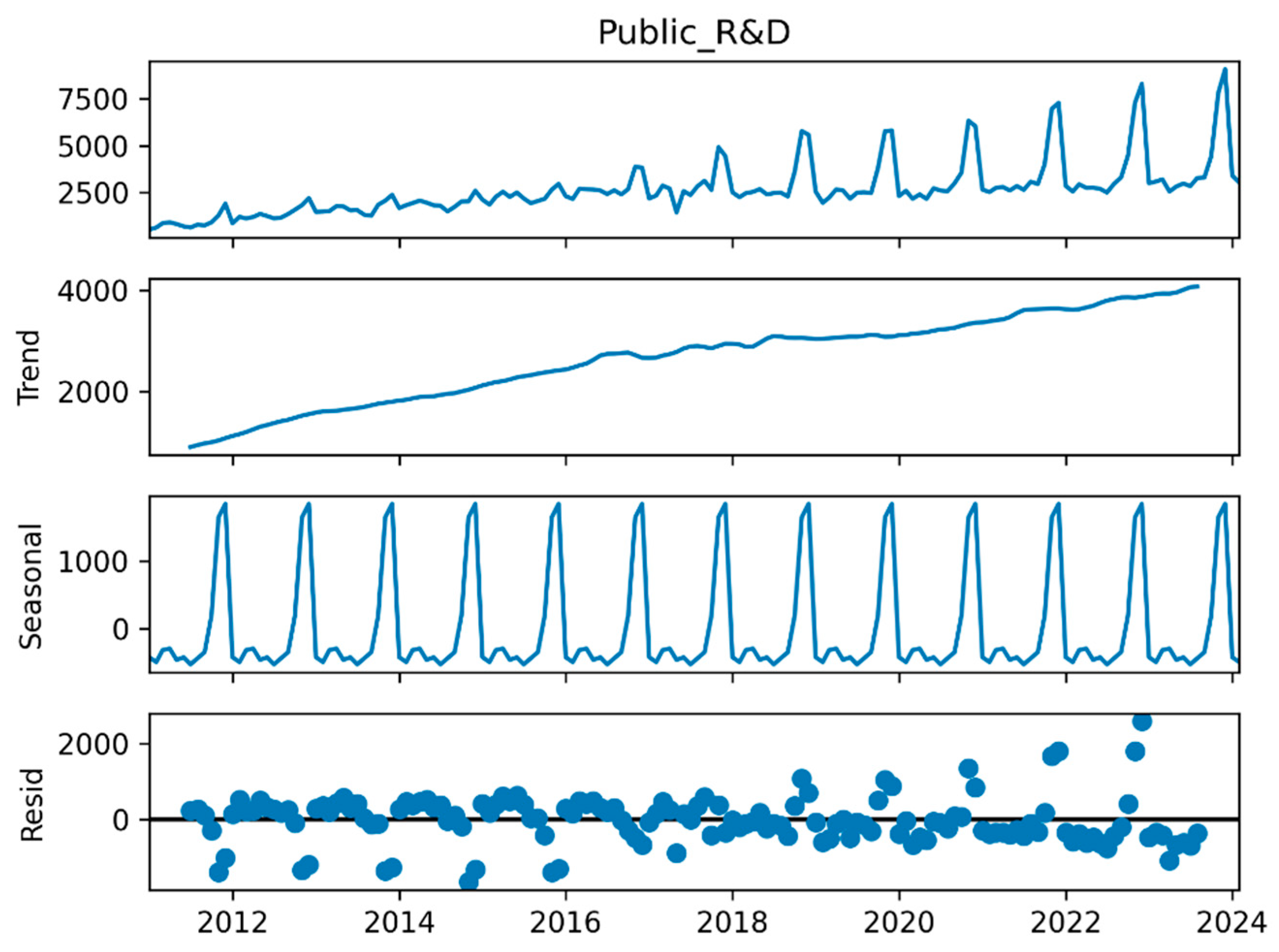
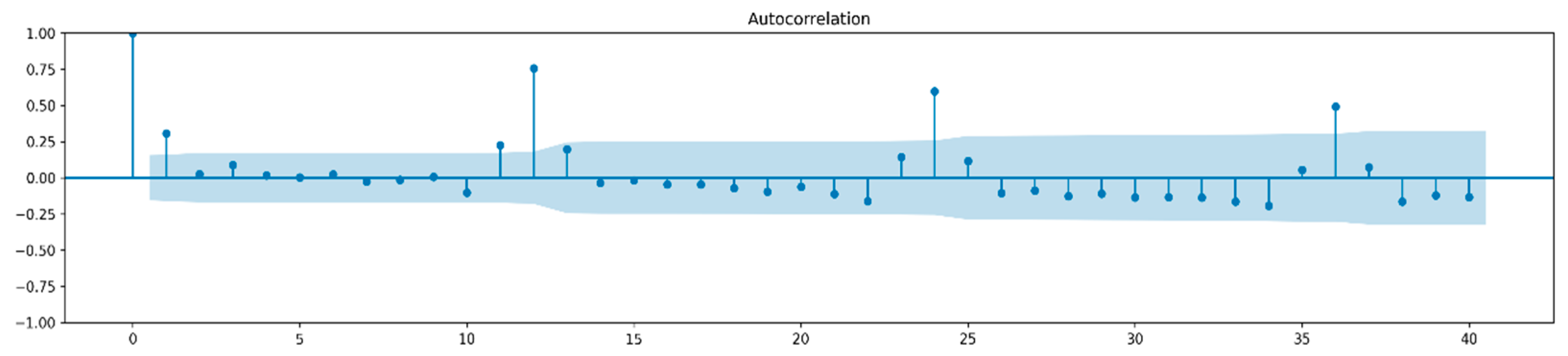
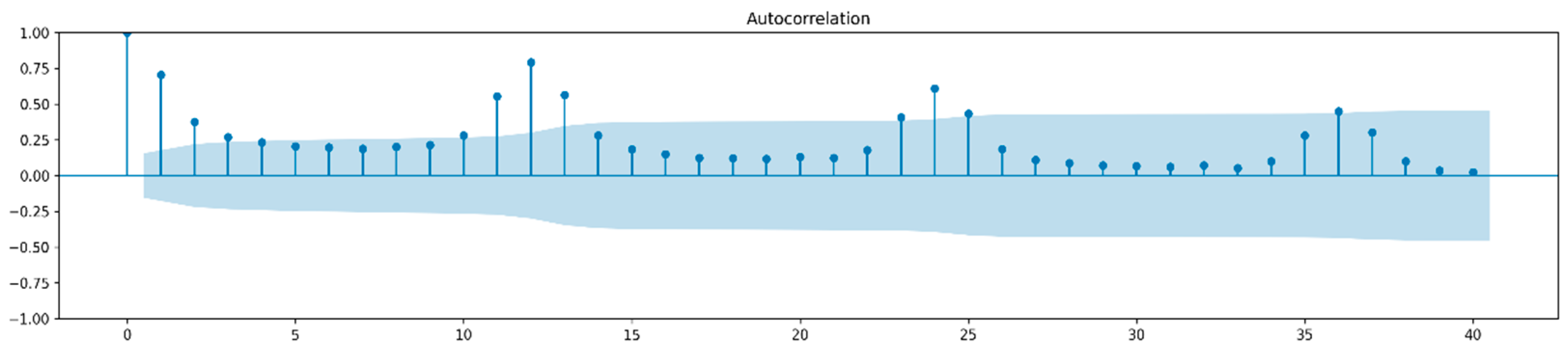
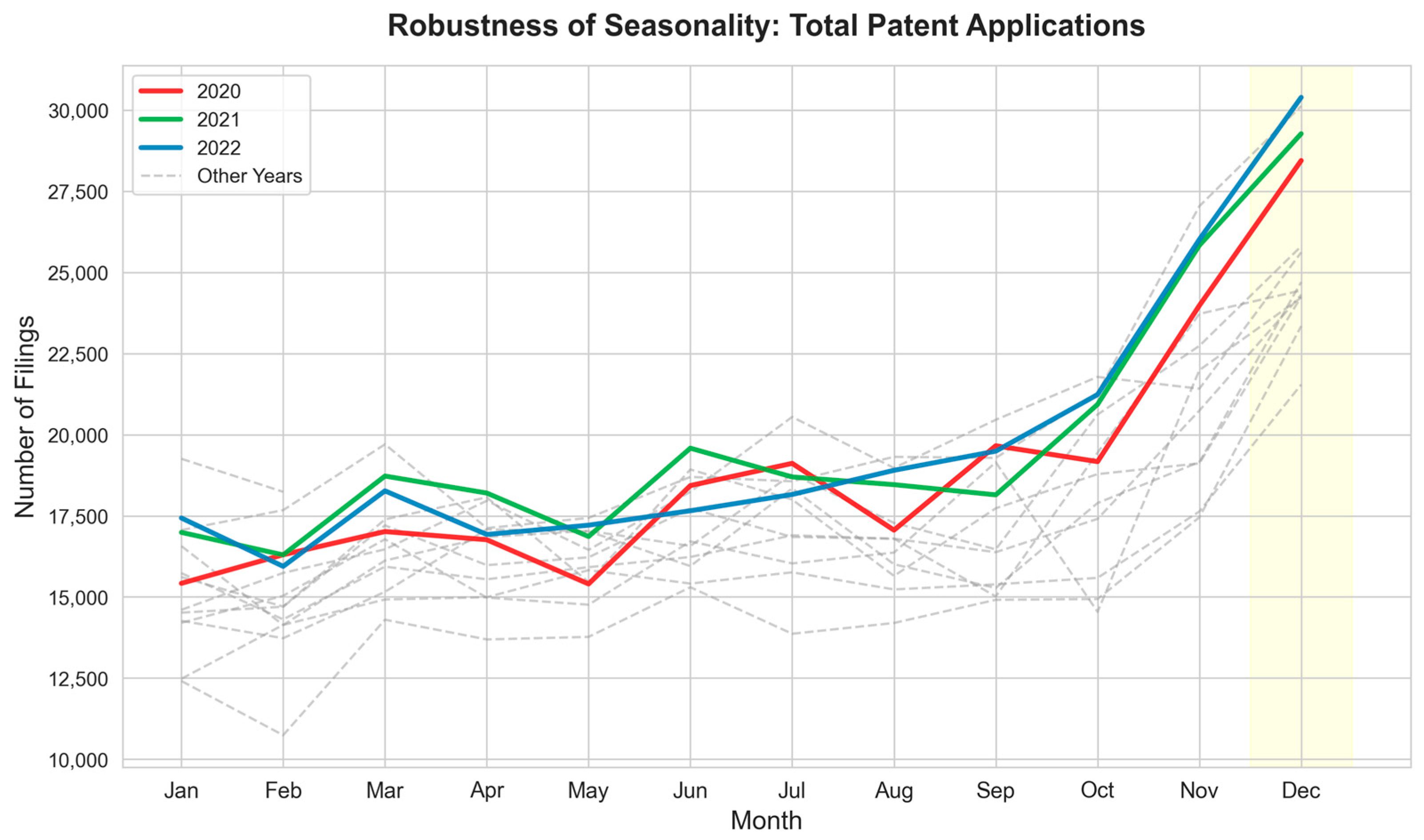
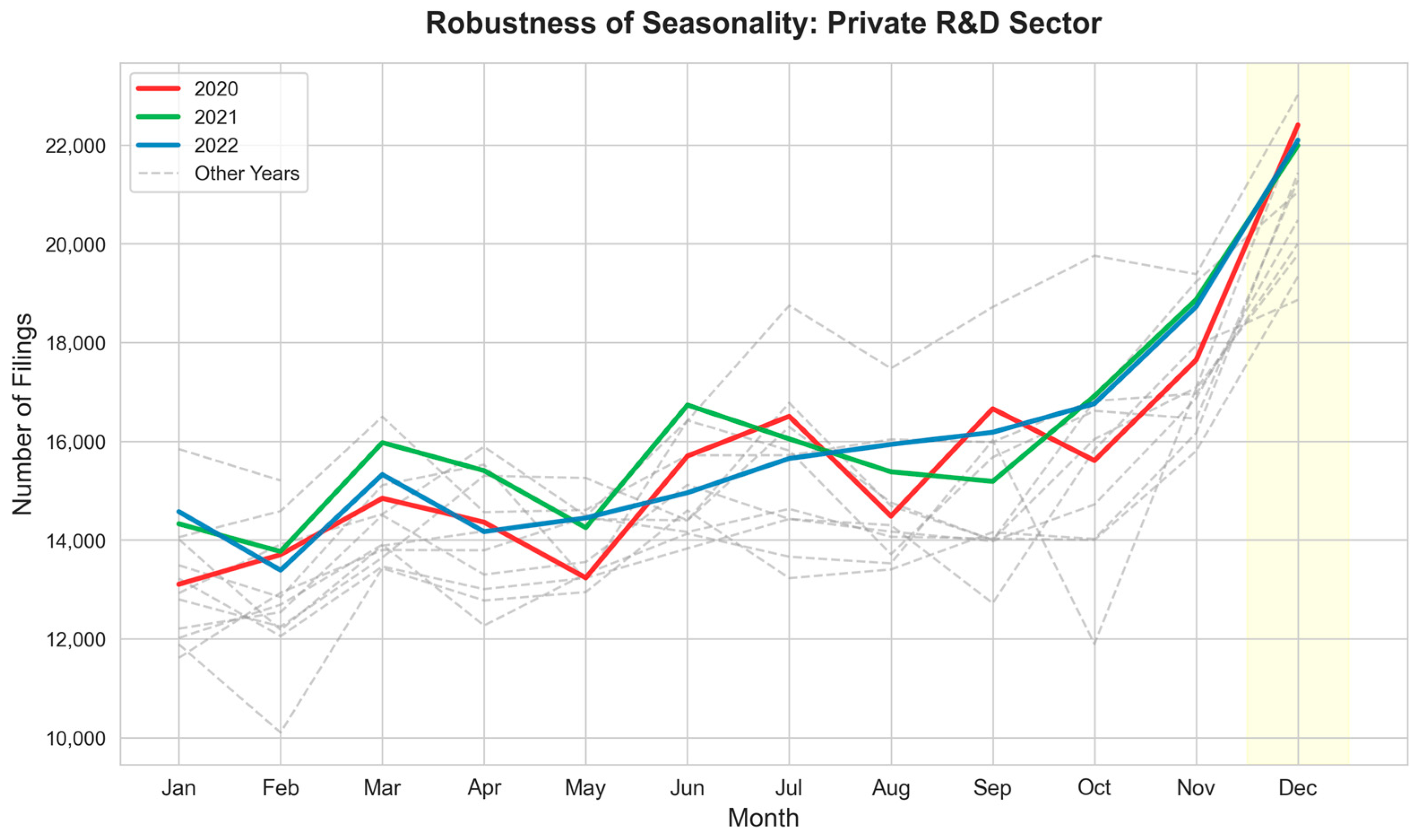
This study analyzes the seasonality of monthly patent application filings and compares the performance of time series forecasting models. The study was conducted based on the number of patent application filings from January 2001 to July 2024 and included an experiment to confirm seasonality by dividing the data into private and public R&D sectors. Consequently, a seasonal pattern was discovered, with patent applications concentrated at the end of the year. Every analysis demonstrated that patent applications had a clear 12-month seasonality, and the same results were obtained when dividing the data into private and public R&D sectors. The results of this study can be summarized as follows.
First, the analysis validated Hypothesis 1 (H1) by confirming that the “December Rush” is not a transient fluctuation but a statistically significant structural phenomenon. Notably, this seasonal concentration persisted even during the COVID-19 pandemic (2020–2022), demonstrating that the seasonality of patent application filings is deeply anchored in institutional factors rather than being swayed by external macroeconomic shocks. This finding provides a compelling rationale for shifting from reactive administration to proactive governance that anticipates these fixed cyclical patterns. This shift is theoretically significant as it moves patent administration from a focus on short-term efficiency to long-term “institutional sustainability,” by providing the empirical evidence required to reinforce the resilience of the innovation infrastructure (SDG 9).
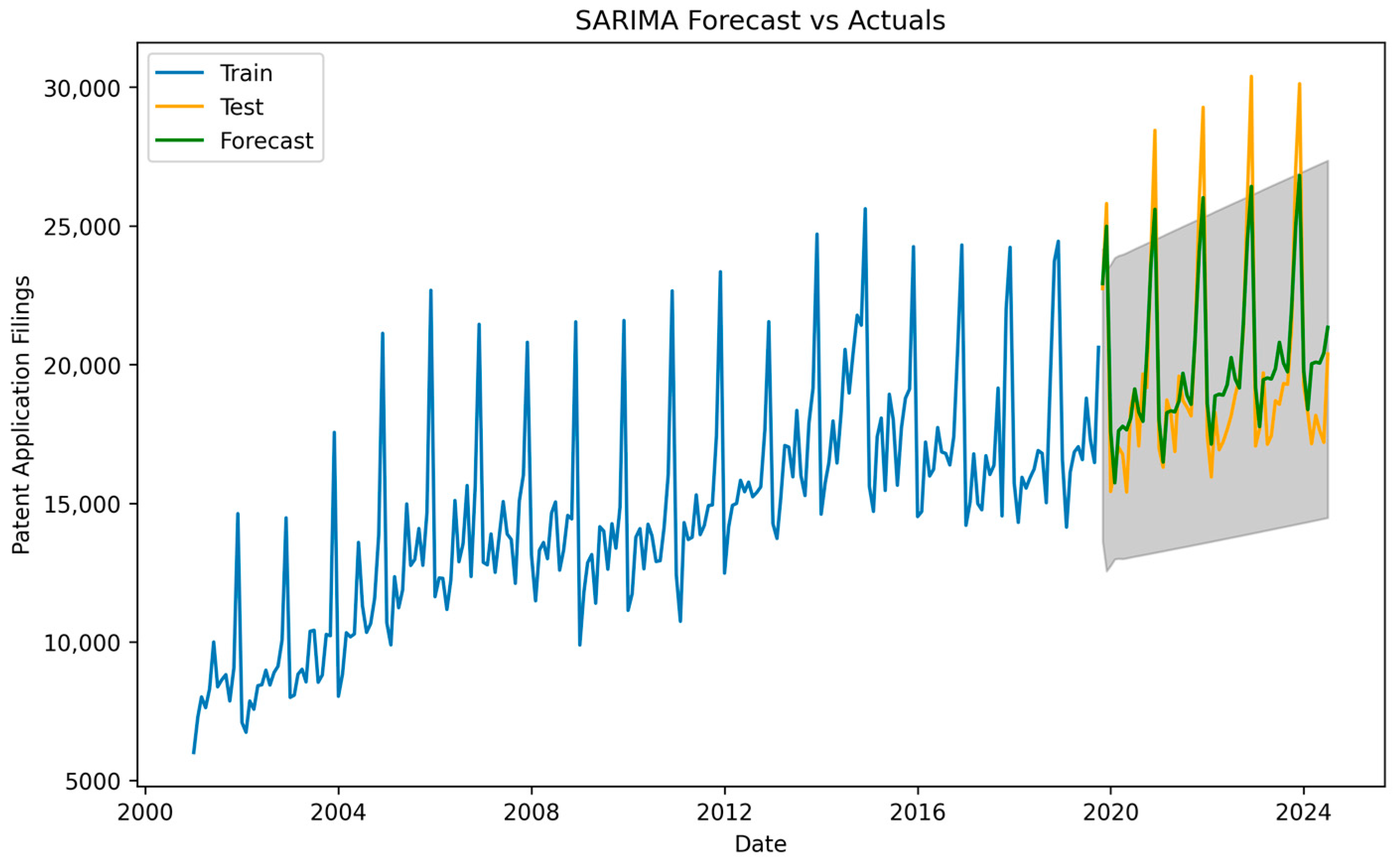
Building on this structural identification, the comparative forecasting analysis validated Hypothesis 2 (H2), demonstrating the superior suitability of the SARIMA model over traditional methods. The SARIMA model, which explicitly incorporates seasonal orders, achieved a MAPE of 6.5%, reducing the error rate by approximately half compared to the non-seasonal ARIMA model. This quantitative result confirms that incorporating seasonality is essential for optimizing resource allocation, thereby serving as a foundation for building effective and accountable public institutions (SDG 16) that utilize administrative resources transparently and efficiently.
Furthermore, the sectoral breakdown confirmed Hypothesis 3 (H3), revealing distinct seasonal behaviors between private and public entities. As hypothesized, the Private R&D sector exhibited greater seasonal volatility, suggesting that it is sensitively driven by flexible factors such as corporate budget cycles, tax benefits, and competitive strategies. In contrast, the Public R&D sector showed a more rigid pattern locked into administrative cycles. This distinction highlights the need for differentiated governance strategies: flexible incentives for the private sector to disperse filings, and structural improvements in performance evaluation systems for the public sector.
The methodological implications of this are noteworthy as they differ from previous studies. First, while previous studies have mainly utilized annual data, this study analyzed monthly patent application filing data to explain the detailed time series variability of patent applications more accurately. Furthermore, by rigorously validating the non-normality of the data (Shapiro–Wilk test) and applying the appropriate non-parametric tests (Kruskal–Wallis test), we established a more robust statistical standard for seasonality analysis. Second, by presenting a time series forecasting model that reflects seasonality, we emphasized the importance of seasonal variation, which had not been addressed in previous time series forecasting studies. Particularly, by comparing the performance of the ARIMA and SARIMA models, we emphasized the need for a forecasting model that includes seasonal factors in patent application forecasting. This study serves as an important reference for the development of a patent application-related forecasting model that considers seasonality to derive more sophisticated results in patent application filing forecasting.
Meanwhile, this study has several limitations. A primary limitation is that this study focuses on univariate time series analysis. While effective for forecasting intrinsic patterns, this approach does not account for the causal impact of external macroeconomic indicators or specific policy changes. Therefore, the causal links suggested in the discussion are interpretative rather than statistically proven by the model. In future studies, it is expected that adding external factors such as economic variables through seasonal multivariate time series analysis will allow researchers to empirically test these causal mechanisms and analyze their impact on the number of patent applications. Alternatively, conducting a hierarchical analysis segmented by industry, company type, and domestic and foreign applicants could help identify more specific R&D activities and patent application trends in greater detail.




 ,
,