


Abstract
Educational sustainability has emerged as a critical framework for achieving the Sustainable Development Goals, yet the systematic measurement and management of sustainability features in schools remain underexplored, particularly regarding the application of advanced data-driven technologies. This study addresses the research question: How is Business Intelligence being utilized in measuring and managing sustainability features within educational contexts? A systematic literature review was conducted across Web of Science and Scopus databases, employing rigorous inclusion and exclusion criteria. From an initial identification of 4317 records, 36 articles published between 2021 and 2025 were selected for comprehensive analysis. Bibliometric analysis revealed an annual growth rate of 60.69%, indicating rapid emergence of this research domain. Qualitative content analysis identified four principal dimensions structuring the intersection between sustainability and data-driven technologies in education: environmental (energy efficiency, waste management), social (academic performance, educational equity), economic (cost–benefit analysis, return on investment), and governance and management based on Business Intelligence and information technologies. The findings confirm the convergence of Business Intelligence and educational sustainability as a promising field, while revealing a critical absence of empirical investigations validating these concepts within Brazilian contexts, particularly in technical secondary schools. This gap establishes both the foundation and scientific justification for advancing research in this domain.
1. Introduction
Educational sustainability has emerged as a foundational axis for civic formation and the strengthening of institutional practices committed to the Sustainable Development Goals (SDGs). Within this framework, public schools, particularly technical institutions, are called upon to integrate pedagogical and administrative practices that embody the principles of environmental, social, and economic sustainability, operating not merely as spaces of education but as catalytic agents of local transformation [1]. These institutions function at the intersection of knowledge production and community development, positioning themselves as strategic nodes in the broader network of sustainable territorial governance.
The measurement of such practices, however, demands the development and monitoring of indicators capable of translating, in systematic and reliable ways, the advances and challenges encountered in daily school operations. The scholarly literature emphasizes the necessity of constructing data-driven management models to ensure greater effectiveness and transparency in sustainable actions [2]. Contemporary educational management increasingly recognizes that evidence-based decision-making constitutes not merely a technical enhancement but a fundamental prerequisite for institutional accountability and continuous improvement in complex organizational environments.
In this context, the deployment of Business Intelligence (BI) tools emerges as a promising alternative for qualifying educational management, enabling predictive analysis, trend visualization, and real-time decision support [3]. The integration of analytical technologies into educational ecosystems represents a paradigmatic shift from intuition-based to evidence-informed governance, facilitating the identification of intervention opportunities and the optimization of resource allocation across multiple organizational dimensions. The articulation between BI and sustainability has intensified as the potential of data technologies to promote more efficient, personalized, and ecologically responsible learning environments becomes increasingly evident. Ref. [1] emphasizes that integrating analytical tools into educational management not only optimizes resource utilization but also reinforces an institutional culture oriented toward innovation and socio-environmental responsibility. This convergence suggests that technological advancement and sustainability imperatives need not exist in tension but can synergistically reinforce institutional capacity for transformative action.
While this review focuses on Business Intelligence applications and sustainability-related features in education, the topic intersects with longer-standing scholarship on learning analytics [4] and data-driven decision-making, which emphasizes socio-technical implementation, governance, accountability, and ethical risks. Foundational work in learning analytics and critical perspectives on datafication in education [5] provide important context for interpreting techno-optimistic claims. In parallel, Education for Sustainable Development (ESD) frameworks [6] and broader evidence-based education debates [7] support an ethical and institutional framing for sustainability-oriented educational governance.
This systematic literature review was designed to map approaches and categories of sustainability features in education, examine the use of Business Intelligence tools in managing these features, and identify contributions, gaps, and application perspectives within educational management. The central research question guiding this investigation is: How is Business Intelligence being utilized to measure and manage sustainability features within educational contexts?
The selection of a Systematic Literature Review (SLR) methodology is justified by its recognized capacity to gather, analyze, and synthesize knowledge rigorously on specific topics through explicit criteria for study selection and evaluation [8]. The SLR enables a structured approach that reduces interpretative biases and enhances the reliability of findings, particularly relevant in interdisciplinary contexts such as the articulation between BI and educational sustainability. This methodological choice aligns with contemporary standards for evidence synthesis in educational research and ensures transparency and replicability throughout the investigative process.
The operationalization of this methodological strategy presupposes not only the systematized identification of principal consolidated scientific contributions regarding the thematic area but also the criteria mapping of existing epistemological gaps within the investigative field, consequently orienting the development of an indicator model that establishes effective dialogue with the contextual specificities of public educational institutions. Therefore, the Systematic Literature Review assumes the functionality of theoretically grounding subsequent stages of the investigative process while providing a qualified and comprehensive panorama of the state of the art in the convergence between data technologies and sustainable management within the educational sphere.
The systematized aggregation of scientific evidence oriented toward guiding educational practices constitutes one of the principal justifications for operationalizing synthesis studies, as highlighted by [9] in their methodological contributions. The Systematic Literature Review presents itself, in this perspective, as a robust and rigorous methodological strategy for identifying consolidated trends, successful practices, and epistemological gaps that can effectively subsidize the construction of sustainable educational management models grounded in data analysis. Through the careful compilation and analysis of existing studies within the investigative field, the SLR substantially amplifies the capacity of educational managers to adopt informed decision-making processes founded on consistent and scientifically validated empirical evidence.
This study is further justified by highlighting educational experiences oriented toward social inclusion and institutional strengthening in historically vulnerable communities, evidencing the transformative potential of technical schools as radiating nuclei of local development. Such initiatives, when aligned with BI-oriented management practices, can promote a new paradigm of public governance that is more transparent, efficient, and connected to the genuine demands of the territory. The Brazilian context, characterized by profound socioeconomic disparities and educational inequities, provides particularly fertile ground for investigating how technological tools can democratize access to quality education while simultaneously advancing sustainability objectives.
The literature already indicates successful initiatives in this direction. Ref. [10], for instance, demonstrate that strategic use of big data and innovation in educational institutions is directly associated with promoting sustainability, explaining more than 79% of positive variation in sustainable indicators within their sample. Similarly, ref. [11] emphasize that BI utilization in human resource management contributes significantly to creating sustainable organizational environments centered on well-being. These empirical findings suggest that the integration of advanced analytical capabilities with sustainability frameworks yields measurable improvements across multiple organizational dimensions, though the mechanisms underlying such improvements require further elucidation.
The originality of this work resides in the centralization and systematization of knowledge regarding BI use in sustainable educational management, especially focused on the context of technical schools within the state public network of Pernambuco, Brazil. By proposing a structured and critical literature review, this research scientifically contributes to consolidating a theoretical-methodological referential that supports the formulation of indicators applicable to local realities, amplifying the visibility and quality of educational public policies oriented toward sustainability and social transformation. This contribution extends beyond the immediate Brazilian context, offering insights potentially transferable to similar institutional configurations in other emerging economies confronting analogous challenges in educational governance and sustainability integration.
The subsequent sections of this article are organized as follows: Section 2 presents the methodological framework employed in conducting the systematic literature review; Section 3 reports the bibliometric and content analysis findings; Section 4 discusses the theoretical and practical implications of the results; and Section 5 concludes with recommendations for future research and policy implications.
2. Materials and Methods
This Systematic Literature Review (SLR) adheres to the procedural framework established by the Preferred Reporting Items for Systematic Reviews and Meta-Analyses (PRISMA) declaration, recognized for its methodological robustness and provision of clear guidelines for conducting systematic reviews, particularly regarding transparency in the identification, selection, evaluation, and synthesis of relevant studies [8]. The PRISMA checklist is available in the Supplementary Materials. The review protocol and materials were registered in OSF Registries and are currently under embargo to preserve blinded peer review. This approach aims to ensure traceability of the review process, minimize potential biases, and strengthen the reliability of the findings presented herein.
The rigorous application of PRISMA criteria enables not only the replicability of the research but also ensures that the obtained results can serve as a solid foundation for future investigations and for evidence-informed decision-making in practical educational management contexts. Furthermore, this methodology facilitates the identification of gaps in scientific knowledge and contributes to theoretical-conceptual advancement in the field of educational sustainability. The systematic nature of this approach provides explicit documentation of all methodological decisions, enhancing the transparency and credibility of the research process while enabling critical appraisal by the scholarly community.
2.1. Data Sources and Search Strategy
The bibliographic search was conducted across the Web of Science (Core Collection) and Scopus databases, selected for their extensive multidisciplinary coverage, academic rigor, and relevance in the field of Applied Social Sciences. The selection of these databases was designed to ensure comprehensive and qualified surveying of scientific production related to sustainability in education and the application of Business Intelligence tools in educational management. These platforms provide access to high-impact journals, including publications indexed across different geographical regions, which enables capturing the diversity of approaches and application contexts existing in the international literature. The complementarity between these databases also minimizes the risk of omitting relevant studies, as they present partial overlaps in their coverage while also exhibiting specificities that enrich the final research corpus.
The search strategy was developed through iterative refinement of search terms and Boolean operators, culminating in the schematic presentation illustrated in Table 1. This structured approach ensured comprehensive coverage of the intersection between sustainability, educational contexts, and data-driven management technologies. The keyword selection process involved preliminary exploratory searches to identify relevant terminology variations and optimize the balance between sensitivity and specificity in the retrieval strategy.
Table 1.
Search strategy showing concept groups, search terms, boolean operators, and justification for term selection.
Search strategies were adapted to the specificities of each database platform, utilizing Boolean operators and incorporating terms in both Portuguese and English to ensure comprehensive coverage of relevant literature. The utilization of truncation symbols and phrase searching techniques enabled the capture of terminological variations while maintaining precision in retrieval. The search strings applied to each database are presented in Table 2, demonstrating the operational translation of the conceptual framework into executable search syntax.
Table 2.
Search strings applied to the selected electronic databases.
2.2. Study Selection Process
The initial search yielded 4317 records, comprising 1260 from the Web of Science database and 3057 from Scopus. In the first filtering stage, Inclusion Criterion 1 (IC1) was applied, delimiting the publication period between 2021 and May 2025. This temporal delimitation is justified by the emerging nature and accelerated growth of scientific production at the intersection of Business Intelligence and educational sustainability. This period captures the state-of-the-art following the COVID-19 pandemic catalyst, which accelerated digital transformation and data-driven governance in educational institutions.
Furthermore, the choice of this timeframe is grounded in the maturation of Education 4.0 technologies and the integration of complex sustainability indicators that require high analytical capacity—A phenomenon that has gained significant academic traction only within the last five years. The significant annual growth rate of 60.69% identified in the bibliometric results confirms that this interval concentrates the highest density of relevant and technologically updated studies. Consequently, this stage resulted in 716 articles from WoS and 1809 from Scopus. Subsequently, Inclusion Criterion 2 (IC2) was applied, restricting the selection exclusively to scientific articles, which reduced the records to 544 articles from WoS and 871 from Scopus.
Full-text availability was not utilized as an inclusion criterion during the identification stage. However, evidence extraction and qualitative synthesis require comprehensive access to content. Consequently, records for which full text was not obtained following institutional access attempts and complementary searches were considered ineligible at the full-text reading stage and therefore did not integrate the final corpus of the systematic review.
Exclusion Criterion 1 (EC1) consisted of unifying the databases and eliminating duplicates, resulting in 919 unique articles. With the application of Exclusion Criterion 2 (EC2), title analysis regarding research relevance was conducted, reducing the set to 152 documents. Subsequently, Exclusion Criterion 3 (EC3) involved reading abstracts to identify studies most adherent to the investigated scope, selecting 60 articles with potential contribution to the research.
Of the 60 articles selected following abstract review, those with available full text were subjected to comprehensive reading, applying Exclusion Criterion 4 (EC4), which verified thematic adherence and the presence of indicators, metrics, or frameworks, as well as data-driven monitoring components such as Business Intelligence and analytics, and articles pertinent to the educational sustainability context. Ultimately, 36 articles composed the analytical corpus, as presented in Figure 1, derived from the WoS and Scopus databases.
Figure 1.
Flow diagram of the study selection process for the Systematic Literature Review (SLR) across Web of Science (WoS) and Scopus databases.
The selection process revealed a concentration of relevant studies published within the most recent three years of the delimited period, suggesting an emerging research trajectory in the intersection of Business Intelligence applications and educational sustainability. The geographical distribution of included studies demonstrated predominance of investigations conducted in European and North American contexts, with limited representation from Latin American educational systems, particularly Brazil. This distribution pattern substantiates the identified research gap and reinforces the scientific justification for the present investigation.
2.3. Data Extraction and Analysis
Selected articles were systematically organized in a structured spreadsheet encompassing the following fields: title, authors, publication year, journal, country of origin, research objective, methodology employed, principal findings, applied technologies, and contributions to sustainable management. This standardized data extraction protocol ensured consistency in information capture across all included studies and facilitated subsequent comparative analysis.
Data analysis was conducted through descriptive and interpretive approaches, enabling the identification of methodological patterns, investigative gaps, and trends concerning Business Intelligence utilization in educational contexts. The analytical process incorporated both quantitative bibliometric techniques and qualitative content analysis to provide comprehensive understanding of the research landscape. Bibliometric analysis employed descriptive statistics to characterize publication trends, geographical distribution, and citation patterns, while content analysis utilized thematic categorization to identify principal conceptual dimensions structuring the intersection between sustainability and data-driven technologies in education.
The complete study selection process is represented in the PRISMA flowchart (Figure 2), which details all stages traversed until final corpus consolidation. This visual representation enhances transparency and facilitates methodological replication, adhering to contemporary standards for reporting systematic reviews in educational research.
Figure 2.
PRISMA flow diagram of the study selection process for the systematic literature review.
The findings derived from this systematic analytical process are presented in the subsequent section, categorized into thematic axes that structure the intersection between Business Intelligence applications and sustainability indicator management within educational contexts.
2.4. Qualitative Coding and Dimension Assignment
We used the four dimensions (environmental, social, economic, and governance/management) as an a priori analytical framework to organize the qualitative synthesis. A structured extraction matrix and codebook guided classification, and sub-themes were iteratively refined during re-reading. Explicit coding rules were applied to handle multi-dimensional studies (primary dimension by dominant analytical focus; secondary dimension(s) recorded when applicable). To strengthen trustworthiness, classifications and thematic labels were cross-validated among authors, and disagreements were resolved through discussion until consensus.
2.5. Quality Appraisal
Given the heterogeneity of study designs in the included corpus, which encompasses case studies, descriptive empirical studies, qualitative inquiries, and mixed-methods research, we conducted a formal quality appraisal to avoid treating all sources as epistemologically equivalent. We applied the Mixed Methods Appraisal Tool [12], an instrument specifically designed to evaluate the methodological quality of studies in systematic reviews that incorporate diverse research designs.
Each study was initially assessed against the MMAT screening questions and then evaluated using the five specific criteria corresponding to its methodological category (e.g., qualitative, quantitative non-randomized, or mixed methods). Studies were subsequently categorized as High, Medium, or Low quality based on the proportion of criteria met. Two authors independently performed the appraisal; discrepancies were resolved through consensus-based discussion. These quality ratings were used to qualify the strength of evidence throughout the synthesis, ensuring that conclusions drawn from lower-robustness studies were reported with appropriate caution.
To provide a transparent overview of the evidence’s robustness across the reviewed corpus, the detailed results of the MMAT appraisal for all 36 studies are synthesized in Table 3.
Table 3.
Methodological quality appraisal of the included studies based on the Mixed Methods Appraisal Tool (MMAT).
3. Results
The systematic literature review resulted in the selection of 36 articles constituting the analytical corpus for this investigation. For the treatment and analysis of bibliographic data, the Bibliometrix software was employed, a package developed for the R environment that offers comprehensive tools for quantitative bibliometric analyses [48]. This instrument enables the execution of robust scientometric analyses, including coauthorship mapping, cocitation analysis, identification of thematic clusters, and visualization of scientific collaboration networks.
The empirical strategy adopted for bibliometric analyses was based on the integration of quantitative and qualitative methods. The quantitative dimension was operationalized through Bibliometrix, which enabled automated processing of bibliographic metadata extracted from databases, generating indicators of scientific productivity, citation patterns, temporal evolution of publications, and identification of principal authors, journals, and countries involved in scientific production on the theme. The qualitative analysis complemented this approach through systematic reading and thematic categorization of selected studies, enabling the identification of conceptual trends, methodological gaps, and research opportunities at the intersection between sustainability indicators and Business Intelligence in educational contexts.
3.1. Quantitative Analysis
This section presents a detailed quantitative analysis of the 36 selected studies, exploring essential bibliometric indicators including temporal evolution of publications, geographical distribution of authors, predominant themes, and profile of scientific vehicles. The analyzed corpus comprises documents published between 2021 and 2025, evidencing the contemporary character of research on Business Intelligence, Big Data Analytics, and sustainable practices in educational management across diverse contexts. Quantitative analysis constitutes a fundamental element for understanding the structural characteristics of scientific production in the area, enabling the identification of collaboration patterns, growth trends, and thematic concentrations that orient field development.
Specific bibliometric metrics map the volume and temporal distribution of publications, assess scientific impact, methodological diversity, and principal theoretical currents that ground research in educational BI. This quantitative approach provides objective support for subsequent qualitative analysis, establishing an empirically grounded panorama of the state of the art at the intersection between analytical technologies and educational sustainability. The investigation reveals geographical and thematic gaps that can orient future investigations in the area. Figure 3 presents the principal information extracted from the 36 articles by Bibliometrix software.
Figure 3.
Summary of principal information extracted from analysis with Bibliometrix.
The primary bibliometric indicators reveal structural characteristics of the analyzed scientific production. The five-year period (2021–2025) presents an expressive annual growth rate of 60.69%, indicating rapid and recent emergence of publications in this specific area. This accelerated growth reflects both increasing interest in the application of Business Intelligence and data analysis in educational contexts and the gradual consolidation of this emerging research domain. The average document age of merely 0.972 years confirms the extreme contemporaneity of the corpus, positioning it at the frontier of current scientific knowledge. This indicator reinforces the emerging nature of the investigative field and justifies the necessity of studies that systematize knowledge produced thus far.
The average index of 4.917 citations per document represents promising initial academic impact, particularly significant when contextualized by the youth of the publications. For such recent works, this average suggests that research in BI and educational data analysis is rapidly gaining attention and recognition in respective academic communities. Although the full impact of these documents can only be comprehensively evaluated over several years, initial signals evidence relevance and growth potential of this knowledge area. The involvement of 163 unique authors in 36 documents demonstrates a high proportion of active researchers in the field, with an average of 4.61 coauthors per document. This configuration evidences the highly collaborative nature of investigations, frequently conducted by multidisciplinary teams or research groups. The presence of only 4 single-authored documents (11.1% of the corpus) reinforces that thematic complexity demands integrated approaches and diversified expertise. Additionally, the percentage of 25% international coauthorships demonstrates a significant level of global collaboration and knowledge exchange, an important indicator of the relevance and international reach of the area.
The distribution of 36 articles across 26 different sources suggests that the theme is being published in a diverse range of journals, indicating both an emerging interdisciplinary field and strategic publication across various vehicles relevant to specific subthemes. The presence of 191 author keywords reveals considerable thematic richness, suggesting diversity of topics, methodological approaches, and possible exploration of terminology still in consolidation, characteristics typical of scientific domains in development that have not yet established fully consensual vocabulary. Figure 4 presents the graph of publications by year.
Figure 4.
Annual distribution of articles selected in the Systematic Literature Review.
The temporal distribution of publications, illustrated in Figure 4, reveals a pattern of progressive growth with expressive acceleration in the most recent period. In 2021, three publications are registered with focus on Big Data and sustainability in higher education, principally from Malaysian and Saudi Arabian authors. The year 2022 presents slight growth with four publications, while 2023 registers a temporary retraction to two publications, possibly reflecting methodological adjustments or conceptual consolidation of the field. Subsequent years evidence significant recovery and expansion, with seven publications in 2024 and an expressive leap to twenty documents in 2025, considering that this research was conducted in May 2025 and therefore represents only the first quadrimester of the year.
This pattern of accelerated growth corresponds to the typical curve of emerging themes in scientific literature that achieve maturity and recognition by the academic community, evidencing the consolidation of Business Intelligence relevance and data analysis in the context of educational sustainability. The analysis of predominant themes by year reveals significant epistemological evolution. Studies from 2021 privilege approaches centered on Big Data and institutional sustainability. In 2022, interest emerges in participatory governance and educational management in pandemic context. The year 2023, although with more restricted production, broadens scope to evaluation of social impacts and curricular alignment. In 2024, thematic diversification is observed including digital leadership, artificial intelligence, and Business Intelligence applied to educational management. Publications from 2025 consolidate the trend of integration between smart cities, sustainability, and educational data analysis, demonstrating conceptual maturation and expansion of practical applications. Figure 5 presents scientific production by country.
Figure 5.
Geographical distribution of scientific production of articles selected in the SLR.
The geographical distribution of scientific production, visualized in Figure 5, reveals significant diversity and relevant thematic concentration patterns. China leads with twelve publications, followed by Saudi Arabia (ten), Slovenia (nine), Ireland and United Kingdom (eight each), Egypt (six), and Greece (five). With four publications each, Australia, Romania, and Spain stand out, evidencing geographical amplitude in scientific production on Business Intelligence and educational sustainability. This mapping demonstrates effective internationalization of the theme, with expressive participation of both developed and emerging nations.
The strong presence of China reflects strategic investments in educational technologies and public policies for digital transformation in higher education. European representativeness, with emphasis on Slovenia, Ireland, United Kingdom, Greece, Romania, and Spain, suggests alignment with community directives on sustainability and educational digitalization. Saudi Arabian participation evidences Gulf countries’ protagonism in university institutional modernization initiatives, while Egyptian presence broadens perspective to the North African context. Notably, sub-representation of Latin America, Asia-Pacific (except China and Australia), and Sub-Saharan Africa is observed, indicating opportunity for amplification of regional research on BI and sustainability in educational contexts with specific socioeconomic, cultural, and infrastructural characteristics. This gap suggests potential for future investigations that contemplate diverse institutional realities and contribute to democratization of knowledge in data-driven educational management. Figure 6 highlights the most globally cited documents.
Figure 6.
Most globally cited documents among articles selected in the review [14,17,18,20,25,28,29,30,32,39].
The scientific impact analysis, visualized in Figure 6 highlights the most globally cited documents and reveals significant patterns of academic recognition. The study by [25], published in the Journal of Business Research, occupies a prominent position with 34 total citations and an average of 8.50 citations per year, establishing itself as a fundamental reference in the field. Complementing this high-impact nucleus are the works of [18] with 18 citations, Aloshan (2024) with 17 citations and an annual rate of 8.50 [20] with 14 citations, and [30] with 10 citations but an impressive average of 10 citations per year, indicating rapid adoption by the scientific community.
Particularly relevant is the analysis of normalized citations, which adjust impact by publication time and area standards. In this metric, ref. [30] leads with 4.76, followed by [17] with 2.90, and a set of recent 2025 publications ([14,37,44]) with 2.86 each, demonstrating that contemporary works are achieving accelerated academic recognition [49] with 2.00 in normalized citations confirms sustained impact over time. This temporal distribution of citations indicates accelerated field maturation, where recent works accumulate significant impact in relatively short periods, a characteristic typical of emerging areas with high demand for applied knowledge.
The geographical diversity of most-cited authors, including Italy, Saudi Arabia, Iran, Romania, and South Africa, evidences effective internationalization of the thematic and global convergence of interests in Business Intelligence and educational sustainability. It is also noted that approximately one-third of documents have not yet accumulated citations, reflecting the corpus contemporaneity (average age of 0.972 years) and the natural latency period for scientific recognition. Figure 7 presents a word cloud related to the studied articles.
Figure 7.
Lexical analysis of the SLR corpus represented in word cloud.
The lexical analysis of the corpus, represented by the word cloud in Figure 7, reveals a clear hierarchical structure of central concepts defining the investigative field. The term “education” emerges as the nuclear concept with the highest frequency (14 occurrences), establishing itself as the principal axis around which other theoretical and practical elements gravitate. This confirms that the educational context constitutes the primordial locus of research, serving as the privileged application domain for other identified conceptual dimensions.
The second hierarchical level comprises the term “sustainability” (9 occurrences), followed by “higher education” (7 occurrences), indicating convergence between the sustainable development paradigm and formal educational contexts. Although the term “higher education” presents expressive frequency in analyzed international literature, reflecting the predominant focus of global research on university institutions, the present study turns specifically to the context of technical schools, recognizing them as equally strategic spaces for implementing sustainable practices mediated by analytical technologies. The prominence of “artificial intelligence” (5 occurrences) in this conceptual stratum evidences growing recognition of AI capabilities as a transformative tool for sustainable educational management, applicable to different modalities and teaching levels, including professional and technological education.
A third conceptual stratum is observed formed by “performance” (4 occurrences), complemented by “student,” “sustainable development,” “sustainable development goals,” and “teaching” (3 occurrences each), configuring the triad characterizing practical applications of the area: evaluation of institutional performance, focus on the student as the center of the formative process, explicit alignment with Sustainable Development Goals, and the pedagogical dimension of teaching practice. The presence of “AI in education” (2 occurrences) reinforces the specificity of artificial intelligence application in educational context as an emerging area of academic interest.
This lexical distribution confirms that research in educational data analysis is not limited to purely technical or technological aspects but constitutes a field fundamentally oriented toward higher education transformations through integration between sustainability, artificial intelligence, and performance-based management. The conceptual architecture revealed by lexical analysis demonstrates a scientific domain that positions higher education as protagonist in achieving sustainable development objectives, mediated by advanced analytical technologies and oriented by institutional and student performance metrics. The consistent articulation between educational, technological, and sustainability terms characterizes a mature interdisciplinary field where theory and practice converge toward systemic transformation of educational institutions toward more intelligent, efficient, and socially responsible models. Figure 8 presents the co-occurrence network of abstracts with one interaction.
Figure 8.
Keyword co-occurrence network.
Based on refined analysis of the co-occurrence network (Figure 8), a multidimensional structure is observed composed of five thematic clusters that reveal the epistemological complexity of research in educational sustainability mediated by analytical technologies. The network architecture presents a moderately dense nucleus with peripheral groupings, where the terms “education,” “sustainability,” and “higher education” emerge as central nodes.
To ensure transparency and strengthen the connection between bibliometric visualization and the reviewed corpus, Table 4 details the representative studies and keywords associated with each thematic cluster identified in Figure 8.
Table 4.
Representative studies and thematic scope per bibliometric cluster (as identified in Figure 8).
The green cluster represents the most comprehensive conceptual nucleus, congregating terms such as “education” (central node), “sustainability,” “performance,” “data analytics,” “industry,” “development goal,” “quality,” and “artificial intelligence.” The strong articulation with sustainability and development objectives indicates systemic orientation toward effective educational models aligned with socioenvironmental responsibilities, potentially preparing students for action in sustainable industrial contexts. The red cluster focuses specifically on higher education as an institutional domain and public policy space, articulating “higher education” (central), “sustainability,” “saudi arabia,” “university sector,” “education policy,” and “sustainable education.” The prominence of “saudi arabia” suggests significant regional focus or concentration of studies originating from this region, while connections with educational policies and university sector indicate concern with governance, strategy, and structural aspects of higher education institutions, again with strong emphasis on sustainability in this specific context.
The blue cluster concentrates on practical pedagogical dimension, bringing together “teaching” and “educational development,” focusing on concrete pedagogical practices and broad efforts for improving learning processes and outcomes, reflecting the applied instructional side of educational research. The orange cluster, in turn, establishes direct linkage between academic institutions and global sustainability agenda through the terms “sustainable development goals” and “universities.” The purple cluster, relatively isolated, articulates “user acceptance” and “success,” pertinent to adoption and effectiveness of new technologies, systems, or educational practices.
The centrality of the term “sustainability” as a conceptual bridge between the green cluster (general education) and red (higher education) underscores its transversal relevance, evidencing that environmental, social, and economic sustainability considerations profoundly permeate discussions about educational practices, public policies, and institutions. The significant presence of “performance” and “data analytics” in the green cluster signals a contemporary data-driven approach for assessing and improving educational effectiveness, emphasizing measurable results and use of analytical tools. The inclusion of “artificial intelligence” evidences the prospective dimension of research, exploring integration of emerging technologies in education for personalization, automation, or efficiency gains. This multidimensional configuration demonstrates a highly interdisciplinary research landscape, articulating education, sustainability, technology, and public policies in integrated fashion. Table 5 presents the principal themes published by countries and years.
Table 5.
Distribution of principal published themes by countries and years.
Quantitative analysis of bibliometric data, synthesized in Table 5, enables identification of three distinct evolutionary phases in scientific production on BI, sustainability, and education. The initial phase (2021–2022) is marked by exploratory studies concentrated in three European countries and one African nation (Hungary, Romania, South Africa), addressing fundamental competencies in data usage for sustainability and university social responsibility. This foundational period established preliminary conceptual frameworks and identified initial research opportunities at the intersection between analytical technologies and educational sustainability.
The intermediate phase (2022–2023) evidences significant thematic expansion with the incorporation of Middle Eastern and Asian contexts, particularly Saudi Arabia and Malaysia, introducing concerns with participatory governance, blockchain technologies for educational transparency, digital transformation processes, and educational management challenges during the COVID-19 pandemic. This period also witnessed the emergence of smart campus concepts and the evaluation of mobile learning quality in post-pandemic contexts, suggesting a progressive sophistication of investigative approaches and a recognition of infrastructure and technological platforms’ relevance for educational sustainability.
The maturation phase (2024–2025) demonstrates substantial thematic diversification and geographical expansion, with predominant Asian, Middle Eastern, and European participation. Research themes evolve toward advanced integration of artificial intelligence, machine learning, predictive analytics, and Internet of Things in educational management contexts. The emergence of concepts such as smart cities, green campuses, circular economy, and explicit focus on Sustainable Development Goals evidences consolidation of a comprehensive and systemically articulated research agenda. The significant concentration of publications in 2025 (20 documents in the first quadrimester) suggests accelerated field growth and increasing international recognition of Business Intelligence relevance for educational sustainability, while simultaneously revealing critical absence of Latin American contributions, particularly Brazilian contexts, characterizing a significant research gap that demands urgent attention from the regional scientific community.
3.2. Qualitative Analysis
The qualitative content analysis of the 36 selected articles enabled identification of four principal dimensions structuring the intersection between sustainability and data-driven technologies in education: environmental, social, economic, and governance and management based on Business Intelligence and information technologies [50]. These dimensions, while analytically distinct, operate synergistically in educational contexts, configuring an integrated ecosystem where technological, pedagogical, administrative, and socioenvironmental aspects converge toward institutional transformation oriented by sustainability principles [51,52].
3.2.1. Environmental Dimension
The environmental dimension encompasses initiatives, metrics, and practices directly related to natural resource management, carbon footprint reduction, energy efficiency, and promotion of environmental awareness within educational institutions. Studies in this category emphasize the role of analytical technologies in monitoring and optimizing environmental performance of schools and universities. The use of data mining technology to enhance green smart campus development is proposed by [38], highlighting how big data analysis can optimize resource usage and support environmental sustainability goals. The authors argue that technological infrastructure must serve not merely administrative efficiency but fundamentally environmental sustainability objectives, enabling real-time monitoring of energy consumption, water usage, and waste generation. In this context, the relevance of infrastructure management is reinforced by [26] through the discussion of building condition assessment and proactive maintenance strategies essential for the efficiency and longevity of Technical and Vocational Education and Training (TVET) facilities.
Similarly, the application of energy consumption analytical models combined with IoT sensors in [17] demonstrates how significant reductions in university operational costs can be achieved while simultaneously promoting more sustainable practices. Furthermore, this discussion is further advanced by [41], which presents an energy management framework specifically designed for low-income schools in developing regions, ensuring that environmental sustainability is accessible regardless of economic constraints. The implementation of intelligent monitoring systems allows identification of consumption patterns, detection of anomalies, and automation of energy-saving measures, contributing to both economic and environmental sustainability. Additionally, experimental analysis and machine learning are integrated in the work of [30] to optimize the balance between energy efficiency and indoor air quality, utilizing predictive models to enhance the environmental performance of educational buildings. The potential of advanced analytics is illustrated in [21] by demonstrating how machine learning and explainability techniques can be applied to classify and monitor environmental attitudes within the campus, fostering transparent, data-driven sustainability strategies. A comprehensive framework for carbon footprint assessment is advanced by [34], integrating data collection and analysis mechanisms for evidence-based decision-making.
The environmental dimension also encompasses educational initiatives promoting ecological consciousness among students and institutional communities. Sustainability-oriented management reframing educational cities as waste governance laboratories is emphasized by [13], utilizing participatory approaches to address waste management challenges and promote behavioral change. This pedagogical approach recognizes that environmental sustainability transcends operational efficiency, demanding cultural transformation and development of ecological competencies among future professionals. Complementing this perspective, the integration of green chemistry practices and sustainability metrics is highlighted by [24] directly into research laboratories and educational curricula through active and inquiry-based learning techniques.
3.2.2. Social Dimension
The social dimension addresses equity, inclusion, academic performance, student well-being, and educational institutions’ contributions to community development and social cohesion. Research in this category investigates how Business Intelligence and learning analytics can promote more equitable, personalized, and socially responsive educational environments. AI-driven prediction systems for academic outcomes are demonstrated by [14] to enable a more nuanced understanding of student needs, identifying critical socio-economic and performance factors to facilitate targeted interventions and promote educational equity. Expanding this perspective, Geographic Information Systems (GISs) and Fuzzy logic are utilized in [40] to optimize school site selection, addressing educational equity through a robust framework for scientifically informed infrastructure planning.
Evidence that systematic student classification and progress monitoring contribute to more precise and efficient pedagogical responses, particularly for students facing diverse learning challenges, is provided by [15]. This capacity for real-time adaptation and personalized support exemplifies how analytical technologies can enhance social sustainability by ensuring continued access to quality education across diverse circumstances. Building on these technological applications, the impact of Learning Management Systems (LMSs) in geographical education is evaluated by [45], demonstrating how learning analytics-based feedback significantly improves student satisfaction and pedagogical engagement. Complementing the analysis of digital tools, the investigation of students’ perceptions regarding online learning adoption during the COVID-19 pandemic by [18] highlights how system and service quality influence behavioral intentions, which is essential for ensuring the social sustainability of remote education models. In more contemporary contexts, the role of Large Language Models (LLMs) in providing interactive feedback that fosters self-regulated learning is explored by [44], highlighting a critical competence for the long-term sustainable development of learners. Moreover, a data-driven approach to identify labor market needs is proposed by [29], while the potential of gamified mobile applications to promote circular economy learning is showcased by [22]. Furthermore, the transformation of decision support systems to monitor sustainability-related competencies (RESPO) is discussed by [16], arguing that institutional sustainability must encompass the continuous professional development and well-being of the academic community.
The social dimension also encompasses institutional contributions to territorial development and community engagement. How data-driven approaches enable universities to better understand and respond to local community needs is investigated in the most cited study of the corpus by [25], strengthening their role as catalysts for social transformation and regional development. Aligned with this systemic approach, a multidimensional evaluation of “green education” provided by [43] shows that the integration of sustainability into curricula and research is a consistent predictor of performance aligned with SDG 4 (Quality Education). Additionally, the importance of teacher agency in utilizing innovative tools such as GIS StoryMaps to teach sustainability is highlighted by [23], effectively bridging the gap between classroom activities and global sustainable development objectives. This perspective recognizes educational institutions not as isolated entities but as embedded actors in broader social ecosystems where their sustainability performance directly impacts collective well-being.
3.2.3. Economic Dimension
The economic dimension focuses on financial sustainability, resource optimization, cost–benefit analysis, return on investment in educational technologies, and contribution to graduate employability. Studies in this category examine how Business Intelligence enables more efficient financial management and demonstrates the economic value of sustainability investments. A direct connection between university sustainability and graduate employability is established by [3], arguing that analytical skills acquired through interdisciplinary curricula enhance students’ labor market competitiveness while simultaneously contributing to institutional financial sustainability through improved reputation and enrollment.
The application of evaluation methods to sustainable enrollment plan configurations by [47] reveals that optimizing student intake through Bayesian networks and predictive modeling constitutes a major factor for institutional economic efficiency. This finding suggests that economic investments in educational technologies yield sustainability benefits through complex causal pathways rather than direct linear relationships, demanding sophisticated analytical frameworks for demonstrating return on investment. Similarly, a framework for smart resource allocation utilizing AI and wireless networks is proposed by [36], demonstrating how data-driven decision-making can optimize budgetary use and technological investments.
Complementing the discussion on accountability and funding, the alignment of policies and practices in state-sponsored educational initiatives is evaluated by [39], addressing the financial sustainability of these projects and the necessity of systematic cost–benefit evaluations to justify public investments. These economic drivers establish robust support for technology investments as catalysts for multidimensional sustainability improvements across the educational sector.
3.2.4. Governance and Management Dimension
The governance and management dimension encompasses data-driven decision-making processes, institutional transparency, stakeholder engagement, strategic planning, and quality assurance mechanisms mediated by Business Intelligence and information systems. This dimension represents the integrative core that enables coordination and optimization across environmental, social, and economic sustainability objectives. In this scope, the strategic implementation of AI, machine learning, and BI as essential tools for navigating the future of higher education is highlighted by [35]. In the scope of strategic planning, ref. [20] advances a framework for sustainable participatory governance, utilizing data-driven discovery of parameters to plan educational delivery modes, demonstrating how big data analytics can unite stakeholders in a sustainable future through smartization. Digital leadership sustainability and institutional performance are emphasized by [32] as being significantly strengthened by BI and competitive intelligence systems, amplifying the capacity to diagnose and improve organizational policies. Furthermore, the role of transformative leadership in responsibly harnessing the potential of emerging technologies to drive institutional change is underscored by [19].
Critical ethical considerations in the AI era are addressed by [37], highlighting that sustainable digital education requires ethical integration and teacher empowerment to mitigate risks such as algorithmic bias and data privacy loss. The authors argue that institutions can achieve sustainable data use through comprehensive approaches incorporating best practices and continuous monitoring, safeguarding student privacy while leveraging data analysis benefits for achieving Sustainable Development Goals. This ethical framework constitutes an essential component of governance sustainability, ensuring that technological advancement does not compromise fundamental rights.
A technological perspective demonstrating that integration among IoT-Cloud, Digital Twins, and remote monitoring establishes solid bridges to Education 4.0 is provided by [28]. This technological convergence enables educational institutions to attend to specific territorial demands through applied solutions. Similarly, a quality model for mobile learning in the post-pandemic era presented by [27] emphasizes that the governance of technological platforms must address real user needs to achieve long-term learning sustainability.
Blockchain-based frameworks (BloSPer) are introduced by [33] as a fundamental process for student performance tracking, ensuring transparency and accountability in institutional information through secure data analysis. Aligned with this methodological focus, data-based practices in the evaluation of teaching quality are examined by [42], noting that while institutional practices are becoming consolidated, they often remain fragmented without a fully integrated governance strategy. Complementing this, the co-creation of spatial dashboards for mapping sustainability in higher education is discussed by [31], allowing institutions to monitor and report their progress toward global sustainability goals.
The success of these digital transformations is contingent upon organizational readiness. Perceptions of leadership support, vision clarity, and organizational flexibility are identified by [46] as key determinants of change readiness for sustainable digital transformation, highlighting the human and structural factors that underpin effective governance.
The qualitative analysis reveals that while these four dimensions present distinct focal points, their effective implementation demands integrated approaches recognizing interdependencies and synergies among environmental, social, economic, and governance aspects of educational sustainability. Business Intelligence emerges not merely as a technical tool but as a sociotechnical system enabling holistic institutional transformation aligned with Sustainable Development Goals and Education 4.0 principles.
Table 6 provides a structured synthesis of the dimensions, attributes, and indicators identified in the literature, mapping the fundamental thematic axes and the respective theoretical sources that underpin the analysis of the studied phenomenon.
Table 6.
Summary of dimensions, attributes, indicators, and theoretical sources identified in the literature review.
4. Discussion
This section critically interprets the bibliometric and qualitative synthesis findings and discusses implications for research, policy, and educational management. Accordingly, foundational scholarship is used here as interpretive framing, whereas the review corpus follows the predefined eligibility criteria and temporal scope.
The systematic literature review conducted in this investigation reveals a rapidly emerging yet fragmented research landscape at the intersection of Business Intelligence and educational sustainability. The findings demonstrate both the transformative potential and the significant implementation challenges characterizing this nascent field, while simultaneously exposing critical knowledge gaps that demand urgent scholarly attention, particularly regarding empirical validation within Brazilian educational contexts.
4.1. The Emerging Convergence of Business Intelligence and Educational Sustainability
The accelerated annual growth rate of 60.69% observed in publications addressing Business Intelligence applications in educational sustainability contexts reflects a paradigmatic shift in educational management discourse. This exponential growth trajectory, concentrated predominantly in the most recent three years of the analyzed period, suggests that the academic community is responding to increasingly urgent demands for evidence-based decision-making frameworks capable of navigating the complexity inherent in contemporary educational governance. The temporal distribution pattern identified in this review aligns with broader trends documented in educational technology adoption literature, where initial skepticism gradually yields to recognition of analytical capabilities as essential infrastructure for institutional transformation rather than merely supplementary enhancements.
The geographical concentration of research contributions in China, Saudi Arabia, and European nations reveals disparate developmental pathways shaped by distinct policy environments and institutional priorities. Chinese predominance reflects substantial state investments in smart education initiatives and digital infrastructure modernization, aligning with national strategic objectives for technological advancement across all societal sectors. The strong representation of Gulf states, particularly Saudi Arabia, evidences ambitious national transformation agendas wherein educational institutions serve as laboratories for testing data-driven governance models intended for broader societal application. European contributions demonstrate sustained commitment to integrating sustainability principles across educational systems, supported by comprehensive policy frameworks such as the European Green Deal and coordinated regional strategies for digital education transformation.
The conspicuous absence of Latin American contributions, with Brazil entirely unrepresented despite possessing one of the world’s largest public education systems, constitutes both a significant research gap and a strategic opportunity. This absence cannot be attributed solely to language barriers or publication access limitations, as many Brazilian scholars actively publish in international journals. Rather, it suggests structural disconnections between Brazilian educational research priorities and global trends in data-driven sustainability management, potentially reflecting resource constraints, distinct institutional cultures, or alternative conceptualizations of educational quality that prioritize different dimensions than those emphasized in international BI discourse.
4.2. Multidimensional Integration of Sustainability and Business Intelligence
The qualitative analysis revealing four principal dimensions structuring the intersection between sustainability and data-driven technologies in education demonstrates conceptual maturation beyond simplistic technological determinism. The environmental dimension, encompassing energy efficiency, waste management, and carbon footprint reduction, represents the most immediately tangible application domain for Business Intelligence capabilities. Studies such as those by Budiono and Budiarto demonstrate that real-time monitoring systems integrating Internet of Things sensors with analytical dashboards enable granular visibility into resource consumption patterns, facilitating both cost optimization and environmental impact mitigation. However, the instrumental orientation predominating in much environmental BI literature risks reducing sustainability to operational efficiency metrics, potentially obscuring deeper questions regarding institutional values, pedagogical missions, and the role of educational institutions as catalysts for societal transformation rather than merely efficient service delivery organizations.
The social dimension, addressing equity, inclusion, academic performance, and community engagement, presents considerably greater conceptual and methodological complexity. The application of learning analytics to promote educational equity, as exemplified by Villegas-Ch and colleagues, demonstrates promising potential for identifying at-risk students and personalizing interventions. Nevertheless, this domain confronts profound ethical challenges regarding data privacy, algorithmic bias, and the potential for surveillance systems to reinforce rather than challenge existing inequalities. The tension between individual data collection required for personalized support and collective privacy rights demands careful institutional governance frameworks that Brazilian educational contexts, with distinct legal traditions and social vulnerabilities, cannot simply import from international models without substantial adaptation.
The economic dimension, focusing on financial sustainability and resource optimization, occupies contested terrain within public education discourse. While private sector language regarding return on investment and cost–benefit analysis has penetrated educational management vocabulary, its appropriateness for evaluating fundamentally humanistic and democratic missions remains contentious. The findings of Al-Rahmi and Alkhalaf, demonstrating that strategic big data utilization explains more than 79% of variance in sustainability indicators, must be interpreted cautiously. Such correlational findings, while compelling, do not establish causal mechanisms and may conflate multiple confounding variables including institutional capacity, leadership quality, and broader socioeconomic contexts. Furthermore, the definition and measurement of “sustainability indicators” varies substantially across studies, limiting comparative generalizability.
The governance and management dimension emerges as the integrative core enabling coordination across environmental, social, and economic objectives. The transformation of educational leadership from intuition-based to evidence-informed decision-making represents a fundamental shift in organizational culture and power dynamics. However, as Ncube and Ngulube emphasize, the ethical dimensions of data-driven governance remain insufficiently theorized and inadequately addressed in implementation practice. The Brazilian context, characterized by pronounced socioeconomic inequalities, historical patterns of technocratic governance divorced from democratic participation, and persistent challenges in institutional transparency, demands particularly careful attention to power asymmetries potentially exacerbated by asymmetric access to analytical capabilities and data interpretation expertise.
4.3. Pedagogical Implications and Transformative Learning
The integration of Business Intelligence capabilities into educational sustainability management transcends technical implementation to encompass profound pedagogical implications. The capacity to visualize sustainability performance across multiple dimensions enables educational communities to engage with abstract concepts through concrete, contextualized data. This democratization of analytical insights, when thoughtfully designed, can transform sustainability from an administrative concern to a collective learning opportunity engaging students, faculty, staff, and community stakeholders in collaborative inquiry regarding institutional values and practices.
Drawing parallels with outdoor education for sustainable development literature, which emphasizes experiential learning and authentic engagement with environmental and social systems, data-driven educational sustainability can function as a form of “indoor experiential learning” wherein institutional data becomes the terrain for exploration, analysis, and transformative action. Just as outdoor education connects learners with natural ecosystems to foster ecological literacy and environmental stewardship, engagement with institutional sustainability data can cultivate systems thinking, critical analysis capabilities, and agency for organizational change.
However, this pedagogical potential remains largely unrealized in current practice. The predominant orientation toward administrative efficiency and compliance reporting, rather than educational engagement, limits the transformative possibilities inherent in data-driven sustainability initiatives. Brazilian technical schools, with their dual missions encompassing both professional preparation and civic formation, represent particularly promising contexts for integrating sustainability data analysis into curricula across technical, scientific, and humanistic domains. Students preparing for careers in industrial management, environmental technology, information systems, and other technical fields could develop professional competencies while simultaneously contributing to institutional sustainability improvements through applied data analysis projects.
4.4. Institutional and Systemic Barriers
The implementation of Business Intelligence for educational sustainability confronts multiple institutional and systemic barriers that extend beyond technical infrastructure requirements. The organizational culture predominating in many educational institutions, particularly public schools operating within bureaucratic frameworks, often privileges stability and procedural compliance over innovation and adaptive learning. The introduction of data-driven management approaches threatens established power structures, potentially generating resistance from administrators accustomed to discretionary authority unencumbered by transparent performance metrics and stakeholder accountability mechanisms.
Resource constraints constitute another significant barrier, particularly acute in Brazilian public education contexts characterized by chronic underfunding and infrastructure deficits. While BI systems promise efficiency gains and resource optimization, their implementation demands substantial upfront investments in hardware, software, personnel training, and organizational change management. The temporal lag between investment and realized benefits creates political vulnerabilities, as short-term budget pressures may override long-term strategic considerations. Furthermore, the digital divide affecting both institutions and individuals within Brazilian society risks reproducing inequalities at meta-level, wherein schools serving privileged communities access sophisticated analytical capabilities while those serving marginalized populations struggle with basic infrastructure.
Technical expertise gaps present additional challenges. The effective utilization of Business Intelligence systems requires hybrid competencies bridging educational domain knowledge, statistical literacy, and technical proficiency with data management and visualization tools. Such interdisciplinary expertise remains scarce within educational institutions, which traditionally recruit personnel based on pedagogical credentials rather than analytical capabilities. The development of this expertise through professional development initiatives confronts both resource constraints and cultural resistance, as educators may perceive data analysis as tangential to their core professional identities and missions.
4.5. Power Dynamics and Implementation Barriers
The systematic interrogation of the corpus reveals that implementation is not merely a technical challenge but a deeply political process. Power dynamics within educational institutions significantly shape how BI tools are adopted and whose data is prioritized. Barriers often stem from a lack of “data democracy,” where analytical insights remain centralized among high-level administrators, potentially alienating teachers and students from the sustainability agenda. Moreover, the evidence suggests that institutional resistance is frequently linked to a perceived threat to professional autonomy, as data-driven monitoring can be misinterpreted as a tool for surveillance rather than collaborative improvement. Recognizing these socio-technical barriers is essential to move beyond a purely functionalist view of BI in education.
4.6. The Brazilian Context and Research Opportunities
The complete absence of Brazilian contributions within the corpus analyzed in this systematic review, despite Brazil’s scale and the significance of educational sustainability challenges confronting the nation, represents both a scholarly gap and a strategic research opportunity. Brazilian educational institutions operate within distinctive contextual conditions including pronounced regional disparities, complex federal structures distributing authority across national, state, and municipal levels, persistent challenges regarding educational quality and equity, and rich traditions of popular education emphasizing social transformation and democratic participation.
These contextual specificities demand locally grounded research capable of critically adapting international frameworks rather than uncritically importing models developed within radically different institutional environments. Brazilian technical schools within state public networks, such as those operated by the state of Pernambuco, occupy particularly interesting positions as hybrid institutions bridging secondary education and professional preparation, combining academic formation with technical skill development, and serving predominantly working-class communities with limited access to higher education. These institutions constitute strategic sites for investigating how Business Intelligence capabilities might advance educational sustainability in resource-constrained contexts while simultaneously preparing students for increasingly data-intensive professional environments.
Furthermore, Brazilian educational research traditions emphasizing participatory methodologies, critical pedagogy, and social transformation offer valuable correctives to technocratic tendencies potentially accompanying uncritical BI adoption. The integration of Freirean pedagogical principles with contemporary analytical capabilities could generate innovative hybrid models wherein data visualization becomes a tool for critical consciousness development rather than merely administrative control, and wherein sustainability metrics reflect community-defined values rather than externally imposed standards. Such contextually grounded innovations could contribute not only to Brazilian educational improvement but also to international discourse by demonstrating alternative pathways for technology integration aligned with democratic and emancipatory educational purposes.
4.7. Methodological Considerations and Limitations
This systematic literature review, while adhering to rigorous PRISMA protocols and employing comprehensive search strategies across leading academic databases, confronts inherent methodological limitations demanding acknowledgment. The restriction to English-language publications, while ensuring accessibility to international scholarly audiences, potentially excludes relevant contributions published in other languages, particularly Spanish and Portuguese literature addressing Latin American contexts. The temporal delimitation to publications from 2021 to 2025, justified by the objective of capturing contemporary developments, necessarily omits foundational earlier work that may have established important conceptual frameworks subsequently adopted by recent studies.
The interdisciplinary nature of the research domain, spanning education, information systems, environmental science, and organizational management, complicates comprehensive literature capture. Despite carefully constructed search strings combining multiple terminological variants, relevant studies employing alternative vocabulary or published in highly specialized outlets may elude identification. The predominance of case studies and descriptive research within the corpus limits possibilities for meta-analytical synthesis and generalization, while the scarcity of longitudinal investigations precludes assessment of temporal dynamics and long-term sustainability of implemented interventions.
Furthermore, the bibliometric analysis, while valuable for identifying publication patterns and collaboration networks, cannot capture qualitative dimensions such as research quality, methodological rigor, or theoretical sophistication. High citation counts may reflect factors including author reputation, journal prestige, and topic popularity rather than intellectual contribution or empirical validity. The qualitative content analysis, despite systematic coding procedures and cross-validation mechanisms, remains inherently interpretive and potentially influenced by researchers’ theoretical orientations and contextual positions.
4.8. Future Research Directions and Practical Implications
The findings of this systematic review illuminate multiple promising avenues for future research advancing both theoretical understanding and practical application of Business Intelligence in educational sustainability contexts. Empirical investigations validating BI applications within Brazilian technical schools represent the most urgent priority, addressing the identified research gap while generating contextually relevant knowledge directly applicable to policy and practice. Such investigations should employ mixed-methods designs combining quantitative assessment of sustainability indicator evolution with qualitative exploration of stakeholder experiences, organizational change processes, and unintended consequences.
Comparative research examining BI implementation across diverse institutional contexts, including variations in resource availability, governance structures, community demographics, and regional sustainability challenges, would illuminate contextual factors mediating effectiveness and facilitate adaptive replication. Longitudinal studies tracking sustainability trajectories over multi-year periods could distinguish temporary fluctuations from sustained improvements while revealing temporal dynamics including learning curves, adaptation processes, and long-term institutionalization mechanisms. Participatory action research engaging educational communities as co-researchers rather than research subjects aligns with democratic values while generating actionable knowledge directly responsive to practitioner concerns.
Theoretically, the field would benefit from conceptual frameworks integrating Business Intelligence capabilities with established educational leadership theories, organizational learning models, and sustainability science principles. The development of context-sensitive implementation frameworks acknowledging resource constraints, cultural specificities, and ethical considerations would enhance practical utility beyond generic best practice recommendations. Critical scholarship examining power dynamics, equity implications, and potential unintended consequences of data-driven educational governance constitutes essential counterbalance to predominantly techno-optimistic discourse dominating current literature.
From policy perspectives, the findings suggest that effective BI implementation for educational sustainability requires comprehensive support ecosystems encompassing technical infrastructure, professional development, organizational change management, and ethical governance frameworks. Isolated technology investments absent complementary supports predictably yield suboptimal outcomes. Educational authorities should prioritize development of human capital through sustained professional learning opportunities, cultivation of collaborative networks facilitating knowledge exchange among institutions, and establishment of ethical guidelines protecting individual privacy while enabling institutional learning.
The transformative potential of Business Intelligence for advancing educational sustainability remains substantial yet contingent upon thoughtful implementation attending to pedagogical purposes, democratic values, contextual appropriateness, and equity implications. This systematic review contributes to ongoing scholarly dialogue by synthesizing current knowledge, identifying critical gaps, and proposing research agendas oriented toward both theoretical advancement and practical improvement of educational sustainability governance in the twenty-first century.
4.9. What the Evidence Does Not Support (Yet)
Despite the growing interest in BI to support educational sustainability, the current evidence base does not yet allow for strong causal claims that BI adoption directly improves sustainability outcomes in schools. Most identified studies remain descriptive or context-specific, lacking longitudinal designs, counterfactual comparisons, or robust evaluations of long-term implementation effects. Furthermore, current evidence is insufficient to generalize findings across diverse governance models or varying data-infrastructure contexts. Critical gaps remain regarding the formal establishment of cost-effectiveness and the determination of long-term equity impacts—specifically whether BI-driven governance mitigates or unintentionally amplifies existing educational disparities. These boundaries delimit the strength of current findings and establish urgent priorities for future empirical research.
5. Conclusions
This systematic literature review set out to investigate how Business Intelligence is being utilized in measuring and managing sustainability indicators within educational contexts. Through rigorous application of PRISMA protocols and a comprehensive analysis of 36 peer-reviewed articles published between 2021 and 2025, the investigation reveals a rapidly emerging yet geographically concentrated research domain characterized by significant theoretical potential coupled with substantial implementation challenges and critical knowledge gaps, particularly regarding empirical validation within Latin American educational systems and specifically Brazilian contexts.
The central research question has been addressed through converging lines of evidence demonstrating that Business Intelligence applications in educational sustainability remain predominantly concentrated in three primary domains. First, environmental management systems integrating Internet of Things sensors with real-time analytical dashboards enable granular monitoring of energy consumption, waste generation, and carbon footprint metrics, facilitating both operational efficiency improvements and environmental impact mitigation. Second, learning analytics platforms incorporating psychosocial variables alongside traditional academic performance indicators support personalized interventions promoting educational equity and student well-being, though confronting significant ethical challenges regarding data privacy and algorithmic bias. Third, financial sustainability frameworks employing predictive analytics and cost–benefit modeling demonstrate return on investment for technology implementations while enhancing institutional transparency and accountability, though frequently privileging quantifiable metrics over humanistic educational values.
The bibliometric analysis revealing an annual growth rate of 60.69% in relevant publications, concentrated predominantly within the most recent three years, signals accelerating scholarly attention and gradual field maturation. However, this growth trajectory exhibits pronounced geographical asymmetries, with Chinese, Saudi Arabian, and European institutions dominating knowledge production while Latin American contributions remain virtually absent from international discourse. This geographical concentration reflects disparate developmental pathways shaped by distinct policy environments, resource availabilities, and institutional priorities rather than differential research capacities or contextual relevance. The complete absence of Brazilian contributions within the analyzed corpus, despite the nation possessing one of the world’s largest and most complex public education systems, constitutes both a significant scholarly gap and a strategic research opportunity demanding urgent attention from the regional academic community.
The qualitative content analysis identifying four principal dimensions structuring the intersection between sustainability and data-driven technologies in education demonstrates conceptual sophistication transcending simplistic technological determinism. The environmental dimension encompasses resource management and ecological consciousness development, the social dimension addresses equity and community engagement, the economic dimension focuses on financial sustainability and employability, while the governance and management dimension functions as the integrative core enabling coordination across multiple sustainability objectives. These dimensions, while analytically distinct, operate synergistically in practice, configuring integrated ecosystems where technological, pedagogical, administrative, and socioenvironmental aspects converge toward holistic institutional transformation. However, the predominant orientation toward administrative efficiency and compliance reporting within existing implementations limits transformative possibilities inherent in data-driven sustainability initiatives, particularly regarding pedagogical integration and democratic stakeholder engagement.
The theoretical contributions of this investigation extend beyond descriptive mapping to encompass critical analysis of underlying assumptions, power dynamics, and contextual contingencies shaping Business Intelligence implementations in educational settings. The research challenges techno-optimistic narratives predominating in current literature by foregrounding ethical considerations, equity implications, and potential unintended consequences of data-driven governance. The recognition that effective BI implementation demands not merely technical infrastructure but comprehensive organizational cultures valuing transparency, collaborative inquiry, and evidence-informed decision-making represents an important conceptual advancement. Furthermore, the identification of profound disconnections between international BI discourse and Latin American educational research priorities suggests opportunities for developing alternative frameworks grounded in distinct pedagogical traditions, institutional configurations, and sociocultural contexts.
The practical implications for educational policy and institutional leadership are substantial yet nuanced. The findings suggest that isolated technology investments absent complementary supports including professional development, organizational change management, and ethical governance frameworks predictably yield suboptimal outcomes. Educational authorities contemplating BI implementations should prioritize cultivation of analytical capabilities through sustained professional learning, establishment of collaborative networks facilitating knowledge exchange among institutions, and development of contextually appropriate ethical guidelines protecting individual privacy while enabling institutional learning. Brazilian technical schools, with their dual missions encompassing both professional preparation and civic formation, represent particularly strategic sites for investigating how Business Intelligence capabilities might advance educational sustainability in resource-constrained contexts while simultaneously preparing students for increasingly data-intensive professional environments.
The methodological rigor characterizing this investigation, operationalized through adherence to PRISMA protocols and employment of both quantitative bibliometric techniques and qualitative content analysis, enhances confidence in findings while simultaneously acknowledging inherent limitations. The restriction to English-language publications potentially excludes relevant contributions in other linguistic traditions, particularly Spanish and Portuguese literature addressing Latin American contexts. The temporal delimitation capturing only the most recent five years, while ensuring contemporaneity, necessarily omits foundational earlier work. The predominance of case studies and descriptive research within the corpus limits possibilities for meta-analytical synthesis and causal inference. These limitations, rather than undermining the investigation’s validity, clarify boundaries of generalizability and identify methodological directions for future research.
The research agenda emerging from this systematic review encompasses multiple interconnected priorities. Empirical investigations validating Business Intelligence applications within Brazilian technical schools constitute the most urgent necessity, addressing identified gaps while generating contextually relevant knowledge directly applicable to policy and practice. Such investigations should employ mixed-methods designs combining quantitative assessment of sustainability indicator trajectories with qualitative exploration of stakeholder experiences, organizational change processes, and unintended consequences. Comparative research examining BI implementations across diverse institutional contexts would illuminate contextual factors mediating effectiveness and facilitate adaptive replication. Longitudinal studies tracking sustainability trajectories over multi-year periods could distinguish temporary fluctuations from sustained improvements while revealing temporal dynamics including learning curves and institutionalization mechanisms. Participatory action research engaging educational communities as co-researchers rather than research subjects aligns with democratic values while generating actionable knowledge directly responsive to practitioner concerns.
Theoretically, the field would benefit from conceptual frameworks integrating Business Intelligence capabilities with established educational leadership theories, organizational learning models, and sustainability science principles. The development of context-sensitive implementation frameworks acknowledging resource constraints, cultural specificities, and ethical considerations would enhance practical utility beyond generic best practice recommendations. Critical scholarship examining power dynamics, equity implications, and potential unintended consequences of data-driven educational governance constitutes essential counterbalance to predominantly techno-optimistic discourse. Brazilian educational research traditions emphasizing participatory methodologies, critical pedagogy, and social transformation offer valuable correctives to technocratic tendencies potentially accompanying uncritical BI adoption, suggesting possibilities for innovative hybrid models wherein analytical capabilities serve emancipatory rather than merely administrative purposes.
This investigation concludes by affirming that the convergence of Business Intelligence and educational sustainability represents a promising yet contested terrain where technological capabilities, pedagogical purposes, democratic values, and equity considerations necessarily intersect. The transformative potential remains substantial but fundamentally contingent upon thoughtful implementation attending to contextual appropriateness, stakeholder engagement, ethical governance, and alignment with humanistic educational missions transcending operational efficiency metrics. The Brazilian context, characterized by profound socioeconomic disparities, complex federal governance structures, and rich traditions of popular education, demands locally grounded research capable of critically adapting rather than uncritically importing international frameworks developed within radically different institutional environments.
The author team possesses professional and academic backgrounds in educational management and data analytics, a factor that naturally shapes our interpretive lens toward the perceived benefits of BI. To mitigate this potential bias and avoid uncritical techno-optimism, we strictly adhered to a pre-specified review protocol, applied explicit coding rules, and intentionally sought out counter-evidence and limitations within the reviewed studies. Nevertheless, we acknowledge that interpretive synthesis is inherently influenced by researcher judgment, which constitutes a recognized limitation of this review.
The systematic synthesis of the evidence leads to a nuanced final verdict: while the convergence of Business Intelligence and educational sustainability is demonstrably promising, its potential is currently constrained by a predominant focus on operational efficiency over pedagogical transformation. The positive contributions—namely in energy optimization, personalized learning feedback, and administrative transparency—are often offset by shortcomings in methodological robustness and a critical lack of longitudinal evaluation. Nevertheless, when implemented within a socio-technical framework that prioritizes data democracy and ethical governance, BI constitutes an essential catalyst for institutionalizing sustainability in 21st-century education.
To advance this domain beyond its current descriptive stage, future research must move beyond context-specific case studies to encompass multi-regional longitudinal investigations. There is an urgent need for empirical validation in under-studied contexts, including Latin American, Sub-Saharan African, and Southeast Asian educational systems, to ensure that BI-driven sustainability models are not merely imported but contextually adapted. Furthermore, scholars should investigate the long-term equity impacts of AI-driven governance and develop formal cost-effectiveness frameworks that integrate both economic and humanistic educational value. Transitioning from “techno-optimism” to “critical implementation” will be the defining challenge for the next generation of research in this field.
The path forward demands collaborative efforts bridging academic research, educational practice, and policy formulation, oriented by commitments to social justice, environmental sustainability, and democratic governance as fundamental values anchoring technological integration within educational institutions serving as catalysts for individual development and collective transformation.
Supplementary Materials
The following supporting information can be downloaded at: https://www.mdpi.com/article/10.3390/su18041954/s1, File S1: PRISMA Checklist. Reference [53] is cited in Supplementary Materials.
Author Contributions
Conceptualization, C.A.C.d.M.J.; methodology, C.A.C.d.M.J.; software, C.A.C.d.M.J.; validation, C.A.C.d.M.J. and F.J.C.d.M.; formal analysis, C.A.C.d.M.J. and P.A.L.d.A.P.; investigation, C.A.C.d.M.J.; resources, P.A.L.d.A.P.; data curation, C.A.C.d.M.J.; writing—original draft preparation, C.A.C.d.M.J.; writing—review and editing, C.A.C.d.M.J. and F.J.C.d.M.; visualization, C.A.C.d.M.J.; supervision, F.J.C.d.M.; project administration, C.A.C.d.M.J.; funding acquisition, P.A.L.d.A.P. All authors have read and agreed to the published version of the manuscript.
Funding
This research received no external funding.
Institutional Review Board Statement
Not applicable.
Informed Consent Statement
Not applicable.
Data Availability Statement
The original data presented in the study are openly available in the Open Science Framework (OSF) at https://osf.io/t52ke/. Further inquiries can be directed to the corresponding author.
Acknowledgments
The authors would like to acknowledge the administrative and technical support provided by the Graduate Program in Sustainable Local Development Management at the University of Pernambuco (UPE). The authors have reviewed and edited the output and take full responsibility for the content of this publication.
Conflicts of Interest
The authors declare no conflicts of interest.
Abbreviations
The following abbreviations are used in this manuscript:
| 5G | Fifth-Generation Wireless Technology |
| AI | Artificial Intelligence |
| BI | Business Intelligence |
| BloSPer | Blockchain Student Performance Tracking System |
| EDA | Educational Data Analysis |
| FAHP | Fuzzy Analytic Hierarchy Process |
| GIS | Geographic Information Systems |
| HVAC | Heating, Ventilation, and Air Conditioning |
| IAQ | Indoor Air Quality |
| IoT | Internet of Things |
| LLM | Large Language Model |
| LMS | Learning Management System |
| MCDA | Multi-Criteria Decision Analysis |
| PRISMA | Preferred Reporting Items for Systematic Reviews and Meta-Analyses |
| RESPO | Result-oriented engagement system for performance optimisation |
| ROI | Return on Investment |
| SDGs | Sustainable Development Goals |
| SLR | Systematic Literature Review |
| TPACK | Technological Pedagogical Content Knowledge |
| TVET | Technical and Vocational Education and Training |
| WoS | Web of Science |
| XAI | Explainable Artificial Intelligence |
References
- Shah, K.N. Leveraging Data Science for Personalizing Learning Experiences in Eco-Friendly Educational Systems: In Advances in Educational Technologies and Instructional Design; Sorayyaei Azar, A., Gupta, S.K., Al Bataineh, K.B., Maurya, N., Somani, P., Eds.; IGI Global: Hershey, PA, USA, 2024; pp. 301–316. [Google Scholar] [CrossRef] [Scilit]
- Sony, M.; Karingada, K.T.B. Education 4.0 unravelled: Deciphering critical success factors for successful implementation. J. Appl. Res. High. Educ. 2025, 17, 880–903. [Google Scholar] [CrossRef] [Scilit]
- Akhtar, P.; Moazzam, M.; Ashraf, A.; Khan, M.N. The interdisciplinary curriculum alignment to enhance graduates’ employability and universities’ sustainability. Int. J. Manag. Educ. 2024, 22, 101037. [Google Scholar] [CrossRef] [Scilit]
- Siemens, G.; Gasevic, D. Guest Editorial—Learning and Knowledge Analytics. Educ. Technol. Soc. 2012, 15, 1–2. [Google Scholar]
- Williamson, B. Big Data in Education: The Digital Future of Learning, Policy and Practice; SAGE: London, UK, 2017. [Google Scholar]
- UNESCO. Framework for the Implementation of Education for Sustainable Development (ESD) Beyond 2019; Technical Report 40 C/23; 40th Session of the General Conference; United Nations Educational, Scientific and Cultural Organization: Paris, France, 2019. [Google Scholar]
- Ifenthaler, D.; Gibson, D.; Dobozy, E. Informing learning design through analytics: Applying network graph analysis. Australas. J. Educ. Technol. 2018, 34, 117–132. [Google Scholar] [CrossRef] [Scilit]
- Tranfield, D.; Denyer, D.; Smart, P. Towards a Methodology for Developing Evidence-Informed Management Knowledge by Means of Systematic Review. Br. J. Manag. 2003, 14, 207–222. [Google Scholar] [CrossRef] [Scilit]
- Sampaio, R.; Mancini, M. Estudos de revisão sistemática: Um guia para síntese criteriosa da evidência científica. Rev. Bras. Fisioter. 2007, 11, 83–89. [Google Scholar] [CrossRef] [Scilit]
- Al-Rahmi, W.M.; Alkhalaf, S. An empirical investigation of adoption Big Data in higher education sustainability. Entrep. Sustain. Issues 2021, 9, 108–122. [Google Scholar] [CrossRef] [Scilit]
- Gravili, G.; Hassan, R.; Avram, A.; Schiavone, F. Big data and human resource management: Paving the way toward sustainability. Eur. J. Innov. Manag. 2023, 26, 552–590. [Google Scholar] [CrossRef] [Scilit]
- Hong, Q.N.; Pluye, P.; Fàbregues, S.; Bartlett, G.; Boardman, F.; Cargo, M.; Dagenais, P.; Gagnon, M.P.; Griffiths, F.; Nicolau, B.; et al. Mixed Methods Appraisal Tool (MMAT), Version 2018; McGill University: Montréal, QC, Canada, 2018. [Google Scholar]
- Suyeno, S.; Putra, L.R.; Ngindana, R.; Kumalasari, I. Reframing Educational Cities as Waste Governance Laboratories. J. Environ. Sci. Sustain. Dev. 2025, 8, 127–147. [Google Scholar] [CrossRef] [Scilit]
- Albahli, S. Advancing Sustainable Educational Practices Through AI-Driven Prediction of Academic Outcomes. Sustainability 2025, 17, 1087. [Google Scholar] [CrossRef] [Scilit]
- Al-Zyoud, N.; Al-Hendawi, M.; Alodat, A. Stakeholder Perspectives on Challenges and Improvements in Student Classification and Progress Monitoring in Qatari Schools: A Qualitative Study. Sustainability 2025, 17, 10042. [Google Scholar] [CrossRef] [Scilit]
- Abina, A.; Cestnik, B.; Kovačič Lukman, R.; Zavernik, S.; Ogrinc, M.; Zidanšek, A. Transformation of the RESPO Decision Support System to Higher Education for Monitoring Sustainability-Related Competencies. Sustainability 2023, 15, 3477. [Google Scholar] [CrossRef] [Scilit]
- Aloshan, M.; Aldali, K. Empirical study of facade retrofits for optimizing energy efficiency and cooling in school buildings in Saudi Arabia. Energy Rep. 2024, 12, 4105–4128. [Google Scholar] [CrossRef] [Scilit]
- Alqahtani, M.A.; Alamri, M.M.; Sayaf, A.M.; Al-Rahmi, W.M. Investigating Students’ Perceptions of Online Learning Use as a Digital Tool for Educational Sustainability During the COVID-19 Pandemic. Front. Psychol. 2022, 13, 886272. [Google Scholar] [CrossRef] [Scilit]
- Alshamsi, A. Integration of Transformative Leadership, Artificial Intelligence, and the TPACK Framework for Efficient Pedagogy: A Documentary Analysis. Int. J. Learn. Teach. Educ. Res. 2025, 24, 995–1019. [Google Scholar] [CrossRef] [Scilit]
- Alswedani, S.; Mehmood, R.; Katib, I. Sustainable Participatory Governance: Data-Driven Discovery of Parameters for Planning Online and In-Class Education in Saudi Arabia During COVID-19. Front. Sustain. Cities 2022, 4, 871171. [Google Scholar] [CrossRef] [Scilit]
- Arslan, R.U.; Senyer Yapici, I.; Alkan, F. A Transparent Hybrid Machine Learning and Explainability Approach for Classifying Environmental Attitudes. IEEE Access 2025, 13, 189589–189606. [Google Scholar] [CrossRef] [Scilit]
- Arévalo-Tuesta, J.A.; Morales-Romero, G.; Quispe-Andía, A.; Trinidad-Loli, N.; León-Velarde, C.; Arones, M.; Aybar-Bellido, I.; Chamorro-Atalaya, O. Acceptance of a Mobile Application for Circular Economy Learning Through Gamification: A Case Study of University Students in Peru. Sustainability 2025, 17, 9694. [Google Scholar] [CrossRef] [Scilit]
- Brown, S.; Küçük, Z.D.; Rickard, A.; Lonergan, J.; Abernethy, R.; McNerney, L.; McNerney, E.; Foley, R.; Behan, A.; Byrne, A.; et al. The role of teacher agency in using GIS to teach sustainability: An evaluation of a lower secondary school story mapping GIS initiative in Ireland. Int. Res. Geogr. Environ. Educ. 2024, 33, 56–71. [Google Scholar] [CrossRef] [Scilit]
- Clapson, M.L.; Bannard, G.; Daliaho, G.; Hong, J.; Davy, E.; Pitsiaeli, J.; Durfy, C.S.; Schechtel, S. Waving the green flag: Incorporating sustainable and green chemistry practices into research and education. RSC Sustain. 2025, 3, 4492–4503. [Google Scholar] [CrossRef] [Scilit]
- Cottafava, D.; Ascione, G.S.; Corazza, L.; Dhir, A. Sustainable development goals research in higher education institutions: An interdisciplinarity assessment through an entropy-based indicator. J. Bus. Res. 2022, 151, 138–155. [Google Scholar] [CrossRef] [Scilit]
- Dahuri, M.; Ani, A.I.C.; Johar, S.; Zakaria, A.F. A Bibliometric Exploration of Building Condition Assessment on Maintenance Strategies in TVET Institutions. PaperASIA 2025, 41, 220–231. [Google Scholar] [CrossRef] [Scilit]
- Drwish, A.M.; Al-Dokhny, A.A.; Al-Abdullatif, A.M.; Aladsani, H.K. A Sustainable Quality Model for Mobile Learning in Post-Pandemic Higher Education: A Structural Equation Modeling-Based Investigation. Sustainability 2023, 15, 7420. [Google Scholar] [CrossRef] [Scilit]
- Filipescu, A.; Simion, G.; Ionescu, D.; Filipescu, A. IoT-Cloud, VPN, and Digital Twin-Based Remote Monitoring and Control of a Multifunctional Robotic Cell in the Context of AI, Industry, and Education 4.0 and 5.0. Sensors 2024, 24, 7451. [Google Scholar] [CrossRef] [Scilit] [PubMed]
- Fodor, S.; Szabó, I.; Ternai, K. Competence-Oriented, Data-Driven Approach for Sustainable Development in University-Level Education. Sustainability 2021, 13, 9977. [Google Scholar] [CrossRef] [Scilit]
- Godasiaei, S.H.; Ejohwomu, O.A.; Zhong, H.; Booker, D. Integrating experimental analysis and machine learning for enhancing energy efficiency and indoor air quality in educational buildings. Build. Environ. 2025, 276, 112874. [Google Scholar] [CrossRef] [Scilit]
- Gonzalez, A.; Turner, L.; Russell, A.; Murray, C.; Kirwan, M.; Stojanovic, L.; Ali, A.M.; Crampsie, A.; Auerbach, J. Mapping sustainability in higher education institutions: Co-creating a spatial dashboard for monitoring and engaged action. Int. J. Sustain. High. Educ. 2025, 26, 427–447. [Google Scholar] [CrossRef] [Scilit]
- Hanandeh, A.; Qudah, M.A.A.; Mansour, A.; Al-Qudah, S.; Abualfalayeh, G.; Kilani, Q.; Khasawneh, M.A.S. The achievement of digital leadership sustainability and business performance through the implementation of business intelligence, artificial intelligence, and quality learning in private universities in Jordan. Uncertain Supply Chain. Manag. 2024, 12, 2581–2586. [Google Scholar] [CrossRef] [Scilit]
- Junejo, A.Z.; Dziatkovskii, A.; Hashmani, M.A.; Hryneuski, U.; Ovechkina, E. Blockchain based Framework for Efficient Student Performance Tracking (BloSPer). Int. J. Adv. Comput. Sci. Appl. 2022, 13, 46–55. [Google Scholar] [CrossRef] [Scilit]
- Khalifa, R.; Aljuhmani, H.Y. Interplay of Industrial Robots, Education, and Environmental Sustainability in United States: A Quantile-Based Investigation. Sustainability 2025, 17, 10255. [Google Scholar] [CrossRef] [Scilit]
- Khan, M.A.; Rehman, A.; Shah, A.A.; Abbas, S.; Alharbi, M.; Ahmad, M.; Ghazal, T.M. Navigating the future of higher education in Saudi Arabia: Implementing AI, machine learning, and big data for sustainable university development. Discov. Sustain. 2025, 6, 495. [Google Scholar] [CrossRef] [Scilit]
- Koukaras, C.; Hatzikraniotis, E.; Mitsiaki, M.; Koukaras, P.; Tjortjis, C.; Stavrinides, S.G. Revolutionising Educational Management with AI and Wireless Networks: A Framework for Smart Resource Allocation and Decision-Making. Appl. Sci. 2025, 15, 5293. [Google Scholar] [CrossRef] [Scilit]
- Küçükuncular, A.; Ertugan, A. Teaching in the AI Era: Sustainable Digital Education Through Ethical Integration and Teacher Empowerment. Sustainability 2025, 17, 7405. [Google Scholar] [CrossRef] [Scilit]
- Liu, Q. Enhancing Green Smart Campus Development with Data Mining Technology. J. Mach. Comput. 2025, 5, 523–538. [Google Scholar] [CrossRef] [Scilit]
- Mabunda, S.; Angell, B.; Joshi, R.; Durbach, A. Evaluation of the alignment of policies and practices for state-sponsored educational initiatives for sustainable health workforce solutions in selected Southern African countries: A protocol, multimethods study. BMJ Open 2021, 11, e046379. [Google Scholar] [CrossRef] [Scilit]
- Meng, Y.; Chen, R.; Huang, X.; Liu, Y.; Fu, C.; Liu, Y.; Li, Y.; Xu, Y. Enhancing educational equity and sustainability: A fuzzy-based framework for optimal school site selection. Int. J. Digit. Earth 2025, 18, 2495735. [Google Scholar] [CrossRef] [Scilit]
- Michael-Ahile, T.; Samuels, J.A.; Booysen, M.J. Energy management framework for low-income schools in developing regions. Energy Strategy Rev. 2025, 62, 101925. [Google Scholar] [CrossRef] [Scilit]
- Raffaghelli, J.E.; Grion, V.; Rossi, M.D. Data -Based Practices in the Evaluation and Analysis of Teaching Quality: University of Padua. Qwerty Interdiscip. J. Technol. Cult. Educ. 2021, 16, 58–79. [Google Scholar] [CrossRef] [Scilit]
- Sahin, B. Advancing Sustainable Development Goal 4 Through Green Education: A Multidimensional Assessment of Turkish Universities. Sustainability 2025, 17, 8800. [Google Scholar] [CrossRef] [Scilit]
- Sun, D.; Xu, P.; Zhang, J.; Liu, R.; Zhang, J. How Self-Regulated Learning Is Affected by Feedback Based on Large Language Models: Data-Driven Sustainable Development in Computer Programming Learning. Electronics 2025, 14, 194. [Google Scholar] [CrossRef] [Scilit]
- Tirado-Olivares, S.; Cózar-Gutiérrez, R.; González-Calero, J.A.; Dorotea, N. Evaluating the Impact of Learning Management Systems in Geographical Education in Primary School: An Experimental Study on the Importance of Learning Analytics-Based Feedback. Sustainability 2024, 16, 2616. [Google Scholar] [CrossRef] [Scilit]
- Veseli, A.; Hasanaj, P.; Bajraktari, A. Perceptions of Organizational Change Readiness for Sustainable Digital Transformation: Insights from Learning Management System Projects in Higher Education Institutions. Sustainability 2025, 17, 619. [Google Scholar] [CrossRef] [Scilit]
- Wang, K.; Wang, T.; Wang, T.; Cai, Z. Research on Evaluation Methods for Sustainable Enrollment Plan Configurations in Chinese Universities Based on Bayesian Networks. Sustainability 2024, 16, 2998. [Google Scholar] [CrossRef] [Scilit]
- Aria, M.; Cuccurullo, C. bibliometrix: An R-tool for comprehensive science mapping analysis. J. Inf. 2017, 11, 959–975. [Google Scholar] [CrossRef] [Scilit]
- Cotton, D.; Bailey, I.; Warren, M.; Bissell, S. Revolutions and second-best solutions: Education for sustainable development in higher education. Stud. High. Educ. 2009, 34, 719–733. [Google Scholar] [CrossRef] [Scilit]
- Bowen, G.A. Document Analysis as a Qualitative Research Method. Qual. Res. J. 2009, 9, 27–40. [Google Scholar] [CrossRef] [Scilit]
- Bardin, L. Análise de Conteúdo; Edições 70: São Paulo, Brazil, 2011. [Google Scholar]
- Braun, V.; Clarke, V. Thematic Analysis: A Practical Guide; SAGE: London, UK, 2022. [Google Scholar]
- Page, M.J.; McKenzie, J.E.; Bossuyt, P.M.; Boutron, I.; Hoffmann, T.C.; Mulrow, C.D.; Shamseer, L.; Tetzlaff, J.M.; Akl, E.A.; Brennan, S.E.; et al. The PRISMA 2020 statement: An updated guideline for reporting systematic reviews. BMJ 2021, 372, n71. [Google Scholar] [CrossRef] [Scilit]
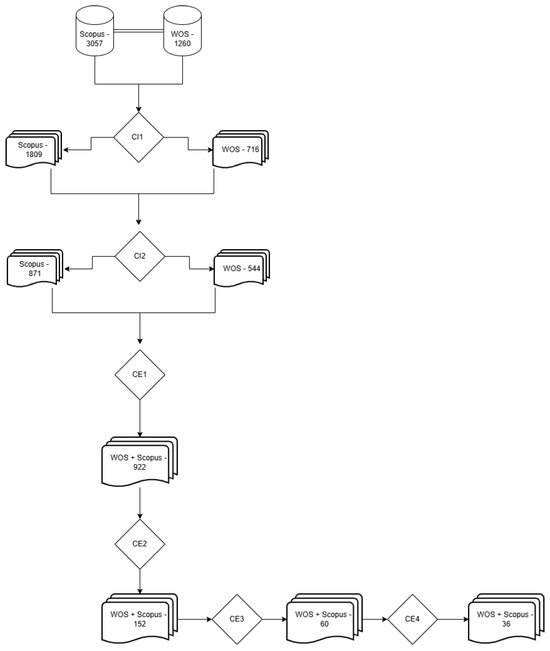
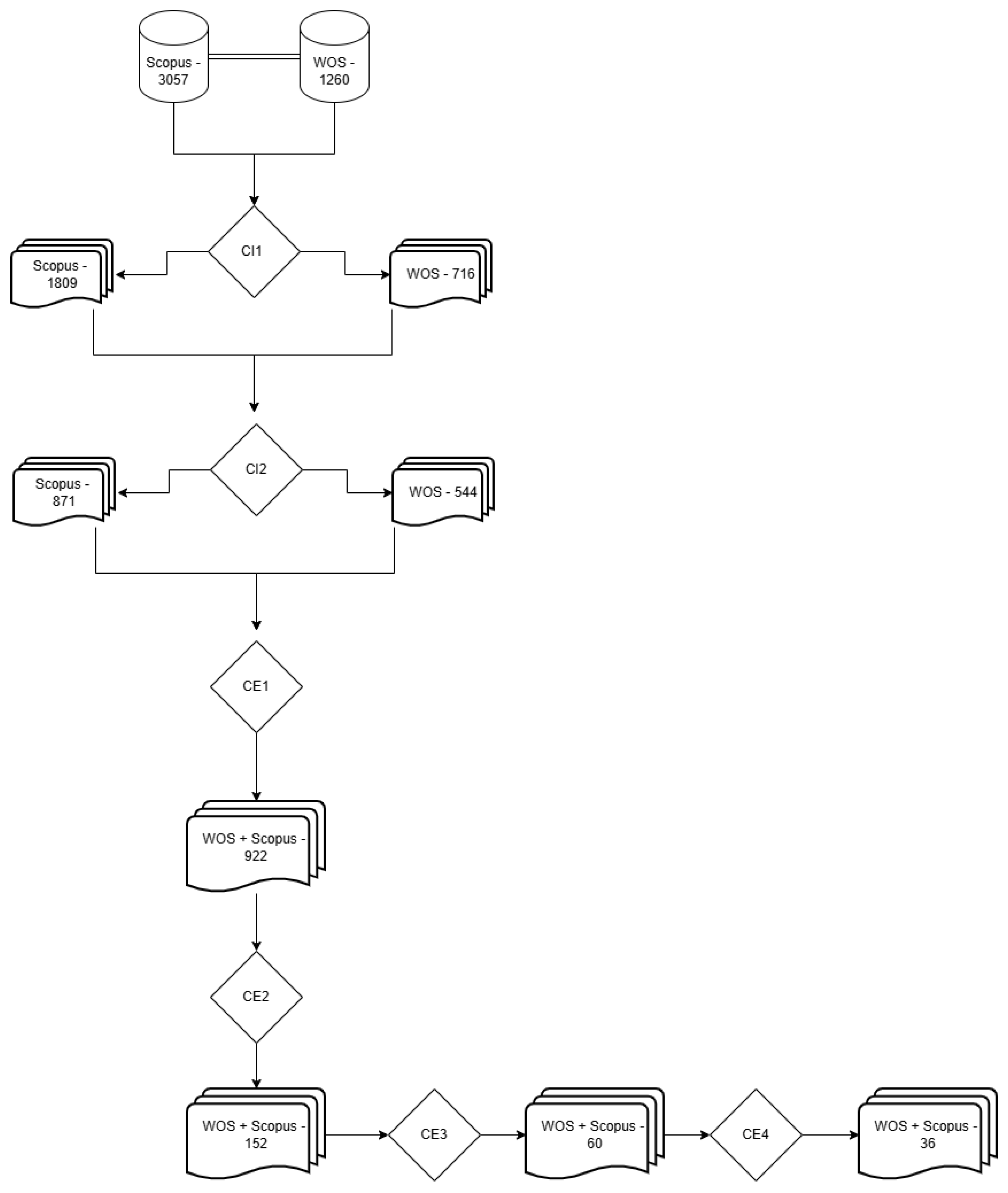
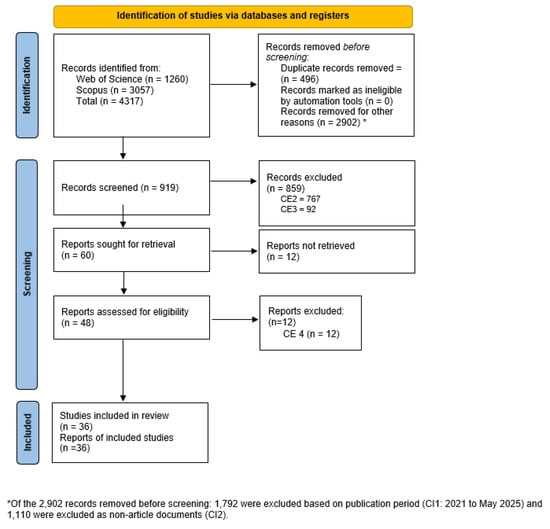
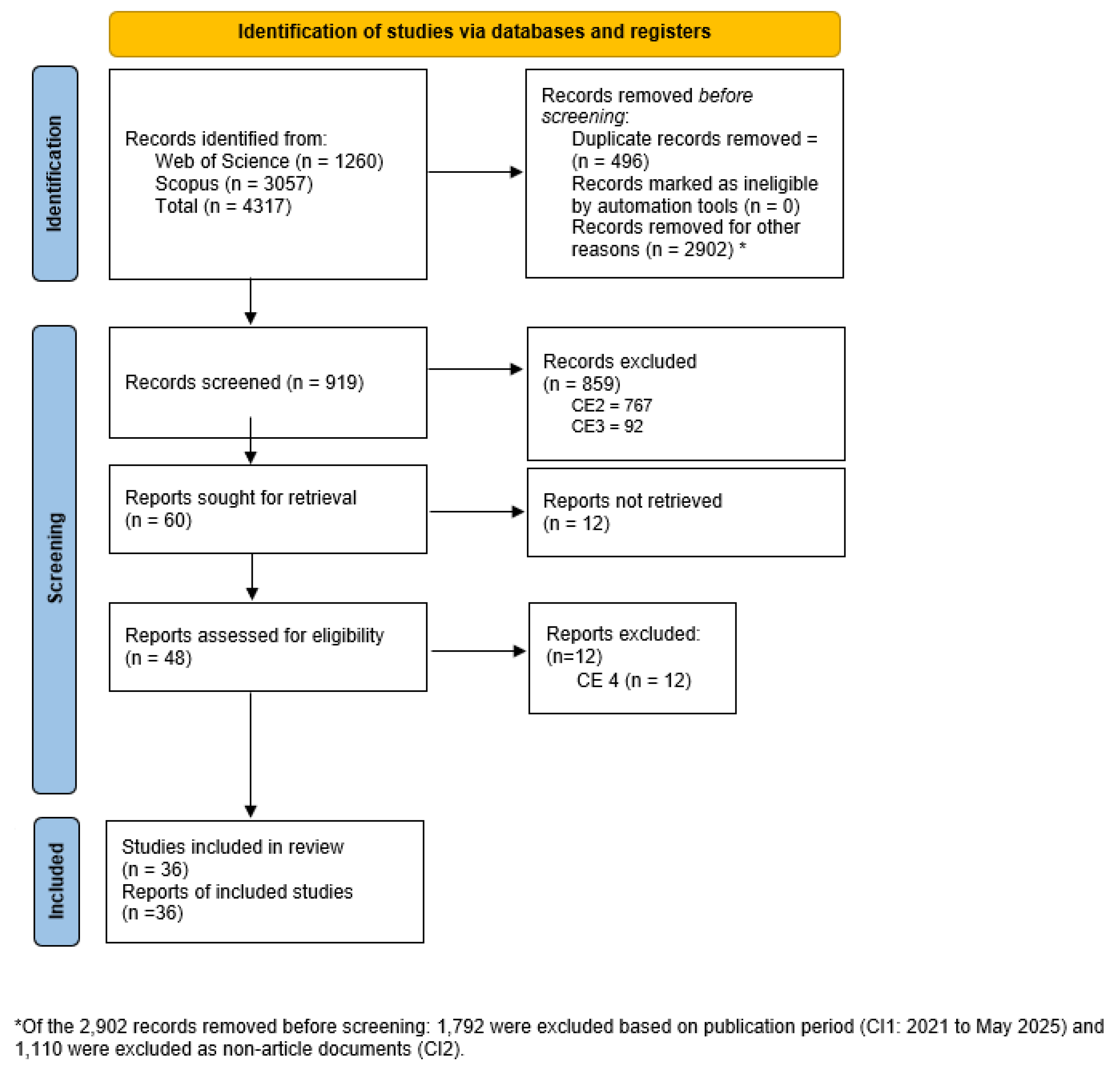
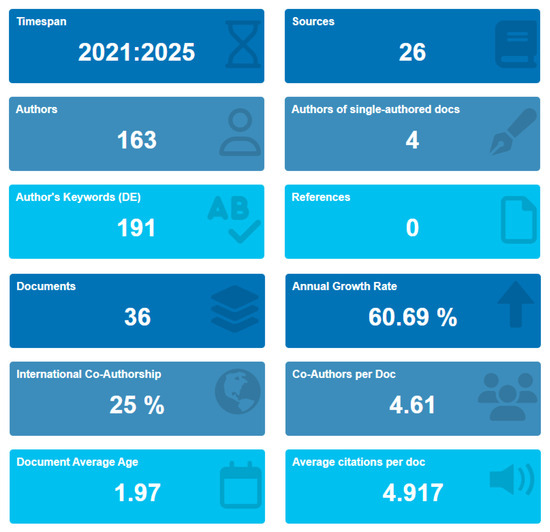
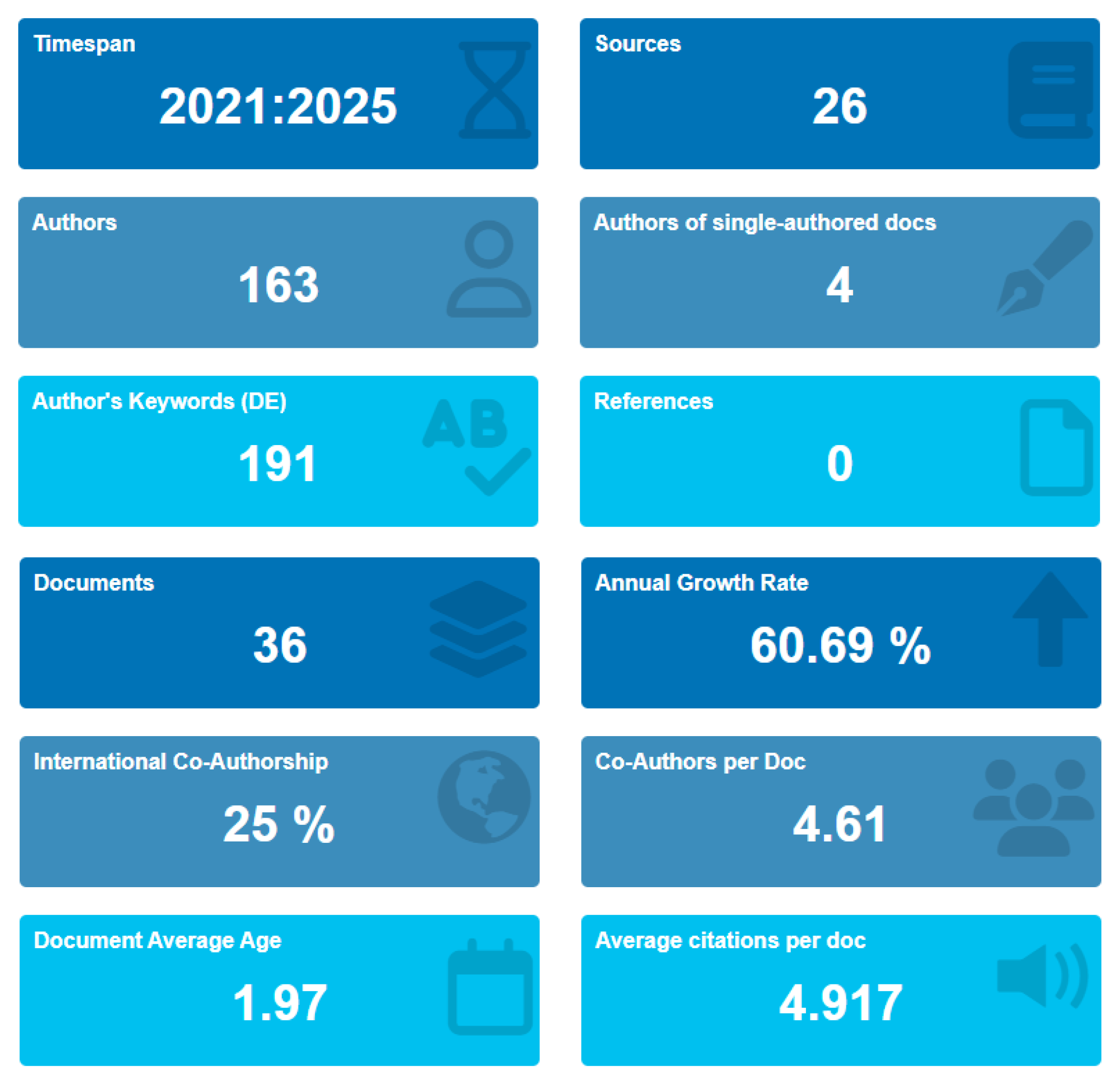
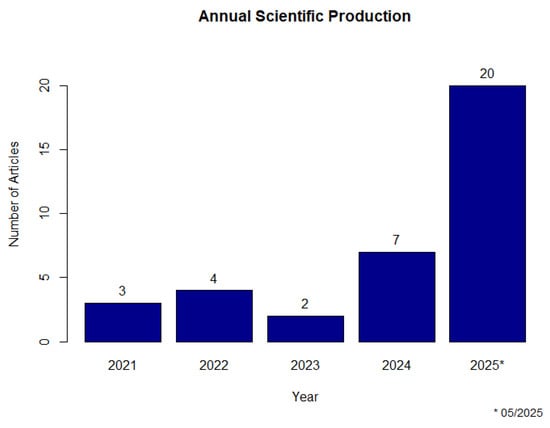
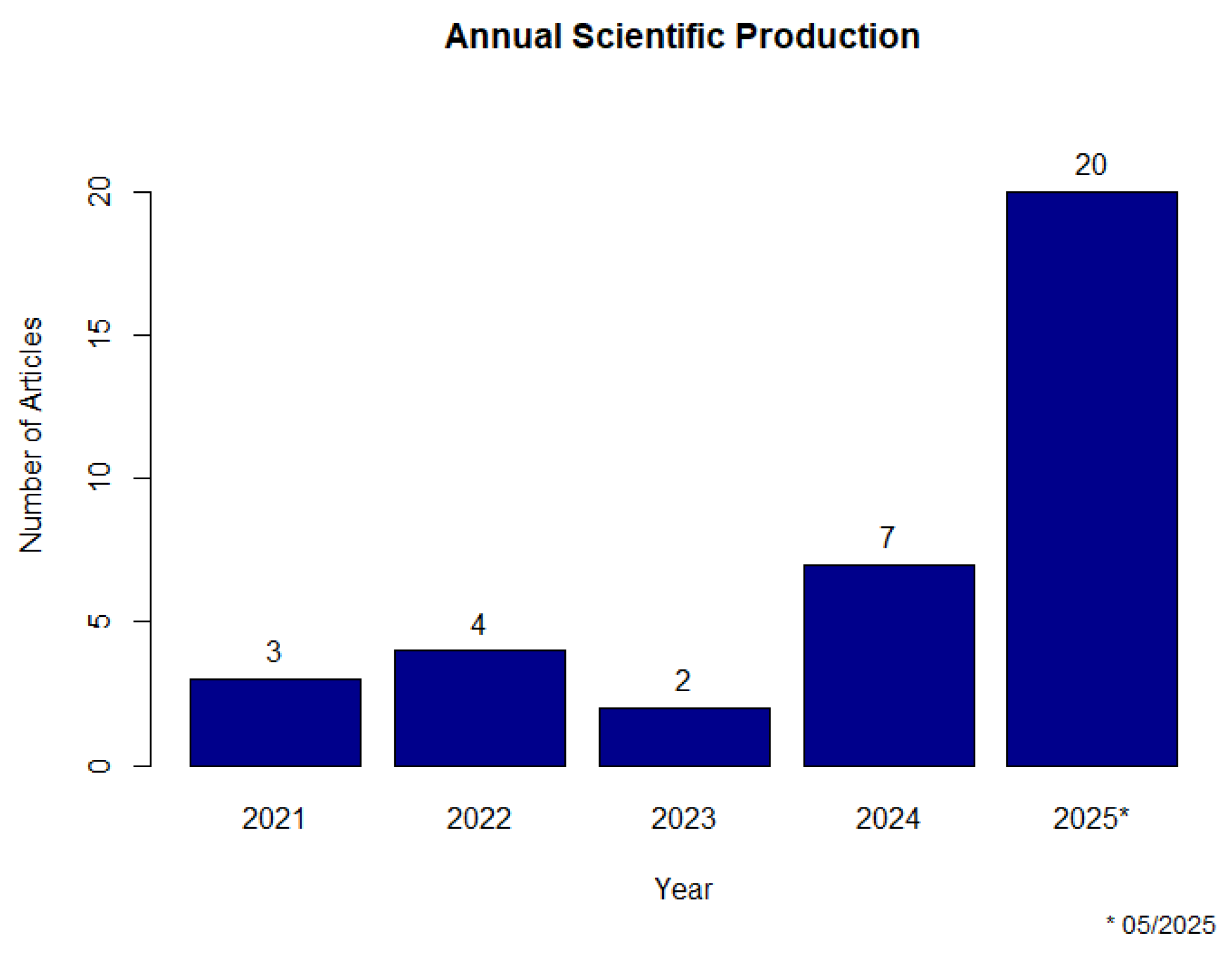
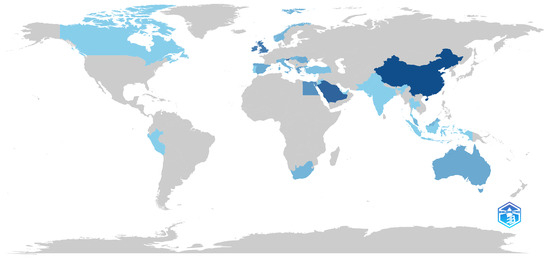
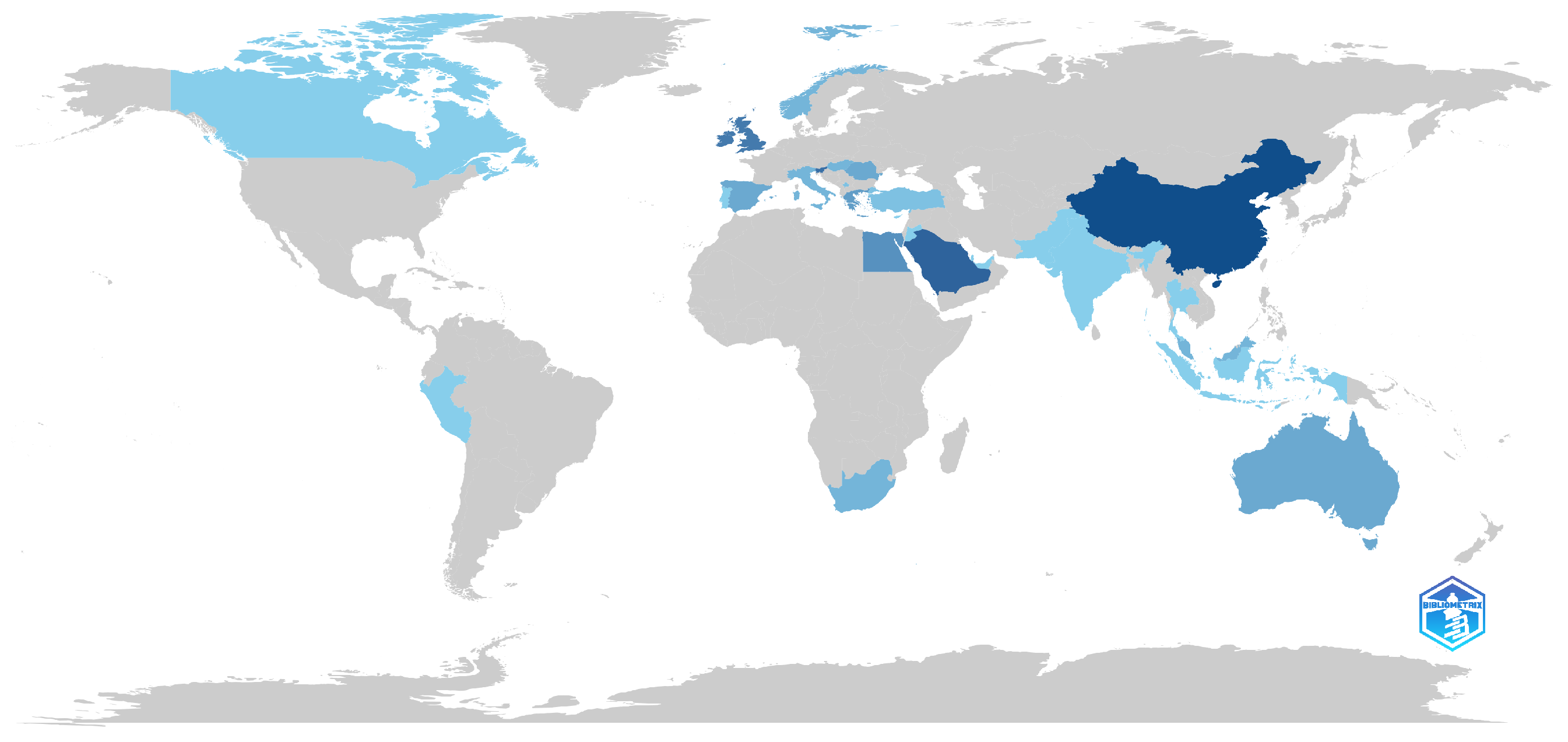
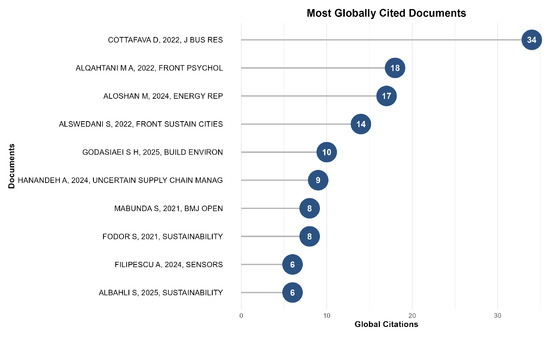
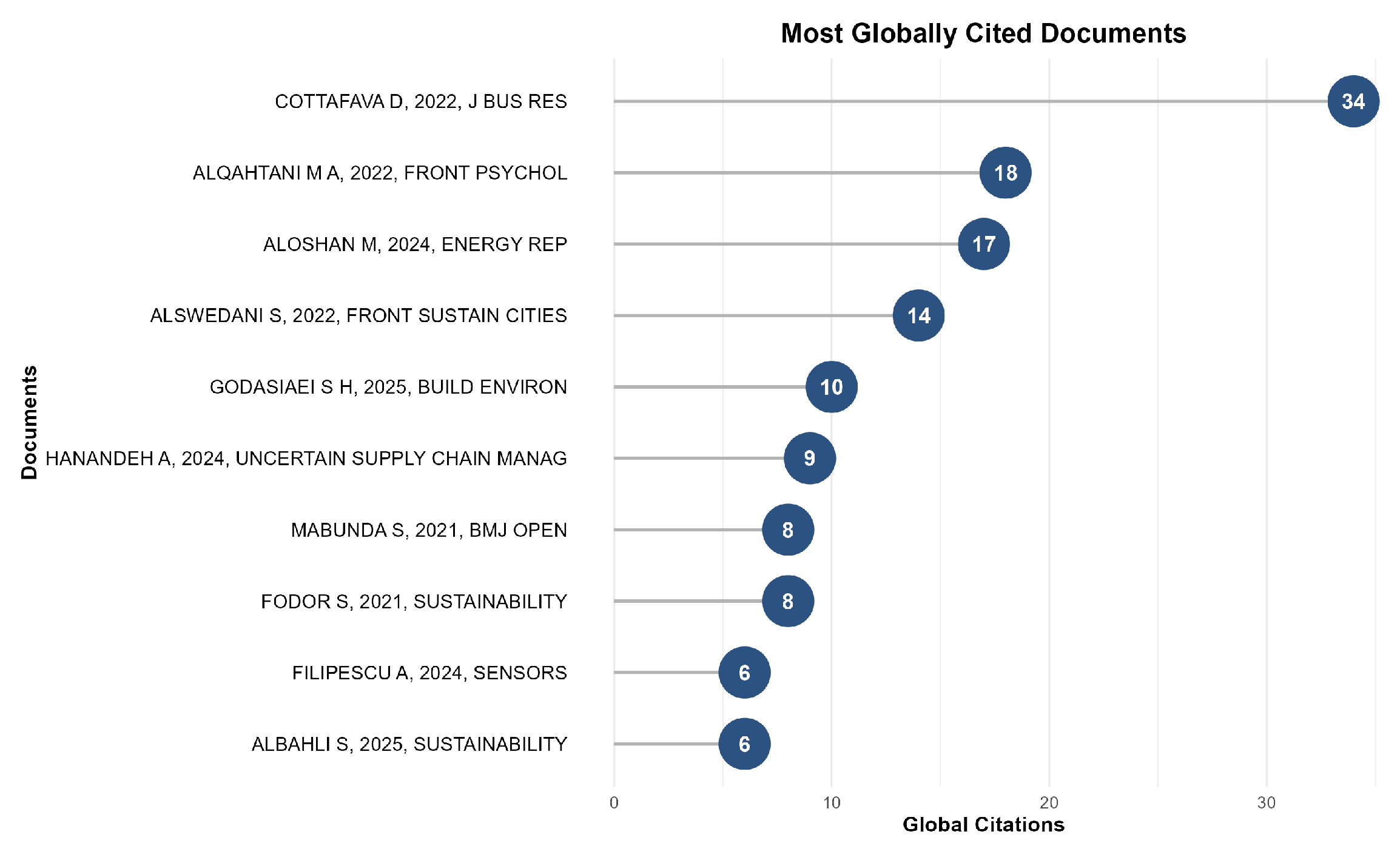
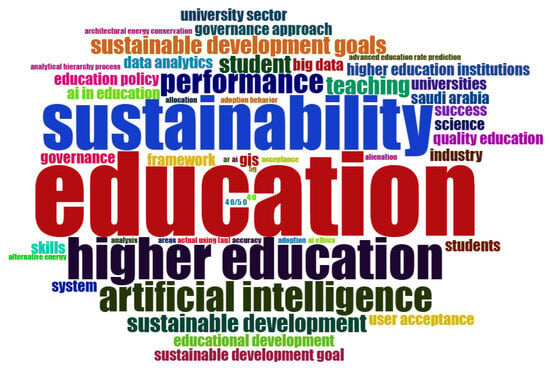
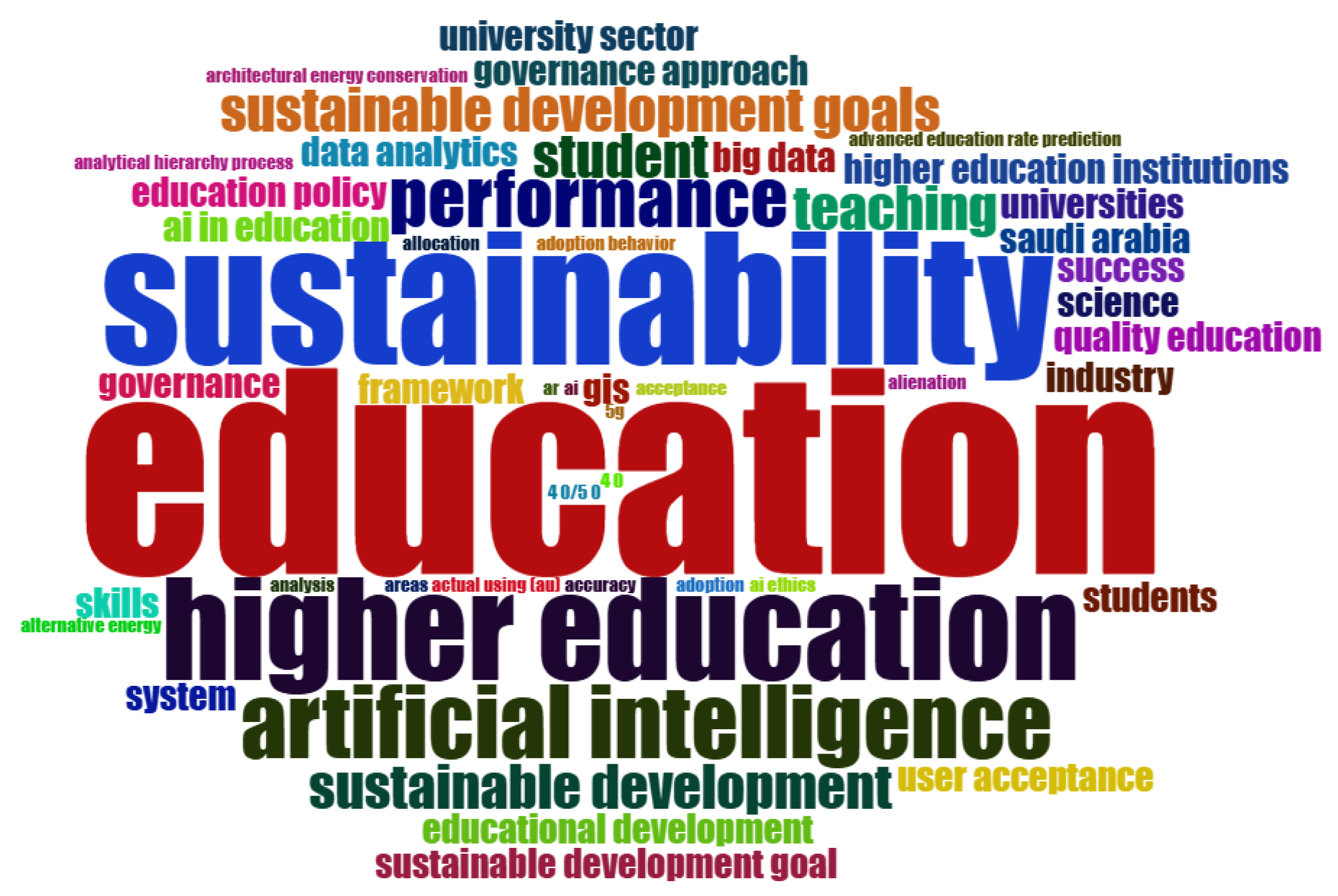
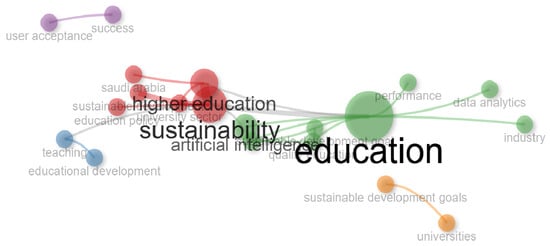
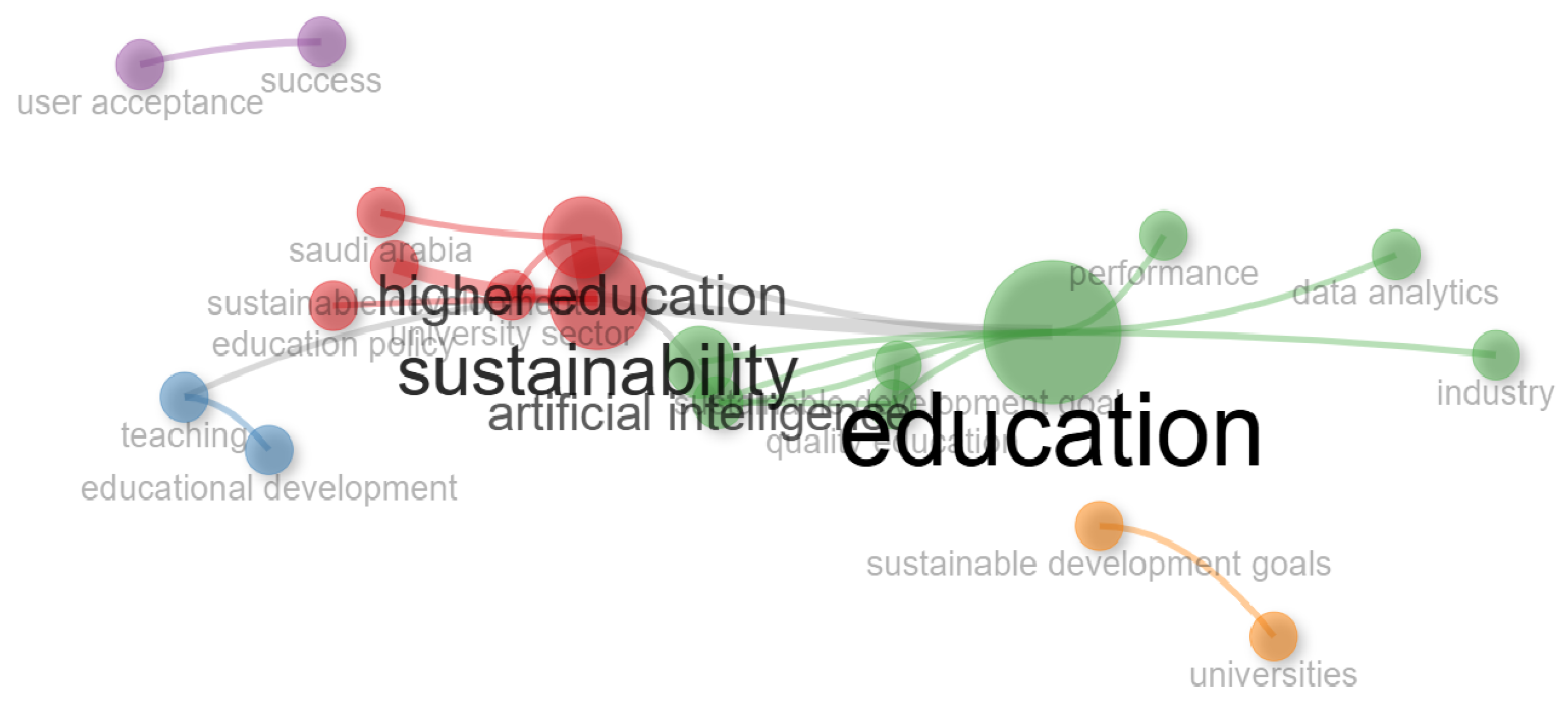

Disclaimer/Publisher’s Note: The statements, opinions and data contained in all publications are solely those of the individual author(s) and contributor(s) and not of MDPI and/or the editor(s). MDPI and/or the editor(s) disclaim responsibility for any injury to people or property resulting from any ideas, methods, instructions or products referred to in the content. |
© 2026 by the authors. Licensee MDPI, Basel, Switzerland. This article is an open access article distributed under the terms and conditions of the Creative Commons Attribution (CC BY) license.