Article

Dream or Opportunity? Urban–Rural Migration and Rural Tourism Entrepreneurship Through the Lens of Istanbul’s Tourism Workforce


by
Sultan Nazmiye Kılıç
Department of Tourism Management, Tourism Faculty, Balıkesir University, Balıkesir 10145, Türkiye
Sustainability 2026, 18(4), 1873; https://doi.org/10.3390/su18041873
Submission received: 24 December 2025 / Revised: 1 February 2026 / Accepted: 9 February 2026 / Published: 12 February 2026

Abstract

The rising challenges of urban life have led to a surge in migration from cities to rural areas. This research aimed to investigate the potential for migration to rural areas and for rural tourism entrepreneurship among individuals working in Istanbul’s tourism sector, one of Türkiye’s major cities. Using a qualitative approach, data were gathered from 105 participants through a semi-structured questionnaire. In addition, thematic analysis examined how push–pull–mooring factors, entrepreneurial ecosystem, entrepreneurial capital, perceived opportunities, and barriers influenced participants’ decisions regarding urban-to-rural migration and rural tourism entrepreneurship. The findings indicate that motivations were mainly driven by opportunity- and lifestyle-focused perspectives rather than necessity. The study highlights urban identity as an anchor and offers a valuable theoretical contribution that sets this research apart from purely economic analyses. As a result, tourism professionals with entrepreneurial capital (human, cultural, economic, social, and symbolic) present a significant opportunity for rural revitalization and tourism development in the areas to which they relocate.

1. Introduction

Policymakers and researchers take the role of entrepreneurship in economic development seriously [1]. In addition to entrepreneurship, migration is a powerful driver of regional economic change, not only by boosting the workforce but also by encouraging entrepreneurship [2]. Given the current importance of the topic, the number of studies examining urban–rural migration has increased in recent years [3]. Prominent concepts include urban–rural migration, reverse migration, return migration, and lifestyle migration. Additionally, the idea of counterurbanization has been employed [3,4]. Some studies address migration and entrepreneurship together, focusing on the revitalization of rural areas [4,5]. In addition, studies support revitalizing rural areas and focus on urban–rural migration. For example, Wu et al. [6] examined reverse migration, integration, and tourism entrepreneurship. Santos [7] addressed the challenges of return migration and rural tourism development. Roy [8] examined migrant entrepreneurship. Return entrepreneurship has been extensively discussed in the literature [5,9,10,11]. Since entrepreneurship processes may also differ due to these conceptual differences, R. Galvão et al. [9] compared entrepreneurship motivations, challenges, and support sources across migrant types (migrants vs. returnees). Studies examining tourism entrepreneurship within the context of urban–rural migration are limited, focusing primarily on international migration [7,9]. Therefore, this study addresses rural tourism entrepreneurship, urban–rural migration, and internal migration. The pull–push–mooring model [1,12], entrepreneurial capital [13], and the entrepreneurial ecosystem [14,15] are used to understand urban–rural migration and tourism entrepreneurship. Human, cultural, economic, social, and symbolic capitals are used in understanding urban–rural migration and rural entrepreneurship [5,7]. Xiong et al. [16] considered Bourdieu’s concepts of economic, social, and cultural capital in their examinations of reverse migration and entrepreneurship. Also, R. Galvão et al. [9] considered social capital and migrant entrepreneurship together. Wang et al. [17] used the concept of the entrepreneurial ecosystem. The Pull–Push–Mooring model [1,12], developed initially from Lee’s [15] push–pull model, is valuable because it suggests that factors can influence migration decisions at both the migrant’s place of origin and destination, and that mooring factors complicate the process. While some studies link migration to rural revitalization [5,6] or examine the challenges of return migration [7], research that combines these elements remains fragmented. Specifically, studies of tourism entrepreneurship within the context of migration are limited and predominantly focus on international migration rather than domestic migration [7,9]. This study bridges that gap by integrating theories from the Pull–Push–Mooring model [1,12], the entrepreneurial ecosystem [14,15], and entrepreneurial capital [13] to explain the conditions that support or hinder urban–rural migration and rural tourism entrepreneurship.
Entrepreneurial potential of migrants is critical across various industries, particularly in service sectors such as accommodation, food and beverage, and transportation [18]. Entrepreneurship, migration, and the service sector are crucial to revitalizing underdeveloped regions by creating employment and entrepreneurial opportunities. As migration increases, rural tourism becomes a key development strategy for rural areas far from urban centers [19]. The increasing global interest and need for nature, the development of sustainable travel awareness, and government support are revitalizing the rural economy, and the international rural tourism industry is expected to reach $67.8 billion by 2035 [20]. Improvements for rural tourism support rural development [21]. Rural tourism supports the Sustainable Development Goals in terms of its benefits, such as increasing employment, preventing excessive migration from cities, and reducing poverty in rural areas [22]. In addition, the use and restoration of historical rural buildings for tourism can support rural tourism and sustainability while also helping reduce rural–urban migration. Cultural and natural heritage is preserved, and there are positive economic and social impacts [21].
Additionally, it can be a helpful tool for reducing the density of crowded cities. Rural-to-urban migration has been a significant phenomenon in Türkiye for many years. According to the Turkish Statistical Institute [23], significant internal migration patterns are being observed in Türkiye. A total of 2,682,673 people migrated between provinces in 2024, and Istanbul received the most migrants, with 395,485 [23]. To reduce population density in Istanbul, efforts have been made to promote urban-to-rural migration over time. Current policies and practices are being implemented to support rural migration. The importance of rural–urban migration is emphasized in Türkiye’s 12th Development Plan (2024–2028) [24]. Since Istanbul is one of the most prominent cities in Türkiye for urban–rural migration [25], this research aims to understand the views of individuals working in Istanbul’s tourism sector on migration to rural areas and on entrepreneurship in rural tourism. In reverse migration entrepreneurship, an individual’s familiarity with the industry influences entrepreneurial decisions and business success [26], so the focus was on individuals working in the tourism sector. The research questions that provide an understanding of the subject are as follows:
RQ1: What kind of experience does living in Istanbul offer individuals, and how does this experience influence their perception of migrating to rural areas?
RQ2: How do people perceive rural life? What are their expectations and prejudices about living in rural areas?
RQ3: What are the individual interests, tendencies, and potential business ideas for establishing a tourism enterprise in rural areas?
RQ4: What opportunities and challenges exist for rural tourism entrepreneurs, and what types of support do they need?
RQ5: What level of knowledge, skills, resources, and support do individuals possess or need to establish rural tourism enterprises?
The study employed a qualitative method, and data were collected using semi-structured forms. The data were analyzed thematically, examining in depth the push–pull–mooring factors, entrepreneurial ecosystem, capital, perceived opportunities, and entrepreneurial barriers that influence individuals’ decisions regarding urban and rural areas. This research offers a current perspective on the literature by addressing rural tourism entrepreneurship, urban–rural migration, and internal migration. While previous studies have examined international migration and macro-level rural development, there is limited research on domestic reverse migration and its links to rural tourism entrepreneurship—particularly within Türkiye. Given Istanbul’s central role in internal migration and its large tourism workforce, this study focuses on individuals working in Istanbul’s tourism sector. It examines their perspectives on rural migration and entrepreneurship, focusing on the factors that influence their decisions.
The research flow is as follows: first, Section 2 examines factors related to migration motivation, types of entrepreneurial capital, and elements influencing the entrepreneurship process. Then, Section 3 and Section 4 are presented around these concepts. The research findings are discussed in relation to the existing literature, and recommendations are provided.

2. Theoretical Lens and Literature Review

This part of the study reviews the theoretical approaches examined and the current literature on the topic.

2.1. Urban–Rural Mobility and Rural Development

Many rural areas in developing countries have experienced labor loss due to external migration. However, this trend is now reversing [19]. Since the 1980s, urban–rural migration has emerged as a significant demographic trend in Mediterranean countries [27]. Given the topic’s currency and importance, the number of studies examining urban–rural migration has increased in recent years [3]. Some concepts became prominent, such as urban–rural migration, reverse migration, return migration, and lifestyle migration. Additionally, the idea of counterurbanization has been employed in studies [3,4]. “Reverse migration” or “counterurbanization” has become a strategic alternative to address rural depopulation [27]. In this context, migration acts as a tool for rural development and revitalization [28]. Migrants returning to rural areas present an opportunity to reach development goals [16]. To promote rural revitalization and counterurbanization, countries have implemented various incentive programs. In Japan, for example, to encourage immigration to rural areas, the government provided newcomers with up to three years of salary and housing support to ensure their participation in community-focused entrepreneurial activities [29]. In Türkiye, Development Agencies, Municipalities, Governorships, and projects such as IPARD (Instrument for Pre-Accession Assistance for Rural Development) support the development of rural tourism. Multiple government support programs have been announced at various times. Since one consequence of rural–urban migration is the inefficient use of rural land, some development plans are underway to regulate the leasing of these unused pastures. Objectives include providing on-site employment for forest villagers, preventing out-migration in rural areas, and creating job opportunities to encourage reverse migration [24].

2.2. Urban–Rural Migrants as a Potential for Rural Tourism Entrepreneurship

According to the Global Entrepreneurship Monitor, entrepreneurship is defined as “Any attempt at new business or new venture creation, such as self-employment, a new business organization, or the expansion of an existing business, by an individual, a team of individuals, or an established business.” [30] (p. 3). Rural tourism entrepreneurs are individuals who create value for tourists in rural areas and are willing to take risks [31]. Tourism is an essential tool for rural development and employment creation. According to data from the Turkish Statistical Institute [32], the number of people directly employed in the tourism sector in Türkiye was 998,000 in 2023. The products included in these tourism statistics are accommodation, food and beverage, passenger transportation, car rental, travel agencies and reservation services, cultural services, as well as sports and entertainment services. The share of employment in the tourism sector in Türkiye’s total employment was 3.2%. [32]. Utilizing tourism’s contribution to job creation in rural areas can create opportunities for urban–rural migration and support rural development. Rural tourism entrepreneurship can support rural development and job creation [31].
Migrants return with financial, social, cultural, and human capital, enabling them to get employed or start their own businesses [33]. Establishing a more supportive and welcoming entrepreneurial environment for qualified and highly skilled returning migrants presents an opportunity to enhance the country’s economic and innovative capacity [34]. However, the transformation of rural areas using these opportunities depends on various factors. According to the research by Xiong et al. [16], rural change occurs through the interaction of factors such as individual abilities, regional characteristics, and place-specific social connections. Zweig et al. [34] conducted a study on return migration in two different countries—China and India. The study highlights that both countries acknowledge the positive impact of return migration on their national economies. Surveys of returning entrepreneurs revealed notable differences between the two nations, particularly in their willingness to collaborate with local governments and perceptions of government institutions [34]. In addition, with support from the National Tourism Administration in China, migration for rural tourism development has increased [16]. Even with incentives, individuals’ ability to secure employment in their intended destination is an essential factor in their decision-making. Therefore, policies that promote rural employment development increase the attractiveness of rural areas [25].
Some research examines migration and entrepreneurship in tandem, focusing on the revitalization of rural areas [4,5]. However, tourism development driven by migration to rural areas remains under-researched [7]. Paniagua has conducted influential studies on urban–rural migration and tourism entrepreneurship [4], as well as on Xiong et al. [16] and Santos [7]. Wu et al. [6] examined reverse migration, integration, and tourism entrepreneurship. Santos [7] addressed the challenges of return migration and rural tourism development. In their research on urban–rural migration and tourism entrepreneurship, Xiong et al. [16] divided participants into three groups: returnee entrepreneurs, lifestyle entrepreneurs, and marriage migrant entrepreneurs. Xiong et al. [16] stated that tourism entrepreneurs who migrate to rural areas, whom they describe as the “creative class,” contribute to innovation and sustainable competitive advantage. Chen et al. [3] conducted a study in China examining rural tourism professionals within the context of urban–rural mobility and stated that these individuals are both consumers and producers. Accordingly, production and consumption have become intertwined, and the rural–urban distinction has blurred. Furthermore, these individuals, often referred to as the creative class, have brought the city’s comforts and infrastructure with them, creating a “post-productivist rurality.” In China, migration to develop rural tourism has been observed, driven by policy incentives from the National Tourism Administration. However, it has become clear that migrants’ mobility is not one-way; it is continuous and cyclical, moving between urban and rural areas. This situation has shown that distinctions like urban/rural, production/consumption, and migration/tourism are beginning to break down [16].
Various factors influence entrepreneurs’ decisions to migrate back to rural areas. According to a study by R. Galvão et al. [9], the motivations of these people include difficulties finding a job, evaluating opportunities based on experience, and starting their own business. According to Turkkan’s [35] research, entrepreneurs choose coastal locations that offer easy access to major cities. The region’s agricultural suitability and capital factors, such as land ownership and family connections, influence their decisions. However, the social and political harmony between the individual and the destination is the ultimate determinant [35]. Chen et al. [3] found that individuals who engage in urban–rural mobility and are interested in rural tourism prefer villages located 3 h from urban centers. In Paniagua’s [4] study of urban–rural migration and tourism entrepreneurship, it was found that both economic characteristics and lifestyle preferences play crucial roles in individuals’ decision-making processes. These individuals seek to achieve their life goals and value rural life. According to Farrell et al. [33], individuals’ perceptions of rural areas can influence their decisions to return to them. In this regard, a lack of support in terms of advice and guidance, local conditions, and opportunities can affect individuals’ decisions to start their own business [33]. As for Santos [7], the profile of migrants, particularly those aged 29–39 who own a home in their country of origin and intend to invest in or work in the tourism sector, is of key importance to rural tourism entrepreneurship.
The success of entrepreneurs involved in urban–rural mobility depends on several factors. In reverse migration, their financial resources, ownership of agricultural land, industry knowledge, education, entrepreneurial experience, and business connections give them social, economic, and cultural capital, along with a competitive advantage [26]. The social integration of reverse migrant entrepreneurs in their new locations is also crucial to their success [6]. According to Utami et al. [36], creating a successful and sustainable tourism village through rural tourism requires a three-dimensional approach: economic, social, and environmental. These fundamental factors include the following sub-factors: revenue management, business development, economic growth, collaboration, partnership, innovation, creativity, environmental awareness, resource management, and visitor management [36]. A study by Ma et al. [37] demonstrates that psychological capital—specifically risk-taking, innovation, self-confidence, and optimism—significantly influences the performance of migrant entrepreneurs. Furthermore, Cao and Liang’s [5] research suggests that the internet enhances the entrepreneurial potential of migrants returning to rural areas by strengthening their social, human, and financial capital.
According to the research by Torkington et al. [19], challenges in rural migration entrepreneurship can occur at the micro-, meso-, and macro-levels. The most common issues encountered in rural migration initiatives include bureaucratic hurdles, legal complications, unclear procedural information, and a lack of specialized support. Torkington et al. [19] highlight the importance of collaboration and communication among stakeholders to promote sustainable tourism development. These challenges are often associated with the inherent difficulties of rural-area tourism. For instance, obstacles can arise at the institutional level, the demand level, from entrepreneurs themselves, and from the overall entrepreneurial climate [31].
Qualitative approaches are frequently used, and in-depth interviews are conducted in studies addressing migration, rural tourism, and entrepreneurship [6,9,19]. Although rural tourism entrepreneurship has been studied intensively in European countries [33], studies on migration, rural tourism, and entrepreneurship have been conducted in countries such as China [5,6,16,37], Portugal [7,9,19], and Spain [4,38]. There are various conceptual approaches to return migration, which can involve different forms of capital transfer across economic, social, cultural, and political fields [33]. Themes such as the creative class [16], lifestyle migration [19], the integration of migrant entrepreneurs [6,38], and rural gentrification [27,39] have recently been at the forefront. Rural migration has sparked new debates over issues such as the spread of urbanization and land sharing [27]. Álvarez-Montoya and Ruiz-Ballesteros [38], approaching the issue from a “rural crisis” perspective, examined a region in Spain and addressed the social integration crisis between newcomers and residents. Turkkan [26] and Xiong et al. [16] examined reverse migration and entrepreneurship using Bourdieu’s concepts of economic, social, and cultural capital [13]. Studies examining tourism entrepreneurship within the context of urban–rural migration are pretty limited, focusing primarily on international migration [7,9]. Therefore, this research addresses rural tourism entrepreneurship, urban–rural migration, and internal migration.

2.3. Urban–Rural Migration and Rural Entrepreneurship in the Context of Türkiye

The global trend towards simpler and more sustainable living has also affected Türkiye [40]. According to Sahin [40], decisions regarding urban–rural migration in Türkiye are not only individual but also have local and global dimensions. For example, the COVID-19 pandemic has influenced trends in urban–rural migration [41]. Inflationary pressures in major cities like Istanbul, along with challenges in rent, food, and transportation, have prompted people to move to rural areas [42]. With deteriorating living conditions, for the first time in 2015, the number of people leaving Istanbul exceeded the number arriving [43]. As Öztürk et al. [44] note, nowadays in Türkiye, urban–rural mobility sometimes means being in two places at once. Although the rural population is decreasing, the number of farms remains stable. Individuals combine the income they earn in the city with their agricultural income in the village. This “multi-location living” can alter the look of rural areas, giving them meanings like a place of rest, an area for extra income, a retirement dream, or a “refuge.” [44]. The more job security individuals have, the less inclined they are to migrate from rural to urban areas [42]. In his study, Sahin [40] examined individuals involved in urban–rural migration in Türkiye and found that they participate in leading meaningful lives. In addition, job insecurity in urban life, the difficulties of city life, a sense of being trapped, socio-cultural polarization, and global crises constitute urban push factors. Those who cannot go abroad prefer to migrate to rural areas as an alternative [40]. Penbecioglu [43] examined lifestyle migration from Istanbul to Muğla and found that one factor driving migration to rural areas is that urban life accommodates socially dissimilar lifestyles.
The influence of social media is also evident in the creation of the rural idyll image of rural areas [40]. Promoting municipalities’ social activities through social media positively influences individuals’ migration to rural areas. Social media tools maintain bonds between individuals and their hometowns and create the impression that rural life is improving. Promoting social municipal activities reduces individuals’ concerns about social security [42].
According to Penbecioglu [43], individuals must have economic capital in order for urban–rural migration to occur. Individuals participating in urban–rural mobility do not completely abandon their working lives and work remotely [43]. Aydoğan and Günay [45] examined urban–rural migration in Türkiye, focusing on the migration from Istanbul to Urla, within a capital framework. They determined that migrants reshaped the entrepreneurial ecosystems of their new destinations by utilizing their economic, cultural, and social capital [45].
Technological development and the need for employment arising in developing rural areas support urban–rural migration [42]. The use of internet technologies in rural enterprises contributes to business sustainability, the protection of local resources, and access to a broader market [46]. Changing consumer trends present opportunities for products to be delivered online to consumers in rural areas [46]. However, in rural tourism, since customers need to visit rural areas, transportation infrastructure is as important as internet infrastructure.
However, with the concentration of urban–rural migration in certain regions of Türkiye, such as the Aegean and Mediterranean, rural areas that are becoming crowded and whose natural structures are beginning to be concreted over may become uninhabitable for those who live there, creating a paradox. Real estate prices may rise, and rural areas may become more like Istanbul. The process of cultural and material homogenization is defined as ‘Istanbulisation’ [43]. Preserving natural [47] and historical landscapes [21] is essential for the development of rural tourism. Kurnaz and Anıktar [21] state that individuals migrating from cities to rural areas in search of urban comforts may damage the unique structure and authenticity of rural areas and cause a loss of identity. Therefore, they emphasize the need to consult diverse stakeholders through a participatory approach. They have also offered a number of useful suggestions in their work: Creating different thematic tourism routes according to the characteristics of rural areas, converting historic rural buildings into venues that can support tourism, such as museums, workshops, and cafes, promoting and presenting elements of intangible cultural heritage as cultural attractions, establishing educational partnerships with universities, and providing infrastructure and accessibility may be beneficial [21]. Although rural–urban migration is a significant phenomenon in Türkiye, it has received relatively little attention in international publications. Therefore, there is an increased need for studies focusing on rural–urban migration in Türkiye [41] and tourism entrepreneurship.

2.4. Urban-to-Rural Migration and Tourism Entrepreneurship from Three Important Theoretical Lenses

The factors used to understand the relationship between rural tourism entrepreneurship and urban–rural migration are grounded in three key interrelated theoretical frameworks: the Push–Pull–Mooring (PPM) model, the Entrepreneurial Ecosystem framework, and Bourdieu’s Capital Theory.

2.4.1. The Push–Pull–Mooring (PPM) Model

Push–Pull–Mooring Factors were developed by Moon [12] to expand Lee’s Theory [48]. According to the Theory, there are “pull factors” that encourage individuals to migrate to a specific destination and “push factors” that urge them to leave their current location. However, mooring factors complicate the decision to migrate [1,12]. Relevant studies focus intensively on the pull and push factors of migration. Many factors drive individuals to leave their homelands and migrate to different cities [49]. Although people’s decision to migrate is complex, studies across contexts show that the main reason is economic [50]. Mohamed and Abdul-Talib examined push-pull factors together and categorized them as situational, economic, and psychological [49]. Some of the push factors are political conditions [51], discrimination [50,51], social exclusion, family debt, low wages, and unemployment [50]. In addition, pull factors include social value [13], better living standards, career development opportunities, and economic benefits [50,51], and personal development [50]. While economic challenges in urban centers act as “push” factors, policies incentivizing rural employment enhance the “pull” of rural regions. To reduce regional gaps, it is crucial to improve rural education, health, and socio-cultural infrastructure while also promoting local entrepreneurship to limit excessive urban growth [25]. Unemployment and financial struggles have recently become major push factors in urban areas [25]. In addition to economic reasons, people migrate to rural areas for non-economic reasons, such as lifestyle changes [7]. The Push–Pull–Mooring Model is valuable for this study because it suggests that factors can influence migration decisions in both the migrant’s place of origin and destination. Push–Pull Factors are also used to understand immigrant entrepreneurship [52].

2.4.2. The Entrepreneurship Ecosystem

Within the framework of the Entrepreneurship Ecosystem, Isenberg explains the foundations of the environment in which the venture operates and is nurtured (finance, human resources, policy, support, markets, and culture) [14,15]. Strengthening and sustaining the environment that supports startups within the entrepreneurial ecosystem is critical [53]. The Global Entrepreneurship Monitor has introduced a model that shows how entrepreneurial processes drive economic growth. As such, the social, cultural, and political environment affects entrepreneurship and a country’s financial state. Also, a country’s overall economic features influence entrepreneurial conditions. In the next stage, both the existence of opportunities and entrepreneurs’ perceptions of them, along with their capacity, bring business dynamics to life. These dynamics ultimately lead to economic growth [30]. The use of this framework, which is frequently considered in the formation of new ventures and the sustainability of existing ones, may be beneficial in this research.

2.4.3. Bourdieu’s Capital Theory

According to Bourdieu’s Capital Theory [13], capital is not merely money. It is accumulations in tangible or intangible form. Economic theory is limited in its ability to explain issues because it examines them solely from a monetary perspective. However, as Bourdieu argues, in addition to financial capital, there are other forms of capital, such as cultural and social capital, which contribute to an individual’s success [54]. In the various studies, Bourdieu’s theory of capital is used to understand tourism entrepreneurship [55,56]. From another perspective, migrants return with financial, social, cultural, and human capital, enabling them to get employed or start their own businesses [33]. For this reason, Bourdieu’s theory of capital was employed to discuss capital. Human capital, social capital, and financial capital are concepts used in understanding urban–rural migration and rural entrepreneurship [5,7]. Turkkan [26] and Xiong et al. [16] also considered Bourdieu’s [13] concepts of economic, social, and cultural capital in their examinations of reverse migration and entrepreneurship. R. Galvão et al. [9] considered social capital and migrant entrepreneurship together.

2.4.4. A Holistic Model for Urban-to-Rural Migration and Tourism Entrepreneurship

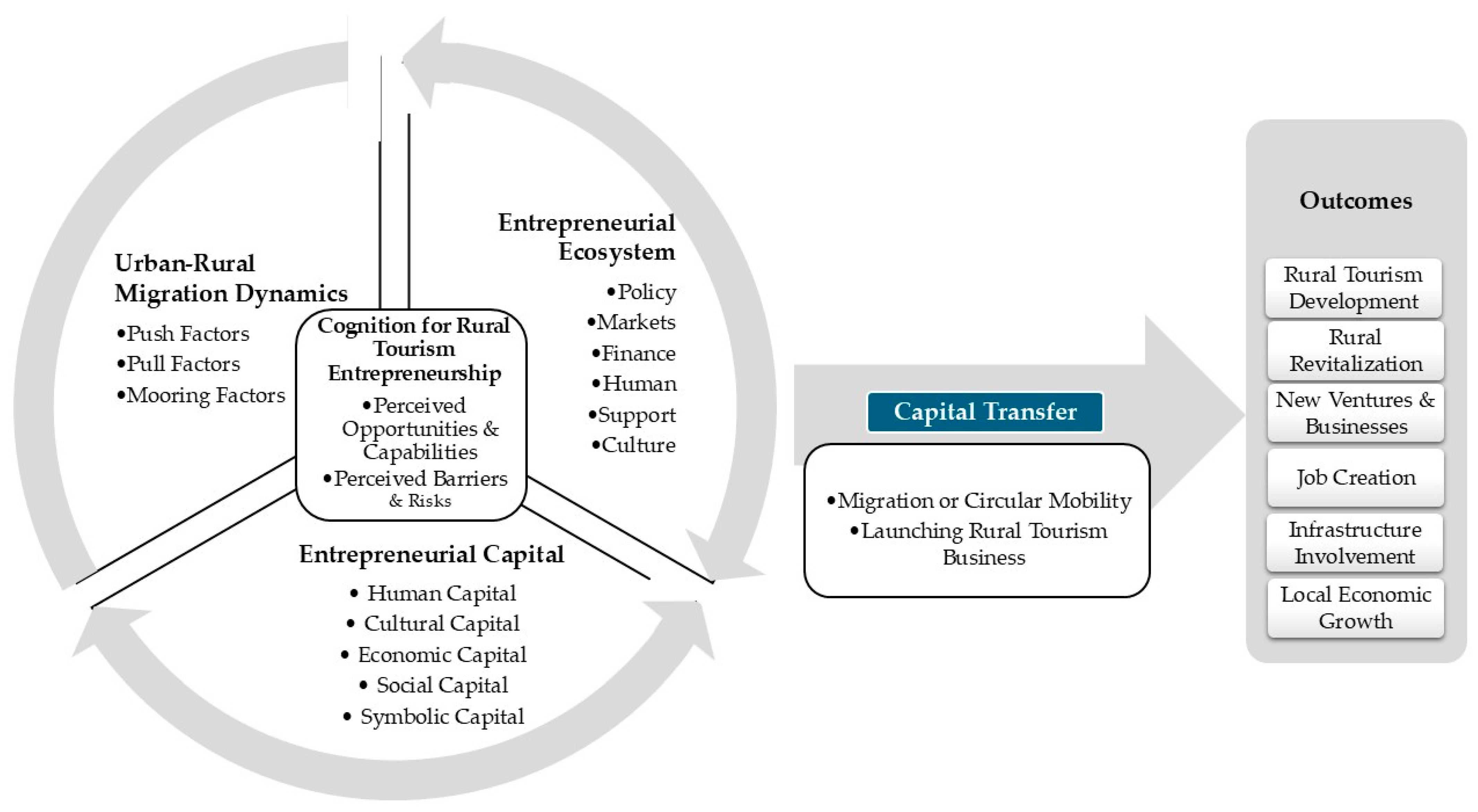
Figure 1 depicts a model of urban-to-rural migration and rural tourism entrepreneurship. The model demonstrates the evaluation of structural and personal factors affecting individuals’ decisions to engage in rural migration entrepreneurship, and the effects of the new businesses that result from this entrepreneurship on rural revitalization. Structural and personal conditions that influence individuals’ decisions can be viewed as opportunities or barriers in entrepreneurship and migration.
Some factors drive people away from city life (push factors), attract them to rural areas (pull factors), and either obstruct or support their choices (mooring factors) [12,48]. From an entrepreneurial perspective, these factors are closely linked to external and personal factors. This study will examine external factors within the entrepreneurial ecosystem and personal factors within the entrepreneurial capital.
The model in Figure 1 illustrates how individuals’ migration from urban to rural areas and their involvement in rural tourism entrepreneurship impact the revitalization of rural communities. As shown in the model, the main dynamics are push–pull–mooring factors [12,48], the entrepreneurial ecosystem [14,15], and entrepreneurial capital [13]. These elements support or hinder each other [45]. Ecosystem factors that sustain entrepreneurial activities [57], such as infrastructure and support, also encourage urban–rural migration [58]. The entrepreneurial ecosystem in rural areas also acts as a rural pull factor for urban–rural migration [41], or an ecosystem factor, such as government support, could be one of the mooring factors [1]. Success in rural tourism entrepreneurship depends on collaboration among ecosystem actors [36]. Capital accumulation that increases people’s entrepreneurial opportunities [59] also facilitates urban–rural migration. [43].
Individuals seize opportunities or challenges and use their capital as leverage [60]. Eventually, they support rural development through their capital transfer and entrepreneurial achievements [4,7]. A new form of urban-to-rural mobility is emerging among individuals who have migrated to rural areas and shuttle between cities and villages [3]. The ecosystem is reshaped over time by entrepreneurial capital [61]. Additionally, as a result of increased investment in rural tourism, the region’s entrepreneurial ecosystem will develop, becoming an attractive factor for new business investment and rural revitalization [62].

3. Materials and Methods

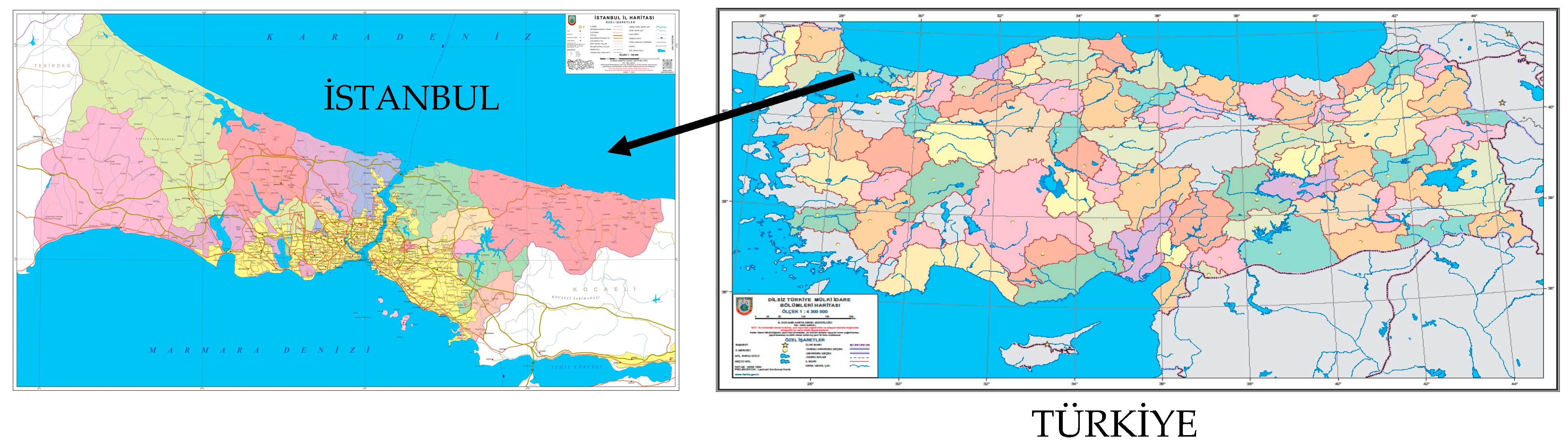
Istanbul is a city with the highest immigration rates in and out of the country [63]. As shown in Figure 2, the city is a major gateway between Europe and Asia and is home to three Bosphorus bridges. Its history spans 8500 years, and it has served as the capital of three empires: the Roman, Byzantine, and Ottoman. With a population of 15,462,452, it is Türkiye’s most populous city, covering an area of 5712 km2 with 738 hotels and 31,268 restaurants [64].
According to the Turkish Statistical Institute [23], the most significant migration movement occurs among individuals aged 20 to 24. Of the migrants in this age group, 41.9% were men and 58.1% were women. The most important reason for migration among individuals aged 20–24 was education. The primary reason for migration across all age groups was household dependency. There are several other reasons why people migrate, which include better housing and living conditions, improved access to education, more job opportunities, seeking employment, changes in marital status or family circumstances, reuniting with family or returning to one’s hometown, purchasing a house, health or care needs, retirement, and other factors [23].
This research focuses on urban–rural migration and rural tourism entrepreneurship. Its objective is to gain insight into the perspectives of individuals—whether employees, managers, or entrepreneurs—working in Istanbul’s tourism sector, a city notable for its migration dynamics.
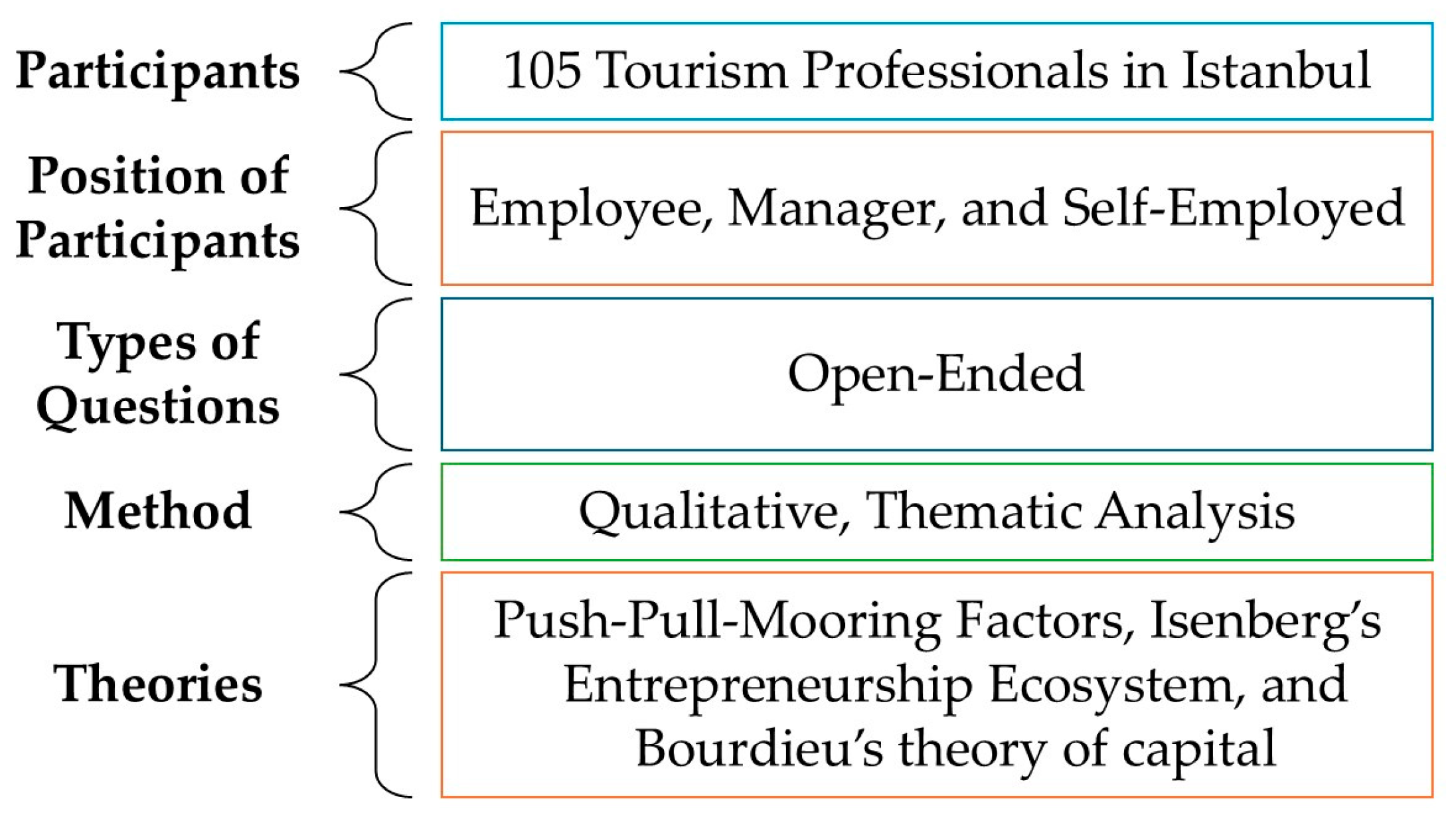
Individuals’ thoughts about entrepreneurship and migration may vary based on personal and contextual characteristics. Qualitative methods are considered a valuable approach in understanding phenomena such as the emergence and evolution of entrepreneurship [66]. Qualitative methods enable the identification of different opinions and the examination of less-studied factors [60] by helping identify unusual characteristics related to the subject and facilitating understanding of different cases [66]. In qualitative research, questions are not binding, which provides some flexibility [67] and helps to obtain longer and more detailed findings [68]. Case studies, one of the qualitative research designs, involve understanding contextual conditions and conducting an in-depth analysis of the situation [69]. In case studies, case descriptions are made, or case themes are presented [70]. Thematic analysis is used as an ideal method for understanding the underlying causes of social situations [71]. For this reason, a qualitative research method and a case study design were employed to explore participants’ views. As shown in Figure 3, the data were analyzed thematically, guided by key theoretical frameworks: the pull–push–mooring model [1,10], the entrepreneurial ecosystem [15,16], and Bourdieu’s entrepreneurial capital [19]. The researcher, who has studied tourism, entrepreneurship, and migration, developed the data collection tool based on the research questions, relevant literature, and feedback from field experts. Additionally, new questions were added as needed during the interviews. The research was ethically approved by the Social and Human Sciences Research Ethics Committee of Balikesir University with the decision taken at its meeting dated 22 July 2025, numbered 2025/07-02.
The research population includes tourism establishments operating in Istanbul. A random sampling method was used to select establishments of different sizes and segments, based on a framework created from current business lists provided by the Istanbul Provincial Directorate of Culture and Tourism. Managers and employees currently working in the tourism sector were invited to participate. Data were collected via LinkedIn. LinkedIn was searched and filtered to identify hotels and travel agencies in Istanbul. Then, volunteers were recruited by sending connection requests and direct messages to industry professionals. Participants received preliminary information about the study’s purpose and confidentiality policies, and those who agreed to participate were interviewed either online or in writing. Data obtained through semi-structured interview forms provided detailed personal narratives reflecting participants’ experiences, feelings, and thoughts. The interviews lasted approximately 25 to 40 min, and responses were documented in written notes. All data were collected with the participants’ consent and were analyzed anonymously.
Research data were collected between 22 August and 10 October 2025. Interviews continued until data saturation was achieved, reaching a total of 105 participants. Since data from the last five consecutive participants did not produce new information or contribute to the development of a new code, category, or theme, it was concluded that data saturation had been achieved. The interviews were coded and analyzed thematically using the MAXQDA 24 (Verbi GmbH, Berlin, Germany) qualitative analysis program, which offers systematic and structured data management [3,72]. (Supplementary Materials Table S1). To protect anonymity, participants’ names were not disclosed in the study. The final coding was conducted by two field experts by consensus [72]. Sample quotations are included in the Section 4 where relevant, and the codes are organized around central concepts [73]. Given that urban–rural migration encompasses various forms, including lifestyle, creative-class, return, and forced migration, participants needed to represent a diverse range of urban backgrounds.
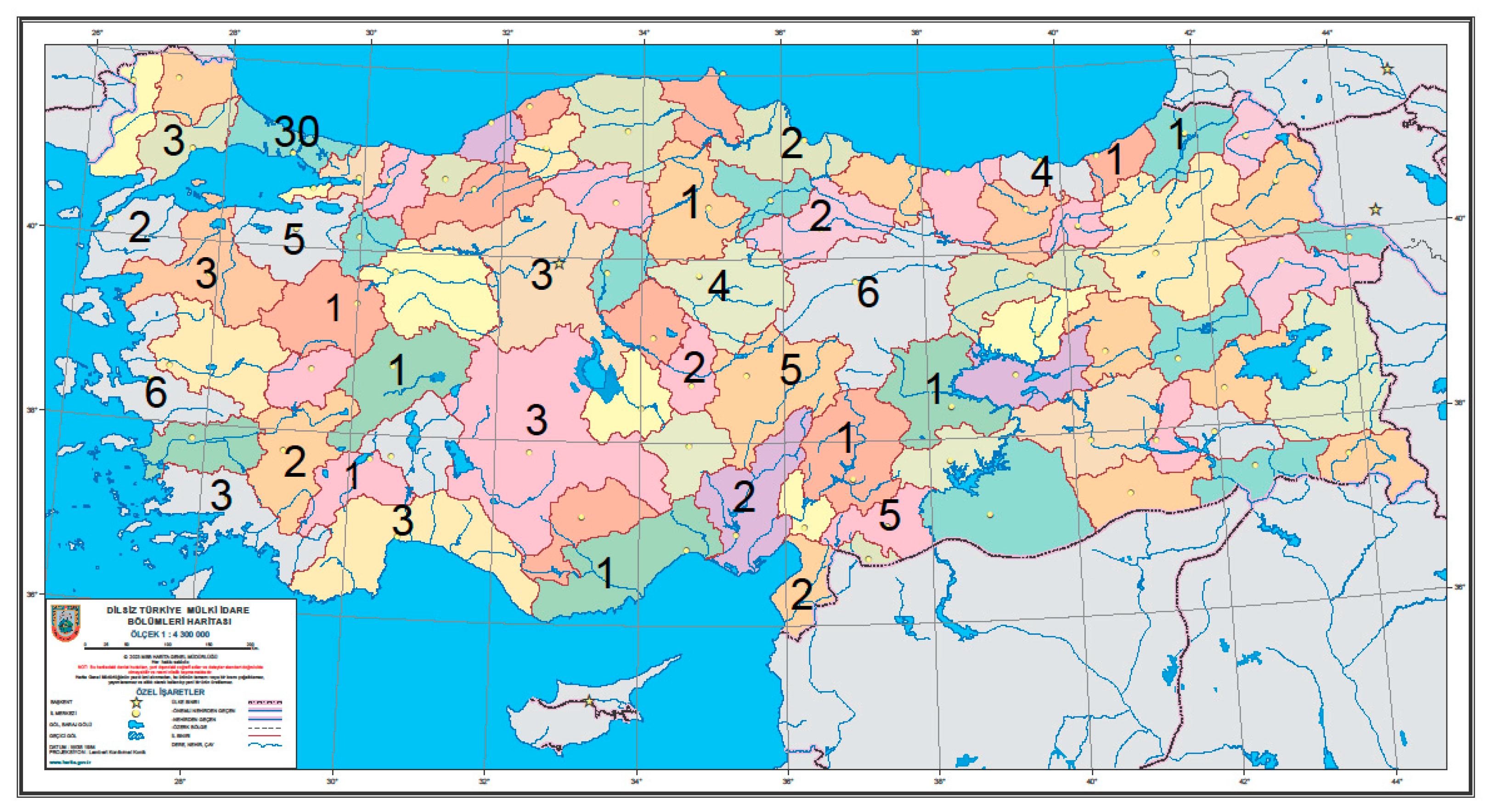
As shown in Table 1, 46 participants were female, and 59 were male. The majority were aged 23 to 44. Most participants were born and raised in Istanbul and have experience in the tourism sector. A significant number of participants were married. In terms of education, most hold undergraduate and postgraduate degrees, and many are employed in managerial or professional positions. Most participants had more than 10 years of experience in the tourism sector. Additionally, they were more likely to reside in private homes rather than rented accommodation. Ownership of rural homes or land was low. Most participants had undergraduate degrees and completed tourism-related coursework. As shown in Figure 4, most of them declared their hometowns as Istanbul, Bursa, Gaziantep, Izmir, and Kayseri.

4. Results and Discussion

The study has various sub-dimensions, including urban living experience, rural perception, urban–rural migration, and rural tourism entrepreneurship. When viewed holistically, these sub-dimensions support one another and provide a better understanding of the topic.
Urban Push Factors: Citing time constraints from work–life balance, participants emphasized limited time for social activities and struggled to balance work and family responsibilities. Their health suffers psychologically and physically. They appear to follow repeated cycles, prompting individuals to engage in lifestyle migration. Wei et al.’s [10] study also shows that reverse-migration entrepreneurship improves the quality of life for rural migrants. The search for a more fulfilling life is a significant motivator in urban–rural migration [74]. However, the factors that satisfy people vary. For some, the city’s dynamism is a source of happiness, while others crave the tranquility and peace of rural life. Urban life negatively impacts individuals’ psychological and physical health. The most significant of these is the stress of urban life. Transportation problems, long commutes, and traffic exhaust people. Crowds, chaos, noise, construction, and hustle and bustle characterize life in Istanbul. Long working hours and intense workload negatively impact work–life balance. Participants also mentioned the high cost of living. Although earnings are high, the cost of living, rent, and supply costs make city life and business difficult. Finally, the superficiality of social interactions and the fear of earthquakes were mentioned. As participants’ statements indicate, urban life necessitates an “escape” [74]. Due to the difficulties of living in urban areas in Türkiye, psychological factors are prominent among the urban push factors in lifestyle migration, and individuals describe this migration as an “escape.” [75].
Urban Mooring Factors: Participants experience conflict arising from the challenges and lifestyle habits of urban living. The main reason participants remain in urban life is the wealth they have accumulated. The most crucial asset gained from urban life is human capital. Individuals developed their careers, gained experience, learned a foreign language, and grew personally. The opportunities offered by urban life enabled them to acquire economic capital. Business connections developed and translated into financial gain. They gained socio-cultural richness and an “urban identity.” P65 expressed this situation as follows: “History, culture, music, literature… My work is intertwined with these elements. I was born and raised in Beyoğlu; this is my stage. What keeps me here isn’t just my job; it’s also my identity.” (P65). The participant here indicates how the city has provided them with cultural capital and an urban identity. This identity plays an anchoring role in keeping them in the city. Furthermore, the stage metaphor brings to mind Goffman’s theory of “The Presentation of Self in Everyday Life” [76], and it is understood that urban spaces are places where individuals display their symbolic capital and urban identity. Urban life offers individuals symbolic capital and prestige, such as the prospect of becoming a future global executive. They are dependent on Istanbul for business networks, suppliers, financial management, investors, and human resources. Istanbul is a source of customers for them (P19, P41). The scale of their work, their business success, and the city’s dynamism satisfy individuals psychologically, providing a sense of success and self-realization. It is often indispensable because current lifestyles are socially and culturally affluent, offering opportunities in health and education. Educational opportunities are significant for parents with children. For this reason, the quality of life the city offers, along with people’s familiarity with these standards, strengthens the desire to remain in the city (P29, P98, P102).
Their social capital is a critical inhibitor of urban–rural migration. Individuals fear losing the capital they have earned and their career development opportunities in rural areas. In contrast to this finding, Wei et al. [10] argue that reverse-migration entrepreneurship increases migrants’ job satisfaction and social capital in rural areas. The fear of losing social capital in their current system anchors participants to the city. This result is consistent with the research of Wahba and Zenou [59]. According to Wahba and Zenou [59], immigrants acquire human and physical capital but must leave social capital behind. This is a trade-off for them. According to Roy [8], access to finance, lack of market awareness, psychological commitment to the current job, and psychological barriers (learned helplessness, status quo bias, insecurity, and loss aversion) hinder entrepreneurial migration. P29 expressed the lack of courage with these words: “I don’t have the courage. I have the desire, but I can’t find the strength to take the step.” (P29).
Rural Push Factors: For some participants, rural life entails career loss, regression, and reduced productivity. In addition, it is associated with unemployment, limited opportunities, and loneliness. The inability to perform their current jobs in rural areas and the lack of infrastructure there make migration to those areas less attractive. This can be exemplified by the following quote: “But I also think of loneliness, slowness, and limited opportunities. Living in the countryside might be relaxing, but in the long run, it reminds me of unemployment. Because in a fast-paced job like mine, there’s no chance of advancement in the countryside.” (P41).
Rural Pull Factors: The dream or search for a “rural idyll”, which is prominent in related studies [35,74,77,78], is also a notable attraction factor for rural areas in this study. Participants described dreams that would provide spiritual satisfaction in their descriptions of rural life. Similarly to this finding, Sahin’s [40] research found that a search for meaning in life is associated with rural–urban migration. Although researchers note that immigrants have a realistic perspective on rural life, the rural idyll continues to influence migration decisions [41]. In addition, feelings of longing and nostalgia were emphasized. There are various positive associations that make rural life attractive. Rural areas, associated with peace, nature, silence, tranquility, fresh air, slowness, stillness, vacation, intimacy, freedom, longing, and nostalgia, are characterized by a lifestyle rather than economic gain. According to Benson and O’Reilly [74], the search for a better life is an essential theme of lifestyle migration. Lifestyle-related factors across different parts of the world are an important variable in counterurbanization [79]. Individuals express different motivations for returning to rural life. According to research by Zhang et al. [78], there are various types of urban–rural migration. These include labor migration, commuting migration, back-to-the-land migration, lifestyle migration, and green migration [78]. In this study, the focus was on a lifestyle change. Quotes describe rural life as a stable, peaceful, romantic, and flawless atmosphere. However, rural life is a more profound area of interaction. This area of interaction includes people, animals, and natural resources [79]. According to a study by Kılıç and Buzlukçu [75], cultural, social, psychological, environmental, and personal factors draw individuals to rural areas. Similarly, this study found that individuals do not want to break away from their own culture and want to pass it on to their children. Again, similar to this, the perception of sincere communication, peace, and tranquility in rural areas attracts individuals to rural areas.
Capitals: Individuals’ financial savings and experience make it easier for them to become entrepreneurs [59]. Existing social capital supports the formation of new ventures [80]. Participants emphasized specific knowledge and skills necessary for rural tourism entrepreneurship. These include customer relations, entrepreneurship, business and management skills, marketing knowledge, financial management, organizational skills, culinary expertise, foreign language skills, operations management, and human relations. In Istanbul, participants acquired various assets that they can transfer to rural tourism. Customer relations were the most emphasized asset. They also stated that they are competent in crisis management, social ties, organization, operations management, sales and marketing, cost management, cuisine, team management, and human resources.
Entrepreneurial Ecosystem: According to a study by Zhao et al. [11], awareness of entrepreneurial support increases the likelihood that migrants will return home to start a business, reduces poverty, and fosters industrial development. Policies such as incubation centers and business parks also have significant impacts. When asked what support they could receive to start a rural tourism venture, participants indicated support from family, the government, business contacts, municipalities, their circle of friends, and development agencies.
Aside from personal reasons, various obstacles to rural tourism investments and development in Türkiye were mentioned. Lack of promotion, transportation, and infrastructure was particularly emphasized. Because businesses cannot find customers, there is no guaranteed income, and it is perceived as a risky investment. Furthermore, the investment costs are high, and the payback period is long. Some participants noted that they would be unable to find qualified personnel in rural areas. Securing the necessary materials and investors will be challenging. In addition to these structural obstacles, some expressed concerns about a lack of courage, fear of failure, and concerns that the work will not be fulfilling. For example: “The opportunities are huge, there is a demand for organic cuisine and local dishes. The obstacles are financing, promotion, and transportation. I wish I had the courage to overcome these obstacles. But I always have a feeling of ‘I can’t do it.’” (P29).
The local population’s reluctance to adopt innovation, the need for regional adaptation, and the need to collaborate with the local community are also highlighted. Therefore, securing the local community’s support is considered essential for rural tourism initiatives. P18 stated that he could get support from his family for local collaboration: “My family gives me moral support, and the people in my village also cooperate.” (P18).
According to Ma et al. [37], to encourage reverse migration entrepreneurship, governments should provide more support and information, reduce bureaucracy in capital-acquisition processes, such as loans, offer tax incentives, and establish business incubators. Training in entrepreneurship and tourism should be provided to migrants to help them identify entrepreneurial opportunities more effectively. Furthermore, according to Wei et al. [10], reverse entrepreneurship policies should be integrated with broader policies, and their impact should be continuously monitored and revised. According to Wei et al. [10], migrant happiness is higher in places where entrepreneurial elements such as transportation, information technology, and capital are abundant. Participants stated that such investments require infrastructure support (e.g., internet and transportation), entrepreneurship training, marketing support, consulting, local guidance, housing support, and land allocation. This result is consistent with a study by Wei et al. [10]. Some participants stated they could conduct their businesses remotely. Strengthening internet infrastructure in rural areas increases the likelihood of entrepreneurship among migrants [5]. According to Krakowiak-Bal et al. [81], communication infrastructure is among the most important requirements for increasing entrepreneurial capacity in rural areas.
Entrepreneurial Opportunities: Significant opportunities are anticipated in this area due to increased interest in natural areas, particularly since the pandemic. People are seeking to escape to nature, seek tranquility, and experience local culture. Participants most frequently mentioned the Aegean Region when discussing their ideas about rural tourism entrepreneurship. This result is consistent with the study by Benson & O’Reilly [74]. Individuals considering migration and entrepreneurship prefer coastal areas. Apart from this, Alanya, Ayvalık, Bodrum, Burdur, Çeşme, Hatay, Cappadocia, Black Sea, Kayseri, Seferihisar, and Selçuk were mentioned. P98 made the following statement regarding the issue: “I have a dream of moving to a quiet town, especially in the Aegean region, and starting a small business. I even looked at land, but I postponed it because of my children’s school schedule. I have savings so that I won’t have financial difficulties. I could start my own business or provide consulting services. Now, I’m focusing on how to live more simply, rather than worrying about making ends meet.” (P98).
Participants stated that boutique or small businesses are well-suited to rural areas. Business ideas were identified in the fields of gastronomy, experiences, and accommodation. Gastronomy-focused business ideas include local breakfast and dining establishments, gastronomy schools, culinary workshops, the Chef’s Table concept, vineyard tourism, and wine tasting events. The experience center has led to ideas for yoga and wellness centers, nature sports and trekking centers, cultural routes, a music festival, a grape harvest festival, a wedding and event village, art and festival villages, and a digital nomad village. Participants expressed interest in small accommodations, guesthouses, and ecotourism. According to Zhang et al. [78], individuals migrating from urban to rural areas bring innovation to the region. The business ideas revealed in this study also support this conclusion. Furthermore, these business ideas are understood to be in harmony with nature and to support local culture. P50 explained his business idea as follows: “I would like to open an olive oil-themed restaurant and tasting house in Ayvalık, so that people can eat, taste, and hear the story of olive oil. This would be very attractive for those coming from the city. Collaborating with local producers is a good idea because there are many restaurants in the city, but they lack soul. Olive oil has a culture and a story in Ayvalık. My family has been growing olives for years, and it connects to my roots. Also, customers’ interest in naturalness has increased.” (P50). Capital accumulated in the city can contribute to the development of rural areas. P36 stated that he could use his capital accumulation for his own business idea.
Entrepreneurial Barriers: Participants stated that they possessed the necessary qualifications for rural tourism but that the scale of the business they could establish would be unsatisfactory, that finding customers in rural areas would be difficult, that the income they would generate would be insufficient, and that rural entrepreneurship would hinder their careers. Some participants stated that rural tourism entrepreneurship was incompatible with their career context. Some participants postponed their rural tourism ventures until retirement, citing responsibilities to their children. Individuals postpone entrepreneurship and migration decisions until later in life to have children, secure a guaranteed income, and fulfill lifelong needs through their careers. This finding is consistent with the study by Iversen and Jacobsen [77]. Benson and O’Reilly [74] considered lifestyle migration as a concept specific to developed countries and wealthy individuals. This study also highlighted retirement entrepreneurship within the context of income security, and it was understood that this step can be taken at a certain point in the life cycle. However, Zhang et al. [78] argue that retirement migration does not sufficiently benefit rural areas, increases the average age in rural areas, and, by focusing solely on its own spiritual needs, does not contribute to the economic, social, or sustainability development of the rural regions.
Rural Development: According to Zhang et al. [78], urban–rural migration has diverse impacts on rural areas, primarily social, economic, and environmental. These include agricultural, economic, social, population sustainability, and environmental protection. Its positive impacts on rural development outweigh its negative impacts. Urban–rural migration can increase income, employment, and social capital. It provides financial, operational, and managerial capital to the region and strengthens rural entrepreneurship. Rural migrants become new customers for rural products and services [78]. Urban areas provide capital accumulation. Transferring this capital to rural areas provides an opportunity for rural development. Some participants expressed satisfaction with their contributions to their hometowns and the jobs they created. “Also, as an entrepreneur, I would be very happy to create jobs in the village. I have an idea for a business that combines organic farming and rural tourism. This way, I can maintain my economic independence and create value in my village.” (P19).
From another angle, the benefits of rural counterurbanization may be overstated. Therefore, a one-sided view of rural life may be limited [79]. Additionally, urban–rural migration can have negative impacts, including rising land and housing prices in rural areas, increased inequality, commodification, and the aging of the rural population [78]. Rural tourism entrepreneurship may not continually develop rural areas. According to participants, it can lead to unplanned construction and sustainability problems in rural areas. This relatively underemphasized issue suggests that environmental concerns are among the least considered in rural areas. This result is consistent with the study by Krakowiak-Bal et al. [81]

5. Conclusions

In an attempt to understand the opinions of individuals (employees, managers, and entrepreneurs) working in the tourism sector in Istanbul, an important city in terms of migration, regarding migration to rural areas and tourism entrepreneurship, it has been found that the participants have the necessary capital for rural tourism entrepreneurship. However, this capital is location-dependent and is valid only for operating the business in Istanbul. Using these resources in rural areas means career loss and regression for urban tourism professionals. Istanbul is an indispensable city for careers and a key career anchor in individuals’ professional lives [82]. While it was thought that the knowledge, skills, resources, and social capital acquired for rural tourism entrepreneurship would constitute capital for rural tourism, it was observed that this anchored them in urban life. Participants possessed sufficient knowledge and experience in rural tourism entrepreneurship but sought to apply this knowledge to larger-scale international projects. Participants’ statements suggest that rural tourism entrepreneurship, particularly gastronomy tourism, can flourish, and cultural sustainability can be supported. Participants shared their dreams of opening restaurants serving local cuisine or offering a local breakfast. As participants’ views show, urban–rural migration and rural tourism entrepreneurship support sustainable development by fostering economic diversification, cultural richness, capital accumulation, and cultural transfer in rural areas. When it comes to the development of rural tourism in Türkiye, the Aegean and Mediterranean regions demonstrate a competitive advantage by combining their existing bed capacity dominance with the high potential attributed to these regions by participants [83].
Additionally, this will boost accommodation infrastructure, with a strong emphasis on guesthouse and small-hotel management. Participants’ perceived entrepreneurial opportunities suggest they can contribute to innovation in rural areas. The absence of elements in the entrepreneurial ecosystem, such as supply chains, access to financing, and infrastructure, makes rural tourism entrepreneurship less appealing in rural areas. It is understood that tourism income should be supplemented by other sources, such as agricultural income, due to factors including risky investment opportunities and income uncertainty. Therefore, migrants returning to rural areas may contribute to their income by engaging in agriculture for their own consumption [7].
Lifestyle migration and hybrid living arrangements, where people split their time between rural and urban areas, have become increasingly common. However, rural tourism entrepreneurship often falls short for tourism professionals in terms of income stability and quantity. For those who do not own their own business, the situation is doubly risky and challenging, as both self-employment and migration are involved. However, it is anticipated that perceived opportunities will increase as interest in nature grows. Additionally, as Naudé et al. [84] contend, the intersection of migration and entrepreneurship does not necessarily yield positive outcomes. For example, returning migrants may not always possess enhanced entrepreneurial capabilities. Moreover, outcomes differ significantly across types of entrepreneurship, such as opportunity-driven, forced, and return entrepreneurship. Early-career individuals seek to increase their wealth, whereas those approaching retirement aim to transfer their capital to their hometowns to support rural entrepreneurial development. In this regard, it can be argued that rural migration and rural tourism entrepreneurship may occur at specific life stages. The role of retirement entrepreneurship in rural area development remains a topic of debate in the literature.

5.1. Theoretical Implications

The study is structured around tourism, entrepreneurship, and migration. It examines entrepreneurship, a critical factor for developing countries, and migration, an issue that has most affected humanity in recent years. Given the insufficient interdisciplinary study of urban–rural migration [78], this current study is likely to contribute to the relevant literature. While some studies link migration to rural revitalization [5,6] or examine the challenges of return migration [7], this study combines these elements but remains fragmented. Specifically, studies investigating tourism entrepreneurship in the context of migration are limited and predominantly focus on international rather than domestic migration [7,9]. While existing studies mainly focus on the macro dimensions of international migration or rural development, this study explicitly examines domestic reverse migration in the context of rural tourism entrepreneurship. The study links the individual, economic, and socio-cultural determinants of migration motivations to the potential of rural entrepreneurship. It aims to get valuable results for both policymakers and local actors. In this respect, this research not only makes significant academic contributions to current debates on migration and rural tourism development, but also, unlike previous studies [7,9], examines domestic reverse migration and rural tourism entrepreneurship.

5.2. Practical Implications

Governments’ support facilitates the establishment of new settlements in rural regions and sustains local development [29]. Policies that promote rural employment development increase their attractiveness [25]. The study’s findings indicate that different support mechanisms are needed depending on participants’ varied characteristics. In this context, target-oriented policies should be implemented, such as expanding educational opportunities to support the permanence of families with children in the region and developing high-speed internet infrastructure to attract remote and digital workers. It is essential to consider the potential impact of tourism development on rural areas when creating future urban–rural migration policies. Entrepreneurs can be informed through development plans and supported by institutions such as development agencies and municipalities. In rural entrepreneurship in Türkiye, connections to major markets such as Istanbul and Ankara are essential [46]. Changing consumer consumption trends create opportunities for products to reach consumers through online spaces in rural areas [46]. However, in rural tourism, since customers need to visit rural areas, both internet infrastructure and transportation infrastructure are important requirements. Support can be provided for infrastructure improvements, transportation, and rural tourism marketing. The success of the support to be created depends on overcoming structural barriers, ensuring cohesive governance, and preparing comprehensive feasibility reports for rural entrepreneurship. Local governance capacity may be insufficient, so it can be enhanced with regional collaborations. Initial capital and mentorship can support the long-term sustainability of SMEs. To ensure rural revitalization, infrastructure should be strategically addressed in local and governmental development plans to enhance the feasibility of rural tourism entrepreneurship. Rural tourism entrepreneurship might be more favored during life stages with no family responsibilities. Recent graduates, however, tend to focus on building their careers and saving capital in city areas. Initiating rural tourism entrepreneurship incentives in urban areas adjacent to rural areas, providing educational and marketing support, and improving technology and transportation infrastructure may help ensure the sustainability of SMEs in the early years of entrepreneurship. From another perspective, local community support is quite important. Therefore, individuals who grew up in rural areas and have family or relatives still living there have opportunities for entrepreneurship and an advantage when seeking support from the local community.

5.3. Limitations and Future Studies

There are several limitations in this study. First, the use of LinkedIn in the sample selection may have introduced selection bias. For example, this platform is predominantly used by relatively young, highly educated urban professionals with high levels of cultural capital and digital literacy. Therefore, the study may have been limited in its coverage of workers with low levels of education or limited digital access. To make the results more inclusive, future studies could benefit from including tourism workers outside of cities in the participant profile and using face-to-face surveys or other social media tools. Additionally, the study focused on internal migration intentions and the tourism sector. Future studies could expand this scope by examining different sectors, international contexts, students, and generations. Future research could explore the relationships among expected well-being, career adaptability, lifestyle adaptability, intentions, green careers [85], or green intellectual capital [86] to engage in rural tourism entrepreneurship. Gentrification and the potential inequalities and conflicts between newcomers and locals can be examined [78,87]. Since entrepreneurship processes may also change due to conceptual differences, R. Galvão et al. [9] compared entrepreneurship motivations, challenges, and support sources across migrant types (migrants vs. returnees). Similarly, this study can be examined comparatively by migration type. The impact of technology and digitalization on entrepreneurship can also be further examined [53].

Supplementary Materials

The following supporting information can be downloaded at: https://www.mdpi.com/article/10.3390/su18041873/s1, Table S1: sample coding.

Funding

This research was funded by Balıkesir University Scientific Research Projects Unit under grant number 2023/221.

Institutional Review Board Statement

The study was conducted in accordance with the Declaration of Helsinki and ethically approved by the Social and Human Sciences Research Ethics Committee of Balıkesir University, with the decision taken at its meeting dated 22 July 2025, numbered 2025/07-02 for studies involving humans.

Informed Consent Statement

Informed consent was obtained from all subjects involved in the study.

Data Availability Statement

The data are not publicly available because the author promised that the respondents’ information would not be made public.

Acknowledgments

The author has reviewed and edited the output and takes full responsibility for the content of this publication.

Conflicts of Interest

The author declares no conflicts of interest.

References

  1. Ojiaku, O.C.; Nkamnebe, A.D.; Nwaizugbo, I.C. Determinants of Entrepreneurial Intentions among Young Graduates: Perspectives of Push-Pull-Mooring Model. J. Glob. Entrepr Res. 2018, 8, 24. [Google Scholar] [CrossRef]
  2. Muñoz-Mora, J.C.; Aparicio, S.; Martinez-Moya, D.; Urbano, D. From Immigrants to Local Entrepreneurs: Understanding the Effects of Migration on Entrepreneurship in a Highly Informal Country. Int. J. Entrep. Behav. Res. 2022, 28, 78–103. [Google Scholar] [CrossRef]
  3. Chen, P.; Clarke, N.; Hracs, B.J. Urban-Rural Mobilities: The Case of China’s Rural Tourism Makers. J. Rural Stud. 2022, 95, 402–411. [Google Scholar] [CrossRef]
  4. Paniagua, A. Urban-Rural Migration, Tourism Entrepreneurs and Rural Restructuring in Spain. Tour. Geogr. 2002, 4, 349–371. [Google Scholar] [CrossRef]
  5. Cao, Z.; Liang, S. Internet Empowerment of Migrant Workers Returning Home for Entrepreneurship: Based on the Background of Rural Revitalization. Sage Open 2025, 15, 21582440251340775. [Google Scholar] [CrossRef]
  6. Wu, B.; Geng, B.; Wang, Y.; McCabe, S.; Liao, L.; Zeng, L.; Deng, B. Reverse Entrepreneurship and Integration in Poor Areas of China: Case Studies of Tourism Entrepreneurship in Ganzi Tibetan Region of Sichuan. J. Rural Stud. 2022, 96, 358–368. [Google Scholar] [CrossRef]
  7. Santos, R. Return Migration and Rural Tourism Development in Portugal. Tour. Plan. Dev. 2023, 20, 636–659. [Google Scholar] [CrossRef]
  8. Roy, D. Entrepreneurship-Driven Migratory Behaviour Among the Tea Estate Workers in West Bengal: An Exploratory Study. Vikalpa 2025, 50, 111–122. [Google Scholar] [CrossRef]
  9. R. Galvão, A.; Marques, C.S.E.; Mascarenhas, C.; Pinto, D. Immigrant and Return Migrant Entrepreneurs’ Motivations, Challenges, and Support Sources in Portugal’s Low-Density Douro Valley. Strateg. Change 2025. [Google Scholar] [CrossRef]
  10. Wei, B.; Zhao, C.; Luo, M. Returning Entrepreneurship and Subjective Well-Being: Evidence from Migrant Worker Households in Rural China. J. Happiness Stud. 2025, 26, 36. [Google Scholar] [CrossRef]
  11. Zhao, X.; Marjerison, R.K.; Peng, C. The Impact and Effectiveness of China’s Entrepreneurship Policy for Back-Home Migrant Workers. Humanit. Soc. Sci. Commun. 2024, 11, 623. [Google Scholar] [CrossRef]
  12. Moon, B. Paradigms in Migration Research: Exploring “moorings” as a Schema. Prog. Hum. Geogr. 1995, 19, 504–524. [Google Scholar] [CrossRef] [PubMed]
  13. Bourdieu, P. The Forms of Capital. In Handbook of Theory and Research for the Sociology of Education; Richardson, J.G., Ed.; Greenwood Press: New York, NY, USA, 1986; pp. 241–258. [Google Scholar]
  14. Isenberg, D. The Entrepreneurship Ecosystem Strategy Asa New Paradigm for Economic Policy: Principles for Cultivating Entrepreneurship; Institute of International and European Affairs: Dublin, Ireland, 2011. [Google Scholar]
  15. Isenberg, D.J. How to Start an Entrepreneurial Revolution. Harv. Bus. Rev. 2010, 88, 40–50. [Google Scholar]
  16. Xiong, Y.; Zhang, Y.; Lee, T.J. The Rural Creative Class: An Analysis of in-Migration Tourism Entrepreneurship. Int. J. Tour. Res. 2020, 22, 42–53. [Google Scholar] [CrossRef]
  17. Wang, Y.; Jiang, Y.; Geng, B.; Wu, B.; Liao, L. Determinants of Returnees’ Entrepreneurship in Rural Marginal China. J. Rural Stud. 2022, 94, 429–438. [Google Scholar] [CrossRef]
  18. OECD. OECD Migrant Entrepreneurship in OECD Countries: International Migration Outlook 2024; OECD Publishing: Paris, France, 2024. [Google Scholar]
  19. Torkington, K.; Eimermann, M.; Ribeiro, F.P.; Conceição, S. Challenges for Tourism-Related Lifestyle Migrant Entrepreneurship in Rural Areas of the Algarve, Portugal. J. Rural Stud. 2025, 115, 103562. [Google Scholar] [CrossRef]
  20. Future Market Insights Rural Tourism Market Analysis—Size, Share, and Forecast 2025 to 2035. Available online: https://www.futuremarketinsights.com/reports/rural-tourism-market (accessed on 18 January 2026).
  21. Kurnaz, A.; Anıktar, S. Examination of Rural Architecture That Shapes Sustainable Tourism in Emerging Economies through Stakeholder Perspectives: Sile, Istanbul. Curr. Issues Tour. 2024, 27, 2134–2150. [Google Scholar] [CrossRef]
  22. United Nations the 17 Goals. Available online: https://sdgs.un.org/goals (accessed on 17 January 2026).
  23. Turkish Statistical Institute İç Göç İstatistikleri. 2024. Available online: https://data.tuik.gov.tr/Bulten/Index?p=Ic-Goc-Istatistikleri-2024-54082 (accessed on 27 August 2025).
  24. The Presidency of Republic of Türkiye. Presidency of Strategy and Budget. In Twelfth Development Plan (2024–2028); The Presidency of Republic of Türkiye: Ankara, Türkiye, 2023. [Google Scholar]
  25. İslamoğlu, E.; Yıldırımalp, S.; Benli, A. Türkiye’de Tersine Göç ve Tersine Göçü Teşvik Eden Uygulamalar: İstanbul İli Örneği. Sak. İktisat Derg. 2014, 3, 68–93. [Google Scholar]
  26. Turkkan, C. Entrepreneurial Back-to-Landers: Neo-Farmers in Turkey. J. Rural Stud. 2025, 113, 103503. [Google Scholar] [CrossRef]
  27. Herrero-Jáuregui, C.; Concepción, E.D. Effects of Counter-Urbanization on Mediterranean Rural Landscapes. Landsc. Ecol. 2023, 38, 3695–3711. [Google Scholar] [CrossRef]
  28. Stockdale, A. Migration: Pre-Requisite for Rural Economic Regeneration? J. Rural Stud. 2006, 22, 354–366. [Google Scholar] [CrossRef]
  29. Zollet, S.; Qu, M. Revitalising Rural Areas through Counterurbanisation: Community-Oriented Policies for the Settlement of Urban Newcomers. Habitat Int. 2024, 145, 103022. [Google Scholar] [CrossRef]
  30. Reynolds, P.D.; Hay, M.; Camp, S.M. Global Entrepreneurship Monitor 1999 Executive Report; Babson College: Babson Park, MA, USA; London Business School: London, UK; Kauffman Center: Kansas City, MO, USA, 1999; Available online: https://www.gemconsortium.org/report/gem-1999-global-report (accessed on 27 August 2025).
  31. Thirumalesh Madanaguli, A.; Kaur, P.; Bresciani, S.; Dhir, A. Entrepreneurship in Rural Hospitality and Tourism. A Systematic Literature Review of Past Achievements and Future Promises. Int. J. Contemp. Hosp. Manag. 2021, 33, 2521–2558. [Google Scholar] [CrossRef]
  32. Turkish Statistical Institute Turizm Uydu Hesabı. 2023. Available online: https://data.tuik.gov.tr/Bulten/Index?p=Turizm-Uydu-Hesabi-2023-57892 (accessed on 27 August 2025).
  33. Farrell, M.; Mahon, M.; McDonagh, J. The Rural as a Return Migration Destination. Eur. Countrys. 2012, 4, 31–44. [Google Scholar] [CrossRef]
  34. Zweig, D.; Tsai, K.S.; Singh, A.D. Reverse Entrepreneurial Migration in China and India: The Role of the State. World Dev. 2021, 138, 105192. [Google Scholar] [CrossRef]
  35. Turkkan, C. Entrepreneurial Back-to-Landers: How Neo-Farmers in Turkey Choose Where to Settle. Popul. Space Place 2025, 31, e2863. [Google Scholar] [CrossRef]
  36. Utami, D.D.; Dhewanto, W.; Lestari, Y.D. Rural Tourism Entrepreneurship Success Factors for Sustainable Tourism Village: Evidence from Indonesia. Cogent Bus. Manag. 2023, 10, 2180845. [Google Scholar] [CrossRef]
  37. Ma, H.; Zhang, Y.C.; Topolansky Barbe, F.G.; Stuart, M. Psychological Capital and the Entrepreneurial Performance of Migrant Workers: Intermediary Role of Entrepreneurial Opportunity Identification. China Agric. Econ. Rev. 2025, 17, 303–324. [Google Scholar] [CrossRef]
  38. Álvarez-Montoya, J.M.; Ruiz-Ballesteros, E. Newcomers and Rural Crisis: Beyond the Demographic Challenge. A Case Study in Andalusia (Spain). J. Rural Stud. 2024, 108, 103292. [Google Scholar] [CrossRef]
  39. Wang, X.; Huang, D.; Wu, M. Rural Tourism as a Catalyst for Labor Return? A Rethinking of Return Migration from a Mixed Embeddedness Perspective. J. Destin. Mark. Manag. 2026, 39, 101041. [Google Scholar] [CrossRef]
  40. Sahin, T. In Pursuit of Happiness: Motivations for Urban to Rural Migration in Turkey. Continuum 2025, 39, 148–160. [Google Scholar] [CrossRef]
  41. Erkan-Öcek, R.; İslam, T. Who Moves to the Countryside, and Why? A Systematic Review of Urban-to-Rural Migration. Planning 2025, 35, 171–181. [Google Scholar] [CrossRef]
  42. Kocatepe, M.; Yorgancıoğlu, C.; Sağsan, M.; Şeşen, H. The Mediation Effect of Media: Artvin, Reverse Migration, and Social Municipalism. Sustainability 2023, 15, 14304. [Google Scholar] [CrossRef]
  43. Penbecioglu, S.S. Negotiating the Rural Promise: A Comparison of Pre- and Post-Migration Lifestyles Among Migrants in Muğla, Türkiye. Popul. Space Place 2025, 32, e70179. [Google Scholar] [CrossRef]
  44. Öztürk, M.; Topaloğlu, B.; Hilton, A.; Jongerden, J. Rural—Urban Mobilities in Turkey: Socio-Spatial Perspectives on Migration and Return Movements. J. Balk. Near East. Stud. 2018, 20, 513–530. [Google Scholar] [CrossRef]
  45. Aydoğan, B.; Güney, S. Mobilizing Capitals, Forging Terroir: Lifestyle Migration and Envisioning a “Better Rural Landscape”. J. Rural Stud. 2025, 119, 103714. [Google Scholar] [CrossRef]
  46. Yaşlak, B.; Akgün, A.A.; Baycan, T. Social Networks of Online Rural Entrepreneurs: The Case of Turkey. Ann. Reg. Sci. 2023, 70, 705–721. [Google Scholar] [CrossRef]
  47. Kaptan Ayhan, Ç.; Cengiz Taşlı, T.; Özkök, F.; Tatlı, H. Land Use Suitability Analysis of Rural Tourism Activities: Yenice, Turkey. Tour. Manag. 2020, 76, 103949. [Google Scholar] [CrossRef]
  48. Lee, E.S. A Theory of Migration. Demography 1966, 3, 47–57. [Google Scholar] [CrossRef]
  49. Mohamed, M.-A.; Abdul-Talib, A.-N. Push–Pull Factors Influencing International Return Migration Intentions: A Systematic Literature Review. J. Enterprising Communities People Places Glob. Econ. 2020, 14, 231–246. [Google Scholar] [CrossRef]
  50. Imran Khan, M.; Alharthi, M.; Haque, A.; Illiyan, A. Statistical Analysis of Push and Pull Factors of Migration: A Case Study of India. J. King Saud Univ.—Sci. 2023, 35, 102859. [Google Scholar] [CrossRef]
  51. Zaman, N.T.; Sohel, M.S.; Obaidullah, M.; Hossen, M.S.; Rahman, M.T.; Sifullah, M.K.; Sarker, M.F.H. Factors Shaping Bangladeshi Students’ Migration Decision Using Push–Pull Theory: A Focus Group Study. SN Soc. Sci. 2023, 4, 4. [Google Scholar] [CrossRef]
  52. Duan, C.; Kotey, B.; Sandhu, K. A Systematic Literature Review of Determinants of Immigrant Entrepreneurship Motivations. J. Small Bus. Entrep. 2023, 35, 599–631. [Google Scholar] [CrossRef]
  53. Altin, M. Entrepreneurial Ecosystems in Hospitality and Tourism: A Comparative Analysis across Economic Contexts. Tour. Econ. 2025, 32, 13548166251332339. [Google Scholar] [CrossRef]
  54. Bourdieu, P. The Forms of Capital (1986). In Cultural Theory: An Anthology; Szeman, I., Kaposy, T., Eds.; Wiley: Hoboken, NJ, USA, 2011; pp. 81–93. ISBN 978-1-4051-8082-5. [Google Scholar]
  55. Hikido, A. Entrepreneurship in South African Township Tourism: The Impact of Interracial Social Capital. Ethn. Racial Stud. 2018, 41, 2580–2598. [Google Scholar] [CrossRef]
  56. Karatas-Ozkan, M.; Tunalioglu, R.; Ibrahim, S.; Ozeren, E.; Grinevich, V.; Kimaro, J. Actioning Sustainability through Tourism Entrepreneurship: Women Entrepreneurs as Change Agents Navigating through the Field of Stakeholders. Cent. Eur. Manag. J. 2024, 32, 31–56. [Google Scholar] [CrossRef]
  57. Roundy, P.T.; Bradshaw, M.; Brockman, B.K. The Emergence of Entrepreneurial Ecosystems: A Complex Adaptive Systems Approach. J. Bus. Res. 2018, 86, 1–10. [Google Scholar] [CrossRef]
  58. Huang, L.; Huang, Y.; Huang, R.; Xie, G.; Cai, W. Factors Influencing Returning Migrants’ Entrepreneurship Intentions for Rural E-Commerce: An Empirical Investigation in China. Sustainability 2022, 14, 3682. [Google Scholar] [CrossRef]
  59. Wahba, J.; Zenou, Y. Out of Sight, out of Mind: Migration, Entrepreneurship and Social Capital. Reg. Sci. Urban Econ. 2012, 42, 890–903. [Google Scholar] [CrossRef]
  60. David, A.; Terstriep, J. Against All Odds—Migrant Entrepreneurs in Entrepreneurial Ecosystems with Constraints. J. Enterprising Communities People Places Glob. Econ. 2024, 19, 248–275. [Google Scholar] [CrossRef]
  61. Hong, M.; Ge, Z.; Wu, C. The Emergence of Entrepreneurial Ecosystems by Capital, Habitus, and Practice: A Two-Phase Model Based on Bourdieu’s Approach. Front. Psychol. 2023, 13, 987485. [Google Scholar] [CrossRef]
  62. Bosworth, G.; Farrell, H. Tourism Entrepreneurs in Northumberland. Ann. Tour. Res. 2011, 38, 1474–1494. [Google Scholar] [CrossRef]
  63. Turkish Statistical Institute Uluslararası Göç İstatistikleri. 2023. Available online: https://data.tuik.gov.tr/Bulten/Index?p=Uluslararasi-Goc-Istatistikleri-2023-53544 (accessed on 27 August 2025).
  64. Republic of Türkiye, Istanbul Governorship Bir Bakışta İstanbul. Available online: http://www.istanbul.gov.tr/bir-bakista-istanbul (accessed on 23 November 2025).
  65. Republic of Türkiye Ministry of National Defense. General Directorate of Mapping Map of Türkiye; Republic of Türkiye Ministry of National Defense: Ankara, Türkiye, 2025. [Google Scholar]
  66. Van Burg, E.; Cornelissen, J.; Stam, W.; Jack, S. Advancing Qualitative Entrepreneurship Research: Leveraging Methodological Plurality for Achieving Scholarly Impact. Entrep. Theory Pract. 2022, 46, 3–20. [Google Scholar] [CrossRef]
  67. Glesne, C. Nitel Araştırmaya Giriş, 5th ed.; Anı: Ankara, Türkiye, 2015. [Google Scholar]
  68. Patton, M.Q. Nitel Araştırma ve Değerlendirme Yöntemleri, 3rd ed.; Pegem: Ankara, Türkiye, 2014. [Google Scholar]
  69. Yin, R.K. Durum Çalışması Uygulamaları, 3rd ed.; Nobel: Ankara, Türkiye, 2017. [Google Scholar]
  70. Creswell, J.W. Nitel Araştırma Yöntemleri: Beş Yaklaşıma Göre Nitel Araştırma ve Araştırma Deseni, 3rd ed.; Siyasal: Ankara, Türkiye, 2018. [Google Scholar]
  71. Silverman, D. Nitel Verileri Yorumlama, 5th ed.; Pegem: Ankara, Türkiye, 2018. [Google Scholar]
  72. Nowell, L.S.; Norris, J.M.; White, D.E.; Moules, N.J. Thematic Analysis: Striving to Meet the Trustworthiness Criteria. Int. J. Qual. Methods 2017, 16, 1609406917733847. [Google Scholar] [CrossRef]
  73. Braun, V.; Clarke, V. Using Thematic Analysis in Psychology. Qual. Res. Psychol. 2006, 3, 77–101. [Google Scholar] [CrossRef]
  74. Benson, M.; O’Reilly, K. Migration and the Search for a Better Way of Life: A Critical Exploration of Lifestyle Migration. Sociol. Rev. 2009, 57, 608–625. [Google Scholar] [CrossRef]
  75. Kılıç, S.N.; Buzlukçu, C. Yaşam tarzı göçü bağlamında kentten kırsala kaçış: Yeni köylü turizm girişimcileri üzerine nitel bir araştırma. BAUNSOBED 2021, 24, 1387–1400. [Google Scholar] [CrossRef]
  76. Goffman, E. Gündelik Yaşamda Benliğin Sunumu; Metis: İstanbul, Türkiye, 2009. [Google Scholar]
  77. Iversen, I.; Jacobsen, J.K.S. Migrant Tourism Entrepreneurs in Rural Norway. Scand. J. Hosp. Tour. 2016, 16, 484–499. [Google Scholar] [CrossRef]
  78. Zhang, Y.; Yasin, S.M.; Sun, L. The Implications of Urban-to-Rural Migration on Rural Development: A Systematic Literature Review. GeoJournal 2025, 90, 97. [Google Scholar] [CrossRef]
  79. Wang, C.-M. Escape to the Countryside: Affects and Rural Eventful Atmospheres. Habitat Int. 2023, 140, 102929. [Google Scholar] [CrossRef]
  80. De Carolis, D.M.; Litzky, B.E.; Eddleston, K.A. Why Networks Enhance the Progress of New Venture Creation: The Influence of Social Capital and Cognition. Entrep. Theory Pract. 2009, 33, 527–545. [Google Scholar] [CrossRef]
  81. Krakowiak-Bal, A.; Ziemianczyk, U.; Wozniak, A. Building Entrepreneurial Capacity in Rural areasThe Use of AHP Analysis for Infrastructure Evaluation. Int. J. Entrep. Behav. Res. 2017, 23, 903–918. [Google Scholar] [CrossRef]
  82. Schein, E.H. How Career Anchors Hold Executives to Their Career Paths. Personnel 1975, 52, 11–24. [Google Scholar]
  83. Republic of Türkiye Ministry of Culture and Tourism Bakanlık Belgeli Tesis İstatistikleri 2024. Available online: https://engelsiz.ktb.gov.tr/Eklenti/139157,bakanlik-belgeli-tesis-yillik-bulten-2024xlsx.xlsx?0 (accessed on 18 January 2026).
  84. Naudé, W.; Siegel, M.; Marchand, K. Migration, Entrepreneurship and Development: Critical Questions. IZA J. Migr. 2017, 6, 1–16. [Google Scholar] [CrossRef]
  85. Ibrahim, B.; Tayşir, N.K.; Görener, A. Exploring the Intentions of Generation Z to Pursue Environmental and Green Careers. Int. J. Educ. Vocat. Guid. 2025. [Google Scholar] [CrossRef]
  86. Soomro, S.A.; Soomro, S.A.; Ibrahim, B.; Aljarah, A. Managerial Green Leadership Behavior and Its Impact on Employee Environmental Citizenship Behavior: The Mediating Role of Green Intellectual Capital in the Hospitality Sector. J. Sustain. Tour. 2025, 1–22. [Google Scholar] [CrossRef]
  87. Costello, L. Going Bush: The Implications of Urban-Rural Migration. Geogr. Res. 2007, 45, 85–94. [Google Scholar] [CrossRef]
Figure 1. A model showing urban-to-rural migration and tourism entrepreneurship [1,12,13,14].
Sustainability 18 01873 g001
Figure 2. Maps showing the location of İstanbul [65].
Sustainability 18 01873 g002
Figure 3. Characteristics of research.
Sustainability 18 01873 g003
Figure 4. Map showing the hometowns of participants [65].
Sustainability 18 01873 g004
Table 1. Profile of Research Participants.
GendernLength of stay in
Istanbul
nHome Townn
Female46Less than 1 year1Adana2
Male591–5 years9Afyon1
Age 6–10 years18Ankara3
18–24511–20 years34Antalya3
23–343721 years and above8Balıkesir3
35–4437Born and Raised in Istanbul35Burdur1
45–5420Previous Rural Living Status Bursa5
55–646Lived in Rural Areas37Çanakkale2
Marital Status Did Not Live in Rural Areas68Çorum1
Married61Grown Up Denizli2
Single44Urban64Gaziantep5
Education Level Village/Town13Hatay2
High School10Both Urban and Rural Areas28İstanbul30
Associate Degree12Position İzmir6
Undergraduate Degree57Employee32Kahramanmaraş1
Postgraduate Degree26Manager48Kayseri5
Number of Children Continuing Education Self-Employed25Konya3
047Terms of Service in the Tourism Sector Kütahya1
122Less than 1 year2Malatya1
2241–5 years18Mersin1
3116–10 years32Muğla3
41More than 10 years53Nevşehir2
Housing Status in Istanbul Education in the Tourism Field Rize1
Personally Owned61High School14Samsun2
Rented44Associate Degree2Sivas6
Rural Home Ownership Undergraduate Degree35Tekirdağ3
Yes37Postgraduate Degree19Tokat2
No68Course25Trabzon4
Rural Land Ownership No Tourism Education12Yozgat4
Yes29
No76
Disclaimer/Publisher’s Note: The statements, opinions and data contained in all publications are solely those of the individual author(s) and contributor(s) and not of MDPI and/or the editor(s). MDPI and/or the editor(s) disclaim responsibility for any injury to people or property resulting from any ideas, methods, instructions or products referred to in the content.