Project Report

Farmers’ Land Sustainability Improvement with Soil, Geology, and Water Retention Assessment in North Kazakhstan

by
Dani Sarsekova
1,*,
Janay Sagin
2,3,*,
Akmaral Perzadayeva
4,
Ranida Arystanova
5,
Asset Arystanov
5,
Aruana Kezheneva
6,
Saltanat Jumassultanova
7,
Gulshat Satybaldiyeva
1 and
Askhat Ospangaliyev
4
1
The Faculty of Forestry and Land Resources, Kazakh National Agrarian Research University, 8 Abay, Almaty 050010, Kazakhstan
2
School of Information Technology and Engineering (SITE), Kazakh British Technical University, 59 Tole bi, Almaty 050000, Kazakhstan
3
Department of Geological and Environmental Sciences, Western Michigan University, Kalamazoo, MI 49008, USA
4
Institute of Agriculture and Forestry, S.Seifullin Kazakh Agrotechnical Research University, 62 Zhengis Ave, Astana 010000, Kazakhstan
5
Faculty of Geography and Environmental Sciences, Al-Farabi Kazakh National University, 71 al-Farabi, Almaty 050040, Kazakhstan
6
Qazaq Gaz Research and Development, A.Bokeihan 12, Astana 010000, Kazakhstan
7
Non-Profit Joint Stock Company Information and Analytical Center for Water Resources, Dostyk 13/3, Astana 010000, Kazakhstan
*
Authors to whom correspondence should be addressed.
Sustainability 2026, 18(3), 1316; https://doi.org/10.3390/su18031316
Submission received: 29 September 2025 / Revised: 10 November 2025 / Accepted: 12 November 2025 / Published: 28 January 2026
(This article belongs to the Special Issue Land Use Strategies for Sustainable Development)

Abstract

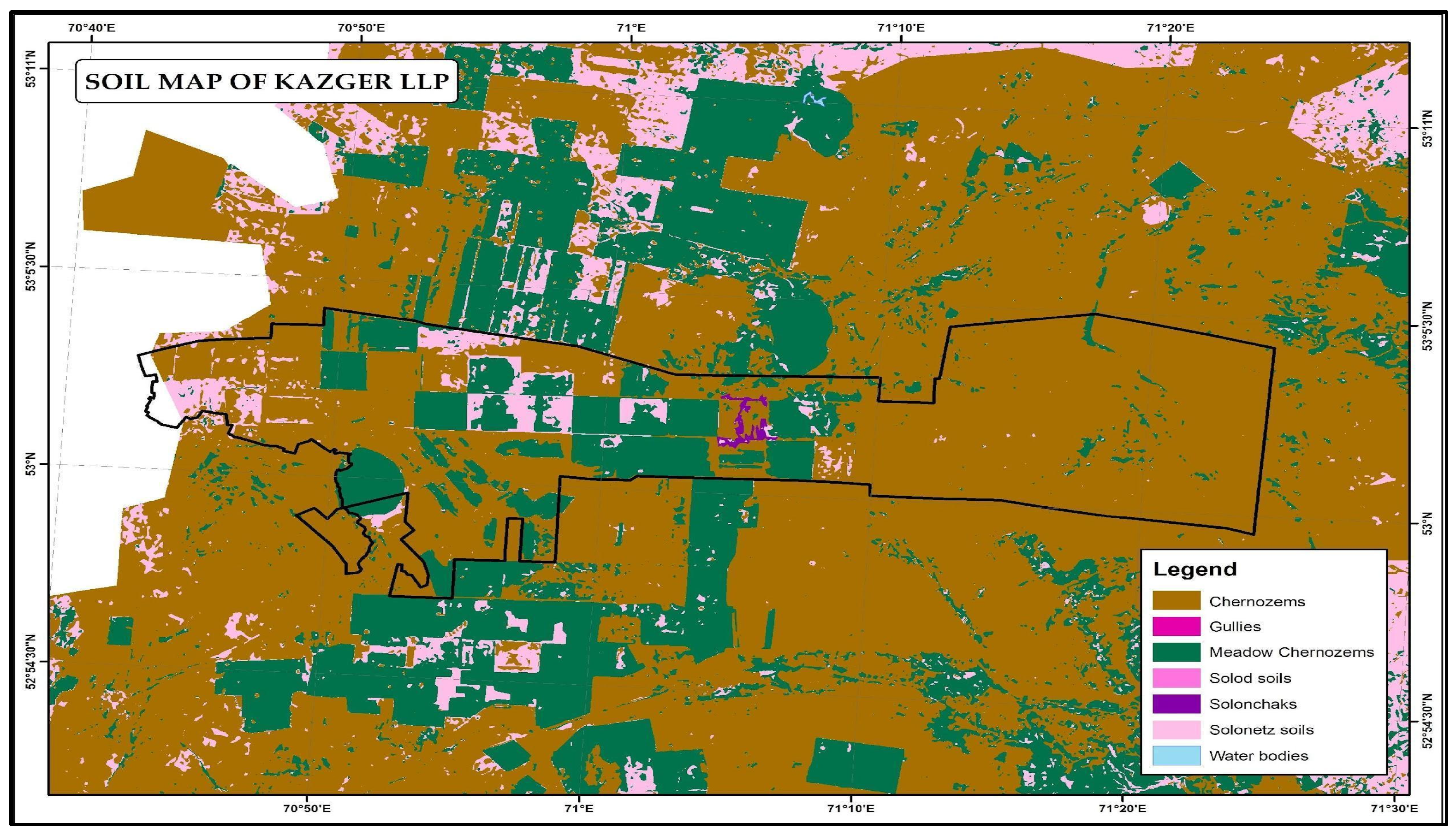
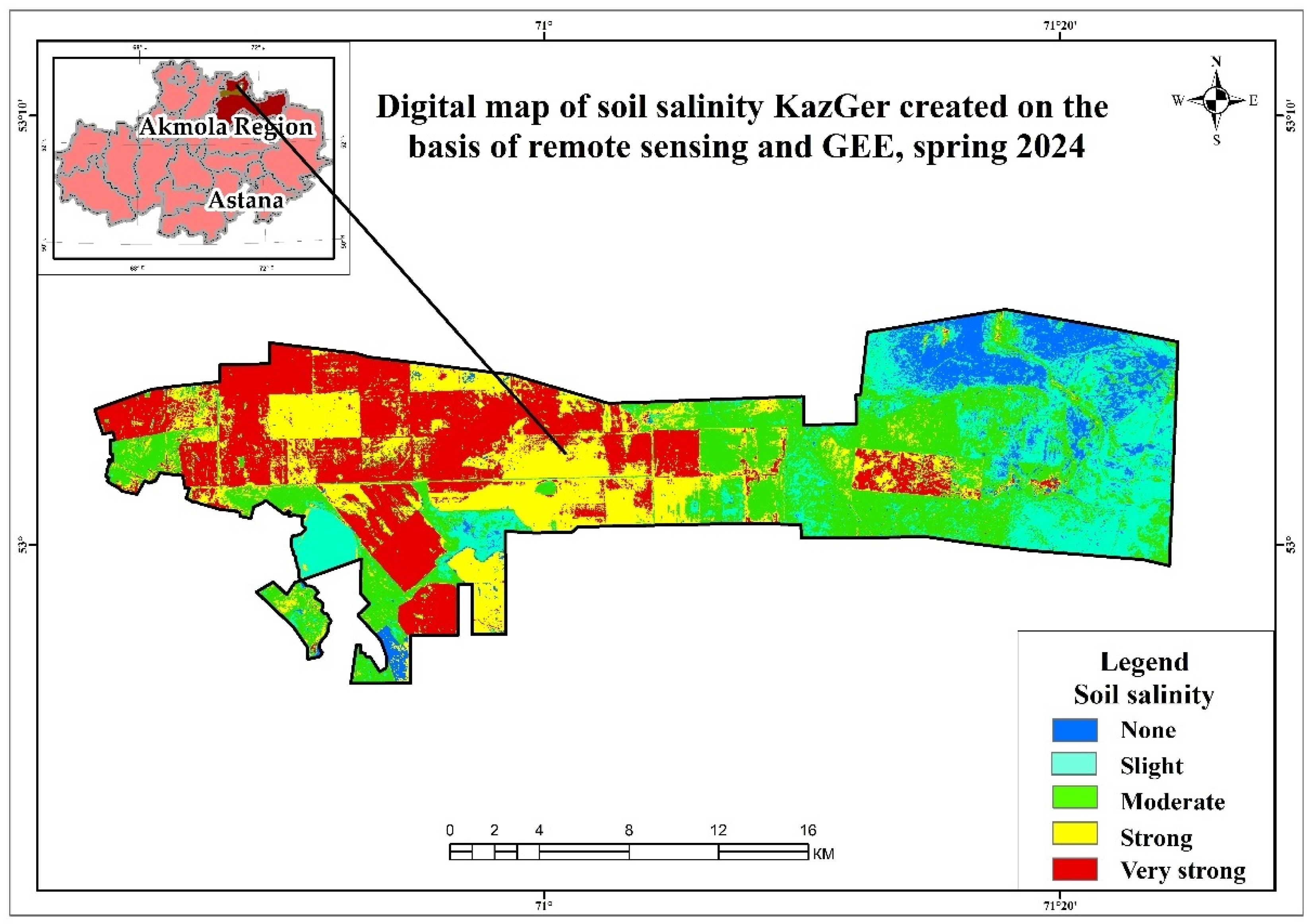
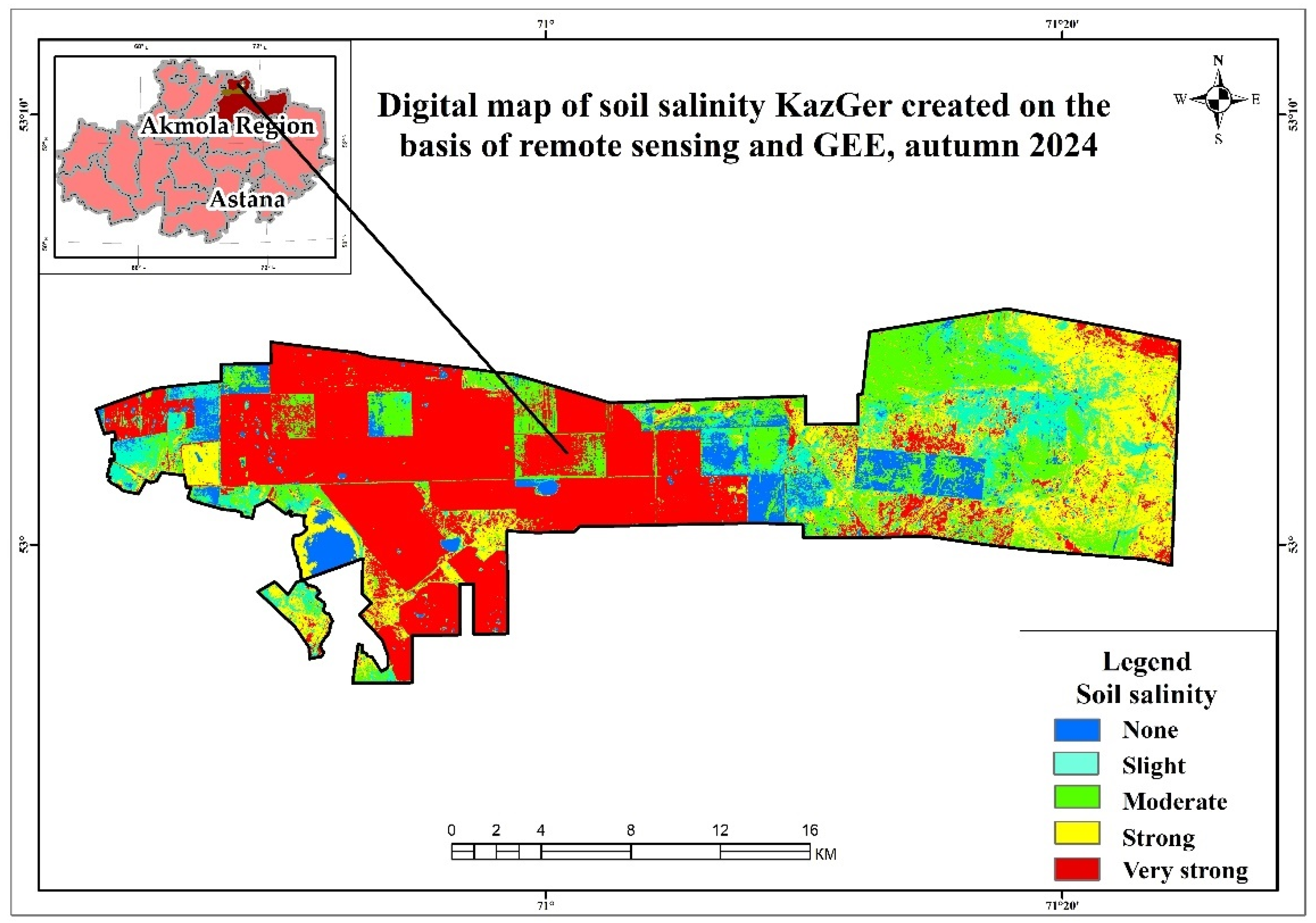
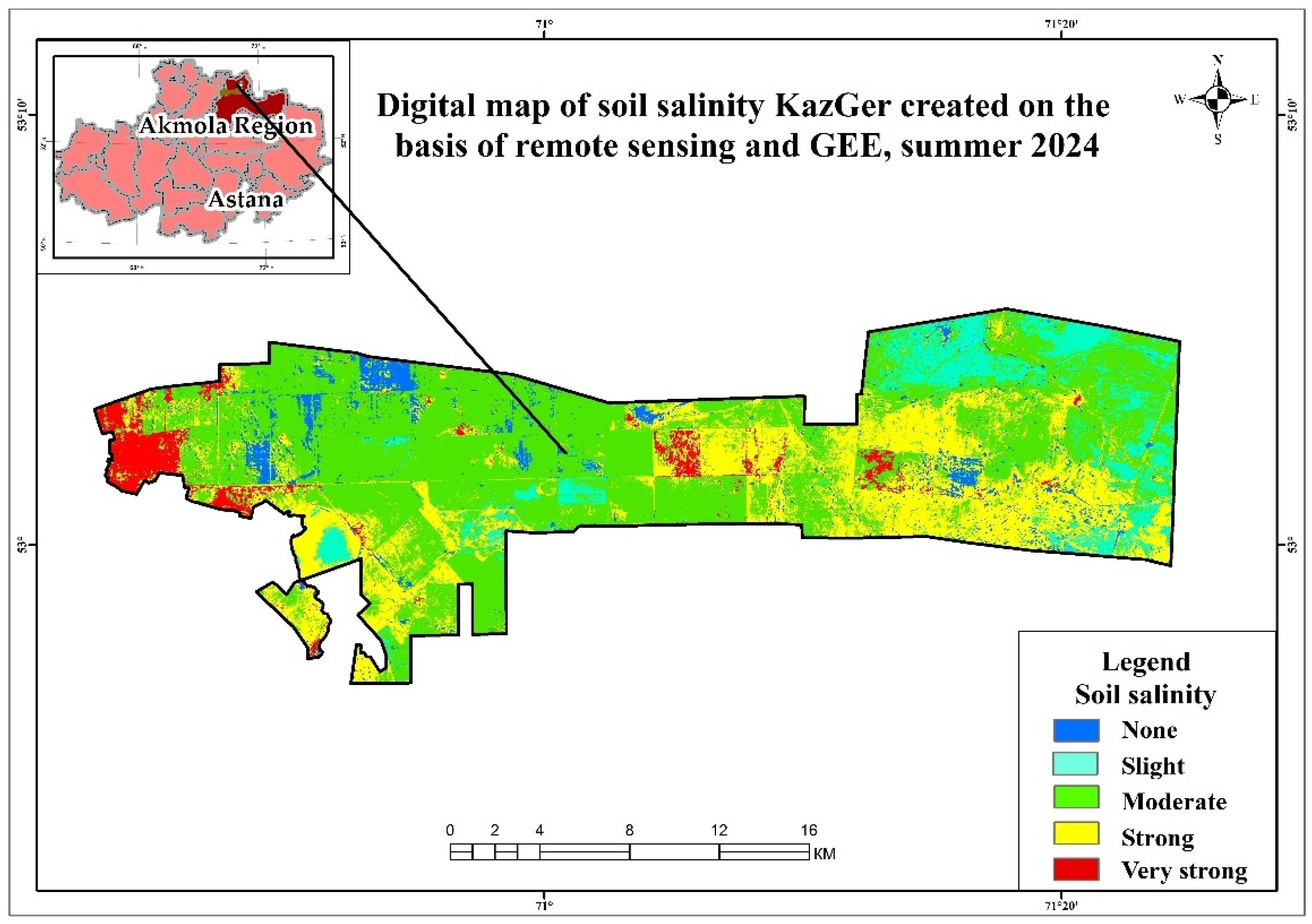
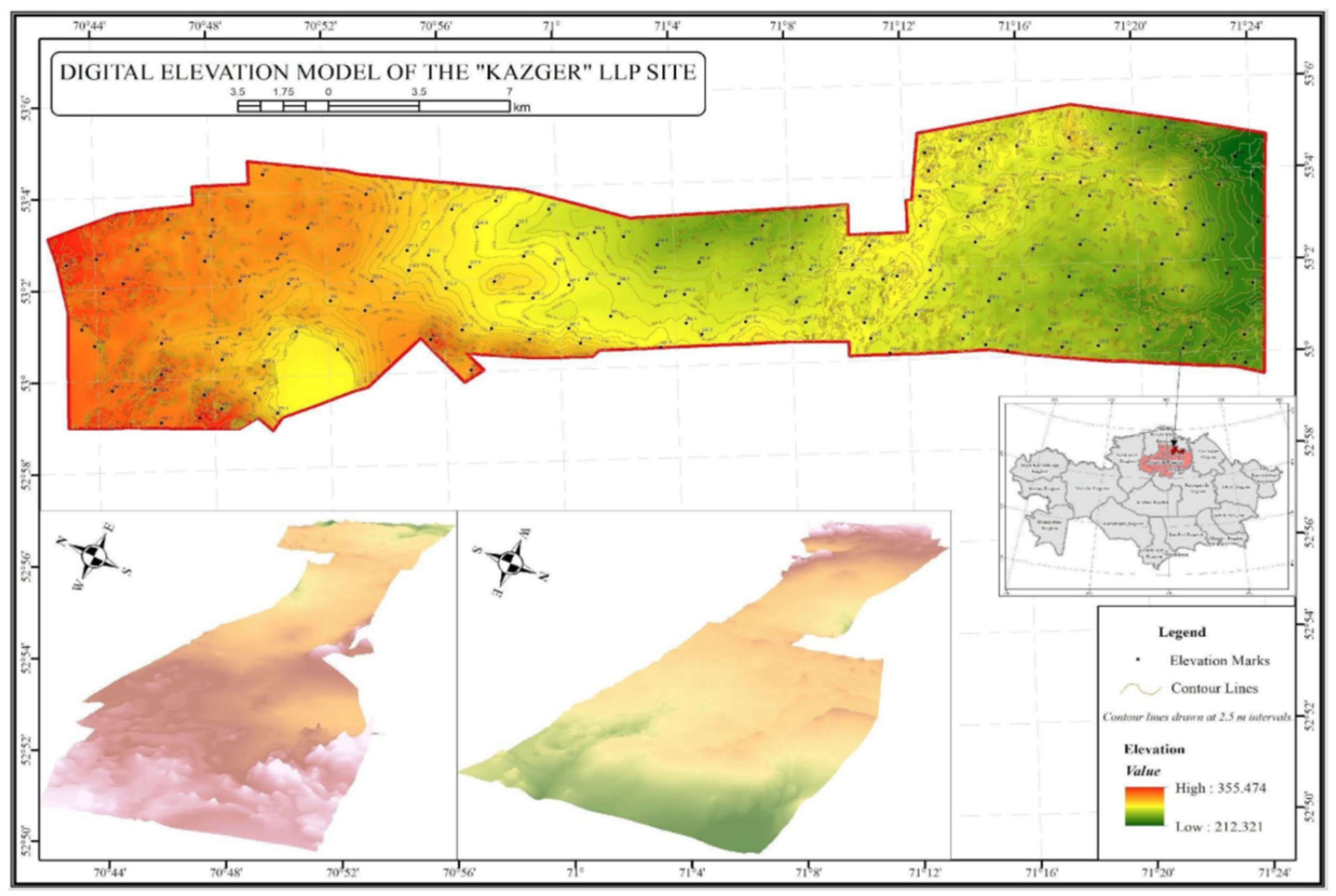
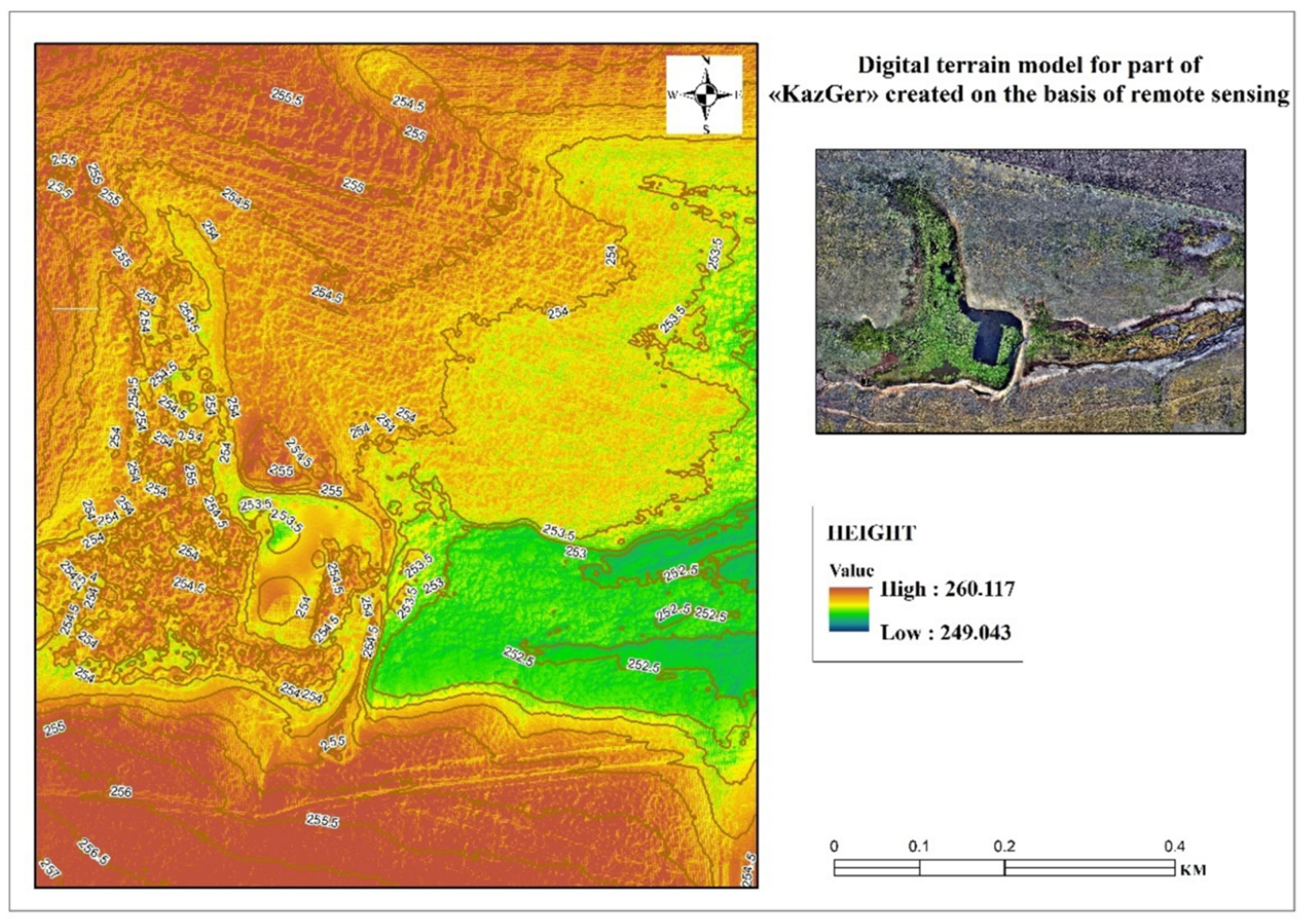
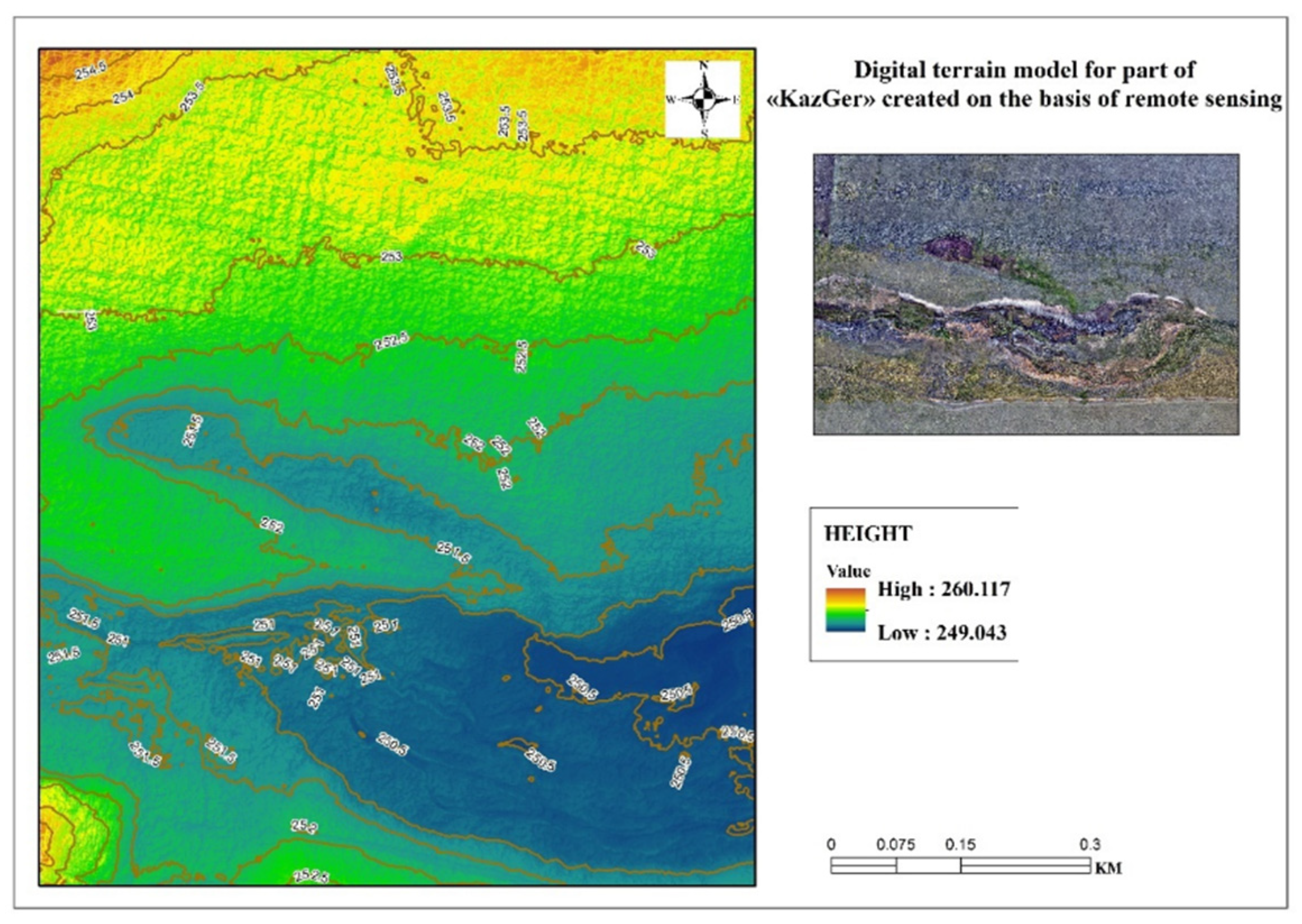
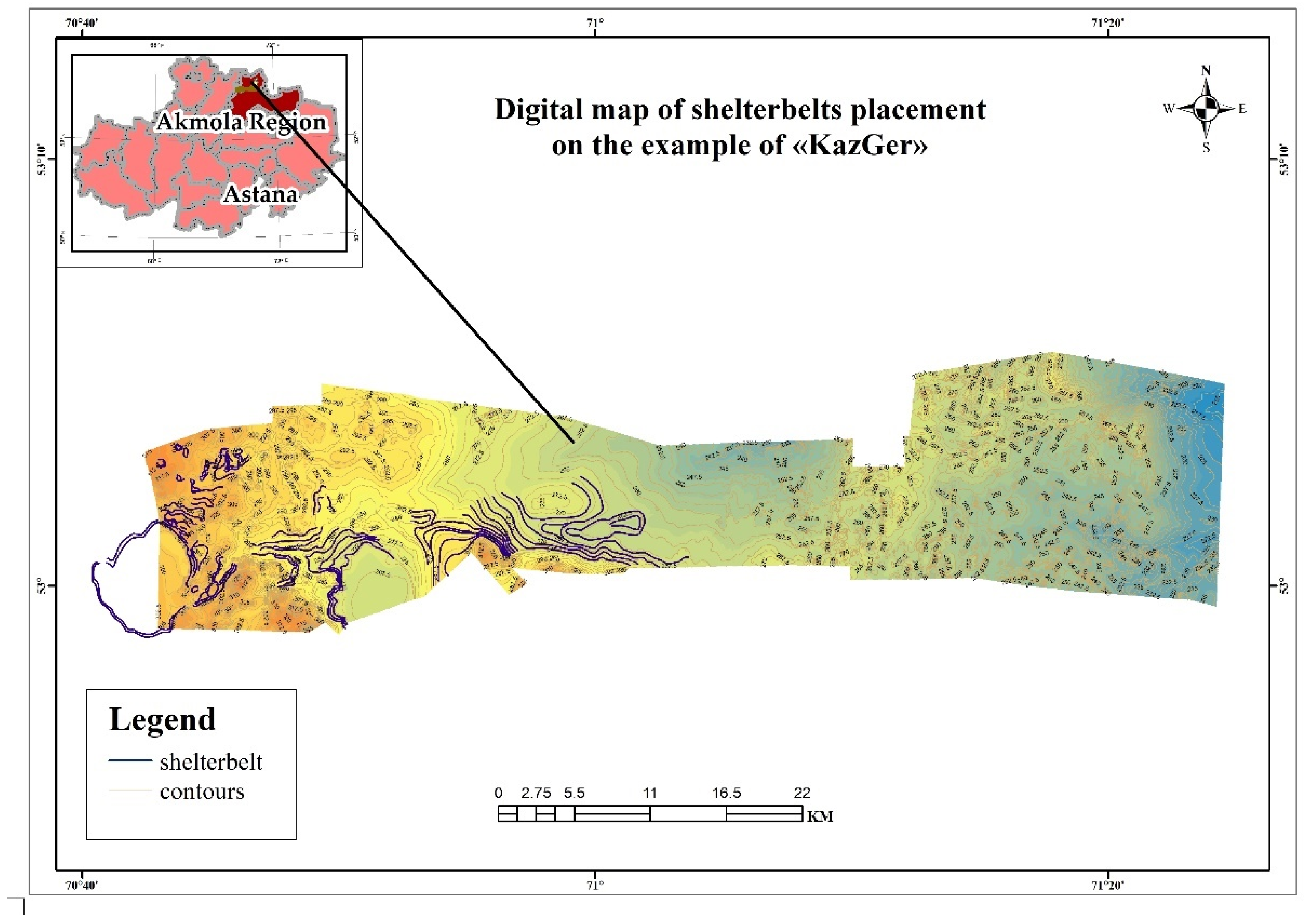
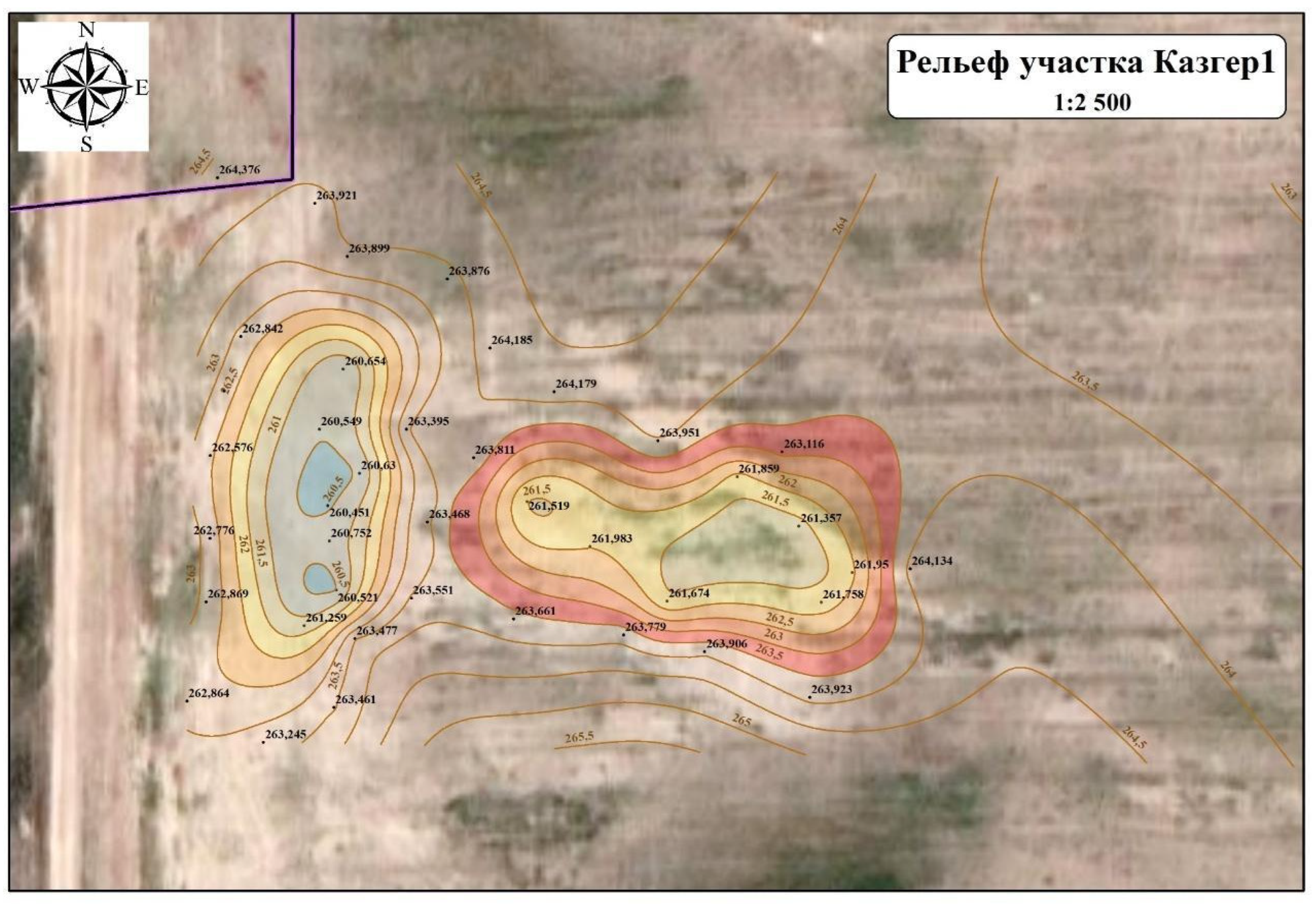
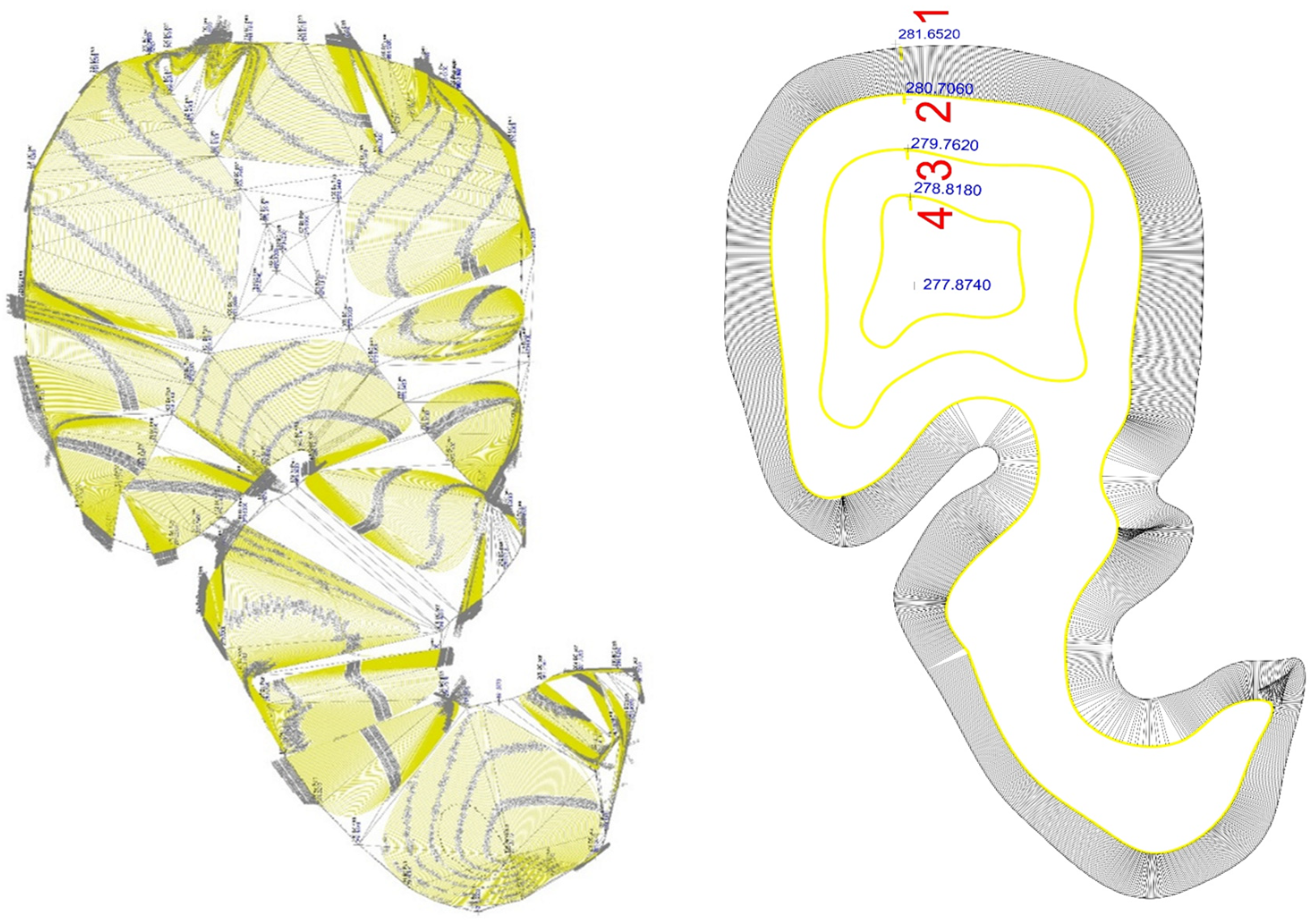
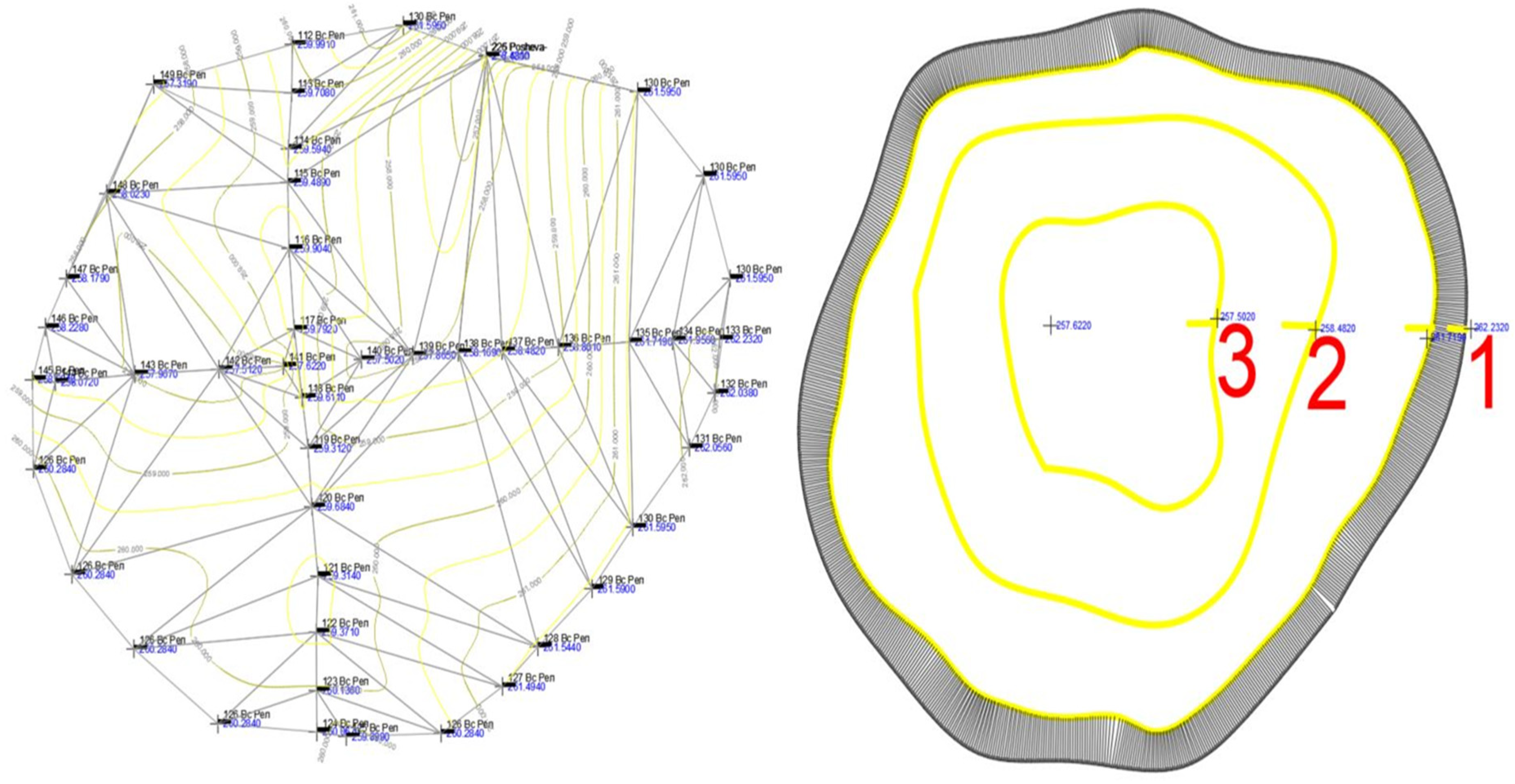
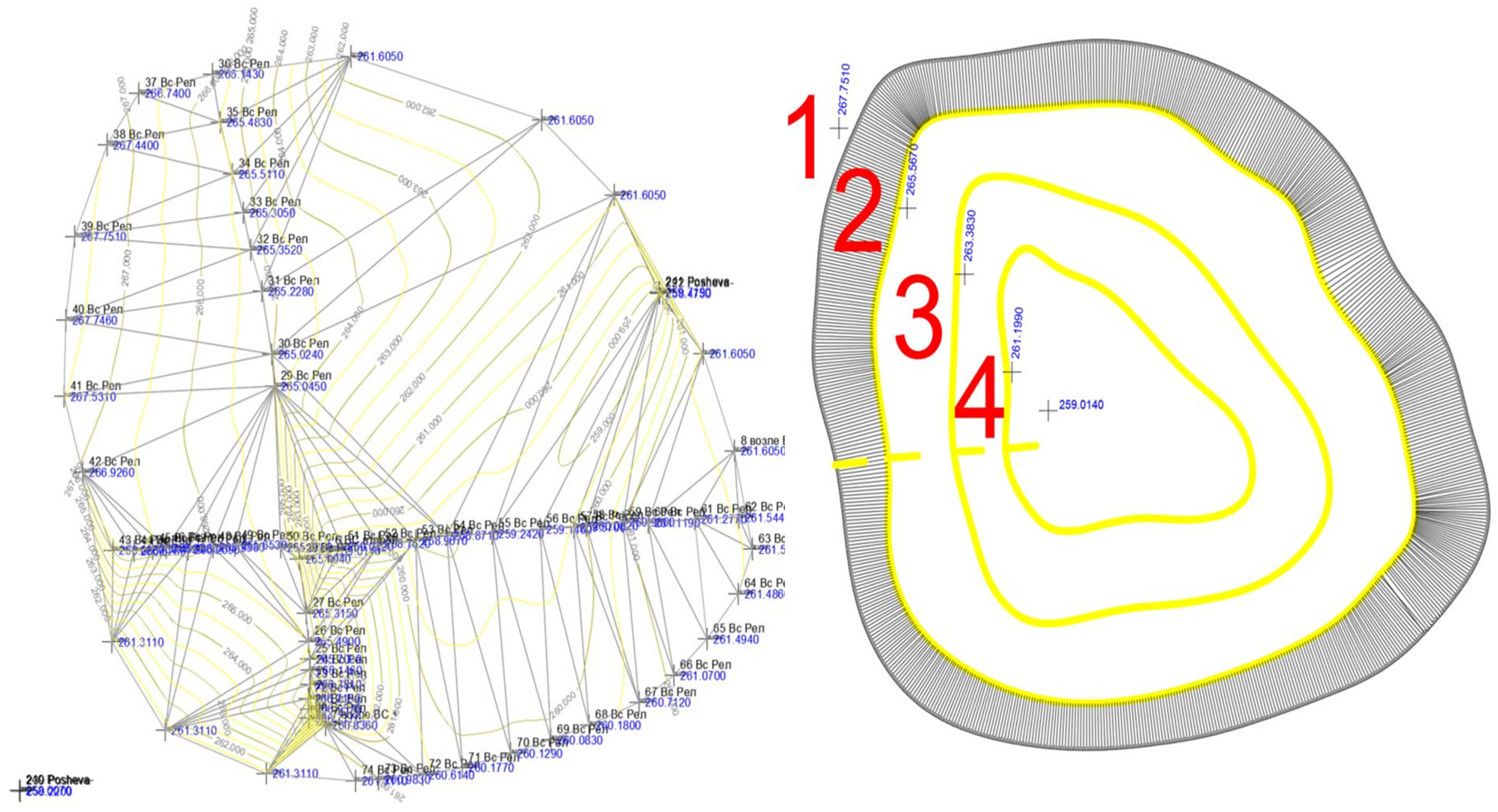
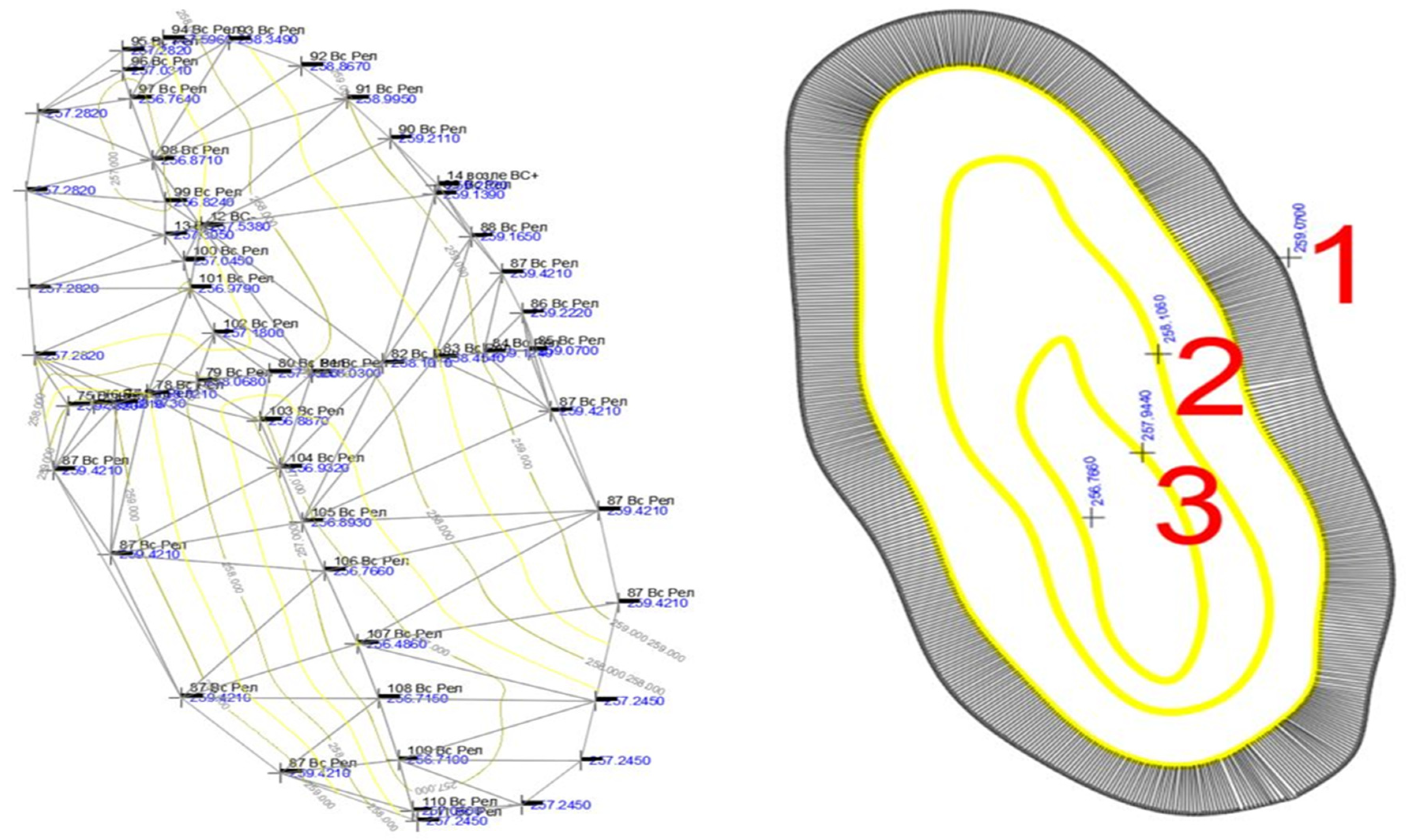
Land degradation issues are getting complicated worldwide. Kazakhstan’s land use has sharply deteriorated over several decades, necessitating comprehensive assessment and restoration. Farmlands in Kazakhstan are grappling with multiple challenges related to climate change, intense anthropogenic disturbances, and aggressive industrial agricultural practices involving monoculture crop production. Soil depletion is widespread in Kazakhstan due to flood erosion and drought expansion, causing desertification. The land sustainability of farmland improvement, including the soil, geology, and water retention assessment, is currently under investigation through our project activities in North Kazakhstan. Nature-based methods for forest plantation along contour strips and topography-based design landscapes are rarely applied or are absent in many rural areas these days. The land use issues have resulted in the loss of the soil moisture protective functions and a reduction in agricultural efficiency. Geodesy geomatics tools were applied for a topography investigation with digital elevation, digital terrain model preparation, and potential retention ponds’ location identification for managed aquifer recharge introduction. The combination of effective water accumulation methods, considering topography, with the development of protective forest shelterbelts should enhance the land use strategies for sustainable development. This strategy is expected to reduce soil erosion, promote moisture accumulation, by improving the soil’s quality as a sponge in water collection, and increase crop yields. Alongside this, a system for developing the retention ponds with managed aquifer recharge locations for proper water collection to improve the agrolandscapes was presented.
Keywords: shelterbelts; crop yield; soil salinization; water resources; geospatial analysis; sustainable agriculture shelterbelts; crop yield; soil salinization; water resources; geospatial analysis; sustainable agriculture