


Abstract
Higher education institutions are increasingly expected to excel in environmental, social, and governance (ESG) performance, but questions remain about how a university’s core missions contribute to its ESG outcomes. This study investigates the relationships between the missions of universities—education, research, and entrepreneurship—and their ESG performance, focusing on environmental and social dimensions. We utilize data from 12 research-intensive Dutch universities from 2023 to 2025, drawing on QS World University Rankings (WUR) indicators, the QS Sustainability Rankings, and Times Higher Education (THE) metrics. A partial least squares structural equation modeling (PLS-SEM) approach is employed with formative constructs for each mission and outcome. The results reveal that the entrepreneurship mission (knowledge exchange and industry income) has a strong positive influence on both environmental and social performance, while the research mission significantly boosts social performance. The education mission shows no significant direct effect on either outcome in our model. The findings underscore the critical role of the third mission in driving university ESG performance and suggest that research excellence translates to social impact when aligned with societal needs.
1. Introduction
Universities worldwide are under rising pressure to contribute to sustainable development and demonstrate excellence in environmental, social, and governance (ESG) performance [1]. In recent years, major ranking organizations have introduced assessments of universities’ sustainability impact—for example, QS launched its Sustainability Ranking in 2022–2023 to evaluate the environmental and social impact of institutions, and Times Higher Education (THE) started the University Impact Rankings in 2019 to measure universities against the UN Sustainable Development Goals [2]. These initiatives reflect a broader shift in stakeholder expectations: students, governments, and society now expect universities not only to deliver quality education and research but also to operate responsibly and contribute solutions to global challenges [3]. As a result, understanding the drivers of a university’s ESG performance has become an important area of inquiry for both academic scholarship and institutional policy.
A key question is how the core missions of universities—traditionally categorized as teaching (education), research, and a “third mission” of societal engagement or entrepreneurship—influence their sustainability performance [4]. Universities have long been seen as multifaceted organizations balancing these missions. The first mission, education, involves teaching and learning, the second mission is the creation of new knowledge through research, and the third mission encompasses contributions to society and the economy, such as technology transfer, industry collaboration, and social outreach [5]. Over the past few decades, the third mission’s importance has grown, with concepts like the entrepreneurial university highlighting that academics and institutions engage proactively with external stakeholders to drive innovation and regional development [6]. However, it remains unclear how excellence in these domains translates to performance on sustainability and ESG metrics. Are universities that invest in high-quality teaching or produce cutting-edge research also those that perform best in environmental and social impact? Or is it their engagement and entrepreneurial activities that make the difference? Filling this knowledge gap is crucial, as it can guide university leaders in strategic planning and balancing resource allocation across missions to achieve sustainability goals.
Studies on higher education sustainability have often focused on case studies of campus initiatives or broad correlations with single indicators. Comprehensive, quantitative models linking mission-oriented performance to sustainability outcomes are scarce. One recent global study by de Villiers et al. [7] examined determinants of universities’ sustainability rankings and found that factors like faculty-student ratio, research citations, international collaboration, and industry income are positively associated with sustainability performance. Those factors can be seen as proxies for different missions (e.g., faculty–student ratio relates to teaching capacity, citations to research quality, and industry income to engagement). Their findings suggest that well-resourced, research-intensive, and outward-facing universities tend to score higher on sustainability—pointing to a possible synergy between fulfilling traditional missions and achieving ESG goals. However, that study treated the predictors individually; a more integrated model is needed to capture the combined effect of each mission. Moreover, not all evidence is uniformly positive: some authors have critiqued that universities and organizations may focus on reporting sustainability achievements for rankings rather than making substantive changes, and barriers such as funding or regulatory constraints can limit sustainability innovation, especially in certain regions or contexts [8,9]. This underscores the importance of rigorously examining what internal efforts truly drive sustainability outcomes.
In this paper, we address this gap by developing and testing a model that connects universities’ performance in their three missions with their ESG performance. It should be noted that ESG performance is understood as measured ESG performance derived from international sustainability rankings, rather than universities’ actual or long-term societal impact, reflecting how sustainability-related activities are institutionally assessed and made comparable across universities. Conceptually, ESG includes Environmental, Social, and Governance dimensions; however, governance-related indicators are comparatively limited and inconsistently available across the ranking sources used in this study. We therefore focus on the Environmental and Social dimensions. We focus on Dutch higher education, examining 11 research universities in the Netherlands over the period 2023–2025. The Dutch context provides a controlled setting of relatively similar institutions (all publicly funded and research-oriented) that are known to prioritize sustainability, making it an ideal testing ground. We compile a unique dataset from international rankings: for each university and year, we extract indicators related to education (e.g., faculty-student ratio), research (e.g., citations per faculty), and entrepreneurship (e.g., knowledge transfer metrics), as well as outcomes related to environmental and social sustainability (e.g., QS’s environmental impact scores, social impact scores). Using partial least squares structural equation modeling (PLS-SEM), we treat each mission and each ESG dimension as a formative composite construct to assess their relationships.
This study contributes to the still-limited empirical literature that links universities’ core missions to ESG-related performance by testing a mission-differentiated model in which Environmental and Social performance are treated as ranking-based outcome measures. Specifically, we (i) empirically assess how education-, research-, and engagement/entrepreneurial-activity performance relate to measured ESG outcomes, (ii) show why the three missions should not be assumed to align with Environmental and Social performance in uniform ways, and (iii) clarify a key conceptual ambiguity in this field: mission-related orientations and activities do not always translate directly into ESG-type indicators because those indicators reflect what rankings can measure rather than universities’ long-term societal impact.
The remainder of this paper is structured as follows: Section 2 reviews the relevant literature and theory and develops hypotheses linking education, research, and entrepreneurship missions to ESG performance, presenting our conceptual model. Section 3 describes the data sources, the sample of Dutch universities, and how we measured each construct (mission indicators and sustainability indicators). Section 4 outlines the methodology, including the rationale for using PLS-SEM and details of the formative measurement model assessment and structural model evaluation. Section 5 reports the empirical results, first validating the measurement model and then testing the structural relationships (hypotheses). Section 6 concludes this paper and synthesizes the findings, presenting theoretical implications, practical implications, and limitations and directions for future research.
2. Theoretical Background and Hypotheses
2.1. ESG in Higher Education
The term “ESG performance” originates from the corporate sector, referring to a company’s performance in environmental, social, and governance criteria [10]. In the context of higher education, ESG performance can be viewed as how well a university operates sustainably (environmental), contributes positively to society (social), and adheres to principles of good governance (governance) [8]. Many universities have embraced the concept through initiatives like campus sustainability programs, equity and inclusion policies, and transparent governance practices. Despite this potential, it is important to recognize that university contributions to sustainability can vary widely. To assess such efforts, new frameworks and rankings have emerged. The QS World University Rankings: Sustainability, for example, evaluates universities on environmental impact (e.g., sustainable education, sustainable research, campus operations) and social impact (e.g., equality, employability, community engagement) [2]. These developments reflect the broader agenda of sustainable development in higher education: universities are increasingly expected to integrate environmental and social objectives into their core functions and contribute to the United Nations Sustainable Development Goals (SDGs) through their education, research, and outreach activities [11].
For this study, we consider ESG performance through two primary lenses consistent with data availability: environmental performance (encompassing environmental sustainability efforts and impact) and social performance (encompassing social impact and contribution). Governance, while an integral part of ESG, is not explicitly captured due to limited data in the rankings used; however, aspects of governance (like policy commitment and transparency) often underlie effective environmental and social initiatives. Understanding ESG performance in higher education thus requires a multidimensional view—one that connects institutional inputs and processes (missions and strategies) to these environmental and social outcomes. This forms the basis of our theoretical model: the idea that how a university fulfills its missions in education, research, and entrepreneurship will significantly shape its measured performance on ESG indicators.’ Importantly, these outcomes represent measured performance in international rankings rather than universities’ actual or long-term societal impact.
2.2. University Missions: Education, Research, and Entrepreneurship
Universities traditionally have a triadic mission structure. The education mission involves teaching and learning—imparting knowledge, developing human capital, and nurturing critical thinking in students. The research mission centers on generating new knowledge through scholarship, investigation, and innovation [12]. The third mission—often termed entrepreneurship, engagement, or service—has been increasingly recognized and involves the university’s direct interface with society and industry [13]. This includes technology transfer, the creation of spin-off companies, advisory services, lifelong learning programs for the community, cultural enrichment, and broader contributions to economic and social development [3].
Historically, the education and research missions were emphasized in the Humboldtian model of the research university, where teaching and research are intertwined core functions [14]. The third mission emerged more prominently in the late 20th century as stakeholders began expecting universities to be engines of innovation and regional growth, not just ivory towers of knowledge [15]. The three missions are distinct yet interrelated. Education produces skilled graduates who carry knowledge into society; research generates innovations and expertise that can feed into both teaching and societal applications; the third mission often relies on knowledge produced by research and the talent developed through education to make an impact beyond academia [16]. A university’s strategic orientation might lean more towards one mission or strive to balance all three. For example, some teaching-oriented universities primarily focus on education and local community service, whereas elite research universities prioritize research outputs and global academic reputation, and technology institutes may heavily emphasize innovation and industry collaboration [3].
In the context of ESG, each mission offers a different avenue for impact. Education can raise awareness and skills for sustainable development; research can discover sustainable technologies and solutions; engagement can implement sustainable practices in collaboration with external partners [17]. Conceptually, we treat the three missions as distinct institutional orientations and activity bundles that can be visible—unevenly—through ranking-based sustainability indicators. ESG performance is treated as an outcome that is operationalized through available ranking metrics. This distinction is important because mission-related orientations do not necessarily translate directly into ESG-type indicators: measured ESG outcomes depend on what ranking systems capture and weight, which may privilege certain externally visible activities (e.g., partnerships, outreach, knowledge exchange) over longer-term and diffuse mission effects (e.g., educational value formation). We next examine each in turn to develop hypotheses on how they might influence environmental and social performance.
2.3. Education and ESG Performance
The education mission of a university—encompassing teaching quality, curriculum, and student development—has potential implications for sustainability performance in multiple ways [18]. Through the concept of Education for Sustainable Development (ESD), universities can integrate sustainability principles into their teaching, ensuring that graduates are equipped with the knowledge and values to act on environmental and social issues [19]. A university that emphasizes high-quality education might incorporate sustainability across disciplines, encourage critical thinking about ethical and societal issues, and produce teachers, policymakers, and professionals who champion sustainability in their careers [20]. For example, a medical faculty that trains doctors with a strong sense of public health equity [21], or an engineering program that requires courses in renewable energy, contributes indirectly to social and environmental outcomes at the societal level [22].
Several indicators can reflect the strength of the education mission: student–faculty ratios, teaching reputation, and the inclusivity and diversity of the learning environment [23,24]. A low faculty-student ratio and strong teaching scores often signal an institution that invests in pedagogy and student support. We posit that such investments correlate with better ESG performance. The rationale is that an institution focused on teaching is likely to nurture socially conscious graduates (boosting social performance via alumni impact and community involvement) [25]. It may also be more attentive to campus well-being and inclusion (factors that tie into social sustainability metrics like equality and well-being) [26].
Moreover, universities that perform well in education often have robust community engagement in the learning process (such as service-learning programs, community-based projects, and internships). These activities directly serve social needs and could translate into measurable social impact [27]. For environmental performance, although the link is less direct, one could argue that a broad-based education mission could encompass environmental literacy for all students and training in sustainable practices on campus, thereby contributing to the institution’s overall environmental ethos and actions [18]. Notably, the QS Sustainability Ranking includes an “Environmental Education” component in its environmental index and an “Education Impact” indicator in its social index [2]. A university that strongly embeds sustainability in its curriculum and campus culture would be expected to score higher on these measures, providing a concrete mechanism through which a strong education mission can improve its ESG ranking performance.
Empirical hints of this relationship appear in studies like de Villiers et al. [7], where the faculty-student ratio was found to be positively related to sustainability ranking performance. They interpreted this as indicating that well-resourced teaching (smaller class sizes) is part of the profile of institutions that do well in sustainability. This may reflect a normative effect: universities that care about educational quality also tend to embrace the “right thing to do” in terms of social responsibility (a form of normative isomorphism). Based on this reasoning, we formulate the following hypotheses for the education mission:
H1a:
A stronger education mission positively influences a university’s environmental performance.
H1b:
A stronger education mission positively influences a university’s social performance.
2.4. Research and ESG Performance
The research mission is fundamentally about knowledge creation, which is directly relevant to solving environmental and social challenges. Universities with strong research capabilities may contribute to sustainability in numerous ways: developing new technologies for clean energy [28], advancing medical and social research to reduce inequalities and improve health [29], informing environmental policy through science, and generating data and evidence to track progress on sustainability goals [30]. High research performance is often measured by output (publications, citations), quality (influence of research, awards), and network (collaborations and international reach) [23].
We expect that a university’s research excellence and intensity will be positively associated with its sustainability performance, particularly if a portion of that research is aligned with sustainability topics. Many sustainability metrics explicitly count research-related indicators. For instance, the QS Sustainability Ranking includes measures like “Research impact on sustainable development goals” [2]. If a university produces a large volume of highly cited research, it is likely contributing knowledge to areas such as climate science, sustainable agriculture, public health, education innovation, etc., which directly improve its environmental or social scores [31]. In practical terms, a university with robust research output and influence tends to score well on sustainability ranking indicators that incorporate research achievements (for example, QS’s metric for research impact on the SDGs), illustrating how research mission strength can translate into higher ESG performance metrics. Additionally, a vibrant research environment typically attracts funding and talent that can be leveraged for sustainable initiatives on campus (e.g., energy efficiency projects, research centers for sustainability) [32].
Prior research supports the connection between research and sustainability performance. Villiers et al. [7] found that citations per faculty (a proxy for research quality) and an international research network were both positively related to a university’s sustainability ranking. This suggests that institutions known for impactful research and global collaboration tend to also be leaders in sustainability—perhaps because they are part of international efforts to address global issues, or because research prowess comes with greater resources and awareness that spur sustainability efforts. Likewise, a study by Cuadrado et al. [33] observed correlations between research output and performance on certain sustainability aspects, although findings can vary by region and methodology.
It is worth noting that not all research automatically furthers sustainability. Purely theoretical research or research that could even be environmentally harmful (e.g., energy-intensive laboratory science without mitigation) might not help sustainability metrics. However, at an aggregate level, universities that are leaders in research often have broad portfolios that include many sustainability-relevant projects, and they possess the problem-solving ethos that aligns with tackling SDGs [28]. Therefore, we hypothesize:
H2a:
A stronger research mission positively influences environmental performance.
H2b:
A stronger research mission positively influences social performance.
2.5. Entrepreneurship and ESG Performance
The entrepreneurial (third) mission encompasses the various ways in which universities engage with and impact society beyond academia [3]. This mission can manifest in technology transfer (patents, licenses) [12], support for start-ups and spin-off companies [34], partnerships with industry or government on R&D [35], continuing education and consulting, involvement in policymaking, social entrepreneurship initiatives [36], student community projects [3], and so on. In the context of sustainability, the third mission is arguably the most direct route for universities to create change. Through engagement, universities can implement and apply their knowledge to real-world environmental and social problems [37].
Universities that actively collaborate with industry on R&D or encourage faculty/students to start companies are likely contributing to innovation in areas like renewable energy, sustainable materials, or health technologies [29]. Many clean-tech and social enterprises germinate from university labs and incubators. Success in this mission means more of these innovations are deployed, contributing to environmental solutions and social benefits [38]. Engagement activities such as running awareness campaigns, advising local governments, partnering with NGOs, or providing extension services directly address community needs and improve social welfare [39]. These actions are often recognized in social impact metrics—for example, QS’s “Knowledge Exchange” indicator and THE’s “Industry” measure gauge how well a university disseminates knowledge to society [2,24].
A university with a strong third mission actively listens and responds to societal stakeholders. This can lead to more robust sustainability practices on campus and in operations because external partners (like city authorities or companies) may collaborate with the university on sustainability commitments (such as joint climate action plans) [18]. It also likely means the university leverages external funding to support sustainability initiatives (like industry-sponsored research on energy efficiency). Engaged universities build a reputation for being socially responsible, which may correlate with better performance on ESG since they tend to institutionalize those values (e.g., establishing an Office of Sustainability, publishing sustainability reports, signing international accords like the SDG Accord). This alignment of values and actions would reflect positively in measures of both environmental and social performance. Prior studies have likewise highlighted that entrepreneurial and engagement activities bolster universities’ sustainability contributions; for example, academic entrepreneurship is identified as a source of innovation for sustainable development [37], and the creation of spin-offs has been framed as a vehicle for achieving sustainability goals [38].
Empirical evidence suggests the third mission is crucial. In our context, one of the indicators we will use is knowledge exchange (from QS Sustainability), which captures outreach and community engagement—logically, one expects this to correlate strongly with social impact [2]. Another is industry income (from THE), a proxy for how much the university’s research is valued by industry; a higher industry income often indicates applied relevance of research, some of which may be sustainability-related (for instance, research into green technologies attracting industry investment) [24]. Davey et al. [40] emphasize that university–business collaboration is at the heart of creating entrepreneurial outcomes like spin-offs. If we extend that logic, university–business and community collaboration should also be at the heart of creating sustainability outcomes: solutions often require translating research into practice, which is exactly what the third mission facilitates.
These findings also point to specific mechanisms through which the third mission enhances ESG performance, grounded in the engagement pathways already reflected in our data. For example, the QS Knowledge Exchange indicator [2], which played a dominant role in our model, reflects various outreach and partnership activities—including joint research with external stakeholders, co-development of innovations, and community collaboration. Such forms of engagement are not only knowledge-transfer channels but also mechanisms for amplifying sustainability outcomes. When universities co-create solutions with local governments or industry partners—for instance, on urban planning, public health, or clean energy—these collaborations can directly impact environmental and social indicators measured in sustainability rankings. Similarly, THE Industry Income metric captures the extent to which university research is valued and applied in practice [24]. Higher scores may imply that universities are contributing to sustainability-oriented sectors, such as green technology or health innovation. Thus, our results suggest that it is not entrepreneurship per se, but the orientation and depth of engagement—particularly toward socially and environmentally relevant goals—that drives ESG impact. These mechanisms are especially salient in the Dutch context, where universities operate within a collaborative innovation system and are often encouraged to demonstrate societal relevance. We thus hypothesize:
H3a:
A stronger entrepreneurship mission positively influences environmental performance.
H3b:
A stronger entrepreneurship mission positively influences social performance.
2.6. Conceptual Model and Hypotheses
Based on the above discussion, we propose the conceptual model depicted in Figure 1. The model posits that each of the three university missions contributes to explaining the variance in the two facets of ESG performance (environmental and social). All relationships are hypothesized to be positive, as articulated in H1a through H3b. We theorize that each mission influences ESG through distinct mechanisms: education shapes societal values and long-term human capital, research generates knowledge and solutions to sustainability challenges, and entrepreneurship translates knowledge into practice via collaboration. These mechanisms provide the pathways by which excellence in each mission can lead to improved environmental and social outcomes.
Figure 1.
Conceptual model linking university missions to ESG performance. Each mission (Education, Research, Entrepreneurship) is hypothesized to positively affect the two dimensions of ESG performance (Environmental and Social).
The specific indicators were chosen for each construct because they capture key facets of that mission or performance dimension. For example, faculty-student ratio and teaching scores reflect investment in educational quality, while knowledge exchange and industry income indicate the extent of societal engagement—each aligning with our conceptual definitions of the missions. Likewise, the Environmental and Social performance indexes are broad composite scores of sustainability outcomes (e.g., education and research) that serve as proxy measures of a university’s contribution to sustainable development in each domain. We model all constructs as formative composites because each indicator defines a distinct aspect of the construct rather than reflecting a single latent trait (thus, high intercorrelation among indicators is not required).
These six hypotheses form the structural paths of our model. We treat environmental performance and social performance as separate outcome variables to allow for potentially different effects, as our theoretical discussion noted, certain missions might have stronger connections to one dimension than the other. By testing this model with empirical data, we aim to identify which mission(s) have the most salient impact on sustainability performance and whether any mission’s influence is negligible or counterintuitive.
Additionally, our model implicitly acknowledges that the three missions could be intercorrelated (for instance, some universities are generally strong in all missions, others less so). In the analysis, we will check for multicollinearity to ensure that we can distinguish the unique contribution of each mission. We will also explore how well the combination of the three missions explains sustainability outcomes, thereby assessing the overall pertinence of internal mission fulfillment to ESG performance. In the next section, we describe the data and measures used to instantiate this model for the Dutch universities in our sample.
3. Methodology
3.1. Sample and Variables
This study focuses on Dutch higher education institutions, using data from 12 research-intensive universities in the Netherlands over the period 2023–2025. These universities include all major publicly funded research universities in the country (excluding Utrecht University, with missing data at THE). The Netherlands provides a relatively homogeneous context of universities that are comparable in governance and funding, which helps control for external variations. We treat each university year as an observation, yielding a total sample of 36 data points (12 universities × 3 years). Data on university performance were collected from publicly available international ranking sources for the years 2023, 2024, and 2025. Specifically, we drew from three main sources: (1) the QS World University Rankings (QS WUR) and its companion QS Sustainability Rankings, and (2) the Times Higher Education (THE) World University Rankings dataset. These sources provide standardized indicators that we used to operationalize the constructs of interest. We consider each year’s data as an independent snapshot of performance; given the short 2023–2025 window, temporal dependence is minimal, and trends are not a focus of this analysis.
Each of the three university missions (education, research, and entrepreneurship) was measured as a formative construct using multiple indicators from the rankings data. Similarly, the two ESG performance outcomes (environmental and social performance) were measured as formative constructs with multiple indicators. Table 1 summarizes the constructs, their conceptual definitions, and the specific indicators used as formative measures for each, along with the source of each indicator.
Table 1.
Definitions of constructs and measurement indicators.
Each indicator was obtained from the respective ranking’s data for each university and year. The education mission construct includes measures of teaching quality and internationalization (e.g., faculty-student ratio, teaching, international faculty ratio) that signal investment in education. The research mission construct is captured by metrics of research output and influence (citations) and research environment. The entrepreneurship mission (third mission) is represented by knowledge exchange and industry income metrics, which reflect how much the university’s knowledge is being applied in society. For the outcomes, the environmental performance construct uses scores that aggregate a university’s performance on environmental sustainability (covering research, education, and campus operations related to the environment), while social performance uses scores reflecting social impact (including equity and employment outcomes). All these composite indicators come from the QS Sustainability Rankings (which evaluate universities as centers of education and research for sustainability). We note that explicit governance indicators (e.g., good governance) were minimal in available data; so, our analysis centers on the environmental (E) and social (S) aspects of ESG performance.
Because each construct is measured formatively (the indicators collectively define the construct rather than reflect a latent trait), we do not expect high internal consistency in the traditional sense. Instead, what is important is that each indicator captures a unique aspect of the construct and that indicators are not excessively collinear. We checked the data for multicollinearity among indicators of the same construct and between constructs (details in Section 4.1). All variables were standardized to ensure comparability of units and to facilitate the PLS-SEM estimation.
3.2. Analytical Approach: PLS-SEM
We employed partial least squares structural equation modeling to test the hypothesized model. PLS-SEM is well-suited for predictive modeling with formative constructs and relatively small samples, and it does not require the strict distributional assumptions of covariance-based SEM [41]. In our case, the sample size (36 observations) is modest, and each of our five main constructs is modeled formatively, making PLS an appropriate choice. We adopted PLS-SEM in part for its predictive orientation—unlike covariance-based SEM, PLS focuses on maximizing explained variance in the dependent variables, aligning with our goal to identify the strongest drivers of ESG performance. We used the consistent PLS algorithm with a two-stage approach, assessing the measurement model (outer model) first and then the structural model.
The model was estimated using a bootstrapping procedure (5000 re-samples) to obtain standard errors and t-statistics for the path coefficients and indicator weights. We included no control variables in the primary model due to the homogeneity of the sample (all are Dutch research universities of similar scale); however, we acknowledge that unobserved factors like institutional size or budget could influence the results, and we comment on this in the discussion. The significance of hypotheses was evaluated at the 5% level (two-tailed), and we also note marginal significance at the 10% level where relevant.
For the measurement model, we evaluated formative construct quality by examining indicator outer weights (and loadings) and checking for multicollinearity among indicators. Variance inflation factors (VIF) were computed for each indicator relative to others in the same construct block. Additionally, we report the outer weight and its significance for each indicator, which indicates the contribution of that indicator to the construct when controlling for other indicators. Since traditional metrics like Cronbach’s alpha or composite reliability are not meaningful for formative constructs [42], we focus on the indicator validity (significance and sign of weights) and collinearity diagnostics.
For the structural model, we evaluated overall explanatory power using R-squared values for the two dependent variables (environmental and social performance). We also examined the magnitude and significance of the path coefficients corresponding to H1a–H3b. Effect sizes (f2) were calculated to gauge the practical significance of each exogenous construct on the endogenous constructs. In addition, we computed the model’s standardized root mean square residual (SRMR) as an approximate model fit index for the PLS path model. An SRMR below 0.10 is often considered a good fit guideline in PLS-SEM, though this threshold is not as strictly adhered to as in covariance-based SEM. The PLS-SEM analysis was conducted using the SmartPLS 3 software. The next section presents the results of the measurement model assessment and hypothesis testing.
4. Results
4.1. Measurement Model Assessment
Because our constructs are defined formatively by their indicators, we first checked for multicollinearity and the relevance of each indicator in its construct. The inner VIF values (for each set of predictor constructs in the structural model) ranged from 1.78 to 2.80, all well below common thresholds (e.g., 3.3 or 5.0), indicating that the education, research, and entrepreneurship missions, while correlated, did not pose severe collinearity issues in predicting the sustainability outcomes. Similarly, outer VIF values for indicators within each construct were all below 3, suggesting no problematic multicollinearity among indicators defining the same construct. Table 2 presents the outer and inner VIF values for the constructs and their indicators.
Table 2.
Outer and inner VIF values.
Each formative construct had at least one indicator with a statistically significant weight (p < 0.05), supporting the validity of the formative index. For the education mission construct, THE Teaching score had a substantially higher weight (weight = 1.093, t = 2.37, p = 0.018), indicating that teaching quality is a primary contributor to the construct, whereas the faculty-student ratio and international faculty ratio had smaller and non-significant weights (both were negative but not significant). This suggests that in our sample, differences in teaching reputation/quality are more strongly associated with what we term “education mission strength,” while pure quantitative measures like class size and faculty internationalization appear to contribute less once teaching score is considered.
For the research mission construct, THE Research Quality (citation impact) score was significant (weight = 0.607, t = 2.06, p = 0.039), implying that research influence/quality plays a key role in shaping the construct. Other research indicators (citations per faculty, international research network, research environment) had positive weights but did not reach significance at 5%, though their loadings were high (e.g., the loading of QS International Research Network was 0.759, p < 0.001). This pattern reflects that the research indicators are somewhat collinear—universities strong in citations tend also to have strong collaboration networks—and the most impactful aspect among them is captured by the research quality index.
For the Entrepreneurship (third mission) construct, the QS Knowledge Exchange indicator was by far the most prominent component (weight = 0.942, t = 13.19, p < 0.001), whereas THE Industry Income was not significant (weight = 0.199, p = 0.132). In other words, community and knowledge outreach activities (as measured by QS) are more strongly aligned with the variance in the third mission construct in our data, and whether a university has high industry research income is less influential once knowledge exchange is considered. This makes intuitive sense: knowledge exchange encompasses a broad range of engagement efforts (often including industry partnerships); so, it overlaps with what the industry income metric captures; nearly all the variance in the third mission that matters for sustainability is reflected in the knowledge exchange score.
Turning to the outcome constructs, environmental performance is most closely associated with the environmental research indicator from QS (weight = 0.885, t = 4.81, p < 0.001), which measures research-related sustainability impact (e.g., publications on environmental topics). The other two environmental indicators—sustainable education and campus sustainability policies—had much smaller weights (one near zero, one positive but not significant). This suggests that differences in universities’ environmental performance scores in our sample are predominantly linked to their research contributions to sustainability (for example, producing impactful environmental research), whereas variations in on-campus sustainability initiatives or curriculum integration appear to have played a lesser role in distinguishing the top performers (possibly because most Dutch universities have similar commitments in those areas).
For social performance, two indicators stood out: the Health and Well-being score (weight = 0.673, t = 2.71, p = 0.007) and the Impact of Education score (which includes metrics like employability and educational impact; weight = 0.544, t = 2.51, p = 0.012). The equality indicator had a negative weight (−0.395) that was not quite significant (p = 0.097), suggesting that, controlling for the other social metrics, the standalone equality metric did not show a strong positive association—this could be due to overlap with the other metrics or the small variance in equality scores among Dutch universities. The Employment Outcomes indicator showed a positive weight (0.275) that was marginally significant at the 10% level (p = 0.057), indicating some contribution to the social performance construct. Overall, the formative social performance index is most influenced by how universities address health, well-being, and the broader impact of education on society, with diversity/equality playing a more limited role in this context.
In summary, the measurement model evaluation indicates that each formative construct is well-defined by its indicators without redundancy issues. We retained all indicators to preserve the breadth of each construct, even if some had weaker contributions, as they represent conceptually important dimensions (e.g., we kept the equality indicator in the social performance construct for its substantive relevance to social sustainability, despite its lower weight). Multicollinearity diagnostics (all VIF < 3) and the significance of key indicators support the reliability of using these composite measures for the structural analysis. Having established the measurement model, we proceed to examine the structural relationships corresponding to our hypotheses.
4.2. Structural Model and Hypothesis Testing
The structural model results provide insight into the influence of each university’s mission on ESG performance outcomes. Figure 2 and Table 3 summarize the path coefficients for the hypothesized relationships H1a through H3b, along with their significance levels and the variance explained (R2) in each dependent construct.
Figure 2.
Linking the university’s mission to the ESG performance model path coefficients and results.
Table 3.
Structural Model Results for the Hypothesized Relationships Between University Missions and ESG Performance.
The PLS-SEM results suggest that environmental performance is substantially explained by the model (R2 = 0.684, meaning about 68.4% of the variance in the environmental sustainability performance score is accounted for by the three missions). Social performance is even better explained (R2 = 0.805, or 80.5% variance explained). These high R-squared values indicate that the extent to which a Dutch university fulfills its core missions is associated with how it performs on sustainability metrics, especially on the social side. The model’s SRMR was 0.158, which is above the conventional 0.10 threshold, suggesting the residuals are not perfectly small; this could be due to the limited sample size and any missing paths (for instance, intercorrelations among missions) not modeled. Nonetheless, given the exploratory nature of PLS and the high explained variance, we focus on the significance and relevance of the hypothesized paths.
H1a (Education → Environmental Performance) was not supported at the 5% level. The path coefficient was positive (β = 0.452) but did not reach significance (t = 1.717, p = 0.086). This suggests a positive but only marginally significant relationship. At best, we can say the education mission is weakly associated with environmental sustainability outcomes, significant at the 10% level but not at 5%. In practical terms, a higher emphasis on education quality/resources did not significantly boost a university’s environmental performance in our sample—any effect is small and not statistically robust.
H1b (Education → Social Performance) was not supported. Interestingly, the estimated coefficient for education’s effect on social performance was negative (β = −0.356), though not significant (t = 1.506, p = 0.132). The negative sign is counter to our expectation; however, given the insignificance, we interpret this as an educational mission showing no clear effect on social sustainability metrics in this context. The negative direction could suggest multicollinearity interplay (education is correlated with research, which does have a positive impact, possibly making the isolated effect of education appear negative after controlling for research and entrepreneurship). We return to this point in the discussion, but the main finding is that education mission efforts did not translate into higher measured social impact in our data.
H2a (Research → Environmental Performance) was not supported. The path coefficient was slightly negative (β = −0.389) and non-significant (t = 1.532, p = 0.126). This may indicate that, after accounting for the other factors, a university’s research mission strength did not have a discernible positive effect on its environmental sustainability performance. This is a noteworthy result: despite our theoretical reasoning that research contributes to solving environmental problems, we did not find evidence of a direct positive link here. It may be that research contributions to the environment are already encapsulated in the environmental performance metric (which includes an environmental research component), and once other missions are considered, there is no additional structural effect of research mission intensity.
H2b (Research → Social Performance) was supported. The coefficient (β = 0.544) was positive and statistically significant (t = 2.390, p = 0.017). Thus, a stronger research mission is associated with higher social sustainability performance, supporting H2b. In our sample, universities known for research excellence and output tended to also excel in social impact measures. This suggests that research activities—possibly through knowledge produced in social sciences, public health, technology that benefits society, or simply through prestige and resources enabling social programs—do translate into better social outcomes for the university.
H3a (Entrepreneurship → Environmental Performance) was strongly supported. The entrepreneurship/third mission had a large positive effect on environmental performance (β = 0.789, t = 4.143, p < 0.0001). This suggests that entrepreneurship and external collaboration are positively linked to environmental performance. It implies that activities like knowledge exchange, industry collaboration, and outreach are critical drivers of a university’s environmental performance—possibly because these activities include the implementation of sustainability initiatives and innovations (for example, developing and applying green technologies via partnerships).
H3b (Entrepreneurship → Social Performance) was also supported. The path was positive and significant (β = 0.706, t = 3.304, p = 0.001). Universities that engage more actively in entrepreneurship and societal outreach tend to exhibit higher social performance. This aligns with our expectations that the third mission is directly tied to social indicators like community engagement, equality, and societal well-being.
To summarize the hypothesis results, H2b, H3a, and H3b are supported by the data, whereas H1a, H1b, and H2a are not. In simpler terms, the entrepreneurship mission is strongly associated with both environmental and social sustainability outcomes, the research mission shows a positive link to social outcomes only; and the education mission appears not to have a significant impact, though some marginal association with environmental metrics is noted.
The relative importance of each mission can be further appreciated by looking at the effect size f2 of each path. For environmental performance, the f2 values were: Entrepreneurship mission = 0.80 (very large), Education mission = 0.26 (moderate), and Research mission = 0.055 (negligible). For social performance: Entrepreneurship = 1.26 (large), Research = 0.44 (medium), and Education = 0.125 (small). These effect sizes reinforce that the third mission is the dominant driver in the model—especially for social performance, where its effect size is above 1 (indicating it dramatically boosts the R2 when included). The research mission also has a meaningful effect on social outcomes, whereas the education mission’s effects are comparatively small in magnitude.
Overall, the structural model suggests that mission-driven efforts beyond core teaching—especially in entrepreneurship and research—may help explain variations in ESG outcomes. In contrast, simply excelling in teaching or even in research does not automatically guarantee high ESG performance, unless those activities are oriented towards or coupled with external engagement. In the next section, we discuss these findings, exploring reasons why the education mission might have fallen short in influencing sustainability metrics, and what the strong effects of the third mission and research mission on certain outcomes imply for theory and practice.
5. Discussion
This study set out to explore how different dimensions of a university’s mission relate to its ESG performance, focusing on Dutch research universities in the period 2023–2025. The results provide a nuanced understanding of this relationship. Notably, the third mission (entrepreneurship) appeared to be a key driver of both environmental and social performance, while the research mission was associated more with social performance, and the education mission showed little to no direct impact on measured sustainability outcomes. These findings have several implications and connections to the existing literature, which we discuss below.
First, our results align with and extend the conceptual framing of the “entrepreneurial university” in the context of sustainability transitions, while carefully distinguishing that our study is not limited to the entrepreneurial university model. The concept emphasizes a broader societal role for universities beyond teaching and basic research, including innovation, economic development, and societal problem-solving [6]. In our study, the empirical results show that third-mission activities—particularly knowledge exchange and collaboration—were strongly associated with higher ESG scores. This finding resonates with calls to reframe the third mission as central to universities’ identities, especially amid global sustainability challenges [15]. Such activities may help universities translate research and teaching into actionable societal and environmental change, as observed in prior studies on spin-offs and partnerships [40].
Second, the research mission’s association with social performance suggests that high-quality research contributes to broader societal well-being. Research-intensive universities may engage in knowledge production that directly impacts social dimensions measured by sustainability rankings—such as health, education, or community outcomes. This aligns with Villiers et al. [7], who found connections between citations, collaborations, and social sustainability. Our study reinforces this at the institutional level. Nonetheless, we observed no direct statistical effect of research intensity on environmental performance, which was unexpected. A plausible explanation is that while universities produce impactful environmental research, this knowledge may not be systematically embedded in campus practices or operations. In other words, without strong engagement mechanisms, the impact of research may remain academic and not materialize into tangible institutional sustainability outcomes.
Third, the education mission showed no significant direct effect on ESG outcomes. This result is counterintuitive and contradicts widespread assumptions about the centrality of education in sustainability. One interpretation is that current ranking-based sustainability measures may not reflect the diffuse and long-term effects of education. For instance, graduates’ influence on sustainability may manifest years after their university experience, which rankings cannot capture. This aligns with critiques that existing metrics overlook the indirect pathways through which education promotes sustainability [18]. Furthermore, it is possible that teaching activities influence sustainability via other channels—such as preparing students for sustainable research or entrepreneurship—rather than producing direct ESG outcomes.
However, this does not mean that education is irrelevant. The weak observed effect may stem from the limitations of ranking metrics and their design. Many indicators used in international rankings emphasize short-term or measurable impacts, such as citation counts or income measures, rather than educational values, curricula, or student transformations. It is also plausible that sustainability education is under-implemented or not institutionally highlighted, leading to underreporting in global rankings. In this context, education for sustainable development (ESD) provides a relevant framework. ESD emphasizes curriculum reforms, sustainability competencies, and transformative learning as pathways to societal change [19]. If universities embed ESD principles and increase student engagement in sustainability, they may be able to translate the education mission into measurable sustainability outcomes more effectively.
Additionally, an exclusive or narrow emphasis on traditional teaching may limit universities’ engagement in research and outreach. For example, a rigid focus on classroom instruction may reduce incentives for faculty to pursue applied projects, collaborations, or community programs. This can unintentionally diminish the university’s capacity for social or environmental contribution. Integrating education with research and entrepreneurship—via interdisciplinary teaching, experiential learning, or sustainability-oriented innovation hubs—may offer more holistic pathways to impact.
In summary, this study underscores the importance of third mission engagement in achieving university sustainability goals. The third mission is not merely an auxiliary domain—it emerges as a principal avenue through which universities affect ESG outcomes. While research contributes to social sustainability, its environmental impact may require stronger institutional mechanisms to implement findings. Education, although critical in principle, may not be fully leveraged or adequately measured in current ESG frameworks. These conclusions point to a strategic imperative: universities should align all missions toward sustainability and adopt integrated approaches that bridge teaching, research, and external engagement.
6. Conclusions
This study examined the relationship between universities’ mission-oriented performance and their ESG (environmental and social) outcomes in the context of Dutch higher education from 2023 to 2025. Using a formative PLS-SEM model, we found that the entrepreneurship/third mission of universities—encompassing industry collaboration, knowledge transfer, and societal engagement—plays a decisive role in driving sustainability performance. Universities that are more externally engaged tend to have significantly higher environmental and especially social sustainability scores. The research mission also contributes, but primarily to social performance (reflecting the societal benefits of knowledge and innovation), while the education mission showed no significant direct impact on either environmental or social outcomes in our data.
These findings suggest that to be leaders in sustainability, universities must go beyond excelling in traditional academic metrics; they must actively translate their knowledge and expertise into societal impact through collaboration and engagement. In the Dutch sample, where baseline education and research quality are high, what distinguished the top sustainability performers was their level of external engagement and application of knowledge to real-world problems. This underscores a broader lesson: universities, as key actors in addressing global challenges, achieve more tangible sustainability outcomes when they operate not in isolation but in concert with the society around them. We now turn to the practical and policy implications of these findings, as well as the contributions to the academic literature in the following sections.
6.1. Theoretical Contributions
This research contributes to the literature on higher education and sustainability in several ways. First, it provides an empirical test of the often theorized link between a university’s traditional missions and its sustainability performance, thereby bridging the entrepreneurial university literature with the emerging discourse on sustainable higher education. Prior works have discussed universities’ contributions to society in broad terms or through case studies; we add a quantitative, model-based analysis that highlights which missions matter most for specific sustainability outcomes. Our finding that the third mission is a dominant driver answers calls for developing studies on the antecedents of universities’ sustainability performance, “unlocking” the determinants behind such outcomes (analogous to how researchers have sought to unlock determinants of academic entrepreneurship) [37].
Second, we advance theory by suggesting a reframing: ESG performance can be viewed as an output of the entrepreneurial university model. Traditionally, entrepreneurial university theory focused on economic outputs (start-ups, patents, regional economic growth). Our results imply that the same orientation that yields those outputs also yields social and environmental benefits—in other words, an entrepreneurial university might naturally be a sustainable university because it engages with external needs and challenges. This is a theoretical integration of two hitherto parallel conversations: one on entrepreneurial/engaged universities, and one on universities and sustainable development. By showing that engagement drives sustainability outcomes, we provide evidence that supports a more holistic theory of the “University in Society,” where economic and social/environmental roles are intertwined rather than separate.
Third, our study sheds light on the oft-discussed but rarely quantified idea that internal excellence must translate externally to create value. We showed that research excellence by itself is not enough unless it connects to social impact (hence, only research → social was significant, not research → environment). This resonates with the concept of “innovation ecosystems”, where the mere presence of knowledge (research) needs channels (collaboration, engagement) to yield innovation and value [29]. Theoretically, it underscores the importance of absorptive capacity and network linkages: a university’s knowledge must find receptors in industry or community to manifest as sustainable innovation.
Additionally, the finding regarding education prompts theoretical reflection on educational quality versus educational orientation. It may suggest that the classic metrics of educational quality (small classes, reputation) do not capture what theory might posit as important for sustainability (like interdisciplinary learning, problem-based learning on real-world issues, etc.). This could encourage educational theorists to redefine what “good education” means in the context of sustainable development. Our empirical evidence can be a starting point: if high faculty ratios per se do not correlate with sustainability outcomes, maybe theories should focus on curriculum and pedagogy content rather than structural proxies.
Finally, our study is one of the first (to our knowledge) to quantitatively analyze Dutch universities’ ESG performance in a multi-year framework. As such, it adds to the limited body of country-specific analyses of university ESG. While our focus was not on national policy, the context of the Netherlands (with its high baseline of performance and strong sustainability ethos) provides a kind of “laboratory” for theory—if even here the education mission did not show an effect, the theory that education automatically drives sustainability is questionable, for example. Thus, the work encourages a reconsideration of assumptions in both policy and theory: perhaps we need to (re)view the relevance of engaging with society (university-business/community collaboration) as the central mechanism for universities to achieve broader societal outcomes, including sustainability.
6.2. Practical and Policy Implications
Developing knowledge on the drivers of university ESG performance yields several practical insights for higher education managers and policymakers. Our results suggest that to improve ESG outcomes, universities should enhance and support their third mission activities. From a managerial perspective, this could involve strengthening university–industry collaboration offices, expanding community engagement programs, and incentivizing faculty to undertake applied projects with social and environmental impact [3]. For example, universities might create seed funds or awards for projects that involve students and faculty in solving local sustainability challenges (such as urban greening, public health campaigns, or social entrepreneurship ventures). Such initiatives not only directly improve sustainability metrics (through the outcomes of those projects) but also signal an institutional commitment that can elevate the university’s reputation and performance in sustainability rankings.
For university leadership, another implication is the importance of breaking down silos between research, teaching, and entrepreneurship. Our findings indicate that leaders should encourage integrated strategies where research findings in sustainability are channeled into real-world applications via partnerships. One concrete step could be establishing interdisciplinary sustainability innovation hubs that bring together researchers, students, external partners, and even incorporate educational components (like sustainability hackathons or clinics for students) [34]. By doing so, the university’s missions reinforce one another rather than compete for attention.
For Dutch university leadership, the findings imply a need to rethink how mission integration is operationalized within institutions. Given the structural similarity and public nature of Dutch research universities, leadership teams may wish to differentiate themselves through innovative sustainability strategies that transcend traditional silos. For example, Dutch universities could embed sustainability goals into institutional strategy documents, create cross-mission task forces (involving education, research, and third mission staff), and develop internal incentive systems (e.g., sustainability performance bonuses or joint appointments across faculties). Furthermore, senior administrators should consider how ESG-related outcomes are reported and made visible within university branding and stakeholder communications—since rankings depend not only on actual performance but also on how well that performance is captured and signaled.
The weak direct impact of the education mission on ESG performance does not imply that teaching is unimportant—rather, it implies that the content and approach of teaching need to align more with sustainability goals to make a measurable difference. University curricula might require reforms to infuse sustainability across disciplines (not just in environmental science courses, but also in business, engineering, humanities, etc.), as advocated by ESD frameworks [19]. This approach resonates with the theory of Education for Sustainable Development (ESD), which emphasizes embedding sustainability competencies and values into all educational programs so that graduates are better prepared to address environmental and social challenges. By incorporating ESD principles, universities may enhance the impact of their teaching mission on sustainability outcomes. Additionally, student engagement in sustainability (through volunteer programs, campus sustainability initiatives, and student organizations) should be enhanced, as these activities can be reflected in social performance outcomes like community engagement scores. University administrations could, for instance, support student-led sustainability projects and highlight their outcomes in reporting, thereby improving social impact metrics.
For policymakers and funding bodies, our study suggests that funding formulas and evaluation criteria could be adjusted to promote the third mission and sustainability integration. Incorporating metrics for knowledge transfer, social impact, or sustainability performance into performance-based funding could encourage universities to allocate resources accordingly. In the Netherlands, these insights carry practical significance for higher education policy. For example, the Ministry of Education, Culture, and Science (OCW) and quality assurance agencies could integrate sustainability and third-mission criteria into university performance agreements or funding models, thereby incentivizing institutions to prioritize engagement and sustainability initiatives. Emphasizing knowledge exchange and community engagement in national policy frameworks would encourage Dutch universities to invest in the activities our results identify as key drivers of ESG performance. Our results provide evidence that doing so would target factors that genuinely influence ESG outcomes. Moreover, national ministries or quality assurance agencies might develop frameworks to monitor universities’ progress on sustainability (similar to how teaching and research are monitored), ensuring that the third mission receives strategic attention.
For ranking organizations and auditors, one implication is that the interplay of missions should be considered when evaluating sustainability. Our finding that education mission by itself did not predict sustainability success might prompt ranking bodies to refine how they measure “social impact” or “educational impact” in sustainability terms. Perhaps more direct measures of sustainability education outcomes (like percentage of graduates with sustainability competencies or curriculum assessments) would capture the education-to-ESG link better. Until such measures are adopted, universities may need to explicitly showcase their education-for-sustainability efforts in ways that can be recognized.
6.3. Limitations and Suggestions for Future Research
While we have drawn meaningful conclusions, it is important to acknowledge the limitations of this study and to suggest avenues for future research. First, our analysis was confined to a single national context (the Netherlands) and a relatively small number of institutions. Specifically, the dataset comprised only 36 university-year observations, which limits statistical power and generalizability, and it precluded any meaningful heterogeneity analysis (for example, comparing different types of universities or time periods). Moreover, the limited sample size and national focus constrained our ability to conduct heterogeneity analyses (e.g., by comparing universities with differing strategic orientations or regional contexts). Such analyses could have revealed whether the observed relationships vary across subgroups—for instance, between research-intensive and more teaching-oriented institutions, or between older and newer universities. Future research using larger and more diverse samples could address these important variations and better account for contextual effects.
The Dutch higher education system is known for its high overall quality and uniformity in certain aspects (e.g., all research universities are public and of comparable scale). This homogeneity may have influenced our findings, such as the insignificant role of the education mission. Future research could apply the same model to a broader international sample of universities, including those in diverse regions and of varying types (e.g., private universities, specialized colleges), to test whether the observed patterns hold universally or differ by context. A comparative study could reveal, for example, whether in countries with more variability in teaching quality, the education mission might show a stronger effect on sustainability outcomes.
Second, this study relied on aggregate indicators from global rankings, which come with methodological quirks and may not capture all dimensions of ESG performance. We did not incorporate direct measures of certain aspects like campus energy use, carbon footprint, or detailed community engagement records, because such data were not uniformly available. In other words, the sustainability indexes used here are imperfect proxies for actual ESG performance; so, our findings should be interpreted with the understanding that these metrics have inherent limitations. Future studies could enrich the analysis by integrating external data sources—for instance, using actual sustainability report data from universities (if accessible) or collaborating with organizations that track campus sustainability (such as the UI Green Metric frameworks). Such data could provide a more granular understanding of what drives environmental performance (e.g., management practices, campus infrastructure investments) alongside the mission factors.
Moreover, we focused on institution-level performance and did not delve into internal organizational processes. Qualitative or mixed-method studies could complement our findings by exploring how universities achieve high engagement or why some institutions leverage their research for sustainability better than others. In-depth case studies of outliers (such as a university that excels in sustainability despite moderate research output, or vice versa) could uncover strategies or barriers not evident in quantitative indicators. These insights could then inform more nuanced quantitative models—for instance, incorporating variables for leadership commitment or the presence of sustainability strategies.
Lastly, our exclusion of the Governance (G) aspect of ESG due to data limitations is a gap that future work should address. As more data on governance (e.g., indices of transparency, academic integrity, stakeholder participation in governance) become available or can be compiled, it would be valuable to see if governance quality moderates or enhances the effects of missions on performance. Possibly, good governance might amplify the positive impacts of engagement and research on sustainability (by aligning institutional policies with sustainability goals)—an interaction effect worth testing.
It is also important to note that the use of PLS-SEM reflects our study’s emphasis on prediction and exploratory modeling, rather than strict theory testing. PLS-SEM is suitable for small samples and formative indicators, and it seeks to maximize explained variance rather than confirm latent structures. Accordingly, the relationships found in our model should be interpreted as associative rather than causal, and the model fit should be viewed in light of these methodological priorities.
Author Contributions
A.G. (Conceptualization, Methodology, Writing—original draft), M.L.B. (Conceptualization, Methodology, Writing—review and editing). All authors have read and agreed to the published version of the manuscript.
Funding
The research presented in this paper was conducted as part of the doctoral program at Vrije Universiteit Amsterdam, supported by the VU Foundation.
Institutional Review Board Statement
Not applicable.
Informed Consent Statement
Not applicable.
Data Availability Statement
The data used in this study are derived from publicly available international university rankings (such as QS and Times Higher Education) and have been processed by the authors for the purposes of this analysis. Due to licensing conditions and aggregation processes, the dataset is not hosted in a public repository, but summary statistics are presented within this article and can be reconstructed from ranking websites.
Conflicts of Interest
The authors declare no conflicts of interest.
Abbreviations
The following abbreviations are used in this manuscript:
| ESG | Environmental, social, and governance |
| PLS-SEM | Partial least squares structural equation modeling |
| NGOs | Non-governmental organizations |
| THE | Times Higher Education |
| WUR | World University Rankings |
References
- Schimperna, F.; Schimperna, M.; Gigli, S.; Manzari, A. Sustainability and higher education: Exploring ESG drivers of university performance through a multi-stakeholder lens. Int. J. Inf. Oper. Manag. Educ. 2025, 8, 74–96. [Google Scholar] [CrossRef] [Scilit]
- QS. Sustainability is Powering the Future of Rankings. 2024. Available online: https://qs-gen.com/sustainability-is-powering-the-future-of-rankings/#:~:text=The%20QS%20Sustainability%20Ranking%20is,for%20in%202025%20and%20beyond (accessed on 20 November 2025).
- Ghorbani, A.; Blankesteijn, M.L. Governance arrangements for academic entrepreneurship: Structures, processes, and mechanisms. Manag. Rev. Q. 2025, 1–44. [Google Scholar] [CrossRef] [Scilit]
- Casarejos, F.; Frota, M.N.; Gustavson, L.M. Higher education institutions: A strategy towards sustainability. Int. J. Sustain. High. Educ. 2017, 18, 995–1017. [Google Scholar] [CrossRef] [Scilit]
- Mouwen, K. Strategy, Structure and Culture of the Hybrid University: Towards the University of the 21st Century. Tert. Educ. Manag. 2000, 6, 47–56. [Google Scholar] [CrossRef]
- Guerrero, M.; Fayolle, A.; Di Guardo, M.C.; Lamine, W.; Mian, S. Re-viewing the entrepreneurial university: Strategic challenges and theory building opportunities. Small Bus. Econ. 2024, 63, 527–548. [Google Scholar] [CrossRef] [Scilit]
- Villiers, C.D.; Dimes, R.; Houqe, M.N.; Hu, N.; Molinari, M. University sustainability performance as a catalyst for societal change. Account. Audit. Account. J. 2025, 38, 1428–1453. [Google Scholar] [CrossRef] [Scilit]
- Fiorani, G.; Di Gerio, C. Reporting University Performance through the Sustainable Development Goals of the 2030 Agenda: Lessons Learned from Italian Case Study. Sustainability 2022, 14, 9006. [Google Scholar] [CrossRef] [Scilit]
- Izzo, M.F.; Ciaburri, M.; Tiscini, R. The challenge of sustainable development goal reporting: The first evidence from italian listed companies. Sustainability 2020, 12, 3494. [Google Scholar] [CrossRef] [Scilit]
- Giupponi, É.C.B.; Poltronieri, C.F.; Xavier, Y.S.M.; de Oliveira, O.J. What ESG Has Not (Yet) Delivered: Proposition of a Framework to Overcome Its Hurdles. Sustainability 2025, 17, 8257. [Google Scholar] [CrossRef] [Scilit]
- Klarin, T. The Concept of Sustainable Development: From its Beginning to the Contemporary Issues. Zagreb Int. Rev. Econ. Bus. 2018, 21, 67–94. [Google Scholar] [CrossRef] [Scilit]
- Blankesteijn, M.; Bossink, B.; Sijde, P.V.D. Science-based entrepreneurship education as a means for university-industry technology transfer. Int. Entrep. Manag. J. 2021, 17, 779–808. [Google Scholar] [CrossRef] [Scilit]
- Rodríguez-Aceves, L.; Couto-Ortega, M.; Minola, T.; Markuerkiaga, L.; Hahn, D. Entrepreneurial University governance: The case of a Cooperative University. J. Technol. Transf. 2024, 49, 2200–2233. [Google Scholar] [CrossRef] [Scilit]
- Altbach, P.G.; Salmi, J. The Road to Academic Excellence: The Making of World-Class Research Universities; The World Bank: Washington, DC, USA, 2011. [Google Scholar]
- Hoyt, L.M.; Hollister, R.M. Moving Beyond the Ivory Tower: The Expanding Global Movement of Engaged Universities. In Higher Education in the World 5; Hall, B.L., Tandon, R., Eds.; Palgrave Macmillan: Hampshire, UK, 2014; pp. 129–141. [Google Scholar]
- Fernandez-Moyaa, M.; Álvaro-Moyaa, A.; Puigb, N. Supply-driven academic innovation. Establishing entrepreneurship education as a discipline in Spain (1974–2000s). Manag. Organ. Hist. 2025, 20, 160–188. [Google Scholar] [CrossRef] [Scilit]
- Ouragini, I.; Labidi, M.; Louzir, A.B.H. The Role of Entrepreneurial Universities in Promoting Entrepreneurship Education: A Comparative Study Between Public and Private Technology Institutes. J. Knowl. Econ. 2024, 15, 10985–11006. [Google Scholar] [CrossRef] [Scilit]
- Abo-Khalil, A.G. Integrating sustainability into higher education challenges and opportunities for universities worldwide. Heliyon 2024, 10, e29946. [Google Scholar] [CrossRef] [Scilit]
- Laurie, R.; Nonoyama-Tarumi, Y.; Mckeown, R.; Hopkins, C. Contributions of Education for Sustainable Development (ESD) to Quality Education: A Synthesis of Research. J. Educ. Sustain. Dev. 2016, 10, 226–242. [Google Scholar] [CrossRef] [Scilit]
- Anholon, R.; Sigahi, T.F.; Cazeri, G.T.; Siltori, P.F.D.S.; Lourenzani, W.L.; Satolo, E.G.; Caldana, A.C.F.; Moraes, G.H.S.M.D.; Martins, V.W.B.; Rampasso, I.S. Training Future Managers to Address the Challenges of Sustainable Development: An Innovative, Interdisciplinary, and Multiregional Experience on Corporate Sustainability Education. World 2024, 5, 155–172. [Google Scholar] [CrossRef] [Scilit]
- Adams, L.V.; Wagner, C.M.; Nutt, C.T.; Binagwaho, A. The future of global health education: Training for equity in global health. BMC Med. Educ. 2016, 16, 296. [Google Scholar] [CrossRef] [Scilit] [PubMed]
- Jennings, P. New directions in renewable energy education. Renew. Energy 2009, 34, 435–439. [Google Scholar] [CrossRef] [Scilit]
- QS. QS World University Rankings: Methodology. 2025. Available online: https://www.topuniversities.com/world-university-rankings/methodology (accessed on 23 November 2025).
- THE Higher Education. World University Rankings 2024: Methodology. 2025. Available online: https://www.timeshighereducation.com/world-university-rankings/world-university-rankings-2024-methodology (accessed on 23 November 2025).
- Buerkle, A.; O’Dell, A.; Matharu, H.; Buerkle, L.; Ferreira, P. Recommendations to align higher education teaching with the UN sustainability goals—A scoping survey. Int. J. Educ. Res. Open 2023, 5, 100280. [Google Scholar] [CrossRef] [Scilit]
- Khatri, P.; Duggal, H.K.; Lim, W.M.; Thomas, A.; Shiva, A. Student well-being in higher education: Scale development and validation with implications for management education. Int. J. Manag. Educ. 2024, 22, 100933. [Google Scholar] [CrossRef] [Scilit]
- Furco, A. The Engaged Campus: Toward a Comprehensive Approach to Public Engagement. Br. J. Educ. Stud. 2010, 58, 375–390. [Google Scholar] [CrossRef] [Scilit]
- Drissi, M.; Meftah, S.; Skalli, L. The role of universities in implementing the sustainable development goals (SDGs) a case study of Hassan first university 2018–2023. Discov. Sustain. 2025, 6, 926. [Google Scholar] [CrossRef] [Scilit]
- Reichert, S. The Role of Universities in Regional Innovation Ecosystems; European University Association: Brussels, Belgium, 2019; Available online: https://www.eua.eu/images/pdf/eua_innovation_ecosystem_report.pdf (accessed on 24 November 2025).
- Ruano-Borbalan, J.-C. New missions for universities in the era of innovation: European and global perspectives for excellence and sustainability. Int. J. Chin. Educ. 2024, 13, 1–16. [Google Scholar] [CrossRef] [Scilit]
- Kozirog, K.; Lucaci, S.-M.; Berghmans, S. Universities as Key Drivers of Sustainable Innovation Ecosystems; European University Association: Brussels, Belgium, 2022; Available online: https://www.eua.eu/downloads/publications/innovation%20report.pdf (accessed on 24 November 2025).
- Stuckrath, C.; Chappin, M.M.H.; Worrell, E. What Drives Successful Campus Living Labs? The Case of Utrecht University. Sustainability 2025, 17, 5506. [Google Scholar] [CrossRef] [Scilit]
- Cuadrado, D.; Salgado, J.F.; Moscoso, S. Prevalence and Correlates of Academic Dishonesty: Towards a Sustainable University. Sustainability 2019, 11, 6062. [Google Scholar] [CrossRef] [Scilit]
- Khodaei, H.; Scholten, V.E.; Wubben, E.F.M.; Omta, S.W.F.O. The Role of Academic Spin-Offs Facilitators in Navigation of the Early Growth Stage Critical Junctures. IEEE Trans. Eng. Manag. 2022, 69, 1769–1780. [Google Scholar] [CrossRef] [Scilit]
- Jevnaker, B.H.; Misganaw, B.A. Technology transfer offices and the formation of academic spin-off entrepreneurial teams. Entrep. Reg. Dev. 2022, 34, 977–1000. [Google Scholar] [CrossRef] [Scilit]
- Macías-Prada, J.F.; Silva, Y.; Zapata, Á.M. The role of universities in Latin American social entrepreneurship ecosystems: A gender perspective. Int. J. Gend. Entrep. 2024, 16, 47–68. [Google Scholar] [CrossRef] [Scilit]
- Vega-Gomez, F.-I.; Miranda, F.J.; Mera, A.C.; Mayo, J.P. The Spin-Off as an Instrument of Sustainable Development: Incentives for Creating an Academic USO. Sustainability 2018, 10, 4266. [Google Scholar] [CrossRef] [Scilit]
- Sieg, P.; Posadzińska, I.; Jóźwiak, M. Academic entrepreneurship as a source of innovation for sustainable development. Technol. Forecast. Soc. Change 2023, 194, 122695. [Google Scholar] [CrossRef] [Scilit]
- Yan, X.; Lin, H.; Clarke, A. Cross-Sector Social Partnerships for Social Change: The Roles of Non-Governmental Organizations. Sustainability 2018, 10, 558. [Google Scholar] [CrossRef] [Scilit]
- Davey, T.; Martínez-Martínez, S.L.; Ventura, R.; Galán-Muros, V. The creation of academic spin-offs: University-Business Collaboration matters. J. Technol. Transf. 2025, 50, 1567–1601. [Google Scholar] [CrossRef] [Scilit]
- Sarstedt, M.; Ringle, C.M.; Hair, J.F. Partial Least Squares Structural Equation Modeling. In Handbook of Market Research; Homburg, C., Klarmann, M., Vomberg, A., Eds.; Springer: Berlin/Heidelberg, Germany, 2021; pp. 587–632. [Google Scholar]
- Unur, M.; Karakas, H.; Derdowski, L.A.; Linge, T.T.; Arasli, H. Measuring inferred responsible leadership intentions: Formative index development. Qual. Quant. 2025, 1–35. [Google Scholar] [CrossRef] [Scilit]
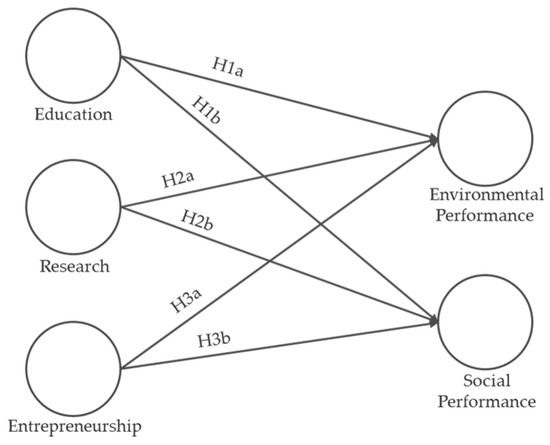
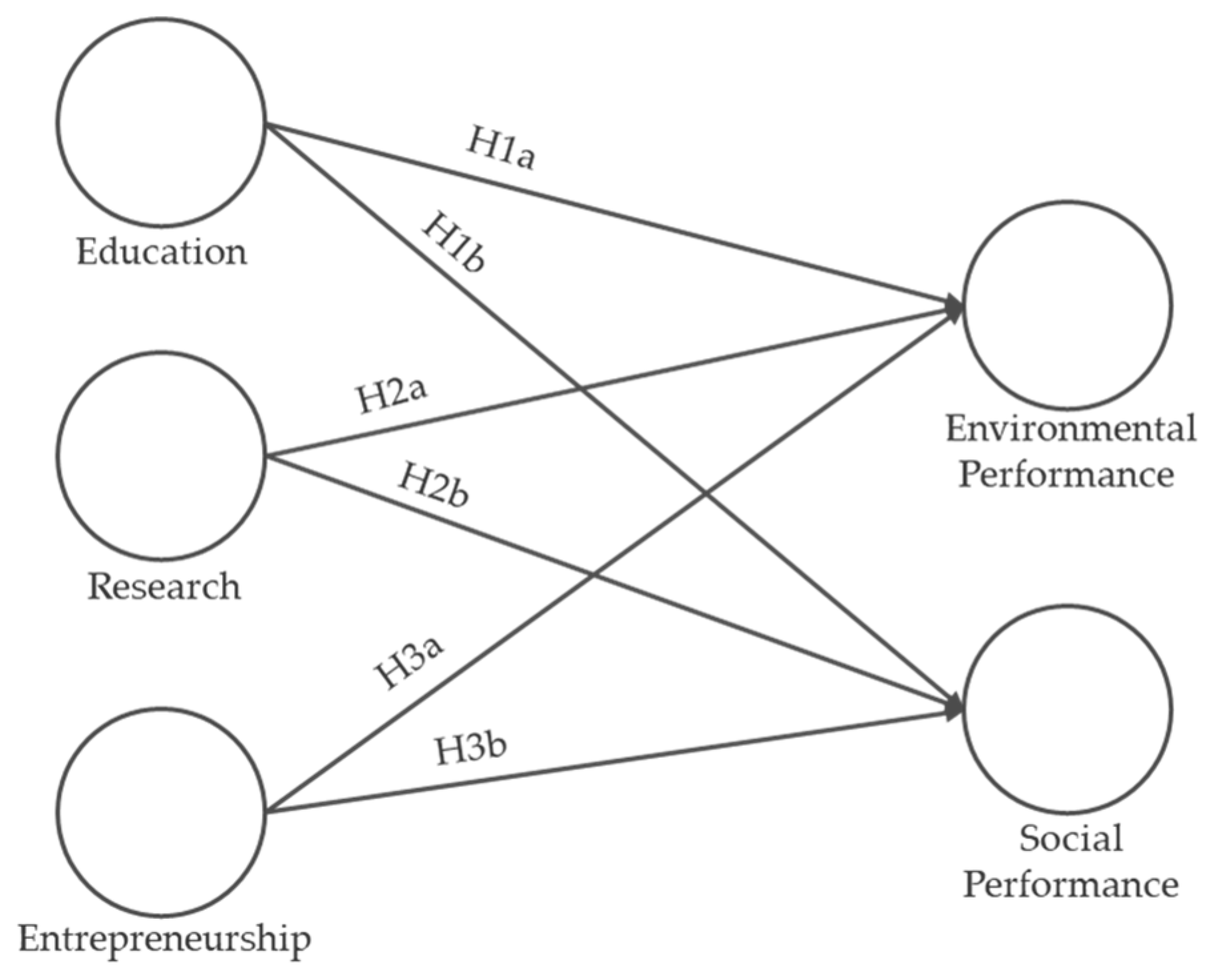
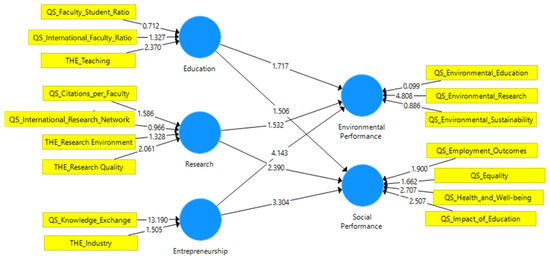
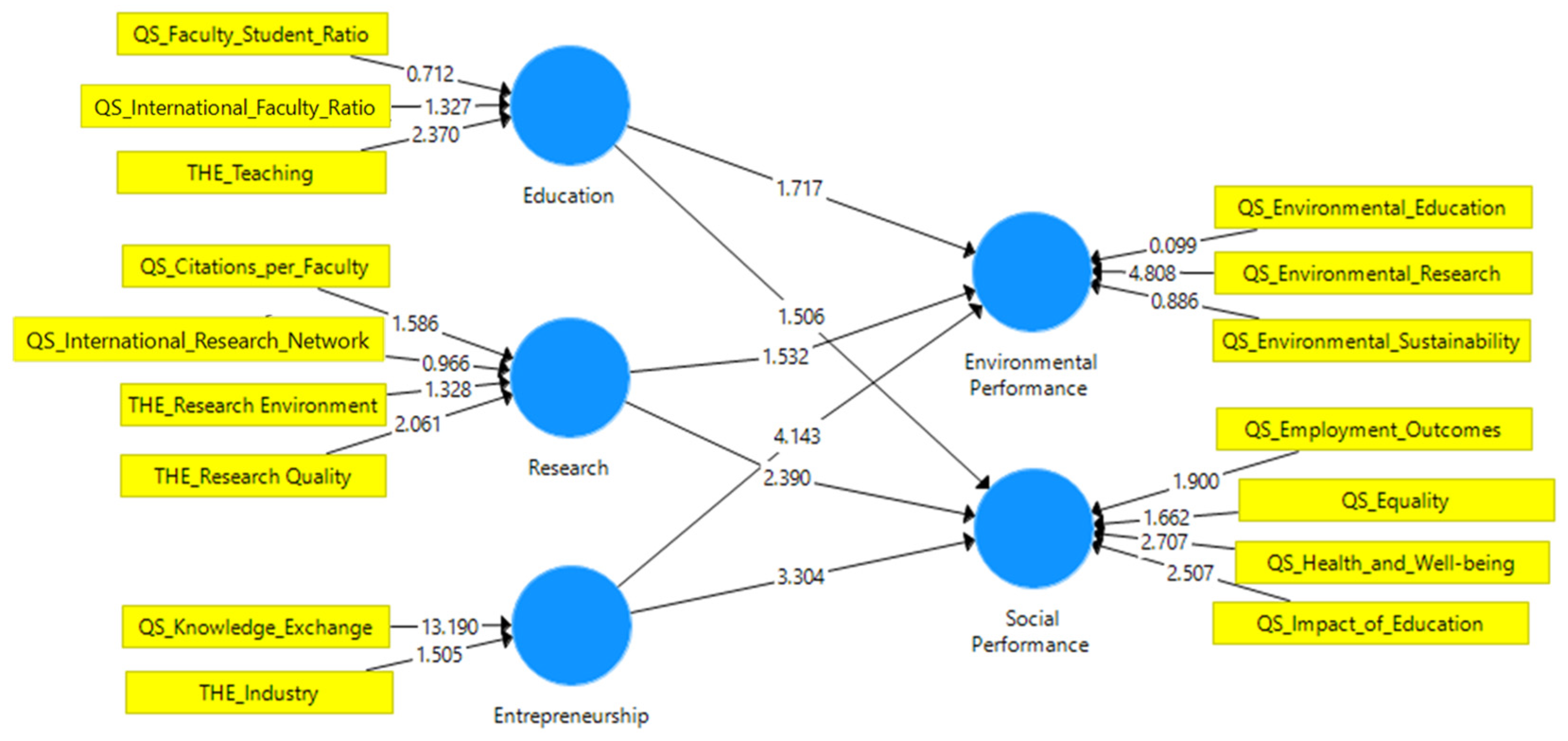

Disclaimer/Publisher’s Note: The statements, opinions and data contained in all publications are solely those of the individual author(s) and contributor(s) and not of MDPI and/or the editor(s). MDPI and/or the editor(s) disclaim responsibility for any injury to people or property resulting from any ideas, methods, instructions or products referred to in the content. |
© 2026 by the authors. Licensee MDPI, Basel, Switzerland. This article is an open access article distributed under the terms and conditions of the Creative Commons Attribution (CC BY) license.