Exploratory Assessment of Some Regional Food Wastes as Potential Biofertilizers: Effects on Vegetative Growth and Phytochemical Profile of Phaseolus vulgaris L.

 , ,
, ,
Abstract
1. Introduction
2. Materials and Methods
2.1. Food Waste and By-Products Used as Biofertilizers—Source and Preparation
2.2. Experimental Greenhouse Conditions
2.3. Determination of Vegetative Growth Parameters and Phytochemical Screening of Collected Leaves
2.3.1. Determination of Total Chlorophyll and Carotenoid Content
2.3.2. Determination of Total Phenolic Content and Antioxidant Activity via the DPPH Method
2.3.3. Screening of Free Amino Acids Profile Using HPTLC Technique
2.4. Statistical Analysis
3. Results and Discussion
3.1. Germination and Vegetative Growth Parameters of Plants Developed Under the Studied Conditions
- –
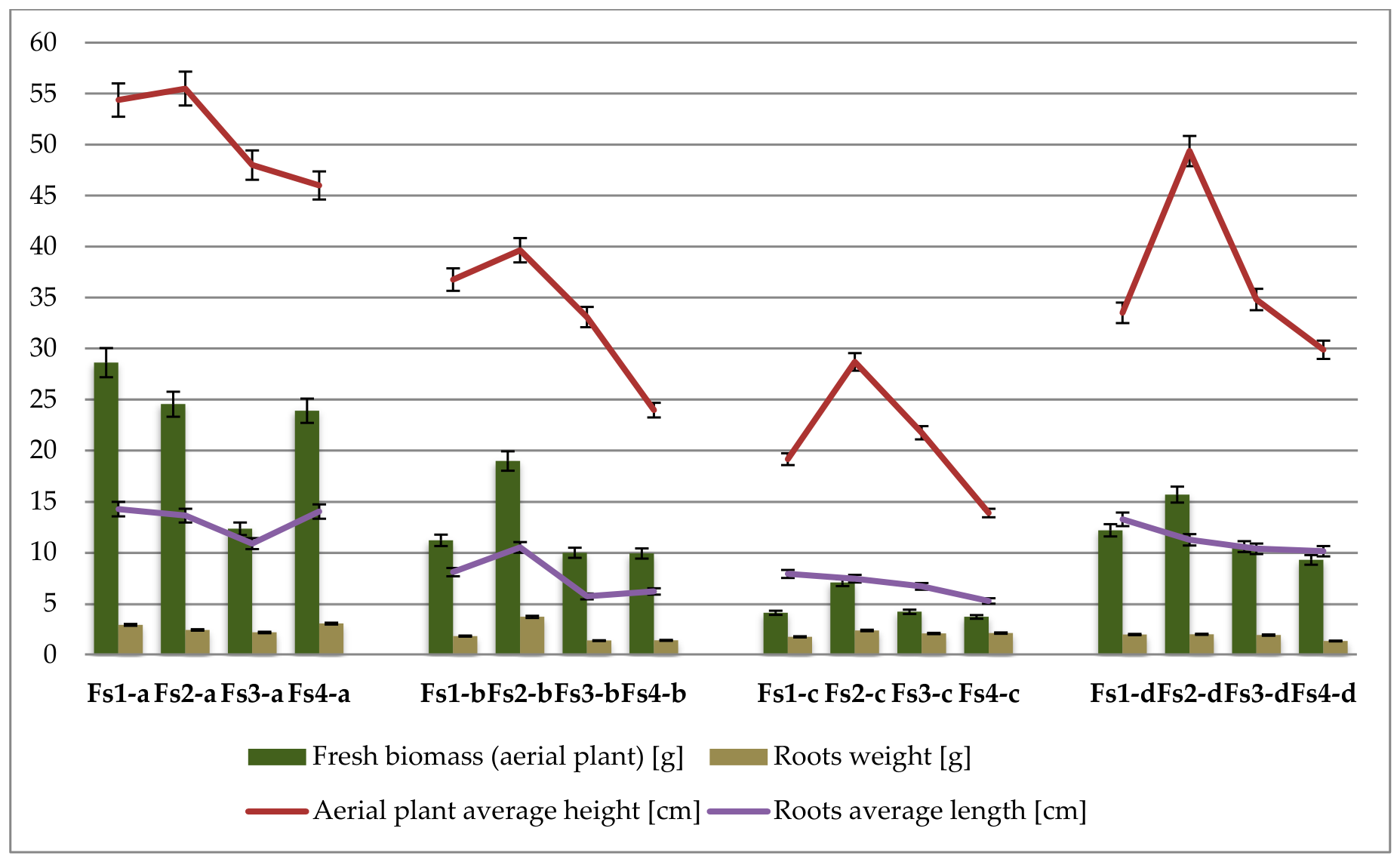
- In the case of samples grown on soil (s1) without any addition, the highest biometric parameter values were recorded for the control sample Fs1-a (average height: 54.37 cm; fresh biomass: 28.62 g; root weight: 2.90 g). Treatment with the water + whey + GPHAE mixture resulted in a significant decrease in fresh biomass (4.08 g) for Fs1-c variants, and a 7-fold lower value compared to Fs1-a was detected (see Table S2 in Supplementary Materials).
- –
- Regarding the samples developed on soil amended with EGP, the Fs2-a variant (sprayed with water) presented the highest average height values (55.50 cm), comparable with Fs1-a (54.37 cm), and it had a fresh biomass of 24.55 g. For plants watered with the GPHAE solution (Fs2-d), the average plant height reached a value of 49.37 cm. It can also be noted that bean plants grown on soils supplemented with EGP and watered with b (Fs2-b), c (Fs2-c), and d (Fs2-d) developed better than similar ones watered with the same watering solution but on different soils. For example, samples watered with Fs2-b show values of 39.63 cm/18.97 g/3.69 g (average height/fresh biomass/roots weight), in contrast with Fs1-b (36.76 cm/11.19 g/1.80 g), Fs3-b (33.08 cm/9.96 g/1.36 g), and Fs4-b (23.96 cm/9.91 g/1.39 g) (see Table S2 in the Supplementary Materials). In accordance with other studies, our results showed that soil amended with eggshell powder represents a worthy biofertilizer [32,33,34,35,36].
- –
- Samples grown on soil amended with SBPP (s3) showed lower fresh mass values compared to corresponding plants on soil without additions (s1) and soil with the addition of EGP (s2), regardless of the fertigation solution (with one exception; namely, sample Fs1-c, which has slightly higher biometric parameter values than sample Fs3-c).
- –
- The variants developed on soil with a mixture of EGP and SBPP (s4) behaved generally similarly to those grown on soil with SBPP only (s3). When linked with samples collected from EGP-amended soil (s2), it can be observed that the values of biometric parameters were lower for all fertigation variants. Particularly, in the case of Fs4-a, the fresh biomass value was doubled (23.90 g) compared to Fs3-a (12.32 g) and was very close to Fs2-a (24.55 g). Among all samples developed on soil amended with EGP and SBPP, Fs4-a stands out for its second-highest root mass value (3.03 g) (see Table S2 from Supplementary Materials).
3.2. UV–Vis Phytochemical Screening of Bean Plant Extracts
3.3. Investigation of Metabolite Accumulation and Antioxidant Activity
3.4. Free Amino Acid Screening Using the HPTLC Technique
3.5. Principal Component Analysis and Hierarchical Cluster Analysis for the Measured Biometric and Phytochemical Parameters
4. Conclusions
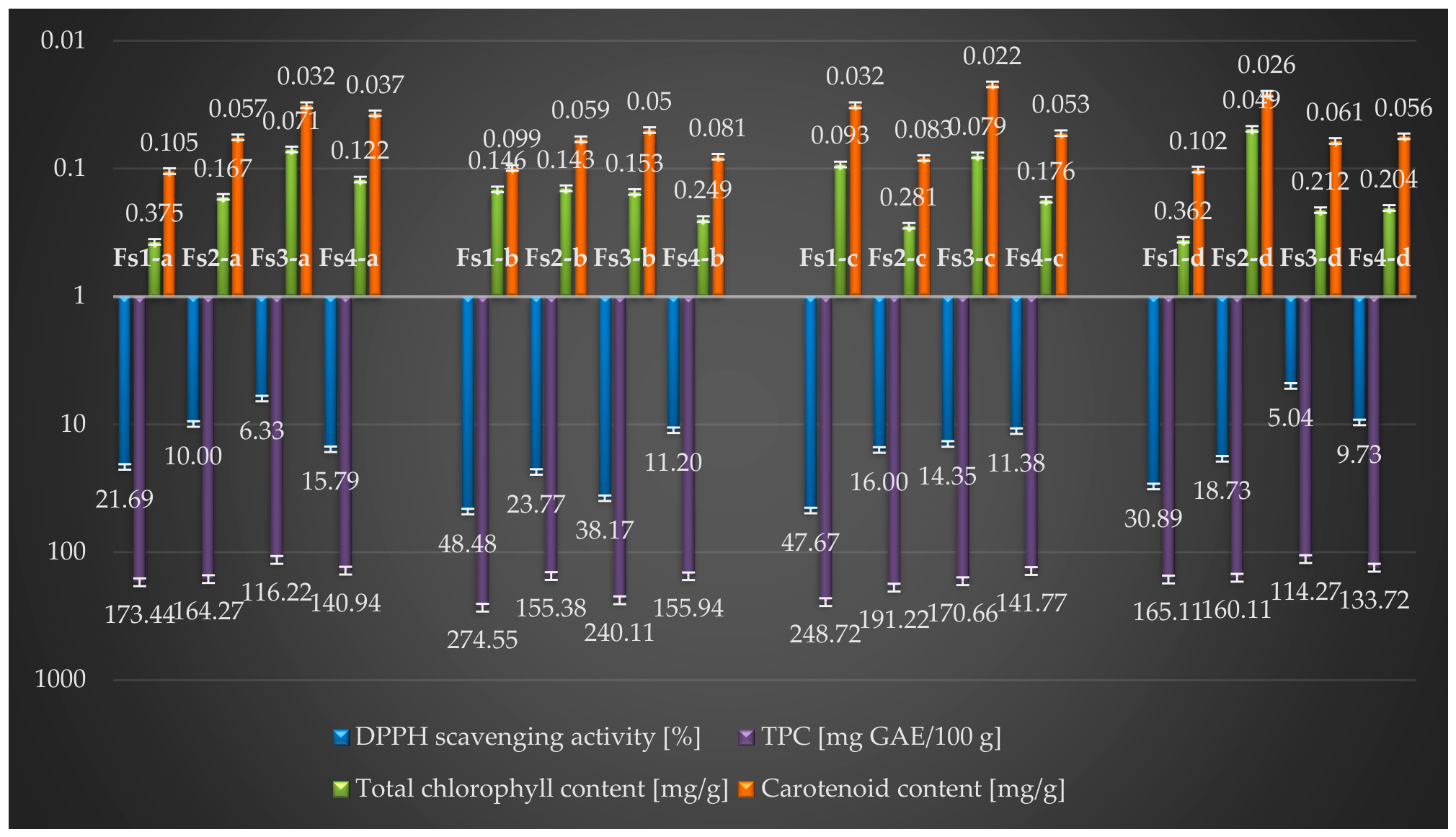
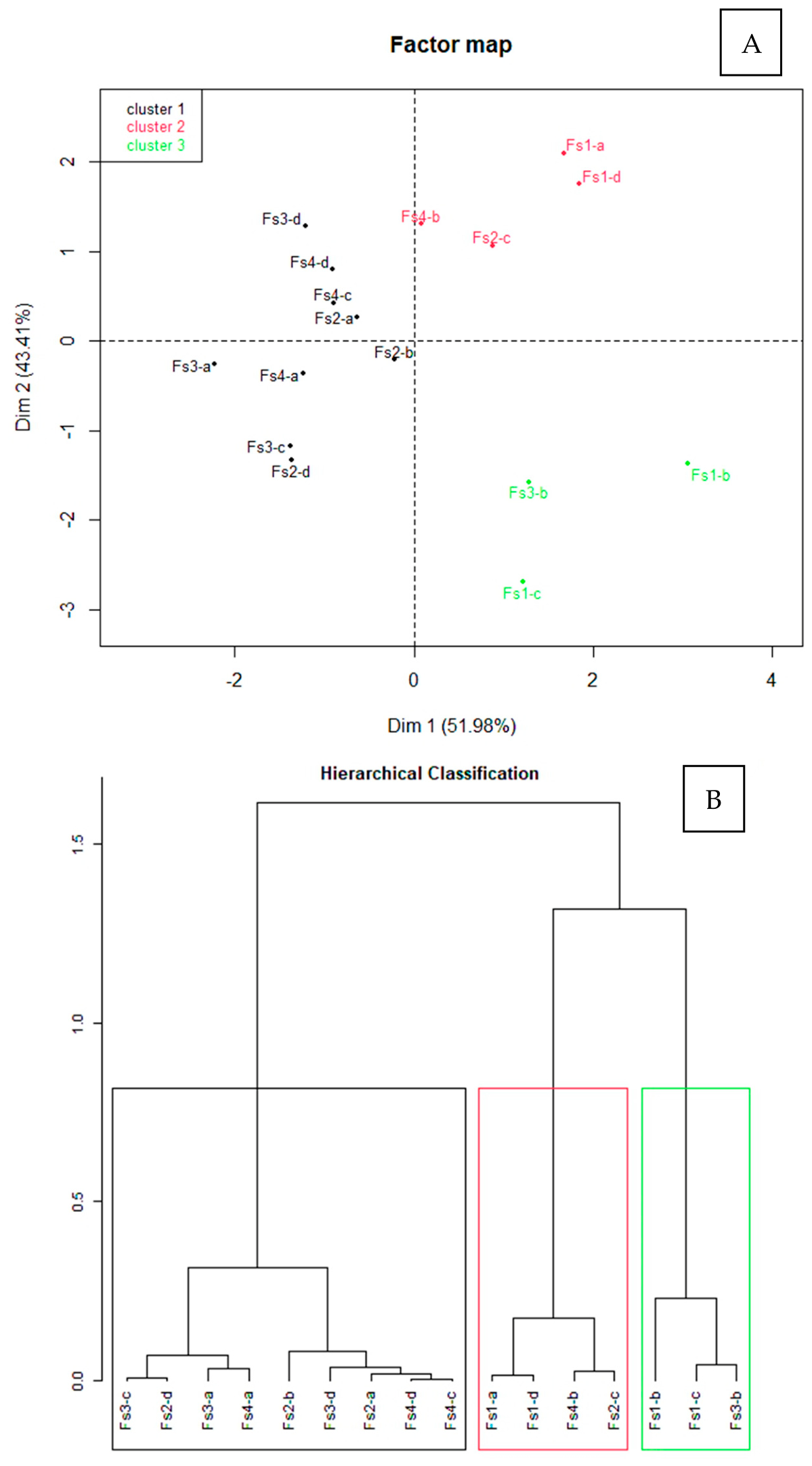
- The use of mixture d (water + GPHAE) or b (water + whey) as a fertigation solution applied on non-amended soil (s1) or amended soils s3 (SBPP) and s4 (EGP + SBPP) resulted in a positive effect on the accumulation of chlorophyll (Fs1-d, Fs3-d, and Fs4-d) and on the total phenolic content of bean plants (Fs1-b and Fs3-b), when compared to the control sprayed with water (Fs1-a).
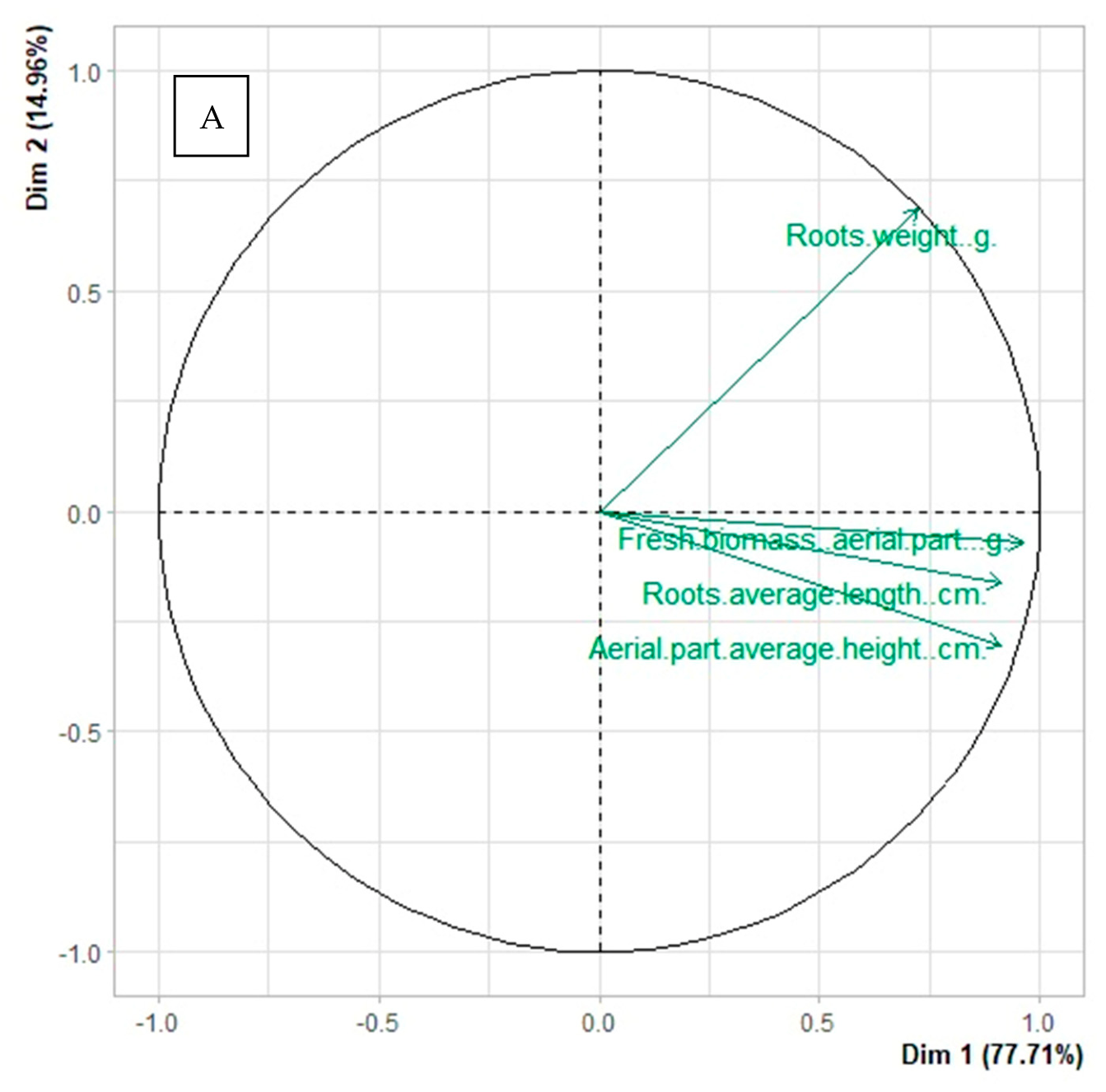
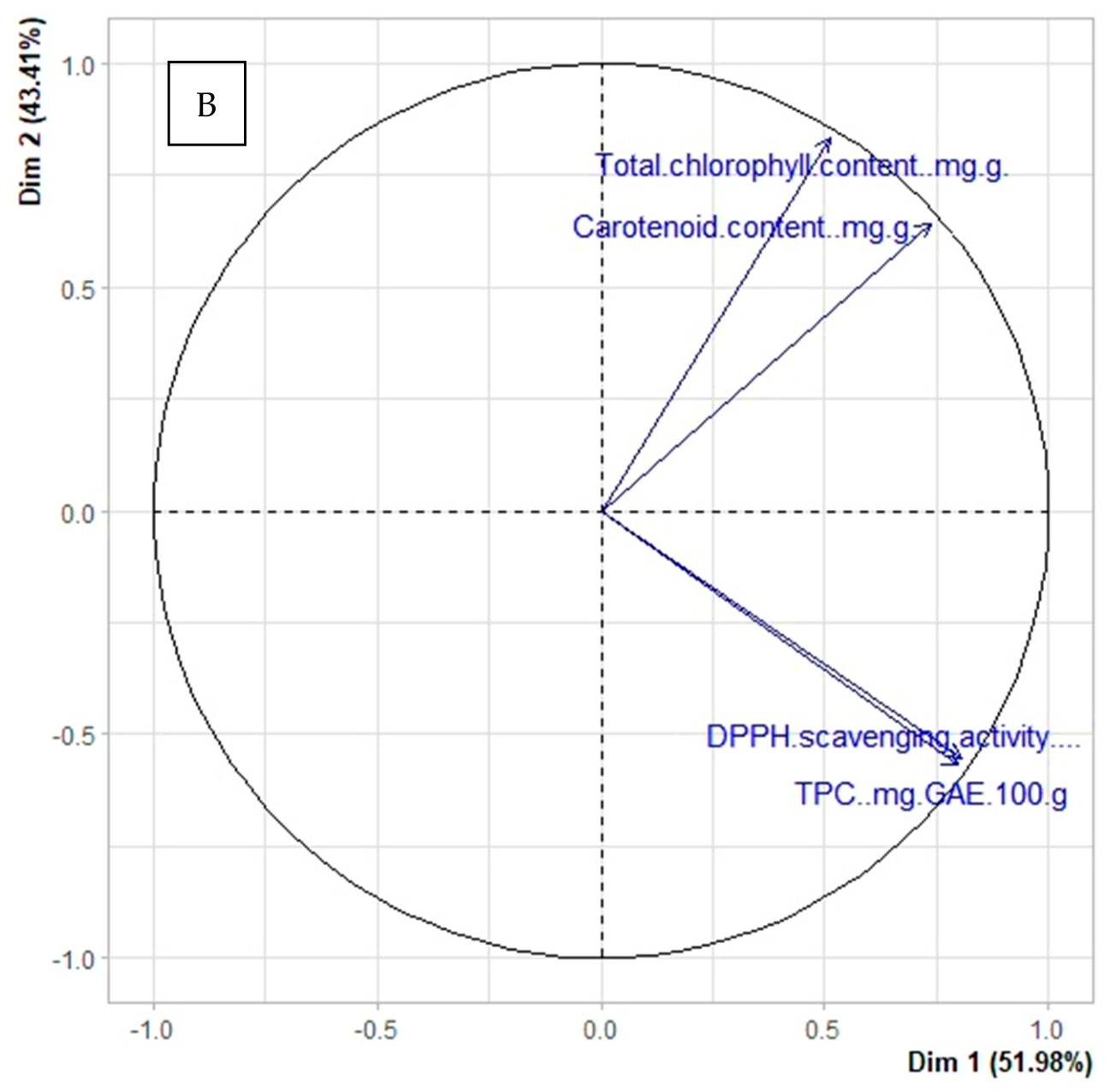
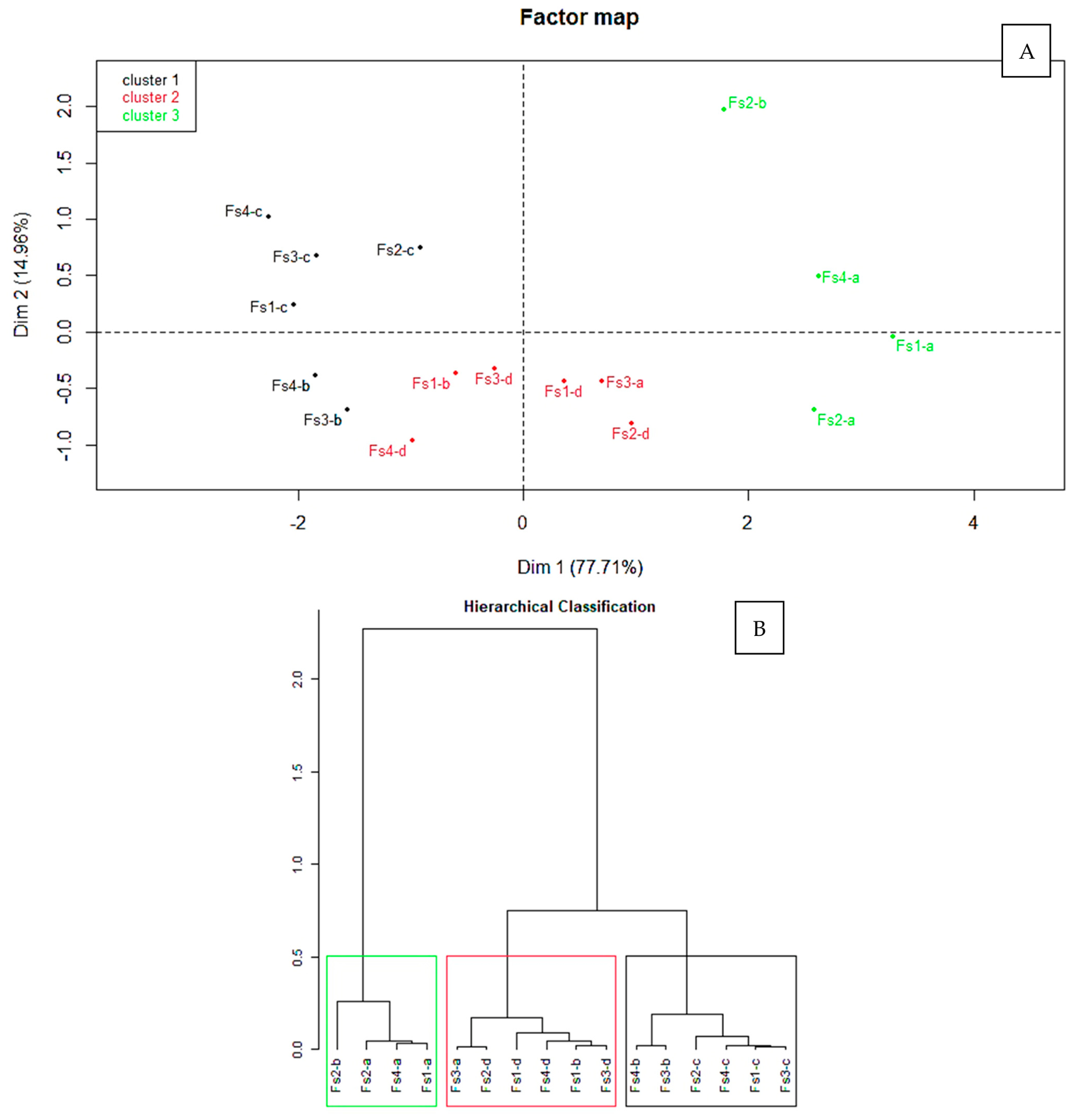
- PCA and HCA provided important information regarding the effects of food by-products on the biometric performance and phytochemical characteristics of bean plants. The use of certain food by-products enhanced overall plant vigor and biomass production, while others preferentially stimulated the accumulation of photosynthetic pigments and antioxidant metabolism.
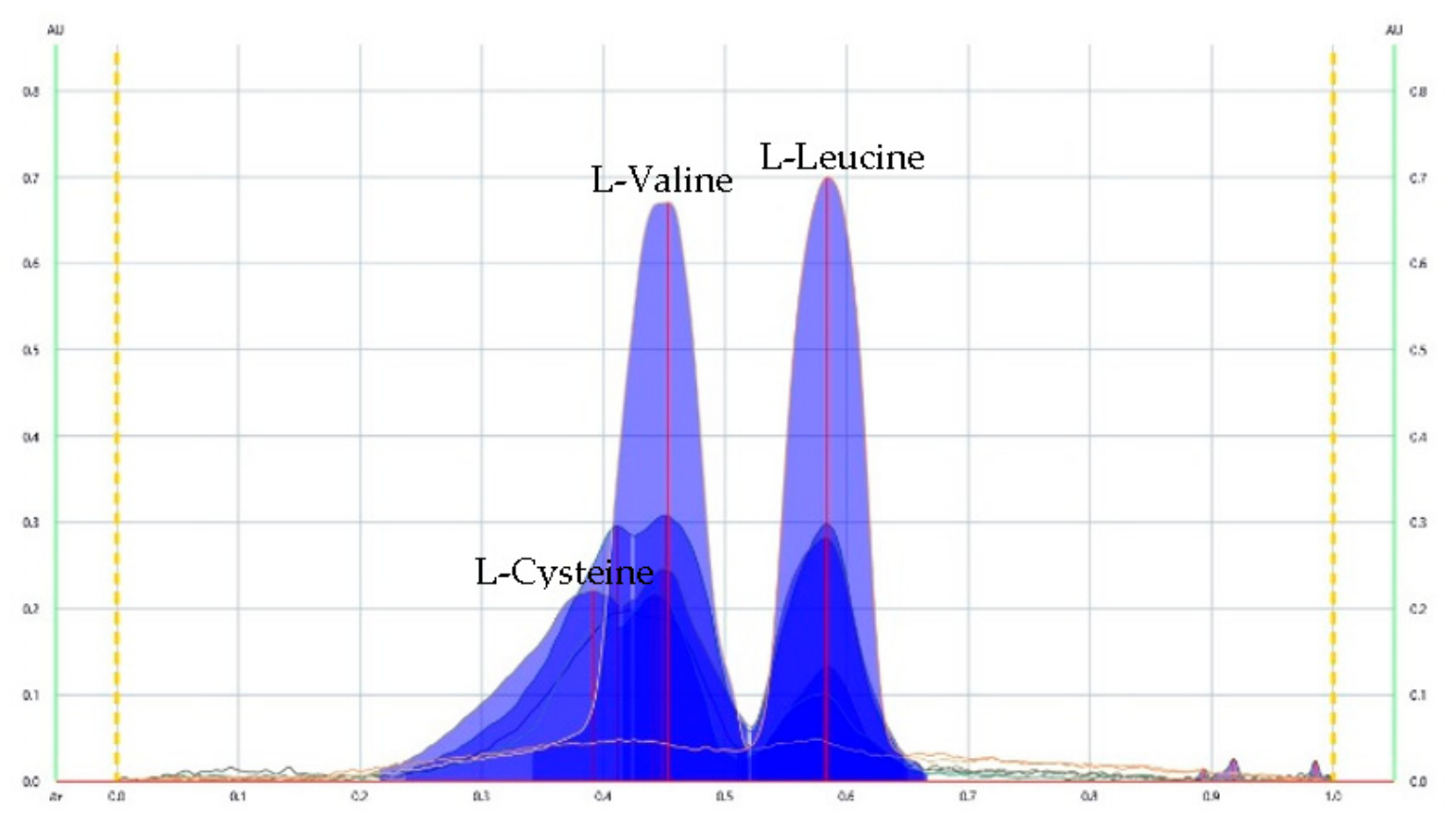
- In addition, the HPTLC analysis carried out to screen amino acids underlined the effect of soil formulation and fertigation solutions. Among all samples, the highest synergetic effect in terms of amino acid accumulation was observed for bean plants grown on soil amended with EGP and sprayed with the c mixture (Fs2-c), even though this sample did not exhibit high biometric parameter values and ranked third in chlorophyll levels.
Supplementary Materials
Author Contributions
Funding
Institutional Review Board Statement
Informed Consent Statement
Data Availability Statement
Acknowledgments
Conflicts of Interest
Abbreviations
| a | Fertigation solution—water (control) |
| b | Fertigation solution—mixture water + whey |
| c | Fertigation solution—mixture water + whey + GPHAE |
| d | Fertigation solution—mixture water + GPHAE |
| DPPH | 2,2-Diphenyl-1-picrylhydrazyl |
| EGP | Eggshell powder |
| ExAcet | Acetone extract |
| ExEth | Ethanolic extract |
| F | “Fasole” (in Romanian) bean samples |
| GAE | Gallic acid equivalent |
| GPHAE | Grape pomace hydroalcoholic extract |
| HCA | Hierarchical cluster analysis |
| HPTLC | High-performance thin-layer chromatography |
| PCA | Principal component analysis |
| s1 | Non-amended soil (control) |
| s2 | Soil supplemented with eggshell powder |
| s3 | Soil supplemented with sea buckthorn pomace powder |
| s4 | Soil supplemented with eggshell powder and sea buckthorn pomace powder |
| SBPP | Sea buckthorn pomace powder |
| TPC | Total phenolic content |
References
- Wang, X.; Li, C.; Lam, C.H.; Subramanian, K.; Qin, Z.-H.; Mou, J.-H.; Jin, M.; Chopra, S.S.; Singh, V.; Ok, Y.S.; et al. Emerging waste valorisation techniques to moderate the hazardous impacts, and their path towards sustainability. J. Hazard. Mater. 2022, 423, 127023. [Google Scholar] [CrossRef] [PubMed]
- Huang, C.-H.; Liu, S.-M.; Hsu, N.-Y. Understanding Global Food Surplus and Food Waste to Tackle Economic and Environmental Sustainability. Sustainability 2020, 12, 2892. [Google Scholar] [CrossRef]
- Byun, J.; Kwon, O.; Park, H.; Han, J. Food waste valorization to green energy vehicles: Sustainability assessment. Energy Environ. Sci. 2021, 14, 3651–3663. [Google Scholar] [CrossRef]
- Bigdeloo, M.; Teymourian, T.; Kowsari, E.; Ramakrishna, S.; Ehsani, A. Sustainability and circular economy of food wastes: Waste reduction strategies, higher recycling methods, and improved valorization. Mater. Circ. Econ. 2021, 3, 3. [Google Scholar] [CrossRef]
- Budžaki, S.; Velić, N.; Ostojčić, M.; Stjepanović, M.; Rajs, B.B.; Šereš, Z.; Maravić, N.; Stanojev, J.; Hessel, V.; Strelec, I. Waste Management in the Agri-Food Industry: The Conversion of Eggshells, Spent Coffee Grounds, and Brown Onion Skins into Carriers for Lipase Immobilization. Foods 2022, 11, 409. [Google Scholar] [CrossRef] [PubMed]
- Bhardwaj, K.; Najda, A.; Sharma, R.; Nurzyńska-Wierdak, R.; Dhanjal, D.S.; Sharma, R.; Manickam, S.; Kabra, A.; Kuča, K.; Bhardwaj, P. Fruit and Vegetable Peel-Enriched Functional Foods: Potential Avenues and Health Perspectives. Evid. Based Complement. Altern. Med. 2022, 2022, 8543881. [Google Scholar] [CrossRef] [PubMed]
- Rajendran, N.; Kang, D.; Han, J.; Gurunathan, B. Process optimization, economic and environmental analysis of biodiesel production from food waste using a citrus fruit peel biochar catalyst. J. Clean. Prod. 2022, 365, 132712. [Google Scholar] [CrossRef]
- Seikh, Z.; Mallick, M.A.; Gazi, A.S.; Sekh, M. An Overview of Utilization of Egg Shell Wastes: A Transformation from Waste to Wealth. J. Inst. Eng. India Ser. D 2025, 1–15. [Google Scholar] [CrossRef]
- Bran, E.P.; Patriciu, O.-I.; Grosu, L.; Alexa, I.-C.; Bălănucă, B.; Nicoară, A.-I.; Fînaru, A.-L. The Influence of Different Parameters for the Removal of Pb and Zn Ions on Unmodified Waste Eggshells. Materials 2025, 18, 2794. [Google Scholar] [CrossRef] [PubMed]
- Faridi, H.; Arabhosseini, A. Application of eggshell wastes as valuable and utilizable products. Res. Agric. Eng. 2018, 64, 104–114. [Google Scholar] [CrossRef]
- Waheed, M.; Yousaf, M.; Shehzad, A.; Inam-Ur-Raheem, M.; Khan, M.K.I.; Khan, M.R.; Ahmad, N.; Abdullah; Aadil, R.M. Channelling eggshell waste to valuable and utilizable products: A comprehensive review. Trends Food Sci. Technol. 2020, 106, 78–90. [Google Scholar] [CrossRef]
- Selmi, H.; Presutto, E.; Spano, G.; Capozzi, V.; Fragasso, M. Valorising Whey: From Environmental Burden to Bio-Based Production of Value-Added Compounds and Food Ingredients. Foods 2025, 14, 3646. [Google Scholar] [CrossRef] [PubMed]
- Soumati, B.; Atmani, M.; Benabderrahmane, A.; Benjelloun, M. Whey Valorization—Innovative Strategies for Sustainable Development and Value-Added Product Creation. J. Ecol. Eng. 2023, 24, 86–104. [Google Scholar] [CrossRef]
- Sar, T.; Harirchi, S.; Ramezani, M.; Bulkan, G.; Akbas, M.Y.; Pandey, A.; Taherzadeh, M.J. Potential utilization of dairy industries by-products and wastes through microbial processes: A critical review. Sci. Total Environ. 2022, 810, 152253. [Google Scholar] [CrossRef] [PubMed]
- Pires, A.F.; Marnotes, N.G.; Rubio, O.D.; Garcia, A.C.; Pereira, C.D. Dairy By-Products: A Review on the Valorization of Whey and Second Cheese Whey. Foods 2021, 10, 1067. [Google Scholar] [CrossRef] [PubMed]
- Buchanan, D.; Martindale, W.; Romeih, E.; Hebishy, E. Recent advances in whey processing and valorisation: Technological and environmental perspectives. Int. J. Dairy Technol. 2023, 76, 291–312. [Google Scholar] [CrossRef]
- Perra, M.; Bacchetta, G.; Muntoni, A.; De Gioannis, G.; Castangia, I.; Rajha, H.N.; Manca, M.L.; Manconi, M. An outlook on modern and sustainable approaches to the management of grape pomace by integrating green processes, biotechnologies and advanced biomedical approaches. J. Funct. Foods. 2022, 98, 105276. [Google Scholar] [CrossRef]
- Chowdhary, P.; Gupta, A.; Gnansounou, E.; Pandey, A.; Chaturvedi, P. Current trends and possibilities for exploitation of Grape pomace as a potential source for value addition. Environ. Pollut. 2021, 278, 116796. [Google Scholar] [CrossRef] [PubMed]
- Diaconeasa, Z.; Iuhas, C.I.; Ayvaz, H.; Mortas, M.; Farcaş, A.; Mihai, M.; Danciu, C.; Stanilă, A. Anthocyanins from Agro-Industrial Food Waste: Geographical Approach and Methods of Recovery—A Review. Plants 2023, 12, 74. [Google Scholar] [CrossRef] [PubMed]
- Janceva, S.; Andersone, A.; Lauberte, L.; Bikovens, O.; Nikolajeva, V.; Jashina, L.; Zaharova, N.; Telysheva, G.; Senkovs, M.; Rieksts, G.; et al. Sea Buckthorn (Hippophae rhamnoides) Waste Biomass after Harvesting as a Source of Valuable Biologically Active Compounds with Nutraceutical and Antibacterial Potential. Plants 2022, 11, 642. [Google Scholar] [CrossRef] [PubMed]
- Puganen, A.; Kallio, H.P.; Schaich, K.M.; Suomela, J.P.; Yang, B. Red/Green Currant and Sea Buckthorn Berry Press Residues as Potential Sources of Antioxidants for Food Use. J. Agric. Food. Chem. 2018, 66, 3426–3434. [Google Scholar] [CrossRef] [PubMed]
- Banach, J.K.; Majewska, K.; Piłat, B.; Grzywińska-Rąpca, M. Benefits of Using Pomace from Sea Buckthorn Fruit (Hippophaë rhamnoides L.) in the Production of Rye Bread for a Strategy of Sustainable Production and Consumption. Appl. Sci. 2024, 14, 11067. [Google Scholar] [CrossRef]
- Sharma, M.; Hussain, S.; Shalima, T.; Aav, R.; Bhat, R. Valorization of seabuckthorn pomace to obtain bioactive carotenoids: An innovative approach of using green extraction techniques (ultrasonic and microwave-assisted extractions) synergized with green solvents (edible oils). Ind. Crops Prod. 2022, 175, 114257. [Google Scholar] [CrossRef]
- Bouhzam, I.; Azarkamand, S.; Puig, R.; Bala, A.; Fullana-i-Palmer, P.; Sazdovski, I.; Mazurenko, B.; Mir, S.; Sani, M.N.H.; Lopes, I.G.; et al. Assessing environmental impacts of various biofertilizers in Europe: A step toward circular economy transition. Sustain. Prod. Consum. 2025, 56, 460–476. [Google Scholar] [CrossRef]
- O’Connor, J.; Hoang, S.A.; Bradney, L.; Dutta, S.; Xiong, X.; Tsang, D.C.W.; Ramadass, K.; Vinu, A.; Kirkham, M.B.; Bolan, N.S. A review on the valorisation of food waste as a nutrient source and soil amendment. Environ. Pollut. 2021, 272, 115985. [Google Scholar] [CrossRef] [PubMed]
- Jiemanukunkij, T.; Supawatkon, C.; Tirapanampai, C.; Thupwong, K.; Wongsabot, A.; Tinikul, R.; Chaiyen, P.; Maenpuen, S.; Wongnate, T. Enhancing plant growth using anaerobic co-digestate of pig manure, food waste, and coffee grounds. Circ. Econ. 2025, 4, 100170. [Google Scholar] [CrossRef]
- Sharma, P.; Bano, A.; Verma, K.; Yadav, M.; Varjani, S.; Pratap Singh, S.; Wah Tong, Y. Food waste digestate as biofertilizer and their direct applications in agriculture. Bioresour. Technol. Rep. 2023, 23, 101515. [Google Scholar] [CrossRef]
- Du, C.; Abdullah, J.J.; Greetham, D.; Fu, D.; Yu, M.; Ren, L.; Li, S.; Lu, D. Valorization of food waste into biofertiliser and its field application. J. Clean. Prod. 2018, 187, 273–284. [Google Scholar] [CrossRef]
- Itamah, E.; Bello, T.K.; Waziri, S.M. Production and characterization of liquid bio-fertiliser from orange peels, banana peels, and eggshell. Discov. Agric. 2025, 3, 174. [Google Scholar] [CrossRef]
- Cerda, A.; Artola, A.; Font, X.; Barrena, R.; Gea, T.; Sánchez, A. Composting of food wastes: Status and challenges. Bioresour. Technol. 2018, 248, 57–67. [Google Scholar] [CrossRef] [PubMed]
- O’Connor, J.; Hoang, S.A.; Bradney, L.; Rinklebe, J.; Kirkham, M.B.; Bolan, N.S. Value of dehydrated food waste fertiliser products in increasing soil health and crop productivity. Environ. Res. 2022, 204, 111927. [Google Scholar] [CrossRef] [PubMed]
- Reeza, A.A. Effects of Eggshells as Organic Fertilizer on Growth of Brassica juncea (Mustard Green). Pertanika J. Trop. Agric. Sci. 2025, 48, 1407–1418. [Google Scholar] [CrossRef]
- Vu, N.T.; Dinh, T.H.; Le, T.T.C.; Vu, T.T.H.; Nguyen, T.T.T.; Pham, T.A.; Vu, N.L.; Koji, S.; Hama, S.; Kim, I.S.; et al. Eggshell powder as calcium source on growth and yield of groundnut (Arachis hypogaea L.). Plant Prod. Sci. 2022, 25, 413–420. [Google Scholar] [CrossRef]
- Wazir, A.; Gul, Z.; Hussain, M. Comparative Study of Various Organic Fertilizers Effect on Growth and Yield of Two Economically Important Crops, Potato and Pea. Agric. Sci. 2018, 9, 703–717. [Google Scholar] [CrossRef]
- Ma’mor, A.S.; Wahida, N.H.; Nur Firdaus, A.R. The Application of Eggshell and Fruit Peels as Soil Amendment on The Growth Performance and Yield of Corn (Zea mays L.). IOP Conf. Ser. Earth Environ. Sci. 2023, 1182, 012040. [Google Scholar] [CrossRef]
- Khairnar, M.; Nair, S. Study on Eggshell and Fruit Peels as a Fertilizer. Agric. Food Sci. 2019, 978, 25–27. [Google Scholar]
- Akay, A.; Sert, D. The effects of whey application on the soil biological properties and plant growth. Eurasian J. Soil Sci. 2020, 9, 349–355. [Google Scholar] [CrossRef]
- Ayat, H.M.; Fatimah, A.H.; Fakhriya, A.A.A. Effect of spraying with chitosan and whey on the content of nutrients and active compounds in leaves of Duranta erecta L. Plant Sci. Today 2025, 12, 1–6. [Google Scholar] [CrossRef]
- Grosu, L.; Fernandez, B.; Grigoraş, C.G.; Patriciu, O.I.; Grig-Alexa, I.-C.; Nicuţă, D.; Ciobanu, D.; Gavrilă, L.; Fînaru, A.L. Valorization of whey from dairy industry for agricultural use as fertiliser: Effects on plant germination and growth. Environ. Eng. Manag. J. 2012, 11, 2203–2210. [Google Scholar] [CrossRef]
- Akib, M.A.; Setiawati, H. Fermentation of Whey Waste as Organic Liquid Fertilizer “PUCAFU”. Agrotech. J. 2017, 2, 7–13. [Google Scholar] [CrossRef]
- Salah, A.; Sany, H.; El-Sayed, A.E.K.B.; El-Bahbohy, R.M.; Mohamed, H.I.; Amin, A. Growth Performance and Biochemical Composition of Desmodesmus sp. Green Alga Grown on Agricultural Industries Waste (Cheese Whey). Water Air Soil Pollut. 2023, 234, 770. [Google Scholar] [CrossRef]
- Mendoza-Hernández, C.S.; García-Rodríguez, C.N.; Quintana Rodríguez, E.; Esparza-Claudio, J.d.J.; Vargas-Garcidueñas, S.; Orona Tamayo, D. Evaluation of the effect of a whey-based biofertilizer on agronomic and biochemical parameters in sweet potato [Ipomoea batatas (L.) Lam.]. Agro Product. 2025, 18, 77–90. [Google Scholar] [CrossRef]
- Bădulescu, A.; Florea, C.A.; Sumedrea, D.I. Influence of marc used as an organic fertilizer on biochemical and biometric characteristics of the grapes. Sci. Pap. Ser. B Hortic. 2020, LXIV, 217–222. [Google Scholar]
- Mpanga, I.K.; Neumann, G.; Brown, J.K.; Blankinship, J.; Tronstad, R.; Idowu, O. Grape pomace’s potential on semi-arid soil health enhances performance of maize, wheat, and grape crops. J. Plant Nutr. Soil Sci. 2023, 186, 276–285. [Google Scholar] [CrossRef]
- Buchmann, C.; Korz, S.; Moraru, A.; Richling, E.; Sadzik, S.; Scharfenberger-Schmeer, M.; Muñoz, K. From winery by-product to soil improver?—A comprehensive review of grape pomace in agriculture and its effects on soil properties and functions. Sci. Total Environ. 2025, 982, 179611. [Google Scholar] [CrossRef] [PubMed]
- Bayram, N.; Alkaç, O.S. Valorization of Waste Grape Pomace: Efects on Growth, Flowering, and Leaf Nutrient Content of Dahlia variabilis sp. “Figaro” Violet. J. Chem. 2026, 2026, 9777212. [Google Scholar] [CrossRef]
- Bran, E.P.; Nicuţă, D.; Grosu, L.; Patriciu, O.-I.; Alexa, I.-C. Investigation regarding the potential application of grape pomace extracts on in vitro plant growth and development. Ovidius Univ. Ann. Chem. 2022, 33, 135–142. [Google Scholar] [CrossRef]
- Yang, X.; Wan, Q.; Wu, D.; Wang, J.; Abbas, T.; Zhang, Q. The impact of novel azotobacter Bacillus sp. T28 combined sea buckthorn pomace on microbial community structure in paddy soil. Environ. Res. 2023, 224, 115548. [Google Scholar] [CrossRef] [PubMed]
- Shen, T.; Yang, Z.; Wang, Y.; Lin, C.; Ye, X.; Wu, D. Impact of Sea Buckthorn Fermented Microbial Fertilizer on Growth, Quality, and Rhizosphere Soil Environment of Red Quinoa (Chenopodium formosanum) Seedlings. J. Soil Sci. Plant Nutr. 2026, 26, 1334–1348. [Google Scholar] [CrossRef]
- Wu, D.; Mengyun, H.; Qichun, Z. Impact of Seabuckthorn Pomace Fermentation Fertilizer Coupled with Bacillus sp. T28 on Soil Properties and Chinese Cabbage Growth. Am. J. Biochem. Biotechnol. 2025, 21, 10–17. [Google Scholar] [CrossRef]
- Chmiel, J.; Wolski, K.; Bakalorz, K.; Manirafasha, E.; Kuźnik, N. Natural Strategies for Increasing Yields: The Role of Plant Extracts and Micronutrients as Natural Resources in Sustainable Intensification. Resources 2026, 15, 63. [Google Scholar] [CrossRef]
- Chávez-Mendoza, C.; Sánchez, E. Bioactive Compounds from Mexican Varieties of the Common Bean (Phaseolus vulgaris): Implications for Health. Molecules 2017, 22, 1360. [Google Scholar] [CrossRef] [PubMed]
- Añazco, C.; Ojeda, P.G.; Guerrero-Wyss, M. Common Beans as a Source of Amino Acids and Cofactors for Collagen Biosynthesis. Nutrients 2023, 15, 4561. [Google Scholar] [CrossRef] [PubMed]
- Maričić, B.; Radman, S.; Romić, M.; Perković, J.; Major, N.; Urlić, B.; Palčić, I.; Ban, D.; Zorić, Z.; Ban, S.G. Stinging Nettle (Urtica dioica L.) as an Aqueous Plant-Based Extract Fertilizer in Green Bean (Phaseolus vulgaris L.) Sustainable Agriculture. Sustainability 2021, 13, 4042. [Google Scholar] [CrossRef]
- Nassar, R.M.A.; Ahmed, Y.M.; Boghdady, M.S. Botanical Studies on Phaseolus vulgaris L. I-Morphology of Vegetative and Reproductive Growth. Int. J. Bot. 2010, 6, 323–333. [Google Scholar] [CrossRef]
- Agricola. Available online: https://agricola.ro/en/en/23-eggs (accessed on 25 March 2026).
- Prepelix-Farm. Available online: https://prepelix-farm.ro/categorie-produs/oua-consum/oua-consum-prepelita/ (accessed on 25 March 2026).
- Moșia Panciu. Available online: https://mosiapanciu.ro/ (accessed on 25 March 2026).
- Elexius. Available online: https://elexius.ro/ (accessed on 25 March 2026).
- Vegetable Research and Development Station in Bacău. Available online: https://legumebac.ro/en/ (accessed on 25 March 2026).
- Compo. Available online: https://www.compo.com/int/products/soil-compost/universal-potting-soil/compo-sana-universal-potting-soil#technical (accessed on 25 March 2026).
- Hassanzadeh, A.; Murphy, S.P.; Pethybridge, S.J.; van Aardt, J. Growth Stage Classification and Harvest Scheduling of Snap Bean Using Hyperspectral Sensing: A Greenhouse Study. Remote Sens. 2020, 12, 3809. [Google Scholar] [CrossRef]
- Hernández-Lucero, E.; Ruiz, O.A.; Jiménez-Bremont, J.F. Effect of Salt Stress on Polyamine Metabolism in Two Bean Cultivars. Plant Stress 2008, 2, 96–102. [Google Scholar]
- Krouma, A.; Slatni, T.; Abdelly, C. Differential tolerance to lime-induced chlorosis of N2-fixing common bean (Phaseolus vulgaris L.). Symbiosis 2008, 46, 137–143. [Google Scholar]
- Pérez-Patricio, M.; Camas-Anzueto, J.L.; Sanchez-Alegría, A.; Aguilar-González, A.; Gutiérrez-Miceli, F.; Escobar-Gómez, E.; Voisin, Y.; Rios-Rojas, C.; Grajales-Coutiño, R. Optical Method for Estimating the Chlorophyll Contents in Plant Leaves. Sensors 2018, 18, 650. [Google Scholar] [CrossRef] [PubMed]
- Yılmazer Keskin, S.; Avcı, A.; Fajriana Febda Kurnia, H. Analyses of phytochemical compounds in the flowers and leaves of Spiraea japonica var. fortunei using UV-VIS, FTIR, and LC-MS techniques. Heliyon 2024, 10, e25496. [Google Scholar] [CrossRef] [PubMed]
- Baliyan, S.; Mukherjee, R.; Priyadarshini, A.; Vibhuti, A.; Gupta, A.; Pandey, R.P.; Chang, C.-M. Determination of Antioxidants by DPPH Radical Scavenging Activity and Quantitative Phytochemical Analysis of Ficus religiosa. Molecules 2022, 27, 1326. [Google Scholar] [CrossRef] [PubMed]
- Dżugan, M.; Miłek, M.; Sidor, E.; Justyna Buczkowicz, J.; Hęclik, J.; Bocian, A. The Application of SDS-PAGE Protein and HPTLC Amino Acid Profiling for Verification of Declared Variety and Geographical Origin of Honey. Food Anal. Methods 2023, 16, 1157–1171. [Google Scholar] [CrossRef]
- Rajurkar, N.S.; Gaikwad, K.N. Identification and Quantification of Amino Acids from Medicinally Important Plants by Using High-Performance Thin-Layer Chromatography (HPTLC). J. Liq. Chromatogr. Relat. Technol. 2013, 37, 2197–2205. [Google Scholar] [CrossRef]
- FactoMineR: Exploratory Multivariate Data Analysis with R. Available online: http://factominer.free.fr/ (accessed on 20 January 2026).
- Joshi, M.; Kamble, S.P.; Labhsetwar, N.K.; Parwate, D.V.; Rayalu, S.S. Chlorophyll-based photocatalysts and their evaluations for methyl orange photoreduction. J. Photochem. Photobiol. A Chem. 2009, 204, 83–89. [Google Scholar] [CrossRef]
- Petibon, F.; Wiesenberg, G.L.B. Characterization of complex photosynthetic pigment profiles in European deciduous tree leaves by sequential extraction and reversed-phase high-performance liquid chromatography. Front. Plant Sci. 2022, 13, 957606. [Google Scholar] [CrossRef] [PubMed]
- Alarcón-Espósito, J.; Nina, N.; Theoduloz, C.; Burgos-Edwards, A.; Paillan, H.; Schmeda-Hirschmann, G. Phenolic Composition and α-Glucosidase Inhibition of Leaves from Chilean Bean Landraces. Plant Foods Hum. Nutr. 2022, 77, 135–140. [Google Scholar] [CrossRef] [PubMed]
- Reyes-Martínez, A.; Almaraz-Abarca, N.; Gallardo-Velázquez, T.; González-Elizondo Mdel, S.; Herrera-Arrieta, Y.; Pajarito-Ravelero, A.; Alanís-Bañuelos, R.E.; Torres-Morán, M.I. Evaluation of foliar phenols of 25 Mexican varieties of common bean (Phaseolus vulgaris L.) as antioxidants and varietal markers. Nat. Prod. Res. 2014, 28, 2158–2162. [Google Scholar] [CrossRef] [PubMed]
- Kawade, K.; Tabeta, H.; Ferjani, A.; Hirai, M.Y. The Roles of Functional Amino Acids in Plant Growth and Development. Plant Cell Physiol. 2023, 64, 1482–1493. [Google Scholar] [CrossRef] [PubMed]
- Romanenko, K.O.; Babenko, L.M.; Kosakivska, I.V. Amino acids in regulation of abiotic stress tolerance in cereal crops: A review. Cereal Res. Commun. 2024, 52, 333–356. [Google Scholar] [CrossRef]
- Yadav, B.; Jogawat, A.; Rahman, M.S.; Narayan, O.P. Secondary metabolites in the drought stress tolerance of crop plants: A review. Gene Rep. 2021, 23, 101040. [Google Scholar] [CrossRef]
- Rathod, V. Identification and Quantification of Amino Acids in Medicinal Plant Samples from Western Ghats, Maharashtra using HPTLC Technique. Synthesis 2025, 3, 53–63. [Google Scholar] [CrossRef]
- Gan, L.; Mou, Z.; Chen, J.; Shan, W.; Kuang, J.; Lu, W.; Zhao, Y.; Wei, W. L-Cysteine Treatment Delays Leaf Senescence in Chinese Flowering Cabbage by Regulating ROS Metabolism and Stimulating Endogenous H2S Production. Foods 2024, 14, 29. [Google Scholar] [CrossRef] [PubMed]





| Physical State | Characteristics | Example | Refs. |
|---|---|---|---|
| Solid (powder) | Improves soil amendment Slow release of nutrients | Eggshells Fruit peels Grape pomace Whey | [32,33,34,35,36] [34,35,36] [43,44] [37] |
| Liquid | Appropriate for fertigation High bioavailability of nutrients | Whey Grape pomace extract | [38,39,40] [47] |
| Mixture | Usually subjected to digestion or fermentation Synergetic effect and multi-nutrient enrichment | Eggshells + fruit peels Different waste + spent coffee grounds Kitchen food waste | [29] [5,26] [27] |
| Waste/By-Products | Source | Preparation Details | Abbreviation |
|---|---|---|---|
| Chicken eggshells and quail eggshells (mixed in equal proportion) | Chicken eggshells from Agricola International Bacău (Bacău County, Romania) [56] Quail eggshells from a micro-farm from Petru-Vodă (Neamț County, Romania) [57] | Washing with tap water to eliminate impurities Rinsing with distilled water Drying in an air circulation oven (Memmert Universal, model UFE 500, Memmert GmbH + Co.KG, Schwabach, Germany) at 100 °C for 30 min Milling for 3 min using an electric grinder (Heinner, model HCG-150SS, 150 W, Heinner, Bucharest, Romania) Stored in a desiccator until use [9] | Eggshell powder EGP |
| Whey | Cow sour whey acquired from Călugăru micro-farm from Dărmănești (Bacău County, Romania) | Stored in a refrigerator Used in its crude form, without any modification, and mixed in established proportions with water | Whey |
| Grape pomace | Grape pomace from red variety of Vitis vinifera L. var. Fetească neagră from Moșia Panciu wine producer (Vrancea County, Romania) [58] | Stored in the freezer at −18 °C Thawed slowly before extraction Hydroalcoholic extract obtained via classical agitation using a magnetic stirrer (Nahita Blue, model 692, Auxilab S.L., Navarre, Spain) at room temperature for 12 h Solvent: ethanol:distilled water 50:50 (v/v) Grape pomace:solvent 1:5 (w/v) [47] | Grape pomace hydroalcoholic extract GPHAE |
| Sea buckthorn pomace | Derived from local cultivation, the sea buckthorn pomace (Hippophae rhamnoides L.) provided by a micro-farm from Lichitișeni S.C. Eco Catena S.R.L. (Bacău County, Romania) [59] | Stored in the freezer at −18 °C Dried using food dehydrator (Biovita model Deluxe-6, Biovita, Cluj-Napoca, Romania) at 70 °C for 12 h Milling for 2 × 5 min using an electric grinder (Heinner, model HCG-150SS, 150 W, Heinner, Bucharest, Romania) Stored in a refrigerator until use | Sea buckthorn pomace powder SBPP |
| Samples Codes | Soil | Fertigation Solution | |||
|---|---|---|---|---|---|
| Water (a) | Water + Whey (Ratio 20:80 v/v) (b) | Water + Whey + GPHAE (Ratio 19:76:5 v/v/v) (c) | Water + GPHAE (Ratio 95:5 v/v) (d) | ||
| Fs1 | Control (s1) (soil without any amendment) 220 g | Fs1-a (a1, a2, a3, a4) | Fs1-b (b1, b2, b3, b4) | Fs1-c (c1, c2, c3, c4) | Fs1-d (d1, d2, d3, d4) |
| Fs2 | Soil + EGP (s2) (ratio 100:10 w/w) 200 g:20 g | Fs2-a (a1, a2, a3, a4) | Fs2-b (b1, b2, b3, b4) | Fs2-c (c1, c2, c3, c4) | Fs2-d (d1, d2, d3, d4) |
| Fs3 | Soil + SBPP (s3) (ratio 100:10 w/w) 200 g:20 g | Fs3-a (a1, a2, a3, a4) | Fs3-b (b1, b2, b3, b4) | Fs3-c (c1, c2, c3, c4) | Fs3-d (d1, d2, d3, d4) |
| Fs4 | Soil + EGP + SBPP (s4) (ratio 100:5:5 w/w/w) 200 g:10 g:10 g | Fs4-a (a1, a2, a3, a4) | Fs4-b (b1, b2, b3, b4) | Fs3-c (c1, c2, c3, c4) | Fs4-d (d1, d2, d3, d4) |
| Parameters | Calculation Formula |
|---|---|
| Chl a [mg/g] | (12.7 * A663) − (2.59 * A645) * V/1000 * W |
| Chl b [mg/g] | (22.9 * A645) − (4.7 * A663) * V/1000 * W |
| Total Chl [mg/g] | (8.2 * A663) + (20.2 * A645) * V/1000 * W |
| Carotenoid [mg/g] | (7.6 * A480) − (1.49 * A510) * V/1000 * W |
Disclaimer/Publisher’s Note: The statements, opinions and data contained in all publications are solely those of the individual author(s) and contributor(s) and not of MDPI and/or the editor(s). MDPI and/or the editor(s) disclaim responsibility for any injury to people or property resulting from any ideas, methods, instructions or products referred to in the content. |
© 2026 by the authors. Licensee MDPI, Basel, Switzerland. This article is an open access article distributed under the terms and conditions of the Creative Commons Attribution (CC BY) license.
Share and Cite
Bran, E.P.; Grosu, L.; Iosob, G.-A.; Alexa, I.-C.; Brezeanu, P.M.; Fînaru, A.-L. Exploratory Assessment of Some Regional Food Wastes as Potential Biofertilizers: Effects on Vegetative Growth and Phytochemical Profile of Phaseolus vulgaris L. Sustainability 2026, 18, 7312. https://doi.org/10.3390/su18147312
Bran EP, Grosu L, Iosob G-A, Alexa I-C, Brezeanu PM, Fînaru A-L. Exploratory Assessment of Some Regional Food Wastes as Potential Biofertilizers: Effects on Vegetative Growth and Phytochemical Profile of Phaseolus vulgaris L. Sustainability. 2026; 18(14):7312. https://doi.org/10.3390/su18147312
Chicago/Turabian StyleBran, Elena Petronela, Luminița Grosu, Gabriel-Alin Iosob, Irina-Claudia Alexa, Petre Marian Brezeanu, and Adriana-Luminița Fînaru. 2026. "Exploratory Assessment of Some Regional Food Wastes as Potential Biofertilizers: Effects on Vegetative Growth and Phytochemical Profile of Phaseolus vulgaris L." Sustainability 18, no. 14: 7312. https://doi.org/10.3390/su18147312
APA StyleBran, E. P., Grosu, L., Iosob, G.-A., Alexa, I.-C., Brezeanu, P. M., & Fînaru, A.-L. (2026). Exploratory Assessment of Some Regional Food Wastes as Potential Biofertilizers: Effects on Vegetative Growth and Phytochemical Profile of Phaseolus vulgaris L. Sustainability, 18(14), 7312. https://doi.org/10.3390/su18147312