Systematic Review

Snowpack and Snowmelt Interactions with Forest Ecosystem Sustainability: A Bibliometric Analysis and Systematic Review of Hydrological, Ecological, and Biogeochemical Processes


by
Iulian Bratu
1,*,
Lucian Dinca
2,
Cristinel Constandache
2,*,
Gabriel Murariu
3,4,
Maria Mihaela Antofie
1,
Mirela Stanciu
1,
Alexandra Mihaela (Nagy)
1 and
Tiberiu Draghici
1
1
Department of Agricultural Sciences and Food Engineering, “Lucian Blaga” University of Sibiu, 7–9 Dr. Ion Ratiu Street, 550024 Sibiu, Romania
2
National Institute for Research and Development in Forestry “Marin Dracea”, Eroilor 128, 077190 Voluntari, Romania
3
Department of Chemistry, Physics and Environment, Faculty of Sciences and Environmental, Dunărea de Jos University Galati, Românească Street no. 47, 800008 Galati, Romania
4
Rexdan Research Infrastructure, “Dunarea de Jos” University of Galati, 800008 Galati, Romania
*
Authors to whom correspondence should be addressed.
Sustainability 2026, 18(13), 6818; https://doi.org/10.3390/su18136818
Submission received: 2 June 2026 / Revised: 25 June 2026 / Accepted: 29 June 2026 / Published: 4 July 2026

Abstract

Seasonal snowpack and snowmelt are critical regulators of forest ecosystem functioning in temperate, boreal, montane, and alpine regions. Snowpack acts as a temporary water and energy reservoir, while snowmelt determines the seasonal availability of water and influences ecosystem processes during the growing season. Climate change is altering snowfall patterns, snow accumulation, and melt timing, with consequences for forest productivity, resilience, and disturbance dynamics. This review synthesizes current knowledge on snow–forest interactions and identifies major research trends, methodological approaches, and remaining knowledge gaps. The study combines a bibliometric analysis and a qualitative literature review based on publications indexed in the Scopus and Web of Science databases. A total of 695 publications were included in the bibliometric dataset and analyzed to assess temporal trends, geographical patterns, research themes, and the ecological consequences of changing snow dynamics in forests. Representative studies from this dataset were subsequently synthesized to evaluate the influence of snowpack and snowmelt on forest ecosystem functioning, resilience, and sustainability. The reviewed literature shows that snowpack and snowmelt strongly regulate forest water availability, soil thermal conditions, nutrient cycling, vegetation responses, and carbon dynamics. Changes in snow regimes, particularly reduced snow accumulation and earlier melt, can increase the risk of soil freezing, modify moisture conditions, intensify water stress, and affect ecosystem carbon balance. However, the magnitude and direction of these effects depend on forest type, species composition, climate, and landscape characteristics. Forest structure also plays an important role in controlling snow interception, accumulation, persistence, and melt processes. The bibliometric analysis indicates a rapid increase in research interest in snow–forest interactions over the last two decades, with major contributions from the United States, Canada, China, and Northern Europe. Environmental sciences, hydrology, and ecology were the dominant research areas. Despite substantial progress, uncertainties remain regarding long-term ecosystem responses, species-specific vulnerabilities, and the interactions between declining snow cover and other climate-driven disturbances. This review emphasizes that understanding snowpack and snowmelt dynamics is essential for predicting forest ecosystem responses to climate change and for improving sustainable forest management and watershed conservation strategies in snow-dependent regions.

1. Introduction

Seasonal snow cover is a defining characteristic of many temperate, boreal, and alpine forest ecosystems, where it regulates hydrological, ecological, and biogeochemical processes. A snowpack can be defined as the accumulated layer of snow that persists on the ground over a period of time, acting as a temporary reservoir of water and energy within terrestrial ecosystems [1,2]. Snowpacks develop through successive snowfall events and undergo continuous physical and chemical changes during winter under the influence of temperature, wind, radiation, and vegetation cover. In cold-region forests, snowpack functions as an insulating layer between the atmosphere and the soil surface, moderating soil temperatures and influencing biological activity during the winter period.
Snowmelt refers to the transformation of accumulated snow from solid to liquid water due to increasing energy inputs, mainly from solar radiation, warmer air temperatures, and rain-on-snow events [3,4]. The timing and magnitude of snowmelt determine the seasonal release of water into soils, streams, and groundwater, thereby strongly affecting soil moisture availability, nutrient transport, and vegetation development during spring and early summer. In forest ecosystems, snowmelt dynamics influence water availability and belowground processes, with important consequences for plant productivity, microbial activity, and ecosystem functioning. Integrated hydrological approaches have been increasingly applied to simulate water balance and runoff dynamics in forested catchments, providing valuable tools for evaluating how changing snow regimes influence ecosystem processes under climate change and land-use pressures [5,6].
Unregulated or accelerated snowmelt directly amplifies torrential flood risks in ecologically sensitive regions, necessitating robust, environmentally friendly risk mitigation strategies [7]. Very useful for managing these fast increments of hydrological parameters are torrent control structures, which should be continuously monitored to secure their structural integrity and protective functions over time [8,9]. There are also studies that emphasized the importance of assessing the environmental footprints of these structures through Life Cycle Assessments (LCA) to ensure torrent control structures align with long-term ecosystem sustainability [10].
Winter snowpacks persist for a substantial part of the year and represent major controls of soil energy and water balances in many northern and mountainous forests. Their effects on soil temperature and moisture conditions directly and indirectly influence vegetation, soil microbial and fungal communities, and associated biogeochemical processes during both cold and warm seasons [11,12,13]. Below-snowpack soil respiration contributes approximately 12% to 50% of the annual carbon dioxide loss in ecosystems with persistent winter snow cover [14]. Furthermore, decomposition [15,16], nitrogen mineralization and immobilization mediated by microbial communities [17,18], and greenhouse gas processes involving methane and nitrous oxide [19,20] occur beneath seasonal snowpacks. Winter snow conditions can also affect soil carbon cycling during the growing season by modifying soil thermal regimes and moisture availability [21].
However, uncertainties remain regarding how spatial variability in snow depth, snow duration, and melt timing interact with soil temperature and moisture to regulate ecosystem carbon and nutrient cycling.
Snowpacks also function as temporary water storage systems by isolating precipitation in frozen form until sufficient energy becomes available for melt and subsequent water release [22,23,24,25]. Therefore, snow accumulation and persistence have important implications for forest regeneration, vegetation survival, and productivity. Forest microclimate, structural complexity, canopy characteristics, and topography influence snow distribution and persistence, creating strong spatial variability in snow–forest interactions [26,27,28]. Evaluating forest responses to changing snow regimes requires integrated ecological indicators that capture ecosystem stability and resilience to environmental stressors [29,30]. Greater snow accumulation can reduce frost exposure of vegetation roots and enhance soil moisture availability and nutrient accessibility, potentially supporting early-season carbon uptake [31]. However, the effects of snow conditions on vegetation productivity vary considerably among ecosystem types depending on climatic conditions, hydrological characteristics, and landscape properties [32,33,34,35,36].
Numerous experimental studies have emphasized the importance of snow and snowmelt timing for high-latitude and high-elevation ecosystems. Delayed snowmelt has been associated with reduced summer CO2 uptake [37] and changes in tree-ring density [38]. Conversely, deeper or more persistent snow cover may enhance forest growth [39] and increase productivity in tundra and cold-steppe ecosystems [17,40], mainly due to improved winter insulation and increased water availability during the growing season.
Snowmelt also plays a key role in replenishing soil moisture during early spring and influencing vegetation greenness and ecosystem productivity [41,42]. Among snow-related variables, snowmelt expressed through SWE represents the amount of water stored in snow and released during melting, providing an important indicator of snow-driven hydrological influences on ecosystems. Long-term observations indicate that snowmelt affects soil moisture conditions and vegetation development, frequently assessed through indicators such as the normalized difference vegetation index (NDVI) [43,44], particularly in cold, arid, and semi-arid regions where snow-derived water represents an important ecological resource.
As climate change modifies snowfall patterns, snow accumulation, and melt timing worldwide, understanding snow–forest interactions has become increasingly important. Alterations in snow dynamics may influence hydrological regimes, soil thermal conditions, nutrient cycling, vegetation productivity, and ecosystem carbon balance. Forest ecosystems are also closely linked with human activities and ecosystem management practices, requiring consideration of both ecological processes and societal demands when assessing future changes in snow-dependent landscapes [45,46]. Therefore, improving understanding of snowpack and snowmelt effects on forests is essential for predicting ecosystem responses to ongoing climatic changes. Previous review studies have examined different aspects of snow ecology, snow hydrology, and forest ecosystem responses [47,48,49,50,51,52]. However, existing syntheses have generally focused on individual components, such as snow processes, hydrological effects, or broader ecosystem responses, rather than systematically integrating the multiple pathways through which snowpack and snowmelt influence forest ecosystems. Therefore, this review aims to synthesize current scientific knowledge on snow–forest interactions by evaluating how snow accumulation, persistence, and melt timing affect forest hydrology, soil processes, nutrient cycling, vegetation dynamics, biodiversity, and ecosystem productivity under different climatic conditions. In addition, this review identifies major research trends, methodological approaches, and remaining knowledge gaps related to snow-dependent forest ecosystems, with particular emphasis on the implications of climate change for their long-term resilience.
Although snow influences many ecosystems in cold regions, forests represent a particularly important system for understanding snow-driven ecological processes because they create complex interactions between snow dynamics, vegetation structure, soils, and water cycling. Forest canopies modify snow interception, accumulation, sublimation, and melt timing, while litter layers and root systems regulate soil insulation, moisture retention, and nutrient availability. In addition, trees integrate environmental variability over decades to centuries, making forests valuable indicators of long-term changes in snow regimes. Compared with open alpine or tundra ecosystems, forest ecosystems are characterized by stronger biophysical feedbacks between snow, vegetation, and soil processes, which can influence productivity, carbon storage, regeneration, and resilience to disturbances. Therefore, this review focuses specifically on forest ecosystems to synthesize how changes in snowpack and snowmelt affect forest functioning and sustainability under current and projected climate change.

2. Materials and Methods

This review was conducted through two complementary methodological phases that combined quantitative bibliometric approaches with qualitative thematic analysis. The primary objective was to identify, evaluate, and synthesize the global scientific literature concerning the interactions between snowpack, snowmelt, and forest ecosystems, with particular emphasis on the influence of snow dynamics on forest structure and function, ecological processes, hydrological regulation, and climate-related environmental change.

2.1. Bibliometric Analysis of Snowpack, Snowmelt, and Forest Ecosystem Research: Literature Search Strategy and Databases

A systematic literature search was conducted using two major scientific databases: Scopus and the Science Citation Index Expanded (SCI-Expanded) within the Web of Science (WoS) Core Collection. The search strategy was designed to capture the broadest possible range of publications related to snowpack, snowmelt, and forest ecosystems.
The principal search terms focused on snowpack–forest and snowmelt–forest interactions and were complemented by additional keywords associated with forest ecology, hydrology, mountain ecosystems, and climate-related environmental processes. The following thematic keyword groups were included: snowpack, snowmelt, snow cover, snow dynamics, snow accumulation, snow persistence, forest ecosystems, mountain forests, tree cover, forest structure, forest disturbance, forest hydrology, alpine forests, subalpine forests, watershed processes, ecosystem services, soil moisture, water availability, ecological resilience, forest restoration, climate change, and hydrological cycles.
The keyword co-occurrence analysis was performed using VOSviewer software to identify the main research themes and relationships among keywords in the selected literature. The analysis was based on author keywords, and keywords generated from the search strategy were excluded to avoid bias toward the predefined search terms. Keywords occurring at least three times across the analyzed publications were included in the co-occurrence network. The strength of associations between keywords was calculated using the association strength normalization method, which is recommended for bibliometric mapping because it corrects for differences in occurrence frequencies among terms. The clustering of keywords was performed using the VOSviewer clustering algorithm with the default resolution parameter (resolution = 1.00) and a minimum cluster size of 1, allowing the identification of distinct thematic groups. The resulting network visualization was generated based on total link strength, where larger nodes represent keywords with higher frequency, and stronger connections indicate greater co-occurrence relationships.
Boolean operators (AND, OR) were employed to refine and combine the search expressions, while wildcards were used to include lexical and morphological variations (e.g., snow*, forest*, tree*, hydrolog*, ecosystem*). This strategy ensured comprehensive coverage of studies examining the relationships between snowpack, snowmelt, and forest ecosystems across different geographic regions and scientific disciplines.
All retrieved records were screened and refined according to the PRISMA framework guidelines [53]. The PRISMA-based workflow was applied through four sequential steps: identification, screening, eligibility assessment, and final inclusion. During the identification phase, all records retrieved from Scopus and Web of Science were exported and merged into a single database. During the screening phase, duplicate records were removed, and titles and abstracts were evaluated according to the predefined inclusion and exclusion criteria. The remaining publications were assessed through full-text screening, and only studies meeting all eligibility requirements were included in the final dataset.
The literature search was conducted on 15 January 2025. The search covered all publications indexed in Scopus and the Web of Science Core Collection (SCI-Expanded) from database inception until the search date. This date was selected to include the most recent available publications while ensuring that all records had complete bibliographic information at the time of analysis.
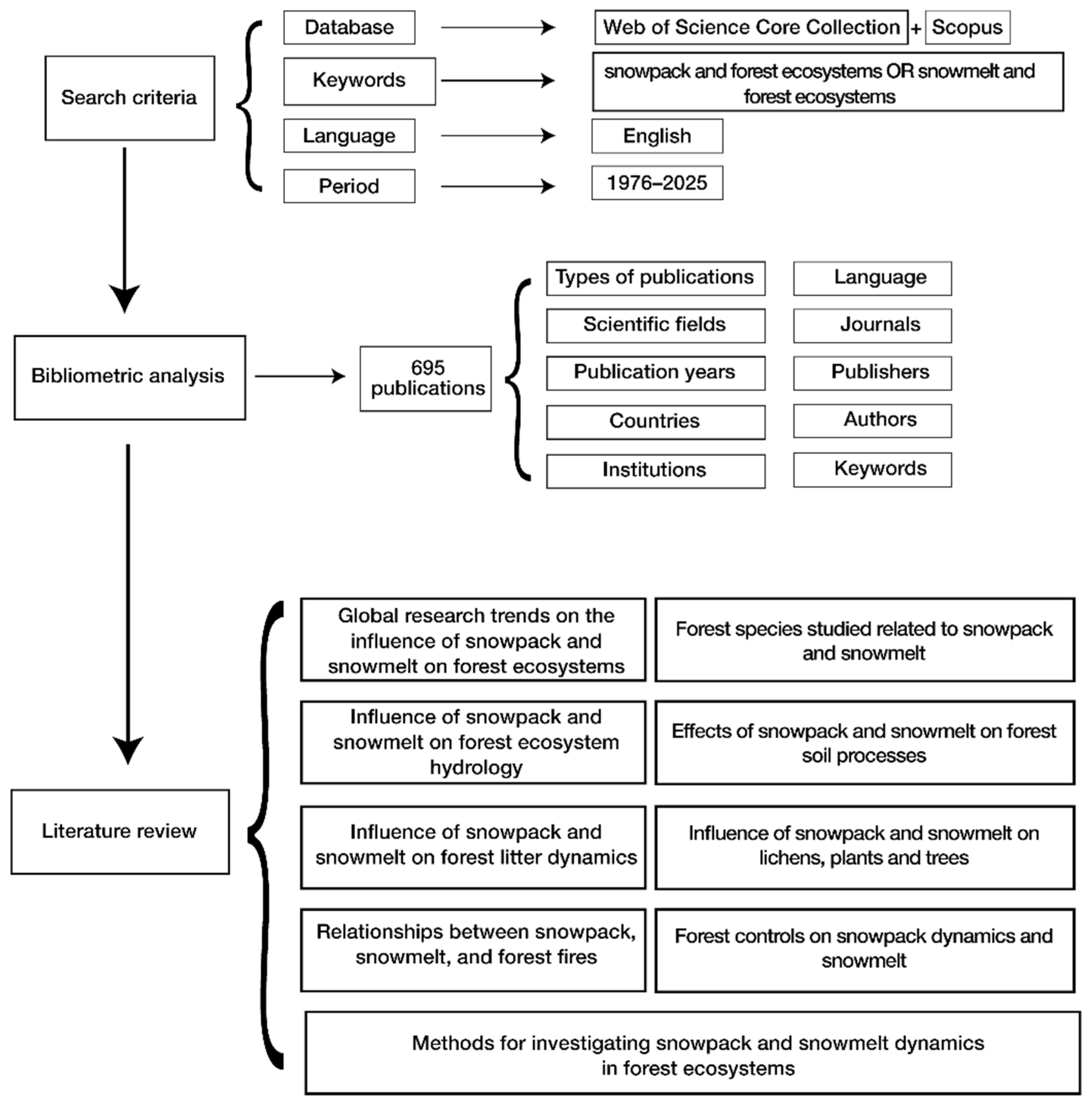
A total of 1152 records were initially retrieved from the two databases (Scopus: 505; Web of Science: 647). After merging the datasets, 377 duplicate records were removed through automated and manual verification procedures. The remaining 775 unique records were screened based on title and abstract evaluation. During this stage, 8 records were excluded because they were outside the thematic scope or did not address snowpack, snowmelt, or forest ecosystem interactions. Subsequently, 767 full-text articles were assessed for eligibility. Full-text screening resulted in the exclusion of 72 publications, classified according to the following reasons: (A) outside the thematic scope; (B) non-peer-reviewed publication; (C) insufficient or incomplete data; (D) inaccessible full text; and (E) inadequate methodological information. Finally, 695 publications satisfied all inclusion criteria and were retained as the bibliometric dataset used for quantitative analyses. Representative studies from this dataset were subsequently used in the qualitative synthesis (Figure 1).
  • Search strings and database queries
To ensure transparency and reproducibility, the exact search syntax used in each database is reported below. Database-specific field tags and formatting were adapted while preserving the same logical structure.
Scopus (Advanced Search; fields: TITLE-ABS-KEY)
TITLE-ABS-KEY ((“snowpack*” OR “snowmelt*” OR “snow cover*” OR “snow dynamics*” OR “snow accumulation*” OR “snow persistence*”) AND (tree* OR forest* OR “forest ecosystem*” OR “mountain forest*” OR “forest hydrology*” OR “alpine forest*” OR “subalpine forest*” OR “forest management*” OR “forest disturbance*”))
Web of Science—SCI-Expanded (Topic Search: TS)
TS = ((“snowpack*” OR “snowmelt*” OR “snow cover*” OR “snow dynamics*” OR “snow accumulation*” OR “snow persistence*”) AND (tree* OR forest* OR “forest ecosystem*” OR “mountain forest*” OR “forest hydrology*” OR “alpine forest*” OR “subalpine forest*” OR “forest management*” OR “forest disturbance*”))
Wildcards and plural forms were included to maximize retrieval of relevant publications and related terminology. Minor syntactic adjustments were made to ensure compatibility between databases.
  • Search parameters
-
Time span: unrestricted (all years indexed until 15 January 2025, the date on which the database searches were performed).
-
Document types: peer-reviewed research articles, book chapters, proceeding papers, and review papers.
-
Exclusion criteria during database filtering: editorials, conference abstracts, letters, notes, dissertations, and theses.
The exclusion of grey literature, dissertations, and theses was adopted to ensure methodological consistency and to focus the analysis on peer-reviewed scientific contributions with standardized bibliographic metadata. However, this filtering decision may introduce potential bias by excluding early-stage research, regional studies, and applied reports that are more commonly represented outside international indexing databases. This limitation is particularly relevant for mountain regions, where local or non-English publications may contain valuable information on snow–forest interactions. Therefore, the results should be interpreted as representing trends within the internationally indexed scientific literature rather than the complete body of available knowledge.
Although Scopus and Web of Science provide extensive global coverage of peer-reviewed literature, their use may underrepresent regional journals, non-English publications, and locally focused studies, especially from snow-dominated mountain regions. This potential database coverage bias was considered when interpreting geographic and thematic trends.
  • De-duplication and metadata quality control
Duplicate records were removed using a two-stage procedure:
  • Automated de-duplication in Microsoft Excel based on DOI matching and identical titles.
  • Manual verification of the remaining entries through comparison of titles, first authors, journal names, and publication years to resolve inconsistencies and incomplete metadata.
A total of 377 duplicate publications were removed. Additional quality-control procedures included verification and standardization of bibliographic metadata, including author names, institutional affiliations, keywords, capitalization inconsistencies, and OCR-related errors.
  • Study selection: inclusion and exclusion criteria
A two-step screening procedure was implemented to identify publications relevant to snowpack–forest and snowmelt–forest interactions.
  • Inclusion criteria
Studies were included when they met the following conditions:
-
Peer-reviewed research articles, book chapters, proceeding papers, and review papers.
-
Focused primarily on snowpack, snowmelt, or snow dynamics in relation to trees, forests, or forest ecosystems.
-
Addressed at least one of the following topics:
  • snowpack dynamics in forest ecosystems;
  • snowmelt influences on forest hydrology;
  • forest effects on snow accumulation and retention;
  • ecological impacts of snow variability on forests;
  • snow-driven soil moisture and nutrient processes;
  • forest structure and snow distribution relationships;
  • climate change effects on snowpack–forest dynamics.
-
Contained sufficient bibliographic metadata and accessible abstracts/full texts.
  • Exclusion criteria
The following categories were excluded:
-
Non-peer-reviewed publications (editorials, letters, theses, patents, and technical notes).
-
Studies unrelated to snowpack, snowmelt, or forest ecosystems.
-
Publications in which forests or snow processes were only marginally mentioned.
-
Articles lacking abstracts or inaccessible full texts.
-
Studies with insufficient methodological description or incomplete data.
Full-text exclusions were classified into the following categories:
(A)
outside the thematic scope;
(B)
non-peer-reviewed publication;
(C)
insufficient or incomplete data;
(D)
inaccessible full text;
(E)
inadequate methodological information.
  • Screening procedure
Two independent reviewers (Reviewer A and Reviewer B) evaluated all retrieved records.
Stage 1: Title and abstract screening. Any publication considered potentially relevant by at least one reviewer was retained for full-text evaluation.
Stage 2: Full-text assessment based on the predefined inclusion and exclusion criteria.
Disagreements between reviewers were resolved through discussion and final adjudication by a third reviewer (Reviewer C).
  • Final dataset and bibliometric variables analyzed
The bibliometric analysis examined the following dimensions: (1) Publication type; (2) Research disciplines; (3) Temporal evolution of publications; (4) Geographic distribution of studies; (5) Authorship and collaboration patterns; (6) Institutional affiliations; (7) Scientific journals; (8) Publishers; and (9) Keyword occurrence and thematic trends. These indicators were selected to evaluate both structural and conceptual developments in snowpack–forest ecosystem research. Publication trends through time were analyzed to identify changes in scientific attention and emerging research periods. Geographic distribution was examined to determine regional concentrations and knowledge gaps. Authorship, collaboration networks, and institutional affiliations were assessed to evaluate international cooperation patterns and research capacity. Journal and publisher analyses were used to identify the main scientific outlets contributing to this research field. Keyword occurrence and co-occurrence analyses were applied to reveal dominant research themes, evolving concepts, and connections between different scientific topics.
The analyses were conducted using the Web of Science Core Collection (v.5.35) [54], Scopus [55], Microsoft Excel 2024 [56], and Geochart [57]. Bibliometric networks, including co-authorship, co-citation, and keyword co-occurrence maps, were visualized using VOSviewer (v.1.6.20) [58]. A total of 695 publications satisfied all eligibility criteria and were retained as the bibliometric dataset used for quantitative analyses (Figure 1). This dataset served as the basis for evaluating publication trends, research disciplines, geographic distribution, keyword occurrence, thematic evolution, authorship patterns, and collaboration networks related to snowpack, snowmelt, and forest ecosystems.
The qualitative synthesis presented in this review was not intended to provide an individual assessment of every publication included in the bibliometric dataset. Instead, representative studies were selected from the dataset according to their relevance to specific thematic domains and were used to support the narrative synthesis of current scientific knowledge, research trends, and knowledge gaps.
To ensure full transparency, reproducibility, and accessibility of the bibliometric corpus, the complete list of all 695 publications included in the final dataset is provided in Supplementary Table S1.

2.2. Qualitative Content Analysis

The second phase consisted of an in-depth qualitative synthesis based on representative studies selected from the 695 publications included in the bibliometric dataset to identify major conceptual developments, research priorities, and emerging scientific directions related to snowpack, snowmelt, and forest ecosystems.
The qualitative analysis followed a structured thematic analysis approach. Initially, all included publications were reviewed through title, abstract, and full-text evaluation to identify recurring concepts and research objectives. Relevant information was extracted regarding ecosystem processes, study approaches, geographical focus, and investigated interactions between snow dynamics and forest components. Publications were then coded according to recurring themes, and categories were refined through an iterative comparison process to ensure consistency among studies.
The publications were classified into nine principal thematic domains: global research trends on the influence of snowpack and snowmelt on forest ecosystems; forest species studied related to snowpack and snowmelt; influence of snowpack and snowmelt on forest ecosystem hydrology; effects of snowpack and snowmelt on forest soil processes; influence of snowpack and snowmelt on forest litter dynamics; influence of snowpack and snowmelt on lichens, plants and trees; relationships between snowpack, snowmelt, and forest fires; forest controls on snowpack dynamics and snowmelt; and methods for investigating snowpack and snowmelt dynamics in forest ecosystems (Figure 2).
The thematic classification was developed based on the ecological processes and research questions most frequently addressed across the reviewed literature. Categories were defined to capture the major pathways through which snow dynamics influence forest ecosystems, including hydrological, ecological, and disturbance-related mechanisms. This approach allowed integration of diverse research fields while maintaining a clear conceptual framework for interpreting global trends.

3. Results

3.1. A Bibliometric Review

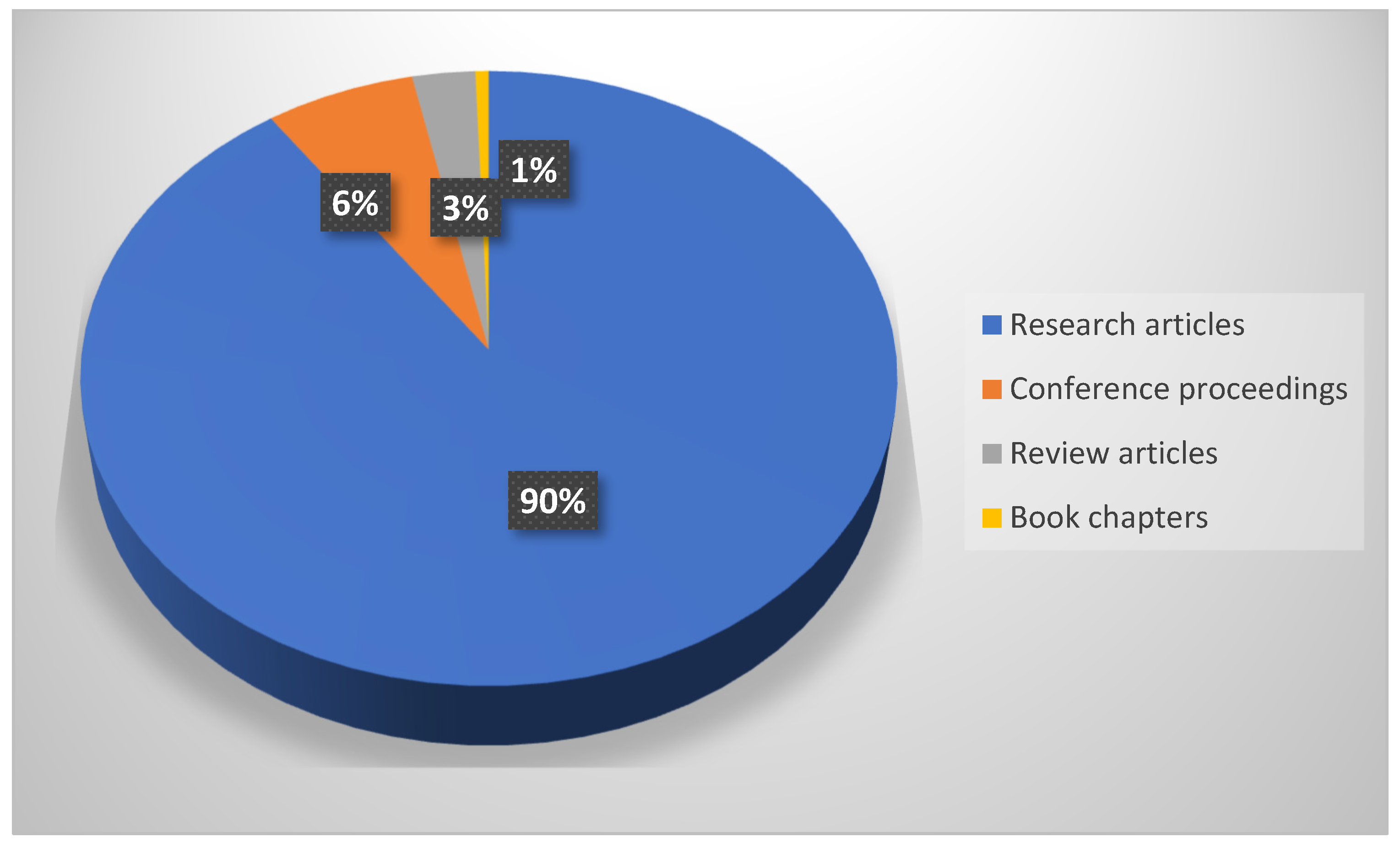
Among the 695 publications addressing the influence of snowpack and snowmelt on forest ecosystems, the vast majority consist of scientific articles (627 records, 90%). These are followed by proceedings papers (45 records, 6%), review articles (19 records, 3%), and book chapters (4 records, 1%) (Figure 3). The bibliometric analysis covered publications from 1976 to 2025 based on records retrieved from the Scopus and Web of Science databases. It should be noted that this time range represents the publication years of the documents indexed in these databases rather than the complete historical literature on the topic. Because Scopus and Web of Science have limited retrospective coverage, publications from the earlier part of the period may be underrepresented due to database establishment dates, indexing policies, and incomplete digitization of older literature. Therefore, the observed publication trends should be interpreted considering potential historical database coverage biases.
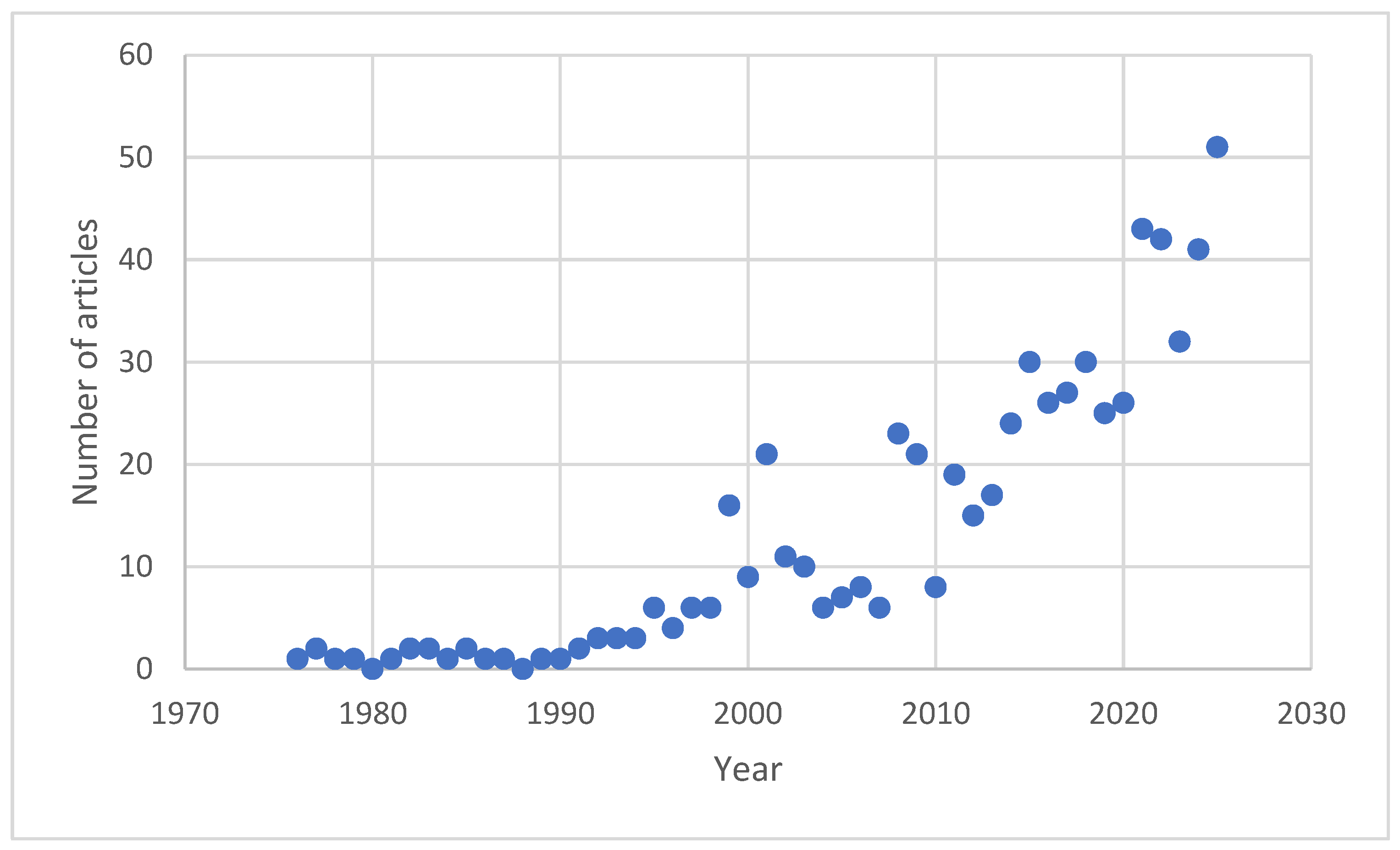
The annual number of publications has increased steadily, with particularly pronounced growth after 2010. The highest number of published articles (51) was recorded in the final year included in our inventory, namely, 2025 (Figure 4).
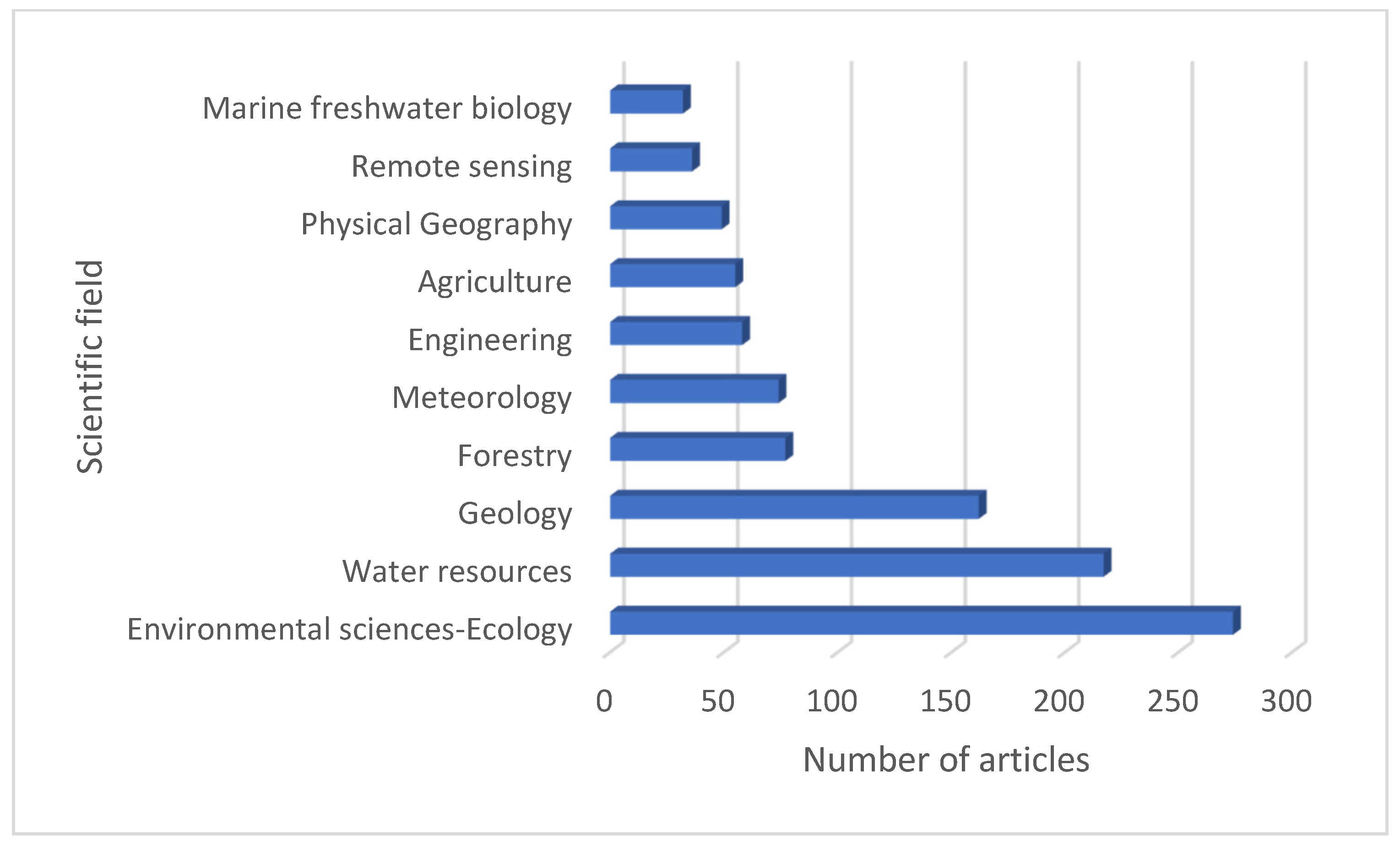
The published articles can be classified into 36 research areas, according to the Web of Science classification system. Among these, the most representative research areas are Environmental Sciences/Ecology (274 articles), Water Resources (217 articles) and Geology (162 articles) (Figure 5). The dominance of these research areas reflects the multidisciplinary nature of research on forest sustainability in snow-dominated regions, where snowpack dynamics are studied not only as ecological drivers affecting vegetation processes but also as key components controlling hydrological processes, soil water availability, and landscape-scale environmental changes. This distribution indicates that understanding forest responses to snow variability requires integrating ecological, hydrological, and geophysical perspectives.
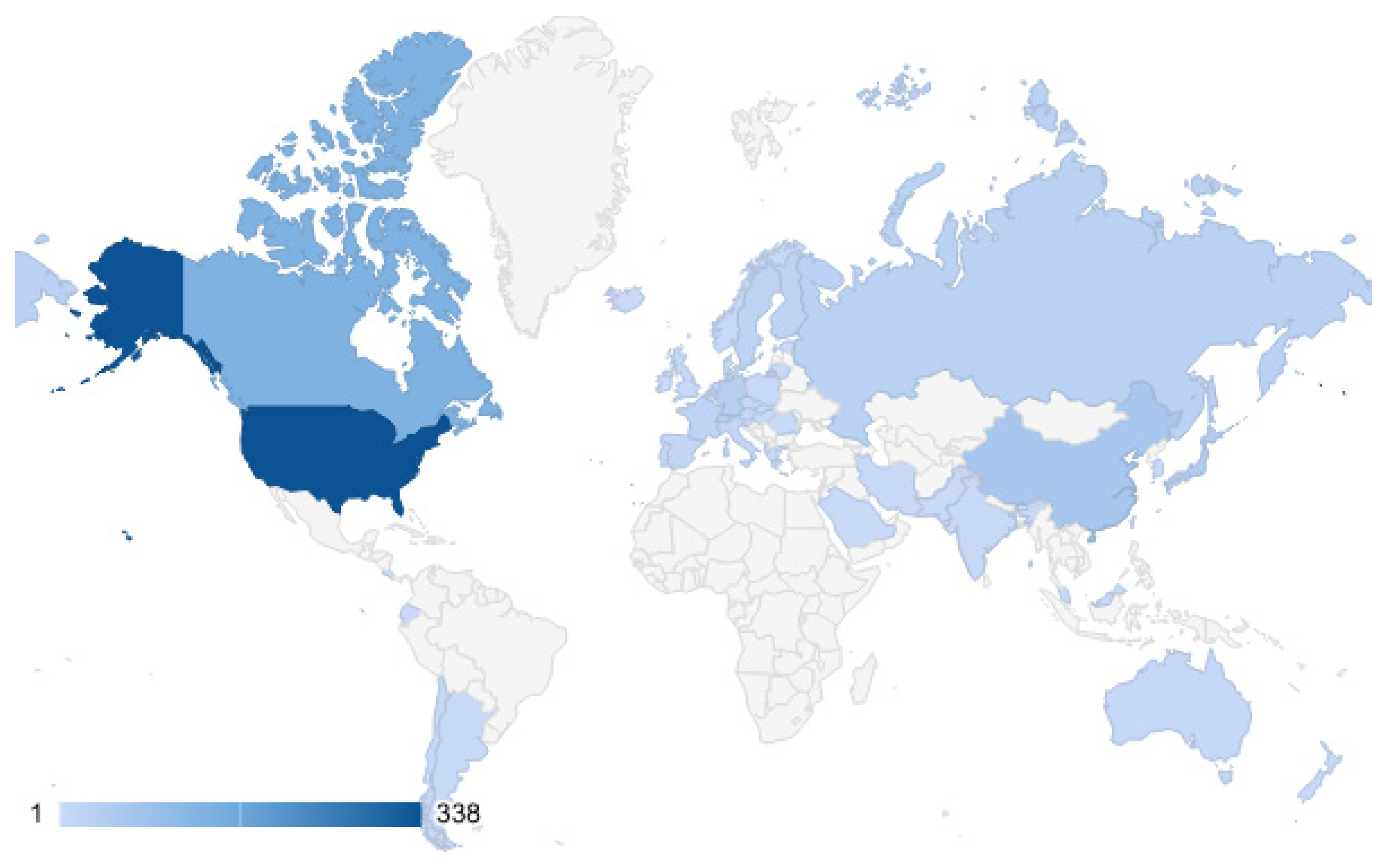
Researchers from 49 countries across five continents contributed to publications on this topic (Figure 6). The most represented countries were the USA (338 articles), Canada (137 articles) and China (64 articles).
The countries can be grouped into seven clusters, several of which are particularly important. The first cluster comprises the Czech Republic, Denmark, Finland, Italy, Japan, Norway, and Russia; the second includes Argentina, Chile, China, and the United States; the third consists of Belgium, England, Greece, and New Zealand; while the fourth includes France, Poland, Spain, and Switzerland (Figure 7).
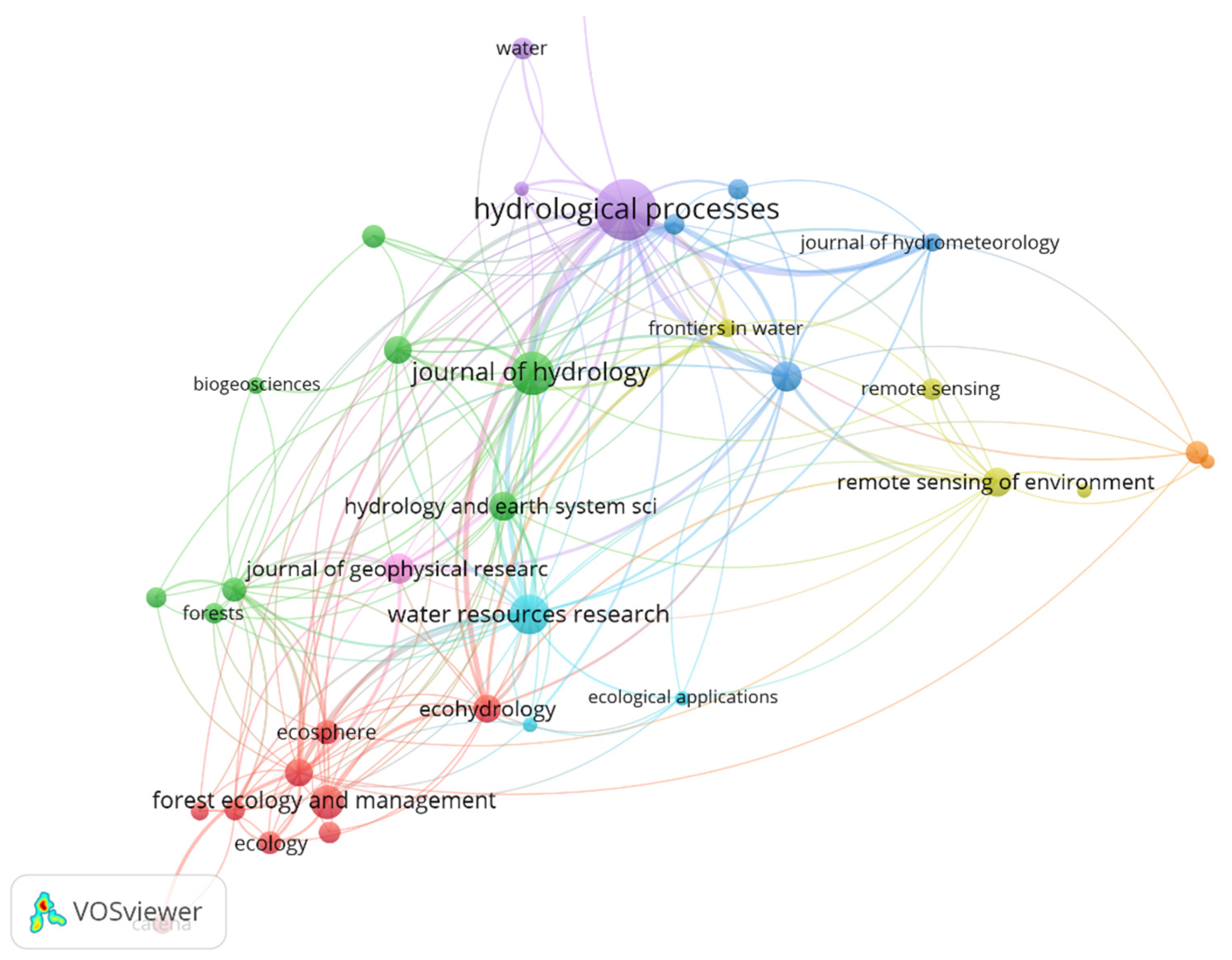
Papers on this topic were published in 216 journals. The most prominent journals are Hydrological Processes (62 articles), Journal of Hydrology (32 articles), and Water Resources Research (26 articles) (Table 1, Figure 8).
The most representative institutions affiliated with authors publishing on this topic are predominantly from the United States: the United States Department of Agriculture (61 articles), the United States Forest Service (51 articles), the University of California System (47 articles), and the University of Colorado Boulder (35 articles).
The most representative publishers in this research field were Elsevier (160 articles), Wiley (146 articles), the American Geophysical Union (55 articles), Springer Nature (48 articles), and MDPI (33 articles).
Apart from the terms used in our search strategy, the most frequently occurring keywords in articles published on this topic were climate change, variability, dynamics, model, and cover (Table 2).
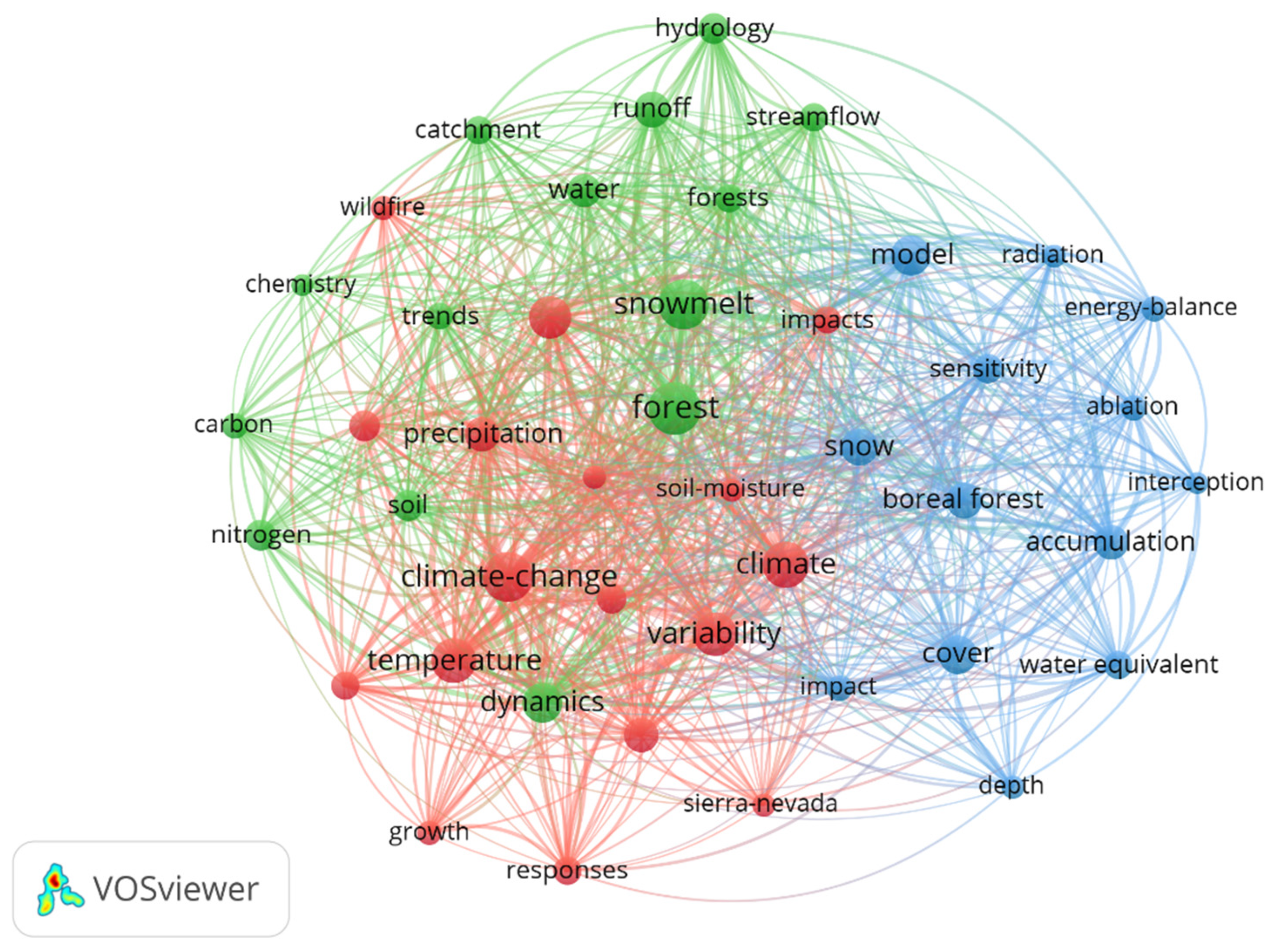
The keywords were grouped into three clusters: the first included terms related to forest and climate: climate change, climate, drought, precipitation, and temperature; the second included terms related to environmental factors: forests, carbon, nitrogen, chemistry, hydrology, soil, and water; and the third included terms related to natural or human phenomena: ablation, accumulation, energy balance, impact, interception, radiation, and sensitivity (Figure 9). These clusters highlight the main research directions concerning the interactions between snow dynamics, climatic drivers, and forest ecosystem processes.
The keyword co-occurrence analysis revealed three main conceptual clusters that reflect the evolution of research on the influence of snowpack and snowmelt on forest ecosystems. The first cluster, dominated by terms related to climate change, climate variability, drought, precipitation, and temperature, indicates that recent research has increasingly focused on the role of changing climatic conditions in modifying snow regimes and consequently affecting forest functioning. Changes in snowpack duration, depth, and melt timing alter the seasonal availability of water, influencing drought stress, vegetation productivity, and forest resilience under changing environmental conditions.
The second cluster, which includes environmental and ecosystem-related terms such as forests, carbon, nitrogen, chemistry, hydrology, soil, and water, highlights the shift from studying snow primarily as a physical component of the landscape toward understanding its ecological consequences. In this context, snowpack acts as a regulator of soil moisture, nutrient cycling, and biogeochemical processes. Variations in snow accumulation and melt timing can modify soil temperature dynamics, microbial activity, decomposition rates, and carbon sequestration processes, thereby influencing the capacity of forest ecosystems to resist and recover from climatic disturbances.
The third cluster, comprising terms related to ablation, accumulation, energy balance, impact, interception, radiation, and sensitivity, represents the increasing application of process-based approaches and modeling frameworks to explain snow–forest interactions. These studies emphasize that snow processes are controlled by complex interactions among radiation, canopy structure, energy exchange, and hydrological pathways. Such approaches are essential for predicting how forests may respond to future climate scenarios and for identifying thresholds beyond which changes in snow regimes may reduce ecosystem stability.
The keyword clustering analysis indicates a transition from describing snow patterns toward integrating climate drivers, hydrological processes, and ecosystem responses, emphasizing snow dynamics as important controls of forest resilience, carbon cycling, and sustainability in snow-dominated regions.

3.2. Literature Review

The qualitative synthesis was reorganized according to major ecosystem functions rather than individual case studies. The reviewed publications were integrated into four major themes: (1) hydrological regulation and water availability; (2) soil carbon cycling and microbial processes; (3) vegetation dynamics, forest productivity, and species responses; and (4) disturbance interactions, including wildfire and forest structure effects on snow dynamics.
This thematic organization allows comparison among ecosystems and facilitates identification of general patterns, ecosystem-specific responses, and knowledge gaps.
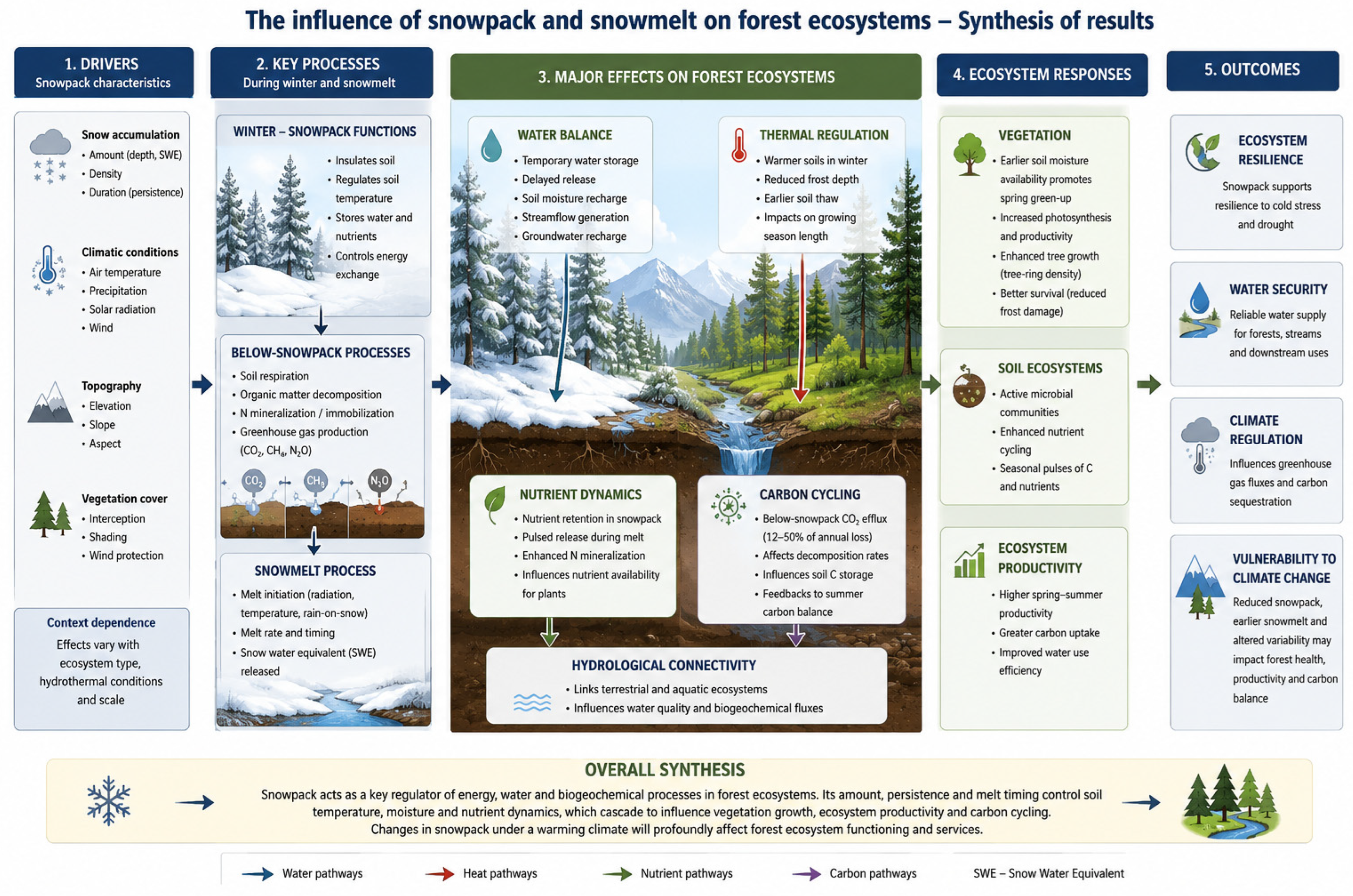
This review provides two complementary contributions. First, the bibliometric analysis identifies global research development, geographic patterns, disciplinary trends, and emerging themes in snow–forest research. Second, the qualitative synthesis develops an integrated conceptual framework describing how snowpack and snowmelt regulate forest ecosystem functioning through interacting hydrological, ecological, and biogeochemical pathways. Combining these approaches allows both quantitative assessment of research progress and conceptual understanding of ecosystem responses to changing snow regimes.

3.2.1. Global Research Trends on the Influence of Snowpack and Snowmelt on Forest Ecosystems

Table 3 highlights the growing international interest in the influence of snowpack and snowmelt on forest ecosystems.
The reviewed studies mainly originate from North America, Europe, and Asia, particularly the United States and Canada, reflecting the importance of snow dynamics in boreal, temperate, montane, and subarctic forests.
The identified studies address a wide range of ecological and hydrological processes associated with snow accumulation and melting. Several investigations focus on the interactions between forest structure and snow dynamics, including snow accumulation, SWE, snow density, and melt timing [64,65,71,72]. Other studies examine the effects of snowpack variability on soil processes, microbial communities, soil respiration, greenhouse gas emissions, and nutrient cycling [59,73,74,75].
Another important research direction concerns the influence of snowmelt timing on vegetation dynamics and forest productivity. Studies conducted in Japan, Russia, Germany, and the USA demonstrate that earlier snowmelt or reduced snow cover can alter tree growth, understory phenology, flowering synchronization, and water stress conditions [38,62,68,78]. In addition, recent research increasingly investigates the relationship between declining snowpack and disturbance regimes, particularly wildfire severity in forest ecosystems [77].
The reviewed literature also indicates a diversification of methodological approaches. Researchers employ field measurements, snow monitoring networks, isotopic analyses, hydrological modelling, and distributed snow measurements to better understand snow–forest interactions [69,80,81]. This methodological diversity reflects the complexity of snow-related ecological processes and the need for interdisciplinary approaches.
Snowpack and snowmelt act as integrated ecosystem regulators by controlling hydrological processes, vegetation dynamics, nutrient cycling, and carbon exchange across forest ecosystems.
The reviewed studies demonstrate that reductions in snow duration and earlier snowmelt generally increase winter soil freezing risk, accelerate soil drying, modify nutrient availability, and reduce ecosystem carbon uptake. However, responses are strongly context-dependent and are controlled by forest structure, elevation, soil characteristics, and climatic conditions. Forests themselves modify snow dynamics through canopy interception, shading, wind sheltering, and litter effects, creating a bidirectional relationship between vegetation structure and snow processes.
Future research should focus on predicting ecosystem responses under combined climate pressures, including warming, drought, wildfire, and altered precipitation.
Taken together, the international literature demonstrates that snowpack and snowmelt represent key controlling factors for forest hydrology, soil functioning, vegetation dynamics, and ecosystem resilience under changing climatic conditions.

3.2.2. Forest Species Studied Related to Snowpack and Snowmelt

Table 4 presents the main forest species and forest ecosystems investigated in international studies concerning the influence of snowpack characteristics and snowmelt dynamics on forest physiological processes, hydrology, regeneration, productivity, and ecosystem responses under changing climatic conditions.
Based on the analysis of the scientific literature, numerous studies have investigated the influence of snowpack dynamics and snowmelt timing on forest ecosystems across different climatic and geographical regions. The reviewed studies demonstrate that snow cover plays a critical role in regulating soil temperature, hydrology, nutrient cycling, phenology, forest productivity, and species distribution.
Research conducted in temperate and boreal forests emphasizes the protective role of snowpack against winter soil freezing. In the northeastern USA, experimental snow removal in sugar maple stands (Acer saccharum) caused lower soil temperatures, increased root injury, altered foliar chemistry, reduced shoot growth, and changes in carbohydrate storage, indicating that reduced snow cover may intensify soil acidification and negatively affect forest health [86]. Similar responses were observed in Eastern Siberian larch forests (Larix decidua), where reduced snow cover produced colder winter soils, earlier snowmelt, delayed needle elongation, and reduced nitrogen availability, demonstrating the strong influence of snow conditions on soil biogeochemical processes and tree phenology [92].
Several studies highlighted the importance of snowpack for maintaining forest productivity in cold environments. In the Tibetan Plateau, reduced snowpack was identified as a major constraint on the radial growth of Qinghai spruce (Picea crassifolia), primarily through its influence on soil moisture availability controlled by snowmelt water [100]. In Canadian boreal forests, snowmelt timing significantly influenced xylogenesis in black spruce (Picea mariana), with delayed snowmelt postponing cambial activity and shortening the duration of wood formation [96]. Likewise, in subboreal forests of Japan, earlier snowmelt enhanced shoot growth only in Kalopanax septemlobus seedlings, suggesting species-specific adaptive responses linked to ecological traits and regeneration strategies [90]. These studies show that snowpack and snowmelt influence forest productivity by regulating soil moisture, physiological activity, and growing season duration, although responses vary among species and climatic conditions.
Forest canopy structure strongly regulates snow interception, accumulation, and melt dynamics, as demonstrated in boreal Scots pine forests (Pinus sylvestris) [102]. Denser canopies reduced snow accumulation while accelerating early winter snowmelt due to enhanced longwave radiation and canopy interception. Similar canopy-related effects were reported for Norway spruce forests (Picea abies) in Slovakia, where forest dieback significantly increased SWE and altered snow distribution patterns within disturbed stands [93]. Research in subalpine forests of Colorado also revealed high spatial variability in SWE and snowmelt under different canopy types, including coniferous and deciduous forests dominated by Picea engelmannii and Populus tremuloides [95].
Mountain and alpine ecosystems were shown to be particularly sensitive to changes in snow dynamics. In the Pacific Northwest ecotone forests dominated by Tsuga heterophylla and Abies amabilis, snow cover variability was strongly influenced by canopy cover and large-scale climatic oscillations such as ENSO and PDO, affecting forest regeneration dynamics and species distribution along elevation gradients [90]. In Japanese alpine ecosystems, Pinus pumila exhibited growth and distribution responses closely linked to snow distribution and spring temperature conditions, with earlier snowmelt potentially increasing frost damage risks despite warmer growing seasons [101]. Similar concerns were reported for yellow-cedar forests (Chamaecyparis nootkatensis) in southeastern Alaska, where reduced snowpack and increased thaw–freeze events were associated with widespread forest decline caused by freezing injury [87].
Hydrological studies further demonstrated the importance of snowpack as a water resource for forest ecosystems. In montane ponderosa pine forests (Pinus ponderosa) of the southwestern USA, winter snowpack influenced the subsequent use of summer monsoon precipitation by trees, with low snowpack years reducing soil hydrological connectivity and limiting summer water uptake [101]. Experimental and modelling studies in jack pine forests (Pinus banksiana) also showed that forest harvesting and soil disturbance significantly modified snowpack, soil temperature, and soil moisture regimes, with implications for nutrient cycling and ecosystem productivity [98].

3.2.3. Influence of Snowpack and Snowmelt on Forest Ecosystem Hydrology

Snowpack and snowmelt regulate hydrological processes in snow-dominated forests by controlling soil moisture, groundwater recharge, streamflow, evapotranspiration, and water stress.
One of the most important ecological functions of seasonal snowpack is its role as a natural water reservoir that synchronizes water availability with forest water demand. In Mediterranean climates such as California, precipitation occurs mainly during winter, whereas peak forest water use takes place during warmer months. Seasonal snowpack reduces this temporal mismatch by gradually releasing water during spring and early summer. However, reductions in snowpack during warmer years or snow droughts increase the asynchrony between water inputs and forest water demand, thereby intensifying water stress and increasing the risk of tree mortality. Using the 2012–2015 California drought as a natural experiment, Casirati et al. [68] applied Regional Generalized Additive Models (GAMs) to simulate forest water stress across the Sierra Nevada using the Normalized Difference Infrared Index (NDII) as an indicator. Their models achieved strong predictive performance (R2 = 0.80–0.84) and demonstrated that reduced snowpack substantially exacerbated forest water stress and tree die-off. The study further showed that elevational differences in water and surface energy balance strongly influence vegetation responses to drought conditions [68].
The hydrological importance of snowpack has also been demonstrated at the watershed scale. In the snow-dominated Mago River basin of the Eastern Himalayas, Chiphang et al. [106] used the Soil and Water Assessment Tool (SWAT) to investigate the influence of snowmelt dynamics on streamflow and basin water balance. Their results showed that incorporating snow-related parameters, elevation bands, and lapse rates significantly improved hydrological simulations. Snow cover increased water yield and percolation while reducing evapotranspiration. Snowmelt runoff contributed approximately 8% of annual streamflow, with the greatest contribution occurring during the pre-monsoon season. The authors emphasized that snow cover is essential for sustaining regional ecosystems and maintaining hydrological stability [106].
Spatial variability in snow accumulation and melt patterns also exerts strong controls on runoff generation and groundwater dynamics in forested mountain catchments. Smith et al. [107] investigated a snowmelt-dominated montane catchment in western Canada and found that deep-soil hydraulic conductivity strongly controlled the spatial distribution of shallow groundwater response. During early spring freshet periods, spatial variability in snowmelt timing and intensity overrode the influence of topographic convergence on runoff generation. As the freshet progressed, however, topographic controls became increasingly important. The study demonstrated that asynchronous snowmelt caused by differences in topography and forest cover complicates runoff dynamics and limits the predictive capability of traditional topography-based runoff models during early snowmelt periods [107].
Similarly, Price and Hendrie [108] reported that even hydrologic systems with apparently uniform soil, vegetation, and snow cover characteristics may exhibit highly variable runoff coefficients during snowmelt, ranging from 0 to 60%. This variability results from changes in snowpack and soil surface conditions that influence unsaturated-zone processes and groundwater recharge. Consequently, snowmelt processes strongly affect streamflow production and basin hydrology [108].
Forest structure and land-use change can further modify snow accumulation and infiltration processes. Murray and Buttle [66] compared harvested and undisturbed hardwood forest stands in the Turkey Lakes Watershed in Ontario during spring snowmelt. Harvested areas accumulated greater snowpack and received higher meltwater inputs than adjacent forests. These conditions produced higher soil moisture, greater saturation, and longer periods of soil water storage. The authors suggested that forest harvesting enhances subsurface flow and saturation overland flow during snowmelt, thereby affecting both the quantity and quality of runoff entering streams [66].
Snowpack also directly influences soil thermal and moisture regimes, which are important for biogeochemical cycling and ecosystem processes. Maurer and Bowling [109] analyzed data from automated snow monitoring stations across the interior western United States and demonstrated that winter soil temperatures beneath snowpacks were warmer and more stable than air temperatures. Early winter snow accumulation increased both winter soil temperature and soil water content, while larger snowpacks and later melt dates were associated with higher summer soil moisture at many sites. These snowpack-related variations were considered large enough to affect biogeochemical activity and ecosystem functioning in snow-dominated forests [109].
At broader spatial scales, remote sensing studies have improved understanding of snow distribution in boreal forest ecosystems. Derksen et al. [110] analyzed satellite-derived SWE data across the northern boreal forest of western Canada and identified consistent spatial patterns of snow accumulation. Field measurements confirmed strong agreement between satellite retrievals and ground observations across forested regions, although discrepancies remained in tundra environments. The study highlighted the importance of snowpack stratigraphy, vegetation cover, and landscape characteristics in influencing snow distribution and hydrological processes within boreal ecosystems [110].

3.2.4. Effects of Snowpack and Snowmelt on Forest Soil Processes

Snowpack and snowmelt influence soil properties, microbial activity, nutrient cycling, and greenhouse gas fluxes by altering soil temperature and moisture regimes.
Several studies demonstrated that snowpack regulates winter soil respiration and microbial dynamics. In a temperate deciduous forest, altered snow depth changed soil thermal and moisture conditions, with snow removal creating drier and frequently frozen soils, while snow addition generated wetter and warmer soils enriched in carbon substrates. Soil respiration under ambient and reduced snowpack conditions was strongly associated with soil moisture during thaw events, whereas respiration in snow addition plots was primarily controlled by temperature once soils remained above freezing. These changes were accompanied by shifts in fungal and bacterial community composition, although most microbial community characteristics appeared to recover during spring thaw, suggesting resilience of microbial communities to annual snow variability [74].
Similarly, reductions in snow cover in northern hardwood forests resulted in lower microbial biomass, reduced exoenzyme activity, and decreased soil respiration during late winter and early spring. However, these effects were generally transient and disappeared later during the growing season, indicating that microbial communities may rapidly recover after snowmelt [111]. In boreal forest soils, different forms of snowpack alteration produced contrasting responses. Snow compaction increased microbial respiration and biomass carbon, while complete snow removal enhanced β-glucosidase activity and inorganic nitrogen concentrations. Ice encasement initially stimulated winter soil CO2 accumulation but later altered extracellular enzyme activities over multiple years, demonstrating that the ecological consequences depend strongly on the specific nature of snowpack change [112].
Other investigations reported relatively limited microbial sensitivity to changing snow conditions. In acidic boreal forest soils, snow removal, ice encasement, and snow compaction had only minor short-term impacts on microbial community structure and enzyme activity. Seasonal shifts in substrate availability appeared to exert stronger controls than snow treatments themselves, suggesting that northern microbial communities may be adapted to harsh winter conditions [59].
Snowpack regulates soil greenhouse gas dynamics by influencing moisture and temperature conditions [113]. Earlier snowmelt may reduce methane uptake, although responses of carbon dioxide and nitrous oxide fluxes depend on ecosystem conditions [73].
Winter snow conditions can also influence methane oxidation capacity in upland forest soils. In northern Michigan forests, methane uptake was significantly greater beneath sugar maple stands than beneath red pine stands, indicating that forest composition strongly affects methane sink strength. Snow removal itself did not significantly alter annual methane uptake, but snowpack thickness influenced the balance between gas diffusion and soil freezing, both of which regulate methane oxidation processes [114].
Nitrogen cycling is sensitive to snowpack changes, with earlier snowmelt and reduced snow depth decreasing nitrate availability, nitrification, and tree nitrogen uptake [81]. Earlier work in subboreal Japanese ecosystems further demonstrated that deeper snow cover increased nitrous oxide production and emissions by insulating soils and maintaining warmer winter soil temperatures. Winter N2O emissions through snowpacks represented a substantial portion of the annual regional nitrogen budget [82].
Hydrological and carbon export processes are also closely linked to snowmelt dynamics. During spring snowmelt in boreal mire landscapes, dissolved organic carbon (DOC) concentrations differed considerably among ecohydrological units, with swamp forests exhibiting the highest DOC concentrations and bogs the lowest. Approximately 1.7 g C m−2 of DOC was exported during the snowmelt period, and the timing of thaw influenced the relative contributions of landscape units to carbon export [61].
Snowmelt timing influences growing season soil moisture, although effects vary with precipitation patterns, landscape conditions, and soil depth [115,116].
Vegetation structure and topography modify snowpack–soil interactions, and the local microclimate may influence plant responses more strongly than snowmelt timing alone [76]. In mountainous forested landscapes of southern Germany, slope aspect and vegetation cover significantly affected soil temperature, snow persistence, and soil moisture responses. North-facing forest slopes retained snow longer and exhibited more gradual soil moisture increases during melt periods, while forest vegetation dampened soil moisture fluctuations compared with open areas [67].
Snowmelt also contributes to soil erosion and sediment transport in mountainous environments. In Japanese mountain landscapes, snowmelt runoff occurred primarily in grassland areas and varied according to slope aspect. Snowmelt-driven erosion transported fine sediments enriched in organic matter and radiocesium, although contamination levels remained below safety thresholds [117].
Collectively, these studies demonstrate that snowpack depth, duration, and melt timing exert strong controls on soil thermal regimes, microbial communities, greenhouse gas exchange, nutrient cycling, hydrology, and erosion processes in forest ecosystems. However, the magnitude and direction of these effects vary according to vegetation type, soil properties, climate, topography, and the nature of snowpack alteration.

3.2.5. Influence of Snowpack and Snowmelt on Forest Litter Dynamics

Snowpack dynamics and snowmelt timing strongly influence litter decomposition, soil biogeochemistry, and energy exchange processes in forest ecosystems. Changes in snow cover duration and earlier snowmelt associated with climate change can alter soil moisture, microbial activity, and carbon cycling, particularly in mountain environments where elevation, slope, and vegetation structure create heterogeneous microclimatic conditions.
A study conducted in subalpine ecosystems in Crested Butte, Colorado, investigated the effects of elevation, soil type, seasonal soil moisture variability, and snowmelt timing on litter decomposition processes using lodgepole pine and spruce needle litter [118]. Experimental plots were established across an elevation gradient ranging from 2800 to 3500 m, encompassing contrasting climatic and edaphic conditions. Measurements included gas fluxes, porewater chemistry, microbial community composition, and litter mass loss over three climatically variable years characterized by transitions from wet monsoon conditions to drought.
The results demonstrated that elevation and soil type significantly influenced baseline soil biogeochemical properties; however, needle litter decomposition rates and chemical composition remained relatively consistent across the 700 m elevation gradient [118]. Similarly, rates of soil gas flux showed little variation across the study sites. Earlier snowmelt, occurring approximately 2–3 weeks earlier, had limited influence on litter chemistry, microbial composition, or gas exchange. Nevertheless, early snowmelt increased dissolved organic carbon concentrations in lodgepole pine porewater, indicating a potential enhancement of aqueous carbon export from soils.
Seasonal variability in soil moisture and temperature emerged as major controls on soil carbon fluxes and microbial dynamics. During periods of drought and elevated temperatures, bacterial diversity increased, and less dominant taxa became more prevalent across elevations. Following snowmelt-induced rewetting in the subsequent year, microbial communities largely returned to their original composition, demonstrating considerable ecological resilience to temporary moisture stress [118].
In addition to its effects on decomposition and microbial processes, forest litter also influences the snow surface energy balance beneath forest canopies. Lu et al. [119] examined the effects of Asian spruce (Picea schrenkiana) litter on snow surface radiation and heat fluxes under different canopy openness conditions. Measurements were conducted in open areas and in sites with 20% and 80% forest canopy openness (FCO). Forest litter coverage was quantified using digital image analysis, and its effects on snow albedo, snow surface temperature, and radiation fluxes were evaluated.
The study showed that forest litter reduced snow surface albedo while increasing snow surface temperature, thereby modifying the snow energy budget [119]. The magnitude of these effects increased over time and with greater litter coverage. Forest litter had the strongest influence on upward shortwave and longwave radiation during the later stages of snowmelt. The effects on sensible heat flux were particularly pronounced during windy conditions. At the 80% canopy openness site, litter promoted net snow surface energy gains during late snowmelt, whereas at the 20% canopy openness site, litter reduced net energy gains. These findings indicate that litter accumulation can significantly modify snowmelt dynamics through its influence on radiation absorption and heat exchange processes.

3.2.6. Influence of Snowpack and Snowmelt on Lichens, Plants and Trees

Snowpack and snowmelt strongly influence decomposition processes, plant phenology, nutrient cycling, and forest productivity across alpine, boreal, and temperate ecosystems. Their effects extend from understory vegetation and lichens to overstory trees, shaping both ecosystem functioning and long-term forest dynamics.
In montane old-growth forests of the Cariboo Mountains in British Columbia, winter snowpack substantially influenced the decomposition of arboreal lichens. Litter bags containing Alectoria sarmentosa and Bryoria spp. placed within the lower snowpack throughout the winter lost approximately two-thirds of their original mass over 196 days, whereas samples exposed for shorter periods in mid- or late winter lost only 6–15% of their mass. The snowpack buffered lichens from extreme winter conditions and promoted rapid leaching of soluble cellular constituents, resulting in increased C/N ratios. These findings demonstrate that snowpack environments play an important role in nutrient cycling and decomposition processes in high-elevation forests, where lichens constitute a major source of labile organic matter [60].
Snow distribution patterns and snowmelt timing also affect the phenological development of alpine and arctic plant species. In a study of the dwarf shrub Empetrum hermaphroditum across exposed ridges, sheltered depressions, and birch forests with contrasting snow depths, flowering was found to be nearly synchronous despite significant differences in snowmelt timing among habitats. Exposed ridges experienced a longer lag phase between snowmelt and flowering because of different temperature and light conditions. The results suggested that small-scale variation in snowmelt timing has less influence on flowering phenology than interannual climatic variability [78].
Experimental evidence from temperate forests in Japan further demonstrated the ecological consequences of earlier snowmelt. Artificial warming advanced snowmelt by approximately 10 days, increased soil temperatures, and enhanced soil nitrogen mineralization and nitrification. These changes reduced leaf C:N ratios and stimulated the growth of understory dwarf bamboo vegetation, while overstory birch trees showed little response in either leaf chemistry or growth. The study concluded that earlier snowmelt associated with extreme warm events may primarily benefit understory vegetation through increased nitrogen availability, potentially altering competitive interactions within forest ecosystems [62].
Vegetation structure itself can also regulate snow distribution. Using airborne laser scanning in Hokkaido, Japan, Yamada et al. [120] found that spatial variability in snow depth differed markedly between forested and non-forested areas. Snow depth heterogeneity was lower inside forests, confirming the buffering effect of vegetation on snow accumulation and redistribution. Topographic factors such as overground openness and slope aspect also influenced snow depth, particularly in non-forest areas, highlighting the combined effects of vegetation and terrain on snowpack dynamics.
At broader temporal scales, snowpack exerts a strong influence on forest composition and ecosystem development. Simulations conducted with the LANDCLIM vegetation model on the Olympic Peninsula, Washington, showed that snowpack-mediated changes in soil moisture strongly affected species composition over the last 16,000 years. Simulations without a snow accumulation and melt module underestimated the hydrological importance of snowpack, particularly at high elevations. The results suggested that future reductions in snowpack and upward shifts in the snowline could lead to major compositional changes in mountain forests and even transitions to dry meadow ecosystems because of insufficient soil moisture in alpine environments [121].
Snowpack dynamics are also closely linked to carbon storage in temperate forests. In the Hubbard Brook Experimental Forest in the northeastern United States, decade-long warming experiments demonstrated that growing season warming increased cumulative tree stem biomass carbon by 63%. However, reduced winter snowpack and associated soil freeze–thaw cycles offset approximately half of this increase by impairing root vitality and nutrient uptake. Forests subjected to both warming and reduced snowpack stored only 31% more stem biomass carbon than control plots, a difference that was not statistically significant. These findings indicate that declining snowpack may weaken the carbon sink capacity of northern temperate forests [122].
The simultaneous action of heavy snowfall/ice and wind causes the uprooting and breaking of sensitive tree species (P. abies, Pinus spp., F. sylvatica, Tilia spp.) over large areas, while snow avalanches destroy forests in strips of trees [123,124,125,126]. However, heavy snowfalls improved soil water reserves and reduced forest losses caused by drought [127,128].
Several studies have shown that snowpack strongly influences tree growth through its effects on soil temperature, moisture availability, and the timing of cambial activity. In Pinus uncinata forests of the Pyrenees, snow persistence delayed soil warming and cambial reactivation, reducing radial growth rates. Soil temperature was identified as the most important microclimatic factor controlling xylogenesis and tracheid production. The authors suggested that shallower and shorter-lasting snowpacks under future climate warming could increase productivity in similar mid-latitude mountain forests by promoting earlier soil warming and longer growing seasons [129].
Similarly, in the Siberian subarctic forest–tundra zone, increasing winter precipitation during the twentieth century delayed snowmelt and postponed cambial activity in trees. As a consequence, the period of maximum temperature sensitivity during the growing season became shorter, resulting in reduced tree growth and weaker correlations between tree-ring characteristics and summer temperature. These findings emphasized the importance of winter precipitation and snowmelt timing in regulating high-latitude forest productivity and carbon cycling [38].
The timing of snowmelt can also influence ecosystem carbon exchange. Based on 15 years of eddy covariance measurements in Colorado forests, earlier snowmelt years exhibited lower net carbon uptake during the snow ablation period. Earlier snowmelt coincided with colder atmospheric conditions during this critical phase, reducing rates of net ecosystem exchange (NEE). Modeling results suggested that earlier snowmelt combined with reduced SWE could decrease mid-century spring carbon uptake by approximately 45% [130].
However, the effects of warming and accelerated snowmelt are not universally negative. In boreal Pinus sylvestris forests across Asia, tree growth responses to increasing temperatures became positive in wetter northern regions after the onset of rapid warming. Earlier onset of growth allowed trees to utilize snowmelt water during the early growing season, reducing water stress during periods of limited precipitation. In contrast, trees in drier regions did not exhibit this positive response. The study concluded that sufficient snowmelt-derived moisture can mitigate the negative effects of warming and support increased forest productivity in boreal ecosystems [131].

3.2.7. Relationships Between Snowpack, Snowmelt, and Forest Fires

Climate change is altering snow dynamics across many forested regions of the Northern Hemisphere, with widespread reductions in snowpack, earlier spring snowmelt, and longer snow-free periods increasingly linked to wildfire occurrence and severity. These changes affect fuel moisture, fire season duration, and post-fire hydrological processes, thereby influencing both fire regimes and forest ecosystem functioning.
Several studies demonstrate that reduced snowpack and earlier snowmelt substantially increase wildfire risk. In the western United States, earlier snowmelt has been associated with earlier fire occurrence and larger annual burned areas, while low snowpack water content has been linked to greater burn severity and larger proportions of high-severity fires [77]. The authors showed that low-snow winters combined with early melt conditions enhance fuel desiccation by extending the dry-down period, thereby increasing the likelihood of severe wildfire events. Furthermore, interactions between climate warming and El Niño–Southern Oscillation (ENSO) phases were found to amplify these effects in northwestern watersheds, suggesting that future climate variability may further intensify fire risk in snow-dominated forests [77].
Similar patterns have been observed in boreal forests. In Ontario’s boreal region, longer snow-free periods were associated with greater occurrences of extreme burn severity, although earlier snowmelt and prolonged snow-free conditions also corresponded with lower median burn severity in some cases [132]. Forest structure influenced snow disappearance timing and indirectly affected burn severity through changes in snow cover duration. Regional differences were also evident, with western ecoregions showing stronger relationships between snow dynamics and fire severity than eastern regions [132]. These findings indicate that the relationship between snow conditions and wildfire behavior is complex and influenced by both climatic and structural ecosystem factors.
In Alaska, wildfire seasons are strongly linked to snow-off timing. Earlier snow disappearance has been observed since 1959, advancing by approximately 2–4 days per decade across the state [133]. Many of Alaska’s largest fire seasons occurred following exceptionally early snow-off dates, which accounted for 56–95% of the total historical burned area in several regions. Early snowmelt was associated with persistent warm temperature anomalies during spring and summer, especially during El Niño conditions and positive phases of the East Pacific/North Pacific atmospheric pattern [133]. These atmospheric teleconnections contribute to prolonged fire-conducive conditions, suggesting that spring snow conditions may serve as predictors of summer wildfire severity.
Earlier research in the Yukon River basin also demonstrated significant associations between snowmelt timing and wildfire occurrence. Semmens and Ramage [134] reported that years characterized by high fire activity exhibited earlier melt onset and earlier termination of the melt–refreeze period. Conversely, years following extensive fires showed relatively later melt onset and delayed end of melt–refreeze periods, indicating potential feedbacks between wildfire disturbance and subsequent snow dynamics.
In addition to influencing wildfire occurrence, fires themselves substantially modify snowpack properties and snowmelt processes. Wildfires alter forest canopy structure, surface albedo, and radiation balance, thereby changing snow accumulation and melt dynamics. Maxwell et al. [135] found that burned south-facing slopes in Utah experienced reduced snow depth and earlier snow disappearance compared with unburned areas, while north-facing slopes showed less pronounced differences. SWE, however, remained relatively unaffected. The authors suggested that lower-elevation and southern-latitude sites may be particularly vulnerable to post-fire snowpack reductions.
A broader synthesis by Kosckin et al. [136] emphasized that wildfire increasingly threatens snow-dominated watersheds in the western United States. Following fire, snowpacks were found to disappear between 4 and 23 days earlier, while melt rates increased by up to 57%. Burned forests exhibited substantially reduced snow albedo due to black carbon, ash, and charred debris deposition, which darkened the snow surface and enhanced shortwave radiation absorption. Reported post-fire albedo reductions commonly range from approximately 0.1 to 0.3, depending on burn severity, fuel consumption, and the amount of deposited light-absorbing particles. In combination with increased solar radiation reaching the snow surface following canopy loss, these reductions in snow reflectivity substantially accelerate energy exchange and snow ablation. These processes resulted in greatly enhanced shortwave radiation absorption and accelerated snowmelt, potentially altering the timing and availability of downstream water resources [136].
Similarly, Schwartz et al. [137] showed that fire-disturbed montane forests experienced accelerated snow ablation and reduced snowpack longevity compared with undisturbed forests. Fire-disturbed sites exhibited 53% higher ablation rates, shorter snow duration, and lower total snowmelt available for runoff. The reduction in canopy cover enhanced energy transfer to the snow surface, contributing to reduced snow accumulation and earlier melt. These hydrological alterations may persist for decades after wildfire disturbance, significantly affecting sub-alpine water balance and ecosystem functioning [137].
Post-fire effects on soil hydrology during snowmelt periods have also been documented. In Colorado, Ebel et al. [138] observed that burned south-facing slopes exhibited warmer soils, earlier thawing, and earlier increases in soil water content compared with north-facing or unburned slopes. Although soil water storage eventually reached field capacity across all plots, wildfire altered the timing and duration of snowmelt-driven groundwater recharge, especially on south-facing slopes. These findings suggest that wildfire-induced changes in snowmelt timing can significantly modify subsurface hydrological processes in montane ecosystems.
Overall, the available evidence demonstrates strong bidirectional interactions between snowpack dynamics and wildfire regimes. Reduced snowpack and earlier snowmelt contribute to increased wildfire occurrence and severity, while wildfire disturbance, in turn, alters snow accumulation, melt timing, soil hydrology, and watershed processes. These interactions are expected to intensify under future climate warming, with important consequences for forest resilience, carbon storage, water availability, and ecosystem stability.

3.2.8. Forest Controls on Snowpack Dynamics and Snowmelt

Seasonal snowpack is a critical freshwater reservoir in many mountainous and high-latitude ecosystems, where forest structure strongly regulates snow accumulation, redistribution, sublimation, and melt dynamics. Across a wide range of climatic regions, studies consistently demonstrate that vegetation cover, canopy density, elevation, and aspect interact to influence both the magnitude and timing of snow storage and snowmelt processes.
Research conducted in the Southern Andes of Chile demonstrated that forest canopy substantially alters snowpack dynamics under Mediterranean climatic conditions. Using the Cold Regions Hydrological Modelling platform (CRHM), Bernal-Mujica et al. [79] showed that forest canopy reduced peak SWE by approximately 36%, mainly because of sublimation losses associated with canopy interception. Snow duration beneath the canopy was 10–30 days shorter than in open areas, depending on elevation and slope aspect, while melt rates under the canopy (10–15 mm d−1) were slower than in open environments (16–18 mm d−1) because of shading effects. The influence of canopy cover was particularly pronounced during cold and snowy years, when SWE differences exceeded 200 mm (>50%), whereas differences were below 50 mm (<20%) during warm and dry years.
Similar reductions in snow accumulation beneath forest canopies have been reported across North America. Jost et al. [139] found that forests accumulated 27–39% less snow than nearby clearcuts in western Canadian watersheds, with elevation exerting the strongest control on SWE variability. Likewise, Broxton et al. [140] observed that open areas in central Arizona accumulated 20–30% more snow than under-canopy environments, while dense forests generally maintained lower SWE because of interception and sublimation losses. Olds et al. [141] further demonstrated that snow accumulation varied strongly among vegetation environments, with the greatest SWE occurring in open areas immediately north of forests and the lowest SWE under conifer canopies and south-facing forest edges.
Forest canopy effects on snow accumulation are strongly mediated by interception processes. Bonner et al. [72] showed that canopy interception losses and modifications in radiative fluxes were major controls on forest–open SWE differences, often exceeding 30%. Delivery of intercepted meltwater from the canopy increased snowpack density beneath forests by more than 30% in some cases, particularly during warm conditions. In mountain pine beetle (MPB)-affected forests of the Central Rocky Mountains, Biederman et al. [142] found that interception was approximately 20% lower in grey-phase stands compared with healthy forests; however, increased snowpack sublimation compensated for reduced interception losses, resulting in little difference in peak SWE between disturbed and undisturbed stands.
Topographic controls frequently interact with forest cover to determine snow distribution patterns. Elevation consistently emerged as the dominant control on SWE variability in several studies [71,139], while aspect influenced both accumulation and melt processes. Fujihara et al. [71] observed that aspect and canopy openness exerted greater influence during the melt season than during accumulation periods. Similarly, Penn et al. [143] reported greater SWE in open areas on north-facing slopes during peak accumulation, whereas under-canopy snowpacks persisted longer on south-facing slopes during melt periods. Broxton et al. [140] also noted that forest cover optimized SWE at intermediate canopy densities (approximately 30–50%) on flat and north-facing slopes, whereas increasing forest density on south-facing slopes reduced SWE because shading was less effective and longwave radiation from canopies increased.
Forest structure also influences the timing and rate of snowmelt through modifications of the snow surface energy balance. Forest canopies reduce incoming shortwave radiation through shading, enhance longwave radiation exchange, intercept snowfall, and decrease wind exposure [64]. In semi-arid Idaho forests, Kraft et al. [64] observed slower melt rates beneath low-density forest canopies because shading reduced shortwave radiation inputs, although reduced snow cold content beneath forests partially offset this effect. Similar findings were reported by Ni-Meister and Gao [144], who demonstrated that accounting for clumped forest structure reduced incoming longwave radiation at the snow surface and improved snowmelt simulations in boreal forests.
The influence of forests on snowmelt timing varies with climatic and topographic context. Dwivedi et al. [63] found that forests advanced snowmelt timing in lower-elevation ephemeral snowpacks but delayed melt in colder, higher-elevation seasonal snowpacks. Snowmelt volumes were often greater at sunny gap edges despite lower peak SWE because rapid melt reduced sublimation losses. Harpold et al. [145] similarly observed contrasting canopy effects among sites, with snow disappearing earlier in open areas at some locations and earlier beneath the canopy at others. Across all sites, however, peak soil moisture closely coincided with snow disappearance timing, emphasizing the hydrological importance of canopy-driven snowmelt dynamics.
Forest management practices such as thinning and gap creation can significantly alter snowpack characteristics. Dickerson-Lange et al. [146] showed that snow storage in forest gaps ranged from equal to more than twice that observed under intact canopies in the Eastern Cascades. Nevertheless, snow duration differences were generally modest, averaging only seven additional days in gaps, except on north-facing slopes where snow persisted up to 30 days longer. O’Donnell et al. [147] found that soil moisture remained consistently higher in thinned ponderosa pine forests, although SWE differences between thinned and untreated stands were limited. These findings suggest that forest management may influence water availability primarily through altered interception, transpiration, and infiltration processes rather than through major increases in snow accumulation.
At broader spatial scales, vegetation type also influences snowmelt patterns. Across Arctic and boreal ecosystems, Kropp et al. [148] found that evergreen needleleaf forests, mixed boreal forests, and herbaceous tundra exhibited higher melt rates than deciduous forests and shrub tundra, although canopy cover itself had limited influence within individual land-cover classes. In tundra ecosystems, Cohen et al. [60] demonstrated that shorter and sparser vegetation associated with reindeer grazing delayed snowmelt and increased surface albedo relative to densely vegetated areas.
Vegetation can additionally influence snowpack chemistry and isotopic composition. Bockhoff et al. [70] reported substantially higher mercury accumulation beneath forest canopies than in open tundra, likely due to reduced wind exposure and enhanced organic matter interactions. Stable isotope studies similarly showed that canopy cover modifies snow isotopic signatures through interception and sublimation processes. Von Freyberg et al. [69] observed that snowpack isotope ratios beneath forest canopies were enriched relative to adjacent open areas, reflecting canopy interception effects and preferential melt of lighter isotopes. Pershin et al. [81] also found that snow depth and forest cover significantly influenced isotopic variability, particularly during low-snow years.
Several studies emphasized the importance of radiation balance and canopy structure in regulating snow energetics. Seyednasrollah et al. [149] demonstrated that net radiation beneath forest canopies can exhibit non-linear responses to vegetation density, depending on slope, aspect, and cloudiness. Marks et al. [150] further highlighted the combined influence of wind redistribution, topography, and vegetation sheltering on snow accumulation and melt patterns in mountainous terrain.
Across the reviewed studies, snowpack effects on forest ecosystems were found to operate through interconnected thermal, hydrological, and biogeochemical pathways rather than through isolated processes. Snow depth and duration regulate soil temperature by controlling heat exchange between the atmosphere and the soil surface, thereby influencing the frequency and intensity of freeze–thaw cycles. These thermal changes affect microbial activity, decomposition processes, and the availability of carbon and nutrients during winter and the subsequent growing season. Studies consistently indicate that snow insulation can maintain relatively stable soil temperatures during cold periods, allowing continued microbial processes beneath snow cover, whereas reduced snow accumulation or earlier snowmelt may increase soil freezing and constrain microbial functioning.
The literature further demonstrates that snowmelt represents a critical transition period when stored water, dissolved organic carbon, and nutrients are redistributed through forest soils. Freeze–thaw processes modify soil structure and hydrological connectivity, influencing the transport and retention of dissolved organic matter along hillslope pathways. Recent findings indicate that freeze–thaw transitions can regulate dissolved organic carbon export and hydrological connectivity, highlighting the importance of winter processes in determining seasonal carbon dynamics. Consequently, snowpack variability can indirectly affect forest productivity by altering soil carbon availability, nutrient cycling, and water supply during the growing season.
Together, these findings suggest a conceptual framework in which snowpack functions as a seasonal regulator connecting winter climate conditions with annual forest ecosystem processes. The impacts of snow are mediated through a cascade of interactions involving thermal buffering, freeze–thaw dynamics, microbial activity, carbon turnover, nutrient availability, and vegetation responses. This integrated perspective helps explain why similar changes in snow depth or snowmelt timing may produce contrasting ecosystem responses depending on forest type, soil conditions, and landscape position.
Collectively, these studies demonstrate that forests exert complex and spatially variable controls on snowpack accumulation, sublimation, energy balance, and melt timing. The magnitude and direction of canopy effects depend strongly on climate, elevation, slope aspect, forest structure, and interannual variability, underscoring the importance of explicitly incorporating vegetation–snow interactions into hydrological and climate models.

3.2.9. Methods for Investigating Snowpack and Snowmelt Dynamics in Forest Ecosystems

Research on snowpack and snowmelt dynamics in forest ecosystems has increasingly relied on a combination of field observations, remote sensing technologies, physically based models, and machine learning approaches. These methods aim to improve the understanding of how forest structure, topography, and climate influence snow accumulation, snow persistence, melt processes, and associated hydrological and ecological responses.
  • Field observations and in situ monitoring
Ground-based observations remain essential for studying snow processes beneath forest canopies because operational snow monitoring networks are commonly located in open areas, while optical remote sensing methods have limited capability to detect snow under dense vegetation. In the Pacific Northwest, Dickerson-Lange et al. [151] combined fiber-optic cable systems, ground temperature sensors, and time-lapse cameras in different forest treatments, including second-growth forest, thinned forest, and canopy gaps. Their results showed that snow duration in canopy gaps was approximately eight days longer than in control forest plots. The study also demonstrated that relatively dense sensor spacing substantially improved the precision of snow duration estimates and confirmed the consistency of snow duration relationships across elevations and multiple winters.
Several studies emphasized the importance of continuous field measurements for understanding snow–soil–vegetation interactions. Balocchi et al. [152] used the Soil and Cold Regions Model (SCRM), together with meteorological observations from a snow-dominated forest site in Wyoming, to investigate freeze–thaw dynamics in different soil textures. Their simulations showed that shallow snowpacks intensified freeze–thaw processes, while soil texture and water content strongly controlled soil thermal properties and ice formation.
Seok et al. [153] developed a continuous snowpack gas-sampling system at Niwot Ridge, Colorado, to measure trace gas fluxes through seasonal snowpacks. Their study demonstrated that wind-driven advection significantly altered gas transport within snowpacks and that neglecting wind pumping could substantially underestimate gas fluxes through snow-covered forest soils.
  • Remote sensing approaches
Remote sensing technologies have become increasingly important for studying snowpack variability in forested landscapes. Airborne and terrestrial lidar, UAV photogrammetry, synthetic aperture radar (SAR), passive microwave sensing, and optical satellite imagery are now widely used to quantify snow depth, snow-covered area (SCA), and SWE.
Lidar-based approaches have shown particular value in forested environments because they can penetrate canopy gaps and capture sub-canopy snow distributions. Harder et al. [154] demonstrated that UAV lidar provided reliable measurements of sub-canopy snow depth in the Canadian Rockies and prairie environments, whereas structure-from-motion (SfM) photogrammetry produced inconsistent results beneath forest canopies. Similarly, Cho et al. [155] compared UAS lidar and SfM techniques in mixed forest and open-field environments in New Hampshire. Their results indicated that lidar produced substantially lower errors in forested areas and captured temporally stable spatial snow-depth patterns strongly influenced by vegetation structure and terrain.
Forest structural complexity has also been investigated using airborne lidar and machine learning approaches. Donager et al. [156] combined aerial lidar, terrestrial mobile lidar, and UAV photogrammetry in northern Arizona to evaluate how forest restoration treatments influence snow depth and snow cover persistence. Their random forest models showed that canopy height and canopy cover explained significant portions of snow-depth variability, while local canopy cover strongly influenced snow persistence.
Additional research from NASA’s SnowEx campaign highlighted the value of terrestrial laser scanning (TLS) for resolving fine-scale canopy and sub-canopy snow distributions. Uhlmann et al. [157] used TLS data collected at Grand Mesa, Colorado, to investigate how canopy heterogeneity affects snow accumulation and melt processes across multiple spatial scales.
Radar remote sensing methods have also been widely explored. Bernier et al. [158] demonstrated the operational feasibility of estimating SWE in subarctic Québec using RADARSAT SAR imagery. Their approach linked radar backscatter to snowpack thermal resistance and successfully reproduced SWE values measured in snow surveys across approximately 77,000 km2. More recently, Tanniru and Ramsankaran [159] applied Sentinel-1 SAR data together with random forest algorithms in the Western Himalayas, showing that integrating additional environmental variables improved snow-depth estimation in complex mountainous terrain.
Passive microwave remote sensing has also advanced through the integration of machine learning techniques. Gao et al. [160] developed a global snow-depth retrieval algorithm by coupling the Microwave Emission Model of Layered Snowpacks (MEMLS) with random forest models. Their framework incorporated snow microstructure, snow density, forest cover fraction, elevation, and brightness temperatures, significantly improving snow-depth retrieval accuracy compared with existing global products.
Optical remote sensing methods remain valuable despite limitations in densely forested regions. Kostadinov and Lookingbill [161] used MODIS data to investigate snow cover variability in the Oregon Cascades and highlighted the strong influence of climate oscillations such as ENSO and PDO on snow persistence. However, the study also discussed the challenges of detecting snow in dense montane forests. Similar limitations were reported by Poon and Valeo [162], who showed that MODIS snow cover algorithms produced substantial discrepancies in marsh and coniferous forest areas during snowmelt periods in boreal Manitoba.
  • Modeling approaches
Physically based snow models continue to provide critical insights into snow accumulation and melt processes in forested catchments. Gelfan et al. [163] assembled a comprehensive snow model for open and forested catchments in northwestern Russia. Their results demonstrated that forest interception and sublimation significantly reduced snow accumulation in forests compared with open areas, while atmospheric variability exerted a stronger influence on snow dynamics than vegetation characteristics alone.
Distributed hydrological models have also been used to evaluate forest management impacts on snowpack dynamics. Jost et al. [80] tested the Distributed Hydrology Soil Vegetation Model (DHSVM) in a snow-dominated watershed in British Columbia. Their analysis showed that accurate simulation of canopy transmittance and snow albedo decay was essential for reproducing spatial SWE patterns in forests and clearcuts.
Comparative evaluations of snow models across multiple forested sites further demonstrated the complexity of simulating sub-canopy snow processes. Rutter et al. [164] evaluated 33 snowpack models across Northern Hemisphere forest and open sites and concluded that snow processes are substantially more difficult to model beneath forest canopies. Model calibration improved performance at forested sites, although calibration benefits were not always transferable between years or site conditions.
Recent studies increasingly integrate machine learning with conceptual and physically based models. Besharatifar and Nasseri [165] compared conceptual snow models, random forest methods, and nested machine learning approaches in the mountainous Tashk-Bakhtegan watershed. Their results showed substantial projected declines in SCA and SWE under future climate scenarios, particularly under SSP8.5. Wang et al. [166] similarly demonstrated that incorporating remote sensing snow data into random forest and artificial neural network runoff models significantly improved snowmelt-runoff simulations in alpine basins.
Machine learning methods are also being used to reconstruct long-term snow cover dynamics under climate change. Alexopoulos et al. [167] introduced snowMapper v1.0, a physics-informed machine learning framework for reconstructing daily snow cover using satellite imagery and climate data. Applied to Greek mountain ranges, the model revealed widespread declines in snow cover area associated primarily with increasing air temperatures.
  • Emerging approaches and future directions
Recent research increasingly combines multiple observation systems and advanced computational approaches to better characterize snowpack variability in forested terrain. Meehan et al. [168] integrated airborne lidar, ground-penetrating radar (GPR), and machine learning techniques to estimate spatial snow-density patterns in Colorado. Their work emphasized the need for improved understanding of terrain, vegetation, and wind interactions controlling snow densification.
Similarly, Painter et al. [169] developed a fine-scale stochastic cellular automaton model calibrated with Sentinel-2 imagery to simulate snow cover evolution in mountainous catchments. Their findings indicated that elevation and neighboring snow distribution strongly influenced snow persistence, while solar radiation played a greater role during the early stages of snowmelt.
Collectively, these studies demonstrate that integrating field observations, remote sensing technologies, physically based models, and machine learning approaches is essential for understanding the influence of snowpack and snowmelt on forest ecosystems under changing climatic conditions.

4. Discussion

4.1. Bibliometric Review

The distribution by publication type is similar to that reported in other bibliometric studies [170,171,172]. In this case, however, it is important to note that the number of conference presentations was approximately twice as high as the number of review articles. This can be explained by the broad representativeness of the analyzed topic, which enabled its inclusion in numerous scientific meetings across diverse disciplines, such as meteorology, forestry, ecology, and water resources. Indeed, these fields are reflected in our inventory, which encompasses 36 research areas. The temporal evolution in the number of published articles follows the well-known exponential trend reported in other review studies [173,174,175].
With the exception of Africa and countries located in the equatorial zone, nearly all countries where snow is present have authors who have published articles on this topic. Nevertheless, a substantial difference can be observed among the top three countries in terms of publication output: the United States (338 articles), Canada (137 articles), and China (64 articles). Regarding the journals in which these articles were published, the highest numbers were recorded in hydrology-oriented journals, including Hydrological Processes (62 articles), Journal of Hydrology (32 articles), and Water Resources Research. From the perspective of publishers, in addition to the four major publishing houses commonly identified in bibliometric studies [176,177,178], the American Geophysical Union was also particularly well represented in this case.
The analysis of keywords used in published articles represents a relevant indicator of authors’ perceptions and research orientations [179,180]. In the present study, the keyword climate change was by far the most frequently encountered term, demonstrating that authors have strongly associated various aspects related to snowpack and snowmelt with this highly topical phenomenon. Likewise, the other frequently used keywords (variability, dynamics, and model) are closely linked to broad and contemporary themes in scientific research.

4.2. Ecological Implications of Snowpack and Snowmelt Variability in Forest Ecosystems

The studies presented in Table 3 demonstrate that snowpack and snowmelt processes are increasingly recognized as essential drivers of forest ecosystem dynamics. The concentration of research in northern and mountainous regions emphasizes the ecological importance of seasonal snow cover in areas where winter climate strongly controls hydrological and biological processes. The predominance of studies from the United States and Canada also reflects growing concern regarding the impacts of climate change on snow-dependent forest systems [64,65,68].
Another important aspect highlighted by the reviewed studies is the sensitivity of soil processes to snowpack variability. Snow cover acts as an insulating layer that regulates soil temperature during winter. Reduced snow depth or earlier snowmelt may expose soils to freezing events, alter microbial activity, and modify nutrient cycling processes [59,74]. Several studies reported changes in soil respiration, greenhouse gas emissions, and nitrogen availability under altered snowfall conditions, suggesting that future reductions in snow cover may have important consequences for forest soil functioning and carbon balance [73,75,82].
The literature also reveals that snowmelt timing plays a critical role in vegetation development and forest productivity. Earlier snowmelt may extend the growing season; however, it can also increase the exposure of plants to late frost events or drought stress during summer. The reviewed studies indicate that understory vegetation is often more sensitive to snowmelt variability than overstory trees, particularly in boreal and montane ecosystems [68]. Furthermore, variations in snowmelt timing may influence flowering phenology, plant growth synchronization, and regeneration processes [38,76,78].
Recent studies increasingly connect snowpack decline with broader ecosystem disturbances, including wildfire activity. Reduced snow accumulation and earlier melting can contribute to drier soil conditions and prolonged summer drought, thereby increasing fire risk and fire severity [77]. This emerging research direction highlights the importance of considering snow dynamics within the broader context of climate change impacts on forest resilience.
The diversity of methods applied in the reviewed studies demonstrates the complexity of snow–forest interactions. Combining field observations, isotopic techniques, distributed snow measurements, remote sensing, and modelling approaches allows researchers to better quantify snow processes across different spatial and temporal scales [69,80,81]. Such interdisciplinary approaches are essential for improving predictions of future forest responses to ongoing climatic warming.
Broadly, the reviewed literature confirms that snowpack and snowmelt influence multiple components of forest ecosystems, including hydrology, soils, vegetation, nutrient cycling, and disturbance regimes. These findings support the need for continued research on snow-related processes, particularly under current climate change scenarios characterized by declining snow cover and shifting winter conditions.
Figure 10 summarizes the main mechanisms through which snowpack accumulation and snowmelt dynamics regulate hydrological, biogeochemical, and ecological processes in forest ecosystems, highlighting their effects on soil conditions, vegetation productivity, nutrient cycling, and ecosystem resilience under changing climatic conditions.
The synthesis illustrates that snowpack acts as a critical regulator of forest ecosystem functioning by controlling winter soil insulation, water storage, and the seasonal release of meltwater. Snow accumulation and persistence influence soil temperature, moisture availability, microbial activity, and nutrient cycling, while snowmelt timing determines the onset of vegetation growth, hydrological connectivity, and carbon exchange processes.
The figure also emphasizes the strong interactions between forest structure and snow dynamics. Forest canopy characteristics modify snow interception, accumulation, sublimation, and melt rates, thereby influencing SWE and the spatial variability of soil moisture. In turn, changes in snow conditions affect forest productivity, regeneration, greenhouse gas fluxes, and disturbance regimes such as wildfire occurrence.
Overall, the synthesis highlights that reductions in snowpack and earlier snowmelt associated with climate change may substantially alter forest ecosystem stability, carbon sequestration capacity, and water availability, particularly in boreal, temperate, and mountain forest environments.

4.3. Influence of Snowpack and Snowmelt Dynamics on Forest Species and Ecosystems

The reviewed studies collectively demonstrate that snowpack functions as a critical ecological regulator in forest ecosystems, particularly in boreal, temperate, montane, and alpine environments. Changes in snow accumulation, snow duration, and snowmelt timing caused by climate warming can significantly alter ecosystem processes, affecting forest structure, productivity, regeneration, and resilience.
Snowmelt timing emerged as another major driver of forest dynamics. Earlier snowmelt is generally associated with longer growing seasons; however, the ecological consequences vary among species and ecosystems. In subboreal Japanese forests, only Kalopanax septemlobus responded positively to earlier snowmelt through enhanced leaf area development and shoot growth [96], indicating that species-specific ecological traits strongly influence adaptive capacity. Conversely, alpine Pinus pumila communities showed increased vulnerability to spring frost damage under warmer conditions and earlier snow disappearance [101]. These contrasting responses indicate that advancing snowmelt may create both opportunities and risks depending on species physiology and habitat conditions.
The studies also emphasize the strong coupling between snowpack and forest hydrology. Snowmelt water represents a major seasonal water source in many cold-region forests, particularly in semi-arid and high-elevation ecosystems. Research on Picea crassifolia in the Tibetan Plateau identified soil moisture derived from snowmelt as the dominant control on radial tree growth [94]. Similarly, Pinus ponderosa forests in the southwestern USA relied heavily on winter snowpack to sustain hydrological connectivity and facilitate summer water uptake [100]. Reduced snowpack therefore has the potential to intensify drought stress and decrease forest resilience under future warming scenarios.
Another important aspect highlighted in the literature is the interaction between canopy structure and snow processes. Forest canopies modify snow interception, redistribution, and melt rates, creating substantial spatial variability in SWE. Studies on Pinus sylvestris forests demonstrated that canopy density strongly influences both snow accumulation and ablation dynamics [102]. Disturbances such as forest dieback or harvesting further modify these interactions. In disturbed Picea abies stands, increased snow accumulation occurred after canopy loss [93], while harvesting in Pinus banksiana forests altered soil thermal and moisture conditions [98]. These findings indicate that forest structure and disturbance regimes must be considered when evaluating future snow–forest interactions.
Mountain forests appear especially vulnerable because snowpack variability strongly regulates regeneration dynamics and species distribution along elevation gradients. Studies from the Pacific Northwest ecotone showed that snow cover variability, driven by both canopy cover and climatic oscillations, influenced seedling distribution patterns of Tsuga heterophylla and Abies amabilis [84]. Likewise, the decline in Chamaecyparis nootkatensis in Alaska was linked to warming winters, reduced snow insulation, and increased freeze–thaw events [87]. These studies suggest that continued climate warming may shift species distributions and increase forest mortality in snow-dependent ecosystems.
Generally, the reviewed literature indicates that climate-induced reductions in snowpack can influence forest ecosystems through multiple interacting pathways. Reduced snow accumulation decreases the duration of soil insulation during winter, which may increase the frequency of soil freeze–thaw cycles, alter fine-root survival, and modify microbial activity and nutrient mineralization processes. Earlier snow disappearance can extend the growing season and increase early-season soil temperatures; however, these benefits may be offset by reduced summer soil moisture availability and increased drought stress in water-limited environments. Changes in snowmelt timing can also modify runoff generation, groundwater recharge, and the synchrony between tree water demand and soil water supply. Consequently, forest responses depend on the combined effects of snow dynamics, canopy structure, soil properties, hydrological conditions, and species-specific adaptations. Future research should integrate long-term field observations, experimental manipulations, remote sensing approaches, and ecosystem modelling to improve predictions of snow–forest interactions under changing climatic conditions.

4.4. Hydrological and Ecological Implications of Snowpack and Snowmelt Variability in Forest Ecosystems

The studies reviewed consistently demonstrate that snowpack and snowmelt are fundamental regulators of hydrological functioning in forest ecosystems. Snow acts not only as a seasonal water storage reservoir but also as a mediator between climate variability, soil processes, vegetation dynamics, and watershed hydrology.
A major theme emerging from these studies is the importance of snowpack in sustaining water availability during periods of high ecological demand. In regions with strong seasonal precipitation regimes, such as Mediterranean or mountainous climates, snowpack delays water release until spring and summer, thereby reducing drought stress during the growing season. Casirati et al. [68] clearly demonstrated that reductions in snowpack increase forest water stress and mortality risk, particularly under warming climate conditions. These findings are highly relevant in the context of climate change, as rising temperatures are projected to reduce snow accumulation and accelerate melt timing in many mountain regions.
The hydrological consequences of declining snowpack extend beyond forests themselves and affect entire watershed systems. Chiphang et al. [106] showed that snowmelt contributes significantly to streamflow generation and groundwater recharge, particularly during dry pre-monsoon periods. Reduced snow cover may therefore alter seasonal runoff patterns, decrease late-season water availability, and increase evapotranspiration losses. Similar conclusions were reached by Maurer and Bowling [109], who found that snowpack controls soil moisture persistence and soil thermal stability, both of which are critical for nutrient cycling and biological activity.
Another important finding is the strong spatial heterogeneity associated with snow accumulation and melt processes. Smith et al. [107] demonstrated that topography, vegetation cover, and soil hydraulic properties interact to produce highly variable runoff responses during snowmelt. Likewise, Price and Hendrie [108] emphasized that even apparently homogeneous catchments can exhibit major variability in runoff generation because of differences in snowpack and soil conditions. These findings indicate that snowmelt hydrology cannot be accurately understood using simplified or spatially uniform assumptions. Instead, forest hydrology models must incorporate spatial variability in snow distribution, energy balance, and soil processes.
Forest cover itself strongly modifies snow dynamics. Murray and Buttle [66] showed that forest harvesting increases snow accumulation and soil saturation, thereby enhancing subsurface and overland flow processes. Such alterations may have important implications for erosion, nutrient transport, and water quality. Forest management practices therefore influence not only vegetation structure but also hydrological functioning and snowmelt pathways.
The reviewed literature also highlights the growing importance of advanced monitoring and modeling techniques for understanding snow–forest interactions. Remote sensing approaches, such as those used by Derksen et al. [110] and Murariu et al. [179] provide valuable large-scale observations of SWE distribution, while hydrological models such as SWAT allow assessment of snowmelt impacts on streamflow and water balance under data-limited conditions [106]. Similarly, statistical approaches such as the GAM models developed by Casirati et al. [68] can help predict future forest stress and mortality under changing climate conditions.
All the evidence indicates that snowpack is a critical component of forest ecosystem resilience. Declines in snow accumulation and earlier snowmelt caused by climate warming are likely to intensify drought stress, alter runoff generation, reduce soil moisture availability, and disrupt ecosystem processes across many forested regions. Future research should therefore focus on improving understanding of snow–vegetation–soil interactions, particularly under changing climate and land-use conditions, in order to support sustainable forest and watershed management.

4.5. Implications of Changing Snow Regimes for Forest Soil Ecosystems

The reviewed studies collectively demonstrate that snowpack and snowmelt dynamics are fundamental regulators of forest soil processes across temperate, boreal, and subalpine ecosystems. Snow acts not only as a hydrological reservoir but also as an insulating layer that stabilizes soil temperatures, influences freeze–thaw cycles, regulates soil moisture, and mediates microbial and biogeochemical activity.
One of the most consistent findings among the reviewed studies is the strong influence of snowpack on soil temperature and moisture conditions. Reduced snow cover frequently exposed soils to colder and more variable winter temperatures, increasing soil frost and freeze–thaw events [74,75,111]. Because microbial activity in winter soils depends heavily on thermal stability and liquid water availability, changes in snowpack directly altered rates of soil respiration, enzyme activity, and nutrient transformations. Snow addition or deeper snowpacks generally promoted warmer, wetter soils and enhanced microbial activity, while snow removal often reduced microbial functioning or shifted microbial community structure [74,112].
However, microbial responses to altered snow conditions were not always uniform. Some studies reported rapid microbial recovery after snowmelt and minimal long-term legacy effects [74,111], whereas others found relatively weak short-term responses altogether [59]. These contrasting findings suggest that microbial resilience may vary depending on ecosystem characteristics such as soil acidity, substrate availability, vegetation composition, and adaptation to naturally harsh winter conditions. Boreal microbial communities, in particular, appear relatively resistant to fluctuating snow conditions, potentially because winter environmental variability is already a common selective pressure in northern ecosystems.
The influence of snowpack on greenhouse gas dynamics is also complex and highly context-dependent. Soil respiration responses differed among ecosystems and were often controlled by interactions between soil moisture and temperature rather than by snow depth alone [74,113]. Methane uptake responses appeared especially sensitive to soil drying following earlier snowmelt, as demonstrated by reduced CH4 uptake under accelerated snowmelt treatments [73]. In contrast, deeper snowpacks enhanced winter nitrous oxide production by insulating soils and maintaining microbial activity throughout winter [82]. Together, these findings indicate that future climate-driven reductions in snowpack may alter forest greenhouse gas balances in multiple and sometimes opposing ways.
Hydrological responses to changing snowpack were similarly variable across studies. Earlier snowmelt did not always reduce growing season soil moisture because precipitation patterns, vegetation cover, and soil properties frequently moderated treatment effects [115]. Nevertheless, some studies showed that accelerated snowmelt can significantly reduce shallow soil moisture for extended periods, particularly in regions with dry summers [116]. Such reductions in near-surface water availability may have important consequences for root activity, microbial metabolism, and seedling establishment.
Snowmelt timing also strongly influenced nutrient cycling and carbon export processes. Reduced snowpack and earlier snowmelt decreased nitrate availability and nitrification rates in northern hardwood forests, potentially contributing to ecosystem nitrogen limitation [75]. In mire ecosystems, spring snowmelt exported substantial quantities of dissolved organic carbon to aquatic systems, with export patterns depending on thaw timing and landscape heterogeneity [61]. These findings highlight the role of snowmelt as a major seasonal driver of terrestrial–aquatic carbon and nutrient connectivity.
In snow-dominated forest ecosystems, snow accumulation and seasonal snowmelt strongly regulate nutrient cycling by controlling the timing, magnitude, and chemical composition of water and nutrient fluxes from terrestrial ecosystems to downstream aquatic systems. During snowmelt, rapid mobilization of dissolved organic matter and inorganic nutrients, including nitrogen (N) and phosphorus (P), can occur because of changes in soil temperature, freeze–thaw processes, hydrological connectivity, and microbial activity. The balance between nutrient availability and ecosystem demand is regulated by ecological stoichiometry, which determines nutrient retention, limitation, and transfer among forest soils, vegetation, and aquatic environments [181].
Snowmelt-driven nutrient export is particularly important in cold regions because short periods of high-flow events can account for a substantial proportion of annual nutrient transport. Variations in snowpack depth, snowmelt rate, and soil thawing conditions influence nutrient release patterns and downstream ecosystem productivity. Forest ecosystems with efficient nutrient retention mechanisms can reduce nutrient losses, whereas altered snow regimes caused by climate change may modify N and P cycling and increase nutrient leakage from catchments [182]. Therefore, understanding snowpack dynamics and snowmelt-mediated nutrient fluxes is essential for evaluating ecosystem sustainability and predicting future changes in forest–water interactions under changing climatic conditions.
Vegetation structure and topography further modified snowpack effects. Forest canopies altered snow accumulation, snow persistence, and soil thermal regimes, while slope aspect controlled melt timing and soil moisture responses [67]. In some cases, local tree-related microclimatic conditions exerted stronger controls on plant performance than snowmelt timing itself [76]. Such interactions indicate that ecosystem responses to climate-induced snow changes will likely vary substantially across landscapes.
Overall, the available evidence suggests that future reductions in snowpack associated with climate warming will have important but spatially heterogeneous impacts on forest soils. Changes in snow duration, depth, and melt timing are likely to alter microbial functioning, greenhouse gas exchange, nutrient availability, hydrology, and carbon transport. However, the direction and magnitude of these responses depend on interacting controls, including vegetation composition, precipitation regime, soil characteristics, and topographic setting. Consequently, predicting ecosystem responses to climate change requires integrated approaches that account for both regional climatic trends and local ecological heterogeneity.

4.6. Impacts of Snowpack and Snowmelt on Litter Decomposition and Forest Ecosystem Processes

The studies reviewed demonstrate that snowpack and snowmelt dynamics exert important controls on forest litter decomposition, microbial ecology, and snow surface energy balance. These processes are closely interconnected and are likely to become increasingly important under climate change scenarios characterized by warmer temperatures, altered precipitation patterns, and reduced snow cover duration.
The findings of Leonard et al. [118] suggest that litter decomposition processes in subalpine forests may be relatively resilient to variations in elevation and moderate shifts in snowmelt timing. Despite considerable environmental differences across the elevation gradient, decomposition rates and litter chemistry remained broadly stable. This indicates that microbial communities and decomposition processes may possess the adaptive capacity to respond to environmental variability in mountain ecosystems. However, the study also showed that drought and elevated temperatures significantly altered microbial community composition and carbon dynamics. Increased dissolved organic carbon export following earlier snowmelt suggests that changes in snowpack duration may influence carbon transport pathways even when direct effects on decomposition rates are limited.
The observed resilience of microbial communities following snowmelt rewetting is particularly important in the context of increasing climate variability. Snowmelt provides a critical hydrological input that restores soil moisture after dry periods and supports the recovery of microbial activity. Nevertheless, repeated or prolonged drought conditions could potentially exceed the resilience threshold of these ecosystems, leading to longer-term alterations in decomposition and nutrient cycling processes.
The results reported by Lu et al. [119] highlight another important mechanism through which litter influences snowpack dynamics. Forest litter deposited on snow surfaces alters albedo and radiation exchange, thereby affecting the rate and timing of snowmelt. Dark litter materials absorb more solar radiation than clean snow surfaces, increasing snow surface temperatures and enhancing melt under certain canopy conditions. The effect was especially pronounced in areas with high canopy openness, where greater incoming solar radiation amplified litter-induced energy gains.
These findings emphasize the complex interactions between vegetation structure, litter accumulation, and snowpack processes. Canopy openness modifies both litter deposition and radiation regimes, creating spatial variability in snowmelt patterns within forested landscapes. Such heterogeneity can influence soil moisture availability, microbial activity, and nutrient release during the growing season.
Together, these studies indicate that the influence of snowpack and snowmelt on forest litter extends beyond decomposition alone and includes broader controls on ecosystem energy balance and carbon cycling. Earlier snowmelt and reduced snow cover may alter the timing of soil rewetting, modify microbial community dynamics, and change patterns of carbon export from forest soils. Simultaneously, litter accumulation on snow surfaces can feed back on snowmelt processes by altering surface albedo and heat fluxes.
Under future climate warming scenarios, reductions in snowpack depth and duration are expected to intensify these interactions. Changes in snowmelt timing may increasingly affect forest ecosystem functioning through shifts in hydrology, soil temperature regimes, microbial resilience, and carbon fluxes. Therefore, understanding the coupled relationships among snowpack, litter dynamics, and microbial processes is essential for predicting the responses of mountain forest ecosystems to climate change.

4.7. Ecological Responses of Lichens, Plants, and Trees to Snowpack and Snowmelt

The studies reviewed demonstrate that snowpack and snowmelt are critical regulators of forest ecosystem processes across a wide range of climatic and ecological settings. Snow influences decomposition, nutrient cycling, phenology, vegetation structure, forest productivity, and carbon sequestration, with effects varying according to regional climate, vegetation type, and hydrological conditions.
One of the clearest ecosystem functions of snowpack is its role as a thermal and hydrological buffer. Snow insulates soils and organic material from extreme winter temperatures, maintaining relatively stable conditions beneath the snow layer. This buffering effect was evident in the accelerated decomposition of arboreal lichens observed by Coxson and Curteanu [66], where prolonged burial in the snowpack promoted rapid mass loss and nutrient leaching. Similar buffering effects were identified in forest snow distribution patterns, where vegetation reduced spatial variability in snow depth [120]. Together, these findings highlight the importance of snowpack in regulating belowground processes and maintaining winter ecosystem stability.
Some genotypes are sensitive to snow/wind breaks/uprooting (regular Picea abies, Fagus sylvatica, Tilia spp.), while others are resistant (Larix spp., P. abies var. columnaris, Quercus spp., etc.) [183,184,185,186,187,188].
Snowmelt timing also strongly affects plant phenology and growing season dynamics. However, the response is not always straightforward. Bienau et al. [84] observed nearly synchronous flowering in Empetrum hermaphroditum despite large habitat-related differences in snowmelt timing, suggesting that alpine species may possess adaptive mechanisms that compensate for local variation in snow cover. In contrast, studies on tree growth demonstrated that delayed snowmelt can postpone cambial reactivation and reduce radial growth [38,129]. These contrasting responses indicate that snowmelt timing interacts differently with understory plants and woody species depending on their physiological requirements and ecological strategies.
A recurring theme across the studies is the importance of snowpack for soil moisture availability. Snowmelt provides a critical water source during the early growing season, especially in mountain and boreal ecosystems where precipitation may be limited. Schworer et al. [121] demonstrated that forest composition is highly sensitive to snowpack-mediated soil moisture, while Zhang et al. [131] showed that snowmelt water can alleviate drought stress and even reverse previously negative growth responses to warming in boreal forests. These findings suggest that the ecological consequences of climate warming will depend not only on temperature increases but also on how snowpack dynamics alter seasonal water availability.
At the same time, reductions in snowpack may negatively affect forest carbon storage and productivity. Conrad-Rooney et al. [122] found that reduced winter snowpack and increased soil freeze–thaw cycles weakened the positive effects of growing season warming on tree carbon accumulation. Similarly, Winchell et al. [130] reported that earlier snowmelt reduced net carbon uptake because snow ablation occurred during colder atmospheric conditions. These studies indicate that shrinking snowpacks may diminish the carbon sink function of temperate and montane forests, even in regions experiencing longer growing seasons.
The reviewed studies demonstrate that forest responses to changing snow conditions are strongly ecosystem-specific and depend on local climatic, edaphic, and ecological characteristics. In cold and energy-limited forests, earlier snowmelt and warmer spring soil conditions may enhance microbial decomposition, increase nutrient availability, and stimulate photosynthetic activity during the early growing season [62,129]. Conversely, in forests where productivity is constrained by summer water availability, reduced snow accumulation may decrease snowmelt-derived soil moisture, increase seasonal drought stress, and limit tree growth [38,119]. Delayed snowmelt may also restrict the length of the growing season by maintaining low soil temperatures and postponing nutrient release. These contrasting responses reflect interactions among temperature sensitivity, soil moisture dynamics, nutrient cycling, species composition, elevation, slope position, and local climatic conditions.
Generally, the evidence suggests that future climate-driven changes in snowpack dynamics are likely to have profound consequences for forest ecosystems. Declining snow cover, earlier snowmelt, and increased variability in winter precipitation may alter nutrient cycling, shift species composition, modify forest productivity, and weaken terrestrial carbon sinks. Because snowpack influences multiple ecological processes simultaneously, understanding its role remains essential for predicting forest ecosystem responses to ongoing climate change.

4.8. Snowpack–Wildfire Interactions in Forest Ecosystems

The studies reviewed collectively demonstrate that snowpack and snowmelt dynamics play a critical role in regulating wildfire activity and post-fire hydrological responses in forest ecosystems. Climate-driven reductions in snow accumulation and earlier spring snowmelt are emerging as major drivers of increasing wildfire occurrence, severity, and duration across boreal, montane, and subalpine forests.
One of the most consistent findings across the literature is that earlier snowmelt extends the effective fire season. Earlier snow disappearance exposes forest fuels to atmospheric drying for longer periods, increasing fuel flammability and creating favorable conditions for ignition and fire spread [77,133]. This mechanism appears especially important in snow-dominated ecosystems, where seasonal snow has historically functioned as a natural buffer against early-season drought and fire activity. The prolongation of snow-free periods under warming climates therefore represents a significant shift in ecosystem disturbance regimes.
The relationship between snowpack quantity and wildfire severity is also strongly supported by the reviewed studies. Low snowpack water content contributes to reduced soil and fuel moisture during summer, thereby increasing the probability of severe burning [77]. In boreal forests, Goldman et al. [132] further demonstrated that longer snow-free periods are linked with greater occurrences of extreme burn severity. However, their observation that earlier snowmelt may reduce median burn severity highlights the complexity of fire–snow interactions and suggests that local forest structure, fuel composition, and climatic variability can mediate these relationships.
Large-scale atmospheric circulation patterns additionally influence snow–fire interactions. ENSO phases and other teleconnections were repeatedly identified as important controls on both snowpack variability and wildfire behavior [77,133]. El Niño conditions, for example, were associated with warmer spring temperatures, earlier snow-off, and increased burned area in several western North American regions. These findings emphasize that wildfire risk is not controlled solely by local weather conditions but is also connected to broader climatic oscillations that regulate regional snow and temperature patterns.
Another important aspect revealed by the literature is the existence of feedback mechanisms between wildfire and snow hydrology. Wildfires substantially alter forest structure by removing canopy cover and depositing charred material onto snow surfaces, thereby reducing snow albedo and increasing solar radiation absorption [136]. As a consequence, snowpacks in burned forests melt earlier and more rapidly than those in unburned stands [135,137]. These post-fire changes can persist for many years and significantly affect watershed hydrology, groundwater recharge, and seasonal water availability.
Topography further modulates post-fire snow responses. South-facing slopes generally experience greater solar radiation exposure and therefore exhibit stronger reductions in snow depth and earlier snow disappearance following fire disturbance [135,138]. These slope-related differences influence soil thawing and hydrological processes, potentially enhancing groundwater recharge in some burned areas while simultaneously increasing vulnerability to drought later in the season.
The reviewed studies also highlight important implications for water resources and ecosystem services. Snowpacks serve as critical natural reservoirs in many mountainous regions, regulating water supply for forests, aquatic ecosystems, agriculture, and human consumption [136]. Accelerated snowmelt and reduced snow storage following wildfire may alter streamflow timing, reduce summer water availability, and increase hydrological instability. Consequently, interactions between snow dynamics and wildfire represent not only an ecological concern but also a major challenge for water resource management under climate change.
Despite substantial advances, several uncertainties remain. Relationships between snow dynamics and burn severity vary among regions and ecosystem types, indicating that local climatic conditions, vegetation structure, and topography strongly influence outcomes. Additionally, most available studies focus on North American forests, while comparable research in other snow-dominated regions remains limited. Future research should therefore prioritize long-term monitoring, improved remote sensing observations, and integrated modeling approaches capable of capturing the coupled dynamics among snowpack, vegetation, climate, and wildfire.
In conclusion, the literature demonstrates that snowpack and snowmelt are fundamental regulators of wildfire regimes and post-fire hydrological processes in forest ecosystems. Ongoing climate warming is expected to further reduce snowpack duration and extent, intensifying wildfire activity and altering watershed functioning. Understanding these interactions is therefore essential for predicting future forest resilience and developing effective management and adaptation strategies in snow-dominated regions.

4.9. Forest–Snow Interactions and Their Hydrological Implications

The reviewed studies collectively demonstrate that forest ecosystems strongly influence snowpack accumulation, persistence, and melt processes through a combination of interception, sublimation, radiative transfer, and wind-sheltering mechanisms. Although these interactions vary substantially across climatic regions and vegetation types, several consistent patterns emerge regarding the role of forest structure in snow hydrology.
One of the most robust findings across studies is that forest canopies generally reduce peak snow accumulation relative to open environments. This reduction is primarily attributed to canopy interception and subsequent sublimation losses [78,85,149]. Coniferous forests, in particular, often exhibit substantial interception capacity because of their dense evergreen canopies, resulting in lower SWE beneath forests compared with clearings or canopy gaps [139,141,189,190,191,192,193]. However, the magnitude of these reductions differs among climatic regimes. In colder and snowier years, canopy impacts on SWE become more pronounced, whereas warm and dry years tend to diminish forest–open differences [79]. This suggests that ongoing climate warming may alter the relative importance of vegetation controls on snow accumulation.
Topography consistently emerged as a dominant factor modulating forest–snow interactions. Elevation strongly controls snowfall magnitude and snow persistence, while aspect influences incoming solar radiation and melt rates [71,139]. North-facing slopes often maintain deeper and more persistent snowpacks because of reduced solar exposure, whereas south-facing slopes experience accelerated ablation [140,143]. Importantly, several studies showed that canopy effects cannot be interpreted independently of the topographic context, since shading efficiency, radiation balance, and wind exposure vary considerably with slope orientation and terrain complexity.
The role of forest canopies in snowmelt dynamics is more complex than their influence on accumulation. Forests frequently delay snowmelt by reducing shortwave radiation through shading [64,144]. Nevertheless, canopies also enhance longwave radiation emission and can reduce snow cold content, which may accelerate melt initiation under certain conditions. Consequently, some studies observed earlier snow disappearance beneath canopies, while others found delayed melt in forested environments [65,145]. These contrasting outcomes indicate that snowmelt timing depends on the balance between shading effects and enhanced longwave radiation, as well as local climatic conditions and snowpack characteristics.
Forest disturbance and management practices further complicate snow–vegetation relationships. Mountain pine beetle infestation reduced interception losses but simultaneously increased snowpack sublimation due to greater radiation exposure, resulting in little net change in peak SWE [142]. Similarly, thinning and gap creation generally increased snow accumulation but did not always prolong snow persistence because enhanced radiation inputs accelerated melt rates [146]. These findings indicate that forest management aimed at improving water yield may involve trade-offs between increasing snow storage and maintaining delayed snowmelt timing.
The reviewed studies also highlight the importance of forest structural heterogeneity. Clumped canopies, forest edges, and canopy gaps generate strong spatial variability in snow accumulation and melt patterns [141,144]. Intermediate canopy densities sometimes maximize SWE because they balance reduced interception losses with sufficient shading to limit melt and sublimation [140]. Such findings emphasize that simple binary classifications of “forest” versus “open” environments may be insufficient for accurately representing snow processes in hydrological models.
In addition to hydrological effects, forests influence snowpack biogeochemistry and isotopic composition. Enhanced mercury accumulation beneath canopies [70] and isotopic enrichment associated with interception and sublimation processes [69,81] indicate that vegetation alters not only snow quantity but also snowpack chemical properties. These processes may have important implications for nutrient cycling, contaminant transport, and the interpretation of isotopic tracers in hydrological studies.
A recurring theme among the studies is the strong spatial and temporal variability of snow–forest interactions. Variability arises from differences in vegetation type, canopy density, climatic conditions, snow regime, and interannual meteorological fluctuations. Arctic tundra systems, boreal forests, Mediterranean mountain catchments, and semi-arid conifer forests each exhibit distinct combinations of processes and feedbacks [63,79,148]. Therefore, results from one ecosystem cannot always be directly generalized to another.
The findings also have important implications under climate change. Warming temperatures are expected to increase the prevalence of ephemeral snowpacks and alter forest composition through drought, wildfire, insect outbreaks, and vegetation expansion. Several studies suggest that changing forest structure could significantly modify snow retention, melt timing, and downstream water availability [65,146]. Earlier snow disappearance may also increase the duration of seasonal soil moisture deficits, potentially amplifying water stress in forest ecosystems [145].
Taken together, the reviewed literature demonstrates that forests are critical regulators of snow hydrology across diverse environments. Accurate prediction of future water resources therefore requires hydrological and land-surface models that explicitly incorporate vegetation structure, canopy energetics, topographic variability, and disturbance dynamics. Further field observations and high-resolution spatial monitoring are needed to improve understanding of these coupled snow–forest processes under rapidly changing climatic conditions.

4.10. Methodological Approaches to Snowpack and Snowmelt Analysis in Forest Ecosystems

The studies reviewed in this chapter demonstrate that snowpack dynamics in forest ecosystems are controlled by a complex interaction among vegetation structure, topography, climate variability, and snow physical properties. Advances in field monitoring, remote sensing, and numerical modeling have significantly improved the ability to characterize these interactions across multiple spatial and temporal scales.
One of the most consistent findings across the literature is the strong influence of forest canopy structure on snow accumulation and melt processes. Dense canopies intercept snowfall, reduce snow accumulation beneath trees, alter the radiation balance, and modify snow persistence [156,163]. Studies comparing forest gaps, thinned stands, and intact forests showed that canopy openings generally increase snow duration and snow accumulation due to reduced interception and increased exposure to snowfall [151]. However, greater solar radiation exposure in open areas may also accelerate snowmelt during spring, demonstrating the dual role of canopy cover in regulating snowpack dynamics.
The reviewed studies also emphasize the importance of topography in controlling snow distribution and persistence. Elevation, slope, aspect, and terrain shading strongly affect snow accumulation patterns, melt timing, and SWE variability [80,155,169]. Several studies reported that the interaction between topography and vegetation structure creates highly heterogeneous snow conditions, particularly in mountainous terrain. This spatial variability represents a major challenge for both remote sensing retrievals and hydrological modeling.
Remote sensing technologies have substantially improved snow monitoring capabilities, especially in inaccessible mountain regions. Among these methods, lidar-based approaches appear particularly effective for forested environments because they can resolve fine-scale canopy and sub-canopy snow structures [154,155,157,169,175]. In contrast, optical remote sensing methods such as MODIS continue to face significant limitations beneath dense canopies and during cloud-covered periods [161,162]. SAR and passive microwave techniques provide valuable alternatives because they are less affected by cloud cover and illumination conditions, although their performance is influenced by snow density, forest cover, and terrain complexity [144,158,159].
The increasing integration of machine learning methods into snow research represents a major methodological development. Random forest algorithms, neural networks, and physics-informed machine learning frameworks have shown strong potential for improving snow-depth retrievals, snow cover reconstruction, and runoff prediction [144,156,166,167]. These approaches are particularly useful in complex forested and mountainous landscapes where traditional physically based models may struggle to represent highly heterogeneous conditions. Nevertheless, several studies indicated that machine learning performance remains constrained by the quality and spatial representativeness of the training data, especially in regions with limited field observations [168].
Another important theme emerging from the reviewed studies is the growing evidence of climate-driven snowpack decline. Research conducted in Mediterranean mountain regions and alpine watersheds consistently reported reductions in snow cover area, SWE, and snow persistence associated with increasing air temperatures [165,167]. These changes have major ecological and hydrological implications because snowpack functions as a critical seasonal water reservoir that regulates soil moisture, streamflow timing, forest productivity, nutrient cycling, and ecosystem resilience.
The reviewed studies also reveal several remaining research challenges. First, snow processes beneath forest canopies remain difficult to measure and model accurately due to strong spatial heterogeneity and complex canopy–snow–atmosphere interactions [164]. Second, many remote sensing approaches still encounter limitations in dense forests or under variable snow conditions. Third, although machine learning methods provide improved predictive capabilities, their physical interpretability is often limited compared with that of process-based models. Future research should therefore prioritize integrated observation systems combining field measurements, lidar, radar, satellite products, and physically informed machine learning frameworks.
Recent advances in artificial intelligence also indicate new opportunities for improving snowpack and snowmelt analysis in forest ecosystems. In particular, physics-informed neural networks (PINNs) provide a promising framework for integrating physical snow processes, energy balance equations, and observational data within machine learning models. Compared with conventional data-driven approaches, PINNs can incorporate snow physics constraints, potentially improving the simulation of snow accumulation, melt timing, snow water equivalent (SWE), and hydrological responses in data-limited mountainous forests [194,195]. Furthermore, large language models (LLMs) and foundation models are emerging as potential tools for environmental data integration, automated knowledge extraction, and decision-support applications. When combined with remote sensing products, field observations, and process-based models, LLM-based approaches may support the synthesis of complex snow–forest interactions and improve the interpretation of ecosystem responses under climate change [196]. However, their application in snow science remains at an early stage and requires careful validation, physical consistency assessment, and integration with domain-specific ecological knowledge.
In conclusion, the literature demonstrates that understanding snowpack dynamics in forest ecosystems requires interdisciplinary approaches that integrate hydrology, climatology, ecology, remote sensing, and data science. Such integrated methods are becoming increasingly important for predicting the impacts of climate change on forest hydrology, ecosystem functioning, and water-resource availability.

4.11. Research Gaps and Future Directions

Despite the growing body of literature concerning the influence of snowpack and snowmelt on forest ecosystems, several important geographical and ecological knowledge gaps remain insufficiently addressed. Existing studies are concentrated mainly in North America, Northern Europe, and parts of East Asia, where long-term ecological monitoring networks and snow manipulation experiments are relatively well established. In contrast, mountainous and temperate forest regions of Eastern Europe, South America, Central Asia, and other snow-dominated areas remain comparatively underrepresented despite experiencing substantial climatic variability and rapid changes in snow regimes. The limited availability of long-term observations, coordinated monitoring programs, and region-specific experimental studies in these areas restricts the transferability of current findings and reduces confidence in global assessments of snow–forest interactions under future climate scenarios. This uneven geographical distribution limits the global understanding of snow–forest interactions under diverse climatic and ecological conditions.
Another important limitation concerns the predominance of short-duration experimental approaches in snow manipulation research. Many studies assessing the effects of altered snowpack depth, snow removal, or artificial snow addition evaluate ecosystem responses over only a few growing seasons, which provides valuable information on immediate physiological and biogeochemical reactions but may not capture delayed ecosystem-level changes. Long-term responses involving forest productivity, soil carbon dynamics, species regeneration, and ecosystem resilience may emerge only after repeated climatic variability and cumulative changes in snow regimes. Therefore, expanding long-term monitoring networks that integrate climatic, hydrological, ecological, and biogeochemical measurements is essential for detecting gradual and legacy effects of changing snow conditions.
The interactions between snowpack variability and belowground ecological processes also remain incompletely understood. Although numerous studies examined soil respiration, microbial activity, and nutrient cycling, the temporal and spatial variability of these processes under fluctuating snow conditions is still poorly quantified. Additional research is needed to clarify how altered snowpack characteristics influence microbial community structure, greenhouse gas fluxes, soil carbon sequestration, and nutrient availability across different forest types and climatic gradients.
Current knowledge regarding species-specific responses to snowpack decline is similarly limited. Most studies focus on a relatively small number of boreal and alpine tree species, while mixed forests, temperate deciduous forests, and ecotonal ecosystems remain underrepresented. Future studies should investigate how differences in physiology, phenology, rooting depth, and drought tolerance mediate tree responses to altered snow accumulation and melt timing.
Another major research gap concerns the combined effects of climate change disturbances. Snowpack decline interacts with drought, forest fires, insect outbreaks, windstorms, and land-use changes, yet these compound disturbances are rarely analyzed together. Integrated ecosystem approaches are needed to better understand how changing snow dynamics amplify forest vulnerability and alter ecosystem resilience under future climate scenarios.
Methodological limitations also remain significant. Although remote sensing technologies, LiDAR, UAV-based monitoring, and hydrological models have advanced substantially, many studies still rely on localized field observations with limited spatial coverage. Future research should integrate high-resolution remote sensing, machine learning approaches, isotope tracing, and ecosystem modelling to improve predictions of snowpack distribution, snowmelt processes, and forest ecosystem responses at regional and global scales. Future methodological developments should also consider the integration of advanced artificial intelligence frameworks, including physics-informed neural networks (PINNs), hybrid modelling approaches, and large language models (LLMs). PINNs can improve the representation of snow processes by combining physical laws governing snow energy exchange, melt dynamics, and water redistribution with observational datasets, thereby reducing uncertainty in snowpack predictions and hydrological simulations [194,195]. In parallel, LLMs and emerging foundation models may provide new opportunities for integrating heterogeneous environmental datasets, summarizing large volumes of scientific information, and supporting ecosystem-level predictions when coupled with remote sensing and mechanistic models [196]. Future studies should focus on developing physically interpretable and ecologically relevant AI frameworks that combine the predictive capacity of machine learning with the process understanding required for sustainable forest ecosystem assessment.
Finally, there is an urgent need to incorporate snowpack dynamics into forest management and conservation planning. Adaptive silvicultural practices, watershed management strategies, and ecosystem restoration programs should consider the projected decline in snow cover and earlier snowmelt timing associated with climate change. For example, forest thinning operations could be adjusted according to local snow regimes, where excessive canopy opening may reduce snow interception and accelerate snowmelt, while moderate reductions in stand density may improve snow accumulation and prolong soil moisture availability in water-limited environments. Similarly, the spatial arrangement and size of forest gaps could be optimized to regulate snow redistribution, maintain snow retention, and modify the timing of snowmelt to better support seedling establishment and ecosystem water balance. Incorporating snow-related indicators into forest planning, such as expected snow persistence, melt timing, and soil moisture response, could improve the effectiveness of management interventions under changing climatic conditions. Improved understanding of snow–forest interactions will be essential for predicting future ecosystem dynamics and maintaining the ecological stability and resilience of snow-dependent forest ecosystems.

Future Perspectives and Research Priorities

Future research should prioritize interdisciplinary approaches that combine hydrology, forest ecology, climatology, soil science, and socio-economic analyses to better quantify snow-driven ecosystem processes. Key directions include developing coupled snow–vegetation models that incorporate changes in snow accumulation, melt timing, soil moisture, and tree water stress; expanding long-term observation networks across elevation gradients and underrepresented regions; and integrating remote sensing products with field measurements to monitor changes in snow duration and forest productivity. Such approaches will improve projections of forest vulnerability, support adaptive silvicultural practices, and enhance climate adaptation strategies aimed at maintaining ecosystem services, including water regulation, carbon storage, biodiversity conservation, and natural hazard mitigation.
Future research on snow–forest interactions should increasingly focus on ecosystem-scale responses under rapidly changing climate conditions. The reviewed literature indicates three major research directions.
First, snow decline should be considered within the broader context of carbon-cycle changes. Reduced snow duration modifies soil freezing conditions, microbial activity, decomposition processes, and carbon exchange, potentially weakening the capacity of northern forests to function as carbon sinks. Future studies should integrate snow dynamics with long-term carbon flux measurements and ecosystem models.
Second, microbial ecology under snow remains an important knowledge gap. Although existing studies demonstrate that snowpack influences microbial biomass, enzyme activity, and greenhouse gas production, the mechanisms controlling subnivean microbial communities remain poorly resolved. Future research combining molecular techniques, soil monitoring, and snow physics is needed.
Third, hydrological extremes require greater attention. Earlier snowmelt, reduced snow storage, drought, and wildfire interactively modify forest water availability and ecosystem resilience. Integration of remote sensing products, high-resolution snow models, and field observations will improve prediction of future forest responses.
Overall, future investigations should move toward coupled snow–vegetation–soil models capable of representing feedbacks among climate variability, ecosystem processes, and forest management strategies.

5. Conclusions

Snowpack and snowmelt are critical ecological regulators that influence the functioning and resilience of forest ecosystems across temperate, boreal, montane, and alpine regions. This review demonstrates that snow dynamics extend beyond their role in water storage and strongly regulate interconnected ecosystem processes, including soil thermal conditions, hydrological availability, nutrient cycling, microbial activity, vegetation development, forest productivity, and disturbance sensitivity. Seasonal snow cover provides an important buffering mechanism by insulating soils during winter and controlling the seasonal redistribution of water resources during snowmelt periods.
The synthesis of available studies indicates that changes in snow accumulation, snow persistence, and snowmelt timing under climate change can modify forest ecosystem processes through multiple pathways. Reduced snowpack and earlier snowmelt may increase the risk of soil freezing, decrease growing season water availability, modify nutrient turnover, and constrain carbon assimilation. These effects are not uniform but depend on interactions among climate, elevation, forest structure, soil characteristics, and species-specific adaptations. Therefore, snow-related responses should be considered within the broader context of forest ecosystem vulnerability rather than as isolated hydrological changes.
The reviewed evidence also highlights that forests represent a particularly sensitive and important system for studying snow–ecosystem interactions because trees integrate climatic signals over long time periods and link belowground, hydrological, and atmospheric processes. Compared with non-forest snow-covered ecosystems, forests modify snow accumulation and melt through canopy interception, shading, litter effects, and root–soil interactions, creating feedbacks that directly influence ecosystem stability, productivity, and carbon dynamics. Consequently, changes in snow regimes can have cascading effects on forest composition, regeneration, biodiversity, and resilience to additional disturbances such as drought, fire, and erosion.
The bibliometric analysis confirms increasing scientific attention toward snow–forest interactions, with recent research expanding from traditional hydrological and climatic assessments toward remote sensing, ecosystem modelling, and integrated ecological approaches. However, important uncertainties remain regarding long-term forest responses, species-specific thresholds, and the combined effects of changing snow regimes with other climate-driven stressors. Future research should therefore prioritize interdisciplinary approaches that combine climatology, hydrology, forest ecology, soil science, and remote sensing to improve predictions of forest responses under changing environmental conditions.
Overall, this review emphasizes that snowpack and snowmelt should be considered fundamental ecological drivers shaping forest ecosystem structure, functioning, and resilience. Understanding these processes is essential for improving climate-impact assessments, supporting adaptive forest management, and maintaining the sustainability of snow-dependent forest landscapes.

Supplementary Materials

The following supporting information can be downloaded at: https://www.mdpi.com/article/10.3390/su18136818/s1, Supplementary Table S1 contains the complete list of the 695 publications included in the final bibliometric dataset used in this study. Supplementary File S1. PRISMA 2020 Checklist.

Author Contributions

Conceptualization, I.B. and L.D.; methodology, I.B. and L.D.; software, G.M. and T.D.; formal analysis, G.M., M.M.A. and C.C.; investigation, M.M.A., M.S., A.M., T.D. and G.M.; data curation, C.C., M.S., A.M. and T.D.; writing—original draft preparation, I.B., L.D. and G.M.; writing—review and editing, C.C. and M.S., validation, L.D.; visualization G.M., M.M.A. and A.M.; supervision, I.B. and T.D.; project administration, I.B. and L.D.; funding acquisition, I.B. All authors have read and agreed to the published version of the manuscript.

Funding

The research was carried out with the support of Lucian Blaga University of Sibiu through the research contract no. 1309/2021 financed by the National Rural Development Program 2014-2020 (PNDR). The work of Gabriel Murariu was supported by “Grant intern de cercetare in domeniul Ingineriei Mediului privind studierea distribuției factorilor poluanți in zona de Sud Est a Europei”—Contract de finantare nr. 14886/11.05.2022 Universitatea Dunărea de Jos din Galati—“Internal research grant in the field of Environmental Engineering regarding the study of the distribution of polluting factors in the South-Eastern area of Europe”—Financing contract no. 14886/11.05.2022 Dunărea de Jos University of Galati. Lucian Dinca and Cristinel Constandache contribution was supported by the project PN23090203 (Program FORCLIMSOC) financed by Romanian Ministry of Education and Research.

Institutional Review Board Statement

Not applicable.

Informed Consent Statement

Not applicable.

Data Availability Statement

Data sharing is not applicable. No new data were created or analyzed in this study.

Conflicts of Interest

The authors declare no conflicts of interest.

References

  1. Armstrong, R.L.; Brun, E. (Eds.) Snow and Climate: Physical Processes, Surface Energy Exchange and Modelling; Cambridge University Press: Cambridge, UK, 2008; 256p. [Google Scholar]
  2. Sturm, M.; Holmgren, J.; Liston, G.E. A seasonal snow cover classification system for local to global applications. J. Clim. 1995, 8, 1261–1283. [Google Scholar] [CrossRef]
  3. Marks, D.; Domingo, J.; Susong, D.; Link, T.; Garen, D. A spatially distributed energy balance snowmelt model for application in mountain basins. Hydrol. Process. 1999, 13, 1935–1959. [Google Scholar] [CrossRef]
  4. Barnett, T.P.; Adam, J.C.; Lettenmaier, D.P. Potential impacts of a warming climate on water availability in snow-dominated regions. Nature 2005, 438, 303–309. [Google Scholar] [CrossRef] [PubMed]
  5. Tudose, N.C.; Marin, M.; Cheval, S.; Ungurean, C.; Davidescu, Ș.O.; Tudose, O.N.; Mihalache, A.L.; Davidescu, A.A. SWAT model adaptability to a small mountainous forested watershed in Central Romania. Forests 2021, 12, 860. [Google Scholar] [CrossRef]
  6. Marin, M.; Clinciu, I.; Tudose, N.C.; Ungurean, C.; Mihalache, A.L.; Mărțoiu, N.E.; Tudose, O.N. Assessment of seasonal surface runoff under climate and land use change scenarios for a small forested watershed: Upper Tarlung Watershed (Romania). Water 2022, 14, 2860. [Google Scholar] [CrossRef]
  7. Tudose, N.C.; Ungurean, C.; Davidescu, Ș.O.; Clinciu, I.; Marin, M.; Nita, M.D.; Adorjani, A.; Davidescu, A.A. Torrential flood risk assessment and environmentally friendly solutions for small catchments located in the Romania Natura 2000 sites Ciucas, Postavaru and Piatra Mare. Sci. Total Environ. 2020, 698, 134271. [Google Scholar] [CrossRef] [PubMed]
  8. Davidescu, Ș.O.; Clinciu, I.; Tudose, N.C.; Ungurean, C. An evaluating methodology for hydrotechnical torrent-control structures condition. Ann. For. Res. 2012, 55, 125–143. [Google Scholar] [CrossRef]
  9. Mihalache, A.L.; Marin, M.; Davidescu, Ș.O.; Ungurean, C.; Adorjani, A.; Tudose, N.C.; Davidescu, A.A.; Clinciu, I. Physical status of torrent control structures in Romania. Environ. Eng. Manag. J. 2020, 19, 861–872. [Google Scholar] [CrossRef]
  10. Marin, M.; Tudose, N.C.; Ungurean, C.; Mihalache, A.L. Application of life cycle assessment for torrent control structures: A review. Land 2024, 13, 1956. [Google Scholar] [CrossRef]
  11. Lipson, D.A.; Schadt, C.W.; Schmidt, S.K. Changes in soil microbial community structure and function in an alpine dry meadow following spring snow melt. Microb. Ecol. 2002, 43, 307–314. [Google Scholar] [CrossRef] [PubMed]
  12. Litaor, M.I.; Williams, M.; Seastedt, T.R. Topographic controls on snow distribution, soil moisture, and species diversity of herbaceous alpine vegetation, Niwot Ridge, Colorado. J. Geophys. Res. 2008, 113, G02008. [Google Scholar] [CrossRef]
  13. Şesan, T.E.; Oancea, F.; Toma, C.; Matei, G.M.; Matei, S.; Chira, F.; Alexandru, M. Approaches to the study of mycorrhizas in Romania. Symbiosis 2010, 52, 75–85. [Google Scholar] [CrossRef]
  14. Liptzin, D.; Williams, M.W.; Helmig, D.; Seok, B.; Filippa, G.; Chowanski, K.; Hueber, J. Process-level controls on CO2 fluxes from a seasonally snow-covered subalpine meadow soil, Niwot Ridge, Colorado. Biogeochemistry 2009, 95, 151–166. [Google Scholar] [CrossRef]
  15. Kueppers, L.M.; Harte, J. Subalpine forest carbon cycling: Short- and long-term influence of climate and species. Ecol. Appl. 2005, 15, 1984–1999. [Google Scholar] [CrossRef]
  16. Baptist, F.; Yoccoz, N.G.; Choler, P. Direct and indirect control by snow cover over decomposition in alpine tundra along a snowmelt gradient. Plant Soil 2009, 328, 397–410. [Google Scholar] [CrossRef]
  17. Schimel, J.P.; Bilbrough, C.; Welker, J.M. Increased snow depth affects microbial activity and nitrogen mineralization in two Arctic tundra communities. Soil Biol. Biochem. 2004, 36, 217–227. [Google Scholar] [CrossRef]
  18. Kielland, K.; Olson, K.; Ruess, R.W.; Boone, R.D. Contribution of winter processes to soil nitrogen flux in taiga forest ecosystems. Biogeochemistry 2006, 81, 349–360. [Google Scholar] [CrossRef]
  19. Groffman, P.M.; Hardy, J.P.; Driscoll, C.T.; Fahey, T.J. Snow depth, soil freezing, and fluxes of carbon dioxide, nitrous oxide and methane in a northern hardwood forest. Glob. Change Biol. 2006, 12, 1748–1760. [Google Scholar] [CrossRef]
  20. Filippa, G.; Freppaz, M.; Williams, M.W.; Helmig, D.; Liptzin, D.; Seok, B.; Hall, B.; Chowanski, K. Winter and summer nitrous oxide and nitrogen oxides fluxes from a seasonally snow-covered subalpine meadow at Niwot Ridge, Colorado. Biogeochemistry 2009, 95, 131–149. [Google Scholar] [CrossRef]
  21. Nowinski, N.S.; Taneva, L.; Trumbore, S.E.; Welker, J.M. Decomposition of old organic matter as a result of deeper active layers in a snow depth manipulation experiment. Oecologia 2010, 163, 785–792. [Google Scholar] [CrossRef] [PubMed]
  22. McNamara, J.P.; Chandler, D.; Seyfried, M.; Achet, S. Soil moisture states, lateral flow, and streamflow generation in a semi-arid, snowmelt-driven catchment. Hydrol. Process. 2005, 19, 4023–4038. [Google Scholar] [CrossRef]
  23. Hamlet, A.F.; Mote, P.W.; Clark, M.P.; Lettenmaier, D.P. Twentieth-century trends in runoff, evapotranspiration, and soil moisture in the western United States. J. Clim. 2007, 20, 1468–1486. [Google Scholar] [CrossRef]
  24. Williams, C.J.; McNamara, J.P.; Chandler, D.G. Controls on the temporal and spatial variability of soil moisture in a mountainous landscape: The signature of snow and complex terrain. Hydrol. Earth Syst. Sci. 2009, 13, 1325–1336. [Google Scholar] [CrossRef]
  25. Bales, R.C.; Hopmans, J.W.; O’Geen, A.T.; Meadows, M.; Hartsough, P.C.; Kirchner, P.; Hunsaker, C.T.; Beaudette, D. Soil moisture response to snowmelt and rainfall in a Sierra Nevada mixed-conifer forest. Vadose Zone J. 2011, 10, 786–799. [Google Scholar] [CrossRef]
  26. Vasile, D.; Petritan, A.-M.; Tudose, N.C.; Toiu, F.L.; Scarlatescu, V.; Petritan, I.C. Structure and spatial distribution of dead wood in two temperate old-growth mixed European beech forests. Not. Bot. Horti Agrobot. Cluj-Napoca 2017, 45, 639–645. [Google Scholar] [CrossRef]
  27. Tudose, N.C.; Petritan, I.C.; Toiu, F.L.; Petritan, A.-M.; Marin, M. Relation between topography and gap characteristics in a mixed sessile oak–beech old-growth forest. Forests 2023, 14, 188. [Google Scholar] [CrossRef]
  28. Tupu, E.; Dincă, L.; Murariu, G.; Drasovean, R.; Munteanu, D.; Soare, I.; Mocanu, G.D. Air pollution as a driver of forest dynamics: Patterns, mechanisms, and knowledge gaps. Forests 2026, 17, 81. [Google Scholar] [CrossRef]
  29. Mustățea, M.; Clius, M.; Tudose, N.C.; Cheval, S. An enhanced Machado index of naturalness. Catena 2022, 212, 106091. [Google Scholar] [CrossRef]
  30. Murariu, G.; Dinca, L.; Munteanu, D. Trends and applications of principal component analysis in forestry research: A literature and bibliometric review. Forests 2025, 16, 1155. [Google Scholar] [CrossRef]
  31. Chen, S.; Huang, Y.; Wang, G. Response of vegetation carbon uptake to snow-induced phenological and physiological changes across temperate China. Sci. Total Environ. 2019, 692, 188–200. [Google Scholar] [CrossRef] [PubMed]
  32. Peng, S.; Piao, S.; Ciais, P.; Fang, J.; Wang, X. Change in winter snow depth and its impacts on vegetation in China. Glob. Change Biol. 2010, 16, 3004–3013. [Google Scholar] [CrossRef]
  33. Wu, X.; Liu, H.; Li, X.; Ciais, P.; Babst, F.; Guo, W.; Ma, Y. Differentiating drought legacy effects on vegetation growth over the temperate Northern Hemisphere. Glob. Change Biol. 2018, 24, 504–516. [Google Scholar]
  34. Slatyer, R.A.; Umbers, K.D.; Arnold, P.A. Ecological responses to variation in seasonal snow cover. Conserv. Biol. 2022, 36, e13727. [Google Scholar] [PubMed]
  35. Cai, S.; Li, Q. Snow cover dynamics: Impacts on soil moisture and plant growth in temperate ecosystems. Mol. Soil Biol. 2024, 15, 109–117. [Google Scholar] [CrossRef]
  36. Slepetiene, A.; Belova, O.; Fastovetska, K.; Dincă, L.; Murariu, G. Managing boreal birch forests for climate change mitigation. Land 2025, 14, 1909. [Google Scholar] [CrossRef]
  37. Lloyd, A.H.; Fastie, C.L. Spatial and temporal variability in the growth and climate response of treeline trees in Alaska. Clim. Change 2002, 52, 481–509. [Google Scholar] [CrossRef]
  38. Vaganov, E.A.; Hughes, M.K.; Kirdyanov, A.V.; Schweingruber, F.H.; Silkin, P.P. Influence of snowfall and melt timing on tree growth in subartic Eurasia. Nature 1999, 400, 149–151. [Google Scholar] [CrossRef]
  39. Groffman, P.M.; Driscoll, C.T.; Fahey, T.J.; Hardy, J.P.; Fitzhugh, R.D.; Tierney, G.L. Colder soils in a warmer world: A snow manipulation study in a northern hardwood forest ecosystem. Biogeochemistry 2001, 56, 135–150. [Google Scholar] [CrossRef]
  40. Shinoda, M. Climate memory of snow mass as soil moisture over central Eurasia. J. Geophys. Res. 2001, 106, 33393–33403. [Google Scholar] [CrossRef]
  41. Wang, X.; Wang, T.; Guo, H.; Liu, D.; Zhao, Y.; Zhang, T.; Liu, Q.; Piao, S. Disentangling the mechanisms behind winter snow impact on vegetation activity in northern ecosystems. Glob. Change Biol. 2018, 24, 1651–1662. [Google Scholar]
  42. Kelsey, K.C.; Pedersen, S.H.; Leffler, A.J.; Sexton, J.O.; Feng, M.; Welker, J.M. Winter snow and spring temperature have differential effects on vegetation phenology and productivity across Arctic plant communities. Glob. Change Biol. 2021, 27, 1572–1586. [Google Scholar] [CrossRef]
  43. Rixen, C.; Høye, T.T.; Macek, P.; Aerts, R.; Alatalo, J.M.; Anderson, J.T.; Zong, S. Winters are changing: Snow effects on Arctic and alpine tundra ecosystems. Arct. Sci. 2022, 8, 572–608. [Google Scholar] [CrossRef]
  44. Shamir, E.; Meko, D.; Touchan, R.; Lepley, K.S.; Campbell, R.; Kaliff, R.N.; Georgakakos, K.P. Snowpack- and soil water content-related hydrologic indices and their association with radial growth of conifers in the Sierra Nevada, California. J. Geophys. Res. Biogeosci. 2020, 125, e2019JG005331. [Google Scholar] [CrossRef]
  45. Oprică, R.; Tudose, N.C.; Davidescu, S.O.; Zup, M.; Marin, M.; Comanici, A.N.; Crit, M.N.; Pitar, D. Gender inequalities in Transylvania’s largest peri-urban forest usage. Ann. For. Res. 2022, 65, 57–69. [Google Scholar]
  46. Timis-Gansac, V.; Dincă, L.; Tudose, N.C.; Constandache, C.; Murariu, G.; Cheregi, G.; Moțiu, P.T.; Derecichei, L.M. Community-based conservation in mountain forests: Patterns, challenges, and policy implications. Trees For. People 2025, 22, 101041. [Google Scholar] [CrossRef]
  47. Achim, F.; Dincă, L.; Chira, D.; Răducu, R.; Chirca, A.; Murariu, G. Sustainable management of willow forest landscapes: A review of ecosystem functions and conservation strategies. Land 2025, 14, 1593. [Google Scholar] [CrossRef]
  48. Budău, R.; Timofte, C.S.C.; Mirisan, L.V.; Bei, M.; Dinca, L.; Murariu, G.; Racz, K.A. Living landmarks: A review of monumental trees and their role in ecosystems. Plants 2025, 14, 2075. [Google Scholar] [CrossRef] [PubMed]
  49. Dinca, L.; Coca, A.; Tudose, N.C.; Marin, M.; Murariu, G.; Munteanu, D. The role of trees in sand dune rehabilitation: Insights from global experiences. Appl. Sci. 2025, 15, 7358. [Google Scholar] [CrossRef]
  50. Enescu, C.M.; Mihalache, M.; Ilie, L.; Dinca, L.; Chira, D.; Vasić, A.; Murariu, G. Advancing the sustainability of poplar-based agroforestry: Key knowledge gaps and future pathways. Sustainability 2025, 18, 341. [Google Scholar] [CrossRef]
  51. Dinca, L.; Constandache, C.; Postolache, R.; Murariu, G.; Tupu, E. Timber harvesting in mountainous regions: A comprehensive review. Forests 2025, 16, 495. [Google Scholar] [CrossRef]
  52. Enescu, C.M.; Mihalache, M.; Ilie, L.; Dincă, L.; Timofte, A.I.; Murariu, G. Afforestation of degraded lands: A global review of practices, species, and ecological outcomes. Forests 2025, 16, 1743. [Google Scholar] [CrossRef]
  53. Page, M.J.; McKenzie, J.E.; Bossuyt, P.M.; Boutron, I.; Hoffmann, T.C.; Mulrow, C.D.; Shamseer, L.; Tetzlaff, J.M.; Akl, E.A.; Brennan, S.E.; et al. The PRISMA 2020 statement: An updated guideline for reporting systematic reviews. BMJ 2021, 372, n71. [Google Scholar] [CrossRef] [PubMed]
  54. VOSviewer. Available online: https://www.vosviewer.com/ (accessed on 22 January 2026).
  55. Clarivate. Web of Science Core Collection. Available online: https://clarivate.com/products/scientific-and-academic-research/research-discovery-and-workflow-solutions/webofscience-platform/web-of-science-core-collection/ (accessed on 20 January 2026).
  56. Microsoft Corporation. Microsoft Excel. Available online: https://www.microsoft.com/en-us/microsoft-365/excel (accessed on 26 January 2026).
  57. Elsevier. Scopus. Available online: https://www.elsevier.com/products/scopus (accessed on 20 January 2026).
  58. GeoChart. Available online: https://developers.google.com/chart/interactive/docs/gallery/geochart (accessed on 23 January 2026).
  59. Männistö, M.; Vuosku, J.; Stark, S.; Saravesi, K.; Suokas, M.; Markkola, A.; Rautio, P. Bacterial and fungal communities in boreal forest soil are insensitive to changes in snow cover conditions. FEMS Microbiol. Ecol. 2018, 94, fiy123. [Google Scholar] [CrossRef]
  60. Coxson, D.S.; Curteanu, M. Decomposition of hair lichens (Alectoria sarmentosa and Bryoria spp.) under snowpack in montane forest, Cariboo Mountains, British Columbia. Lichenologist 2002, 34, 395–402. [Google Scholar] [CrossRef][Green Version]
  61. Avagyan, A.; Runkle, B.R.; Hennings, N.; Haupt, H.; Virtanen, T.; Kutzbach, L. Dissolved organic matter dynamics during the spring snowmelt at a boreal river valley mire complex in Northwest Russia. Hydrol. Process. 2016, 30, 1727–1741. [Google Scholar]
  62. Makoto, K.; Templer, P.H.; Katayama, A.; Seki, O.; Takagi, K. Early snowmelt by an extreme warming event affects understory more than overstory trees in Japanese temperate forests. Ecosphere 2022, 13, e4182. [Google Scholar] [CrossRef]
  63. Cohen, J.; Pulliainen, J.; Ménard, C.B.; Johansen, B.; Oksanen, L.; Luojus, K.; Ikonen, J. Effect of reindeer grazing on snowmelt, albedo and energy balance based on satellite data analyses. Remote Sens. Environ. 2013, 135, 107–117. [Google Scholar] [CrossRef]
  64. Kraft, M.; McNamara, J.P.; Marshall, H.P.; Glenn, N.F. Forest impacts on snow accumulation and melt in a semi-arid mountain environment. Front. Water 2022, 4, 1004123. [Google Scholar] [CrossRef]
  65. Dwivedi, R.; Biederman, J.A.; Broxton, P.D.; Pearl, J.K.; Lee, K.; Svoma, B.M.; Robles, M.D. How three-dimensional forest structure regulates the amount and timing of snowmelt across a climatic gradient of snow persistence. Front. Water 2024, 6, 1374961. [Google Scholar] [CrossRef]
  66. Murray, C.D.; Buttle, J.M. Infiltration and soil water mixing on forested and harvested slopes during spring snowmelt, Turkey Lakes Watershed, central Ontario. J. Hydrol. 2005, 306, 1–20. [Google Scholar] [CrossRef]
  67. Schaefer, M.L.; Bogacki, W.; Lopez Caceres, M.L.; Kirschbauer, L.; Kato, C.; Kikuchi, S.I. Influence of slope aspect and vegetation on the soil moisture response to snowmelt in the German Alps. Hydrology 2024, 11, 101. [Google Scholar] [CrossRef]
  68. Casirati, S.; Conklin, M.H.; Safeeq, M. Influence of snowpack on forest water stress in the Sierra Nevada. Front. For. Glob. Change 2023, 6, 1181819. [Google Scholar] [CrossRef]
  69. von Freyberg, J.; Bjarnadóttir, T.R.; Allen, S.T. Influences of forest canopy on snowpack accumulation and isotope ratios. Hydrol. Process. 2020, 34, 679–690. [Google Scholar] [CrossRef]
  70. Bockhoff, M.; Marginson, H.; Ittulak, H.; Roy, A.; Amyot, M. Influence of vegetative cover on snowpack mercury speciation and stocks in the greening Canadian subarctic region. Environ. Res. 2025, 264, 120333. [Google Scholar] [PubMed]
  71. Fujihara, Y.; Takase, K.; Chono, S.; Ichion, E.; Ogura, A.; Tanaka, K. Influence of topography and forest characteristics on snow distributions in a forested catchment. J. Hydrol. 2017, 546, 289–298. [Google Scholar] [CrossRef]
  72. Bonner, H.M.; Raleigh, M.S.; Small, E.E. Isolating forest process effects on modelled snowpack density and snow water equivalent. Hydrol. Process. 2022, 36, e14475. [Google Scholar] [CrossRef]
  73. Blankinship, J.C.; McCorkle, E.P.; Meadows, M.W.; Hart, S.C. Quantifying the legacy of snowmelt timing on soil greenhouse gas emissions in a seasonally dry montane forest. Glob. Change Biol. 2018, 24, 5933–5947. [Google Scholar] [CrossRef]
  74. Aanderud, Z.T.; Jones, S.E.; Schoolmaster, D.R.; Fierer, N.; Lennon, J.T. Sensitivity of soil respiration and microbial communities to altered snowfall. Soil Biol. Biochem. 2013, 57, 217–227. [Google Scholar] [CrossRef]
  75. Caron, S.B.; Campbell, J.; Driscoll, C.T.; Groffman, P.M.; Leonardi, B.; Reinmann, A.; Templer, P.H. Shallow snowpack and early snowmelt reduce nitrogen availability in the northern hardwood forest. Biogeochemistry 2025, 168, 49. [Google Scholar] [CrossRef]
  76. Kiel, N.G.; Watts, D.A.; Young, A.B.; Vellend, M. Snowmelt timing alters the phenology but not the performance of an understory spring ephemeral plant. J. Ecol. 2025, 113, 2289–2300. [Google Scholar] [CrossRef]
  77. Balik, J.A.; Coop, J.D.; Parks, S.A. Snowpack decline kindles more severe fire in the western United States. Environ. Res. Lett. 2026, 21, 064010. [Google Scholar] [CrossRef]
  78. Bienau, M.J.; Kröncke, M.; Eiserhardt, W.L.; Otte, A.; Graae, B.J.; Hagen, D.; Eckstein, R.L. Synchronous flowering despite differences in snowmelt timing among habitats of Empetrum hermaphroditum. Acta Oecol. 2015, 69, 129–136. [Google Scholar] [CrossRef]
  79. Bernal-Mujica, A.; Krogh, S.A.; McPhee, J. The impact of deciduous forest and topography on snowpack dynamics in a headwater catchment in the Southern Andes Cordillera. Hydrol. Process. 2026, 40, e70455. [Google Scholar] [CrossRef]
  80. Jost, G.; Weiler, M.; Gluns, D.R.; Alila, Y. The influence of forest and topography on snow accumulation and melt at the watershed-scale. J. Hydrol. 2007, 347, 101–115. [Google Scholar] [CrossRef]
  81. Pershin, D.; Malygina, N.; Chernykh, D.; Biryukov, R.; Zolotov, D.; Lubenets, L. Variability in snowpack isotopic composition between open and forested areas in the West Siberian forest steppe. Forests 2023, 14, 160. [Google Scholar] [CrossRef]
  82. Kim, Y.; Tanaka, N. Winter N2O emission rate and its production rate in soil underlying the snowpack in a subboreal region, Japan. J. Geophys. Res. Atmos. 2002, 107, ACH 14-1–ACH 14-13. [Google Scholar] [CrossRef]
  83. Guan, J.Q.; Cai, T.J.; Man, X.L. Characteristics of snowpack chemistry in different type plantations of Xiaoxing’an Mountains, northeastern China. J. Beijing For. Univ. 2013, 35, 41–46. [Google Scholar]
  84. Lookingbill, T.R.; DuPuy, J.; Jacobs, E.; Gonzalez, M.; Kostadinov, T.S. A 20-year ecotone study of Pacific Northwest mountain forest vulnerability to changing snow conditions. Land 2024, 13, 424. [Google Scholar] [CrossRef]
  85. Lai, S.T.; Wu, F.Z.; Wu, Q.X.; Zhu, J.J.; Ni, X.Y. Reduced release of labile carbon from Abies fargesii var. faxoniana needle litter after snow removal in an alpine forest. Chin. J. Plant Ecol. 2023, 47, 672–686. [Google Scholar] [CrossRef]
  86. Comerford, D.P.; Schaberg, P.G.; Templer, P.H.; Socci, A.M.; Campbell, J.L.; Wallin, K.F. Influence of experimental snow removal on root and canopy physiology of sugar maple trees in a northern hardwood forest. Oecologia 2013, 171, 261–269. [Google Scholar] [PubMed]
  87. Beier, C.M.; Sink, S.E.; Hennon, P.E.; D’Amore, D.V.; Juday, G.P. Twentieth-century warming and the dendroclimatology of declining yellow-cedar forests in southeastern Alaska. Can. J. For. Res. 2008, 38, 1319–1334. [Google Scholar] [CrossRef]
  88. López-Moreno, J.I.; Latron, J. Spatial heterogeneity in snow water equivalent induced by forest canopy in a mixed beech–fir stand in the Pyrenees. Ann. Glaciol. 2008, 49, 83–90. [Google Scholar] [CrossRef]
  89. Jia, D.; Wang, C.; Wu, Q. Influence of snow-depth changes on leaf litter decomposition of Fraxinus mandshurica and Larix gmelinii. Chin. J. Appl. Ecol. 2019, 30, 77. [Google Scholar]
  90. Marumo, E.; Ueda, M.U.; Seki, O.; Takagi, K.; Makoto, K. Influence of earlier snowmelt on the seedling growth of six subboreal tree species in the spring. Forests 2023, 14, 600. [Google Scholar] [CrossRef]
  91. Viglietti, D.; Maggioni, M.; Bruno, E.; Zanini, E.; Freppaz, M. Snow gliding and loading under two different forest stands: A case study in the north-western Italian Alps. J. For. Res. 2013, 24, 633–642. [Google Scholar] [CrossRef]
  92. Shakhmatov, R.; Hashiguchi, S.; Maximov, T.C.; Sugimoto, A. Effects of snow manipulation on larch trees in the taiga forest ecosystem in northeastern Siberia. Prog. Earth Planet. Sci. 2022, 9, 3. [Google Scholar] [CrossRef]
  93. Bartík, M.; Holko, L.; Jančo, M.; Škvarenina, J.; Danko, M.; Kostka, Z. Influence of mountain spruce forest dieback on snow accumulation and melt. J. Hydrol. Hydromech. 2019, 67, 59–69. [Google Scholar]
  94. Wei, J.; Tang, W.; Chen, F.; Chen, Y.; Hu, M.; Wang, S.; Zhang, H. Reduced growth of Qinghai spruce due to snow cover loss in high Asian elevations since the late 20th century. J. For. Res. 2025, 36, 52. [Google Scholar] [CrossRef]
  95. Webb, R.W. Using ground penetrating radar to assess the variability of snow water equivalent and melt in a mixed canopy forest, Northern Colorado. Front. Earth Sci. 2017, 11, 482–495. [Google Scholar] [CrossRef]
  96. Rossi, S.; Morin, H.; Deslauriers, A. Multi-scale influence of snowmelt on xylogenesis of black spruce. Arct. Antarct. Alp. Res. 2011, 43, 457–464. [Google Scholar] [CrossRef]
  97. O’Leary III, D.S.; Kellermann, J.L.; Wayne, C. Snowmelt timing, phenology, and growing season length in conifer forests of Crater Lake National Park, USA. Int. J. Biometeorol. 2018, 62, 273–285. [Google Scholar] [CrossRef] [PubMed]
  98. Bhatti, J.S.; Fleming, R.L.; Foster, N.W.; Meng, F.R.; Bourque, C.P.A.; Arp, P.A. Simulations of pre- and post-harvest soil temperature, soil moisture, and snowpack for jack pine: Comparison with field observations. For. Ecol. Manag. 2000, 138, 413–426. [Google Scholar] [CrossRef]
  99. Pugh, E.; Gordon, E. A conceptual model of water yield effects from beetle-induced tree death in snow-dominated lodgepole pine forests. Hydrol. Process. 2013, 27, 2048–2060. [Google Scholar] [CrossRef][Green Version]
  100. Bailey, K.; Szejner, P.; Strange, B.; Monson, R.K.; Hu, J. The influence of winter snowpack on the use of summer rains in montane pine forests across the southwest US. J. Geophys. Res. Biogeosci. 2023, 128, e2023JG007494. [Google Scholar] [CrossRef]
  101. Amagai, Y.; Kaneko, M.; Kudo, G. Habitat-specific responses of shoot growth and distribution of alpine dwarf-pine (Pinus pumila) to climate variation. Ecol. Res. 2015, 30, 969–977. [Google Scholar] [CrossRef]
  102. Li, W.; Luo, Y.; Xia, K.; Liu, X. Simulation of snow processes beneath a boreal Scots pine canopy. Adv. Atmos. Sci. 2008, 25, 348–360. [Google Scholar] [CrossRef]
  103. Revuelto, J.; López-Moreno, J.I.; Azorin-Molina, C.; Vicente-Serrano, S.M. Canopy influence on snow depth distribution in a pine stand determined from terrestrial laser data. Water Resour. Res. 2015, 51, 3476–3489. [Google Scholar] [CrossRef]
  104. Sanmiguel-Vallelado, A.; Camarero, J.J.; Morán-Tejeda, E.; Gazol, A.; Colangelo, M.; Alonso-González, E.; Lopez-Moreno, J.I. Snow dynamics influence tree growth by controlling soil temperature in mountain pine forests. Agric. For. Meteorol. 2021, 296, 108205. [Google Scholar] [CrossRef]
  105. Gacitúa, G.; Bay, C.; Pedersen, M.R.; Tamstorf, M.P. Quantifying snow and vegetation interactions in the high arctic based on ground penetrating radar (GPR). Arct. Antarct. Alp. Res. 2013, 45, 201–210. [Google Scholar] [CrossRef]
  106. Chiphang, N.; Bandyopadhyay, A.; Bhadra, A. Assessing the effects of snowmelt dynamics on streamflow and water balance components in an Eastern Himalayan River Basin using SWAT model. Environ. Model. Assess. 2020, 25, 861–883. [Google Scholar] [CrossRef]
  107. Smith, R.S.; Moore, R.D.; Weiler, M.; Jost, G. Spatial controls on groundwater response dynamics in a snowmelt-dominated montane catchment. Hydrol. Earth Syst. Sci. 2014, 18, 1835–1856. [Google Scholar] [CrossRef]
  108. Price, A.G.; Hendrie, L.K. Water motion in a deciduous forest during snowmelt. J. Hydrol. 1983, 64, 339–356. [Google Scholar] [CrossRef]
  109. Maurer, G.E.; Bowling, D.R. Seasonal snowpack characteristics influence soil temperature and water content at multiple scales in interior western US mountain ecosystems. Water Resour. Res. 2014, 50, 5216–5234. [Google Scholar] [CrossRef]
  110. Derksen, C.; Walker, A.; Goodison, B. Evaluation of passive microwave snow water equivalent retrievals across the boreal forest/tundra transition of western Canada. Remote Sens. Environ. 2005, 96, 315–327. [Google Scholar] [CrossRef]
  111. Sorensen, P.O.; Templer, P.H.; Finzi, A.C. Contrasting effects of winter snowpack and soil frost on growing season microbial biomass and enzyme activity in two mixed-hardwood forests. Biogeochemistry 2016, 128, 141–154. [Google Scholar] [CrossRef]
  112. Stark, S.; Martz, F.; Ovaskainen, A.; Vuosku, J.; Männistö, M.K.; Rautio, P. Ice-on-snow and compacted and absent snowpack exert contrasting effects on soil carbon cycling in a northern boreal forest. Soil Biol. Biochem. 2020, 150, 107983. [Google Scholar]
  113. Nelson, K.; Kurc, S.A.; John, G.; Minor, R.; Barron-Gafford, G.A. Influence of snow cover duration on soil evaporation and respiration efflux in mixed-conifer ecosystems. Ecohydrology 2014, 7, 869–880. [Google Scholar]
  114. Kasmerchak, C.S.; Rothstein, D.E.; Schaetzl, J.R. Sandy soils in the forests of northern Michigan (USA) as methane sinks: Impacts of tree species composition and winter snowpacks. For. Ecol. Manag. 2025, 580, 122527. [Google Scholar] [CrossRef]
  115. Conner, L.G.; Gill, R.A.; Belnap, J. Soil moisture response to experimentally altered snowmelt timing is mediated by soil, vegetation, and regional climate patterns. Ecohydrology 2016, 9, 1006–1016. [Google Scholar]
  116. Blankinship, J.C.; Meadows, M.W.; Lucas, R.G.; Hart, S.C. Snowmelt timing alters shallow but not deep soil moisture in the Sierra Nevada. Water Resour. Res. 2014, 50, 1448–1456. [Google Scholar] [CrossRef]
  117. Komissarov, M.; Ogura, S.I. Soil erosion and radiocesium migration during the snowmelt period in grasslands and forested areas of Miyagi prefecture, Japan. Environ. Monit. Assess. 2020, 192, 582. [Google Scholar] [CrossRef] [PubMed]
  118. Leonard, L.T.; Brodie, E.L.; Williams, K.H.; Sharp, J.O. Effect of elevation, season and accelerated snowmelt on biogeochemical processes during isolated conifer needle litter decomposition. PeerJ 2021, 9, e11926. [Google Scholar] [CrossRef] [PubMed]
  119. Lu, H.; Liu, M.Z.; Han, X. The effects of forest litter on snow energy budget in the Tianshan Mountains, China. Hydrol. Process. 2017, 31, 1602–1612. [Google Scholar] [CrossRef]
  120. Yamada, T.; Mizugaki, S.; Yokoyama, H.; Kakinuma, T.; Yamada, T.J. Analysis of snow depth distribution focusing on vegetation and topographic features in Japan. Hydrol. Res. Lett. 2025, 19, 87–93. [Google Scholar] [CrossRef]
  121. Schwörer, C.; Fisher, D.M.; Gavin, D.G.; Temperli, C.; Bartlein, P.J. Modeling postglacial vegetation dynamics of temperate forests on the Olympic Peninsula (WA, USA) with special regard to snowpack. Clim. Change 2016, 137, 379–394. [Google Scholar] [CrossRef]
  122. Conrad-Rooney, E.; Reinmann, A.B.; Templer, P.H. Declining winter snowpack offsets carbon storage enhancement from growing season warming in northern temperate forest ecosystems. Proc. Natl. Acad. Sci. USA 2025, 122, e2412873122. [Google Scholar] [CrossRef] [PubMed]
  123. Mihalciuc, V.; Danci, V.; Bujila, M.; Chira, D. The frequency and intensity of bark beetle infestations recorded in Romanian forests affected by windfall in 1995. In Proceedings: Ecology, Survey and Management of Forest Insects, Krakow, Poland, 1–5 September 2002; McManus, M.L., Liebhold, A.M., Eds.; USDA Forest Service Gen. Tech. Rep. NE-311; USDA Forest Service, Northeastern Research Station: Newtown Square, PA, USA, 2003; pp. 162–164. [Google Scholar]
  124. Bebi, P.; Kulakowski, D.; Rixen, C. Snow avalanche disturbances in forest ecosystems—State of research and implications for management. For. Ecol. Manag. 2009, 257, 1883–1892. [Google Scholar] [CrossRef]
  125. Kilpeläinen, A.; Gregow, H.; Strandman, H.; Kellomäki, S.; Venäläinen, A.; Peltola, H. Impacts of climate change on the risk of snow-induced forest damage in Finland. Clim. Change 2010, 99, 193–209. [Google Scholar]
  126. Ţenche-Constantinescu, A.M.; Chira, D.; Madoşa, E.; Hernea, C.; Ţenche-Constantinescu, R.V.; Lalescu, D.; Borlea, G.F. Tilia sp.—Urban trees for future. Not. Bot. Horti Agrobot. Cluj-Napoca 2015, 43, 259–264. [Google Scholar] [CrossRef]
  127. Şimonca, V.; Oroian, I.; Chira, D.; Tăut, I. Methods for quantification of the decline phenomenon and determination of the vulnerability degree for the oak stands in Northwestern Transylvania, Romania. Not. Bot. Horti Agrobot. Cluj-Napoca 2017, 45, 623–631. [Google Scholar] [CrossRef]
  128. Huning, L.S.; AghaKouchak, A. Global snow drought hot spots and characteristics. Proc. Natl. Acad. Sci. USA 2020, 117, 19753–19759. [Google Scholar] [CrossRef] [PubMed]
  129. Sanmiguel-Vallelado, A.; Camarero, J.J.; Gazol, A.; Morán-Tejeda, E.; Sangüesa-Barreda, G.; Alonso-González, E.; López-Moreno, J.I. Detecting snow-related signals in radial growth of Pinus uncinata mountain forests. Dendrochronologia 2019, 57, 125622. [Google Scholar] [CrossRef]
  130. Winchell, T.S.; Barnard, D.M.; Monson, R.K.; Burns, S.P.; Molotch, N.P. Earlier snowmelt reduces atmospheric carbon uptake in midlatitude subalpine forests. Geophys. Res. Lett. 2016, 43, 8160–8168. [Google Scholar] [CrossRef]
  131. Zhang, X.; Manzanedo, R.D.; D’Orangeville, L.; Rademacher, T.T.; Li, J.; Bai, X.; Pederson, N. Snowmelt and early to mid-growing season water availability augment tree growth during rapid warming in southern Asian boreal forests. Glob. Change Biol. 2019, 25, 3462–3471. [Google Scholar] [CrossRef]
  132. Goldman, J.A.; Fortin, M.J.; James, P.M. Snow dynamics and forest structure interact to increase wildfire burn severity in the boreal forest. For. Ecol. Manag. 2025, 598, 123180. [Google Scholar] [CrossRef]
  133. Bieniek, P.A.; Waigl, C.F.; Bhatt, U.S.; Ballinger, T.J.; Lader, R.T.; Borries-Strigle, C.; Strader, H. The impact of snowoff timing and associated atmospheric drivers on the Alaska wildfire season. Earth Interact. 2025, 29, e240001. [Google Scholar] [CrossRef]
  134. Semmens, K.A.; Ramage, J. Investigating correlations between snowmelt and forest fires in a high latitude snowmelt dominated drainage basin. Hydrol. Process. 2012, 26, 2608–2617. [Google Scholar] [CrossRef]
  135. Maxwell, J.D.; Call, A.; Clair, S.B.S. Wildfire and topography impacts on snow accumulation and retention in montane forests. For. Ecol. Manag. 2019, 432, 256–263. [Google Scholar] [CrossRef]
  136. Koshkin, A.L.; Hatchett, B.J.; Nolin, A.W. Wildfire impacts on western United States snowpacks. Front. Water 2022, 4, 971271. [Google Scholar] [CrossRef]
  137. Schwartz, A.; McGowan, H.; Callow, N. Influence of bushfire on accumulation and ablation of a marginal montane snowpack in Snow Gum forests. J. Hydrol. 2021, 603, 126795. [Google Scholar] [CrossRef]
  138. Ebel, B.A.; Hinckley, E.S.; Martin, D.A. Soil-water dynamics and unsaturated storage during snowmelt following wildfire. Hydrol. Earth Syst. Sci. 2012, 16, 1401–1417. [Google Scholar] [CrossRef]
  139. Jost, G.; Moore, R.D.; Weiler, M.; Gluns, D.R.; Alila, Y. Use of distributed snow measurements to test and improve a snowmelt model for predicting the effect of forest clear-cutting. J. Hydrol. 2009, 376, 94–106. [Google Scholar] [CrossRef]
  140. Broxton, P.D.; Leeuwen, W.J.D.; Biederman, J.A. Forest cover and topography regulate the thin, ephemeral snowpacks of the semiarid Southwest United States. Ecohydrology 2020, 13, e2202. [Google Scholar] [CrossRef]
  141. Olds, B.M.; Wolf, M.A.; Goeking, S.A.; Brooks, P.D. Quantifying the influence of vegetation on net snow accumulation across elevations, aspects and during years with high and low snowfall. Ecohydrology 2026, 19, e70156. [Google Scholar] [CrossRef]
  142. Biederman, J.A.; Brooks, P.D.; Harpold, A.A.; Gochis, D.J.; Gutmann, E.; Reed, D.E.; Ewers, B.E. Multiscale observations of snow accumulation and peak snowpack following widespread, insect-induced lodgepole pine mortality. Ecohydrology 2014, 7, 150–162. [Google Scholar]
  143. Penn, C.A.; Wemple, B.C.; Campbell, J.L. Forest influences on snow accumulation and snowmelt at the Hubbard Brook Experimental Forest, New Hampshire, USA. Hydrol. Process. 2012, 26, 2524–2534. [Google Scholar] [CrossRef]
  144. Ni-Meister, W.; Gao, H. Assessing the impacts of vegetation heterogeneity on energy fluxes and snowmelt in boreal forests. J. Plant Ecol. 2011, 4, 37–47. [Google Scholar] [CrossRef]
  145. Harpold, A.A.; Molotch, N.P.; Musselman, K.N.; Bales, R.C.; Kirchner, P.B.; Litvak, M.; Brooks, P.D. Soil moisture response to snowmelt timing in mixed-conifer subalpine forests. Hydrol. Process. 2015, 29, 2782–2798. [Google Scholar] [CrossRef]
  146. Dickerson-Lange, S.E.; Howe, E.R.; Patrick, K.; Gersonde, R.; Lundquist, J.D. Forest gap effects on snow storage in the transitional climate of the Eastern Cascade Range, Washington, United States. Front. Water 2023, 5, 1115264. [Google Scholar] [CrossRef]
  147. O’Donnell, F.C.; Donager, J.; Sankey, T.; Masek Lopez, S.; Springer, A.E. Vegetation structure controls on snow and soil moisture in restored ponderosa pine forests. Hydrol. Process. 2021, 35, e14432. [Google Scholar] [CrossRef]
  148. Kropp, H.; Loranty, M.M.; Rutter, N.; Fletcher, C.G.; Derksen, C.; Mudryk, L.; Todt, M. Are vegetation influences on Arctic–boreal snow melt rates detectable across the Northern Hemisphere? Environ. Res. Lett. 2022, 17, 104010. [Google Scholar] [CrossRef]
  149. Seyednasrollah, B.; Kumar, M.; Link, T.E. On the role of vegetation density on net snow cover radiation at the forest floor. J. Geophys. Res. Atmos. 2013, 118, 8359–8374. [Google Scholar] [CrossRef]
  150. Marks, D.; Winstral, A.; Seyfried, M. Simulation of terrain and forest shelter effects on patterns of snow deposition, snowmelt and runoff over a semi-arid mountain catchment. Hydrol. Process. 2002, 16, 3605–3626. [Google Scholar] [CrossRef]
  151. Dickerson-Lange, S.E.; Lutz, J.A.; Martin, K.A.; Raleigh, M.S.; Gersonde, R.; Lundquist, J.D. Evaluating observational methods to quantify snow duration under diverse forest canopies. Water Resour. Res. 2015, 51, 1203–1224. [Google Scholar] [CrossRef]
  152. Balocchi, F.; Ferré, T.P.; Meixner, T.; Arumí, J.L. How soil freezes and thaws at a snow-dominated forest site in the US—A synthetic approach using the soil and cold regions model (SCRM). Soil Syst. 2022, 6, 52. [Google Scholar]
  153. Seok, B.; Helmig, D.; Williams, M.W.; Liptzin, D.; Chowanski, K.; Hueber, J. An automated system for continuous measurements of trace gas fluxes through snow: An evaluation of the gas diffusion method at a subalpine forest site, Niwot Ridge, Colorado. Biogeochemistry 2009, 95, 95–113. [Google Scholar] [CrossRef]
  154. Harder, P.; Pomeroy, J.W.; Helgason, W.D. Improving sub-canopy snow depth mapping with unmanned aerial vehicles: Lidar versus structure-from-motion techniques. Cryosphere 2020, 14, 1919–1935. [Google Scholar]
  155. Cho, E.; Verfaillie, M.; Jacobs, J.M.; Hunsaker, A.G.; Sullivan, F.B.; Palace, M.; Wagner, C. Characterizing the spatial distribution of field-scale snowpack using unpiloted aerial system (UAS) lidar and structure-from-motion (SfM) photogrammetry. Hydrol. Earth Syst. Sci. 2025, 29, 4539–4556. [Google Scholar] [CrossRef]
  156. Donager, J.; Sankey, T.T.; Meador, A.J.S.; Sankey, J.B.; Springer, A. Integrating airborne and mobile lidar data with UAV photogrammetry for rapid assessment of changing forest snow depth and cover. Sci. Remote Sens. 2021, 4, 100029. [Google Scholar] [CrossRef]
  157. Uhlmann, Z.; Glenn, N.F.; Spaete, L.P.; Hiemstra, C.; Tennant, C.; McNamara, J. Resolving the influence of forest-canopy structure on snow depth distributions with terrestrial laser scanning. In IGARSS 2018–2018 IEEE International Geoscience and Remote Sensing Symposium; IEEE: Valencia, Spain, 2018; pp. 6284–6286. [Google Scholar]
  158. Bernier, M.; Fortin, J.P.; Gauthier, Y.; Gauthier, R.; Roy, R.; Vincent, P. Determination of snow water equivalent using RADARSAT SAR data in eastern Canada. Hydrol. Process. 1999, 13, 3041–3051. [Google Scholar] [CrossRef]
  159. Tanniru, S.; Ramsankaran, R. Snow depth estimation using Sentinel-1 through investigation of influential factors on snowpack properties and backscatter. In IGARSS 2024–2024 IEEE International Geoscience and Remote Sensing Symposium; IEEE: Athens, Greece, 2024; pp. 3305–3309. [Google Scholar]
  160. Gao, S.; Li, Z.; Zhang, P.; Chen, Q.; Huang, L.; Zhou, J.; Zheng, Z. A novel global snow depth retrieval method considering snow metamorphism and forest influence. Remote Sens. Environ. 2023, 295, 113712. [Google Scholar] [CrossRef]
  161. Kostadinov, T.S.; Lookingbill, T.R. Snow cover variability in a forest ecotone of the Oregon Cascades via MODIS Terra products. Remote Sens. Environ. 2015, 164, 155–169. [Google Scholar] [CrossRef][Green Version]
  162. Poon, S.K.; Valeo, C. Investigation of the MODIS snow mapping algorithm during snowmelt in the northern boreal forest of Canada. Can. J. Remote Sens. 2006, 32, 254–267. [Google Scholar] [CrossRef]
  163. Gelfan, A.N.; Pomeroy, J.W.; Kuchment, L.S. Modeling forest cover influences on snow accumulation, sublimation, and melt. J. Hydrometeorol. 2004, 5, 785–803. [Google Scholar] [CrossRef]
  164. Rutter, N.; Essery, R.; Pomeroy, J.; Altimir, N.; Andreadis, K.; Baker, I.; Yamazaki, T. Evaluation of forest snow processes models (SnowMIP2). J. Geophys. Res. Atmos. 2009, 114, D06111. [Google Scholar] [CrossRef]
  165. Besharatifar, M.; Nasseri, M. Impact of climate change on spatiotemporal patterns of snow hydrology: Conceptual frameworks, machine learning versus nested model. Phys. Chem. Earth Parts A/B/C 2024, 136, 103691. [Google Scholar] [CrossRef]
  166. Wang, G.; Hao, X.; Yao, X.; Wang, J.; Li, H.; Chen, R.; Liu, Z. Simulations of snowmelt runoff in a high-altitude mountainous area based on big data and machine learning models: Taking the Xiying River basin as an example. Remote Sens. 2023, 15, 1118. [Google Scholar] [CrossRef]
  167. Alexopoulos, K.; Willis, I.C.; Pritchard, H.D.; Kyros, G.; Kotroni, V.; Lagouvardos, K. Greek mountain snow cover halved in past four decades due to regional warming. Cryosphere 2026, 20, 2209–2236. [Google Scholar] [CrossRef]
  168. Meehan, T.G.; Deeb, E.J.; Marshall, H.P.; O’Neel, S. Assessing the representation of wind, terrain, and vegetation effects on snow density distributed by learned regression modeling. In IGARSS 2023–2023 IEEE International Geoscience and Remote Sensing Symposium; IEEE: Pasadena, CA, USA, 2023; pp. 28–31. [Google Scholar]
  169. Painter, K.J.; Gentile, A.; Ferraris, S. A stochastic cellular automaton model to describe the evolution of the snow-covered area across a high-elevation mountain catchment. Sci. Total Environ. 2023, 857, 159195. [Google Scholar] [CrossRef] [PubMed]
  170. Bratu, I.; Dinca, L.; Schiteanu, I.; Mocanu, G.; Murariu, G.; Stanciu, M.; Zhiyanski, M. Sports in natural forests: A systematic review of environmental impact and compatibility for readability. Sports 2025, 13, 250. [Google Scholar] [CrossRef] [PubMed]
  171. Buciumeanu, E.C.; Guță, I.C.; Vizitiu, D.E.; Dincă, L.; Murariu, G. From vines to ecosystems: Understanding the ecological effects of grapevine leafroll disease. Appl. Sci. 2025, 15, 11920. [Google Scholar] [CrossRef]
  172. Dincă, L.; Constandache, C.; Murariu, G.; Antofie, M.M.; Draghici, T.; Bratu, I. Environmental archaeology through tree rings: Dendrochronology as a tool for reconstructing ancient human–environment interactions. Heritage 2025, 8, 482. [Google Scholar] [CrossRef]
  173. Budau, R.; Vicas, S.I.; Bei, M.F.; Dejeu, D.A.; Dinca, L.; Chira, D. The genus Leccinum: Global advances in taxonomy, ecology, nutritional value, and environmental significance. J. Fungi 2026, 12, 70. [Google Scholar] [CrossRef]
  174. Chețan, F.; Moraru, P.I.; Rusu, T.; Șimon, A.; Dincă, L.; Murariu, G. From contamination to mitigation: Addressing cadmium pollution in agricultural soils. Agriculture 2025, 15, 2179. [Google Scholar] [CrossRef]
  175. Dinca, L.; Chira, D.; Murariu, G. Freezing rain as a forest disturbance agent: A global review of impacts, patterns, and research trends. Forests 2026, 17, 550. [Google Scholar] [CrossRef]
  176. Dinca, L.; Murariu, G.; Chira, D.; Opra, B. Green street management practices and performance: A global review integrating bibliometric and qualitative analyses. Sustainability 2026, 18, 1732. [Google Scholar] [CrossRef]
  177. Munteanu, D.; Murariu, G.; Lupoae, M.; Dinca, L.; Chira, D.; Popa, A.S. Global perspectives on the medicinal potential of pines (Pinus spp.). Forests 2025, 16, 1772. [Google Scholar] [CrossRef]
  178. Munteanu, D.; Moldovanu, S.; Murariu, G.; Dinca, L. Sustainable estimation of tree biomass and volume using UAV imagery: A comprehensive review. Sustainability 2026, 18, 1095. [Google Scholar] [CrossRef]
  179. Murariu, G.; Stanciu, S.; Dincă, L.; Munteanu, D. GIS applications in monitoring and managing heavy metal contamination of water resources. Appl. Sci. 2025, 15, 10332. [Google Scholar] [CrossRef]
  180. Peticilă, A.; Iliescu, P.G.; Dinca, L.; Popa, A.-S.; Murariu, G. Vegetation indices from UAV imagery: Emerging tools for precision agriculture and forest management. AgriEngineering 2025, 7, 431. [Google Scholar] [CrossRef]
  181. Liu, J.; Wang, Y.; Li, Y.; Penuelas, J.; Zhao, Y.; Sardans, J.; Tetzlaff, D.; Liu, J.; Liu, X.; Yuan, H.; et al. Soil ecological stoichiometry synchronously regulates stream nitrogen and phosphorus concentrations and ratios. Catena 2023, 231, 107357. [Google Scholar] [CrossRef]
  182. Brooks, P.D.; Williams, M.W. Snowpack controls on nitrogen cycling and export in seasonally snow-covered catchments. Hydrol. Process. 1999, 13, 2177–2190. [Google Scholar] [CrossRef]
  183. Päätalo, M.L.; Peltola, H.; Kellomäki, S. Modelling the risk of snow damage to forests under short-term snow loading. For. Ecol. Manag. 1999, 116, 51–70. [Google Scholar] [CrossRef]
  184. Kharuk, V.I.; Ranson, K.J.; Im, S.T.; Dvinskaya, M.L. Response of Pinus sibirica and Larix sibirica to climate change in southern Siberian alpine forest–tundra ecotone. Scand. J. For. Res. 2009, 24, 130–139. [Google Scholar] [CrossRef]
  185. Tavankar, F.; Lo Monaco, A.; Nikooy, M.; Venanzi, R.; Bonyad, A.; Picchio, R. Snow damages on trees of an uneven age in mixed broadleaf forests: Effects of topographical conditions and tree characteristics. J. For. Res. 2019, 30, 1383–1394. [Google Scholar]
  186. Chira, D.; Borlea, F.G.; Chira, F.; Mantale, C.Ș.; Ciocîrlan, M.I.; Turcu, D.O.; Mang, Ș.M. Selection of elms tolerant to Dutch elm disease in south-west Romania. Diversity 2022, 14, 980. [Google Scholar] [CrossRef]
  187. Ciocîrlan, M.I.C.; Ciocîrlan, E.; Chira, D.; Radu, G.R.; Păcurar, V.D.; Beșliu, E.; Curtu, A.L. Large differences in bud burst and senescence between low- and high-altitude European beech populations along an altitudinal transect in the south-eastern Carpathians. Forests 2024, 15, 468. [Google Scholar] [CrossRef]
  188. Xie, G.; Li, Y.; Wang, L.; Kan, X.; Zhang, P. A mechanistic prediction model of resistance to uprooting of coniferous trees in Heilongjiang Province, China. Plants 2024, 13, 2377. [Google Scholar] [CrossRef] [PubMed]
  189. Beșliu, E.; Budeanu, M.; Apostol, E.N.; Radu, R.G. Microenvironment impact on survival rate, growth and stability traits, in a half-sib test of pendula and pyramidalis varieties of Norway spruce. Forests 2022, 13, 1691. [Google Scholar] [CrossRef]
  190. Beșliu, E.; Curtu, A.L.; Budeanu, M.; Apostol, E.N.; Ciocîrlan, M.I. Exploring the effects of the assisted transfer of European beech (Fagus sylvatica L.) provenances in the Romanian Carpathians. Not. Bot. Horti Agrobot. Cluj-Napoca 2024, 52, 13968. [Google Scholar] [CrossRef]
  191. Budeanu, M.; Apostol, E.N.; Radu, G.R.; Ioniță, L. Genetic variability and juvenile–adult correlations of Norway spruce (Picea abies) provenances, tested in multisite comparative trials. Ann. For. Res. 2021, 64, 105–122. [Google Scholar] [CrossRef]
  192. Budeanu, M.; Popescu, F.; Beșliu, E.; Apostol, E.N. Diallel crossing (10 × 10) in Swiss stone pine. Juvenile-adult correlations and genetic gain for predicting forward selection. Ann. For. Res. 2024, 67, 109–120. [Google Scholar] [CrossRef]
  193. Budeanu, M.; Popescu, F.; Apostol, N.E.; Pleșca, I.M.; Beșliu, E. Adaptability of twelve European provenances of Pinus cembra in two different branches of the Carpathians. Silvae Genet. 2025, 74, 63–76. [Google Scholar] [CrossRef]
  194. Raissi, M.; Perdikaris, P.; Karniadakis, G.E. Physics-informed neural networks: A deep learning framework for solving forward and inverse problems involving nonlinear partial differential equations. J. Comput. Phys. 2019, 378, 686–707. [Google Scholar] [CrossRef]
  195. Karniadakis, G.E.; Kevrekidis, I.G.; Lu, L.; Perdikaris, P.; Wang, S.; Yang, L. Physics-informed machine learning. Nat. Rev. Phys. 2021, 3, 422–440. [Google Scholar] [CrossRef]
  196. Bommasani, R.; Hudson, D.A.; Adeli, E.; Altman, R.; Arora, S.; von Arx, S.; Bernstein, M.S.; Bohg, J.; Bosselut, A.; Brunskill, E.; et al. On the opportunities and risks of foundation models. arXiv 2021, arXiv:2108.07258. [Google Scholar]
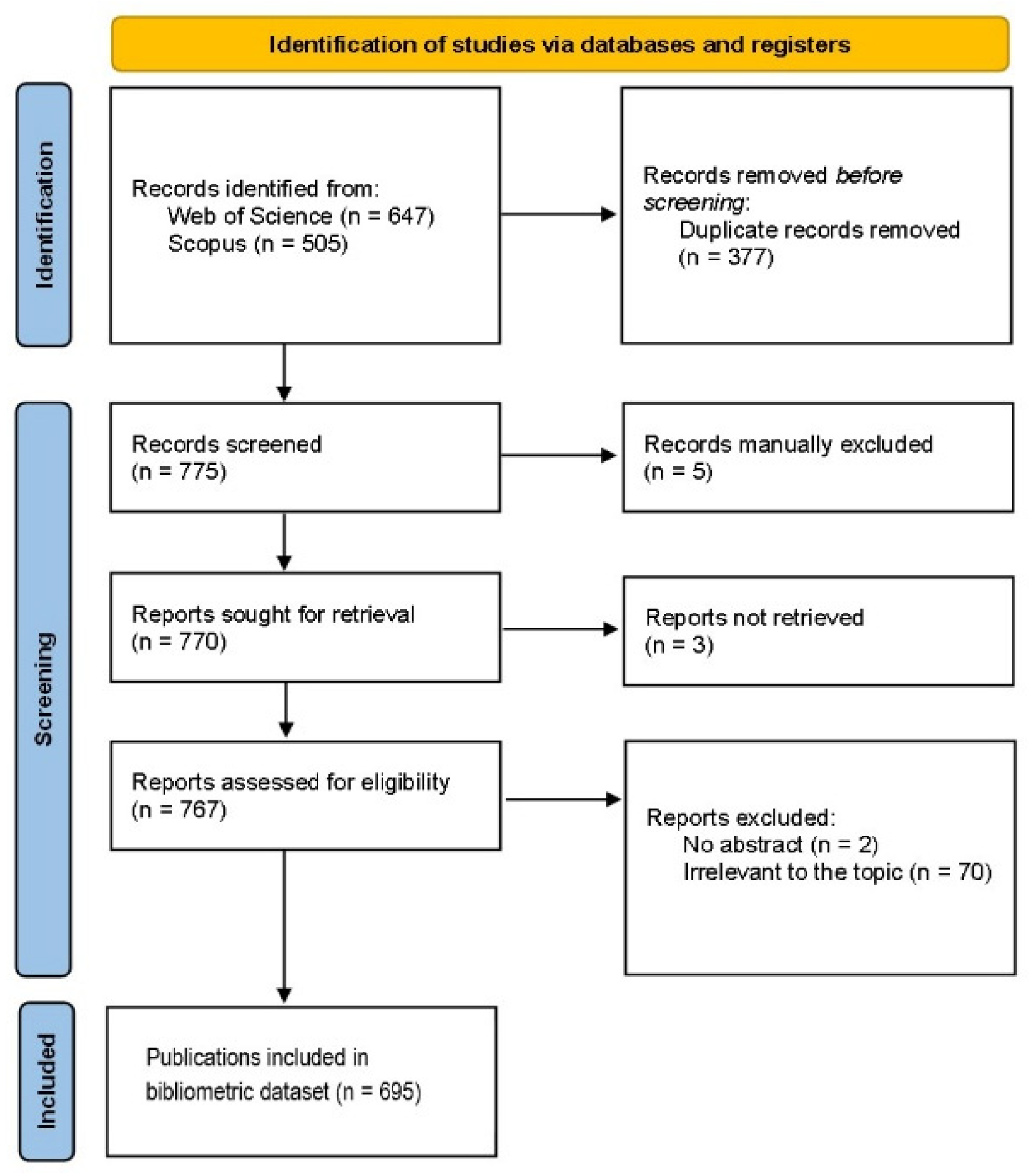
Figure 1. Selection process of the eligible reports based on the PRISMA 2020 flow diagram.
Sustainability 18 06818 g001
Figure 2. Schematic presentation of the workflow used in our research.
Sustainability 18 06818 g002
Figure 3. Overview of the principal publication types on the influence of snowpack and snowmelt on forest ecosystems.
Sustainability 18 06818 g003
Figure 4. Distribution per year of articles concerning the influence of snowpack and snowmelt on forest ecosystems.
Sustainability 18 06818 g004
Figure 5. Distribution of the primary research areas in publications addressing snowpack and snowmelt interactions with forest ecosystems.
Sustainability 18 06818 g005
Figure 6. Geographic distribution of authors contributing to the study of the influence of snowpack and snowmelt on forest ecosystems.
Sustainability 18 06818 g006
Figure 7. Country clusters of authors publishing on the influence of snowpack and snowmelt on forest ecosystems and tree responses in snow-dominated regions.
Sustainability 18 06818 g007
Figure 8. Main journals publishing articles on snowpack, snowmelt, and forest ecosystem interactions.
Sustainability 18 06818 g008
Figure 9. Commonly used keywords by authors on the influence of snowpack and snowmelt on forest ecosystems.
Sustainability 18 06818 g009
Figure 10. Conceptual synthesis of the influence of snowpack and snowmelt on forest ecosystem structure, functioning, and resilience.
Sustainability 18 06818 g010
Table 1. The most representative journals publishing articles on the influence of snowpack and snowmelt on forest ecosystems.
Cur. No.JournalDocumentsCitationsTotal Link Strength
1Hydrological Processes622434153
2Water Resources Research26145575
3Journal of Hydrology32146572
4Agriculture and Forest Meteorology1546858
5Biogeochemistry13155054
6Ecohydrology1340549
7Journal of Geophysical Research-Biogeosciences1556035
8Environmental Research Letters1335333
9Global Change Biology1048631
10Hydrology and Earth System Sciences1431331
11Remote Sensing of Environment1484524
12Forest Ecology and Management1976620
13Ecosphere1020818
14Canadian Journal of Forest Research83043
15Remote Sensing81463
Table 2. Most frequently used keywords in articles on the influence of snowpack and snowmelt on forest ecosystems.
Cur. No.KeywordOccurrencesTotal Link Strength
1climate change151410
2snowmelt98324
3forest104315
4climate84294
5variability75290
6dynamics63201
7cover57198
8model62193
9accumulation48189
10precipitation47180
11snow55176
12vegetation47155
13runoff49152
14boreal forest49144
15water43144
Table 3. International studies on the influence of snowpack and snowmelt on forest ecosystems.
Cur. No.IssueCountry/RegionCiting Article
1Bacterial and fungal communities in boreal forest soil are insensitive to changes in snow cover conditionsFinlandMannisto et al., 2018 [59]
2Decomposition of hair lichens (Alectoria Sarmentosa and Bryoria spp.) under snowpack in montane forestCanadaCoxson and Curteanu, 2002 [60]
3Dissolved organic matter dynamics during the spring snowmeltRussiaAvagyan et al., 2016 [61]
4Early snowmelt by an extreme warming event affects understory more than overstory treesJapanMakoto et al., 2022 [62]
5Effect of reindeer grazing on snowmeltFinlandCohen et al., 2013 [63]
6Forest impacts on snow accumulation and melt in a semi-arid mountain environmentUSAKraft et al., 2022 [64]
7How three-dimensional forest structure regulates the amount and timing of snowmelt across a climatic gradient of snow persistenceUSADwivedi et al., 2024 [65]
8Infiltration and soil water mixing on forested and harvested slopes during spring snowmeltCanadaMurray and Buttle, 2005 [66]
9Influence of slope aspect and vegetation on the soil moisture response to snowmelt in the German AlpsGermanySchaefer et al., 2024 [67]
10Influence of snowfall and melt timing on tree growth in subarctic EurasiaRussiaVaganov et al., 1999 [38]
11Influence of snowpack on forest water stress USACasirati et al., 2023 [68]
12Influences of forest canopy on snowpack accumulation and isotope ratiosSwitzerlandvon Freyberg et al., 2019 [69]
13Influence of vegetative cover on snowpack mercury speciation and stocksCanadaBockhoff et al., 2025 [70]
14Influence of topography and forest characteristics on snow distributions in a forested catchmentJapanFujihara et al., 2017 [71]
15Isolating forest process effects on modelled snowpack density and SWEUSABonner et al., 2022 [72]
16Quantifying the legacy of snowmelt timing on soil greenhouse gas emissions in a seasonally dry montane forestUSABlankinship et al., 2018 [73]
17Sensitivity of soil respiration and microbial communities to altered snowfallUSAAanderud et al., 2013 [74]
18Shallow snowpack and early snowmelt reduce nitrogen availability in the northern hardwood forestUSACaron et al., 2025 [75]
19Snowmelt timing alters the phenology but not the performance of an understory spring ephemeral plantUSAKiel et al., 2025 [76]
20Snowpack decline kindles more severe fire USABalik et al., 2026 [77]
21Synchronous flowering despite differences in snowmelt timing among habitats of Empetrum hermaphroditumGermanyBienau et al., 2015 [78]
22The impact of deciduous forest and topography on snowpack dynamics in a headwater catchment in the Southern Andes CordilleraChileBernal-Mujica et al., 2026 [79]
23Use of distributed snow measurements to test and improve a snowmelt model for predicting the effect of forest clear-cuttingCanadaJost et al., 2009 [80]
24Variability in snowpack isotopic composition between open and forested areas in the West Siberian forest steppeRussiaPershin et al., 2023 [81]
25Winter N2O emission rate and its production rate in soil underlying the snowpack JapanKim and Tanaka, 2002 [82]
Table 4. Forest species and ecosystem responses associated with snowpack and snowmelt dynamics reported in international studies.
Cur. No.Species/ForestsIssueCountryCiting Article
1Abies alba Mill.Characteristics of snowpack chemistry in different type plantations ChinaGuan JunQi et al., 2013 [83]
2Abies amabilis Douglas ex. ForbesEcotone Study of Pacific Northwest Mountain Forest Vulnerability to Changing Snow ConditionsUSALookingbill et al., 2024 [84]
3Abies fargesii Franch.Reduced release of labile carbon from Abies fargesii var. faxoniana needle litter after snow removal in an alpine forestChinaLai et al., 2023 [85]
4Acer saccharum Marsh.Influence of experimental snow removal on root and canopy physiology of sugar maple treesUSAComerford et al., 2013 [86]
5Chamaecyparis nootkatensis ((D. Don) SpachTwentieth-century warming and the dendroclimatology of declining yellow-cedar forests in southeastern AlaskaUSABeier et al., 2008 [87]
6Fagus sylvatica L.Spatial heterogeneity in SWE induced by forest canopy in a mixed beech–fir standSpainLopez-Moreno and Latron, 2008 [88]
7Fraxinus mandshurica Rupr.Influence of snow-depth changes on leaf litter decomposition ChinaJia et al., 2019 [89]
8Kalopanax septemlobus
(Thunb. Ex A. Murray) Koidz.
Influence of Earlier Snowmelt on the Seedling Growth of Six Subboreal Tree Species in the SpringJapanMarumo et al., 2023 [90]
9Larix decidua Mill.Snow gliding and loading under two different forest stands;
Effects of snow manipulation on larch trees in the taiga forest ecosystem in northeastern Siberia
Italy; RussiaViglietti et al., 2013 [91]; Shakmatov et al., 2022 [92]
10Larix gmelinii Rupr.Influence of snow-depth changes on leaf litter decomposition ChinaJia et al., 2019 [89]
11Picea abies (L.) H. KarstInfluence of mountain spruce forest dieback on snow accumulation and melt;
Snow gliding and loading under two different forest stands
Italy; Slovakia Viglietti et al., 2013 [91]; Bartik et al., 2019 [93]
12Picea crassifolia Kom.Reduced growth of Qinghai spruce due to snow cover loss in high Asian elevations since the late 20th centuryChinaWei et al., 2025 [94]
13Picea engelmannii Parry ex Engelm.Using ground penetrating radar to assess the variability of SWE and melt in a mixed canopy forestUSAWebb, 2017 [95]
14Picea mariana (Mill.) Britton, Sterns & PoggenburgMulti-scale Influence of Snowmelt on Xylogenesis of Black SpruceCanadaRossi et al., 2011 [96]
15Pinus albicaulis Engelm.Snowmelt timing, phenology, and growing season length in conifer forestsUSAO’Leary et al., 2018 [97]
16Pinus banksiana Lamb.Simulations of pre- and post-harvest soil temperature, soil moisture, and snowpack for jack pineCanadaBhatti et al., 2000 [98]
17Pinus contorta DouglasA conceptual model of water yield effects from beetle-induced tree death in snow-dominated lodgepole pine forestsUSAPugh and Gordon, 2013 [99]
18Pinus ponderosa Douglas ex LawsonThe Influence of Winter Snowpack on the Use of Summer Rains in Montane Pine Forests; USABailey et al., 2023 [100]
19Pinus pumila (Pall.) RegelHabitat-specific responses of shoot growth and distribution of alpine dwarf-pine (Pinus pumila) to climate variationJapanAmagai et al., 2015 [101]
20Pinus sylvestris L.Simulation of snow processes beneath a boreal Scots pine canopyChinaLi et al., 2008 [102]
21Pinus uncinata TurraCanopy influence on snow depth distribution in a pine stand determined from terrestrial laser data; Detecting snow-related signals in radial growth of Pinus uncinata mountain forestsSpainRevuelto et al., 2015 [103]; Sanmiguel-Vallelado et al., 2021 [104]
22Populus tremuloides Michx.Using ground penetrating radar to assess the variability of SWE and melt in a mixed canopy forestUSAWebb, 2017 [95]
23Salix arctica Pall.Quantifying Snow and Vegetation Interactions in the High Arctic Based on Ground Penetrating RadarDenmarkGacitúa et al., 2013 [105]
24Tsuga heterophylla (Raf.) Sarg.Ecotone Study of Pacific Northwest Mountain Forest Vulnerability to Changing Snow ConditionsUSALookingbill et al., 2024 [84]
Disclaimer/Publisher’s Note: The statements, opinions and data contained in all publications are solely those of the individual author(s) and contributor(s) and not of MDPI and/or the editor(s). MDPI and/or the editor(s) disclaim responsibility for any injury to people or property resulting from any ideas, methods, instructions or products referred to in the content.