


Abstract
The bioclimatic optimum of wild Olea europaea var. sylvestris is broadly confined to the thermo- and mesomediterranean belts of the Mediterranean Basin, whereas cultivated olive (var. europaea) extends well beyond this envelope through varietal selection, supplementary irrigation and orchard-design adaptations. This exploratory convergent parallel mixed-methods study combines (i) a bioclimatic characterisation of six contrasting meteorological stations in southern Spain (Aracena, Arjona, Jódar, Ossa de Montiel, Tabernas, Torredonjimeno), with values reported for two reference periods (1971–2000 and the most recent World Meteorological Organization [WMO] 1991–2020 normal); and (ii) a single-group pre and post quasi-experimental intervention assessing perceived bioclimatic competence in 61 undergraduate students of Environmental Sciences. The ombrothermic index Io (annual positive precipitation/annual positive temperature × 10, a standardised indicator of water availability) ranges across the six stations from 5.88 (Aracena) to 1.14 (Tabernas); the results suggest a possible transition zone around Io ≈ 2.5 between rainfed-viable conditions and management-dependent olive cropping (irrigation, drought-tolerant varieties, soil–water conservation), although the present descriptive design does not formally demonstrate this transition. Comparison of climatic normals between the two periods indicates a consistent directional drying signal, with ΔIo negative across all six stations (sign test p = 0.031; Wilcoxon paired W = 0, p = 0.031). Self-reported student confidence rose significantly in all nine survey items (Wilcoxon signed-rank, p < 0.001 after Holm–Bonferroni correction; mean gain Δ = +1.04 on a five-point scale). Results are consistent with the hypotheses that olive cultivation outside its bioclimatic optimum may depend on agronomic compensations to remain productive, and that structured bioclimatic training can shift students’ perceived competence—acknowledging that the descriptive design does not directly demonstrate either claim, and the limitations of a single-group design and a self-report instrument.
1. Introduction
Bioclimatology provides an operational framework for linking climatic variables with vegetation distribution and land-use suitability. Its application has been demonstrated across the Mediterranean Basin, from the Iberian Peninsula and southern France to Italy, Greece and North Africa [1,2,3], and in the eastern Mediterranean [4], confirming the generality of its predictive value for agricultural and forest management. Over recent decades, research in biogeography, geobotany, and ecological bioindicators has contributed to the development of territorially adapted models for agricultural and forest management, aimed at enhancing sustainability under increasingly variable climatic conditions.
Sustainable land management requires a prior, rigorous characterization of the environmental system. This involves the integrated analysis of physico-chemical factors, biogeographical context, bioclimatic conditions, vegetation as a bioindicator, and vegetation series as dynamic expressions of ecosystem structure. Such a systemic approach enables the definition of management models adapted to the ecological constraints and potentials of each territory.
Temperature and precipitation constitute the primary drivers of bioclimatic differentiation. Their interaction determines the spatial distribution of vegetation and the altitudinal zonation of ecosystems, generating consistent global patterns that can be interpreted through bioclimatic belts and vegetation series. These concepts, due to their generality, are applicable across different biogeographical regions and enable systematic comparative analysis.
The consolidation of modern bioclimatology is closely associated with the work of Salvador Rivas-Martínez, whose classification system established a globally applicable framework for relating climate and vegetation [5,6,7]. This framework has been widely used in both ecological and applied research, particularly in Mediterranean environments.
The relevance of bioclimatic approaches has increased in parallel with the intensification of climate change. According to the Sixth Assessment Report of the Intergovernmental Panel on Climate Change [8], global temperatures have already increased by approximately 1.1 °C above pre-industrial levels, with clear impacts on ecological and agricultural systems. Changes in temperature and precipitation regimes directly affect the parameters used to calculate bioclimatic indices, leading to shifts in vegetation distribution and crop suitability [9,10]. Under these conditions, the alignment between crops and their bioclimatic optimum becomes a critical factor for reducing vulnerability and ensuring long-term productivity.
Agriculture is particularly sensitive to bioclimatic variability, as atmospheric circulation patterns determine thermoclimates and ombroclimates that directly influence crop performance. Consequently, the application of bioclimatic indices—such as the ombrothermic index (Io), thermicity index (It/Itc), and continentality index (Ic)—constitutes a fundamental tool for optimising agricultural planning. Previous studies have demonstrated strong correlations between these indices and olive yield in Mediterranean environments [9,10], highlighting their predictive capacity. It should be noted that the bioclimatic optimum of wild olive (Olea europaea L. subsp. europaea var. sylvestris), broadly confined to the thermomediterranean and lower mesomediterranean belts of the coastal Mediterranean [5], is considerably narrower than the cultivation range of domesticated olive (var. europaea). The latter extends well beyond the wild ancestor’s ecological envelope through varietal selection, supplementary irrigation, planting density adjustments and ground-cover management [11,12,13]. Bioclimatic indices, therefore, inform two complementary questions: the location of the natural ecological optimum and the operational envelope under modern management.
In Andalusia, empirical evidence has documented that olive groves located outside their bioclimatic optimum can exhibit increased vulnerability to extreme climatic events, such as the 2005 frost episode affecting plantations in thermally inverted valleys [14]. These findings suggest that inadequate crop siting may result not only in reduced productivity but also in increased economic risk.
Despite the demonstrated applicability of bioclimatic frameworks to agricultural systems, the training of professionals capable of interpreting and applying these tools in land-use planning contexts remains insufficient. Studies on science education in applied environmental fields indicate that bioclimatic content is largely absent from agronomy and forest engineering curricula, limiting the capacity of future professionals to implement evidence-based climate adaptation strategies. Addressing this gap is therefore essential for advancing sustainable land management and climate change adaptation.
Agricultural sustainability depends on aligning crop selection and management practices with bioclimatic conditions. This includes not only identifying the optimal ecological range for each crop but also implementing cultivation techniques that enhance resource efficiency while minimizing environmental impact. In contrast to input-intensive systems, which rely on continuous external inputs, sustainable agriculture is based on the conservation of natural capital and the optimisation of ecological processes [14,15].
The transition from traditional to industrialised agriculture has been associated with increased productivity but also with significant environmental costs, including biodiversity loss, soil degradation, and pollution. In Mediterranean agroecosystems, these processes are exacerbated by inappropriate management practices, such as excessive tillage, loss of vegetation cover, and overuse of agrochemicals. These factors contribute to reduced system resilience and increased vulnerability to climate change.
In this context, the recovery of ecologically grounded management practices, integrating both traditional knowledge and modern scientific approaches, represents a key strategy for sustainable development. Bioclimatic and edaphic research provides the necessary information to optimise fertilisation, improve soil management, and enhance ecosystem services [13].
Once the bioclimatic framework of a territory has been defined, landscape analysis becomes essential to ensure coherence between ecological conditions and land-use practices. In this context, the concept of vegetation series provides a dynamic model for understanding ecosystem trajectories and guiding both agricultural and forest management [11]. When these dynamics are disrupted by inappropriate human intervention, ecosystem resilience is reduced, often leading to irreversible transformations [15,16,17,18].
This gap leads to a central research question: to what extent does the lack of bioclimatic training in higher education limit the application of sustainable land management practices?
This study is guided by two exploratory hypotheses, to be examined at the descriptive and interpretive level rather than tested through formal statistical inference: (H1) olive cultivation established at or beyond the bioclimatic optimum of the wild form may exhibit increased exposure to climatic variability, a hypothesis we examine using bioclimatic indices and documented events (e.g., the 2005 frost episode), supported by published vulnerability assessments in the Mediterranean literature [13,19,20], and not by direct agronomic measurements (productivity, mortality or physiological stress) collected in this study; and (H2) structured bioclimatic training in higher education programmes can shift students’ self-reported confidence in interpreting bioclimatic indicators, a hypothesis we examine through a single-group pre-post quasi-experimental design.
2. Materials and Methods
2.1. Mixed-Methods Study Design
This study adopts a convergent parallel mixed-methods design [21] with two parallel strands that converge at the interpretive level. The quantitative bioclimatic strand characterises the operational range of olive cultivation across six contrasting meteorological stations in southern Spain. The quasi-experimental educational strand assesses students’ self-reported confidence in interpreting the same bioclimatic indicators used in the territorial strand. Convergence occurs at the meta-inference stage: the territorial diagnosis identifies a real-world problem (the partial mismatch between olive sitting and bioclimatic suitability under climate-change scenarios), and the educational intervention examines whether undergraduate students develop the perceptual and interpretive tools to engage with this kind of diagnosis. The two strands are designed to be read together as a single argument about the integration of bioclimatic literacy into agricultural and environmental higher education, not as parallel demonstrations of the same effect.
2.2. Bioclimatic Analysis
The bioclimatic characterization of southern Spain focused on areas predominantly devoted to olive cultivation. The analysis was conducted within the framework developed by Rivas-Martínez and collaborators [5,6,7,13,22,23], complemented by subsequent refinements [24] and previous applications in Mediterranean agroecosystems [8,9].
Six meteorological stations (Aracena, Arjona, Jódar, Ossa de Montiel, Tabernas, and Torredonjimeno) were selected to represent the main bioclimatic gradients across Andalusia, ranging from mesomediterranean subhumid to thermomediterranean semiarid conditions.
Climatic data were obtained from the Spanish Meteorological Agency (AEMET) [25] for two reference periods. The first period (1971–2000) is the standard climatological reference used by Rivas-Martínez et al. [26] and provides comparability with the published bioclimatic cartography of the Iberian Peninsula. The second period (1991–2020) is the current World Meteorological Organization climatological normal [27] and captures the warming and drying signal of the most recent two decades over the Mediterranean Basin [2,8]. Monthly series for the 1991–2020 period were retrieved through the AEMET OpenData REST API [25] (accessed on 26 May 2026); raw data and the computation script are available from the corresponding author upon reasonable request.
For four of the six study localities (Aracena, Arjona, Jódar, Ossa de Montiel), the original meteorological stations used for the 1971–2000 reference lack a complete 1991–2020 series in the AEMET network. For these localities, we therefore retrieved data from the nearest principal AEMET station with available records (Alajar, 11 km from Aracena; Andújar, 9 km from Arjona; Baeza, 19.6 km from Jódar; Ossa de Montiel principal station). The resulting series covers only 7–20 years of the 30-year period and does not meet WMO criteria for a climate normal [27]; values from these stations are reported as qualitative directional evidence only. For Tabernas and Torredonjimeno, complete 30-year series were available at the nearest principal stations (Almería Aeropuerto and Jaén capital, respectively); these constitute the rigorous quantitative basis for the 1991–2020 comparison. The altitudinal contrast between Tabernas (>300 m a.s.l., semi-arid interior) and Almería Aeropuerto (21 m a.s.l., coastal) is acknowledged as a methodological caveat for the Tabernas–Almería pair.
Differences (Δ) between the two periods were computed for each index and tested for systematic shifts across the six stations using a paired Wilcoxon signed-rank test (R 4.4.2, function wilcox. test, two-sided). Because of the small station sample (n = 6) and the substitution caveats noted above, the Wilcoxon test was complemented by a non-parametric signed test on the direction of ΔIo. The dual-period approach allows us to distinguish the structural bioclimatic identity of each territory from the directional signal of recent climate change.
In view of these constraints, a small inferential sample (n = 6) and the use of substitute stations for four of the six localities that do not meet WMO criteria for climate normals, the resulting non-parametric tests (sign and Wilcoxon) should be read as directional-consistency indicators rather than as formal climate-trend tests. The p-values reported in the Results section are accordingly interpreted as supporting the convergent direction of the observed Δ values across stations, not as evidence of a statistically demonstrated regional climate trend. With n = 6, the inferential power is limited by construction; the convergence with the two rigorous stations (Almería Aeropuerto, Jaén capital) is what we read as the most defensible signal.
The following bioclimatic indices were calculated, following the Rivas-Martínez [24] framework:
- Ombrothermic index: Io = (Pp/Tp) × 10•Simple thermicity index: It = (T + M + m) × 10
- Compensated thermicity index: Itc, equal to It when continentality (Ic) falls within the standard range, and modified by a compensation factor outside that range (see Rivas-Martínez [23] for the full formulation)
- Continentality index: Ic = T_max − T_min (in °C)
- Compensated summer ombrothermic indices for two and three months: Iosc2 = (Po2/Tp2) and Iosc3 = (Po3/Tp3) × 10
- Annual positive temperature: Tp
- Annual positive precipitation: Pp
Where T is the mean annual temperature (°C); T_max is the mean maximum temperature of the warmest month; T_min is the mean minimum temperature of the coldest month; M is the mean maximum temperature of the coldest month; m is the mean minimum temperature of the coldest month; Pp is the annual positive precipitation, defined as the sum of monthly precipitation for those months in which the mean monthly temperature is above 0 °C (i.e., months when biologically active plant growth is possible); Tp is the annual positive temperature, defined as the sum of mean monthly temperatures, expressed in tenths of degrees Celsius, for those same months; Po2 and Po3 are the precipitation totals of the two and three driest summer months respectively (July–August, and June–July–August under Mediterranean conditions); and Tp2 and Tp3 are the positive temperatures of those same months. The Iosc3/Iosc2 ratio is used as an indicator of summer rainfall compensation: values close to 1 indicate genuinely arid summers, whereas values above 2 indicate substantial early-summer rainfall.
These indices were used to define thermotypes, ombrotypes, and water stress periods, and to generate bioclimatic diagrams for each station. The resulting values were compared with known productivity thresholds for olive cultivation in Mediterranean environments.
2.3. Agronomic and Territorial Context of the Meteorological Stations
To facilitate interpretation of the bioclimatic results in agronomic terms, Table 1 summarises, for each meteorological station: (i) the dominant land-use category in a 5-km buffer around the station; (ii) the approximate proportion of the surrounding territory devoted to olive cultivation; (iii) the dominant olive variety; and (iv) the prevailing water regime (rainfed vs. irrigated). The selection includes stations both within and beyond the traditional olive-growing belt, which is consistent with the dual purpose of the study: (a) characterising the bioclimatic envelope along the regional gradient, and (b) providing students with contrasting territorial referents during the inquiry-based learning sequence.
Table 1.
Agronomic and territorial context of the six meteorological stations. Land-use percentages and dominant olive varieties were derived from official cartography (SIGPAC, IGN, Andalusian Regional Government Department of Agriculture, Fisheries, Water and Rural Development).
2.4. Educational Intervention
A quasi-experimental educational intervention was conducted to evaluate the contribution of active learning methodologies to the acquisition of bioclimatic knowledge and its application to sustainable land management.
The inclusion of stations both within (e.g., Arjona, Torredonjimeno, Jódar) and outside (e.g., Tabernas, Ossa de Montiel, Aracena) the core olive-growing territory was a deliberate didactic choice: it exposes students to the full bioclimatic gradient of southern Iberia and enables them to contrast olive-suitable, marginal and non-olive contexts within a single inquiry-based sequence, in line with the pedagogical principle of “contrastive cases” in inquiry learning [28].
A total of 61 undergraduate students enrolled in Environmental Sciences programmes (academic year 2024–2025) participated in the intervention, organised into natural classroom groups in accordance with quasi-experimental design principles in real educational contexts [15,17]. The intervention was structured over five weeks during the second semester, with a total instructional load of 12 h distributed across classroom sessions, flipped classroom activities, and field-based learning.
The instrument is a 9-item self-report scale measuring perceived bioclimatic competence—i.e., students’ own assessment of their ability to identify thermotypes/ombrotypes, interpret bioclimatic diagrams, and connect bioclimatic indicators to land-use decisions (Table 2). Content validity was assessed by a panel of three independent experts in science education and Mediterranean bioclimatology, who reviewed each item for clarity, scientific accuracy and relevance to the construct; items with a content validity index (Aiken’s V) below 0.80 were revised or excluded. Internal consistency was evaluated using Cronbach’s alpha at both measurement points (α = 0.923 pre-test; α = 0.919 post-test). We note explicitly that internal consistency does not guarantee construct validity [29,30], and that self-reported confidence is known to correlate only weakly—sometimes negatively—with objective competence [31]. The instrument, therefore, measures perceptual change associated with the intervention, not objective competence acquisition; this is addressed in the Limitations section.
Table 2.
Items of the perceived bioclimatic competence questionnaire (pre-test/post-test). Response scale: 1 = Strongly disagree; 2 = Disagree; 3 = Neither agree nor disagree; 4 = Agree; 5 = Strongly agree.
The questionnaire was administered immediately before (pre-test) and at the end of the five-week educational intervention (post-test). Item statements were originally formulated in Spanish and administered in the students’ native language; the English version presented here is a translation for publication purposes.
Statistical analyses were performed using R (version 4.3.2; R Core Team, 2023) [32]. Pre- and post-test score distributions were compared using the Wilcoxon signed-rank test for paired samples (two-tailed), given the ordinal nature of Likert-scale data and the absence of normality assumptions. Effect size was assessed through the mean gain (Δ = M~post~ − M~pre~). Internal consistency of the questionnaire at each measurement point was evaluated using Cronbach’s alpha coefficient (α), calculated with the psych package. Descriptive statistics (means and standard deviations) were computed for each item and for the overall scale score. To control for inflation of Type I error across the nine pairwise comparisons, p-values were adjusted using the Holm–Bonferroni procedure; all items remained statistically significant at the corrected threshold.
The intervention was developed over a teaching period and was structured around three complementary methodological components:
- (i)
- Project-based learning, focused on the analysis of bioclimatic indices and their relationship with agricultural productivity;
- (ii)
- Flipped classroom methodology, where students engaged with theoretical content prior to classroom sessions;
- (iii)
- Field-based learning, involving direct observation of Mediterranean agroecosystems, with particular emphasis on vegetation cover and its role in soil conservation and carbon sequestration.
The didactic sequence followed an inquiry-based approach. Initially, students engaged in guided exploration of key concepts in climatology and bioclimatology, supported by the use of standardised terminology derived from established geobotanical frameworks [14,23,33]. This phase was followed by field activities in which students identified vegetation types, interpreted environmental indicators, and related these observations to bioclimatic parameters.
Data collection was based on multiple sources, including:
- student-produced fieldwork reports,
- classroom activities and project outputs,
- direct observation of student performance during field sessions.
These materials were analysed using a qualitative and descriptive approach, focusing on the level of conceptual understanding, the correct use of scientific terminology, and the ability to relate climatic variables to vegetation patterns and agricultural practices.
3. Results
3.1. Bioclimatic and Phytosociological Analysis
During the preliminary inquiry phase, the bioclimatic and biogeographical characteristics of southern Spain were analysed, followed by field-based verification of ecosystem types and agricultural systems across different thermotypes, ombrotypes, and biogeographical units.
The analysis combined the calculation of bioclimatic indices with the identification of biological indicators, enabling the construction of bioclimatic maps and diagrams. These tools allowed the spatial interpretation of climatic gradients and their relationship with vegetation distribution and crop systems. When applied to Mediterranean agroecosystems, particularly olive groves and vineyards, this approach facilitates the identification of areas with differing levels of suitability for cultivation [34,35] (Figure 1 and Figure 2). It is important to distinguish, throughout the following analysis, between (i) the ecological optimum of wild olive, a sensitive thermal bioindicator confined to the thermomediterranean and lower mesomediterranean belts [5], and (ii) the operational range of cultivated olive, which extends well beyond this natural envelope through agronomic intervention. The bioclimatic indices reported here characterise the environmental signal; the agronomic outcome additionally depends on variety, irrigation and management.
Figure 1.
Distribution of ombrotypes across the Mediterranean Basin [7], serving as the bioclimatic baseline against which the six study stations are interpreted. The dry to subhumid range corresponds to the natural ombrotypic optimum of wild Olea europaea var. sylvestris [5]; four of the six study stations (Arjona, Jódar, Torredonjimeno, Ossa de Montiel) fall within this range, while Aracena (subhumid) sits at its wetter margin and Tabernas (semiarid) sits clearly outside it. Cultivated olive (var. europaea) extends well beyond the wild-olive ombrotypic envelope, into semiarid territories such as Tabernas (Almería, Spain) or central-southern Tunisia, through varietal selection, supplementary irrigation and adapted cultivation techniques [3,11]. This figure, therefore, serves as the basin-wide reference frame for the threshold analysis developed in Results. Source: authors’ elaboration based on bioclimatic classification data.
Figure 2.
Distribution of thermotypes across the Mediterranean Basin [7], providing the thermoclimatic counterpart of Figure 1 for the same six study stations. The thermo- and mesomediterranean belts correspond to the thermoclimatic optimum of wild Olea europaea var. sylvestris [5]; the six stations of this study fall along this thermoclimatic envelope (Tabernas in the thermomediterranean, Jódar and Torredonjimeno in the dry thermo-/mesomediterranean transition, Arjona and Aracena in the mesomediterranean, Ossa de Montiel in the dry to subhumid mesomediterranean). Cultivated olive can persist outside this envelope, in supramediterranean conditions, in coastal sub-Mediterranean France and even in transitional climates [12], provided that frost-tolerant varieties are used and orchard design (low density, terracing, sun-favourable aspect) compensates for thermal limitations. Figure 1 and Figure 2 jointly delimit the bioclimatic envelope against which the indicative reference at Io ≈ 2.5 is read. Source: authors’ elaboration based on bioclimatic classification data.
3.2. Bioclimatic Analysis of the Southern Iberian Peninsula
Bioclimatic parameters were calculated for six meteorological stations representative of the main environmental gradients in Andalusia: Aracena, Arjona, Jódar, Ossa de Montiel, Tabernas, and Torredonjimeno. The analysed variables included temperature (T), precipitation (P), ombrothermic index (Io), continentality index (Ic), thermicity index (It/Itc), summer indices (Iosc2 and Iosc3), and the period of vegetative activity (PAV).
The results show that a large proportion of the studied territory presents a PAV of 12 months, indicating the absence of thermal limitation for plant growth. This condition is characteristic of thermomediterranean environments with dry ombrotypes located in southern and southwestern Andalusia. In contrast, northwestern areas, particularly in Jaén and Granada, exhibit shorter vegetative periods (8–9 months), associated with upper mesomediterranean thermotypes and higher ombrothermic values (Io > 4). These conditions are influenced by orographic effects linked to mountain ranges such as Segura, Las Villas, and Cazorla (see Table 1 for station context).
3.3. Historical Context of Frost-Related Vulnerability
The 2005 Andalusian frost episode belongs to a broader family of historical events in which an anomalous cold spell following a mild winter caused exceptional damage to Mediterranean olive orchards. The most catastrophic precedent is the night of 10 February 1956, when temperatures in southern France plunged from approximately +21 °C during the day to −17 °C, destroying about two-thirds of olive trees in Provence and large parts of the Var department; comparable events also affected central Spain in 1956. Less extreme, but analogous in mechanism, was the spring frost of April 2021 in Var and Bouches-du-Rhône (−7 °C, the worst since 1956). These episodes share a common physiological signature: the olive tree is acclimated to mild Mediterranean winters, but its cold tolerance depends critically on the absolute minimum reached, on the speed of the temperature drop and on the phenological stage. As a general threshold, olive trees begin to suffer frost injury at around −10 °C, but the severity of the damage is governed less by the instantaneous minimum than by how long that temperature is sustained: a brief dip below −10 °C may be tolerated, whereas prolonged exposure causes lethal damage to wood, bark and cambium. This duration-dependent threshold explains the disproportionate severity of the 2005 episode in Andalusia. There, much of the affected olive cultivation is located in closed valleys and thermally inverted basins where, under clear and calm nocturnal conditions, dense cold air drains downslope and accumulates at the valley floor. The resulting cold-air pooling kept minimum temperatures below the critical threshold for an extended period, concentrating the coldest air precisely over the orchards and prolonging the exposure far beyond what the regional bioclimatic average would predict—precisely the kind of micro-siting failure that bioclimatic land-use planning aims to prevent.
The comparison of bioclimatic indices across stations reveals marked variability in climatic conditions affecting water availability and crop development. These differences are reflected in the spatial distribution of olive cultivation and in the suitability of specific varieties. In line with previous studies [9,10], optimal conditions for olive productivity are associated with upper thermomediterranean dry and lower mesomediterranean dry environments. However, field observations indicate that olive groves are not always located within these optimal bioclimatic ranges (Figure 1 and Figure 2).
3.4. Water Availability and Bioclimatic Thresholds
The analysis of bioclimatic diagrams highlights significant differences in the timing and duration of water stress among the studied locations. The relationship between precipitation (P), potential evapotranspiration (PET), water availability (D), and residual evapotranspiration (e) allows the identification of three functional phases: vegetative activity (D > PET), regulation (D < PET), and drought (e > D).
The values of the analysed indices (Table 3) show substantial variability across stations, particularly in the ombrothermic index (Io), which ranges from 5.88 in Aracena to 1.14 in Tabernas. Intermediate values are observed in Arjona (2.84), Jódar (2.31), Ossa de Montiel (3.30), and Torredonjimeno (3.25). The ratio Iosc3/Iosc2 is consistently greater than 1 in all stations, indicating varying degrees of rainfall compensation during early summer.
Table 3.
Comparison of bioclimatic indices for two reference periods (1971–2000 vs. 1991–2020) across six meteorological stations in southern Spain.
3.5. Temporal Comparison: 1971–2000 vs. 1991–2020
Bioclimatic indices recomputed for the most recent WMO climatological normal (1991–2020) reveal a directionally consistent drying signal across the six study territories (Table 3), although—as discussed in Methods and Limitations—only two of the six stations (Almería Aeropuerto, Jaén capital) provide complete 30-year series; the remaining four are substitute stations whose values are reported as qualitative directional evidence. The ombrothermic index Io decreased in every station without exception, with ΔIo ranging from −1.52 (Aracena/Alajar) to −0.18 (Jódar/Baeza), and a median ΔIo of −0.82. The non-parametric tests reported here (sign test: 6/6 negative, p = 0.031; paired Wilcoxon: W = 0, p = 0.031) are interpreted as directional-consistency indicators rather than as formal climate-trend tests, given the substitute-station issue. We note that the two rigorous stations alone also show ΔIo < 0 (−0.28 and −0.89, respectively); the convergence between the rigorous pair and the qualitative four-station evidence is the basis on which we read the drying signal.
The compensated thermicity index, Itc, also shifted upward across stations (Wilcoxon W = 0, p = 0.031), reflecting the warming of mean winter temperatures over the past two decades. The continentality index Ic showed mixed and smaller-magnitude changes (W = 3, p = 0.156, not statistically significant).
Two of the six stations (Almería Aeropuerto, substituting Tabernas; and Jaén capital, substituting Torredonjimeno) provided complete 30-year series and therefore constitute the rigorous quantitative basis for the 1991–2020 comparison. In both rigorous cases, ΔIo is negative (−0.28 and −0.89 respectively), consistent with the broader pattern detected across the four substitute stations with incomplete series. The convergence of the rigorous quantitative measurements with the qualitative directional evidence from the remaining stations supports a robust interpretation of secular drying across the southern Iberian olive-growing belt over the 1991–2020 period, consistent with the regional climate projections of Lionello & Scarascia [3] and the IPCC AR6 [8].
Across the six stations, an indicative value around Io ≈ 2.5 emerges as a working reference where stations with Io below this value (Jódar, Tabernas) show qualitatively more restrictive water-availability conditions than stations above it (Aracena, Ossa de Montiel, Arjona, Torredonjimeno). We use the expression “indicative reference”—rather than “threshold”—to make explicit that this value emerges from a comparative reading across six stations and not from a formal breakpoint analysis (which would require a much larger station set and is outside the scope of this exploratory study). The indicative reference at Io ≈ 2.5 is offered, accordingly, as a working diagnostic for land-use screening, marking the transition towards rainfed water-availability conditions where compensatory agronomic interventions (irrigation, drought-tolerant varieties, soil–water conservation practices) typically become structurally necessary. Below this value, productive olive cropping depends critically on supplementary irrigation, drought-tolerant varieties (e.g., Picual in Jaén, Chemlali in central-southern Tunisia) and soil–water conservation practices, including herbaceous cover crops [34,36,37]. The diagnostic value of Io as a screening tool for land-use planning lies precisely in flagging the territories where these compensatory interventions become structurally necessary.
Bioclimatic diagrams further illustrate these differences. In Jódar, water availability (D) becomes lower than residual evapotranspiration (e) in May, marking the onset of a prolonged dry period (Figure 3). In Aracena, by contrast, D remains below PET from late May onwards but only falls below e in early August, resulting in a considerably shorter dry period of approximately one month; this pattern is associated with higher annual precipitation and a high Iosc3/Iosc2 ratio (2.79), indicating significant rainfall compensation during early summer.
Figure 3.
Bioclimatic diagram of Jódar (1971–2000 reference period), following the Rivas-Martínez [24] format. Top-of-diagram header: station name, reference period, annual mean temperature (T, in °C), annual precipitation (P, in mm), and station altitude. X-axis: months from January (J) to December (D). Left Y-axis: temperature in °C (T °C). Right Y-axis: precipitation and evapotranspiration in mm; the standard Walter–Lieth scaling (precipitation in mm = temperature in °C × 2) applies up to 100 mm. Curves displayed: mean monthly temperature (T); monthly precipitation (P); potential evapotranspiration (PET, computed by the Thornthwaite method); residual evapotranspiration (e = PET/5, the threshold below which water becomes hydraulically unavailable to plants); and water availability (D), computed from the monthly soil–water balance with a maximum soil–water reserve of 100 mm. Shaded areas mark the three functional phases of the soil–water cycle: vegetative activity (D > PET), regulation (D < PET), and drought (e > D). The value T = 7.5 °C visible at the top header indicates the annual mean temperature of the station. Source: authors’ elaboration based on AEMET climatic series and the Rivas-Martínez [24] bioclimatic methodology.
In Tabernas, characterised by semiarid conditions, D is lower than PET from early spring onwards, and soil water reserves (R) remain minimal throughout most of the year, as shown in Table 4. Monthly water balance parameters confirm the persistence of severe water deficit conditions from March through September, with D falling to 1–2 mm in July–August. In contrast, in Torredonjimeno, although D becomes lower than PET from mid-May onwards, it does not fall below residual evapotranspiration (e) at any point during the year, and therefore no clearly defined dry period is observed, a pattern consistent with the relatively high annual ombrothermic index (Io = 3.25) of this station.
Table 4.
Parameters for Tabernas: potential evapotranspiration (PET), residual evapotranspiration (e), precipitation (P), soil water reserve (R), and water availability for plants (D). Monthly dynamics of water balance parameters, illustrating the persistence of water deficit conditions throughout most of the year.
These results indicate strong spatial variability in drought duration, ranging from approximately one month in Aracena to extended periods of up to eight–ten months in Tabernas, with intermediate conditions in Jódar and the absence of a defined dry period in Torredonjimeno.
3.6. Vegetation Cover and Soil–Water Relationships
Field visits to representative olive groves in Jaén province documented contrasting soil-management practices: traditional tilled systems with bare inter-rows, and orchards with herbaceous cover composed of spontaneous legumes and grasses. These field observations are presented here as illustrative of the management gradient discussed in the educational intervention and are not derived from quantitative soil-erosion or moisture-retention measurements collected in this study. The agronomic effects of cover crops on Mediterranean olive groves have been quantified elsewhere: cover-crop systems in Andalusian olive groves have been shown to reduce soil erosion by more than 75% compared to conventional tillage [36], to increase soil organic carbon and nutrient retention [35], and to attenuate soil-moisture seasonal variability [37]. The role of vegetation cover as a structural component of olive-grove water dynamics is therefore a well-documented finding in the literature that we incorporate as a territorial context for the educational intervention, not as an original empirical contribution of this study.
3.7. Educational Outcomes of Field-Based Learning
The educational strand follows a single-group pre and post-quasi-experimental design [15,38]. The absence of a control group prevents causal attribution of the observed pre and post changes to the instructional design alone: alternative explanations such as content exposure, test–retest familiarisation effects, and the natural increase in student confidence over an instructional period cannot be ruled out. Consequently, the educational results are reported and discussed as exploratory evidence of perceptual change, not as a demonstration of causal instructional efficacy. A subsequent study with a non-equivalent control group is planned for the 2025–2026 academic year to address this limitation.
The analysis suggests that students developed a functional understanding of the relationships between climate, vegetation, and land use. In particular, they demonstrated the ability to interpret bioclimatic diagrams, identify periods of water stress, and recognise the role of vegetation cover as a regulating factor in agroecosystems. This learning process was especially evident during field activities, where students were able to connect theoretical knowledge with real environmental conditions.
The intervention also contributed to improving students’ awareness of climate change and its implications for agricultural sustainability. Through direct engagement with the territory, students recognised the importance of aligning crops with their bioclimatic optimum and of implementing management practices aimed at reducing environmental impact.
Given the exploratory nature of the study, the analysis is presented at a descriptive level. The observed pre and post differences are consistent with patterns reported in previous research on inquiry-based and field-based learning in science education [21,39], which we discuss as one of several plausible interpretations rather than as a confirmation of instructional efficacy.
The implementation of field-based activities enabled students to directly observe the relationships between climatic variables, vegetation patterns, and agricultural practices. Analysis of fieldwork reports and classroom outputs indicates that students were able to identify thermotypes and ombrotypes, interpret bioclimatic diagrams, and relate these elements to crop distribution and water availability.
Students demonstrated the ability to recognise periods of water stress, interpret the functional phases of bioclimatic diagrams, and associate vegetation cover with soil conservation processes. These observations were consistent across the analysed materials and were particularly evident during field activities, where theoretical concepts were applied to real environmental contexts.
The results also indicate increased awareness of the relationship between climate change and agricultural systems, particularly in relation to crop suitability and water availability. This was reflected in students’ ability to identify the role of vegetation cover and soil management practices in mitigating environmental constraints.
Overall, the intervention facilitated the integration of bioclimatic concepts into students’ understanding of agroecosystem functioning, as evidenced by their capacity to apply scientific terminology and interpret environmental processes in situ. The quantitative results of the pre-test and post-test assessment are presented in Table 5. The distribution of mean scores by item is illustrated in Figure 4.
Table 5.
Results of the perceived bioclimatic competence questionnaire: pre-test and post-test comparison by item (n = 61). M: arithmetic mean; SD: standard deviation; Δ: mean gain (M~post~ − M~pre~); W: Wilcoxon signed-rank statistic; p: two-tailed significance level. *** p < 0.001.
Figure 4.
Mean pre-test and post-test scores by item on the perceived bioclimatic competence questionnaire (n = 61). Error bars represent ±1 standard deviation. Items are grouped by dimension: D1 = bioclimatic knowledge (items 1–2); D2 = interpretation of bioclimatic diagrams (items 3–4); D3 = sustainable agricultural management and vegetation cover (items 5–6); D4 = field-based learning and climate change adaptation (items 7–9). Likert scale: 1 = Strongly disagree to 5 = Strongly agree. All pre and post-differences are statistically significant (Wilcoxon signed-rank test, p < 0.001). Δ values above bars indicate mean gain (Mpost − Mpre) per item. *** indicates p < 0.001.
Consistent perceptual gains were observed across all measured competence dimensions, although—as indicated above and discussed in the Limitations—these gains cannot be attributed causally to the intervention in the absence of a control group. Among the 61 students who completed both measurements, global mean scores increased from M = 2.43 (SD = 0.57) at pre-test to M = 3.47 (SD = 0.57) at post-test, corresponding to a pre and post-difference of Δ = +1.04 points (where Δ denotes the arithmetic difference M_post − M_pre) on the five-point scale. Pre and post differences were statistically significant across all nine items (Wilcoxon signed-rank test, p < 0.001 for all items, after Holm–Bonferroni correction); we interpret these as evidence of perceptual change rather than as confirmation of instructional efficacy. The largest pre and post differences corresponded to items assessing the identification of thermotypes and ombrotypes (Item 1: Δ = +1.28; Item 2: Δ = +1.26) and the interpretation of bioclimatic diagrams (Item 3: Δ = +1.23; Item 4: Δ = +1.13); the smallest pre and post difference corresponded to Item 9 (Δ = +0.46), assessing prospective understanding of climate-change impacts on olive distribution under IPCC scenarios.
4. Discussion
4.1. Bioclimatic Indices and Water-Availability Threshold
The combination of ombrothermic, thermicity and continentality indices allows a multidimensional characterisation of each station’s bioclimatic identity, beyond what temperature or precipitation alone would convey, and locates each station along a gradient that encompasses the full spectrum of Mediterranean climatic variability relevant to rainfed olive cultivation. The interest of this multidimensional reading lies less in describing the gradient itself, already evident in the values reported in Results, than in repositioning the indices as operational tools for land-use screening in territories where the indicative reference at Io ≈ 2.5 is approached or crossed.
The identification of a threshold around Io ≈ 2.5 places the bioclimatic indices framework in operational terms: rather than defining an absolute limit for olive cropping, it flags the territorial transition between rainfed-viable conditions and management-dependent regimes. This finding is consistent with previous applications of bioclimatic indices to Mediterranean crops [9,10] and reinforces their predictive value as a screening tool for agricultural planning.
The analysis of bioclimatic diagrams further supports this interpretation by revealing substantial differences in the timing and duration of water stress across locations. The contrast between stations such as Aracena, with a short dry period, and Tabernas, with extended drought conditions, highlights the importance of local climatic variability. These differences have direct implications for crop suitability, particularly in Mediterranean environments where water availability is a limiting factor.
From an agronomic perspective, evidence from the studied sites shows that mismatches between crop location and bioclimatic conditions persist in current agricultural systems. Field observations confirm that olive groves are not always established within their optimal bioclimatic ranges, which may increase their vulnerability to climatic variability and extreme events. This is exemplified by the 2005 frost episode, where plantations located outside their thermoclimatic optimum experienced significant damage. This pattern underscores the importance of incorporating bioclimatic criteria into land-use planning.
4.2. Beyond the Bioclimatic Optimum: Varietal Diversity, Irrigation and Orchard Design
From a Mediterranean-wide perspective, the comparative success of olive cultivation in territories that fall outside the strict ombrotypic and thermotypic optimum of wild Olea europaea var. sylvestris depends on three complementary lines of adaptation, well documented in the literature.
First, varietal selection. The Picual variety, which covers more than 90% of the olive-planted area in Jaén province, combines elevated drought resistance with high oil productivity, supporting consistent yields under Io values close to or below the 2.5 threshold detected here [37]. At the other extreme of the Mediterranean basin, the Chemlali cultivar occupies approximately 60% of Tunisia’s olive area, including the semiarid central-southern Sahel, where annual precipitation falls below 300 mm; its production is largely rainfed, with orchard densities adjusted to local water availability [2]. Frost-tolerant cultivars such as Cornicabra (Castilla-La Mancha, Spain) or Frantoio (Italy) sustain cultivation in supramediterranean and oceanic-Mediterranean transition contexts where wild olive does not occur [40].
Second, irrigation and water-conservation strategies. Supplementary irrigation, increasingly implemented as drip irrigation with deficit scheduling, expands the operational range of the crop into semiarid territories. Field observations in Jaén province confirm that rainfed Picual orchards maintain acceptable yields except during prolonged drought events such as those of the 1990s and 2022–2023; under such conditions, irrigation becomes essential to avoid productive losses [13,41].
Third, orchard design and territorial management. In landscapes where the thermoclimatic envelope is marginal, steep slopes in southern Tunisia, north-facing valleys in Provence or thermally inverted micro-basins in Sierra Mágina, traditional farmers have historically compensated through low planting densities, terraced landscapes that optimise solar exposure [42], and the careful selection of mid-slope positions that avoid cold-air accumulation. These observations confirm that bioclimatic indices identify the natural envelope of the crop, while the achieved distribution of olive cultivation is the joint product of bioclimatic suitability, agronomic decisions and historical land-use trajectories [12].
The physiological need for a winter chilling period to trigger floral induction in olive is a further key dimension [43]. Cultivars exhibit specific chilling requirements (typically expressed in chilling units below 11–12 °C, with Picual requiring approximately one month of effective cold for optimal flowering). Under climate-change scenarios projecting warmer winters across the Mediterranean [3,8], insufficient winter chill may become a limiting factor in southern olive-growing territories; paradoxically, the opposite limitation to that traditionally associated with the crop. This bidirectional vulnerability (summer drought + winter under-chilling) reinforces the value of the bioclimatic-indices framework as an early-warning tool for land-use planning.
In addition to climatic factors, the results highlight the role of vegetation cover and soil properties in regulating water availability. The observed relationships between herbaceous cover, soil moisture retention, and reduced erosion indicate that vegetation actively regulates soil moisture dynamics and modulates the agronomic response to water deficit in Mediterranean agroecosystems. This evidence is consistent with previous research on the role of vegetation in enhancing ecosystem resilience and supports the integration of ecological indicators into agricultural management. The agronomic and environmental value of herbaceous cover crops in Mediterranean olive groves has been extensively documented in Andalusia, with reductions in soil erosion exceeding 75% under temporary spontaneous cover [34,35,36] and concomitant improvements in soil organic carbon and nutrient retention [35]. Nonetheless, adoption among Jaén olive farmers remains uneven: decades of intensive tillage, with documented erosion rates of 29–47 t ha−1 yr−1 on sloping orchards [44], have been only partially replaced by cover-crop schemes, and chemical weed control with herbicides is still widespread. This is precisely the context in which structured higher-education training on bioclimatic and agroecological principles becomes most relevant: future agronomists must be equipped to evaluate the trade-offs and to advocate for evidence-based soil-conservation strategies.
4.3. Ecophysiological Perspectives on Mediterranean Olive Vulnerability
The bioclimatic envelope discussed here intersects with a substantial international literature on olive water and heat physiology. Olive trees combine osmotic adjustment, reduced leaf area, thickened cuticles, mesophyll re-arrangement and xylem-vessel remodelling to maintain water-use efficiency under drought [19,45]. These mechanisms are remarkable but not unlimited: during the 2017 Mediterranean heat wave, midday temperatures above 40 °C induced declines in photosynthetic capacity consistent with RubisCO inhibition, with damage to photosystem II particularly evident in water-stressed plants [20]. At the morpho-anatomical level, Ref. [46] documented that Moroccan wild olive populations along an aridity gradient exhibit adjustments in xylem vessel density and lumen area that approach a physiological ceiling under extreme aridity, signalling the limits of evolved drought tolerance under accelerating climate change. These findings have direct relevance for our results: the threshold suggested by the Io ≈ 2.5 may correspond not only to an agronomic transition between rainfed and management-dependent cropping, but also to the zone where ecophysiological compensatory mechanisms approach their saturation, beyond which irrigation and varietal substitution become structurally necessary rather than productivity-enhancing.
4.4. The Educational Strand: Bioclimatic Literacy in Environmental Higher Education
The educational component of this study provides complementary descriptive evidence on students’ perceived ability to engage with bioclimatic content. The post-test self-reports indicate that students perceived themselves as more able to interpret bioclimatic diagrams, identify thermotypes and ombrotypes, and relate these elements to crop distribution and water availability. These perceptual shifts are compatible with inquiry-based and field-based methodologies as plausible contributors, although, given the single-group design, the present data do not establish their effectiveness.
The quantitative assessment of the educational intervention (Table 5) shows a consistent pattern of perceptual gains across all four assessed dimensions, with the largest improvements for foundational bioclimatic concepts and the smallest for prospective IPCC-scenario reasoning. This asymmetry between basic and integrative competencies is in itself diagnostic of where inquiry-based field methodologies consolidate well and where they require extended longitudinal exposure to take effect.
The most pronounced perceptual gains corresponded to the foundational bioclimatic competences-identification of thermotypes and ombrotypes from basic climatic data, and interpretation of bioclimatic diagrams in their three functional phases (vegetative activity, regulation, drought). These are precisely the competences that combine spatial reasoning with quantitative data interpretation and that are consolidated through the convergence of guided diagram analysis, flipped-classroom preparation and direct field observation. The pattern is consistent with previous research in science education emphasising the role of inquiry-based field activities in stabilising abstract environmental concepts through direct experiential engagement [18,19,38].
Items addressing sustainable agricultural management and the role of vegetation cover also showed substantial gains, although with an internal contrast worth noting: the item on herbaceous cover and its capacity to regulate soil moisture and reduce erosion produced the more modest improvement of the management dimension. This pattern is consistent with the conceptual complexity of connecting biological indicators with soil–water dynamics, a relationship that consolidates primarily through extended field observation rather than through classroom instruction. By contrast, items assessing field-based learning competences improved markedly, indicating that direct contact with Mediterranean agroecosystems contributed meaningfully to students’ ability to identify biological indicators and relate them to bioclimatic parameters.
The smallest gain corresponded to the item assessing students’ understanding of how projected changes in bioclimatic indices under IPCC scenarios may affect the optimal distribution of olive cultivation across the Mediterranean Basin. The comparatively modest improvement (although statistically significant) reflects the higher cognitive demand of prospective and spatially abstract reasoning about climate-change impacts on agricultural systems. This is not a limitation of the intervention itself but an indication that this level of integrative understanding requires more extended instructional time and exposure to scenario-based learning activities than a single teaching unit can provide. The finding has direct implications for curriculum design in higher education: prospective climate reasoning should be treated as an advanced competency requiring dedicated and longitudinal instructional sequences, rather than an outcome achievable within a single instructional cycle.
These results are aligned with previous research in science education, which highlights the role of active learning approaches—such as project-based learning and flipped classroom models—in promoting meaningful learning and scientific literacy [20,38]. In particular, field-based learning has been identified as a key strategy for enhancing students’ engagement with environmental systems and for developing competencies related to sustainability [28,47].
The broader context of science education provides additional perspective on these findings. Evidence from the literature indicates that bioclimatic content remains largely absent from agronomy and forest engineering programmes in Spain and in comparable Mediterranean countries, limiting the capacity of future professionals to apply evidence-based criteria to land-use decisions. The results of the present intervention suggest that this gap is addressable through structured active learning sequences that integrate field-based and inquiry-driven methodologies, even within the constraints of existing degree programmes.
Taken together, these findings indicate that bridging the gap between bioclimatic science and its application in agricultural management requires both the inclusion of bioclimatology in professional training programmes and the adoption of teaching methodologies that facilitate its application in real-world contexts.
4.5. Meta-Inferences from the Convergent Parallel Design
The convergence of the two strands sustains a single argument: the bioclimatic analysis identifies a non-trivial gap between the natural ecological envelope of olive and its operational distribution in Mediterranean Spain, where climate adaptation increasingly depends on bioclimatic literacy in agricultural and environmental decision-making. The educational intervention provides preliminary evidence that this literacy is not currently consolidated among Environmental Sciences undergraduates and that a structured, inquiry-based sequence can shift students’ self-reported confidence in handling bioclimatic indicators.
More specifically, the convergence operates as follows. The bioclimatic strand identifies the indicative reference where rainfed olive cropping appears to become structurally dependent on agronomic compensations (Io ≈ 2.5), and articulates the conceptual distinction between the wild-olive ecological optimum and the cultivated operational envelope; these are the precise interpretive moves on which the educational strand finds the strongest perceptual gains after the intervention. The largest pre and post gains corresponded to items assessing thermotype and ombrotype identification from basic climatic data (Item 1: Δ = +1.28; Item 2: Δ = +1.26) and bioclimatic-diagram interpretation (Item 3: Δ = +1.23; Item 4: Δ = +1.13)—that is, the same diagnostic skills that the bioclimatic strand uses to read the transition zone and the wild–cultivated mismatch. Conversely, the smallest gain corresponded to the prospective IPCC-scenario item (Item 9: Δ = +0.46), which mobilises the same anticipatory reasoning that the temporal comparison between the 1971–2000 and the 1991–2020 climate normals makes explicit at the territorial level. The convergence between the two strands is therefore not merely thematic: it operates at the level of specific competences. The bioclimatic indices that frame the territorial diagnosis are the same constructs that the educational intervention strengthens most clearly in their foundational form (descriptive diagnostic), while the prospective integrative form (anticipatory reasoning under climate-change scenarios) appears as the curricular frontier that future longitudinal interventions should specifically target.
Taken together, the two strands point towards perceived bioclimatic competence as a measurable curricular objective, to be confirmed by future studies with objective performance measures and longitudinal designs.
4.6. Limitations and Future Research
This study has several limitations. First, although bioclimatic indices were recomputed for the current WMO 1991–2020 normal [27], the AEMET network does not provide a complete 30-year series for four of the six study localities; the corresponding substitute stations cover only 7–20 years of the period and are therefore reported as qualitative directional evidence rather than as rigorous climate normals. The two stations with complete series (Almería Aeropuerto and Jaén capital) confirm the negative ΔIo trend detected qualitatively across the remaining substitute stations, but a denser temporal characterisation would require either an extended AEMET station network or the integration of reanalysis-based datasets [48]. In addition, the indicative reference at Io ≈ 2.5 introduced in the Results emerges from a comparative reading across six stations and not from a formal breakpoint analysis. We deliberately framed it as an indicative diagnostic rather than as a statistically demonstrated threshold; a formal breakpoint estimation would require a substantially larger station set and lies beyond the descriptive scope of this study. The same applies to the non-parametric tests (sign and Wilcoxon) used in the temporal comparison: given that four of the six stations are substitute stations with incomplete WMO series, these tests are reported as directional-consistency indicators, not as formal climate-trend tests; both the rigorous pair (Almería Aeropuerto, Jaén capital) and the qualitative four-station evidence point in the same direction (negative ΔIo), and we interpret the convergence accordingly.
Second, the bioclimatic optimum mapped in Figure 1 and Figure 2 corresponds primarily to the ecological envelope of wild olive (Olea europaea var. sylvestris) and to the rainfed productive optimum of the cultivated form; territories outside this envelope can sustain productive olive cropping through varietal selection, irrigation and orchard-design adaptations, as discussed in Section 4. Third, the educational intervention was conducted in a specific institutional context and at the descriptive level required by a single quasi-experimental cycle (n = 61); longitudinal evaluation across cohorts and degree programmes will be needed to assess the durability of the observed gains, particularly for prospective climate-change reasoning (Item 9). Future research should expand the temporal characterisation of bioclimatic indices using a more comprehensive station network or reanalysis-based datasets, broaden the scope of the educational studies, and integrate explicit vulnerability indicators linking bioclimatic risk to agronomic outcomes.
5. Conclusions
The bioclimatic analysis conducted across six meteorological stations in Andalusia is consistent with, but does not test, hypothesis H1: the territorial diagnosis indicates that olive groves established at the margin of, or beyond, the bioclimatic optimum of wild Olea europaea var. sylvestris would be expected to depend more heavily on agronomic compensations (variety, irrigation, soil–water management) and on the avoidance of micro-siting failures such as thermally inverted valleys. The 2005 frost episode is presented here as a documented field illustration, not as confirmatory evidence. H1 is therefore treated in this study as a hypothesis-generating proposition; its empirical evaluation would require productivity, mortality and physiological-stress data at orchard scale, which fall outside the scope of the present descriptive study.
The study incorporates, as a territorial context, the extensively documented role of vegetation cover in regulating soil–water dynamics in Mediterranean olive groves; this evidence is drawn from the Mediterranean scientific literature and is not contributed by the present study. The literature reports greater soil-moisture retention and lower susceptibility to erosion under vegetation-cover systems, supporting the relevance of incorporating ecological indicators into cultivation management strategies, particularly in water-limited environments under future climate-change scenarios.
With respect to hypothesis H2, evidence from the literature and from the present intervention consistently indicates that structured bioclimatic training is largely absent from higher education programmes in agricultural and environmental sciences. The quasi-experimental intervention with 61 undergraduate students of Environmental Sciences provides preliminary empirical evidence that this educational gap can be addressed: all nine items of the perception instrument showed statistically significant pre and post-gains (Holm–Bonferroni adjusted), with the largest gains in foundational bioclimatic interpretation and the smallest in prospective IPCC-scenario reasoning. This asymmetry has direct curricular implications: anticipatory climate reasoning should be treated as an advanced competency requiring extended and longitudinal instructional sequences. Given the single-group design and the self-report nature of the instrument, these gains are interpreted as preliminary evidence of perceptual change rather than as a demonstration of objective competence acquisition; replication with a non-equivalent control group and with objective performance measures is planned for the 2025–2026 academic year.
Overall, the results highlight the need for an integrated approach to sustainable land management, combining bioclimatic analysis, ecological understanding, and educational innovation. In the context of ongoing climate change, such integration is essential for improving the resilience of agricultural systems and for training professionals capable of addressing complex environmental challenges.
Taken together, these results point to a coherent dialogue between bioclimatic science, agricultural vulnerability and educational practice. Integrating bioclimatic knowledge into professional training programmes is, in our view, a necessary condition for evidence-based climate-change adaptation in Mediterranean agroecosystems. Future research should prioritise the incorporation of updated climatic datasets reflecting post-2000 trends, the longitudinal evaluation of educational interventions across different degree programmes, and the development of competency-based curricular frameworks that integrate bioclimatology as a core component of sustainability-oriented higher education in agriculture and environmental sciences.
Author Contributions
Conceptualization, A.C.-O.; methodology, A.C.-O.; software validation, A.C.-O. and J.P.-M.; formal analysis, A.C.-O.; investigation, A.C.-O.; resources, J.P.-M.; data curation, J.D.S.-M.; writing—original draft preparation, A.C.-O.; writing—review and editing, A.C.-O.; J.P.-M. and J.D.S.-M.; visualization, J.P.-M.; supervision, A.C.-O.; project administration, A.C.-O.; funding acquisition, A.C.-O. All authors have read and agreed to the published version of the manuscript.
Funding
This research received no external funding.
Institutional Review Board Statement
The research was submitted for approval to the Ethics Committee of the Complutense University of Madrid, and was approved with the reference code 115_CE20241212_17_SOC, 30 January 2025.
Informed Consent Statement
Informed consent was obtained from all individual participants included in the study.
Data Availability Statement
Data supporting the results of this study are available from the corresponding author upon reasonable request.
Acknowledgments
During the preparation of this manuscript, the author used artificial intelligence tools for language editing and translation purposes. The author has carefully reviewed and edited the output and takes full responsibility for the content of this publication.
Conflicts of Interest
The authors declare no conflicts of interest.
References
- Pesaresi, S.; Galdenzi, D.; Biondi, E.; Casavecchia, S. Bioclimate of Italy: Application of the worldwide bioclimatic classification system. J. Maps 2014, 10, 538–553. [Google Scholar] [CrossRef] [Scilit]
- Khlif, M.; Trigui, A.; Cossentini, M.; Hellali, R.; Jardak, T. Identifying Chemlali olive variety in its traditional area. Acta Hortic. 2002, 586, 121–124. [Google Scholar] [CrossRef] [Scilit]
- Lionello, P.; Scarascia, L. The relation between climate change in the Mediterranean region and global warming. Reg. Environ. Change 2018, 18, 1481–1493. [Google Scholar] [CrossRef] [Scilit]
- Ighbareyeh, J.M.H.; Cano-Ortiz, A.; Cano, E.; Ighbareyeh, M.M.H.; Suliemieh, A.A.A. Assessing crop yield sustainability under the climatic and bioclimatic change in the area of Palestine. Am. J. Clim. Change 2015, 4, 48–56. [Google Scholar]
- Carrión, Y.; Ntinou, M.; Badal, E. Olea europaea L. in the North Mediterranean Basin during the Pleniglacial and the Early–Middle Holocene. Quat. Sci. Rev. 2010, 29, 952–968. [Google Scholar] [CrossRef] [Scilit]
- Rivas-Martínez, S.; Loidi Arregui, J. Bioclimatology of the Iberian Peninsula. Itinera Geobot. 1999, 13, 41–47. [Google Scholar]
- Rivas-Martínez, S. Mapa de series, geoseries y geopermaseries de vegetación de España. Parte II. Itinera Geobot. 2011, 18, 425–800. [Google Scholar]
- IPCC. Climate Change 2021: The Physical Science Basis. Contribution of Working Group I to the Sixth Assessment Report of the Intergovernmental Panel on Climate Change; Masson-Delmotte, V., Zhai, P., Pirani, A., Connors, S.L., Péan, C., Berger, S., Caud, N., Chen, Y., Goldfarb, L., Gomis, M.I., Eds.; Cambridge University Press: Cambridge, UK, 2023. [Google Scholar] [CrossRef] [Scilit]
- Cano, E.; García-Fuentes, A.; Torres, J.A.; Salazar, C.; Melendo, M.; Pinto Gomes, C.; Valle, F. Phytosociologie appliquée à la planification agricole. Coll. Phytosociol. 1997, 27, 1007–1022. [Google Scholar]
- Cano, E.; Cano-Ortiz, A. Bioclimatología y bioindicadores del olivar: Bases fundamentales para un desarrollo sostenible. In Andalucía: El Olivar; Asociación Grupo de Estudios Avanzados–Grupo Textura: Jaén, Spain, 2011; pp. 83–97. [Google Scholar]
- Belaj, A.; Ninot, A.; Gómez-Gálvez, F.J.; El Riachy, M.; Gurbuz-Veral, M.; Torres, M.; Lazaj, A.; Klepo, T.; Paz, S.; Ferreira, P.; et al. Utility of EST-SNP markers for improving management and use of olive genetic resources: A case study at the Worldwide Olive Germplasm Bank of Córdoba. Plants 2022, 11, 921. [Google Scholar] [CrossRef] [Scilit] [PubMed]
- Arenas-Castro, S.; Gonçalves, J.F.; Moreno, M.; Villar, R. Projected climate changes are expected to decrease the suitability and production of olive varieties in southern Spain. Sci. Total Environ. 2020, 709, 136161. [Google Scholar] [CrossRef] [Scilit] [PubMed]
- Fraga, H.; Pinto, J.G.; Santos, J.A. Olive tree irrigation as a climate change adaptation measure in Alentejo, Portugal. Agric. Water Manag. 2021, 244, 106577. [Google Scholar] [CrossRef] [Scilit]
- Cano-Ortiz, A.; Piñar Fuentes, J.C.; Leiva Gea, F.; Ighbareyeh, J.M.H.; Quinto Canas, R.; Rodrigues Meireles, C.I.; Raposo, M.; Pinto Gomes, C.J.; Spampinato, G.; Del Río, S.; et al. Climatology, bioclimatology and vegetation cover: Tools to mitigate climate change in olive groves. Agronomy 2022, 12, 2707. [Google Scholar] [CrossRef] [Scilit]
- Hernández-Sampieri, R.; Mendoza, C. Metodología de la Investigación: Las Rutas Cuantitativa, Cualitativa y Mixta; McGraw-Hill: Ciudad de México, Mexico, 2018. [Google Scholar]
- Cohen, L.; Manion, L.; Morrison, K. Research Methods in Education, 8th ed.; Routledge: London, UK, 2017. [Google Scholar] [CrossRef] [Scilit]
- Reyes-Cárdenas, F.; Padilla, K. La indagación y la enseñanza de las ciencias. Educ. Quím. 2012, 23, 415–421. [Google Scholar] [CrossRef] [Scilit]
- Nguyen, H.T.T. Implementing feedforward-based collaborative assessment at higher education. Athens J. Educ. 2024, 11, 335–352. [Google Scholar] [CrossRef] [Scilit]
- Brito, C.; Dinis, L.-T.; Moutinho-Pereira, J.; Correia, C.M. Drought stress effects and olive tree acclimation under a changing climate. Plants 2019, 8, 232. [Google Scholar] [CrossRef] [Scilit] [PubMed]
- Haworth, M.; Marino, G.; Brunetti, C.; Killi, D.; De Carlo, A.; Centritto, M. The impact of heat stress and water deficit on the photosynthetic and stomatal physiology of olive (Olea europaea L.)—A case study of the 2017 heat wave. Plants 2018, 7, 76. [Google Scholar] [CrossRef] [Scilit] [PubMed]
- Creswell, J.W.; Plano Clark, V.L. Designing and Conducting Mixed Methods Research, 3rd ed.; SAGE Publications: Thousand Oaks, CA, USA, 2018. [Google Scholar]
- Rivas-Martínez, S.; Díaz, T.E.; Fernández-González, F.; Izco, J.; Loidi, J.; Lousã, M.; Penas, A. Vascular plant communities of Spain and Portugal. Itinera Geobot. 2002, 15, 433–922. [Google Scholar]
- Rivas-Martínez, S. Mapa de series, geoseries y geopermaseries de vegetación de España. Parte I. Itinera Geobot. 2007, 17, 5–436. [Google Scholar]
- Rivas-Martínez, S.; Rivas-Sáenz, S. Worldwide Bioclimatic Classification System; Phytosociological Research Center: Madrid, Spain, 2009; Available online: http://www.globalbioclimatics.org (accessed on 16 April 2026).
- AEMET (Agencia Estatal de Meteorología). AEMET OpenData REST API; AEMET: Madrid, Spain, 2024. Available online: https://opendata.aemet.es/centrodedescargas/inicio (accessed on 26 May 2026).
- Rivas-Martínez, S.; Penas, A.; Díaz, T.E.; Cano-Ortiz, A.; Del Río, S. Biogeographic units of the Iberian Peninsula and Balearic Islands to district level: A concise synopsis. In The Vegetation of the Iberian Peninsula; Loidi, J., Ed.; Springer: Cham, Switzerland, 2017; Volume 12, pp. 131–188. [Google Scholar] [CrossRef] [Scilit]
- WMO (World Meteorological Organization). WMO Guidelines on the Calculation of Climate Normals; WMO-No. 1203; World Meteorological Organization: Geneva, Switzerland, 2017; Available online: https://library.wmo.int/idurl/4/55797 (accessed on 26 May 2026).
- Mannion, G.; Ramjan, C.; McNicol, S.; Sowerby, M.; Lambert, P. Outdoor environmental education: Turning back to the environment at a time of climate and nature emergency. Environ. Educ. Res. 2025, 31, 1916–1938. [Google Scholar] [CrossRef] [Scilit]
- McNeish, D. Thanks coefficient alpha, we’ll take it from here. Psychol. Methods 2018, 23, 412–433. [Google Scholar] [CrossRef] [Scilit] [PubMed]
- Cronbach, L.J.; Shavelson, R.J. My current thoughts on coefficient alpha and successor procedures. Educ. Psychol. Meas. 2004, 64, 391–418. [Google Scholar] [CrossRef] [Scilit]
- Davis, D.A.; Mazmanian, P.E.; Fordis, M.; Van Harrison, R.; Thorpe, K.E.; Perrier, L. Accuracy of physician self-assessment compared with observed measures of competence: A systematic review. JAMA 2006, 296, 1094–1102. [Google Scholar] [CrossRef] [Scilit] [PubMed]
- R Core Team. R: A Language and Environment for Statistical Computing; R Foundation for Statistical Computing: Vienna, Austria, 2023; Available online: https://www.R-project.org/ (accessed on 30 January 2025).
- Cano-Ortiz, A.; Piñar Fuentes, J.C.; Ighbareyeh, J.M.H.; Quinto Canas, R.; Musarella, C.M.; Cano, E. Geobotanical field activities for learning landscape interpretation concepts and methods for university students. Res. J. Ecol. Environ. Sci. 2022, 2, 11–22. [Google Scholar] [CrossRef] [Scilit]
- Márquez-García, F.; Sánchez-Hernández, I.; Repullo-Ruibérriz de Torres, M.A.; Ordóñez-Fernández, R.; Carbonell-Bojollo, R.M. Use of organic amendments and cover crops in olive groves to mitigate climate change and improve soil quality. Agronomy 2022, 12, 2823. [Google Scholar] [CrossRef] [Scilit]
- Repullo-Ruibérriz de Torres, M.A.; Carbonell-Bojollo, R.M.; Moreno-García, M.; Ordóñez-Fernández, R.; Rodríguez-Lizana, A. Soil organic carbon protection and cover crop water consumption in long-term cover crop systems under semiarid Mediterranean conditions. Eur. J. Agron. 2022, 132, 126412. [Google Scholar] [CrossRef] [Scilit]
- Vicente-Vicente, J.L.; Gómez-Muñoz, B.; Hinojosa-Centeno, M.B.; Smith, P.; García-Ruiz, R. Carbon saturation and assessment of soil organic carbon fractions in Mediterranean rainfed olive orchards under plant cover management. Agric. Ecosyst. Environ. 2017, 245, 135–146. [Google Scholar] [CrossRef] [Scilit]
- Jiménez-Herrera, R.; Pacheco-López, B.; Peragón, J. Water stress, irrigation and concentrations of pentacyclic triterpenes and phenols in Olea europaea L. cv. Picual olive trees. Antioxidants 2019, 8, 294. [Google Scholar] [CrossRef] [Scilit] [PubMed]
- Shadish, W.R.; Cook, T.D.; Campbell, D.T. Experimental and Quasi-Experimental Designs for Generalized Causal Inference; Houghton Mifflin: Boston, MA, USA, 2002. [Google Scholar]
- Fraenkel, J.R.; Wallen, N.E.; Hyun, H.H. How to Design and Evaluate Research in Education, 10th ed.; McGraw-Hill: New York, NY, USA, 2019. [Google Scholar]
- Fanelli, V.; Mascio, I.; Falek, W.; Miazzi, M.M.; Montemurro, C. Current status of biodiversity assessment and conservation of wild olive (Olea europaea L. subsp. europaea var. sylvestris). Plants 2022, 11, 480. [Google Scholar] [CrossRef] [Scilit] [PubMed]
- García-Tejero, I.F.; Hernández, A.; Padilla-Díaz, C.M.; Díaz-Espejo, A.; Fernández, J.E. Assessing plant water status in a hedgerow olive orchard from thermography at plant level. Agric. Water Manag. 2017, 188, 50–60. [Google Scholar] [CrossRef] [Scilit]
- Loumou, A.; Giourga, C. Olive groves: ‘The life and identity of the Mediterranean’. Agric. Hum. Values 2003, 20, 87–95. [Google Scholar] [CrossRef] [Scilit]
- Haberman, A.; Ackerman, M.; Crane, O.; Kelner, J.J.; Costes, E.; Samach, A. Different flowering response to various fruit loads in apple cultivars correlates with degree of transcript reaccumulation of a TFL1-encoding gene. Plant J. 2017, 92, 297–309. [Google Scholar] [CrossRef] [Scilit] [PubMed]
- Calatrava Leyva, J.; Franco-Martínez, J.A.; González-Roa, M.C. Analysis of the adoption of soil conservation practices in olive groves: The case of mountainous areas in southern Spain. Span. J. Agric. Res. 2007, 5, 249–258. [Google Scholar] [CrossRef] [Scilit]
- El Yamani, M. Drought-induced changes in morphology and phenology of olive trees (Olea europaea L.). Plants 2025, 14, 3624. [Google Scholar] [CrossRef] [Scilit] [PubMed]
- Kassout, J.; Ater, M.; Ivorra, S.; Barbara, H.; Limier, B.; Ros, J.; Girard, V.; Paradis, L.; Terral, J.-F. Resisting aridification: Adaptation of sap conduction performance in Moroccan wild olive subspecies distributed over an aridity gradient. Front. Plant Sci. 2021, 12, 663721. [Google Scholar] [CrossRef] [Scilit] [PubMed]
- Cano-Ortiz, A.; Piñar Fuentes, J.C.; Rodriguez Meireles, C.; Cano, E. Urban natural spaces as laboratories for learning and social awareness. Sustainability 2024, 16, 3232. [Google Scholar] [CrossRef] [Scilit]
- Muñoz-Sabater, J.; Dutra, E.; Agustí-Panareda, A.; Albergel, C.; Arduini, G.; Balsamo, G.; Boussetta, S.; Choulga, M.; Harrigan, S.; Hersbach, H.; et al. ERA5-Land: A state-of-the-art global reanalysis dataset for land applications. Earth Syst. Sci. Data 2021, 13, 4349–4383. [Google Scholar] [CrossRef] [Scilit]
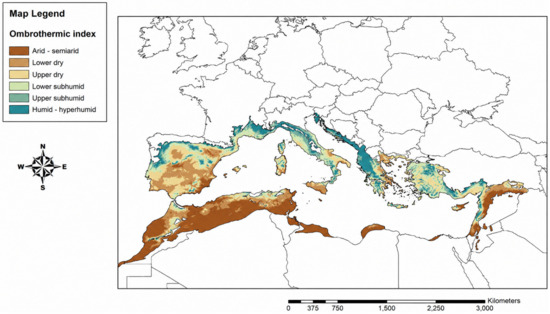
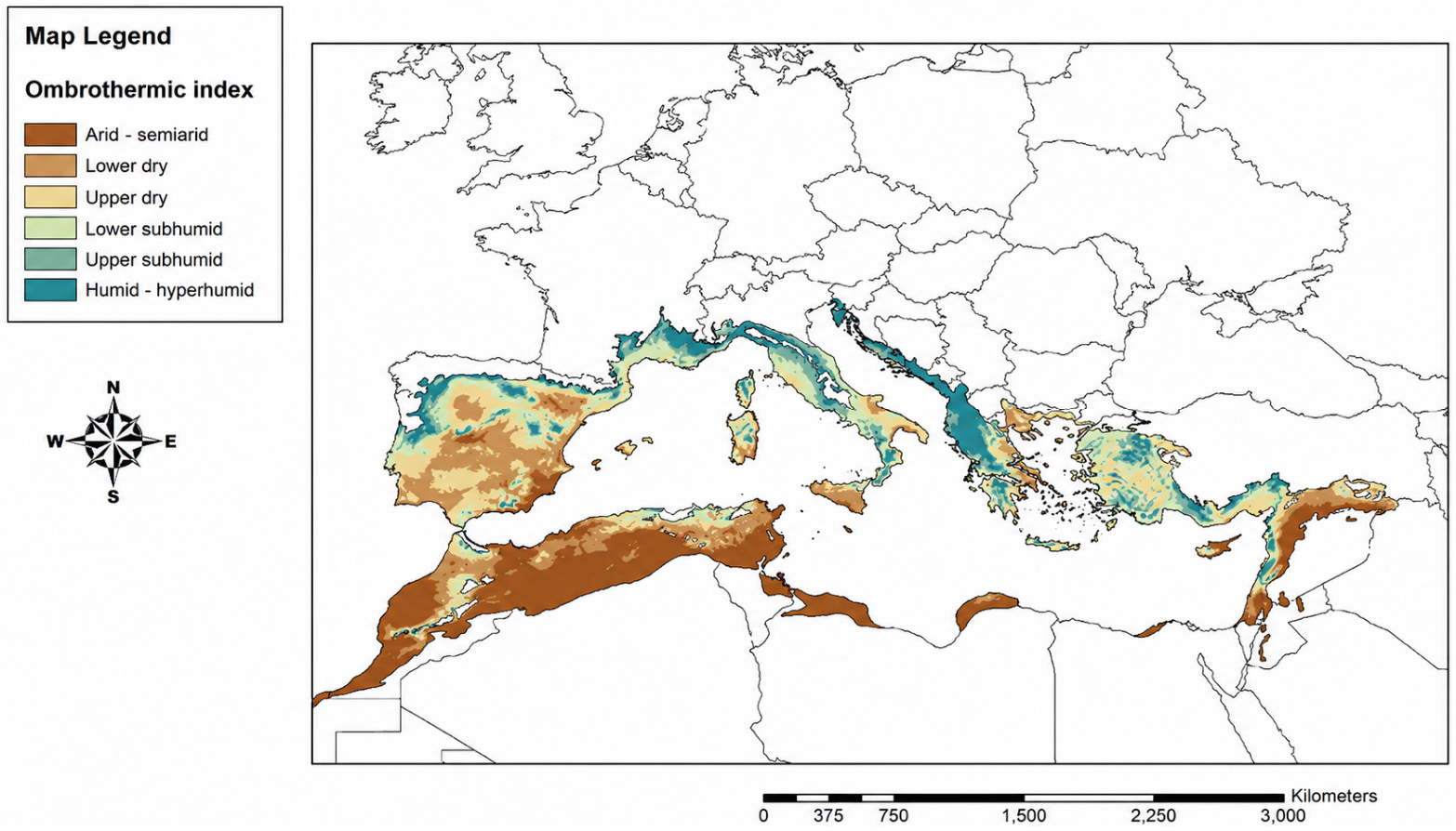
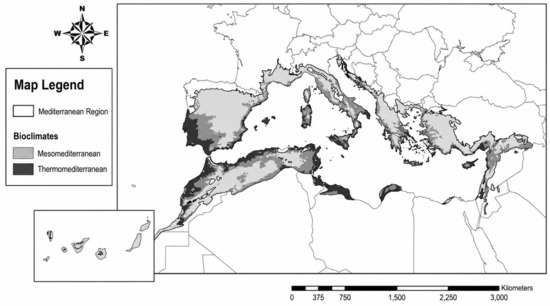
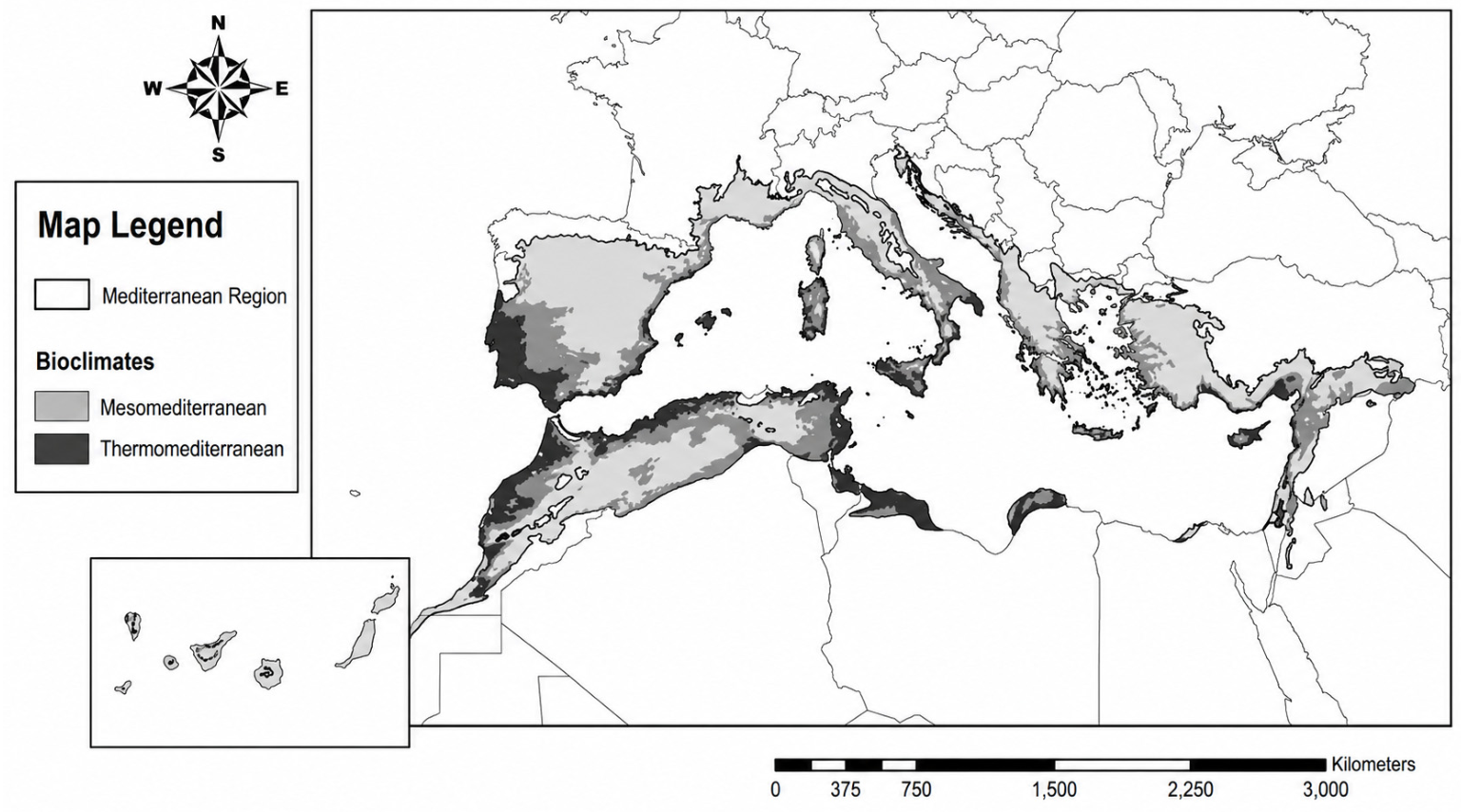
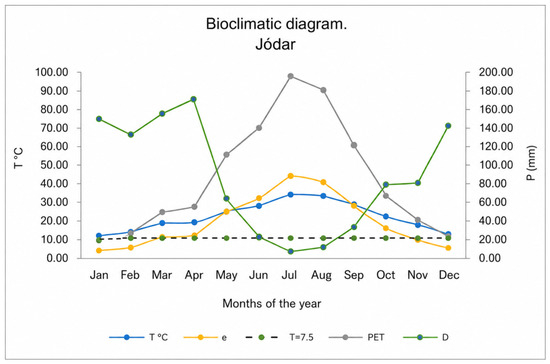
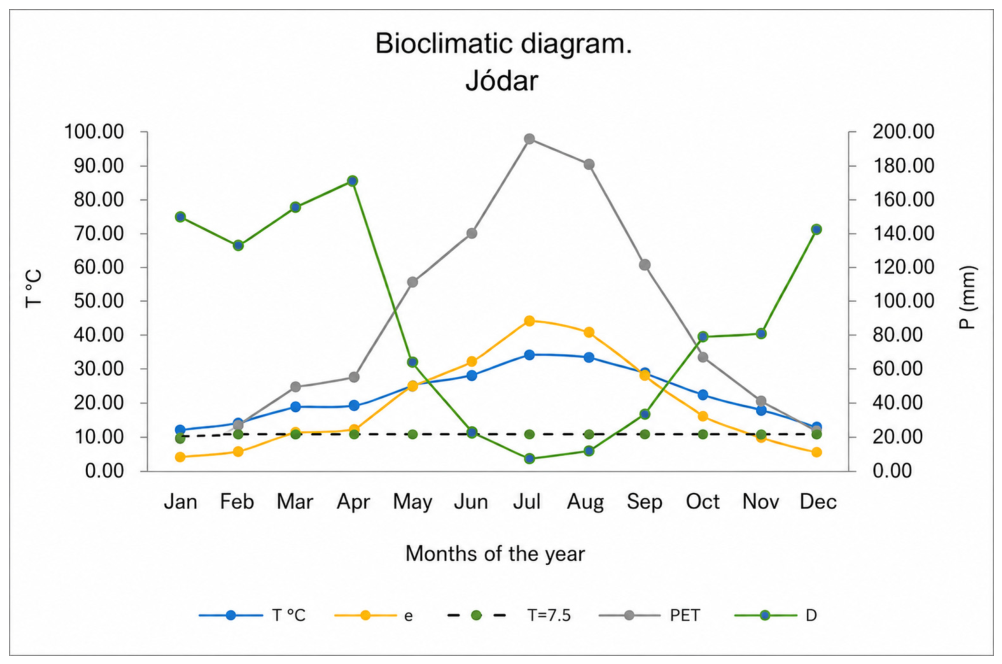
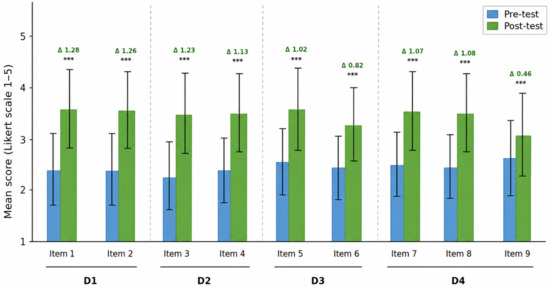
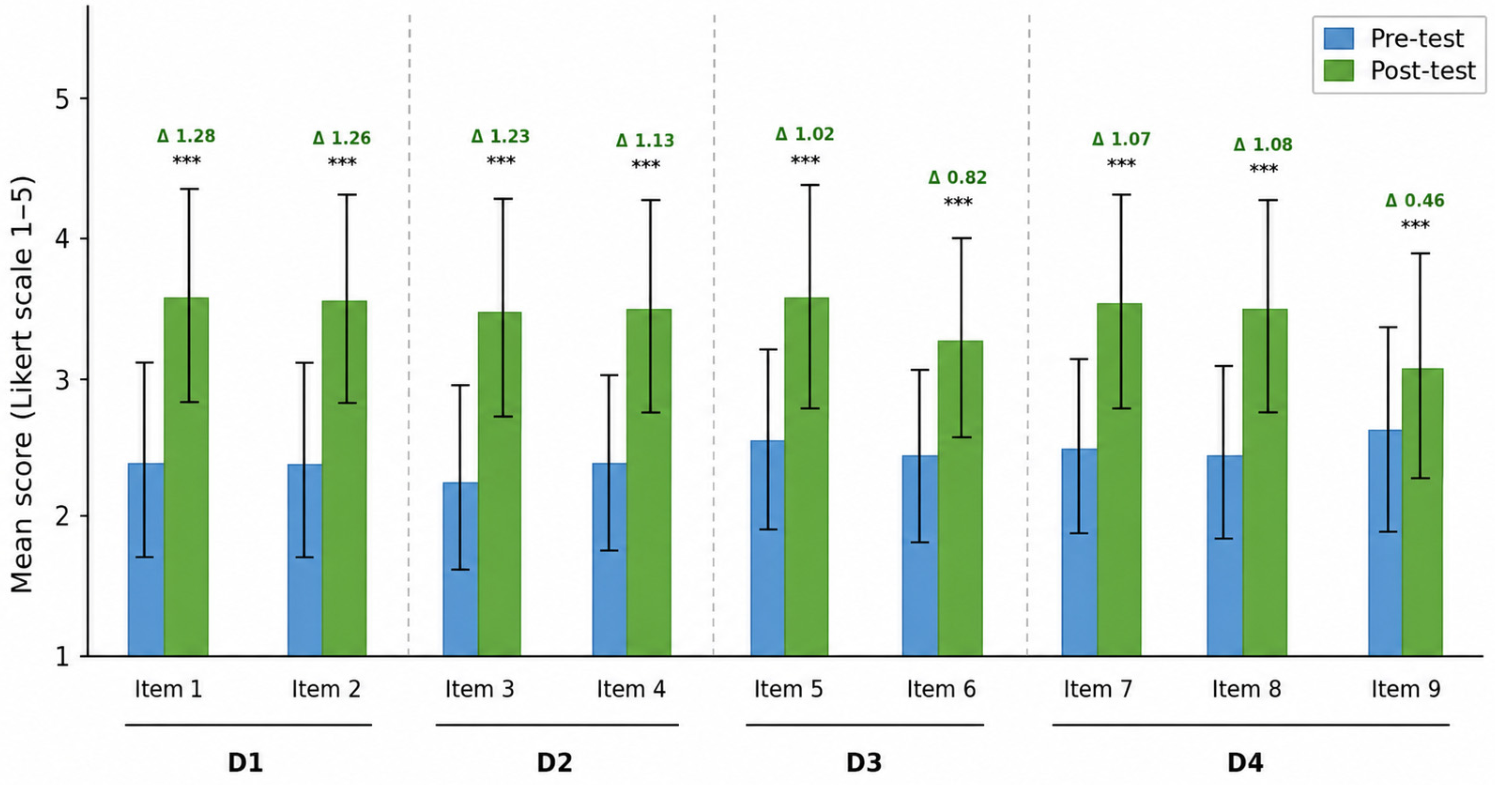

Disclaimer/Publisher’s Note: The statements, opinions and data contained in all publications are solely those of the individual author(s) and contributor(s) and not of MDPI and/or the editor(s). MDPI and/or the editor(s) disclaim responsibility for any injury to people or property resulting from any ideas, methods, instructions or products referred to in the content. |
© 2026 by the authors. Licensee MDPI, Basel, Switzerland. This article is an open access article distributed under the terms and conditions of the Creative Commons Attribution (CC BY) license.