


Abstract
Background: Traditional villages are important carriers of China’s agrarian civilization, and rural tourism has increasingly been promoted as a strategy for local economic revitalization. In this context, governments have introduced external developers and encouraged village–enterprise integration as a community-based governance arrangement, raising questions about its implications for community empowerment. Methods: Guided by sustainable development and empowerment theory, this study adopts a qualitative case study approach to examine the impacts of rural tourism on traditional village communities and the constraints shaping these outcomes. Results: Drawing on empirical evidence from Yunqiu Mountain Village, the findings indicate that rural tourism generates a simultaneous process of empowerment and disempowerment across economic, social, psychological, and political dimensions, with political empowerment remaining particularly weak. Conclusions: The analysis further reveals that the rural collective land system, marked by diluted property rights, together with limited and ineffective community participation mechanisms, constitutes key institutional constraints on community empowerment. By highlighting the dynamic process of “empowerment–disempowerment” under China’s specific institutional arrangements, this study contributes to tourism impact research and provides empirical insights into the contextual applicability of empowerment theory in traditional village tourism development.
1. Introduction
Under the global waves of urbanization and modernization, the conservation and development of traditional villages have become a shared challenge in the field of heritage protection worldwide [1]. As important carriers of Chinese agrarian civilization and spiritual homelands of the Chinese people [2], traditional villages constitute invaluable cultural heritage in China [3]. The rapid growth of tourism has created diverse development opportunities for rural areas, contributing to economic growth, environmental improvement, and more effective governance [4]. In China, tourism has been positioned as a new strategic pillar industry, a livelihood-oriented industry, and an industry that enhances well-being [5]. Within the national strategy of rural revitalization, rural tourism—characterized by low entry barriers, strong spillover effects, and broad coverage [6,7]—has been entrusted with multiple missions, including revitalizing rural economies, activating local culture, and improving community livelihoods [8]. As such, rural tourism provides important opportunities for the sustainable development of traditional villages in China [9].
However, in practice, this development pathway presents a sharp paradox: traditional villages are caught in a dilemma where “non-development leads to decline, while excessive or inappropriate development leads to destruction.” On the one hand, traditional villages face population outflow and natural deterioration, creating an urgent need for new engines of economic growth [10]. On the other hand, the rapid expansion of rural tourism has generated new problems that weaken rural characteristics and village authenticity [2]. Current challenges associated with tourism development in traditional villages include irreversible damage to the authenticity of cultural heritage [11], constraints on community self-development [12], economic leakage [13], and the tragedy of the commons [14]. In China, these challenges are particularly acute due to the country’s distinctive institutional environment [8]. Although more than half of China’s traditional villages have been involved in tourism development [15], whether rural tourism can genuinely achieve synergy among cultural conservation, community well-being, and economic growth remains an unresolved and critical issue.
Compared with other rural settlements, this dilemma is especially pressing in traditional villages. Traditional villages are cultural living entities where tangible and intangible heritage coexist at high density [3], requiring a more delicate balance between heritage integrity and regional development [16]. Moreover, community forces in traditional villages are particularly prominent. Dense kinship- and locality-based networks and traditional governance structures constitute distinctive forms of social capital [17]. When external development forces intervene, processes of power and benefit redistribution become especially complex, directly shaping tourism impacts and their sustainability [18]. Whether communities can—and to what extent they can—retain development leadership, share development benefits, maintain social identity, and sustain cultural confidence thus becomes central to understanding this dilemma [19].
The core challenge facing the sustainable development of rural tourism in traditional villages lies in the imbalance between internal community demands and external developers. Although the Chinese government has proposed various cooperative models, such as “enterprise + community + farmers” [20], existing studies remain insufficient. Key questions—such as whether newly constructed multi-stakeholder communities in traditional villages have truly achieved sustainable development, and whether villagers have realized genuine community empowerment within these new arrangements—have yet to be adequately explored. Nevertheless, these questions are crucial for both theory and practice concerning sustainable rural tourism development in traditional villages. From the perspective of community empowerment, systematically examining power relations across political, economic, social, and psychological dimensions provides an indispensable analytical framework for understanding sustainable development in traditional villages.
Against this backdrop, this study conducts a case study of a traditional village undergoing rural tourism development to enrich and refine community-based theories. Shanxi Province is rich in traditional village resources, and Yunqiu Mountain Village—grounded in a strong base of traditional cultural resources—has developed a national 5A-level tourist destination through collaboration with external developers. Simultaneously, it has established a governance model jointly managed by the government, enterprises, and villagers. The experience of Yunqiu Mountain Village is highly representative: its rapid development trajectory exposes core empowerment tensions in traditional village tourism, offering an ideal setting in which dynamic power negotiations can be closely observed. This study seeks to address the following questions: (1) During the tourism development process in Yunqiu Mountain Village, how have empowerment and disempowerment manifested dynamically across political, economic, social, and psychological dimensions? (2) Through what causal mechanisms have these empowerment conditions facilitated or constrained sustainability in terms of social cohesion, cultural transmission, and economic equity? By deeply analyzing the case of Yunqiu Mountain Village, this study aims to provide power-sensitive and targeted intervention insights for similar villages. At the same time, it situates empowerment theory—originating in Western contexts—within China’s administratively driven and relationship-oriented rural society, contributing to its contextual adaptation and theoretical innovation, and offering insights from China for the sustainable governance of heritage tourism worldwide.
2. Literature Review
2.1. Traditional Villages
Traditional villages refer to settlements that were formed at an early stage of history, possess abundant traditional resources, and embody significant historical, cultural, scientific, artistic, social, and economic values, thus warranting protection [21]. In the Chinese context, traditional villages have been widely recognized in the fields of architecture, archaeology, and cultural heritage studies as an important category of vernacular cultural heritage [22]. As a distinctive form of rural heritage in China, traditional villages not only preserve the material expressions of agrarian civilization but also sustain local cultural memory and collective identity embedded in everyday life [23].
In recent years, with the continuous advancement of China’s Rural Revitalization Strategy, rural tourism has gradually been introduced into the development of traditional villages and has become an important pathway for their revitalization, adaptive use, and socio-spatial reproduction [24]. The formulation of development policies tailored to local conditions is widely regarded as crucial for facilitating industrial transformation and promoting high-quality development in traditional villages [25]. This process not only concerns the preservation of cultural diversity but also profoundly reshapes rural space and social structures, and is closely linked to broader issues of urban–rural balance and sustainable development in China’s modernization process [26].
It is particularly important to note that traditional villages are not merely units of material cultural heritage but also living spaces shaped by long-term production and daily practices of local residents. Their essential nature lies in being highly socially embedded community forms. Local residents are not only the direct recipients of tourism-induced impacts but also key actors influencing the direction and sustainability of tourism development. Therefore, how to achieve the sustainable development of traditional villages through rural tourism—while foregrounding the critical role of the community—has become a central issue in both contemporary theoretical debates and practical interventions [27].
Existing studies have thoroughly examined macro-level conservation policies, spatial planning, and tourism development. However, limitations persist in both research subjects and content. Regarding subjects, existing research has largely concentrated on traditional villages in southern China or ethnic minority areas, with insufficient attention to northern regions and Han Chinese villages [28]. Regarding content, while residents’ issues in traditional villages after tourism intervention have received increasing scholarly attention, the focus tends to be on surface-level variables such as residents’ identity [24], attitudes, and perceptions [12]. Systematic analysis of community power relations and their dynamic evolution remains lacking, and this issue requires further investigation.
2.2. Traditional Villages and Rural Tourism
The World Tourism Organization defines rural tourism as activities in which tourists stay in rural areas—typically traditional villages in remote locations—and engage in learning and experiencing rural lifestyles. Geographical location has consistently been regarded as a key criterion in defining rural tourism, and most scholars agree that rural tourism primarily occurs in rural areas [29]. In the Chinese context, rural tourism is largely embedded in traditional villages, whose distinctive settlement patterns and cultural landscapes constitute the core basis of tourism attractiveness [28].
At the same time, it cannot be overlooked that the impacts of tourism development on destination communities are highly complex and multidimensional [30]. This complexity is particularly evident in traditional villages, where limited resource carrying capacity and unique cultural systems intensify the coexistence of positive and negative effects [24]. Systematic analysis of tourism impacts in traditional villages, therefore, extends beyond a simple reflection on the dichotomy between protection and development, and is closely related to the optimization of rural tourism strategies from a sustainability perspective [29]. Existing studies have generally examined tourism impacts across several key dimensions.
From an economic perspective, rural tourism is widely regarded as an important means of stimulating rural economic revitalization and structural adjustment [31,32]. The development of rural tourism generates additional income, creates employment opportunities, and promotes economic diversification in rural areas [33]. In economically disadvantaged regions, rural tourism has even functioned as a critical instrument for poverty alleviation and sustainable rural development [34]. However, issues of unequal benefit distribution have become increasingly prominent, with local residents often unable to equitably share in tourism-generated revenues [15]. In addition, large-scale but low-quality tourism development may undermine destination attractiveness and long-term competitiveness [35].
At the social level, rural tourism also produces notable positive effects. On the one hand, tourism development enhances awareness of cultural heritage conservation and strengthens community cohesion and cultural identity [36]. On the other hand, increased external interactions associated with tourism contribute to improved social awareness and participation among local residents [37]. Against the backdrop of continued rural outmigration, tourism development may also encourage younger generations to remain in their villages, thereby supporting cultural transmission and the revitalization of community vitality [38]. Nevertheless, cultural representation in tourism contexts is often shaped by consumerist logics, rendering residents’ cultural roles passive or even subject to external manipulation [39]. In some cases, a lack of shared norms regarding tourist behavior may generate value conflicts and social tensions within the community [40].
It is evident that the above impacts directly concern the identity of community residents. Identity refers to individuals’ or groups’ subjective definition of and emotional attachment to “who I am” and “who we are,” encompassing both individual and social dimensions [41]. Place and identity are dynamically co-constructed: individuals or groups incorporate place meanings into their processes of socialization, thereby forming a place-based identity [42]. When rural tourism intervenes in traditional villages, the appropriation of cultural symbols by external capital, the restructuring of community structures, and changes in livelihood may all impact existing place identity [11]. Therefore, incorporating identity into the analysis of tourism impacts can contribute to a more comprehensive understanding of the socio-psychological changes in traditional villages during tourism development.
From an environmental perspective, rural tourism simultaneously promotes environmental awareness while imposing ecological pressures. On the one hand, tourism activities can increase attention to natural resources and environmental protection, encouraging local residents to participate in conservation practices [43]. On the other hand, excessive tourist flows and inappropriate spatial development may disrupt original ecological patterns and lead to environmental degradation [40].
In summary, rural tourism has produced profound and complex impacts on traditional villages at the economic, social, and environmental levels. However, existing research has mostly focused on the types and outcomes of these impacts—that is, describing the positive or negative consequences of tourism activities—while lacking in-depth analysis of the processual mechanisms through which these impacts are formed, particularly the dynamic changes in power relations at the community level.
2.3. Sustainable Tourism in Traditional Villages
Sustainable development has become a shared global aspiration and a guiding principle for socio-economic development. In the field of tourism, the United Nations World Tourism Organization (UNWTO) defined sustainable tourism in 2005 as tourism that “takes full account of its current and future economic, social and environmental impacts, addressing the needs of visitors, the industry, the environment and host communities” [44]. Subsequently, in 2017, UNWTO further emphasized that sustainable tourism should integrate key values such as ecosystem conservation, human well-being enhancement, intra- and intergenerational equity, and public participation in decision-making processes [45]. These definitions collectively underscore that the realization of tourism sustainability relies on a comprehensive balancing mechanism, with particular emphasis on host community participation and benefit sharing.
For traditional villages, sustainable tourism is not only a development opportunity but also a practical pathway to address challenges such as population loss, cultural degradation, and ecological damage. Currently, many rural tourism destinations based on traditional villages are actively exploring sustainable tourism development, striving to achieve an organic integration of economic benefits, cultural heritage, social development, and ecological security. Existing studies have constructed sustainability evaluation systems [26] and assessed the importance of rural tourism for the sustainable development of traditional villages [46], both emphasizing the critical role of community and empowerment in sustainability. However, sustainable tourism development is not a static target state but rather a continuously evolving governance process. This characteristic necessitates attention to community empowerment and emphasizes dynamic and adaptive management [5]. It also implies that, in advancing sustainable tourism, attention must be paid to community-level empowerment in traditional villages and its dynamic impacts on these villages.
In exploring the multiple pathways for sustainable tourism in traditional villages, scholars and practitioners have proposed various cooperative models such as “enterprise + community + household” and “government + enterprise + household” [20]. Among these, the village–enterprise integration model has recently emerged as an important institutional arrangement that integrates external capital with community resources and promotes the revitalization and utilization of traditional villages. This model seeks to achieve community participation and benefit sharing while promoting tourism development by organizationally integrating tourism development enterprises with the governance structures of administrative villages.
However, existing research on the village–enterprise integration model has notable deficiencies. On the one hand, there is a lack of systematic process analysis regarding how this model reshapes power relations within the community—that is, what dynamic processes of empowerment and disempowerment villagers actually experience across the economic, psychological, social, and political dimensions. On the other hand, the causal mechanisms underlying these empowerment/disempowerment outcomes, especially the institutional roots that constrain community empowerment, have yet to be thoroughly explored. These deficiencies mean that the actual effects and potential risks of the village–enterprise integration model remain insufficiently understood, and there is an urgent need for an analytical framework that can systematically reveal community power changes and their causes.
2.4. Theories on the Impact of Tourism
Existing studies frequently adopt social exchange theory to explain residents’ attitudes toward and support for tourism development, emphasizing rational choices based on perceived benefits and costs [30]. However, this approach primarily focuses on individual-level attitudinal responses and pays limited attention to structural issues such as power relations, participation mechanisms, and asymmetries in resource distribution during tourism development. In socially embedded community contexts such as traditional villages, residents’ attitudes toward tourism are not solely shaped by cost–benefit calculations but are often constrained by institutional arrangements and their positions within local power structures. As a result, social exchange theory has limited explanatory power in accounting for the formation mechanisms of tourism impacts and intra-community differentiation.
By contrast, empowerment theory is widely regarded as a more appropriate analytical framework for understanding residents’ perceptions and community transformations in tourism development. It enables a deeper examination of tourism impacts through the lens of power structures and resource allocation [47], and has been shown to be particularly relevant in studies of rural tourism in traditional villages [48]. Scheyvens (1999) conceptualizes empowerment as comprising four interrelated dimensions: economic, psychological, social, and political [49]. Economic empowerment refers to the extent to which communities capture a substantial share of tourism benefits, whereas disempowerment reflects unequal or marginal economic gains. Psychological empowerment involves enhanced self-esteem and community pride resulting from tourism development, while disempowerment is manifested in indifference or pessimism toward tourism. Social empowerment relates to improvements in collective well-being beyond economic gains, whereas disempowerment may involve cultural erosion and social conflict. Political empowerment concerns residents’ voice and influence in tourism-related decision-making processes, which depend on appropriate power structures and institutional mechanisms. These dimensions are mutually interconnected and reinforce one another [49]. Only when multi-dimensional community empowerment is achieved—through effective participation and control over tourism planning and equitable distribution of tourism benefits—can rural tourism genuinely contribute to community-level sustainable development [50]. In this regard, empowerment theory not only accounts for divergent positive and negative resident perceptions but also provides a systematic framework for analyzing the internal mechanisms of sustainable tourism development in traditional villages.
To clarify the interrelationships among the four dimensions and their guiding role in data collection and analysis, this study constructed a conceptual framework from tourism intervention to sustainable development goals (Figure 1). The framework takes the development of traditional villages through rural tourism as its starting point and employs Scheyvens’ (1999) four-dimensional empowerment theory (economic, psychological, social, and political) as the core analytical lens [49]. On this basis, the framework specifies the methodological pathways for data collection and thematic analysis, thereby revealing the structural characteristic of the coexistence of empowerment and disempowerment within the community. Furthermore, the framework identifies the constraining factors leading to disempowerment, ultimately pointing toward the sustainable development of traditional villages.
Figure 1.
Conceptual framework.
In this framework, the four dimensions—economic, psychological, social, and political—are not independent of one another but are interwoven, collectively constituting the overall picture of community empowerment/disempowerment. To operationalize the framework, this study designed an interview protocol based on the four dimensions. During the data collection phase, semi-structured interviews, participant observation, and document analysis were conducted around each dimension. In the data analysis phase, thematic analysis was adopted, with initial coding performed according to the four dimensions, which were further subdivided into two subcategories: “empowerment” and “disempowerment.” This dual coding strategy not only presents the complex picture of the coexistence of empowerment and disempowerment within each dimension but also reveals the interactions among the dimensions. Through this framework, the structural characteristic of the coexistence of empowerment and disempowerment and its institutional roots, as presented in the subsequent findings, can be more clearly understood.
3. Study Area Description
To explore the impacts of rural tourism on traditional villages in China, this study adopts a case study design and selects Yunqiu Mountain Village in Shanxi Province as the research site. Yunqiu Mountain Village is located in Xiangning County, Linfen City, Shanxi Province, China, covering a total area of 94.64 km2. The village consists of 1038 households with a total population of 3346 residents. Prior to tourism development, the local economy was predominantly agriculture-based, and the area was classified as a provincial-level poverty-stricken region. Similar to many rural areas in China, the village faced challenges such as a weak economic foundation, limited development potential, population outmigration, and demographic aging. In recent years, however, the development of rural tourism has generated multifaceted impacts on the local community.
Tourism development in the Yunqiu Mountain area began in 2005, led by Yunqiu Mountain Tourism Development Co., Ltd. (Linfen, China) as the primary developer. The company initiated large-scale development of the Yunqiu Mountain scenic area, incorporating existing nationally recognized traditional villages into the core attractions of the destination. By integrating mountainous landscapes with cultural and historical resources, the area attracted a substantial number of visitors and was subsequently designated as a National 5A Tourist Attraction. As part of the development process, original village residents within the scenic area were relocated to newly constructed resettlement villages located on the periphery of the scenic zone.
With the continuous expansion of tourism facilities, residents within the scenic area experienced ongoing outmigration, leading to the formation of new settlements around the scenic area. At the same time, tourism development gradually extended to surrounding traditional villages, which had previously been managed separately. Over time, these villages were increasingly incorporated into a unified management framework. In 2019, in response to the needs of tourism development, a new rural governance model was established with the formal creation of Yunqiu Mountain Village. This administrative entity integrates four village Party branches—Dahe Village, Ban’ershang Village, Donggou Village, and Xiachuan Village (comprising 22 natural villages)—previously under the jurisdiction of Guanwangmiao Township, together with the Party branch of Yunqiu Mountain Tourism Development Co., Ltd. Consequently, a village–enterprise integration model centered on tourism development was formally institutionalized.
4. Research Design
This study adopts a qualitative research approach to examine the complex impacts of rural tourism development on traditional villages. A qualitative methodology is particularly appropriate for uncovering the underlying nature of social phenomena and is well suited to exploring individuals’ perceptions and experiences in complex contexts, thereby facilitating a deeper understanding of meaning and context [51].
4.1. Data Collection
To ensure the comprehensiveness and accuracy of data collection, this study adopted qualitative methods including semi-structured interviews, participant observation, and document analysis, thereby achieving triangulation of data sources and enhancing the reliability and saturation of the research findings.
4.1.1. Semi-Structured Interviews
The interview method was used to obtain detailed subjective insights into complex topics [52]. The first step involved the identification of key informants. Since community participation in tourism requires close attention to the interests and concerns of stakeholders, the selection of interview participants primarily considered groups that are directly involved in local rural tourism development, operation, and management, as well as those significantly affected by tourism development. Based on a preliminary investigation of the tourism development process in Yunqiu Mountain Village, the research team identified three core stakeholder groups: local administrative managers, tourism enterprise employees, and ordinary community residents. The rationale for this grouping is that managers possess information on tourism development policies and governance, enterprise employees understand operational and employment mechanisms, and residents are the direct bearers of tourism impacts as well as key actors. Second, the inclusion criteria for respondents were specified. These criteria were determined based on the research objectives, also taking into account whether respondents actively participated in tourism activities and whether they were able to provide relevant information for the study. For community residents, two specific characteristics were considered: (i) respondents among the villager group had at least two years of work experience in local tourism activities; (ii) local residents who had not directly participated in tourism activities but had lived in Yunqiu Mountain Village for more than ten years.
Furthermore, during the data collection process, from 5 June to 5 December 2024, the first author conducted face-to-face semi-structured interviews with local key informants selected according to the above criteria. The interviews lasted between 30 and 60 min each, were conducted in Mandarin Chinese, and were audio-recorded. The above respondent groups were obtained through purposive sampling and snowball sampling. We first contacted one local administrator (one of the four village heads) and one enterprise employee, and then used snowball sampling to expand the sample, thereby gaining interview opportunities with other groups.
In qualitative research, theoretical saturation is the core criterion for determining whether the sample size is adequate. Following this principle, this study proceeded with data collection and analysis simultaneously, continuously comparing newly emerging data with the themes already generated to assess whether saturation had been achieved [53]. Therefore, we did not preset a sample size at the beginning of the interviews. During data collection, after coding the 25th respondent, we found that no new concepts or themes emerged, and the study preliminarily judged that saturation was approaching. To rule out chance and formally confirm saturation, we conducted additional interviews with the 26th and 27th respondents. Analysis of these two new datasets showed that they fully conformed to the existing coding framework and generated no new information or subcategories. Thus, theoretical saturation was confirmed as having been reached with the 25th respondent, with the subsequent two serving as test samples for saturation. Ultimately, semi-structured in-depth interviews involved a total of 27 individuals, comprising 5 local administrators, 6 tourism enterprise employees, and 16 local villagers—all of whom were considered to have significant influence on the rural tourism development of Yunqiu Mountain Village. The sample size of this study was determined by the principle of theoretical saturation, rather than being predetermined. Combined with purposive sampling that strategically focused on key informants, this study obtained data with high informational density within a limited sample size while providing sufficient explanation of the research questions.
In this study, semi-structured interviews were employed, with the interview questions designed around two main themes: (1) community residents’ perceptions of the impacts of rural tourism development, and (2) the causes of community residents’ disempowerment. The interview protocol was developed based on the conceptual framework presented earlier. Drawing on Scheyvens’ (1999) four-dimensional empowerment framework, open-ended core questions were preset around the economic, psychological, social, and political dimensions [49]. During the interviews, the researchers flexibly adjusted the order and wording of the questions according to respondents’ answers and made necessary follow-up inquiries to encourage respondents to fully express their experiences and viewpoints. The detailed interview protocol is provided in Appendix A.
4.1.2. Participant Observation
To further explore the impacts and realities of rural development in Yunqiu Mountain Village, the researchers conducted continuous fieldwork from June to December 2024, visiting the four villages under the jurisdiction of Yunqiu Mountain Village and the Yunqiu Mountain tourism scenic area, for a total of eight visits. Three documents of observation records were compiled and coded as N1, N2, and N3.
The observation covered: the appearance of the villages and the development status of traditional villages, the ways villagers participate in tourism and their living conditions, the general operation of the scenic area, the actual operation of local homestays and restaurants, on-site interactions at cultural activity display venues, and the modes of interaction between developers and villagers, as well as between residents and tourists. By adopting participant observation, the study was able to directly record relevant phenomena and characteristics, thereby obtaining more objective data and avoiding the bias of self-reporting [54]. While acting as participants, the researchers experienced food, accommodation, travel, and shopping in the scenic area and villages, seeking to gain perceptual knowledge of socio-cultural phenomena and recording key information through photography and videography.
4.1.3. Document Analysis
Document analysis allows for the processing of data in various forms and can complement and cross-validate findings obtained from interviews or observations, thereby enriching the research perspective [55]. The researchers have long been searching for relevant documents concerning the tourism development of Yunqiu Mountain Village from various periods, including reports and government documents related to its tourism development, as well as community archives containing basic information about the village. A total of 21 documents were compiled in this part, coded with the prefix D. The selection criteria included: direct relevance to tourism development; authoritative sources from official or community records; coverage of the period from 2003 to 2026; and completeness of content with clear provenance.
This study adopted multiple data collection strategies and utilized diverse data sources, which facilitated the triangulation of results obtained from different sources, thereby maximizing the validity of the findings.
4.2. Data Analysis
In terms of data analysis, this study began preliminary analysis concurrently with data collection. After transcribing the interview data and incorporating field notes and documentary materials, thematic analysis was ultimately employed to analyze the data. As the most fundamental method in qualitative research, thematic analysis facilitates the comprehensive and systematic identification, extraction, and organization of meaningful themes from qualitative data [56]. Its strength in revealing patterns of phenomena and exploring the deeper meanings behind the data aligns well with the research objectives of this study.
Thematic analysis advocates for the systematic organization of qualitative data through stepwise coding procedures, including labeling data, constructing categories, and forming themes, thereby providing an easy-to-operate and systematic approach for research analysis. Following the recommendations of Clarke and Braun (2017), this study conducted data analysis in six steps [57]. The first step was familiarizing oneself with the data: repeatedly reading the textual materials and recording initial thoughts and potential thematic directions. The second step was generating initial codes: extracting statements related to perceptions of tourism impacts and disempowerment, coding them sentence by sentence, and forming initial labels while retaining the original meaning of respondents’ words as much as possible. The third step was searching for themes: categorizing the codes generated in the previous step, grouping similar codes together, and forming potential candidate themes. The fourth step was reviewing themes: iteratively refining the categorization process, examining the relevance between themes and original excerpts, and ensuring a reasonable thematic structure with clear boundaries. The fifth step was defining and naming themes: after multiple rounds of comparison and discussion, four sub-themes—political, economic, social, and psychological—were ultimately distilled from the data, which directly correspond to the conceptual framework presented earlier in this paper. The sixth step was producing the report [57].
The data analysis process was oriented toward addressing the research questions. The authors derived findings from the qualitative data, and the data collection process was entirely informed by the conceptual framework presented earlier, thereby ensuring that the presentation of results was systematic and clear. Based on the above understanding, this study combined top-down and bottom-up coding logics: two first-level codes were first established—“Rural Tourism Impacts Through the Four Dimensions of Empowerment” and “Root Causes of Community Disempowerment Resulting from Rural Tourism Development”—followed by four second-level coding directions (economic, psychological, social, and political) based on Scheyvens’ (1999) four-dimensional empowerment framework [49]. The analysis then returned to the raw data, extracting layer by layer the main manifestations and causes of “disempowerment” and “empowerment”.
The entire coding process was completed by the first two authors and reviewed by a third author. After the first author completed the initial coding, the second author independently coded 30% of the text. Any disagreements in coding were resolved through internal discussion with the third author until a consensus was reached. In addition, two experts with extensive experience in case study research were invited to provide guidance on the coding results, ensuring the rationality and scientific rigor of the coding structure. Appendix B presents complete examples of the step-by-step code generation process for all four dimensions.
4.3. Ethical Considerations
Ethical considerations were integral throughout all stages of the research process, from study design and data collection to reporting. This study adhered to international best practices in research ethics and received ethical approval from the Science and Technology Industry Department of Yuncheng University prior to data collection (Approval No. KL202408).
Before each formal interview, participants were fully informed of their rights, the purpose of the study, and the content of the interview, and written informed consent was obtained. All participants were anonymized using coded identifiers, and interviews were recorded only with the explicit consent of the participants.
4.4. Reflexivity Statement
The first author of this study is affiliated with Yuncheng, Shanxi Province, while the research site is Yunqiu Mountain Village, Linfen City, Shanxi Province. Although both locations are within the same province, they are different cities. As an external researcher from a university, there existed both geographical and cultural distance between the author and the local villagers, which might have led respondents to avoid negative evaluations or might have caused the researcher to selectively attend to evidence supporting empowerment hypotheses due to theoretical presuppositions. To manage these biases, the research team engaged in informal communication with villagers through introductions by village cadres before entering the field, and used the local dialect. Before interviews, the team explicitly informed participants of anonymity, emphasized that there were no right or wrong answers, and actively encouraged critical feedback. During fieldwork, the team maintained reflexive journals and engaged in cross-checking of coding with team members. Additionally, the study employed triangulation through interviews, observations, and document analysis, while actively seeking disconfirming evidence, striving to minimize the influence of the researcher’s positionality.
5. Findings
The research findings are presented in three parts: profile of interviewees, “Rural Tourism Impacts Through the Four Dimensions of Empowerment,” and the root causes of community disempowerment resulting from rural tourism development.
5.1. Profile of Interviewees
This study conducted in-depth interviews with 27 key informants closely related to rural tourism, covering frontline practitioners (e.g., scenic area security guards, housekeepers, homestay owners, restaurant operators), cultural heritage bearers and performers (folk performers), administrators (village committee members, local cultural affairs officials), tourism enterprise employees, as well as groups with special perspectives (former village committee members, elderly residents, and young people who had left the village). The sample composition covers three levels—administrative, operational, and community—demonstrating strong representativeness.
In terms of gender, the sample included 16 males (59.26%) and 11 females (40.74%). Ages ranged from 23 to 68 years, with an overall average age of 40.56 years (male average 42.81, female average 36.45). The sample encompassed diverse age groups and genders, facilitating a multi-dimensional understanding of the actual situation and diverse needs of community participation in rural tourism.
It is worth noting that the sample included three elderly residents aged over 60: V1 (62, scenic area security guard), V11 (65, full-time farmer), and V10 (68, former village committee member). They have lived in the village for a long time and possess profound experience of community changes before and after rural tourism development. In addition, the sample included one young person who had left the village after university graduation to work elsewhere (V16, 24), as well as several young people who had returned to or remained in the village for development (e.g., V9). The sample thus covers multiple groups, including elderly residents, out-migrated youth, returned youth, women, and villagers from different occupational backgrounds, enabling the study to reflect, to a certain extent, the perspectives of diverse community stakeholders. Detailed information is provided in Appendix C.
5.2. Rural Tourism Impacts Through the Four Dimensions of Empowerment
5.2.1. Economic Empowerment and Imbalances Coexisting
Before the development of rural tourism, Yunqiu Mountain Village, located in Xiangning County, was once a provincially designated impoverished area in Shanxi Province. Residents primarily relied on agriculture for their livelihoods, including cultivating wheat and corn, collecting wild medicinal herbs and firewood, and raising poultry and livestock. To transform the local economic model and promote development, Shanxi Longshui Industrial Group invested in establishing Yunqiu Mountain Tourism Development Co., Ltd. in 2003. Through measures such as the relocation and resettlement of traditional villages within the scenic area, restoration of local heritage, creation of tourism festivals, and improvement of transportation infrastructure, the region actively developed its rural tourism resources, culminating in Yunqiu Mountain Scenic Area being rated a national 5A-level tourist attraction. By 2023, the site attracted approximately 1.12 million visitors (internal data obtained through interviews). Meanwhile, the tourism industry’s growth and its drive for related sectors created widespread employment opportunities, gradually increasing household incomes for some villagers.
With the development of the Yunqiu Mountain Scenic Area, the original residents living within the scenic zone were completely relocated, receiving asset-based economic compensation through the transfer of their houses and land. Additionally, some residents gained wage income by participating in tourism-related activities, such as performance and service roles within the scenic area or undertaking local construction projects. Others, depending on their accumulated social capital, started various tourism-related businesses nearby, including rural homestays, restaurants, and guesthouses, which significantly improved living conditions. One interviewee (V1) stated
“We are located deep in the mountains, with inconvenient transportation. Our main sources of income were migrant labor and farming. If crop yields were poor, income was even less. In the past, every household was poor; most young women married outside the village, and few wanted to marry in. After the scenic area developed, our housing improved, transportation became convenient, and I can work at the construction sites in the scenic area to earn more than before. There are also fewer unmarried men in the village now.”(V1)
A village official (G2) also expressed strong support, stating:
“The scenic area and the village committee jointly established a high-quality grain planting cooperative. The scenic area’s development requisitioned villagers’ houses and land, including compensation for crops. Residents received relocation allowances, land lease fees of 420 RMB per mu annually, and wages from working in the scenic area. The per capita annual income in the village has increased from 1550 RMB in 2005 to over 10,000 RMB now.”(G2)
Although rural tourism development has increased income and economic opportunities for the traditional village, there remains a significant imbalance in income levels among residents, and limitations on economic opportunities have also increased. The influx of capital to the countryside has promoted superficial prosperity in rural tourism, but profit distribution remains uneven between external enterprises and the village, as well as among villagers themselves. In 2023, the scenic area generated revenue of approximately 205.2 million RMB; however, the previously agreed-upon medical insurance contributions for villagers have yet to be fulfilled. At the community level, disparities also exist between those receiving asset-based compensation and those dependent on wage employment. One local villager commented
“We originally thought the village would always pay for our medical insurance, which was a great security for us. But when the pandemic hit and the scenic area’s economy suffered, they stopped paying our insurance, and now medical expenses are a heavy burden again.”(V3)
Another two villagers noted
“If the ancestral house was large enough, the new house they exchanged is bigger and better located. Those with small ancestral houses still have to pay a difference for a new house. More importantly, some families received houses by the roadside and could open small shops; others opened restaurants or guesthouses, while some people hardly earn much.”(V7)
“The person who runs the restaurant learned to be a chef in earlier years, but I have no skills at all”(V9)
Based on the author’s observations, villagers living closer to the scenic area’s entrance or main roads, and those with more employment skills, have obtained more tourism development opportunities and improved living standards. Conversely, some villagers have seen little improvement in the quality of life due to less compensation for ancestral houses or land, and fewer employment opportunities.
5.2.2. Psychological Empowerment and Disempowerment
The development of rural tourism has led to varying degrees of transformation in the mindset and perceptions of residents in traditional villages. Historically, these villagers lived in relatively isolated environments with conservative worldviews. Tourism development, however, has provided an opportunity for shifting these mindsets. The unique historical culture and natural scenery of traditional villages attract large numbers of tourists. Through frequent interactions with visitors and participation in tourism-related activities, villagers’ attitudes and perspectives have undergone significant changes.
A villager spoke proudly about the tourism development in Yunqiu Mountain Village:
“Our village used to be very backward, but unexpectedly, after tourism development, tourists from other places became very interested in our traditional village architecture. Many people come specifically to our old village every day and ask us to tell stories about the old houses. I feel very proud”(V10)
With the advancement of tourism development in Yunqiu Mountain Scenic Area, the influx of tourists and increased host-guest exchanges have broadened villagers’ horizons and greatly transformed their views on education. A village official (G5) reflected
“In the past, we did not pay much attention to education. But now it is different. Many tourists are well-educated, and talking with them made us realize how competitive the outside world is. Now we aim to earn more money to send our children to better schools and ensure they have better opportunities in the future.”(G5)
Meanwhile, villagers have shown unprecedented enthusiasm for learning new skills. Tourism has generated new occupations such as homestay management, tour guiding, and specialty food production. To seize these employment opportunities, villagers actively participate in various skills training programs. Another villager (V4) shared
“After the development of the scenic area, I saw many people in the village making money by running homestays or working as guides. I didn’t want to fall behind, so I took a training course in homestay management. Now my homestay business is doing well. Learning a new skill gives me more security.”(V4)
During fieldwork, the researcher observed a markedly different atmosphere within the traditional village. Villagers no longer confined themselves to traditional farming activities but actively exchanged experiences in tourism operations and discussed ways to improve service quality. Once-conservative villagers have now developed a sense of community pride due to the various development opportunities brought by tourism, and the social status of groups traditionally at the bottom of society has gradually improved.
One village leader stated
“In the past, women and elderly people in the village had no way to earn money, and young people were leaving. Now that the scenic area has opened, women can work as housekeepers, the elderly can work as cleaners or security guards, and many young people have returned. The homestay over there was opened by a young man who used to work as a chef outside. Since the scenic area can generate income, everyone is willing to come back, and they feel proud of our village”(G2)
According to the author’s investigation of village committee records, the scenic area launched the Yuangu Hope Farm project in 2017. By providing training and helping people with disabilities acquire work skills, the project effectively enabled more than 40 disabled individuals to achieve employment and economic independence. In May 2026, the farm was awarded the title of “National Advanced Collective for Disability Work.”
With the development of rural tourism, the original villagers living within the scenic area were relocated to its periphery. Their ancestral houses were used for the landscape display of traditional villages, and their land was uniformly expropriated by the scenic area for planting specific crops. The residents’ identity shifted from working for themselves to working for business operators. Meanwhile, their traditional “live off the land” livelihood was restricted due to considerations such as ecological protection and safety management, limiting their economic opportunities.
“Some villagers have not benefited from tourism. Moreover, with the unified management of land under tourism development, villagers have no private plots and thus cannot decide what to plant or raise according to market conditions. This has disrupted the previous small-scale peasant economy. Villagers feel that after receiving a small amount of land compensation, their future livelihoods are uncertain”(G4)
After losing their traditional means of livelihood, some farmers found work in the scenic area, but they were constrained by a lack of employment skills. Moreover, the scenic area does not give priority to local residents in its recruitment process based on their household registration status. Coupled with their lack of other job skills, they have yet to benefit from tourism development. One interviewee stated
“When applying for jobs at the scenic area, I could only get positions with low requirements. I don’t understand tourism development or management, and the scenic area doesn’t hire us for those roles. If I want to start a business, like running a homestay or restaurant, I need to know how to cook and manage finances. I have to learn these skills myself.”(V2)
This perspective was echoed by a scenic area staff member
“Our recruitment prioritizes professionals with relevant expertise, mainly from outside the area. We hope many tourism management graduates will stay here. Local residents often lack the necessary skills or don’t meet the age requirements, so they need training before they can work here.”(S1)
According to the author’s observations, as rural tourism gradually progresses, traditional villages have seen a return of some young people, and even attracted villagers from surrounding areas to seek employment. Women in the village have gained employment by working as service staff or housekeepers in the scenic area, while older men have found jobs as commercial performers or security guards. In reality, however, tourism enterprises tend to hire external professionals with higher qualifications from a business perspective. Due to a lack of knowledge and skills, local residents often do not obtain sustained employment opportunities. Consequently, they lose their enthusiasm for tourism development and express pessimistic and disappointed feelings about the operation of the scenic area and the future development of the village.
“I just want to live my own life. I’ve heard that the scenic area still owes the bank a lot of money, and the old village secretary is getting old. It’s hard to say who will manage the scenic area and the village in the future. I think the future development is quite difficult”(V2)
“I’ve already found another job in a different village. Now that tourism development is happening there, I feel it has nothing to do with me anymore”(V3)
Overall, from the perspective of psychological impacts, Yunqiu Mountain Village has experienced a dual effect of empowerment and disempowerment during the process of tourism development. Due to varying degrees of participation in tourism and differing levels of benefit, villagers who have been marginalized in tourism development have expressed dissatisfaction, leading to psychological disempowerment.
5.2.3. Social Empowerment and Disempowerment
Yunqiu Mountain Village is located in the southern segment of the Lüliang Mountains in Shanxi Province, characterized by mountainous and hilly terrain. The traditional villages are mostly built along the mountainsides or within valleys. This geographical setting has facilitated the relatively good preservation of settlement patterns, architectural styles, and cultural traditions. However, the mountainous location also imposes limitations such as inconvenient transportation and weak infrastructure. The development of rural tourism has led to varying degrees of improvement and revitalization of local infrastructure, traditional culture, and community cohesion; nevertheless, at the social level, it also exhibits the structural characteristic of the coexistence of empowerment and disempowerment.
With the continued advancement of the tourism development project, the infrastructure in Yunqiu Mountain Village has improved significantly, particularly in villages close to the scenic area and those developed earlier. For example, Dahe Village, which was the earliest to receive relocated residents from two traditional villages within the scenic area (Taerpo and Kangjiaping), has seen comprehensive upgrades. Through joint efforts by the government and enterprises, Dahe Village has widened and paved all internal roads, completely upgraded the water supply system, improved sewage treatment and river management, and built new facilities such as Dahe Primary School and the village committee office. The village was also equipped with public service facilities such as day care centers for the elderly and community service centers. The village has achieved improvements in beautification and greening. These measures have effectively enhanced the village’s infrastructure, improved the quality of life of the villagers, and strengthened some villagers’ collective identity with the community. One villager (V12) remarked with emotion:
“In the past, each of the four villages looked after its own affairs, but now they have been merged into Yunqiu Mountain Village. The roads are better, water supply is connected, schools and nursing homes have been built. Although it felt a bit strange at first, now when I look around, I feel much more at ease and see myself as a person of Yunqiu Mountain Village.”(V12)
In sharp contrast, Xiachuan Village, which contains three nationally recognized traditional villages—Xiachuan, Shangchuan, and Lu’aoyu—is located in a remote area along the Huangjinchuan River connecting Mabiyu and Shuiyu. Among the nine nationally designated traditional villages in Yunqiu Mountain, Xiachuan has the richest historical and cultural heritage. However, due to its geographic remoteness and its late development within the tourism project, Xiachuan continues to experience inconvenient transportation and relatively slow economic development. Its infrastructure remains seriously underdeveloped. One respondent (V7) stated
“Our village’s infrastructure conditions are really terrible. For example, the main road in the village is very narrow—it’s difficult for two small cars to pass each other. Sometimes one car has to reverse to a wider spot. Most of the other paths in the village are dirt and stone roads, and when it rains, it’s almost impossible to walk properly. Access to and from the village is very inconvenient. We really hope these infrastructure problems can be improved soon to make life better.”(V7)
Field observations found that the main road connecting Dahe Village and Xiachuan Village is under construction, with considerable widening and paving improvements compared to before. Overall, rural tourism has promoted infrastructure development and upgrades within the community. However, the uneven progress in infrastructure improvement among different traditional villages mainly results from differences in geographical location, resource endowment, and economic base. These disparities in infrastructure improvements have, to varying degrees, affected residents’ sense of belonging and identity. Villages with advantageous locations and abundant resources attract investment more easily, achieving faster progress in infrastructure construction, whereas remote and impoverished villages often suffer from slow upgrades and severe population outflow due to a lack of funding and project support.
In the process of rural tourism development in Yunqiu Mountain Village, the inheritance and loss of traditional culture present a complex and intertwined pattern, which is mainly reflected in two aspects: the reconstruction of traditional festivals and the staged display of folk activities.
Regarding the symbolic appropriation of traditional festivals and the controversy over authenticity. Within the process of development of rural tourism in Yunqiu Mountain, the inheritance and disappearance of folk culture present a complex and intertwined pattern. On one hand, there has been a cultural festival reconstruction effort. Leveraging local traditional temple fairs, the historically prosperous Zhonghe Festival from the Tang Dynasty was revived and re-established as a national intangible cultural heritage. The scenic area founded the Zhonghe Cultural Research Association, which annually holds a large-scale sacrificial ceremony from the 14th to the 17th day of the second lunar month. These measures not only enriched the cultural connotation of the scenic area but also provided local residents with opportunities to re-recognize, participate in, and inherit their native culture. A local cultural researcher remarked
“From being nearly forgotten to becoming a core cultural symbol, the reconstruction of the Zhonghe Festival has given hope to those of us who have long cared about local culture and has attracted more young people to begin understanding and respecting our traditions.”(G1)
However, some villagers expressed critical thoughts on the authenticity of the Zhonghe Festival:
“We have never heard of the Zhonghe Festival. The festival we have always celebrated locally is the temple fair, which is more about praying for marriage and fertility. We don’t really understand what this so-called Zhonghe Festival is.”(V13)
According to historical records, the Zhonghe Festival originated in the Tang Dynasty as an important celebration for praying for favorable weather and encouraging farming, but was later discontinued. The original temple fair tradition in Yunqiu Mountain does not completely coincide with the historical Zhonghe Festival. The scenic area has integrated, named, and repackaged the two. This appropriation and reconstruction of cultural symbols is clearly not merely a “symbolic appropriation of reality”; it has also prompted villagers to reflect on what authenticity really means, and has raised identity questions about “what is truly our tradition.” The villagers have lost control over their own cultural narratives and have become passive recipients in the symbolic production of tourism.
Regarding the instrumentalization of folk activities. Yunqiu Mountain Scenic Area has taken a productive step toward preserving the uniqueness of the village’s historical context by creating various distinctive folk courtyards. In Taerpo Ancient Village, based on local traditional farming culture and customs, the scenic area has transformed the courtyards into venues for folk activity displays on different themes. For example, the Farm Tools Courtyard exhibits various farming tools once used by the villagers of Taerpo Ancient Village, such as sickles, plows, harrows, winnowing baskets, spades, wooden shovels, and handcarts, providing visitors with an immersive experience of rural traditional culture.
“Every time I introduce the history and stories behind these courtyards to tourists, I feel especially proud. I feel more connected to my village and more aware of who I am and where I come from”(V16)
Unfortunately, however, these folk activities have become over-packaged and reduced to superficial performances, losing their original vitality and cultural meaning. This instrumental use of residents’ place identity has, to some extent, exacerbated the crisis of folk culture. One villager (V6) stated
“During the peak tourist season, we have to perform in ways that tourists like. Many traditional details are simplified; otherwise, tourists lose patience. In the off-season, few visitors come, and these folk activities are not organized at all. I feel that these old traditions have increasingly become tools to cater to tourists, rather than a part of our lives”(V6)
This instrumentalization of folk culture as mere tourist attractions has caused traditional culture to fall into deeper silence and oblivion after brief “stage” displays. Whether it is the symbolic appropriation of festivals or the staged performances of folk activities, both have led villagers to question authenticity, which in turn has resulted in the alienation of villagers’ cultural identity. This constitutes the core manifestation of social disempowerment in the cultural dimension.
As tourism development in Yunqiu Mountain Village has progressed, its popularity has significantly increased, which has helped enhance community cohesion and strengthen residents’ sense of community identity. One local resident (V6) enthusiastically stated
“I feel that our culture is uniquely charming. As a member of Yunqiu Mountain Village, my sense of identity has grown stronger. We should work together with other villagers to build our hometown”(V6)
However, the effects of tourism development are not entirely positive. To accommodate the scenic area’s construction plans, residents were relocated to a new resettlement village, and the village was given a new name. This change has presented villagers with many adaptation difficulties: unfamiliar neighborly relationships and the need to rebuild community social networks have made it difficult for them to integrate. This sense of unfamiliarity has, to some extent, led to the alienation of community identity. Another villager (V13) helplessly remarked
“After moving to this new resettlement village, everything has changed. In the past, in the old village, when I stepped outside, I would meet familiar neighbors. We talked with each other and helped one another in a warm atmosphere. Now, living in the new village, I don’t know any of my neighbors, and we seldom communicate. Moreover, the village name has also been changed. I feel empty inside, as if I have lost connection with my past self. I really find it hard to integrate into this new community”(V13)
The residents of the four original administrative villages were integrated into a unified scenic area management system and given a new village name. This process has triggered a reconstruction of residents’ place identity: they are no longer simply “people from a certain village,” but have become “Yunqiu Mountain villagers” or “part of the scenic area.” This identity change is essentially a redefinition of the collective identity of the local community brought about by tourism development. This process of community structural reorganization has also led to a rupture in villagers’ sense of belonging and identity alienation, representing a significant manifestation of social disempowerment at the identity level.
In summary, at the social level, the development of rural tourism has brought about varying degrees of infrastructure improvement in Yunqiu Mountain Village. However, the extent of improvement differs among villages, which may easily lead to imbalances and conflicts between villages. At the cultural level, tourism has, on the one hand, promoted the revival of traditional culture, but, on the other hand, it has also risked excessive commercialization. Regarding community cohesion, the new community in the process of development faces both the challenges of building cohesion and dealing with alienation.
5.2.4. Political Empowerment and Disempowerment
Before the establishment of tourism development in Yunqiu Mountain Village, there were four independent administrative villages: Dahe Village, Ban’er Shang Village, Dongtou Village, and Xiachuan Village, all under the governance of Guanwangmiao Township. Each village had its own village committee. With the progressive deepening of rural tourism development, the Yunqiu Mountain Village Enterprise Party General Branch was established in 2012. The privately operated Yunqiu Mountain Tourism Development Company and the villages of Dahe and Ban’er Shang came under the unified management of this organization. In 2019, the Yunqiu Mountain Rural Tourism Center Committee was formed, bringing the other two villages, Donggou and Xiachuan, under joint management. The chairman of the Yunqiu Mountain Tourism Development Company concurrently serves as the secretary of this organization and the village committee director. This marked the formal establishment of Yunqiu Mountain Village and created a village–enterprise integrated management structure locally. This restructuring brought a new organizational framework to grassroots management and had multidimensional impacts on the village’s developmental trajectory and villagers’ livelihoods.
This measure provided a unified organizational platform for coordination between the scenic area and the community. By merging 22 natural villages scattered throughout the mountains (including nine traditional villages), Yunqiu Mountain Village avoided administrative resistance in cross-village coordination during scenic area planning and development, helped accelerate project implementation, and facilitated the centralized development of scattered folk cultures and traditional villages under a single brand, creating economies of scale. A scenic area employee (S2) stated
“In the past, when we proposed to protect traditional villages and carry out tourism projects in a certain village, issues such as demolition, land acquisition, and compensation required us to negotiate with each village individually. Now that the villages have been merged into one, communication and coordination between the scenic area and the villagers have become much easier, and the development of subsequent villages can be accelerated”(S2)
Furthermore, the village–enterprise integration platform played a positive role in mediating conflicts between the village and the enterprise. Before the establishment of the Village–Enterprise Joint Party Branch in 2012, developers had to negotiate with four independent village committees separately on matters such as land acquisition, demolition, and compensation, which faced significant cross-village coordination difficulties. After the establishment of the village–enterprise integration platform, the enterprise leader assumed the positions of Party Branch Secretary and Village Committee Director, with four committee members representing the interests of the original four administrative villages, and implemented cross-appointments of party and enterprise cadres. This organizational structure transformed what had been external negotiations between four village committees and the developer into an integrated, internal, direct consultation model, shifting communication between the scenic area and villagers from “external negotiation” to “internal coordination.”
Compared with the previous situation, where each village acted independently, and villagers knew very little about tourism development information, after the establishment of the village–enterprise integration platform, the scenic area and village committee began to regularly hold villager forums to report on tourism development updates. One villager (V12) stated:
“In the past, we knew nothing about village affairs. Now, at least we can hear some news at the meetings and know what the scenic area is doing”(V12)
Although these mechanisms are still imperfect, compared with the previously closed state, villagers’ right to information and right to expression have improved to some extent.
Although the new village–enterprise integration platform has been established, villagers’ participation remains insufficient in practice. Major decisions, such as scenic area planning and the introduction of tourism projects, are largely dominated by the tourism development enterprise and grassroots administrative departments, with villagers long excluded from substantive decision-making. One villager (V14) stated
“The village held several meetings to discuss tourism development. We raised our concerns, saying that medical insurance should not be cut. The leaders just said ‘OK, OK, we’ll look into it,’ and then nothing happened. After that, I stopped going to the meetings. Going was useless”(V14)
A village cadre (G5) also admitted
“Nowadays, villagers are not very concerned about village affairs. They only care about making money for themselves”(G5)
Regarding the lack of trust and identity, according to the Organic Law of the Villagers’ Committees of the People’s Republic of China, the villagers’ committee is an important institution in China’s rural governance. It is directly elected by villagers and thus possesses the characteristic of villager self-governance. One of the key conditions for running for village committee director is having a registered residence in the village. During the gradual formation of Yunqiu Mountain Village, the external enterprise leader also obtained eligibility to run for village director and was successfully elected by transferring his household registration into the village. However, the administrative merger and the party-committee integrated model have also brought new challenges. The villagers’ committee, as a grassroots self-governing organization in rural China, should be an independent body safeguarding grassroots democracy. Yet the emergence of the village–enterprise integration model in this area has weakened traditional villagers’ self-governance capacity. Some villagers have expressed concern and indifference about an “outsider” serving as village director. One villager (V10) said
“Although the village director has now transferred his household registration to our village, we still feel there is a gap. Nowadays, every major or minor matter in the village is decided by the enterprise boss. We ordinary people have no say at all”(V10)
Moreover, after relocation, the original social ties were broken, and villagers’ sense of identification with the new collective is low. Another villager (V5) said
“After moving to the new village, the neighbors around us are all strangers. The lively atmosphere of the old village is gone. The new collective organizes activities, but they feel irrelevant to us. I feel empty inside, and I really find it difficult to identify with this new identity”(V5)
Village cadre (G4) expressed the villagers’ apathy toward community participation in tourism, stating
“Villagers do not trust the village committee very much. They always feel that the village committee serves the developer rather than the villagers. Although our village director says that the palm of the hand and the back of the hand are both flesh, meaning that both the enterprise and the villagers are equally important to him, very few villagers accept this”(G4)
Regarding resource control, villagers generally feel powerless. After their land was uniformly expropriated by the scenic area, villagers could no longer decide its use. Their ancestral houses were used for traditional village landscape displays or commercial operations, and villagers lost decision-making power over the use of their own houses. One villager (V10) helplessly remarked
“The land has been expropriated, and they decide how to use it. We can only passively accept it”(V10)
Another villager (V11) expressed a similar sense of powerlessness:
“We don’t know how much money the scenic area has earned, nor can we decide how much dividend we should receive”(V11)
This sense of powerlessness further reinforces villagers’ political alienation, causing them to gradually give up expectations of participating in community affairs.
Overall, the political impacts of rural tourism present a situation where empowerment and disempowerment coexist. On the one hand, the establishment of the village–enterprise joint party branch has provided a unified management platform and channels for information exchange, improving villagers’ access to information and opportunities to express opinions compared with the past. On the other hand, in practice, decision-making remains dominated by the enterprise; villagers lack a voice, the village director, being an outsider, has caused a trust crisis, and villagers have lost control over land and housing, feeling generally powerless. Local residents generally lack confidence and trust in this organization; none of the respondents knew what help they could get from the village committee or the tourism development institution. This political disempowerment, intertwined with disempowerment in the economic, psychological, and social dimensions, collectively constrains the sustainable development of traditional villages.
To present more intuitively the complex outcomes of the coexistence of empowerment and disempowerment in the community across the four dimensions—economic, psychological, social, and political—during the process of rural tourism development in Yunqiu Mountain Village, this study constructed Table A3 in Appendix D.
5.3. Structural Sources of Disempowerment in Community Development Under Rural Tourism
Although existing scholarship has examined the mechanisms and constraints through which tourism empowers or disempowers destination communities, the present case reveals a more complex configuration shaped by the co-governance model between the developer and the village. This distinctive institutional arrangement has generated specific patterns of impact, the root causes of which can be traced to two interrelated structural factors.
5.3.1. The Rural Collective Land Ownership System
Rural collective land ownership, as a legally recognized right jointly held by members of the rural collective, is intended to safeguard villagers’ control over land resources and their associated benefits. In practice, however, collective ownership remains an ambiguous concept. While ownership is nominally vested in the collective, decision-making authority over land disposition is often exercised by local governments. In the context of tourism development, this institutional limitation becomes particularly evident.
For household-contracted land, developers are required to negotiate individually with farmers, yet individual households do not possess ultimate disposal rights. With respect to collectively owned public land, although village committees are legally designated to negotiate on behalf of the collective, such negotiations often require authorization from local governments, thereby constraining the village committee’s independent bargaining capacity. Many interviewees indicated that villagers’ substantive land disposal rights were effectively hollowed out. In most cases, villagers complied with land-use decisions made by local governments or village committees, either by selling ancestral houses or leasing land to developers.
As a result, during the initial stage of rural tourism development in Yunqiu Mountain Village, villagers lost the foundational property-based rights through which they could participate in tourism decision-making and benefit distribution. This institutionalized weakening of property rights fundamentally constrained the realization of both economic and political empowerment. As a concept originating from Western political traditions, community empowerment constitutes a form of place-based knowledge that requires contextual adaptation. In this case, the structural constraints imposed by China’s rural land system must be explicitly taken into account.
5.3.2. The Absence of Effective Community Participation Mechanisms
The establishment of the joint Party branch and village committee integrating the village and the tourism enterprise was intended to provide a collaborative governance platform to promote mutual development between the scenic area and the community. In practice, however, many villagers expressed a sense of resignation toward the developer’s involvement in village governance. Villager consultation meetings were introduced as a formal mechanism for public decision-making, yet most residents reported disappointment and indifference toward these processes.
On the one hand, interviewees emphasized the procedural formalism of such meetings. Although villagers were given opportunities to voice their opinions, there was a lack of effective feedback mechanisms and problem-solving follow-up, resulting in the persistent inability to address residents’ concrete concerns. On the other hand, the long-standing socio-cultural context of traditional villages has contributed to generally weak democratic awareness among villagers. Many residents perceived participation in public decision-making as the responsibility of leaders rather than their own concern.
This perception not only fostered a passive attitude toward tourism development but also further reinforced political disempowerment generated in the course of tourism-led transformation.
6. Discussion
This study makes three substantive theoretical contributions to Scheyvens’ (1999) four-dimensional empowerment framework [49]. First, whereas Scheyvens’ original framework emphasizes the multidimensionality of empowerment, it does not systematically account for the simultaneous occurrence of empowerment and disempowerment—both within a single community and across distinct dimensions [49]. Drawing on empirical evidence, this study demonstrates that empowerment and disempowerment are not mutually exclusive opposites but rather co-occurring phenomena, manifesting differentially across economic, psychological, social, and political domains within the same community. Second, Scheyvens’ framework lacks explicit attention to causal interdependencies among empowerment dimensions. This study identifies a hierarchical causal structure: political disempowerment—characterized by weakened institutional representation, limited participatory mechanisms, and eroded trust in local governance—undermines villagers’ collective negotiation capacity and long-term commitment to development initiatives. Consequently, even where economic and psychological empowerment are initially achieved, their sustainability is compromised without concomitant political empowerment. Thus, political empowerment functions as an institutional prerequisite—not merely one dimension among others—but as the foundational condition enabling durable gains in other domains. Third, Scheyvens’ framework was developed from Western contexts predicated on private property regimes and liberal democratic institutions. In contrast, this study reveals how China’s rural collective land system engenders systemic “devaluation of property rights,” while deficiencies in grassroots governance—including opaque decision-making, weak accountability, and fragmented authority—constitute critical institutional constraints on community empowerment. To enhance cross-contextual applicability, we therefore extend the framework by integrating two analytical dimensions: (i) land property rights arrangements and (ii) governance structure quality. This transforms the framework from a descriptive typology into a context-sensitive analytical tool capable of diagnosing institutional barriers to empowerment.
These findings align with recent empirical work conducted in Fenghuang County and Miao ethnic villages in Hunan Province [58], and directly engage Tosun’s (2000) tripartite taxonomy of community participation constraints [18]: structural (e.g., insecure land rights, non-competitive elections, inequitable benefit distribution), operational (e.g., ritualistic consultation forums, absence of feedback loops), and cultural (e.g., underdeveloped democratic norms, low civic engagement). Crucially, this case illustrates how structural constraints—particularly political disempowerment—exert a catalytic effect: they intensify both operational inefficiencies and cultural disengagement. This insight advances Tosun’s framework by specifying a hierarchical ordering among constraint types, wherein structural factors operate as primary drivers that condition and exacerbate secondary operational and cultural limitations.
The village–enterprise integration model in Yunqiu Mountain Village is essentially an institutional form of external capital intervening in community land for tourism development. Similar situations have also emerged in other developing countries, but their institutional consequences vary significantly depending on land tenure arrangements and governance structures. In the Maasai Mara region of Kenya, tourism operators signed land lease agreements with the community. Although the community gained economic benefits, its voice in major decisions was limited [59]. In contrast, a study on community tourism in Ecuador provides another comparison [60]: on Floreana Island, external agencies promoted collective action platforms (such as symposiums and community meetings). However, due to a severe lack of reciprocity—opaque benefit distribution and the absence of feedback mechanisms—community residents also fell into alienation and passivity, forming a disempowerment dilemma of “having the form of collective action without the substance of reciprocity.” The situation in Yunqiu Mountain Village shares both commonalities and differences with the above cases. Similar to Kenya and Ecuador, villagers face marginalization in decision-making during tourism development. However, the difference lies in China’s rural collective land system, where property rights are substantively hollowed out. Villagers transfer core resources such as land and ancestral houses through one-time compensation at the initial stage of development, locking in their bargaining power in advance and thereby losing the institutional basis for subsequent participation in negotiations. Cross-national comparisons show that land tenure arrangements are a core institutional variable affecting the effectiveness of community empowerment, and if the “form” of collective action platforms cannot be transformed into the “substance” of reciprocity, community empowerment will ultimately become an empty set. In contrast, the successful experience of community-based tourism in Brazil demonstrates that when communities retain resource control, possess associational organizations, and receive external technical empowerment, they can achieve multidimensional sustainable development goals (economic, gender, environmental, etc.) [61]. This positively confirms the central role of land tenure, governance structure, and reciprocity mechanisms in community empowerment.
While the village–enterprise integration model improves administrative efficiency (cross-village coordination and project implementation), it also reveals failures in specific governance mechanisms. (1) Failure of the election mechanism: At the top of the power structure of the Yunqiu Mountain Rural Tourism Center Committee are the Party Branch Secretary and the Village Committee Director. The list of candidates for the Secretary is determined by higher-level authorities. In fact, both positions are held by the same person, leaving villagers with no real choice. (2) Formalization of decision-making participation: Village forums are a means for local villagers to participate in public affairs, but most villagers believe that these forums are unable to solve practical problems, and their willingness to participate is low. (3) Lack of transparency in benefit distribution: The scenic area’s revenue distribution plan is unilaterally formulated by the management. After villagers have transferred their homesteads and private plots, the compensation status of public land belonging to the village remains unclear.
Based on the above failures, this study proposes three alternative institutional improvement strategies. First, establish a power check-and-balance mechanism: create a community supervision committee directly elected by villagers to provide checks and balances on power. Second, establish an effective community participation mechanism: use village forums and villagers’ assemblies to vote on major plans for scenic area and village development, thereby ensuring genuine community participation in tourism development. Third, establish a benefit-sharing mechanism: replace one-time compensation with a “land as shares, dividends according to shares” model, and publicly disclose the scenic area’s annual revenue and distribution plan. These improvements are not meant to negate the current model but to provide feasible pathways to address the shortfall in political empowerment.
This study finds that social disempowerment in Yunqiu Mountain Village does not stem from a single mechanism, but is driven by two parallel and mutually reinforcing pathways. Through the dual effects of cultural and social pathways, tourism intervention jointly leads to identity disempowerment at the community level. On the cultural pathway, the reconstruction of the Zhonghe Festival and the staged display of folk activities constitute a “symbolic appropriation of reality,” triggering a conflict between objectivist and constructivist authenticity [62] (Wang, 1999), leading villagers to develop identity confusion about “what is our tradition.” Moreover, tourists participating in the Zhonghe Festival may experience existential authenticity—a subjective feeling of a “real self” distinct from everyday life—which contrasts sharply with the villagers’ objectivist stance, highlighting the diverse understandings of “authenticity” among different actors in tourism activities. On the social pathway, the merger of the four villages, the renaming of the new village, and the relocation have severed original kinship and geographical networks, causing a rupture in sense of belonging and identity alienation. Although both pathways bring positive effects such as infrastructure improvement and cultural pride, they more profoundly erode community cohesion, ultimately externalizing as social disempowerment. This finding is consistent with research on the complexity of community residents’ identity being simultaneously positively and negatively affected by tourism [11]. However, this study identifies two pathways—cultural and social—jointly affecting identity.
In summary, the root cause of political disempowerment in Yunqiu Mountain Village lies in the hollowing out of property rights under China’s rural collective land system and the absence of effective community participation institutions. The former deprives villagers of their basic rights to participate in decision-making at the initial stage of development, while the latter leaves participation channels at a symbolic level. The implication of this study is that, given the difficulty of fundamentally adjusting the collective land system in the short term, efforts should focus on the refined design of participation institutions, so that “empowerment” is truly implemented in specific aspects such as decision-making, feedback, distribution, and mediation. For other developing regions facing the contradiction between capital influx and community protection, while introducing external capital, it is necessary to simultaneously design institutional guarantees for substantive community participation.
7. Conclusions
Based on empowerment theory, this study systematically analyzed the multifaceted impacts of rural tourism on communities in Chinese traditional villages across economic, psychological, social, and political dimensions. The findings indicate that rural tourism does not automatically lead to overall community empowerment; rather, it manifests as a dynamic process in which empowerment and disempowerment coexist under different institutional conditions. By highlighting the critical role of land tenure systems and community participation mechanisms in shaping empowerment outcomes, this study provides a novel institutional perspective for understanding the sustainable development of rural tourism in traditional Chinese villages.
Although previous studies have explored issues related to political empowerment in China’s rural tourism, the village–enterprise integration development model or institutional arrangement has rarely been addressed. Our study shows that rural tourism presents both positive and negative aspects across the four dimensions of empowerment for sustainable tourism, and that the case site exhibits a unique organizational structure with respect to political empowerment. This highlights the importance of true empowerment, especially political empowerment, for achieving sustainable tourism. Given the rapid development of rural tourism in traditional villages, recognizing the crucial role of community participation institutions and community residents’ voice in sustainable tourism is of great significance for research on China’s rural revitalization. Based on the above findings, this paper proposes the following specific policy recommendations to provide practical references for the sustainable development of similar traditional villages:
First, strengthen land and tourism asset rights. In future tourism development, it is recommended to gradually transform the current one-time asset compensation model into a mixed model of “guaranteed rent + share dividends.” Specifically, township governments could take the lead and select suitable villager groups for pilot projects. Villagers would convert their contracted land, homesteads, and ancestral house usage rights into shares, and the scenic area would distribute annual dividends based on a certain percentage of net revenue. Public land belonging to the village should also receive annual dividends for the village collective using the same method. A revenue disclosure system should be established, with regular publication of the scenic area’s operational status, dividend calculation basis, and distribution details, subject to villager supervision. This reform aims to shift villagers from “one-time transfer” to “continuous participation,” preserving their institutional voice over core resources and avoiding loss of bargaining power due to the hollowing out of property rights.
Second, establish community participation institutions. It is recommended to add a community supervision committee, directly elected by villagers, under the village–enterprise integration framework, independent of the village committee and enterprise management. This committee should have the right to be informed, to advise, and to veto matters such as scenic area development plans, major project introductions, and annual budgets. At the same time, the substantive effectiveness of villager forums should be promoted. When villagers raise opinions at forums or villagers’ assemblies, the village committee should clearly inform them whether the opinions are adopted and provide reasons for the decision.
Third, cultivate willingness and capacity for participation. It is recommended that local governments or third-party organizations (e.g., universities, NGOs) regularly organize training for villagers on topics such as tourism operation and management, financial supervision, and negotiation skills, thereby enhancing villagers’ ability to participate in public affairs. In addition, a “participation incentive fund” could be established within the village to provide appropriate rewards (such as priority access to scenic area jobs or small business startup loans) to villagers who actively participate in forums and supervision committee work and offer effective suggestions. Furthermore, young people and women should be encouraged to join the supervision committee to enhance representativeness and inclusiveness within the community. Through the dual enhancement of capacity and willingness, “empowerment” can move from institutional design to practical action.
This study focused on a small-scale sample from Yunqiu Mountain Village using a single-case study approach. Although the selection of the case and research sample was carefully considered, the findings may not fully capture the diversity of traditional villages at different development stages or under different research contexts. Furthermore, the qualitative data from 27 respondents represent a relatively limited sample size. Although the study has enhanced the reliability of its findings through theoretical saturation and triangulation of multiple data sources (interviews, observation, and document analysis), and the respondents cover core stakeholder groups including elderly residents, returned youth, women, and villagers from different occupational backgrounds, a larger sample would undoubtedly provide richer perspectives. Moreover, the use of qualitative methods, while facilitating an in-depth understanding of the case, limits the incorporation of quantitative assessments of the perceptions of all villagers. Future research should consider longitudinal tracking, cross-cultural comparative studies, and mixed-method approaches to enhance the generalizability and robustness of the findings.
Author Contributions
Conceptualization, D.J. and M.L.S.; methodology, D.J.; formal analysis, D.J.; investigation, D.J.; data curation, M.F.H.; writing—original draft preparation, D.J.; writing—review and editing, M.L.S.; supervision, M.L.S.; project administration, M.L.S. All authors have read and agreed to the published version of the manuscript.
Funding
This research was funded by the Arts and Sciences Planning Project of Shanxi Province, China, grant number 24BA116. The APC was funded by the same funder.
Institutional Review Board Statement
The study was approved by the Ethics Committee of Yuncheng University (Approval No. KL202408, approved on 7 May 2024).
Informed Consent Statement
Informed consent for participation was obtained from all subjects involved in the study.
Data Availability Statement
The raw qualitative data supporting the conclusions of this article are available from the authors upon reasonable request. In consideration of the protection of respondents’ privacy and relevant ethical requirements, the relevant data are not publicly accessible. Given that this study focuses on the development of rural tourism communities and that a strict anonymity commitment has been made to the interviewees in the investigated rural communities, the full interview transcripts and field notes cannot be publicly shared.
Acknowledgments
The authors sincerely thank the village cadres of Yunqiu Mountain Village, the staff of Yunqiu Mountain Rural Tourism Development Co., Ltd., and the local residents for their enthusiastic support and assistance during the data collection process. The authors also appreciate the editor and the anonymous reviewers for their insightful comments and constructive encouragement.
Conflicts of Interest
The authors declare no competing interests.
Appendix A
Interview protocol
Interview Protocol for Community Villagers
1. Introduction
- (a)
- Request the interviewee’s consent for the interview.
- (b)
- Inform the interviewee of confidentiality and anonymity.
- (c)
- Express gratitude to the interviewee.
2. Project Description
- (a)
- Describe the nature of the research project.
- (b)
- State the purpose of the interview.
- (c)
- Collect personal information (name, age, place of origin, address, occupation).
3. Topic Guide
(1) Economic Empowerment
- -
- Do you think tourism development has brought economic opportunities to you or other villagers (e.g., employment, shop openings, selling agricultural products)?
- -
- Which groups in the village most easily access these opportunities? Are there people who find it difficult to participate?
- -
- Has your household income changed because of tourism? Through what main channels?
- -
- Do you think the tourism benefits are fairly distributed in the village? Who benefits more and who benefits less?
(2) Psychological Empowerment
- -
- How do you perceive the changes in the village? Do you feel proud or happy?
- -
- How do you feel when outside tourists come to visit the traditional culture or architecture?
- -
- Do you feel that you or the village have become “more famous” outside?
- -
- Compared with before development, are you more confident about your life or do you feel more difficulties?
(3) Social Empowerment
- -
- Has the village’s infrastructure (roads, water, electricity, communications) improved? Is daily life more convenient?
- -
- Have relationships among villagers changed—more united or more conflicted?
- -
- Do you think the village’s culture and customs have been protected, or have they been changed?
- -
- Has tourism development made young people more willing to stay in the village, or do they still migrate to cities for work?
(4) Political Empowerment
- -
- Have you been invited to participate in discussions or decision-making regarding tourism projects or activities?
- -
- Have the village committee or the scenic area sought villagers’ opinions? Do you think your opinions matter?
- -
- If you are dissatisfied with something, do you have channels to express your views? How effective are they?
- -
- What is your view of the current “village-enterprise integration” management model (enterprise leader concurrently serving as village director)? Is it good or bad for villagers?
(5) Institutional Roots and Causal Mechanisms
- -
- What do you think are the main reasons why some villagers can participate in tourism while others cannot? (e.g., individual capacity, land location, social networks, institutional constraints)
- -
- If you want the village to develop more equitably and sustainably, what do you think needs to be changed most?
4. Closing
- -
- Thank you for your time and sharing; your input is very valuable to this study.
- -
- If you have anything further to add, please feel free to contact me.
- -
- Reaffirm confidentiality and the research purpose.
Interview Protocol for Local Administrators
1. Introduction
- (a)
- Request the interviewee’s consent for the interview.
- (b)
- Inform the interviewee of confidentiality and anonymity.
- (c)
- Express gratitude to the interviewee.
2. Project Description
- (a)
- Describe the nature of the research project.
- (b)
- State the purpose of the interview.
- (c)
- Collect personal information (name, age, position, years of work experience, jurisdiction).
3. Topic Guide
(1) Economic Empowerment
- -
- What economic opportunities do you think tourism development has brought to villagers? Which groups have benefited the most?
- -
- How are tourism revenues (ticket sales, rents, compensations, etc.) distributed among the village collective, the enterprise, and the villagers? Are there any imbalances?
- -
- How do you view the impact of the current economic distribution model on community sustainable development?
- -
- Do you think villagers have fairly shared the economic benefits of tourism development? Why or why not?
(2) Psychological Empowerment
- -
- From your observation, has villagers’ sense of pride and identity regarding tourism development increased or decreased? Why?
- -
- Have any villagers shown disappointment, helplessness, or loss of confidence in tourism development? What are the main reasons?
- -
- Do you think the current management and communication approaches help enhance villagers’ psychological empowerment?
- -
- Compared with before development, how has the overall mental outlook of villagers changed?
(3) Social Empowerment
- -
- What specific impacts has tourism development had on village infrastructure and public services?
- -
- Have relationships among villagers (neighbors, clans, different groups) become more united or more conflicted?
- -
- What measures have been taken to protect and pass on traditional culture? How effective are they?
- -
- Has tourism development promoted the return or retention of young people in the village? How do you view this change?
(4) Political Empowerment
- -
- Through what channels do villagers participate in tourism decision-making (e.g., site planning, land acquisition, employment, revenue distribution)? How effective are these channels?
- -
- How do you evaluate the current “village-enterprise integration” governance model (enterprise leader concurrently serving as village director, joint party branch)? Does it promote or constrain villagers’ political empowerment?
- -
- Do women, young people, and other groups have special representatives or channels to voice their concerns? Are their opinions taken seriously?
- -
- Do you think villagers’ voice in tourism development has increased or decreased? Why?
(5) Institutional Roots and Causal Mechanisms
- -
- What do you think are the main reasons why some villagers can participate and benefit while others are marginalized? (e.g., land system, skills, social relations, policy design)
- -
- Under current laws and policies, how much actual power do villagers have in land and resource use and negotiation? Does “hollowing out of property rights” exist?
- -
- To achieve more equitable and sustainable community development, what do you think most needs to be reformed or improved?
- -
- How do you think existing institutional arrangements (e.g., collective land ownership, village committee election rules, enterprise dominance) affect community empowerment?
4. Closing
- -
- Thank you for your time and sharing; your input is very valuable to this study.
- -
- If you have anything further to add, please feel free to contact me.
- -
- Reaffirm confidentiality and the research purpose.
Interview Protocol for Tourism Enterprise Employees
1. Introduction
- (a)
- Request the interviewee’s consent for the interview.
- (b)
- Inform the interviewee of confidentiality and anonymity.
- (c)
- Express gratitude to the interviewee.
2. Project Description
- (a)
- Describe the nature of the research project.
- (b)
- State the purpose of the interview.
- (c)
- Collect personal information (name, age, position, years of work experience, main responsibilities).
3. Topic Guide
(1) Economic Empowerment
- -
- Does the company have a policy of giving local villagers priority in recruitment? How is this policy implemented in practice?
- -
- What types of positions do local villagers mainly hold? Are management and technical positions open to them?
- -
- Do you think the economic benefits that villagers receive from the scenic area (wages, compensation, entrepreneurial opportunities) are fair? What improvements could be made?
- -
- Are you aware of other forms of income villagers receive (e.g., land transfer, house rental, compensation payments)? How are these distribution mechanisms arranged?
(2) Psychological Empowerment
- -
- In your work, what changes have you observed in villagers’ self-confidence and pride compared with before tourism development?
- -
- Have any villagers felt disappointed or frustrated because they could not obtain desired jobs or income? How do you respond to or view this situation?
- -
- As an enterprise employee, do you have confidence in the company’s development and the scenic area’s future? Does this confidence affect your work attitude?
- -
- Overall, do you think villagers’ attitude toward tourism development is positive, negative, or indifferent? Why?
(3) Social Empowerment
- -
- What impacts have the scenic area’s cultural activities (e.g., Zhonghe Festival) or public services had on village social cohesion?
- -
- Have you observed new conflicts, competition, or social stratification within the community due to tourism development? Please give examples.
- -
- Do you think the atmosphere of cooperation among villagers has strengthened or weakened? Why?
- -
- Has the scenic area cooperated with the village committee or villagers on community development projects (e.g., road construction, education, environmental protection)? How effective were they?
(4) Political Empowerment
- -
- In scenic area management decisions (e.g., employment policies, merchant admission, activity planning), are there mechanisms for villagers or the village committee to participate? If yes, how effective are they?
- -
- What is your view of the arrangement where the enterprise leader concurrently serves as village director? What practical effects does this have on scenic area operations and community relations?
- -
- If villagers have complaints about scenic area management, what channels do they usually use to voice them? How does the enterprise handle them?
- -
- To what extent do you think the enterprise treats villagers as “partners” rather than “passive beneficiaries”?
(5) Institutional Roots and Causal Mechanisms
- -
- What do you think are the key factors affecting whether villagers can benefit from tourism? (e.g., individual capacity, education, social networks, policy constraints)
- -
- What are the biggest institutional obstacles the enterprise faces when cooperating with the village collective and villagers (e.g., land, labor, administrative approvals)?
- -
- To achieve more equitable and sustainable cooperation between the community and the enterprise, what do you think needs to be changed most?
- -
- Do you think existing institutional arrangements (e.g., land policy, enterprise-led development model) promote or constrain community empowerment?
4. Closing
- -
- Thank you for your time and sharing; your input is very valuable to this study.
- -
- If you have anything further to add, please feel free to contact me.
- -
- Reaffirm confidentiality and the research purpose.
Appendix B
Table A1.
Examples of coding operations for theme analysis method.
Appendix C
Table A2.
Profile of Respondents and Data Source Codes.
Appendix D
Table A3.
Empowerment and disempowerment outcomes across four dimensions in Yunqiu Mountain Village.
References
- Hu, B.; He, F.; Hu, L. Community empowerment under powerful government: A sustainable tourism development path for cultural heritage sites. Front. Psychol. 2022, 13, 752051. [Google Scholar] [CrossRef] [Scilit] [PubMed]
- Li, B.; Liu, P.; Dou, Y.; Zeng, C.; Chen, C. Research progress on the transformational development of human settlements in traditional villages in China. Geogr. Res. 2017, 36, 1886–1900. (In Chinese) [Google Scholar]
- Sarrión-Gavilán, M.D.; Benítez-Márquez, M.D.; Mora-Rangel, E.O. Spatial distribution of tourism supply in Andalusia. Tour. Manag. Perspect. 2015, 15, 29–45. [Google Scholar] [CrossRef] [Scilit]
- Qian, S.; Luo, X.; Liu, X. How to build a rural community to develop high-quality rural tourism: A case study of innovative development strategies for idle rural homesteads in China. Land 2024, 13, 2051. [Google Scholar] [CrossRef] [Scilit]
- Song, R.; Bao, J.G.; Wei, X.A. Construction of a strong tourism nation and high-quality development of the tourism industry. Tour. Trib. 2024, 39, 16–27. (In Chinese) [Google Scholar]
- Yang, J.; Yang, R.; Chen, M.-H.; Su, C.-H.; Zhi, Y.; Xi, J. Effects of rural revitalization on rural tourism. J. Hosp. Tour. Manag. 2021, 47, 35–45. [Google Scholar] [CrossRef] [Scilit]
- Xu, H.; Zhang, X.F. The new endogenous development of rural tourism communities: Internal logic, multiple dilemmas, and practical exploration. Mod. Econ. Res. 2022, 1, 114–123. (In Chinese) [Google Scholar]
- Gao, J.; Wu, B. Revitalizing traditional villages through rural tourism: A case study of Yuanjia Village, Shaanxi Province, China. Tour. Manag. 2017, 63, 223–233. [Google Scholar] [CrossRef] [Scilit]
- Sun, J.X.; Zhang, L.Y.; Luo, Y.L. Rural tourism resource development in China under the goal of common prosperity: Current situation, problems, and development paths. J. Nat. Resour. 2023, 38, 318–329. (In Chinese) [Google Scholar]
- He, Y.B.; Ma, Y.; Guo, Y.H.; Qi, J.Q.; Jia, Y.L. A comparative study on the subjective and objective evaluation of historical environmental vulnerability in traditional villages: A case study of Nanyang City, Henan Province. Econ. Geogr. 2023, 43, 208–218. (In Chinese) [Google Scholar]
- Wang, J.; Lan, H.; Chen, J. Defend and remould: Residents’ place identity construction in traditional villages in the context of rural tourism—A case study of Cuandixia Village, Beijing. Tour. Trib. 2023, 38, 87–101. (In Chinese) [Google Scholar]
- Zou, Y.; Shi, D. Community participation in the ecotourism model of ethnic villages in Yunnan Province. Ecol. Econ. 2023, 39, 139–143. (In Chinese) [Google Scholar]
- Chaitanya, A.K.; Swain, S.K. Economic leakages in tourism: A comprehensive review of theoretical and empirical perspectives. Tour. Econ. 2024, 30, 1306–1323. [Google Scholar] [CrossRef] [Scilit]
- Meng, K.; Li, J.B.; Chen, X.F.; Fan, S.C.; Lou, C.X. The evolution and governance of the “tragedy of the commons” in rural tourism destination development. Tour. Trib. 2018, 33, 19–28. (In Chinese) [Google Scholar]
- Liu, X.; Yuan, L.; Tan, G. Identification and hierarchy of traditional village characteristics based on concentrated contiguous development: Evidence from 206 traditional villages in Hubei Province, China. Land 2023, 12, 471. [Google Scholar] [CrossRef] [Scilit]
- Wang, Y.; Huang, S.; Kim, A.K. Toward a framework integrating authenticity and integrity in heritage tourism. J. Sustain. Tour. 2015, 23, 1468–1481. [Google Scholar] [CrossRef] [Scilit]
- Tang, Y.; Zhu, L.; Wang, X. Quantitative analysis of the evolution of production–living–ecological space in traditional villages: A comparative study of rural areas in Tibet. Land 2024, 13, 1889. [Google Scholar] [CrossRef] [Scilit]
- Tian, B.; Stoffelen, A.; Vanclay, F. Ethnic tourism in China: Tourism-related (dis)empowerment of Miao villages in Hunan Province. Tour. Geogr. 2023, 25, 552–571. [Google Scholar] [CrossRef] [Scilit]
- Hwang, D.; Stewart, W.P.; Ko, D.W. Community behavior and sustainable rural tourism development. J. Travel. Res. 2012, 51, 328–341. [Google Scholar] [CrossRef] [Scilit]
- Hu, W.X.; Liang, X.T. Performance evaluation and optimization of rural revitalization guided by tourism development. J. Arid. Land. Resour. Environ. 2022, 36, 183–191. (In Chinese) [Google Scholar]
- Ministry of Housing and Urban-Rural Development of China. Traditional Village Evaluation and Identification Index System. Available online: https://hnjs.henan.gov.cn/2019/10-21/1148031.html (accessed on 8 March 2025).
- Nie, Z.; Li, N.; Pan, W.; Yang, Y.; Chen, W.; Hong, C. Quantitative research on the form of traditional villages based on the space gene: A case study of Shibadong Village in western Hunan, China. Sustainability 2022, 14, 8965. [Google Scholar] [CrossRef] [Scilit]
- Wang, R.X. Cultural ecology of traditional villages and the reshaping of their value. Jiangsu Soc. Sci. 2019, 4, 213–223. (In Chinese) [Google Scholar]
- Cheng, Y.Q.; Hu, S.G.; Yang, R.; Tao, W.; Li, H.B.; Li, B.H.; Liu, P.L.; Wei, F.Q.; Guo, W.; Tang, C.C.; et al. Protection and utilization of traditional villages in China oriented toward rural revitalization: Challenges and prospects. J. Nat. Resour. 2024, 39, 1735–1759. (In Chinese) [Google Scholar] [CrossRef] [Scilit]
- Lin, M.; Jian, J.; Yu, H.; Zeng, Y.; Lin, M. Research on the spatial pattern and influence mechanism of industrial transformation and development of traditional villages. Sustainability 2021, 13, 8898. [Google Scholar] [CrossRef] [Scilit]
- Wang, S.; Sun, J. Construction and empirical research on the evaluation system of sustainable development of Chinese traditional villages. Acta Geogr. Sin. 2021, 76, 921–938. (In Chinese) [Google Scholar]
- Wei, C.; Cheng, Y.X.; Zhong, Z.Q.; Xiao, D.W. Research on the evaluation system of implementation and management for the protection and utilization of traditional villages: A case study of traditional villages in Lingnan water towns, China. South. Archit. 2022, 4, 46–53. (In Chinese) [Google Scholar]
- Luo, P.J.; Zheng, Y. A visualized study on the literature review of tourism development in China’s traditional villages based on CiteSpace. Geogr. Geo-Inf. Sci. 2020, 36, 129–135. [Google Scholar] [CrossRef]
- Rosalina, P.D.; Dupre, K.; Wang, Y. Rural tourism: A systematic literature review on definitions and challenges. J. Hosp. Tour. Manag. 2021, 47, 134–149. [Google Scholar] [CrossRef] [Scilit]
- Alamineh, G.A.; Hussein, J.W.; Mulu, Y.E.; Taddesse, B. The negative cultural impact of tourism and its implication on sustainable development in Amhara Regional State. Cogent Arts Humanit. 2023, 10, 2224597. [Google Scholar] [CrossRef] [Scilit]
- UNWTO. International Rural Tourism Development: An Asia-Pacific Perspective; UNWTO: Madrid, Spain, 2017. [Google Scholar] [CrossRef] [Scilit]
- Kortoci, Y.; Kortoci, M. The assessment of the rural tourism development in the Valbona Valley National Park. Tour. Econ. 2017, 23, 1662–1672. [Google Scholar] [CrossRef] [Scilit]
- Li, S.; Senawi, A.R.; Azhar, N.A.Z.M. The rise of rural tourism and the revitalization of the rural economy. Acad. J. Humanit. Soc. Sci. 2024, 7, 193–198. [Google Scholar] [CrossRef] [Scilit]
- Zhou, B. Study on the influence of knowledge transfer on the ability of community residents in the development of rural tourism. In Proceedings of the E3S Web of Conferences, Kiamen, China, 5–7 March 2021; Volume 251, p. 02004. [Google Scholar] [CrossRef] [Scilit]
- Chen, X.; Wang, M. Reflection and outlook: 30 years of research on the conservation and utilization of China’s traditional villages. J. Hubei Minzu Univ. (Philos. Soc. Sci. Ed.) 2020, 3, 114–125. (In Chinese) [Google Scholar]
- Trivedi, S. Potential and possibilities of rural tourism in Darbhanga district, Bihar. Int. J. Tour. Hotel. Manag. 2020, 2, 8–16. [Google Scholar] [CrossRef] [Scilit]
- Karimi, M.; Darban Astane, A. The role of responsible tourism on quality of life in rural areas of Gorgan, Iran. J. Qual. Assur. Hosp. Tour. 2022, 23, 882–912. [Google Scholar] [CrossRef] [Scilit]
- Li, B.; Mi, Z.; Zhang, Z. Willingness of the new generation of farmers to participate in rural tourism: The role of perceived impacts and sense of place. Sustainability 2020, 12, 766. [Google Scholar] [CrossRef] [Scilit]
- Han, G.; Zhu, C. Research on tourism attraction, tourism experience value perception and psychological tendency of traditional rural tourism destinations. Int. J. Neuropsychopharmacol. 2022, 25, A72–A73. [Google Scholar] [CrossRef] [Scilit]
- Zhang, S.; Li, Z.; Liu, S. Understanding perceptions of tourism impact on quality of life in traditional earthen–wooden villages: Insights from residents and tourists in Meishan. Buildings 2024, 14, 2670. [Google Scholar] [CrossRef] [Scilit]
- Stets, J.E.; Biga, C.F. Bringing identity theory into environmental sociology. Sociol. Theory 2003, 21, 398–423. [Google Scholar] [CrossRef] [Scilit]
- Zhu, H.; Qian, J.X.; Lyu, X.P. Place identity and sense of place in the context of urban spatial transformation: A case study of Xiaozhou village in Guangzhou, China. Sci. Geogr. Sin. 2012, 32, 18–24. (In Chinese) [Google Scholar] [CrossRef]
- Petroman, C.; Mirea, A.; Lozici, A.; Constantin, E.C.; Marin, D.; Merce, I. The rural educational tourism at the farm. Procedia Econ. Financ. 2016, 39, 88–93. [Google Scholar] [CrossRef] [Scilit]
- United Nations Environment Programme; World Tourism Organization. Making Tourism More Sustainable: A Guide for Policy Makers; UNWTO: Madrid, Spain, 2005; Available online: https://visitdugopolje.com/en/sustainable-tourism (accessed on 28 January 2024).
- UNWTO. Tourism and the Sustainable Development Goals—Journey to 2030; UNWTO/UNDP: Madrid, Spain, 2017; Available online: https://www.un.org/regularprocess/content/united-nations-world-tourism-organization-unwto#:~:text=Lead%20Organization%2FPartners%20%3A-,United%20Nations%20World%20Tourism%20Organization%20(UNWTO) (accessed on 8 March 2024).
- Wang, S.; Sun, J. Universal road or invisible threshold? Exogenous factors in different development paths of rural tourism. J. Nat. Resour. 2022, 37, 662–680. [Google Scholar] [CrossRef] [Scilit]
- Li, Y.J.; Luo, W.T.; Wang, L.; Zhang, X. Power mobility of community elites in ethnic tourism from an empowerment perspective. Tour. Trib. 2021, 36, 83–94. (In Chinese) [Google Scholar]
- Wang, H.; Long, H.; Zheng, Y. Community tourism in Duanshi Village: A contract-led model of community participation and its empowering implications. Hum. Geogr. 2015, 30, 106–110. (In Chinese) [Google Scholar]
- Scheyvens, R. Ecotourism and the empowerment of local communities. Tour. Manag. 1999, 20, 245–249. [Google Scholar] [CrossRef] [Scilit]
- Khalid, S.; Ahmad, M.S.; Ramayah, T.; Hwang, J.; Kim, I. Community empowerment and sustainable tourism development: The mediating role of community support for tourism. Sustainability 2019, 11, 6248. [Google Scholar] [CrossRef] [Scilit]
- Busetto, L.; Wick, W.; Gumbinger, C. How to use and assess qualitative research methods. Neurol. Res. Pract. 2020, 2, 14. [Google Scholar] [CrossRef] [Scilit] [PubMed]
- Adhabi, E.; Anozie, C.B. Literature review for the type of interview in qualitative research. Int. J. Educ. 2017, 9, 86–97. [Google Scholar] [CrossRef] [Scilit]
- Creswell, J.W. Research Design: Qualitative, Quantitative, and Mixed Methods Approaches, 4th ed.; SAGE Publications, Inc.: Thousand Oaks, CA, USA, 2014. [Google Scholar]
- Portell Vidal, M.; Anguera Argilaga, M.T.; Chacón Moscoso, S.; Sanduvete Chaves, S. Guidelines for reporting evaluations based on observational methodology. Psicothema 2015, 27, 283–289. [Google Scholar] [CrossRef] [Scilit] [PubMed]
- Kayesa, N.K.; Shung-King, M. The role of document analysis in health policy analysis studies in low- and middle-income countries: Lessons for HPA researchers from a qualitative systematic review. Health Policy OPEN 2021, 2, 100024. [Google Scholar] [CrossRef] [Scilit] [PubMed]
- Bansal, P.; Smith, W.K.; Vaara, E. New ways of seeing through qualitative research. Acad. Manag. J. 2018, 61, 1189–1195. [Google Scholar] [CrossRef] [Scilit]
- Clarke, V.; Braun, V. Thematic analysis. J. Posit. Psychol. 2017, 12, 297–298. [Google Scholar]
- Tosun, C. Limits to community participation in the tourism development process in developing countries. Tour. Manag. 2000, 21, 613–633. [Google Scholar] [CrossRef] [Scilit]
- Manyara, G.; Jones, E. Community-based tourism enterprises development in Kenya: An exploration of their potential as avenues of poverty reduction. J. Sustain. Tour. 2007, 15, 628–644. [Google Scholar] [CrossRef] [Scilit]
- Ruiz-Ballesteros, E. What community for community-based tourism? Curr. Issues Tour. 2023, 26, 2664–2677. [Google Scholar] [CrossRef] [Scilit]
- Abreu, L.A.d.; Walkowski, M.d.C.; Perinotto, A.R.C.; Fonseca, J.F.d. Community-Based Tourism and Best Practices with the Sustainable Development Goals. Adm. Sci. 2024, 14, 36. [Google Scholar] [CrossRef] [Scilit]
- Wang, N. Rethinking authenticity in tourism experience. Ann. Tour. Res. 1999, 26, 349–370. [Google Scholar] [CrossRef] [Scilit]
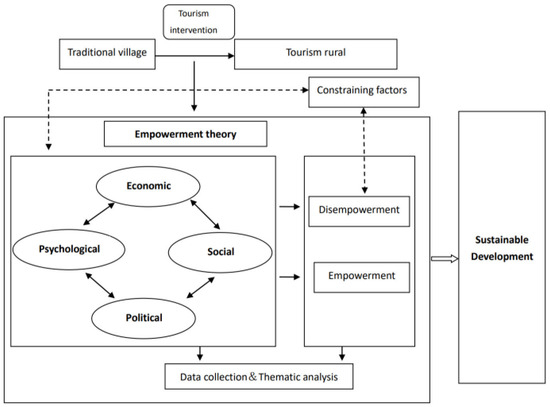
Disclaimer/Publisher’s Note: The statements, opinions and data contained in all publications are solely those of the individual author(s) and contributor(s) and not of MDPI and/or the editor(s). MDPI and/or the editor(s) disclaim responsibility for any injury to people or property resulting from any ideas, methods, instructions or products referred to in the content. |
© 2026 by the authors. Licensee MDPI, Basel, Switzerland. This article is an open access article distributed under the terms and conditions of the Creative Commons Attribution (CC BY) license.