2.1. Literature Review
Against the backdrop of global low-carbon transition and persistently rising CPU, a growing body of scholarly literature has begun to examine the interconnections among CPU, investor sentiment, and systemic financial risk. The relevant research primarily encompasses the following dimensions.
First, studies investigating the contagion mechanisms of systemic financial risk. This stream of literature focuses predominantly on the nonlinear, asymmetric, and cyclical characteristics of risk spillovers among financial sub-markets [
1,
2], while concurrently exploring the heterogeneity of inter-industry risk contagion and the impact of extreme events on risk transmission [
3]. A subset of studies further examines risk spillovers under extreme conditions, noting that the contagion effect is substantially intensified under tail dependence structures [
4,
5] and that risk transmission exhibits networked characteristics [
6] as well as cross-country heterogeneity [
7,
8].
Second, research concerning the impact of CPU on systemic financial risk. Extant studies demonstrate the presence of significant risk spillovers between CPU and financial markets, with such shocks being particularly pronounced under extreme market conditions [
9], thereby constituting a crucial driver of volatility in energy and stock prices [
10]. The impact of policy uncertainty on financial sub-markets exhibits time-varying and heterogeneous properties, which may exacerbate systemic risk [
11,
12]. Moreover, CPU exerts a notable influence on systemic risk spillovers within global financial markets, and its incorporation into investment portfolios has been shown to enhance risk-adjusted returns [
13,
14].
Third, studies on the relationship between investor sentiment and systemic risk. As a significant branch of finance, behavioral finance centers on the irrational characteristics and intrinsic mechanisms underlying market participants’ investment decisions, with particular emphasis on delineating the pathways through which psychological and cognitive factors shape decision-making behavior. It provides a more realistic analytical framework for interpreting the operational features of actual financial markets. As a core element, fluctuations in investor sentiment can amplify risk contagion through channels such as risk perception and online public opinion [
9,
15]. Substantial market volatility triggered by extreme sentiment may surpass the self-regulating capacity of financial markets. In an environment characterized by close interconnections among financial markets, such volatility is readily transmitted and amplified across different markets via financial institutions, financial products, and related conduits, thereby inciting cross-market resonance and posing threats to financial stability [
16,
17].
Fourth, research on the application of machine learning in financial risk forecasting. Compared with traditional econometric models, machine learning techniques exhibit pronounced advantages in financial risk early warning systems, largely attributable to their superior nonlinear modeling capabilities. Relevant studies have constructed risk indices and employed a diverse array of machine learning models—including SCInet, DBN, XGBoost, and LSTM—for predictive analysis, thereby substantiating their superiority in capturing complex nonlinear relationships and enhancing both the accuracy and timeliness of early warning signals [
18,
19,
20,
21]. A portion of the literature further concentrates on the identification of risk transmission channels and the analysis of state-dependent heterogeneity, utilizing methodologies such as XGBoost-SHAP to disentangle critical risk transmission pathways under varying market regimes [
22,
23]. Additionally, some studies have leveraged ensemble modeling approaches to improve both in-sample and out-of-sample predictive performance [
24].
In summary, while extant research has extensively explored the contagion mechanisms of systemic financial risk and the respective associations of CPU and investor sentiment with financial risk, notable research gaps persist. First, CPU and investor sentiment have yet to be integrated into a unified analytical framework, and a systematic examination of the intrinsic mechanisms through which their synergistic interaction influences financial market risk remains lacking. Second, studies on tail risk in financial markets predominantly focus on single-market contexts or normal market regimes, leaving the heterogeneity of spillover effects among CPU, investor sentiment, and financial risk under extreme market conditions insufficiently addressed. Third, scarce research combines a quantile perspective with machine learning methodologies to achieve regime-specific, precise forecasting of financial market risk spillovers.
To address the aforementioned research gaps, this paper adopts a targeted methodological design. First, to overcome the limitations of existing studies in exploring the heterogeneity of risk spillovers under extreme conditions, this paper introduces the quantile vector autoregression (QVAR) model and integrates it with the spillover index method developed by Diebold and Yilmaz [
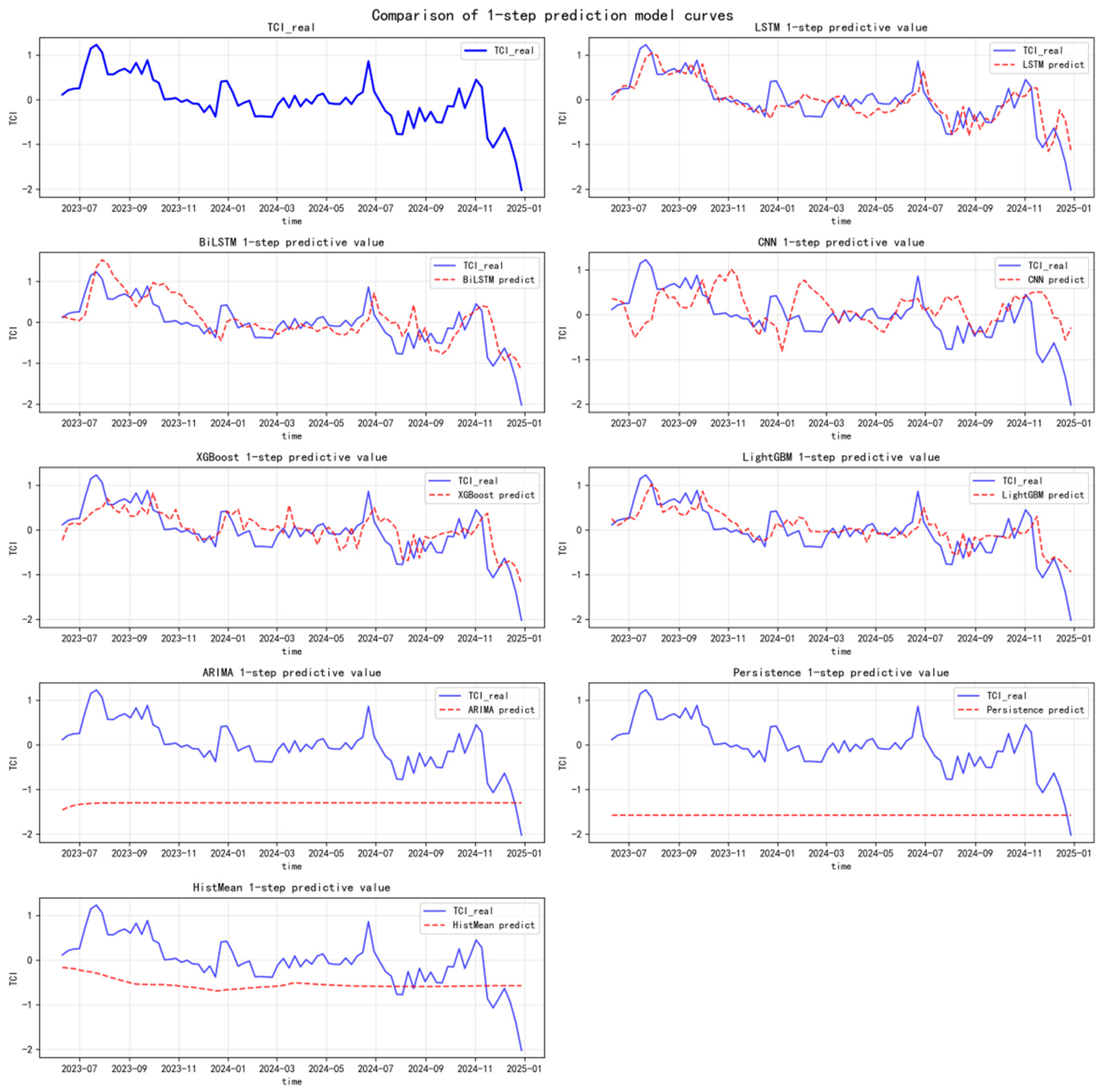
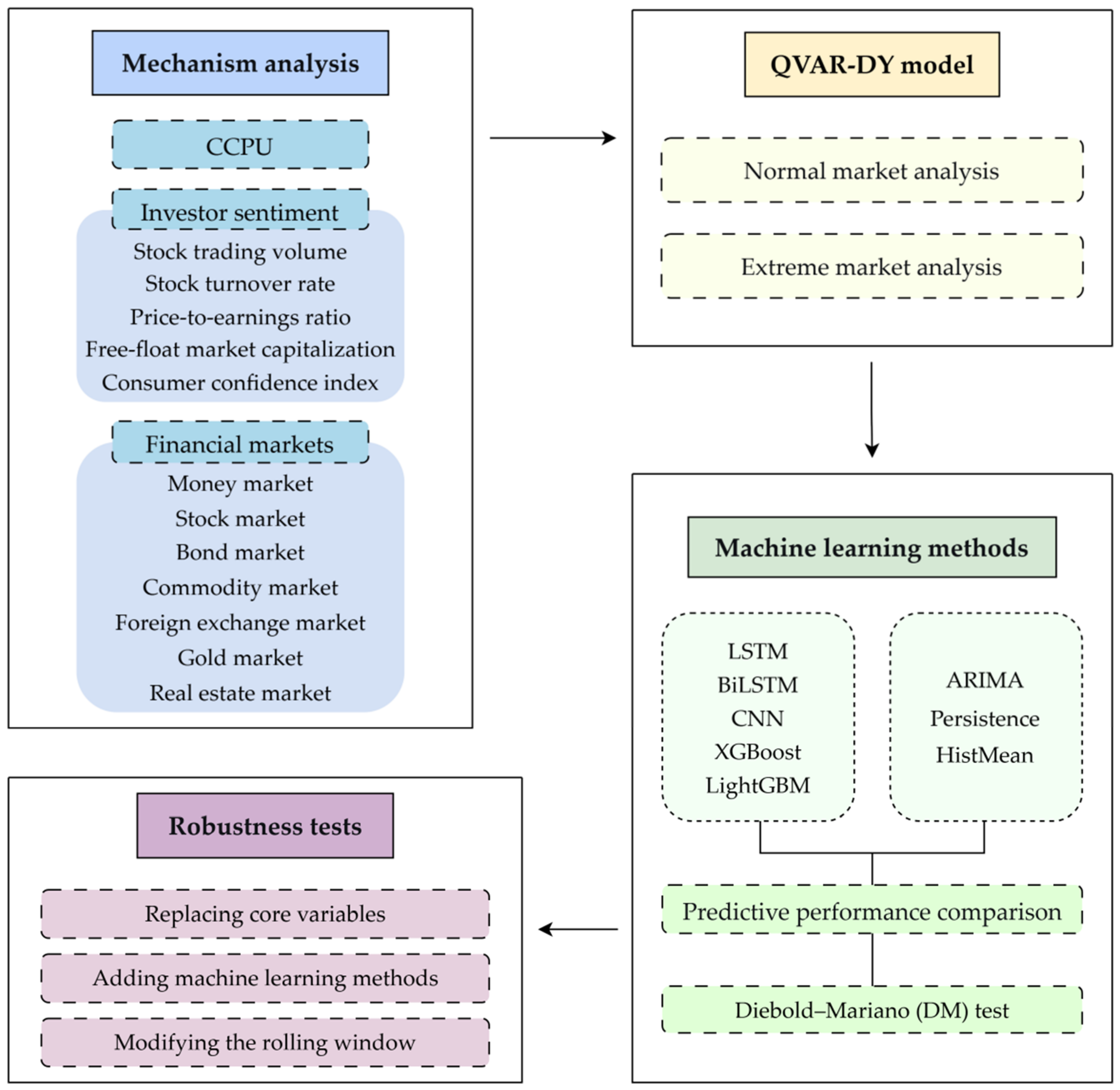
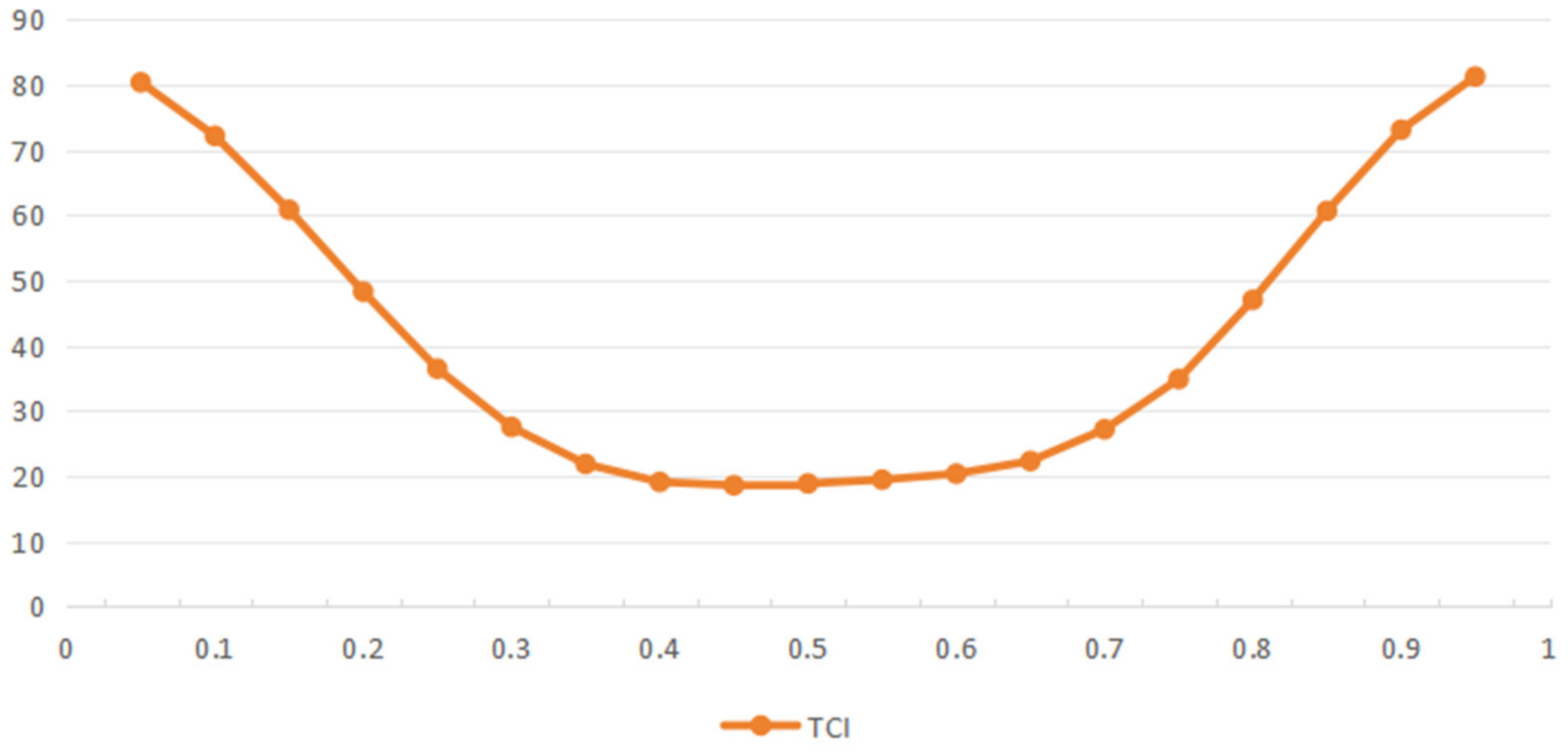
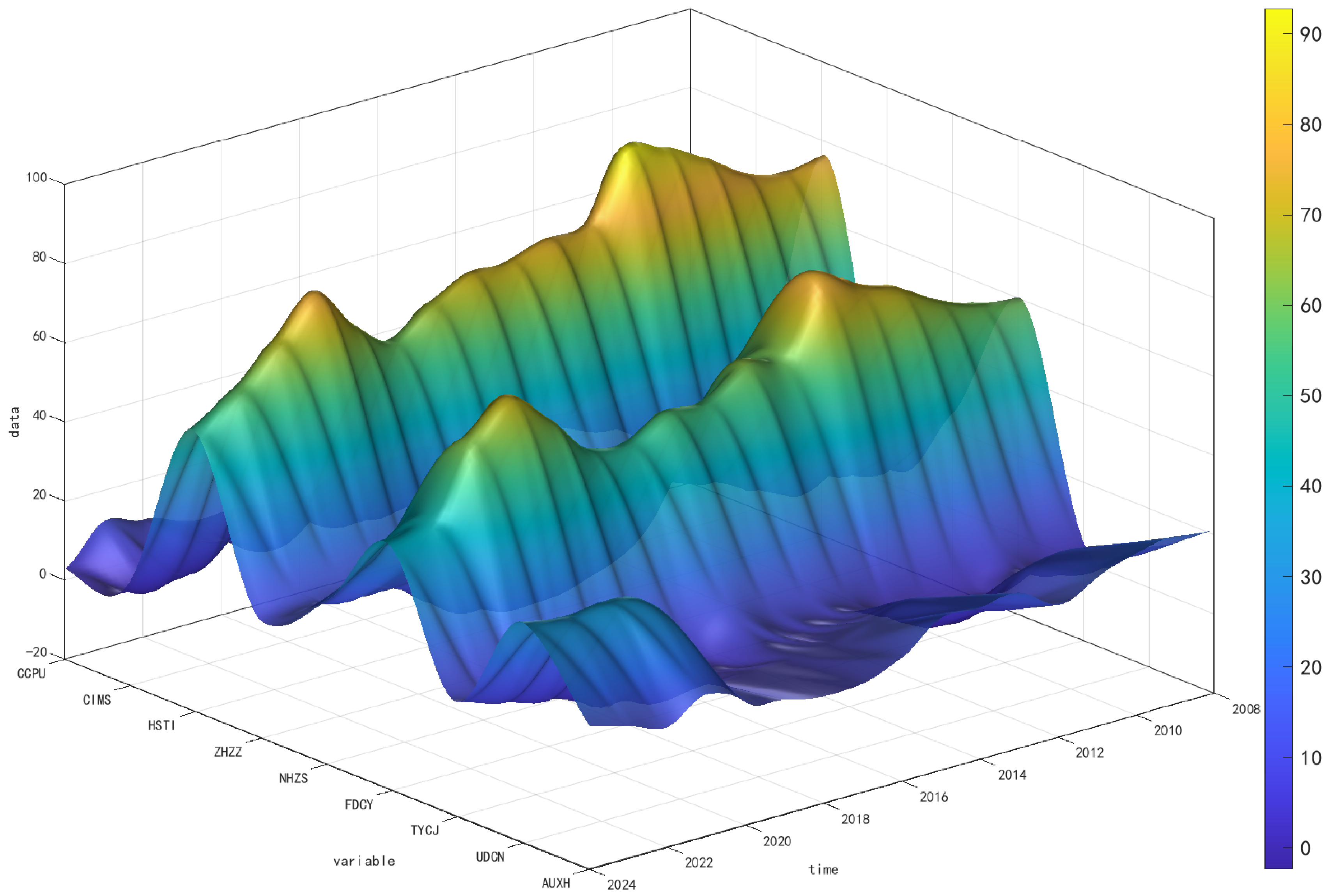
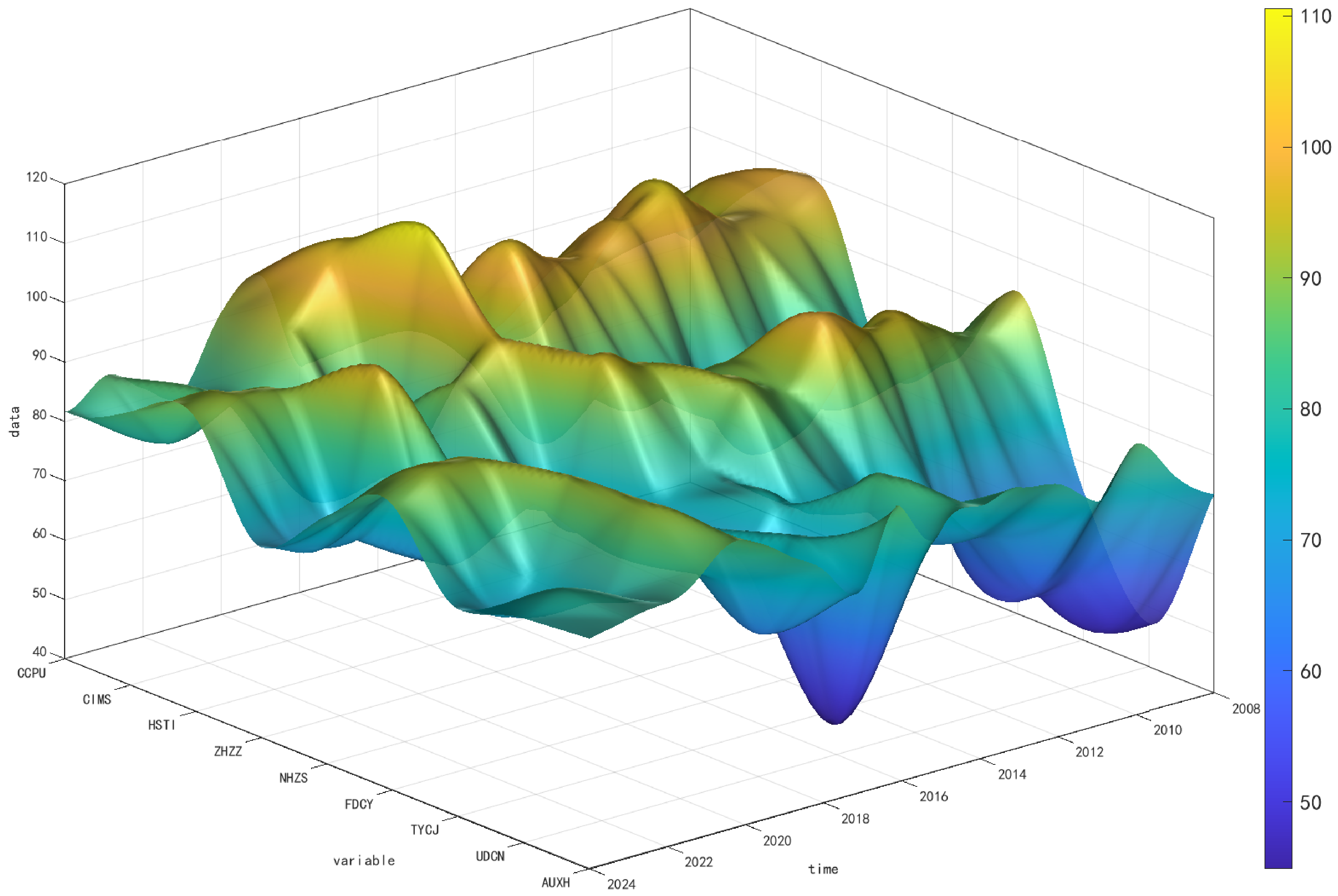
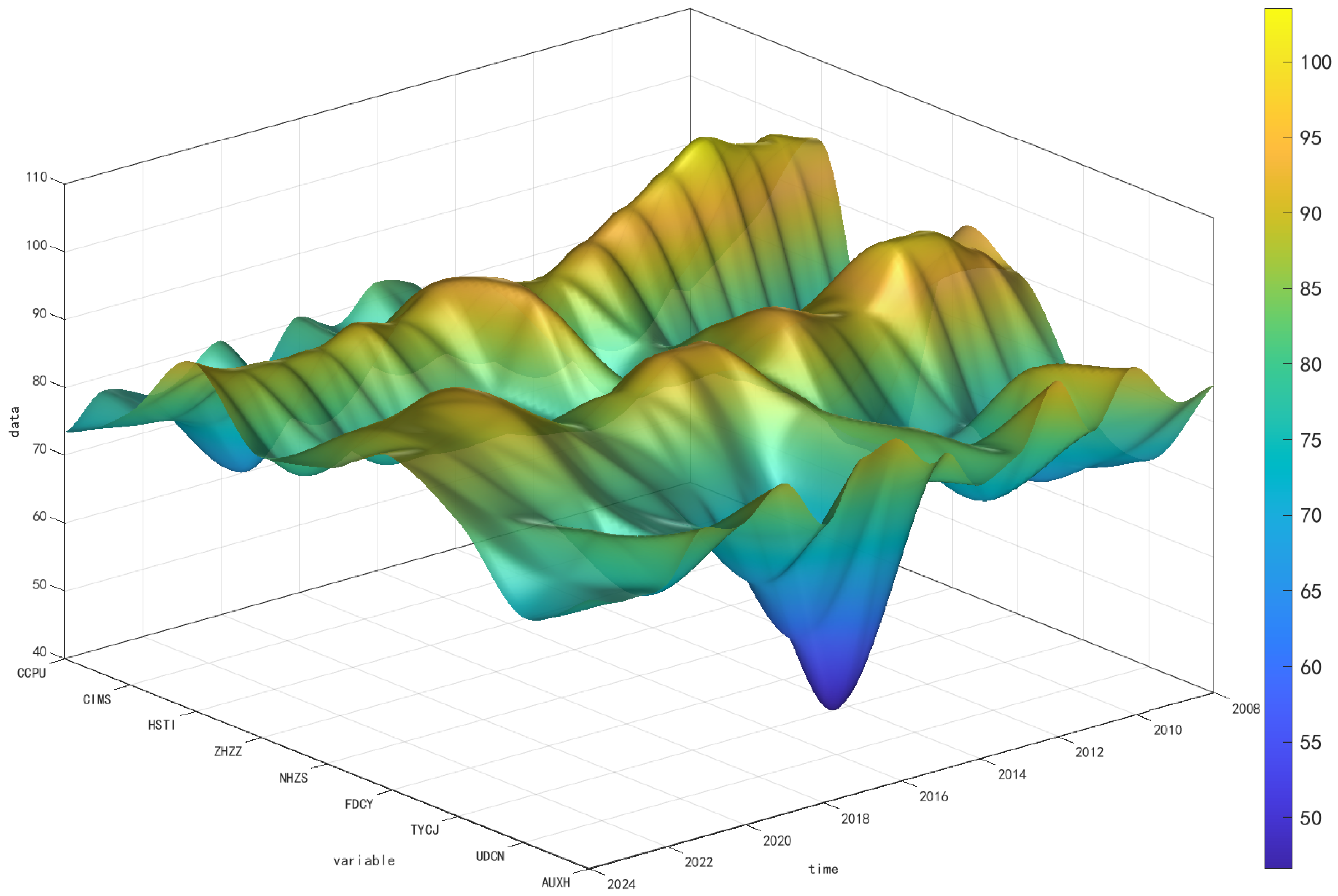
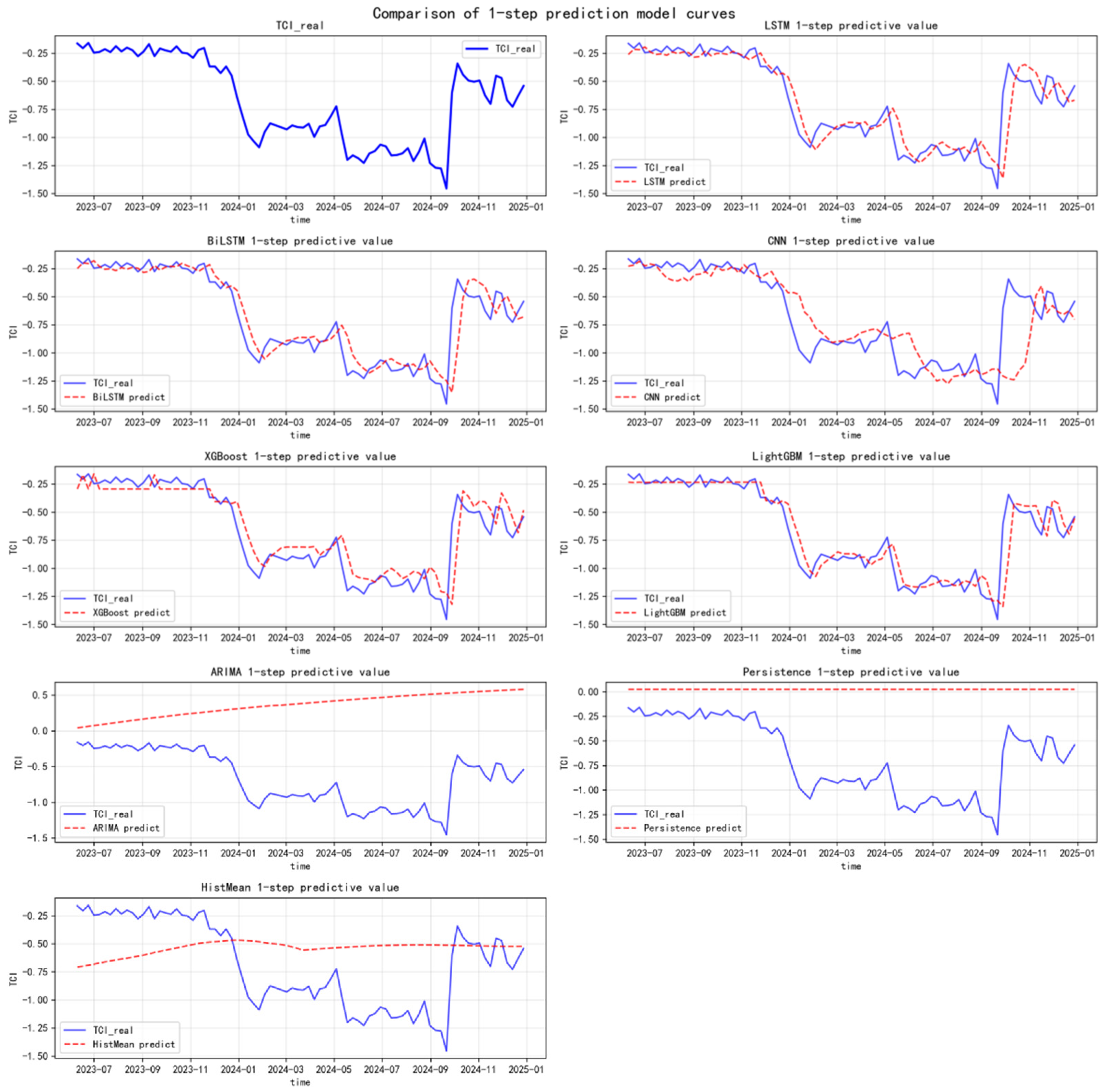
25] to construct time-varying spillover indices under different conditional quantiles. This approach overcomes the limitations of traditional mean regression models, which focus solely on conditional expectations, and flexibly captures the dynamic linkage structures of variables across different quantiles. Three representative quantiles—0.05, 0.50, and 0.95—are selected to precisely characterize the heterogeneous risk spillover effects of CPU and investor sentiment on the financial market system under market downturn, normal, and boom conditions, respectively. Second, in view of the limitations of traditional linear econometric models in capturing the complex nonlinear relationships among financial variables, this paper further introduces five machine learning models—Long Short-Term Memory (LSTM), Bidirectional LSTM (BiLSTM), Convolutional Neural Network (CNN), Extreme Gradient Boosting (XGBoost), and Light Gradient Boosting Machine (LightGBM)—and compares them with three benchmark models (ARIMA, Persistence, and HistMean) to fit and predict the level of risk spillovers under different quantile conditions. This design aims to leverage the nonlinear mapping capabilities of machine learning to improve the accuracy and timeliness of risk spillover predictions under extreme conditions, thereby providing methodological support for the construction of a forward-looking financial risk early warning system.
Adopting a dual perspective encompassing both time and frequency domains, and incorporating risk spillover analysis across distinct quantiles, this paper comprehensively investigates the impact of CPU and investor sentiment on volatility spillovers within financial markets, thereby deepening the understanding of systemic financial risk. The marginal contributions of this paper are primarily manifested in the following aspects. First, by integrating CPU and investor sentiment into a unified analytical framework and constructing a quantitative investor sentiment index, this study systematically elucidates the transmission mechanisms and influence pathways through which their synergistic interaction affects systemic financial risk, thereby addressing the limitation of isolated analysis prevalent in the existing literature. Second, based on an examination of seven financial sub-markets in China—including the money market, stock market, and bond market—this research reveals, at the macro level, the regularities and pathways of cross-market risk contagion within the financial system, and clarifies the role positioning of distinct financial sub-markets in risk transmission. Third, employing the QVAR-DY model from a conditional quantile perspective, this study conducts an in-depth analysis of the heterogeneous characteristics of risk spillover effects among CPU, investor sentiment, and financial markets under both normal and extreme market regimes, thereby delineating the patterns of risk transmission under extreme events and major policy shocks. Fourth, this study innovatively introduces five machine learning models—LSTM, BiLSTM, CNN, XGBoost, and LightGBM—into the prediction of risk spillovers in financial markets. Three benchmark models, namely ARIMA, Persistence, and HistMean, are also included for comparison. This design enables a systematic analysis of the optimal prediction model selection under different market conditions, thereby providing a novel methodological reference for financial risk early warning.
Figure 1 illustrates the methodological scheme of this study.
2.2. Theoretical Mechanisms
CPU exerts a systemic impact on financial markets through a multi-layered transmission process involving real enterprises, investor behavior, financial institutions, and market linkages, with each layer interacting and amplifying the others. At the real enterprise level, rising CPU makes it difficult to anticipate key parameters such as the stringency of carbon emission constraints, carbon pricing levels, and green technology standards. High-carbon enterprises, by delaying low-carbon technology upgrades, face a passive accumulation of carbon cost exposure, while green enterprises encounter the risk of stalled capacity expansion due to unclear timelines for subsidy phaseouts. Together, these factors increase corporate earnings volatility and credit default risk, forming the micro-level origins of risk spillover [
10]. At the investor behavior level, unclear policy pathways exacerbate information asymmetry and divergent expectations in the market. Investors struggle to accurately assess the differential impacts of policies on cash flows across industries, diminishing the effectiveness of fundamental analysis and making trading behavior more susceptible to noise signals. Under optimistic sentiment, green assets form valuation bubbles; under pessimistic sentiment, high-carbon assets suffer irrational discount selling. Both types of mispricing amplify asset price volatility and transmit single-market fluctuations to other submarkets through cross-market asset rebalancing [
9].
At the financial institution level, banks tend to raise risk premiums and tighten credit standards during periods of high policy uncertainty, worsening external financing conditions for enterprises and creating a negative feedback loop. Meanwhile, financial institutions holding large amounts of climate-sensitive assets may be forced to initiate programmatic selling during extreme volatility, triggering concentrated sell-offs and accelerating risk accumulation within the financial system. At the market linkage level, risk transmission networks form across submarkets through cross-market capital flows, the interconnectedness and nesting of financial products, and investors’ cross-asset rebalancing. A liquidity shock in one market can rapidly spread to related markets such as money, bond, and foreign exchange markets, ultimately evolving into a systemic risk resonance across markets and assets [
1,
2]. Notably, the above transmission mechanisms exhibit significant heterogeneity across different market states. During normal periods, risk spillover is primarily driven by fundamental linkages and transmission is relatively moderate. In extreme states, the simultaneous occurrence of concentrated corporate default exposure, sharp divergence in investor expectations, concentrated selling by financial institutions, and liquidity resonance across markets gives rise to pronounced nonlinear amplification effects, with the intensity and speed of risk spillover far exceeding normal levels [
4,
5]. This heterogeneity provides the theoretical basis for adopting a conditional quantile approach to examine risk spillovers across different states. Based on this, the following hypothesis is proposed:
Hypothesis 1. Significant mutual risk spillover effects exist among CPU, investor sentiment, and financial submarkets, and the total spillover level under extreme market states is significantly higher than that under normal market states.
Existing literature has confirmed a bidirectional interactive relationship between investor sentiment and risk spillover. On the one hand, investor sentiment positively amplifies risk spillover through irrational trading behavior, cross-market sentiment contagion, and positive feedback mechanisms. Optimistic sentiment drives investors to excessively chase assets favored by policy, inflating valuation bubbles; pessimistic sentiment triggers panic selling and liquidity crises; and positive feedback loops continuously amplify the intensity of risk spillover [
15]. On the other hand, risk spillover in turn shapes investor sentiment. Extreme market volatility and asset crashes constitute strong external information shocks, sharply altering investors’ risk perceptions and confidence levels. The spread of cross-market risk intensifies investors’ concerns about systemic crises, leading to heightened panic and subsequent selling, thereby forming a negative feedback spiral [
16,
17]. Rising volatility itself is also interpreted by investors as a signal of heightened uncertainty, further shrinking risk exposure under the framework of ambiguity-averse decision-making. The two are not independent causal chains but rather an intertwined, mutually reinforcing dynamic spiral. Under normal conditions, the bidirectional interaction is anchored by fundamentals and remains within a moderate and controllable range; under extreme conditions, the bidirectional feedback intensifies significantly, giving rise to a nonlinear escalation process [
9]. Based on this, the following hypothesis is proposed:
Hypothesis 2. A bidirectional spillover relationship exists between investor sentiment and risk spillover, and the intensity of this bidirectional spillover is significantly higher under extreme conditions than under normal conditions.
The climate policy uncertainty index and investor sentiment vary across different market states, leading to significant differences in risk spillover. Under normal market conditions, information transmission is relatively smooth, investor expectations are primarily anchored by fundamentals, financial institutions adhere to conventional risk preferences, the roles of net risk exporters and net recipients remain relatively stable, and cross-market risk transmission is dominated by fundamental spillovers, with intensity remaining in a low range. Under market downturn conditions, negative shocks trigger a sharp rise in risk aversion, panic sentiment dominates trading, liquidity demand replaces value judgment as the primary driving force, corporate credit defaults become concentrated, financial institutions sharply contract credit, and concentrated asset sell-offs occur frequently. The interconnectedness among submarkets is greatly enhanced due to liquidity resonance, and some safe-haven assets may switch to become net risk exporters, leading to a shift in market roles and a significant amplification of risk spillover intensity [
11,
12]. Under market boom conditions, optimistic sentiment expands irrationally, investors excessively amplify expectations of policy benefits, and large-scale capital inflows drive asset prices to rise rapidly away from fundamental support. Low volatility on the surface may conceal the process of risk accumulation. Once expectations reverse or policy benefits fall short of expectations, the bursting of asset bubbles triggers sharp corrective reversals, and risk spillover effects also intensify significantly. In summary, the impact of CPU and investor sentiment on financial market risk spillover is not a simple linear relationship but exhibits nonlinear and asymmetric characteristics that vary with market states. Only by adopting a conditional quantile approach and examining risk spillovers across different states can a comprehensive characterization of the heterogeneous patterns of risk spillover under different market environments be achieved [
3,
6]. Based on this, the following hypothesis is proposed:
Hypothesis 3. The net spillover roles of different financial submarkets in the risk transmission network exhibit heterogeneity, and the roles of some submarkets may undergo directional shifts under extreme market conditions.