1. Introduction
Sulfur oxides (SOx), especially sulfur dioxide, are significant air pollutants emitted primarily from the combustion of fossil fuels, such as coal and oil [
1]. Sulfur dioxide forms when sulfur-containing compounds in these fuels react with oxygen during combustion. This reaction occurs at high temperatures, typically in industrial processes, including coal-fired power generation. The release of sulfur dioxide into the atmosphere contributes to several environmental and health issues, as it further reacts in the atmosphere to form sulfuric acid, leading to acid rain [
2]. Acid rain has detrimental effects on ecosystems, including soil degradation, water acidification, and harm to aquatic life [
3]. In addition, sulfur dioxide is a respiratory irritant that can affect the respiratory system and exacerbate conditions such as asthma, bronchitis, and other lung diseases, particularly in vulnerable populations [
4,
5].
In recent years, environmental regulations have become more stringent, forcing industries to reduce sulfur dioxide emissions to mitigate their impact on air quality and public health. Conventional methods of controlling sulfur dioxide emissions often involve post-combustion treatments, such as Flue-Gas Desulfurization (FGD), which removes sulfur dioxide from exhaust gases before release. However, these methods are often costly and may lack the flexibility to adjust in real time based on changing operational conditions [
6,
7]. Numerous studies have highlighted the potential of machine learning in addressing complex problems across various fields.
Machine learning has shown particular promise in environmental applications, especially in emissions prediction. AI models, such as those developed by So et al., have achieved high accuracy in predicting SOx and NOx emissions using deep neural networks (DNNs), with key input features including sulfur dioxide concentration, calorific value, and ignition point [
6]. Adams et al. built on this by integrating a DNN with least squares support vector machines (LSSVMs), focusing on influential factors such as coal and lime, achieving a coefficient of determination (R
2) of 0.8925 [
8]. Jiang et al. utilized a VGG16-based neural network to predict sulfur trioxide emissions, achieving an R
2 of 0.9 [
9]. These studies suggest the feasibility of machine learning in thermal power plants, highlighting its cost-saving potential and adaptability to operational changes.
In air quality management, Al_Janabi et al. [
10] used big data analytics to predict air pollutant concentrations. At the same time, Maltare et al. employed random forests to estimate air quality indices and improve urban pollution management [
11]. Kristiani et al. enhanced PM2.5 prediction accuracy by combining statistical feature selection with deep learning models [
12]. These models highlight the power of AI in addressing one of society’s most pressing challenges: air pollution.
In this study, we introduce an artificial neural network (ANN) model designed to predict SOx emissions in real time, incorporating crucial input parameters such as sulfur, total moisture, boiler efficiency, and operational settings to capture complex relationships within the combustion process. Using historical data from the Taichung Power Plant, this model achieved an R
2 value of 0.99, suggesting superior predictive performance. The ability to accurately forecast emissions based on pre-combustion parameters allows plant operators to dynamically adjust fuel input, airflow, and other operational variables, thereby aligning with regulatory standards and minimizing environmental impact [
6,
8].
The goal of this study is to demonstrate the application of an AI-driven predictive model for near-real-time SOx emissions management, providing a scalable solution to enhance operational efficiency, regulatory compliance, and environmental sustainability in coal-fired power plants [
13]. This study focuses specifically on emissions prediction in coal-fired power plants; therefore, the literature review emphasizes combustion processes and pollutant modeling.
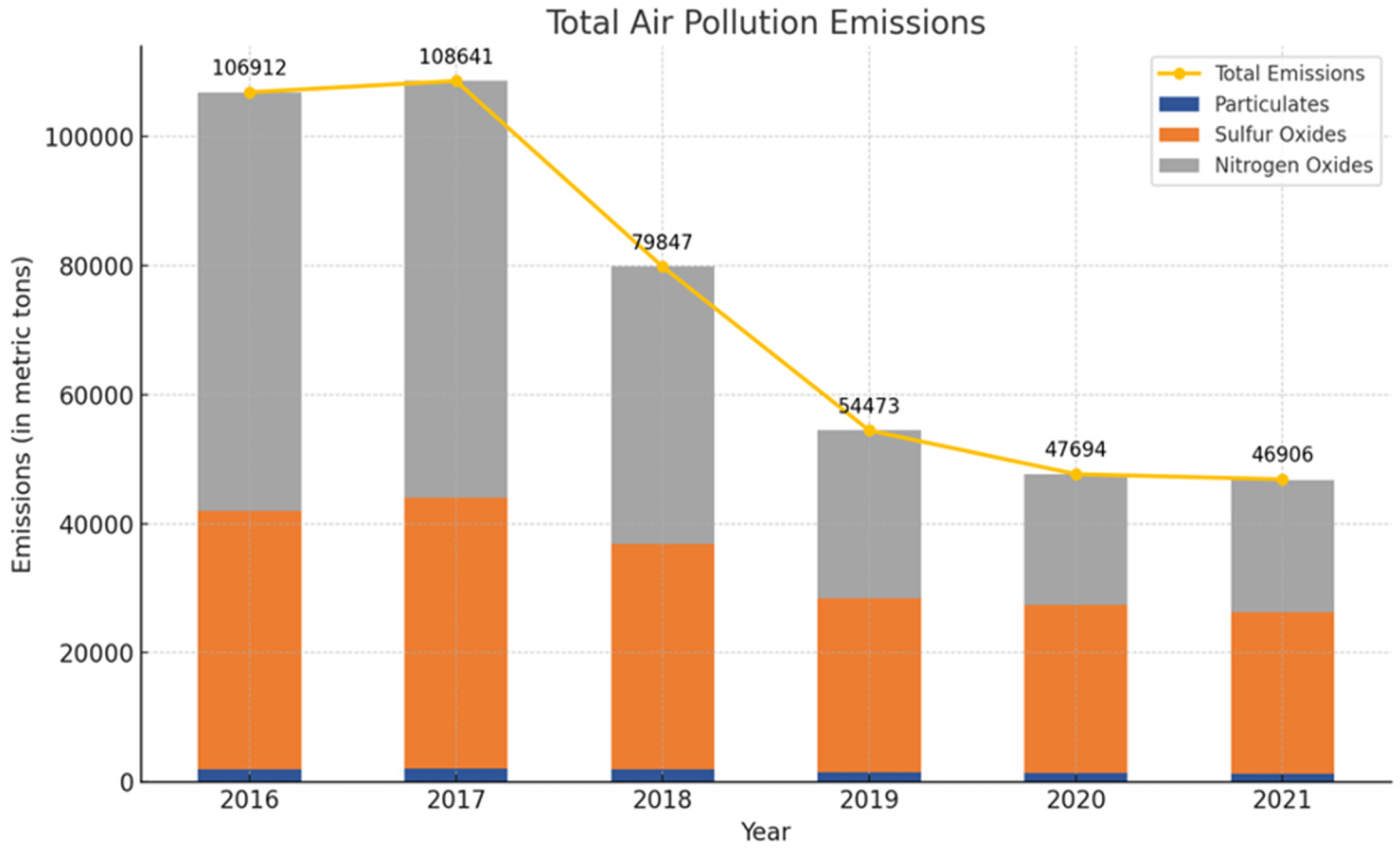
Figure 1 illustrates the trend in total air pollution emissions, including particulates, sulfur oxides (SOx), and nitrogen oxides (NOx), over several years. From 2016 to 2021, there was a clear downward trend in emissions, with total emissions decreasing from approximately 106,912 metric tons in 2016 to 46,906 metric tons in 2021. The decline was driven by reductions across all pollutant types, notably in sulfur dioxide and NOx emissions. This trend reflects the effectiveness of stricter regulations, advancements in emissions-control technology, and potentially the adoption of predictive models and other proactive measures to manage emissions at the source. The orange section of each bar represents particulate matter, which remains fairly consistent over the years, while the gray and blue sections represent nitrogen oxides and sulfur oxides, respectively, both of which show significant reductions.
Recent studies in the energy and environmental engineering domain have demonstrated the effectiveness of machine learning techniques in predicting emissions from coal-fired power plants. Models such as deep neural networks (DNNs), support vector machines (SVMs), and random forests (RFs) have been widely applied to capture nonlinear relationships among fuel properties, combustion conditions, and pollutant formation. These studies highlight the importance of feature selection and model interpretability in improving industrial adoption.
Despite the growing application of machine learning in emission prediction, several research gaps remain. First, many studies focus primarily on prediction accuracy while lacking interpretability and operational applicability. Second, few studies investigate the trade-off between model complexity and feature reduction for industrial deployment. Third, limited attention has been given to integrating predictive models with sustainability-oriented decision-making in real-world power plant operations.
To address these gaps, this study investigates whether an ANN-based model can accurately predict SOx emissions under varying operational conditions. It also examines the most influential operational parameters affecting SOx emissions and evaluates whether a reduced feature set can maintain predictive performance while improving computational efficiency.
Compared with existing studies, this research contributes by integrating feature attribution, feature reduction, and operational applicability into a unified framework, thereby enhancing both interpretability and practical value for sustainable industrial applications.
2. Materials and Methods
2.1. Data Acquisition
To fully improve the AI model’s accuracy, real-world data were collected and used for training. The main data source in this study was Unit 8 of the Taichung Power Plant in central Taiwan, which uses imported coal from various countries due to the island’s geographic limitations. To ensure stable combustion and meet environmental standards, both the coal properties and plant operating parameters are logged in the Coal Management and PI systems. Given the operators’ daily work cycle, coal properties are averaged into a single data point every 8 h, yielding 8 selected input features and approximately 8760 data entries for coal properties over 2019. Operating conditions are also recorded as a single data point every 8 h, resulting in approximately 4380 data entries.
To accurately capture SOx emissions under near-true combustion conditions, SOx sensors were strategically placed upstream of the Flue-Gas Desulfurization (FGD) unit, ensuring measurement of raw exhaust emissions before any environmental control equipment intervention. This placement allows for the recording of emissions directly resulting from combustion without the influence of post-combustion filtering systems. Additionally, to maintain data accuracy, the dataset was preprocessed to exclude anomalies, particularly values influenced by load-reduction operations or other irregularities, yielding data more reflective of actual SOx concentrations.
Table 1 presents the details of the data preprocessing and filtering procedure. The initial datasets consisted of approximately 8760 coal property records and 4380 operational data points collected at 8 h intervals. After aligning timestamps between the two data sources, 3462 matched samples were obtained.
Subsequent filtering steps were applied to improve data quality. Records with missing or incomplete values were first removed, followed by exclusion of non-steady-state operating conditions. Additional filtering was performed to eliminate abnormal sensor readings based on operational logs. Finally, statistical outliers were removed using a ±3 standard deviation criterion.
After all preprocessing steps, 919 high-quality samples were retained for model development. This structured filtering process ensures data consistency and reliability, although it may bias the dataset toward stable operating conditions.
As shown in
Table 1, the excluded data exhibit greater variability and are primarily associated with abnormal or transient operating conditions. In contrast, the retained dataset maintains consistent statistical properties across key variables, indicating that the data-cleaning process preserves the dominant operational regime. The differences in mean values are limited and do not suggest a systematic shift in data distribution, implying that the risk of introducing selection bias is minimal. These excluded samples are not representative of normal plant operation and would otherwise introduce noise into the model training process rather than meaningful predictive patterns.
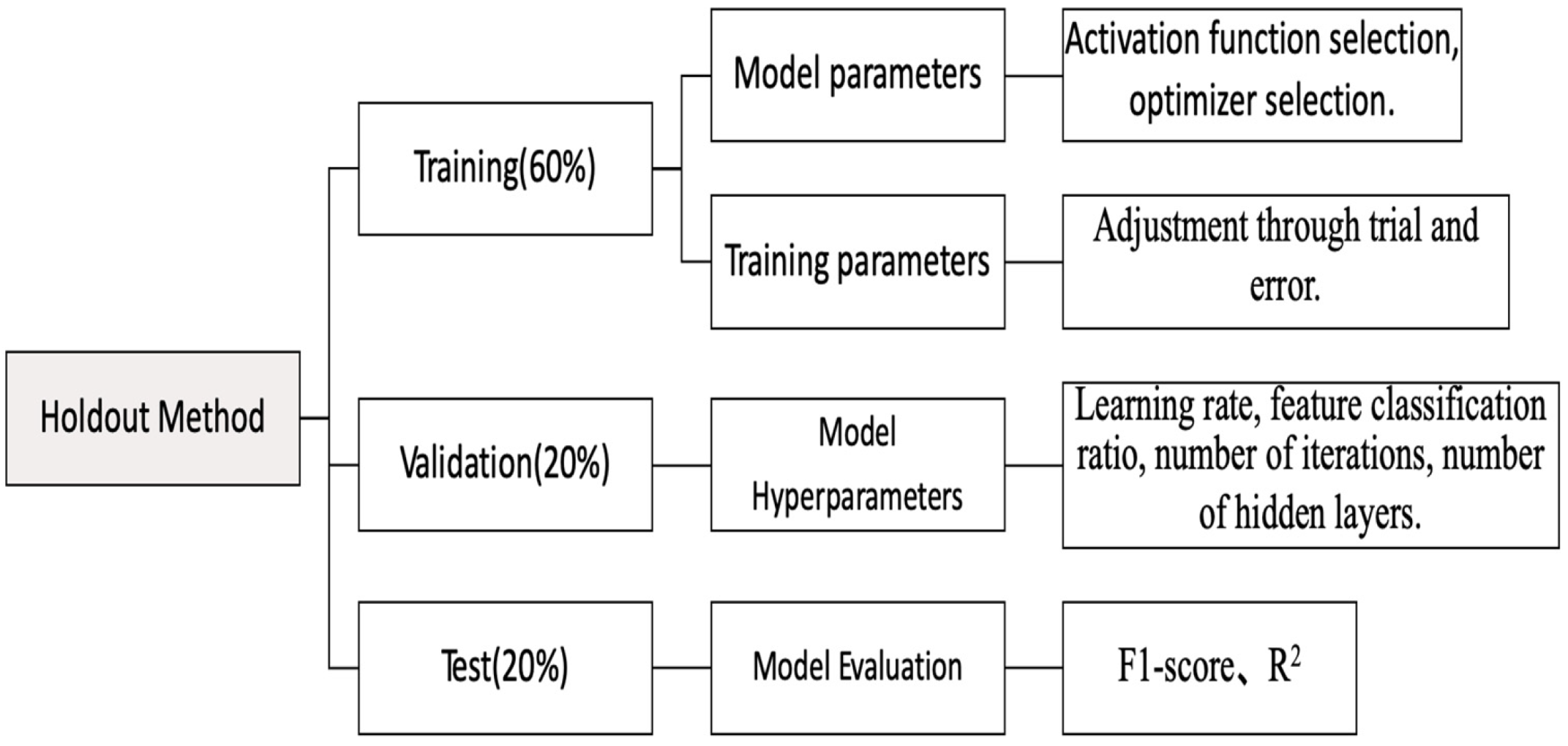
The study’s dataset was divided into three main subsets: Training, Testing, and Validation sets, with a 60:20:20 ratio, a common practice in machine learning studies. The Training set was used for initial model training and parameter tuning, allowing adjustments to the optimizer, activation functions, and other key parameters. The Validation set was employed to fine-tune hyperparameters, including the number of hidden layers, learning rate, and number of iterations, through iterative testing. Typically, a continuous feedback loop between the Training and Validation sets is used to optimize these settings. The Testing set, however, was reserved for final model evaluation, providing an unbiased assessment of the model’s predictive performance.
After data cleaning, a total of 919 usable entries were obtained from an initial 1095, resulting in approximately 84% data usability. This cleaned dataset was split into 551 entries for training, 184 for testing, and 184 for validation.
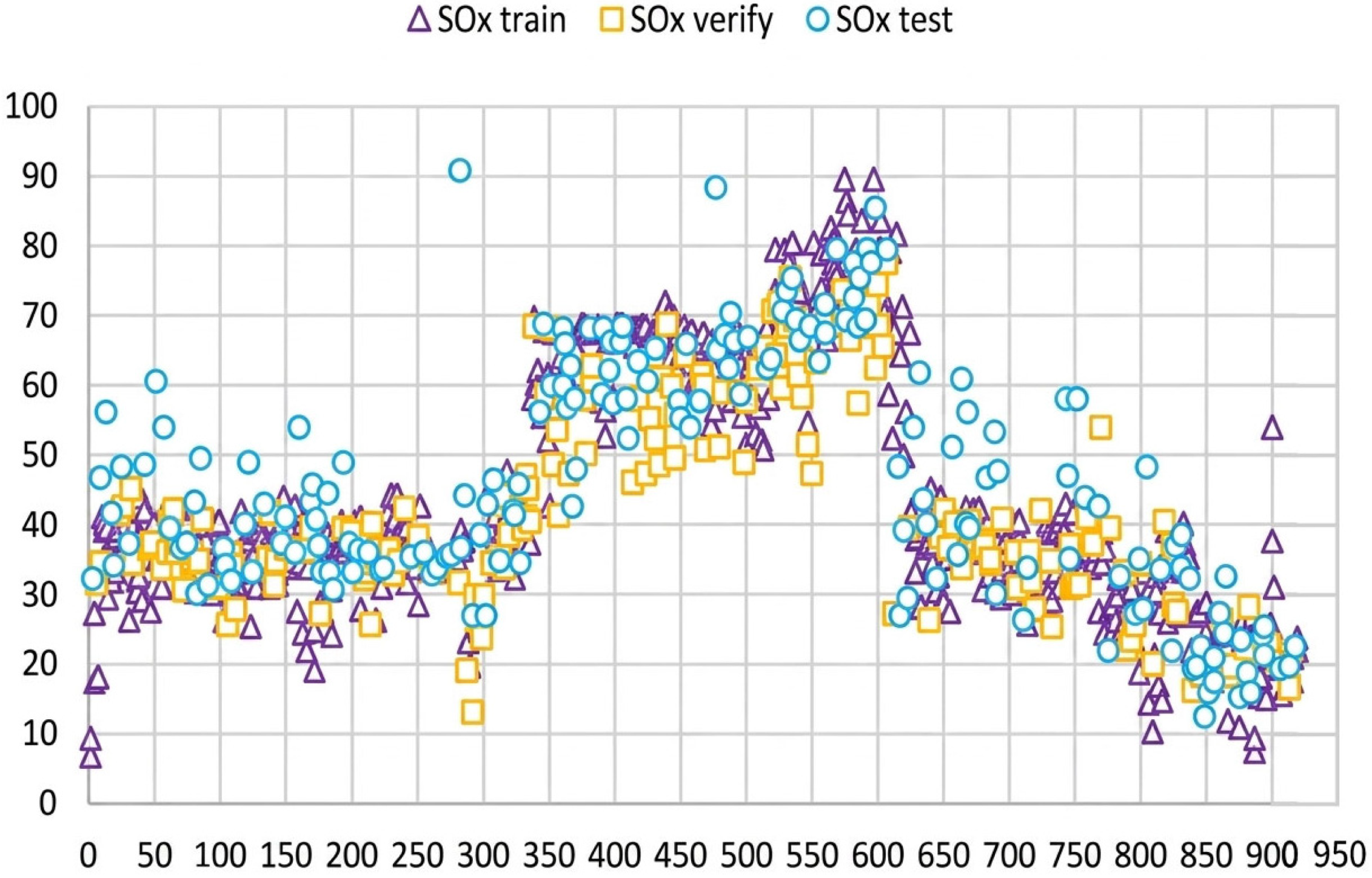
Figure 2 shows the distribution of random data: training data is marked with purple triangles, validation data with orange squares, and test data with blue circles. This random sampling ensures a well-balanced dataset, supporting optimal model performance aligned with the study’s objectives. The model is valid within the operating range of the dataset used for its development. Specifically, key variables such as sulfur content, coal feed rate, and air flow are constrained within the observed ranges in the dataset. Predictions beyond these ranges may introduce uncertainty and should be interpreted with caution.
2.2. Feature Importance
Previous studies have shown that selecting crucial features during model training is critical for improving model accuracy [
3]. Key parameters such as sulfur and combustion efficiency are prioritized in emission models for their high predictive value [
14]. Based on the acquired data and subsequent analysis, 12 input features were identified that have a relatively high impact on the SOx output level. These inputs were filtered and used with the aim of optimizing the neural network model’s predictive accuracy. These features include critical coal characteristics and boiler parameters that influence sulfur oxide (SOx) emissions. Specifically, sulfur, fuel ratio, ash, volatile matter, calorific value, fixed carbon, total moisture, grinding rate, total airflow, excess air, coal feed rate, and boiler efficiency were selected.
In contrast, sulfur content directly affects sulfur dioxide output, while volatility affects emission variability. Boiler efficiency and air supply impact the combustion process and oxidation levels. Together, these inputs provide a comprehensive foundation for accurate predictions of sulfur oxides. Feature importance analysis highlights the most influential variables for predicting sulfur oxide emissions. This analysis helps refine the model by focusing on the most impactful predictors, thereby improving both its accuracy and transparency. This combination of features aligns with previous studies highlighting the importance of specific coal and operational attributes in emissions prediction models [
15,
16].
To better understand the influence of input variables on SOx emissions, a feature importance analysis was conducted based on the trained artificial neural network model. Instead of relying on model-agnostic interpretation methods, this study adopts a connection-weight-based approach to estimate the relative contribution of each input feature.
Specifically, the importance of each input variable was quantified by analyzing the connection weights between the input, hidden, and output layers. The relative importance scores were normalized to facilitate comparison across features. This approach enables the identification of dominant factors influencing SOx emissions while maintaining consistency with the ANN model’s internal structure.
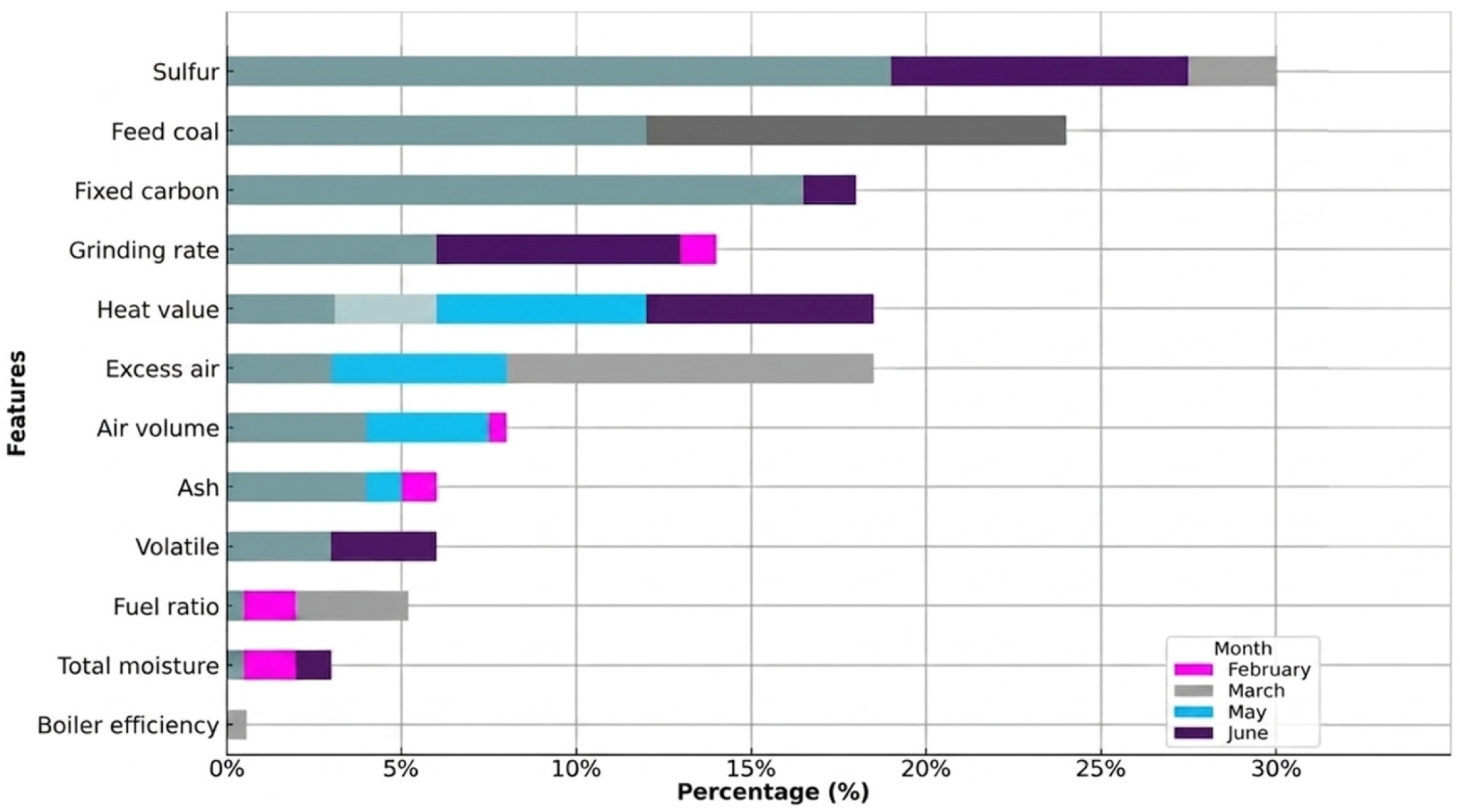
Figure 3 presents the normalized importance scores of all input features. The chart clearly shows how each feature’s influence is distributed across different months. For instance, certain features (such as Sulfur, Feed coal, Fixed carbon, grinding rate, Heat value, and Volatile) have a high level of influence in June (represented by deep purple), while others have a greater impact in May (represented by cyan) or February (represented by pink). This indicates significant monthly variability, suggesting that different operational or environmental conditions may dominate the influence of specific features during different months.
The results indicate that sulfur content is the most influential factor, followed by operational parameters such as coal feed rate and grinding rate. This finding is consistent with the underlying combustion mechanism, in which sulfur content directly determines the potential for sulfur oxide formation.
It should be noted that the reported importance scores reflect relative contributions within the trained model and do not represent absolute causal effects. Therefore, the results should be interpreted as indicative rather than definitive.
3. Artificial Neural Network
Artificial Neural Networks (ANNs), also known as neural networks, are computational models inspired by the human brain. They use artificial neurons as the basic units, forming a network that processes input signals. Each neuron in the network receives signals and uses a threshold (or activation) function to determine whether to activate (fire). The output from one neuron is then quickly transmitted to the next neuron, creating a chain of signal propagation through layers. This layered calculation process is what defines an artificial neural network [
17]. ANNs are frequently used in power plant emissions models, with studies showing their capability to achieve high predictive accuracy for pollutants, including SOx [
18,
19].
Compared to tree-based models (e.g., Random Forest, XGBoost), ANN provides greater flexibility for modeling complex, continuous, nonlinear interactions among combustion variables, which is critical for capturing dynamic emission behavior.
The ANN model was selected for its strong ability to capture the nonlinear relationships inherent in combustion processes. Compared to traditional regression models, ANN can effectively model complex interactions among multiple operational variables, making it suitable for emission prediction tasks.
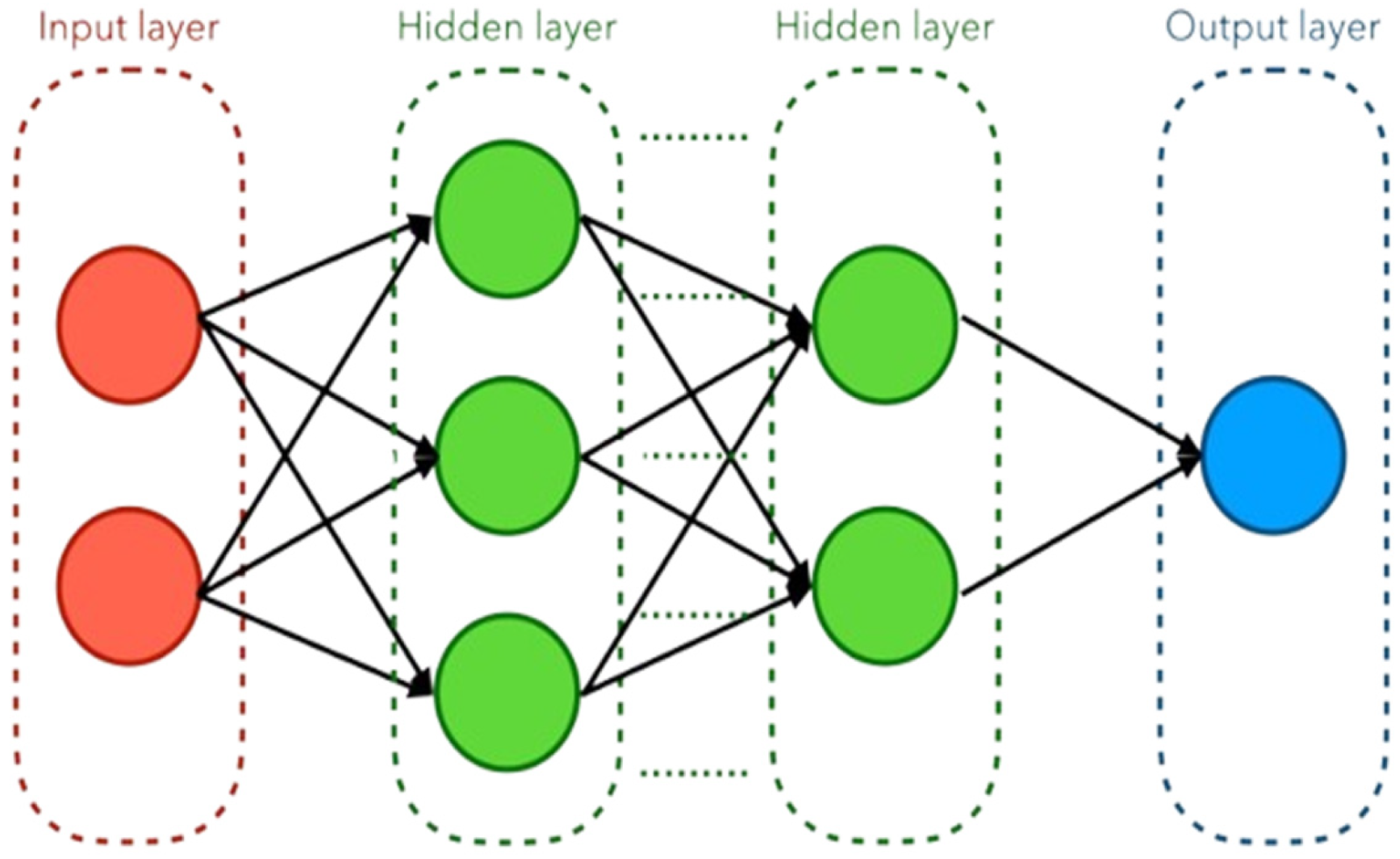
In this study, we use a feedforward neural network architecture with three types of layers: an input layer, hidden (intermediate) layers, and an output layer. The hidden layers can consist of one or more layers and are the main part of the model responsible for computations. The structure of these layers and the number of neurons in each layer determine whether the model employs a depth-based (deep learning) or breadth-based learning approach [
17]. A deep learning approach was used with multiple layers and fewer neurons per layer.
Figure 4 shows the layer structure of the model employed in this study.
As shown in
Figure 4, the input layer receives variables crucial to sulfur oxide formation, which are fed as inputs. These data are processed through multiple hidden layers, where complex interactions and nonlinear patterns are learned. The output layer then predicts sulfur oxide emissions, allowing us to monitor environmental impacts under different operational scenarios.
The detailed architecture of the artificial neural network is presented in
Table 2. The model consists of six hidden layers with progressively fewer neurons to capture nonlinear relationships while reducing model complexity. The hyperbolic tangent (Tanh) activation function was applied to all hidden layers to introduce nonlinearity, while a linear activation function was used in the output layer for continuous SOx prediction.
L2 regularization was applied to all hidden layers to mitigate overfitting by penalizing large weights. The network parameters, including the number of layers and neurons, were selected based on empirical testing to achieve a balance between model accuracy and generalization performance.
The model was trained for 1080 iterations with a learning rate of 1 × 10⁻⁸. Although the learning rate is relatively low compared to typical configurations, it still provides stable convergence behavior on this dataset. The training process was monitored to ensure convergence without significant oscillation.
The model was implemented using Python’s Scikit-learn library [
20]. During training, the data was split into 60:20:20 as mentioned. We selected the hyperparameters through empirical testing to achieve stable, consistent performance. The model was structured with 6 hidden layers, using the Tanh activation function and L2 regularization to prevent overfitting. The learning rate was set to 1 × 10
−8 after empirical testing to ensure stable convergence and prevent oscillation during training. Although this value is relatively small compared to conventional settings, it was found to provide more stable training behavior for this dataset. The training process exhibited stable convergence, with no significant divergence during iterations, indicating that the selected hyperparameters were appropriate for this study. Future work will include systematic hyperparameter tuning (e.g., grid search or Bayesian optimization) to further optimize model performance.
Figure 5 displays the dataset allocation in different sections during the training session. The dataset is not strictly monotonic over time due to varying operating conditions; therefore, random splitting was adopted to ensure representative sampling across different operational states.
As shown in
Figure 5, model performance was evaluated using Mean Absolute Error (MAE), Root Mean Square Error (RMSE), and the coefficient of determination (R
2), which measure the model’s accuracy. These statistical functions are defined in Equations (1)–(3), where
yi is a random variable,
y is the arithmetic mean of the true values in the dataset, and
is the model’s predicted value [
21,
22]. The model’s error was reduced through backpropagation, while the validation step ensured generalization. The metrics were used to assess model performance. The R
2 value consistently exceeded 0.90, indicating strong predictive accuracy.
To improve reproducibility and provide a clearer overview of the model configuration, the key architectural and implementation details of the proposed ANN are summarized in
Table 3. No GPU acceleration was required due to the relatively small dataset size and model complexity.
4. Model Results
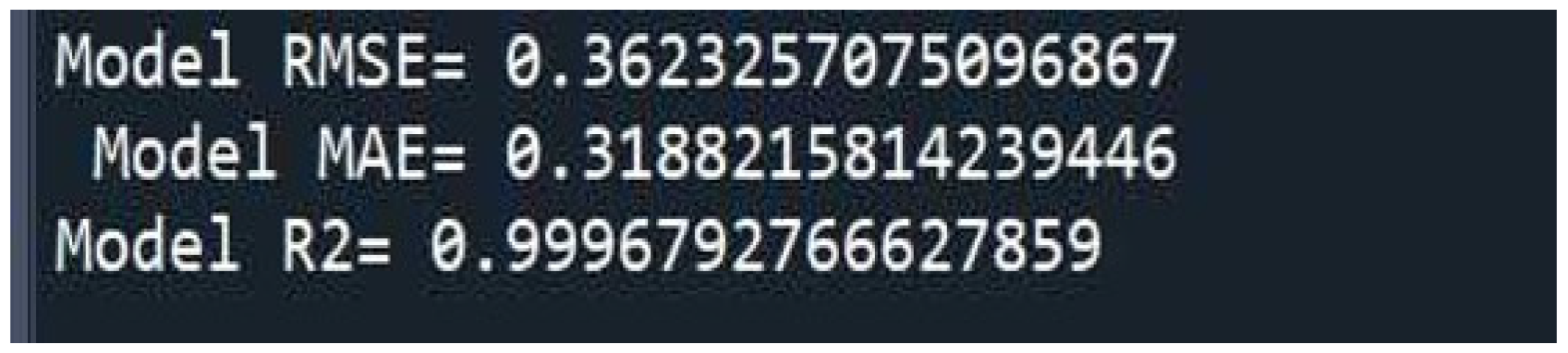
Figure 6 displays the model’s training results, measured by several metrics across several training sessions.
As shown in
Figure 6, our model achieved an impressive R
2 value of 0.99, indicating high accuracy in predicting sulfur oxide emissions. This result highlights the model’s ability to capture complex relationships within the sulfur oxide formation process, making it highly effective for environmental monitoring and control.
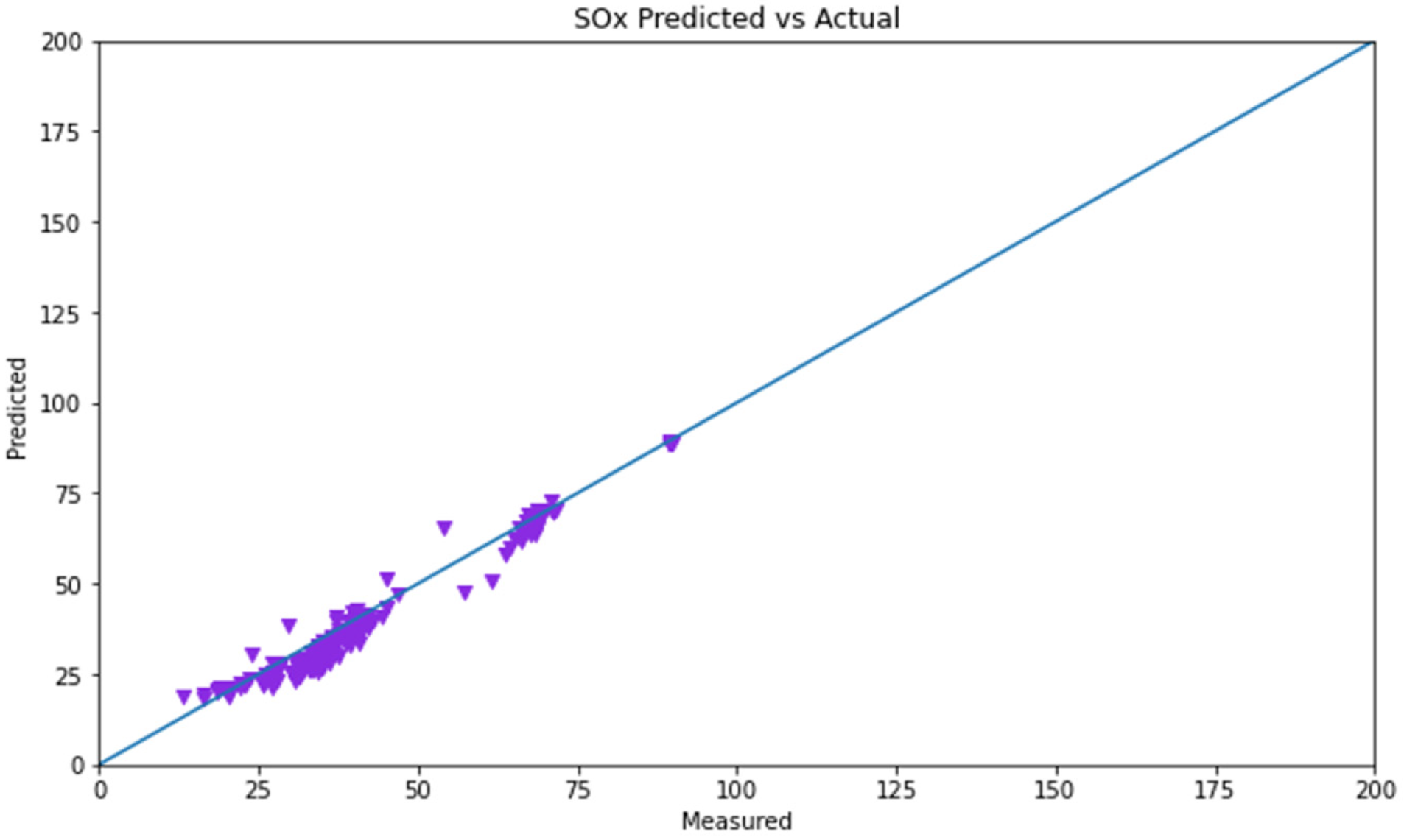
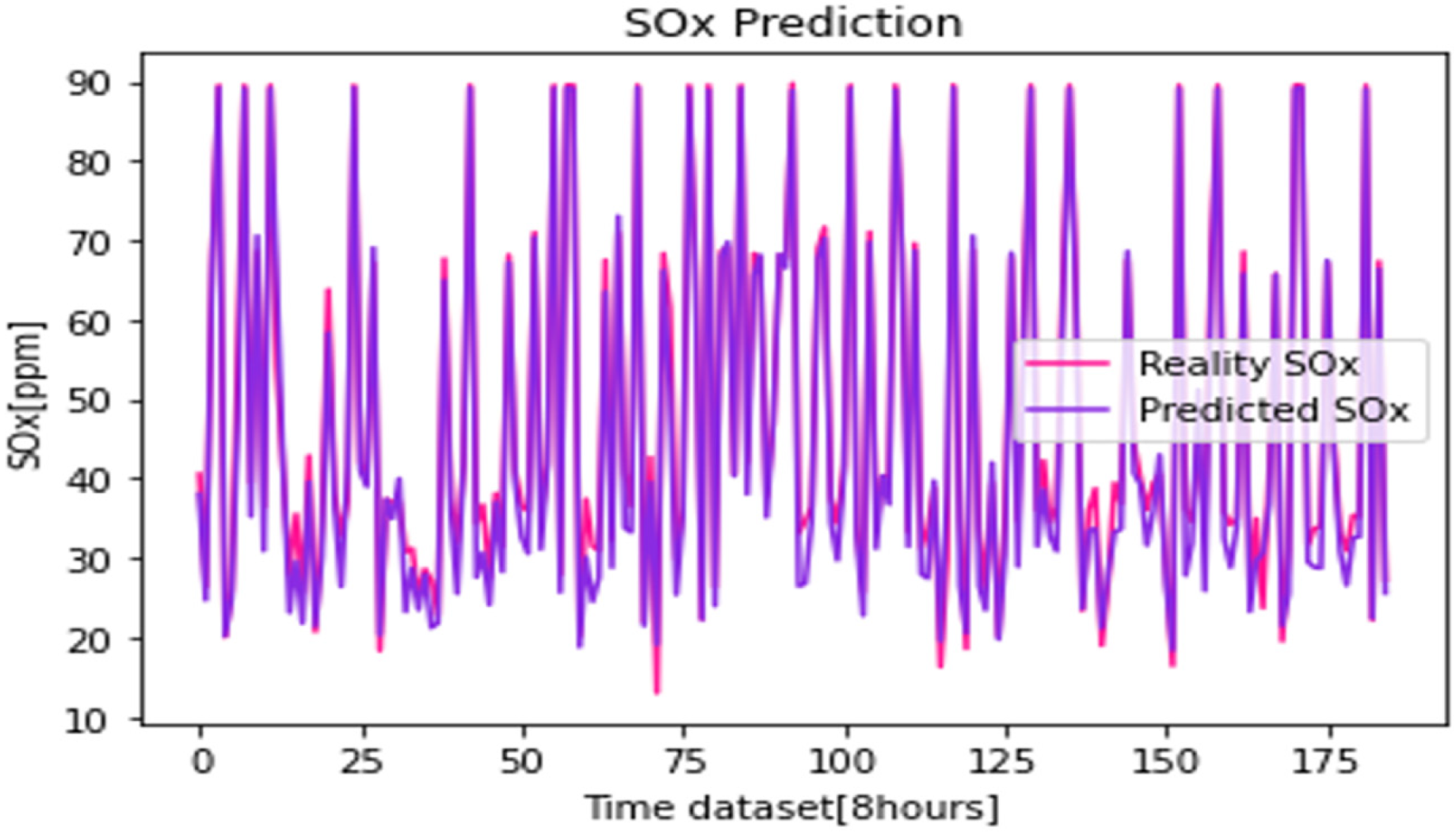
To evaluate the model’s performance under practical conditions, we examine the performance evaluation plots for the predicted results after training, as shown in
Figure 7 and
Figure 8. These figures present the regression scatter plot and the trend line plot, respectively.
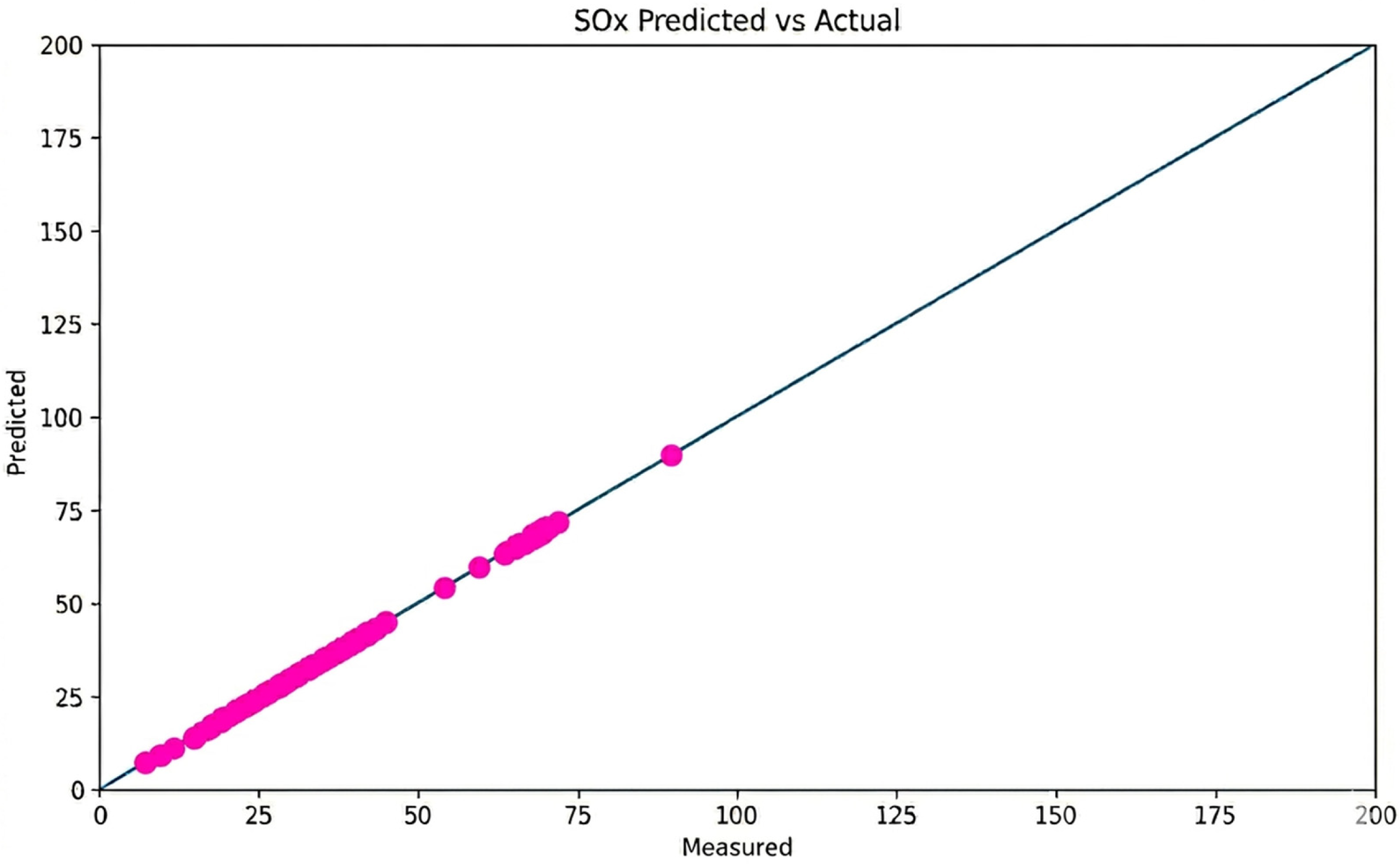
Figure 7 shows the regression scatter plot, with the horizontal axis representing the actual SOx values and the vertical axis representing the predicted SOx values. The blue diagonal line indicates the regression line, and the purple dots show the distribution of predicted values. The closer the dots to the regression line, the better the model’s prediction performance.
In
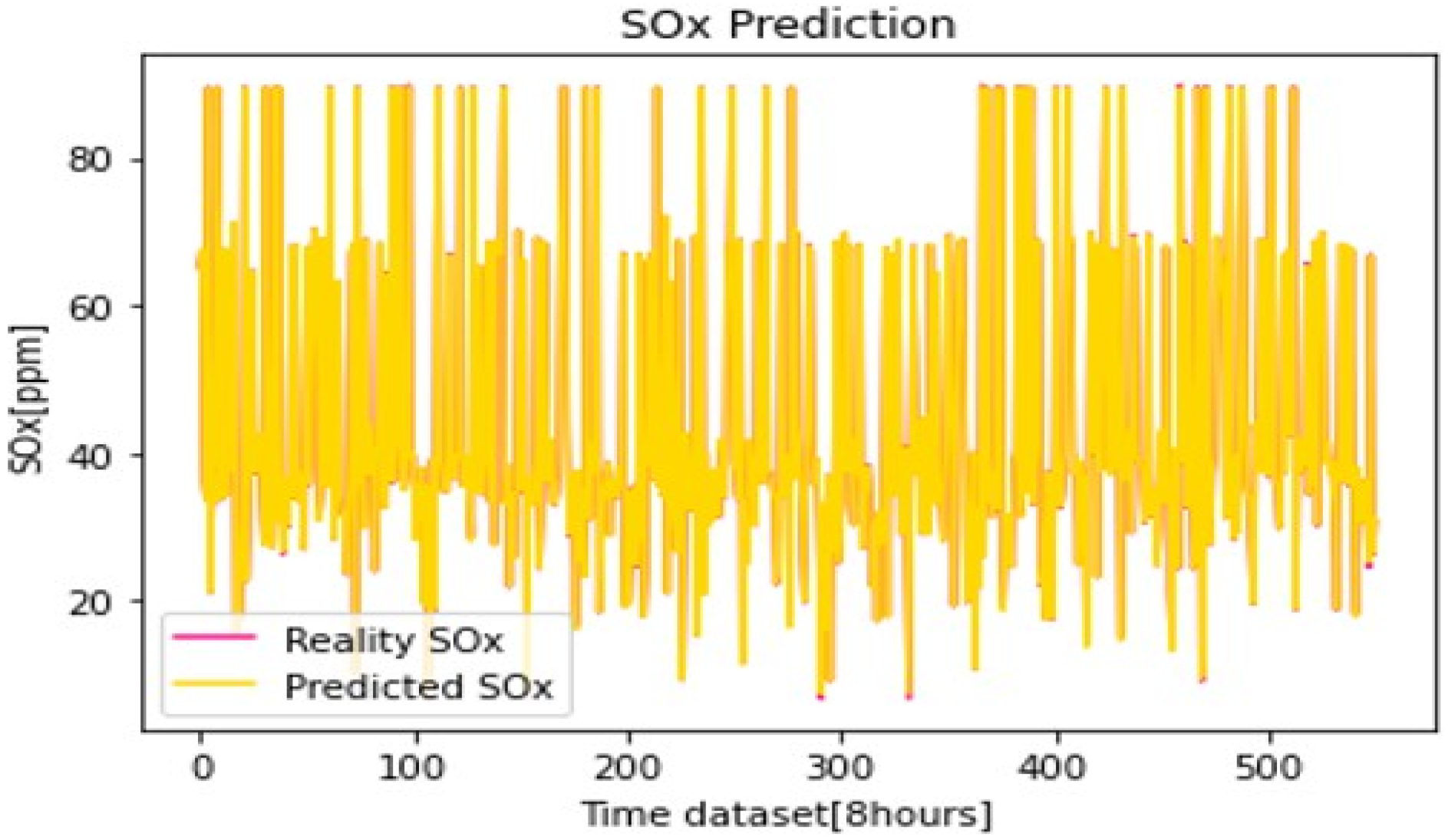
Figure 8, the trend line plot shows the model’s fit, with a coefficient of determination (R
2) of 0.98. The few red dots deviating from the regression line suggest minimal residuals. Together with the coefficient, these results indicate satisfactory training performance for the prediction model.
After analyzing the training results, we validate the model using a new dataset distinct from the training set. This validation set consists of 184 data points, which were processed through the same iterative calculations using the trained model. The resulting validation performance is shown in
Figure 9 and
Figure 10, which display the regression scatter plot and trend line plot for the validation data, respectively.
In
Figure 9, the regression scatter plot for the validation set shows axes similar to those in
Figure 7, with the blue regression line and purple triangle markers indicating the predicted values. The closer the purple triangles are to the regression line, the better the model’s validation performance. The coefficient of determination for the validation results is R
2 = 0.96, as seen in
Figure 10. Despite a slight scatter away from the regression line, most predictions align well with the actual values, indicating good model performance during validation. In
Figure 10, the trend line plot shows a noticeable overlap between the predicted and actual values. However, at lower values, the purple prediction line diverges slightly from the pink actual line, suggesting the model is more conservative in predicting lower SOx values. This discrepancy is also observed in the regression scatter plot, where only a few predicted values deviate significantly from actual values. The lower coefficient of determination for the validation results compared to the training model indicates that the model tends to underestimate sulfur oxide values in certain areas. Nevertheless, the overall trend demonstrates strong alignment, confirming that the model effectively captures the general behavior of SOx emissions.
The model tends to underestimate SOx emissions at lower concentrations. This conservative bias may have implications for environmental compliance, as underestimation could lead to insufficient preventive measures. Therefore, incorporating safety margins is recommended in practical applications.
Although the model achieved an R2 value of 0.99, this may raise concerns regarding potential overfitting. To address this, the model was evaluated on independent validation data, yielding an R2 of 0.96, indicating acceptable generalization performance. However, further validation techniques, such as k-fold cross-validation and the use of external datasets, are recommended to ensure robustness. Although k-fold cross-validation was not implemented in this study, the consistency between training and validation performance suggests acceptable model stability.
To further evaluate model performance, the prediction behavior across different SOx concentration ranges was examined. The results indicate that the model exhibits a regression-to-the-mean effect. Specifically, predicted values tend to be slightly higher than actual values in the low SOx range, while they tend to be lower than actual values in the high SOx range.
This systematic bias suggests that the model is more conservative in predicting extreme values, which is a common characteristic of data-driven models trained on limited datasets. The reduced sensitivity to extreme conditions may be attributed to the relatively small number of high-emission samples in the dataset.
From a practical perspective, this behavior has important implications for environmental compliance. In particular, underestimating high SOx emissions could delay corrective actions, potentially increasing the risk of exceeding regulatory limits. Therefore, when applying the model in practical conditions, it is recommended to incorporate safety margins or adjusted warning thresholds to mitigate this risk.
4.1. Impact of Feature Importance on the Model
As discussed in
Figure 3, the feature input describes the factors that affect SOx emissions. In contrast, the more input features provided to the model, the higher the coefficient of determination (R
2) achieved. This can be attributed to the model using more features, enabling it to achieve improved predictive performance. However, despite the higher prediction accuracy, the difficulty of collecting data across all categories and the concern about computational resources remain, which may make the prediction process more complex than necessary. To address this problem, we use feature importance rankings to analyze the ordering of features. It is shown that the top two features for predicting SOx remain consistent across all data sets.
Additionally, sulfur content exhibits the highest relative importance among all features, indicating its dominant influence on SOx emissions.
Table 4 shows how important the feature inputs are in determining the accuracy of the outcome. This approach is commonly used in neural network interpretation studies to estimate variable importance.
In
Table 4, it can be observed that the last four features consistently appear at lower ranks across the four months, specifically: boiler efficiency, fuel ratio, total moisture, and excess air. Notably, boiler efficiency consistently ranks last. In practical terms, the fuel ratio and total moisture indeed show weaker correlations with sulfur oxides, suggesting that excluding these four features could improve the model’s performance. By doing so, the original 12 features are reduced to 8. For further experimentation, the features are grouped into sets comprising the top 4, top 8, and all 12 features to compare model performance, assessed using the coefficient of determination (R
2), an essential indicator of model fit.
Table 5 demonstrates the result of the experiment.
Table 5 shows how the model’s coefficient of determination (R
2) varies as the number of input features is reduced across four months: February, March, May, and June. Starting with the full set of 12 features, the model achieves R
2 values of 0.94–0.98, indicating a very close fit to the data. While there is a significant difference in R
2 values between the first four features (0.84–0.90) and the first eight features (0.91–0.94), the R
2 differences among subsequent groups of features converge to smaller values. This suggests that the first eight features are sufficient to capture the model’s input requirements. Thus, for feature selection across different monthly groups, using the top eight features yields satisfactory performance. In other words, if reducing computational cost and time is a priority, selecting the top eight features would be the optimal choice.
This analysis implies that using only the top 8 features maintains strong predictive performance while reducing complexity, offering a balance between model performance and feature reduction. By focusing on this reduced feature set, the model achieves nearly the same accuracy as with all 12 features, highlighting an opportunity for simplification without substantial loss in prediction quality.
It should be noted that the feature importance rankings presented in this study are based on a deterministic interpretation of the trained ANN model and do not account for statistical uncertainty (e.g., confidence intervals). Similarly, the observed variations across different months are descriptive and have not been subjected to formal statistical hypothesis testing. Therefore, these results should be interpreted as indicative rather than statistically significant. Future work may incorporate resampling techniques, such as bootstrapping, to quantify uncertainty, as well as statistical tests (e.g., ANOVA or nonparametric tests) to validate seasonal variability.
4.2. Real-World Application
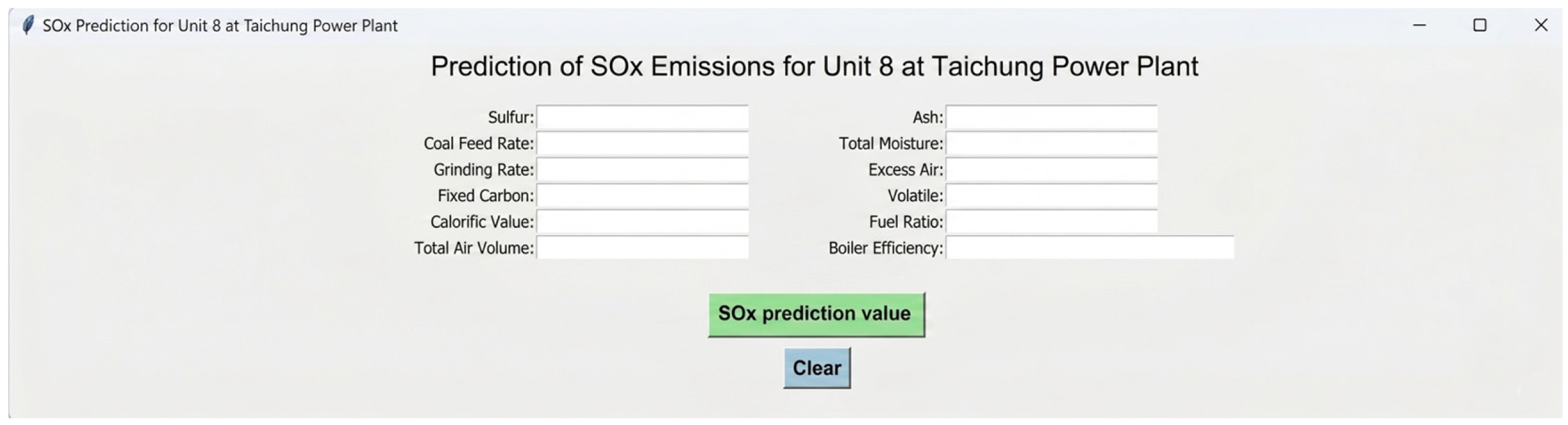
The proposed AI-based SOx prediction model has been partially implemented in Unit 8 of the Taichung Power Plant as a practical decision-support tool. Unlike purely simulation-based studies, this implementation enables operators to interact with the model through a dedicated user interface, as shown in
Figure 11.
In this system, operators input anticipated coal properties and operational parameters, and the model generates corresponding SOx predictions in near real time. These predictions support operational decision-making, particularly in adjusting combustion-related parameters under varying fuel and load conditions.
It is important to note that the current implementation functions as an advisory system rather than an automated control mechanism, with final decisions made by experienced operators. This human-in-the-loop structure ensures operational safety and aligns with common industrial practice.
From an application perspective, the system has demonstrated practical usefulness in enhancing situational awareness and enabling more proactive operational adjustments. However, this study does not include controlled experimental measurements of quantitative outcomes, such as cost savings or emission-reduction percentages. Therefore, such benefits should be interpreted as potential rather than explicitly verified.
Existing studies have shown that machine learning models, including deep neural networks (DNNs) and support vector regression (SVR), can effectively predict emissions and support combustion optimization [
6,
23]. So et al. demonstrated that DNN-based models can achieve high accuracy in predicting SOx and NOx emissions, enabling improved operational responsiveness [
6]. These findings support the feasibility of integrating predictive models into industrial environments, consistent with the approach explored in this study.
Despite these promising aspects, several challenges remain for full-scale industrial integration. First, seamless connectivity with existing control infrastructures, such as Distributed Control Systems (DCSs) or Supervisory Control and Data Acquisition (SCADA) systems, is required for automated deployment. Second, real-time implementation must address issues related to data latency, sensor reliability, and data quality. Third, operational safety and regulatory compliance require human supervision in decision-making.
Overall, this case study demonstrates the feasibility of applying AI-based predictive models in real industrial settings. Future work will focus on closed-loop system integration and quantitative validation of environmental and economic benefits, including measurable reductions in SOx emissions and operational costs.
4.3. Result Discussion
Our model’s R
2 value of 0.99 is exceptional considering that other studies typically report R
2 values ranging from 0.89 to 0.95 for similar AI models predicting sulfur oxide emissions.
Table 6 displays similar studies that use machine learning to predict SOx.
As shown in the comparison, the study by Min Seop So et al. [
6] achieved an R
2 of 0.91 using Deep Neural Networks for SOx prediction. Adams et al. [
8] reported an R
2 of 0.8925 for predicting both SOx and NOx emissions using a combination of Deep Neural Networks and Least Squares Support Vector Machines. Jiang et al. [
9] achieved an R
2 of 0.90 for sulfur trioxide prediction using machine learning methods. Additionally, Saif-Ul-Allah et al. [
24] and other studies employing advanced machine learning techniques reported R
2 values ranging from 0.93 to 0.95 for NOx emissions [
25,
26,
27,
28].
The results suggest that the proposed model has strong potential for practical applications, making it a reliable tool for near-real-time emissions monitoring in coal power plants. However, further validation under diverse operating conditions is required before large-scale deployment. However, it is important to remain cautious, as an exceptionally high R2 value may indicate the risk of overfitting, where the model captures noise in the training data, potentially impacting its performance on unseen data. Careful cross-validation and model evaluation are necessary to mitigate this risk and ensure reliable generalization.
The model tends to underestimate SOx emissions at lower concentrations. This conservative prediction behavior has important implications for environmental compliance. Specifically, underestimation may delay necessary corrective actions and increase the risk of exceeding regulatory limits if not properly managed. To mitigate this risk, it is recommended that safety margins or adjusted warning thresholds be incorporated when applying the model in plant operations. From a sustainability perspective, such adjustments can help ensure more reliable emission control and support proactive environmental management.
5. Conclusions
In this study, an Artificial Neural Network (ANN) model was developed to predict sulfur oxide (SOx) emissions from coal-fired power plants using pre-combustion parameters. Based on operational data from the Taichung Power Plant, the proposed model achieved high predictive accuracy (R2 = 0.99), demonstrating its ability to capture the nonlinear relationships between process variables and SOx emissions. Feature importance analysis identified sulfur content, coal feed rate, and fixed carbon as key influencing factors, enabling the reduction of input features from 12 to 8 while maintaining model performance. This improvement enhances computational efficiency and supports practical implementation.
Compared with conventional post-combustion control approaches such as Flue-Gas Desulfurization (FGD), the proposed method provides a predictive framework that enables proactive operational adjustments. This capability has the potential to support near-real-time emissions monitoring and to improve decision-making in plant operations, thereby enhancing environmental performance and regulatory compliance.
While the model demonstrates strong predictive capability, the high R2 values necessitate careful consideration of potential overfitting. The relatively small gap between training and validation performance, along with regularization and feature reduction, suggests that the model maintains acceptable generalization. However, further validation using alternative evaluation strategies, such as k-fold cross-validation and learning curve analysis, would strengthen the robustness assessment.
Overall, this study demonstrates the feasibility of applying AI-based models for emissions prediction in industrial environments. Future research should focus on extending the model to additional pollutants (e.g., NOx and particulate matter), validating its performance across different plants and operating conditions, and integrating the framework into real-time or semi-automated control systems to enhance operational efficiency and sustainability.