


Abstract
Maritime transport accounts for approximately 80–90% of global trade and nearly 3% of global greenhouse gas (GHG) emissions. In response, the International Maritime Organization (IMO) adopted an ambitious strategy for net-zero emissions by 2050, critically mandating a Well-to-Wake (WtW) life-cycle assessment for fuels. This framework invalidates fuels produced with high carbon intensity, regardless of their emissions at the point of use, thereby compelling the industry to focus on truly clean and sustainable alternatives. This push positions green hydrogen and ammonia as leading solutions, though they present a distinct trade-off. Hydrogen is an ideal fuel with zero-carbon emission in fuel cells but faces significant storage challenges due to its extremely low volumetric energy density and cryogenic requirements. In contrast, ammonia offers superior energy density and easier handling but contends with issues of toxicity and potentially harmful emissions like nitrous oxide. This paper provides a comprehensive review of this complex landscape, analyzing the production, utilization, and associated techno-economic and geopolitical challenges of using hydrogen and ammonia as future marine fuels, with environmental aspects briefly considered.
1. Introduction
1.1. Background
Maritime transport is a vital component of the global economy, accounting for approximately 80–90% of global trade by volume [1,2]. Historically, ships have relied on carbon-intensive heavy fuel oils (HFOs), which are a major source of anthropogenic greenhouse gas (GHG) emissions, contributing nearly 3% to global GHG emissions [3,4,5,6]. This results in intense investigations within the global climate change mitigation framework.
In recent years, several strong policy and market-driven movements have shifted the shipping industry’s perception of decarbonization. The 2015 Paris Agreement, which aims to limit global temperature rise to well below 2 °C—and preferably to 1.5 °C—above pre-industrial levels, has exerted a powerful, though indirect, pressure for all industries to reduce their emissions [7]. Even if international shipping is not directly included in the nationally determined contributions (NDCs) under the Paris Agreement, associated with the difficulty in assigning emissions from international voyages to specific countries, many experts and policymakers now agree that excluding any sector from emissions reduction efforts undermines the goals of the agreement [8,9].
In this regard, the International Maritime Organization (IMO) has established a series of strategies to reduce GHG emissions from international shipping. The IMO adopted its Initial GHG Strategy at the 72nd session of the Marine Environment Protection Committee (MEPC 72) in 2018, setting a target to reduce total annual GHG emissions from international shipping by at least 50% by 2050 compared to 2008 levels [10]. However, this target was widely criticized as being inconsistent with the temperature goals of the Paris Agreement (e.g., [11,12]), prompting the adoption of a revised GHG strategy at MEPC 80 in 2023 [13], as illustrated in Figure 1 [14].
Figure 1.
Timeline of IMO’s net-zero GHG emissions from the shipping industry [14].
The revised strategy adopted at MEPC 80 sets a more ambitious target of achieving net-zero GHG emissions from international shipping by or around 2050. This framework introduces indicative checkpoints relative to the 2008 baseline, requiring annual GHG emissions to be reduced by at least 20% (striving for 30%) by 2030 and at least 70% (striving for 80%) by 2040. Moreover, several key measures were ratified: (1) promoting the uptake of zero or near-zero GHG emission fuels to account for at least 5% (striving for 10%) of the total energy consumed by the global fleet by 2030; and (2) mandating a methodological transition from a traditional Tank-to-Wake (TtW) assessment to a more holistic Well-to-Wake (WtW) life-cycle assessment (LCA) for the evaluation of fuel emissions [13]. This methodological shift is critical because TtW only captures emissions released during ship operation, failing to account for the necessary upstream emissions generated during fuel production (i.e., Well-to-Tank). Therefore, adopting the WtW approach is methodologically essential for accurate lifecycle GHG accounting and provides an unbiased evaluation of the true decarbonization potential of a fuel. This strategic push, driven directly by these key measures, necessitates the investigation of not just any alternative fuels, but clean alternatives, particularly green hydrogen (H2) and ammonia (NH3) [12,15,16,17].
The newly proposed WtW assessment reveals the shortcomings of fuels that are carbon-free at the point of use but are produced via carbon-intensive methods, such as gray hydrogen or ammonia produced from natural gas and coal. For instance, while gray ammonia has near-zero emissions on the TtW basis [18,19,20], emitting only a small amount of nitrous oxide (N2O)—approximately 5.3 g CO2eq/MJ [18]—its WtW emissions typically exceed 120 g CO2eq/MJ [18,21], primarily due to carbon dioxide (CO2) released during its production from natural gas. This lifecycle emissions figure is substantially higher than that of conventional HFO (approximately 90 g CO2eq/MJ) [18,21], nullifying the apparent advantage of gray ammonia under the TtW basis. The carbon dioxide equivalent (CO2eq) is defined as the amount of GHG expressed as the amount of carbon dioxide that would have the same global warming potential (GWP). For example, nitrous oxide’s 100-year GWP is reported to be 273 times that of carbon dioxide [22], meaning that even a much smaller amount of nitrous oxide can have the same greenhouse effect as a much larger amount of carbon dioxide. Consequently, the WtW framework highlights the importance of green production methods based on renewable energy as the only viable long-term solution for meeting regulatory climate targets.
The recent adoption of stringent strategies by the IMO, including ambitious net-zero targets and a holistic WtW assessment, has introduced significant uncertainty into the investment landscape of the maritime industry. Consequently, the industry has been compelled to focus on truly clean fuels, with green ammonia and hydrogen emerging as one of the primary candidates, as mentioned before. While both are regarded as promising candidates for achieving WtW zero-emissions, they exhibit fundamentally different physical and operational characteristics. In general, hydrogen is often viewed as the ideal long-term solution, primarily because its use in a fuel cell results in only water as a byproduct, representing the ultimate objective in clean propulsion with high efficiency [23]. On the one hand, ammonia is regarded as a highly practical option, a view attributed to its significant advantages in storage and handling, its superior volumetric energy density, and its potential to leverage existing global infrastructure, as it is compared to hydrogen [6].
The transition to green hydrogen and ammonia as marine fuels, while essential for decarbonization, may introduce a complex matrix of technical, geopolitical, and geographical risks. First, future technological developments are required for electrolyzers and renewable energy technologies to become cost-effective [24,25]. In addition, challenges for ammonia are associated with the immaturity of its combustion engines, which pose risks of emitting not only GHG nitrous oxide but also unburned ammonia slip—the direct release of toxic ammonia into the atmosphere [26]. Additionally, ammonia’s significant volumetric storage requirements penalize vessel cargo capacity, e.g., obtaining the same energy output requires about 2.4 times more storage volume for ammonia than petroleum-based fuels [27]. Furthermore, the challenges for hydrogen are primarily related to storage. It must be stored as either compressed hydrogen or liquefied hydrogen at −253 °C, which creates significant issues for tank materials and space in vessels due to extremely low volumetric energy density [28].
Geopolitically, this transition fundamentally reshapes the landscape of energy dependence [29]. For import-reliant regions like East Asia, this may present a critical energy security dilemma. This dilemma is intensified by a pronounced disparity among nations in both geographical resources and technological capabilities. For example, according to the International Renewable Energy Agency (IRENA) [29], regions like Sub-Saharan Africa, the Middle East, North Africa, and North America have high potential to produce green hydrogen for under USD 1.5/kg by 2050, owing to their abundant renewable energy sources, while high-volume Asian maritime economies remain largely energy takers. This dependency on foreign technology for the means of energy production constitutes a significant strategic vulnerability. Mitigating this risk requires a concerted effort towards indigenous technology development, fostering domestic innovation in electrolyzers, fuel cells, and engine systems (as exemplified by the Korean government [30]), and establishing international collaborations. Such technological sovereignty with strong international collaborations is not merely an industrial goal but a fundamental prerequisite for ensuring resilient and secure energy supply chains in the new zero-carbon maritime paradigm.
1.2. Bibliometric Analysis
Figure 2 and Figure 3 show network visualization maps generated using the VOSviewer version 1.6.20 [31], which is designed to visualize bibliometric networks and is useful for identifying prominent keywords (e.g., [32,33]). The keywords used in VOSviewer were exported from the Web of Science database, and only author keywords were employed to ensure accurate map representation. The period of search was 1990–2015.
Figure 2.
Network visualization map with the keyword “net zero”. To ignore differences between British and American English, we summed the values for ‘decanonization’ and ‘decarbonisation’.
Figure 3.
Network visualization map with the keywords, “maritime” and “decarbonization”. To ignore differences between British and American English, we summed the values for ‘decanonization’ and ‘decarbonisation’.
In Figure 2, the keyword “net zero” was used, and a total of 25,160 papers were analyzed. As shown in the figure, only keywords with occurrences of 60 or higher were included, i.e., due to the large number of associated keywords, only the most frequently mentioned keywords were displayed for better visualization. The top five keywords mentioned most from the paper in descending order, except for “net zero”, were “climate change”, “renewable energy”, “decarbonization”, “sustainability”, and “hydrogen.” In addition, to better understand the interests specifically related to the maritime sector, in Figure 3, typed keywords in the Web of Science database were “maritime” and “decarbonization”, resulting in 773 papers. In the figure, only keywords with occurrences of eight or higher were included. The top five highly mentioned keywords in descending order, except for typed keywords on the Web of Science, were “alternative fuels”, “hydrogen”, “shipping”, “ammonia”, and “maritime transport.”
These findings suggest that in the context of achieving net-zero goals in the maritime industry, alternative fuels, particularly hydrogen and ammonia, are of significant interest due to their potential as clean energy. Moreover, renewable energy is critical as it can serve as the primary source for generating green fuels. Shipping and transport are vital components for the delivery and distribution of future clean energy solutions in the maritime domain. Reflecting on the consensus of leading maritime authorities and energy agencies [34,35], which identify hydrogen and ammonia as pivotal long-term pathways, the current research deals with their production, storage, and transportation. These topics are addressed because they are consistently identified as primary technical challenges in foundational academic reviews [36,37,38,39]. Furthermore, as these key technical challenges are inextricably linked to non-technical factors, this review also examines economic and geopolitical factors, along with current policies. These non-technical issues have been consistently identified as critical, co-equal bottlenecks by major policy, economic, and industry bodies [29,40,41]. These interconnected factors are all anticipated to pose significant challenges in the future.
1.3. Objective and Research Scope
The objective of this present study is to conduct a comprehensive review of the technical, geological, and political issues surrounding the utilization of ammonia and hydrogen as alternative fuels for the maritime industry, as well as the matter of their transportation. This paper is composed of six sections for the purpose of this discussion. First, Section 2 describes the current technological developments and trends in hydrogen and ammonia production. Next, Section 3 examines the practical use of these energy sources in maritime shipping and their transportation. In addition, Section 4 discusses economic, political, and geological issues related to the use and transport of these fuels, while Section 5 discusses environmental aspects. Finally, Section 6 concludes the study by summarizing the key findings and outlining the future outlook for these energy sources in the maritime industry.
1.4. Research Methodology
A systematic literature search was conducted to provide a comprehensive review of hydrogen and ammonia as future marine fuels. We utilized authoritative databases, such as Web of Science, Scopus, ResearchGate, and Google Scholar, to identify relevant studies.
The literature search employed a combination of keywords to capture the multi-dimensional aspects of the topic. First, general terms, such as “maritime decarbonization,” “shipping net-zero,” and “sustainable shipping,” were used to identify broad industry trends. Second, specific fuel-related keywords, including “green hydrogen,” “green ammonia,” “hydrogen fuel cells,” and “ammonia combustion,” were employed to gather technical data. Third, terms related to implementation challenges, such as “Well-to-Wake assessment,” “fuel storage systems,” and “marine fuel infrastructure,” were included to address the techno-economic and operational scope of this review. Finally, to incorporate geopolitical and geographical perspectives, keywords such as “energy security,” “geopolitics of energy,” “regional hydrogen strategies,” and “global energy supply chains” were utilized. It should be noted that the keywords listed above are representative examples; variations, synonyms, and Boolean operators were extensively employed during the search process to ensure a comprehensive literature review.
The selection criteria focused on peer-reviewed articles, technical reports from international organizations (e.g., IMO, IRENA), and white papers published primarily between 2015 and 2025 to reflect the most recent technological advancements. The sources were further screened for relevance to the maritime sector, specifically focusing on production, storage, and utilization technologies.
2. Methods of Hydrogen and Ammonia Production
The adoption of alternative fuels is widely regarded as the ultimate solution for achieving net-zero emissions, although various methods exist to reduce GHG emissions, such as improvements in fuel, propeller, and hull efficiency, or the direct use of renewable energy like wind-assisted propulsion [42]. Currently, transitional fuels like Liquified Natural Gas (LNG), Liquified Petroleum Gas (LPG), and methanol are being adopted for immediate emission reductions [43], while LNG is in a leading position; these fuels now account for approximately 7.4% of the tonnage in operation and a remarkable 49.5% of the tonnage on order [34]. However, despite offering some GHG reductions, these carbon-based fuels inevitably generate carbon dioxide during combustion, which presents an intrinsic limitation to full decarbonization even with carbon capture technology. In the specific case of LNG, a WtW assessment reveals that the significant GHG impact from methane slip [44]—the emission of unburned methane fuel from the engine—substantially undermines its purported reduction benefits. Despite the low methane slip from high-pressure 2-stroke dual-fuel main engines on large vessels, the high slip (average of 6.4%) from their low-pressure dual-fuel auxiliary engines creates a significant GHG emission [45]. Pavlenko et al. [46] highlighted that, due to methane slip, the short-term climate impact of LNG can surpass that of traditional fuels. Consequently, green ammonia and hydrogen are emerging as the leading long-term candidates for true zero-carbon propulsion in the maritime industry, as their combustion results in zero or near-zero GHG emissions. When combined with their production using renewable energy, zero or near-zero GHG emissions are expected from the WtW assessment. They are, therefore, considered the ultimate solution for the maritime industry’s decarbonization goals, while considerable technical and infrastructural challenges remain.
Hydrogen and ammonia can be produced through various methodologies. Many studies support a way to divide production methods by color, known as a color spectrum, e.g., gray, blue, and green [47,48,49]. While the color spectrum is not an official standard, it provides a common framework for classifying and categorizing the wide range of production methods and their carbon intensities. While the spectrum includes other colors representing various production methodologies [49,50], the maritime industry primarily considers gray, blue, and green. Gray hydrogen and ammonia denote conventional, carbon-intensive processes reliant on fossil fuels; blue also adopts a transitional pathway same as gray ones where fossil fuels are still used, but the associated carbon emissions are mitigated through capture technologies, known as carbon capture and storage (CCS) or carbon capture, utilization, and storage (CCUS); green represents entirely carbon-free production using renewable energy sources [49,50].
The following subsections provide a comprehensive review of these primary production methodologies using the color spectrum, such as gray, blue, and green. By examining the underlying process technologies and environmental profiles of gray, blue, and green hydrogen and ammonia, this review highlights the strategic position and future viability of each technology within the broader energy transition.
2.1. Hydrogen Production Technologies
Traditionally, hydrogen has been widely recognized as a clean and efficient energy source, as its combustion primarily produces heat and water, with no carbon dioxide and minimal conventional air pollutants under controlled conditions [51,52]. However, when WtW assessments are taken into account, its environmental impact varies significantly depending on its production methodologies. These methodologies are commonly categorized by a color spectrum system (e.g., gray, blue, and green) based on their carbon footprint and energy sources [50,53]. The vast majority (reportedly over 95%) of global hydrogen is produced from fossil fuels, while only a small portion is generated via water electrolysis [16,54], which is a key technology for producing hydrogen from renewable energy.
Figure 4 shows an overview of the production, storage, transportation, and maritime utilization of hydrogen. Gray hydrogen, which is produced from fossil fuels such as natural gas, oil, and coal without CCS, is the most widely produced form of hydrogen. Consequently, its production process is highly related to significant carbon dioxide emissions [47,50,53,55]. It is worth mentioning that while there is no universal standard regarding the definition of these colors, this study defines gray hydrogen as any hydrogen produced from fossil fuels. Under this definition, there exist several conventional methods such as Steam Methane Reforming (SMR), Partial Oxidation (POX), Autothermal Reforming (ATR), and Coal Gasification. Among them, SMR is the predominant method, accounting for approximately 76% of global hydrogen production [56,57,58] (although varying depending on the source) and even 95% of hydrogen production in the United States [57,59]. In this process, methane (CH4), the primary component of natural gas as feedstock, reacts with steam at high temperature and pressure (typically in a range of 700–1000 °C [12,47] and 3–40.5 bar [47,52], respectively) in the presence of a catalyst. This initial reforming step generates a mixture of hydrogen and carbon monoxide (CO). To maximize the hydrogen yield, the resulting carbon monoxide subsequently undergoes a water-gas shift (WGS) reaction, where the carbon monoxide reacts with steam to produce additional hydrogen and carbon dioxide. Finally, purification is conducted to remove carbon dioxide and impurities, primarily performed by pressure swing adsorption (PSA), and obtain pure hydrogen [47,52]. Following SMR, Coal Gasification is the second most commonly used production method, accounting for approximately 22% and 4% in global and U.S. hydrogen production [35,57]. It is a process in which coal reacts with oxygen and steam and is converted into syngas (a mixture of carbon monoxide and hydrogen) at high temperature and pressure (typically in a range of 700–1200 °C and 40–100 bar, respectively) [47], which further produces hydrogen through WGS to enhance yield [60,61]. In addition, POX converts various hydrocarbon feedstocks, ranging from gases like natural gas and liquids like heavy oils to solids like coal, into hydrogen or syngas by reacting them with a limited amount of oxygen at temperatures exceeding 1000 °C, notably without the need for catalysts or steam. Furthermore, ATR represents a hybrid approach that combines the principles of POX and SMR within a single reactor. Operating at temperatures above 1000 °C with pure oxygen, ATR typically utilizes light hydrocarbons like natural gas as feedstock [57].
Figure 4.
Overview of production, storage, transportation, and utilization of hydrogen in maritime industry.
The fundamental limitation of gray hydrogen is its substantial carbon footprint, releasing a significant amount of carbon dioxide and other GHGs during hydrogen production [28,50,53,54]. SMR emits approximately 7.5–13 kg CO2eq/kg H2 [50,57]. When liquefaction energy and associated emissions are included, similar to the ammonia example mentioned in the Introduction, gray liquid hydrogen reaches 120–155 g CO2eq/MJ, which is higher than the HFO of approximately 90 g CO2eq/MJ [28]. In this regard, it is not aligned with the goal of the IMO and the Paris Agreement.
In response to the high emissions of gray hydrogen, blue hydrogen is often proposed as a transitional step on the path to net-zero emissions. While the process is largely the same as gray hydrogen, blue hydrogen further incorporates CCS (or CCUS) to mitigate GHG emissions, leading to significant decreases in carbon intensity compared to gray hydrogen [56]. Typical carbon capture rate in blue hydrogen production is in the range of 85–95% [17,53,62]. For example, if 95% capture rate is applied, the carbon intensity can decrease to 0.8–4.8 CO2eq/kg H2 [50]. However, the wide range of this emission intensity in spite of a high capture rate is largely attributed to uncaptured upstream methane emissions in the natural gas supply chain. Although blue hydrogen offers merits such as emission reduction [55] and the ability to utilize existing infrastructure [63], it also involves challenges such as increased costs, additional water [64], and additional energy consumption. Consequently, blue hydrogen is a low-carbon, not a zero-emission, solution, due to incomplete capture, the aforementioned upstream emissions, and the source of grid electricity [17].
The production of green hydrogen is a crucial pathway toward achieving net-zero GHG emissions. Green hydrogen, produced through water electrolysis powered by renewable energy, is a clean and environmentally friendly energy carrier [54]. Water electrolysis is a technique that uses electrical energy to split water molecules (H2O) into hydrogen and oxygen gases (O2) [65,66].
As the most well-established and widely used method, Alkaline Water Electrolysis (AWE) splits water into hydrogen and oxygen using an electric current in an alkaline solution. In detail, while water and electrons are transformed into hydrogen and hydroxide ions (OH−) at the cathode, hydroxide ions travel to the anode to be oxidized to generate water, oxygen, and electrons. It features a low capital cost, high stability, and mature technology, offering a longer lifetime and requiring no precious catalyst. However, its primary drawback is its lower compatibility with variable renewable energy inputs, as traditional AWE systems are optimized for steady-state operation rather than frequent load changes, because of their slower dynamic response [65]. Its low operational efficiency and relatively low current density, which lead to a larger system footprint, are also weaknesses [65,67,68]. In addition, the reliance of the system on corrosive liquid electrolytes raises concerns about its long-term durability, and the risk of gas permeation can compromise the purity and safety of hydrogen. In Proton Exchange Membrane Water Electrolysis (PEMWE), a fast-growing technique, hydrogen and oxygen gases are formed as protons (H+) move through a polymer membrane electrolyte. Water is oxidized at the anode to produce oxygen, electrons, and protons, and these generated protons travel through the membrane to the cathode, where they are reduced to form hydrogen. It has multiple benefits, including a compact system design, high gas purity, ability to operate at elevated pressures, quick response and start times, and high current densities. Nonetheless, their adoption is limited by the use of costly materials such as platinum and iridium, which are required as catalysts owing to their highly acidic operating environments and potentially shorter electrode lifetimes compared to alkaline systems [65,69]. Electrochemical reactions and major specifications of AWE and PEMWE are summarized in Table 1.
Table 1.
Electrochemical reactions and major specifications of AWE and PEMWE [65].
To produce green hydrogen, these electrolysis technologies are typically powered by renewable energy sources, with the primary ones being wind, solar (photovoltaics), and hydropower [54,70,71]. Significant progress has been made in these renewable energy technologies recently, especially for wind and solar photovoltaics systems, and this upward trend is projected to continue [72,73,74,75,76,77]. For example, WtW assessment concluded that hydrogen produced from hydropower for transoceanic tanker and freight ship emits only 0.00198–0.001 kg CO2eq/kg H2 [71]. Literature review on WtW assessment for green hydrogen can be found in Ref. [21]. Table 2 summarizes the process, energy source, carbon dioxide emissions, and Technical Readiness Level (TRL) for hydrogen by color.
Table 2.
Process, energy source, carbon dioxide emissions, and TRL for hydrogen by color.
2.2. Ammonia Production Technologies
Like hydrogen, ammonia is categorized by color—gray (or brown), blue, and green—based on its production method, the type of energy used, and associated carbon emissions [80,81,82]. It plays a vital role in global food production, with approximately 80% of worldwide and 88% of U.S. output used for nitrogen-based fertilizers [83]. Containing 17.6% hydrogen by weight, it is also a promising hydrogen carrier and carbon-free energy source [84]. In addition, compared to hydrogen, liquid ammonia has a higher volumetric energy density and can be liquefied under relatively mild conditions (−33 °C at 1 atm or 25 °C at 10 bar), making it compatible with existing infrastructure for storage and transportation [85]. However, the dominant industrial process for ammonia production is the Haber–Bosch (HB) method without CCS (or CCUS), a highly carbon-intensive process that yields gray ammonia. Although the HB process accounts for nearly 1–3% of global energy use, it contributes approximately 1–2% of total carbon dioxide emissions [48,86,87,88]. There are additional challenges, such as high production costs, limited availability, competition with the fertilizer market, and regulatory issues with respect to toxicity and safety [85,89].
Figure 5 shows an overview of the production, storage, transportation, and maritime utilization of ammonia. Gray ammonia is mostly generated by the HB process, a method developed over a century ago that now accounts for over 96% of global ammonia production [88]. In this process, nitrogen (N2) and hydrogen gases react in the presence of an iron-based catalyst under high temperature and pressure. In detail, as a first step, hydrogen for this process is typically obtained from SMR or Coal Gasification as gray hydrogen production methods [49,89,90]. Once these materials are ready, as a second step, acquired hydrogen feeds into the HB process along with nitrogen, typically acquired from the air using membrane separation or pressure swing adsorption [15]. These gases are then catalytically synthesized into ammonia under high temperature and pressure conditions of typically 300–600 °C and 100–400 bars, respectively [12,15,81,91].
Figure 5.
Overview of production, storage, transportation, and utilization of ammonia in maritime industry.
As mentioned earlier, from an environmental perspective, gray ammonia presents fundamental limitations. It is highly energy-intensive and is responsible for approximately 1–2% of global carbon dioxide emissions, with around 90% of these emissions attributed to the production of gray hydrogen [48]. Gray ammonia production emits approximately 1.6–3.2 tonnes of CO2 per tonne of ammonia (tCO2/tNH3), with 1.6–1.8 tCO2/tNH3 for natural gas-based production and 2.4–3.2 tCO2/tNH3 for coal-based production [49,92]. Although no carbon dioxide is emitted during combustion, the overall carbon intensity remains high when evaluated from the WtW perspective. Lee et al. [93] assessed the WtW GHG emissions for main and auxiliary engines and found that gray ammonia derived from natural gas emits approximately 1.5 times more GHG than HFO. Similarly, Chalaris et al. [94] reported that gray ammonia produces approximately 1.5 times more GHG than very low sulfur fuel oil (VLSFO). For these reasons, gray ammonia is not considered a viable alternative energy source for future maritime applications.
Blue ammonia production primarily utilizes fossil fuels as feedstock but incorporates CCS (or CCUS) technologies to reduce carbon emissions [82,95]. Its production process is similar to that of gray ammonia, but the carbon dioxide generated is captured and either stored or utilized. Currently, blue ammonia accounts for only about 1% of global ammonia production. It is estimated that CCS can reduce carbon emissions by up to 90% under large-scale infrastructure [92,96,97]. Several notable projects include the world’s first blue ammonia shipment from Saudi Aramco and SABIC to Japan in 2020 [98]. The United Arab Emirates launched the TA’ZIZ blue ammonia project, which is expected to produce 1.1 million tons annually starting in 2027 through international partnerships [99]. In Louisiana, USA, the Blue Point Low-Carbon Ammonia Production Project is underway, with an estimated production capacity of 1.4 million tonnes per year, expected to begin operations in 2029 [100].
Green ammonia refers to carbon-free ammonia and represents a key pathway toward achieving net-zero emissions. This production route modifies the hydrogen generation stage of the traditional HB process. In particular, instead of relying on SMR or Coal Gasification used in gray hydrogen production, it employs water electrolysis powered entirely by renewable energy sources [82]. Among electrolysis technologies, AWE and PEMWE are the most widely used. Wind, solar (i.e., photovoltaics), and hydropower are typically cited as the primary renewable sources for powering these systems. Once green hydrogen is produced, it is reacted with nitrogen through the HB process to synthesize ammonia. Although the chemical reaction remains unchanged, the process is often referred to as a modified HB process in that it is fully powered by renewable energy, including compression and heating stages [21,101]. Large-scale green ammonia production is still limited, but several demonstration plants are already operational. The Yara Porsgrunn facility in Norway began operations in 2023 with an annual capacity of 20,000 tonnes, powered by hydropower [102]. The Envision Chifeng project in China, launched in 2025, is currently the world’s largest operational green ammonia facility, producing 320,000 tonnes per year using wind and solar power [103]. In addition, major commercial-scale projects are under development worldwide. These include the NEOM Green Hydrogen Complex in Saudi Arabia, with an expected annual capacity of 1.2 million tonnes starting in 2027 [104], and the First Ammonia Texas project in the U.S., which also targets 1 million tonnes per year from 2027 [105]. The H2Carrier P2XFloater is a key example of an offshore floating green ammonia production platform currently under development, which received DNV Approval in Principle in 2022 and is designed to have a high capacity of 0.82 million tonnes per year.
3. Utilization of Hydrogen and Ammonia in the Maritime Industry
This section reviews the potential utilization of hydrogen and ammonia in the maritime industry. Methods, TRL, current-state-of-the-art applications, merits, and demerits are summarized for each technology.
3.1. Hydrogen Utilization
For hydrogen utilization as an alternative fuel, two main pathways exist: hydrogen internal combustion engines (HICEs) [106] and hydrogen fuel cells [107]. First, hydrogen can be directly used as a fuel in internal combustion engines. One method involves designing spark-ignition four-stroke engines to operate on pure hydrogen, while another approach is to adopt dual-fuel engines—typically based on compression-ignition—that use a small amount of pilot fuels such as diesel or biodiesel to assist ignition, due to hydrogen’s high autoignition temperature despite its low ignition energy and wide flammability range [21,108]. The use of hydrogen as a direct fuel offers several advantages: zero carbon dioxide emissions during combustion, the ability to tolerate lower-purity hydrogen compared to fuel cells, compatibility with existing engine platforms in dual-fuel configurations [109], and high power density [110]. However, hydrogen combustion generates nitrogen oxides (NOx), primarily due to high flame temperatures and rapid flame speeds [52], which requires additional treatment like Selective Catalytic Reduction (SCR) as post-treatment, water injection, or optimized combustion control [111]. The HICE technology is currently assessed at TRL 5–6 and remains in the early demonstration stage [112], but it is considered promising due to its potential to fully utilize existing engine infrastructure.
Hydrogen fuel cells provide an alternative method of utilization. Among various types, Proton Exchange Membrane Fuel Cells (PEMFCs) are the most widely studied for maritime applications, accounting for 73% of related projects [113]. PEMFCs generate electricity through an electrochemical reaction between hydrogen and oxygen, producing only water and heat as by-products. The system uses a proton exchange membrane that selectively allows protons (H+) to pass, while blocking electrons and other gases. To ensure net-zero emissions, the hydrogen supplied must be produced via renewable energy sources. Unlike batteries, fuel cells do not require recharging but can operate continuously as long as hydrogen is supplied. PEMFCs operate at relatively low temperatures, offer high electrical efficiency (up to 60% with pure hydrogen), and generate no direct GHG emissions at the point of use. Furthermore, they produce minimal noise and vibration, and their simpler mechanical configuration—due to fewer moving parts—enables easier maintenance. However, they require very high-purity hydrogen to operate reliably. The technology is assessed at TRL 6–7, with multiple demonstration projects underway, including megawatt-scale applications for marine vessels [112]. For example, the H2 Barge 2, equipped with Ballard’s FCwave fuel cell system with a rated capacity of 1.2 MW, completed a successful waterway demonstration trial in the Netherlands [114,115]. Similarly, Guan et al. [116] demonstrated a hybrid system comprising a 500 kW PEMFC and lithium-ion batteries aboard the Three Gorges Hydrogen Boat No. 1 in China, which completed a three-hour sea trial.
Hydrogen storage and safety present the most significant challenges for its use as an alternative fuel. Compressed gaseous hydrogen (CGH2) and liquefied hydrogen (LH2) are two primary technologies that are currently being considered for onboard hydrogen storage. Compressed storage at very high pressure in the range of 250–700 bar [15] is a relatively mature method with TRL 7 for maritime applications. However, the biggest concern for compressed storage is its low volumetric energy density (4.6–5.0 MJ/L at 700 bar [117,118]), which requires a larger onboard space for hydrogen storage and consequently reduces cargo space [28,71]. If a volumetric energy density of 5.0 MJ/L is assumed for compressed gaseous hydrogen, delivering the same amount of energy would require approximately 4.2 times more storage volume compared to LNG (21.0 MJ/L) and 2.3 times more than liquefied ammonia (11.7 MJ/L) [119]. Additionally, the high storage pressure necessitates the use of costly materials, such as carbon fiber composites, for the tanks. Liquefied hydrogen has a higher volumetric energy density of 7.6–8.5 MJ/L [117,118], which is around 1.7 times higher than compressed gaseous hydrogen. However, the demerits of this technology include the high energy cost of liquefaction and maintaining the temperature of −253 °C, the need for advanced insulation and vacuum systems, and fuel loss due to boil-off gas (estimated daily loss in the order of 1% of stored volume) [28,117].
In addition to these two methods, other options such as liquid organic hydrogen carriers (LOHCs) and ammonia are also being considered. The LOHC method involves using unsaturated organic liquids, such as toluene or dibenzyltoluene, which chemically bond with hydrogen (hydrogenation) for storage and release it on demand (dehydrogenation). A key advantage of LOHCs is that the hydrogen-rich carrier exists as a liquid at ambient temperature and pressure, allowing for safe and convenient handling using existing infrastructure for liquid fuels [54]. As mentioned before, ammonia can be generated from the HB process by synthesizing nitrogen and hydrogen. The details for ammonia as an energy carrier will be discussed in Section 3.2. Furthermore, significant safety concerns exist because hydrogen is highly flammable and has a very low minimum ignition energy, which creates a high risk of explosion. Finally, the lack of established port infrastructure for hydrogen storage, bunkering, and servicing presents another major hurdle to its widespread adoption [120].
3.2. Ammonia Utilization
Ammonia can be utilized in shipping industries in two primary pathways: ammonia-fueled internal combustion engine (AICE) and ammonia fuel cell. For AICE, most research and development has focused on two- or four-stroke dual-fuel type engines by combining ammonia as the main fuel and pilot fuel such as diesel or hydrogen to initiate combustion [17]. These engines have been investigated widely. For example, MAN Energy Solutions has been developing two-stroke dual-fuel engines that utilize a diesel pilot fuel and successfully completed full-scale ammonia engine tests running on ammonia at 100% load in 2024 [121]. As for four-stroke engines, Wärtsilä has been developing its Wärtsilä 25 ammonia-fueled engine, a dual-fuel model using diesel as the pilot fuel [122]. Similarly, HD Hyundai Heavy Industries has developed the HiMSEN engine, which utilizes a high-pressure direct injection method for ammonia [123]. Furthermore, the Fortescue Green Pioneer pioneered the use of ammonia as a marine fuel in a dual-fuel configuration (ammonia and diesel), successfully completing the world’s first ammonia operational trials in the Port of Singapore in 2024 and receiving classification and statutory certification from DNV [124,125]. The Sakigake, recognized as the world’s first commercial-use ammonia-fueled vessel, provided crucial operational validation during its subsequent three-month demonstration voyage in Tokyo Bay, which was completed/reported in 2025, confirming GHG emission reductions of up to approximately 95% [126]. According to the Ammonia Energy Association’s data as of December 2025, the orderbook for ammonia propulsion is accelerating, confirming 144 ammonia-fueled vessels (including 59 confirmed orders, primarily Ammonia Carriers and Bulk Carriers) and an additional 302 ammonia-ready vessels, with major fleet deliveries expected from 2026 to 2027 [127].
However, one concern is potential emissions. According to recent research on the ammonia-diesel dual-fuel engine [128], even when 50% of the fuel is replaced with ammonia, unburned ammonia emissions (i.e., ammonia slip) can reach around 31.0 g/kWh and nitrous oxide emissions approximately 1.1 g/kWh. At higher substitution levels, such as 90%, these emissions significantly increase to roughly 143.0 g/kWh for ammonia and 1.8 g/kWh for nitrous oxide. Given that nitrous oxide has a global warming potential 273 times greater than carbon dioxide [22], the GHG reduction benefits of using ammonia can be substantially undermined. Advanced combustion strategies, some adapted from diesel applications like split injection and optimized injection timing, are employed for ammonia engines to improve ignition and combustion stability, thereby reducing unburned ammonia emissions [129]. However, they may lead to trade-offs, such as increased nitrogen oxide and nitrous oxide emissions. Exhaust Gas Recirculation (EGR) is another key strategy, where a portion of the exhaust is cooled and recirculated into the intake. This reduces peak combustion temperatures and oxygen concentration to suppress the formation of nitrogen oxides. While EGR is effective for nitrogen oxide reduction, it can increase ammonia slip and nitrous oxide emissions. To manage these, an Exhaust Aftertreatment System (EATS) is critical. This typically includes a Selective Catalytic Reduction (SCR) system for residual nitrogen oxides and an Ammonia Slip Catalyst (ASC) to oxidize the unburned ammonia [130,131,132].
Fuel cells represent one of the most efficient and environmentally benign technologies for converting ammonia’s chemical energy into usable power for ship propulsion and auxiliary systems. Unlike AICEs, fuel cells generate electricity through an electrochemical reaction rather than combustion. This process inherently avoids the formation of harmful nitrogen oxides and nitrous oxides [6,113]. Two primary types are being widely studied for maritime applications: high-temperature Solid Oxide Fuel Cells (SOFCs) and low-temperature PEMFCs [113]. SOFCs operate at high temperatures (typically 500–1000 °C), which allows them to use ammonia directly as a fuel without a separate cracking unit. However, SOFCs face several challenges, including long start-up times (up to 24 h), poor responsiveness to load changes (typically 2–10% of rated power per minute), and long-term durability issues related to high-temperature operation. [133]. On the other hand, PEMFCs operate at a much lower temperature of around 80 °C [113], where ammonia acts as a potent poison to the system’s platinum catalyst, even in trace amounts. Therefore, using ammonia with a PEMFC requires an onboard ammonia cracker to decompose it into hydrogen and nitrogen. The purified hydrogen is then used as fuel. This requirement, however, adds significant complexity, cost, and volume to the overall system [134,135].
As a fuel, liquid ammonia possesses several advantages over hydrogen. It requires significantly less energy for liquefaction and storage, maintaining its liquid form at either −33 °C at 1 atm or 25 °C at 10 bar. Additionally, ammonia has a higher volumetric energy density than liquid hydrogen and leverages a more established global distribution network [18]. This ease of handling allows ammonia to function as a hydrogen carrier, where it is synthesized from hydrogen for transportation and converted back to hydrogen at the point of use. Despite these benefits, ammonia presents considerable challenges. It is a toxic gas, posing significant health risks, and is susceptible to incomplete combustion. Its primary drawback compared to conventional marine fuels is its lower energy density, necessitating approximately 2.4 times more storage volume for the same energy content [27]. Finally, Table 3 summarizes the key evaluation metrics between hydrogen and ammonia, while Table 4 summarizes TRL, energy efficiency, and the main challenges of internal combustion engines and fuel cells.
Table 3.
Key evaluation metrics for comparison of hydrogen and ammonia.
Table 4.
TRL, energy efficiency, and the main challenges of internal combustion engines and fuel cells.
4. Potential Issues for Utilization of Hydrogen and Ammonia
4.1. Economics of Hydrogen and Ammonia
This section assesses the current and projected economics of gray, blue, and green hydrogen and ammonia production through 2050. Table 5 summarizes the hydrogen and ammonia prices in USD/kg. As cost estimates vary significantly across sources, the ranges provided by each reference are presented. In addition, the costs of these fuels are highly dependent on several key factors, including production location, methodology, and the facility’s capacity and lifetime [138]. In defining the price of these fuels, the levelized cost of hydrogen (LCOH) or the levelized cost of ammonia (LCOA) is widely used, which both considers capital expenditure (CAPEX) and operational expenditure (OPEX).
Table 5.
Production cost of hydrogen and ammonia in USD/kg. Value in the bracket in the current column is the year of publication. Gray color also includes coal-based production.
The production costs of blue and green hydrogen are projected to substantially decrease over time. For blue hydrogen, cost reductions primarily depend on improvements in CCS technology and reductions in its associated CAPEX and OPEX. Green hydrogen costs are mainly driven by the price trajectory of renewable electricity and electrolyzers [121], which together account for up to 90% of total production costs [132]. This cost reduction for green hydrogen is driven by the falling price of renewable electricity. It is projected that solar photovoltaics, wind, and hydropower will be the dominant energy sources. Additionally, in the net-zero scenario, the Levelized Cost of Energy (LCOE) for solar photovoltaics is projected to fall from $40–65/MWh in 2022 to $20–40/MWh by 2030, and to reach as low as $15–30/MWh by 2050. Similarly, the LCOE for onshore wind is expected to decrease from $30–60/MWh in 2022 to $30–55/MWh by 2030, eventually falling to $25–50/MWh by 2050 [149]. The reasons for this LCOE reduction include technological learning, economies of scale, supply chain maturation, and improved operational efficiency that leads to lower OPEX [25]. Similarly, the cost of electrolyzers fell by 60% between 2010 and 2020, driven by technological learning, economies of scale, and manufacturing improvements [24]. Projections indicate this cost may fall by an additional 40% by 2030 [150]. However, in regions with prime renewable resources, green hydrogen is expected to become the more cost-effective option much sooner.
While LCOA varies by production method (or color spectrum), it is generally reported to be lower than that of hydrogen. Currently, however, the LCOA for green ammonia remains significantly higher than for gray ammonia. This high cost is largely determined by the CAPEX for electrolyzers and the operational cost of renewable electricity required for hydrogen generation [36]. The cost of electricity to operate these electrolyzers can account for approximately 51–67% of the total LCOA. However, mirroring the trends in green hydrogen production, the costs of renewable electricity and electrolyzers are expected to decrease significantly [96]. Similarly to the case for hydrogen, key factors driving down the LCOA for green ammonia include decreases in the costs of electricity and electrolyzers, technological advancements, economies of scale, and supportive government policies such as incentives, tax reductions, and financial support [80,96].
4.2. Policies Dealing with Hydrogen and Ammonia
Intercontinental maritime transportation of hydrogen is being considered using carriers such as ammonia, liquefied hydrogen (LH2), and LOHCs. A key consideration in large-scale transport is volumetric hydrogen storage capacity [37]. Ammonia offers a hydrogen storage capacity of 120 kgH2/m3, which is superior to liquefied hydrogen (70.8 kgH2/m3), LOHCs (47.1 kgH2/m3), and methanol (99 kgH2/m3). In contrast, liquefied hydrogen faces technical challenges, such as storage at an extremely low temperature of −253 °C and boil-off gas (BOG) management, yet it is considered the most promising method to overcome the low energy density of hydrogen in its gaseous state [38].
Research is ongoing to apply ammonia as a fuel in large-scale compression ignition (CI) engines commonly used in ships, with pilot fuels such as diesel or dimethyl ether (DME) proposed to compensate for ammonia’s low flammability [151]. However, ammonia is highly toxic and corrosive, necessitating the establishment of international standards that ensure the safety of the hull, equipment, and crew. Hydrogen is receiving particular attention in fuel cell-based electric propulsion systems [39]. Fuel cells offer zero-emission and high-efficiency advantages, but their maritime application is constrained by challenges in large-scale storage, high-pressure and cryogenic conditions, and safety concerns related to flammability and explosiveness.
The International Code for the Construction and Equipment of Ships Carrying Liquefied Gases in Bulk (IGC Code) prohibits the use of toxic cargoes as fuel, making its revision inevitable to enable the use of ammonia as a marine fuel [39]. Likewise, the International Code of Safety for Ships Using Gases or Other Low-flashpoint Fuels (IGF Code), which provides general requirements for low-flashpoint fuels, requires detailed provisions that reflect the specific physical and chemical characteristics of ammonia and hydrogen [152]. Accordingly, the IMO has been conducting safety assessments and risk analyses to facilitate the use of ammonia and hydrogen as ship fuels.
In 2022, at its 105th session, the IMO Maritime Safety Committee (MSC) initiated the development of safety guidelines for ammonia-fueled ships, and detailed safety measures were discussed at the 8th session of the Sub-Committee on Carriage of Cargoes and Containers (CCC) the same year [153]. The discussions addressed fire protection equipment, personnel safety, and gas leak detection, and confirmed that existing IGC and IBC Codes, as well as land-based industrial safety standards, could serve as references. The IMO plans to complete these guidelines by 2024 and apply them provisionally from 2025, with subsequent revisions of the IGF Code followed by amendments to the IGC Code [154].
Regarding hydrogen, the IMO issued the “Interim Guidelines for the Safe Carriage of Liquefied Hydrogen in Bulk” (MSC.420(97)) in 2016, led by Japan and Australia. In 2024, these guidelines were updated and replaced by MSC.565(108) to reflect technological advancements, establishing the first international standards for the maritime transport and use of liquefied hydrogen as fuel and providing a basis for future regulatory development. On 8 September 2025, the IMO finalized safety guidelines for major alternative fuels—including LNG, methanol, ammonia, and hydrogen—at the 11th session of the CCC. These interim guidelines are expected to take effect immediately upon adoption at the 111th MSC in 2026 and will later be integrated and mandated within the IGC and IGF Codes, incorporating operational experience and technological advancements. Key planned regulatory developments include [155]:
- Revision of the interim guidelines for the safety of ships using methyl/ethyl alcohol as fuel (approval expected 2027)
- Revision of the interim guidelines for the safety of ships using fuel cell power installations (approval expected 2028)
- Development of the interim guidelines for the safety of ships using onboard carbon capture and storage systems (approval expected 2029)
At its eleventh session, the CCC finalized draft amendments to the IGC Code, scheduled for approval in 2026 and entry into force in July 2028. It also adopted interim guidelines for the use of ammonia cargo as fuel on gas carriers, revised recommendations for the bulk carriage of liquefied hydrogen by incorporating new provisions on membrane-type containment systems, and solicited proposals on training requirements. Additionally, the Sub-Committee advanced work on a harmonized performance standard for lashing software, to be further developed at CCC 12 in 2026 [155].
Hydrogen and ammonia are considered key zero emission fuels for maritime decarbonization. However, ammonia presents inherent risks due to its toxicity and corrosiveness, while hydrogen poses hazards associated with cryogenic storage and explosiveness. Establishing safety standards is therefore a prerequisite. The IMO is following a phased approach—guideline development, pilot implementation, and code revision—similar to the institutionalization of LNG and LPG fuels, suggesting eventual formalization as international regulations. Consequently, the commercial adoption of these fuels depends not only on overcoming technical challenges but also on the timely establishment of an international regulatory framework.
Furthermore, European Union initiatives, such as the EU Fit-for-55 package and the FuelEU Maritime regulation, establish binding targets for greenhouse gas reductions in maritime transport and provide incentives for the uptake of low- and zero-emission fuels, including hydrogen and ammonia, in intra-European shipping. These EU policies complement IMO regulations by offering a regional legislative framework that supports maritime decarbonization and promotes the adoption of alternative fuels in European waters.
4.3. Geopolitical Landscape and Energy Security
The maritime sector’s shift toward green hydrogen and ammonia, driven by the IMO 2050 Net-Zero Strategy, goes beyond a simple technological change. It signals a broad transformation of the global energy and security landscape, similar in scale to the 20th-century shift from coal to oil [156]. Rather than a straightforward fuel replacement, this transition introduces new supply chains, geopolitical relationships, and strategic competition. This study explores how maritime energy security is evolving in the short, medium, and long term, focusing on key factors such as technology, cost, and infrastructure, with particular attention to developments in Asia.
Based on IRENA’s reports [157], Figure 6 illustrates the major global maritime shipping routes and strategic chokepoints that shape international fuel trade flows. The map shows core routes in solid lines and secondary routes in dotted lines, with key chokepoints—including the Panama Canal, Strait of Malacca, Strait of Hormuz, Suez Canal, Bab el-Mandab, Gibraltar, Bosporus, and the Cape of Good Hope—clearly indicated. The busiest global shipping lanes, such as the Asia–Europe mainline, the Trans-Pacific and Trans-Atlantic routes, and the Suez, Malacca, and Panama passages, are identified as priority corridors for the early development of low-carbon bunkering hubs. These corridors are expected to form the backbone of future green fuel logistics, enabling efficient scaling of ammonia and other alternative fuels. As East Asia (including Korea and Japan) and Southeast Asia (particularly Singapore) play leading roles in global maritime transport, their early adoption of ammonia bunkering infrastructure will significantly influence the evolution of clean marine energy system.
Figure 6.
International Ammonia Trade and Shipping Corridors [157].
In the short term, up to 2030, the main security challenge lies in managing the high level of uncertainty surrounding the transition. Shipowners hesitate to order vessels without assurance of fuel availability, while producers are reluctant to invest in large-scale production without clear demand [158]. Thus, the most immediate risk concerns investment stagnation rather than physical supply disruption. To address this, many countries are developing localized ecosystems through pilot projects and Green Shipping Corridors (GSCs). Asia has become a key arena for this competition, with Singapore, South Korea, and Japan competing to establish themselves as leading green bunkering hubs. The first nation to implement safe and efficient operational standards will gain a lasting advantage by defining the de facto global rules for the new fuel market. At the same time, a new geopolitical chokepoint has emerged in the technological supply chain. China currently dominates electrolyzer manufacturing, accounting for around 60% of global capacity at a fraction of the cost of Western alternatives. This concentration of production creates a security dilemma for technology-importing nations such as Japan and South Korea, exposing them to potential strategic vulnerability [159].
In the medium term, from 2030 to 2040, the focus will shift from managing investment risks to addressing new systemic dependencies. The cost of green fuels is expected to decline sharply, owing to falling renewable electricity prices and reductions of up to 40% in the CAPEX of the electrolyzer by 2030. Furthermore, long-term declines, driven by economies of scale and automation, are expected to make green hydrogen competitive with blue hydrogen by 2030 [160]. These routes will connect production hubs with abundant renewable potential, such as Australia and the Middle East, to demand centers in Northeast Asia and Europe. Ammonia is expected to become the primary globally traded energy carrier. This shift will reshape the global energy landscape, turning Japan and South Korea’s long-standing dependence on Middle Eastern oil into a new reliance on green ammonia suppliers [161]. Meanwhile, a growing wave of “techno-nationalism” is emerging in response to China’s technological dominance. Policies such as the U.S. Inflation Reduction Act (IRA) and the EU Green Deal Industrial Plan aim to re-shore critical manufacturing and could fragment the global market into competing technological ecosystems [162]. This will compel Asian nations to make complex strategic choices. During this phase, the bunkering hubs and import terminals developed in the 2020s will become essential national assets, carrying a strategic significance comparable to today’s major oil refineries.
In the long term, from 2040 to 2050, green fuels will become mainstream, but the geopolitical landscape will remain highly contested. The core understanding of energy security will shift from securing the physical supply of fuel to achieving technological sovereignty—the domestic capacity to manufacture, maintain, and innovate the key technologies underpinning the hydrogen economy. For resource-poor but technologically advanced nations such as Japan and South Korea, this will be the decisive factor in their future energy security [161]. Both countries will aim to balance their dependence on imported resources with technological indispensability. The global energy system will become more geographically diverse yet more fragmented, as competition moves from oil fields to the control of critical minerals, technology standards, and hydrogen trading platforms. Within this new order, Asia’s role will not be uniform. China is positioned to emerge as a dominant exporter of both green fuels and the technologies used to produce them. Japan and South Korea, however, face a more uncertain path [163]. By 2050, Japan is projected to import approximately 15–20 million tons of clean hydrogen and ammonia, while South Korea’s demand is expected to reach 8–12 million tons, making both countries among the world’s largest importers [164]. These volumes imply that more than 70–80% of their hydrogen supply will still depend on foreign producers, particularly Australia, the Middle East, and, potentially, China. Therefore, their long-term energy security will hinge on securing stable import partnerships while simultaneously capturing a competitive share of the global hydrogen technology market, which is projected to exceed USD 400–500 billion by the mid-century [1]. This determines whether they are indispensable partners in the new energy system or continue to trade one form of dependency with another.
5. Discussion
The transition to hydrogen and ammonia necessitates an integrated assessment that extends beyond simple carbon dioxide metrics. While the preceding sections analyzed techno-economic and geopolitical challenges, successful implementation critically depends on navigating complex non-GHG trade-offs and operational risks. A comprehensive evaluation of these life-cycle risks—including toxicity, nitrogen oxide/nitrous oxide emissions, operational safety, scalability, and infrastructure reliability—is essential for determining final commercial viability. However, a full quantitative treatment of these specific operational topics is too broad for the scope of this review; therefore, they need to be comprehensively discussed in a separate study. Specific examples of these topics are discussed in detail in Refs [165,166]. This integrated view highlights that while ammonia offers logistical advantages in infrastructure maturity, hydrogen presents a long-term safety profile advantage once extreme containment issues are fully resolved, underscoring the necessity of these referenced specialized data for a holistic viability assessment.
6. Concluding Remarks
The IMO’s 2050 net-zero goal, combined with its new WtW rule, has completely changed the path for maritime decarbonization. This rule checks the total emissions from fuel production to its use, which means traditional fossil fuels and even ‘gray’ fuels (made with high carbon emissions) are no longer viable options. As this review has analyzed, this major regulatory shift forces the shipping industry to focus only on ‘green’ fuels made from renewable energy, putting green hydrogen and green ammonia in the spotlight as the main long-term solutions. In this study, we comprehensively analyzed the system-wide challenges and opportunities associated with the adoption of hydrogen and ammonia as alternative marine fuels, covering the critical technical, economic, geopolitical, and policy factors essential for deep decarbonization of the maritime sector. The primary insights derived from this study emphasize the complex trade-offs that must be navigated for a successful transition, highlighting the need for sustainable and low-carbon approaches in future maritime fuels:
- Energy density vs. safety: While ammonia offers superior energy logistics, its toxicity risks necessitate substantial investments in complex safety protocols and vessel design modifications; meanwhile, hydrogen faces extreme volumetric storage challenges at sea.
- Economic readiness: The current high production cost of clean fuels is the single greatest barrier to their widespread adoption. This economic gap underscores the critical need for a universal and robust carbon pricing mechanism to achieve cost parity with conventional fuels.
- Policy and regulation: Existing IMO regulations successfully drive the mandate for change, but they must be immediately complemented by decisive financial and governmental support policies to de-risk infrastructure investment and stabilize the nascent clean fuel market.
- Geopolitical shift: The transition will fundamentally restructure global energy supply chains, creating new geopolitical dependencies on regions with high renewable energy potential, and necessitating a proactive analysis of energy security along major shipping routes.
In conclusion, the findings of this review indicate that there is no perfect solution. The future of maritime fuel is complex. It will require significant innovation. Most likely, a mix of different fuels will be chosen to fit specific types of ships and shipping routes. The successful and timely transition to these new fuels requires immediate, concentrated efforts in specific areas of future research to convert these insights into action. These include (1) developing comprehensive economic and environmental modeling to quantitatively guide capital investment and evaluate overall life-cycle emissions [17,167]; (2) conducting detailed safety and risk assessments of high-risk operational scenarios to establish robust safety protocols and analyze the optimal locations and cooperation models for establishing Green Bunkering Corridors [168]; and (3) quantifying the risk of Stranded Assets while designing innovative Green Financing mechanisms to accelerate fleet and infrastructure renewal [169]. These investigations are vital steps toward generating practical and actionable roadmaps for the maritime industry.
Author Contributions
Conceptualization, C.J. and J.C.; methodology, C.J. and J.C.; software, C.J. and C.L.; validation, C.L. and M.K.; formal analysis, C.J. and J.C.; investigation, C.J. and J.C.; re-sources, C.J., J.C., C.L. and M.K.; writing—original draft preparation, C.J. and J.C.; writing—review and editing, C.L. and M.K.; visualization, C.J. and C.L.; supervision, M.K.; project administration, C.L.; funding acquisition, C.L. All authors have read and agreed to the published version of the manuscript.
Funding
This research was supported by the Ministry of SMEs and Startups (MSS), Korea Institute for Advancement of Technology (KIAT) through the Innovation Development (R&D) for Global Regulation-Free Special Zone [GRANT Number: RS-2024-00488440].
Institutional Review Board Statement
Not applicable.
Informed Consent Statement
Not applicable.
Data Availability Statement
No new data were created or analyzed in this study. Data sharing is not applicable to this article.
Conflicts of Interest
The authors declare no conflicts of interest.
References
- United Nations. Review of maritime transport 2023. In Proceedings of the United Nations Conference on Trade and Development, New York, NY, USA, 27 September 2023. [Google Scholar]
- Balcombe, P.; Brierley, J.; Lewis, C.; Skatvedt, L.; Speirs, J.; Hawkes, A.; Staffell, I. How to decarbonise international shipping: Options for fuels, technologies and policies. Energy Convers. Manag. 2019, 182, 72–88. [Google Scholar] [CrossRef] [Scilit]
- IMO. Fourth IMO GHG Study 2020; International Maritime Organization: London, UK, 2020. [Google Scholar]
- Shukla, P.R.; Skea, J.; Slade, R.; Fradera, R.; Pathak, M.; Al Khourdajie, A.; Belkacemi, M.; van Diemen, R.; Hasija, A.; Lisboa, G.; et al. Climate Change 2022: Mitigation of Climate Change; Intergovernmental Panel on Climate Change: London, UK, 2022.
- Wang, Y.; Wright, L.A. A comparative review of alternative fuels for the maritime sector: Economic, technology, and policy challenges for clean energy implementation. World 2021, 2, 456–481. [Google Scholar] [CrossRef] [Scilit]
- Cheliotis, M.; Boulougouris, E.; Trivyza, N.L.; Theotokatos, G.; Livanos, G.; Mantalos, G.; Stubos, A.; Stamatakis, E.; Venetsanos, A. Review on the safe use of ammonia fuel cells in the maritime industry. Energies 2021, 14, 3023. [Google Scholar] [CrossRef] [Scilit]
- UNFCCC. Paris Agreement; United Nations Framework Convention on Climate Change: New York, NY, USA, 2016. [Google Scholar]
- Fransen, T.; Welle, B.; Gorguinpour, C.; McCall, M.; Song, R.; Tankou, A. Enhancing NDCs: Opportunities in Transport; World Resources Institute: Washington, DC, USA, 2019. [Google Scholar]
- Doelle, M.; Chircop, A. Decarbonizing international shipping: An appraisal of the IMO’s Initial Strategy. Rev. Eur. Comp. Int. Environ. Law 2019, 28, 268–277. [Google Scholar] [CrossRef] [Scilit]
- IMO. Initial IMO Strategy on Reduction of GHG Emissions from Ships, Resolution MEPC. 304 (72); International Maritime Organization: London, UK, 2018. [Google Scholar]
- Bullock, S.; Mason, J.; Larkin, A. The urgent case for stronger climate targets for international shipping. Clim. Policy 2022, 22, 301–309. [Google Scholar] [CrossRef] [Scilit]
- Shi, J.; Zhu, Y.; Feng, Y.; Yang, J.; Xia, C. A prompt decarbonization pathway for shipping: Green hydrogen, ammonia, and methanol production and utilization in marine engines. Atmosphere 2023, 14, 584. [Google Scholar] [CrossRef] [Scilit]
- IMO. 2023 IMO Strategy on Reduction of GHG Emissions from Ships, Resolution MEPC. 377 (80); International Maritime Organization: London, UK, 2023. [Google Scholar]
- ABS. ABS Regulatory News—MEPC 80 Brief; American Bureau of Shipping: Spring, TX, USA, 2023. [Google Scholar]
- Xing, H.; Stuart, C.; Spence, S.; Chen, H. Alternative fuel options for low carbon maritime transportation: Pathways to 2050. J. Clean. Prod. 2021, 297, 126651. [Google Scholar] [CrossRef] [Scilit]
- Christodoulou, A.; Dong, T.; Schönborn, A.; Ölçer, A.I.; Dalaklis, D. A cost-benefit analysis of the use of ammonia and hydrogen as marine fuels. In Proceedings of the International Maritime and Logistics Conference “Marlog 12”, Alexandria, Egypt, 12–14 March 2023. [Google Scholar]
- Dong, D.T.; Schönborn, A.; Christodoulou, A.; Ölcer, A.I.; González-Celis, J. Life cycle assessment of ammonia/hydrogen-driven marine propulsion. Proc. Inst. Mech. Eng. Part M J. Eng. Marit. Environ. 2024, 238, 531–542. [Google Scholar] [CrossRef] [Scilit]
- Lindstad, E.; Lagemann, B.; Rialland, A.; Gamlem, G.M.; Valland, A. Reduction of maritime GHG emissions and the potential role of E-fuels. Transp. Res. Part D Transp. Environ. 2021, 101, 103075. [Google Scholar] [CrossRef] [Scilit]
- Horton, G.; Finney, H.; Fischer, S.; Sikora, I.; McQuillen, J.; Ash, N.; Shakeel, H. Technological, Operational and Energy Pathways for Maritime Transport to Reduce Emissions Towards 2050; Ricardo Energy & Environment: West Sussex, UK, 2022. [Google Scholar]
- Simonsen, T.I.; Weiss, N.D.; van Dyk, S.; van Thuijl, E.; Thomsen, S.T. Progress Towards Biofuels for Marine Shipping: Status and Identification of Barriers for Utilization of Advanced Biofuels in the Marine Sector; International Energy Agency Bioenergy: Paris, France, 2021. [Google Scholar]
- Zamboni, G.; Scamardella, F.; Gualeni, P.; Canepa, E. Comparative analysis among different alternative fuels for ship propulsion in a well-to-wake perspective. Heliyon 2024, 10, e26016. [Google Scholar] [CrossRef] [Scilit]
- IPCC. Climate Change 2021: The Physical Science Basis. Contribution of Working Group I to the Sixth Assessment Report of the Intergovernmental Panel on Climate Change; Intergovernmental Panel on Climate Change: London, UK, 2021.
- Selvi Rajaram, P.; Kandasamy, A.; Arokiasamy Remigious, P. Effectiveness of oxygen enriched hydrogen-hho gas addition on direct injection diesel engine performance, emission and combustion characteristics. Therm. Sci. 2014, 18, 259–268. [Google Scholar]
- IRENA. Green Hydrogen: A Guide to Policy Making; International Renewable Energy Agency: Abu Dhabi, United Arab Emirates, 2020. [Google Scholar]
- IRENA. Renewable Power Generation Costs in 2024; International Renewable Energy Agency: Abu Dhabi, United Arab Emirates, 2025. [Google Scholar]
- DNV. Ammonia as a Marine Fuel: Safety Handbook; Det Norske Veritas: Høvik, Norway, 2023. [Google Scholar]
- ABS. Ammonia as Marine Fuel; American Bureau of Shipping: Spring, TX, USA, 2020. [Google Scholar]
- Atilhan, S.; Park, S.; El-Halwagi, M.M.; Atilhan, M.; Moore, M.; Nielsen, R.B. Green hydrogen as an alternative fuel for the shipping industry. Curr. Opin. Chem. Eng. 2021, 31, 100668. [Google Scholar] [CrossRef] [Scilit]
- IRENA. Geopolitics of the Energy Transformation: The Hydrogen Factor; International Renewable Energy Agency: Abu Dhabi, United Arab Emirates, 2022. [Google Scholar]
- Park, H.-S.; Park, C.; Kim, B.; Vakili, S. Decarbonization Roadmap for the Domestic Fleet of the Republic of Korea; World Maritime University: Malmö, Sweden, 2024. [Google Scholar]
- Van Eck, N.; Waltman, L. Software survey: VOSviewer, a computer program for bibliometric mapping. Scientometrics 2010, 84, 523–538. [Google Scholar] [CrossRef] [Scilit]
- Kirby, A. Exploratory bibliometrics: Using VOSviewer as a preliminary research tool. Publications 2023, 11, 10. [Google Scholar] [CrossRef] [Scilit]
- Loe, P.Y.A.; Kim, M.; Jin, C.; Bakti, F.P.; Kim, D.K. Recent advances in Discrete-Module-Beam-based hydroelasticity method as an efficient tool approach for continuous very large floating structures. Ocean Eng. 2025, 340, 122229. [Google Scholar] [CrossRef] [Scilit]
- DNV. Maritime Forecast to 2050; Det Norske Veritas: Høvik, Norway, 2024. [Google Scholar]
- IEA. Global Hydrogen Review 2024; International Energy Agency: Paris, France, 2024. [Google Scholar]
- Al-Aboosi, F.Y.; El-Halwagi, M.M.; Moore, M.; Nielsen, R.B. Renewable ammonia as an alternative fuel for the shipping industry. Curr. Opin. Chem. Eng. 2021, 31, 100670. [Google Scholar] [CrossRef] [Scilit]
- Jeong, S.-k.; Kim, Y.; Kim, J.-S. Simulation and analysis of a fuel supply system with vent control system for ammonia fueled ships. J. Adv. Mar. Eng. Technol. 2024, 48, 260–267. [Google Scholar] [CrossRef] [Scilit]
- Nguyen, Q.H.; Duong, P.A.; Ryu, B.R.; Kang, H. A study on performances of SOFC integrated system for hydrogen-fueled vessel. J. Adv. Mar. Eng. Technol. 2023, 47, 120–130. [Google Scholar] [CrossRef] [Scilit]
- Moon, K.-T.; Davies, P.; Wright, L. Ammonia as a marine fuel: Likelihood of ammonia releases. J. Adv. Mar. Eng. Technol. 2023, 47, 447–454. [Google Scholar] [CrossRef] [Scilit]
- The World Bank. Charting a Course for Decarbonizing Maritime Transport; The World Bank: Washington, DC, USA, 2021. [Google Scholar]
- MMMCZCS. Impact Report 2023/2024: Showing the World It Is Possible; Mærsk Mc-Kinney Møller Center: Copenhagen, Denmark, 2025. [Google Scholar]
- DNV. Energy-Efficiency Measures and Technologies; Det Norske Veritas: Høvik, Norway, 2025. [Google Scholar]
- Methanol Institute. Methanol Fuelled Vessels on the Water and on the Way; Methanol Institute: Alexandria, VA, USA, 2024. [Google Scholar]
- Ushakov, S.; Stenersen, D.; Einang, P.M. Methane slip from gas fuelled ships: A comprehensive summary based on measurement data. J. Mar. Sci. Technol. 2019, 24, 1308–1325. [Google Scholar] [CrossRef] [Scilit]
- Comer, B.; Beecken, J.; Vermeulen, R.; Sturrup, E.; Paschinger, P.; Osipova, L.; Gore, K.; Delahaye, A.; Verhagen, V.; Knudsen, B. Fugitive and Unburned Methane Emissions from Ships (FUMES); International Council on Clean Transportation: Washington, DC, USA, 2024. [Google Scholar]
- Pavlenko, N.; Comer, B.; Zhou, Y.; Clark, N.; Rutherford, D. The Climate Implications of Using LNG as a Marine Fuel; Swedish Environmental Protection Agency: Stockholm, Sweden, 2020.
- Gibson, J.; Eby, P.; Jaggi, A. Natural isotope fingerprinting of produced hydrogen and its potential applications to the hydrogen economy. Int. J. Hydrog. Energy 2024, 66, 468–478. [Google Scholar] [CrossRef] [Scilit]
- Mersch, M.; Sunny, N.; Dejan, R.; Ku, A.Y.; Wilson, G.; O’Reilly, S.; Soloveichik, G.; Wyatt, J.; Mac Dowell, N. A comparative techno-economic assessment of blue, green, and hybrid ammonia production in the United States. Sustain. Energy Fuels 2024, 8, 1495–1508. [Google Scholar] [CrossRef] [Scilit]
- Hatzell, M.C. The colors of ammonia. ACS Energy Lett. 2024, 9, 2920–2921. [Google Scholar] [CrossRef] [Scilit]
- Incer-Valverde, J.; Korayem, A.; Tsatsaronis, G.; Morosuk, T. “Colors” of hydrogen: Definitions and carbon intensity. Energy Convers. Manag. 2023, 291, 117294. [Google Scholar] [CrossRef] [Scilit]
- Crabtree, G.W.; Dresselhaus, M.S. The hydrogen fuel alternative. MRS Bull. 2008, 33, 421–428. [Google Scholar] [CrossRef] [Scilit]
- Shadidi, B.; Najafi, G.; Yusaf, T. A review of hydrogen as a fuel in internal combustion engines. Energies 2021, 14, 6209. [Google Scholar] [CrossRef] [Scilit]
- Adeli, K.; Nachtane, M.; Faik, A.; Saifaoui, D.; Boulezhar, A. How green hydrogen and ammonia are revolutionizing the future of energy production: A comprehensive review of the latest developments and future prospects. Appl. Sci. 2023, 13, 8711. [Google Scholar] [CrossRef] [Scilit]
- Bhuiyan, M.M.H.; Siddique, Z. Hydrogen as an alternative fuel: A comprehensive review of challenges and opportunities in production, storage, and transportation. Int. J. Hydrog. Energy 2025, 102, 1026–1044. [Google Scholar] [CrossRef] [Scilit]
- Dash, S.K.; Chakraborty, S.; Roccotelli, M.; Sahu, U.K. Hydrogen fuel for future mobility: Challenges and future aspects. Sustainability 2022, 14, 8285. [Google Scholar] [CrossRef] [Scilit]
- Soltani, R.; Rosen, M.; Dincer, I. Assessment of CO2 capture options from various points in steam methane reforming for hydrogen production. Int. J. Hydrog. Energy 2014, 39, 20266–20275. [Google Scholar] [CrossRef] [Scilit]
- Ryan, L. Hydrogen Production: Overview and Issues for Congress; Congressional Research Service: Washington, DC, USA, 2024.
- Azim, R.M.; Torii, S. Exploring the potential of ammonia and hydrogen as alternative fuels for transportation. Open Eng. 2024, 14, 20240024. [Google Scholar] [CrossRef] [Scilit]
- Chen, L.; Qi, Z.; Zhang, S.; Su, J.; Somorjai, G.A. Catalytic hydrogen production from methane: A review on recent progress and prospect. Catalysts 2020, 10, 858. [Google Scholar] [CrossRef] [Scilit]
- Dai, F.; Zhang, S.; Luo, Y.; Wang, K.; Liu, Y.; Ji, X. Recent progress on hydrogen-rich syngas production from coal gasification. Processes 2023, 11, 1765. [Google Scholar] [CrossRef] [Scilit]
- Midilli, A.; Kucuk, H.; Topal, M.E.; Akbulut, U.; Dincer, I. A comprehensive review on hydrogen production from coal gasification: Challenges and opportunities. Int. J. Hydrog. Energy 2021, 46, 25385–25412. [Google Scholar] [CrossRef] [Scilit]
- Schlissel, D.; Wamsted, D.; Mattei, S.; Mawji, O. Reality Check on CO2 Emissions Capture at Hydrogen-From-Gas Plants; Institute for Energy Economics and Financial Analysis: Valley City, OH, USA, 2022. [Google Scholar]
- Qazi, U.Y. Future of hydrogen as an alternative fuel for next-generation industrial applications; challenges and expected opportunities. Energies 2022, 15, 4741. [Google Scholar] [CrossRef] [Scilit]
- Olaitan, D.; Bertagni, M.; Porporato, A. The water footprint of hydrogen production. Sci. Total Environ. 2024, 927, 172384. [Google Scholar] [CrossRef] [Scilit]
- Ozturk, M.; Dincer, I. A comprehensive review on power-to-gas with hydrogen options for cleaner applications. Int. J. Hydrog. Energy 2021, 46, 31511–31522. [Google Scholar] [CrossRef] [Scilit]
- Safari, F.; Dincer, I. Assessment and optimization of an integrated wind power system for hydrogen and methane production. Energy Convers. Manag. 2018, 177, 693–703. [Google Scholar] [CrossRef] [Scilit]
- Brauns, J.; Turek, T. Alkaline water electrolysis powered by renewable energy: A review. Processes 2020, 8, 248. [Google Scholar] [CrossRef] [Scilit]
- Emam, A.S.; Hamdan, M.O.; Abu-Nabah, B.A.; Elnajjar, E. A review on recent trends, challenges, and innovations in alkaline water electrolysis. Int. J. Hydrog. Energy 2024, 64, 599–625. [Google Scholar] [CrossRef] [Scilit]
- Miller, H.A. Green hydrogen from anion exchange membrane water electrolysis. Curr. Opin. Electrochem. 2022, 36, 101122. [Google Scholar] [CrossRef] [Scilit]
- Züttel, A.; Remhof, A.; Borgschulte, A.; Friedrichs, O. Hydrogen: The future energy carrier. Philos. Trans. R. Soc. A Math. Phys. Eng. Sci. 2010, 368, 3329–3342. [Google Scholar] [CrossRef] [Scilit]
- Bicer, Y.; Dincer, I. Clean fuel options with hydrogen for sea transportation: A life cycle approach. Int. J. Hydrog. Energy 2018, 43, 1179–1193. [Google Scholar] [CrossRef] [Scilit]
- Allouhi, A.; Rehman, S.; Buker, M.S.; Said, Z. Up-to-date literature review on Solar PV systems: Technology progress, market status and R&D. J. Clean. Prod. 2022, 362, 132339. [Google Scholar]
- Roga, S.; Bardhan, S.; Kumar, Y.; Dubey, S.K. Recent technology and challenges of wind energy generation: A review. Sustain. Energy Technol. Assess. 2022, 52, 102239. [Google Scholar] [CrossRef] [Scilit]
- Chen, J.; Jin, C.; Kim, M.-H. Systematic comparisons among OpenFAST, Charm3D-FAST simulations and DeepCWind model test for 5 MW OC4 semisubmersible offshore wind turbine. Ocean Syst. Eng. 2023, 13, 173–193. [Google Scholar]
- Lee, I.; Kim, M.; Jin, C. Impact of hull flexibility on the global performance of a 15 MW concrete-spar floating offshore wind turbine. Mar. Struct. 2025, 100, 103724. [Google Scholar] [CrossRef] [Scilit]
- Gavin Surjadi, F.; Bakti, F.P.; Jin, C.; Simamora, P.K.P. Global response performance of HDPE based offshore floating solar farm by using beam-floater model. In Proceedings of the International Conference on Offshore Mechanics and Arctic Engineering, Singapore, 9–14 June 2024; p. V007T009A095. [Google Scholar]
- Song, J.; Jin, C.; Jung, D.; Kim, S. Mooring tension estimation for multi-connected floating photovoltaic arrays via LSTM networks. Adv. Eng. Softw. 2025, 211, 104037. [Google Scholar] [CrossRef] [Scilit]
- Noussan, M.; Raimondi, P.P.; Scita, R.; Hafner, M. The role of green and blue hydrogen in the energy transition—A technological and geopolitical perspective. Sustainability 2020, 13, 298. [Google Scholar] [CrossRef] [Scilit]
- Ajanovic, A.; Sayer, M.; Haas, R. The economics and the environmental benignity of different colors of hydrogen. Int. J. Hydrog. Energy 2022, 47, 24136–24154. [Google Scholar] [CrossRef] [Scilit]
- Kurien, C.; Mittal, M. Review on the production and utilization of green ammonia as an alternate fuel in dual-fuel compression ignition engines. Energy Convers. Manag. 2022, 251, 114990. [Google Scholar] [CrossRef] [Scilit]
- Machaj, K.; Kupecki, J.; Malecha, Z.; Morawski, A.; Skrzypkiewicz, M.; Stanclik, M.; Chorowski, M. Ammonia as a potential marine fuel: A review. Energy Strategy Rev. 2022, 44, 100926. [Google Scholar] [CrossRef] [Scilit]
- Salmon, N.; Bañares-Alcántara, R. Green ammonia as a spatial energy vector: A review. Sustain. Energy Fuels 2021, 5, 2814–2839. [Google Scholar] [CrossRef] [Scilit]
- Brinks, H.; Hektor, E.A. Ammonia as a Marine Fuel; Det Norske Veritas and Germanischer Lloyd: Høvik, Norway, 2020. [Google Scholar]
- Inal, O.B.; Zincir, B.; Deniz, C. Investigation on the decarbonization of shipping: An approach to hydrogen and ammonia. Int. J. Hydrog. Energy 2022, 47, 19888–19900. [Google Scholar] [CrossRef] [Scilit]
- Negro, V.; Noussan, M.; Chiaramonti, D. The potential role of ammonia for hydrogen storage and transport: A critical review of challenges and opportunities. Energies 2023, 16, 6192. [Google Scholar] [CrossRef] [Scilit]
- Morlanés, N.; Katikaneni, S.P.; Paglieri, S.N.; Harale, A.; Solami, B.; Sarathy, S.M.; Gascon, J. A technological roadmap to the ammonia energy economy: Current state and missing technologies. Chem. Eng. J. 2021, 408, 127310. [Google Scholar] [CrossRef] [Scilit]
- Patonia, A.; Poudineh, R. Ammonia as a Storage Solution for Future Decarbonized Energy Systems; Oxford Institute for Energy Studies: Oxford, UK, 2020. [Google Scholar]
- Dolan, R.H.; Anderson, J.E.; Wallington, T.J. Outlook for ammonia as a sustainable transportation fuel. Sustain. Energy Fuels 2021, 5, 4830–4841. [Google Scholar] [CrossRef] [Scilit]
- Shi, R.; Chen, X.; Qin, J.; Wu, P.; Jia, L. The state-of-the-art progress on the forms and modes of hydrogen and ammonia energy utilization in road transportation. Sustainability 2022, 14, 11904. [Google Scholar] [CrossRef] [Scilit]
- Zincir, B. A short review of ammonia as an alternative marine fuel for decarbonised maritime transportation. In Proceedings of the ICEESEN2020, Kayseri, Turkey, 19–21 November 2020; pp. 19–21. [Google Scholar]
- Smith, C.; Hill, A.K.; Torrente-Murciano, L. Current and future role of Haber–Bosch ammonia in a carbon-free energy landscape. Energy Environ. Sci. 2020, 13, 331–344. [Google Scholar] [CrossRef] [Scilit]
- IEA. Ammonia Technology Roadmap: Towards More Sustainable Nitrogen Fertiliser Production; International Energy Agency: Paris, France, 2021. [Google Scholar]
- Lee, H.; Lee, J.; Roh, G.; Lee, S.; Choung, C.; Kang, H. Comparative life cycle assessments and economic analyses of alternative marine fuels: Insights for practical strategies. Sustainability 2024, 16, 2114. [Google Scholar] [CrossRef] [Scilit]
- Chalaris, I.; Jeong, B.; Jang, H. Application of parametric trend life cycle assessment for investigating the carbon footprint of ammonia as marine fuel. Int. J. Life Cycle Assess. 2022, 27, 1145–1163. [Google Scholar] [CrossRef] [Scilit]
- Cardoso, J.S.; Silva, V.; Rocha, R.C.; Hall, M.J.; Costa, M.; Eusébio, D. Ammonia as an energy vector: Current and future prospects for low-carbon fuel applications in internal combustion engines. J. Clean. Prod. 2021, 296, 126562. [Google Scholar] [CrossRef] [Scilit]
- Tjahjono, M.; Stevani, I.; Siswanto, G.A.; Adhitya, A.; Halim, I. Assessing the feasibility of gray, blue, and green ammonia productions in Indonesia: A techno-economic and environmental perspective. Int. J. Renew. Energy Dev. 2023, 12, 1030–1040. [Google Scholar] [CrossRef] [Scilit]
- Hanson, E.; Nwakile, C.; Hammed, V.O. Carbon capture, utilization, and storage (CCUS) technologies: Evaluating the effectiveness of advanced CCUS solutions for reducing CO2 emissions. Results Surf. Interfaces 2025, 18, 100381. [Google Scholar] [CrossRef] [Scilit]
- Blue Ammonia Fuel: Usage, Projects and Future. Available online: https://energytracker.asia/blue-ammonia-fuel (accessed on 22 July 2025).
- Ammonia Energy Association. Global Project List: Low-Emission Ammonia Plants (LEAP); Ammonia Energy Association: Ashburn, VA, USA, 2024. [Google Scholar]
- CF Industries Announces Joint Venture with JERA Co., Inc., and Mitsui & Co., Ltd., for Production and Offtake of Low-Carbon Ammonia. Available online: https://www.cfindustries.com/newsroom/2025/blue-point-joint-venture (accessed on 4 August 2025).
- Lee, B.; Winter, L.R.; Lee, H.; Lim, D.; Lim, H.; Elimelech, M. Pathways to a green ammonia future. ACS Energy Lett. 2022, 7, 3032–3038. [Google Scholar] [CrossRef] [Scilit]
- Renewable Hydrogen Plant at Herøya. Available online: https://www.yara.com/news-and-media/media-library/press-kits/renewable-hydrogen-plant-heroya-norway/ (accessed on 4 August 2025).
- Envision Delivers on World’s Largest Green Hydrogen and Ammonia Plant with Off-Grid Renewable System. Available online: https://en.antaranews.com/news/367709/envision-delivers-on-worlds-largest-green-hydrogen-and-ammonia-plant-with-off-grid-renewable-system (accessed on 23 July 2025).
- NEOM Green Hydrogen Project. Available online: https://saudipedia.com/en/article/411/economy-and-business/projects/neom-green-hydrogen-project (accessed on 22 July 2025).
- First Ammonia and Uniper Announced Cooperation on Green Ammonia Project in Texas. Available online: https://www.uniper.energy/news/first-ammonia-and-uniper-announced-cooperation-on-green-ammonia-project-in-texas (accessed on 23 July 2025).
- Seddiek, I.S.; Elgohary, M.M.; Ammar, N.R. The hydrogen-fuelled internal combustion engines for marine applications with a case study. Brodogr. Int. J. Nav. Archit. Ocean. Eng. Res. Dev. 2015, 66, 23–38. [Google Scholar]
- Di Micco, S.; Mastropasqua, L.; Cigolotti, V.; Minutillo, M.; Brouwer, J. A framework for the replacement analysis of a hydrogen-based polymer electrolyte membrane fuel cell technology on board ships: A step towards decarbonization in the maritime sector. Energy Convers. Manag. 2022, 267, 115893. [Google Scholar] [CrossRef] [Scilit]
- Qu, W.; Fang, Y.; Wang, Z.; Sun, H.; Feng, L. Optimization of injection system for a medium-speed four-stroke spark-ignition marine hydrogen engine. Int. J. Hydrog. Energy 2022, 47, 19289–19297. [Google Scholar] [CrossRef] [Scilit]
- Bhagat, R.N.; Sahu, K.B.; Ghadai, S.K.; Kumar, C.B. A review of performance and emissions of diesel engine operating on dual fuel mode with hydrogen as gaseous fuel. Int. J. Hydrog. Energy 2023, 48, 27394–27407. [Google Scholar] [CrossRef] [Scilit]
- Boretti, A. A high-efficiency internal combustion engine using oxygen and hydrogen. Int. J. Hydrog. Energy 2024, 50, 847–856. [Google Scholar] [CrossRef] [Scilit]
- Cernat, A.; Pana, C.; Negurescu, N.; Lazaroiu, G.; Nutu, C.; Fuiorescu, D. Hydrogen—An alternative fuel for automotive diesel engines used in transportation. Sustainability 2020, 12, 9321. [Google Scholar] [CrossRef] [Scilit]
- Hansson, J.; Davíðsdóttir, B.; Fridell, E.; Jivén, K.; Yum, K.K.; Latapí, M.; Lundström, H.; Parsmo, R.; Stenersen, D.; Wimby, P.; et al. HOPE—Hydrogen Fuel Cells Solutions in Nordic Shipping; Swedish Environmental Research Institute: Stockholm, Sweden, 2023. [Google Scholar]
- Elkafas, A.G.; Rivarolo, M.; Gadducci, E.; Magistri, L.; Massardo, A.F. Fuel cell systems for maritime: A review of research development, commercial products, applications, and perspectives. Processes 2022, 11, 97. [Google Scholar] [CrossRef] [Scilit]
- Niemi, J. Integration of Hydrogen Fuel Cells in Marine Power Systems. Master’s Thesis, Tampere University, Tampere, Finland, 2025. [Google Scholar]
- Ballard. Flagships Project: Hydrogen-Powered Container Vessel Completes Initial Waterway Trials. Available online: https://blog.ballard.com/marine/hydrogen-powered-container-vessel-completes-initial-waterway-trials#:~:text=Retrofitted%20with%20a%20new%20zero,2%7D%20annually (accessed on 5 August 2025).
- Guan, W.; Chen, L.; Wang, Z.; Chen, J.; Ye, Q.; Fan, H. A 500 kW hydrogen fuel cell-powered vessel: From concept to sailing. Int. J. Hydrog. Energy 2024, 89, 1466–1481. [Google Scholar] [CrossRef] [Scilit]
- EMSA. Potential of Hydrogen as Fuel for Shipping; European Maritime Safety Agency: Lisbon, Portugal, 2023. [Google Scholar]
- McKinlay, C.J.; Turnock, S.; Hudson, D. A Comparison of hydrogen and ammonia for future long distance shipping fuels. In Proceedings of the LNG/LPG and Alternative Fuel Ships, London, UK, 29–30 January 2020. [Google Scholar]
- Levikhin, A.; Boryaev, A. Low-carbon ammonia-based fuel for maritime transport. Results Eng. 2025, 104175. [Google Scholar] [CrossRef] [Scilit]
- Lin, C.-Y.; Wu, P.-C.; Yang, H. Alternative gaseous fuels for marine vessels towards zero-carbon emissions. Gases 2023, 3, 158–164. [Google Scholar] [CrossRef] [Scilit]
- Full-Scale Ammonia Engine Runs at 100% Load. Available online: https://www.man-es.com/company/press-releases/press-details/2025/01/30/full-scale-ammonia-engine-runs-at--100--load (accessed on 5 August 2025).
- Krook, T.; Engsbo, R.; Torrkulla, J.; Hattar, C. Ammonia-powered future: Introducing Wärtsilä 25. In Proceedings of the CIMAC Congress 25, Zurich, Switzerland, 19–23 May 2025. [Google Scholar]
- HD Hyundai Develops Direct Injection Ammonia Dual-Fuel Engine. Available online: https://datamarnews.com/noticias/hd-hyundai-develops-direct-injection-ammonia-dual-fuel-engine/#:~:text=Since%20the%20examination%20and%20compliance,of%20the%20HiMSEN%20ammonia%20engine (accessed on 23 July 2025).
- Successful Propulsion and Manoeuvrability Trials by Fortescue’s Dual-Fuelled Ammonia-Powered Vessel in the Port of Singapore. Available online: https://www.mpa.gov.sg/media-centre/details/successful-propulsion-and-manoeuvrability-trials--by-fortescue-s-dual-fuelled-ammonia-powered-vessel-in-the-port-of-singapore?utm_source=chatgpt.com (accessed on 15 December 2025).
- DNV Awards Certificates for Fortescue’s Dual-Fuelled Ammonia-Powered Vessel During Singapore Maritime Week. Available online: https://www.dnv.com/news/2024/dnv-awards-certificates-for-fortescues-dual-fuelled-ammonia-powered-vessel-during-singapore-maritime-week/?utm_source=chatgpt.com (accessed on 15 December 2025).
- World’s First Commercial-Use Ammonia-Fueled Tugboat Completes Three-Month Demonstration Voyage. Available online: https://www.nyk.com/english/news/2025/20250328_02.html?utm_source=chatgpt.com (accessed on 15 December 2025).
- LEAD: Ammonia-Fueled Vessels. Available online: https://ammoniaenergy.org/lead/vessels/?utm_source=chatgpt.com (accessed on 15 December 2025).
- Jin, S.; Wu, B.; Zi, Z.; Yang, P.; Shi, T.; Zhang, J. Effects of fuel injection strategy and ammonia energy ratio on combustion and emissions of ammonia-diesel dual-fuel engine. Fuel 2023, 341, 127668. [Google Scholar] [CrossRef] [Scilit]
- Zhu, D.; Shu, B. Recent progress on combustion characteristics of ammonia-based fuel blends and their potential in internal combustion engines. Int. J. Automot. Manuf. Mater. 2023, 2, 1–20. [Google Scholar] [CrossRef] [Scilit]
- Zhou, X.; Li, T.; Chen, R.; Wei, Y.; Wang, X.; Wang, N.; Li, S.; Kuang, M.; Yang, W. Ammonia marine engine design for enhanced efficiency and reduced greenhouse gas emissions. Nat. Commun. 2024, 15, 2110. [Google Scholar] [CrossRef] [Scilit]
- Reiter, A.J.; Kong, S.-C. Combustion and emissions characteristics of compression-ignition engine using dual ammonia-diesel fuel. Fuel 2011, 90, 87–97. [Google Scholar] [CrossRef] [Scilit]
- Jin, N.; Long, W.; Xie, C.; Tian, H. After-Treatment Technologies for Emissions of Low-Carbon Fuel Internal Combustion Engines: Current Status and Prospects. Energies 2025, 18, 4063. [Google Scholar] [CrossRef] [Scilit]
- Van Veldhuizen, B.; Van Biert, L.; Aravind, P.V.; Visser, K. Solid oxide fuel cells for marine applications. Int. J. Energy Res. 2023, 2023, 5163448. [Google Scholar] [CrossRef] [Scilit]
- Di Micco, S.; Cigolotti, V.; Mastropasqua, L.; Brouwer, J.; Minutillo, M. Ammonia-powered ships: Concept design and feasibility assessment of powertrain systems for a sustainable approach in maritime industry. Energy Convers. Manag. X 2024, 22, 100539. [Google Scholar] [CrossRef] [Scilit]
- Valera-Medina, A.; Amer-Hatem, F.; Azad, A.K.; Dedoussi, I.; De Joannon, M.; Fernandes, R.; Glarborg, P.; Hashemi, H.; He, X.; Mashruk, S. Review on ammonia as a potential fuel: From synthesis to economics. Energy Fuels 2021, 35, 6964–7029. [Google Scholar] [CrossRef] [Scilit]
- Müller, M.; Pfeifer, M.; Holtz, D.; Müller, K. Comparison of green ammonia and green hydrogen pathways in terms of energy efficiency. Fuel 2024, 357, 129843. [Google Scholar] [CrossRef] [Scilit]
- Qasem, N.A.; Abdulrahman, G.A. A recent comprehensive review of fuel cells: History, types, and applications. Int. J. Energy Res. 2024, 2024, 7271748. [Google Scholar] [CrossRef] [Scilit]
- Arcos, J.M.M.; Santos, D.M. The hydrogen color spectrum: Techno-economic analysis of the available technologies for hydrogen production. Gases 2023, 3, 25–46. [Google Scholar] [CrossRef] [Scilit]
- IRENA. Green Hydrogen Auctions: A Guide to Design; International Renewable Energy Agency: Abu Dhabi, United Arab Emirates, 2024. [Google Scholar]
- Henry, A.; McStay, D.; Rooney, D.; Robertson, P.; Foley, A. Techno-economic analysis to identify the optimal conditions for green hydrogen production. Energy Convers. Manag. 2023, 291, 117230. [Google Scholar] [CrossRef] [Scilit]
- DNV. Hydrogen Forecast to 2050; Det Norske Veritas: Høvik, Norway, 2022. [Google Scholar]
- Muñoz Díaz, M.T.; Chávez Oróstica, H.; Guajardo, J. Economic analysis: Green hydrogen production systems. Processes 2023, 11, 1390. [Google Scholar] [CrossRef] [Scilit]
- Wamsted, D.; Feaster, S.; Mattei, S.; Sanzillo, T. Blue Hydrogen Has Extremely Limited Future in U.S. Energy Market; Institute for Energy Economics and Financial Analysis: Valley City, OH, USA, 2022. [Google Scholar]
- WEC. Hydrogen Demand and Cost Dynamics; World Energy Council: London, UK, 2021. [Google Scholar]
- Pistolesi, C.; Giaconia, A.; Bassano, C.; De Falco, M. Flexible Green Ammonia Production: Impact of Process Design on the Levelized Cost of Ammonia. Fuels 2025, 6, 39. [Google Scholar] [CrossRef] [Scilit]
- IRENA; AEA. Innovation Outlook: Renewable ammonia; International Renewable Energy Agency: Abu Dhabi, United Arab Emirates, 2022. [Google Scholar]
- Souissi, N. Fueling the Future: A Techno-Economic Evaluation of e-Ammonia Production for Marine Applications; Oxford Institute for Energy Studies: Oxford, UK, 2024. [Google Scholar]
- Wang, C.; Walsh, S.D.; Longden, T.; Palmer, G.; Lutalo, I.; Dargaville, R. Optimising renewable generation configurations of off-grid green ammonia production systems considering Haber-Bosch flexibility. Energy Convers. Manag. 2023, 280, 116790. [Google Scholar] [CrossRef] [Scilit]
- IEA. World Energy Outlook 2023; International Energy Agency: Paris, France, 2023. [Google Scholar]
- IRENA. Green Hydrogen Cost Reduction: Scaling Up Electrolysers to Meet the 1.5 °C Climate Goal; International Renewable Energy Agency: Abu Dhabi, United Arab Emirates, 2020. [Google Scholar]
- Chavando, A.; Silva, V.; Cardoso, J.; Eusebio, D. Advancements and challenges of ammonia as a sustainable fuel for the maritime industry. Energies 2024, 17, 3183. [Google Scholar] [CrossRef] [Scilit]
- Hwang, D.J.; Oh, C. Simulation study on regulatory compliance costs of alternative marine fuels under IMO GHG mid-term measures. J. Adv. Mar. Eng. Technol. 2025, 49, 215–223. [Google Scholar] [CrossRef] [Scilit]
- IMO. Maritime Safety Committee (MSC 105), 20–29 April 2022. Available online: https://www.imo.org/en/mediacentre/meetingsummaries/pages/msc-105th-session.aspx (accessed on 29 October 2025).
- Fink, L.; Esfeh, S.K.; Depken, J.; Ehlers, S.; Kaltschmitt, M. Powerfuels and alternative fuels in the maritime sector. In Powerfuels: Status and Prospects; Springer: Cham, Switzerland, 2024; pp. 905–940. [Google Scholar]
- DNV. MO CCC 11: Interim Guidelines for Hydrogen as Fuel Completed. Available online: https://www.dnv.com/news/2025/imo-ccc-11-interim-guidelines-for-hydrogen-as-fuel-completed/ (accessed on 29 October 2025).
- Bradshaw, M.J. Global energy dilemmas: A geographical perspective. Geogr. J. 2010, 176, 275–290. [Google Scholar] [CrossRef] [Scilit]
- IRENA. A Pathway to Decarbonise the Shipping Sector by 2050; International Renewable Energy Agency: Abu Dhabi, United Arab Emirates, 2021. [Google Scholar]
- IRENA. Making the Breakthrough: Green Hydrogen Policies and Technology Costs; International Renewable Energy Agency: Abu Dhabi, United Arab Emirates, 2021. [Google Scholar]
- Vakulchuk, R.; Overland, I. Central Asia is a missing link in analyses of critical materials for the global clean energy transition. One Earth 2021, 4, 1678–1692. [Google Scholar] [CrossRef] [Scilit]
- 4D Infrastructure. Global Matters: Green hydrogen—A European Case Study. Available online: https://www.4dinfra.com/insights/articles/global-matters-green-hydrogen-european-case-study?cookies_set=true (accessed on 11 December 2025).
- Lee, J.; Sim, M.; Kim, Y.; Lee, C. Strategic pathways to alternative marine fuels: Empirical evidence from shipping practices in South Korea. Sustainability 2024, 16, 2412. [Google Scholar] [CrossRef] [Scilit]
- Kleimann, D.; Poitiers, N.; Sapir, A.; Tagliapietra, S.; Véron, N.; Veugelers, R.; Zettelmeyer, J. How Europe Should Answer the US Inflation Reduction Act; Bruegel Policy Contribution: Brussels, Belgium, 2023. [Google Scholar]
- Zeng, W. Towards growth-driven environmentalism: The green energy transition and local state in China. Energy Res. Soc. Sci. 2024, 117, 103726. [Google Scholar] [CrossRef] [Scilit]
- Konovalov, D.; Tolstorebrov, I.; Iwamoto, Y.; Lamb, J.J. Hydrogen and Japan’s Energy Transition: A Blueprint for Carbon Neutrality. Hydrogen 2025, 6, 61. [Google Scholar] [CrossRef] [Scilit]
- Pocitarenco, N.; Aneziris, O.; Koromila, I.; Nivolianitou, Z.; Gerbec, M.; Maras, V.; Salzano, E. A Systematic Literature Review on Safety of Ammonia as a Marine Fuel. Chem. Eng. Trans. 2025, 116, 733–738. [Google Scholar]
- Nguyen, D.; Fernandes, R.J.; Turner, J.W.; Emberson, D.R. Life cycle assessment of ammonia and hydrogen as alternative fuels for marine internal combustion engines. Int. J. Hydrog. Energy 2025, 112, 15–30. [Google Scholar] [CrossRef] [Scilit]
- Bicer, Y.; Dincer, I. Environmental impact categories of hydrogen and ammonia driven transoceanic maritime vehicles: A comparative evaluation. Int. J. Hydrog. Energy 2018, 43, 4583–4596. [Google Scholar] [CrossRef] [Scilit]
- Yang, L.; Gu, B.; Mujeeb-Ahmed, M.; Zhou, P.; Jeong, B.; Wang, H.; Mesbahi, A.; Yang, I. Effectiveness of mechanical ventilation in mitigating ammonia leaks: A safety assessment for ammonia-fuelled ships. Int. J. Hydrog. Energy 2025, 178, 151568. [Google Scholar] [CrossRef] [Scilit]
- Taheri Hosseinkhani, N. Green Finance and the Circular Economy Transition: Policy Frameworks, Financial Instruments, and Impact Metrics. Financ. Instrum. Impact Metr. 2025. [Google Scholar] [CrossRef] [Scilit]
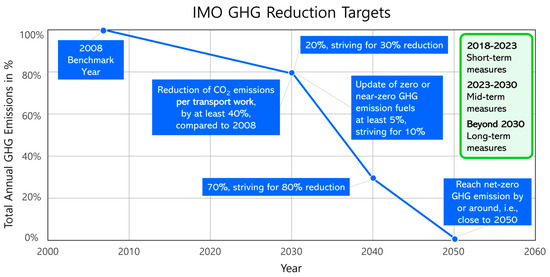
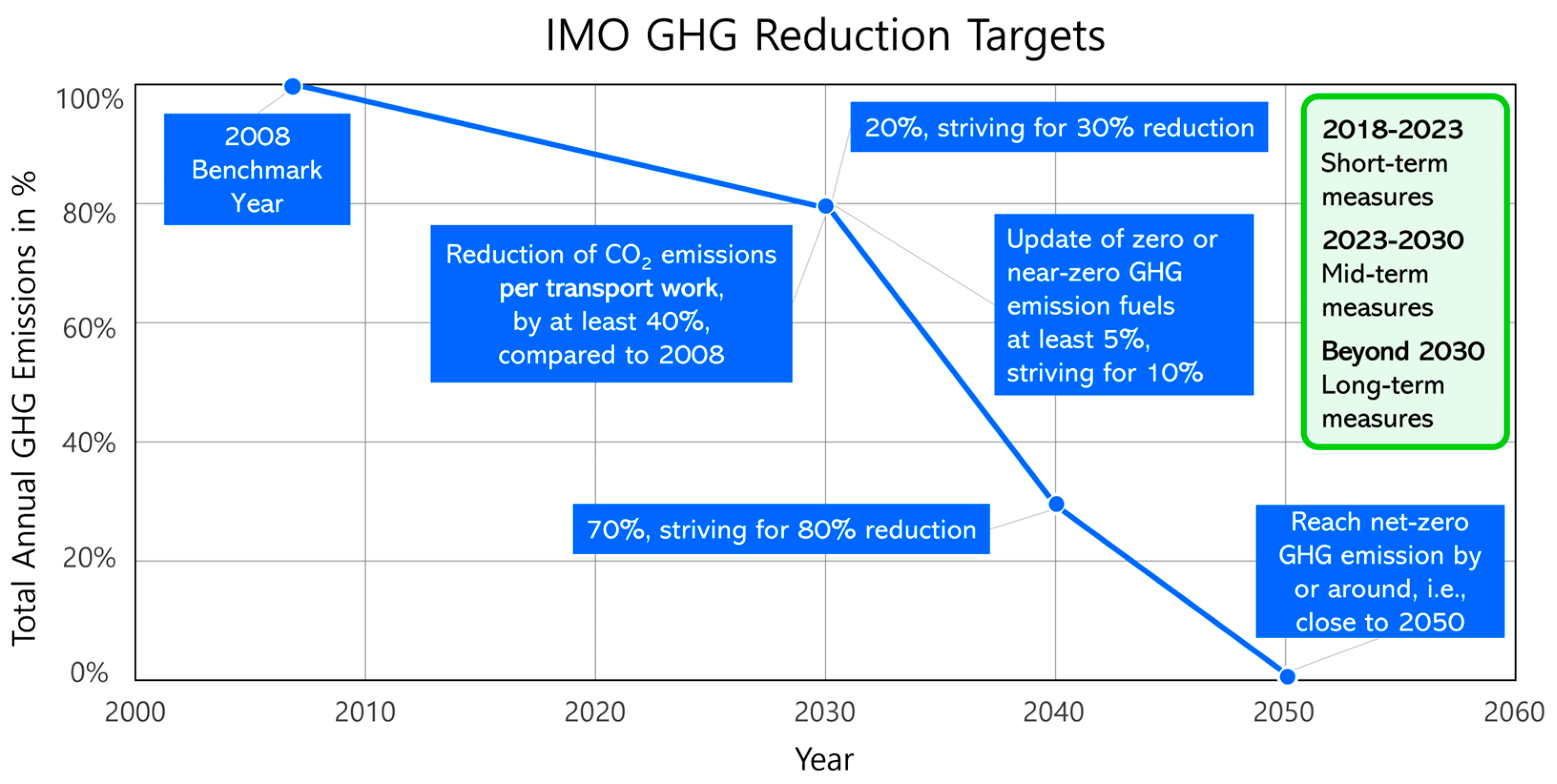
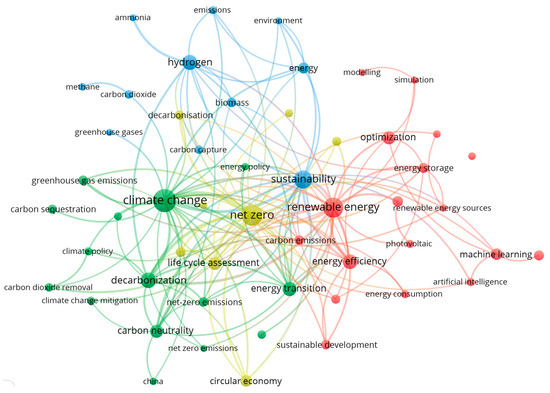
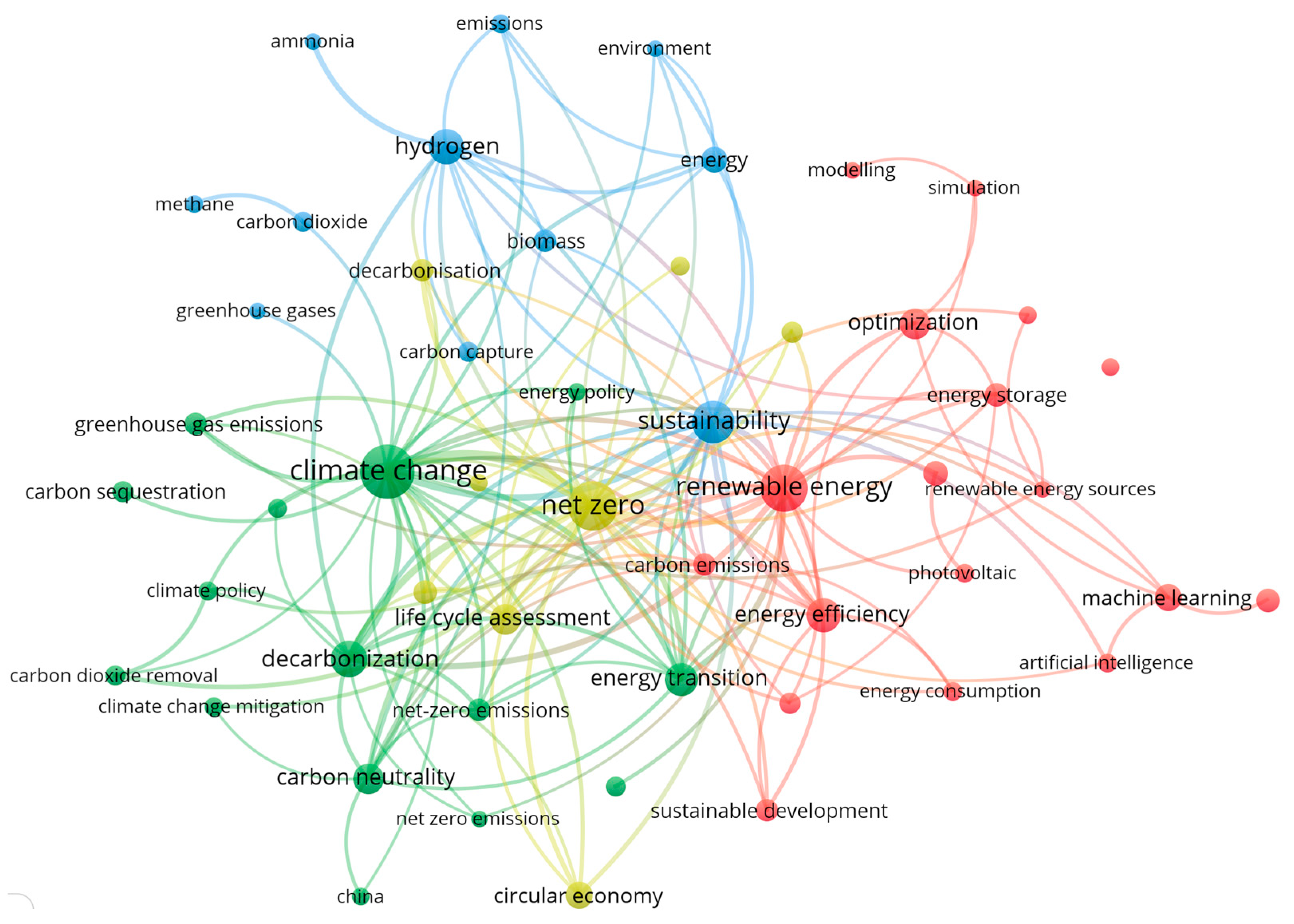
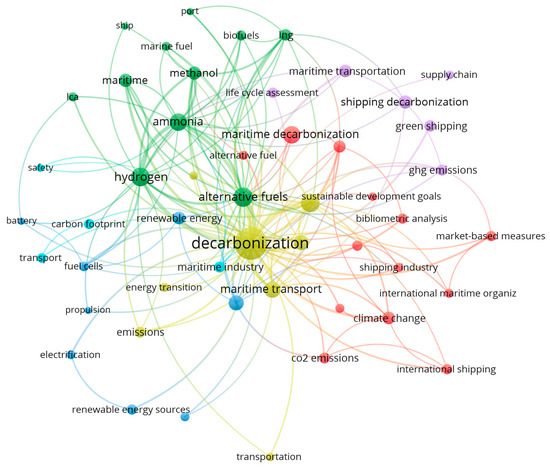
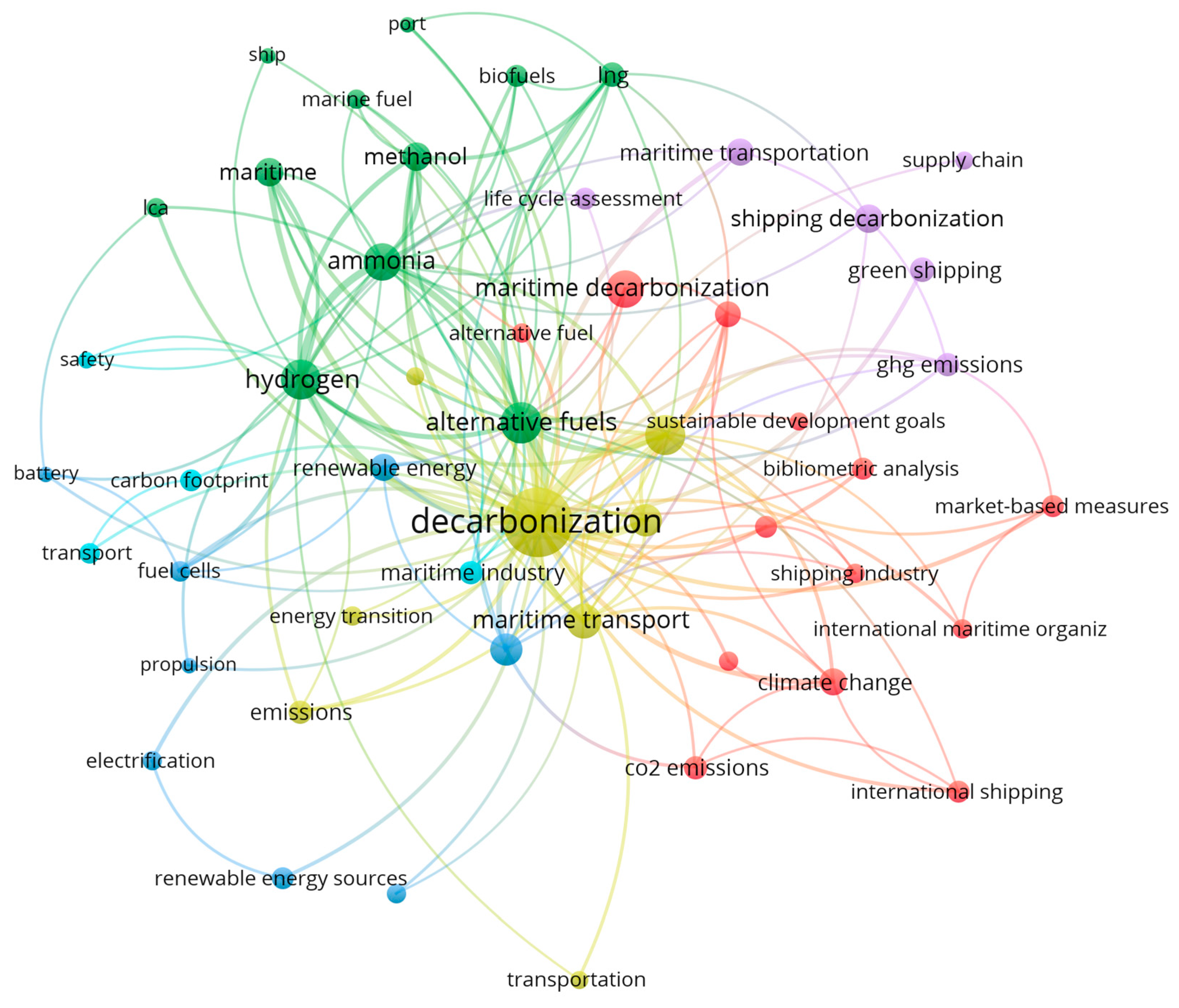
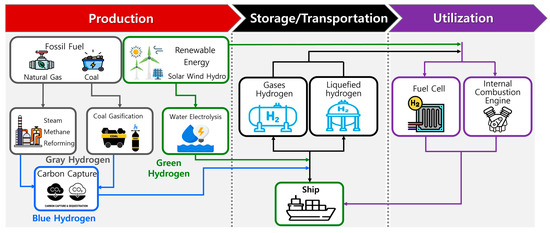
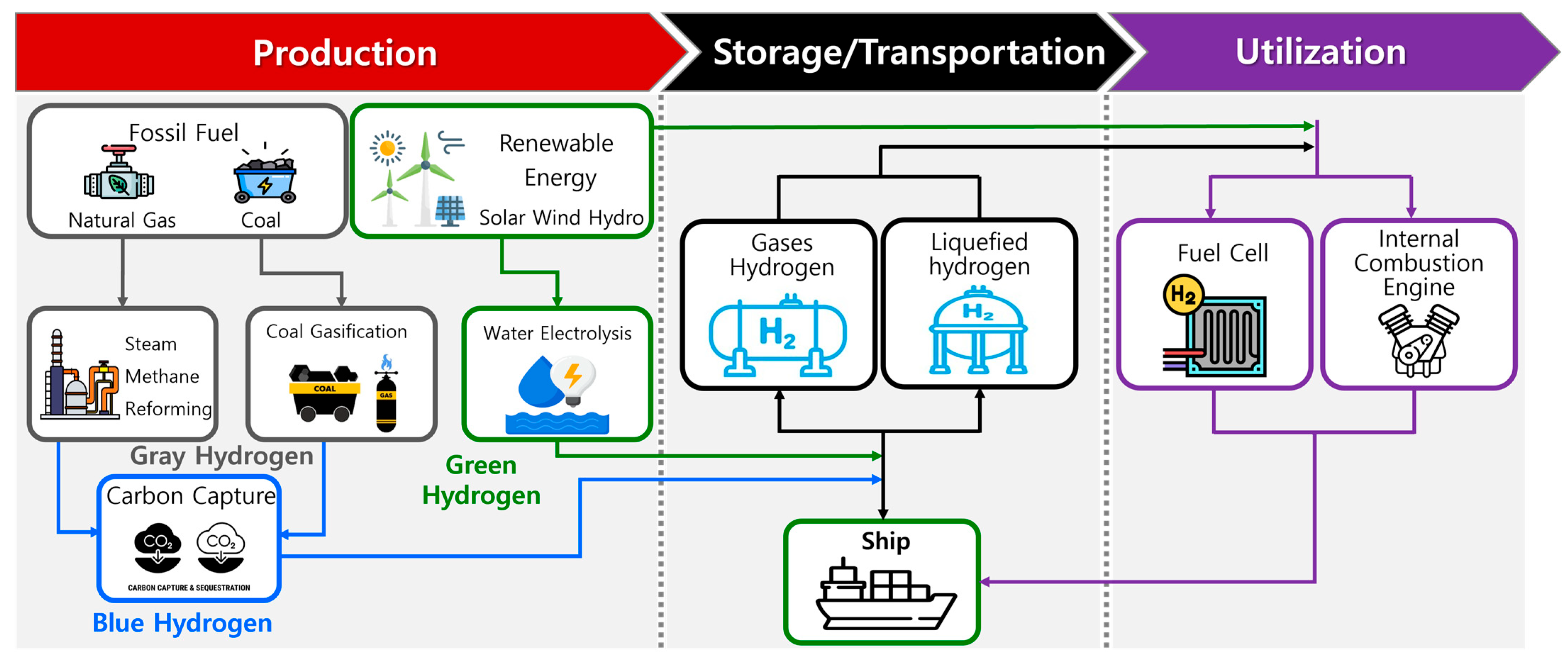
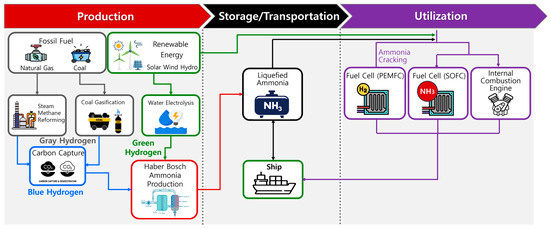
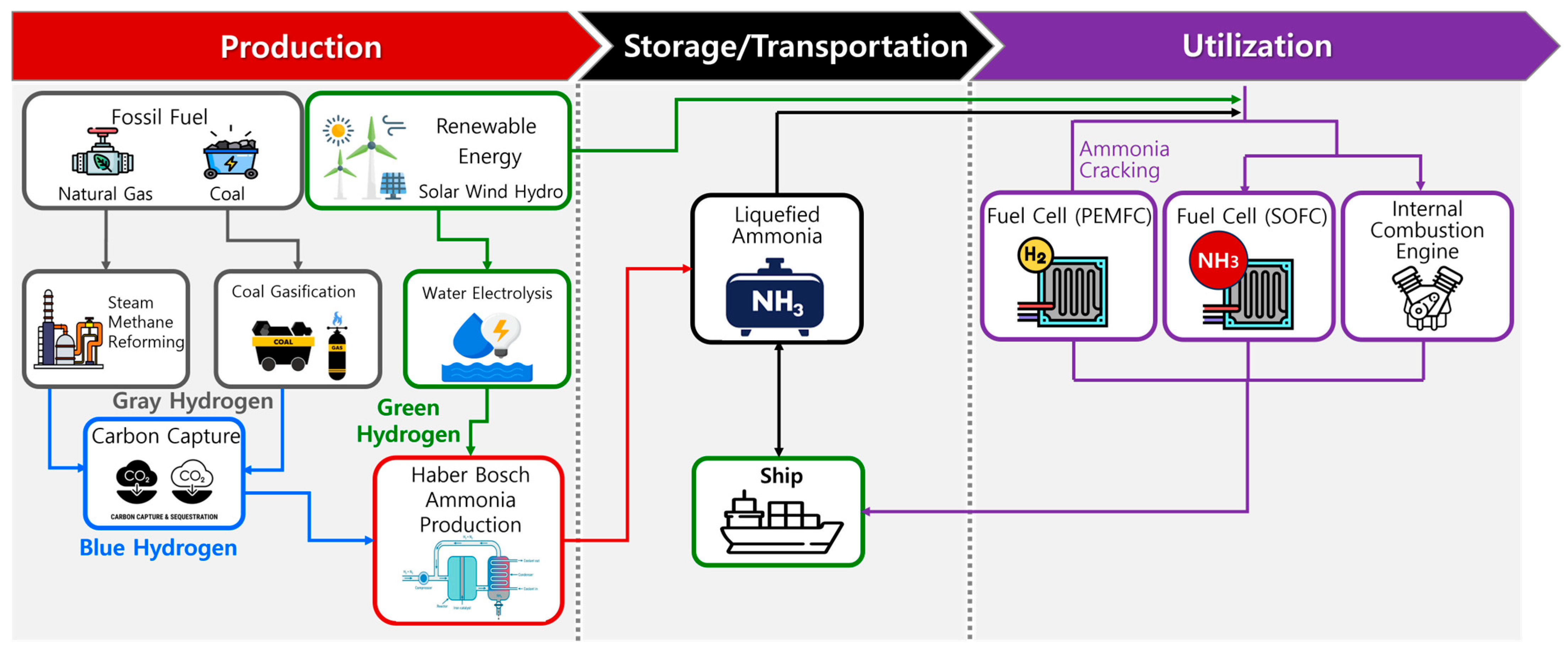
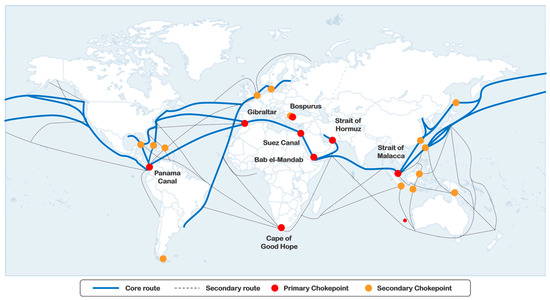
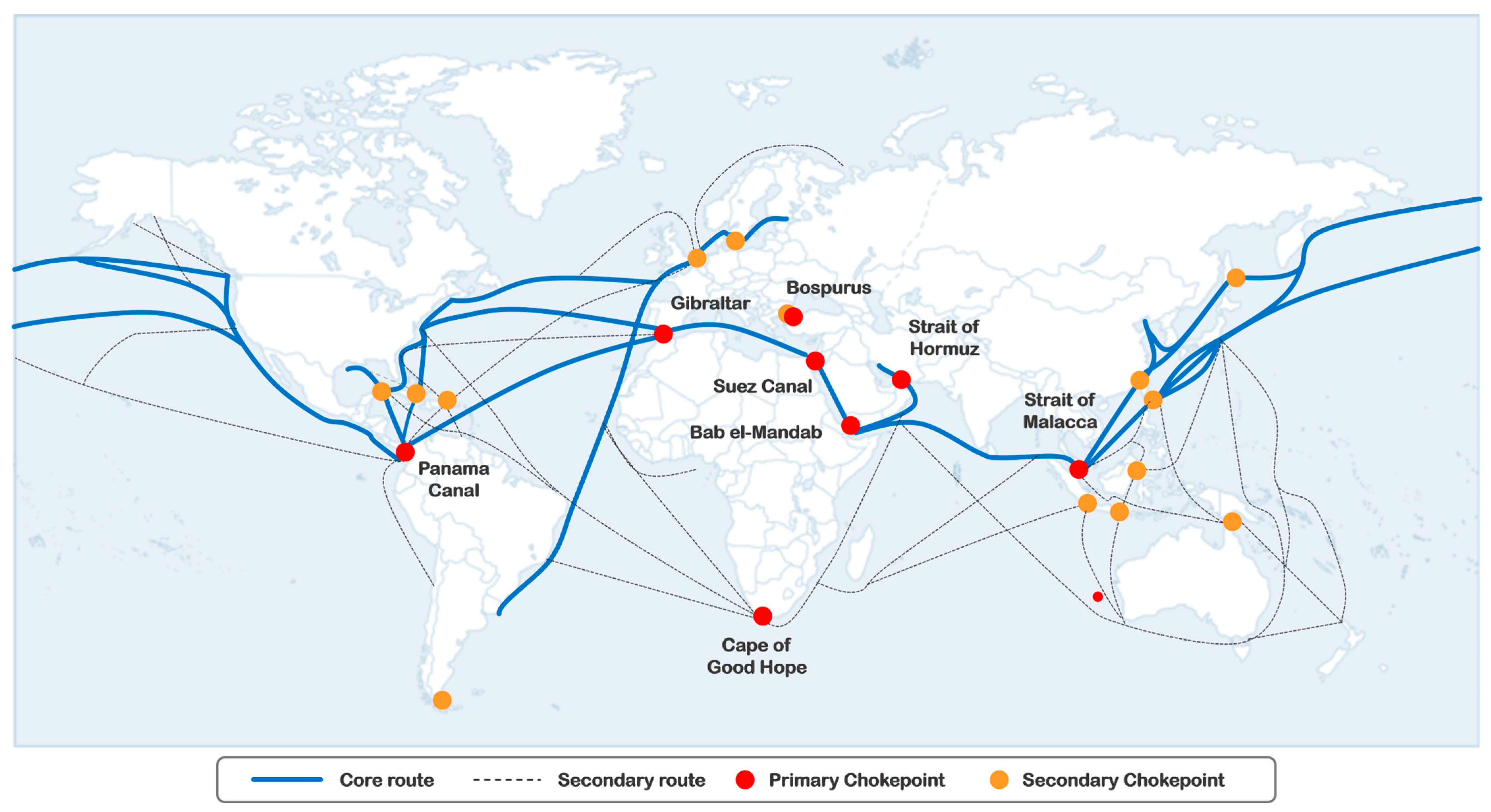

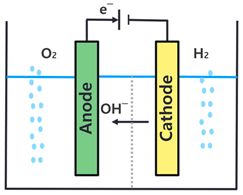
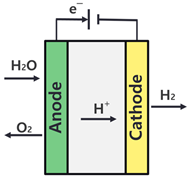
Disclaimer/Publisher’s Note: The statements, opinions and data contained in all publications are solely those of the individual author(s) and contributor(s) and not of MDPI and/or the editor(s). MDPI and/or the editor(s) disclaim responsibility for any injury to people or property resulting from any ideas, methods, instructions or products referred to in the content. |
© 2025 by the authors. Licensee MDPI, Basel, Switzerland. This article is an open access article distributed under the terms and conditions of the Creative Commons Attribution (CC BY) license (https://creativecommons.org/licenses/by/4.0/).