Article

The Impact of Open Public Data on Corporate Low-Carbon Technological Innovation: Evidence from China


1
College of Economics and Management, Nanjing Forestry University, Nanjing 210037, China
2
Business School, Chizhou University, Chizhou 247000, China
*
Author to whom correspondence should be addressed.
Sustainability 2025, 17(24), 10939; https://doi.org/10.3390/su172410939
Submission received: 1 November 2025 / Revised: 27 November 2025 / Accepted: 5 December 2025 / Published: 7 December 2025

Abstract

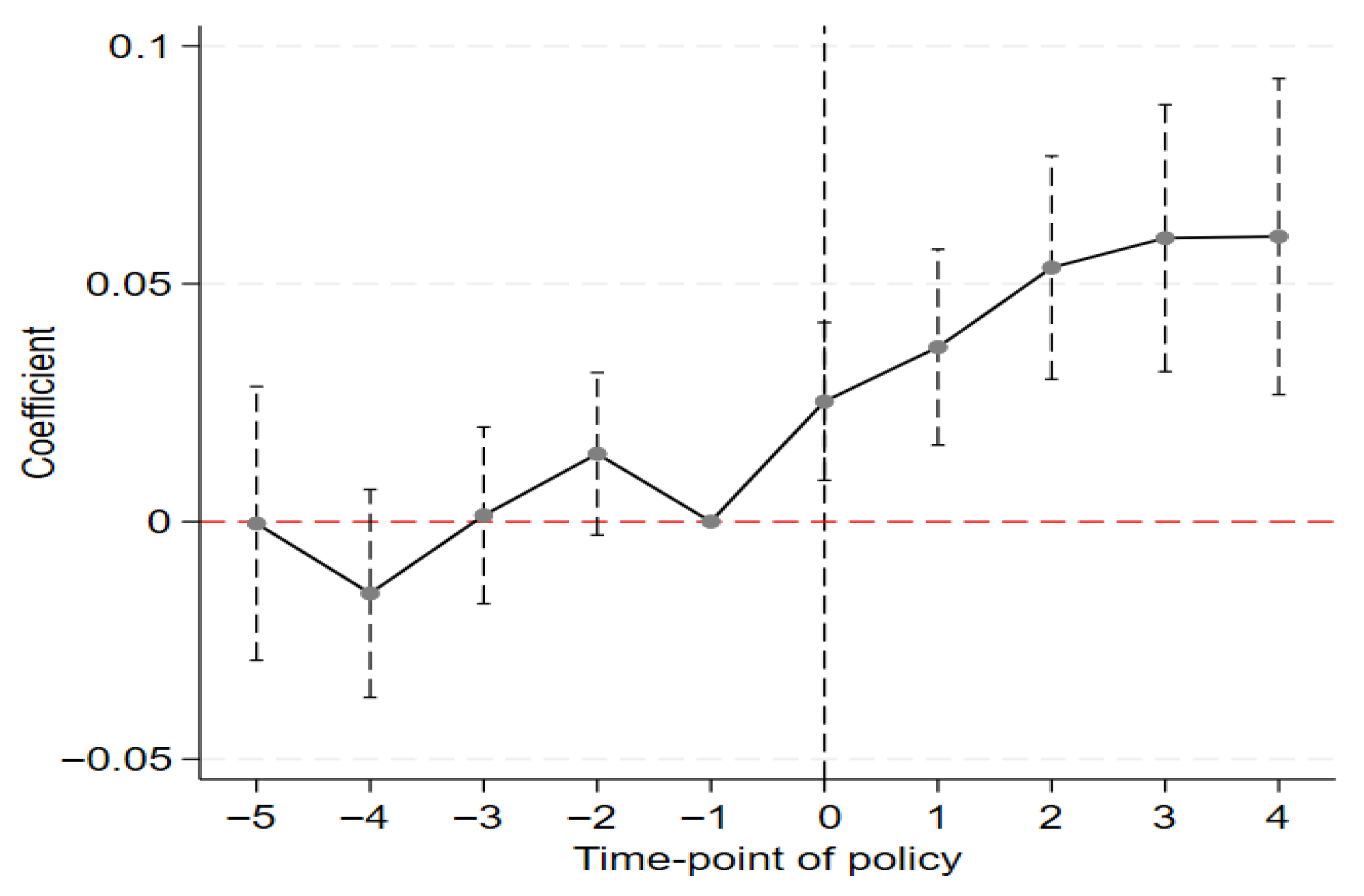
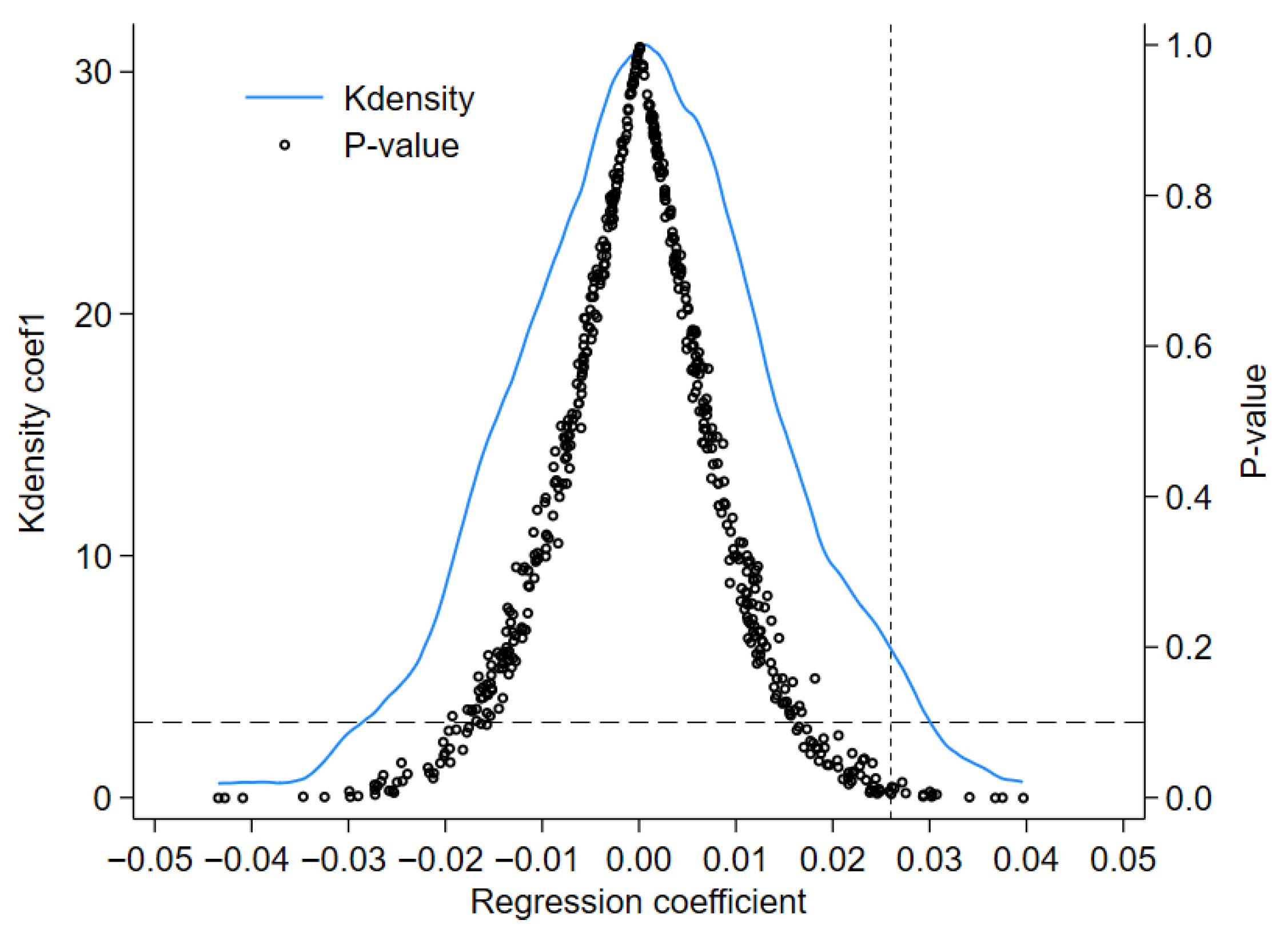
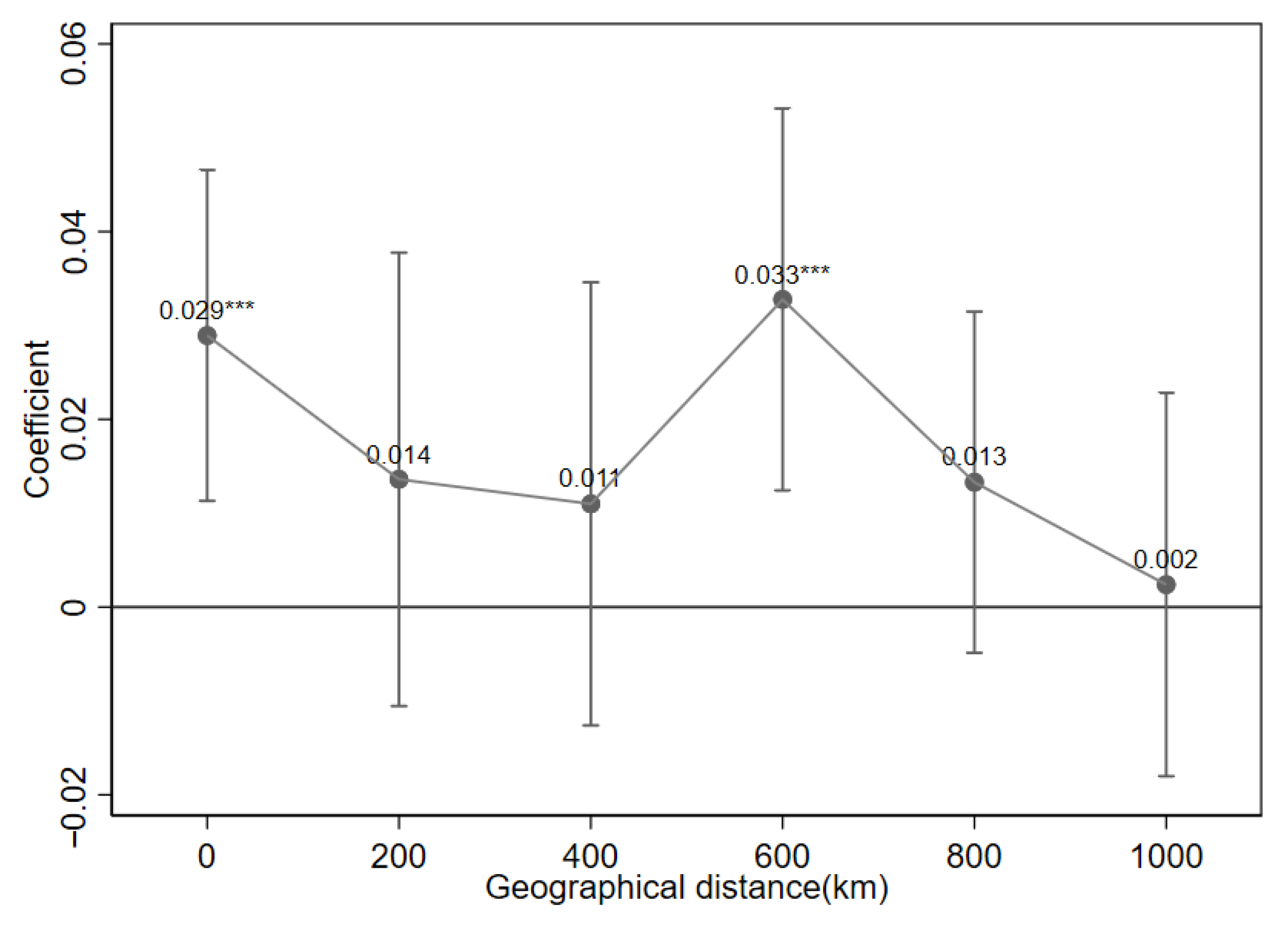
Open public data is a vital institutional arrangement for overcoming data constraints in corporate low-carbon technological innovation. Using a panel dataset of China’s Shanghai and Shenzhen A-share listed firms over the 2007–2023 period, this study employs a difference-in-differences (DID) approach to examine the impact of open public data on corporate low-carbon technological innovation. The results show that open public data has a significant positive effect on corporate low-carbon technological innovation, and the results remain robust across multiple validation tests. Mechanism tests point out that government transparency negatively moderates the promotional effect of public data openness on corporate low-carbon technological innovation, while barriers to factor mobility positively moderate this effect. The heterogeneity analysis indicates that the positive impact of open public data is more pronounced among firms characterized by higher R&D investment, lower financial constraints, and greater digitalization. Further analysis indicates that open public data also exhibits significant geographic and industry spillover effects, with the geographic spillover following an inverted U-shaped pattern of decay and the industry spillover driven by peer imitation. This study provides evidence on leveraging open public data to stimulate low-carbon innovation and facilitate green economic transformation, offering valuable insights for advancing data-driven sustainable development globally.
Keywords: open public data; low-carbon technological innovation; government transparency; barriers to factor mobility; spillover effects open public data; low-carbon technological innovation; government transparency; barriers to factor mobility; spillover effects