1. Introduction
Large-scale lakes, by virtue of their extensive water storage and regulatory capacities, exert a pivotal role in basin water resource utilization and flood control [
1]. To achieve these dual objectives, large-scale control structures are frequently constructed to regulate lake water levels [
2]. Typically, as a critical component of a basin’s flood control system, flood control standards are developed that align with the basin’s overarching flood control framework. These standards are generally formulated on the basis of the basin’s hydrological and meteorological characteristics, as well as its level of socioeconomic development [
3]. Unfortunately, however, intensified global climate change, frequent extreme rainfall events, rapid urban expansion around lake areas, and evolving underlying surface conditions within lake basins frequently generate discrepancies between the actual flood control capacity of lakes and their flood safety requirements [
4]. Consequently, scientific evaluations of the lakes’ actual flood control capacities and the formulation of appropriate flood control standards are not only of paramount importance for effective flood control scheduling for lake management but also represent an urgent and necessary scientific task [
5]. This aligns with implementing the United Nations Sustainable Development Goals, particularly building climate-resilient infrastructure (SDG 13: Climate Action) and ensuring sustainable urban development security (SDG 11: Sustainable Cities and Communities).
Assessments of the flood control capacity for large water bodies, such as lakes and reservoirs, primarily focus on analyzing the maximum allowable floodwater level under different inflow conditions [
6]. Commonly used methods include the static storage capacity method, one-dimensional (1D) hydrodynamic modeling, and two-dimensional (2D) hydrodynamic simulation [
7,
8,
9]. The static storage capacity method treats the lake/reservoir water surface as a static plane. It first derives the water level–storage capacity relationship using topographic data, then calculates the corresponding floodwater level under various inflow conditions on the basis of a water balance, thereby providing an approximate estimation of flood control capacity [
7]. Chen et al. [
10] applied this method to investigate the flood dispatching process in the Three Gorges and Gezhouba reservoir areas, while Daneshgar et al. [
11] utilized it to optimize reservoir operation schemes. However, this approach neglects the dynamic variation in water surface slope during flood propagation in the lake area, leading to non-negligible deviations in calculated floodwater levels [
12]. This limitation is particularly pronounced for large lakes, where significant water surface slopes develop during floodwater fluctuations, rendering the static storage capacity method inadequate for meeting engineering application requirements [
13].
With advancements in hydrodynamic simulation technology, 1D and 2D hydrodynamic models have been increasingly applied to flood analysis in reservoirs and lakes [
14]. One-dimensional hydrodynamic models are, in fact, widely adopted due to their lower modeling and computational demands [
15]. For instance, Wei et al. [
16] used a 1D model to predict the hydrodynamic processes induced by reservoir discharge. Liao et al. [
17] employed the same approach to simulate reservoir water storage scheduling at the end of the flood season. Yao et al. [
18] developed a 1D hydrodynamic model for the Xiangjiaba and Three Gorges reservoir system to study flood dispatching calculations. Although 1D hydrodynamic models effectively simulate longitudinal water surface slopes, they fail to capture transverse flow dynamics, limiting the precise evaluation of flood propagation within complex lake areas [
19]. In comparison, 2D hydrodynamic numerical models can resolve horizontal flow movements and more accurately describe flood wave propagation [
20,
21]. For example, Garg and Ananda [
22] established an HEC-RAS2D model to simulate extreme flood scenarios under multi-objective reservoir regulation, while Wallace et al. [
23] applied the same model to assess downstream inundation caused by reservoir dam breaks. Wu et al. [
24] developed a 2D hydrodynamic model for Poyang Lake to investigate the spatiotemporal propagation of floodwaters within the lake and their impacts on surrounding flood control measures. Collectively, the above methods are all applicable; the most appropriate approach should be selected on the basis of the research scale, precision requirements, and data availability.
The demonstrated effectiveness of 2D hydrodynamic models in high-accuracy scenarios has established them as a mainstream method for simulating flood propagation in reservoirs and lakes [
25]. However, it still faces significant challenges when applied to lakes regulated by large-scale hydraulic engineering systems [
26]. First, computational efficiency is constrained by the vast domain and complex underlying surface conditions, leading to prohibitive costs that hinder timely decision-making [
27,
28]. Second, and more critically, the accuracy of regulation simulations is limited by the reliance on empirical formulas, including weir flow and orifice flow equations, for representing hydraulic structures such as sluice gates and dams [
29,
30,
31]. Extensive literature and practical evidence demonstrate that these empirical methods exhibit insufficient accuracy and stability under complex flow conditions [
32,
33]. This limitation impedes models from faithfully replicating actual engineering scheduling processes, consequently substantially undermining the reliability and practical utility of assessment results for guiding precision management [
34,
35].
This study focuses on a typical large-scale regulated lake and employs an enhanced 2D hydrodynamic model. Through multi-scenario simulations and systematic comparisons, the study not only quantitatively assesses the flood control capacity of the lake area under current and designed conditions, identifying potential risks in existing operation modes, but also, more importantly, clarifies the effectiveness and optimization directions of the proposed plan in enhancing regional flood resilience. The findings of this study provide critical decision-making support and technical foundations for managers to develop scientifically sound flood control plans. On the one hand, it helps build a more resilient living environment (SDG 11) by ensuring flood protection for lakeside communities and critical infrastructure; on the other hand, it provides a quantitative basis for implementing adaptive climate actions (SDG 13) by enhancing the climate resilience of the lake basin system against extreme rainfall and flooding. Furthermore, the methodology offers valuable insights for sustainable water resource management and climate adaptation strategies for similar human-regulated water bodies worldwide.
2. Study Area and Data
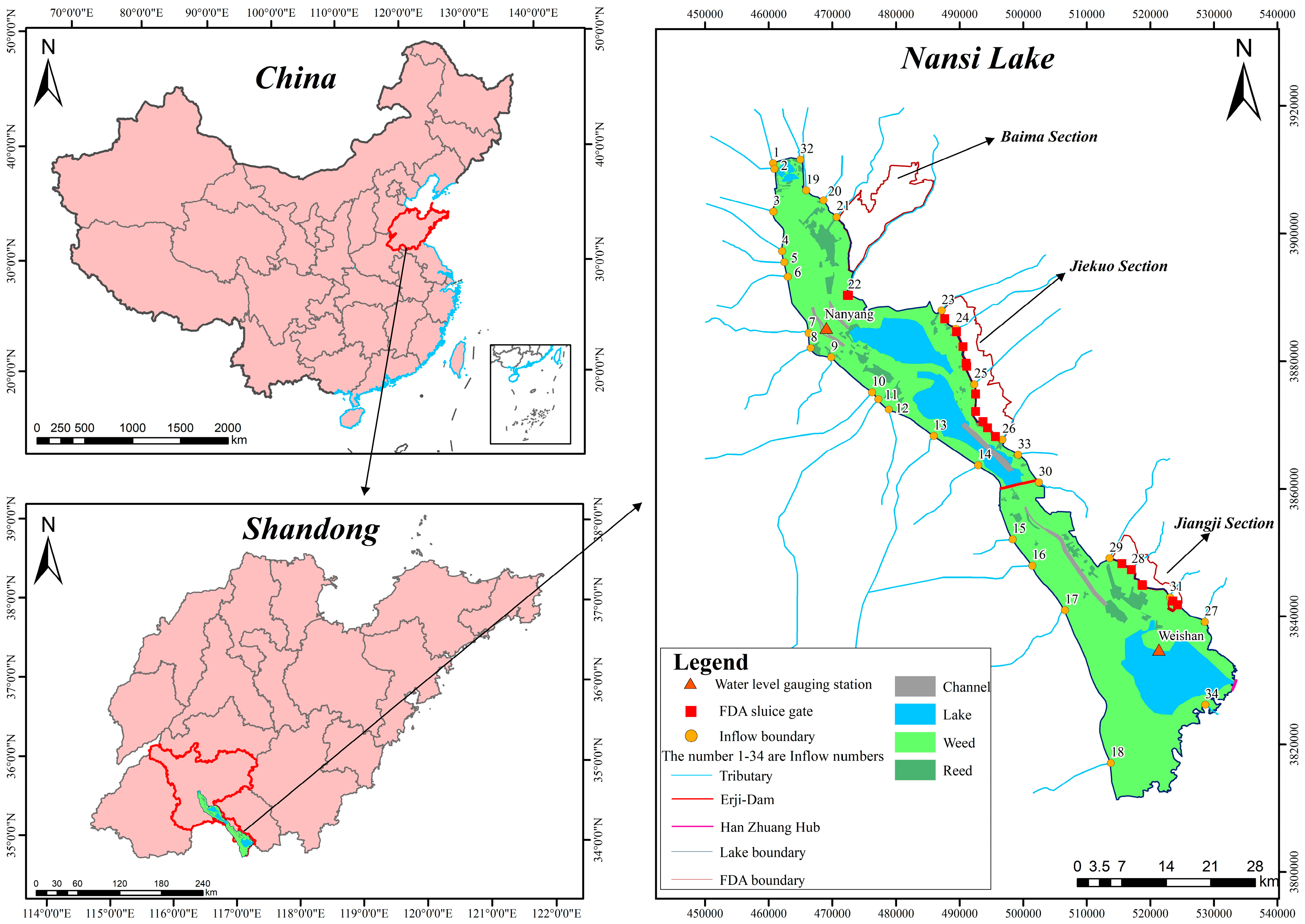
Nansi Lake is located in Jining City, Shandong Province, and possesses a lake surface area of approximately 1266 km
2 (
Figure 1). The lake is bounded by the East Lake Dyke to the east, the West Lake Dyke to the west, the North Dyke of Taibai Lake to the north, and an administrative boundary to the south. From north to south, its length extends approximately 126 km; its east-to-west width ranges from 5 to 25 km. It has a total storage capacity exceeding 6 × 10
9 m
3. Within the lake area, the primary surface cover types include channel, reed, lake, and weed, accounting for 2.11%, 6.00%, 20.15%, and 71.74% of the total area, respectively. A total of 34 tributaries flow into the lake, with 24 tributaries feeding the upstream lake area and 10 tributaries feeding the downstream lake.
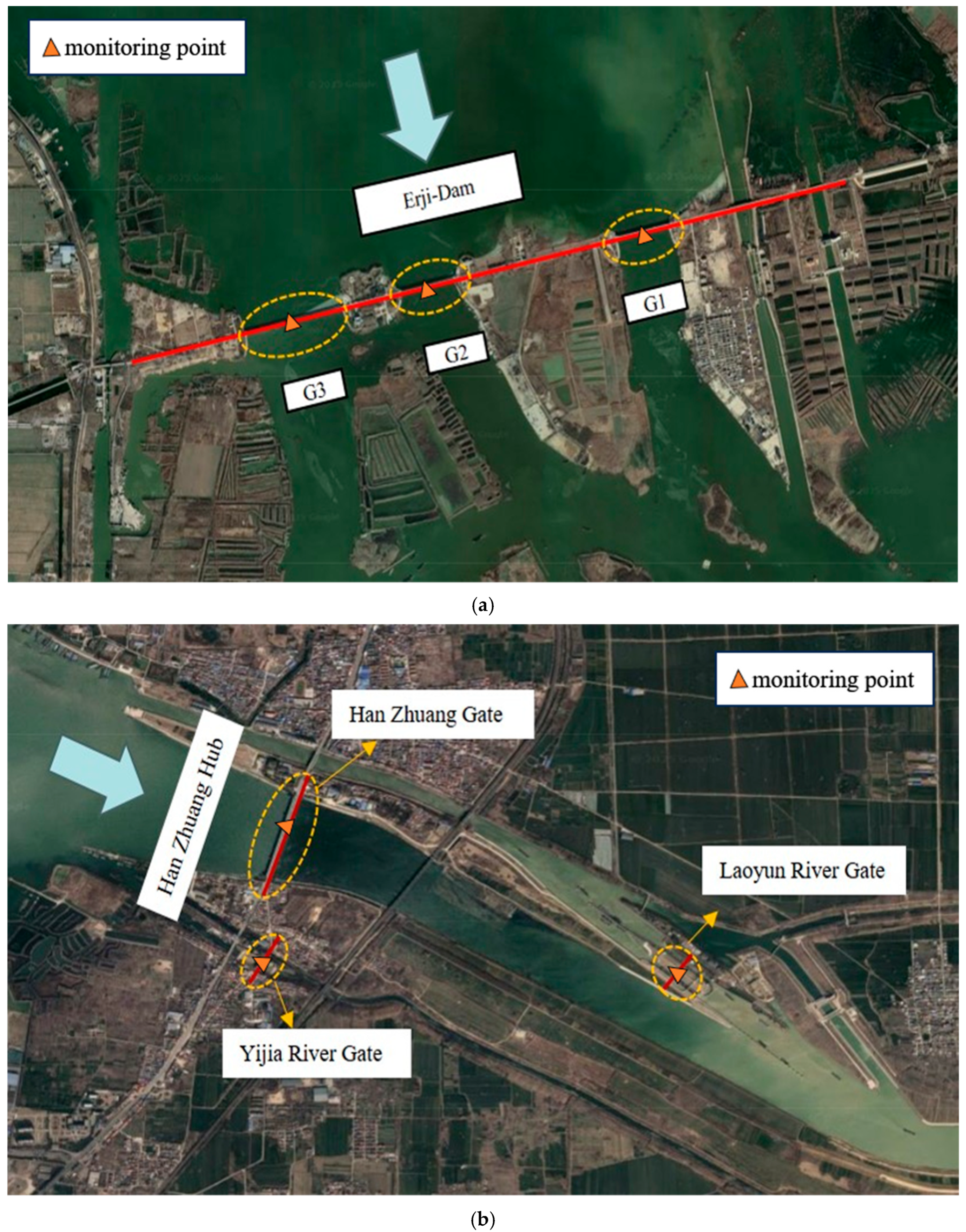
Nansi Lake is a large-scale water body subject to complex operational scheduling, with multiple major hydraulic structures constructed within its basin. A key feature is the Erji Dam Project (
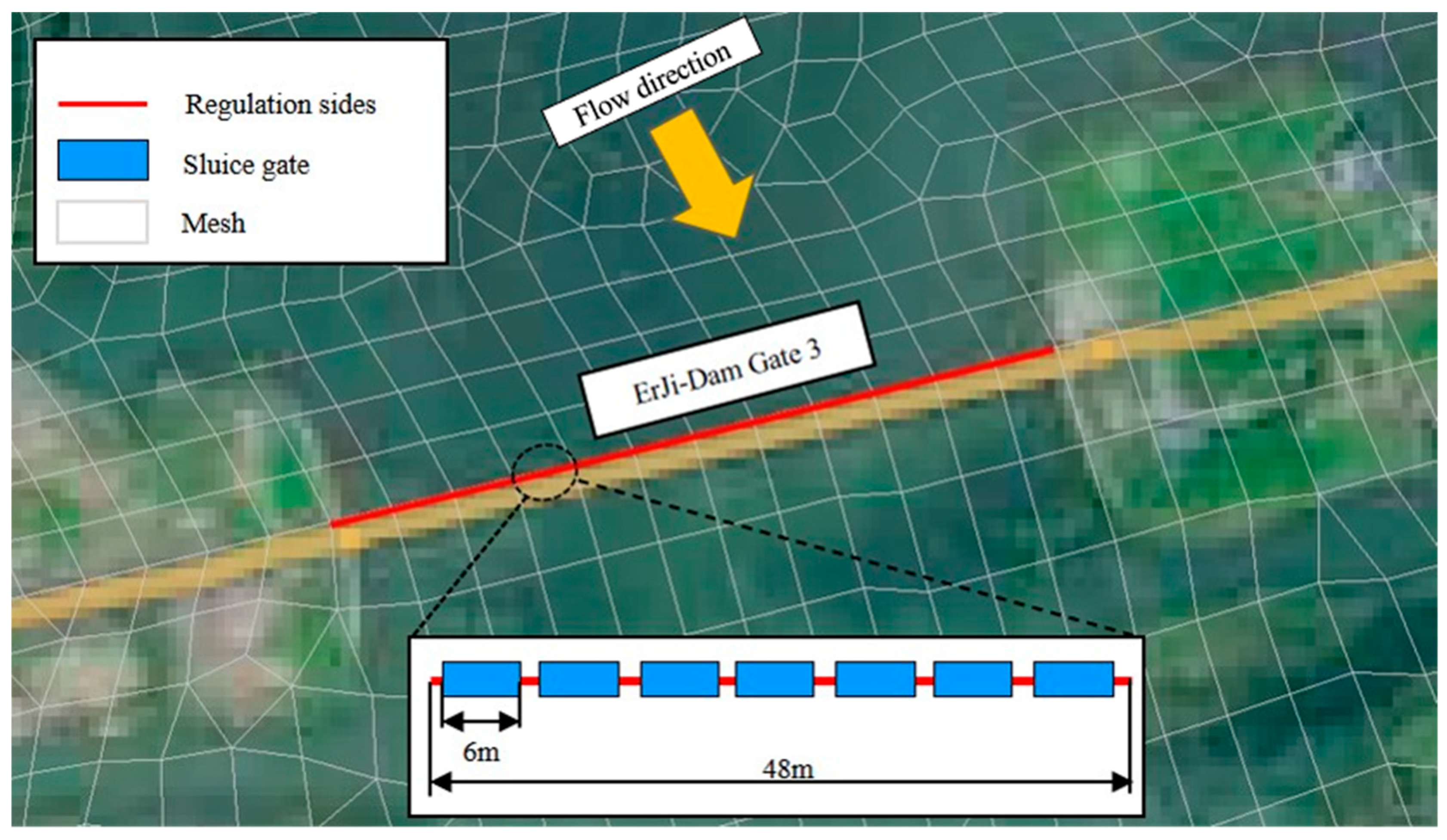
Figure 2a), located at the center of the lake, which divides the lake into upper and lower sub-basins. The Erji Dam spans 7360 m in length and incorporates one overflow weir and three sets of sluice gates with a combined total of 178 gate openings. Downstream, at the lake’s main outfall, the Han Zhuang Hub has been constructed, comprising three sluice complexes: the Yijia River Gate, the Han Zhuang River Gate, and the Laoyun River Gate (
Figure 2b). Additionally, the Flood Detention Area (FDA) is located on the eastern side of the lake, consisting of three sections—the Baima Section, Jiekuo Section, and Jiangji Section, with a combined area of 232.13 km
2. Between the FDA basin and the main lake, 19 flood diversion sluices have been installed to regulate water flow.
The originally designed flood control standard for Nansi Lake was set for a flood with a 50-year recurrence interval. With environmental changes and regional economic development, this standard needs to be upgraded to a flood with a 100-year recurrence interval. The specific flood control objectives are as follows: during the flood season, the initial regulation water levels for the upstream and downstream lakes are specified as 33.99 m and 32.29 m, respectively, while the limited water levels are set at 36.99 m and 36.49 m, respectively. In other words, when encountering a 100-year recurrence interval flood, joint operation of the Erji Dam, Han Zhuang Hub, and the FDAs should ensure that the water level at the Nanyang Station does not exceed 36.99 m, whereas the water level at the Weishan Station does not exceed 36.49 m, thereby safeguarding flood safety in the lake area, including its upstream and downstream reaches. To achieve these flood control objectives, the flood dispatch rules shown in
Table 1 were formulated.
In summary, Nansi Lake is a large-scale water body under artificial regulation and plays a critical role in flood control and protection. Characterized by complex underlying surface conditions, numerous tributaries, multiple control structures, and intricate operation rules, the lake system faces key engineering challenges driven by environmental changes and the development demands of the regional socio-economy. The primary issues requiring investigation, and which are addressed herein, are as follows:
- (1)
Does the current flood control capacity of the Nansi Lake meet the 50-year and 100-year recurrence interval flood control standard?
- (2)
If the existing capacity falls short, can the target be achieved solely through dredging of open lake areas?
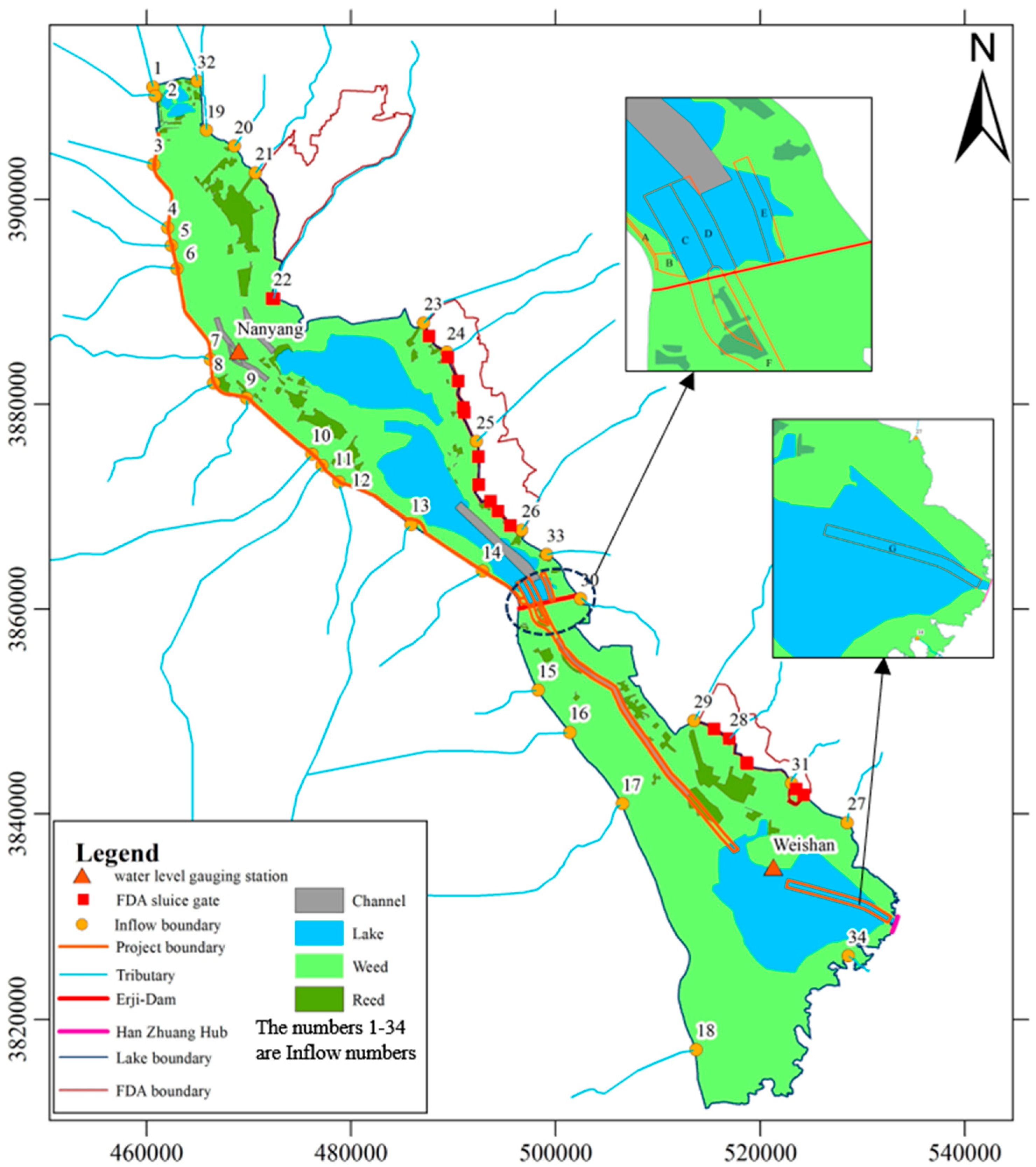
To address these research questions, this study developed a 2D hydrodynamic model capable of accurately reproducing the complex flow conditions and engineering operations within Nansi Lake, thereby creating a high-resolution simulation of flood control water levels during various floods under different operational scenarios. An important scenario that was assessed is the impact of dredging on flood storage capacity (
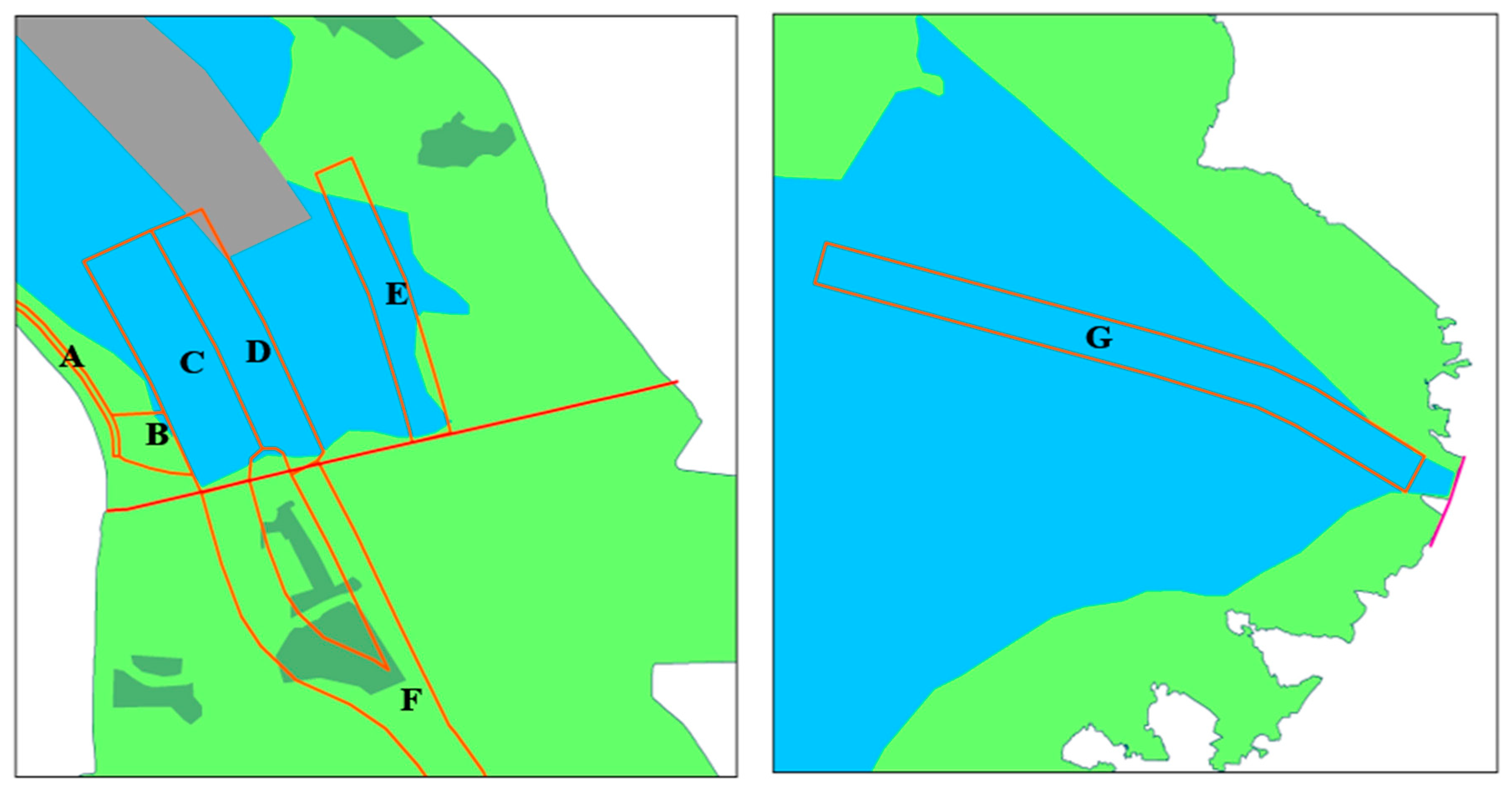
Figure 3). The proposed dredging scheme is defined as follows (
Figure 4):
- (1)
The area A (dredging elevation = 28.6 m) is the west shipping channel of the upstream lake.
- (2)
Area B (dredging elevation = 30.29 m) is the connection section between the shipping channel and the Erji Dam.
- (3)
Within the Erji Dam, Area C (dredging elevation = 30.29 m) is the upstream section of Gate 3, Area D (dredging elevation = 30.29 m) is the upstream section of Gate 2, and Area E (dredging elevation = 30.79 m) is the upstream section of Gate 1.
- (4)
Area F (dredging elevation = 28.29 m) is the downstream channel section of Gate 2 and Gate 3.
- (5)
Area G (dredging elevation = 28.5 m) is the overall excavation elevation for the flood discharge channel of the downstream lake.
4. Assessment of Flood Control Capacity
4.1. Evaluating a Flood with a 50-Year Return Period Under the Current Condition
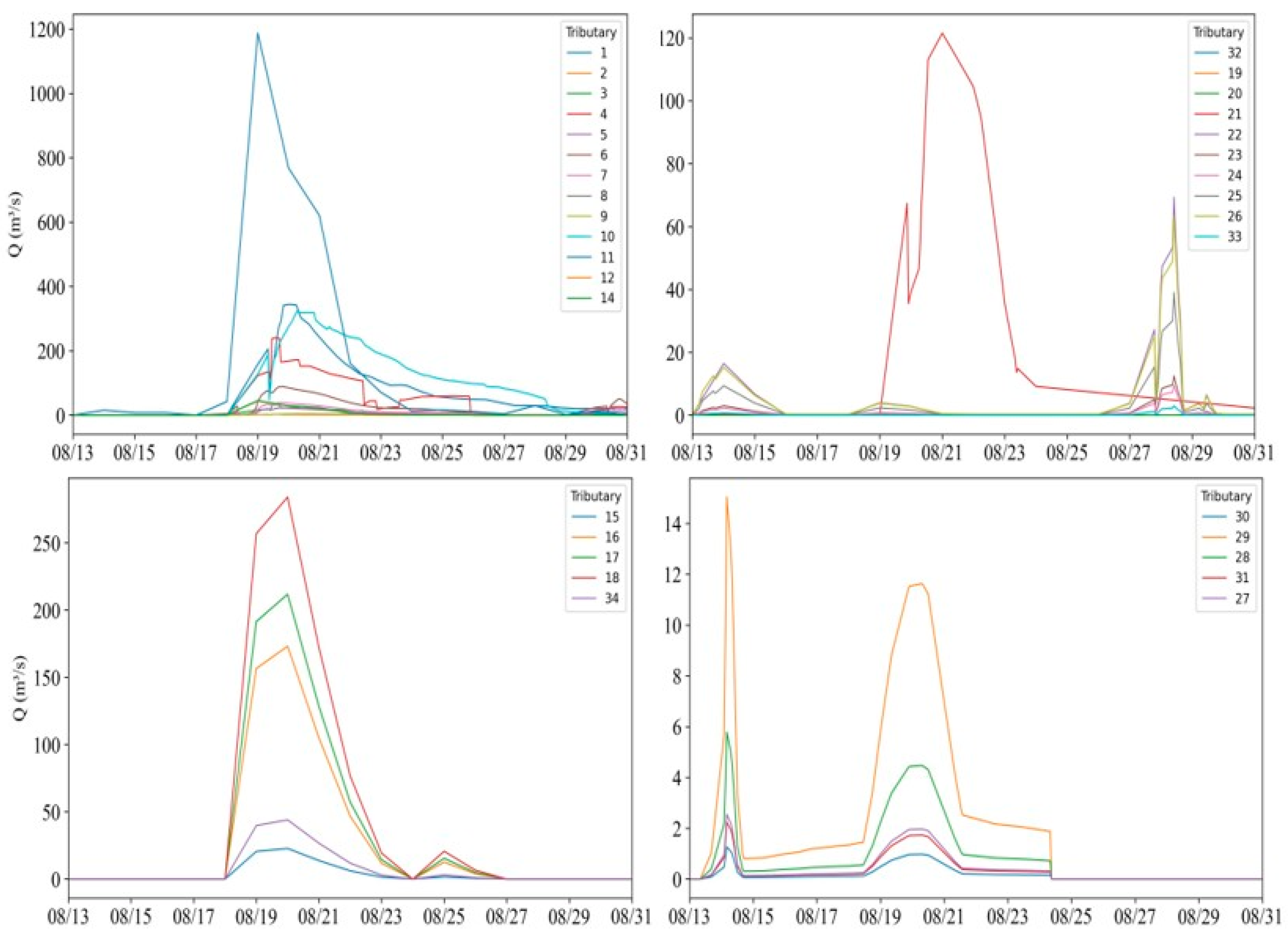
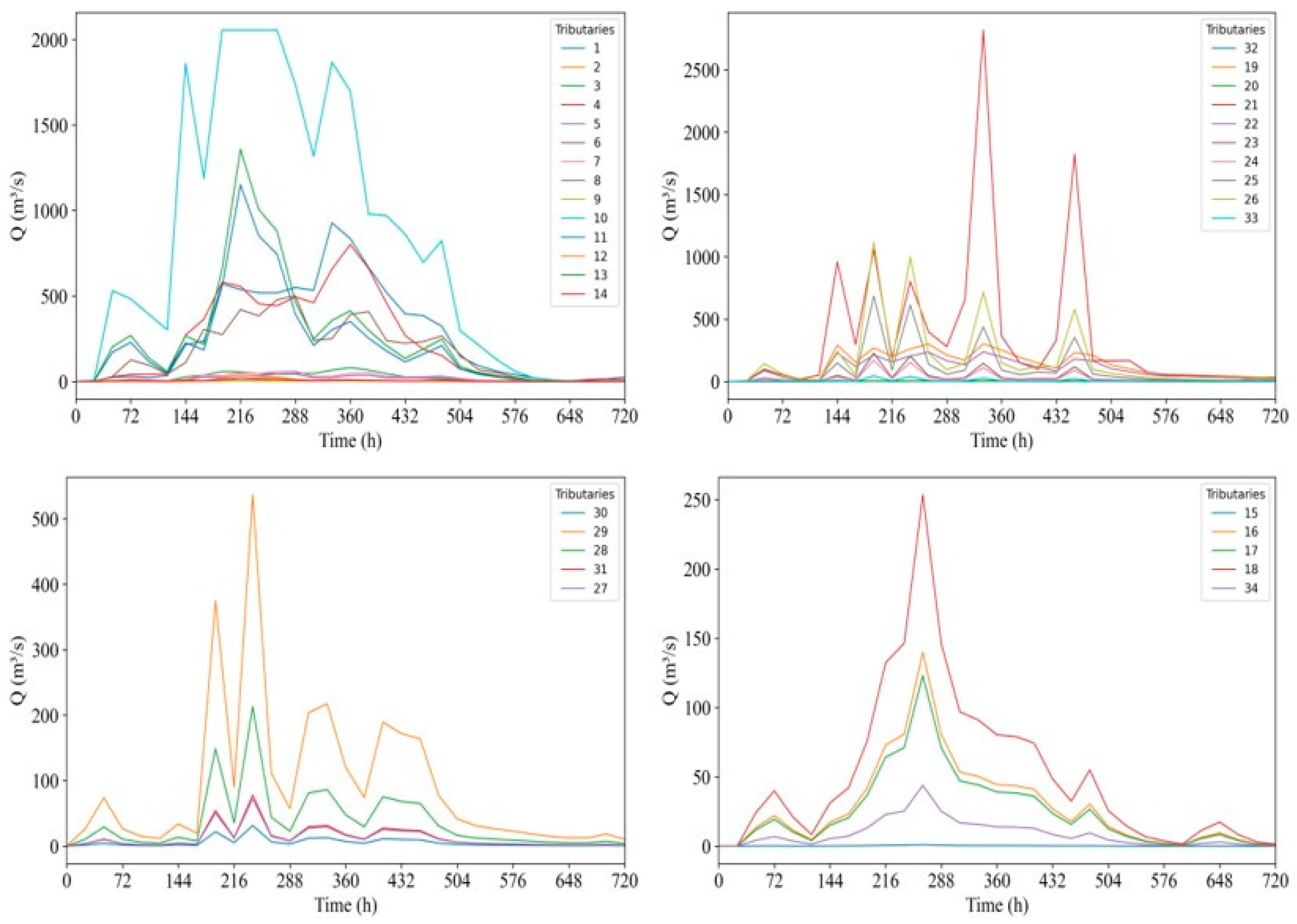
This scheme assumes that a 50-year flood occurs in each of the 34 tributaries shown in
Figure 1, and the 50-year flood hydrograph is illustrated in
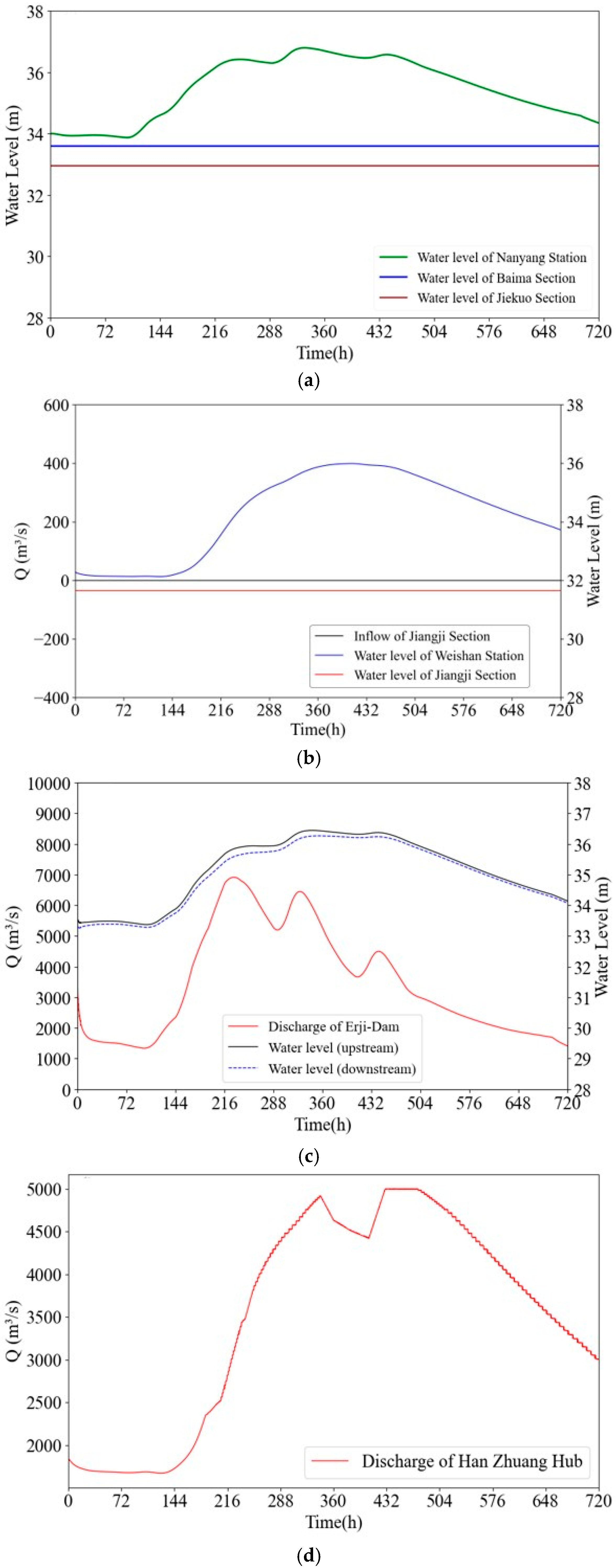
Figure 9. Model simulation results based on the input of these flood hydrographs (
Figure 10), along with water level and peak discharge data from the monitoring stations (
Table 4), indicate the following:
- (1)
The water level at the upstream Lake Nanyang Station peaked at 36.79 m at 334 h, while the water level at the downstream Weishan Station reached its maximum of 35.99 m at 403 h.
- (2)
None of the FDA sections met the activation conditions.
- (3)
The initial water level of the upstream lake was 33.99 m. The Erji Dam opened its gate to control discharge, reaching a maximum discharge of 6910.31 m3/s at 230 h. At 353 h, the maximum water level upstream of the Erji Dam reached 36.44 m, while the maximum water level downstream at that time was 36.26 m.
- (4)
The initial water level of the downstream lake area was 32.29 m, and the maximum discharge controlled by the Han Zhuang Hub was 5003.21 m3/s.
Based on the above simulation results, during a 50-year flood, the limited water level of 36.99 m is higher than the maximum water level of 36.79 m recorded at Nanyang Station. Additionally, the limited water level of 36.49 m exceeds the maximum water level of 35.99 m observed at Weishan Station. Since the FDA has not met the activation requirements, and both the Erji Dam and Han Zhuang Hub are operating normally, the flood control capacity of the lake area under current conditions can withstand a 50-year flood.
4.2. Evaluating a Flood with a 100-Year Return Period Under the Current Condition
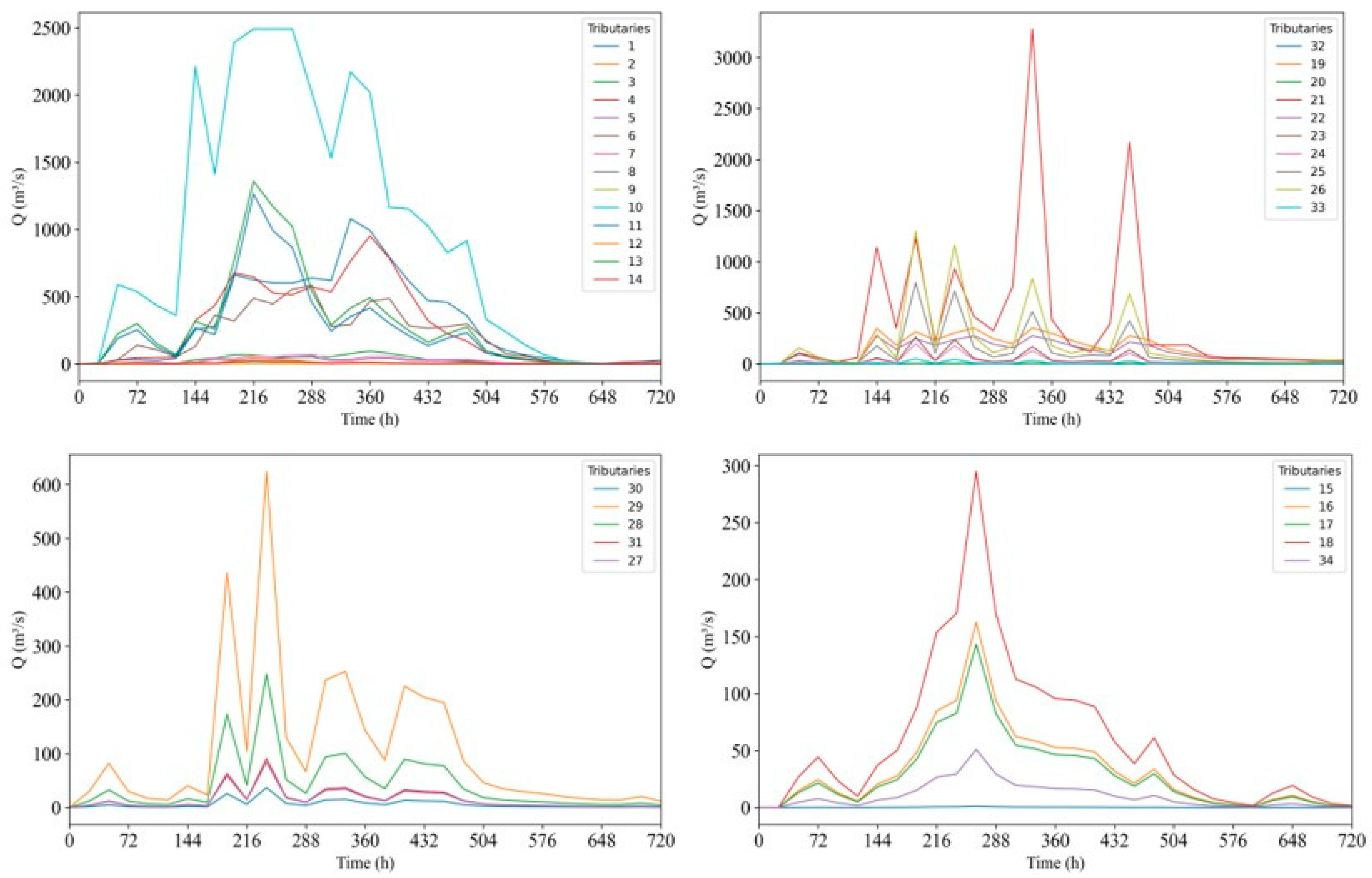
This scheme assumes that a 100-year flood occurs in each of the 34 tributaries shown in
Figure 1, and the 100-year flood hydrograph is illustrated in
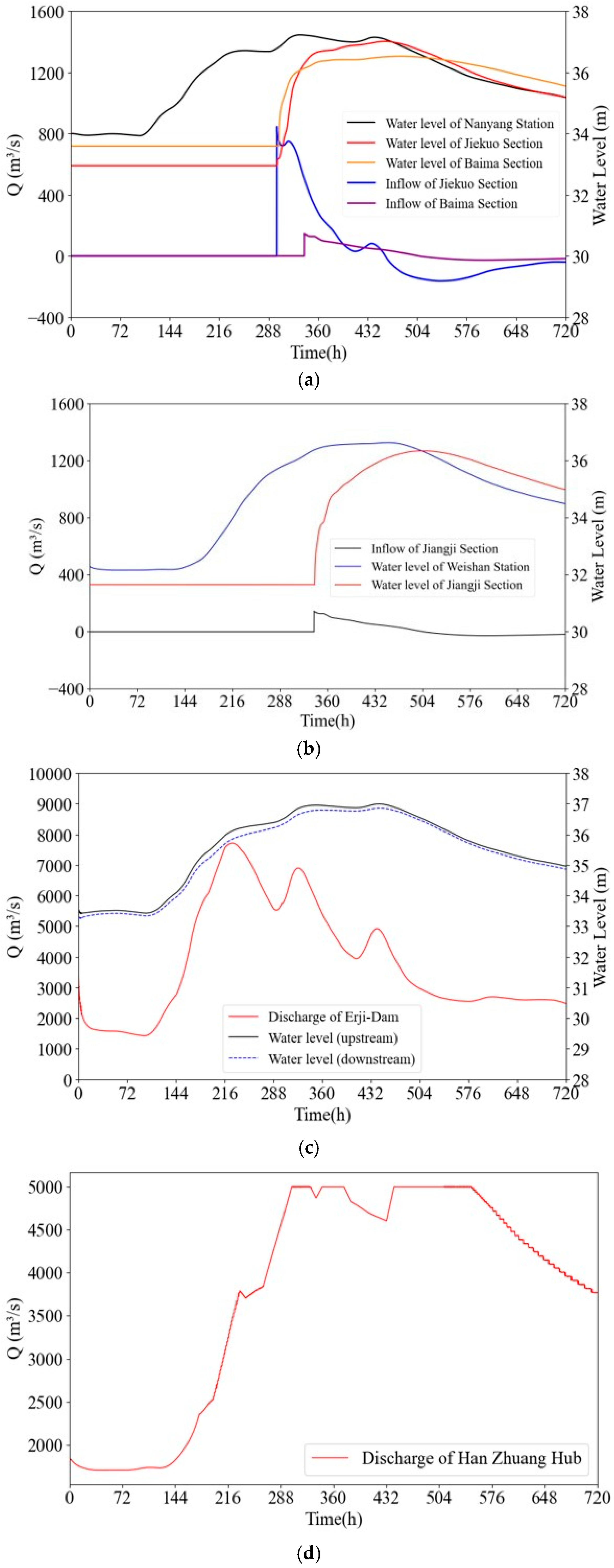
Figure 11. Model simulation results based on the input of these flood hydrographs (
Figure 12), combined with water levels and peak discharge data at the monitoring stations at key structures (
Table 5), indicate the following:
- (1)
At a time of 300 h, the water level at the upstream Lake Nanyang Station reached 36.79 m, prompting the activation of the Baima and Jiekuo Sections. The water level at Nanyang Station peaked at 37.22 m by 334 h. By 467 h, the water level in the Jiekuo Section equaled that of Nanyang Station (both at 37.00 m). At this point, as the Nanyang Station water level continued to decline, the Jiekuo Section began to drain. Similarly, by 519 h, the water level in the Baima Section matched that of Nanyang Station (both at 36.52 m), and as the water level at the Nanyang Station continued to drop, the Baima Section also started to drain.
- (2)
The water level at the Weishan Station in the downstream lake reached 36.29 m at 340 h, prompting the activation of the Jiangji Section. The water level at the Weishan Station peaked at 36.64 m at 457 h. At 502 h, the water level in the Jiangji Section equaled that of Weishan Station (both at 36.35 m). At this point, as the water level at Weishan Station continued to decline, the Jiangji Section began to drain.
- (3)
The initial water level of the upstream lake was 33.99 m. Erji Dam opened its gate to control the discharge, and the maximum outflow reached 7711.94 m3/s at 227 h. At 444 h, the highest water level upstream of the Erji Dam reached 36.99 m, while the highest water level downstream at that time was 36.86 m.
- (4)
The initial water level of the downstream lake was 32.29 m, with a discharge controlled by the Han Zhuang Hub. The maximum discharge at the Han Zhuang Hub was 5005.65 m3/s.
Based on the simulation results generated for the 100-year flood, the FDA met the activation requirements and carried out flood storage and drainage in accordance with the dispatching rules. Both the Erji Dam and the Han Zhuang Hub operated normally. However, the maximum water level at the Nanyang Station reached 37.22 m, exceeding the limited water level of 36.99 m; the maximum water level at the Weishan Station reached 36.64 m, exceeding the limited water level of 36.49 m. Therefore, under the current conditions, the flood control capacity of the lake area is insufficient to defend against a 100-year flood.
4.3. A 100-Year Return Period Flood Under the Designed Condition
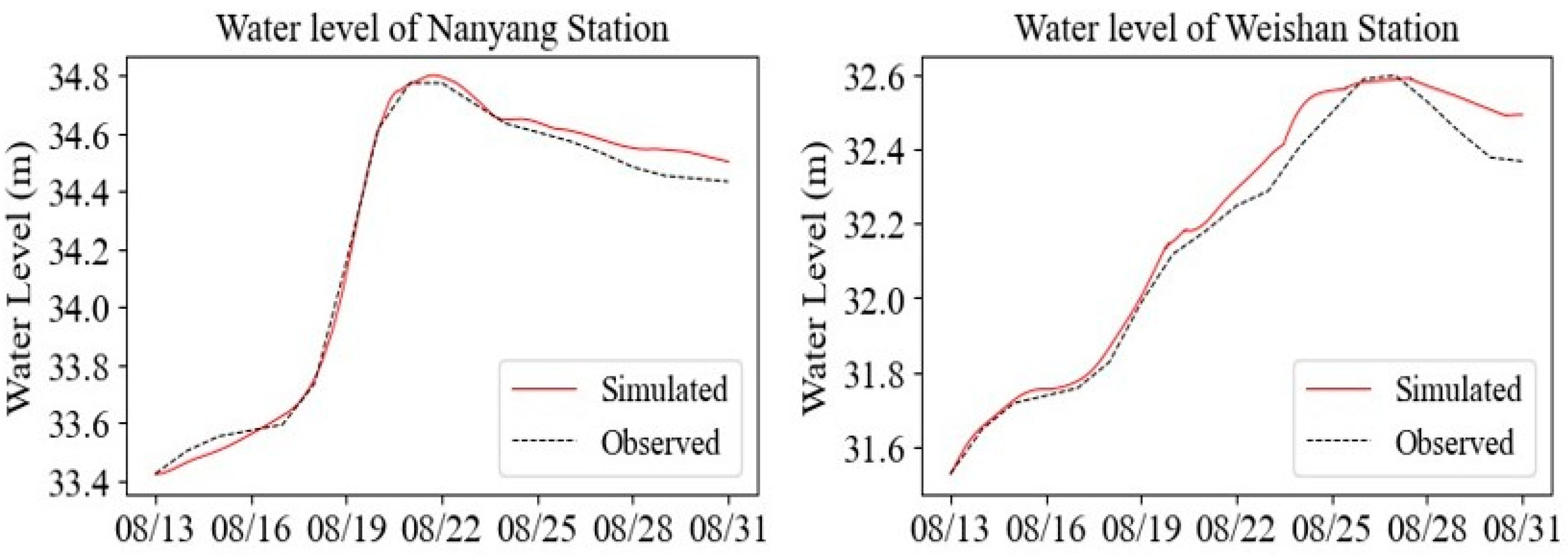
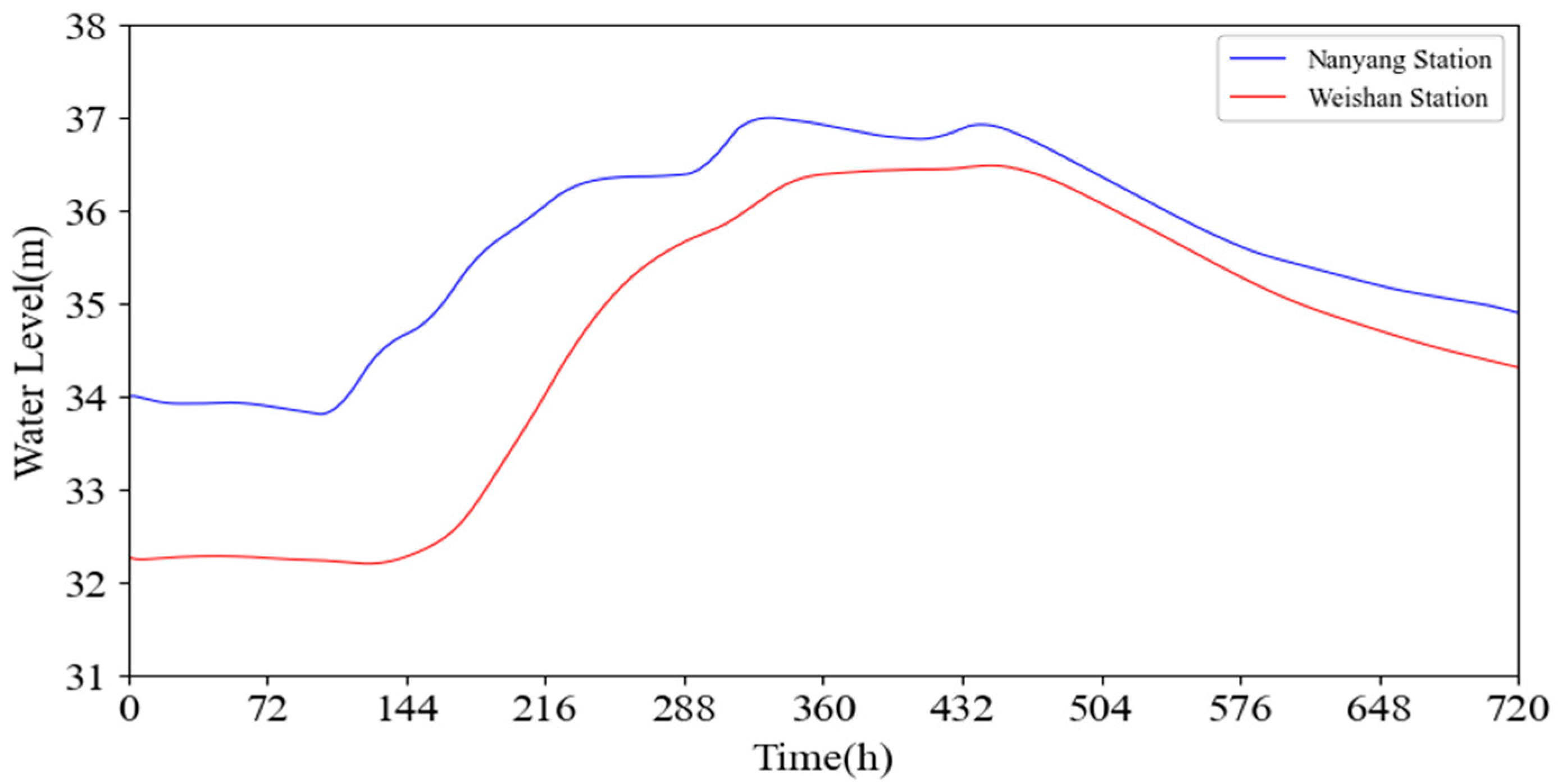
The designed condition (
Figure 3) was incorporated into the model and applied to the 100-year flood hydrographs (same as the inflow boundary conditions described in
Section 4.2) to determine how the measures affected water levels at the Nanyang and Weishan Stations (
Figure 13). The numerical simulation results indicate the following:
- (1)
Under the designed condition, the water level at the upstream Lake Nanyang Station reached a maximum of 36.98 m at 335 h. This water level was 0.24 m lower than the maximum water level at Nanyang Station under the current condition; it was also lower than the limited water level of 36.99 m.
- (2)
Under the designed condition, the water level at the downstream Lake Weishan Station reached a maximum of 36.47 m at 448 h. The water level was 0.17 m lower than the maximum water level at the Weishan Station under the current condition and was also lower than the limited water level of 36.49 m.
Based on the comprehensive simulation results (
Table 6), the water levels at the Nanyang and Weishan Stations under the designed conditions are lower than those under the current conditions, and both are below the limited water level. Therefore, the proposed designed conditions will enhance the flood control capacity of the Nansi Lake area such that it meets the standard for a 100-year flood.
4.4. Result Analysis
The results of the above simulations indicate that under the current conditions, when the Nansi Lake area experiences a 50-year flood event, the peak water level at Nanyang Station is 0.2 m below the limited water level, and the peak water level at Weishan Station is 0.5 m below the limited water level, indicating its capability to withstand a 50-year flood. However, when the Nansi Lake area experiences a 100-year flood event, the peak water level at Nanyang Station exceeds its limit by 0.23 m, and the peak water level at Weishan Station exceeds its limit by 0.25 m, indicating that under current conditions, it cannot effectively meet the safety requirements for a 100-year flood. After the proposed dredging project (designed condition) is implemented, under the condition of a 100-year flood, the water level at Nanyang Station will decrease by 0.24 m compared to the current situation, while the water level at Weishan Station will decrease by 0.17 m, meeting the 100-year flood prevention standard. It should be noted that the designed condition is a hypothetical research scenario; actual projects require further demonstration in combination with factors such as environmental constraints, economic costs, and social needs.
This designed condition has proven to be an effective measure for enhancing regional flood resilience. The study reveals a key mechanistic insight: the dredging implemented at critical locations—upstream and downstream of the Erji Dam gates, along the main flood channel of the downstream lake, and at the downstream outlet—reduces the roughness coefficient in these areas to 0.025. This reduction in roughness around the sluice gates minimizes local head loss and improves discharge efficiency. The deepening of the main flood channel enhances the overall flood conveyance capacity of the downstream lake, and the dredging of the downstream outlet facilitates rapid floodwater release through the Han Zhuang Hub. Collectively, these interventions significantly reduce flow resistance, increase flow velocity and conveyance capacity, and effectively lower water levels under identical inflow conditions, thereby raising the lake’s flood protection standard to the 100-year level.
For the 50-year flood scenario without activating the storage and detention basins, the calculation duration was less than 1.5 h (
Table 7). For the 100-year flood current and the designed condition (with the storage and detention basins activated), the calculation duration was approximately 1.6 h. The GPU acceleration algorithm adopted in this study significantly reduces calculation time, meeting the high-efficiency requirements of practical engineering projects.
5. Conclusions
Through systematic simulations of flood routing processes and maximum floodwater levels under diverse operational scenarios, the model enables precise evaluation of the lake’s flood control capacity under both current and potential operational conditions. Evaluation results show that the current flood control capacity of Nansi Lake has reached the standard for a 50-year recurrence interval, yet it has not yet met the standard for a 100-year recurrence interval. By implementing dredging in certain areas of Nansi Lake, the water level within the lake area has been effectively reduced, thereby raising its flood control capacity to the 100-year recurrence interval standard.
This study marks the first successful application of the enhanced 2D hydrodynamic model to assess the flood control capacity of Nansi Lake, a large artificially regulated lake system, demonstrating significant innovation and potential for broader implementation. The approach for handling hydraulic complexes such as sluice gates and dams can be directly applied to water bodies with similar regulatory structures. The high computational efficiency brought by GPU parallel acceleration architecture supports multi-scale applications, ranging from large lake systems to watershed systems. It is important to note that this study has certain limitations, primarily the sparse distribution of hydrological stations and the lack of accurate data near the critical hydraulic complex. Future research should address these gaps by expanding the monitoring scope and integrating advanced data collection technologies to improve model accuracy.
The methodology employed in this study provides crucial technical support for building a sustainable flood control system. The model’s high computational efficiency enables real-time flood forecasting, creating valuable lead time for decision-making. Accurately simulating the effectiveness of different engineering conditions allows managers to identify options that minimize environmental impact while maximizing flood control benefits, fully aligning with sustainable development principles (SDG 11: Sustainable Cities and Communities). However, under climate change, existing flood control standards face severe challenges. Although current evaluations confirm that dredging projects can effectively raise protection standards, the increasing frequency and intensity of extreme precipitation events due to global warming may gradually render existing engineering criteria inadequate. Therefore, flood control system planning must transition from static design standards toward climate-adaptive and resilient strategies (SDG 13: Climate Action).
In summary, this study provides an efficient technical tool for flood control in regulated water bodies and enhances watershed risk management in support of key sustainable development goals. It advances SDG 13 by improving basin-level adaptation to climate-induced flooding, thereby offering a scientific basis for climate-resilient strategies. It also contributes to SDG 11 by helping to protect coastal and downstream communities and infrastructure, thus fostering safer and more resilient living environments. Therefore, the findings not only offer essential scientific support for formulating flood control strategies in regulated water bodies but also provide a systematic framework for sustainable water resource management that aligns flood control, water supply, and ecological conservation within a climate-adaptive governance paradigm.




 ,
,