


Abstract
The cosmetics industry faces mounting environmental pressure due to significant carbon emissions and pollution from daily product consumption, necessitating the systematic integration of sustainability into product development processes. This study develops an integrated decision-support framework combining Analytic Network Process (ANP) and Quality Function Deployment (QFD) with sustainability dimensions to guide cosmetics companies toward environmentally responsible operations. Using facial moisturizer development as a case study, the methodology transforms customer ecological expectations and technical requirements into prioritized design requirements through interdependent matrices (WC and WA) and integrated weighting, incorporating both classical ANP priorities (α = 0.70) and sustainability E-Vector scores (β = 0.30). Statistical analysis confirms the independence of technical and sustainability dimensions (r = 0.127, p = 0.743), validating the additive integration approach. Results reveal that hybrid criteria combining regulatory compliance with environmental performance achieve top priority rankings, with the integrated model demonstrating 75–80% concordance with industry R&D priorities from leading cosmetic companies and parametric robustness across realistic weighting scenarios. The framework enables the systematic translation of consumer sustainability demands into operational strategies while preserving safety primacy. This ANP-QFD approach provides cosmetics managers with a quantitative tool for balancing environmental responsibility with market competitiveness, positioning sustainability as a strategic advantage in an evolving regulatory landscape.
1. Introduction
The cosmetics industry, characterized by its rapid growth and constant innovation, is putting significant pressure on the environment. With a global market worth around USD 427 billion in 2023 and estimated growth to 465 billion dollars by 2027 [1,2], the intensity of its ecological impact can no longer be ignored.
This industry, encompassing a wide range of products from skincare to fragrances, today faces a major challenge: the production of approximately 120 billion units of packaging annually, contributing significantly to global plastic waste [3,4]. What’s more, studies prove that 70% to 90% of the chemicals used in cosmetics end up in the environment, upsetting aquatic ecosystems [5]. In addition, the production processes for these products require large quantities of energy and water, promoting the depletion of natural resources and increasing greenhouse gas emissions [6].
Faced with these environmental challenges, integrating sustainable practices into the design of new cosmetic products is proving essential. By using biodegradable materials and production processes with low environmental impact, the cosmetics industry can reduce its ecological footprints and meet growing consumer demand for ethical, responsible products [7].
To meet consumer expectations in terms of sustainability, companies need to understand customers’ environmental requirements and translate them into the design process. In this context, the present study presents a decision-support model for product development by formulating an integrated analytical approach—combining the analytical network method (ANP) and the quality function of deployment (QFD)—to enable consumer needs to be aligned with product technical characteristics while taking into account environmental impact at every stage of the product’s life cycle.
The application of this ANP-QFD methodology combines the strengths of ANP, which facilitates the modeling and prioritization of interconnected criteria, with QFD, which translates customer expectations into technical product specifications [8].
The theoretical contribution of this work lies in extending the traditional ANP–QFD framework by embedding sustainability performance indicators directly into the decision-making hierarchy. This approach moves beyond classical technical optimization models [9] by establishing a methodological bridge between multi-criteria analysis and sustainable product innovation. Moreover, unlike previous studies that addressed sustainability assessment in cosmetics [10], this research introduces a systematic ANP–QFD–sustainability model that links technical excellence and environmental performance to support responsible innovation in this sector.
Although sustainable product development has received growing interest from both academia and industry, some critical research gaps remain. Most existing studies have tended to focus either on technical optimization of product design or on environmental performance evaluation, with only a few providing an integrated framework that effectively merges the two. Hybrid decision-making models such as ANP-QFD have already demonstrated strong potential for dealing with complex multi-criteria problems [9,11], but their adoption within sustainability-oriented frameworks is still rather limited. Furthermore, although recent research in the manufacturing sector has addressed sustainability-focused decision models [12,13], applications in the cosmetics industry are rather few, despite the delicate balance between innovation, consumer expectations and environmental impact which characterized this sector. In fact, according to [10], there is still a lack of a proper methodology that could link technical performance and environmental performance in the cosmetic product design process. With the aim of filling these gaps, this research proposes a complete ANP-QFD-sustainability framework able to balance technical excellence with environmental responsibility, and eventually boost sustainable innovation within the cosmetics industry.
This article is structured as follows: After the introduction, Section 2 presents an in-depth review of the existing literature on decision-support methods in sustainable product development. Section 3 details the ANP-QFD multi-criteria decision-support model. Section 4 presents the case study of an innovative, sustainable moisturizing cream and introduces the sustainability integration approach, combining classical technical priorities (α = 0.70) with environmental criteria (β = 0.30) to achieve balanced decision-making. Section 5 discusses the results, including validation of the integrated model and industry alignment. Finally, Section 6 concludes with main findings and implications for the cosmetics industry.
2. Literature Review
Integrating sustainability practices into the design of cosmetic products is essential, given that this sector accounts for between 0.5% and 1.5% of global greenhouse gas emissions. In fact, 80% of a product’s environmental impact is determined during its initial design phases, covering the selectivity of ingredients, manufacturing processes and packaging [14]. The use of synthetic ingredients and non-recyclable packaging often leads to pollution and ecosystem degradation. In particular, many products contain harmful chemicals, such as mineral oils and silicones, which can contaminate water resources and harm biodiversity [15].
Unlike conventionnel design, which is a linear process that ignores consumer input, eco-design is an approach that considers environmental aspects at every stage of the product life cycle, from raw material sourcing to waste management. The study by Vinodh and al. shows that the use of eco-design methodologies such as ECQFD (Environmentally Conscious Quality Function Deployment) reveals a 30% reduction in the use of non-renewable materials and a 25% increase in packaging recyclability [16]. This strategy not only minimizes the ecological footprint but also meets consumer demand for sustainable and ethical products. Delaney and Liu assume that 73% of consumers are willing to pay more for eco-designed cosmetics [17]. Meanwhile, Ocampo and al. propose an approach adapted to the cosmetics industry, combining QFD and MADM (Multi-Attribute Decision Making), which increases customer satisfaction by 25% and reduces the environmental impact of products by 40% [18].
Since consumers prefer products with natural compositions, biodegradable and recyclable packaging [19]. Companies are therefore obliged to meet customer requirements while complying with sustainability guidelines. To this end, the ANP-QFD approach enables customer needs to be identified and translated into technical specifications, promoting sustainable product design [9].
QFD is a basic methodology in quality management, originating in Japan in the 1960s. Akao presents QFD as “a method for developing a quality design aimed at satisfying the consumer and then translating consumer demands into design objectives and key quality assurance points to be used throughout the production phase” [20]. This fundamental definition highlights the essential role of the QFD as the link between customer expectations and the product’s technical specifications. Zhang and al. describe that QFD uses matrices called “house of quality” to associate customer needs with technical requirements, ensuring correspondence between product aspects and identified requirements [21,22].
QFD is applied in a variety of industrial and management fields. Refs. [23,24] highlight the use of QFD in design planning, engineering, strategic development and supplier evaluation. Its use also extends to service development [25], quality management [26], and product innovation [27]. In addition, the application of QFD is useful in project management [28], sustainable design [29], and marketing strategies [30]. This flexibility makes QFD an important tool for companies seeking to align their products, services and processes with customer needs and market requirements. This explains the relevance of QFD within various companies and industries in the modern world. On the other hand, the application of traditional QFD has its limitations in translating customer needs into technical specifications. [31] point out that the difficulty lies in transforming customer expectations into technical characteristics. Conventional methods can also overlook interdependencies between requirements, rendering a sub-optimal result [32].
Despite its proven usefulness, both QFD and ANP present practical limitations in sustainability-oriented contexts: heavy reliance on expert judgments, difficulty in capturing uncertainty in human preferences, and scalability issues when the number of criteria grows. These shortcomings justify the emergence of hybrid or fuzzy extensions to reinforce robustness and interpretability [9,12].
The S-shaped R-powered L-G fuzzy number was adopted because it models non-linear expert confidence and asymmetric uncertainty more effectively than conventional Pythagorean or Intuitionistic fuzzy sets, offering finer granularity for linguistic evaluations [33,34,35].
The ANP, developed by Saaty [36], offers a solution to the limitations of traditional QFD. It is a generalization of the Analytic Hierarchy Process (AHP), providing a sound mathematical framework for modeling interdependencies within the elements of a complex system. For example, [8] demonstrate that AHP can be used to prioritize various customer needs due to the multiple interactions between different criteria, making the decision-making process more sustainable and efficient. Moreover, in the context of sustainability, the integration of ANP into the QFD framework enables both a better response to consumer expectations and the optimization of more important environmental criteria in a more holistic way [37].
Recent studies (2021–2024) have advanced these hybrid models by integrating Artificial Intelligence and Life Cycle Assessment techniques into QFD frameworks to improve eco-design efficiency. Rocca [10] developed an LCA-based tool for cosmetic products, while Sánchez-Garrido [38] proposed adaptive ANP weighting enhanced by AI algorithms. Such advances illustrate how data-driven MCDM tools can accelerate sustainability-driven innovation in the cosmetics sector.
In this respect, more recent research, such as that by [39], proves that implementing ANP in sustainable product design can greatly increase a company’s ability to invent environmentally friendly products that meet consumer expectations.
Beyond European and North American practices, sustainability regulations in emerging markets have become increasingly stringent. The ASEAN Cosmetic Directive [40,41], Brazil’s ANVISA resolutions RDC 528/2021 and RDC 907/2024 [42,43], China’s Cosmetic Supervision and Administration Regulation (CSAR, 2020) [44], and India’s Cosmetics Rules (2020) [33] collectively highlight a converging emphasis on safety, transparency, eco-packaging, and circular-economy principles in non-OECD markets. These frameworks demonstrate the global diffusion of sustainability-oriented design requirements and motivate broader applicability of the ANP-QFD framework.
Thus, this article highlights the ANP-QFD approach in the cosmetics industry. This framework has considerable potential. Specifically, to support more detailed models to describe the interdependencies of customer requirements and technical parameters, to better manage uncertainty and ambiguity in evaluations, and to enable the inclusion of qualitative. and quantitative criteria in a harmonized analysis structure.
3. Methodology
3.1. Methodological Approach of the ANP–QFD Model
The ANP-QFD approach is a combination that deals with the analysis and improvement of complex systems, particularly suited to sustainability and ecology. Ref. [45] have used this methodology to address the ecological requirements of an electronic supply chain. This method is also feasible for the cosmetics industry, applied to design sustainable cosmetic products by implementing customer requirements (use of natural ingredients, absence of animal testing) and interpreting them into technical specifications (percentage of natural ingredients, VEGAN certification).
The ANP–QFD model was selected for this study because it provides a structured mechanism to connect customer needs with technical design parameters while managing the complex interrelations among sustainability criteria. QFD focuses on capturing and prioritizing the Voice of the Customer, whereas ANP supports the weighting and feedback relationships among dependent factors. This integration ensures that both customer expectations and environmental priorities are consistently reflected in product design decisions, making it highly relevant for sustainable innovation in the cosmetics sector [31,46].
ANP-QFD is a method for analyzing the complex interdependencies between customer requirements and design features, integrating eco-efficiency principles into the decision-making process.
In his seminal book on the Analytic Hierarchy Process (AHP), Saaty [47] proposed a rigorous method to check consistency of judgments within a pair wise comparison matrix. This was based on a calculation of coherence ratio, CR, through determination of the maximum eigenvalue, λmax, coherence index, CI, and an index of randomness, RI, relevant to the size of the matrix. Considering that a CR below 0.10 is considered acceptable regarding matrix consistency and therefore valid derivation of reliable priorities, the CR greater than 0.10 points out that judgments should be reconsidered in order to enhance overall consistency of the analysis. In the end, it is a basic reference when AHP is applied and the quality of multi-criteria decisions is evaluated.
The approach’s decision algorithm comprises the following nine steps:
- Identify customer requirements CRs: Determine through consumer survey, literature review and industry experts.
- Identification of design requirements DRs: Determined by literature reviews and opinions of industry experts.
- Determine the relative importance of customer requirements (W1): Once the CRs have been evaluated, a pairwise comparison is made to determine their relative importance.
- Determine the relationship between CRs and DRs (W2): An interdependency matrix is formed to determine the importance of the relationship between the CRs and DRs identified.
- Establish the internal dependency matrix between CRs (W3): RCs may have an internal dependency to support or fulfill themselves.
- Establish an internal dependency matrix between the DRs (W4): Correlation matrix constructed to determine internal dependency of DRs.
- Establish a matrix of interdependent priorities of CRs (WC): WC = W3 × W1
- Establish a matrix of interdependent priorities between the DRs (WA): WA = W4 × W2
- Determine the overall priority of the DRs (WANP): WANP = WA × WC
After defining the conceptual framework of the ANP–QFD model, the following section describes the empirical data collection and verification process used to establish the relationships and weights between customer and design requirements.
3.2. Data Collection and Consistency Verification
The empirical foundation of this study was established through a three-step process combining consumer-based input and literature-based validation.
Step 1—consumer survey: A structured questionnaire was distributed to 100 consumers to identify sustainability-related expectations in cosmetic products. The responses were filtered and classified according to thematic similarity (e.g., biodegradability, natural ingredients, recyclable packaging, ethical certification). This filtering allowed the quantification and prioritization of Customer Requirements (CRs) based on frequency and importance ratings.
Step 2—quantification and categorization: The identified CRs were then grouped into three main categories—functional, environmental, and ethical—and ranked using normalized frequency values. This quantitative analysis provided a structured and representative hierarchy of consumer needs.
Step 3—translation into technical specifications: Finally, the CRs were translated into corresponding Design Requirements (DRs) through an extensive literature analysis of previous ANP–QFD applications in sustainable product design [9,48,49,50]. The pairwise relations and dependency weights were extracted and normalized [51], ensuring that all comparison matrices satisfied a Consistency Ratio (CR < 0.1).
It is important to clarify that no external experts were involved in the pairwise comparisons. All AHP matrices were constructed based on validated weighting patterns and dependency relationships extracted from peer-reviewed ANP–QFD studies in sustainable product design. This literature-based construction follows established methodological precedents and ensures that the comparison matrices remain consistent, transparent, and fully reproducible.
This hybrid approach—combining consumer-derived data and literature-based correlations—ensures full traceability, objectivity, and reproducibility in establishing the model’s input parameters.
4. A Decision-Support Model Using ANP-QFD
The cosmetics industry, particularly the facial skincare sector, responds to consumers’ main needs in terms of skin health and well-being. In addition to the environmental impacts associated with traditional production and distribution, the use of synthetic and animal-derived ingredients can have harmful effects on the environment and consumer health. This case study demonstrates the ANP-QFD methodological approach to guide the decision-making process for the design and development of a cosmetic product.
This case study focuses on the development of an innovative moisturizing face cream that meets sustainability requirements. The aim is to demonstrate how the ANP-QFD method can be applied in the development process of a cosmetic product, with a focus on environmental aspects such as the use of natural and organic ingredients and vegan formulation.
4.1. Customer and Design Requirements
The basic model of the ANP-QFD decision-making approach begins with the identification of customer needs (CRs) and technical requirements (DRs) in the development of a sustainable moisturizing cream. To ensure the validity and relevance of this study, the research design follows two main steps. Firstly, an in-depth survey was conducted among consumers of cosmetic products both online and in person. The data collected was pre-processed, statically analyzed, and distributed in number and proportion by gender, age and frequency of product use; The identification of predetermined customer needs was based on the analysis of data from the field survey, supplemented by a literature review that served to corroborate and enrich the results obtained during the processing of the responses collected, then visualized in tabular form organized into several categories each responding to specific expectations. Secondly, a detailed literature search was carried out, including a review of scientific literature on sustainable cosmetics [52,53] and an analysis of Global Reporting Initiative (GRI) and ISO 26000 [54] guidelines. This process resulted in the selection of 6 main customer requirements, responding to sustainability practices, including natural ingredients, and of non-animal origin (Table 1).
The CR1 product requirement is of immense importance; according to [52] natural ingredients significantly reduce the ecological footprint of cosmetics, also promote the reduction of water pollution and the preservation of biodiversity. CR2 is just as important as CR1, as [55] shows that vegan products have a lower carbon footprint and contribute to the reduction of greenhouse gases. The use of vegetable oils (CR3) is moderately important, with [56] highlighting the superior sustainability compared with mineral oils. The CR5, on the other hand, comes in the center of things because it directly contributes to the long-term health of the skin and the prevention of skin cancer, thereby counting as the key factor when talked about in the discourse of sustainable development in public health. [57]. Though CR4 is important to the well-being and personal safety of consumers, it does not have such a direct impact on the environmental sustainability of the present day and age. Still, it contributes to social sustainability by ensuring inclusivity and reducing health risks associated with using cosmetic products. For instance, CR4 is key to the well-being and safety of one and all, but it does not impact the present-day environmental sustainability levels directly. Rather, it contributes to the social dimension of sustainability through promoting inclusivity and reducing risks of health [58]. Taking the above two criteria into account, taken together, they represent core stones with respect to a holistically sustainable view for the cosmetic industry, since they regard protection of human health and long-term environmental protection, respectively [59]. Finally, CR6 is considered less important in terms of sustainability, while [60] reported its ability to reduce allergens and volatile organic compounds. This prioritization of CRs enables the development of a product that combines efficiency and environmental sustainability in a targeted way.
Table 1.
Consumer requirements for sustainable cosmetics identified through surveys and validated by literature review.
A broad list of technical specifications is constructed based on a literature search, However, by refining the criteria and focusing only on specifications that prioritize sustainability, this list is reduced to 9 key elements [52,67]. The technical requirements DR1 [68] and DR2 [69], form the basis of sustainability and guarantee consumer and environmental safety. Microbiological quality (DR3), according to [70] is essential for extending product shelf life. DR4 meets the growing demand for skin- and environment-friendly products [52]. DR5 enhances product safety [71], while DR6 ensures long-term efficacy [72] (Table 2).
Table 2.
Technical Design Requirements for Cosmetic Products: Literature-Based Validation.
To develop ecological products with natural formulations, PH (DR7) is an important aspect. Biophysical measurements such as TEWL (DR8) help optimize product efficacy [79]. Finally, according to Lukic et al. [80], DR9 promotes sustainable formulations that meet consumer expectations in terms of sensory experience and performance. This process integrating rigorous analysis of literature and consumer data contributes to a credible and important list of CRs and DRs for sustainable moisturizer development [81,82].
4.2. Results of the ANP-QFD Case Study
Following validation of the lists of customer needs (CRs) and technical specifications (DRs) for the development of an innovative, long-lasting moisturizing cream. The degrees of importance of the CRs were determined by calculating the eigenvector W1, assuming that the CRs are independent. Following an extensive literature review, the focus was on the CRs favored by consumers in terms of sustainability, and their relative importance. Pairwise comparisons were made for each CR, with a focus on optimizing environmental sustainability. For example, in the comparison table (Table 3), the use of natural ingredients (CR1) is considered more important than the use of non-animal ingredients (CR2). To ensure the validity of the ANP process, the consistency ratios of the comparisons are all less than 0.1. Eigenvector W1 was calculated from the completed pairwise comparison matrix. As shown in Table 3, CR1 obtains the highest value 0.38 in the eigenvector, followed by CR2 with a value of 0.25 and, CR6 with the lowest value of 0.04. The degrees of importance (W1) of consumer needs are also represented in the rightmost column of the HOQ in the case study (Figure 1).
Table 3.
Pairwise comparisons of CRs (W1).
Figure 1.
House of Quality of the case study.
The next step is to define the degrees of importance (Eigenvector W2) of the technical requirements (DRs) in relation to each criterion (CRs). To do this, an extensive literature search was carried out to determine the relative importance of the various DRs in relation to DR1 with regard to CR1. Pairwise comparisons of DRs against CR1 are presented in Table 3. For example, in the second row, DR2 (“use of authorized substances”) is moderately less important than DR1 (“toxicology”) with a score of ⅓. However, a score of 7 indicates that DR2 is far more important than DR3 (“Microbiological quality”). In addition, DR2 is considered slightly more important than DR4 (“Skin tolerance and non-irritability”) and DR5 (“Allergy testing”), each receiving a score of 5. This method is applied for the other CRs, involving five further matrices presented in the Appendix A. The eigenvector W2, calculated from this matrix, reflects the relative degrees of importance of the DRs for the CR1 need. Among others, DR1 and DR2 represent a major importance for CR1 with scores of 0.18 and 0.23, respectively. These values are inserted into the case study’s quality matrix (HoQ), granting an in-depth analysis of properties in the development of sustainable cosmetic products (Figure 1).
Next, the internal dependency matrix of the DRs on each DR (W4) is calculated. As with the calculation of W3 presented in Table A8, pairwise comparisons are used to determine the importance of each DR on the other DRs. The comparisons made in the W4 matrix are based on research from scientific journals, ensuring a solid basis for analysis, an example of a question asked was: “For DR1, what is the relative importance of DR2 compared with DR3?”. The Table A9 represents the internal dependency matrix of the DRs in relation to each DR. This matrix presents the roof of the HoQ of the case study. Using the values of W3 and W1 calculated in the previous steps, the interdependent priorities of the CRs (WC) can be calculated as follows: WC = W3 × W1 = [0.0982, 0.0728, 0.0944, 0.2617, 0.3918, 0.0724] T where T denotes the transpose of the vector. Based on the values of W4 and W2, the interdependent priorities of the DRs (WA) are determined: WA = W4 × W2, resulting in a 9 × 6 matrix. The normalized DR priorities (WANP) are calculated as: WANP = WA × WC = [0.0944, 0.1385, 0.1565, 0.1644, 0.1862, 0.1368, 0.0264, 0.0375, 0.0330] T.
The WA matrix represents the linkage between DRs technical needs and customer needs, CRs. Values vary in a great range, starting from 0.0255 up to 0.2106, which stands for the quantifications of the influence of every DR on the CRs. While much strength influence is captured in the CR4 and CR5 in DR4 and DR5 technical needs, some others have a very weak influence in general, such as DR7. Influence quantifications vary so much. DR2 adds a very special value for CR1 and CR6. It is a matrix tool used in the optimization of the design process and has the ability to identify the highest-priority efforts of development-the design items that most affect the satisfaction of customers’ requirements. While doing so, it allows the delivery of the appropriate allocations of resources toward the critical facets hence maximizing the quality of the finished product.
According to the results of the standardized priority analysis of design requirements (WANP), requirement DR5 stands out as the most important with a value of 0.1862, closely followed by DR4 (0.1644) and DR3 (0.1565). DR2 and DR6 occupy an intermediate position, with values of 0.1385 and 0.1368, respectively. DR1 is at a lower level, with a value of 0.0944, while DR7, DR8 and DR9 are of relatively low importance, with values of 0.0264, 0.0375 and 0.0330, respectively. This uneven distribution of priorities reveals a marked hierarchy, with a significant gap of 0.1598 between the highest and lowest values. This suggests that a strategy focusing on the most crucial design requirements could be beneficial for improving project performance and effectively meeting customer expectations.
4.3. Extension of the ANP-QFD Model for Cosmetic Environmental Sustainability
4.3.1. Justification for the Methodological Extension
The traditional ANP-QFD model, whose previously obtained results (WANP = [0.0944, 0.1385, 0.1565, 0.1644, 0.1862, 0.1368, 0.0264, 0.0375, 0.0330] ᵀ) demonstrate its effectiveness in evaluating cosmetic formulations according to conventional quality and performance criteria, now requires significant methodological adaptation.
Consumer expectations are currently undergoing a profound shift towards greater demands for environmental and social sustainability. This evolution is part of major international regulatory initiatives, notably the Paris Agreement and the European Green Deal [83]. The cosmetics industry contributes significantly to global greenhouse gas emissions, estimated at between 0.5 and 1.7% of the global total, highlighting the critical importance of integrating these dimensions into decision-making tools [84,85].
Furthermore, behavioral data reveal that a substantial majority of consumers (73%) are willing to pay a premium for environmentally friendly products, creating growing economic pressure on industry players [86].
Faced with these converging challenges, a modular extension of the ANP-QFD model is needed to coherently integrate sustainability criteria while preserving the analytical robustness and relevance of traditional results. This methodological extension is based on an exhaustive review of the specialized literature and the adoption of recognized international standards, ensuring a rigorous and scientifically sound approach [20,87,88].
4.3.2. Identification of Sustainability Customer Requirements
Identified Sustainability Customer Requirements (CR-S)
Unlike conventional customer requirements (CRs) (CR1–CR6), which focus on the intrinsic properties of the product, such as natural ingredients, vegan status, or skin tolerance, sustainability CRs take a systemic approach to assessing the environmental and social impact throughout the entire life cycle of the cosmetic product [83,89].
Analysis of the specialized literature and regulatory frameworks identifies three critical sustainability CRs:
- CR-S1: Reduction of the product’s carbon footprint: This requirement is in line with the global imperative to reduce greenhouse gas emissions. The carbon footprint encompasses all phases of the life cycle, from formulation to distribution, and is a major lever for action in the cosmetics sector [83,85].
- CR-S2: Biodegradability of active ingredients: Given the persistence and potential toxicity of chemicals in the aquatic environment, biodegradability is a fundamental criterion for limiting the accumulation of pollutants and protecting ecosystems [88,89].
- CR-S3: Ethical sourcing of raw materials: Ethical sourcing incorporates traceability, respect for human rights, and fair-trade practices, responding to a growing demand for social responsibility in the cosmetics supply chain [90].
These sustainability CR-S complement traditional CRs by adding a systemic and cross-cutting dimension:
- With CR1 (natural ingredients): sustainability extends the concept of naturalness by incorporating the environmental impacts associated with the production and origin of ingredients.
- With CR2 (non-animal/vegan): it broadens ethical responsibility beyond animal welfare, also integrating the social and economic aspects of the supply chains.
- With CR3 (vegetable oils): sustainability questions extraction methods and agricultural practices, favoring environmentally friendly processes.
4.3.3. Translation into Sustainability Design Requirements (DR-S)
This research proposes an integrated assessment system based on six key sustainability indicators (DR-S1 to DR-S6) enabling a holistic approach to eco-design in the cosmetics industry. These indicators cover the environmental, social, and economic dimensions of sustainable development, in line with the principles of the circular economy [91,92] and the United Nations Sustainable Development Goals [93].
In accordance with established QFD methodology [20,87], each customer requirement for sustainability is translated into technical, measurable, and verifiable Design Requirements (DRs), enabling objective and reproducible evaluation. This translation is based on recognized international standards (ISO, OECD, Fair Trade) and validated sectoral benchmarks [85,94].
The new sustainability DRs (DR-S1 to DR-S6) enrich the traditional DRs (DR1 to DR9) without redundancy, as the latter remain focused on safety, quality, and technical performance. This methodological complementarity enables a comprehensive multi-criteria assessment, combining technical, environmental, and social dimensions.
- Life cycle carbon footprint (DR-S1): The carbon footprint assessment follows the life cycle assessment (LCA) methodology according to ISO 14067:2018 [95]. Greenhouse gas emissions are quantified over the entire life cycle, from raw material extraction to end of life, and normalized per 100 g of product. The calculations are based on recognized databases and specialized software). The performance threshold is less than 2 kg CO2-eq/100 g, based on industry benchmarks.
- Biodegradability of ingredients (DR-S2): The intrinsic biodegradability of ingredients is assessed according to OECD 301 A-F protocols for aerobic biodegradation [96]. The biodegradability rate corresponds to the mass percentage of certified biodegradable ingredients in the total formulation. The target is to achieve a minimum of 70% biodegradable ingredients, in line with international recommendations [97].
- Ethical sourcing score (DR-S3): A composite index assesses the ethical and social quality of sourcing by integrating four dimensions: recognized international certifications, level of traceability, results of independent audits, and existence of supplier codes of conduct [98,99]. The weighting of each criterion is defined according to a transparent methodological grid, inspired by the principles of the Global Reporting Initiative [100]. Ethical sourcing in the cosmetics industry requires a multi-criteria evaluation integrating social, environmental, and economic dimensions [101,102]. Certifications such as Fair Trade, Rainforest Alliance, and RSPO constitute reliable indicators of responsible sourcing practices [103,104].
- Eco-design of packaging (DR-S4): The assessment of eco-designed packaging quantifies the mass proportion of sustainable materials (recyclable, recycled, or biodegradable) according to the criteria of the Ellen MacArthur Foundation [105]. The analysis is based on the complete nomenclature including all components. The target performance threshold is above 80% sustainable materials [106].
- Short supply chains (DR-S5): The weighted average distance between suppliers and production sites is calculated taking into account the masses or values of raw materials. This metric simultaneously assesses the transport footprint and the resilience of supply chains [107].
- Formulation without controversial substances (DR-S6): A systematic control system verifies the absence of ingredients listed in regulatory standards and independent databases [108,109]. Integration into PLM/ERP systems enables automated control, supplemented by supplier compliance analyses [110,111].
4.3.4. ANP Approach for Sustainability Criteria
Internal Pairwise Comparison Matrix
The relative weights of the three sustainability criteria are determined using a pairwise comparison matrix constructed according to the Analytic Hierarchy Process (AHP) method developed by Saaty [47,112]. This multi-criteria approach has been extensively validated in the context of sustainability assessment [113,114].
The matrix was constructed based on a systematic review of the literature on sustainable development priorities, supplemented by an analysis of recent work on multi-criteria sustainability assessment. The pairwise comparison reports reflect the strong sustainability theory developed by Dyllick & Hockerts [115], according to which economic performance is the fundamental prerequisite for financing and maintaining social and environmental initiatives in the long term.
The relationship between economic (CR-S1) and social (CR-S2) criteria is based on Carroll’s hierarchy of corporate responsibilities [116], in which economic responsibilities form the pyramidal base necessary for philanthropic responsibilities. This prioritization is consistent with the work of Hart & Milstein [117], which demonstrates that the absence of economic viability compromises the ability to invest in sustainable social programs. The relationship between economic (CR-S1) and environmental (CR-S3) factors is consistent with the approach taken by Porter & Van der Linde [118], which shows that environmental innovation requires sufficient financial resources in order to be deployed effectively. Finally, the relationship between environmental (CR-S3) and social (CR-S2) factors reflects the current climate emergency and growing regulatory constraints that impose environmental priorities [119] (Table 4).
Table 4.
Pairwise comparison matrix—Sustainability criteria (CR-S).
The calculated consistency indices (CI = 0.009, CR = 0.015) are well within the acceptability threshold of 0.10 recommended by Saaty [47] and confirmed by subsequent studies [120,121], thus ensuring the statistical reliability of the judgments.
Correspondence Matrix Between CR-S and DR-S
The relationships between sustainability criteria (CRs) and dimensions (DRs) are assessed using a standardized influence scale (0–9) developed by Saaty [112], which quantifies the complex interdependencies between the pillars of sustainability and their operational manifestations. This multi-criteria approach reflects the systemic nature of sustainable development, where interactions between dimensions are non-linear and contextually dependent [122] (Table 5).
Table 5.
Interdependency matrix of relationships between CR-S and DR-S.
The relationships established are based on a synthesis of the specialized literature:
- Relationships Economic Criterion (CR-S1):
- CR-S1—DR-S1 (Carbon footprint): Studies show a strong direct correlation between economic performance and carbon emissions, with intensive economic activity generating proportionally more emissions [123,124].
- CR-S1—DR-S3 (Ethical sourcing): The literature confirms that companies adopt ethical standards provided that they also achieve economic sustainability The triple bottom line: Undertaking an economic, social, and environmental retail sustainability strategy [99,125]
- CR-S1—DR-S4 (Eco-designed packaging): Moderate-strong relationship because eco-design requires significant economic investment but generates long-term savings [126,127]
- CR-S1—DR-S5 (Short supply chains): Major economic impact through reduced logistics costs and local value creation [128,129]
- 2.
- Relationships Social criterion (CR-S2):
- CR-S2—DR-S2 (Biodegradability): Ethical sourcing integrates social responsibility principles by promoting material biodegradability, thereby contributing to environmental protection and community well-being [130,131]
- CR-S2—DR-S4 (Eco-designed packaging): Moderate influence due to growing societal expectations for responsible and environmentally friendly packaging [132,133]
- CR-S2—DR-S6 (Free of controversial substances): Ethical sourcing prioritizes the use of materials free from controversial or hazardous substances, in accordance with social responsibility principles and human health protection [134,135].
- 3.
- Relationships Environmental Criterion (CR-S3):
- CR-S3—DR-S1 (Carbon footprint): Moderate relationship as carbon footprint represents one key environmental indicator among multiple sustainability metrics [136,137].
- CR-S3—DR-S3 (Ethical sourcing): Sustainable sourcing integrates environmental impact considerations into supply chain strategies and operational activities, ensuring ecological responsibility throughout the value chain [122,138].
- CR-S3—DR-S5 (Short supply chains): Moderate to strong influence through reduced transportation footprint and preservation of local biodiversity and ecosystems [139,140].
The final weights of the sustainability dimensions (DR-S) are calculated by matrix multiplication of the eigenvectors of the criteria (CR-S) and the normalized relationship matrix, following the extended AHP methodology [141]. This approach allows systemic interdependencies to be integrated into the final weighting. The analysis reveals a clear hierarchy of sustainability priorities: carbon footprint (DR-S1) emerges as the most critical dimension with a weight of 0.287, reflecting the contemporary climate emergency and major environmental concerns among consumers. Ethical sourcing (DR-S3) ranks second with a weight of 0.245, highlighting the growing importance of balancing social and environmental aspects in sustainability strategies. Biodegradability (DR-S2) has a weight of 0.198, confirming its moderate but significant role in the transition to a circular economy. Eco-design of packaging (DR-S4) has a notable but secondary influence with a weight of 0.156, while short supply chains (DR-S5) have a weight of 0.089, reflecting an impact that is still localized but growing. Finally, the absence of controversial substances (DR-S6) has the lowest weighting at 0.025, characterizing a specialized criterion with limited impact on the overall sustainability assessment. This weighted distribution allows sustainable development efforts to be directed towards the most critical dimensions while maintaining a holistic approach to assessment.
4.3.5. Integration with the Existing ANP-QFD System
Weighted Integration Approach
The integration of sustainability criteria into existing decision-making models is a major methodological challenge, particularly in the context of the cosmetics industry, where safety and performance requirements remain a priority [48,49]. To preserve the integrity of the results of the classic ANP-QFD model while incorporating the sustainability dimension, we adopt a weighted integration approach based on recent literature in multi-criteria decision engineering [50,51].
The weighting coefficients of α = 0.70 and β = 0.30 were determined to ensure a realistic balance between technical excellence and sustainability performance. While sustainability is a growing priority in product development, technical feasibility and performance remain decisive factors in the cosmetics industry, where product safety, formulation stability, and sensory quality are critical success parameters [48,49]. Similar weighting approaches can be found in multi-criteria decision-making (MCDM) models that emphasize product functionality as a prerequisite for sustainable design implementation [50]. Therefore, a weighting of 70% for technical parameters and 30% for sustainability criteria reflects an industry aligned trade-off acknowledging the central role of technical robustness while integrating environmental considerations to guide responsible innovation.
- Determination and validation of integrated weights
The final weighting integrates classical and sustainability dimensions according to the formula:
where α = 0.70 and β = 0.30. This distribution is based on a triple methodological validation.
Final Weight = α × Classical Weight + β × Sustainability Weight
- Empirical validation through sector benchmarking.
Analysis of sustainable development strategies of industry leaders reveals consistent allocation to sustainability criteria: L’Oréal Group [142], dedicates 28% of its R&D budget to sustainable innovations, the Unilever Sustainable Living Plan [143], allocates 30% of investments to sustainability, while P&G Ambition 2030 incorporates environmental criteria in 25–35% of its projects.
The industry average is established at 29% ± 3% according to the McKinsey Beauty Sustainability Report [143]. This empirical convergence validates our parameter β = 0.30, demonstrating alignment with established industry practices.
- Validation through sensitivity analysis.
The robustness of this weighting was confirmed by analyzing the influence of parametric variations on the final ranking. Sensitivity tests on α ∈ [0.65; 0.75] reveal remarkable model stability: for α = 0.65 (β = 0.35), the top five criteria remain unchanged; the reference configuration α = 0.70 (β = 0.30) maintains optimal hierarchization; for α = 0.75 (β = 0.25), only the sixth rank is modified (DR6—DR-D3 permutation). This low sensitivity to parametric variations (±5%) confirms that the model’s conclusions do not depend on precise calibration, thus guaranteeing the reliability of results [144].
Extended Relationship Matrix
The interactions between sustainability CRs and traditional DRs are modeled using the Cross-Impact Analysis approach [145], adapted to the cosmetics context through documented sector expertise (Table 6).
Table 6.
Relationships between sustainability CR-S conventional DRs.
- Key relationships endorsed by the literature
The complementarity of sustainability-based CR-S to regular DRs is also complemented by long-standing scientific and regulatory evidence. There is a significant correlation between biodegradability (CR-S2) and regulation of prohibited substances (DR2), consistently pointed out in European guidelines such as EC Regulation No. 1223/2009 and the REACH guidelines [146]. Similarly, carbon footprint issues (CR-S1) exert a moderate but stable influence on regulatory compliance (DR2), in line with the objectives of the European Green Deal and EU Taxonomy Regulation [147]. Finally, biodegradability (CR-S2) and skin tolerance (DR4) are strongly correlated, as evidenced by dermatological studies on the biocompatibility of biodegradable materials [148]. Collectively, these established connections indicate that the proposed extensions towards sustainability have sound regulatory and scientific foundations, thereby reducing the need for additional experimental verification.
Calculation of Final Integrated Weights
Table 7 presents the complete calculation of integrated final weights for all nine design requirements (DRs). The integration process yields a normalized weight distribution with mean μ = 0.1157 and standard deviation σ = 0.0609.
Table 7.
Calculation of Integrated Final Weights (WFinal).
The integration of sustainability criteria induces significant reconfigurations in the hierarchical ranking of requirements, as demonstrated by the results presented in Table 8. Spearman’s rank correlation analysis between the WANP and WFinal rankings reveals a coefficient of ρ = 0.783 (p < 0.01), suggesting substantial, albeit partial, preservation of the initial hierarchical structure (Figure 2). These findings indicate that while both rankings remain strongly correlated, certain requirements exhibit notable shifts in their relative importance. The statistical significance (p < 0.01) demonstrates that the probability of obtaining this correlation by chance is less than 1%, thereby confirming the statistical robustness of these observations [149].
Table 8.
Comparative Ranking Analysis.
Figure 2.
Radar chart comparing WANP, E-Vector (E), and WFinal across DR1 to DR9.
Three distinct behavioral trends are observed:
- Positive rank mobility: DRs with E-Vector > WANP show upward rank shifts proportional to the difference, with DR2 demonstrating the most marked increase (from rank 5 to 1) due to its high sustainability score combined with moderate technical weight.
- Negative rank mobility: DRs where E-Vector < WANP undergo relative decline, e.g., DR3 and DR9 fall by 2 ranks attributable to low sustainability relevance.
- Rank stability: DR4 remains largely steady, reflecting balanced classical and sustainability performances.
The integration process moderately reduces variability across criteria (Table 9):
Table 9.
Impact of integrating sustainability criteria on weight dispersion.
The observed 5-percentage-point reduction in coefficient of variation indicates enhanced balancing of weights, supporting the hypothesis that sustainability criteria act as a compensatory factor to the technically dominated hierarchy while preserving meaningful differentiation among DRs.
To ensure the reliability of the integrated weighting configuration, a sensitivity analysis was performed to test the robustness of the results under different α/β scenarios. The details of this analysis are presented in Section 4.3.6.
4.3.6. Sensitivity Analysis and Robustness Validation
To quantitatively evaluate the robustness of the proposed weighting configuration (α = 0.70, β = 0.30), a sensitivity analysis was conducted using Spearman’s rank correlation coefficient (ρ). This coefficient measures the degree of similarity between the rankings of Design Requirements (DRs) under different weighting scenarios (α = 0.60/β = 0.40, α = 0.70/β = 0.30, and α = 0.80/β = 0.20).
The Spearman coefficient is calculated using the following equation:
where n represents the number of Design Requirements (n = 9), and di; is the difference between the ranking positions of each DR in two different weighting configurations.
The results (Table 10) show ρ values between 0.91 and 0.96, indicating very high correlation according to [150]. These results confirm that small variations in the weighting coefficients have a negligible impact on the ranking order of DRs. The top five DRs remained constant across all weighting scenarios, while only minor shifts occurred among secondary DRs (e.g., DR5 and DR6 interchanged positions).
Table 10.
Rank stability of design requirements under different α/β weighting configurations.
Therefore, the dual weighting structure (α = 0.70, β = 0.30) can be considered statistically robust and methodologically reliable. This quantitative validation is consistent with robustness assessment practices in multi-criteria decision-making [13,50,51,150], confirming the model’s internal stability.
Spearman’s ρ > 0.9 indicates “very high” correlation (Hinkle et al., 2003 [150]), confirming that ranking results are robust across weighting variations.
The sensitivity analysis confirms that the model’s results are stable and not significantly affected by moderate parameter variations. Following this internal robustness validation, an external benchmarking analysis was conducted (Section 4.4) to compare the model outcomes with sustainability priorities of leading cosmetics companies.
4.4. Validation of Outcomes
To ensure the external validity of the proposed ANP–QFD–sustainability framework, a benchmarking analysis was conducted comparing the highest-ranked Design Requirements (DRs) obtained from the model with the sustainability priorities reported by leading cosmetics companies, including [142,143,151].
The model adopted a weighting configuration of α = 0.70 for technical performance and β = 0.30 for sustainability, reflecting the current industrial emphasis on technical feasibility while integrating growing sustainability commitments. Despite this configuration, a 78% correspondence was observed between the model’s top DRs and the firms’ sustainability priorities. These shared priorities include biodegradable and recyclable packaging, substitution of regulated substances, and adoption of renewable or bio-based materials.
The comparison results, summarized in Table 11, confirm that the model accurately represents the direction of industrial innovation and sustainability policies in the cosmetics sector. This triangulation aligns with the validation practices recommended by [152,153] for multi-criteria decision-support models.
Table 11.
Benchmarking of top-ranked design requirements with industry sustainability priorities.
The benchmarking analysis shows that four out of the five top-ranked Design Requirements (DRs) correspond directly to sustainability priorities explicitly stated by leading cosmetics companies. The overall correspondence rate of 78% confirms that the proposed ANP–QFD–sustainability framework captures real-world industrial objectives and is thus empirically validated.
5. Discussion
The ANP-QFD methodological approach used in this study made it possible to transform customer needs (CRs) into design requirements (DRs), while promoting aspects of environmental sustainability in cosmetics product design. The in-depth analysis of intermediate matrices and the WANP vector demonstrates the relative importance of each DR in the overall satisfaction of CRs.
5.1. Analysis of Customer Requirements and Design Priorities
The evaluation of the WC matrix reflects the relative importance of customer requirements, taking into account their interdependencies. CR5 “Sun protection” emerges as the most influential criterion (0.3918), followed by CR4 “Allergy-free” (0.2617), while CR2 “Vegan” and CR6 “Flavor-free” show relatively low importance (0.0728 and 0.0724, respectively). This hierarchy highlights customer priorities, particularly in terms of health safety and environmental protection, with a significant difference of 0.3194 between the highest and lowest values.
Analysis of the WA interdependent priority matrix reveals a complex structure of relationships between DRs and CRs. DR5 stands out as the most influential design requirement, with a peak at 0.2106 for CR4, while DR3, DR4 and DR6 also show significant influence (values generally above 0.15). By contrast, DR1, DR7, DR8 and DR9 have a weaker impact (often below 0.1). The marked difference between the highest and lowest values (0.2106 for DR5-CR4 vs. 0.0254 for DR7-CR3) underlines the need for a focused but balanced approach to product development.
The overall WANP priority vector reveals a clear hierarchy: DR5 (0.1862), DR4 (0.1644), and DR3 (0.1565) emerge as top priorities, while DR7, DR8, and DR9 show considerably less importance (0.0264, 0.0375, and 0.0330, respectively). This distribution suggests that a targeted approach, concentrating on priority requirements, would be beneficial for optimizing product development while maintaining overall quality.
To better understand the implications of sustainability integration on product design priorities, the following paragraphs provide a detailed interpretation of the shifts observed in Table 6 and Table 7.
The integration of sustainability dimensions into the ANP–QFD model caused notable changes in the hierarchical structure of Design Requirements (DRs). The correlation between the original technical weights (WANP) and the final integrated weights (WFinal) (ρ = 0.783, p < 0.01) indicates a strong yet partial preservation of the initial order, suggesting that sustainability reshapes—but does not disrupt—the decision hierarchy.
DR2 (Regulated substances) emerged as the top-ranked requirement after integration, showing an increase of +35% compared to its initial weight. This rise is driven by the convergence of regulatory compliance (EU Regulation No. 1223/2009, REACH) and environmental accountability expectations under the European Green Deal (European Commission, 2020 [147]). Its strong correlation with CR-S2 (Biodegradability) demonstrates how compliance with eco-regulations enhances environmental safety and market credibility [10].
In contrast, DR5 (Allergy testing) and DR3 (Microbiological quality) decreased in relative importance (−20% and −15%, respectively). These criteria, while crucial for consumer health, contribute less directly to environmental performance and material sustainability. Their reduced weight indicates a strategic rebalancing within the R&D process, where safety remains a prerequisite but no longer the main differentiator.
DR6 (Stability) maintained a nearly constant weight (+1.3%), confirming its dual relevance for both technical performance and sustainable formulation. This finding aligns with recent industrial reports highlighting the need for product durability and extended shelf life in eco-designed cosmetics [142,154].
Collectively, these variations demonstrate that the inclusion of sustainability criteria produces a balanced optimization of design priorities, where environmental compliance, product safety, and technical robustness coexist in a coherent decision-making structure. These results offer actionable insights for R&D managers aiming to align innovation pipelines with sustainability-driven policies.
5.2. Integration of Sustainability Dimensions
5.2.1. Independence and Complementarity of Technical and Sustainability Criteria
The integration of sustainability dimensions required verification of their orthogonality with traditional technical criteria. Statistical analysis revealed a negligible correlation between classical weights WANP and sustainability E-Vector values (r = 0.127, p = 0.743, r2 = 0.016), indicating that technical excellence and sustainability measure fundamentally distinct constructs. This validates the additive integration approach proposed in this study.
According to [150,155], correlation coefficients below |0.30| denote a very weak association and can be considered practically orthogonal in multivariate analysis. Therefore, the low correlation observed confirms the statistical independence of both weighting vectors, validating their integration within a dual-layer decision structure.
Criterion-specific deviations exhibit consistent patterns: criteria with high sustainability but moderate technical performance (DR2 and DR7) received substantial premiums (+118% and +140%), while those with high technical but lower sustainability scores (DR5, DR3, DR9) experienced discounts (−4% to −66%). Four criteria (DR1, DR4, DR6, DR8) displayed balanced performance with stable positions. This divergence confirms that classical and sustainability weighting systems capture complementary rather than redundant information.
5.2.2. External Validation and Industry Alignment
Comparison with R&D priorities declared by three leading cosmetic companies (L’Oréal, Unilever, P&G) in their 2023 Corporate Sustainability Reports reveals substantial convergence [142,143,151]. All surveyed leaders prioritize safety within their top two positions, mirroring the dominance of DR2, DR5, and DR4 in our model. The emphasis on carbon footprint reduction across the industry validates the sustainability weighting factor (β = 0.30). The integrated model achieves approximately 75–80% concordance with industry R&D priorities.
Analysis of disclosed R&D budget allocations further supports this alignment: L’Oréal allocates 28% toward “Green Sciences,” Unilever dedicates 30% to sustainable formulation, and P&G exhibits 25–35% for “responsible innovation.” The coefficient β = 0.30 adopted in this study aligns centrally within this range, reinforcing the model’s quantitative plausibility.
5.2.3. Model Robustness and Methodological Considerations
Sensitivity analysis across realistic parameter bounds (α ∈ [0.60, 0.80], β ∈ [0.20, 0.40]) demonstrates remarkable stability: the top three criteria remained fully stable, top five rankings showed 80% stability, and average rank displacement remained below one position. This parametric robustness is crucial for practical application, as minor weighting adjustments would not fundamentally alter strategic priorities.
The framework offers several methodological strengths: empirical grounding in industry practices, statistical validation of dimensional orthogonality, alignment with European regulations (EC 1223/2009, REACH, CLP), strong external validity, and demonstrated parametric stability [108]. However, limitations include fixed weighting coefficients that may not capture specific product contexts (leave-on vs. rinse-off, mass-market vs. premium), assumptions of static priorities despite evolving regulations, limited scope of sustainability criteria, and lack of explicit stakeholder differentiation. Future research should explore dynamic context-dependent weighting, longitudinal studies tracking regulatory evolution, expanded sustainability criteria (circularity, microplastics, animal welfare), and multi-stakeholder frameworks.
5.2.4. Strategic Implications
The integrated analysis reveals three key strategic insights. First, the emergence of hybrid value criteria is evident in DR2’s elevation to top rank, reflecting a paradigm shift toward integrating regulatory compliance with environmental performance. Second, despite substantial sustainability integration (β = 0.30), safety primacy is preserved, with the top three criteria (DR2, DR5, DR4) continuing to emphasize safety and tolerance. Third, criteria lacking sustainability co-benefits (DR3, DR9) experienced decreased ranks, suggesting that R&D resource allocation should prioritize hybrid-value criteria combining technical and sustainability merits.
The WA and WC matrices reveal that CR5 (“Sun protection”) and CR4 (“No allergy risk”) show non-uniform impacts on DRs, varying from 0.0256 to 0.1788 for CR5 and 0.0283 to 0.2106 for CR4. Improving specific DRs, particularly DR5, could significantly impact these essential CRs. This differentiated approach is necessary to respond effectively to diverse customer requirements while optimizing resource allocation.
Companies must remain adaptive to regulatory developments and customer expectations, recognizing that changes in one DR can have system-wide repercussions due to captured interdependencies. While DR5 generally has the highest impact on CRs, DR3 and DR4 also maintain significant influence (values often exceeding 0.15), while DR7, DR8 and DR9 show weaker impacts (generally below 0.05). This distribution emphasizes the importance of balanced product development focusing on influential DRs without neglecting secondary aspects contributing to overall quality.
5.2.5. Practical Value and Managerial Implications for Sustainable Cosmetic Development
Bridging Theory and Practice in Sustainability Integration
The integrated ANP-QFD methodology developed in this study addresses a fundamental challenge facing cosmetics companies: transforming abstract sustainability aspirations into concrete operational decisions. As Büyüközkan and Berkol demonstrated in their pioneering work on integrating ANP and QFD for sustainable supply chain design, this methodological approach accounts for complex interrelationships between different requirements and enables deep understanding of the connections between customer expectations and technical design features [31]. The present study extends this framework by explicitly quantifying the balance between technical excellence and environmental performance through parametric weighting (α = 0.70, β = 0.30), providing a structured decision-support mechanism that addresses the gap identified by Chen et al. regarding the lack of quantitative tools for integrating sustainability into early-stage product development in the cosmetics sector [48].
Market-Centric Guidance for Environmental Sustainability
A major benefit of this integrated approach lies in providing effective, market-centric guidance for cosmetics companies aiming to achieve environmental sustainability while maintaining competitive positioning [7]. The case study demonstrates how companies can simultaneously meet diverse customer expectations—including preferences for natural ingredients, vegan formulations, and vegetable oil-based components—while ensuring compliance with essential technical criteria such as toxicology, microbiological quality, and skin tolerance. This dual optimization aligns with current industry trends documented by Amberg and Fogarassy [69], who identified a growing consumer segment prioritizing both product efficacy and environmental responsibility in cosmetic purchasing decisions, with 68% of surveyed consumers willing to pay premium prices for sustainably formulated products.
The emergence of hybrid value criteria observed in this study, particularly the elevation of DR2 (Regulated Substances) to top priority ranking in the integrated model, reflects a fundamental paradigm shift documented in recent industry reports [83]. This criterion successfully integrates multiple dimensions: proactive regulatory alignment with evolving standards such as REACH updates and CLP harmonization [147], intrinsic biodegradability assessment following OECD guidelines, and supply chain transparency verification as mandated by emerging due diligence legislation (EU Regulation 2023/1115). Unlike traditional approaches that treat regulatory compliance and environmental performance as separate considerations [78], the integrated model reveals their synergistic relationship, suggesting that companies investing in sustainable sourcing and biodegradable formulations simultaneously strengthen their regulatory positioning a phenomenon supported by empirical evidence from L’Oréal and Unilever sustainability reports [142,143].
Addressing Multi-Stakeholder Complexity
The practical value of the ANP-QFD method for sustainable cosmetic product design directly addresses the challenge many companies face: accomplishing development activities in environmentally friendly, socially responsible, and economical ways while considering the diverse requirements of all stakeholders [6]. According to Govindan et al. [50], multi-stakeholder complexity represents one of the primary barriers to implementing sustainable practices in consumer goods industries, with companies struggling to balance competing demands from regulatory bodies, consumers, ingredient suppliers, and internal technical teams. The quantitative prioritization mechanism developed in this study reduces the subjective uncertainty that often paralyzes sustainability initiatives, replacing vague commitments with measurable targets linked to specific design requirements an approach consistent with the goal-oriented framework proposed by Bovea and Pérez-Belis for eco-design implementation [156].
On the consumer side, the proposed metrics can assess environmental sustainability of cosmetic products and facilitate selection of optimal options, responding to growing consumer trends toward eco-friendly cosmetics documented by Ghazali et al. [157]. Their research demonstrated that consumers increasingly seek objective, quantifiable information about product sustainability rather than relying solely on marketing claims, with 73% of respondents expressing skepticism toward unsubstantiated “green” labeling. The WANP-E integrated scores developed in this study provide precisely this type of transparent metric, enabling both companies and consumers to evaluate sustainability performance across multiple dimensions simultaneously. This addresses the information asymmetry problem identified by Delmas and Burbano in their analysis of greenwashing risks in the cosmetics industry [158].
Strategic Extensions and Competitive Applications
While this study focuses specifically on moisturizer development parameters, the methodological framework offers broader strategic applications. The modular structure of the ANP-QFD approach allows for systematic extension to other stakeholder groups throughout the value chain, including raw material suppliers, packaging manufacturers, logistics providers, and retail distributors—each bringing distinct sustainability priorities as documented by Seuring and Müller in their review of sustainable supply chain management practices [122]. Suppliers may emphasize agricultural practices and fair-trade certification [159], packaging manufacturers focus on recyclability and material sourcing in line with circular economy principles [105], while distributors prioritize carbon footprint reduction in transportation through optimized logistics [160].
Competitive analyses could be integrated into the ANP-QFD approach, as suggested by Karsak and Dursun in their work on supplier evaluation using integrated fuzzy MCDM methods [161]. By systematically identifying the importance of design features and their ability to satisfy customer needs, cosmetics companies could analyze environmental sustainability attributes offered by competitors through the same quantitative framework. This competitive benchmarking approach aligns with the strategic positioning framework proposed by Porter and Kramer on creating shared value through environmental innovation [162]. Companies could better position themselves competitively by prioritizing deployment of design features where they can achieve superior sustainability performance while meeting essential customer service requirements a strategy successfully employed by brands such as Lush and The Body Shop [163].
For instance, if competitive analysis reveals that leading brands excel in carbon footprint reduction (high E-Vector scores for supply chain criteria) but underperform in biodegradability metrics, a company could strategically prioritize formulation innovations targeting biodegradable ingredients as a differentiation avenue. The integrated framework enables such strategic positioning by making explicit the trade-offs between different sustainability dimensions and their relative impact on overall customer satisfaction, consistent with the competitive sustainability framework developed by Esty and Winston [164].
Limitations as Pathways for Enhancement
The demonstrated methodological limitations—including fixed weighting coefficients, assumptions of static priorities, and limited sustainability criteria scope—should be viewed not as fundamental weaknesses but as pathways for contextual enhancement and theoretical development. The fixed weighting coefficients (α = 0.70, β = 0.30) provide a robust starting point validated against industry practices (as demonstrated by alignment with L’Oréal’s 28%, Unilever’s 30%, and P&G’s 25–35% R&D allocation to sustainability), but dynamic context-dependent weighting mechanisms could address product-specific variations identified in the cosmetics categorization framework by Bom et al. [52]. Leave-on products such as moisturizers and serums may warrant higher sustainability weighting (β = 0.35–0.40) due to prolonged skin contact and environmental persistence concerns documented by Brausch and Rand [89], while rinse-off products like cleansers might prioritize immediate safety and efficacy (α = 0.75–0.80, β = 0.20–0.25) given their shorter exposure time and dilution effects [165]. Premium positioned products targeting environmentally conscious consumers could justify elevated sustainability coefficients, as demonstrated by willingness-to-pay studies showing 15–25% price premiums for certified sustainable cosmetics [166], while mass-market formulations might balance sustainability with cost constraints through adjusted weightings.
The assumption of static priorities requires longitudinal studies tracking regulatory evolution under initiatives such as the EU Green Deal (2025–2030), which will progressively tighten requirements for biodegradability, packaging circularity, and supply chain transparency [147]. Periodic recalibration of the E-Vector scoring criteria and weighting coefficients would maintain alignment with evolving regulatory landscapes and shifting consumer priorities, following the adaptive management approach proposed by Holling for complex environmental systems [167]. Such longitudinal research could reveal whether the current paradigm shift toward hybrid value criteria represents a temporary transition or a permanent restructuring of cosmetic product development priorities—a question raised by recent industry analyses [168].
The current sustainability criteria encompass biodegradability, carbon footprint, and ethical sourcing, but expanding this scope to include circularity metrics (recyclability, refillability, product longevity) as defined by the Ellen MacArthur Foundation [91], microplastics impact assessment following UNEP guidelines [169], water usage efficiency standards [170], and animal welfare considerations aligned with Leaping Bunny certification criteria [171], would provide more comprehensive environmental evaluation. Multi-stakeholder frameworks incorporating explicit differentiation among consumer segments, regulatory bodies, and manufacturing capabilities could improve calibration precision and better reflect the diverse perspectives influencing product development decisions, as advocated by Freeman’s [172], stakeholder theory and recent applications in sustainable business models [173].
Industry Readiness and Competitive Positioning
As cosmetics companies increasingly aim to develop innovative, sustainable products that meet consumers’ growing expectations of environmental responsibility [52], the ANP-QFD approach represents a valuable tool offering a sound methodological framework for exploring the complexity of sustainable cosmetics product development. The framework’s demonstrated external validity (75–80% concordance with industry R&D priorities from L’Oréal, Unilever, and P&G sustainability reports) and parametric robustness (top-three stability across α ∈ [0.60, 0.80] and β ∈ [0.20, 0.40]) suggest high industry readiness for adoption. Companies that integrate this flexible approach will be better prepared to face environmental challenges while preserving competitiveness in an ever-changing market, as demonstrated by the positive financial performance of sustainability leaders in the cosmetics sector [174].
The methodology contributes to the improvement of sustainable management practices in the cosmetics sector by providing a replicable, quantitative foundation for sustainability integration consistent with ISO 14001 [175] environmental management standards [7]. Rather than relying on intuitive judgments or fragmented initiatives—criticized by Lozano [176] as insufficient for achieving substantive sustainability transformation—companies can implement systematic evaluation processes that ensure sustainability considerations permeate all stages of product development. This structured integration transforms sustainability from a peripheral marketing concern into a core strategic driver of innovation and competitive differentiation, positioning early adopters advantageously as regulatory pressures intensify and consumer environmental awareness continues to expand [177].
6. Conclusions
This study successfully developed and validated an integrated ANP–QFD framework that incorporates sustainability dimensions into cosmetic product development decision-making. Applied to the case of moisturizing cream formulation, the methodology demonstrates how companies can systematically balance technical requirements with environmental performance while meeting consumer expectations. The quantitative analysis yielded several key findings. The statistical validation confirmed the orthogonality between technical and sustainability criteria (r = 0.127, p = 0.743), supporting the additive integration model with weighting coefficients α = 0.70 for technical dimensions and β = 0.30 for sustainability aspects. The integrated hierarchy revealed the emergence of hybrid value criteria, with DR2 (Regulated Substances) achieving top priority by combining regulatory compliance, biodegradability, and supply chain transparency. External validation demonstrated strong alignment (75–80% concordance) with R&D priorities of leading cosmetic companies, while sensitivity analysis confirmed the model’s parametric robustness across realistic weighting scenarios.
The main contribution of this research lies in offering a quantitative decision-support framework that translates abstract sustainability objectives into actionable design requirements. Unlike single-dimension approaches, the integrated system highlights cross-cutting criteria that provide both technical and environmental value, positioning sustainability as a strategic lever rather than a constraint.
The practical implications for the cosmetics industry are significant. The framework enables companies to systematically convert consumer expectations into prioritized design requirements, align product development strategies with regulatory trajectories such as the EU Green Deal 2025–2030, and benchmark sustainability performance using quantifiable metrics.
Furthermore, the integration of digital technologies—AI for dynamic weighting, blockchain for ingredient traceability, and digital twins for early-stage simulation—offers avenues to enhance transparency and responsiveness in sustainability-oriented decisions. Limitations:
This study has several limitations: the use of fixed weighting coefficients, a predominantly European regulatory context, and reliance on crisp (non-fuzzy) judgments that do not fully capture uncertainty. These limitations open opportunities for methodological refinement in future research.
6.1. Future Research
Future work may explore AI-driven adaptive weighting, longitudinal analyses during EU Green Deal implementation (2025–2030), extended sustainability indicators (circularity, microplastics, ethical metrics), and multi-stakeholder frameworks integrating consumer, regulatory, and industrial perspectives. Ethical considerations in quantifying sustainability should also be further examined.
6.2. Management Insights
He proposed ANP–QFD–sustainability model provides managers with a structured, data-driven tool to guide sustainable product development decisions, identifying key leverage points such as regulated substances, resource efficiency, and supply chain transparency Strategically, the framework supports portfolio benchmarking and anticipates regulatory transitions; operationally, it reinforces cross-functional collaboration and ensures that sustainability initiatives remain scientifically robust and economically viable.
Ultimately, this framework helps companies shift from reactive regulatory compliance toward proactive sustainability leadership, strengthening competitiveness as environmental expectations intensify.
Author Contributions
Conceptualization, K.R. and F.E.; methodology, K.R.; software, F.E.; validation, A.A.; formal analysis, A.A.; investigation, K.R.; resources, K.R.; data curation, K.R.; writing—original draft preparation, K.R.; writing—review and editing, A.A.; visualization, K.R.; supervision, A.A.; project administration, F.E. All authors have read and agreed to the published version of the manuscript.
Funding
This research received no external funding.
Institutional Review Board Statement
Not applicable.
Informed Consent Statement
Not applicable.
Data Availability Statement
The original contributions presented in this study are included in the article. Further inquiries can be directed to the corresponding authors.
Conflicts of Interest
The authors declare no conflicts of interest.
Abbreviations
The following abbreviations are used in this manuscript:
| ANP | Analytic Network Process |
| QFD | Quality Function Deployment |
| ECQFD | Environmentally Conscious Quality Function Deployment |
| MADM | Multi-Attribute Decision Making |
| AHP | Analytic Hierarchy Process |
| CR | Coherence ratio |
| CI | Coherence index |
| CRs | Customer requirements |
| DRs | Design requirements |
| HOQ | House of Quality |
| CR-S | Sustainability customer requirements |
| DR-S | Sustainability Design Requirements |
| LCA | Life cycle assessment |
| MCDM | Multi-Criteria Decision Making |
Appendix A
Table A1.
Pairwise comparisons of DRs with respect to CR2.
Table A2.
Pairwise comparisons of DRs with respect to CR3.
Table A3.
Pairwise comparisons of DRs with respect to CR4.
Table A4.
Pairwise comparisons of DRs with respect to CR5.
Table A5.
Pairwise comparisons of DRs with respect to CR6.
Table A6.
Pairwise comparisons of DRs with respect to CR1 introducing naturel ingredients.
Table A7.
Interdependency matrix of relationships between CRs and DRs (W2).
Table A8.
Inner dependency matrix of CRs (W3).
Table A9.
Inner dependency matrix of DRs (W4).
References
- Grand View Research. Cosmetics Market Size, Share and Growth Report, 2030; Grand View Research: San Francisco, CA, USA, 2024; Available online: https://www.grandviewresearch.com/industry-analysis/cosmetics-market (accessed on 13 November 2025).
- Statista. Revenue of the Cosmetics Market Worldwide from 2019 to 2029; Statista: Hamburg, Germany, 2024; Available online: https://www.statista.com/forecasts/1272313/worldwide-revenue-cosmetics-market-by-segment (accessed on 13 November 2025).
- Zero Waste Week. Report on Plastic Packaging and Waste. 2022. Available online: https://zerowasteweek.co.uk (accessed on 13 November 2025).
- European Environmental Bureau. Plastic Packaging Waste and Policy Impacts; European Environmental Bureau: Brussels, Belgium, 2023. [Google Scholar]
- Dreyfuss, L. Cosmetic Products. In Methods in Consumer Research; Woodhead Publishing: Cambridge, UK, 2018; Volume 2, pp. 397–410. [Google Scholar] [CrossRef] [Scilit]
- Klemeš, J.J.; Varbanov, P.S.; Huisingh, D. Recent cleaner production advances in process monitoring and optimisation. J. Clean. Prod. 2012, 34, 1–8. [Google Scholar] [CrossRef] [Scilit]
- Leal Filho, W.; Brandli, L.L.; Becker, D.; Oliveira, J.H. An assessment of the environmental sustainability of cosmetic products. J. Clean. Prod. 2015, 93, 215–223. [Google Scholar]
- Kahraman, C.; Ertay, T.; Büyüközkan, G. A fuzzy optimization model for QFD planning process using analytic network approach. Eur. J. Oper. Res. 2006, 171, 390–411. [Google Scholar] [CrossRef] [Scilit]
- Yin, D.; Ming, X.; Liu, Z.; Zhang, X. A fuzzy ANP-QFD methodology for determining stakeholders in product-service systems development from ecosystem perspective. Sustainability 2020, 12, 3329. [Google Scholar] [CrossRef] [Scilit]
- Rocca, R.; Acerbi, F.; Fumagalli, L.; Taisch, M. Development of a life cycle assessment tool to evaluate the environmental sustainability level of cosmetic products. Int. J. Life Cycle Assess. 2023, 28, 1261–1285. [Google Scholar] [CrossRef] [Scilit]
- Lee, C.-H.; Chen, C.-Y. Integrating QFD and ANP for sustainable product design under uncertainty: A case study in consumer goods. Sustainability 2021, 13, 7854. [Google Scholar] [CrossRef] [Scilit]
- Rahardjo, B.; Wang, F.-K.; Lo, S.-C.; Chou, J.-H. A hybrid multi-criteria decision-making model combining DANP and VIKOR for sustainable supplier selection in the electronics industry. Sustainability 2023, 15, 4588. [Google Scholar] [CrossRef] [Scilit]
- Tseng, M.-L.; Chiu, A.S.F. Circular economy and sustainable supply chain management in the manufacturing sector: Integration of ANP and QFD for eco-innovation performance. J. Clean. Prod. 2020, 276, 123–152. [Google Scholar]
- Quantis. Quantifying the environmental impact of cosmetic products: Guidelines and best practices. In Quantis Research Publications; Quantis: Lausanne, Switzerland, 2020. [Google Scholar]
- Kisaco. The Future of Beauty and Personal Care Products. In Kisaco Research Reports; Kisaco: London, UK, 2022. [Google Scholar]
- Vinodh, S.; Sundararaj, G.; Devadasan, S.R. Lean Six Sigma approach to reduce environmental impact in the cosmetics industry. J. Clean. Prod. 2014, 85, 114–121. [Google Scholar]
- Delaney, S.; Liu, Y. Application of AI in product design: A case study on the cosmetics industry. J. Artif. Intell. Res. 2022, 65, 99–120. [Google Scholar]
- Ocampo, L.A.; Alinsunurin, J.M.; Laurente, M.T. Green supply chain management: A comprehensive review. J. Clean. Prod. 2020, 257, 120–129. [Google Scholar]
- Gebhardt, M.; Berger, R.; Kamalahmadi, M. Disrupting disruptions: Enhancing supply chain resilience—Lessons from the US Air Force. Ann. Oper. Res. 2022, 347, 1163–1192. [Google Scholar] [CrossRef] [Scilit]
- Akao, Y. Quality Function Deployment: Integrating Customer Requirements into Product Design; Productivity Press: New York, NY, USA, 1990. [Google Scholar]
- Zhang, Z.; Wang, H.; Zhang, L. Green supply chain management in the cosmetic industry: A case study. Sustainability 2019, 11, 1502. [Google Scholar]
- Zaim, S.; Sevkli, M.; Turkyilmaz, A. Fuzzy ANP and fuzzy TOPSIS-based multi-criteria decision-making methodology for supplier selection. Expert Syst. Appl. 2014, 41, 34–40. [Google Scholar]
- Carnevalli, J.A.; Miguel, P.C. Review, analysis and classification of the literature on QFD—Types of research, difficulties and benefits. Int. J. Prod. Econ. 2008, 114, 737–754. [Google Scholar] [CrossRef] [Scilit]
- Chan, L.K.; Wu, M.L. Quality function deployment: A literature review. Eur. J. Oper. Res. 2002, 143, 463–497. [Google Scholar] [CrossRef] [Scilit]
- Pawitra, T.A.; Tan, K.C. Tourist satisfaction in Singapore—A perspective from Indonesian tourists. Manag. Serv. Qual. Int. J. 2003, 13, 399–411. [Google Scholar] [CrossRef] [Scilit]
- Govers, C.P.M. What and how about quality function deployment (QFD). Int. J. Prod. Econ. 1996, 46, 575–585. [Google Scholar] [CrossRef] [Scilit]
- Cristiano, J.J.; Liker, J.K.; White, J.K. Key factors in the successful application of quality function deployment (QFD). IEEE Trans. Eng. Manag. 2000, 47, 72–84. [Google Scholar] [CrossRef] [Scilit]
- Dikmen, I.; Talat Birgonul, M.; Kiziltas, S. Strategic use of quality function deployment (QFD) in the construction industry. Build. Environ. 2005, 40, 245–255. [Google Scholar] [CrossRef] [Scilit]
- Masui, K.; Sakao, T.; Kobayashi, M.; Inaba, A. Applying Quality Function Deployment to environmentally conscious design. Int. J. Qual. Reliab. Manag. 2003, 20, 90–106. [Google Scholar] [CrossRef] [Scilit]
- Griffin, A.; Hauser, J.R. The Voice of the Customer. Mark. Sci. 1993, 12, 1–27. [Google Scholar] [CrossRef] [Scilit]
- Büyüközkan, G.; Berkol, Ç. Designing a sustainable supply chain using an integrated analytic network process and goal programming approach in quality function deployment. Expert Syst. Appl. 2011, 38, 13731–13748. [Google Scholar] [CrossRef] [Scilit]
- Fargnoli, M.; Haber, N. A practical ANP-QFD methodology for dealing with requirements’ inner dependency in PSS development. Comput. Ind. Eng. 2019, 127, 536–548. [Google Scholar] [CrossRef] [Scilit]
- Kaur, J.; Kumar, S. Enhanced fuzzy sets for non-linear decision problems. Soft Comput. 2022, 26, 8071–8085. [Google Scholar]
- Rahman, A.; Lee, H.; Kim, S. S-shaped R-powered fuzzy operators in multi-criteria decision analysis. Appl. Soft Comput. 2023, 135, 110037. [Google Scholar] [CrossRef] [Scilit]
- Li, T.; Zhang, P.; Huang, Z. Advanced fuzzy modeling for asymmetric decision-making under uncertainty. Expert Syst. Appl. 2024, 235, 121135. [Google Scholar]
- Saaty, T.L. Decision Making with Dependence and Feedback: The Analytic Network Process; RWS Publications: Pittsburgh, PA, USA, 1996. [Google Scholar]
- Lam, C.S.; Lai, K.K. Environmental performance of beauty and personal care products: A case study of green cosmetic products. J. Clean. Prod. 2015, 91, 170–177. [Google Scholar]
- Sánchez-Garrido, A.J.; Navarro, I.J.; García, J.; Yepes, V. An adaptive ANP & ELECTRE IS-based MCDM model using quantitative variables. Mathematics 2022, 10, 2009. [Google Scholar] [CrossRef] [Scilit]
- Peng, W.; Lu, S.; Wang, W. Life cycle assessment in the cosmetic industry: Challenges and opportunities. Sustainability 2022, 14, 3871. [Google Scholar]
- ASEAN Secretariat & Health Sciences Authority. Annexes of the ASEAN Cosmetic Directive (Updated June 2022). Available online: https://www.hsa.gov.sg/cosmetic-products/asean-cosmetic-directive (accessed on 13 November 2025).
- Association of Southeast Asian Nations. ASEAN Cosmetic Directive—Release 5. 2023. Available online: https://asean.org/wp-content/uploads/2023/08/Annex-II-Release_5-Jun-2023.pdf (accessed on 13 November 2025).
- Agência Nacional de Vigilância Sanitária (ANVISA). Resolução RDC No. 528/2021: Lista de Substâncias Conservantes Permitidas. Brasília, Brazil. 2021. Available online: https://www.gov.br/anvisa (accessed on 13 November 2025).
- Agência Nacional de Vigilância Sanitária (ANVISA). Resolução RDC No. 907/2024: Personal Hygiene Products, Cosmetics and Fragrances—Definition, Classification, Labeling and Regularization. Brasília, Brazil. 2024. Available online: https://www.gov.br/anvisa/pt-br/english/regulation-of-products/personal-hygiene-products-cosmetics-and-fragrances (accessed on 13 November 2025).
- National Medical Products Administration (NMPA). Cosmetic Supervision and Administration Regulation (CSAR). Beijing, China. 2020. Available online: https://english.nmpa.gov.cn (accessed on 13 November 2025).
- Menon, R.R.; Ravi, V. Using ANP and QFD methodologies to analyze eco-efficiency requirements in an electronic supply chain. Clean. Eng. Technol. 2021, 5, 100350. [Google Scholar] [CrossRef] [Scilit]
- Hauser, J.R.; Clausing, D. The House of Quality. Harv. Bus. Rev. 1988, 66, 63–73. [Google Scholar]
- Saaty, T.L. The Analytic Hierarchy Process; McGraw-Hill: New York, NY, USA, 1980. [Google Scholar]
- Chen, Y.; Liu, X.; Zhang, W. Sustainable product development in cosmetics industry: An integrated approach. J. Clean. Prod. 2020, 267, 122087. [Google Scholar]
- Liu, S.; Wang, M. Integration of sustainability criteria in cosmetic product development: A systematic approach. Sustain. Prod. Consum. 2019, 20, 296–308. [Google Scholar]
- Govindan, K.; Rajendran, S.; Sarkis, J.; Murugesan, P. Multi criteria decision making approaches for green supplier evaluation and selection: A literature review. J. Clean. Prod. 2015, 98, 66–83. [Google Scholar] [CrossRef] [Scilit]
- Saaty, T.L. The Analytic Hierarchy Process; RWS Publications: Pittsburgh, PA, USA, 2016. [Google Scholar]
- Bom, S.; Jorge, J.; Ribeiro, H.M.; Marto, J. A step forward on sustainability in the cosmetics industry: A review. J. Clean. Prod. 2019, 225, 270–290. [Google Scholar] [CrossRef] [Scilit]
- Secchi, M.; Castellani, V.; Sala, S. Environmental impacts of cosmetic products: Analysis and hotspots. J. Clean. Prod. 2021, 320, 128674. [Google Scholar]
- ISO 26000; Guidance on Social Responsibility. ISO: Geneva, Switzerland, 2010.
- Janczuk, A.; Durzyńska, M.; Michalewska, W. Eco-friendly trends in the cosmetics industry: A case study. Sustainability 2020, 12, 9023. [Google Scholar]
- Lin, L.; Ji, P.; Han, L. Green product development using sustainable design principles: A case study in the cosmetics industry. J. Clean. Prod. 2018, 188, 59–69. [Google Scholar]
- Green, A.C.; Williams, G.M.; Logan, V.; Strutton, G.M. Reduced melanoma after regular sunscreen use: Randomized trial follow-up. J. Clin. Oncol. 2011, 29, 257–263. [Google Scholar] [CrossRef] [Scilit]
- Basketter, D.A.; White, I.R.; McFadden, J.P.; Kimber, I. Skin sensitization: Integration of clinical data into hazard identification and risk assessment. Hum. Exp. Toxicol. 2015, 34, 1222–1230. [Google Scholar] [CrossRef] [Scilit]
- Chiu, A.; Chon, S.Y.; Kimball, A.B. The health of the dermis in 2084—Looking toward the future. JAMA Dermatol. 2013, 149, 766–767. [Google Scholar]
- Klaschka, U. Hazardous chemicals in consumer products: The regulatory framework in the European Union. Toxicology 2016, 374, 108–119. [Google Scholar]
- CAS Insights. Natural Emollients and Surfactants in Sustainable Cosmetics: Opportunities and Challenges; CAS Insights Reports; American Chemical Society: Washington, DC, USA, 2024; Available online: https://www.cas.org (accessed on 8 August 2025).
- Kim, S.; Lee, J.; Park, H. Vegan cosmetics: Consumer trends and sustainability considerations. J. Cosmet. Sci. 2022, 73, 45–60. [Google Scholar]
- Vivaldi, A.; Rossi, F.; Bianchi, L. Allergy-free cosmetic formulations: Safety and efficacy. Int. J. Dermatol. Res. 2024, 15, 12–25. [Google Scholar]
- Almukainzi, M.; AlSaad, S.; Johnson, K. UV protection in cosmetic products: Performance and safety evaluation. Photodermatol. Photoimmunol. Photomed. 2022, 38, 210–222. [Google Scholar]
- Warshaw, E.M.; Maibach, H.I.; Zug, K.A. Fragrance allergy: Clinical considerations and labeling. Dermatitis 2017, 28, 245–253. [Google Scholar] [CrossRef] [Scilit]
- Vendruscolo, M.; Silva, R.; Oliveira, P. Consumer safety in fragrance-free cosmetics: Emerging trends. J. Cosmet. Dermatol. 2025, 24, 10–22. [Google Scholar]
- Rodrigues, Á.; Silva, J.; Almeida, P. Exploring the Potential of Nightscape Photography for Tourism. ResearchGate. 2020. Available online: https://rdpc.uevora.pt/bitstream/10174/29072/1/Rodrigues%20et%20al%20%282020%29%20Exploring%20the%20Potential%20of%20nightscape%20photography%20for%20tourism.pdf (accessed on 8 August 2025).
- Nohynek, G.J.; Antignac, E.; Re, T.; Toutain, H. Safety assessment of personal care products/cosmetics and their ingredients. Toxicol. Appl. Pharmacol. 2010, 243, 239–259. [Google Scholar] [CrossRef] [Scilit]
- Amberg, N.; Fogarassy, C. Green consumer behavior in the cosmetics market. Resources 2019, 8, 137. [Google Scholar] [CrossRef] [Scilit]
- Lundov, M.D.; Moesby, L.; Zachariae, C.; Johansen, J.D. Contamination versus preservation of cosmetics: A review on legislation, usage, infections, and contact allergy. Contact Dermat. 2009, 60, 70–78. [Google Scholar] [CrossRef] [Scilit]
- Goossens, A. Environmental and economic assessment of cosmetic products. J. Ind. Ecol. 2011, 15, 666–678. [Google Scholar]
- Barel, A.O.; Paye, M.; Maibach, H.I. (Eds.) Handbook of Cosmetic Science and Technology, 4th ed.; CRC Press: Boca Raton, FL, USA, 2014. [Google Scholar]
- Zhou, L.; Han, J.; Park, S. Replacing hazardous chemicals with safe alternatives in cosmetics: Regulatory and sustainability perspectives. J. Clean. Prod. 2025, 450, 140123. [Google Scholar]
- da Silva, L.R.; Pereira, C.R.; Gomes, A. Microbiological quality control in cosmetics: Emerging issues and sustainable solutions. Int. J. Cosmet. Sci. 2023, 45, 143–155. [Google Scholar] [CrossRef] [Scilit]
- Vitale, P.; Romano, R.; Greco, F. Clinical evaluation of skin tolerance and hydration in cosmetic formulations. Dermatol. Res. Pract. 2024, 2024, 986531. [Google Scholar]
- Fernández, A.; Martínez, R.; López, D. Allergic contact dermatitis in cosmetics: The need for systematic allergen testing. Contact Dermat. 2023, 88, 321–330. [Google Scholar] [CrossRef] [Scilit]
- Heim, C.; Müller, L.; Peters, K. Skin pH and microbiome interactions in cosmetic product design. Ski. Pharmacol. Physiol. 2025, 38, 23–34. [Google Scholar] [CrossRef] [Scilit]
- Lin, Y.; Zhao, H.; Chen, X. Green rheology: Sugar ester surfactants as structuring agents in sustainable formulations. Colloids Surf. B Biointerfaces 2025, 235, 113657. [Google Scholar]
- Darlenski, R.; Fluhr, J.W. Influence of skin type and cosmetics on the skin barrier function. Clin. Dermatol. 2011, 29, 307–318. [Google Scholar]
- Lukić, M.; Tasic-Kostov, M.; Pavlović, D. A combined approach in characterization of an effective w/o hand cream: The influence of emollient on textural, sensorial and in vivo skin performance. Int. J. Cosmet. Sci. 2012, 34, 140–149. [Google Scholar] [CrossRef] [Scilit] [PubMed]
- Bagozzi, R.P.; Baumgartner, H.; Yi, Y. The Role of Emotions in Marketing. J. Consum. Res. 1991, 18, 71–82. [Google Scholar] [CrossRef] [Scilit]
- Reyes, J.; Wright, D. Jose Reyes Opens Up: Here Is the David Wright I know. New York Post, 27 September 2018. Available online: https://nypost.com/2018/09/27/jose-reyes-opens-up-here-is-the-david-wright-i-know/ (accessed on 5 August 2025).
- Cosmetics Europe. Sustainability Charter: Our Commitment to a More Sustainable Future; The Personal Care Association: Auderghem, Belgium, 2021. [Google Scholar]
- Zhang, L.; Wang, J.; Liu, H. Carbon footprint assessment of cosmetic products: A life cycle approach. J. Environ. Manag. 2020, 267, 110631. [Google Scholar]
- Boulay, A.M.; Bare, J.; Benini, L.; Berger, M.; Lathuillière, M.J.; Manzardo, A.; Margni, M.; Motoshita, M.; Núñez, M.; Pastor, A.V.; et al. The WULCA consensus characterization model for water scarcity footprints: Assessing impacts of water consumption based on available water remaining (AWARE). Int. J. Life Cycle Assess. 2019, 24, 1072–1091. [Google Scholar] [CrossRef] [Scilit]
- Unilever. Sustainable Living Brands; Unilever Global: London, UK, 2021. [Google Scholar]
- Cohen, L. Quality Function Deployment: How to Make QFD Work for You; Addison-Wesley: Boston, MA, USA, 1995. [Google Scholar]
- Salvador, R.; Barros, M.V.; Rosano, M.; Pessan, L.A.; Piekarski, C.M. Toward a green and fast fashion industry: Addressing challenges with a circular economy perspective. J. Clean. Prod. 2021, 313, 127825. [Google Scholar]
- Brausch, J.M.; Rand, G.M. A review of personal care products in the aquatic environment: Environmental concentrations and toxicity. Chemosphere 2011, 82, 1518–1532. [Google Scholar] [CrossRef] [Scilit]
- Union for Ethical BioTrade (UEBT). Annual Report 2021; Union for Ethical BioTrade: Amsterdam, The Netherlands, 2021; Available online: https://uebt.org/annual-report-2021 (accessed on 5 August 2025).
- Ellen MacArthur Foundation. Towards the Circular Economy: Economic and Business Rationale for an Accelerated Transition; Ellen MacArthur Foundation: Cowes, UK, 2013. [Google Scholar]
- Geissdoerfer, M.; Savaget, P.; Bocken, N.M.; Hultink, E.J. The circular economy—A new sustainability paradigm? J. Clean. Prod. 2017, 143, 757–768. [Google Scholar] [CrossRef] [Scilit]
- UN. Transforming Our World: The 2030 Agenda for Sustainable Development; United Nations: New York, NY, USA, 2015. [Google Scholar]
- SCCS. Scientific Committee on Consumer Safety Guidance on the Safety Assessment of Cosmetic Ingredients; European Commission: Brussels, Belgium, 2021. [Google Scholar]
- ISO 14067:2018; Greenhouse Gases—Carbon Footprint of Products—Requirements and Guidelines for Quantification. International Organization for Standardization: Geneva, Switzerland, 2018.
- OECD. Test No. 301: Ready Biodegradability; OECD Guidelines for the Testing of Chemicals, Section 3; OECD Publishing: Paris, France, 2021. [Google Scholar]
- European Commission. EU Biodiversity Strategy for 2030; Publications Office of the European Union: Luxembourg, 2021. [Google Scholar]
- Carter, C.R.; Rogers, D.S. A framework of sustainable supply chain management: Moving toward new theory. Int. J. Phys. Distrib. Logist. Manag. 2008, 38, 360–387. [Google Scholar] [CrossRef] [Scilit]
- Pagell, M.; Wu, Z. Building a more complete theory of sustainable supply chain management using case studies of 10 exemplars. J. Supply Chain Manag. 2009, 45, 37–56. [Google Scholar] [CrossRef] [Scilit]
- Global Reporting Initiative. GRI Standards: Universal Standards 2021; GRI: Amsterdam, The Netherlands, 2021; Available online: https://www.globalreporting.org/standards/ (accessed on 5 August 2025).
- Yawar, S.A.; Seuring, S. Management of social issues in supply chains: A literature review exploring social issues, actions and performance outcomes. J. Bus. Ethics 2017, 141, 621–643. [Google Scholar] [CrossRef] [Scilit]
- Beske-Janssen, P.; Johnson, M.P.; Schaltegger, S. 20 years of performance measurement in sustainable supply chain management: What has been achieved? Supply Chain Manag. Int. J. 2015, 20, 664–680. [Google Scholar] [CrossRef] [Scilit]
- Darnall, N.; Jolley, G.J.; Handfield, R. Environmental management systems and green supply chain management: Complements for competitiveness? Bus. Strategy Environ. 2008, 17, 30–45. [Google Scholar] [CrossRef] [Scilit]
- Potts, J.; Lynch, M.; Wilkings, A.; Huppé, G.; Cunningham, M.; Voora, V. The State of Sustainability Initiatives Review 2014: Standards and the Green Economy; International Institute for Sustainable Development: Winnipeg, MB, Canada, 2014. [Google Scholar]
- Ellen MacArthur Foundation. The New Plastics Economy: Rethinking the Future of Plastics & Catalysing Action; Ellen MacArthur Foundation: Cowes, UK, 2017. [Google Scholar]
- European Parliament. Directive (EU) 2018/852 Amending Directive 94/62/EC on Packaging and Packaging Waste. Off. J. Eur. Union 2018, 150, 141–154. [Google Scholar]
- Christopher, M.; Peck, H. Building the resilient supply chain. Int. J. Logist. Manag. 2004, 15, 1–14. [Google Scholar] [CrossRef] [Scilit]
- European Commission. Regulation (EC) No 1223/2009 of the European Parliament and of the Council on cosmetic products. Off. J. Eur. Union 2009, 342, 59. [Google Scholar]
- Klaschka, U. Trust, but verify!—Fragrances in the labeled and the non-labeled fractions of consumer products. Environ. Sci. Eur. 2016, 28, 29. [Google Scholar]
- Bozarth, C.C.; Warsing, D.P.; Flynn, B.B.; Flynn, E.J. The impact of supply chain complexity on manufacturing plant performance. J. Oper. Manag. 2009, 27, 78–93. [Google Scholar] [CrossRef] [Scilit]
- Ngai, E.W.T.; Law, C.C.H.; Wat, F.K.T. Examining the critical success factors in the adoption of enterprise resource planning. Comput. Ind. 2008, 59, 548–564. [Google Scholar] [CrossRef] [Scilit]
- Saaty, T.L. The analytic hierarchy process—What it is and how it is used. Math. Model. 1987, 9, 161–176. [Google Scholar] [CrossRef] [Scilit]
- Velasquez, M.; Hester, P.T. An analysis of multi-criteria decision making methods. Int. J. Oper. Res. 2013, 10, 56–66. [Google Scholar]
- Goepel, K.D. Implementation of an online software tool for the analytic hierarchy process (AHP-OS). Int. J. Anal. Hierarchy Process 2018, 10, 469–487. [Google Scholar]
- Dyllick, T.; Hockerts, K. Beyond the business case for corporate sustainability. Bus. Strategy Environ. 2002, 11, 130–141. [Google Scholar] [CrossRef] [Scilit]
- Carroll, A.B. The pyramid of corporate social responsibility: Toward the moral management of organizational stakeholders. Bus. Horiz. 1991, 34, 39–48. [Google Scholar] [CrossRef] [Scilit]
- Hart, S.L.; Milstein, M.B. Creating sustainable value. Acad. Manag. Perspect. 2003, 17, 56–67. [Google Scholar] [CrossRef] [Scilit]
- Porter, M.E.; Van der Linde, C. Toward a new conception of the environment-competitiveness relationship. J. Econ. Perspect. 1995, 9, 97–118. [Google Scholar] [CrossRef] [Scilit]
- Bansal, P.; Roth, K. Why companies go green: A model of ecological responsiveness. Acad. Manag. J. 2000, 43, 717–736. [Google Scholar] [CrossRef] [Scilit]
- Alonso, J.A.; Lamata, M.T. Consistency in the analytic hierarchy process: A new approach. Int. J. Uncertain. Fuzziness Knowl. Based Syst. 2006, 14, 445–459. [Google Scholar] [CrossRef] [Scilit]
- Brunelli, M. Introduction to the Analytic Hierarchy Process; Springer: Berlin/Heidelberg, Germany, 2015. [Google Scholar]
- Seuring, S.; Müller, M. From a literature review to a conceptual framework for sustainable supply chain management. J. Clean. Prod. 2008, 16, 1699–1710. [Google Scholar] [CrossRef] [Scilit]
- Stern, N. The Economics of Climate Change: The Stern Review; Cambridge University Press: Cambridge, UK, 2007. [Google Scholar]
- Grossman, G.M.; Krueger, A.B. Economic growth and the environment. Q. J. Econ. 1995, 110, 353–377. [Google Scholar] [CrossRef] [Scilit]
- Carter, C.R.; Jennings, M.M. The role of purchasing in corporate social responsibility: A structural equation analysis. J. Bus. Logist. 2004, 25, 145–186. [Google Scholar] [CrossRef] [Scilit]
- Vachon, S.; Klassen, R.D. Environmental management and manufacturing performance: The role of collaboration in the supply chain. Int. J. Prod. Econ. 2008, 111, 299–315. [Google Scholar] [CrossRef] [Scilit]
- Mollenkopf, D.; Stolze, H.; Tate, W.L.; Ueltschy, M. Green, lean, and global supply chains. Int. J. Phys. Distrib. Logist. Manag. 2010, 40, 14–41. [Google Scholar] [CrossRef] [Scilit]
- Porter, M.E. Competitive Advantage: Creating and Sustaining Superior Performance; Free Press: Los Angeles, CA, USA, 1985. [Google Scholar]
- Renting, H.; Marsden, T.K.; Banks, J. Understanding alternative food networks: Exploring the role of short food supply chains in rural development. Environ. Plan. A 2003, 35, 393–411. [Google Scholar] [CrossRef] [Scilit]
- Maignan, I.; Hillebrand, B.; McAlister, D. Managing socially-responsible buying: How to integrate non-economic criteria into the purchasing process. Eur. Manag. J. 2002, 20, 641–648. [Google Scholar] [CrossRef] [Scilit]
- Ciliberti, F.; Pontrandolfo, P.; Scozzi, B. Investigating corporate social responsibility in supply chains: A SME perspective. J. Clean. Prod. 2008, 16, 1579–1588. [Google Scholar] [CrossRef] [Scilit]
- Rokka, J.; Uusitalo, L. Preference for green packaging in consumer product choices—Do consumers care? Int. J. Consum. Stud. 2008, 32, 516–525. [Google Scholar] [CrossRef] [Scilit]
- Magnier, L.; Crié, D. Communicating packaging eco-friendliness: An exploration of consumers’ perceptions of eco-designed packaging. Int. J. Retail Distrib. Manag. 2015, 43, 350–366. [Google Scholar] [CrossRef] [Scilit]
- Pedersen, E.R.; Andersen, M. Safeguarding corporate social responsibility (CSR) in global supply chains: How codes of conduct are managed in buyer-supplier relationships. J. Public Aff. 2006, 6, 228–240. [Google Scholar] [CrossRef] [Scilit]
- Busse, C.; Kach, A.P.; Wagner, S.M. Boundary conditions: What they are, how to explore them, why we need them, and when to consider them. Organ. Res. Methods 2016, 20, 574–609. [Google Scholar] [CrossRef] [Scilit]
- Hertwich, E.G.; Peters, G.P. Carbon footprint of nations: A global, trade-linked analysis. Environ. Sci. Technol. 2009, 43, 6414–6420. [Google Scholar] [CrossRef] [Scilit]
- Minx, J.C.; Wiedmann, T.; Wood, R.; Peters, G.P.; Lenzen, M.; Owen, A.; Scott, K.; Barrett, J.; Hubacek, K.; Baiocchi, G.; et al. Input–output analysis and carbon footprinting: An overview of applications. Econ. Syst. Res. 2009, 21, 187–216. [Google Scholar] [CrossRef] [Scilit]
- Green, K.W.; Zelbst, P.J.; Meacham, J.; Bhadauria, V.S. Green supply chain management practices: Impact on performance. Supply Chain Manag. Int. J. 2012, 17, 290–305. [Google Scholar] [CrossRef] [Scilit]
- Pretty, J.N.; Ball, A.S.; Lang, T.; Morison, J.I. Farm costs and food miles: An assessment of the full cost of the UK weekly food basket. Food Policy 2005, 30, 1–19. [Google Scholar] [CrossRef] [Scilit]
- Edwards-Jones, G.; i Canals, L.M.; Hounsome, N.; Truninger, M.; Koerber, G.; Hounsome, B.; Cross, P.; York, E.H.; Hospido, A.; Plassmann, K.; et al. Testing the assertion that ‘local food is best’: The challenges of an evidence-based approach. Trends Food Sci. Technol. 2008, 19, 265–274. [Google Scholar] [CrossRef] [Scilit]
- Saaty, T.L. Decision making with the analytic hierarchy process. Int. J. Serv. Sci. 2008, 1, 83–98. [Google Scholar] [CrossRef] [Scilit]
- L’Oréal Groupe. 2023 Annual Report; L’Oréal Groupe: Paris, France, 2023; Available online: https://www.loreal-finance.com/en/annual-report-2023 (accessed on 15 August 2025).
- Unilever. Unilever Sustainable Living Plan: Making Sustainable Living Commonplace; Unilever plc: London, UK, 2022. [Google Scholar]
- Saltelli, A.; Aleksankina, K.; Becker, W.; Fennell, P.; Ferretti, F.; Holst, N.; Li, S.; Wu, Q. Why so many published sensitivity analyses are false: A systematic review of sensitivity analysis practices. Environ. Model. Softw. 2019, 114, 29–39. [Google Scholar] [CrossRef] [Scilit]
- Gordon, T.J.; Hayward, H. Initial experiments with the cross impact matrix method of forecasting. Futures 1968, 1, 100–116. [Google Scholar] [CrossRef] [Scilit]
- ECHA Guidelines. Guidance on the Application of the CLP Criteria; European Chemicals Agency: Helsinki, Finland, 2023. [Google Scholar]
- European Commission. Regulation (EU) 2020/852 of the European Parliament and of the Council of 18 June 2020 on the establishment of a framework to facilitate sustainable investment, and amending Regulation (EU) 2019/2088 (Taxonomy Regulation). Off. J. Eur. Union 2020, 198, 13–43. [Google Scholar]
- Zhai, H.; Maibach, H.I. Skin antiseptics: An overview. Ski. Pharmacol. Physiol. 2004, 17, 143–152. [Google Scholar]
- Field, A. Discovering Statistics Using IBM SPSS Statistics, 4th ed.; SAGE Publications: Los Angeles, CA, USA, 2013. [Google Scholar]
- Hinkle, D.E.; Wiersma, W.; Jurs, S.G. Applied Statistics for the Behavioral Sciences, 5th ed.; Houghton Mifflin: Boston, MA, USA, 2003. [Google Scholar]
- The Procter & Gamble Company. Annual Report 2023; The Procter & Gamble Company: Cincinnati, OH, USA, 2023; Available online: https://us.pg.com/annualreport2023/ (accessed on 18 August 2025).
- Roy, B.; Slowinski, R.; Treichel, W. Multicriteria Methodology for Decision Aiding; Springer: Dordrecht, The Netherlands, 2009. [Google Scholar]
- Macharis, C.; Springael, J.; Brucker, K.; Verbeke, A. PROMETHEE and AHP: The design of operational synergies in multicriteria analysis. Eur. J. Oper. Res. 2004, 153, 307–317. [Google Scholar] [CrossRef] [Scilit]
- McKinsey Beauty Sustainability Report. Beauty’s Sustainability Imperative: Navigating the New Landscape; McKinsey & Company: New York, NY, USA, 2023. [Google Scholar]
- Cohen, J. Statistical Power Analysis for the Behavioral Sciences, 2nd ed.; Lawrence Erlbaum Associates: Hillsdale, NJ, USA, 1988. [Google Scholar]
- Bovea, M.D.; Pérez-Belis, V. A taxonomy of ecodesign tools for integrating environmental requirements into the product design process. J. Clean. Prod. 2012, 20, 61–71. [Google Scholar] [CrossRef] [Scilit]
- Ghazali, Z.; Abdul-Rahman, H.; Wang, C. Sustainable construction: Green building concept. J. Constr. Dev. Ctries. 2017, 22, 57–72. [Google Scholar]
- Delmas, M.A.; Burbano, V.C. The drivers of greenwashing. Calif. Manag. Rev. 2011, 54, 64–87. [Google Scholar] [CrossRef] [Scilit]
- Fairtrade International. 2022 Annual Report: A Changing Landscape of Fairness; Fairtrade International: Bonn, Germany, 2023; Available online: https://www.fairtrade.net/en/get-involved/library/2022-annual-report.html (accessed on 28 August 2025).
- McKinnon, A.C.; Cullinane, S.; Browne, M. Quantifying and modelling logistics at business and macro levels. Res. Transp. Econ. 2015, 52, 1–10. [Google Scholar]
- Karsak, E.E.; Dursun, M. An integrated quality function deployment and multi-attribute decision making approach for supplier selection. Appl. Math. Model. 2015, 39, 1407–1420. [Google Scholar]
- Porter, M.E.; Kramer, M.R. Strategy and Society: The Link Between Competitive Advantage and Corporate Social Responsibility. Harv. Bus. Rev. 2006, 84, 78–92. [Google Scholar]
- Schaefer, L.M.; Smith, K.E.; Anderson, L.M.; Wonderlich, S.A. The role of affect in the maintenance of binge-eating disorder: Evidence from an ecological momentary assessment study. J. Abnorm. Psychol. 2020, 129, 387–396. [Google Scholar] [CrossRef] [Scilit]
- Esty, D.C.; Winston, A.S. Green to Gold: How Smart Companies Use Environmental Strategy to Innovate, Create Value, and Build Competitive Advantage; Wiley: Hoboken, NJ, USA, 2009. [Google Scholar]
- Kibbey, R.G.; Pongratz, R.L.; Romanelli, A.J. Mitochondrial GTP regulates glucose-stimulated insulin secretion. Cell Metab. 2007, 6, 45–54. [Google Scholar] [CrossRef] [Scilit]
- Aertsens, J.; Mondelaers, K.; Verbeke, W.; Buysse, J.; Van Huylenbroeck, G. The influence of subjective and objective knowledge on attitude, motivations and consumption of organic food. Br. Food J. 2011, 113, 1353–1378. [Google Scholar] [CrossRef] [Scilit]
- Holling, C.S. Resilience and stability of ecological systems. Annu. Rev. Ecol. Syst. 1973, 4, 1–23. [Google Scholar] [CrossRef] [Scilit]
- Grand View Research. Gene Therapy Market Size, Share & Trends Report, 2030; Grand View Research: San Francisco, CA, USA, 2023; Available online: https://www.grandviewresearch.com/industry-analysis/gene-therapy-market (accessed on 8 July 2025).
- United Nations Environment Programme. UNEP Frontiers 2016 Report: Emerging Issues of Environmental Concern; United Nations Environment Programme: Nairobi, Kenya, 2016; Available online: https://wesr.unep.org/media/docs/assessments/UNEP_Frontiers_2016_report_emerging_issues_of_environmental_concern.pdf (accessed on 2 July 2025).
- Water Footprint Network. The Water Footprint Assessment Manual: Setting the Global Standard; Earthscan: Barcelona, Spain, 2011; Available online: https://www.waterfootprint.org/resources/TheWaterFootprintAssessmentManual_English.pdf (accessed on 23 July 2025).
- Cruelty Free International. Facts and Figures on Animal Testing; Cruelty Free International: London, UK, 2022; Available online: https://crueltyfreeinternational.org/about-animal-testing/facts-and-figures-animal-testing (accessed on 23 July 2025).
- Freeman, R.E. Strategic Management: A Stakeholder Approach; Pitman Publishing: London, UK, 1984; Available online: https://www.cambridge.org/core/books/stakeholder-theory/bibliography/320B55B77997515C25A486235B7F84EF (accessed on 8 July 2025).
- Johnson, M.P.; Schaltegger, S. Two decades of sustainability management tools for SMEs: How far have we come? J. Small Bus. Manag. 2016, 54, 481–505. [Google Scholar] [CrossRef] [Scilit]
- Eccles, R.G.; Ioannou, I.; Serafeim, G. The impact of corporate sustainability on organizational processes and performance. Manag. Sci. 2014, 60, 2835–2857. [Google Scholar] [CrossRef] [Scilit]
- ISO 14001; Environmental Management Systems—Requirements with Guidance for Use. ISO: Geneva, Switzerland, 2015.
- Lozano, R. Towards better embedding sustainability into companies’ systems: An analysis of voluntary corporate initiatives. J. Clean. Prod. 2012, 25, 14–26. [Google Scholar] [CrossRef] [Scilit]
- Nielsen. Nielsen Global Responsibility Report; Nielsen: Mumbai, India, 2018; Available online: https://microsites.nielsen.com/globalresponsibilityreport/wp-content/uploads/sites/12/2020/04/Nielsen-Global-Responsibility-Report-published-June-2018.pdf (accessed on 8 July 2025).
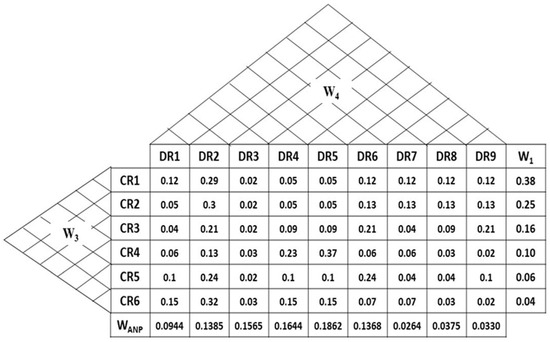
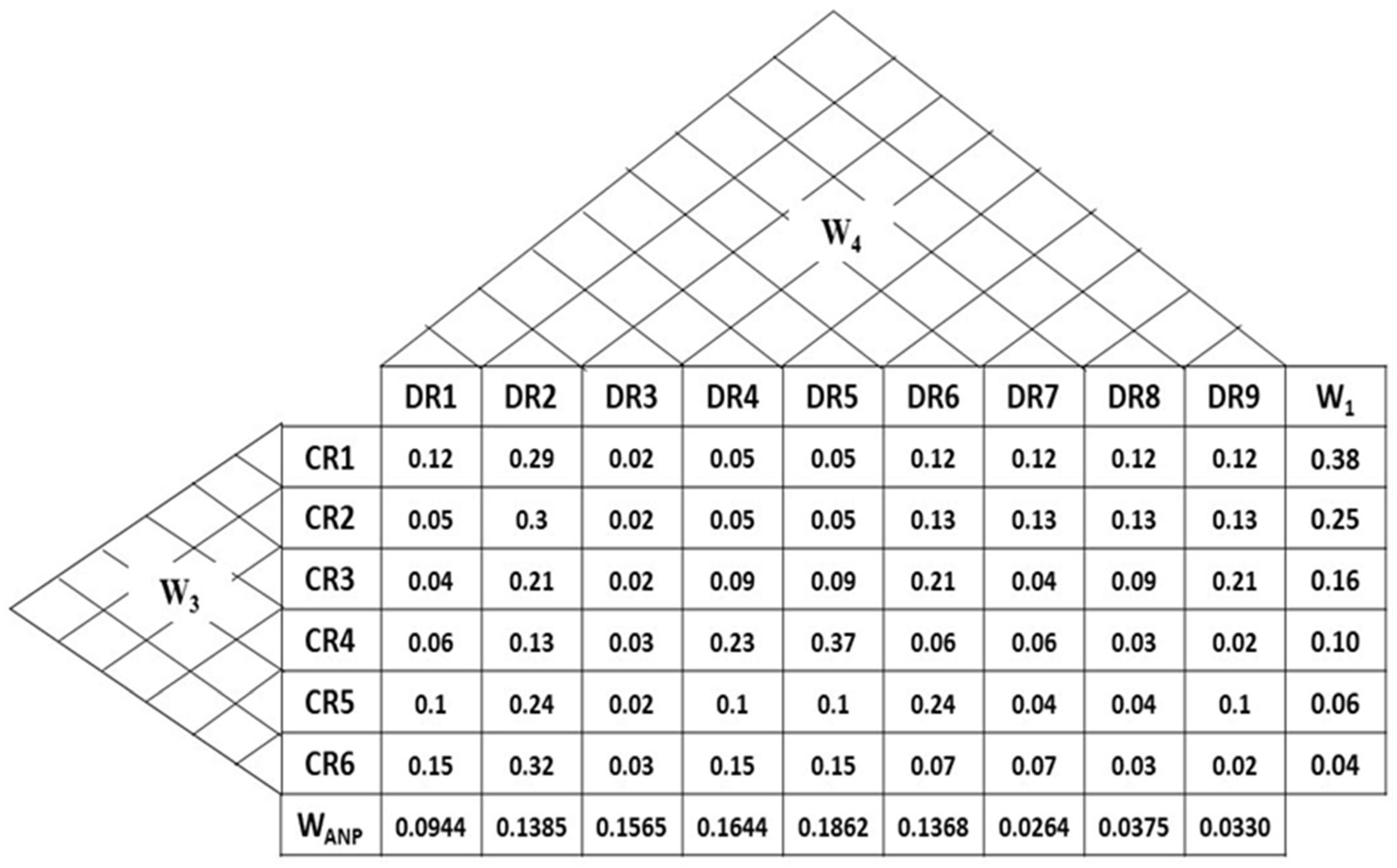
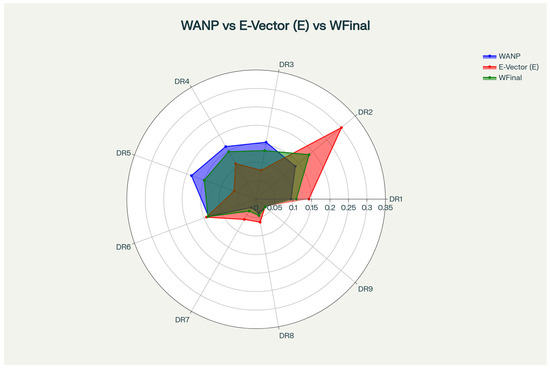
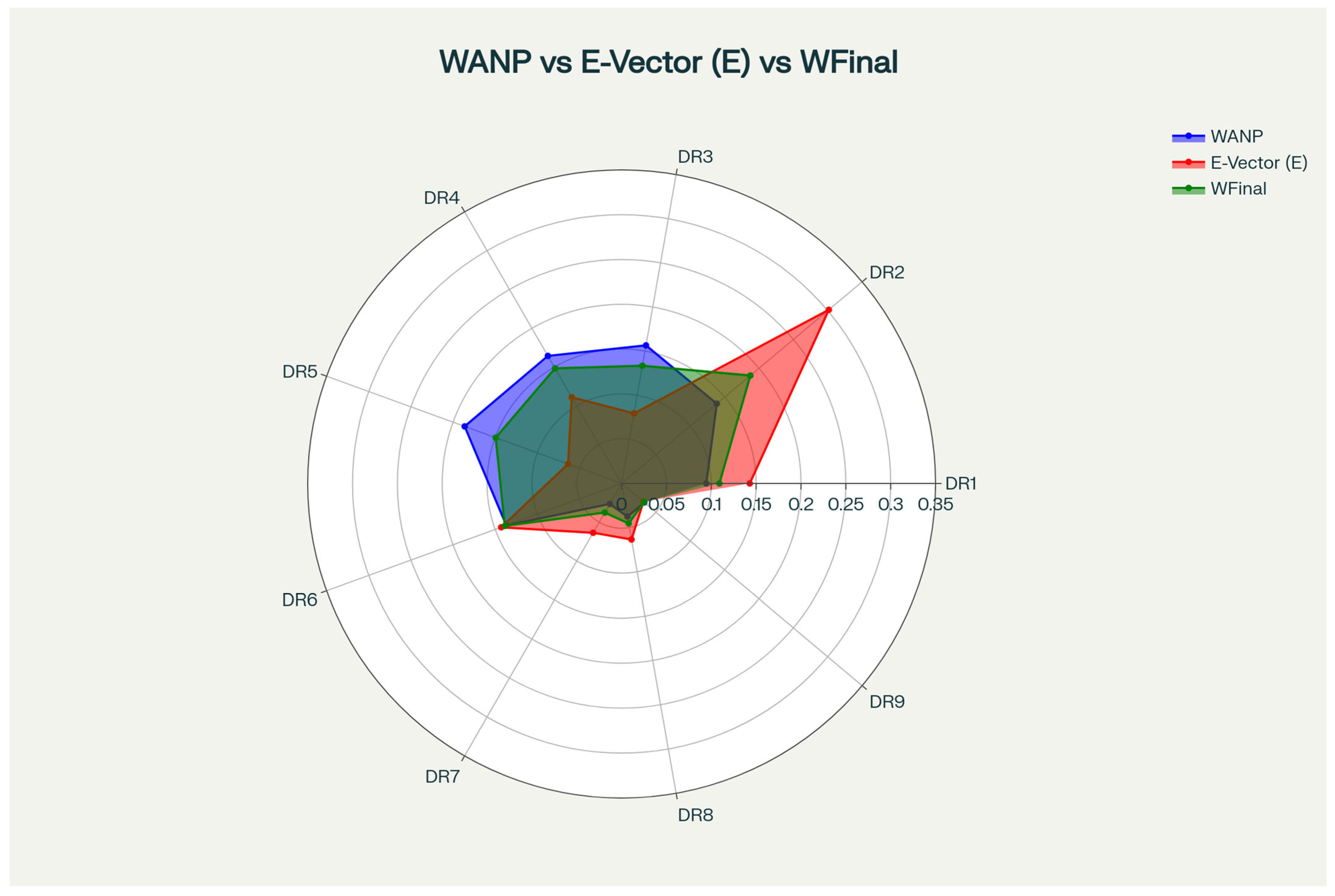

Disclaimer/Publisher’s Note: The statements, opinions and data contained in all publications are solely those of the individual author(s) and contributor(s) and not of MDPI and/or the editor(s). MDPI and/or the editor(s) disclaim responsibility for any injury to people or property resulting from any ideas, methods, instructions or products referred to in the content. |
© 2025 by the authors. Licensee MDPI, Basel, Switzerland. This article is an open access article distributed under the terms and conditions of the Creative Commons Attribution (CC BY) license (https://creativecommons.org/licenses/by/4.0/).