Article

Seasonal and Multi-Year Wind Speed Forecasting Using BP-PSO Neural Networks Across Coastal Regions in China


by
Shujie Jiang
1,
Jiayi Jin
1,* and
Shu Dai
2
1
School of Energy and Engineering, University of Shanghai for Science and Technology, Shanghai 200093, China
2
Shanghai Investigation, Design, and Research Institute, Shanghai 200335, China
*
Author to whom correspondence should be addressed.
Sustainability 2025, 17(22), 10127; https://doi.org/10.3390/su172210127
Submission received: 7 October 2025 / Revised: 4 November 2025 / Accepted: 5 November 2025 / Published: 12 November 2025
(This article belongs to the Section Sustainable Engineering and Science)

Abstract

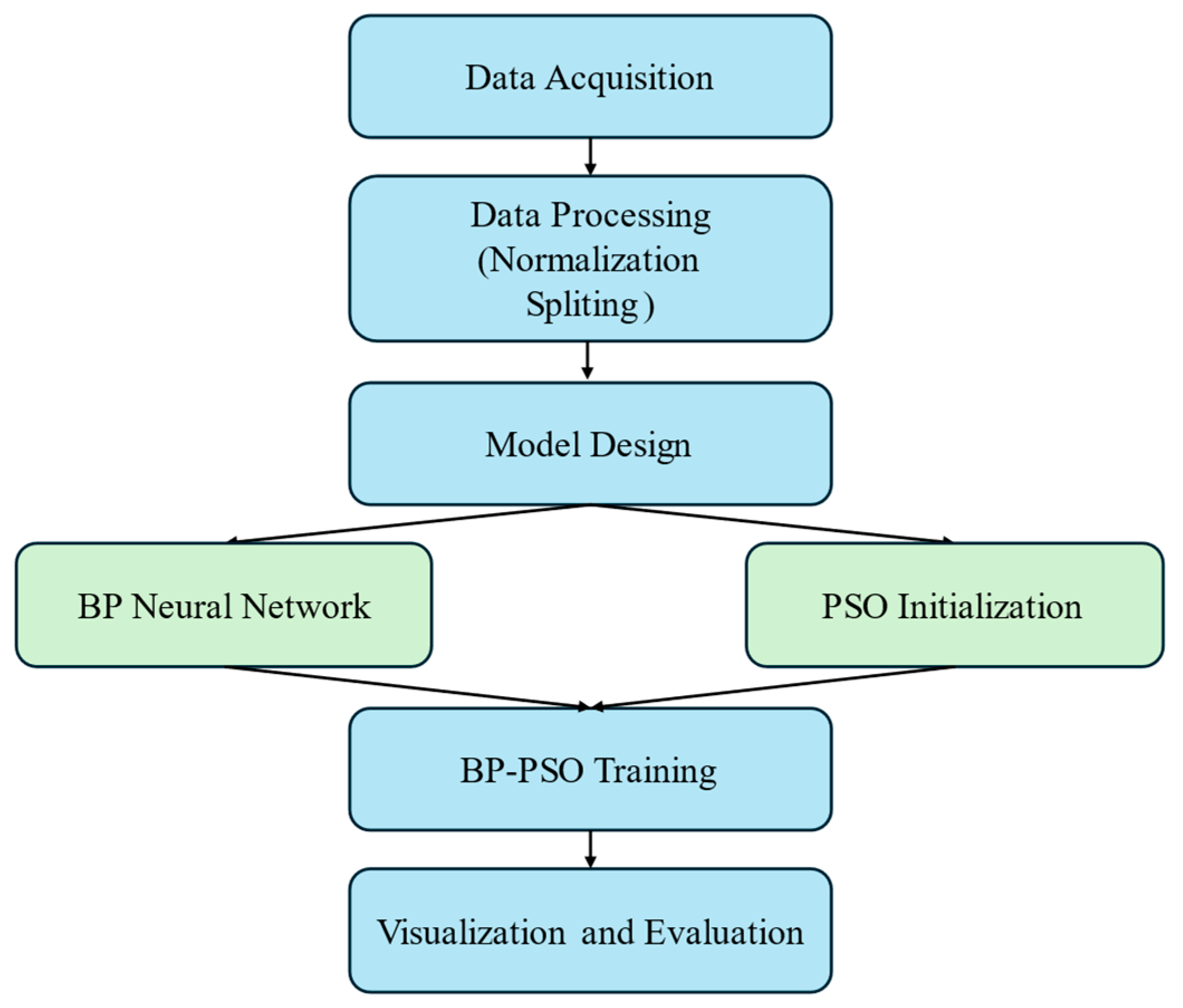
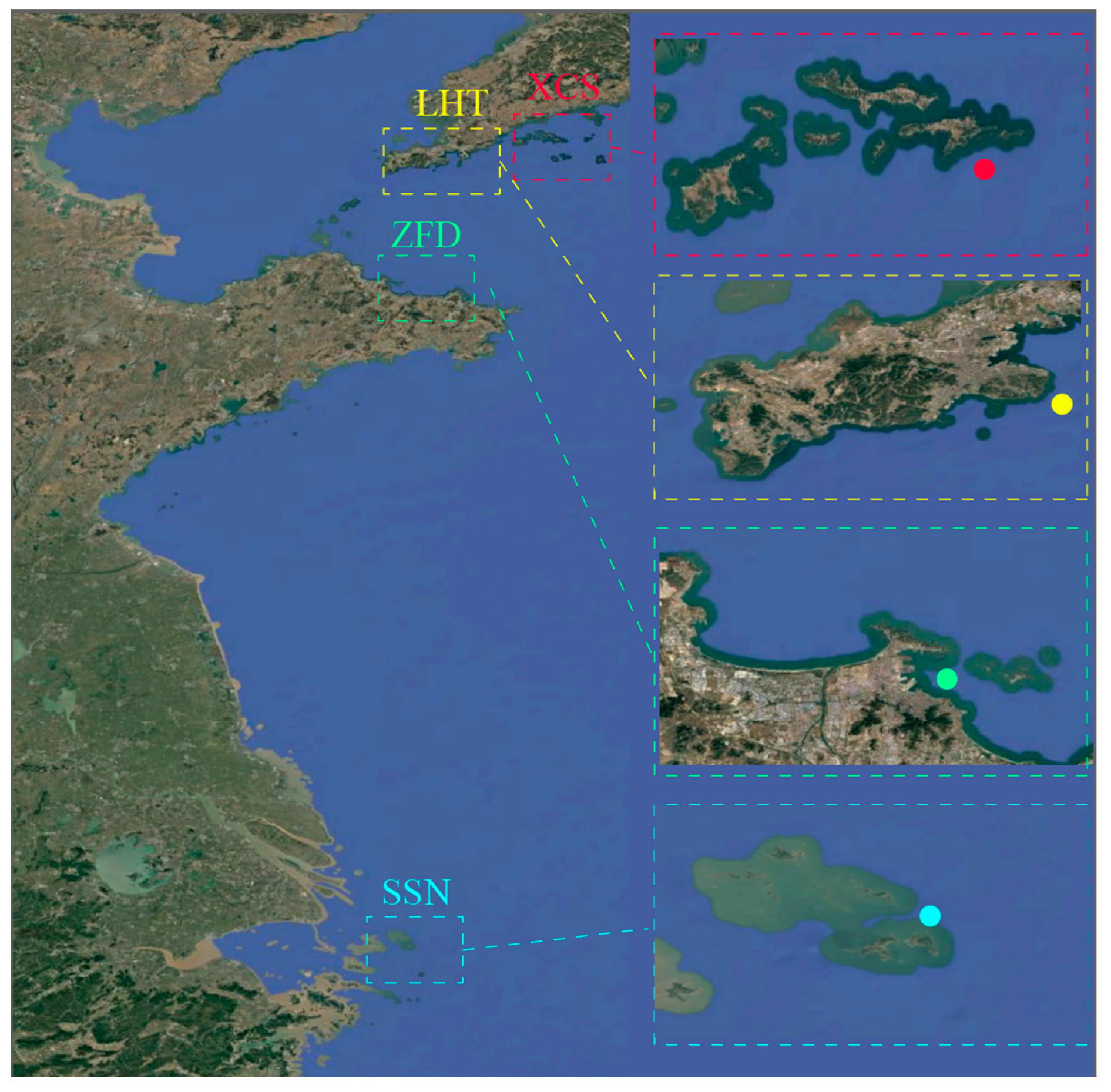
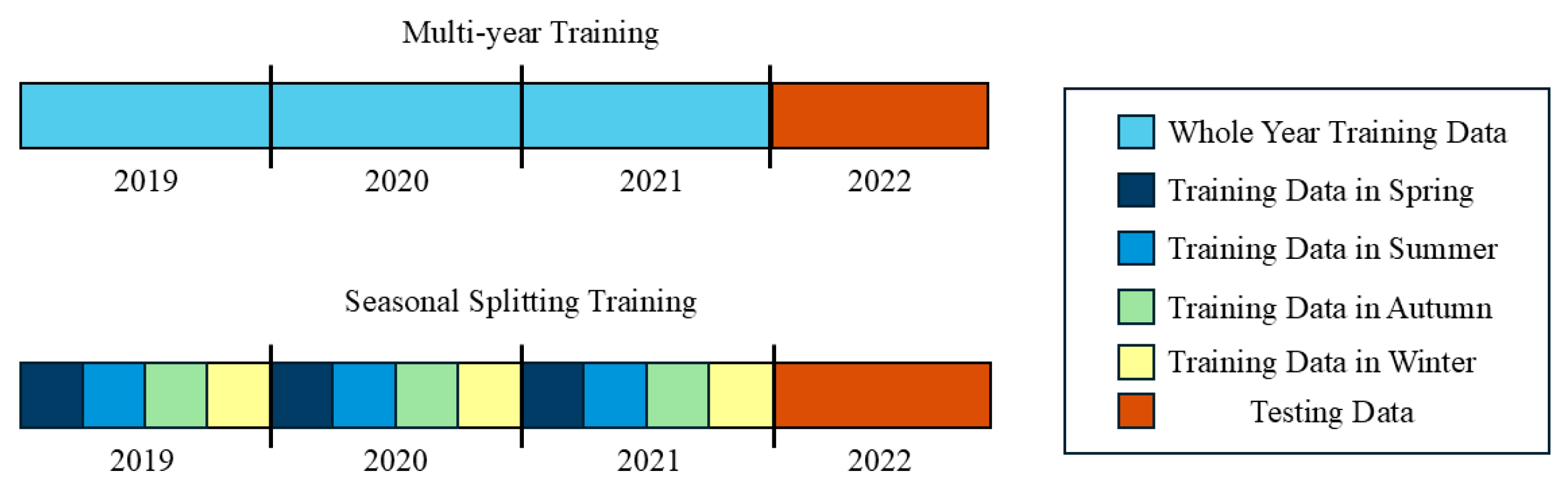
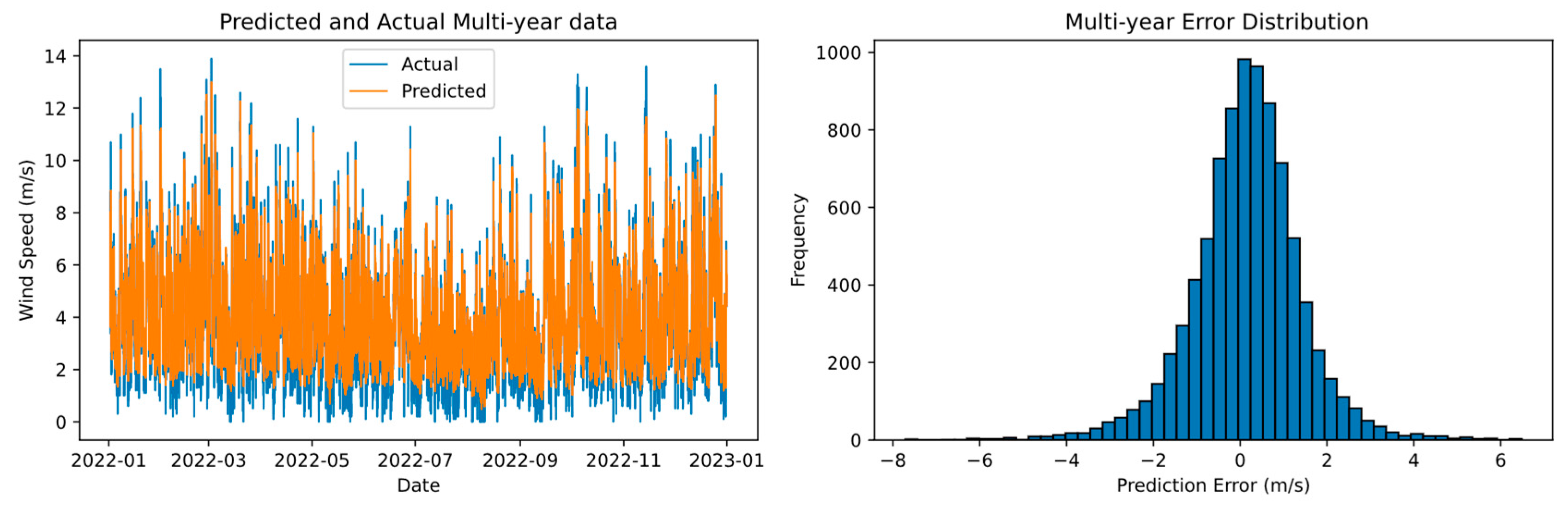
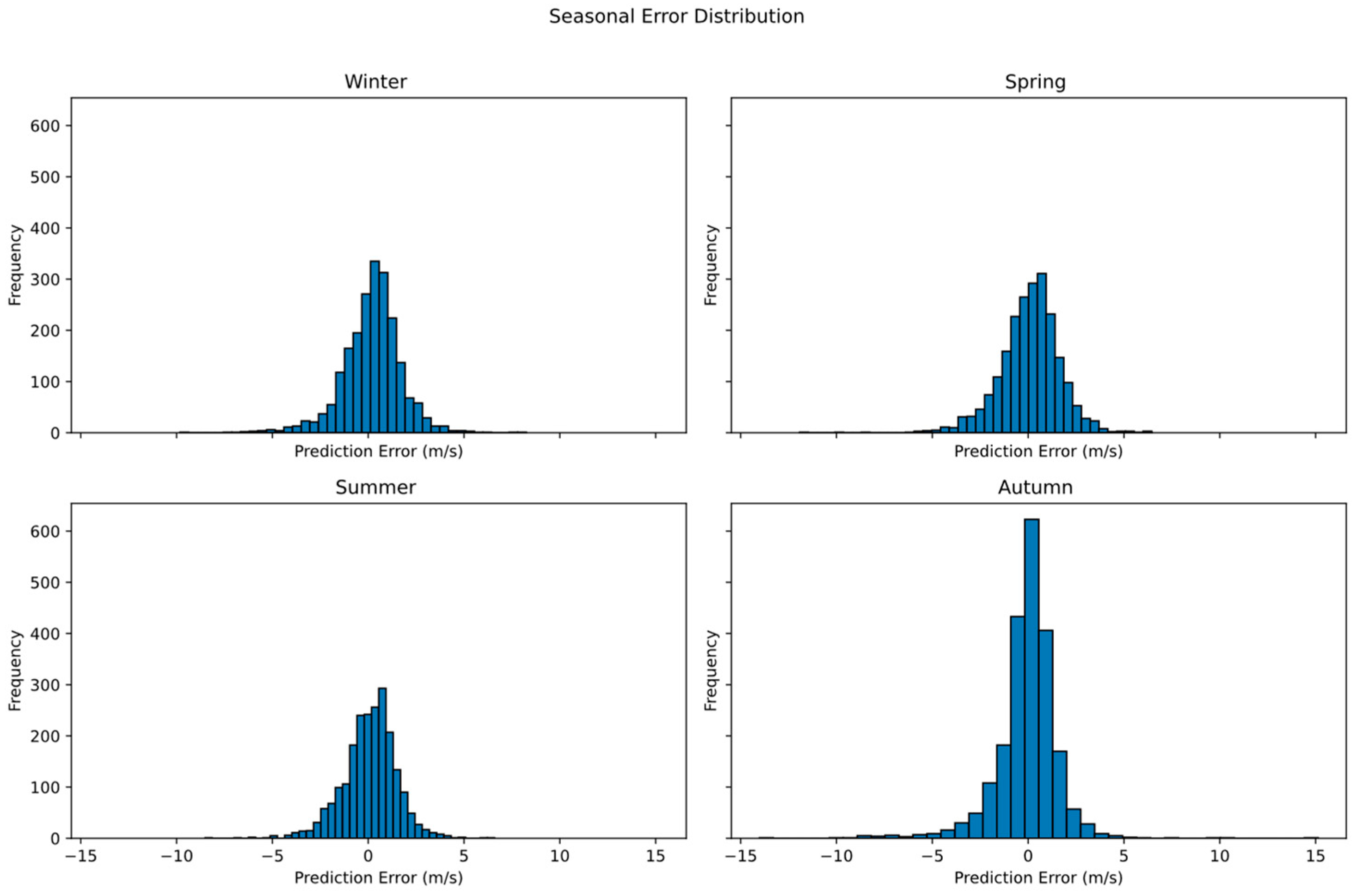
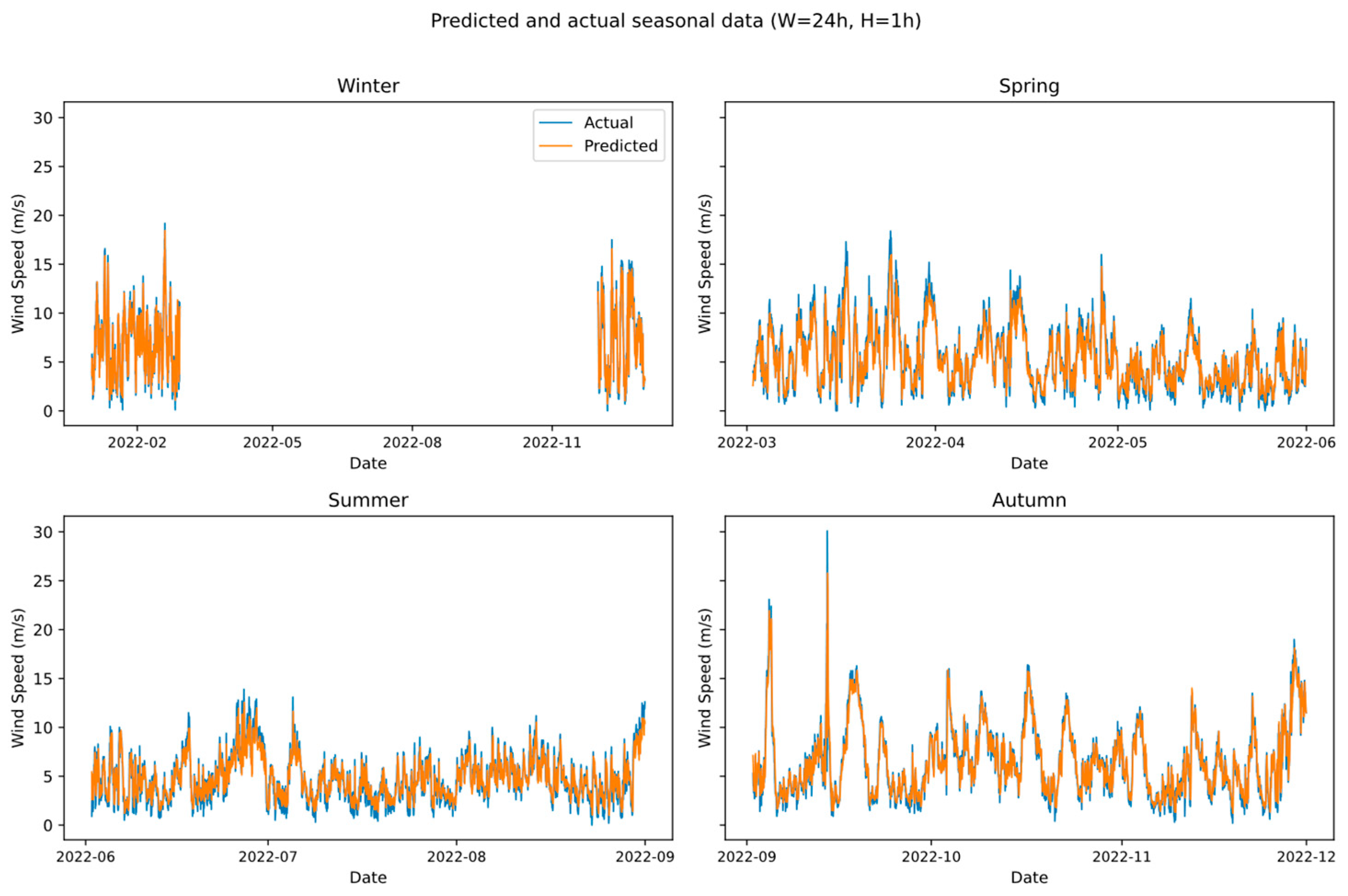
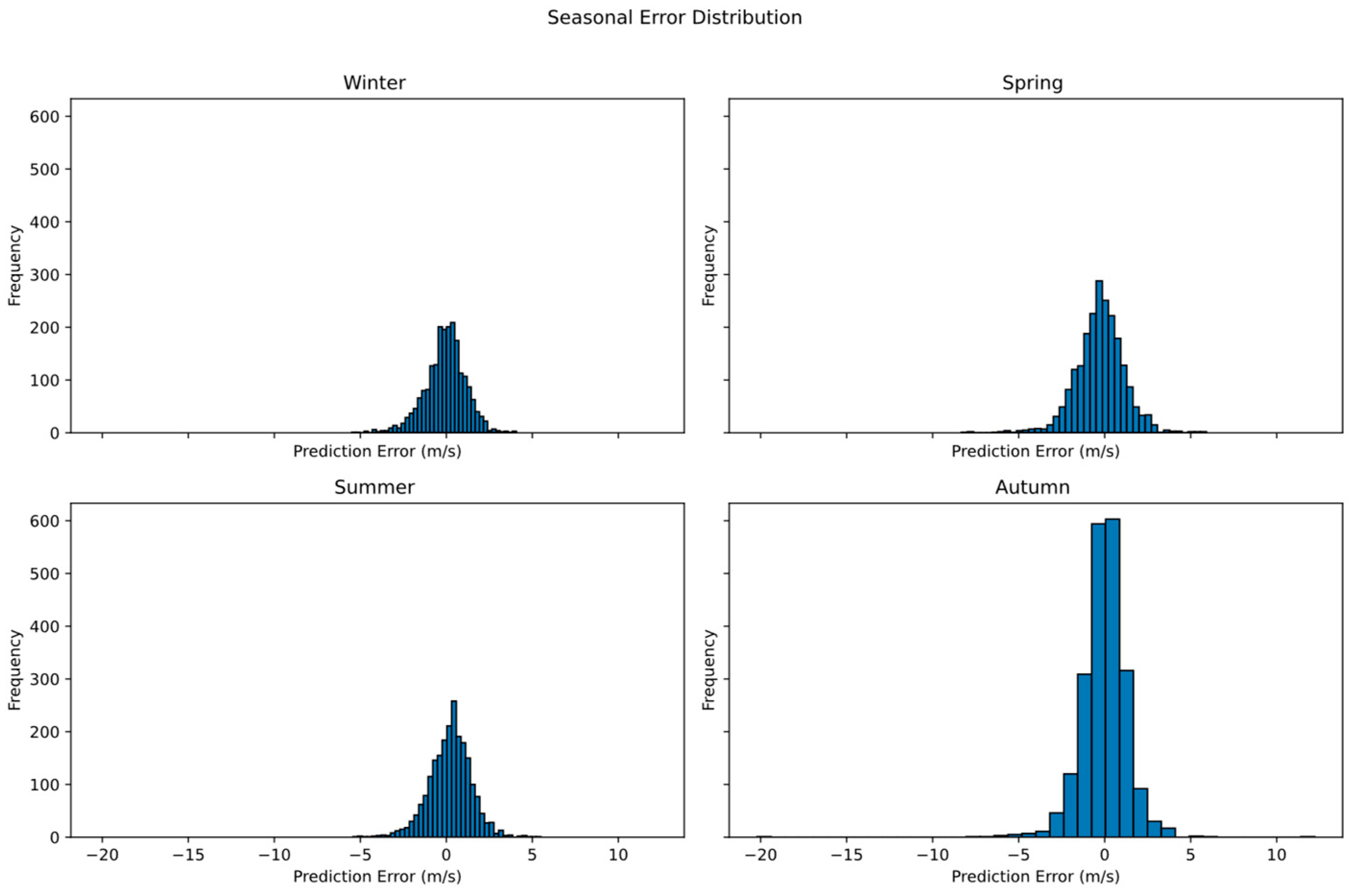
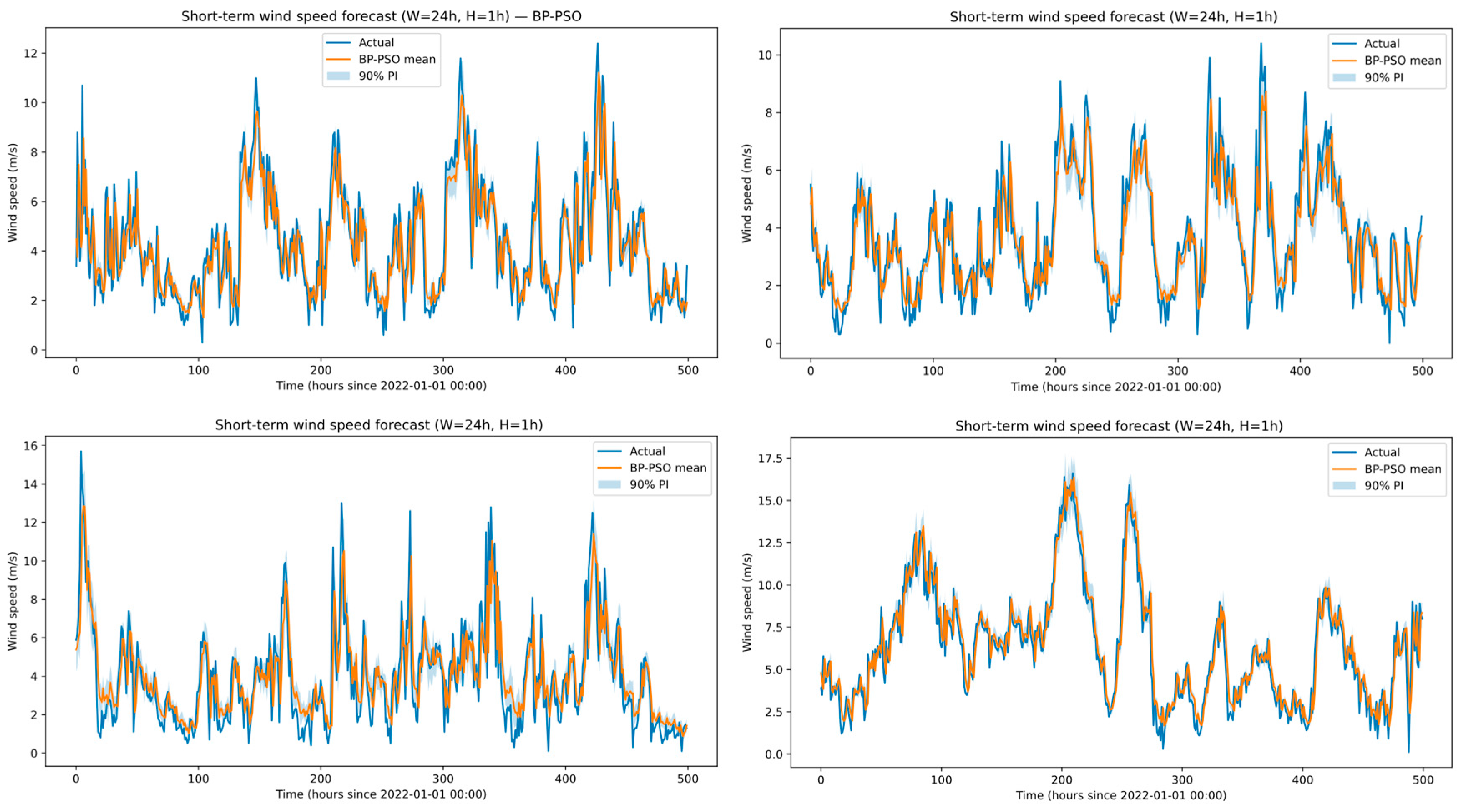
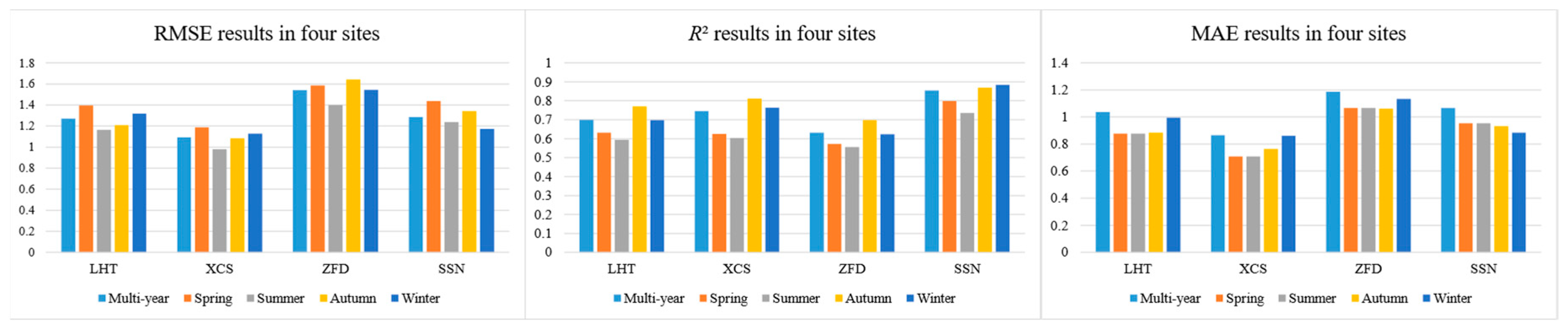
Accurate short-term wind speed forecasting is essential for the sustainable operation and planning of coastal wind farms. This study develops an improved BP-PSO hybrid model that integrates particle-swarm optimization, time-ordered walk-forward validation, and uncertainty quantification through block-bootstrap confidence intervals and Monte-Carlo dropout prediction intervals. Using multi-year and seasonal datasets from four coastal stations in China—from Bohai Bay (LHT, XCS, ZFD) to Zhejiang Province (SSN)—the proposed model achieves high predictive accuracy, with RMSE values between 1.09 and 1.54 m/s, MAE between 0.79 and 1.10 m/s, and R2 exceeding 0.70 at most sites. The multi-year configuration provides the most stable and robust results, while autumn at ZFD yields the highest errors due to intensified turbulence. XCS and SSN exhibit the most consistent performance, confirming the model’s spatial adaptability across distinct climatic regions. Compared with the ARIMA and persistence baselines, BP-PSO reduces RMSE by over 50%, demonstrating improved efficiency and generalization. These results highlight the potential of intelligent data-driven forecasting frameworks to enhance renewable energy reliability and sustainability by enabling more accurate wind-power scheduling, grid stability, and coastal energy system resilience.
Keywords: wind speed forecasting; coastal wind resource assessment; BP-PSO neural network; data-driven modeling; renewable energy sustainability wind speed forecasting; coastal wind resource assessment; BP-PSO neural network; data-driven modeling; renewable energy sustainability