Article

An Inventory Management Model for City Multifloor Manufacturing Clusters Under Intermodal Supply Chain Uncertainty


by
Bogusz Wiśnicki
1,*,
Tygran Dzhuguryan
1,
Sylwia Mielniczuk
2 and
Lyudmyla Dzhuguryan
3
1
Faculty of Engineering and Economics of Transport, Maritime University of Szczecin, Wały Chrobrego 1-2, 70-500 Szczecin, Poland
2
Department of Mathematics, Physics and Chemistry, Maritime University of Szczecin, Wały Chrobrego 1-2, 70-500 Szczecin, Poland
3
Faculty of Economics, The Jacob of Paradies University, Fryderyk Chopin Street 52, 66-400 Gorzów Wielkopolski, Poland
*
Author to whom correspondence should be addressed.
Sustainability 2025, 17(21), 9565; https://doi.org/10.3390/su17219565
Submission received: 30 September 2025 / Revised: 21 October 2025 / Accepted: 24 October 2025 / Published: 28 October 2025

Abstract

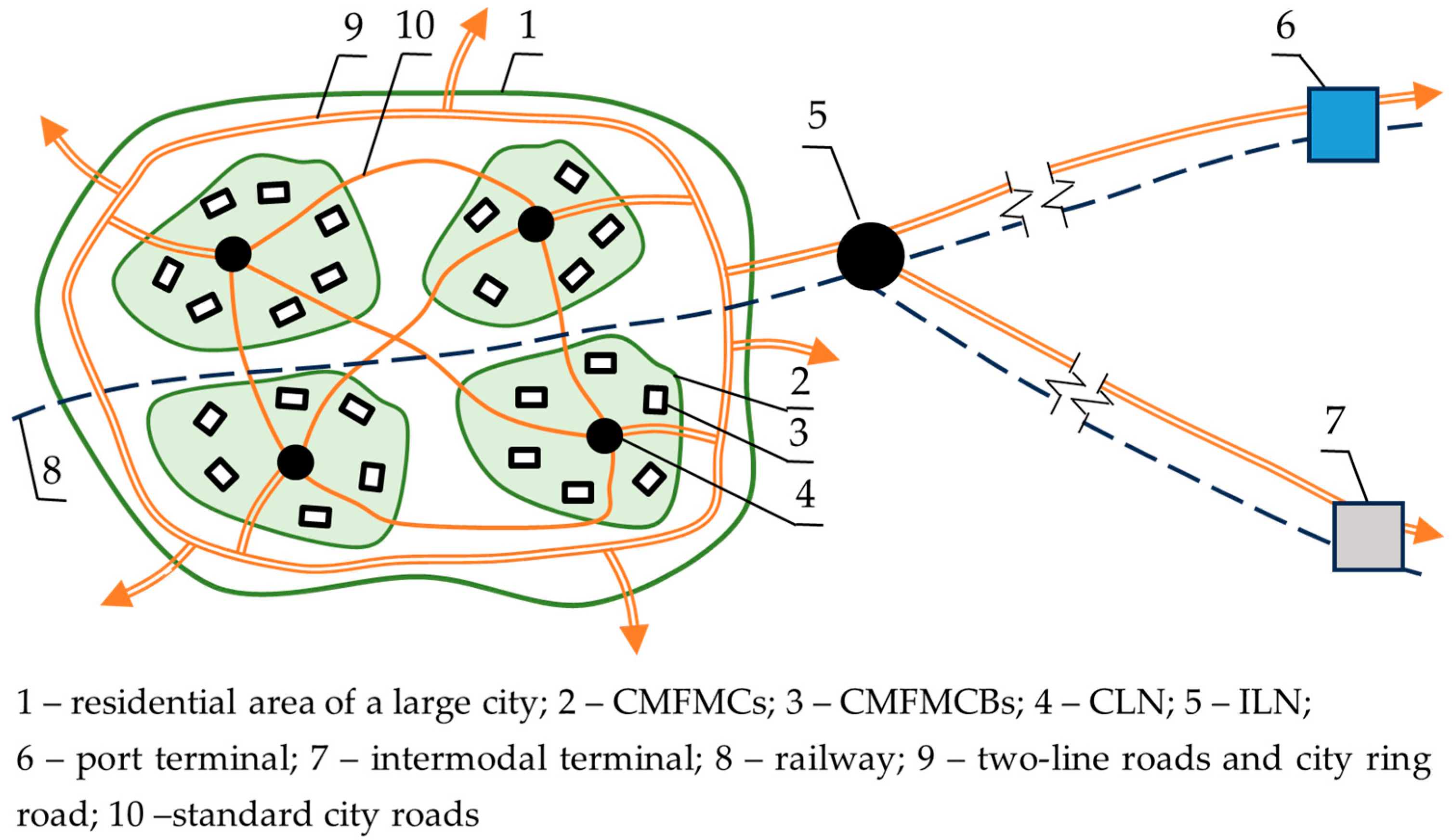
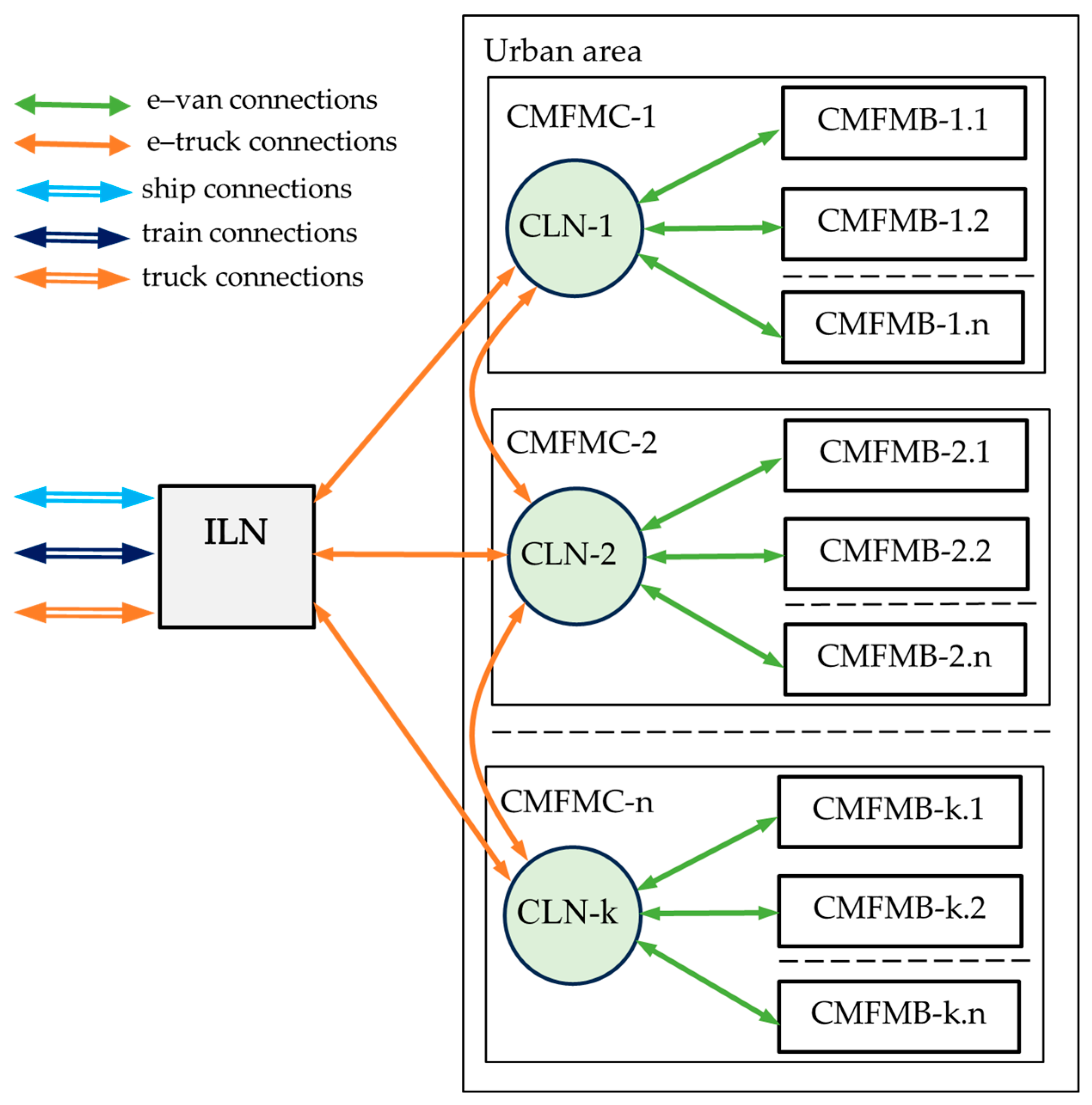
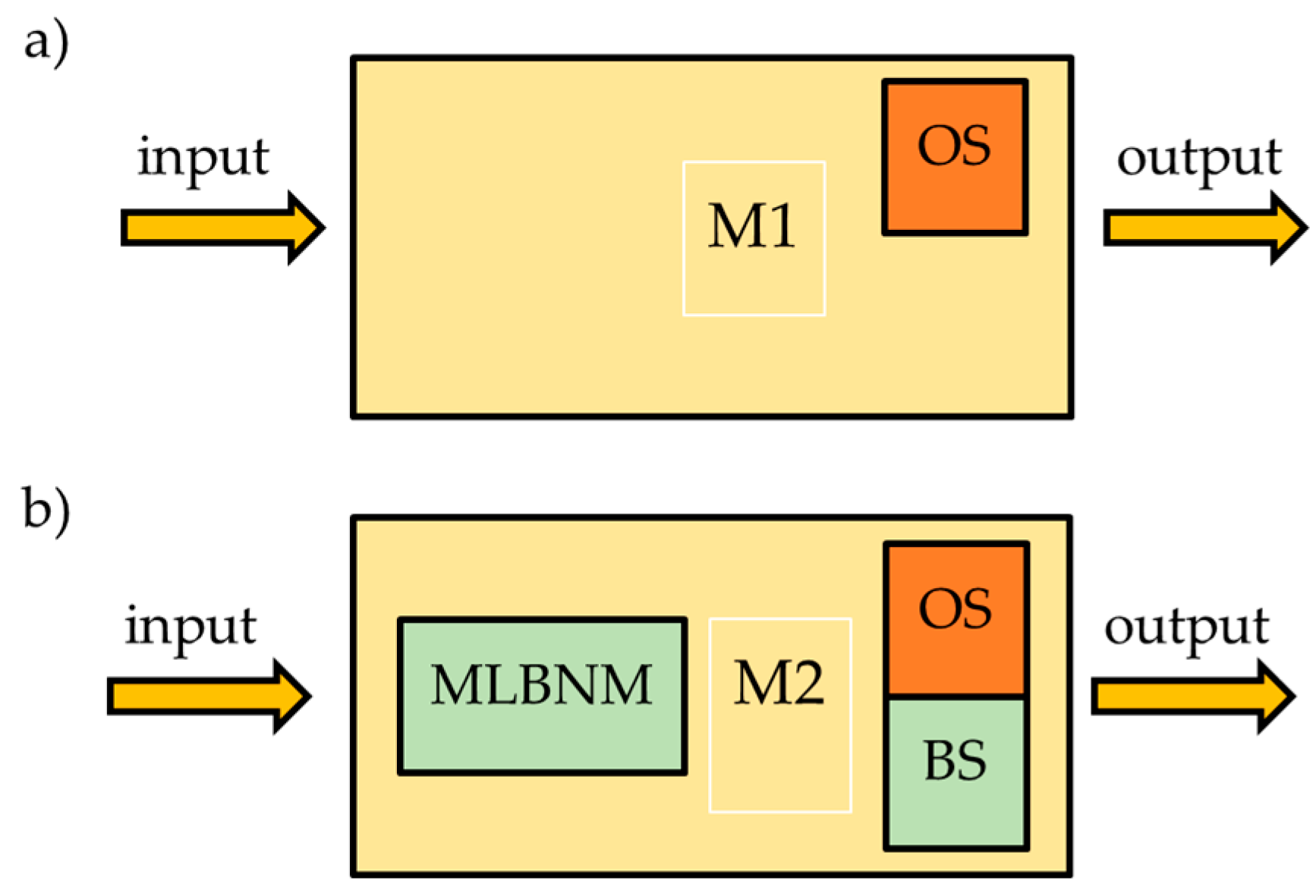
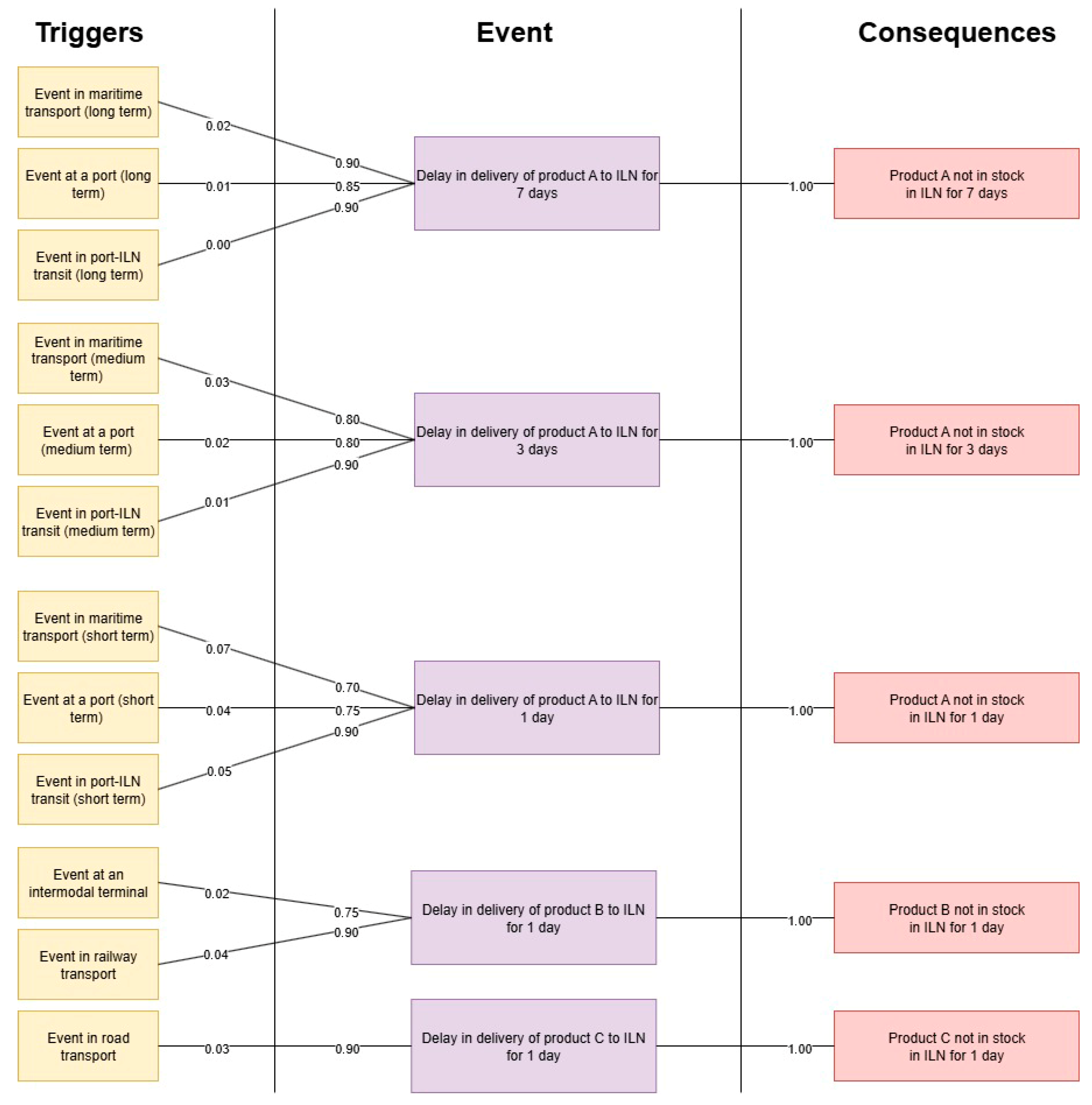
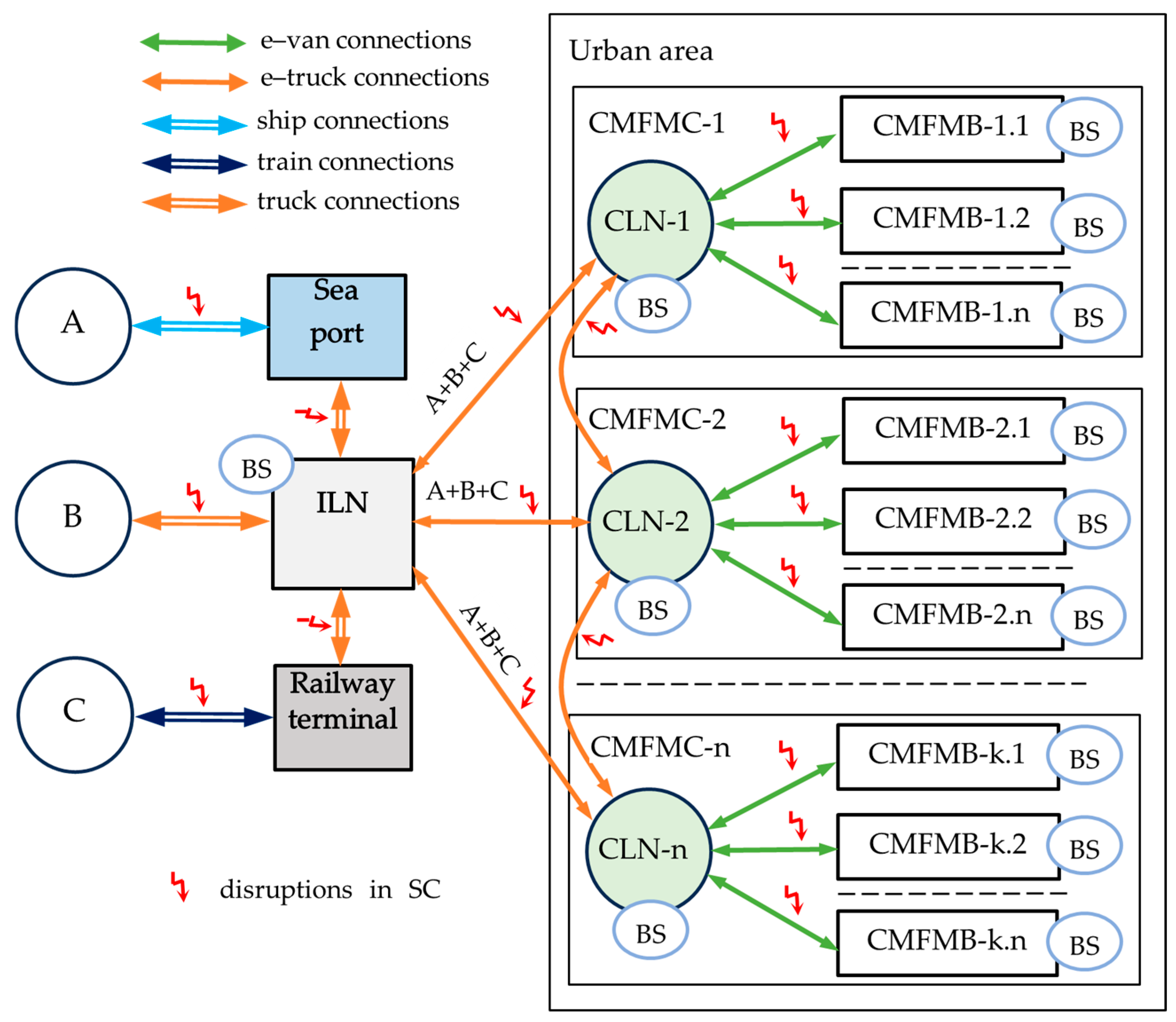
The development of smart sustainable cities is closely linked to the advancement of city manufacturing, which aims to meet local demand while maintaining economic, social, and environmental balance. This concept is realised in large cities through City Multifloor Manufacturing Clusters (CMFMCs) equipped with City Logistics Nodes (CLNs) that manage intra- and extra-cluster logistics. These flows depend on supplies arriving via Intermodal Logistics Nodes (ILNs) located on city outskirts, where disruptions caused by intermodal supply chain uncertainty can significantly affect production continuity and urban sustainability. This study aims to develop a stochastic inventory management model for city manufacturing clusters operating under intermodal supply chain uncertainty. The model is designed to ensure stable and resilient material supply to city manufacturers by optimising buffer stock (BS) levels, reducing delivery delays, and improving transport and storage efficiency. Based on the Multi-Layer Bayesian Network Method (MLBNM), the model integrates probabilistic reasoning and resilience principles to support decision-making under uncertainty. A simulation-based case study of a representative CMFMC system was used for model verification and validation. The results show that the MLBNM-based approach enhances Sustainable Supply Chain Resilience (SSCR), improves inventory flexibility, and reduces environmental impacts. The study contributes to theory and practice by providing a quantitative framework for ensuring resilient and sustainable inventory management in city manufacturing systems.
Keywords: supply chain; inventory management; sustainability; manufacturing; intermodal transport supply chain; inventory management; sustainability; manufacturing; intermodal transport