1. Introduction
Environmental sustainability and stewardship research increasingly recognises the importance of engaging communities at a sensory and experiential level [
1]. Sound is a powerful yet often underutilised approach for examining human–environment interactions, and as a component of lived experience, provides a more fluid and detailed insight into how sound shapes environmental awareness, place attachment, and well-being [
2,
3,
4]. In recent years, soundscape studies through the examination of the sonic environment and listeners’ perceptions of that environment have developed methods and tools for understanding how people relate to place and the environment through sound [
5,
6]. Soundscape is a field of study very much born out of the late 1960 and early 1970s environmental and ecological movement, where R Murray Schafer and the World Soundscape Project contributed to an epistemology that would eventually evolve into a more ethnographic exploration of sound, which in turn inspired later works focused on the cultural and experiential dimensions of listening: “
When we become conscious of the soundscape, we can change it. To do this we must first of all become responsible for it” [
5] p. 207.
Schafer also recognised that it was crucial for many branches of the sciences and the arts to find ways to work together, if there was to be a breakthrough in understanding the acoustic environment and also the environment as a whole; he states “
The true acoustic designer must thoroughly understand the environment he is tackling; he must have training in acoustics, psychology, sociology, music and a great deal more besides, as the occasion demands” [
5] p. 205. Schafer’s concept of the true acoustic design encapsulates the idea that the
acoustic designer would be a singular person, something which is seemingly difficult to achieve, as the interdisciplinary nature of the study of sound is informed through a wide range of disciplines and epistemologies, including acoustics, anthropology, music, sociology, and sound studies, to name a few. Yet the Schaferian
acoustic designer seemingly excludes any consideration of a sonically embodied person being their own environmental expert, sonic or otherwise. Much of Schafer’s original conceptualisation around soundscape was grounded in his personal environmental consciousness, and, still, many of these concepts resonate with contemporary struggles to comprehend and manage the sonic environment through listening experiences and methods. However, due to the predominantly interdisciplinary approach, the study of the soundscape varies in terms of epistemology, methods, theories, and practices applied to it. Therefore, there is a challenge of both “
working across the schism of disciplines” [
7] and working with the individual embodied expert. More recently, sonic ethnography has become an emerging approach that centres on sound as a cultural and ecological phenomenon [
8]. Key to a sonic ethnographic approach is the use of methods of listening, which form personal and collective engagement with place and the environment [
9]. This divide highlights a requirement for methods that both account for individual sensory experiences and the rigour expected in academic inquiry.
This paper explores how participant-led, participatory practices can serve as catalysts for research and epistemological knowledge, as part of an ethnography project package subset in the overall Our Dee Estuary Project [
10], exploring ecological awareness and collective environmental responsibility. The Our Dee Estuary project, a community-engaged soundscape initiative in the Dee Estuary region of the United Kingdom, funded through a National Lottery Grant, was led by a collaboration between the Our Dee Estuary, Cheshire Wildlife Trust, and academic researchers from the University of Liverpool, the University of Manchester, and Manchester Metropolitan University. The initial aims of this project package were to reject deficit-based models of environmental education that position local communities as passive recipients of expert knowledge and to attempt instead to foreground the everyday experiences, cultural memories, and tacit knowledges embedded within the local environment of the Dee Estuary. The initial project set out to examine how storytelling, memory-sharing, and place-based dialogue contribute to more relational and affective understandings of the estuary and its soundscape, through field recording practice and other soundscape methods. Although the project was initially situated as an ethnographic study, where sound would form the catalyst for exploration, engagement, and documentation of the estuarial environment, it was through a practice-based research approach explored by the author that led to the development of this method. The author was brought on to the project to facilitate the soundscape and field recording elements of the project and provide their sound and acoustic expertise to a larger study; however, it was through the initial application of traditional methodologies that permitted knowledge to emerge about participant process, embodiment, and engagement, which led to the conceptualisation of
soundtalking. Informed by practice-based and participatory action research [
11], the work hypothesised that the dialogic encounters occurring over a project with unique (for soundscape research) longitudinal access to participants may cultivate a grounded ecological sensibility and stewardship through sound.
The ethnographic project hypothesis was to explore how co-creation rather than imposition of knowledge production enables more inclusive, emotionally resonant, and durable connections to place, connections which could integrate social history, intergenerational perspectives, and sensory experience into the environmental imagination [
12]. As ethnographic research is inherently adaptive and can often evolve in response to experiences and data being captured in the field, rather than sticking rigidly to initial designs [
13], there was an opportunity to develop this method during the project, rather than it being a prior objective or research question. In this study, the method of
soundtalking emerged not as a pre-planned technique, but as a response to participants’ ways of engaging with place and sound. As the project progressed, it became clear that through the participants’ conversational reflections, which took place at each session, simple interview methods were insufficient for capturing the relational and affective dimensions of auditory experience and its connection to individual and collective holistic experience of the Dee Estuary. Instead,
soundtalking developed organically from the early stages of the project as a participatory mode of inquiry, foregrounding the co-construction of meaning through situated sonic encounters, both physical and recorded. This methodological shift reflects the processual nature of ethnography, where immersion and responsiveness to context and experiences can generate novel approaches and understandings [
14]. As such, the emergence of I exemplifies how ethnographic methods can be shaped in the field by the dynamics between researcher, participants, and the sensory environment [
15].
Thus,
Soundtalking is proposed as an emergent, participatory method of soundscape research that involves long-term shared and individual engagement and embodiment of environments through listening and recording, followed by situated, open-ended conversation between researchers and participants. Arising from practice-based research and ethnographic fieldwork rather than being pre-scripted, soundtalking enables the co-construction of meaning around acoustic environments, fostering awareness of how soundscapes and environments are experienced, interpreted, and valued in everyday life. Listening, rather than hearing, involves actively directing attention to and interpreting the sounds perceived in an environment [
16]; this then serves to reflect the cognitive and emotional engagement a participant has with their sonic environment. It is through this analytical perspective that it is possible to explore how everyday sounds and sonic environments reflect and shape human–environment interactions [
7]. When considered from this perspective, a sonic ethnographic approach connects deeply with many of the objectives of sustainability, as sounds register environmental conditions and changes to habitats and spaces. This is where active listening, sonic documentation, and thus soundtalking could further reveal the impacts of human (and other) activity on ecosystems, which then has the potential to provide insights into ecological and sustainability challenges in the Anthropocene [
17].
If we consider the formalised ISO 12913-1 definition of soundscape, “
the acoustic environment as perceived, experienced, and understood by people in context” [
18], positioning soundscapes solely as phenomena perceived by humans; it is through this anthropocentric standpoint which confines the scope for ecological and multispecies considerations, creating issues when aiming to explore wider, sustainability-oriented dimensions of sound. It is through recognising these limitations and biases that it becomes possible to highlight the importance of developing frameworks that reflect the experiential complexity of listening while simultaneously capturing ecological interdependencies. In summary, sound-focused ethnography and by extension soundtalking potentially offers a way to not only engage with the environment but also sense ecological well-being or stress, and as a way of basing sustainability issues in the sensory experiences of individuals and communities. In doing so, studies can expand environmental consciousness, foster sustainability, and enrich our collective understanding of how sound shapes and is shaped by place and context. Grounded in sensory ethnography [
8] [G] soundtalking facilitates the articulation of affective, relational, and place-based knowledge that could inform more inclusive and context-sensitive approaches to environmental sound planning, environmental awareness, aural histories, acoustic ecology, and health and well-being.
2. Extending Existing Soundscape Methods
Those working across the breadth of soundscape studies and sonic ethnography have used a range of listening methods and practices to research and define soundscape [
19]. Whilst a range of methods and approaches have been developed, it is soundwalking, developed by acoustic ecologist Hildegard Westerkamp [
20], that has seemingly become the most ubiquitous. The practice of soundwalking is a walking-based method [
20] where the participant focuses their attention on listening to the environment [
21], which, accompanied by the practice of field recording, has been shown to help participants attune to the sonic aspects of place [
22,
23]. In sustainability contexts, these methodologies have been used to document and preserve endangered soundscapes, such as through recordings of threatened habitats [
24], and to raise awareness of issues like noise pollution or biodiversity loss. Crucially, it has been shown that inviting people to listen to their environments can foster a sense of environmental care: as one study notes, sound-based research not only attunes participants to sonic environments but can also generate broader public engagement by sharing these soundscape experiences widely [
24]. Yet, as we shall see, there are limitations within many of the existing methods which the proposed method of
soundtalking serves to address. The process of talking about sound is not new, yet a formalised approach is.
Feld’s work with the Kaluli of Papua New Guinea provided the initial case study for the process of talking about sound, which he developed into
acoustemology [
25], a “
sonic way of knowing and being in the world”. Yet, whilst traditional ethnographic methods tended to privilege visual observation and interviews, Feld’s work fostered a growing interest in sensory ethnography that includes sound listening as a way of knowing [
25]. Feld critiqued earlier soundscape research, such as that by Schafer for example, for separating humans from their environment; instead, Feld highlighted how people and natural sounds are interconnected in a rhizomatic structure [
7]. It is through this interconnectivity that Feld suggests gives meaning and embodiment to the induvial and community within a sonic environment. Feld’s methodological approach involved the field recording of ambient sounds (in this case, from the forest) and traditional music, followed by a discussion of the recordings with participants, effectively listening with them. This dialogic listening approach, described as an effort to
present multiple voices in a text [
16,
26], revealed how the local experts understand birds, water, and other sounds in contextual and ecological terms. Through talking about sound with participants, Feld demonstrated that collaborative listening could uncover a deep cultural knowledge of place and how it is perceived, which can lead to gaining an environmental insight beyond visual observation [
27,
28,
29].
Soundtalking is proposed as a formulation of a method that builds on Feld’s ethnography and, in addition, extends and builds on existing soundscape practices, such as soundwalking and soundsitting, to be used in conjunction with rather than as a replacement for them. It is therefore important to differentiate the differences between them.
Table 1 provides a comparative overview of soundwalking, soundsitting, and soundtalking as participatory research soundscape methods. It is important to explore how the methods are applied and defined. A soundwalk is commonly defined as “
any excursion whose main purpose is listening to the environment” [
27], and engages, as Drever writes, with “
themes of participation,
social context,
aesthetic listening,
environmental sensitization,
interpretation,
pedagogy,
awareness raising,
psychogeographic musings and even catharsis” [
30]. A multifunctional tool that is adaptable and can meet many different epistemological requirements, such as providing elements of qualitative data to explore the psychogeography experience of place. As Radicchi suggests, the soundwalk “
can be seen as one of the most appropriate tools to allow for analysing and evaluating the city starting from the perceptual relationship between the inhabitants and the city itself through its sonic component” [
31]. In parallel, recent work has introduced
soundsitting [
32,
33] as another complementary sound practice, involving stationary listening in one place to gain a “
longer-term experiential understanding of a space” [
32]. Both methods aim to heighten place awareness and reveal the qualities of sonic environments that often go unnoticed in daily life, wherein listening becomes a means to understand place and community.
Whilst soundwalks and related methods have proven valuable in furthering soundscape research, they also present several limitations and exclusions. Typically, soundwalk participants are encouraged to listen silently and reflect only afterward, which can limit real-time sharing of interpretations. Moreover, conventional soundwalks are short-term events, often one-off walks lasting between 30 min and an hour, thus providing only a snapshot of the sonic environment in a particular moment or context. As soundwalking can be constrained by issues of “
transition,
changing context,
event occurrence,
temporality,
and inclusivity” [
7], soundsitting was developed to address some of these issues, for example, removing the distraction of movement and improving accessibility for those unable to walk. Yet, these methods, and those such as field recording and sound-level measurement, seemingly capture a single time and place. Neither method, as traditionally practiced, fully taps into longitudinal, temporal, dialogic engagement with environmental soundscapes, which is perhaps required to fully understand the environment and our embodiment and experience within it beyond a short snapshot perspective. There is, therefore, seemingly, a requirement for a methodology that allows participants to be temporally embodied within both a space and a process that allows participants the time to consider, reflect, and discuss their listening experiences as they unfold, and to do so recurrently over an extended period.
Whilst these methods offer access to the sensory and affective dimensions of how people relate to places where participants often report new awareness of sound [
34], emotional response, or nostalgia triggered by certain soundscapes, often providing grounds for discussions about environmental quality, heritage, and well-being, there is a need to expand this over a longer period. This is therefore the critical gap that remains with existing methods, as they do not inherently facilitate a continuous conversation about the ongoing experience or consider how a participant adapts to and learns the process of listening. In a sense, with a soundwalk or soundsit, the participant only gets a snapshot experience of listening practice and thus only offers a snapshot response in consideration of the place. The literature indicates that much of the more insightful data emerges when participants articulate their experiences, whether through interviews, group dialogues, or creative outputs after the listening activity [
35,
36]. This suggests an opportunity to innovate methodologically by integrating the act of listening with real-time or iterative dialogue, to combine the sensory and the discursive into one process, an integration informed by ethnographic participant observation and, for example, through walking interviews such as Kusenbach’s “go-along” interview method [
37], where the researcher and participants move through an environment together, talking about what they encounter. Soundtalking builds on these ideas to create a clear approach and method aimed at deepening both place understanding and personal/community engagement within the environment.
3. Soundtalking and the Dee Estuary
The Dee Estuary straddles the border of England and Wales and encompasses habitats which include natural habitats such as saltmarshes, mudflats, dunes, and wetlands, juxtaposed with industrial and urban habitats. The Our Dee Estuary project introduced a sound dimension to environmental engagement, where volunteers from local communities were invited to become active storytellers of the estuary. The project aimed to connect communities with their natural heritage and environment: “
There is lack of awareness amongst coastal communities of the global significance of their coastal natural heritage and the ecosystem services it provides”, with a need “
to create a nature-based sense of place in order to create a community of stewardship that protects the estuary” [
38]. Over the course of nine months initially, which was further funded to twelve months, participants took part in monthly sessions at various locations around the estuary; these sessions were then rounded up with a final interview session after a year. Participants were recruited through a public call for digital media volunteers circulated online and through newsletters via Cheshire Wildlife Trust and the Our Dee Estuary project teams. A total of seven individuals took part, although the number varied from session to session, and two had to withdraw from the process due to other commitments, an issue which is discussed later in this paper. Volunteers were provided with sustenance and their travel expenses to and from the meeting locations around the estuary. Alongside the volunteers, there were five academics and two members from the Our Dee Estuary project team in attendance. Whilst the inclusion of academic staff was for facilitation, training, and observation purposes, the participant-led element of the process meant that the voices of the staff and facilitators also began to be part of the conversation. Ethical approval for this research was obtained under the broader umbrella of the Our Dee Estuary project. Informed consent was obtained from all participants prior to their involvement, and consent was audio-recorded at the beginning of each session. Given the open-ended and conversational nature of the discussions, facilitators were present to guide and redirect dialogue when appropriate, ensuring a respectful and inclusive environment. All audio recordings were transcribed and subsequently anonymised to protect participant identity.
The demographic composition of the group may be considered typical for volunteer-based research activities, where participation is often shaped by factors such as availability, interest, and time flexibility [
10]. Older adults, students, and individuals with greater autonomy over their schedules are more likely to take part, while those with full-time work or caregiving responsibilities may be underrepresented. However, at this stage in the development of the
soundtalking method, such sampling limitations are not viewed as critical, being a practice-based method. The method’s flexibility at this stage potentially allows for one-to-one, small group, or even individual engagement to be considered and can be meaningfully applied across a broader demographic in future iterations. The initial rationale for the study period was shaped primarily by the parameters of the funding proposal, rather than by the academic team. The project was originally scheduled to span six months, with a series of workshops and activities designed to align with this timeline. The intention was to ensure coverage of at least two seasonal transitions, which linked directly to the broader objectives of the wider Our Dee Estuary project, of which this study formed a subset [
10]. However, as the project progressed, it became possible to reallocate a portion of the budget originally designated for equipment towards additional workshop sessions. This was outside of the control and remit of the author, but provided an unexpected and excellent opportunity to further the hypothesis and method. This adjustment extended the project timeline significantly, enabling activities to continue for over a full year. As a result, all four seasons were incorporated into the study, offering a much richer and more varied data set. A final follow-up interview session was scheduled at the 12-month mark. The session was intended not only to gather reflective insights from participants but primarily to contribute reflection on the accompanying soundscape composition and a short film developed in parallel with the project. This extended timeframe allowed participants the opportunity for deeper reflection and engagement, which ultimately enriched the final outputs.
In retrospect, the year-long duration of the study aligns closely with the emergence of the methodology itself, which evolved organically during the project, as it serves to reinforce the practice-based research and practice aspect of this method. While not part of the initial proposal, this unplanned longitudinal approach provided significantly more data and insight than would have been possible within the original six-month framework, and as such contributed to the development of the method. Going forward, it is recommended that future studies seeking to replicate or build on this method consider a year-long timeline as a prerequisite. Monthly intervals for activities such as listening, recording, and reflection emerged as essential for both participants and researchers. This pacing fostered a rhythm of engagement and contemplation, deepening the quality of the data collected. Moreover, the inclusion of all four seasons enabled a more comprehensive understanding of environmental change and its perceptual and emotional impacts.
The sessions were typically a full-day session and consisted of a blend of activities, including group soundwalks or soundsits at the selected site, followed by (or interspersed with) guided discussions, and practical workshops on recording techniques. Each monthly meeting was convened at a different key site across the Estuary, including Thurstaston Beach, Connah’s Quay, Talachre, and Ness Gardens, dispersed between the Welsh and English sides.
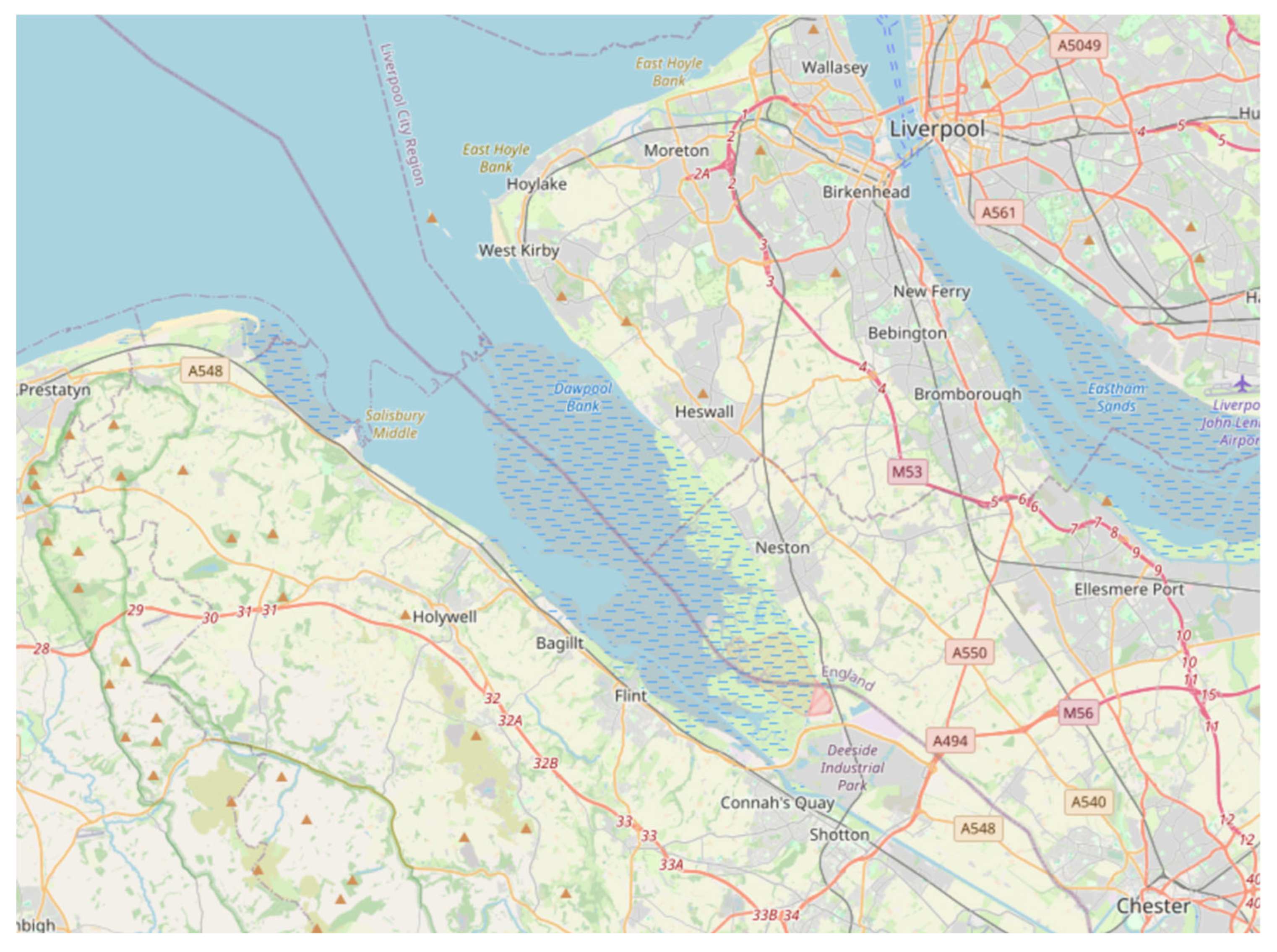
Figure 1 is a map of the Dee Estuary catchment area bounded by Chester in the southeast, Hoylake in the North, and Flint and Bagillt on the southwest. This rotating venue approach meant participants experienced the estuary’s diverse environments and soundscapes. At the first sessions, facilitators explored how the environment could be explored through soundwalks, accompanied by an introduction to the recording equipment. It was made clear to the participants that there was no explicit indication of what should be recorded, but the aim was to share what they heard, what they felt, and any thoughts that arose. Participants were encouraged to treat the experience as a conversation with ‘their’ estuary.
4. Methodological Development: Defining Soundtalking Through Practice
Without an explicit hypothesis at the outset of the project, the method of soundtalking emerged iteratively through the project and practice itself. As an arts-based practice aligned with ethnographic inquiry, this approach is counter to the oft-prescriptive frameworks typical of quantitative or positivist science. The author’s practice and approach are grounded in a phenomenological stance that foregrounds lived experience, perception, and relationality, favouring instead methods that emerge through practice and are responsive to the sensory and situated nature of the research context. The method took shape not in advance, but through performing and responding to the contingencies, atmospheres, and conversations that arose in the field. Through the project, it became evident that soundtalking is in essence the long-term talking through sound: participants engage in active listening and engagement with holistic environments in a case study area. This area can be open to the interpretation participant, as meaning and a sense of place can occur outside of the boundaries of the physical boundaries of the study.
Crucially, as part of a free-flowing exploratory conversation, participants should not be limited to talking exclusively about sound but all aspects of their experience. Soundtalking, whilst featuring ‘sound’ as part of the method etymology, may not be a driving factor in any of the ensuing discussions. This can also be seen as an important data point as it allows for the possibility to judge the relative importance or unimportance of sound to the participants and their considerations of sound’s relevance to the environment. Conversations, however, should occur at structured temporal intervals, for example, monthly in this case, where participants are free to talk about their experiences, recording practice (audio or otherwise), interpretations, and feelings. These conversations could be sensory, embodied, or affective, where the key is not to limit the focus of the conversation, but to allow the conversation to develop around themes and ideas put forward by the participants.
In formalising the method, it became evident that the process can occur in real time (speaking while listening to recordings, for example) and/or in the case of the Dee Estuary project, either immediately after listening sessions or at a monthly meeting. Another main aspect that was integral to the developing method was how a longitudinal study allowed for and required participants to explore their own environments during the period between sessions. One of the foremost factors in formalising
soundtalking into repeatable practice and method, which could be implemented in other studies, is that the reoccurrence over multiple sessions builds longitudinal and temporal understanding of how the participants engage and think about the environment and their own process of exploring the environment, through sound or otherwise. Furthermore, the repeatability serves to build their confidence in listening, recording practice, and talking.
Soundtalking thus expands on and transforms passive listening exercises and other soundscape methods into the co-creation of new knowledge and a symbiotic relationship where new conversations inform the group about considerations, ideas, thoughts, and methods, working together with or without the researcher. Unlike existing soundscape methods, which are often led by an expert who frames the experience and dictates the environment being explored, soundtalking emphasises the participants’ voices above all else and their own exploration of place on their own terms.
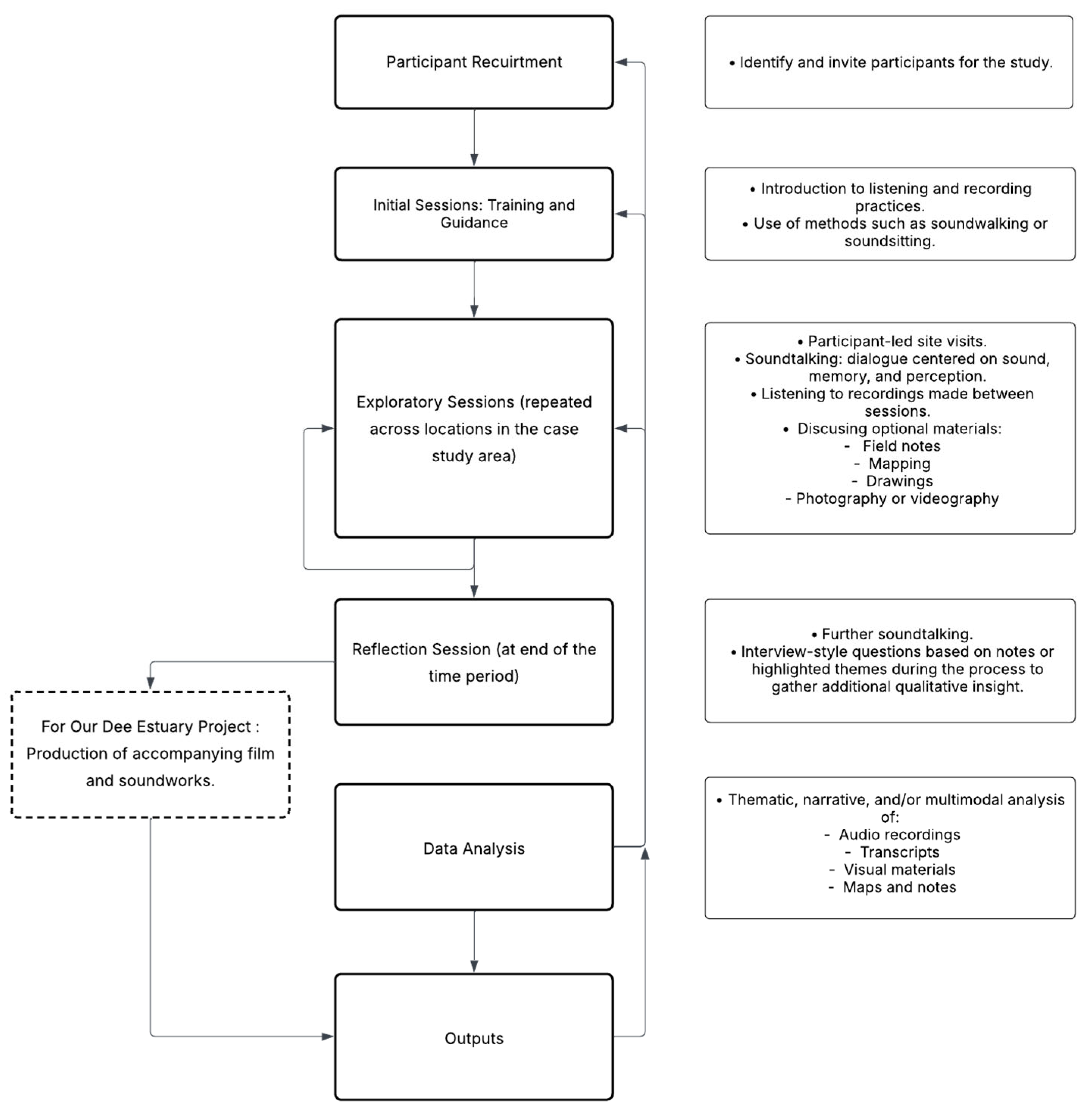
Figure 2 demonstrates the soundtalking method workflow.
Throughout the process, the researcher’s role becomes one of facilitator and listener, occasionally prompting the discussion with open-ended questions rather than offering commentary, as well as becoming part of the conversation themselves. This approach positions participants as co-researchers, encouraged to interpret the environment in their own terms, without the initial limitation of thematic or theoretical imposition. While conversations in this project often began with sound, they naturally diverged to cover a wide spectrum of sensory, emotional, and experiential topics, often touching on presence, perception, memory, and self-awareness. As such, there was a requirement to employ an evolving qualitative methodology based on Grounded Theory [
39] to analyse and code the collected data from the session. The approach was iterative and adaptive, like the method, allowing data collection and analysis to develop in parallel. Data from the sessions was audio recorded at the time, and written notes were made by the academic facilitators; these were transcribed and analysed using open coding to identify recurring words, concepts, and themes related to participants’ experiences and conversations.
As a method in development, coding remained exploratory and was refined through constant comparison [
40], and no fixed coding scheme was applied in advance; thematic structures emerged inductively. It was through a process of triangulation across transcripts and field notes that themes subsequently emerged and were validated through interpretations and used to reduce bias [
41]. Ethnographic observations were provided, but other members of the academic staff provided contextual insight into each site, while phenomenological analysis foregrounded participants’ perceptions and expectations [
33]; thus, his analytical integration supported a multi-perspective understanding of the data. Due to the large amount of data accumulated, this paper presents a first analysis of the emergent themes. As this is a practice-led approach, there is seemingly currently no attempt at using quantitative or statistical analysis for the data, but using the data to inform the development and creation of the associated film and sound art outputs, and also provide data for further work into the
soundtalking method. There are several key components that emerge from the analysis that distinguish
soundtalking from other practices, which are
participant-led dialogue;
longitudinal engagement;
integration of sound-making and creative outputs; and the unintended but important discovery of focus on
well-being and community building.
5. Emergent Themes
The following section presents a synthesis of thematic patterns that emerged inductively through participants’ sustained engagement with the soundtalking method. The analysis privileges lived experience, sensory perception, and the co-construction of meaning through the participants’ environmental and recording experiences. Rather than imposing pre-existing analytic categories, themes were identified through iterative reflection, consistent with interpretive traditions in qualitative inquiry. These emergent themes reflect the diverse ways participants made sense of the Dee Estuary and themselves, revealing complex interrelations between sound, memory, identity, place, and sociality within the context of the estuarine landscape. The initial core thematic categories derived from the
soundtalking method are summarised in
Table 2.
In the analysis, sound perception emerged as a theme early in the process as participants became attuned to listening to the acoustic environment.
Appendix A presents detailed excerpts from participant interviews, accompanied by their corresponding emergent themes, providing illustrative evidence of the analytic process and thematic development. Many described how sound shifted from background to foreground, how there was an increased awareness of sound in the environment, the small details which often go unnoticed became perceived, and the concept of spaciousness. Seemingly, it was perception that became a primary modality through which place was interpreted. This was followed by the awareness that listening required conscious effort and application, which, when sound was considered, prompted reflections on sensory hierarchy and the often-overlooked depth and sonic rich detail of environmental, human, and mechanical sounds. As attentiveness deepened, participants reported that their sensory experience became more integrated, involving not just auditory perception but also visual, spatial, and bodily awareness, highlighting a multi-modal nature of environmental and place experience. Whilst sound is considered the focus of
soundtalking, this became evidence that simply talking only about sound is limiting the discussion. A focus on the conversation and where the conversation led provides a layer of abstraction through which any mention of sound can be viewed, providing insight into the importance but also the unimportance of sound.
Through the analysis, there was an emergence of a changing attitude to the soundscape and the environment, which became the theme of changing attitudes toward the environment. This thematic area developed through repeated engagement with the estuary, its surrounding environment, and the soundscape. Whilst many participants were seemingly initially drawn to natural sounds such as birdsong or water movement, many began to express appreciation for elements they had previously dismissed as noise, including industrial or mechanical sounds. This change in attitude reflected a more inclusive and reflexive listening practice and signalled a re-evaluation of what constitutes value or meaning in the environment and what is an existentially and contextually ‘correct’ soundscape.
As a core component of the overall project, yet an area seemingly not prompted as a topic of conversation, it was interesting to see that group dialogue and reflection emerged as a theme. Seemingly a crucial aspect in the development of the soundtalking method, as it enabled participants to articulate and share their evolving understandings of sound and place within a reflective group space. It was through the facilitation of collective discussion and reflection, both from conversations but also the playback of recordings, which served to enrich participants’ individual experiences and provided a social space for sense-making, not exclusively limited to sound, but often environmental, social, and cultural issues. Over time, the group developed an informal acoustic vocabulary, a language that supported mutual interpretation and reinforcement of the collaborative nature of the project and awareness of the process. The dialogic and reflective aspects also allowed participants to track perceptual changes across sessions and the changing seasons and environment, fostering longitudinal reflection of their experience and perception within a social framework.
As listening skills increased throughout the sessions and confidence grew within the conversations, language, and understanding of the process, participants demonstrated a heightened level of environmental awareness, which became a recurrent theme throughout. Many participants noted and discussed seasonal and temporal patterns in the soundscape and the estuary as they became more attuned to environmental changes from weather to tidal phenomena, to seasonal occurrences, and human activities. This led to the recognition and awareness of the acoustic impacts of human and non-human activity in the estuary. These unforced and free-flowing insights suggest that soundtalking has potential not only as a reflective or artistic method but also as a tool for cultivating ecological sensitivity and literacy. Closely tied to awareness, memory and sound formed a thematic strand where participants frequently linked specific sonic events to personal histories, family narratives, or communal identity. These associations through the conversations often emerged unprompted, revealing the mnemonic power of sound and its connection to a sense of place, self-identity, and memory, as well as its capacity to evoke complex emotional responses. Through this process, the estuarine landscape became a site of cultural memory, where self and group biography connected rhizomatically with the environment through participants’ auditory experience.
Throughout the project, many participants described a growing sense of confidence and discovery in listening, recording, and thinking about the sound and even the environment. Some began with little or no experience in field recording or critical listening but reported significant gains in technical ability and expressive clarity by the end of the project, yet this was not always the case, with some participants feeling that they did not have the confidence to fully engage with or understand the technology. This then becomes a further point of interest, where the theme of confidence can bridge both a gain and a lack of confidence in aspects of the method. As such, there was an emphasis on the method, encouraging experimentation and offering a safe space for articulating impressions or playing recordings that were initially difficult to verbalise or not technically proficient. These outcomes should point to the empowering nature and potential of practice-based, participatory methodologies to engage with and build confidence within a process that is not focused exclusively on technical proficiency or specificity in language, but individual experience. The process and method of soundtalking seemingly also contributed meaningfully to a thematic emergence of sound and well-being. Participants frequently described feelings of calm, reduced stress, and increased mindfulness during and after sessions. These experiences were linked to both the act of listening and the immersive presence required by the method. The connection between focused listening and emotional regulation aligns with broader research into the therapeutic potential of soundscapes, positioning soundtalking as a possible intervention for well-being and mental health.
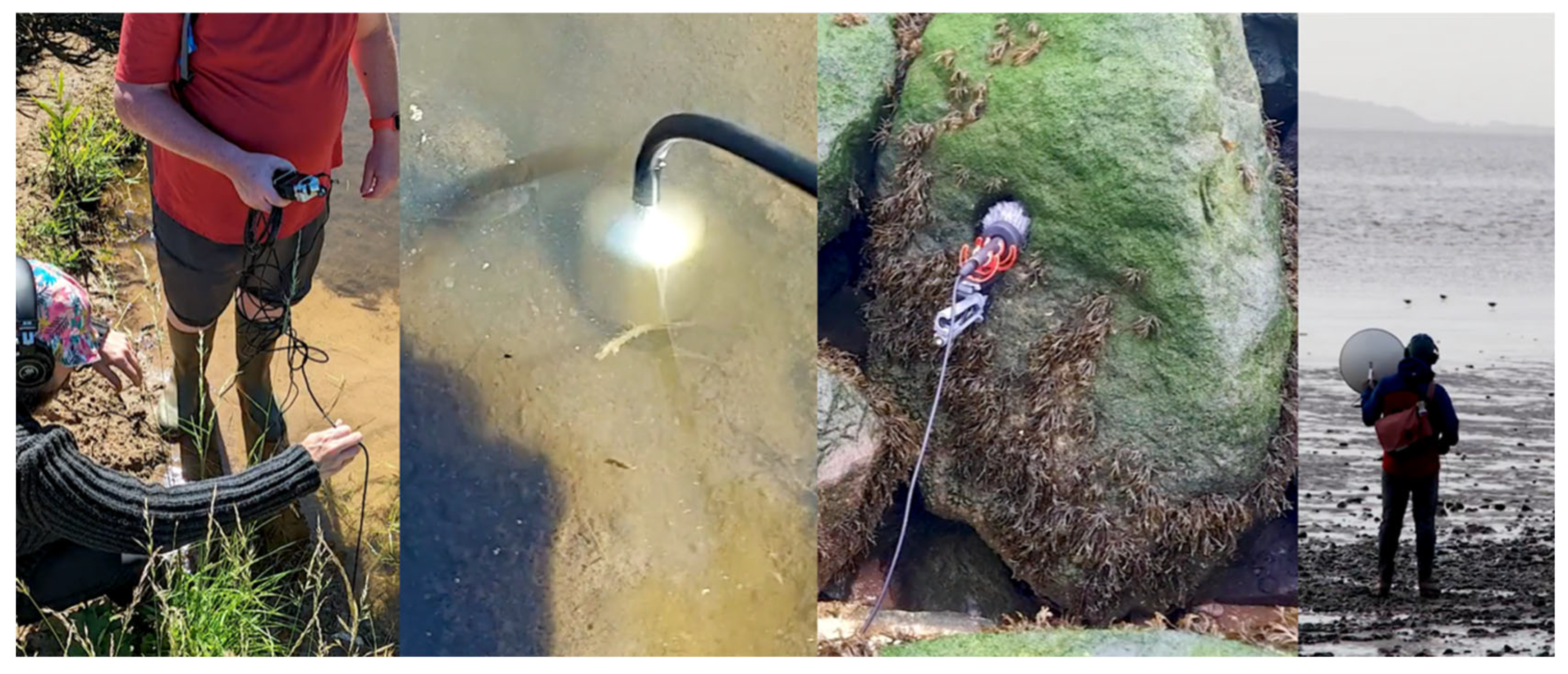
Whilst field recording was a prerequisite for the project and participants were introduced to a range of standard stereo, mono, and spatial recording techniques, they were also introduced to more creative techniques, such as using contact microphones and hydrophones as a way of exploring their environments, some of which are illustrated in
Figure 3. As such, a theme of
creativity and production became evident when analysing participants’ responses. Many engaged in creative methods which were new or from existing personal practice, such as making sound recordings, sound manipulation, and electroacoustic experimentation, producing artworks, or composing reflective texts and reports. These outputs served as both personal expressions and contributions to a collective archive, extending the experiential dimension of the project into modes of representation and interpretation. This also highlights
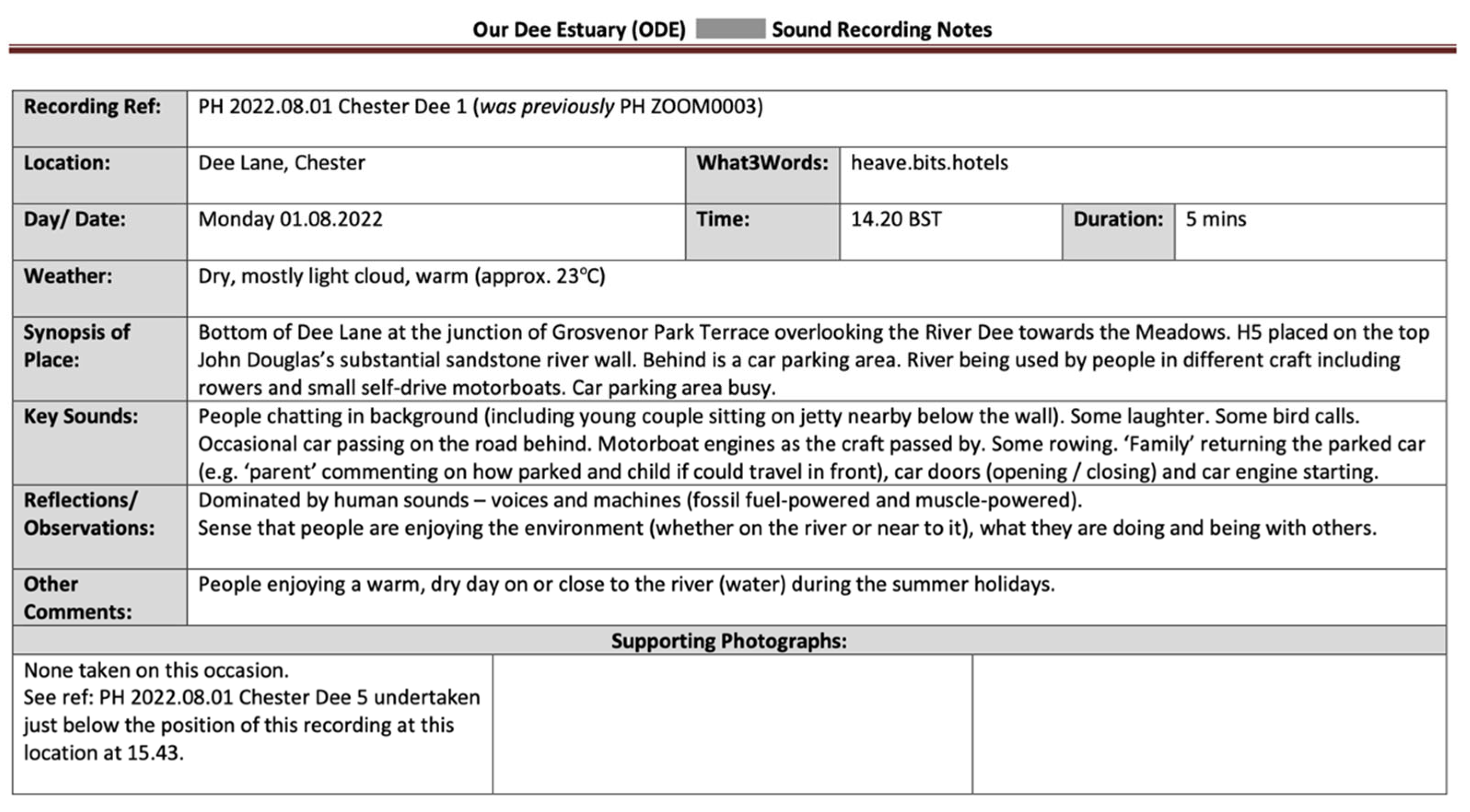
soundtalking’s capacity to bridge perception, creativity, and communication, and as participants are verbalising their thoughts and feelings, there is access to much richer qualitative data in the form of their own transcripts or recordings of these discussions. This is also evidenced in
Figure 4, which shows the sound diary that one of the participants created. Such dialogues also reveal local knowledge and values: a seemingly unimportant sound being tied to a community’s identity or history, such as the relationship between local mud larkers and the RSPB in the case of the Dee. It can be through one participant’s story, which brings to light new learning and experiences to the group, uncovering the cultural meanings of soundscapes, or when thinking about the historical importance of the environment, for example, thinking about how the estuary has transformed and been shaped since the Roman period.
Across the sessions and particularly during the final session, participants frequently articulated a sense of holistic engagement, in which listening and recording were not experienced as a discrete act but as one embedded within a rhizome of bodily sensations, memories, moods, and spatial awareness. This aligns with a practice-led approach to sensory ethnography, where knowledge both for research data and the individual is generated through doing, sensing, and reflecting in situ, creating a personal and collective resonance with the whole environment. This is related to the phenomenological focus that this paper has taken, viewing holistic perception as relational, embodied, and situated within the experience and the reflection of the experience, emphasising the importance of sensory experience in place-making processes. Seemingly, by engaging participants in creative, environmentally responsive practices such as listening, recording, and discussing, soundtalking foregrounds the affective and material dimensions of environmental experience, allowing for the co-production of situated knowledge that might otherwise remain tacit or inaccessible through conventional research methods.
Finally, the theme of
social connection and belonging emerged particularly from the final sessions as the project ended. Many participants described the formation of a temporary but meaningful community of listeners, built up over the duration of the project. The familiarity of shared listening, talking, the exchange of stories, and the empathy generated through co-experienced soundscapes contributed to a strong sense of mutual understanding. These relationships often extended beyond the project itself, suggesting that soundtalking can serve not only as a research method but also as a social practice capable of generating affective bonds and shared identity. If proven effective through further studies,
soundtalking could be recommended as a public health intervention to improve quality of life in communities, particularly those dealing with high stress or even as a tool for populations with sensory processing challenges; for example, aural diverse individuals [
42] through structured repeated listening and engagement with their environment may help them cope with sensory overload by reframing the experience in a guided way focusing on the sonic experience of urban space [
43]. For sustainability and stewardship, these outcomes are highly desirable: a community that listens to its environment is likely one that cares for it, and one that can articulate its significance is empowered to advocate for it. By translating fleeting auditory experiences into collective narrative and action, soundtalking turned soundscape perception into a powerful driver of ecological care and community resilience, perhaps proof that when people truly listen, they begin to protect what they hear. Overall,
soundtalking emerges not just as a method of data collection but as a form of community practice and environmental encounter.
6. Discussion
The introduction of
soundtalking as a method has several important implications for research and practice in environmental sustainability and stewardship, as well as for understanding the links between environmental engagement and human well-being. The Our Dee Estuary case study has demonstrated the opportunities and challenges of implementing
soundtalking as a soundscape method. While the study did not employ any quantitative or statistically validated scales to assess constructs, such as stress reduction or environmental stewardship, for example, this reflects a deliberate methodological alignment rather than an oversight. The research is situated within a practice-based, qualitative, phenomenological ethnographic framework, which prioritises depth of insight, contextual specificity, and the exploration of lived experience over generalisable metrics. This is, of course, not to say that these metrics could not now be extracted from the existing data or provide a new research hypothesis for further testing. The aim of this project initially was to provide field recording and soundscape facilitation as part of an ethnographic study. Yet the
soundtalking method emerged from the work itself, and, as such, the study did not produce empirically validated, statistically generalisable claims, but rather produced situated knowledge grounded in embodied practice and reflexive engagement with the environment. A phenomenological position was specifically chosen by the author for the capacity to uncover nuanced meanings, affective resonances, and relational dynamics that standardised quantitative tools may overlook or obscure, and as a way of engaging with soundscape research, an area which still divided on methodological approaches [
7]. Accordingly, the conclusions drawn are not presented as empirical certainties but as interpretative and exploratory contributions to understanding complex, holistic human–environment interactions against a framework of sound. The value of this study lies in the depth of the insights and the methodological transparency with which it was derived, and, as such, it could be argued that within the epistemological framework of qualitative inquiry, this approach constitutes a rigorous and valid mode of knowledge production.
Crucially, with or without a formalised
soundtalking method, the project showed that even individuals with no prior training in listening, sound, or recording can engage effectively with soundscapes and articulate complex perceptions, given time and a supportive methodological framework. At the culmination of the project, participants effectively became soundscape curators, sonic storytellers, and environmental stewards of their own community, equipped with the skills of listening, recording, and narrating, and a desire to continue the process, leading to a sensitivity to a practice that they could carry forward. The project also highlighted the multi-faceted impact, educational, emotional, mental, and social, that a
soundtalking approach can have, many of which align with sustainability and well-being objectives. However, whilst the project is seemingly unique in the field of soundscape studies due to the duration for which there was access to the participants, there are other studies which have used a longitudinal approach with participants [
44]. Yet most soundscape studies are short-term interventions where participants have a short period of time (usually an hour or less) to conduct a study.
Having access to the participants for a year meant that a real depth of inquiry and reflection, and then development, which is fundamental to the method, could be obtained. The repeated engagement with the participants is crucial as their own thoughts about the environments they are exploring change and adapt over time (seasonal shifts, weather differences, human activity cycles), and this affects perception of the soundscape and the environment. The reliance on data that has surveyed a place once, at a certain time, is useful, but very much so an incomplete picture of what the soundscape is. The method also allows the group to build a shared vocabulary and rapport, and raises a question about the effects and implications of their perceptions of the environment. As the participants developed a shared acoustic vocabulary, this became another area of thematic interest, as there is no common sound language to speak of, and, as such, this became an area of interest for a further project. Within the sessions, there became a supportive and mentoring environment which helped with confidence building, not only within the technical aspects of field recording, but in exploring space and the self.
Soundtalking also has the potential to function as a method of the community learning process, increasing participants’ confidence in discussing themselves, the environment, and their thoughts. The
soundtalking method is not only about listening and talking, but it can also include active making through the recordings, collage, music, video, artworks, and photographs made by participants. The major output of the project was a co-created work, where the participants’ field recordings of the estuary’s soundscape, as well as video footage and photographs, resulted in a collective visual/sound composition project creating an eleven-minute film [
45].
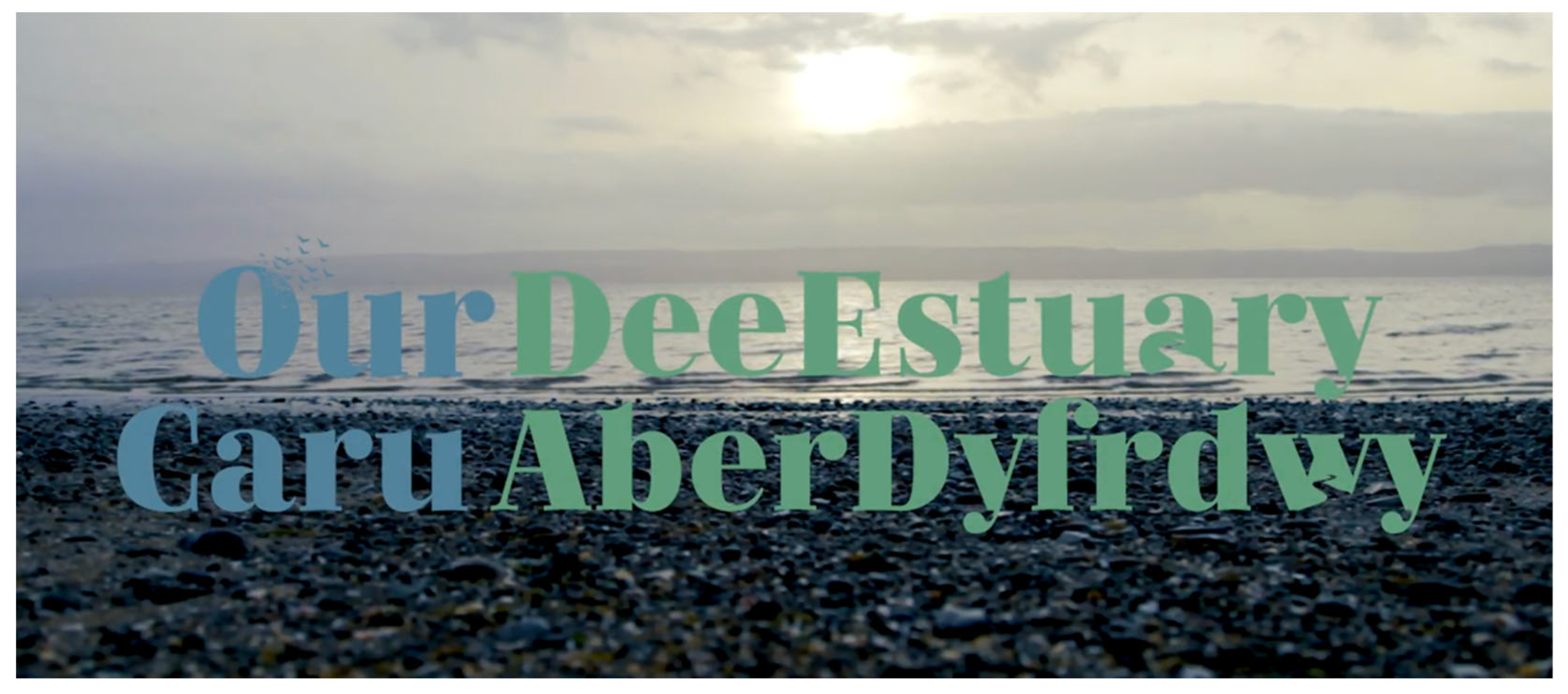
Figure 5 shows the opening of the film.
The creative dimension to the project potentially serves two purposes: firstly, to deepen environment engagement by allowing participants to produce as well as consume sound, where, for example, participants replay recordings during meetings and discuss them, or mimic the sounds they heard, thereby entering into a dialogue with the soundscape itself. Secondly, producing tangible outputs, such as field recordings, sound maps, or art pieces that can be shared with the wider community or used in outreach. These outputs help validate the participants’ efforts and can be tools for environmental education, thus linking the project back to stewardship aims. There were participants who returned to painting and produced artworks of the estuary, whilst also undertaking field recordings at the same time.
As a byproduct of the method and through the discussions, it was noted that this approach unintentionally created a focus on well-being and mindfulness. There are exploratory works considering the effects of soundscape and well-being, such as Aletta et al.’s work on correlations between perceived soundscapes and self-assessed well-being [
46]; as such, this work seems to highlight that this is a reported factor by participants. Yet it goes beyond demonstrating personal well-being to highlight community building, where, through its collaborative and reflective nature, the process of sound exploration explicitly attends to the human dimensions of environmental engagement and how people feel and connect. By giving individuals a ‘permitted’ space to express their feelings about sounds and the environment, be that positive or negative, for example, discomfort at industrial noise or perceived threat, it validates emotional reactions to the environment and also provides contextual understanding.
The well-being benefits noted in this study prompt further consideration of how
soundtalking might serve as a form of intervention or preventive practice for mental health linked to the growing evidence that natural sounds provide restorative benefits, such as stress reduction and mood improvement [
47,
48].
Soundtalking inherently involves regular exposure to natural (or at least real-world) soundscapes, often in pleasant outdoor settings, which likely contributes to these known positive effects, but beyond passive exposure, the act of mindful listening and subsequent expression adds layers of cognitive and social engagement that could enhance well-being outcomes. Firstly, the mindfulness-like component: focusing on sound can induce a meditative state where one’s attention is anchored in the present moment.
Soundtalking could also be framed as a community mindfulness practice, as it shares the emphasis on non-judgmental observation of sensory stimuli. In contexts such as urban wellness programmes or even clinical therapy groups, adapted
soundtalking sessions might help individuals slow down and attune to their surroundings, potentially alleviating the mental fatigue that comes from constant urban noise. The option to create initiatives in city parks, inviting residents to escape their routine and reconnect with ambient nature, is a possibility through this method. In some cases, participants found relief in learning they were not alone in their reactions; such realisations can reduce stress by removing self-blame or isolation.
The community cohesion from
soundtalking also intersects with social connectedness, which is a well-documented determinant of health [
43]. The friendships and trust built in these groups can combat loneliness and provide a sense of belonging. Participants often found that listening and being in an environment and then sharing that experience with others has a calming, uplifting effect. The sessions seemingly created a sense of camaraderie and understanding of place as one listens together, and the immersion in sound becomes a shared experience; then, speaking about the experience afterwards can create an intimacy and level of trust. In essence,
soundtalking also fosters a community of listeners, potentially enhancing social bonds and collective well-being. This contrasts with a typical soundwalk where participants might all be present, but their internal experiences remain private until a debriefing, if one occurs at all. In the study, the group continued to talk informally even after the project ended. This potential sustained social network could yield long-term mental health benefits, as participants continue to support each other and engage in the healthy activity of listening walks or sitting together.
Soundtalking weaves social interaction throughout the process by encouraging people to narrate what they hear and relate it to personal or cultural contexts. Soundtalking taps into what Ingold describes as the naturalisation of the properties of seeing, hearing, and other sensory modalities. This leads to the mistaken belief that differences between cultures in the ways people perceive the world around them may be attributed to the relative balance of a certain sense or senses over others [
49]. For Ingold, sound is neither mental nor material, but something that emerges from our entanglement with the environment. This resonates with Schafer’s acoustic ecology, where soundscape is conceptualised as a dynamic and participatory field and urges listeners to attend to their sonic environment with both attentiveness and ethical responsibility. These perspectives are echoed and extended in Pink’s sensory ethnography [
19], which calls for an emplaced ethnography through a consideration and sensitivity to the relationships between the individual and the sensoriality of the environment.
It is important at this stage to once again articulate how soundtalking is distinct from, yet complementary to, other methods; soundtalking encourages talk, whereas soundwalks/sits emphasise silence during listening. Soundtalking positions conversation as an integral part of the method, not just an add-on. The risk is that talking might distract from listening; soundtalking mitigates this by structuring when and how talking happens. The key to the method’s design is repetition over time, and whilst soundwalking/sitting can, of course, be repeated, too, but they are often deployed as standalone activities. As a result, the data from soundtalking includes longitudinal observations and reflexive insights (participants recalling their initial difficulties or misconceptions and how their perceptions evolved). The knowledge produced through soundtalking can, of course, be empirical, for example, in identifying specific sounds and their sources and effects through a coded or statistical deconstruction of the study data. This could provide additional quantifiable understanding of why a certain soundscape is valued, or how noise influences mood.
Hearing participants speak about their experiences in the final soundscape output [
45,
50], there is a real sense that the process reflects a stewardship mindset that can be nurtured through the method of structured listening and talking sessions, and, beyond this, that there are further opportunities to use the method for community engagement; for example, conservation groups or citizen science programmes could train volunteers in soundtalking to monitor trails, combining data collection with personal connection to nature, urban and rural planners could use
soundtalking to learn what residents value or find problematic with in their local environment, sonic or otherwise. Whilst this qualitative evidence could guide more anthropocentric sound policies, aligning with ISO 12913’s [
18] management of soundscapes through human perception, hopefully, through the process of talking, it may be possible to include reflection or consideration from those who do not have a voice.
Soundtalking also supports the idea of cultivating positive sonic environments, rather than merely mitigating noise, which could trigger protective measures for ecological features that produce them. Intergenerational knowledge exchange is another benefit, where
soundtalking recordings become archival records, where residents can talk and recall soundscapes and stories from the past, sharing insights that others might find locally insightful and prompting discussions of environmental change over time. This real-life testimony may also be able to shape local conservation priorities, for when communities learn to articulate why their environment sounds the way it does, and why that matters, they potentially gain a powerful narrative for mobilising action.
Methodological Limitations
However, there are several limitations with soundtalking, as the method is resource-intensive. The recruitment of participants willing to dedicate the time to be fully engaged with the project may result in participant bias, which occurs in many projects and focuses on those who are time-rich, potentially overlooking those without the means or resources to dedicate to the process. Setting up and managing the session, as well as the process and analysis, requires time and organisation, which requires a level of skilled facilitation. Whilst soundtalking could be implemented on a one-to-one or ad hoc basis, it is seemingly the regulated interactions within small-group settings, which result in the required meaningful exchange. Scaling up to larger or remote groups may require changes to the process, which could risk losing the communal intimacy. Qualitative data analysis is a lengthy process, and subjective accounts may not satisfy the requirements of quantitative epistemologies; however, with true interdisciplinary teams, there is the possibility to be able to integrate these narratives into broader ecologically valid data across the schism of epistemologies interested in soundscape.
Additional challenges and practical constraints provide limitations on the application and consistency of the method and include, for example, the scheduling of meetings and maintaining attendance across a year. This can prove to be difficult when external events intervene in participants’ and facilitators’ lives beyond the project. There is also a learning curve within the method in how to balance listening and talking; the concept of listening to long sound recordings can be alien to some and requires practice and patience to engage with recordings properly. There are also issues around the recording process, a technical process, much of which is covered in field recording workshops, which can take a long time to develop a confident skillset. To many participants, they were put off or alienated from the technology, and a fear of ‘doing it wrong’, which meant that it took further time to build their confidence. As the author is a facilitator of recording workshops, this is known to be an issue, but even so, it is a consideration that must be noted for further projects. Inclusivity is another concern, where it must be ensured that a diversity of voices is present in the study to capture a fuller range of experiences and attitudes. Additionally, an exclusively human-centred focus risks overlooking ecological impacts directly; however, there may be indirect benefits that arise when heightened awareness and empathy lead to conservation actions. Practical guidelines and instructions, for example, around respecting habitats, should guide groups so that listening, recording, and talking remain nondisruptive. Finally, for a method in its developmental infancy, there is the opportunity to form comparative studies measuring the impacts of soundtalking against other methods on environmental awareness and well-being. Next stages include testing the method in different environments, including urban spaces, to refine the method’s adaptability. Whilst technology such as immersive audio or long-term monitoring and recording could enhance the experience, any technological intervention must remain secondary to authentic listening. The Our Dee Estuary project served as a proof of concept for soundtalking and demonstrated that the method can indeed complement and extend soundscape methods by capturing dynamic, lived experiences of soundscapes over time, something fleeting one-off methods cannot do as effectively.
7. Conclusions
This paper has introduced
soundtalking as a novel, practice-based, and phenomenologically informed method for soundscape research, developed through iterative engagement with participants in the Our Dee Estuary project. Rather than emerging from a predefined hypothesis,
soundtalking arose through the process of creative, arts-based fieldwork, offering a new approach that integrates environmental awareness, community participation, and well-being. Through a critical review of existing soundscape methodologies including those aligned with ISO 12913-1 [
18], it has been identified that while these practices enhance and increase (in the short term) auditory awareness and provide insights into acoustic environments, they are limited by their typically brief, silent, and expert-led nature and do not inherently capture the rich, dialogic understanding that emerges when participants articulate their sensory experiences in their own terms.
Soundtalking serves to address these gaps, defined by participant-led dialogue, real-time reflection during listening, and longitudinal engagement, standing out as an innovative blend of active listening and conversational exploration, effectively turning passive observers into active narrators of their environment. While traditional methods often rely on short-term, silent, and expert-led practices,
soundtalking provides a more inclusive and longitudinal model, in which participants communicate their own sensory experiences and co-create works and shared understandings of place.
At the individual level, participants reported increased sensory awareness, emotional connection to place, and enhanced well-being. At the collective level, the method facilitated the emergence of shared narratives, local ecological and cultural knowledge, and a sense of environmental stewardship. This dual function highlights soundtalking’s interdisciplinary value, as both a research methodology and a community engagement tool. In particular, the method offers a way to make perceptual and cultural knowledge more evident to planners, environmental managers, and policymakers. Yet, additionally, through the use of oral histories, personal memories, and sensory accounts, soundtalking can support more inclusive and context-sensitive approaches to environmental and place-based decision-making.
The method also aligns with recent developments in affect theory, embodied cognition, and co-creative research, where these theoretical frameworks recognise the importance of embodied, relational, and emotional ways of knowing. These are dimensions which are often overlooked in quantitative or scientific models, yet seemingly provide a deeper insight into the reality of sound, soundscape, and its relationship to environment and place. As an arts-based intervention, soundtalking treats sound not merely as data but as a medium for generating meaning, memory, and community, as well as individual and collective artefacts, further suggesting that soundtalking may be useful in fostering environmental ethics through experiential learning and dialogue.
In terms of well-being, the method has potential for further exploration into how it might contribute to the growing field of nature-based and socially prescribed health interventions. While not originally conceived as a health or well-being method, the study has shown reported benefits related to stress and improvements in mood and social connectedness among participants, which resonate with existing research that natural soundscapes provide restorative benefits [
50]. Soundtalking amplifies these benefits by adding layers of mindfulness and mutual support through the inclusion of indirect mindful listening, conversation, and creative expression. Yet, it is important to acknowledge the limitations of this study. The present work is primarily exploratory and still emergent in nature, and further research is needed to test and refine the method in diverse socio-ecological contexts. Future studies might include comparative trials with other participatory or soundscape methods, evaluations of the long-term impact of talking about sound, and the development of practical guidance for facilitators. Issues of scalability, resourcing, and institutional support will also need to be addressed if soundtalking is to be widely implemented. However, these challenges point to areas for collaborative innovation rather than challenging barriers. In conclusion,
soundtalking offers a holistic, participatory, and adaptable methodology that bridges sensory ethnography, soundscape studies, environmental stewardship, and public well-being. It enables participants to connect profoundly with their local environments through shared listening and storytelling, and to express what matters to them in their environments, sonic or otherwise. For researchers, practitioners, and policymakers working toward sustainability goals, soundtalking presents an opportunity to integrate community voices into planning processes, enrich environmental education, and promote a culture of attentive, responsible listening. In a time of ecological uncertainty and social fragmentation, such methods may be essential for fostering resilient, caring relationships between people and place.