Article

Adaptive Reuse in the Realm of Architecture: Global Research Trends and Gaps for the Future Studies


by
Berkan Kahvecioğlu
* and
Semra Arslan Selçuk
Department of Architecture, Faculty of Architecture, Gazi University, 06560 Ankara, Turkey
*
Author to whom correspondence should be addressed.
Sustainability 2023, 15(13), 9971; https://doi.org/10.3390/su15139971
Submission received: 24 March 2023 / Revised: 26 April 2023 / Accepted: 20 June 2023 / Published: 22 June 2023
(This article belongs to the Special Issue Renovation of Buildings and Modernization of Built Areas)

Abstract

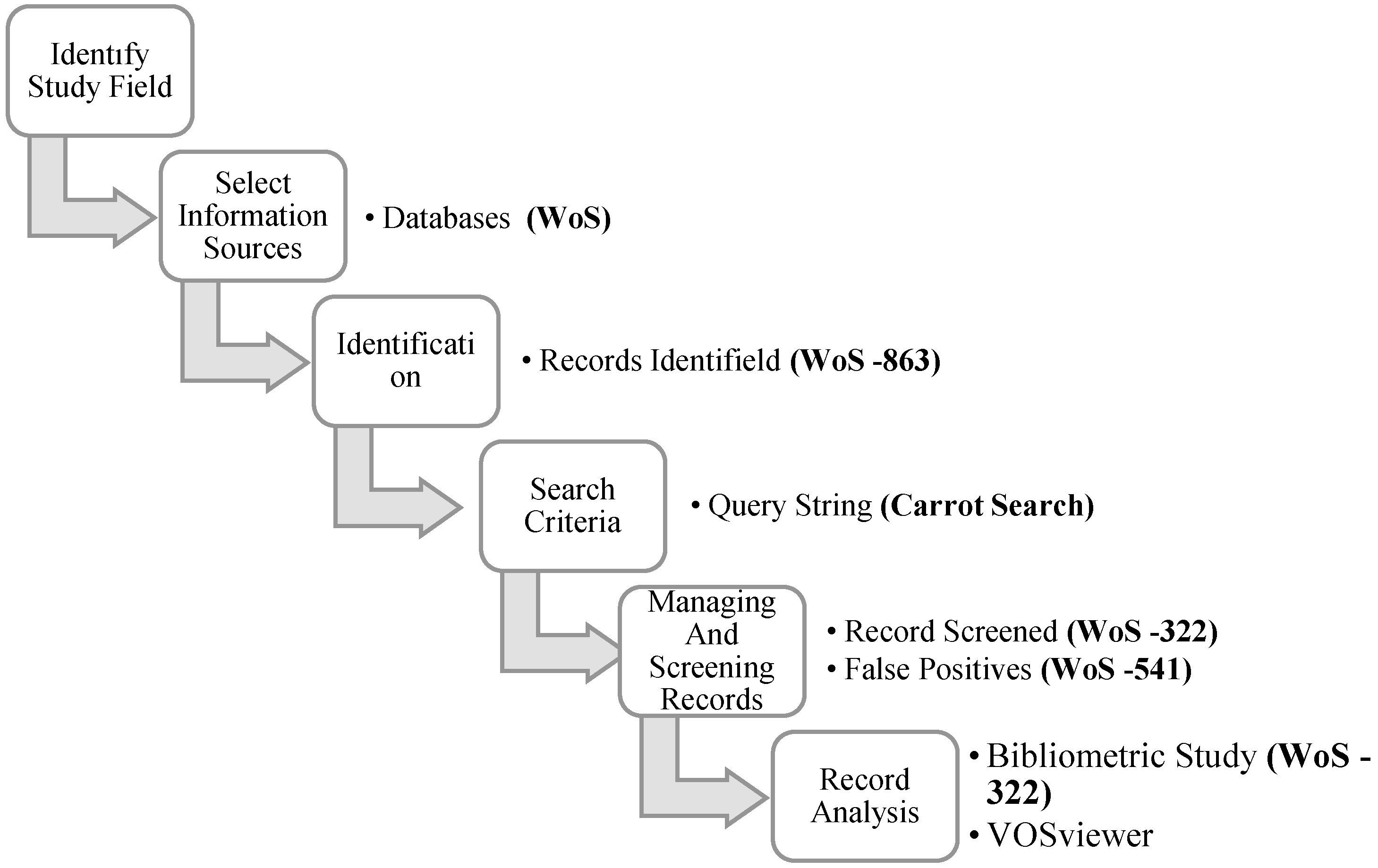
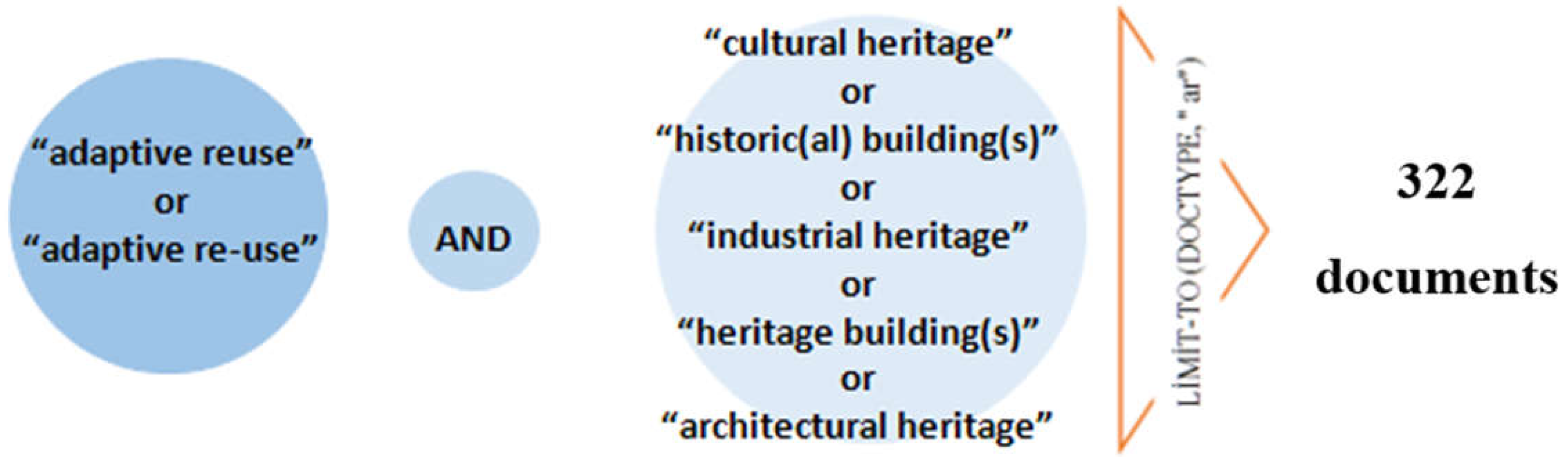
The effort to preserve historic buildings for the future has always been on the agenda of experts on local and global scales and been supported by many initiatives and strategies. Within the scope of this research, the concept of “adaptive reuse” which is often preferred as a conservation strategy for historic buildings, is discussed. The focus is on the adaptive reuse studies of historic buildings in literature that have managed to physically survive in the face of changing conditions; comprehensive and systematic research with a bibliometric analysis is presented. The study has been scanned in the Web of Science database under the heading “Title/Abstract/Keywords” and the data has been analyzed in detail with the VOSviewer program. The findings indicate the research trends in the literature and gaps for the future research. The results highlight the innovative approach for historic buildings in the context of the adaptive reuse strategy and present the field’s challenges, limitations and opportunities. It is expected this study will help researchers and policymakers to understand the evolutionary implications of conservation strategies and develop other theoretical and practical initiatives to be applied in this field.
Keywords: adaptive reuse; global research trend; architecture; bibliometric analysis; cultural heritage adaptive reuse; global research trend; architecture; bibliometric analysis; cultural heritage