Review

Inverted Solar Stills: A Comprehensive Review of Designs, Mathematical Models, Performance, and Modern Combinations

1
Mechanical Engineering Department, College of Engineering, University of Babylon, Hillah 00964, Iraq
2
Petroleum Engineering Department, College of Engineering, University of Kerbala, Karbala 56001, Iraq
3
Air Conditioning and Refrigeration Techniques Engineering Department, Al-Mustaqbal University College, Hillah 51001, Iraq
4
Department of Mathematics, Khalifa University, Abu Dhabi 127788, United Arab Emirates
5
Department of Mathematics, Yarmouk University, Irbid 21163, Jordan
6
College of Engineering, University of Warith Al-Anbiyaa, Karbala 56001, Iraq
7
Biomedical Engineering Department, University of Thi-Qar, Nassiriya 64001, Iraq
8
Faculty of Computer Science and Information Technology, Superior University, Lahore 54000, Pakistan
9
Department of Mechanical Engineering, Munzur University, Tunceli 62000, Turkey
10
Department of Power Engineering and Turbomachinery, Silesian University of Technology, 44-100 Gliwice, Poland
11
Department of Mathematics, National Institute of Technology Rourkela, Rourkela 769008, India
12
Middle Technical University (MTU), Technical Institute of Baquba, Baquba 32001, Iraq
13
Department of Mechanical Engineering, College of Engineering in Wadi Addwasir, Prince Sattam Bin Abdulaziz University, Al Kharj 11942, Saudi Arabia
14
Department of Mechanical Engineering, Faculty of Engineering, University of Khartoum, Khartoum 11111, Sudan
15
Laboratoire de Physique Quantique de la Matière et Modélisation Mathématique (LPQ3M), University of Mascara, Mascara 29000, Algeria
*
Author to whom correspondence should be addressed.
Sustainability 2022, 14(21), 13766; https://doi.org/10.3390/su142113766
Submission received: 29 August 2022 / Revised: 11 October 2022 / Accepted: 11 October 2022 / Published: 24 October 2022

Abstract

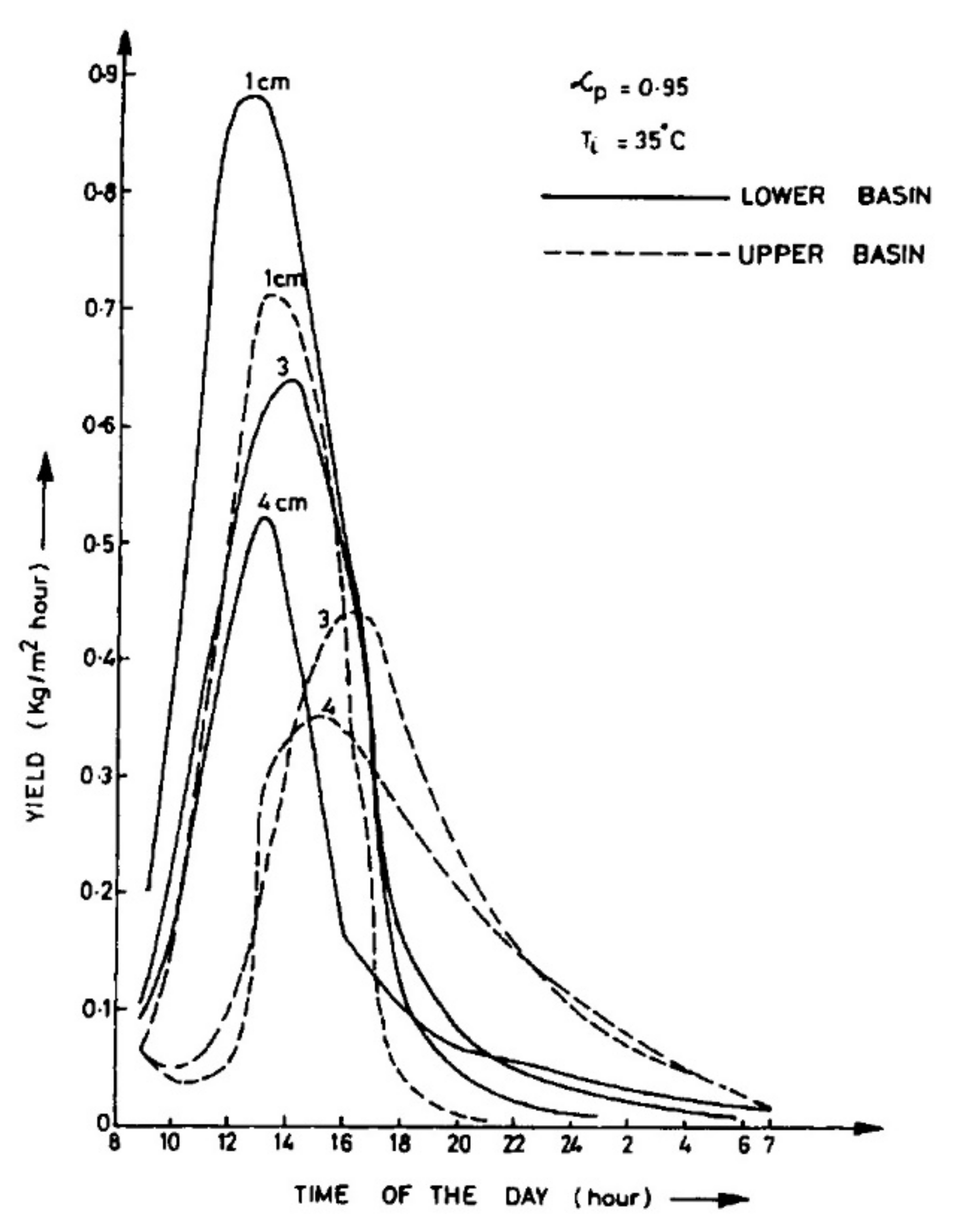
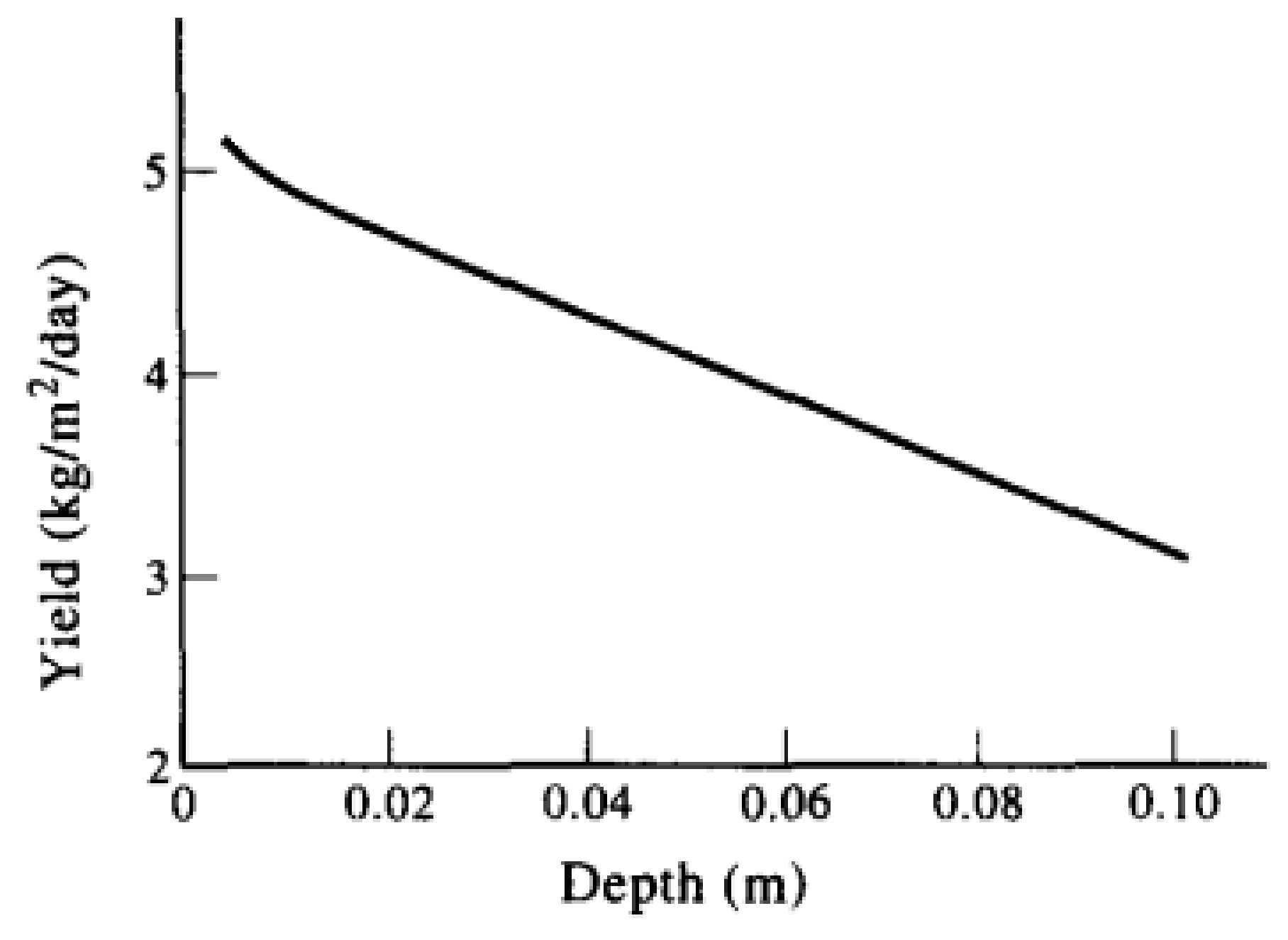
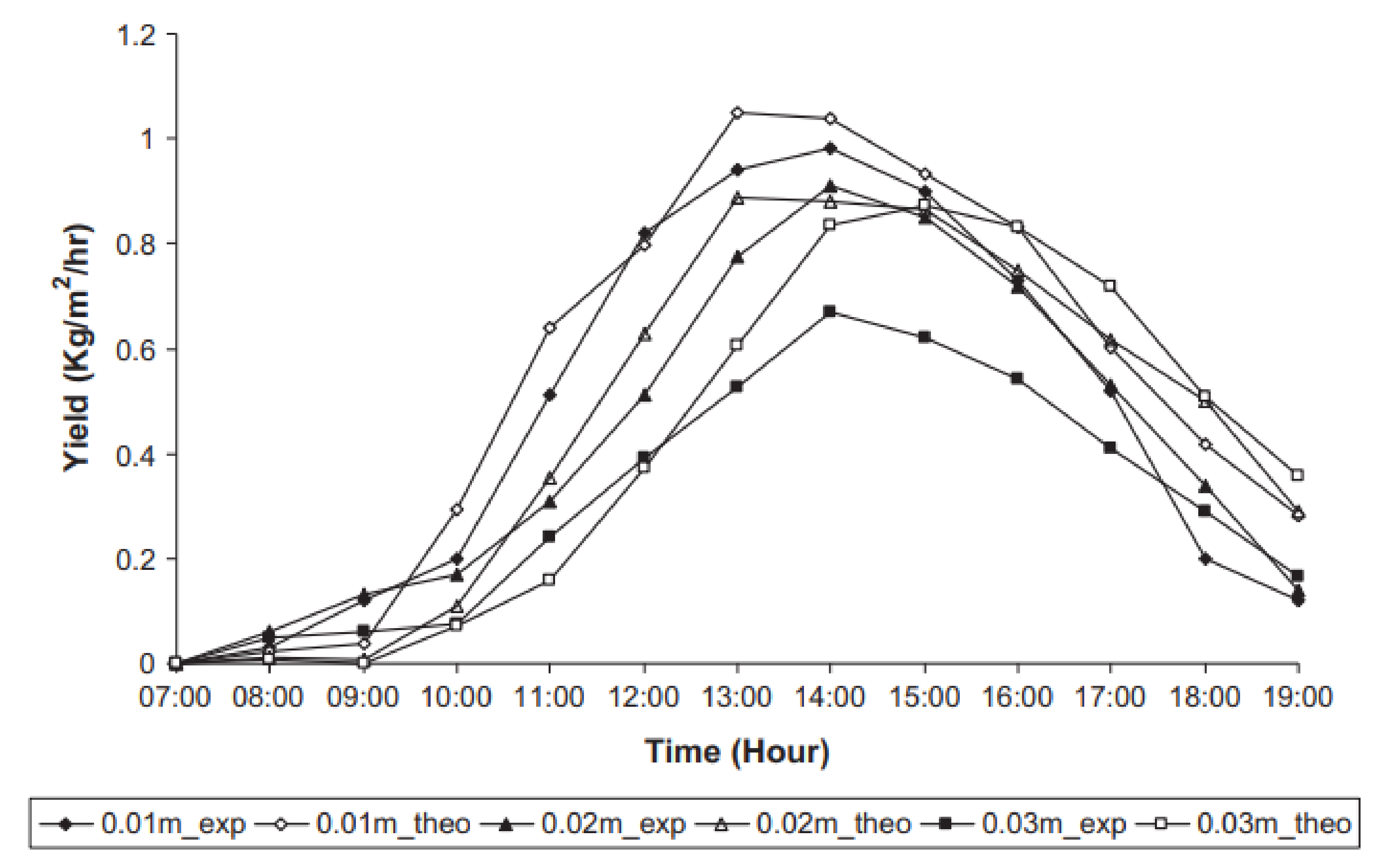
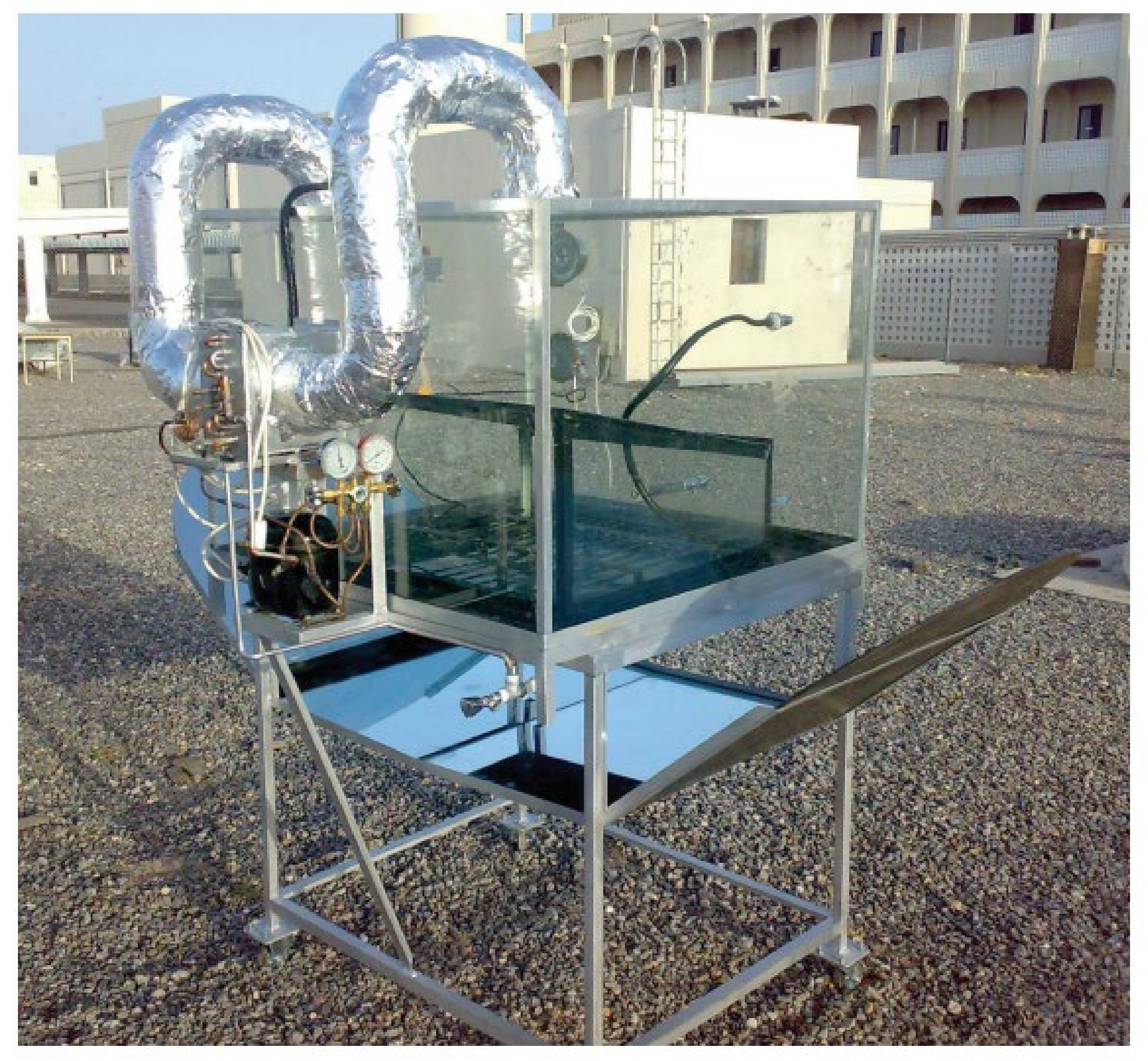
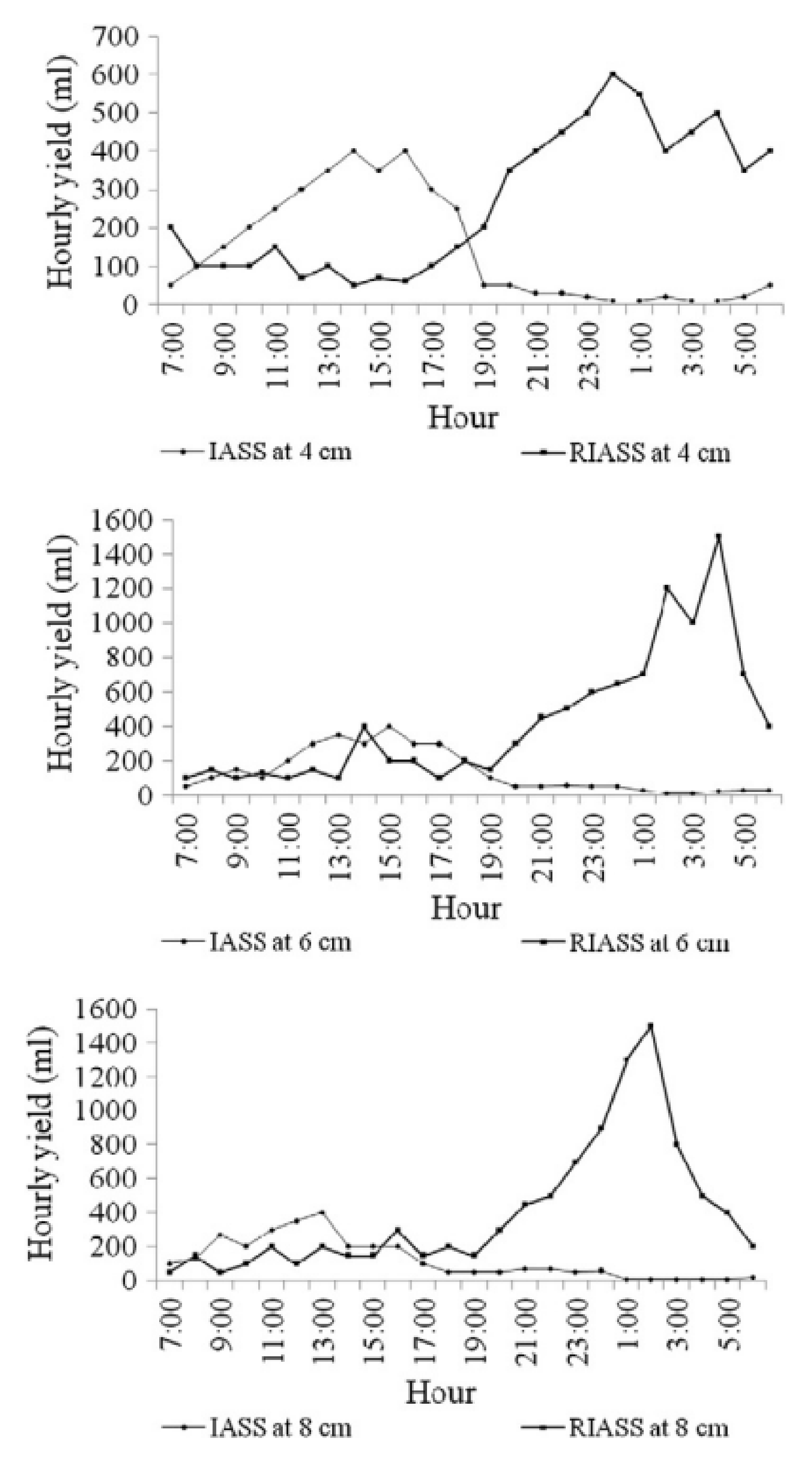
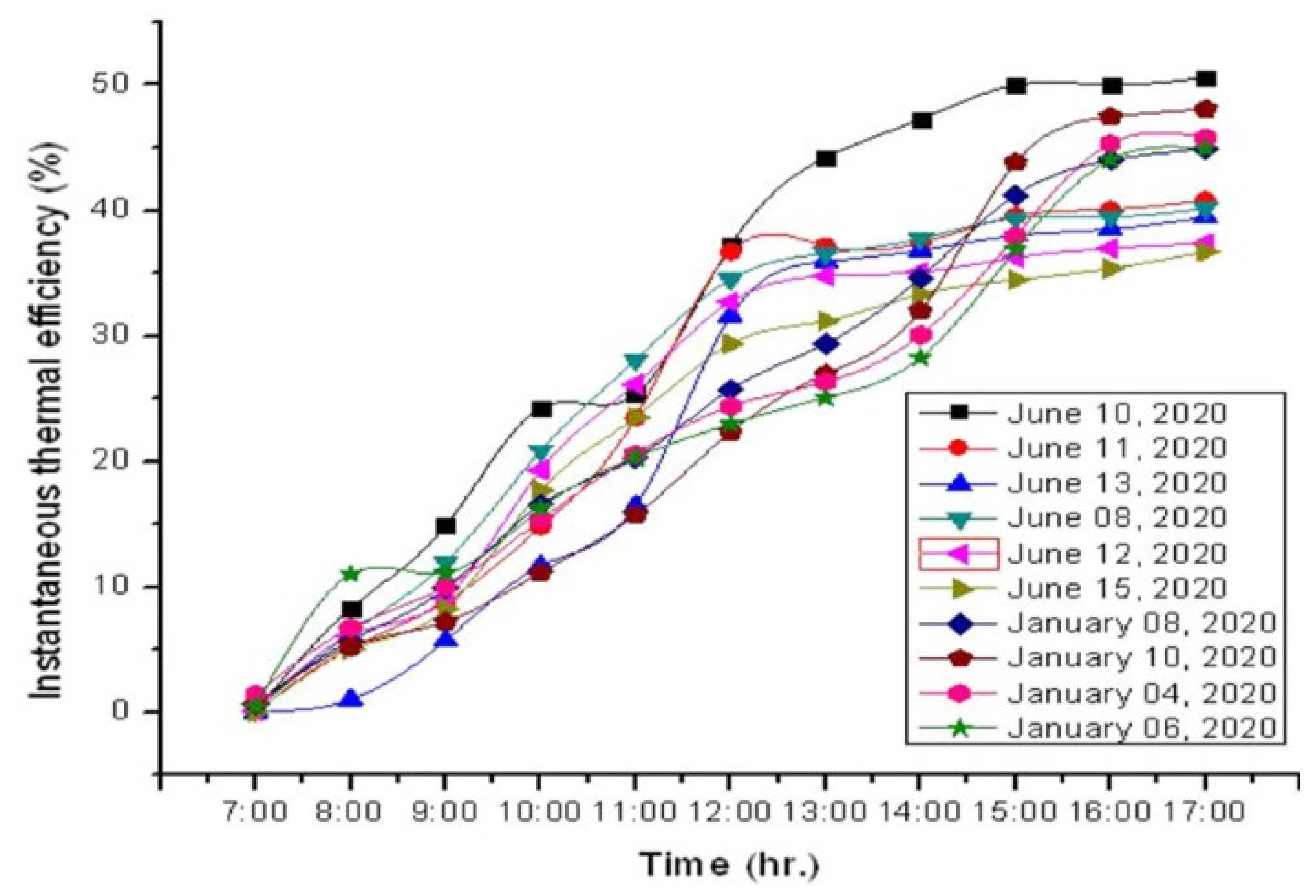
Fresh water is scarce, making it a worldwide issue. In order to address global freshwater demand, a filtration technique is needed. Solar distillation (SD) that purifies brackish and subterranean water has been proven to be a promising green technology. It produces distilled water which can be used as potable water for drinking and other purposes. The designs, operations, and configurations of several inverted solar stills are thoroughly examined in this article. All techniques for solar water distillation to separate saltwater from freshwater have the same fundamental idea. It has been demonstrated that for a specified mass of water in the top basin, the daily output of an inverted absorber double-basin solar still (IASS) grows with increasing water depth in the bottom basin. Nevertheless, as the water depth in the bottom basin rises from 1 cm to 5 cm, the output of an inverted absorber double-basin solar system falls by about 27%. At water depths of 4, 6, and 8 cm, the daily yields from inverted absorber solar stills paired with a refrigeration cycle (RIASS) were 6.4, 10.08, and 9.5 L/day, respectively. The results also showed a substantial rise in water temperature in the inverted absorber solar still as a result of lower bottom heat loss and larger absorptivity. In this study, the emphasis on energy, efficiency, and environmental concerns remains with the modified multi-wick basin-type inverted absorber solar panel. The performance of the inverted trickling solar still was assessed with a 60 ppm average salinity under various sun radiation, feed water flow rate, and existence conditions for natural convection. It was found that the still could produce 2.55 L/day m2 of fresh water, a 15% increase. Brackish water with a salinity of 6000 ppm was used to test the still in November at tilt angles of 47° and 32°. Condensate production at the specified angles was 2.8 and 2 L/d, respectively. A total output of 6.907, 5.681, and 4.650 kg/m2/day was also generated using the modified multi-wick basin-type inverted absorber solar still (MMWBIASS) at water depths of 1, 2, and 3 cm, respectively. With black cotton wicks, the MMWBIASS had a total thermal efficiency of 34.04%, 28.17%, and 23.61%.
Keywords: solar desalination; inverted solar still; modern combinations solar desalination; inverted solar still; modern combinations