Article

Cooperative Operation Model of Wind Turbine and Carbon Capture Power Plant Considering Benefit Distribution

School of Economics and Management, North China Electric Power University, Beijing 102206, China
*
Author to whom correspondence should be addressed.
Sustainability 2022, 14(18), 11627; https://doi.org/10.3390/su141811627
Submission received: 28 August 2022 / Revised: 12 September 2022 / Accepted: 14 September 2022 / Published: 16 September 2022

Abstract

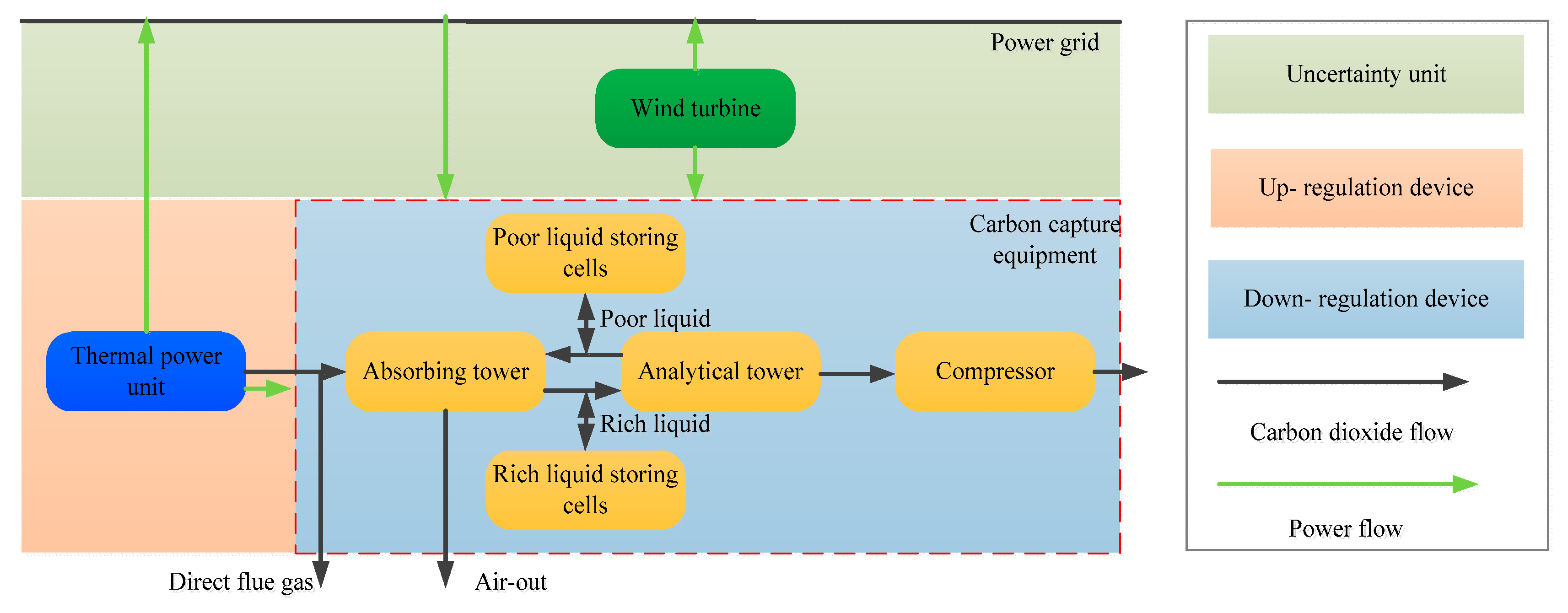
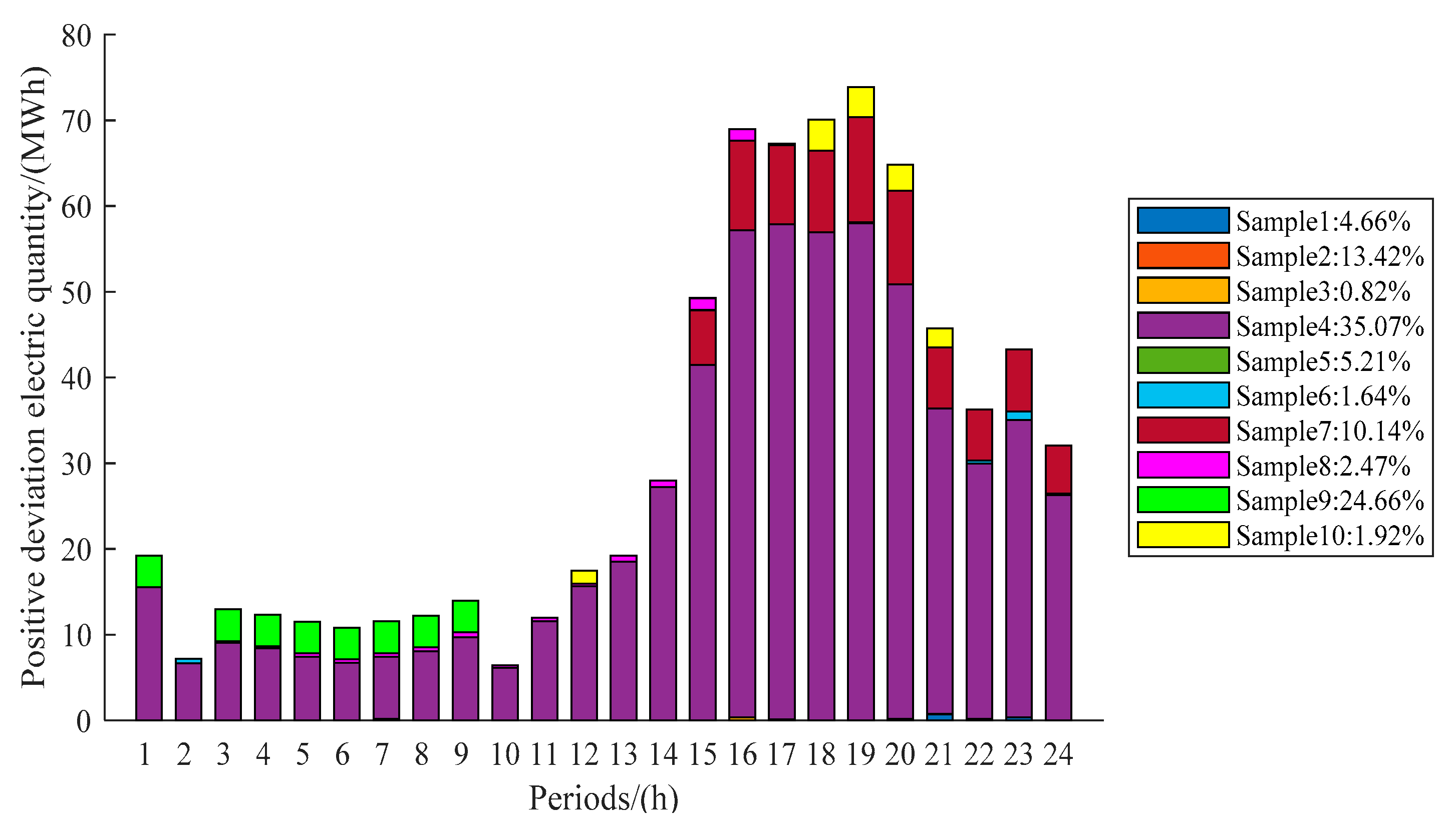
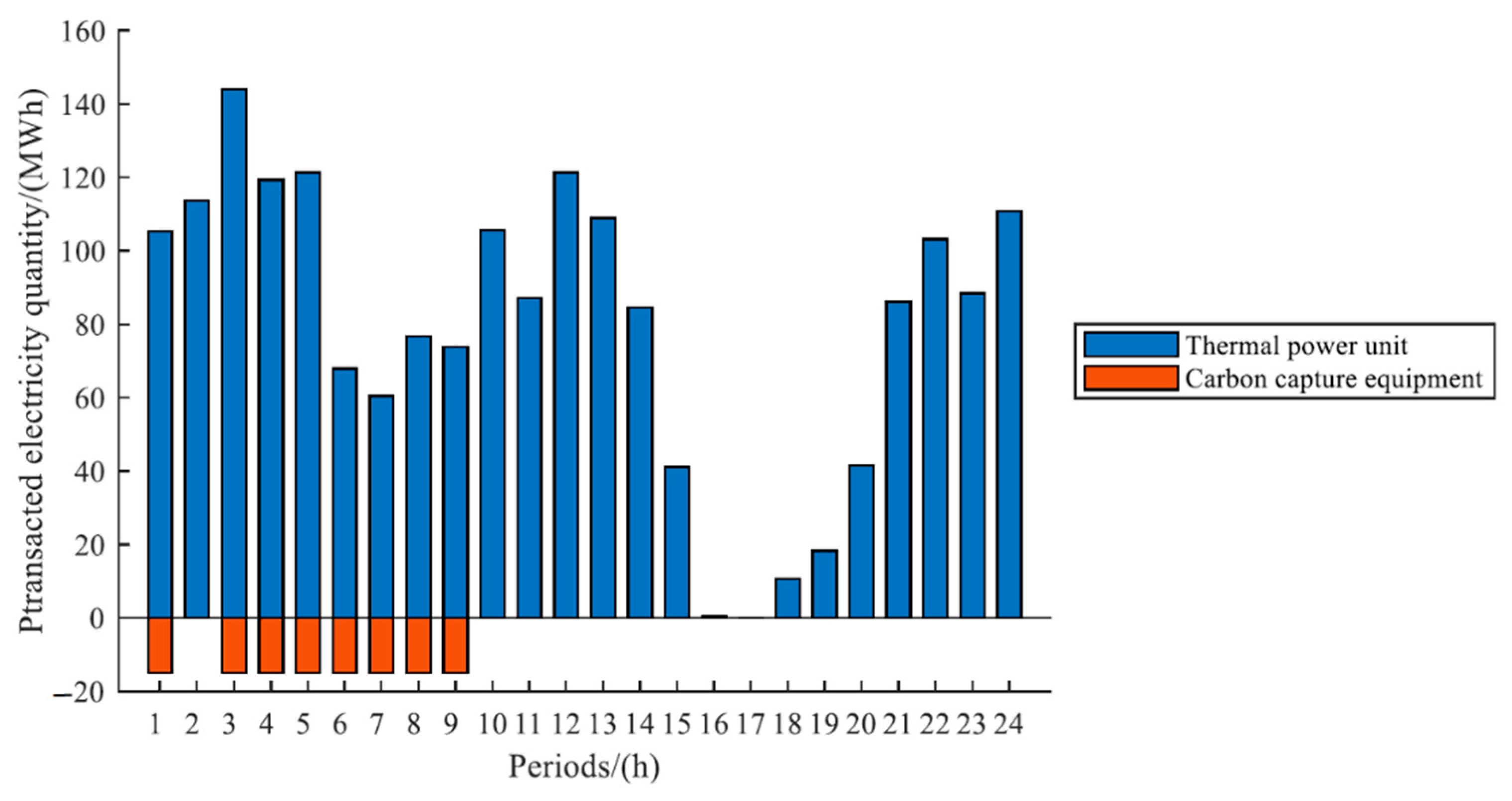
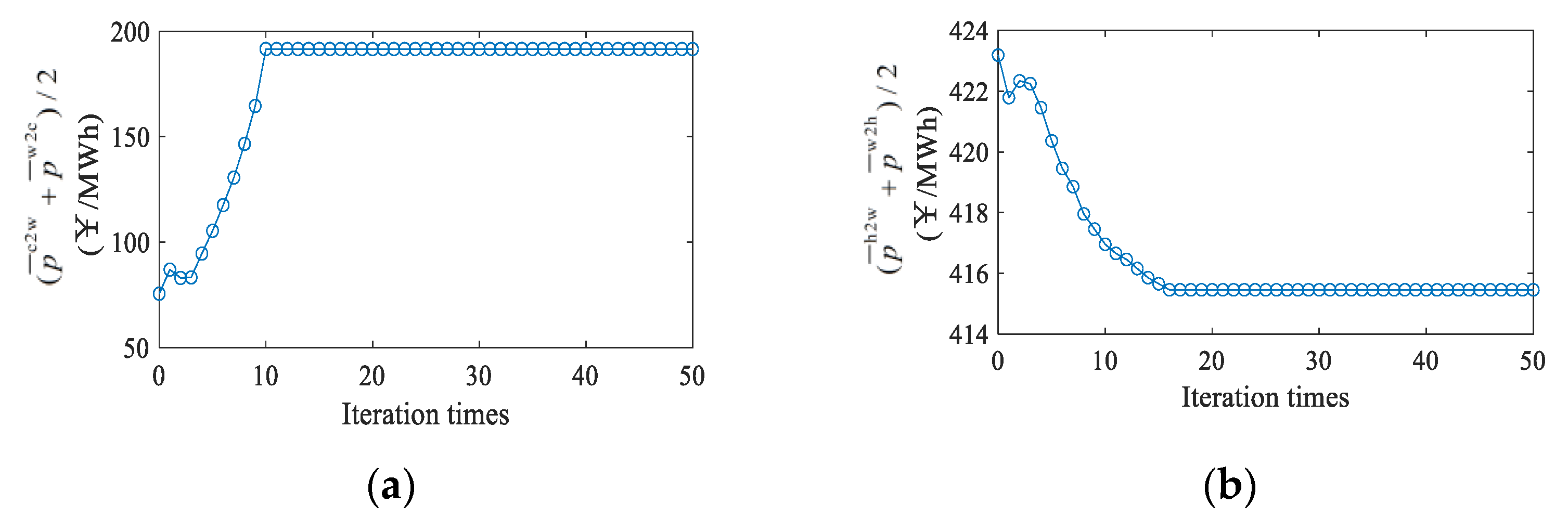
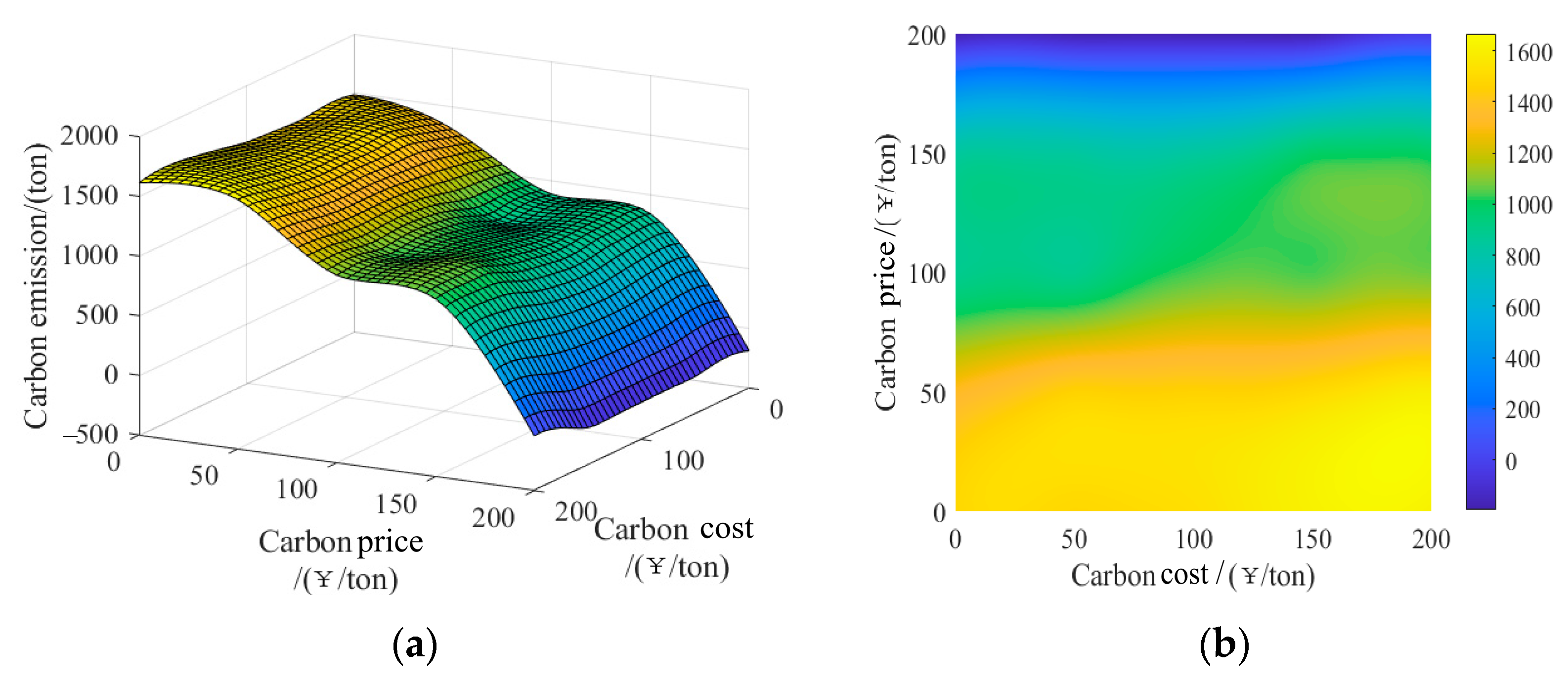
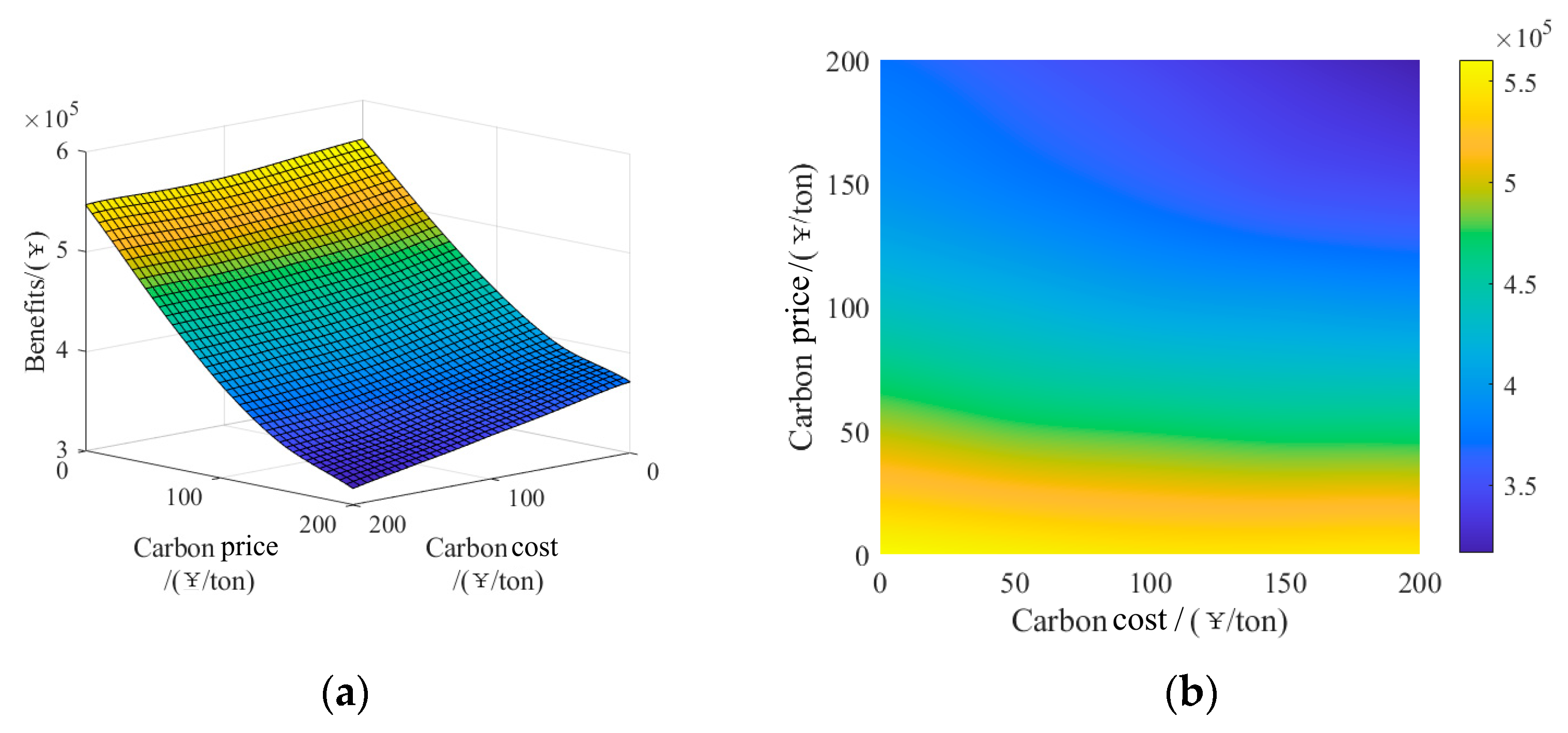
Increasing systematic carbon sinks and clean energy generation proportion are the main ways to reduce the carbon emission of power system. In order to promote wind power accommodation and reduce system carbon emissions, a cooperative operation model of wind turbine and carbon capture power plant (CCPP) is constructed. Then, the model is equivalently transformed into two sub-problems. One is the operation optimization sub-problem of cooperative alliance with the goal of maximizing the alliance benefit. The other is the benefit distribution sub-problem with the goal of fair distributing cooperative benefit. To protect participants’ privacy, the alternating direction method of multipliers (ADMM) is used to realize the distributed solution of the two sub-problems. Finally, the effectiveness of the proposed model is verified by an example, and the sensitivity analysis of the alliance benefit and system carbon emission is carried out with carbon price and carbon capture cost as the sensitivity factors. The example results show that: (1) By providing up and down regulation services to wind turbines, CCPP can obtain ancillary service income and help to reduce the declaration deviation of wind turbines, which can realize multi-win-win situation. (2) Carbon price affects both thermal power units and carbon capture equipment. So, compared with carbon costs, the carbon emissions and the alliance benefit are both more sensitive to carbon price. The model of the paper is constructed under the deviation punishment mechanism, and subsequent research can be expanded in combination with a more detailed imbalance settlement mechanism.
Keywords: carbon capture; nash bargaining; benefit distribution; alternating direction method of multipliers (ADMM) carbon capture; nash bargaining; benefit distribution; alternating direction method of multipliers (ADMM)