Article

Targeting Sustainable Transportation Development: The Support Vector Machine and the Bayesian Optimization Algorithm for Classifying Household Vehicle Ownership


1
School of Mechanical and Electrical Engineering, Guangdong University of Science and Technology, Dongguan 523083, Guangdong, China
2
Transportation Institute, Chulalongkorn University, Bangkok 10330, Thailand
3
Department of Civil and Environmental Engineering, Universiti Teknologi Petronas, Seri Iskandar 32610, Perak, Malaysia
4
Department of Transport Systems, Traffic Engineering and Logistics, Faculty of Transport and Aviation Engineering, Silesian University of Technology, Krasińskiego 8 Street, 40-019 Katowice, Poland
*
Authors to whom correspondence should be addressed.
Sustainability 2022, 14(17), 11094; https://doi.org/10.3390/su141711094
Submission received: 1 August 2022 / Revised: 31 August 2022 / Accepted: 1 September 2022 / Published: 5 September 2022
(This article belongs to the Special Issue Urban Design, Urban Planning and Traffic Safety)

Abstract

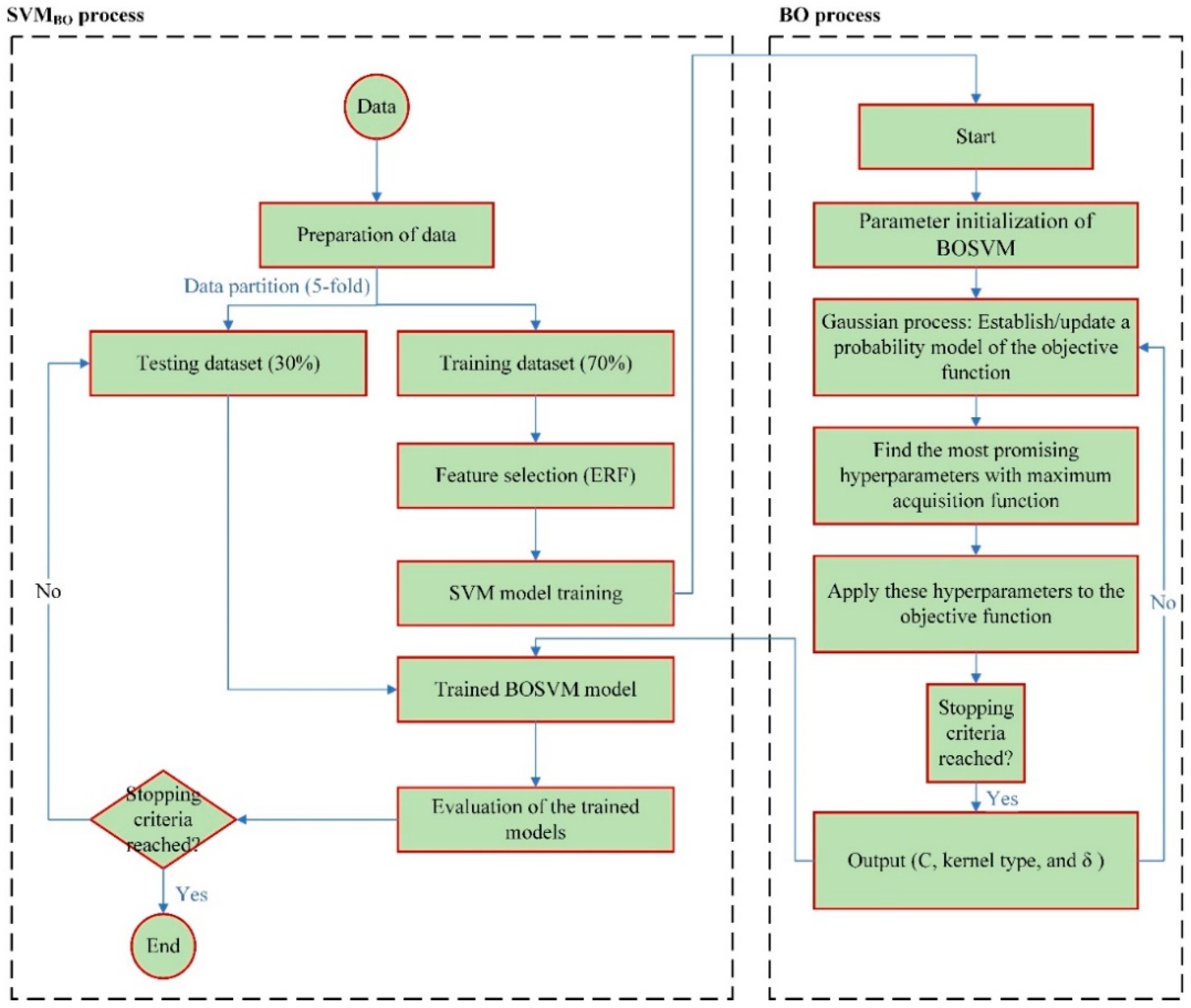
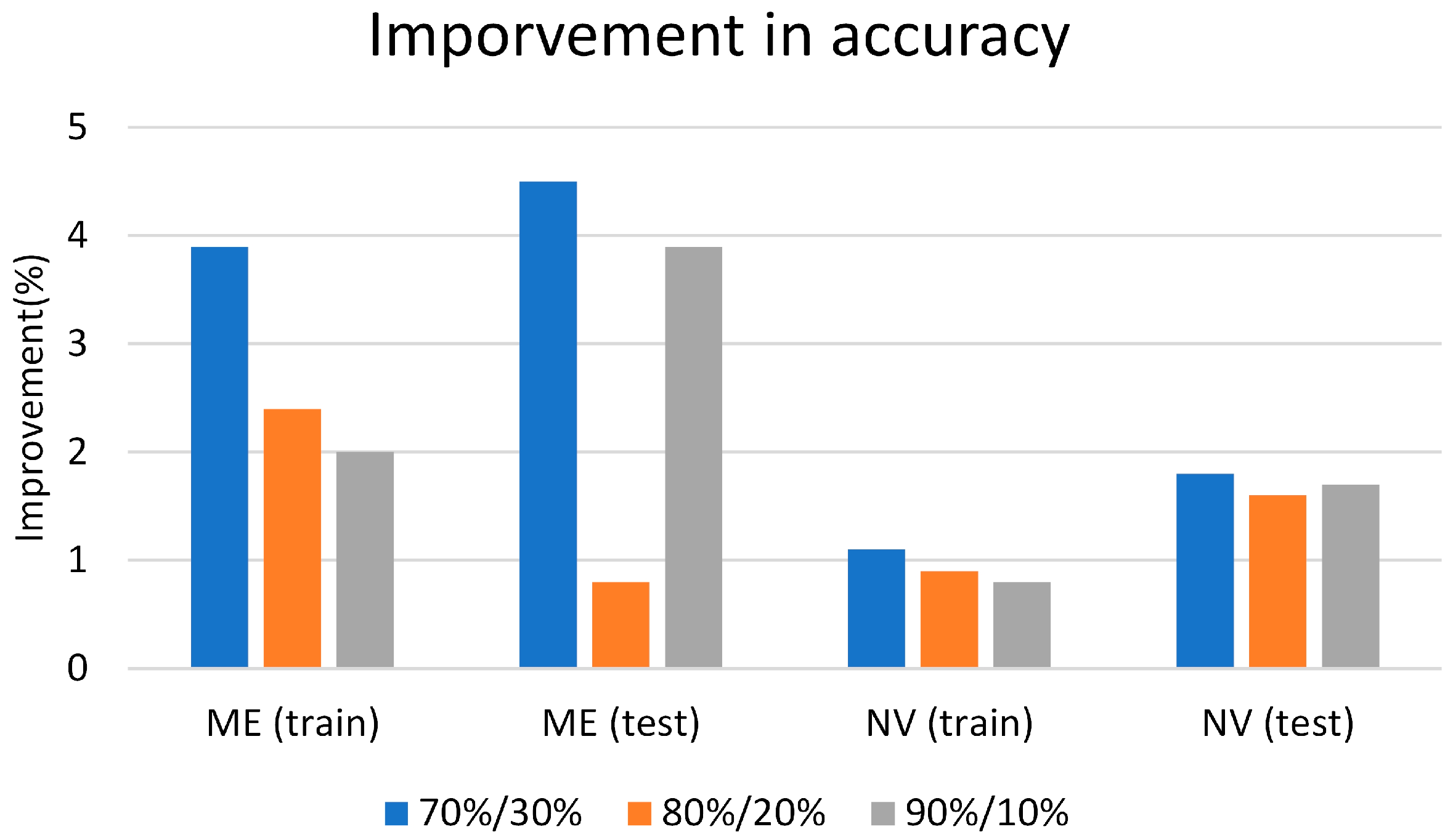
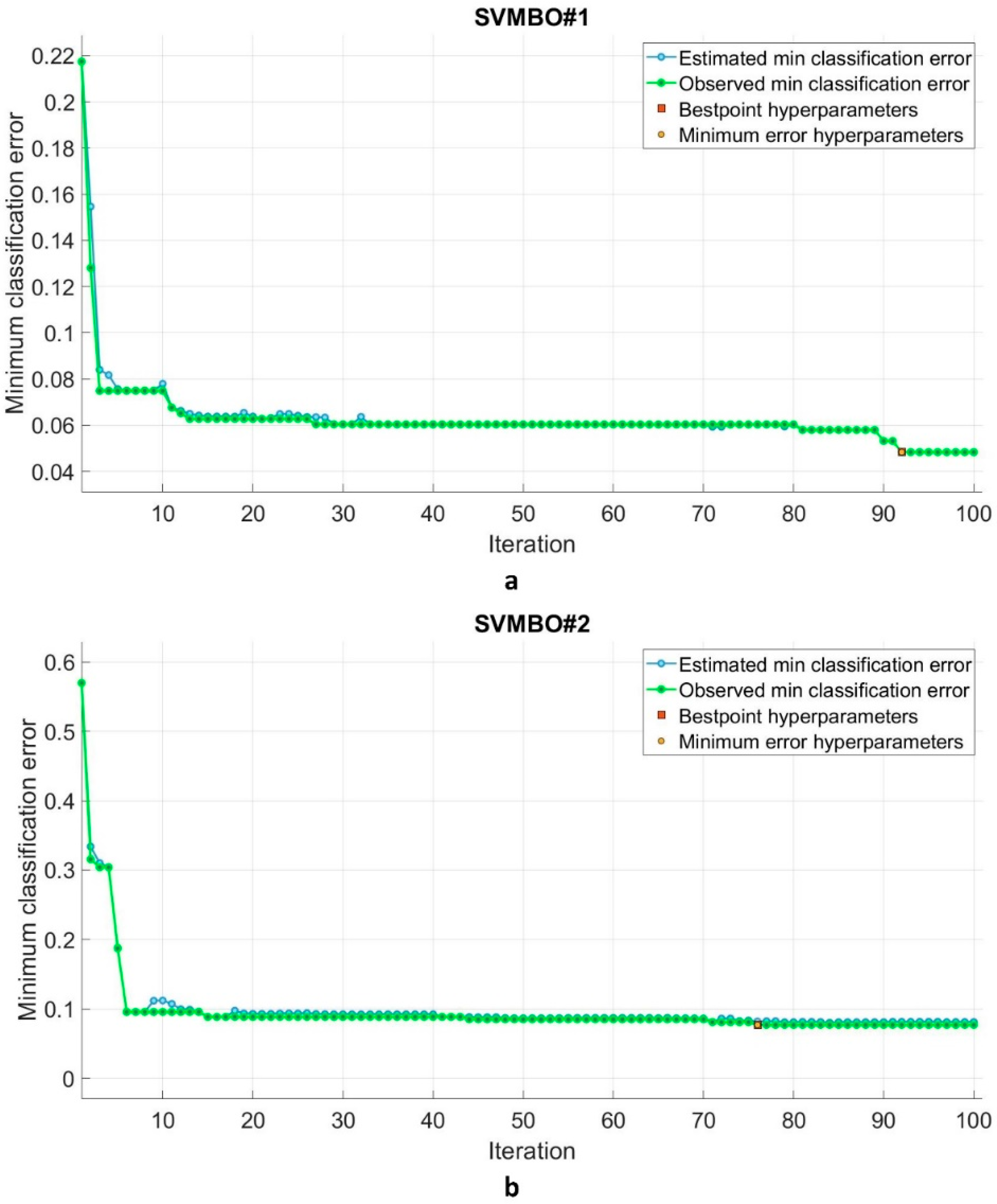
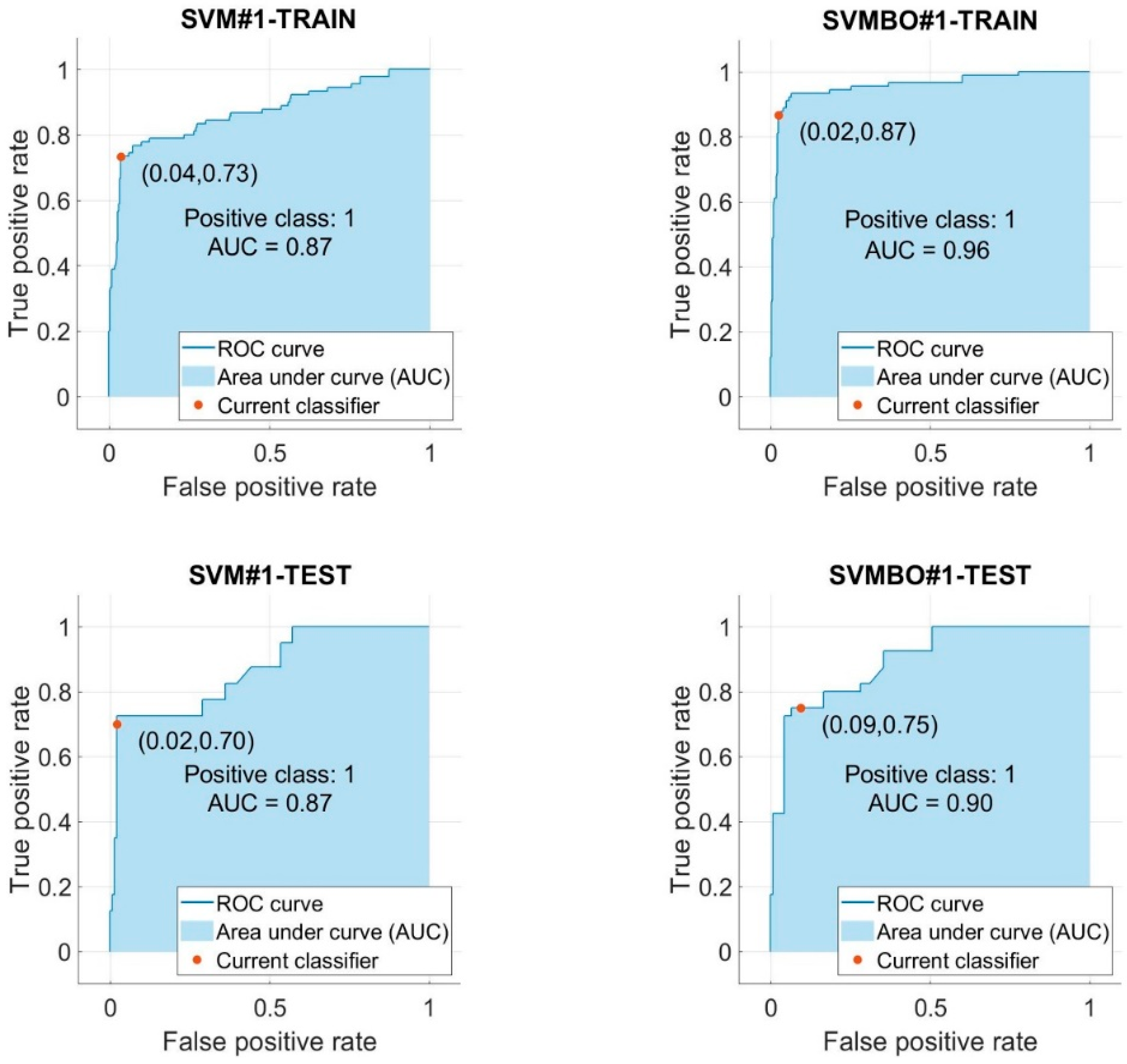
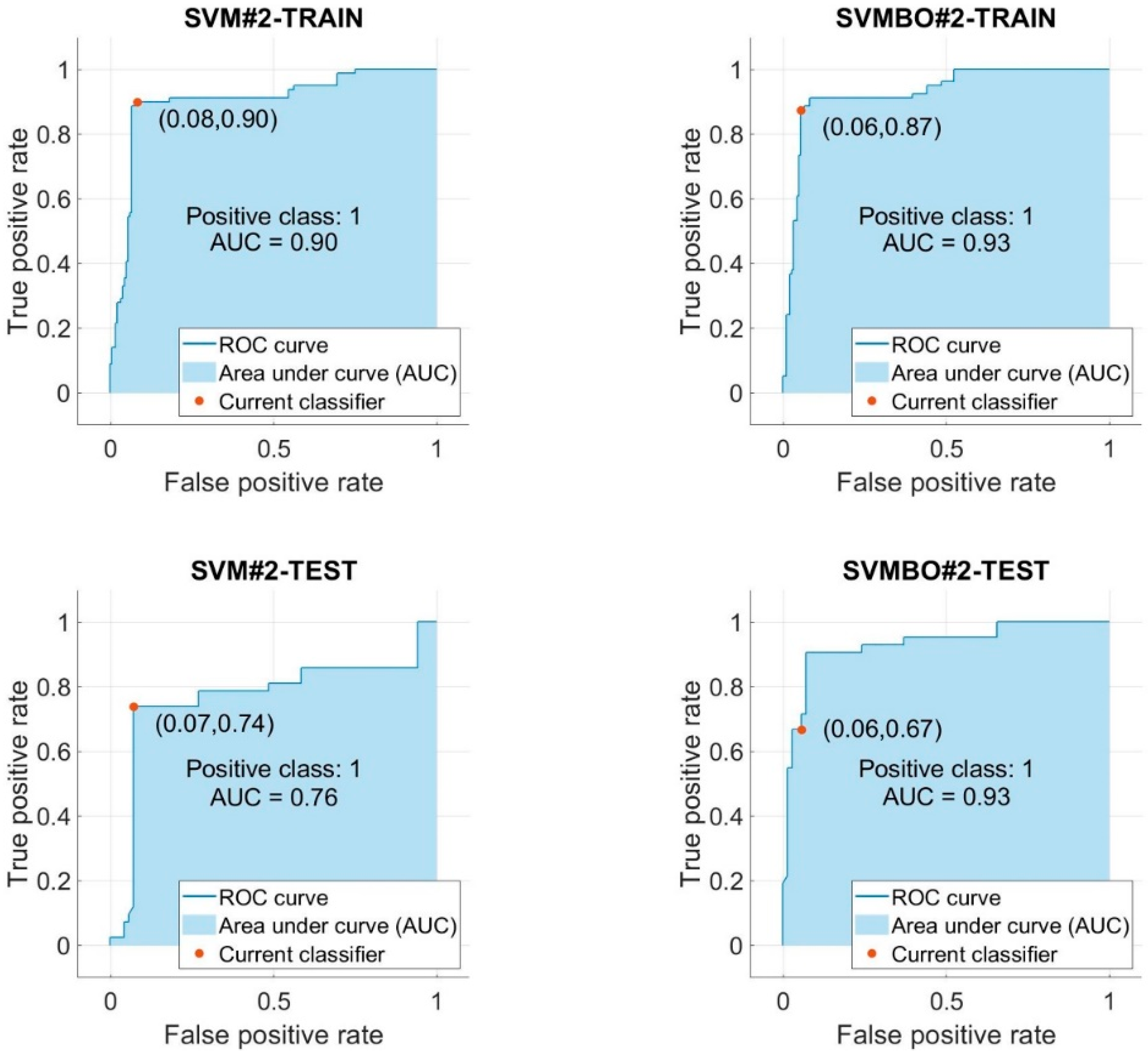
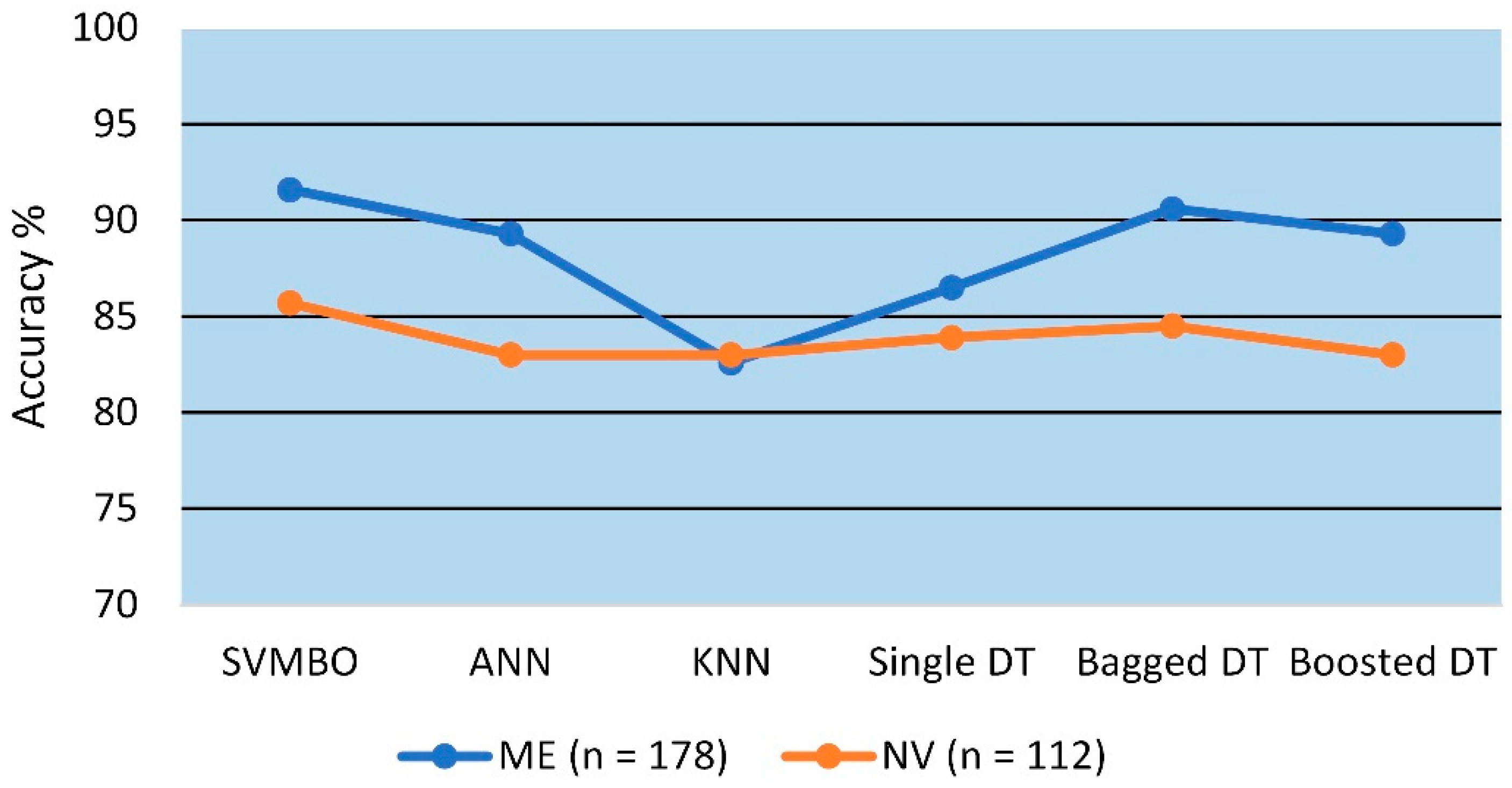
Predicting household vehicle ownership (HVO) is a crucial component of travel demand forecasting. Furthermore, reliable HVO prediction is critical for achieving sustainable transportation development objectives in an era of rapid urbanization. This research predicted the HVO using a support vector machine (SVM) model optimized using the Bayesian Optimization (BO) algorithm. BO is used to determine the optimal SVM parameter values. This hybrid model was applied to two datasets derived from the US National Household Travel Survey dataset. Thus, two optimized SVM models were developed, namely SVMBO#1 and SVMBO#2. Using the confusion matrix, accuracy, receiver operating characteristic (ROC), and area under the ROC, the outcomes of these two hybrid models were examined. Additionally, the results of hybrid SVM models were compared with those of other machine learning models. The results demonstrated that the BO algorithm enhanced the performance of the standard SVM model for predicting the HVO. The BO method determined the Gaussian kernel to be the optimal kernel function for both datasets. The performance of the SVM#1 model was improved by 4.27% and 5.16% for the training and testing phases, respectively. For SVM#2 model, the performance of this model was improved by 1.20% and 2.14% for the training and testing phases, respectively. Moreover, the BO method enhanced the AUC of the SVM models used to predict the HVO. The hybrid SVM models also outperformed other machine learning models developed in this study. The findings of this study showed that SVM models hybridized with the BO algorithm can effectively predict the HVO and can be employed in the process of travel demand forecasting.
Keywords: household vehicle ownership; support vector machine; bayesian optimization algorithm; sustainable transport development household vehicle ownership; support vector machine; bayesian optimization algorithm; sustainable transport development