Review

A Review of Forest Ecosystem Vulnerability and Resilience: Implications for the Rocky Desertification Control

School of Karst Science, State Engineering Technology Institute for Karst Desertification Control, Guizhou Normal University, Guiyang 550001, China
*
Author to whom correspondence should be addressed.
Sustainability 2021, 13(21), 11849; https://doi.org/10.3390/su132111849
Submission received: 10 October 2021 / Revised: 22 October 2021 / Accepted: 25 October 2021 / Published: 27 October 2021
(This article belongs to the Topic Climate Change and Environmental Sustainability)

Abstract

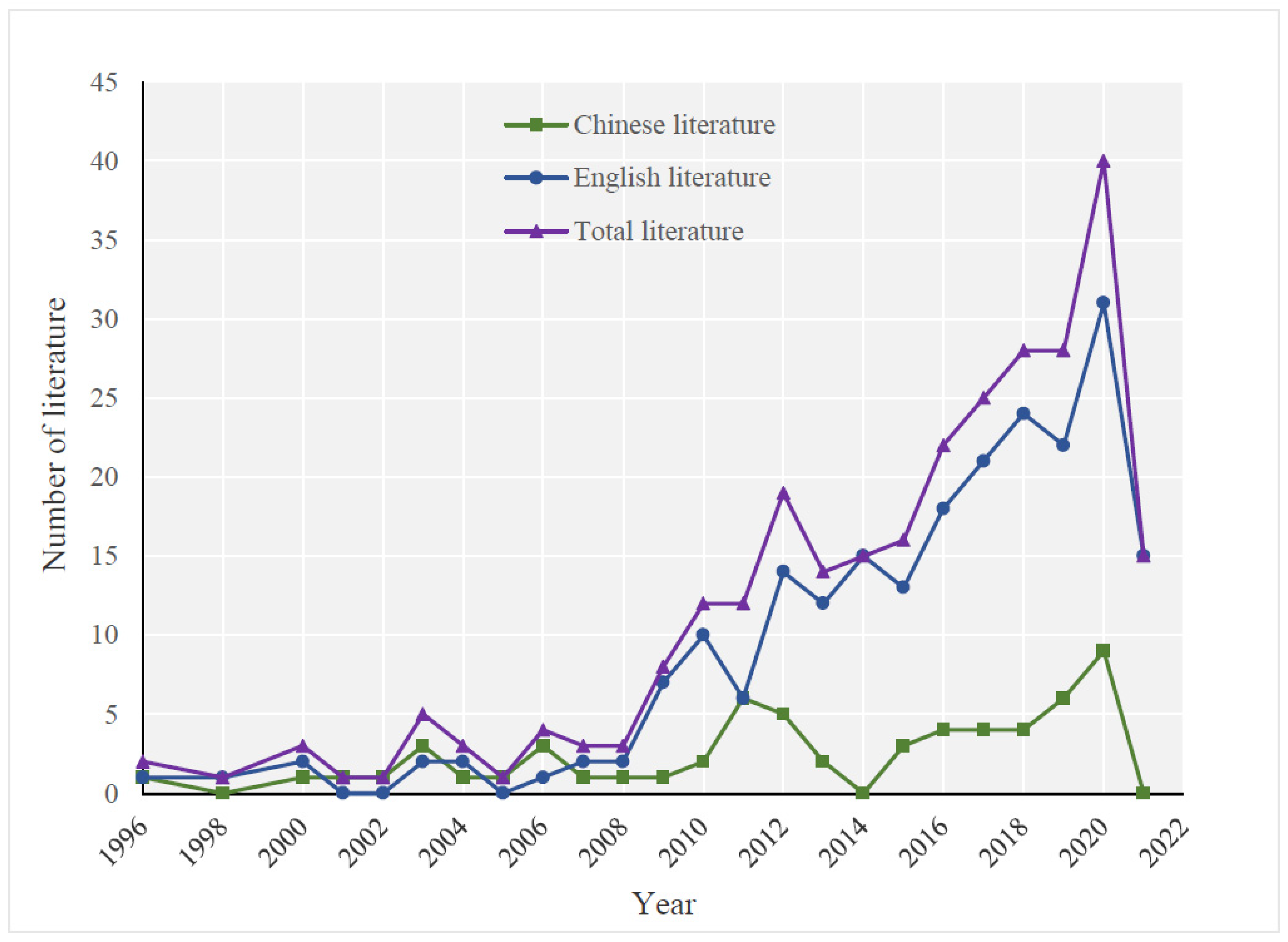
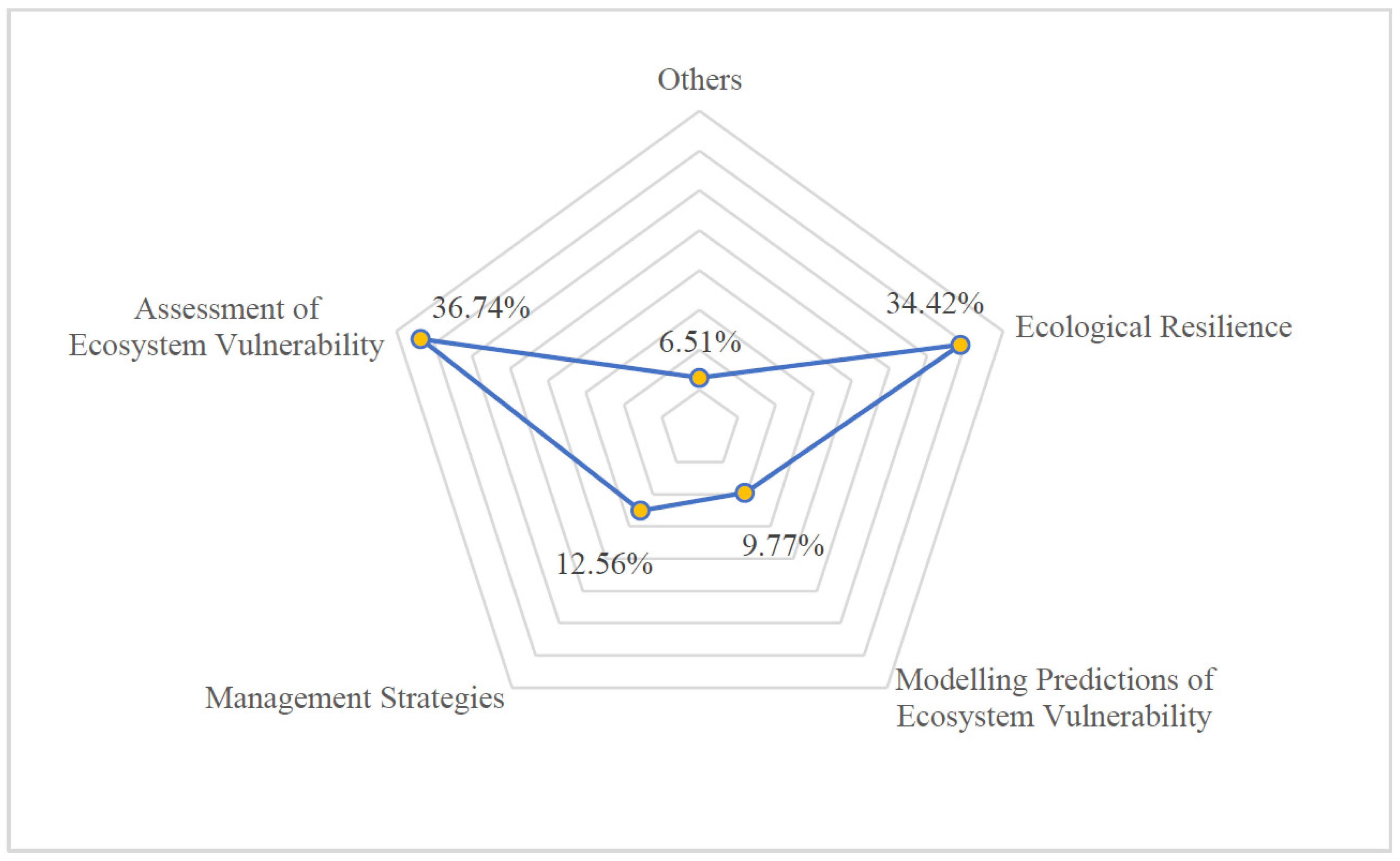
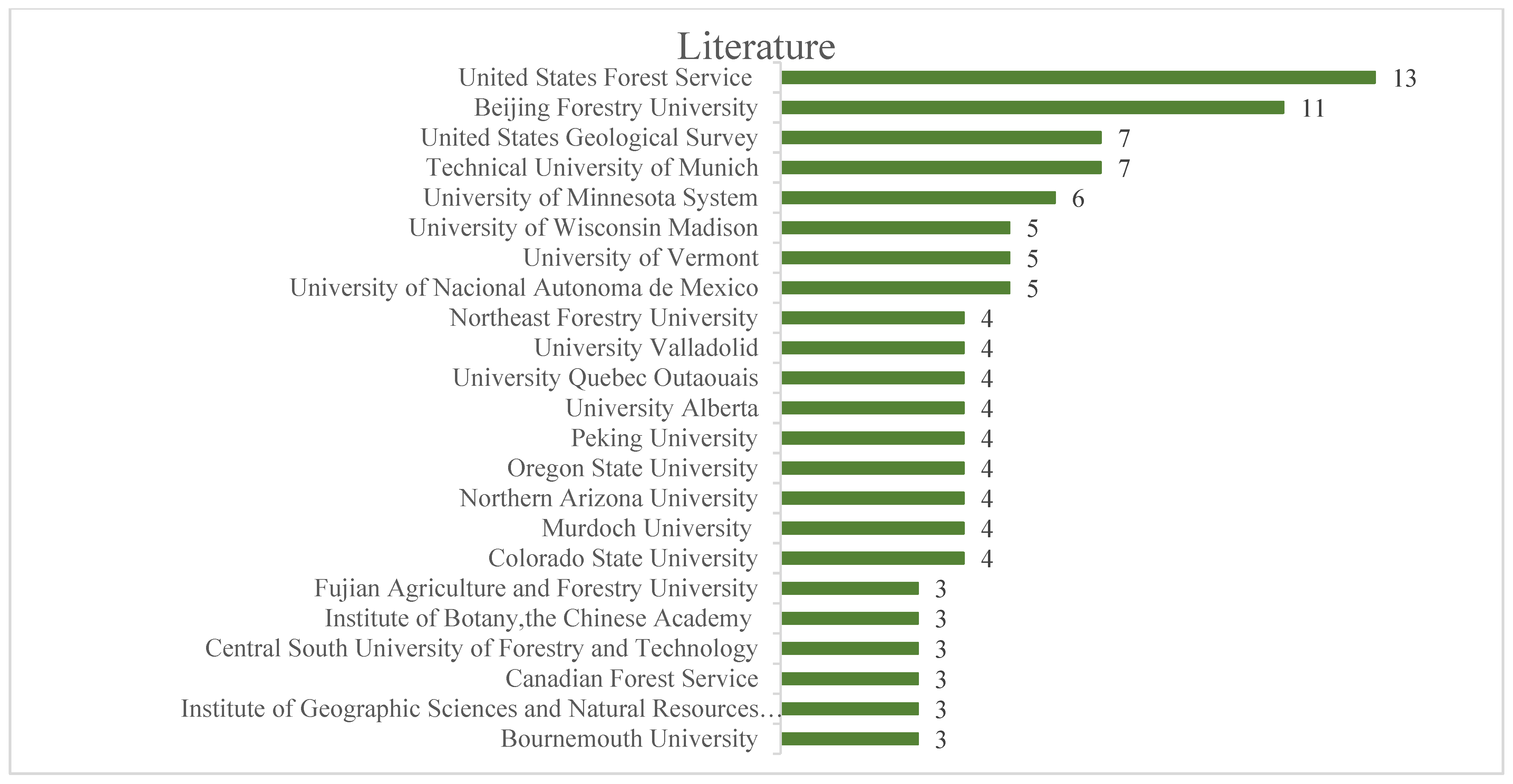
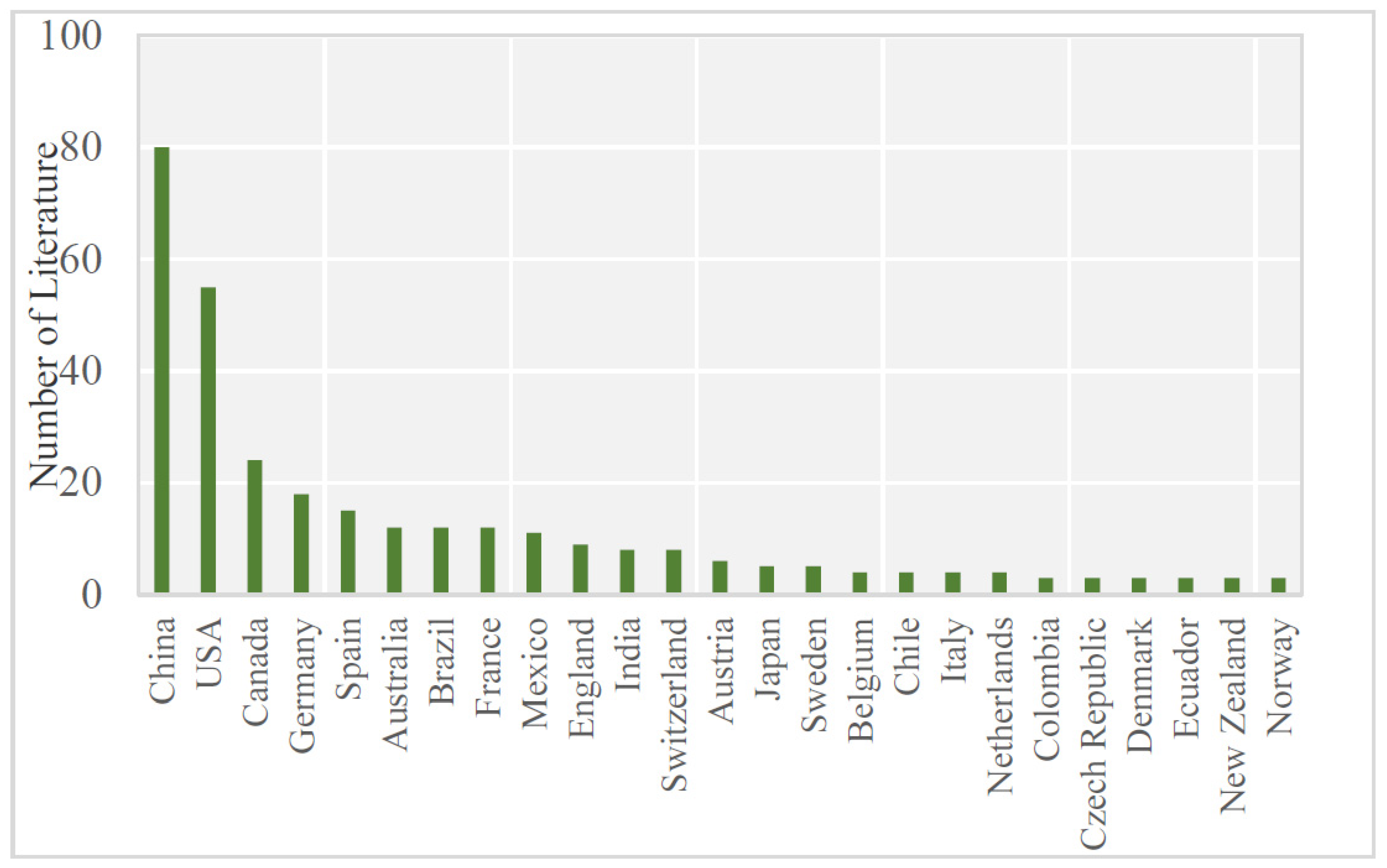
With a changing climate and socio-economic development, ecological problems are increasingly serious, research on ecosystem vulnerability and ecological resilience has become a hot topic of study for various institutions. Forests, the “lungs of the earth”, have also been damaged to varying degrees. In recent years, scholars have conducted numerous studies on the vulnerability and resilience of forest ecosystems, but there is a lack of a systematic elaboration of them. The results of a statistical analysis of 217 related documents show: (1) the number of studies published rises wave upon wave in time series, which indicates that this area of study is still at the stage of rising; (2) the research content is concentrated in four dimensions—ecosystem vulnerability assessment, ecosystem vulnerability model prediction, ecological resilience, and management strategies—among which the ecosystem vulnerability assessment research content mainly discusses the evaluation methods and models; (3) the research areas are mainly concentrated in China and the United States, with different degrees of distribution in European countries; and (4) the research institutions are mainly the educational institutions and forestry bureaus in various countries. In addition, this paper also reveals the frontier theory of forest ecosystem vulnerability and resilience research from three aspects—theoretical research, index system, and technical methods—puts forward the problems of current research, and suggests that a universally applicable framework for forest ecosystem vulnerability and resilience research should be built in the future, and theoretical research should be strengthened to comprehensively understand the characteristics of forest ecosystems so that sustainable management strategies can be proposed according to local conditions.
Keywords: ecosystem vulnerability; ecological resilience; forest; review ecosystem vulnerability; ecological resilience; forest; review