Article

Mechanistic Investigation of Typical Loess Landslide Disasters in Ili Basin, Xinjiang, China


1
Key Laboratory of Shale Gas and Geoengineering, Institute of Geology and Geophysics, Chinese Academy of Sciences, Beijing 100029, China
2
Institutions of Earth Science, Chinese Academy of Sciences, Beijing 100029, China
3
College of Earth and Planetary Sciences, University of Chinese Academy of Sciences, Beijing 100049, China
4
China Geological Environment Monitoring Institute, Beijing 100081, China
5
Institute of Architectural Engineering, Yan’an University, Yan’an 716000, China
6
Aerospace Information Research Institute, Chinese Academy of Sciences, Beijing 100101, China
*
Author to whom correspondence should be addressed.
Sustainability 2021, 13(2), 635; https://doi.org/10.3390/su13020635
Submission received: 17 December 2020 / Revised: 5 January 2021 / Accepted: 8 January 2021 / Published: 11 January 2021
(This article belongs to the Special Issue Geo-Hazards and Risk Reduction Approaches)

Abstract

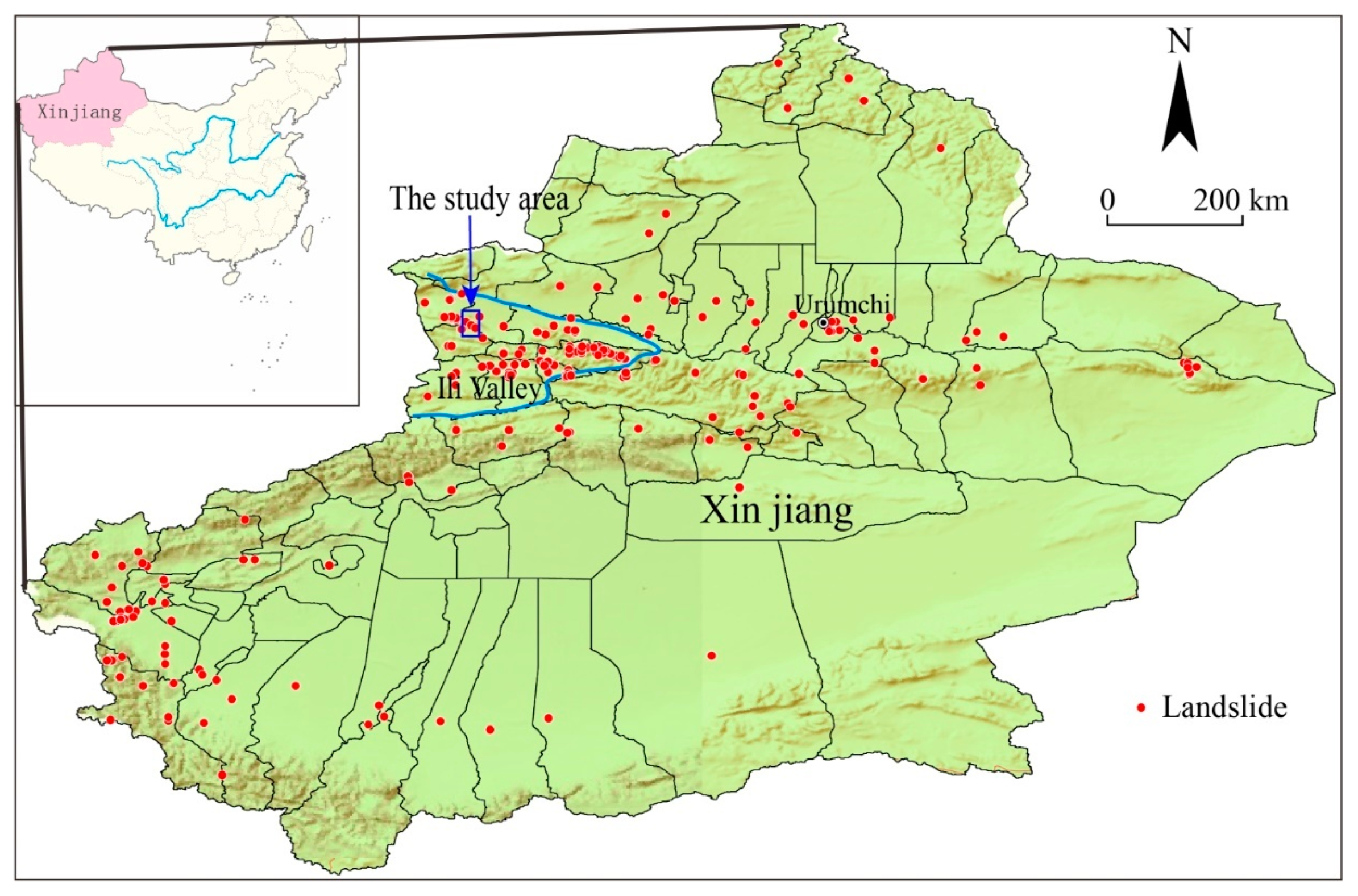
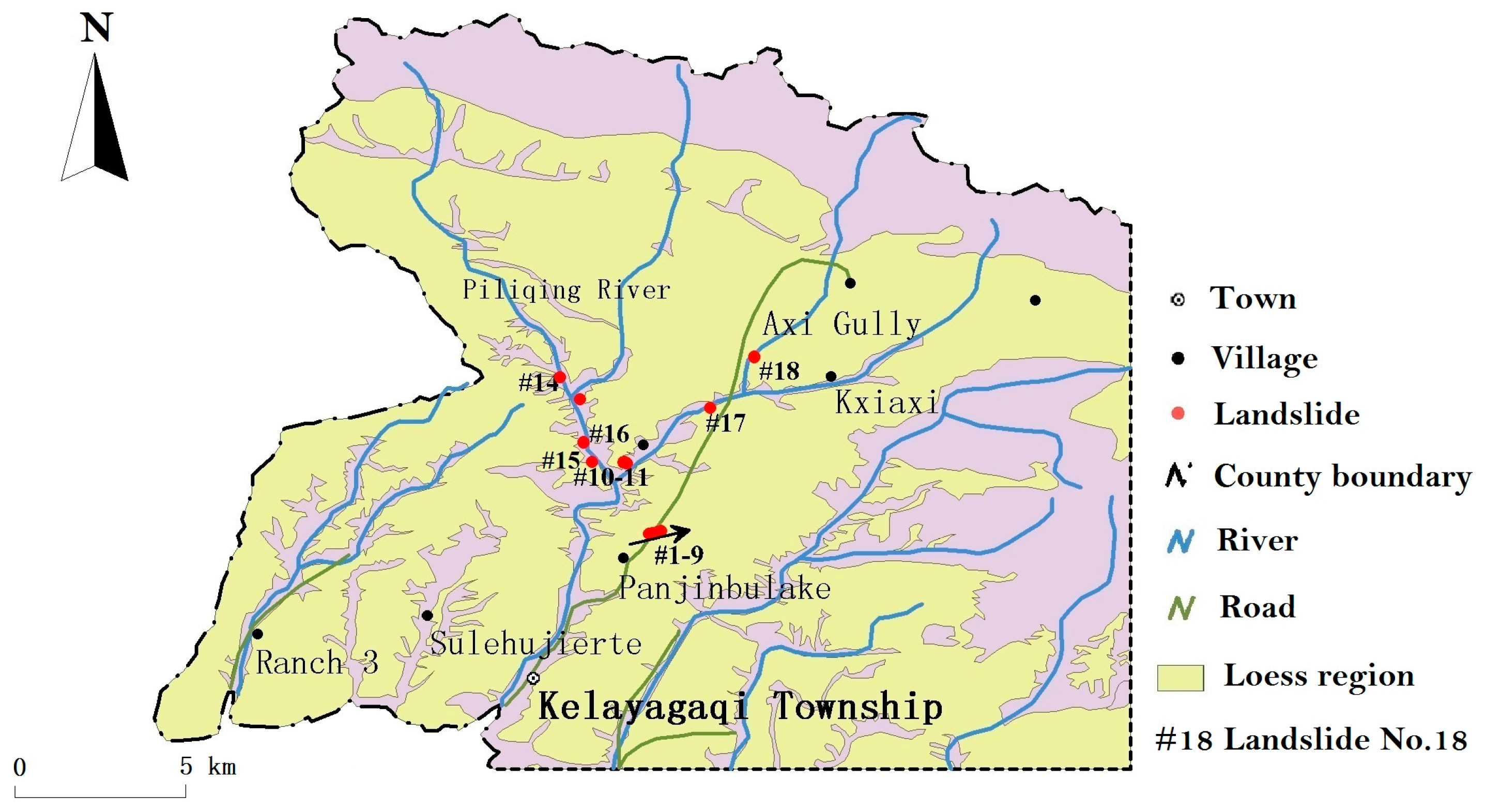
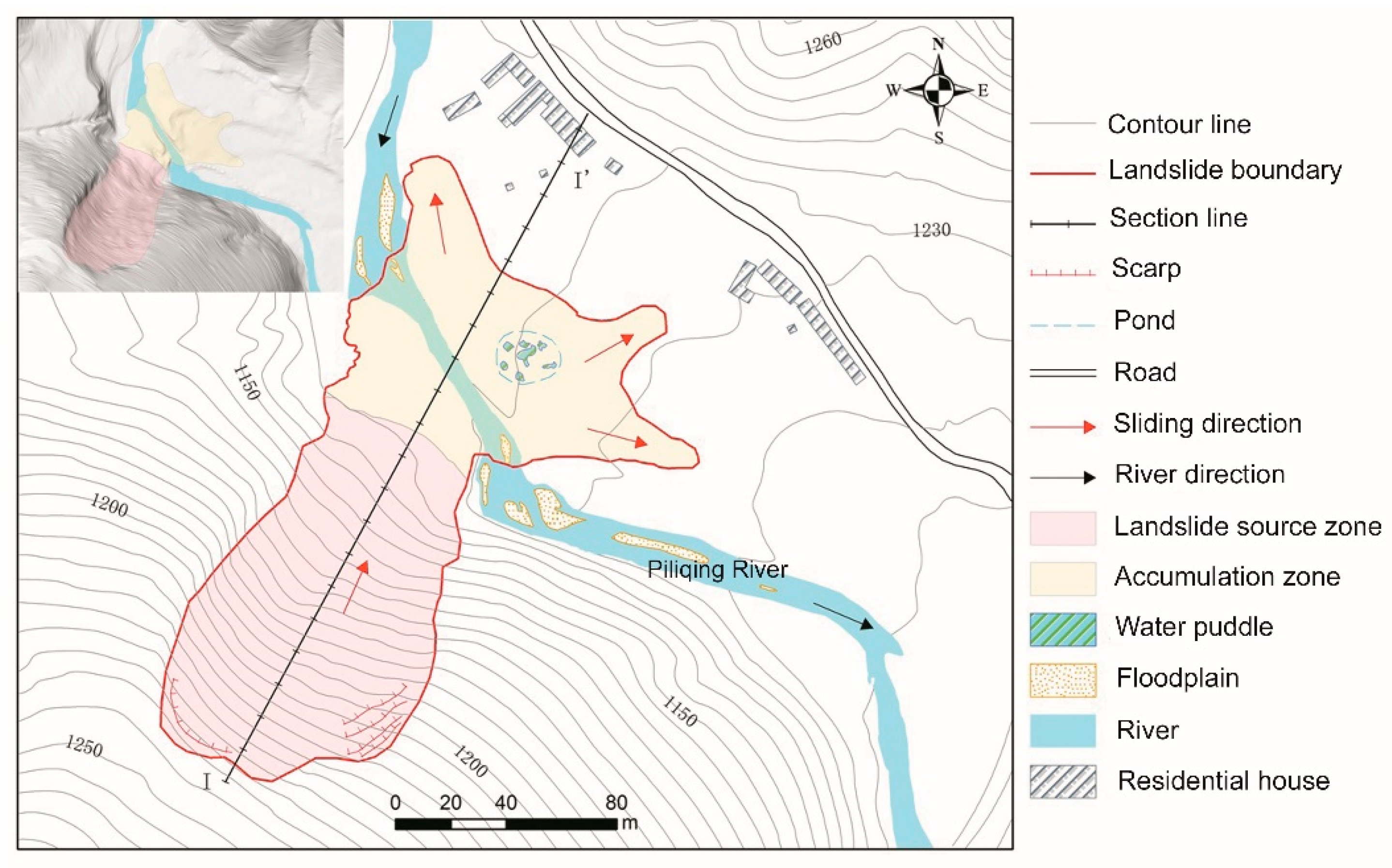
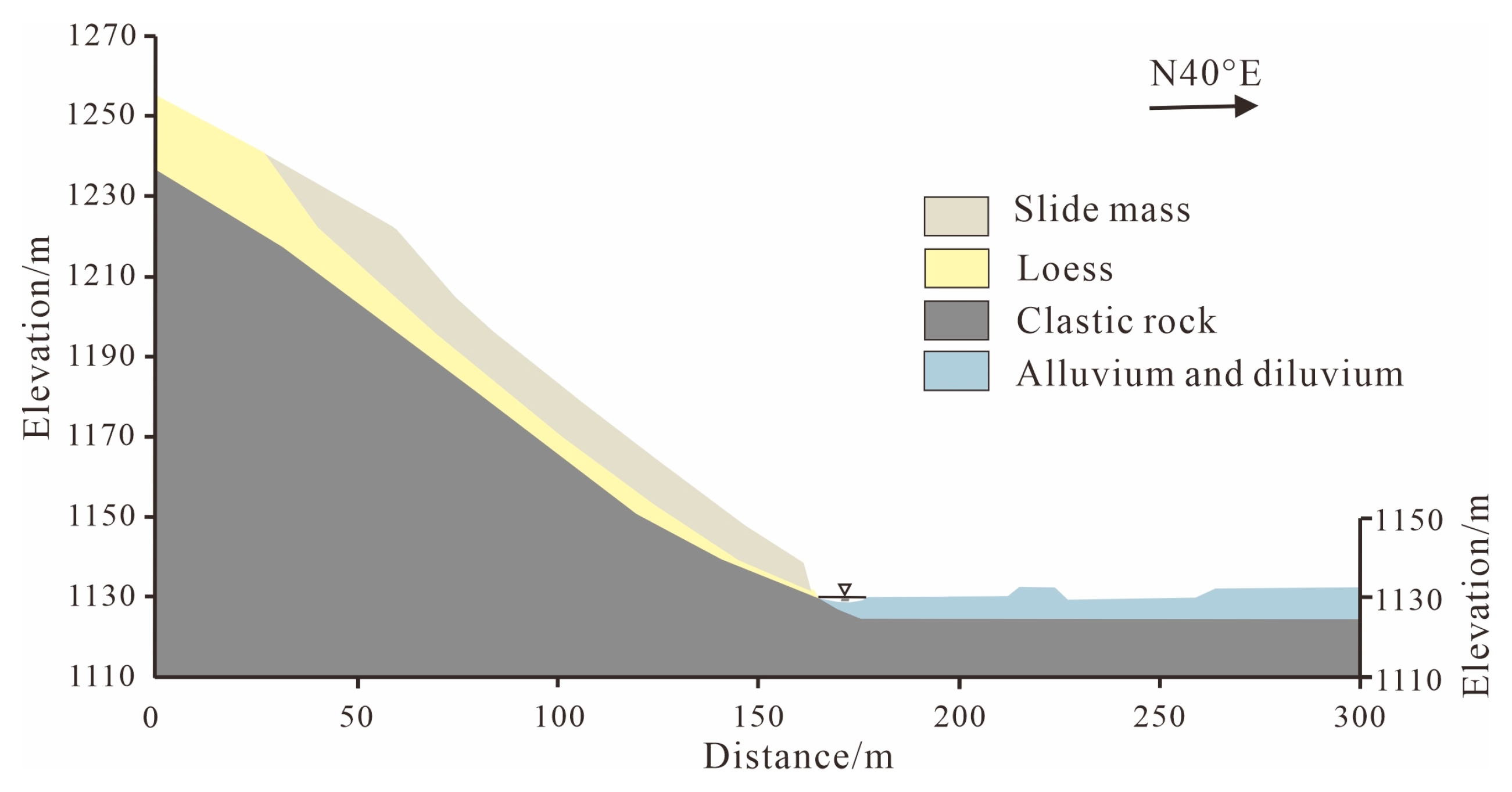
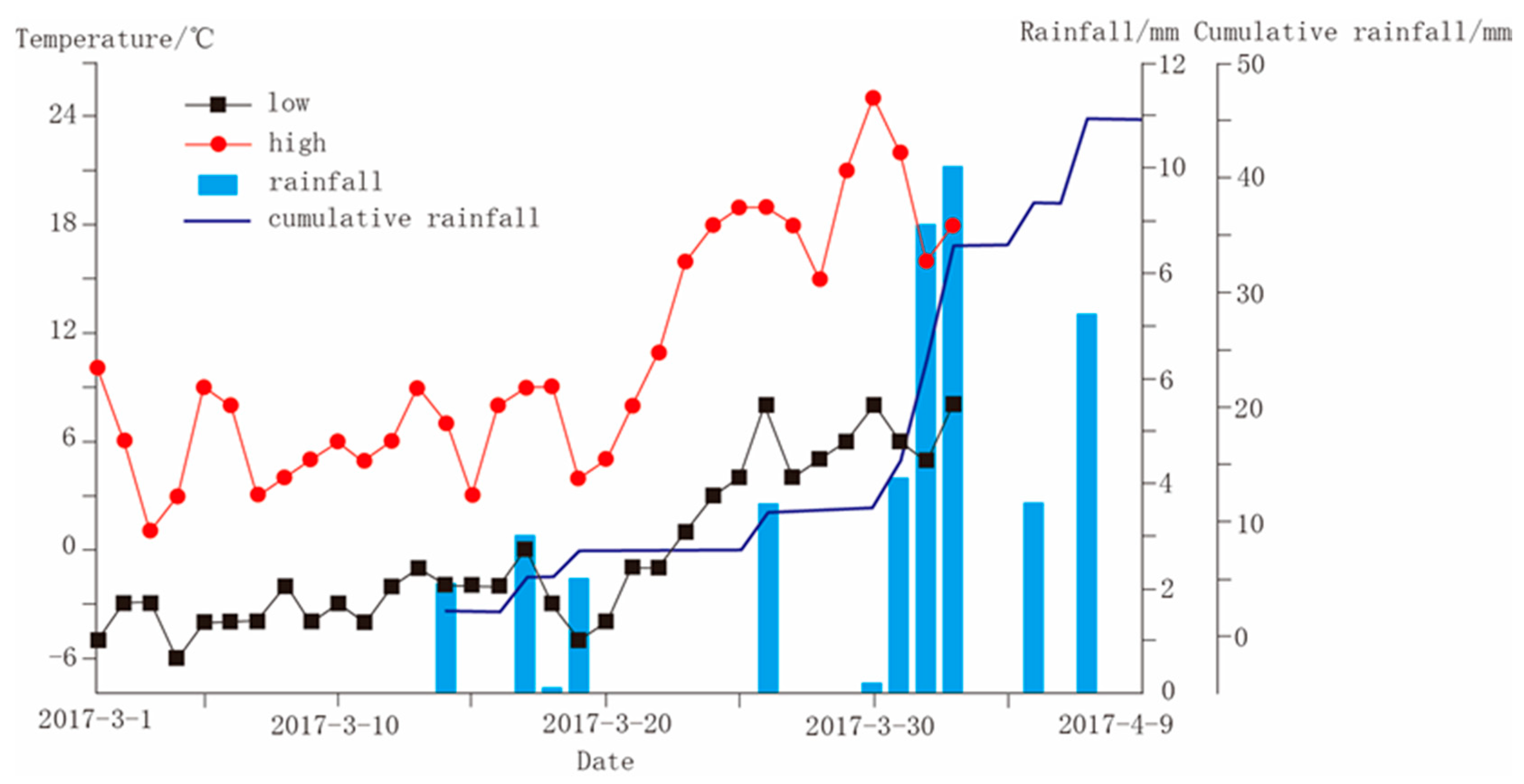
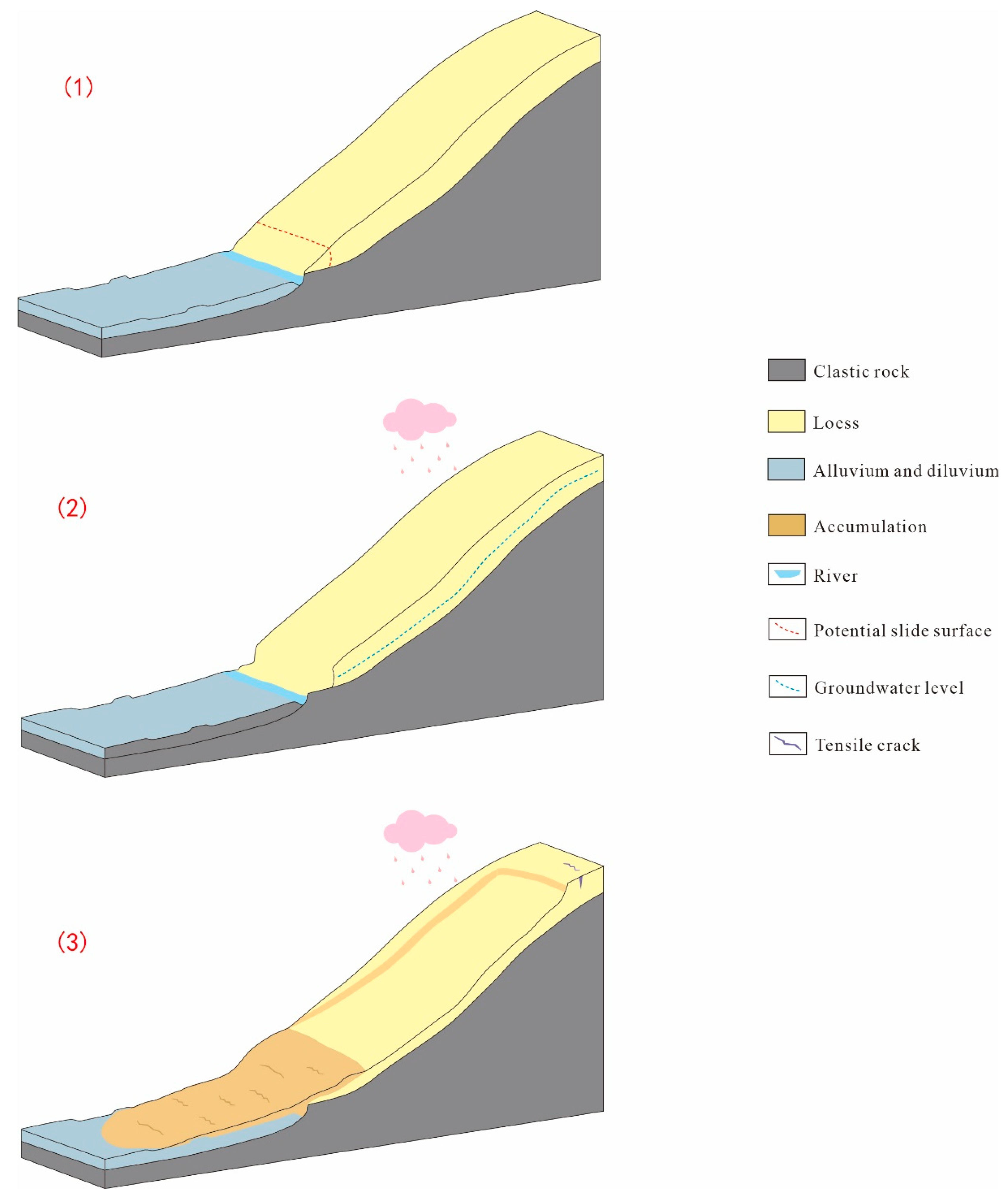
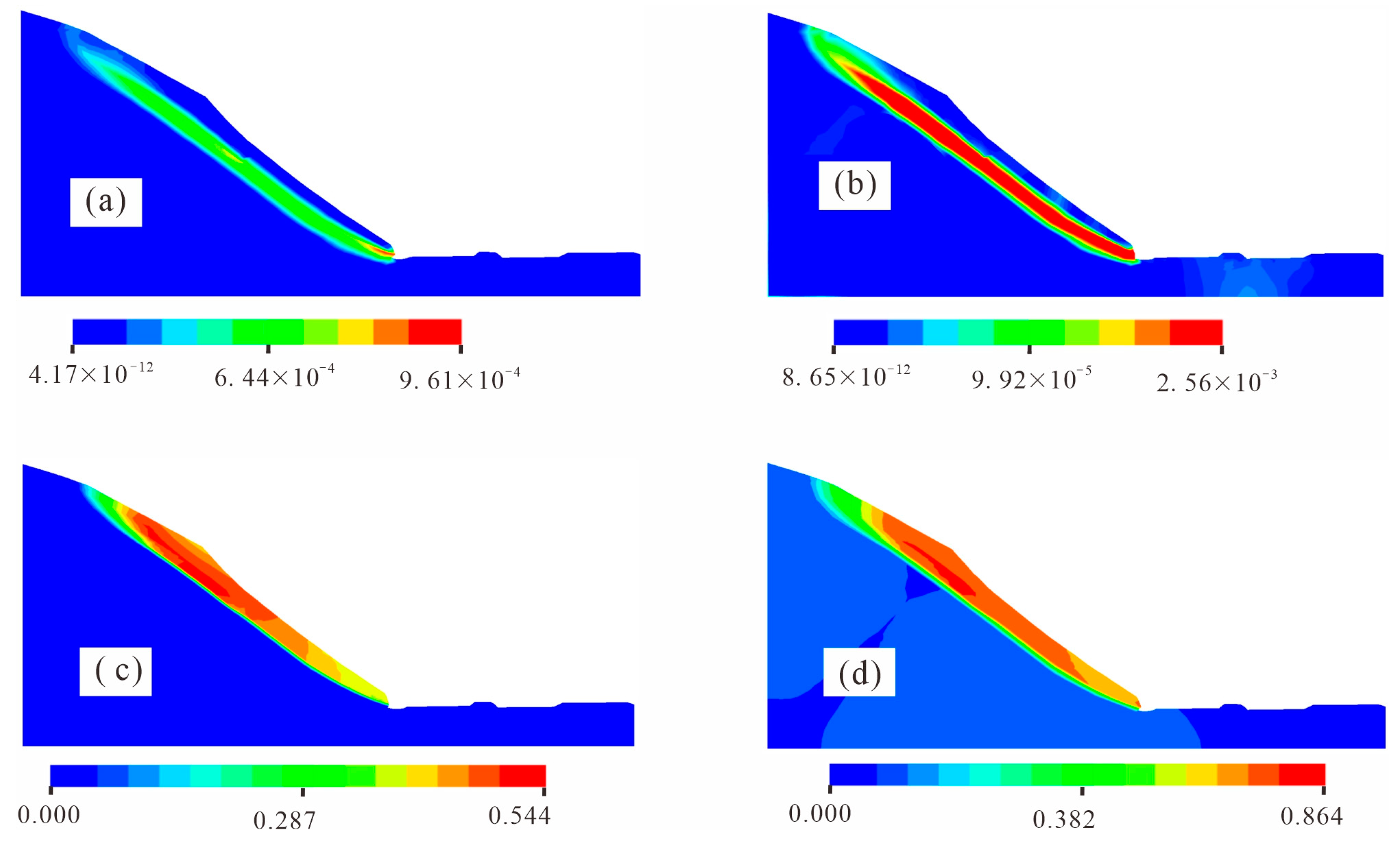
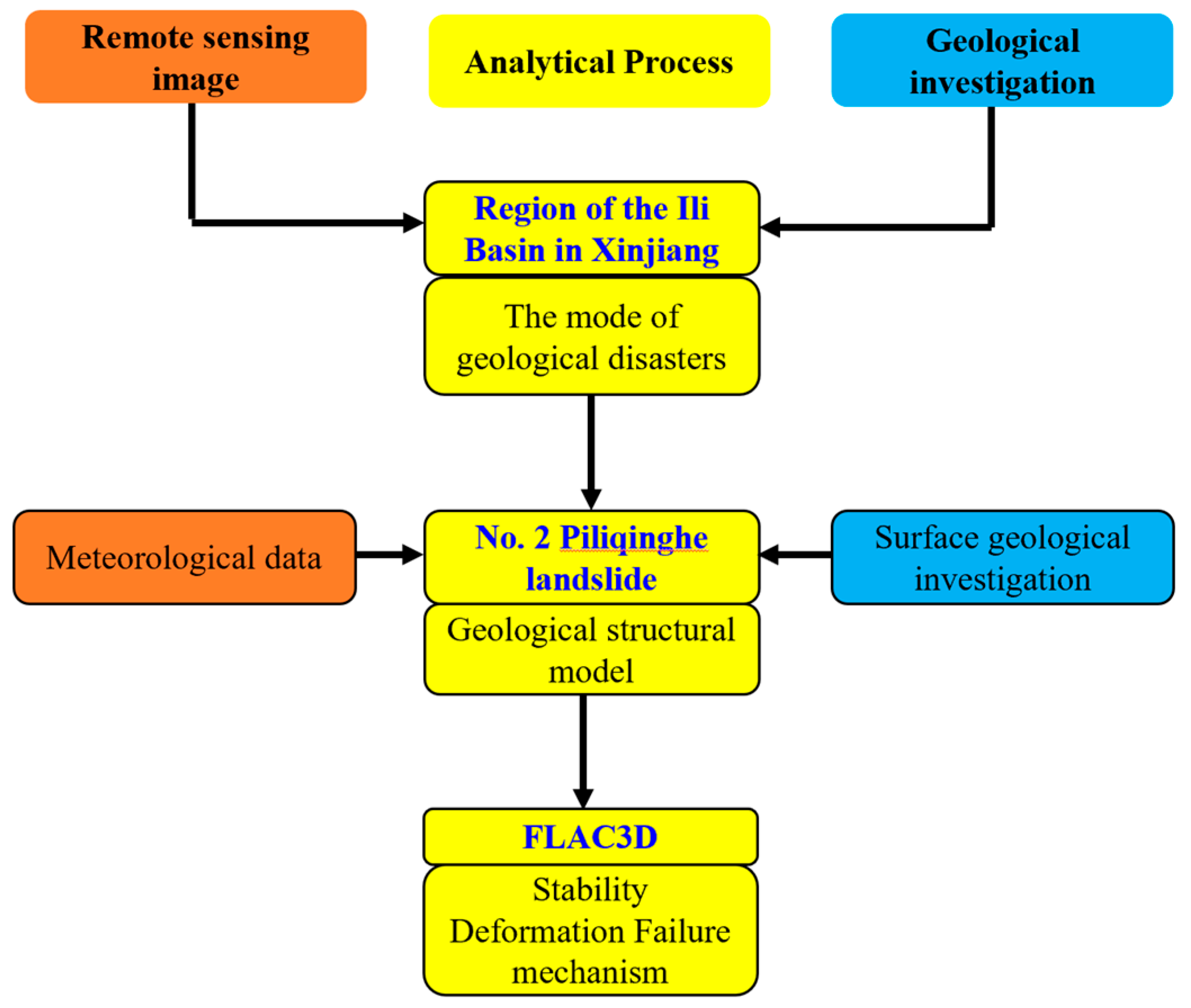
In the period from 2010 to 2018, a total of 302 geological disasters occurred in the Xinjiang Autonomous Region, China, of which 136 occurred in the Ili Basin. Compared with those in other regions, the loess landslides in the Ili Basin are strongly influenced by the seasonal freeze–thaw effect. Taking the No. 2 Piliqinghe landslide as an example and based on the field geological investigation, it was found in the present study that the main triggering factors of this landslide were the snowmelt erosion of the slope toe and meltwater infiltration into the trailing edge of the slope. The mechanism of loess landslide instability was studied using numerical simulation. The results showed that (1) the Piliqinghe landslide disaster was formed through a process composed of the local sliding of the leading edge → the creep sliding and tension cracking of the slope surface → the overall sliding stage; (2) the infiltration of snowmelt was the direct cause of the landslide formation; (3) the fluvial erosion and softening caused the soil of the slope toe to slide. The results can be used as a reference for the analysis of the disaster mechanism and movement characteristics of similar loess landslides.
Keywords: loess landslide; freeze–thaw effect; disaster mechanism; numerical simulation loess landslide; freeze–thaw effect; disaster mechanism; numerical simulation