Article

Business Model, Open Innovation, and Sustainability in Car Sharing Industry—Comparing Three Economies


1
Department of Open Innovation and Business Model, Open Innovation Academy of SOItmC, and DGIST, Daegu 42988, Korea
2
School of Social Sciences, Tsinghua University, Beijing 100084, China
3
Haub School of Business, Saint Joseph’s University, Philadelphia, PA 19131, USA
4
Department of Business Administration, Sangji University, Wonju 26339, Korea
*
Author to whom correspondence should be addressed.
Sustainability 2020, 12(5), 1883; https://doi.org/10.3390/su12051883
Submission received: 8 January 2020 / Revised: 15 February 2020 / Accepted: 27 February 2020 / Published: 2 March 2020
(This article belongs to the Special Issue Sustainability in 2nd IT Revolution with Dynamic Open Innovation)

Abstract

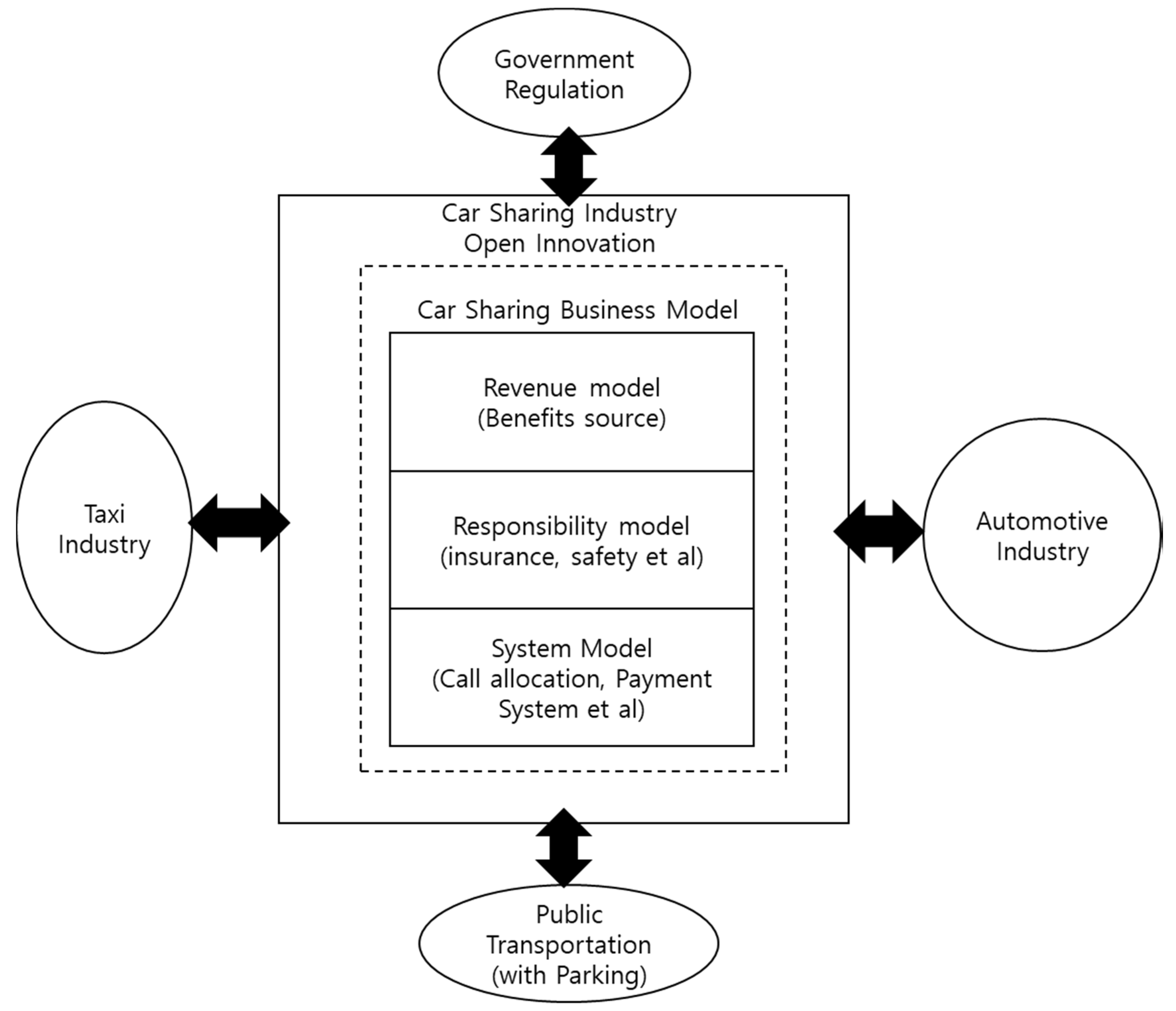
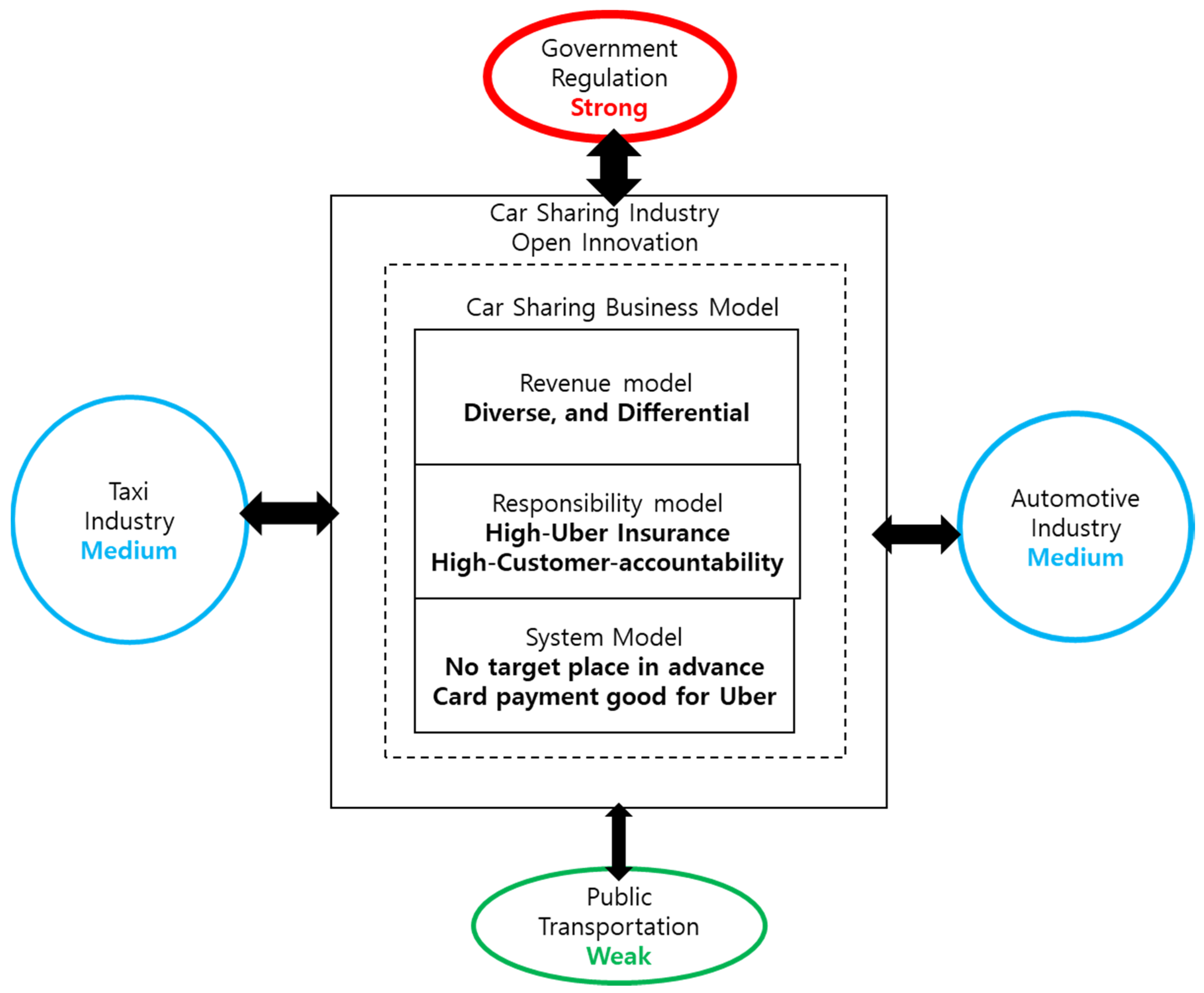
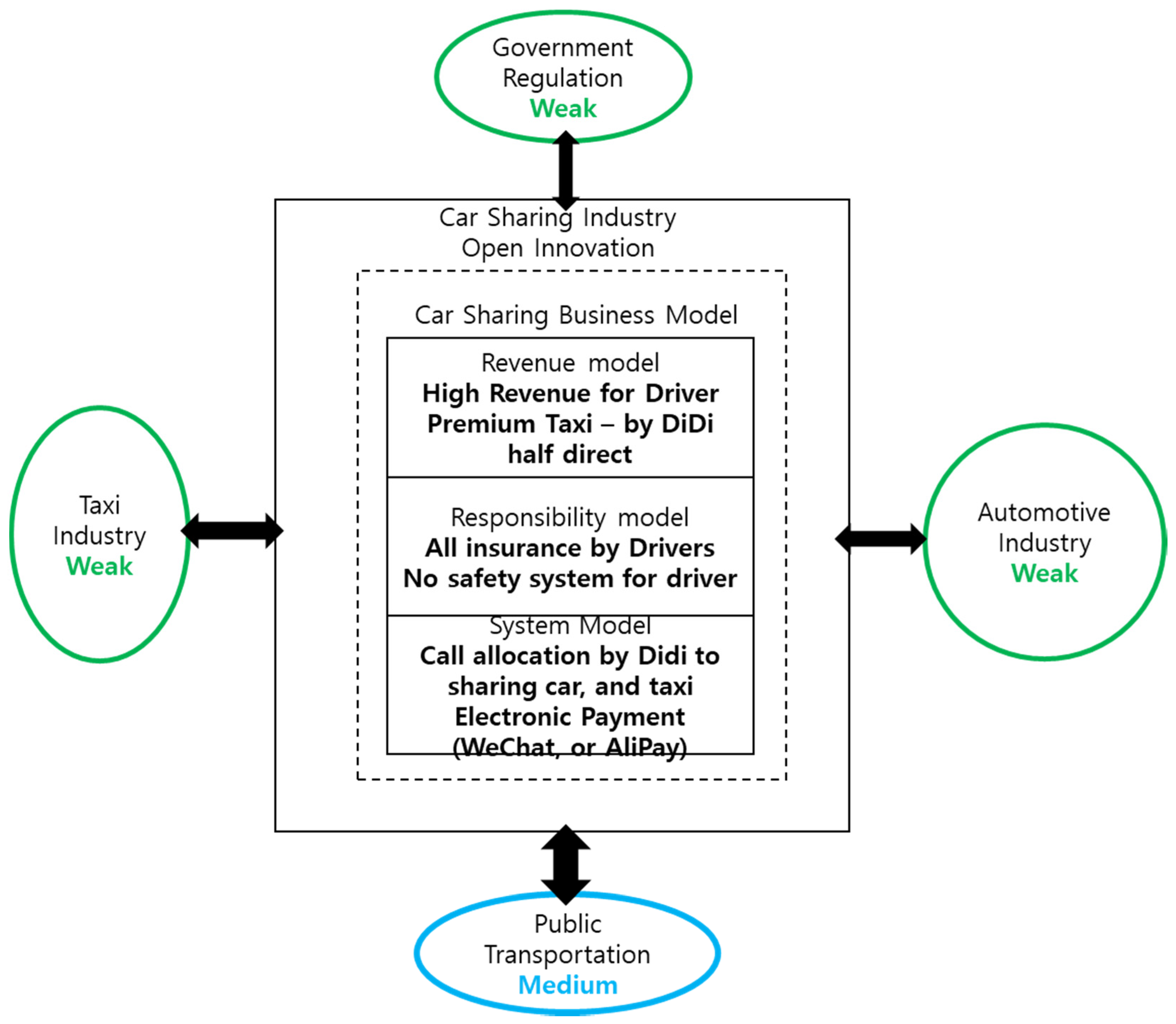
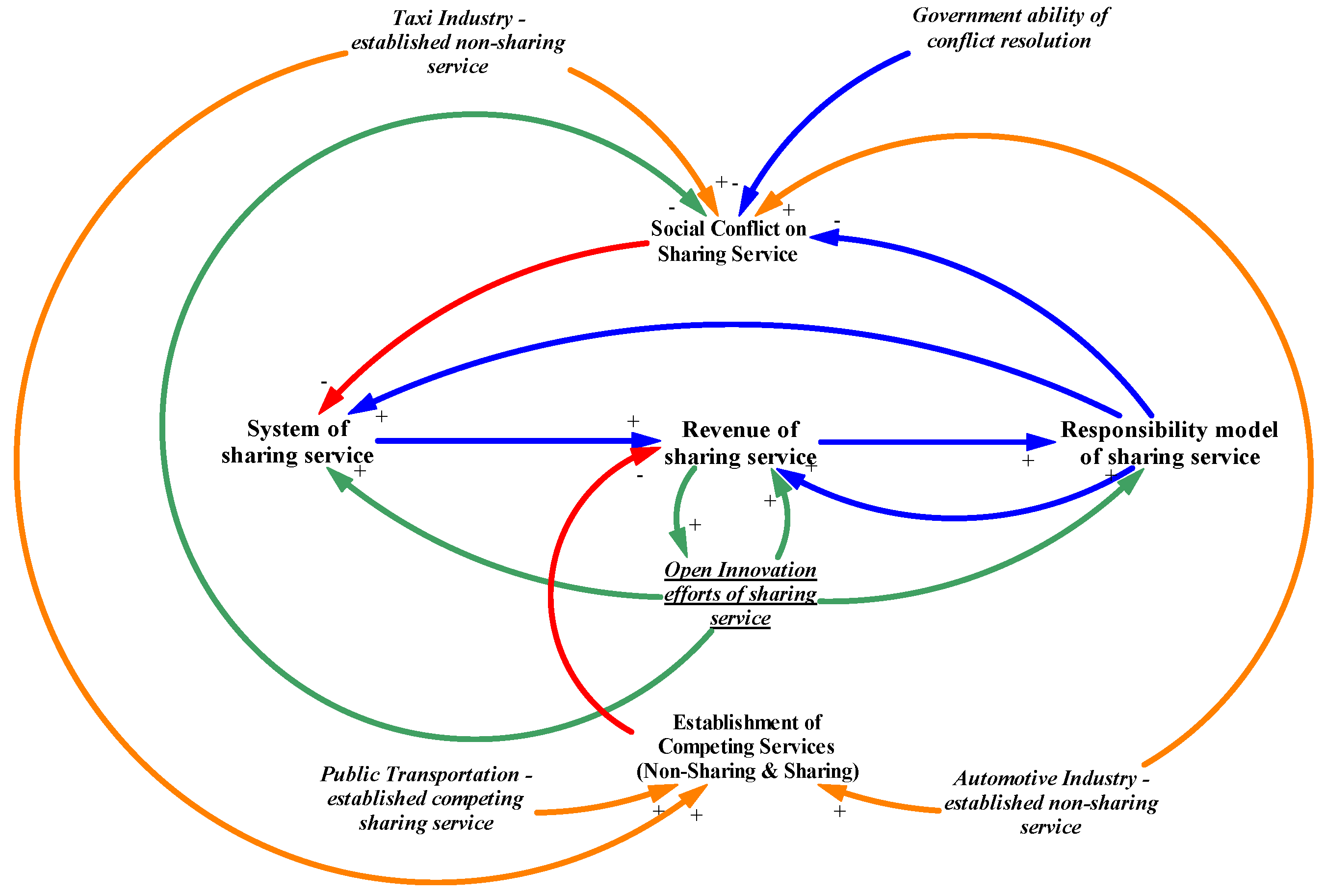
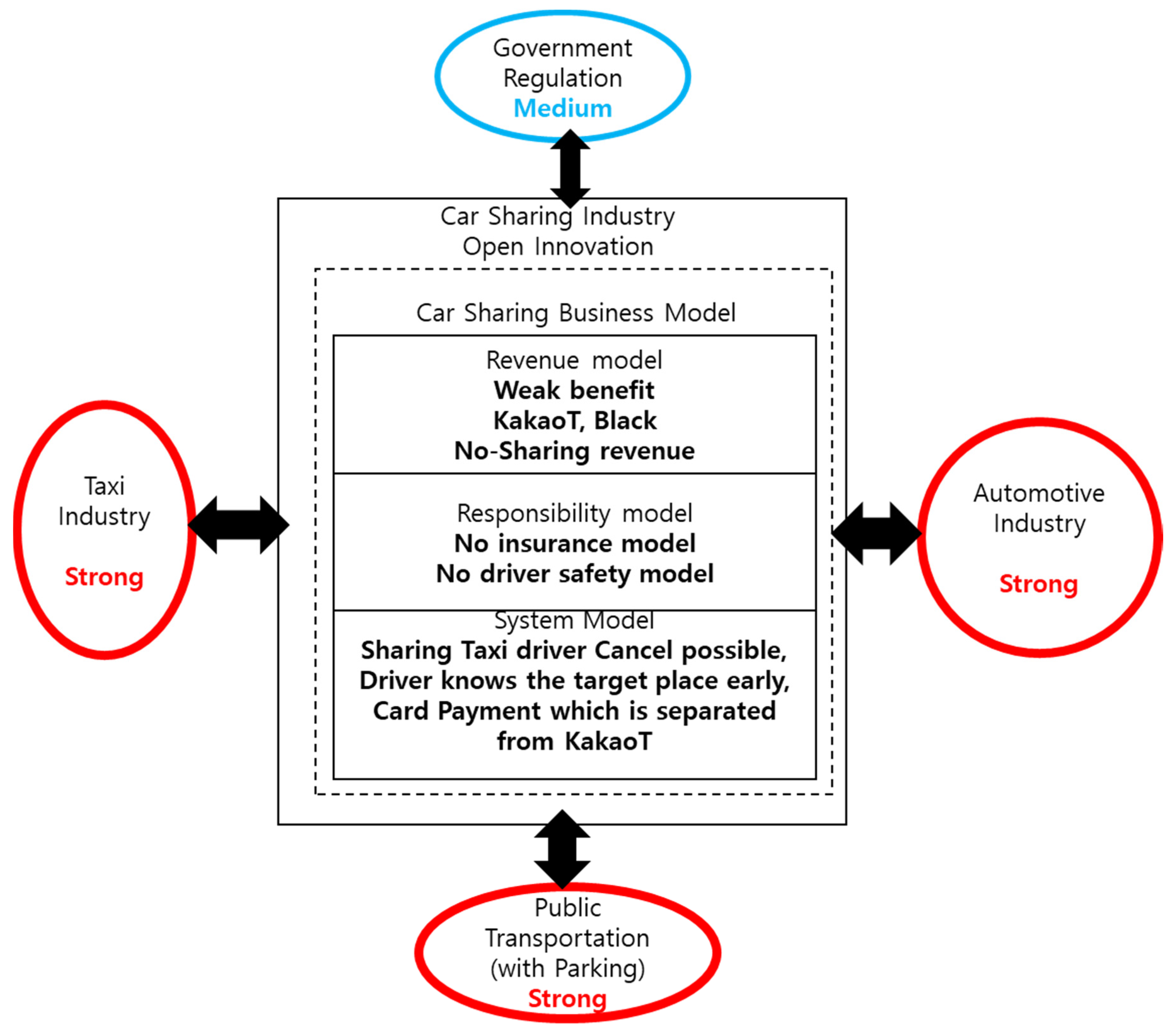
This paper discusses dynamics and differences of business models in the car-sharing industry and focuses on open innovation as the trigger of diverse business models among Uber in the U.S., DiDi Chuxing in China, and KakaoT in Korea. We seek to answer the following two questions: What creates the differences in the business models of the car-sharing industry? Do the differences in open innovation motivate the diversity of business models among Uber, DiDi Chuxing, and KakaoT? We incorporated participatory observation, interviews, and semi-structured questionnaire methods in our study. We used two-step participatory observation and interview methods, hence carrying out observation and interviews two times by different researchers with Uber drivers in the U.S., DiDi-Chuxing drivers in Beijing, and KakaoT taxi drivers in Korea to confirm the interview and participatory observation results. First, business models of the car-sharing firms Uber, DiDi-Chuxing, and KakaoT are not fixed but rather are dynamically changing. Second, business models of car-sharing firms are the result of interaction with government regulations, the taxi industry, public transportation, and the automotive car industry. Third, open innovation strategies of car-sharing firms determine the contents and dynamics of car-sharing business models, such as the revenue business model, responsibility business model, and system business model upon interaction with four agencies.
Keywords: car-sharing industry; open innovation; business model; Uber; DiDi-Chexing; KakaoT car-sharing industry; open innovation; business model; Uber; DiDi-Chexing; KakaoT