1. Introduction
Many hydrological processes, such as precipitation, evapotranspiration, and runoff, are significantly affected by climatic conditions. Such influences are further multiplied by climate change, which is now a scientific fact instead of a hypothesis. Moreover, these influences are affected by land use changes, leading to a variety of complexities in forecasting and in analyzing critical water-related parameters such as baseflow and flooding frequency [
1,
2]. Climate and land use are two important factors causing combined effects on the hydrological cycles and associated water resource systems in specific watersheds. To achieve sustainable water resource management at the watershed scale, it is of importance to predict and analyze future tendencies in water resources through advanced tools over the long term. Therefore, the generation and analysis of the synergic effects of human activities and climate change on water balance and water resource systems are desired, which thus calls for effective modeling tools.
Many previous studies have discussed the impacts of climate and land use changes on hydrological processes in many watersheds [
3,
4,
5,
6,
7]. Generally, three methods were widely used: analogue methods, statistical analysis, and hydrological modeling [
4]. In many studies on small catchments, analogue methods have been used to evaluate hydrological responses under varying external changes. However, investigations employing this approach are disadvantageously costly when monitoring and collecting hydrological variables. In addition, the majority of studies involved a single medium- and/or large-scale catchment [
8]. At the same time, empirically statistical methods are normally used to evaluate hydrological responses due to their simplicity and effectiveness [
4]. These methods require a long-term series of observational data and a lack of physical mechanisms [
4]. Hence, hydrological models, which have comprehensive physical mechanisms, have been advanced as they may provide a mature framework to comprehensively analyze the relationships among climate, land use, and water resources [
9]. Numerous packages such as the soil and water assessment tool (SWAT), the water erosion prediction project (WEPP), and variable infiltration capacity (VIC) have been widely used to support the evaluation of climatic and land use changes on hydrological processes. Among them, SWAT has been most widely used to analyze their relationships [
9,
10,
11,
12].
The upper reaches of the Beiluo River basin are located within the Loess Plateau of China. Since the 1970s, two national ecological restoration projects, namely, the integrated soil conservation and the “Grain for Green” projects, have been put into place to control severe soil erosion in that watershed. Zhang et al. (2017) [
13] used the Mann–Kendall test approach to analyze the variation trend of runoff from 1957 to 2009 and found that, against a background of precipitation with no significant changes, the streamflow had significant negative trends. Liu et al. (2015) [
14] quantitatively assessed the contribution of climate and human activities through the adoption of empirical statistical methods. Chen et al. (2016) [
15] posited that vegetation coverage obviously increased after the “Grain for Green” projects, and, at the same time, the mean annual sediment load modulus significantly decreased by 90%. Yan et al. (2017) [
16] used SWAT to evaluate hydrological responses to climate variations and land cover changes and noticed that the main driving forces for changing runoff were the land cover changes from 1996 to 2012. Previous studies have mostly focused on the effects of climate or land use changes on hydrological processes [
17,
18].
However, few studies have synthetically coupled different models to investigate the potential of climate and land use changes on hydrological processes in this watershed. Taking into account current and future water resource supply and management issues, it is necessary to assess the impacts of potential land use and climate changes in the watershed. The scenarios presented in the Special Report on Emissions Scenarios (SRES) of the Fourth Assessment Report (ARCC) of the Intergovernmental Panel on Climate Change (IPCC) have been widely used to analyze the impacts of climate change on water resources [
19,
20,
21,
22]. The fifth Assessment Report (AR5) of the IPCC has newly developed scenarios and representative concentration pathways (RCPs). They are already being widely used to evaluate the impacts of potential policy responses to climate change [
23,
24]. In addition, impacts of land use changes can be reflected through the employment of RCPs. Study of streamflow variation of the upper reaches of Beiluo River basin and hydrological responses to potential climate variability and land use change is important for the sustainable utilization of water resources and local ecological preservation.
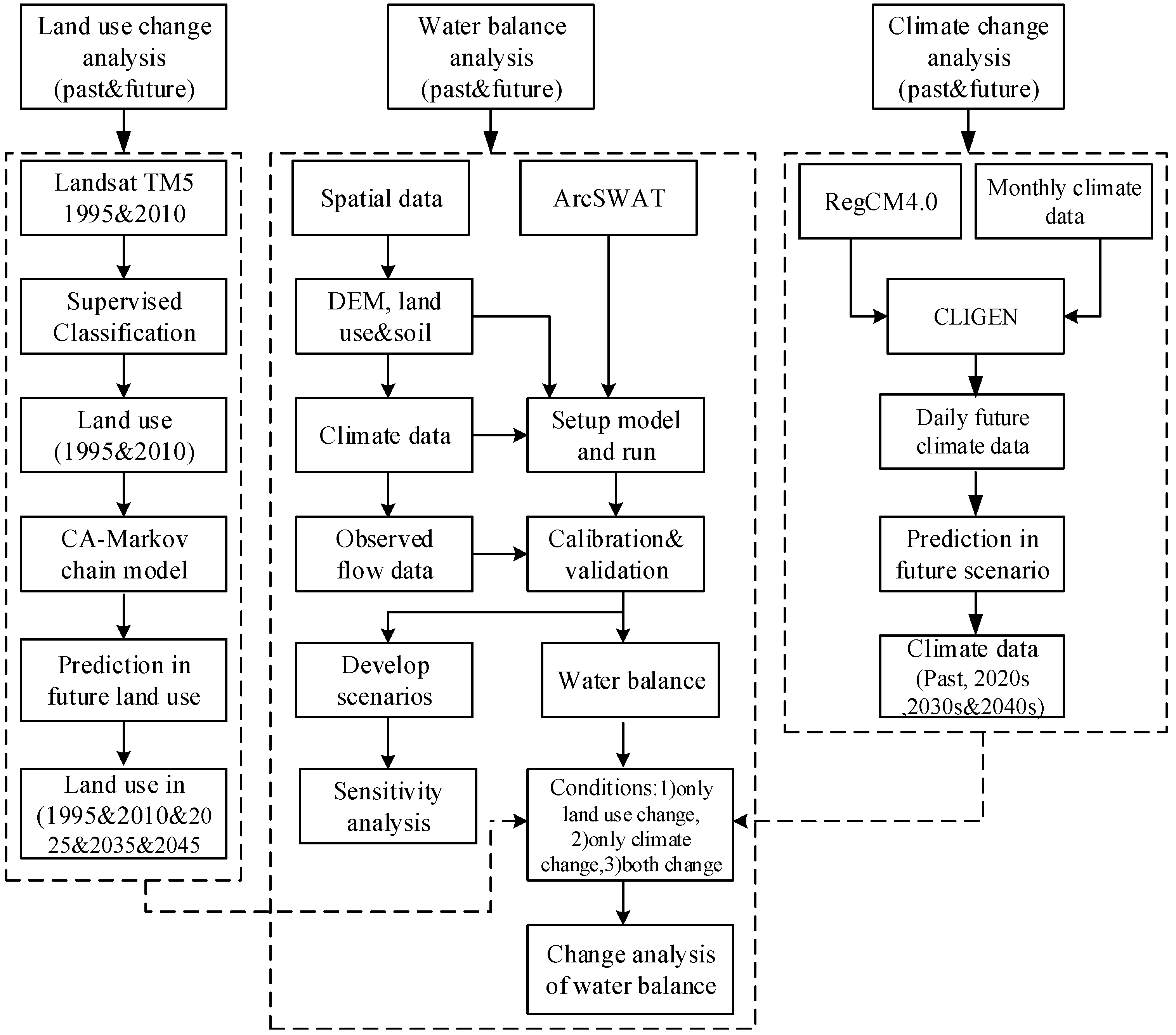
Therefore, the main aim of this study is to synthetically couple different models to investigate the impacts of potential climate and land use changes on hydrological processes in this watershed. Four tasks are completed: (a) a CA-Markov model is advanced for facilitating an effective assessment of potential impacts of land use changes, (b) SWAT is applied, calibrated, and validated to simulate river runoff, (c) three scenarios including the impacts of climate and land use changes and the combined impacts of climate and land use changes are established and analyzed, and (d) SWAT is used to simulate three scenarios to evaluate the future impacts of climate and land use changes on water balance. Potential innovations associated with this research are that (a) synthetically developed models including CA-Markov, SWAT, and CLIGEN were coupled to deal with complexities of synergies of climate change and land use patterns, (b) a more accurate Regional Climate Model (RegCM4.0) was selected to analyze future climate trends, and (c) multiple scenarios were established to deeply research the impacts of the complexity between climate and land use changes on hydrological processes in the future.
2. Overview of the Study Area
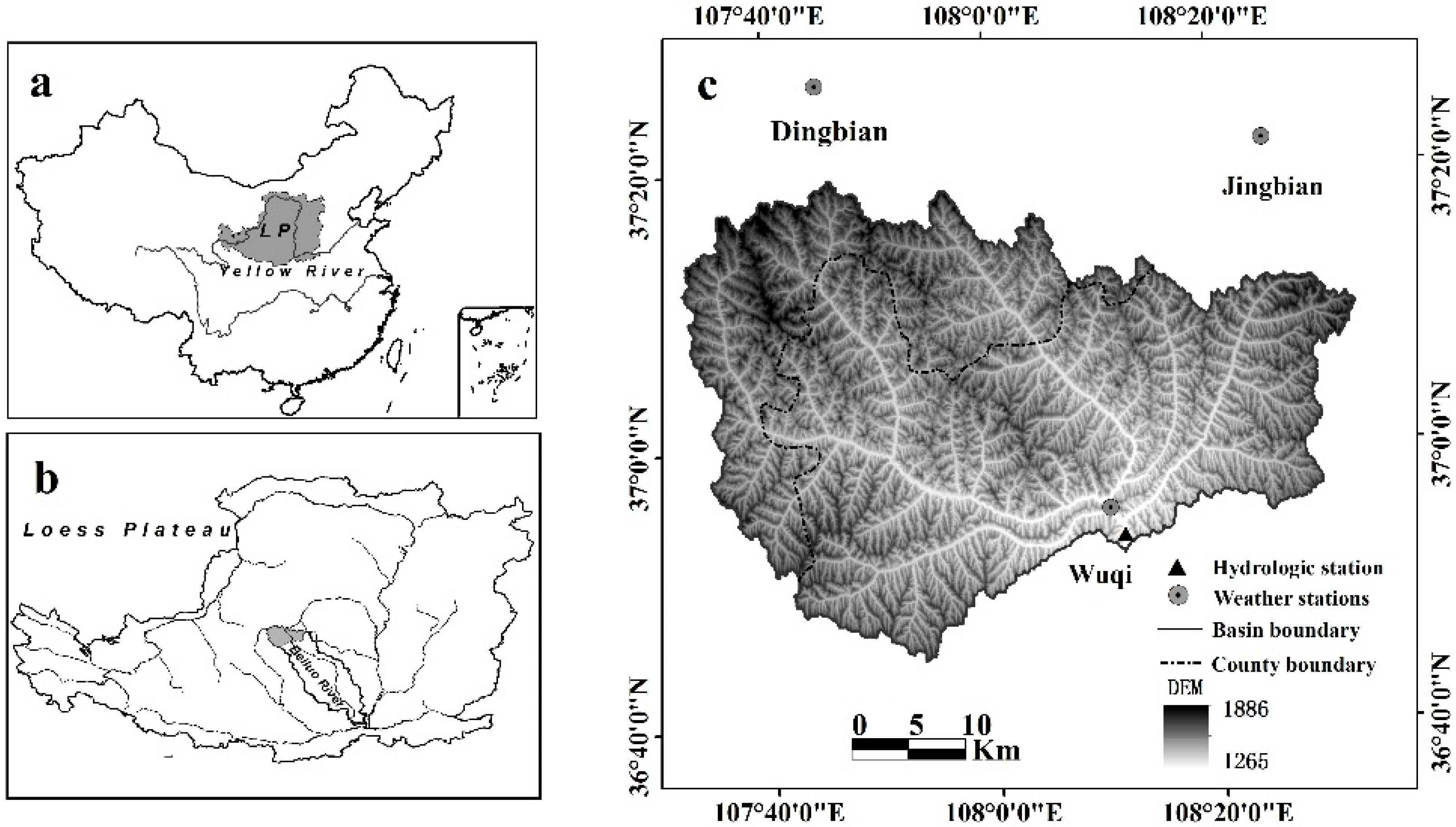
The Beiluo River basin (107°33′33″ E to 110°10′30″ E, and 34°39′55″ N to 37°18′22″ N) is the basin of one of the second-level tributaries of the Yellow River (
Figure 1). The upper reach of the Beiluo River covers an area of 3408 km
2, which is 12.7% of the total area of the basin, and is controlled by the Wuqi hydrological station. The mainstream length of the catchment is approximately 275 km. This watershed is a typical hilly gully region of the Loess Plateau. The catchment is in a semi-arid climatic area. The mean precipitation is 418 mm (over 1963–2009), and approximately 71.8% of precipitation in the basin is mainly concentrated during the flood period from May to September [
25]. Soil is easily eroded because of the loessial soil that is a primary soil type in the catchment. To control soil erosion, several eco-restoration projects have been implemented since the 1960s. The proportion of farmland returned to grassland or woodland in Wuqi county is recognized as the largest in China. By 2004, 95 silt dams had been built, accounting for 21.6% of the total area of Wuqi county. Vegetation was dominated by grasses and shrubs after the employment of many soil and water conservation measures. The mean annual sediment yield measured at the Wuqi hydrological station was reduced from more than 10,000 t/km
2·a before 1980 to 4400 t/km
2·a after 1999 in the basin [
26].
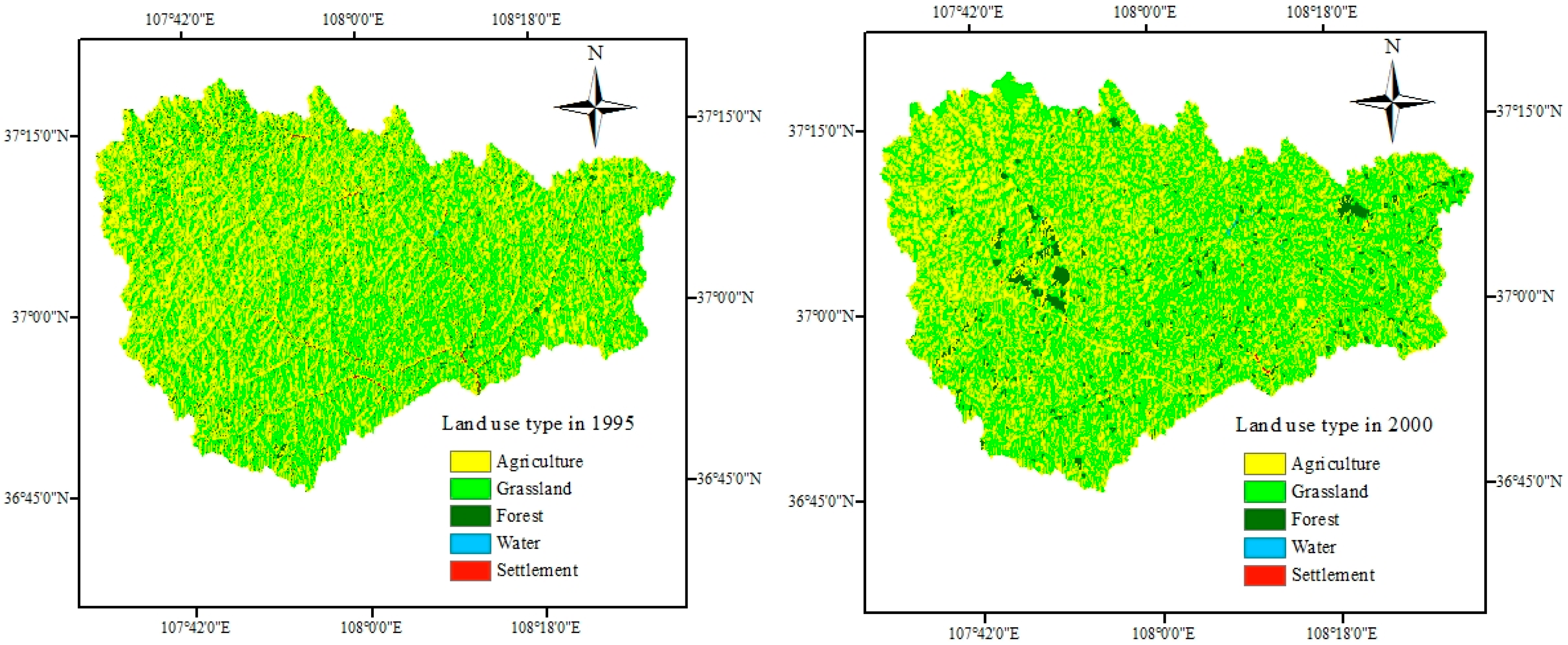
Landsat images from 1995 and 2010 (Landsat Thematic Mapper 5 or TM5) from the USGS (
http://glovis.usgs.gov) were used for the analysis of land use change. In addition, LULC data from 2000 were obtained from the
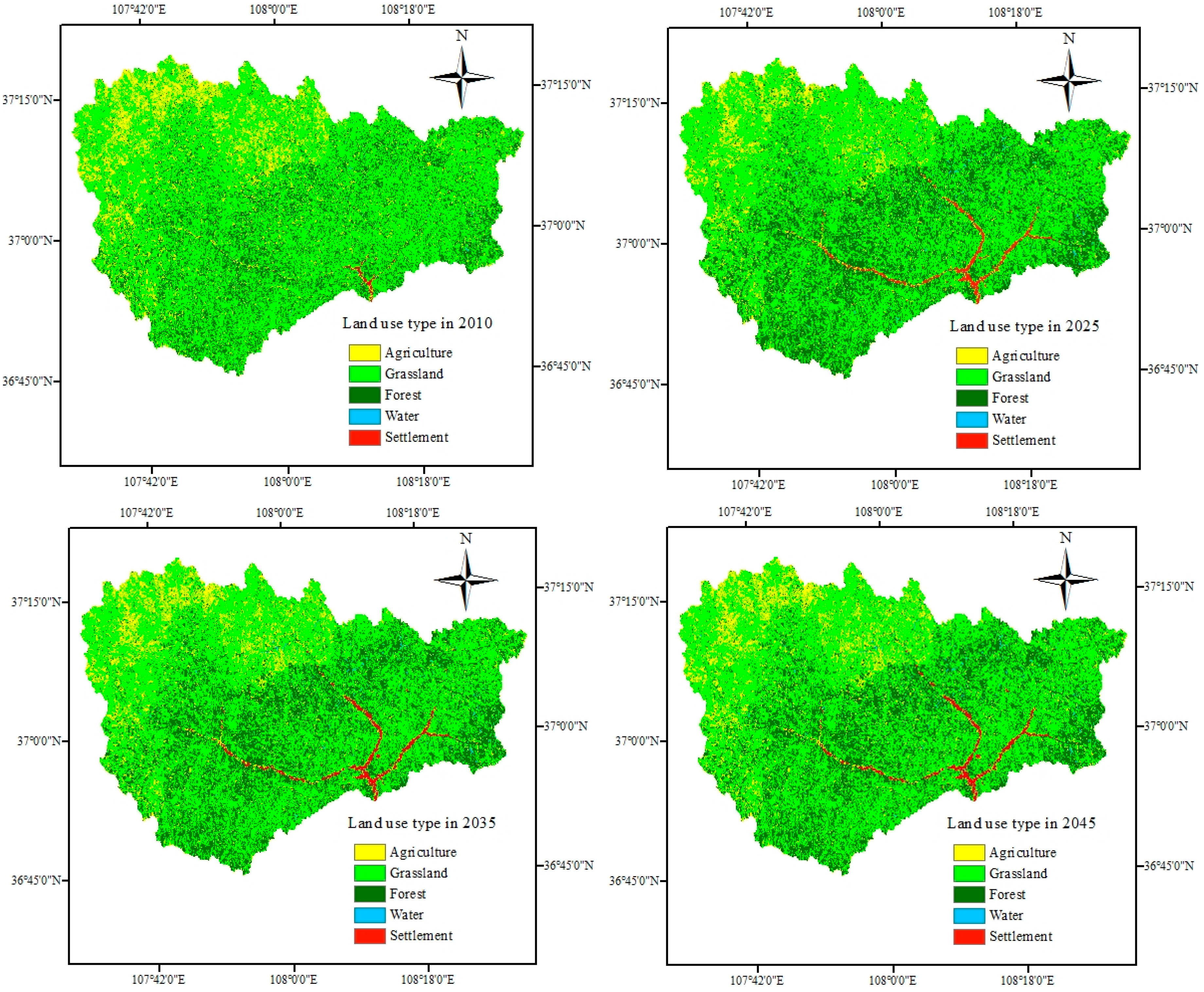
http://loess.data.cn website, and predictions of land use in 2025, 2035, and 2045 were derived based on the CA-Markov model. SWAT databases include land use, climate, soil, topography, and gauge data. All the data sources are presented in
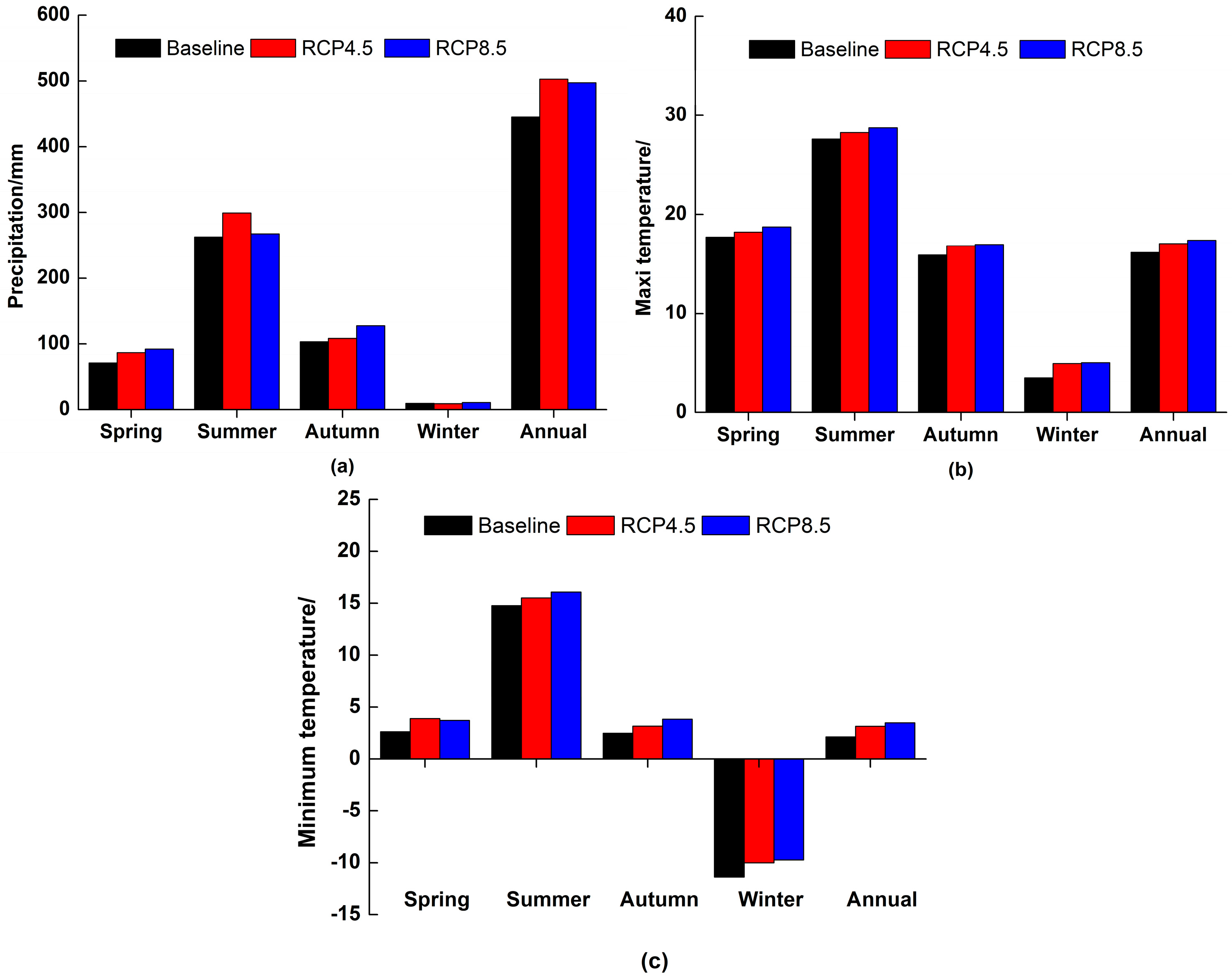
Table 1. Future climate data including precipitation and maximum and minimum temperatures were calculated using a regional climate model (RegCM4.0) coupled with the global climate system of BCC_CSM1.1. The results are available at the website
http://www.ncc-cma.net/cn/. Climate data over 2020 to 2050 produced by RegCM4.0 using RCP4.5 and 8.5 were selected in this study. These monthly climate data, which have a resolution of 0.5° × 0.5°, were downscaled at a daily scale through the CLIGEN model.
5. Conclusions
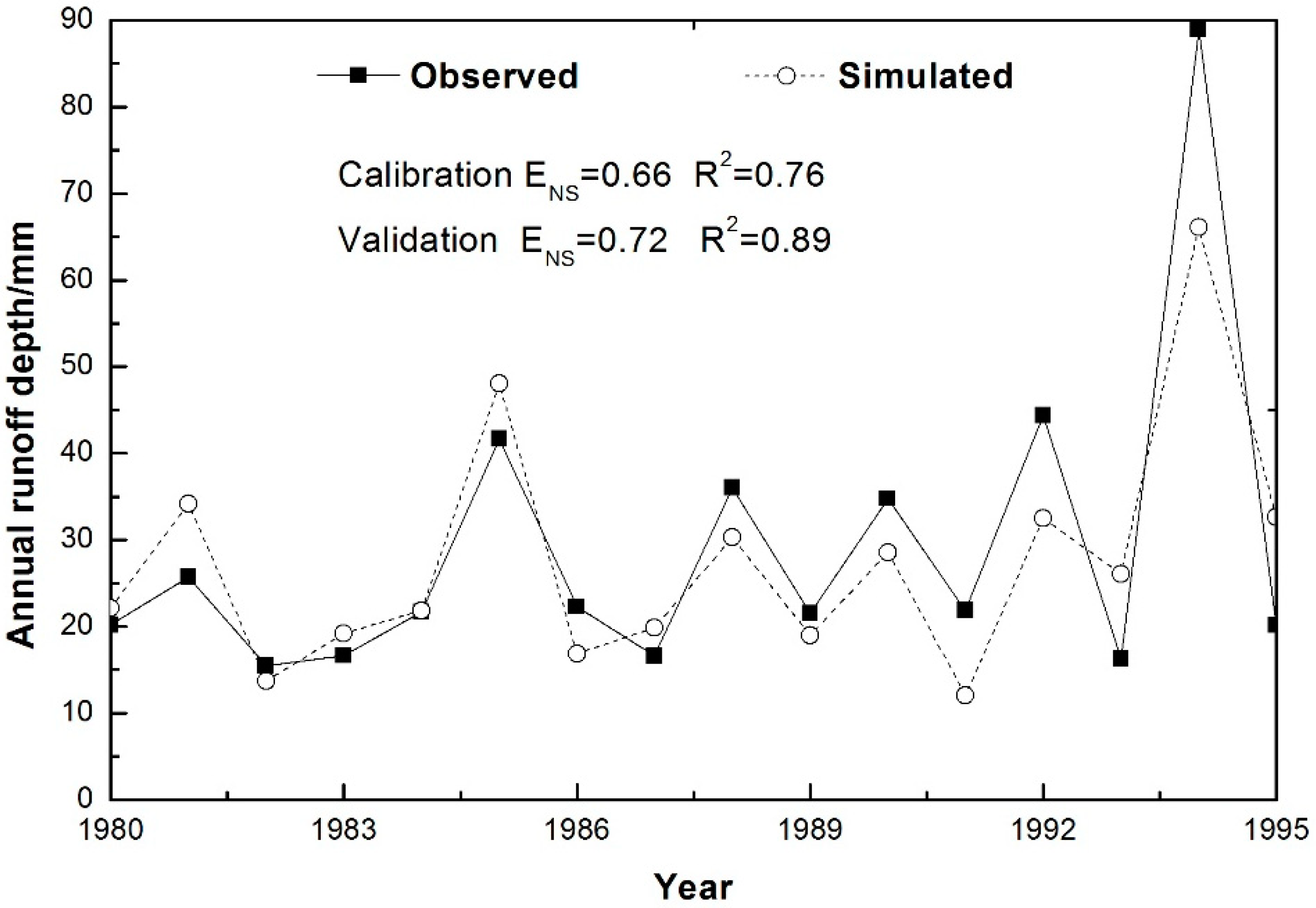
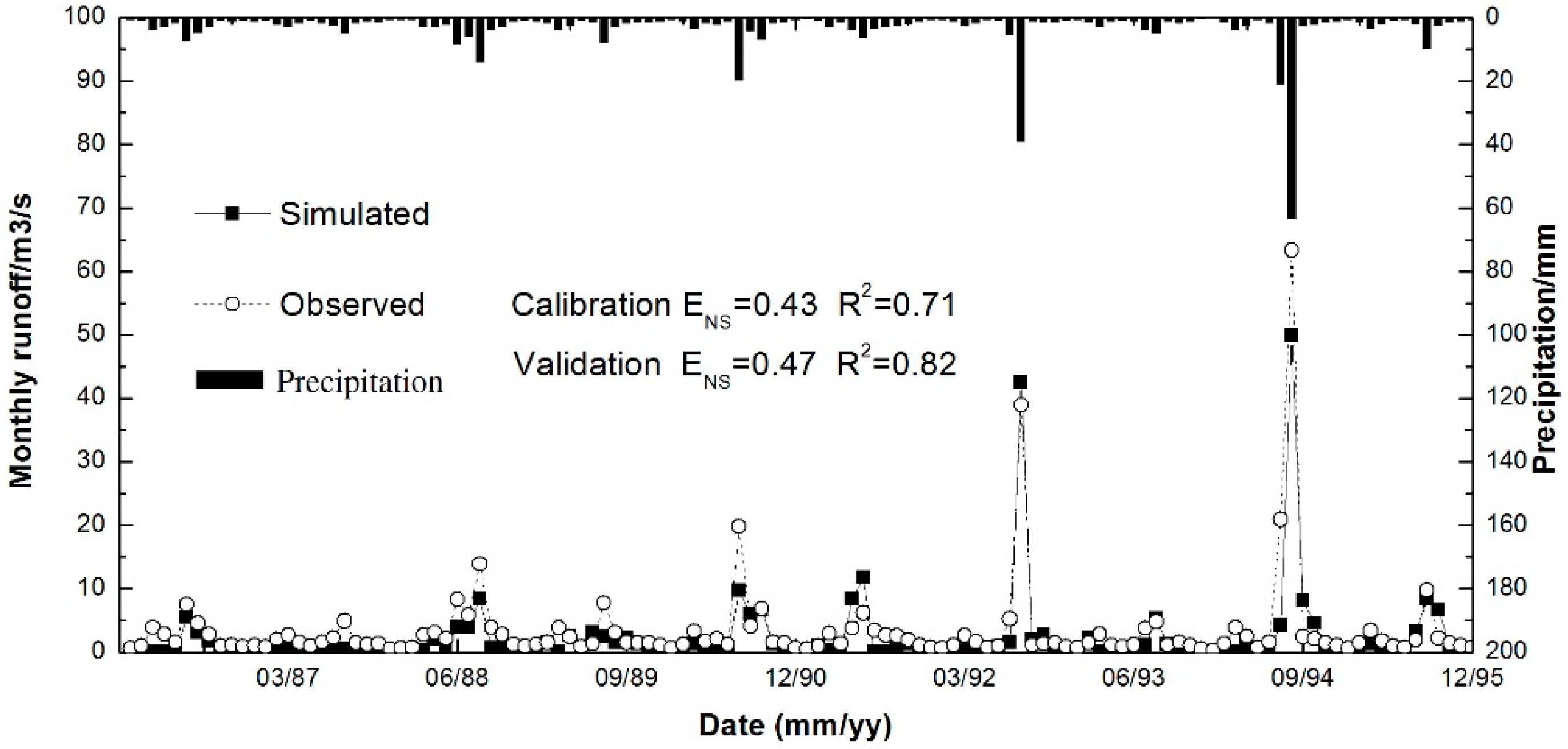
This study investigated the individual and combined impacts of future LULC and climate changes on water balance in the upper reaches of the Beiluo River basin on the Loess Plateau of China. Three scenarios were established and estimated by the SWAT model. In addition, the future water balance was compared with those of the baseline period. Agriculture areas decreased by 32.2% from 1995 to 2010, while increases in forest and grassland areas of 13.49 and 18.15%, respectively, were indicated from 1995 to 2010. Predictions of LULC were simulated by the CA-Markov model. The land use predictions of 2025, 2035, and 2045 indicated rising forest areas with decreased agricultural land and grassland. Although grassland increased from 2025 to 2045, grassland areas decreased compared with LULC in 2010. Water and settlement areas increased by 0.55 and 0.87% from 2010 to 2025, respectively, and their areas remained stable from 2025 to 2045. Climate data simulated by a regional climate model (RegCM4.0) under RCP4.5 and RCP8.5 were obtained for the future climate analysis. The SWAT model was calibrated and validated by calculating the historical runoff over the period 1986–1995. The agreement between observed and simulated monthly runoff values indicated that, after the parameters were optimized, the calibrated model could be used to simulate the responses of water balance to climate and LULC changes in this study area.
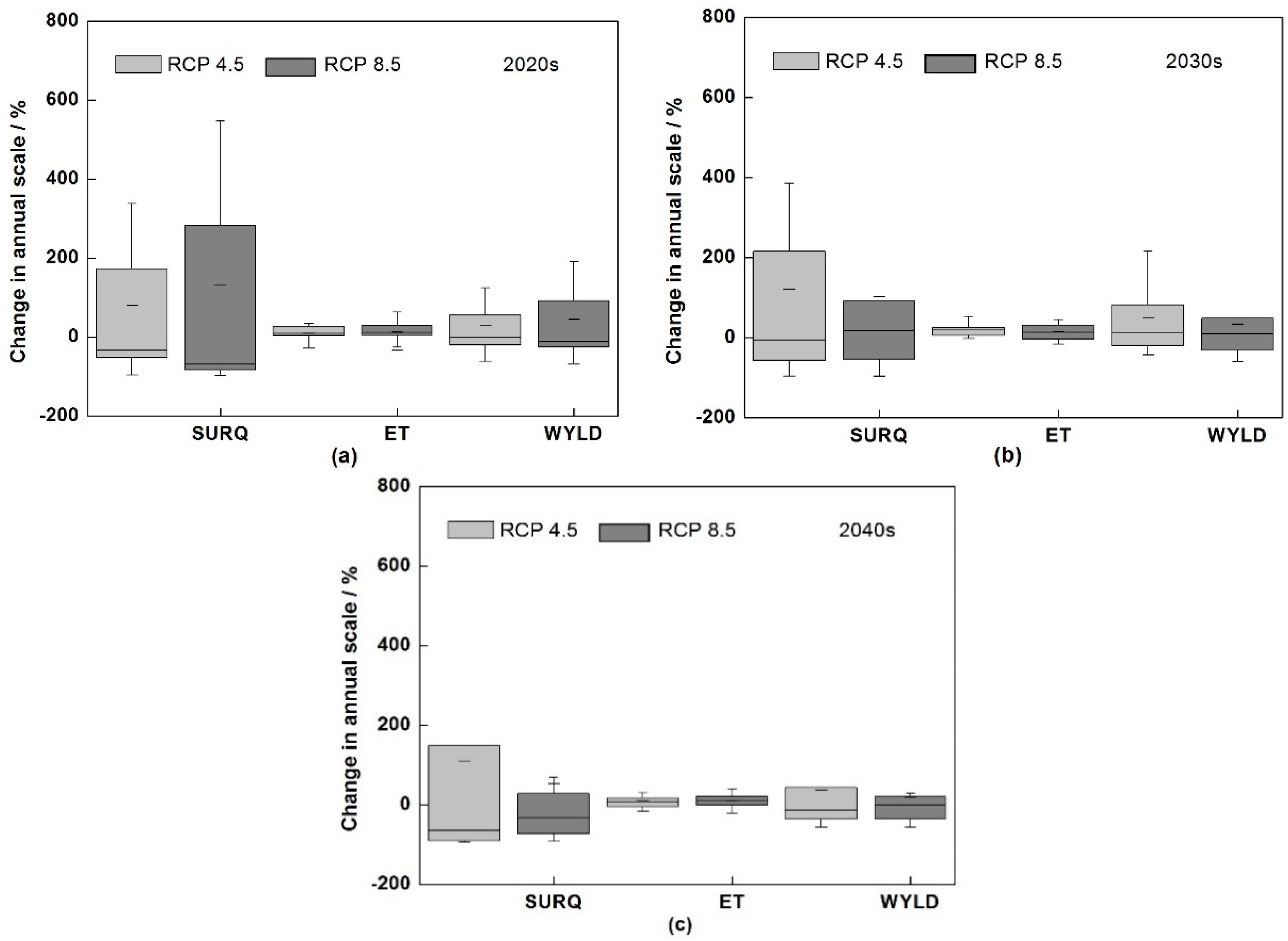
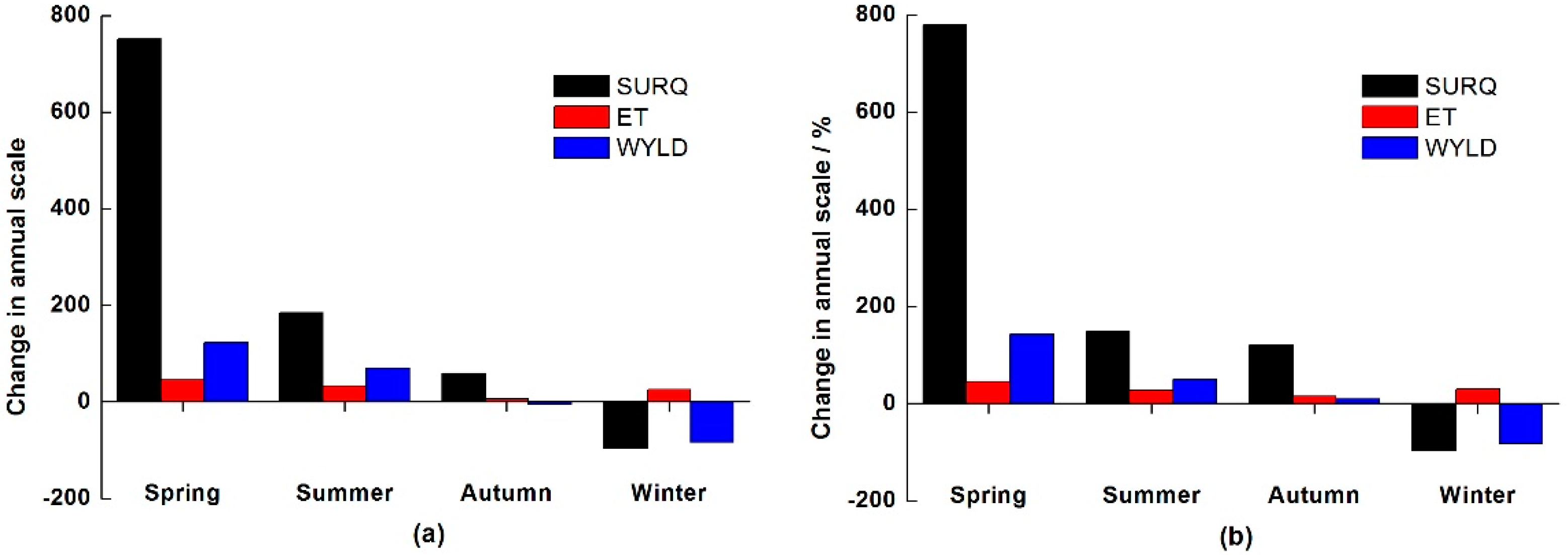
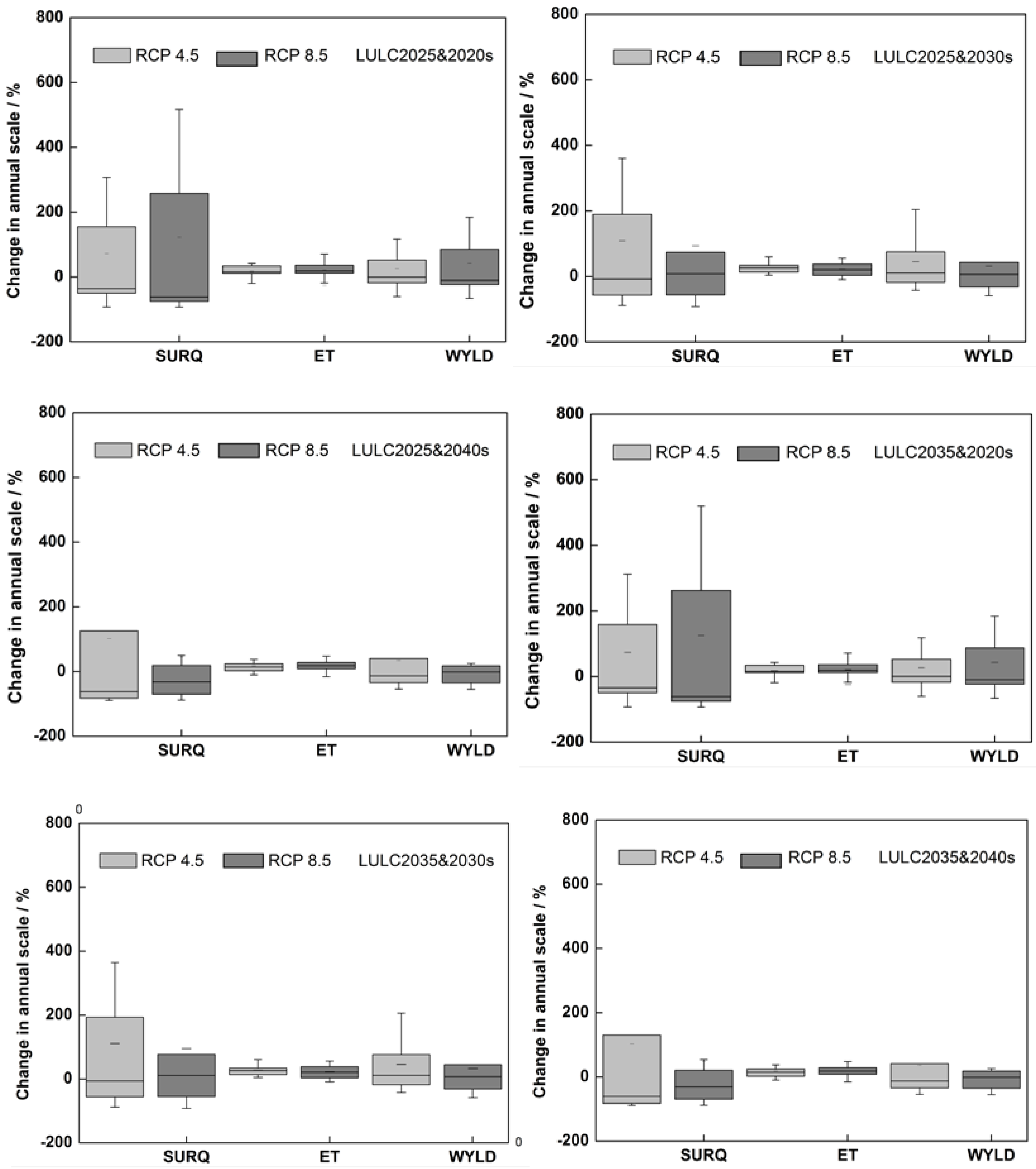
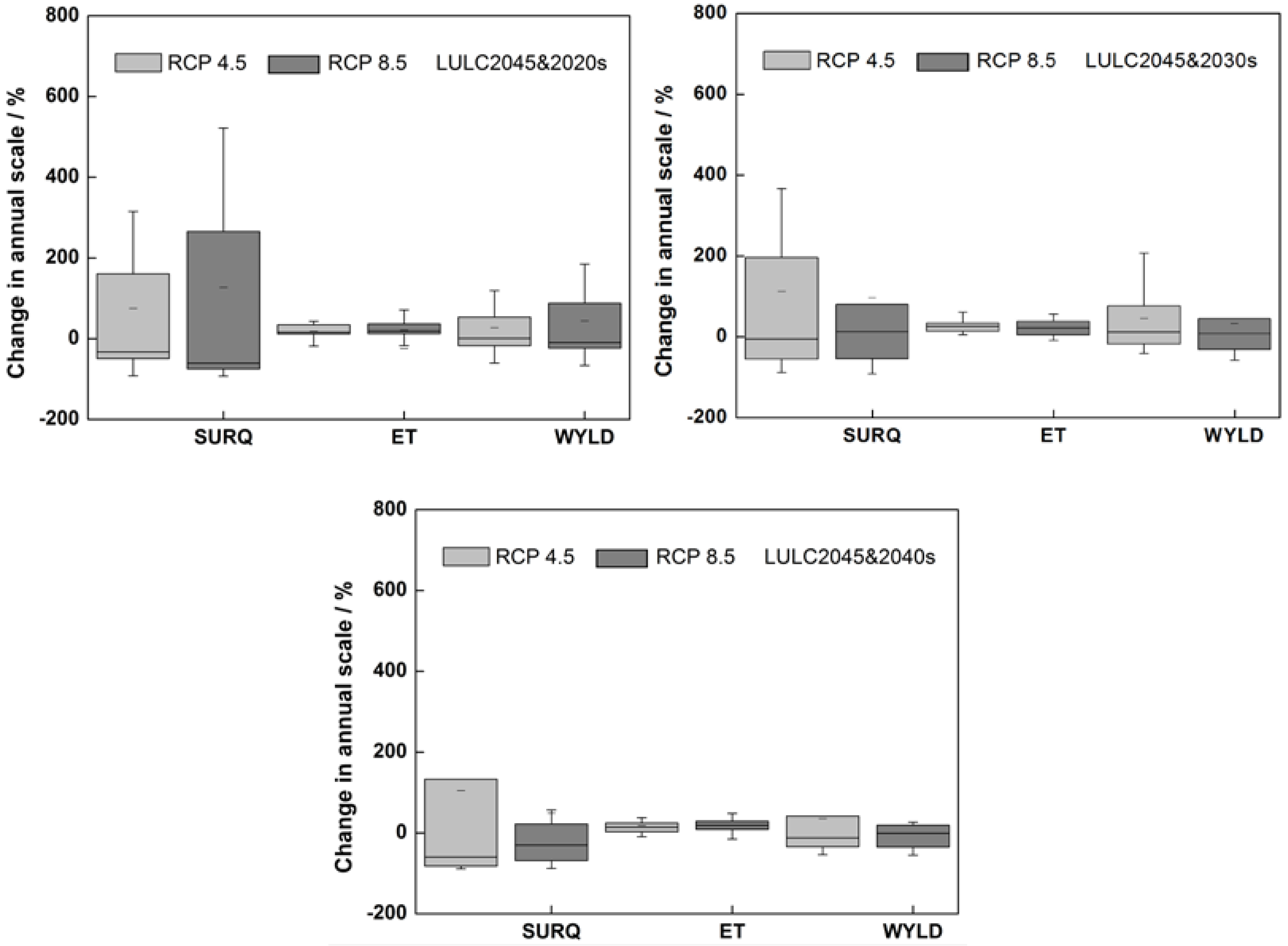
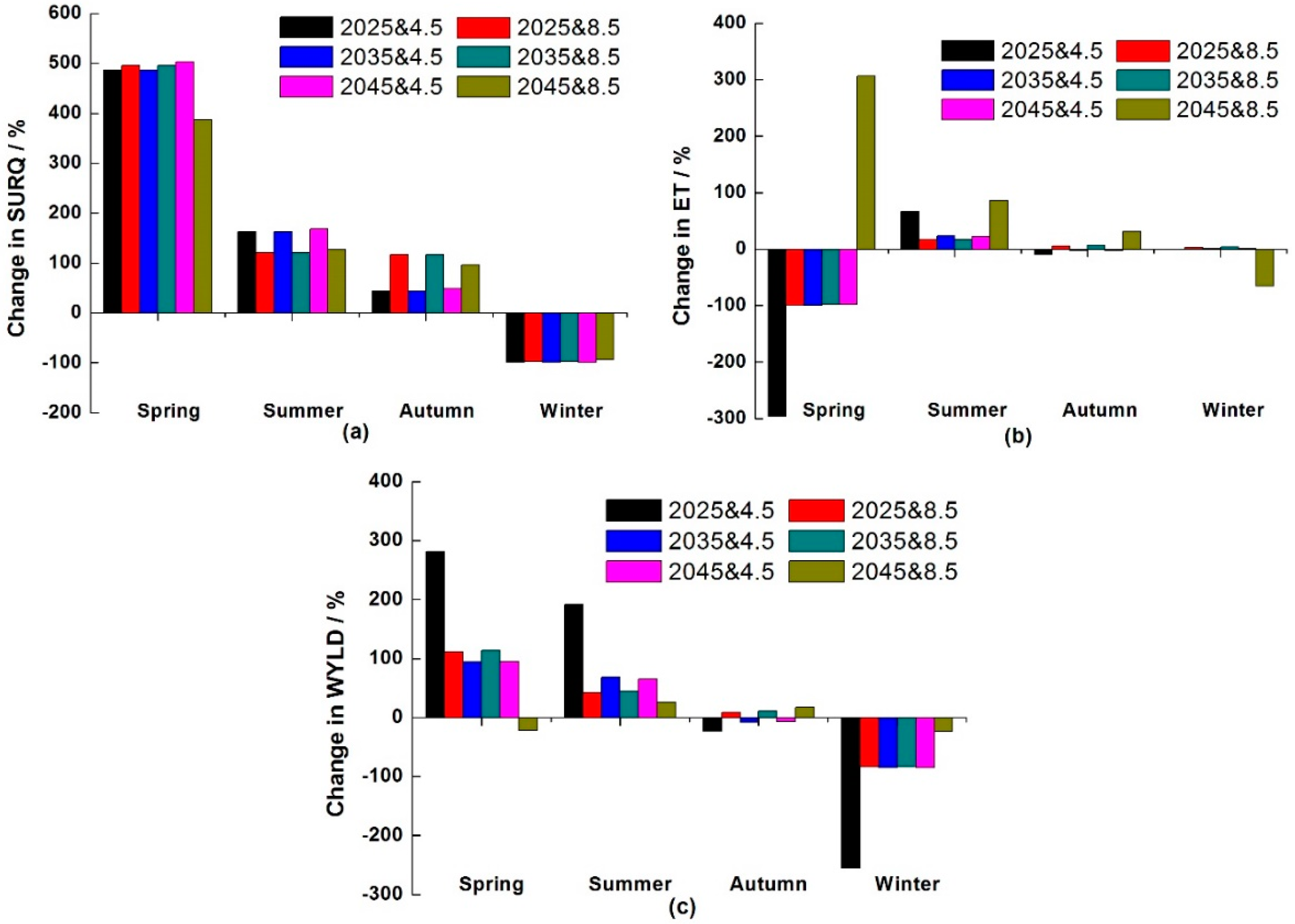
The past and future impacts of the scenarios were simulated under the seasonal and annual scales of water balance. Future runoff, water yield, and ET increased at an annual scale under both scenarios. Increased rainfall and temperature in the future lead to increased runoff, water yield, and ET in spring, summer, and autumn and decreased runoff, water yield, and ET in winter from 2020 to 2050. LULC change had a smaller impact on the water balance than did climate change. On an annual scale, runoff and water yield gradually decreased in the future, but ET increased. The combined effects of both LULC and climate changes on water balance in the future were similar to the variation trend of climate changes alone at both annual and seasonal scales. Researching the effects of the individual and combined LULC and climate changes on water balance is important for rational water resource planning and management. The study area is located in the semi-arid Loess Plateau in China, and increasing forest areas may increase the demands of soil water requirements. The seasonal change in water balance in this study area is likely to be more severe in the future. Runoff increases in summer might lead to increasing extreme weather events and flood frequency.
Future water resource plans should adopt a long-term perspective, adapt to insights, and consider these impacts. In addition, governments should work together and develop sustainable land use plans to maintain a balance with ecological water requirements. The results of this research can be helpful for effective planning aimed at flood and drought management and prevention.