Article

Sustainability Assessment of a Qingyuan Mushroom Culture System Based on Emergy

1
Institute of Rural Development, Zhejiang Academy of Agricultural Sciences, No. 298, Middle Desheng Road, Jianggan District, Hangzhou 310021, China
2
Key Laboratory of Creative Agriculture, Ministry of Agriculture and Rural Affairs, China, No. 298, Middle Desheng Road, Jianggan District, Hangzhou 310021, China
3
Creative Agricultural Engineering Technology Research Center, Zhejiang, No. 298, Middle Desheng Road, Jianggan District, Hangzhou 310021, China
4
Institute of Geographic Sciences and Natural Resources Research, Chinese Academy of Sciences, No. 11A, Datun Road, Chaoyang District, Beijing 100101, China
5
Qingyuan Scientific Research Center of Edible Fungi, No. 138, Xinjian Road, Qingyuan County, Lishui 310021, China
*
Authors to whom correspondence should be addressed.
Sustainability 2019, 11(18), 4863; https://doi.org/10.3390/su11184863
Submission received: 31 July 2019 / Revised: 31 August 2019 / Accepted: 3 September 2019 / Published: 5 September 2019

Abstract

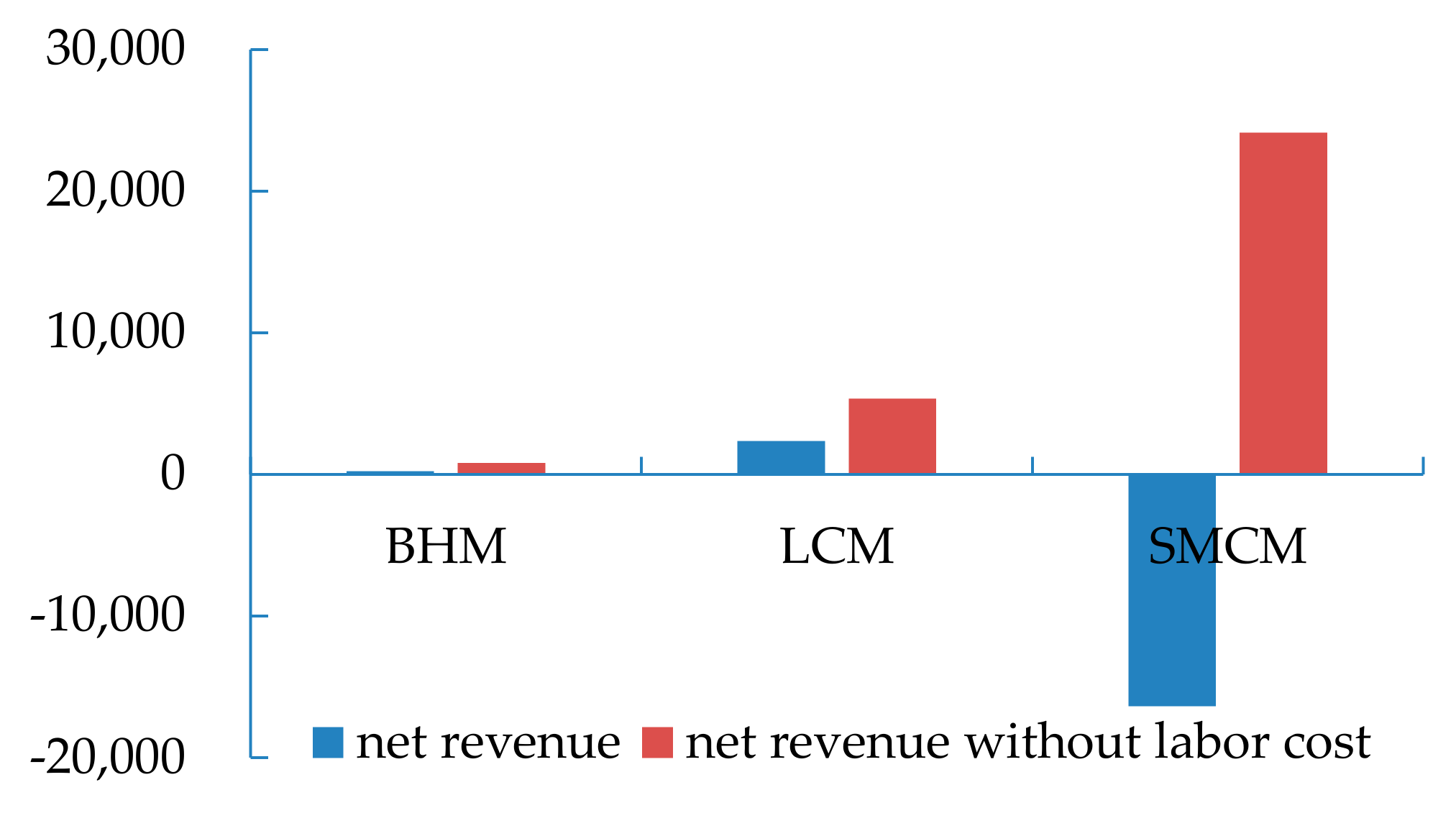
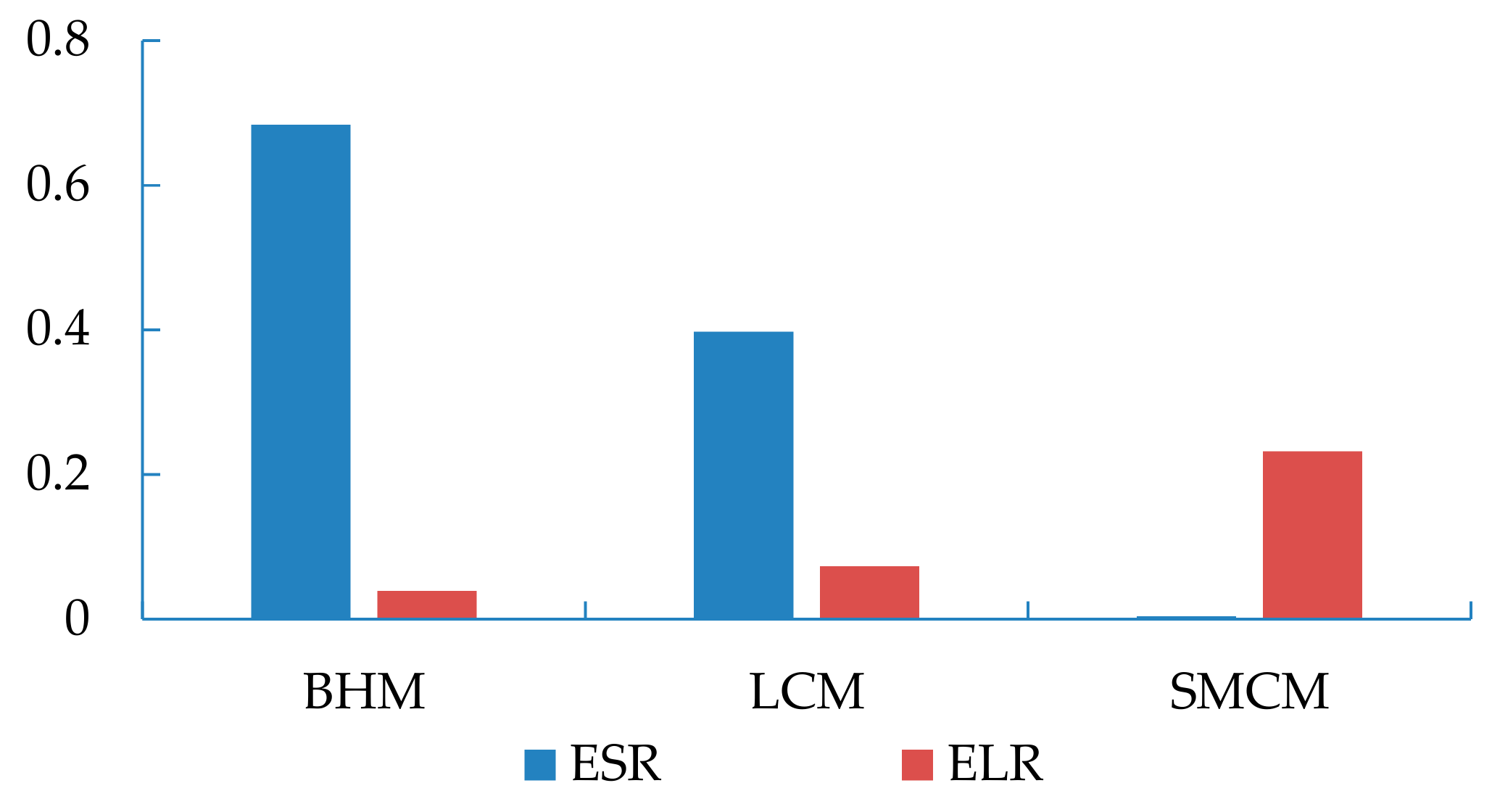
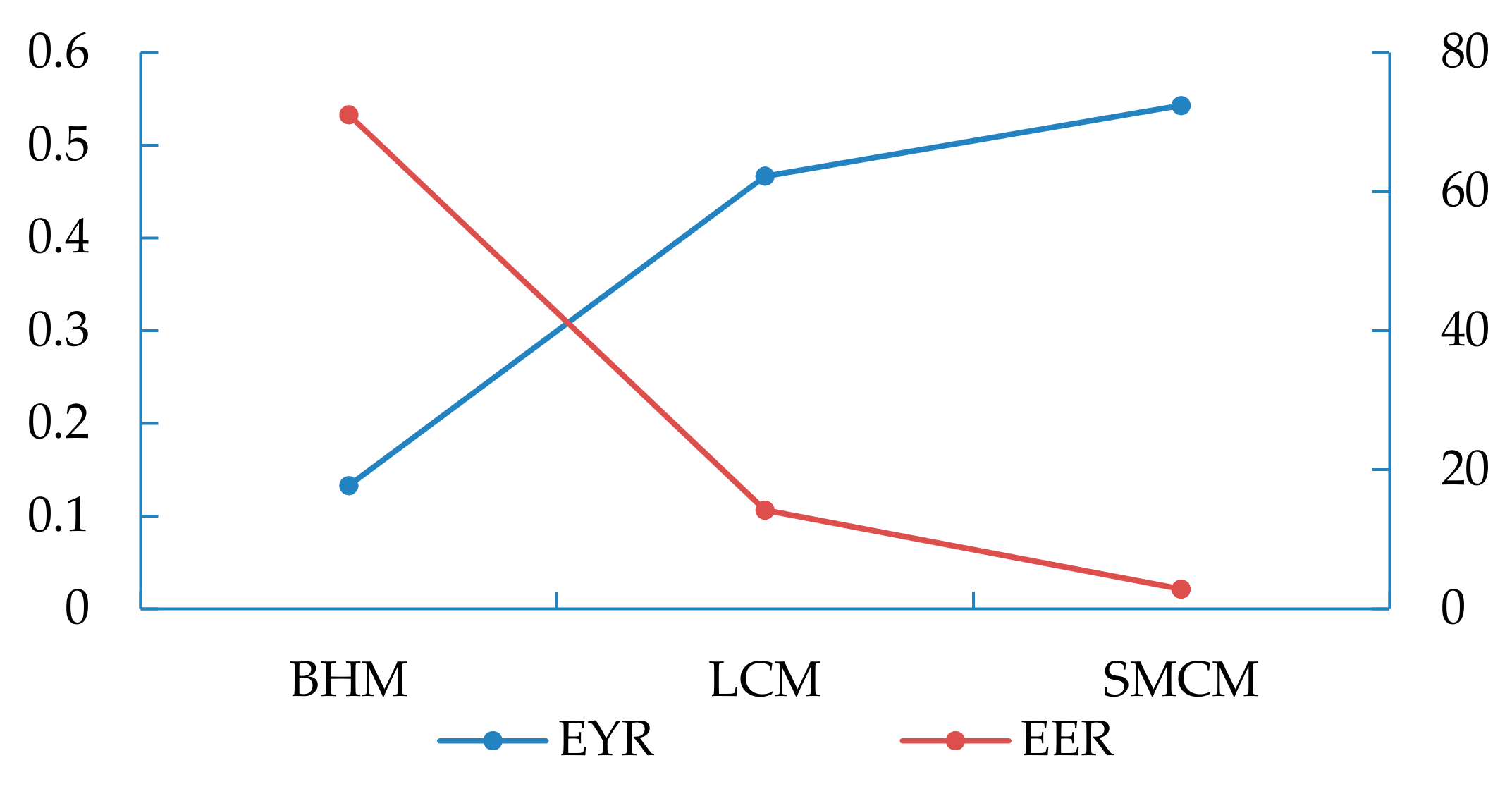
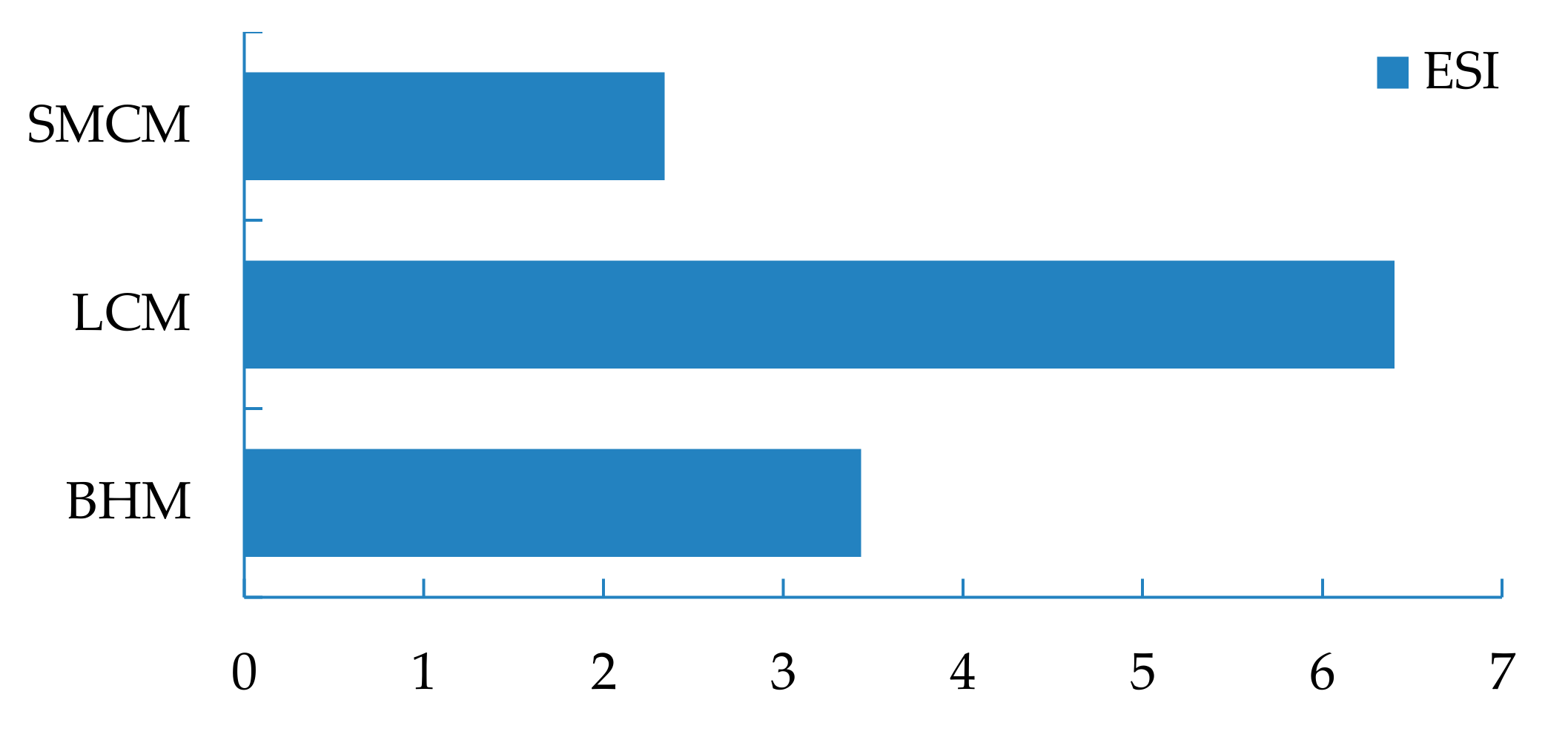
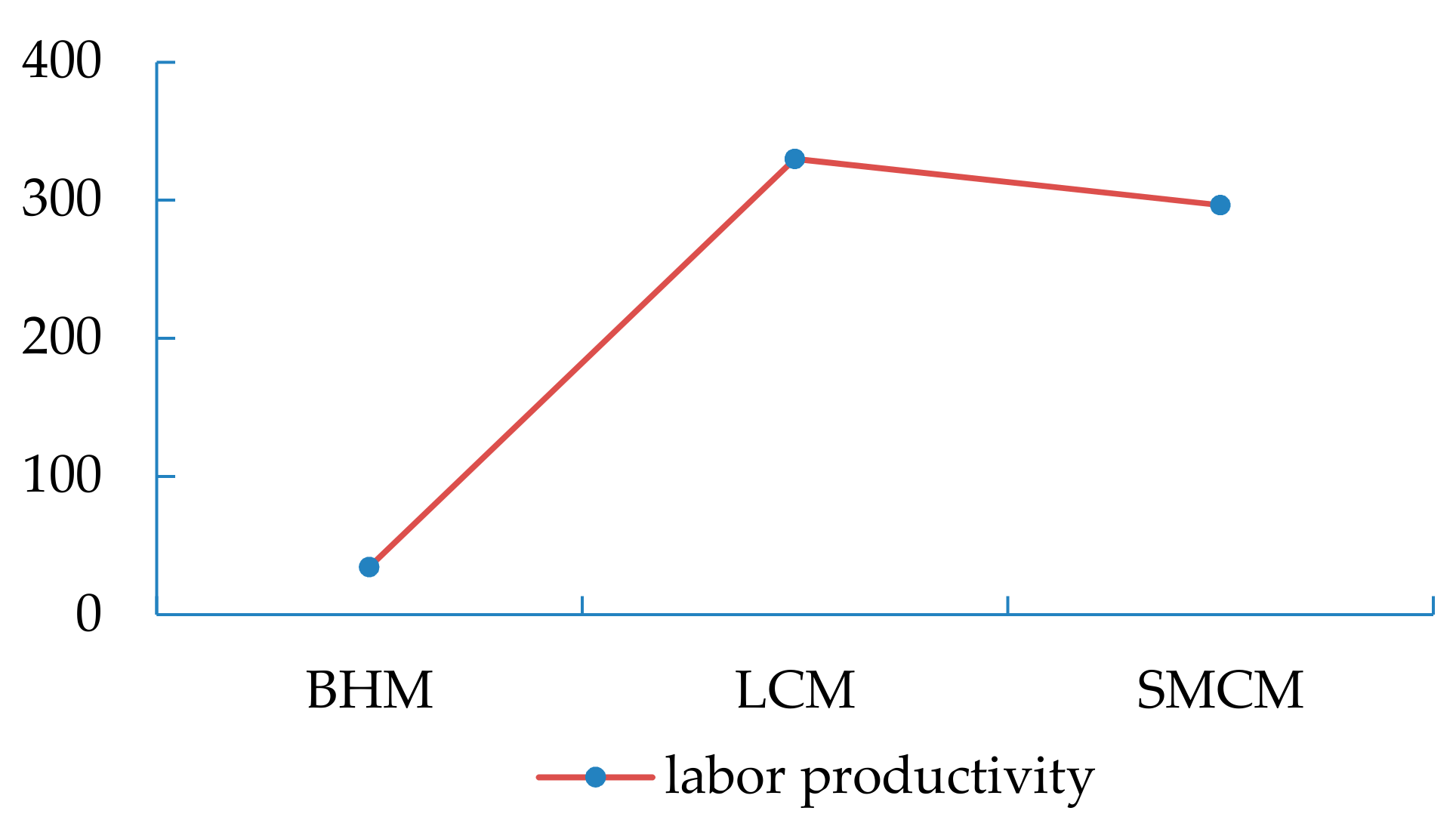
The Qingyuan mushroom culture system (QMCS) in Zhejiang Province has been recognized as the source of the world’s first artificial cultivation of mushrooms with a history of more than 800 years. The system embodies the farming wisdom of the local people who have adapted themselves to and utilized nature and has integrated the traditional bark hacking method with multiple modern patterns for mushroom cultivation based on artificial microbial strains. We have investigated the input–output operation of farmers and assessed and analyzed emergy indicators in a bid to reflect and compare their economic and ecological benefits, as well as their sustainable development by analyzing the three typical mushroom cultivation patterns. The cost-benefit analysis of the three patterns shows that the sawdust medium-cultivated method (SMCM) is characterized by dominance in both net income without labor cost and labor productivity; while the evaluation based on emergy indicators has proven that each has its own advantages and disadvantages in terms of ecological and economic benefits and sustainable development. Among them, the bark hacking method (BHM) features the highest utilization rates of local and renewable resources, the smallest damage to the environment, the lowest production efficiency, and the highest exchange efficiency, but the sawdust medium-cultivated method is just the opposite, and the log-cultivated method (LCM) is the most favorable one for sustainable development. As its agricultural heritage, the QMCS’ core of dynamic protection and adaptive management lies in enhancing the sustainable development of its agricultural production methods. It is recommended that the three patterns be improved by targeting their respective shortcomings and at the same time, integrate their advantages to explore a new sustainable development pattern for mushroom cultivation.
Keywords: agricultural heritage systems; qingyuan mushroom culture system; bark hacking method; log-cultivated method; sawdust medium-cultivated method; emergy agricultural heritage systems; qingyuan mushroom culture system; bark hacking method; log-cultivated method; sawdust medium-cultivated method; emergy