1. Introduction
The widespread adoption of electric vehicles (EVs) is transforming modern power systems by creating both opportunities and challenges. While EVs offer a sustainable alternative to conventional fossil fuel-based transportation, their increasing penetration places significant stress on the electrical grid. Uncontrolled and high-power charging can lead to voltage fluctuations, increased peak demand, frequency deviations, and overall grid instability [
1,
2]. Additionally, inefficient energy management can result in higher operational costs and reduced system reliability. To overcome these challenges, Virtual Power Plant (VPP)-based EV charging stations integrated with Distributed Energy Resources (DERs) have emerged as an intelligent solution. A VPP is an advanced energy management system that aggregates and optimizes various decentralized energy resources such as renewable energy sources (solar PV, wind turbines), battery energy storage systems (BESSs), and controllable loads. VPP technology has garnered significant research attention in recent years, with numerous studies focusing on optimizing its operational efficiency to enhance overall power system performance and reliability.
Various researchers have addressed diverse aspects of VPP operation, focusing on the management of its multiple functions such as energy dispatch, grid support, market participation, and integration of distributed energy resources. Reference [
3] showed that, through the integration of real-time data, predictive analytics, and advanced smart grid technologies, VPPs can effectively coordinate EV charging operations while maintaining overall grid stability. The integration of VPP into EV charging stations enables two-way energy flow between EVs, homes, and the power grid, contributing to a more efficient and flexible energy system [
4]. Ref [
4] demonstrates that a reinforcement learning agent can optimize the VPP portfolio by adapting to favorable market conditions and effectively managing uncertainties in fleet demand. Another study [
5] proposes an approach to fleet charging prioritization by leveraging the VPP concept in conjunction with distributed evolutionary computation algorithms to optimize EV fleet charging priorities across multiple levels of the smart grid ecosystem. The results indicate that incorporating mobile load forecasting into energy management systems can effectively mitigate peak demand, thereby reducing emissions by minimizing reliance on combined-cycle power plants, which typically operate using fossil fuels.
The study in [
6] proposed a theoretical framework for an EV-integrated VPP and validated its effectiveness by considering the uncertainty in charging efficiency. They employ the Conditional Value-at-Risk (CVaR) methodology to address a practical, non-convex VPP dispatch model, explicitly accounting for variable charging efficiencies. The findings indicate that shifting EV charging loads can inadvertently generate new demand peaks within the grid; however, these can be effectively mitigated by regulating the participation rate of EVs in the VPP and dynamically adjusting the peak load periods. Reference [
7] demonstrated the coordinated operation of EV charging and wind power generation within a VPP, leveraging the flexible storage capacity and zero initial investment cost of EVs. This study formulated a three-stage mixed-integer stochastic programming model to optimize VPP operations and primarily concentrated on the integration of EVs into electricity market mechanisms. In [
8], a Deep Reinforcement Learning (DRL)-based Stackelberg game model was developed for a VPP integrated with EV charging stations to optimize the coordination of flexible resources including EV charging stations, distributed generation units, energy storage systems, and renewable energy sources within the VPP architecture. The results demonstrated that the VPP agent could effectively learn optimal strategies for selling electricity to EVs, as well as for scheduling DERs and managing EV charging and discharging operations. Reference [
9] developed a Mixed-Integer Quadratically Constrained Programming (MIQCP) model to enhance the synergy between EVs and the power grid through the integration of the VPP concept. The results indicate that enabling bidirectional power flow between the grid and the VPP can generate substantial economic benefits for EV users, while incurring only a marginal increase in active power losses—approximately 5%. Reference [
10] proposed two profit-maximizing operational strategies for a VPP that aggregates solar power systems and EVs with Vehicle-to-Grid (V2G) capabilities, using a sequential linear programming approach. The proposed operational strategies are empirically assessed using actual market price data, solar generation profiles, and EV charging session records from a charging network in the Netherlands. The study further examines the impact of V2G integration on the profitability of the VPP framework.
A cooperative operation framework was proposed between VPPs and EV charging stations to maximize profits by employing day-ahead energy offering and real-time balancing models [
11]. They also proposed incentive scheme demonstrates the potential to significantly reduce costs for EV users, enhance the utilization of EV energy flexibility, and minimize the overall system operational cost. The results indicated that this approach could significantly reduce EV charging costs while maximizing the profitability of charging stations. In [
12], an optimal bidding strategy for a VPP was developed using an improved Artificial Bee Colony (ABC) algorithm to establish detailed EV charging models and analyze their impact on VPP operations. The study found that the benefits of the VPP could be maximized by optimizing the charging time and patterns of EVs.
Reference [
13] investigated the impact of the charging and discharging characteristics of Battery Energy Storage Systems (BESSs) on their operational performance, analyzing the behavior of the storage unit within a VPP-based power system in Poland to maximize the benefit of VPP. A hierarchical day-ahead power scheduling system for VPPs was proposed to address the complexities of short-term energy management arising from the uncertainties associated with intermittent energy sources [
14]. Experimental results demonstrate that the proposed day-ahead power scheduling system can effectively reduce reliance on traditional power generation and balance the load between peak and off-peak periods in the electricity market. Reference [
15] proposed a grid management strategy that regulates charging station prices and charging rates within a network of circulating EVs to control power consumption both temporally and spatially. The results indicated that the proposed method effectively balances the power grid and reduces congestion without disrupting EV operations. A recent comprehensive review analyzed 162 metaheuristic algorithms using a unified multi-criteria taxonomy and showed that many optimization-based methods are prone to premature convergence due to an imbalance between exploration and exploitation. Although such techniques are widely applied in VPP and EV charging studies, their reliance on prediction accuracy and iterative optimization limits their suitability for fast, real-time power system dynamics [
16]. Accurate modeling of line resistance, inductance, and capacitance is essential for reliable voltage regulation and power-flow efficiency. Recent studies on flux-linkage–based transmission-line parameter estimation highlight that parameter variations significantly affect voltage drop and system performance, underscoring the importance of voltage-aware control when coordinating EVs and distributed resources within a VPP framework [
17].
Table 1 provides a comprehensive summary of the current research on VPPs with EV charging stations, highlighting key areas of focus for improvement.
The summary of current research shown in
Table 1 have predominantly concentrated on optimization-driven approaches, targeting objectives such as maximizing the profitability of VPP operations, DER management, enabling VPP participation in electricity markets, fostering stakeholder engagement, improving energy management efficiency, reducing generation and operational costs, smoothing power output fluctuations, enhancing user flexibility, and minimizing total energy expenditure. While these studies have significantly contributed to the advancement of VPP applications, they largely focus on economic and operational dimensions through various optimization methodologies.
However, a notable gap persists in the literature concerning the continuous voltage monitoring and regulation at the point of common coupling (PCC) of grid network, dynamic power management to handle PV and EV uncertainties, and the facilitation of bidirectional V2G services through integrated VPP frameworks. Recent studies [
6,
7,
8,
9,
10,
11,
12,
13,
14,
15] have not comprehensively addressed all key aspects of VPP operation, such as DER management, power coordination, V2G support, voltage regulation, and EV scheduling. In addition, existing VPP-based EV charging studies employ optimization-driven, predictive frameworks, focusing primarily on economic objectives such as cost minimization, profit maximization, or market participation. These approaches typically rely on forecasted load, renewable generation, and EV availability, and are solved over predefined scheduling horizons. While effective for strategic planning, such methods are less suited to addressing fast voltage dynamics and real-time grid disturbances arising from PV intermittency and simultaneous EV charging or sudden increase in peak load demand. In contrast, this paper proposes a WAPE-based VPP framework that enables real-time power management to effectively control and manage the entire system. The proposed framework continuously monitors PV output, load profile, BES, grid voltage and SoC of EV and then it dynamically regulates both active and reactive power accordingly without reliance on forecasts or repeated optimization, thereby enhancing voltage regulation and reducing charging time under dynamic operating conditions. The charging infrastructure considered includes PV generation, battery energy storage, and variable loads. The key contributions are as follows:
A coordinated VPP architecture is developed to enable dynamic power management across distributed EV charging stations.
A charging scheduling mechanism for EV and BES is implemented, considering dynamic variations in load demand and PV generation.
V2G operations are incorporated into the framework, enabling EVs to discharge energy to the grid in response to system needs.
Section 2 details the methodology of the proposed VPP framework.
Section 3 presents the system’s design and configuration.
Section 4 shows the results with critical discussion. Finally,
Section 5 concludes the paper by summarizing the key findings and outlining future research directions.
4. Results and Discussion
This section presents a thorough evaluation of the VPP’s performance, organized into two key areas: (i) dynamic power management enabled by the VPP architecture, and (ii) improvements in VSM and reductions in charging time achieved through the integration of VPP. Each dimension is comprehensively analyzed to evaluate the effectiveness of dynamic control. In particular, the assessment examines the VPP capability to manage power distribution among various energy resources and to enhance voltage regulation.
4.1. Dynamic Power Management Through VPP
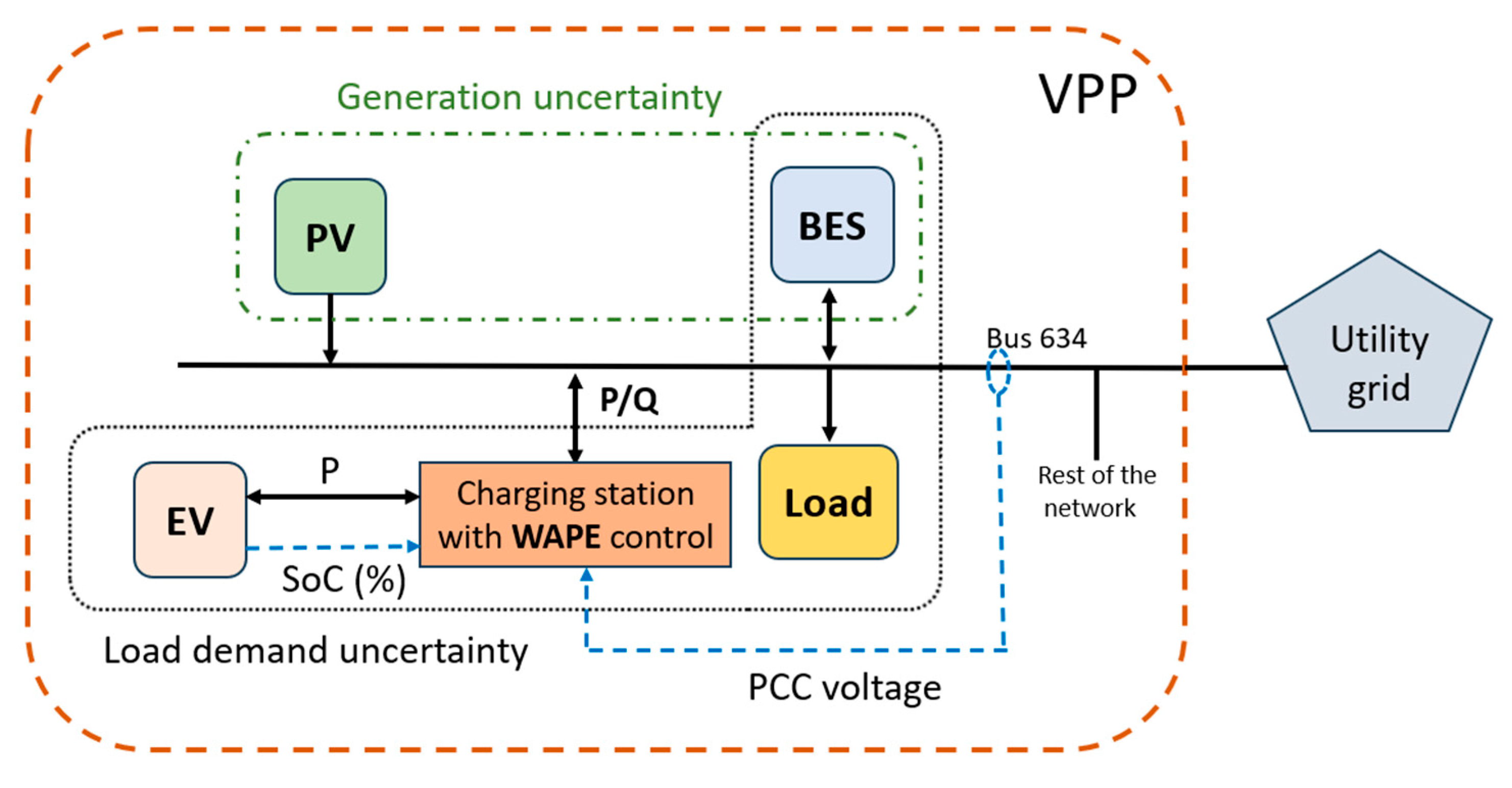
This section outlines VPP’s active and reactive power management for EV charging stations, covering EV scheduling, BES charging, and V2G support. The effectiveness of the proposed VPP framework in managing power distribution is evaluated through a series of representative case studies shown in
Table 3. These scenarios analyze the dynamic coordination among system components, with a focus on optimizing power flow, delivering grid support, and maintaining voltage levels at the PCC under fluctuating demand and generation conditions. The acceptable range for the grid voltage at PCC is considered
of 415 Vrms three-phase system. The case studies show how the VPP framework handles changes in renewable output, like PV, and manages peak load and flexible load integration challenges.
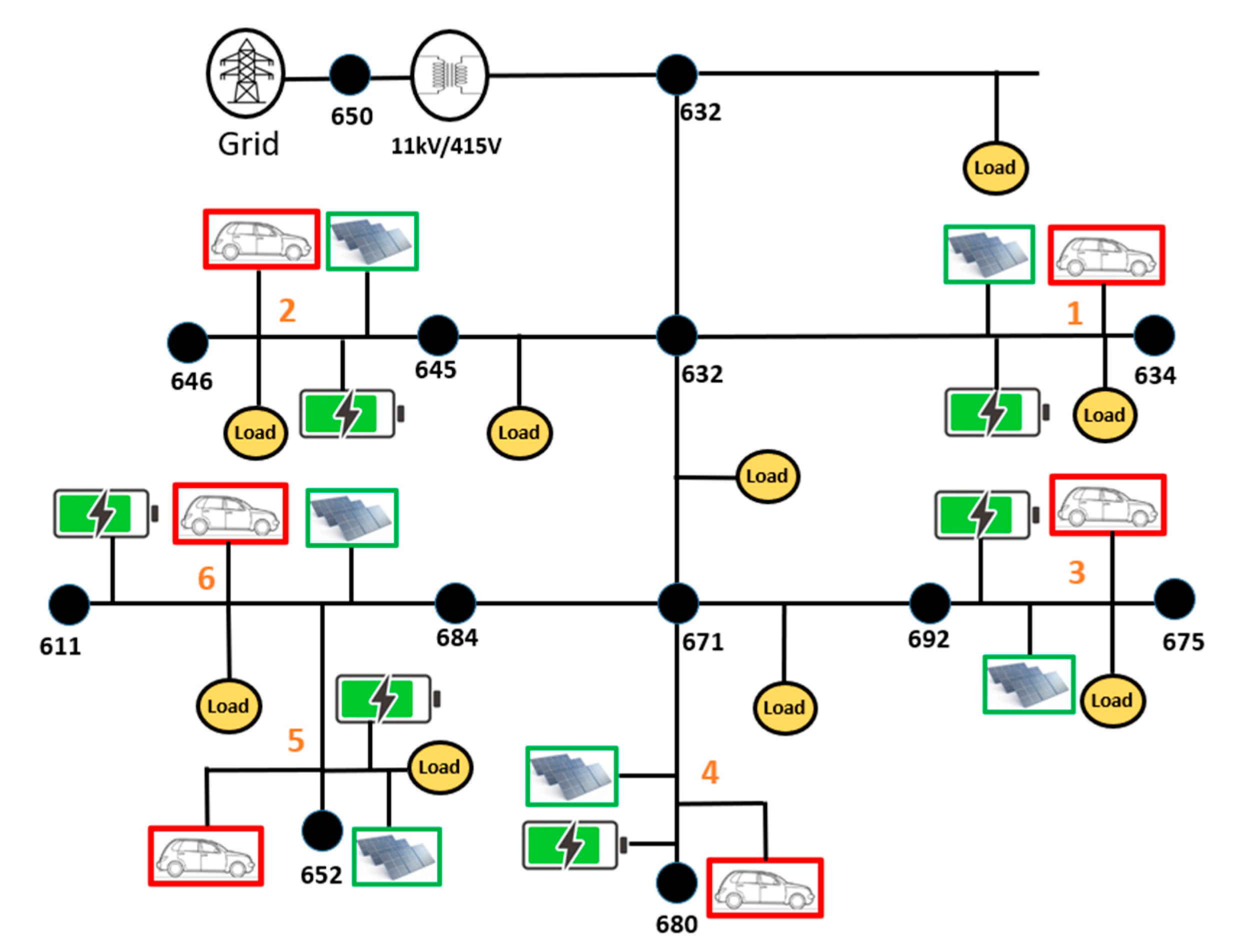
In
Figure 6, the locations of the six charging stations are illustrated, among which bus 646 is one of them. To demonstrate the dynamic variations in charging rate and grid voltage influenced by PV generation, bus 646 was selected as a representative case. Additionally, buses 634 and 611 were chosen to show the corresponding dynamic changes in charging power and grid voltage profiles under different operating conditions (Load and BES). These specific buses (646, 634 and 611) were selected to clearly emphasize the dynamic behavior of the system through
Figure 10,
Figure 11,
Figure 12,
Figure 13,
Figure 14,
Figure 15,
Figure 16,
Figure 17,
Figure 18 and
Figure 19, rather than presenting results for all buses, which would make the figure and discussion less focused.
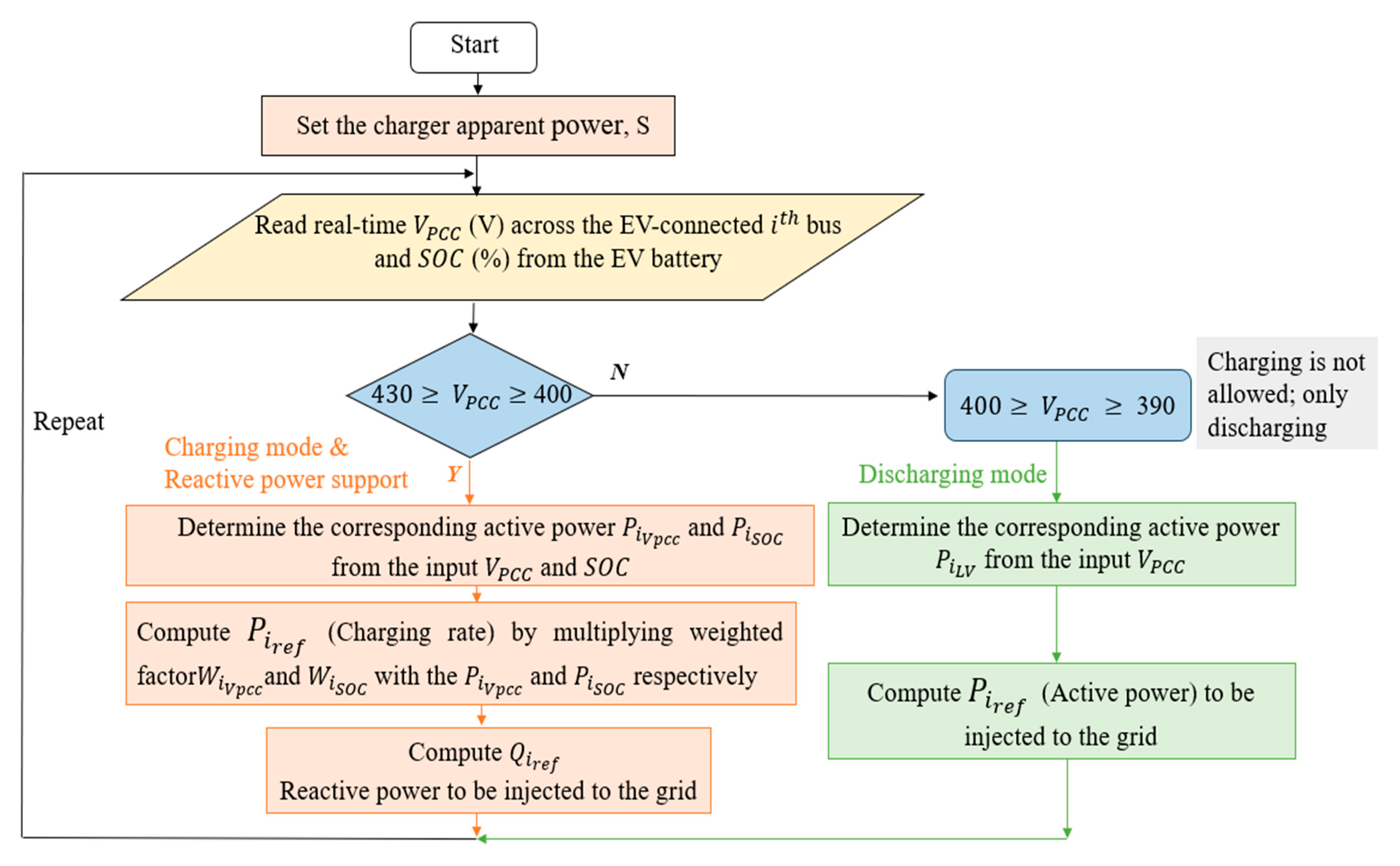
The hourly PV generation and load profiles are represented using a compressed 10 s simulation window to capture the relative variation and transition patterns while reducing computational burden. This time compression does not affect the validity of the controller behavior, as the proposed WAPE-based control operates on instantaneous PCC voltage feedback, and its response is governed by voltage deviation magnitude rather than absolute time duration. Communication delays are not explicitly modeled and are assumed negligible compared to the fast local control loop of the EV charger, which is consistent with existing real-time charger control studies.
The proposed VPP framework is inherently distributed and scalable, with each EV and BES unit equipped with a local WAPE controller, while the VPP functions as a supervisory coordination layer. Scaling the framework to networks with a large number of heterogeneous EVs and BES units primarily increases the number of parallel local controllers without altering the underlying control structure. Furthermore, the Voltage Stability Margin formulation aggregates bus-level indices, enabling straightforward extension to larger distribution networks.
4.1.1. Energy Consumption Case 1: EV Scheduling Based on PV Generation
This case study shows that the proposed VPP framework effectively schedules EV charging to match intermittent PV generation.
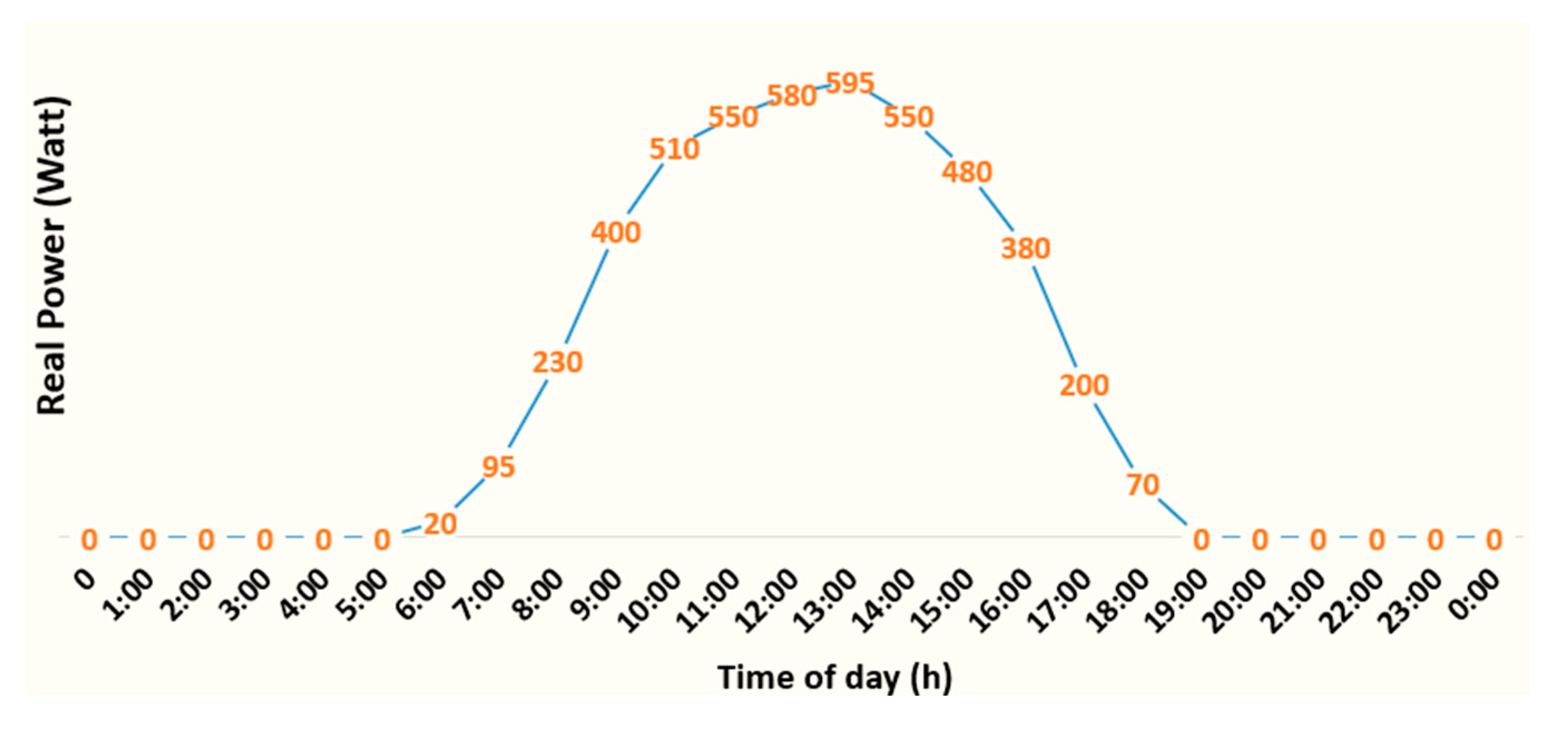
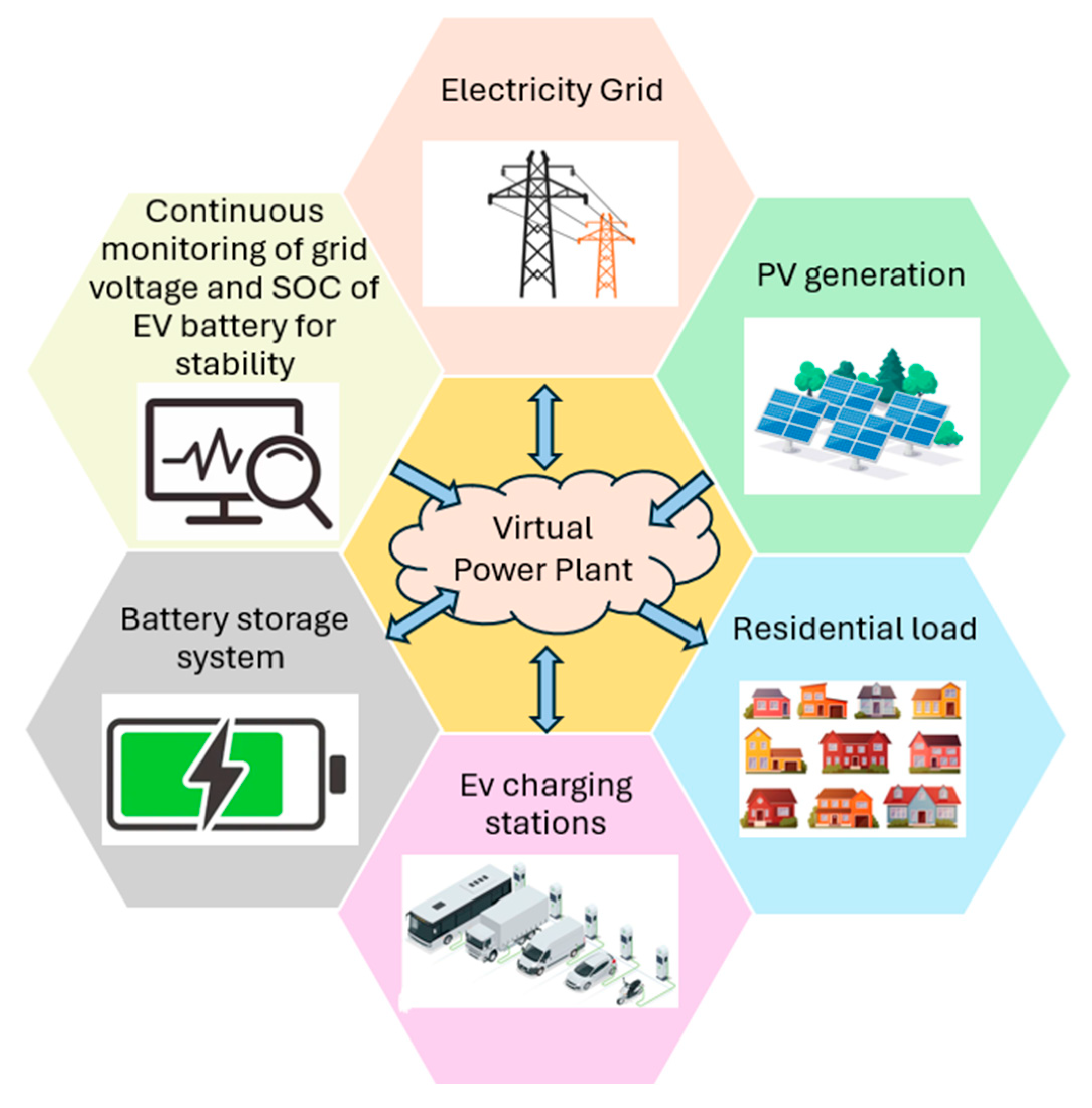
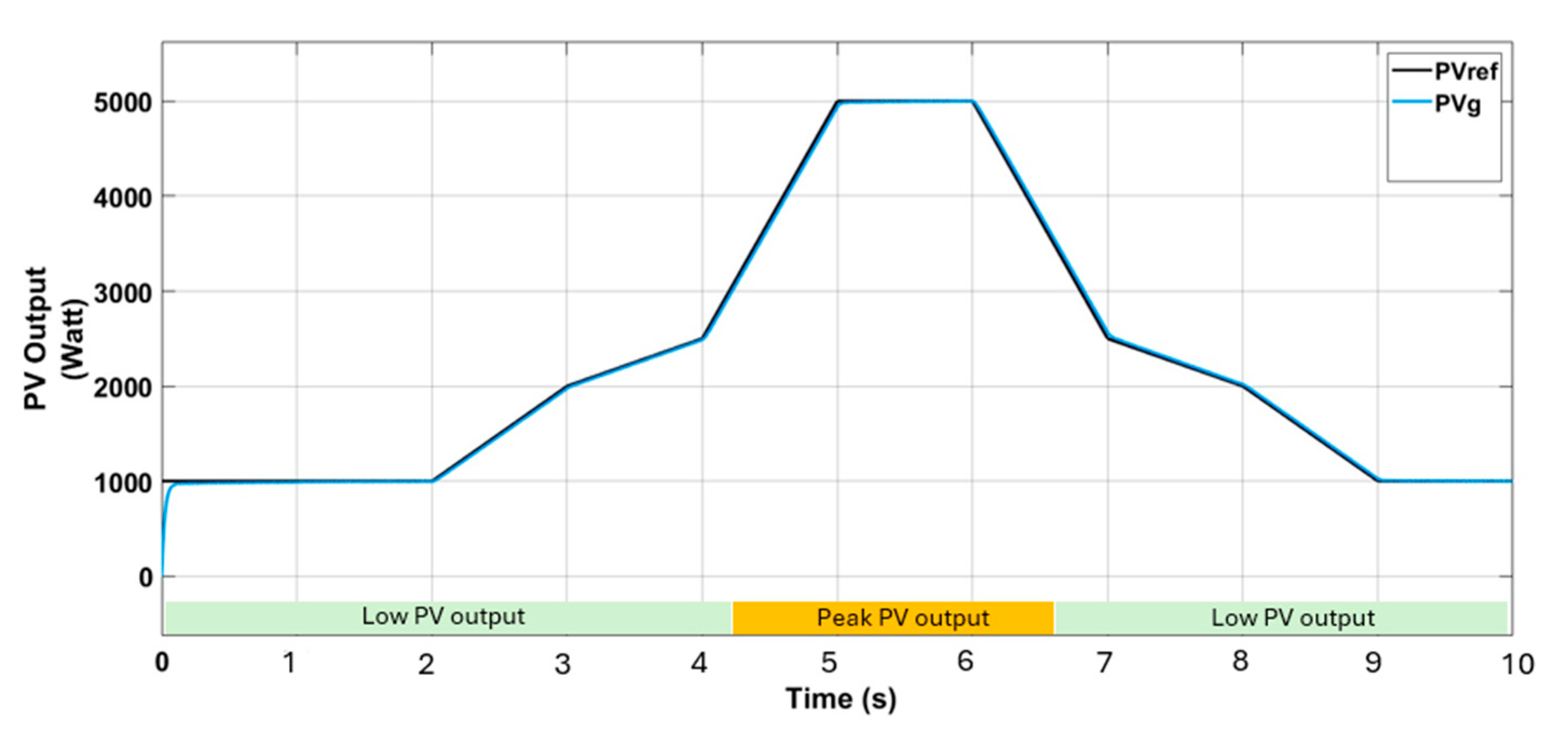
Figure 10 presents the diurnal PV output profile of a 5 kW residential solar system, derived from a typical summer generation pattern in Brisbane, as previously shown in
Figure 1. For analytical purposes, the PV output is categorized into low and peak generation intervals.
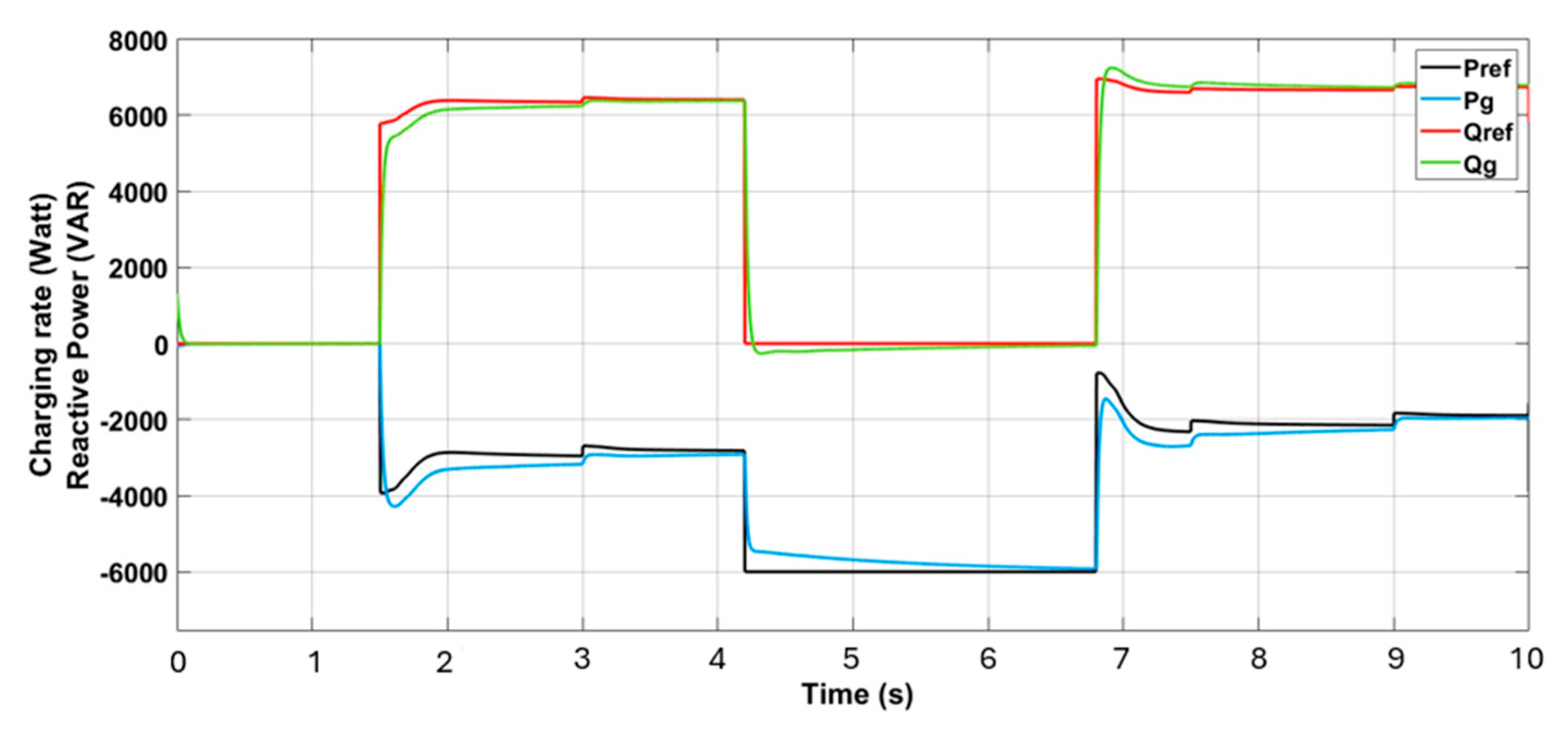
Figure 11 and
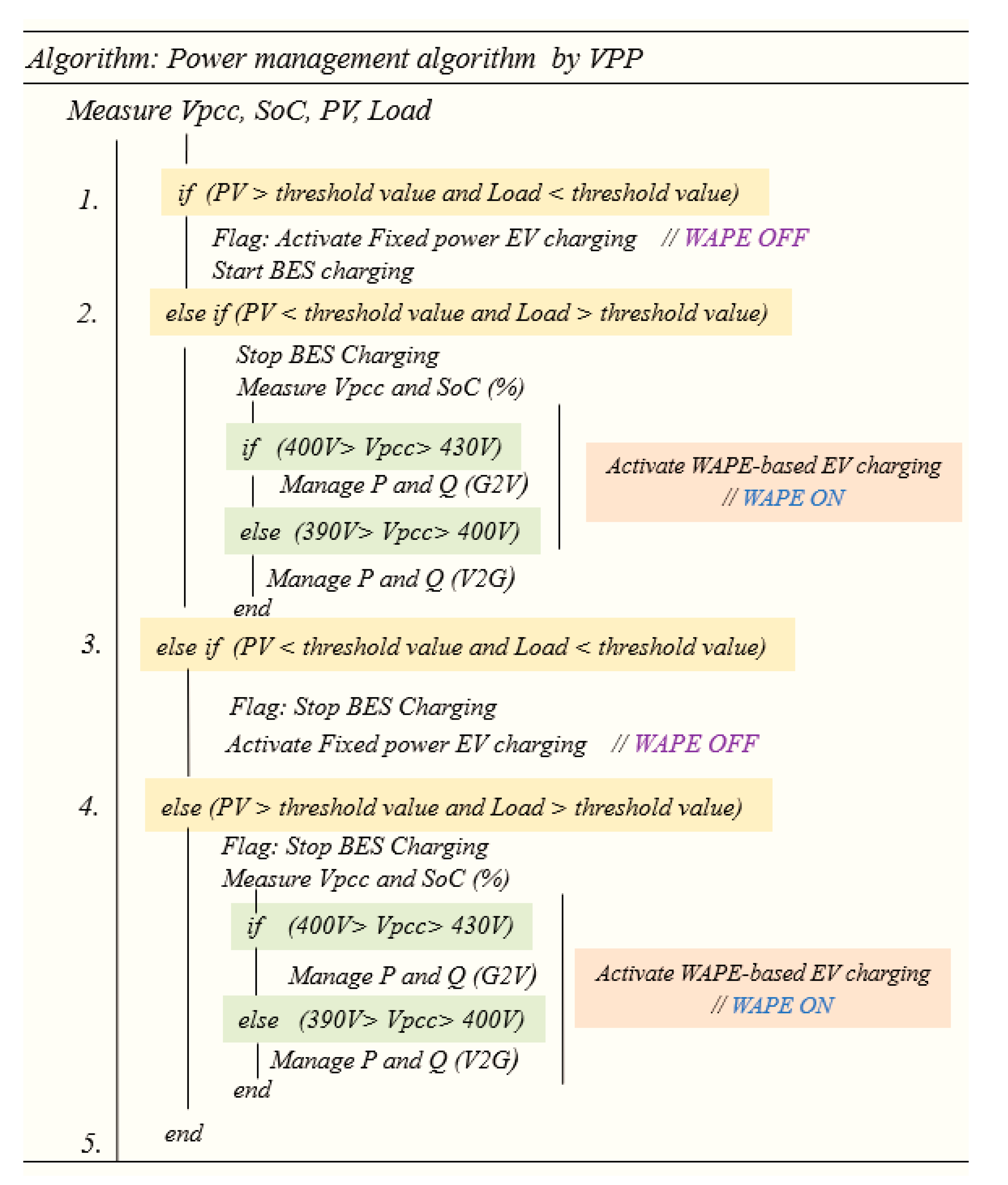
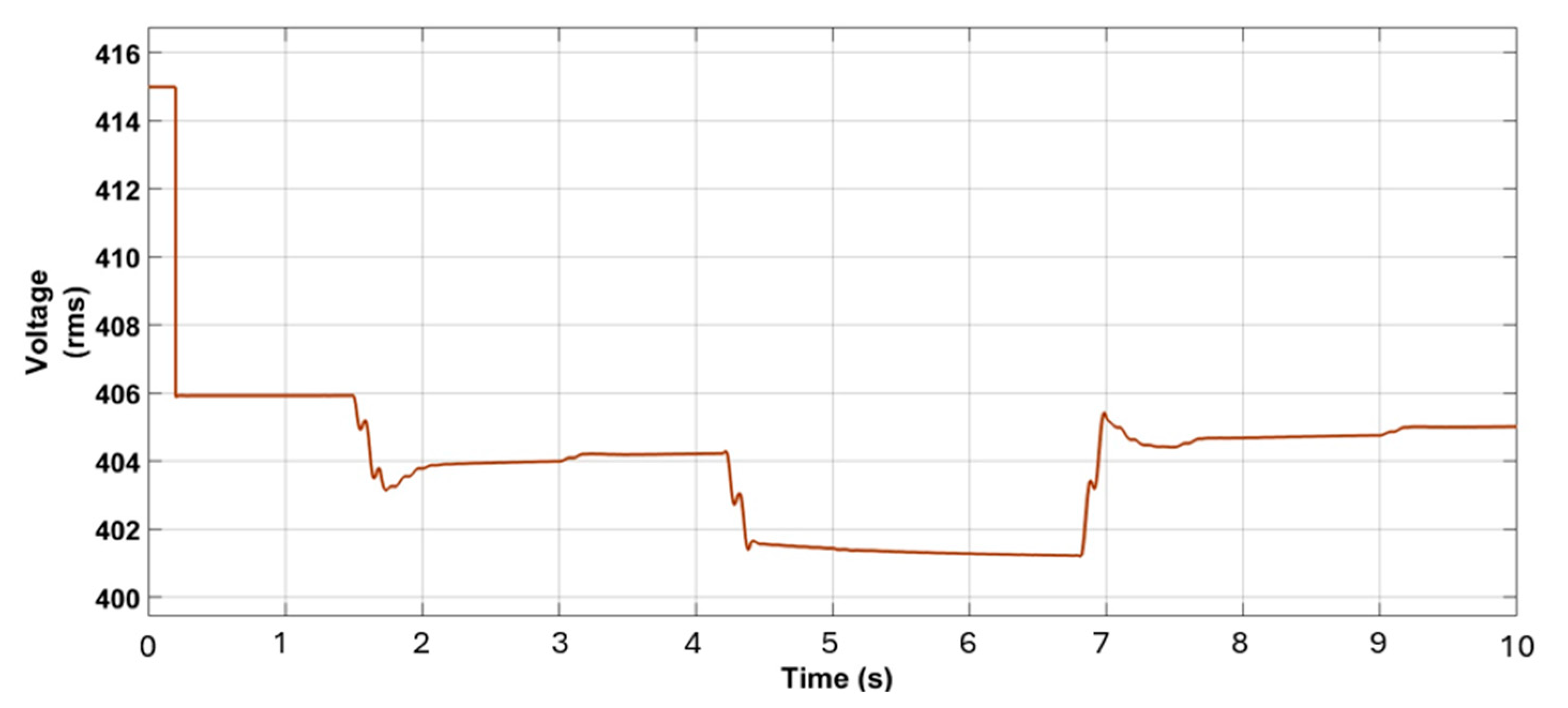
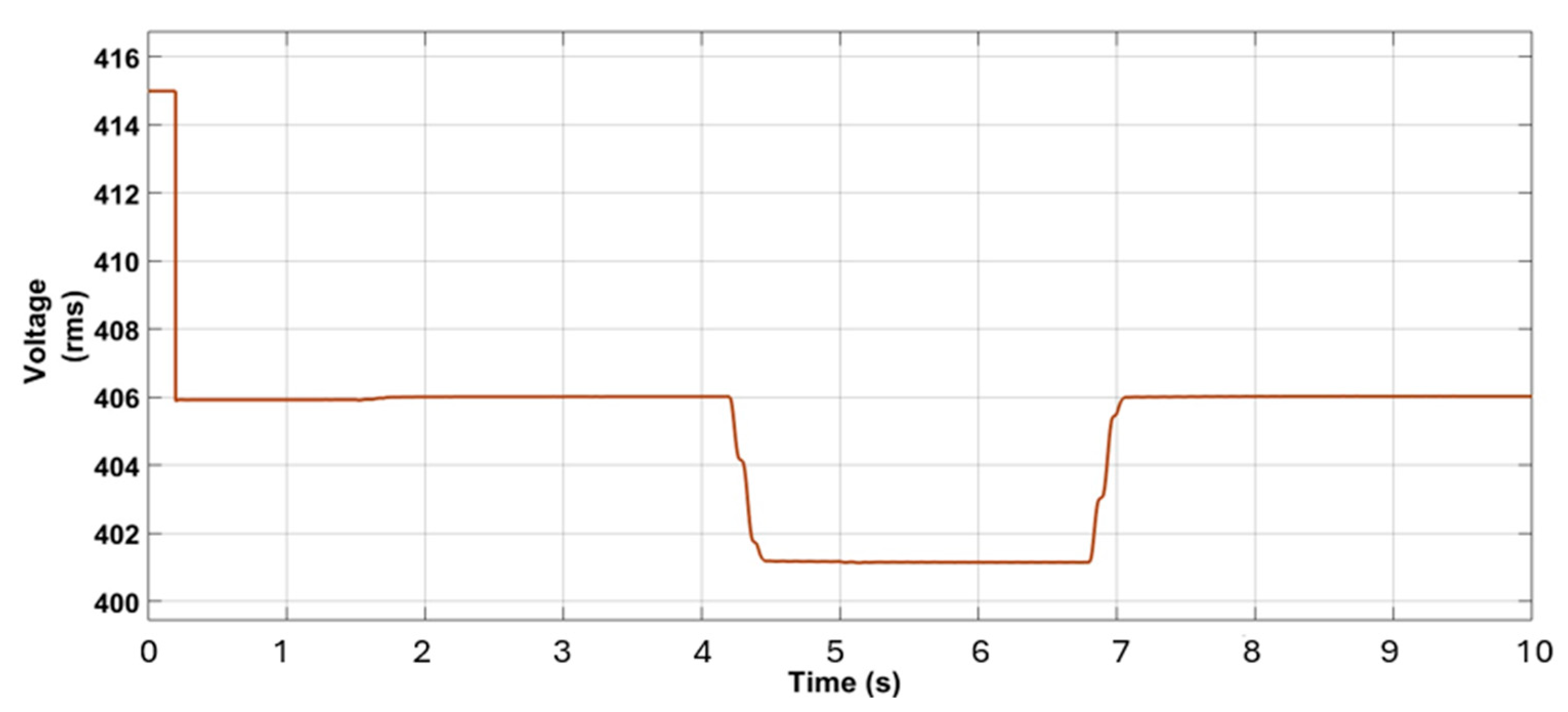
Figure 12, respectively, depict the EV charging schedule and the resulting grid voltage profile in response to PV output variations. During periods of low PV output—up to 4.2 s—when PV output is between 1 kW and 2.5 kW, the VPP employs a WAPE-based charging control strategy. Under this mode, the EV at bus 646 charges at a constrained rate of 3 kW, which is below its maximum charging capability, to alleviate pressure on the grid. This results in a stabilized PCC voltage around 404 V, as illustrated in
Figure 12. Additionally, the WAPE-based strategy enables the VPP to inject 6 kVAR of reactive power, thereby supporting voltage regulation and improving power quality during suboptimal PV conditions. In contrast, following the 4.2 s mark—representing the onset of peak solar generation—PV output increases gradually to approximately 5 kW. In response, the VPP suspends the WAPE-based algorithm, allowing EVs to charge at their full charging power of 6 kW. This operational shift ensures optimal utilization of the available renewable energy while significantly reducing the EV charging time. During this phase, the grid voltage at bus 646 remains steady at about 401 V, which is within acceptable limits, as shown in
Figure 10. These findings confirm the VPP’s ability to maintain voltage stability even under PV output variations.
4.1.2. EV Scheduling Based on Load Profile
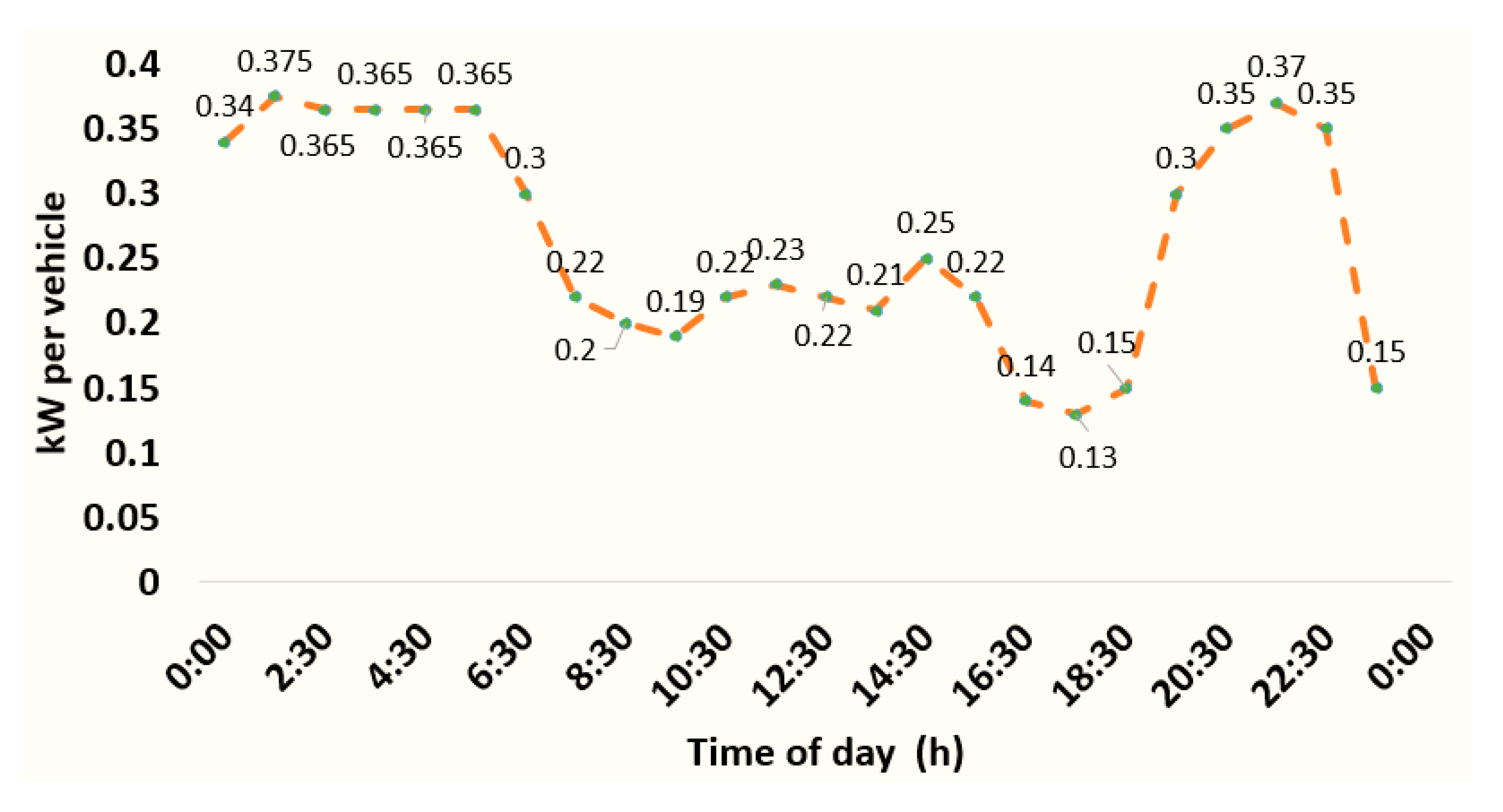
Drawing on the residential energy consumption patterns per household in Brisbane, as illustrated in
Figure 3, a representative load profile was constructed to assess the proposed VPP framework’s performance under varying load conditions.
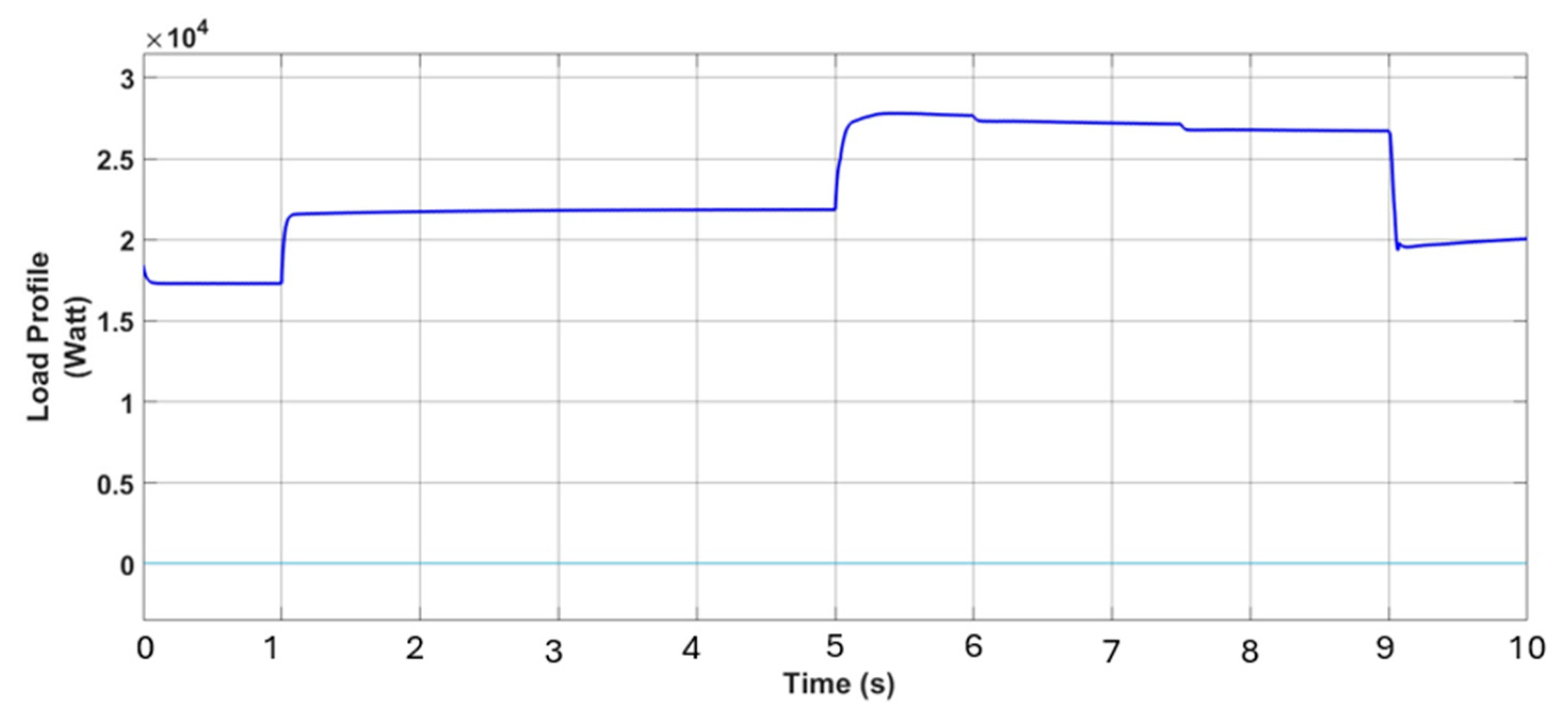
Figure 13 shows the load demand of the EV charging station, categorized into peak and off-peak hours.
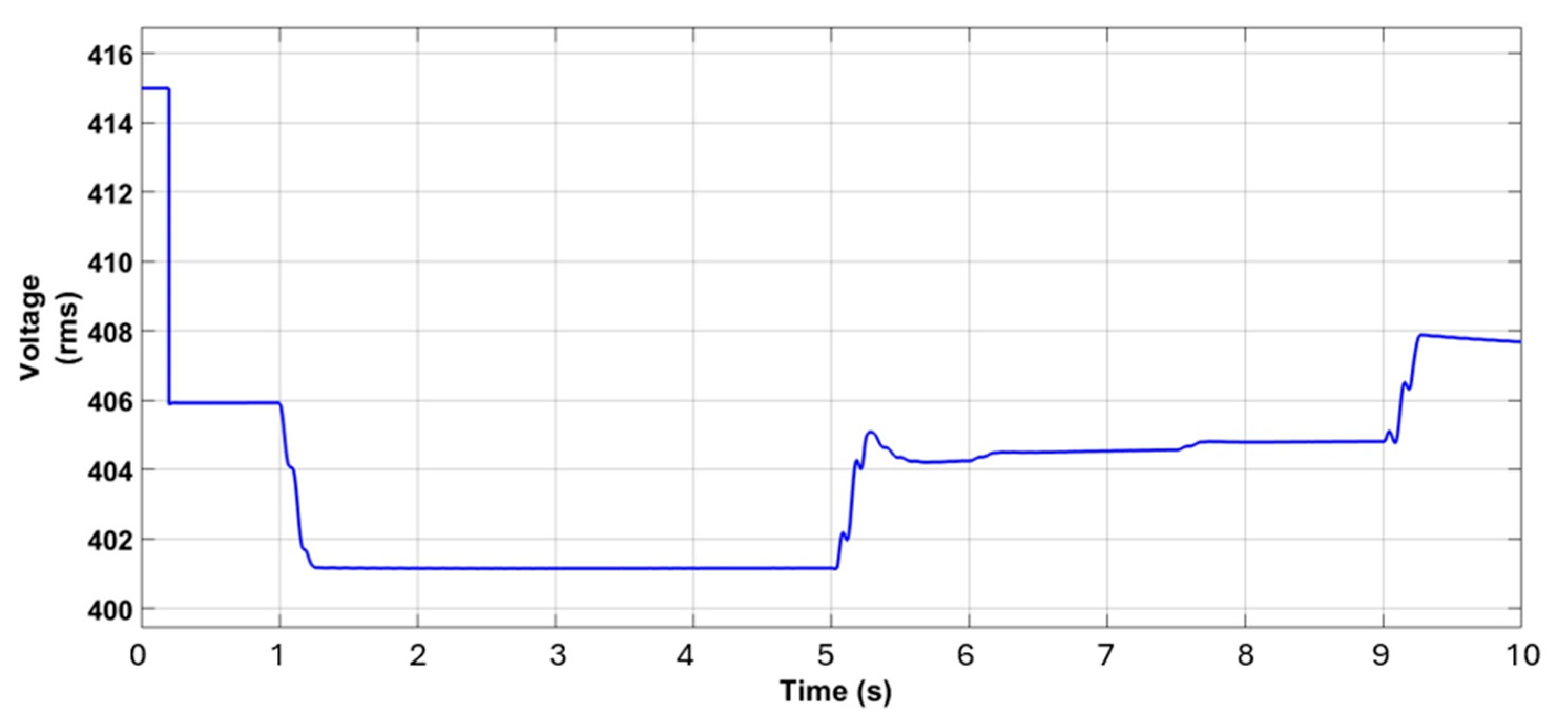
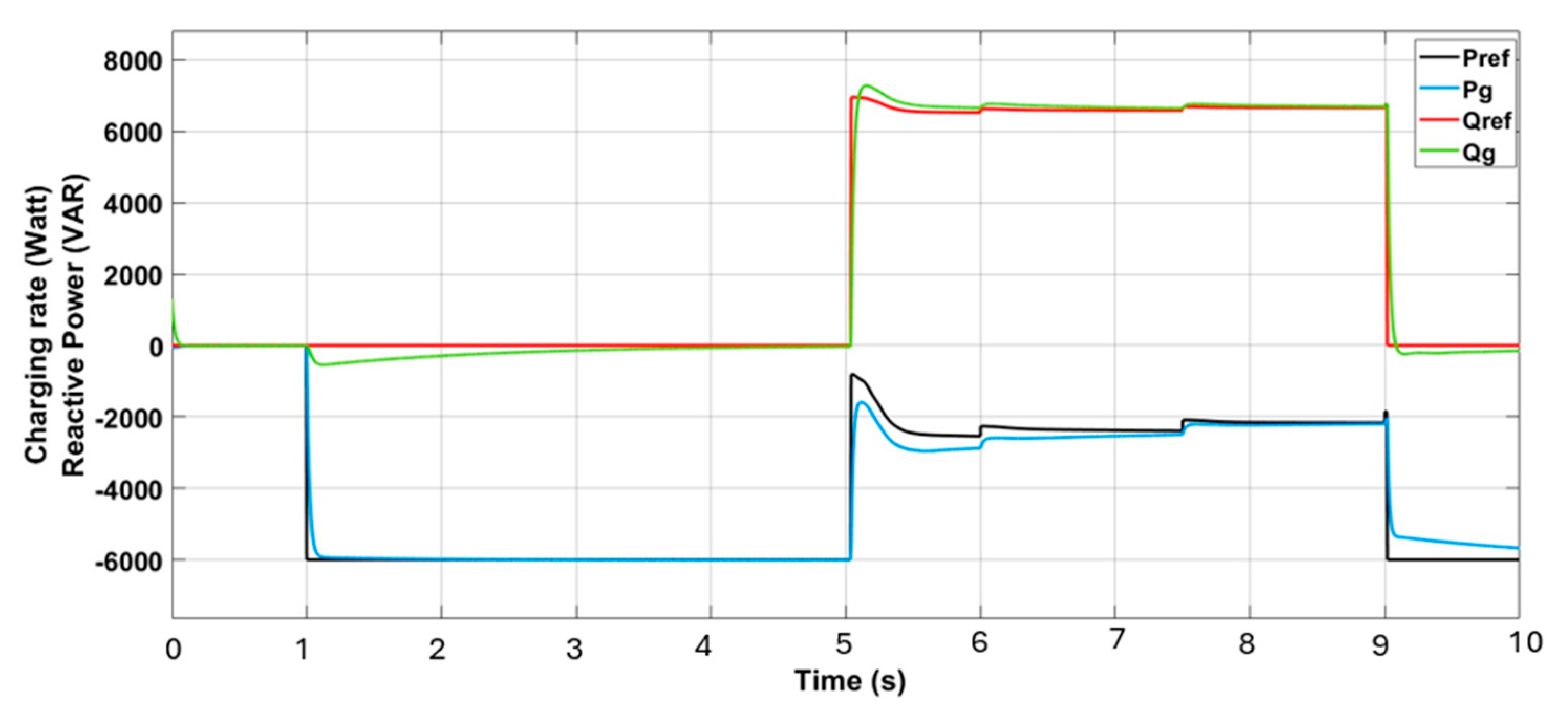
Figure 14 and
Figure 15 present the respective EV charging schedules and the corresponding grid voltage profiles for both peak and off-peak load scenarios. During peak demand, occurring between 5 s and 9 s, the VPP activates the WAPE-based charging strategy to optimize active power drawn by the EVs. In this period, the charging power for the EV connected at bus 611 is limited to 3.4 kW, effectively maintaining grid voltage stability around 404 V. Additionally, this control strategy allows the EVs to inject approximately 6.5 kVAR of reactive power to the grid (V2G), further supporting voltage regulation and enhancing overall grid performance. In contrast, during the off-peak intervals—spanning from 0 s to 4.9 s and from 9.1 s to 10 s—the VPP permits the EVs to operate at their full charging power of 6 kW. This facilitates reduced charging times and maximized utilization of the available generation during low-demand periods. Throughout these intervals, the grid voltage at bus 611 remains within the permissible operational range of 401 V to 408 V, as depicted in
Figure 14, with no adverse voltage observed. Reactive power support is not needed or provided during off-peak hours due to low system stress.
4.1.3. Case 3: BES Charging Scheduling
This scenario highlights the operational efficiency of the proposed VPP framework in managing BES charging schedules in response to the fluctuations in PV generation. The implemented control strategy utilizes a representative summer PV generation profile in Brisbane, as illustrated in
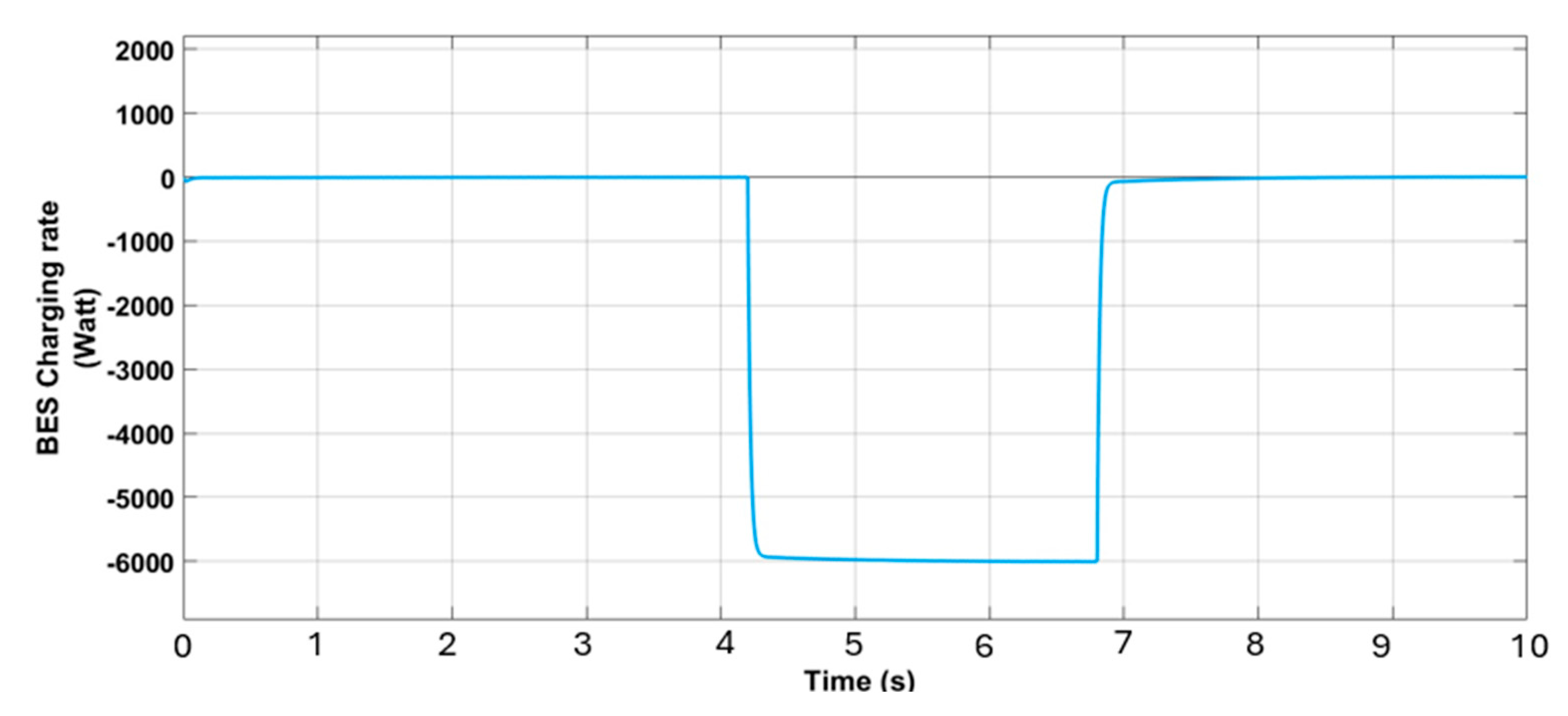
Figure 10. During the peak solar generation interval (4.2 s to 6.8 s), the VPP authorizes BES charging, while it restricts charging during periods of low PV output (from 0 s to 4.2 s and from 6.8 s to 10 s), as illustrated in
Figure 16. This targeted scheduling approach ensures that excess renewable energy is effectively captured and stored during times of high availability, thereby alleviating the burden on the grid and improving overall energy utilization. This analysis considers a BES unit with a capacity of 20 kWh and a charging power of 6 kW. The resulting grid voltage profile during the charging interval is shown in
Figure 17, where a stable voltage level of approximately 401 V (during 4.2 s to 6.8 s) is consistently maintained. Additionally, the energy stored in the BES during peak generation is reserved for discharge during evening peak load times, especially when EV charging demand is elevated and photovoltaic generation is unavailable.
4.1.4. Case 4: V2G Support to the Grid
This scenario highlights the VPP’s role in enabling V2G services via EV discharging, thereby enhancing the grid’s voltage profile. Specifically, the VPP activates the WAPE-based control algorithm to enable connected EVs to operate in reverse mode, supplying active power back into the grid. The V2G function is triggered when the system detects that the grid voltage has dropped into a predefined critical range—typically between 390 V and 400 V—indicating a demand for supplementary power support. Once this voltage condition is met, and with the consent of the EV owner, the VPP initiates the discharging process.
Figure 18 and
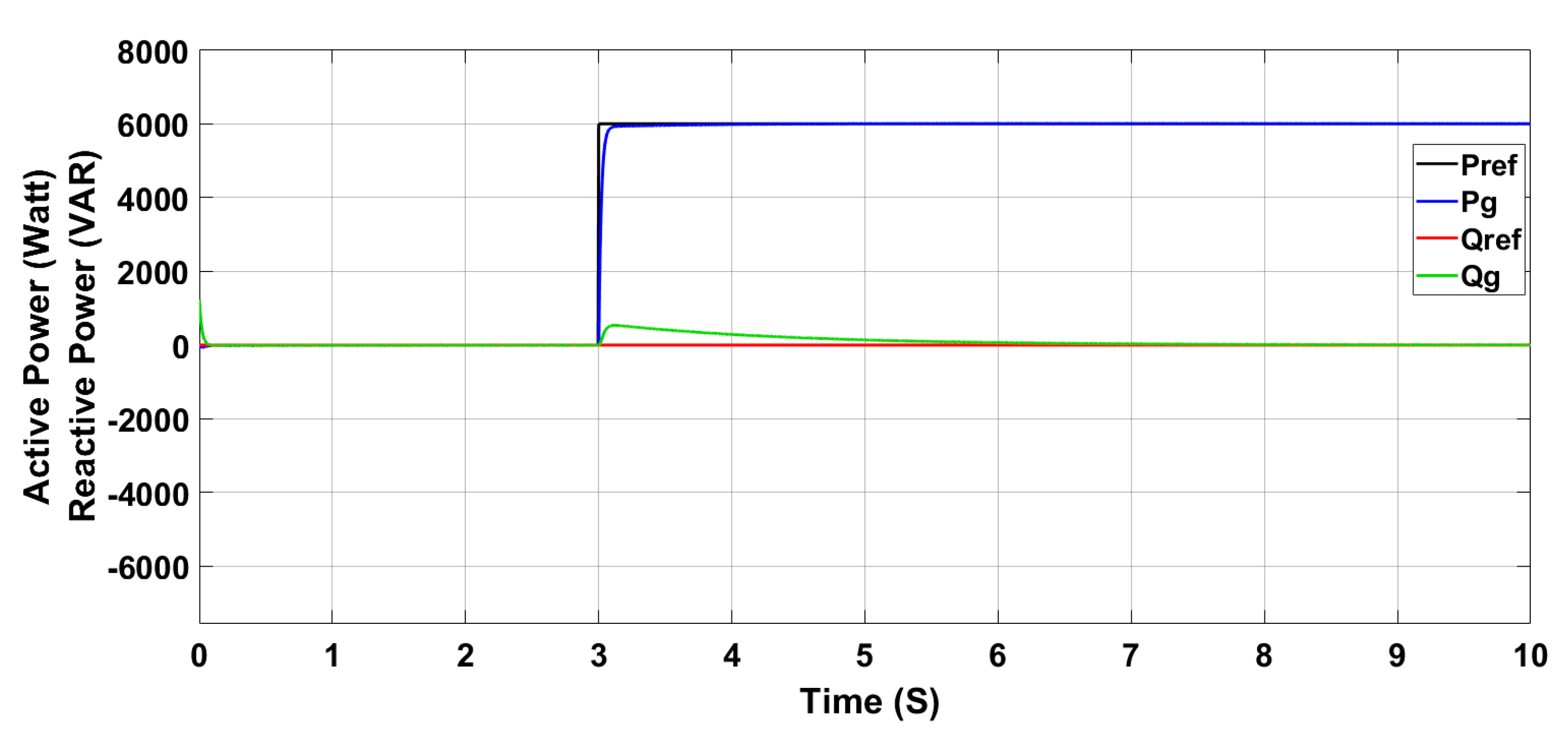
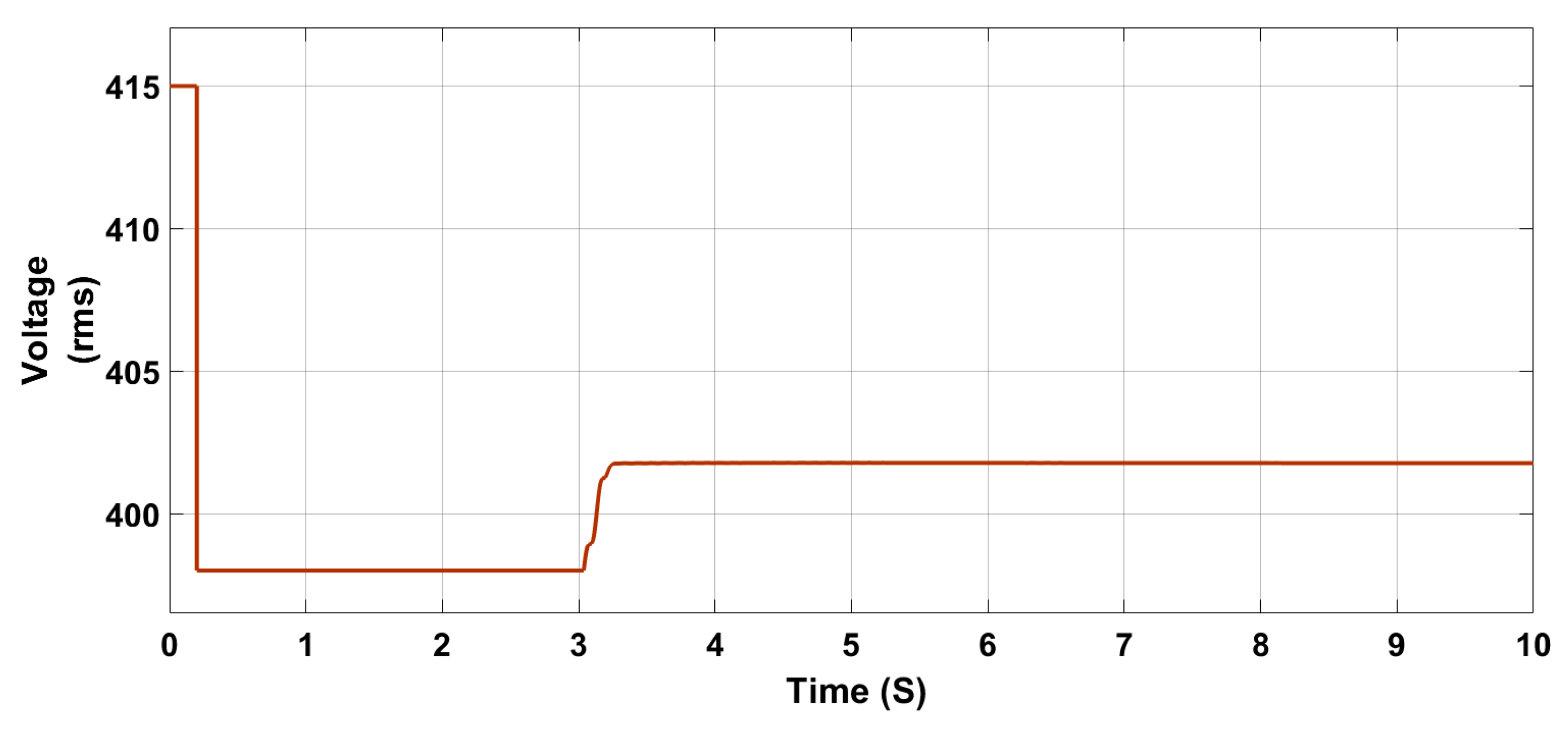
Figure 19 show the active power discharging profile of the EV and the corresponding grid voltage response, respectively. In
Figure 18, the positive power values indicate the active power delivered from EV to grid.
In this case study, it is assumed that an EV arrives at the designated charging station connected to bus 634 at 3 s, possessing sufficiently elevated SoC, while the initial grid voltage is approximately 396 V. EV starts to deliver 6 kW of active power back to the network, thereby supporting local voltage restoration. As illustrated in
Figure 19, the coordinated V2G operation elevates the grid voltage from 396 V to approximately 402 V through active power injection during discharging mode which demonstrates the effectiveness of the VPP control strategy in enhancing voltage stability.
4.2. Dynamic Power Voltage Stability Margin and Charging Time
This section evaluates VPP’s capability in enhancing voltage regulation and reducing EV charging duration. To quantify the effectiveness of incorporating VPP, the Voltage Stability Margin (VSM) has been calculated using Equations (14) and (15). VSM is a critical parameter in power system analysis, serving as an indicator of the system’s ability to maintain stable voltage levels under varying operating conditions. A feeder exhibiting the lowest VSM is identified as the most vulnerable or weakest feeder within the network [
24].
VR—Receiving end voltage.
VS—Sending end voltage.
Voltage stability Margin [
23],
The VSM value varies from 0 to 1, with higher values indicating a robust and stable voltage profile, while lower values denote elevated susceptibility to voltage instability and potential system collapse. VSM is evaluated using the loading index, which is derived from the relationship between the sending-end and receiving-end voltages. Equations (14) and (15) define the mathematical formulation of the loading index and the corresponding VSM. Since the overall system index is obtained by multiplying the loading indices of all buses, the proposed method is capable of calculating VSM for large-scale and complex distribution networks as well.
4.2.1. Voltage Stability Margin
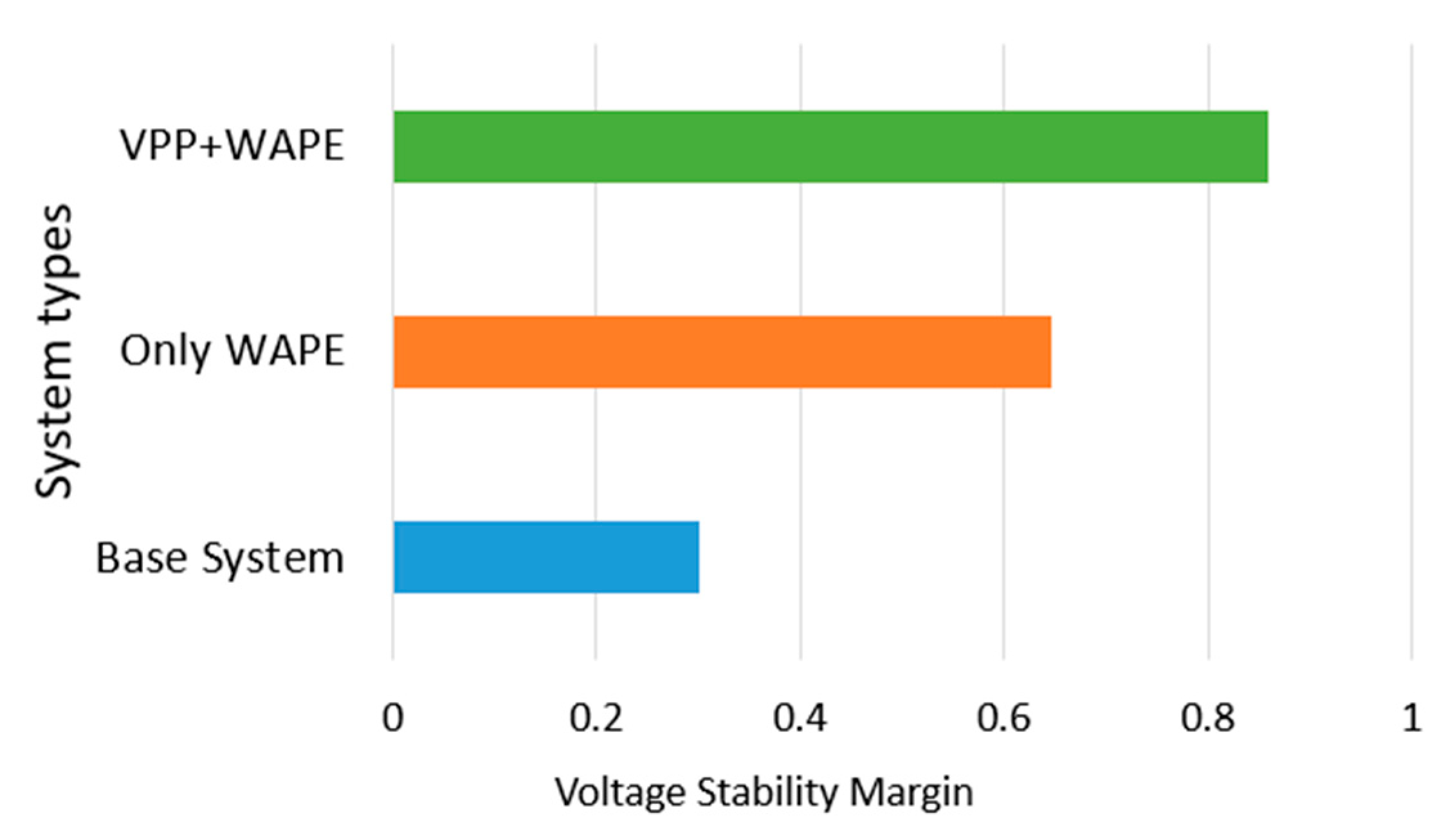
Figure 20 provides a comparative analysis of VSM across three configurations of EV charging systems to examine the effects of including a VPP. The first configuration represents the base case. The base case scenario is developed using the same network configuration illustrated in
Figure 6 to provide a reference for performance comparison. In this case, EV charging operates in an uncontrolled manner, meaning that no WAPE-based regulation or VPP coordination is applied. The charging process follows a conventional fixed-rate approach without considering grid voltage variations, PV generation, or BES interaction. This scenario serves as a benchmark to evaluate the effectiveness of the proposed WAPE-based VPP framework in calculating
VSM. In this scenario, the VSM is measured at 0.34, signifying a system highly prone to voltage instability and potential collapse. The second configuration incorporates the WAPE controller, which improves the Voltage Stability Margin (VSM) to 0.67, indicating a significant enhancement in system robustness through effective reactive power support during EV charging. However, the VPP framework is not activated in this configuration; hence, energy generation and consumption monitoring are not included in the system operation.
The third configuration combines both WAPE and VPP functionality. The integrated framework achieves a VSM of 0.84, indicating a substantially improved voltage stability and a more robust power system infrastructure, representing a 147% enhancement compared to the base system’s VSM of 0.34. The observed increase in VSM indicates that the coordinated control between the VPP and WAPE mechanisms not only mitigates voltage deviations but also optimizes active and reactive power flow within the network.
4.2.2. Charging Time Reduction
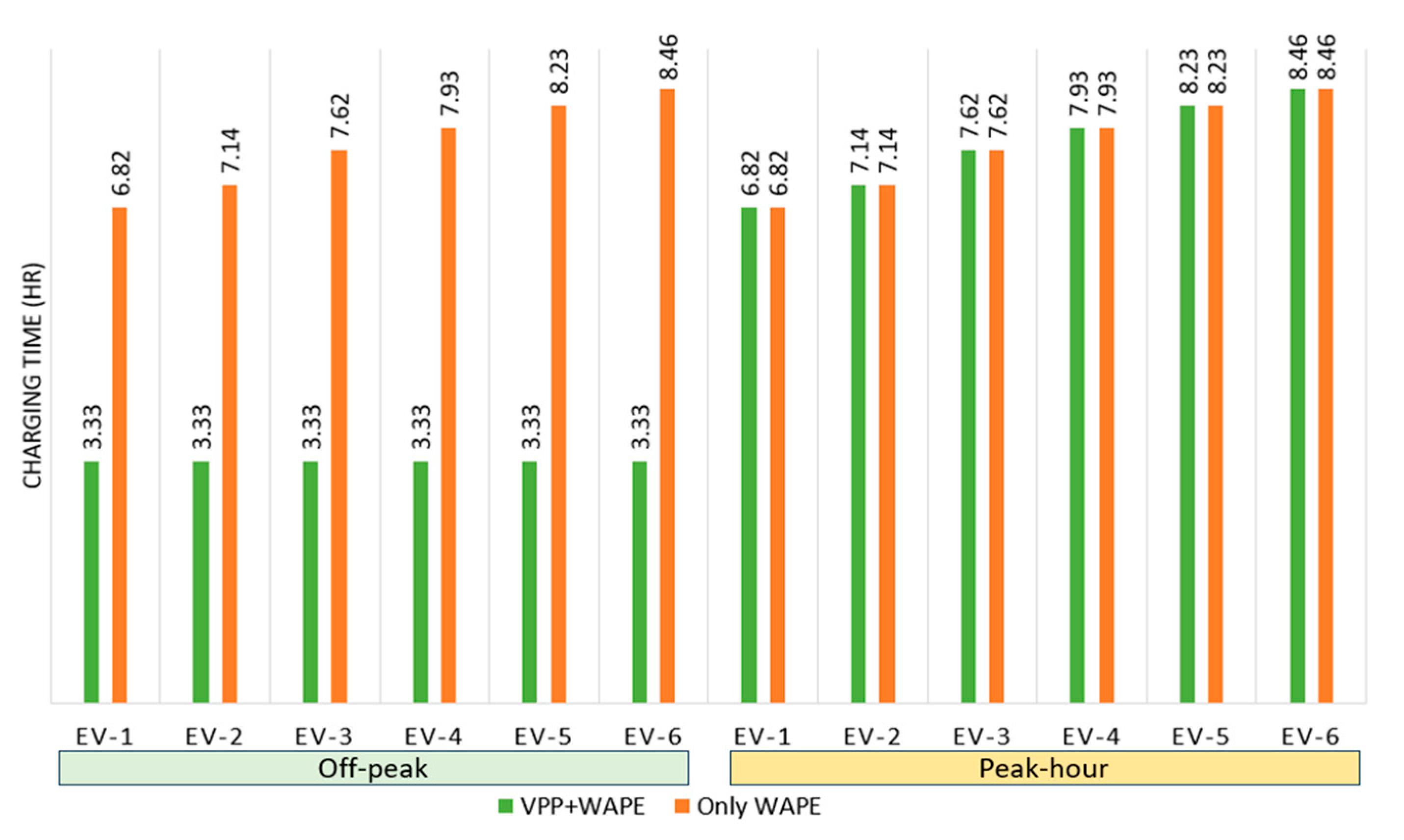
This section provides a detailed analysis of the VPP’s effectiveness in optimizing EV charging times across different load conditions. The analysis examines two operational configurations: (i) a system operating solely with the WAPE controller, and (ii) a system incorporating both the VPP and WAPE controllers. Charging performance was evaluated during two key timeframes—peak and off-peak periods—using a standardized 20 kWh battery capacity for each EV.
Figure 21 presents a comparative analysis of the charging durations required for multiple EVs across the configurations and timeframes. The results reveal that during peak-load periods, both configurations yield similar charging duration due to the continued application of the WAPE control strategy, which controls charging power to mitigate stress on the power grid and maintain grid voltage. However, during off-peak periods, the VPP assumes a more dynamic role by deactivating the WAPE constraints, thereby permitting EVs to charge at their maximum allowable rate (i.e., full-power charging). This results in a significant reduction in total charging time for all EVs within the system. For example, EV-6 required about 8.46 h to fully charge during the off-peak period when only WAPE control was used. When VPP with WAPE was implemented, the charging duration decreased by 60%, taking just 3.33 h. This reduction in charging time is consistent across all other EVs, demonstrating the overall effectiveness of the VPP-based scheduling strategy. Typically, buses located closer to the source exhibit higher voltage levels compared to those farther away. This occurs due to line losses, voltage drops, and network impedance effects along the distribution feeders. Since the WAPE continuously monitors the grid voltage across the system and adjusts the EV charging rate accordingly, buses located farther from the source experience reduced charging rates and consequently longer charging times.
In the proposed VPP framework, the system continuously monitors PV generation and load consumption to determine whether the WAPE controller should be activated. This coordinated operation enables the efficient utilization of off-peak load periods and maximum PV generation, thereby reducing EV charging time by allowing the full charging rate of 6 kW when favorable conditions are met. In this study, the EV charging time is determined based on the charging rate, which varies according to the PV generation output and load demand pattern. The influence of charging price and dynamic tariff structures is not considered in the current analysis and will be addressed in future research to enhance the economic assessment of the proposed framework.
5. Conclusions
This study introduces a Virtual Power Plant (VPP) framework intended to enable dynamic power management at EV charging stations. The framework integrates essential features such as dynamic EV scheduling, BES charging coordination, PV generation monitoring, and adaptive load management. It also enables bidirectional V2G interaction, allowing grid support via both active and reactive power contributions. The simulation results affirm the efficacy of the proposed VPP framework, demonstrating a substantial improvement in voltage stability margin—rising from 0.34 in the base system to 0.84 with the VPP implementation—indicating a 147% enhancement while keeping the grid voltage at PCC within the acceptable range. Moreover, the VPP contributes to a significant reduction in EV charging duration from 8.46 h to 3.3 h, achieving up to a 60% decrease during off-peak periods, thus improving charging efficiency. The VPP framework also supports bidirectional power flow with V2G technology, allowing EVs to both draw electricity and return stored energy to the grid, which helps regulate voltage and reduce peak loads. By facilitating coordination among DERs, the proposed VPP framework provides a solution designed to support the goals of future smart grids and the integration of high-penetration renewable energy resources.
The proposed VPP framework is compatible with real-time electricity markets and tariff-based operation, as the supervisory VPP layer can readily incorporate external price signals or market dispatch commands to enable or disable V2G operation and adjust EV charging strategies accordingly. A comprehensive techno-economic assessment integrating battery aging models, real-time tariffs, and market participation strategies is identified as an important direction for future research. Future work will also focus on empirical tuning of the WAPE weighting factors using data-driven or learning-based methods, explicit modeling of communication delays, and integration of dynamic pricing and battery degradation costs. Further validation on large-scale distribution networks with heterogeneous EV and BES populations, as well as hardware-in-the-loop or experimental testing, will be pursued to strengthen real-world applicability of VPP based EV integration.