Article

Data-Driven Battery Remaining Life Prediction Based on ResNet with GA Optimization

School of Automobile and Traffic Engineering, Guangzhou City University of Technology, Guangzhou 510850, China
*
Author to whom correspondence should be addressed.
World Electr. Veh. J. 2025, 16(5), 267; https://doi.org/10.3390/wevj16050267
Submission received: 11 April 2025 / Revised: 6 May 2025 / Accepted: 9 May 2025 / Published: 14 May 2025

Abstract

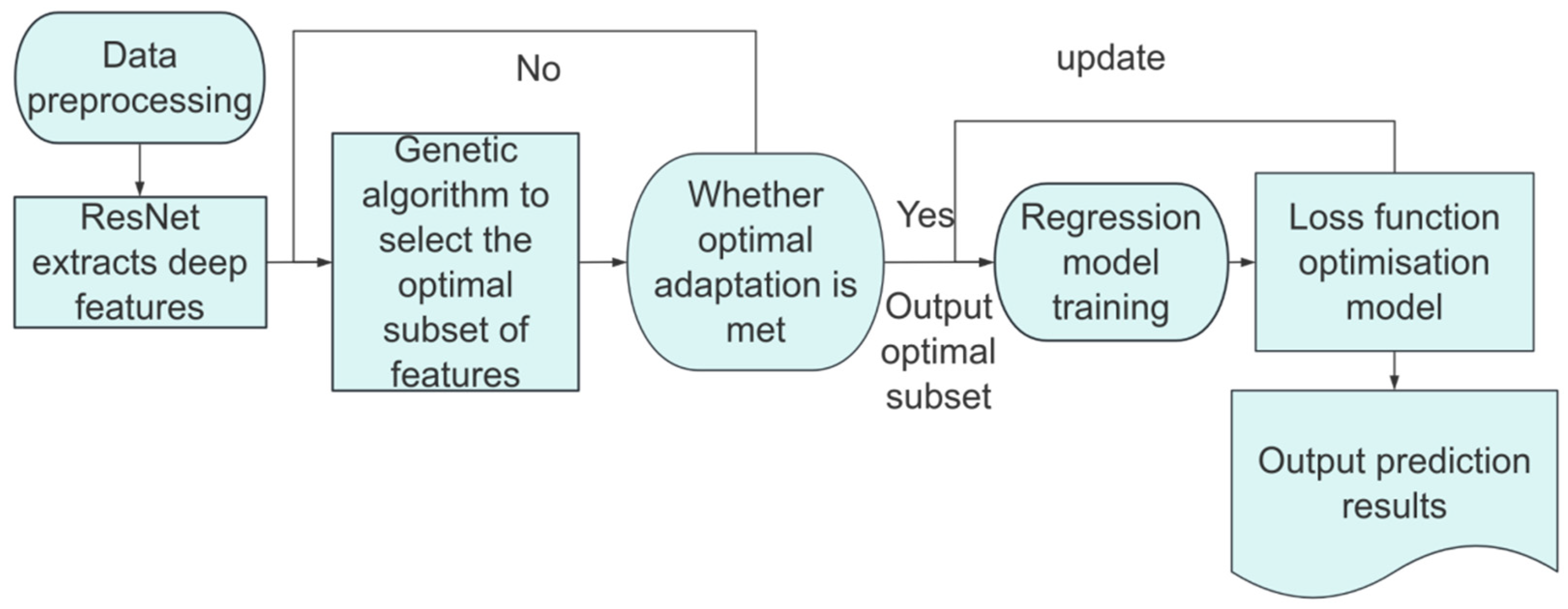
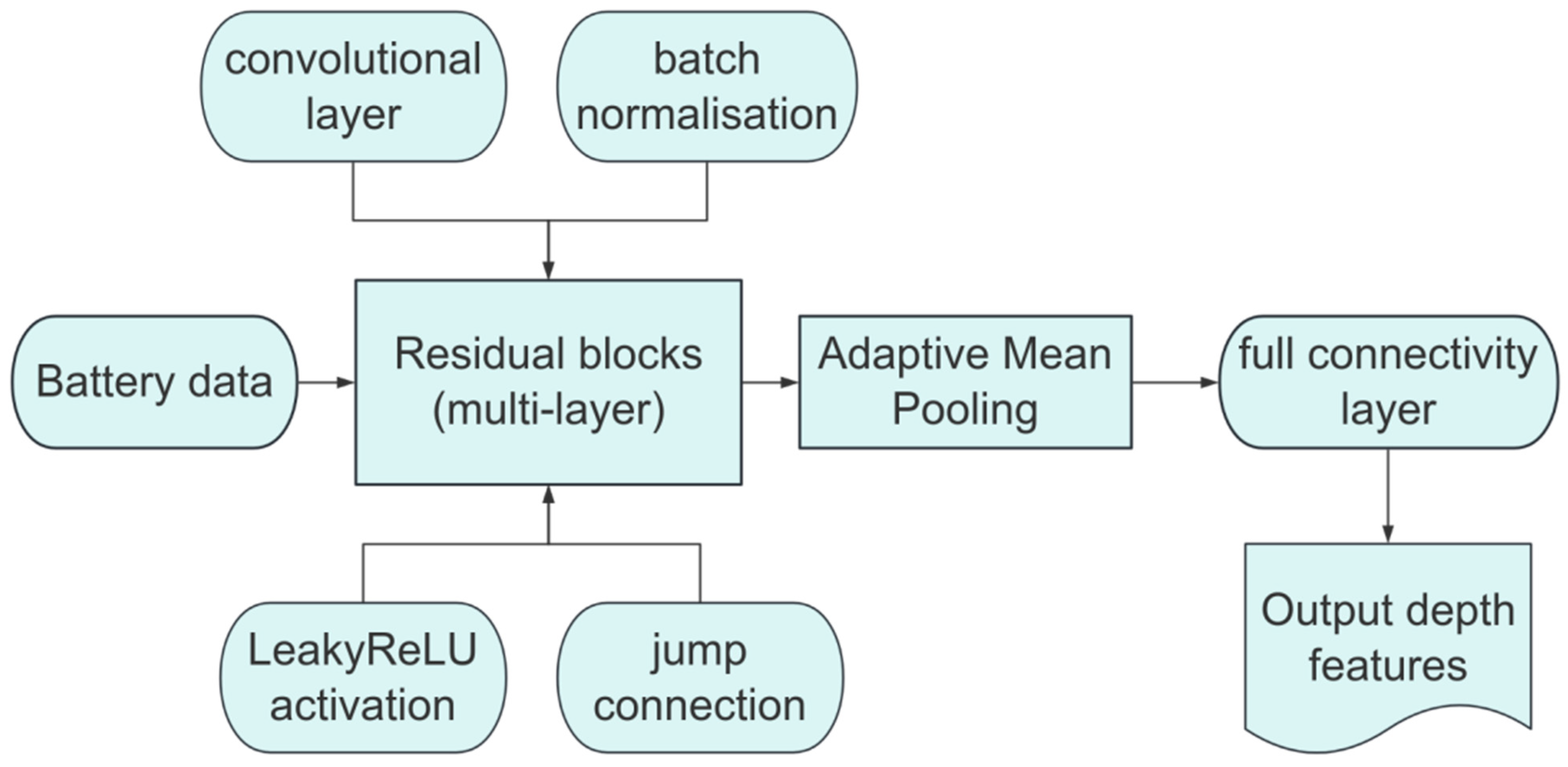
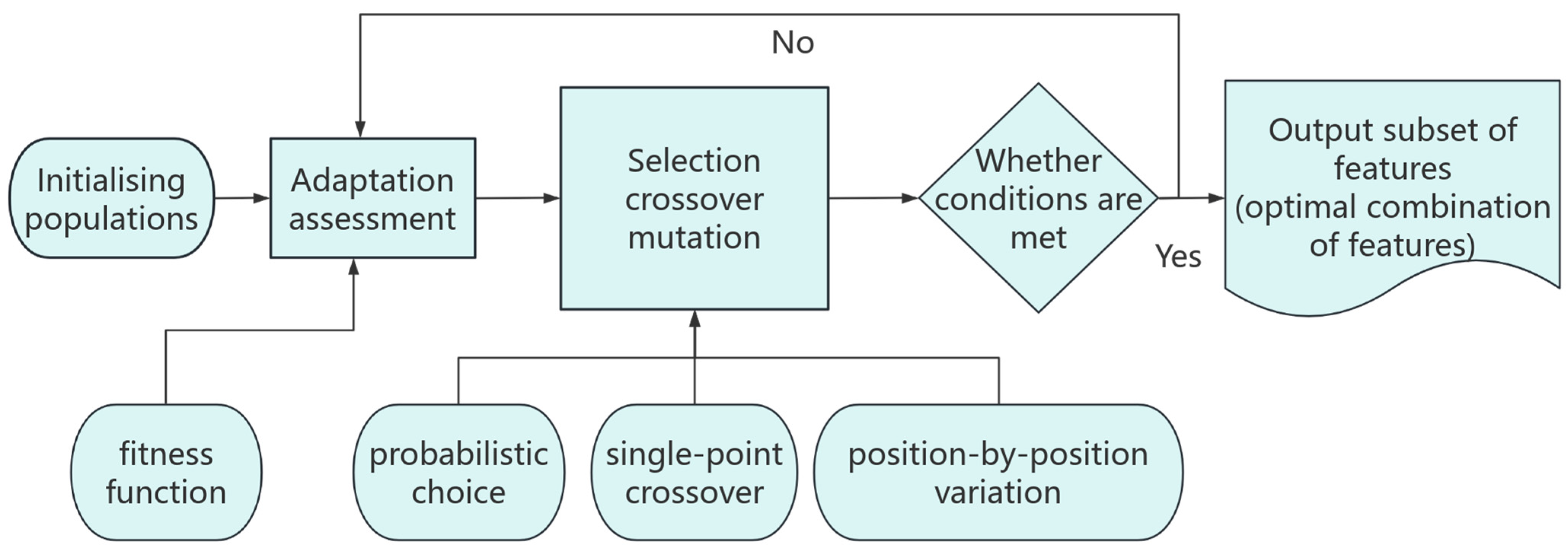
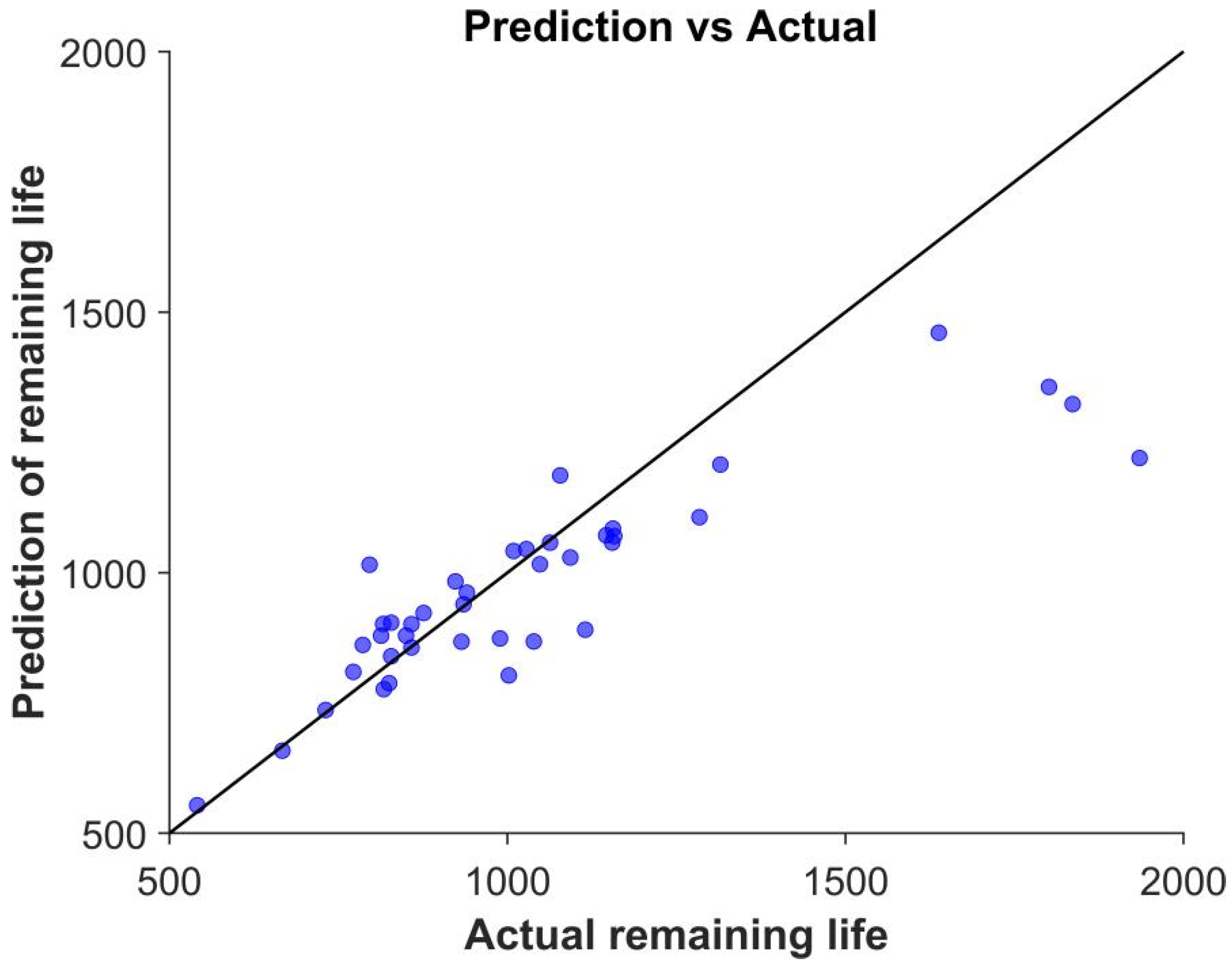
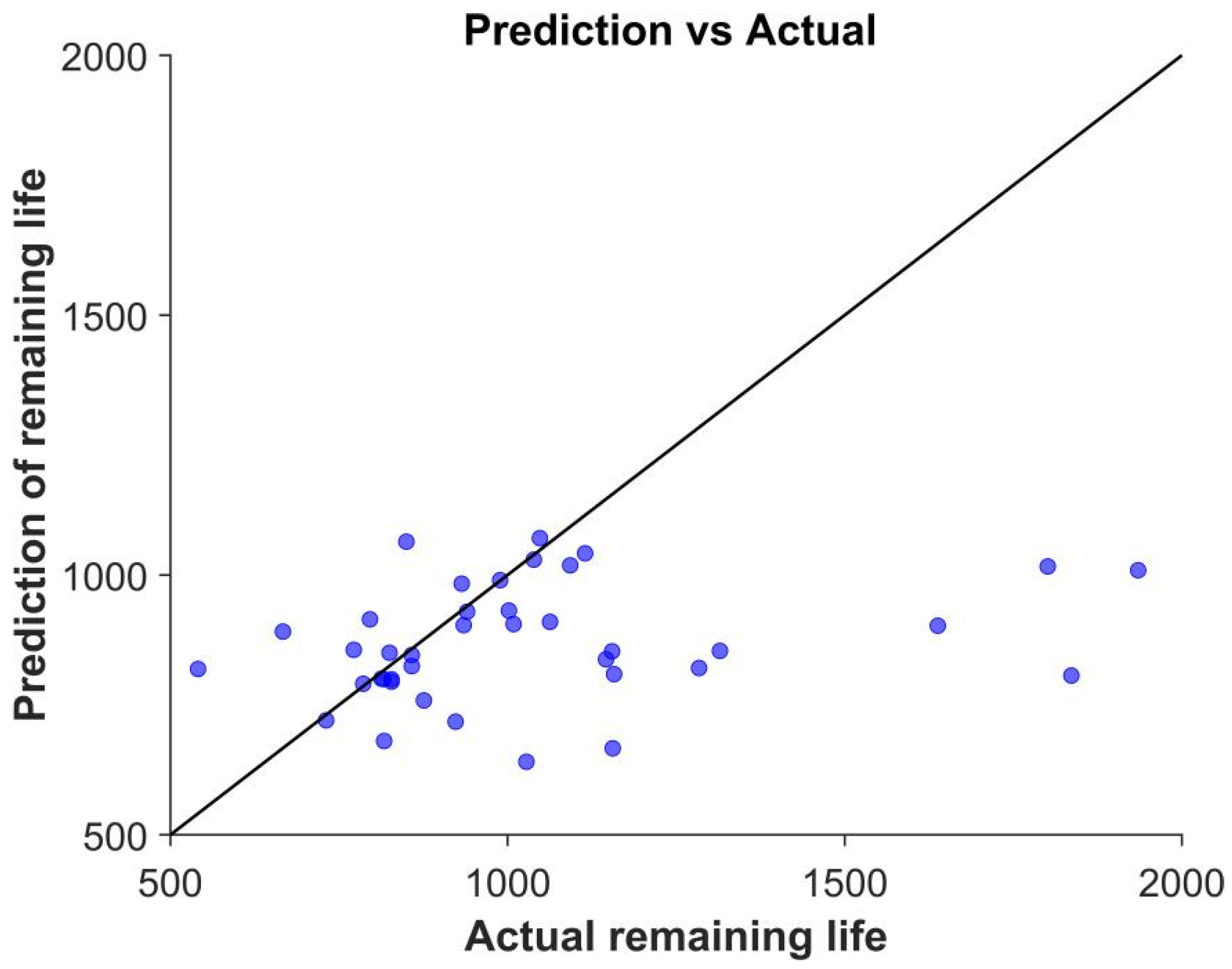
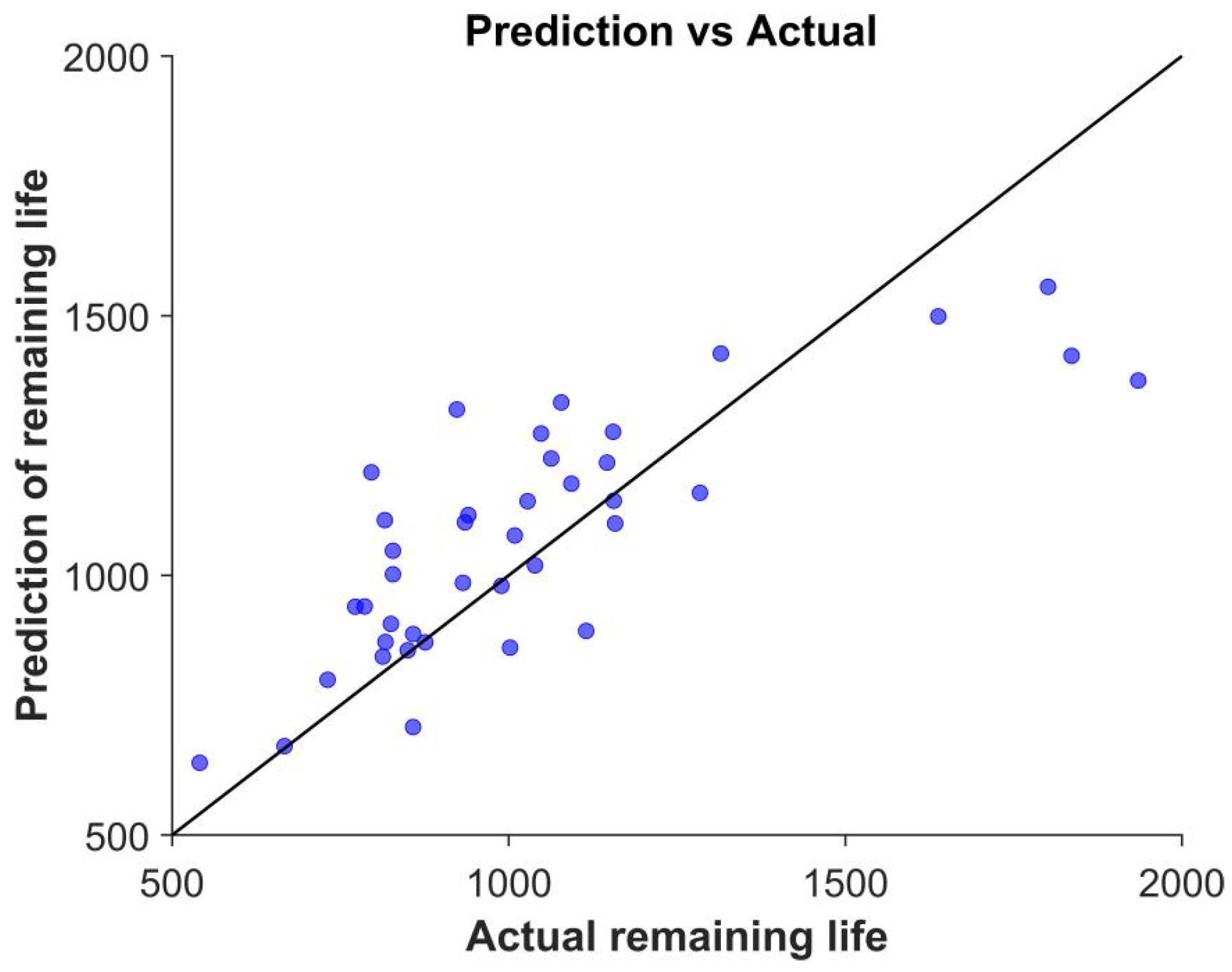
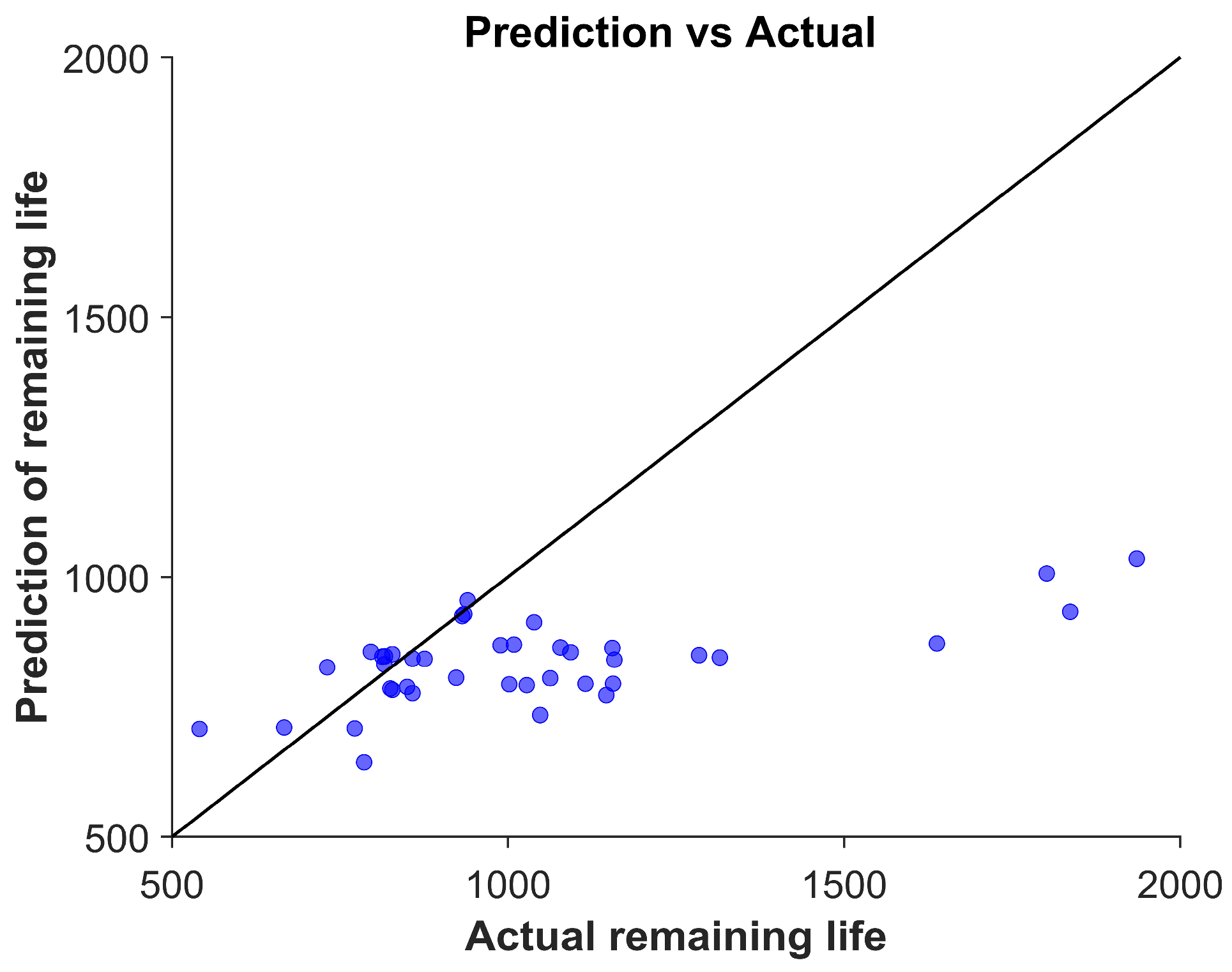
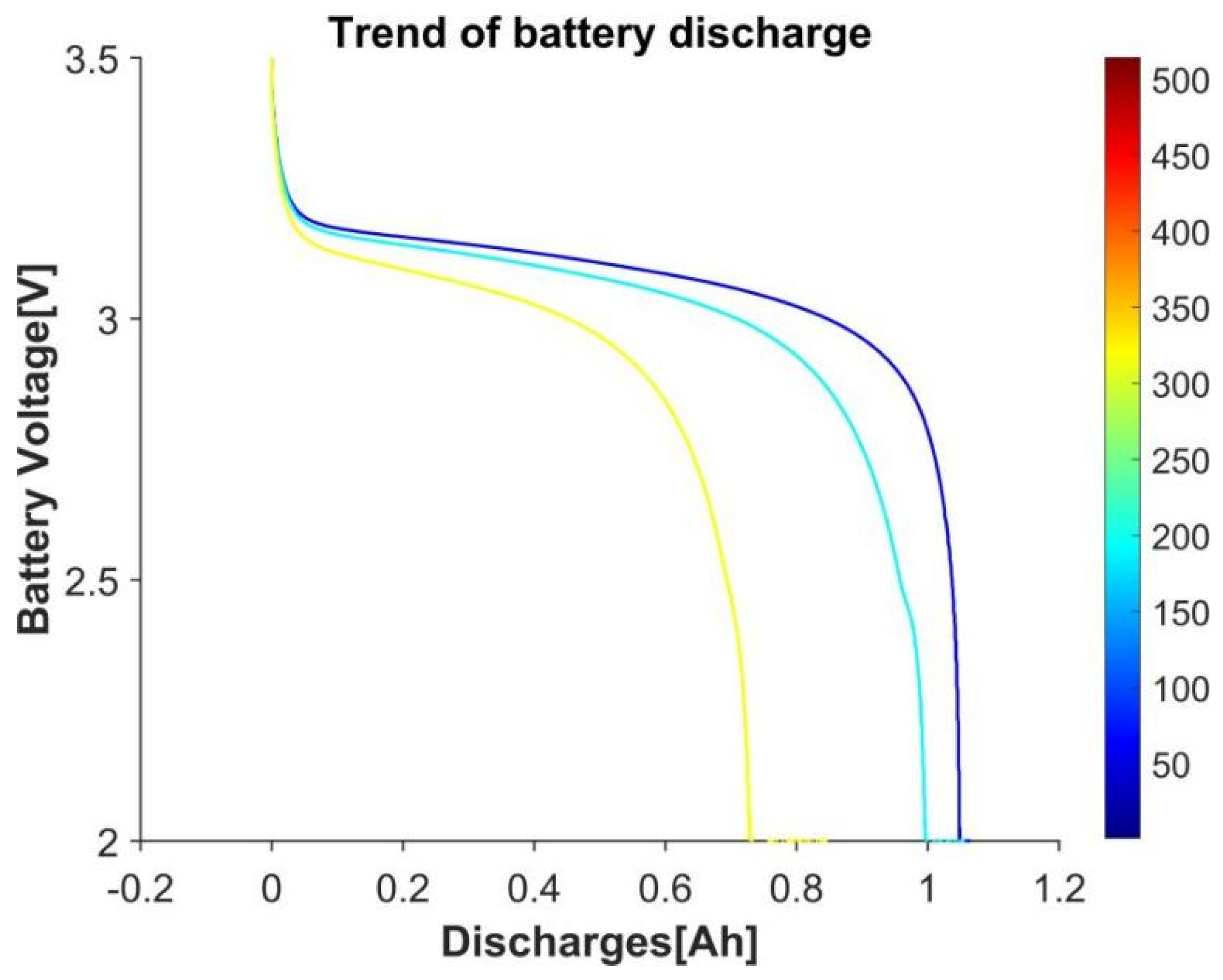
As lithium batteries are widely used in mobile electronic devices and electric vehicles, accurately assessing the Remaining Useful Life (RUL) of lithium-ion batteries is crucial to ensure the stable operation of the devices, improve energy efficiency, and safeguard user safety. Although data-driven methods show good prediction potential without the need to understand the reaction mechanism inside the battery, they face the problems of high data demand and feature redundancy that may reduce the model learning accuracy in practical applications. To this end, this paper proposes a data-driven lithium-ion battery life prediction method based on residual network (ResNet) and genetic algorithm (GA) optimization, which is designed to screen the features of the lithium-ion battery training data in order to effectively reduce the redundant features and improve the prediction performance of the model. Fourteen health features were first extracted during the charging and discharging phases of the battery. In order to reduce the usage of the dataset, only the first 100 cycles of the battery data were used, and the prediction error was about 9%. Secondly, the deep feature extraction capability of ResNet is utilized to effectively capture the complex patterns and subtle changes during battery decline to alleviate the problem of gradient disappearance. Meanwhile, in order to reduce the influence of redundant information, GA is used for health feature selection and optimization to screen out the most representative health features and enhance the generalization ability of the model. The experimental results obtained using the test set provided by the Massachusetts Institute of Technology (MIT), demonstrated the effectiveness and superiority of the proposed method.
Keywords: lithium-ion battery; data-driven; ResNet-GA; remaining lifetime lithium-ion battery; data-driven; ResNet-GA; remaining lifetime