Article

Ferroptosis Among the Antiproliferative Pathways Activated by a Lipophilic Ruthenium(III) Complex as a Candidate Drug for Triple-Negative Breast Cancer


by
Maria Grazia Ferraro
1,†,
Federica Iazzetti
2,†,
Marco Bocchetti
3,4,
Claudia Riccardi
5,
Daniela Montesarchio
5,
Rita Santamaria
2,*,
Gabriella Misso
4,
Marialuisa Piccolo
2,‡ and
Carlo Irace
2,*,‡
1
Department of Molecular Medicine and Medical Biotechnology, School of Medicine and Surgery, University “Federico II” of Naples, 80131 Naples, Italy
2
BioChem Lab, Department of Pharmacy, School of Medicine and Surgery, University “Federico II” of Naples, 80131 Naples, Italy
3
Department of Life Science, Health and Health Professions, Link Campus University, 00165 Rome, Italy
4
Department of Precision Medicine, University of Campania “Luigi Vanvitelli”, 80138 Naples, Italy
5
Department of Chemical Sciences, University “Federico II” of Naples, 80126 Naples, Italy
*
Authors to whom correspondence should be addressed.
Co-first authors.
Co-last authors.
Pharmaceutics 2025, 17(7), 918; https://doi.org/10.3390/pharmaceutics17070918

Submission received: 18 June 2025 / Revised: 11 July 2025 / Accepted: 14 July 2025 / Published: 16 July 2025
(This article belongs to the Section Drug Targeting and Design)

Abstract

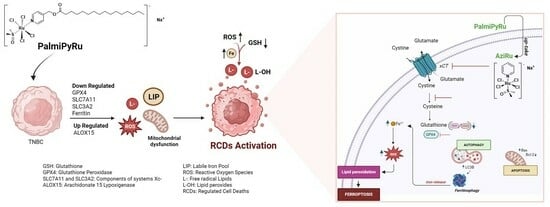
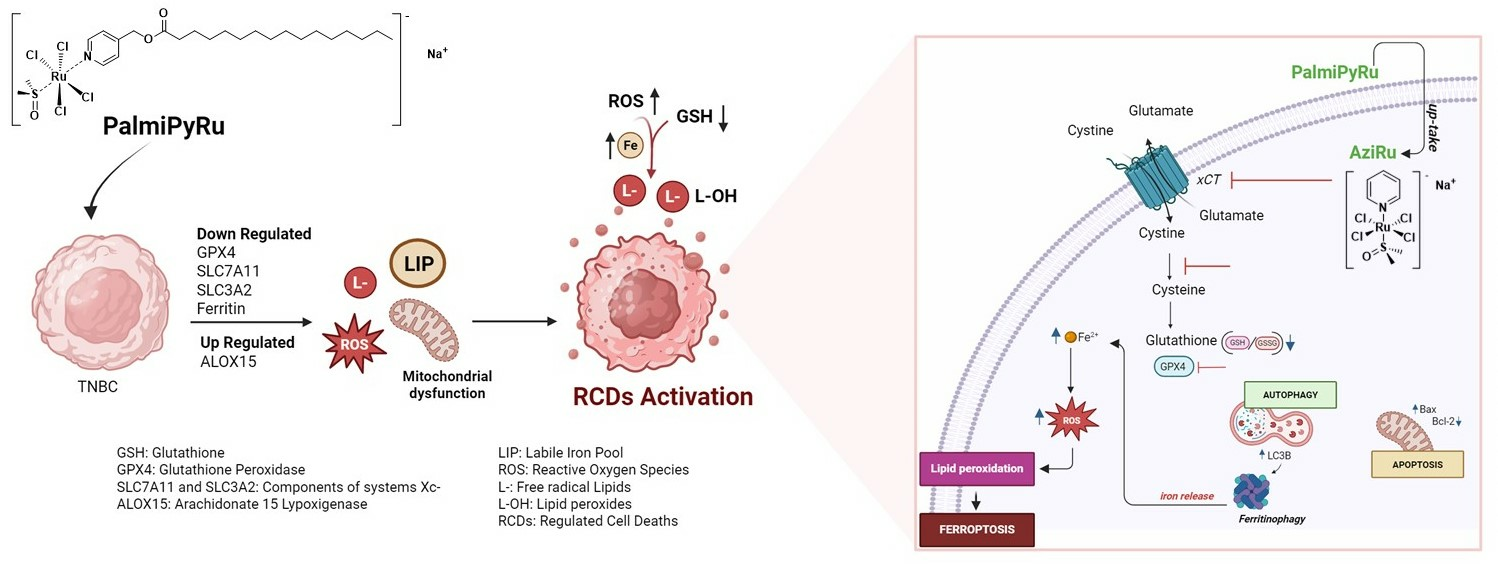
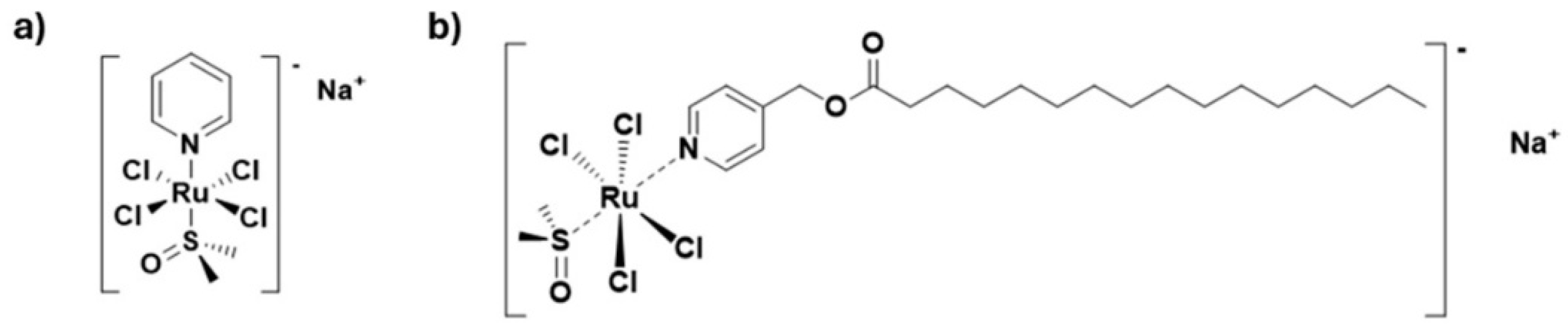
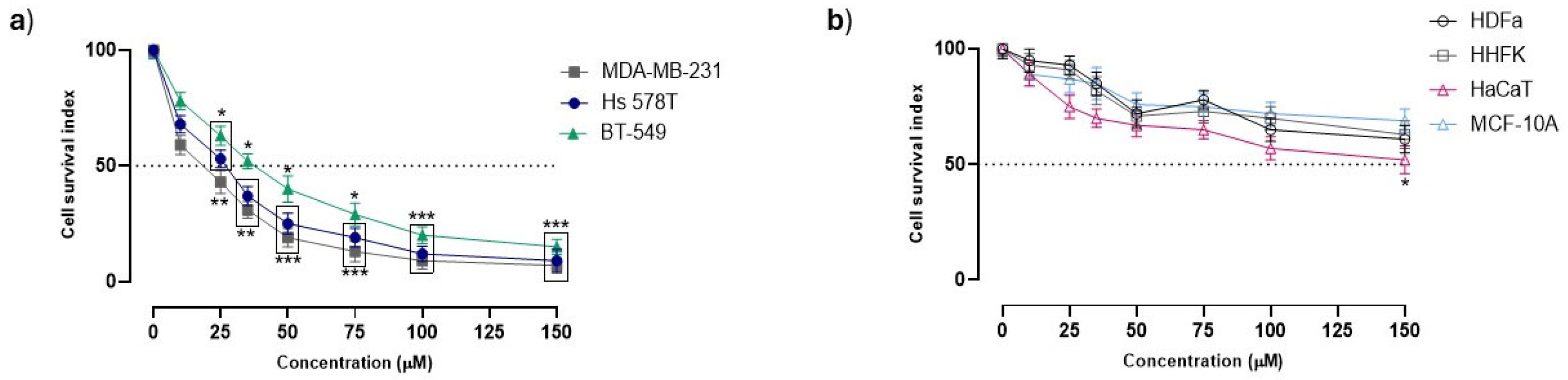
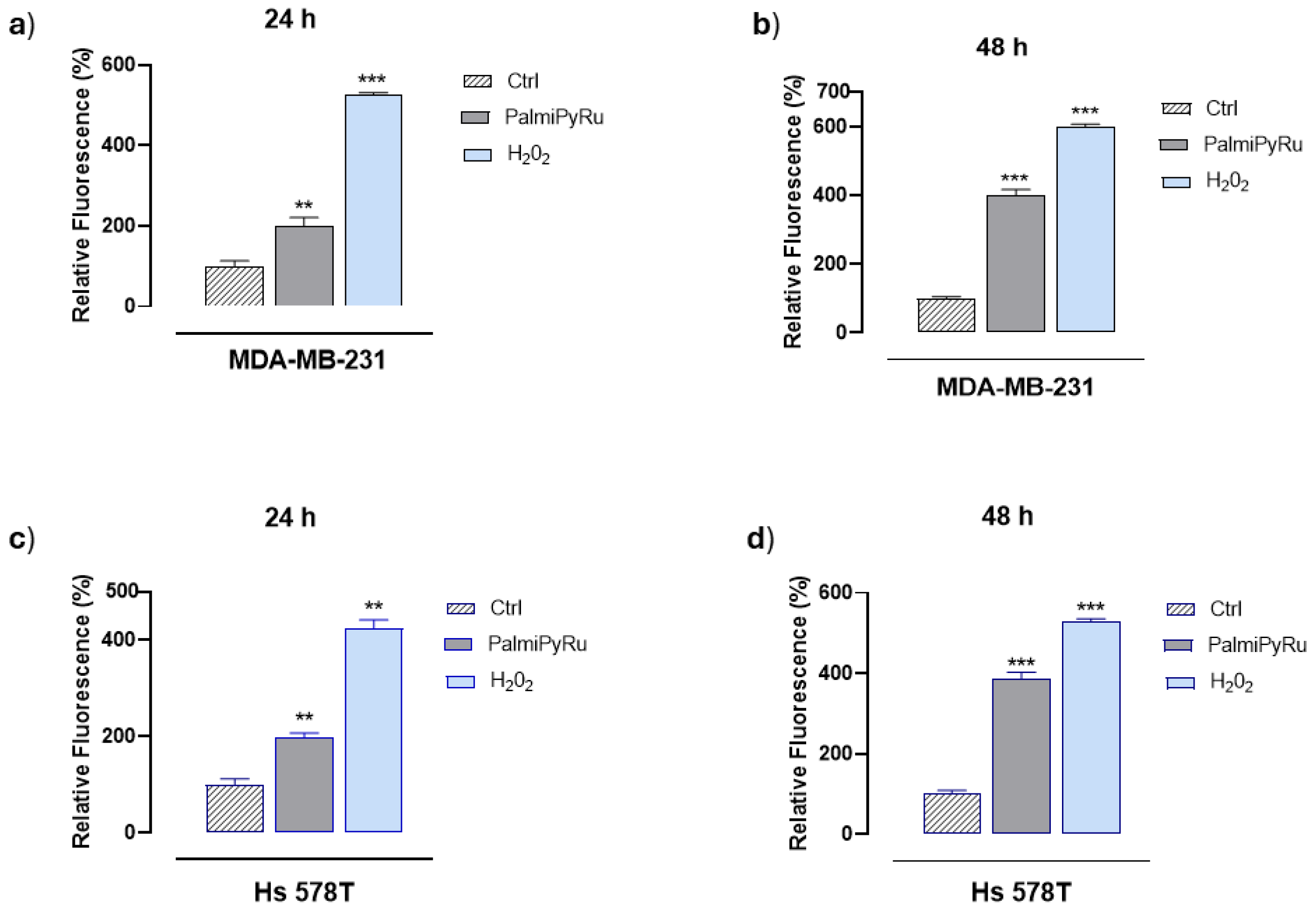
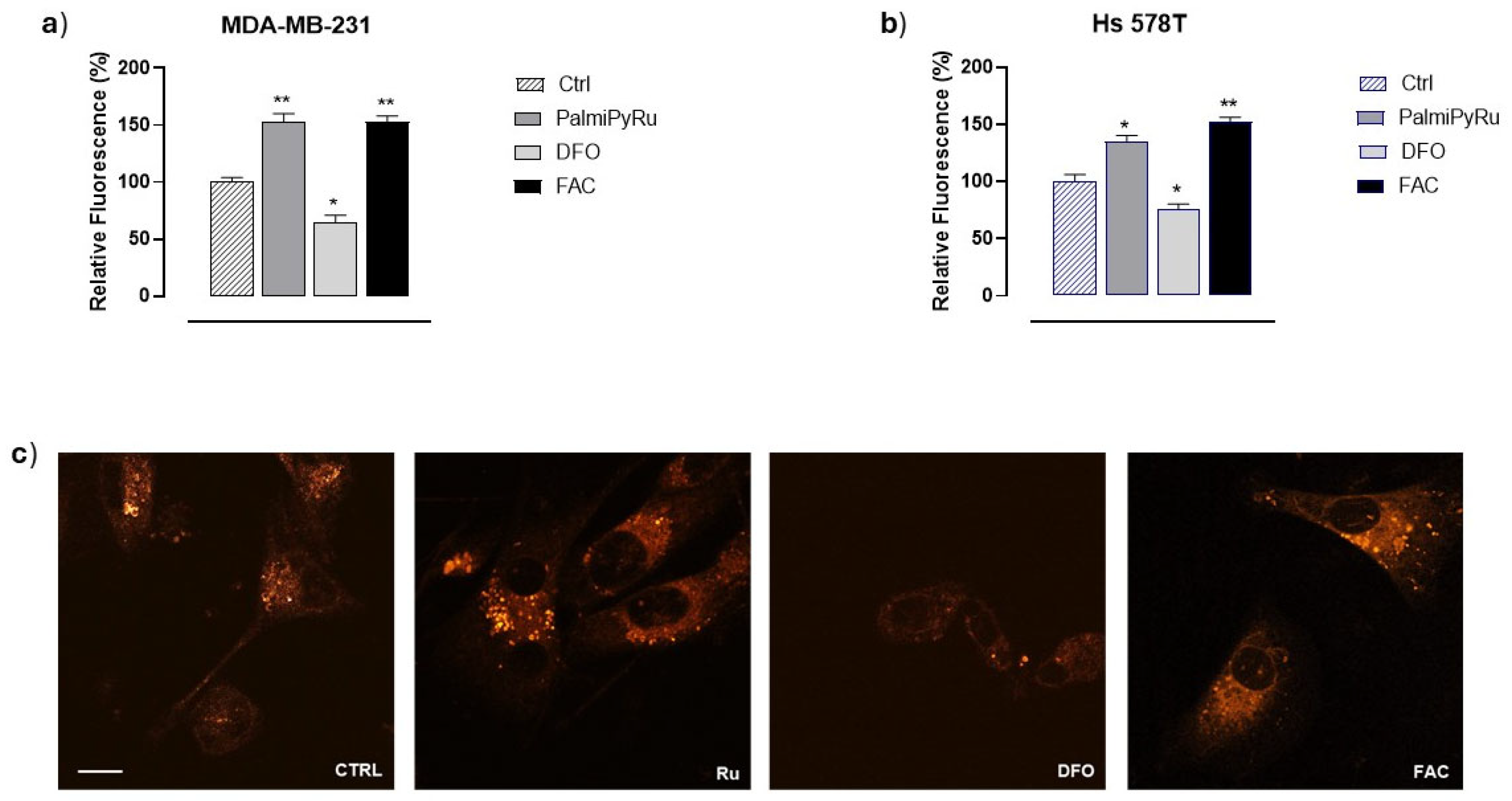
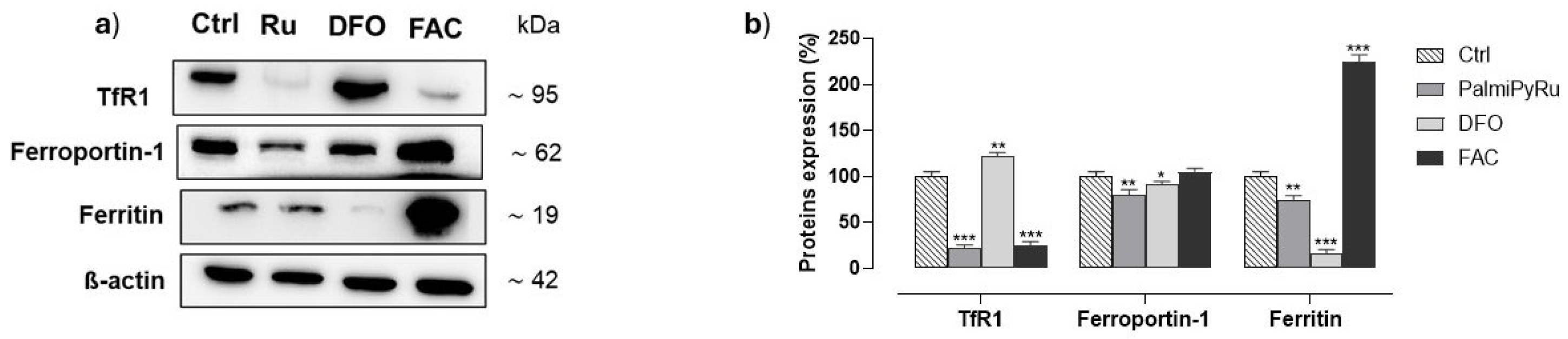
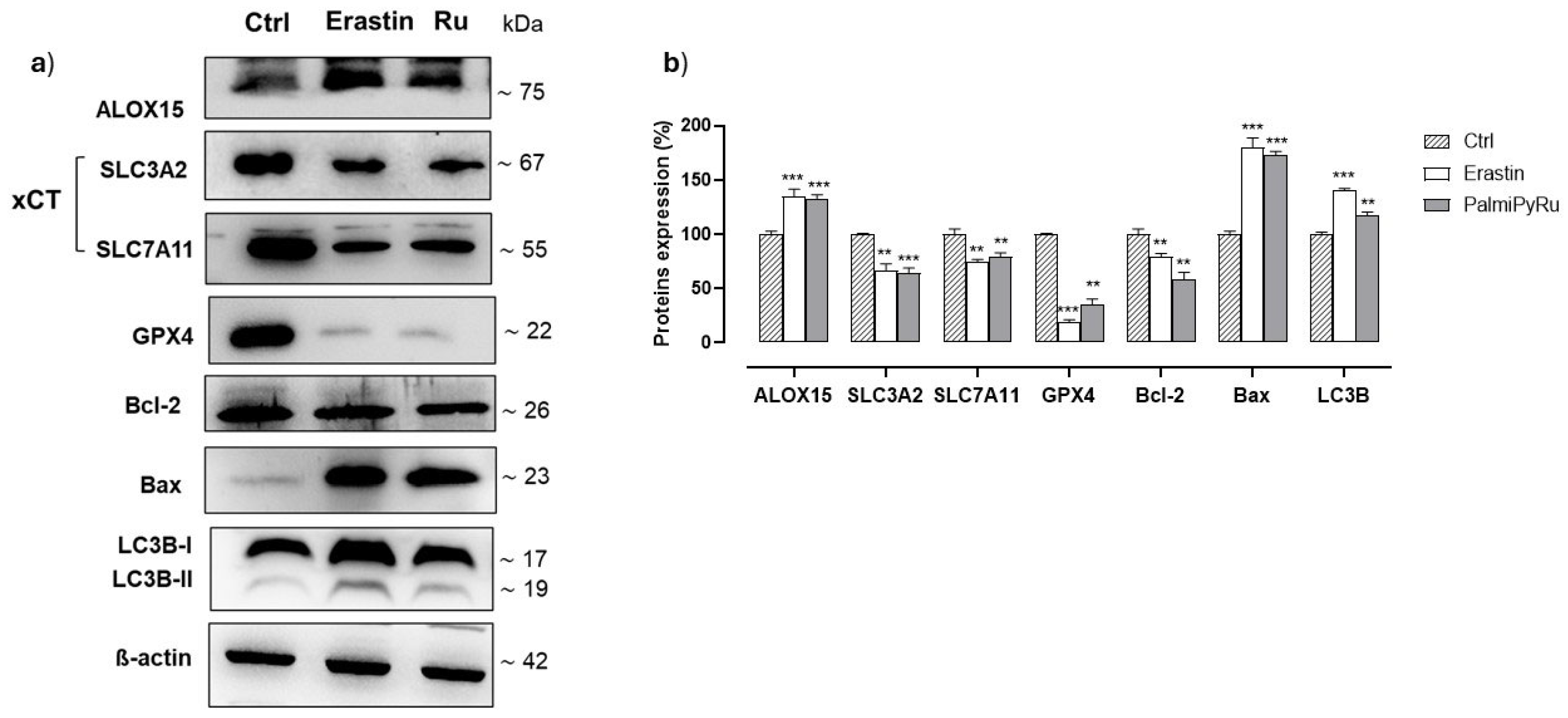
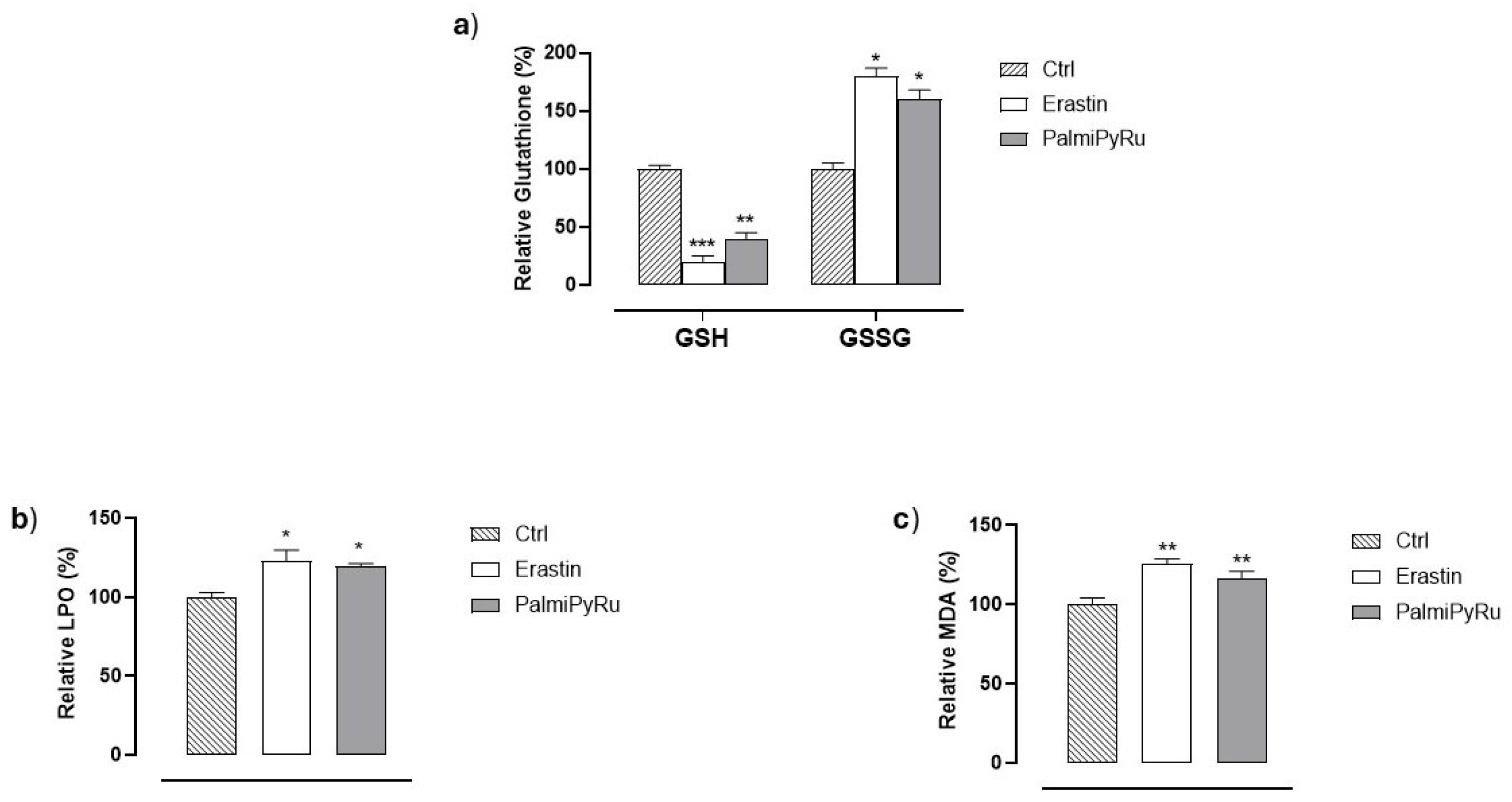
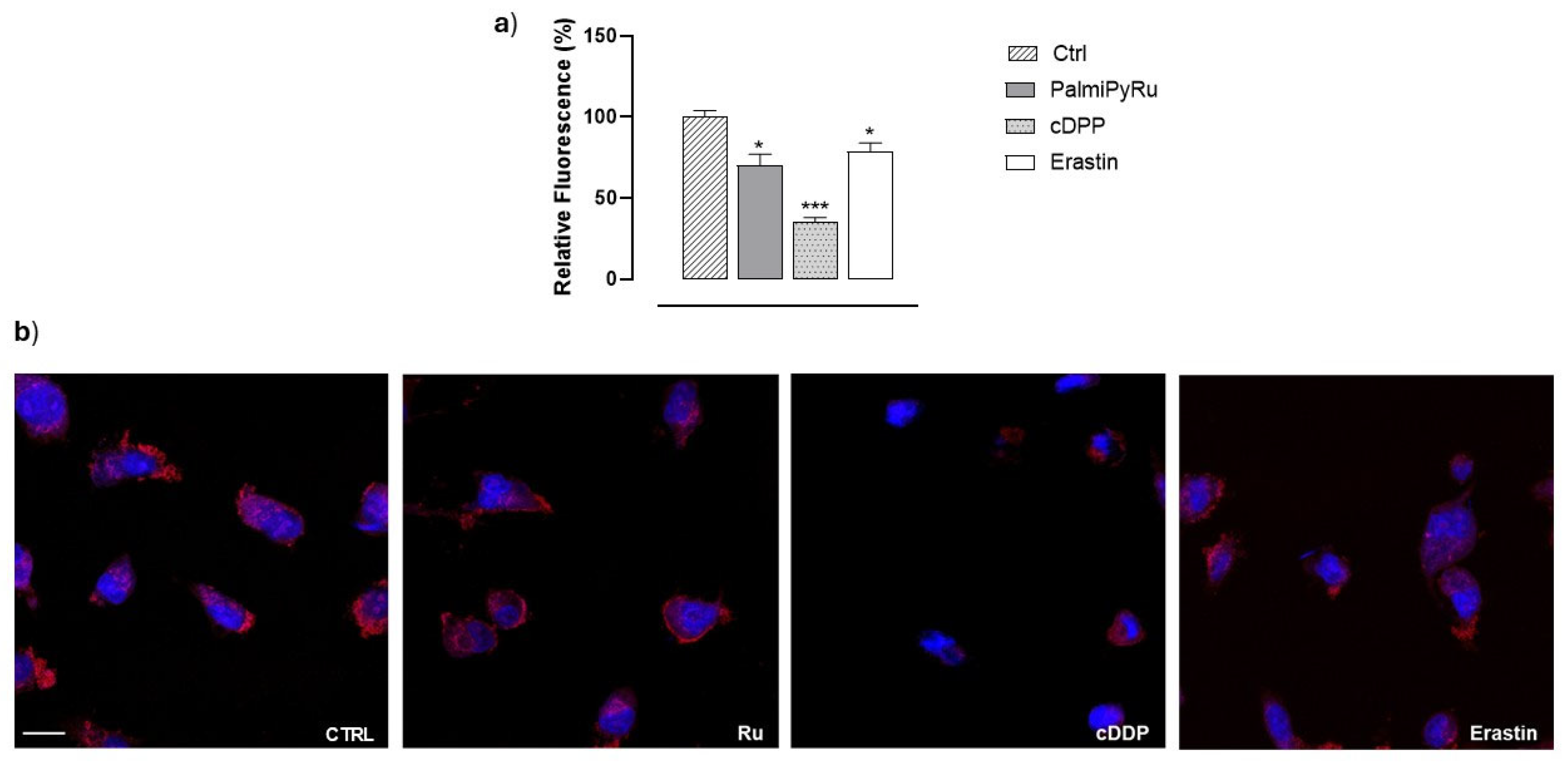
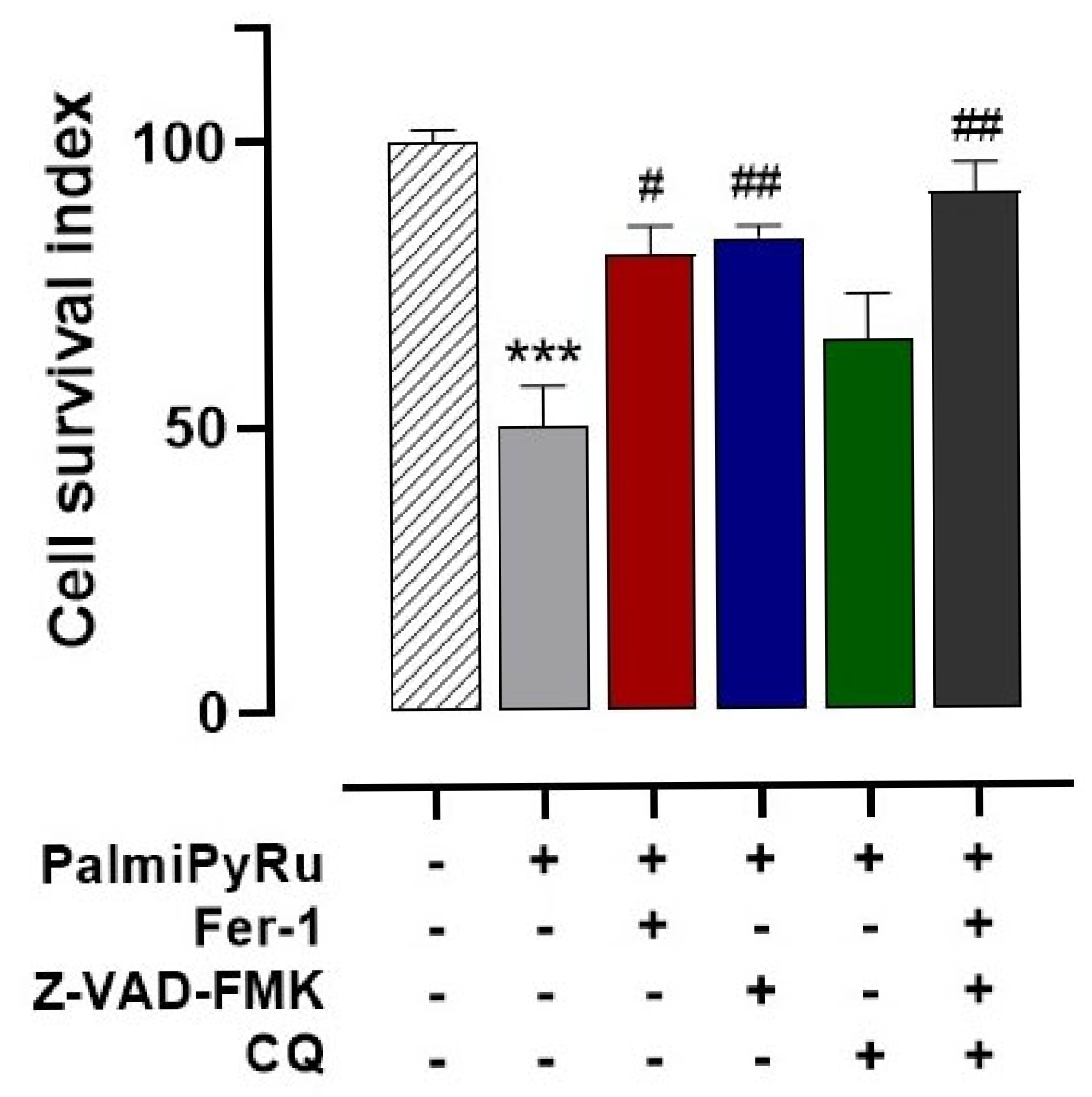
Background/Objectives: In the context of preclinical studies, we have hitherto showcased that a low-molecular-weight ruthenium(III) complex we named AziRu holds significant potential for further developments as an anticancer candidate drug. When appropriately converted into stable nanomaterials and delivered into tumor cells, AziRu exhibits superior antiproliferative activity, benefiting from a multimodal mechanism of action. The activation of regulated cell death (RCD) pathways (i.e., apoptosis and autophagy) has been proved in metastatic phenotypes, including triple-negative breast cancer (TNBC) cells. This study focuses on a bioengineered lipophilic derivative of AziRu, named PalmiPyRu, that we are currently developing as a potential anticancer drug in preclinical studies. When delivered in this way, AziRu confirms a multimodal mechanism of action in effectively blocking the growth and proliferation of TNBC phenotypes. Special focus is reserved for the activation of the ferroptotic pathway as a consequence of redox imbalance and interference with iron homeostasis, as well as the glutathione biosynthetic pathway. Methods: Human preclinical models of specific TNBC phenotypes and healthy cell cultures of different histological origin were selected. After in vitro treatments, cellular responses were carefully analyzed, and targeted biochemical and molecular biology experiments coupled to confocal microscopy allowed us to explore the antiproliferative effects of PalmiPyRu. Results: In this study, we unveil that PalmiPyRu can enter TNBC cells and interfere with both the iron homeostasis and the cystine-glutamate antiporter system Xc-, causing significant oxidative stress and the accumulation of lipid oxidation products. The increase in intracellular reactive free iron and depletion of glutathione engender a lethal condition, driving cancer cells toward the activation of ferroptosis. Conclusions: Overall, these outcomes allow us, for the first time, to couple the antiproliferative effect of a ruthenium-based candidate drug with the inhibition of the Xc- antiporter system and Fenton chemistry, thereby branding PalmiPyRu as an effective multimodal inducer of ferroptosis. Molecular mechanisms of action deserve further investigations, and new studies are underway to uncover how interference with Xc- controls cell fate, allowing us to explore the connection between iron metabolism regulation, oxidative stress and RCD pathways activation.
Keywords: lipophilic Ru(III) complexes; antitumor Ru(III)-based drugs; triple-negative breast cancer (TNBC); iron; oxidative stress; regulated cell death (RCD); ferroptosis; preclinical cellular studies lipophilic Ru(III) complexes; antitumor Ru(III)-based drugs; triple-negative breast cancer (TNBC); iron; oxidative stress; regulated cell death (RCD); ferroptosis; preclinical cellular studies
Graphical Abstract