Article

Food Effect and Formulation: How Soluble Fillers Affect the Disintegration and Dissolution of Tablets in Viscous Simulated Fed State Media

1
Department of Biopharmaceutics and Pharmaceutical Technology, Johannes Gutenberg University Mainz, 55099 Mainz, Germany
2
Department of Pharmaceutical Sciences, University of Michigan, 428 Church Street, Ann Arbor, MI 48109, USA
3
Office of Research and Standards, Office of Generic Drugs, Center for Drug Evaluation and Research (CDER), U.S. Food and Drug Administration (FDA), Silver Spring, MD 20993, USA
4
Office of Testing and Research, Office of Pharmaceutical Quality, Center for Drug Evaluation and Research (CDER), U.S. Food and Drug Administration (FDA), Silver Spring, MD 20993, USA
*
Authors to whom correspondence should be addressed.
These authors contributed equally to this work.
Pharmaceutics 2025, 17(5), 567; https://doi.org/10.3390/pharmaceutics17050567

Submission received: 21 March 2025 / Revised: 17 April 2025 / Accepted: 22 April 2025 / Published: 25 April 2025

Abstract

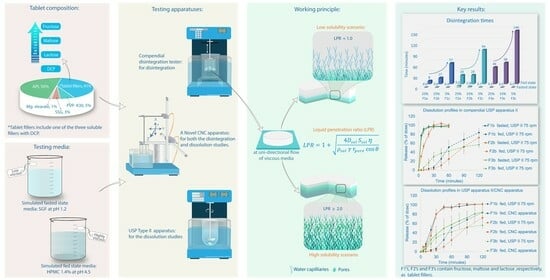
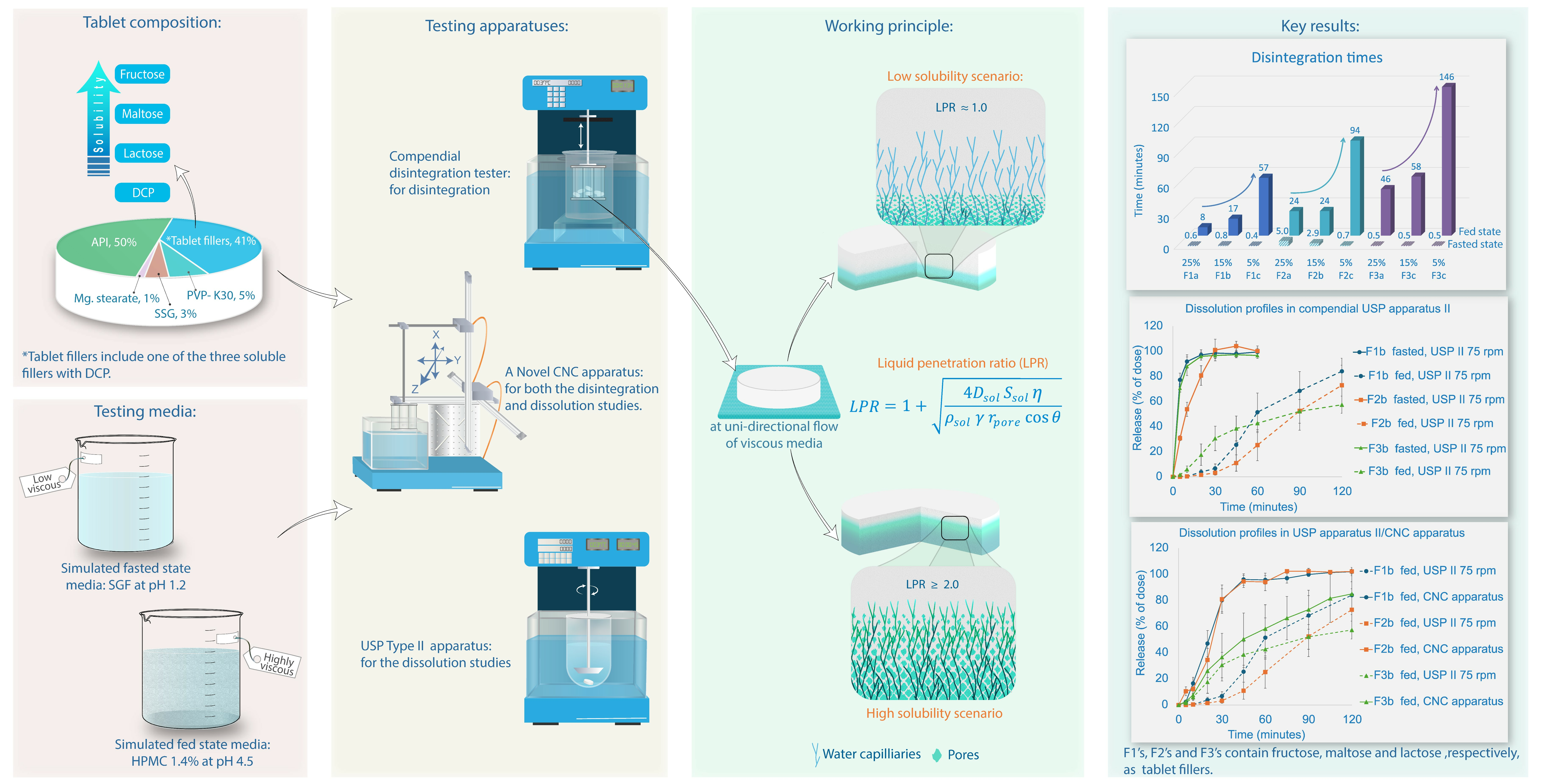
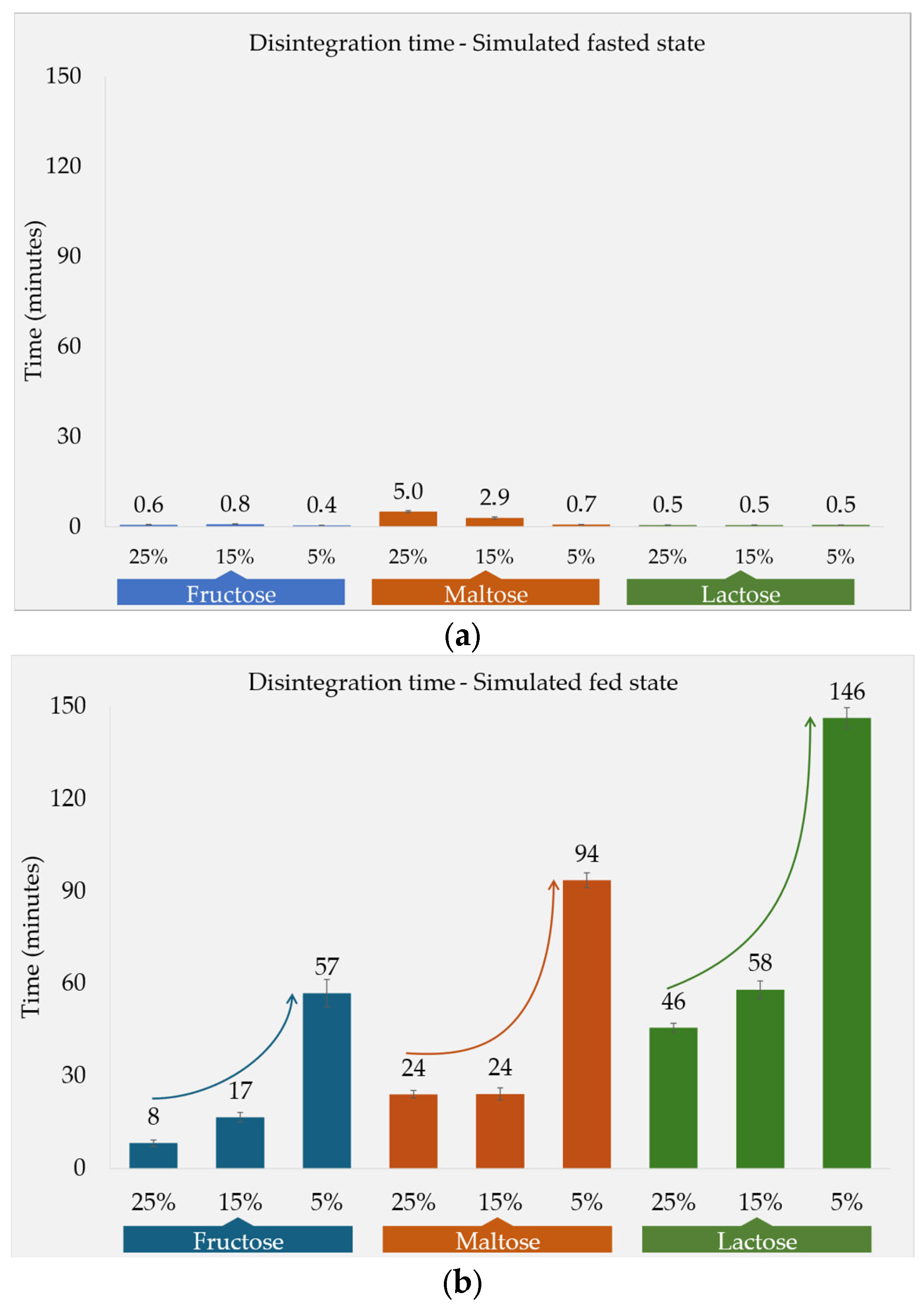
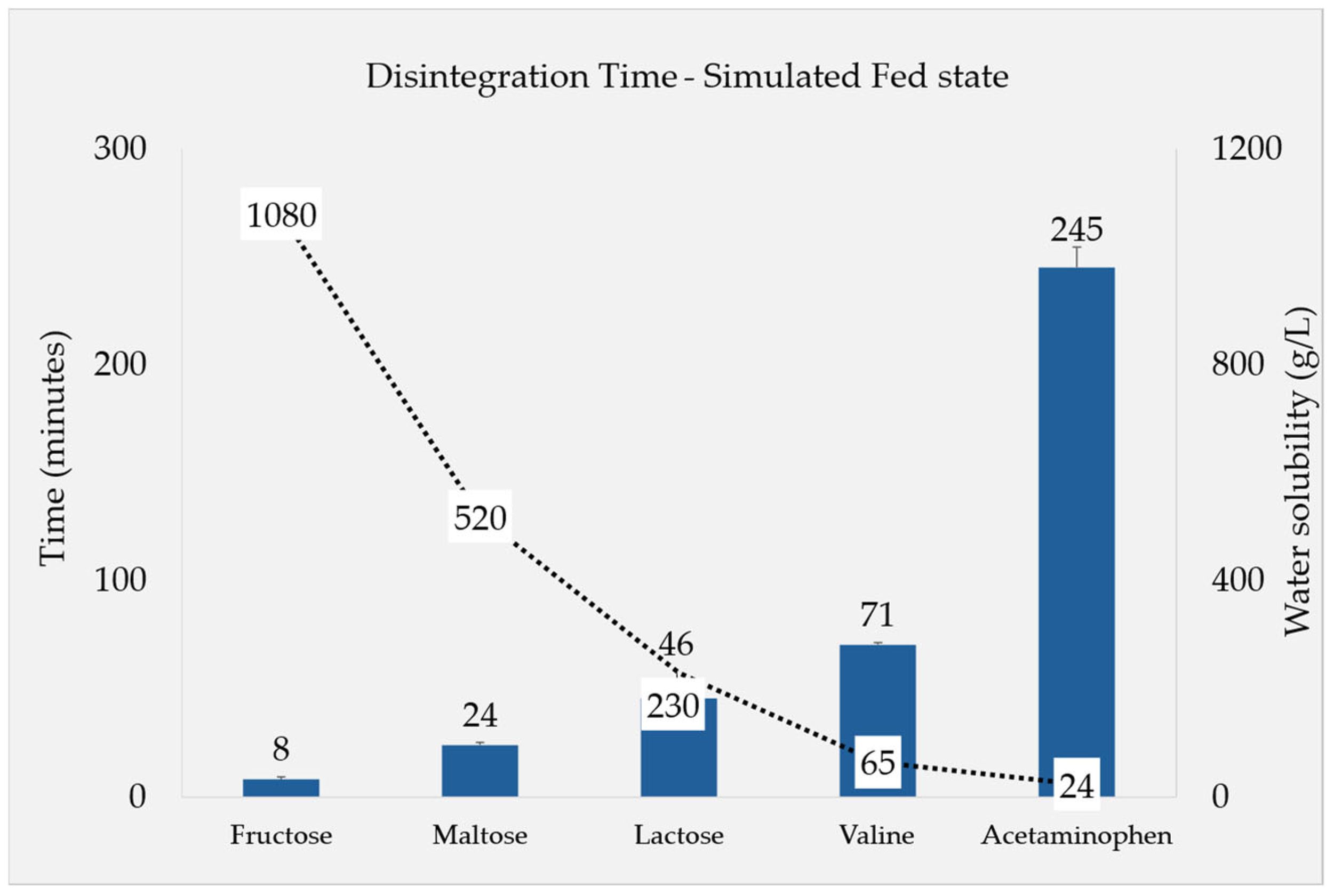
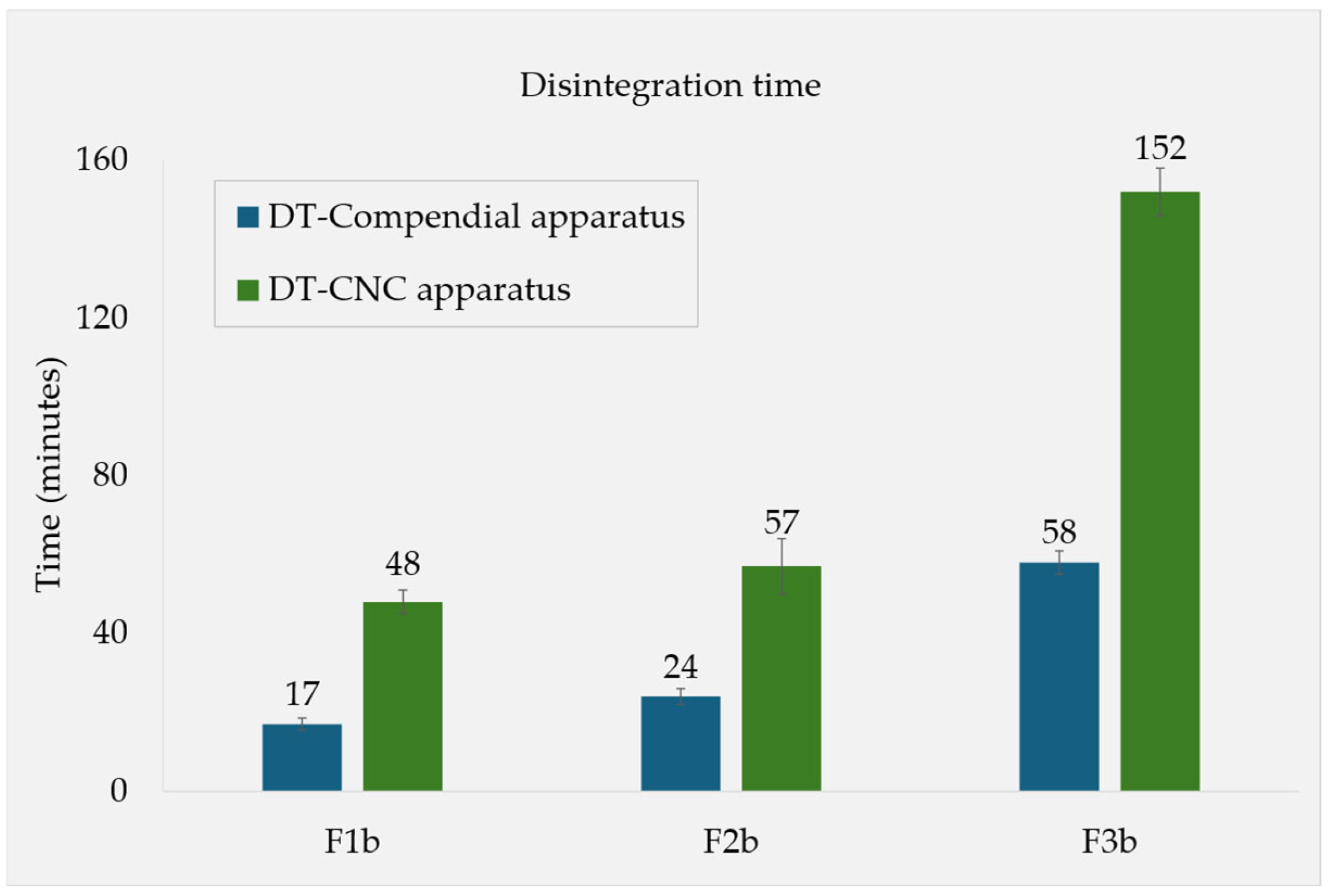
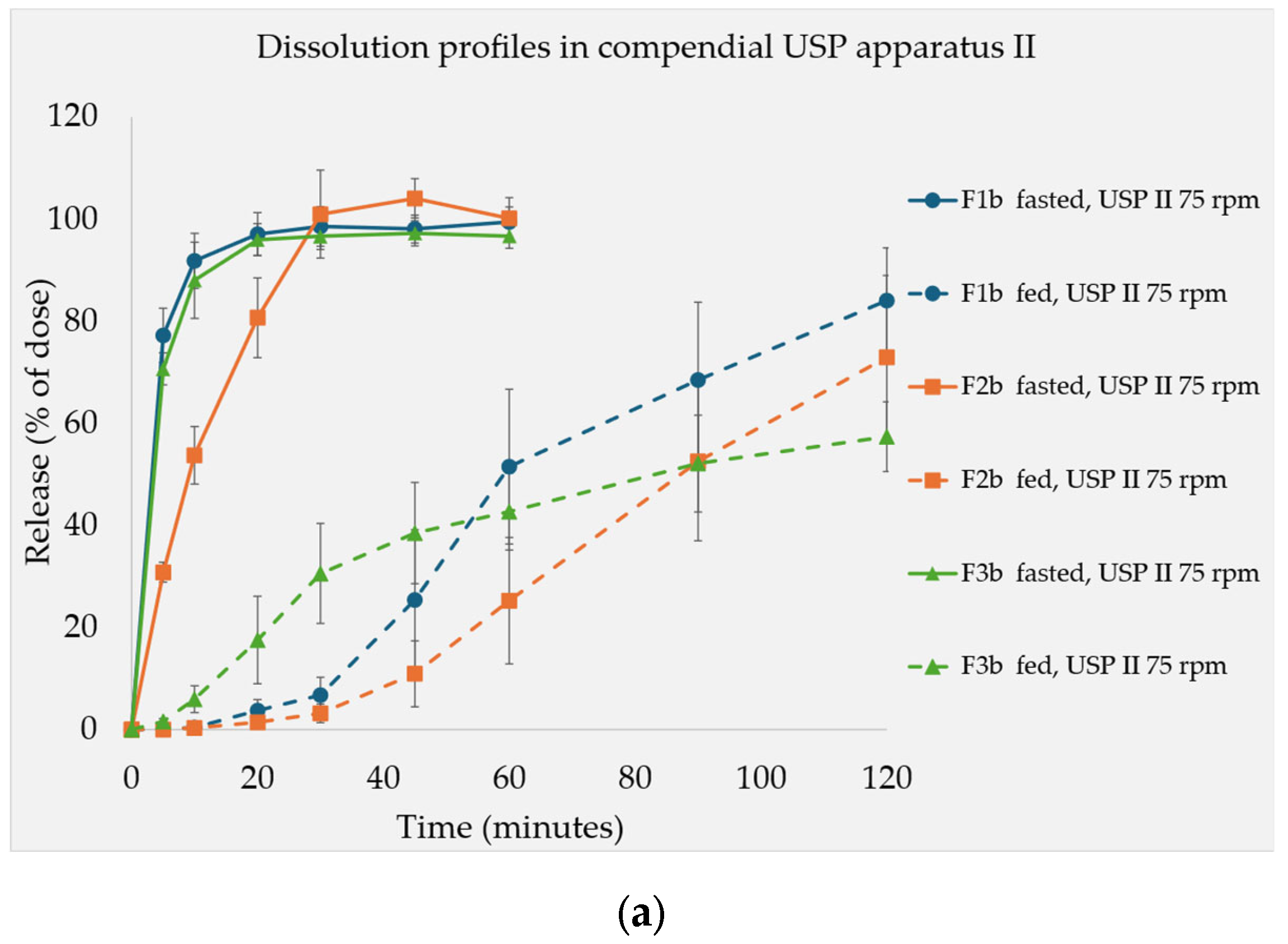
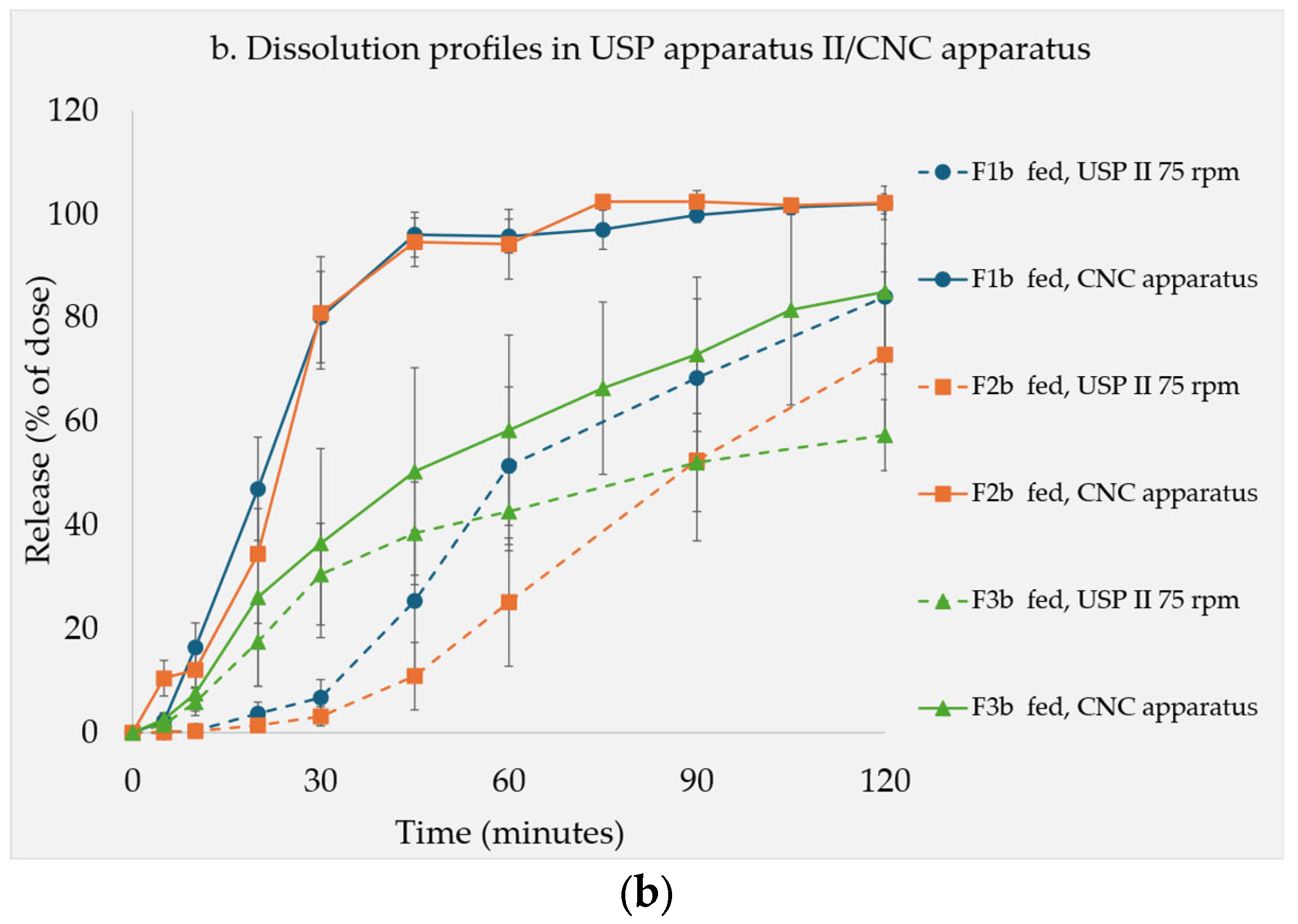
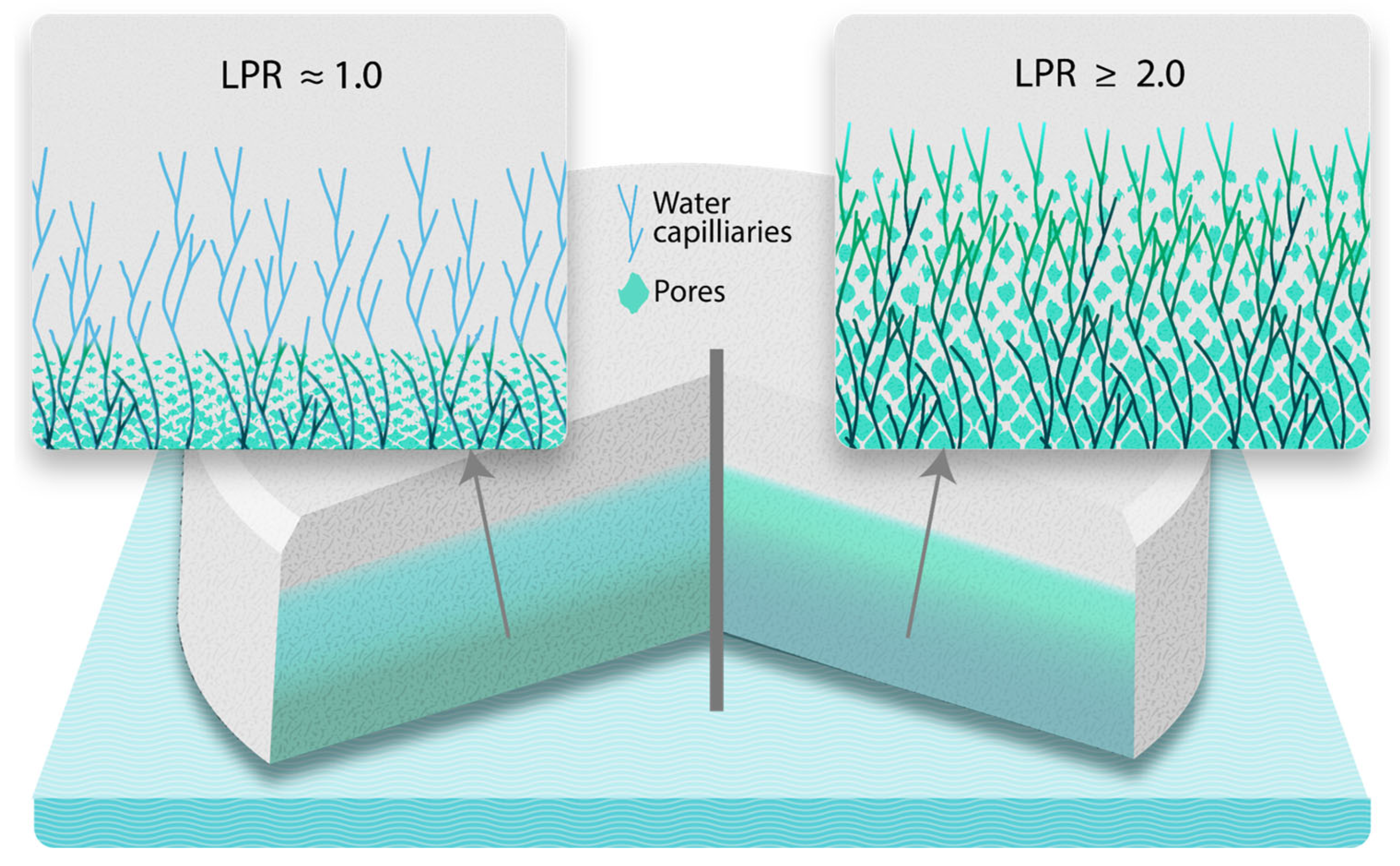
The food-induced viscosity of the media can alter tablet disintegration and eventually the release of the drug it contains. The extent of this retardation depends on tablet formulation factors, such as the solubility of its excipients. Objectives: This research aimed to study the effect of filler solubility on the disintegration and dissolution of tablets under different testing conditions. Methods: Tablet formulations containing acetaminophen (as a model compound), mixtures of different ratios of fillers, and other excipients were directly compressed using uniform manufacturing parameters. These formulations were investigated under fasted- and fed-state conditions to determine the influence of viscosity on their disintegration, inspired by the liquid penetration ratio (LPR) theoretical framework. Disintegration and dissolution tests were performed using both compendial and novel testing apparatuses. Results: The soluble fillers in the tablets affected their disintegration and dissolution in the simulated fed-state medium, while fasted-state conditions affected the tablets only marginally. The testing devices showed partially contrasting results, which appeared to be due to the hydrodynamics of the testing media used. The novel CNC (computed numerical control) apparatus offered 3D motion and effectively exposed the tablets to the viscous testing media, unlike the compendial paddle apparatus. Conclusions: This study explored the impact of filler solubility on the disintegration and dissolution of tablets. As the LPR framework revealed, fillers with a higher solubility have positive effects on the disintegration and dissolution of tablets in viscous conditions. Additionally, the proportion of soluble filler used is also inversely correlated with the disintegration time. Further investigation of the formulation parameters, as well as the testing conditions, would provide additional insights into the effects of food on these tablets.
Keywords: food effect; tablet fillers; solubility; media viscosity; fed state; water uptake; porosity; disintegration; dissolution food effect; tablet fillers; solubility; media viscosity; fed state; water uptake; porosity; disintegration; dissolution
Graphical Abstract