Article

Identification of Prognostic and Predictive Biomarkers and Druggable Targets among 205 Antioxidant Genes in 21 Different Tumor Types via Data-Mining

1
Department of Pharmaceutical Biology, Institute of Pharmaceutical and Biomedical Sciences, Johannes Gutenberg University, Staudinger Weg 5, 55128 Mainz, Germany
2
Department of Pharmacognosy, Faculty of Pharmacy, Hacettepe University, Ankara 06100, Turkey
*
Author to whom correspondence should be addressed.
Pharmaceutics 2023, 15(2), 427; https://doi.org/10.3390/pharmaceutics15020427

Submission received: 14 December 2022 / Revised: 8 January 2023 / Accepted: 20 January 2023 / Published: 28 January 2023
(This article belongs to the Special Issue Development of Biomarker-Driven Targeted Therapies in Cancers)

Abstract

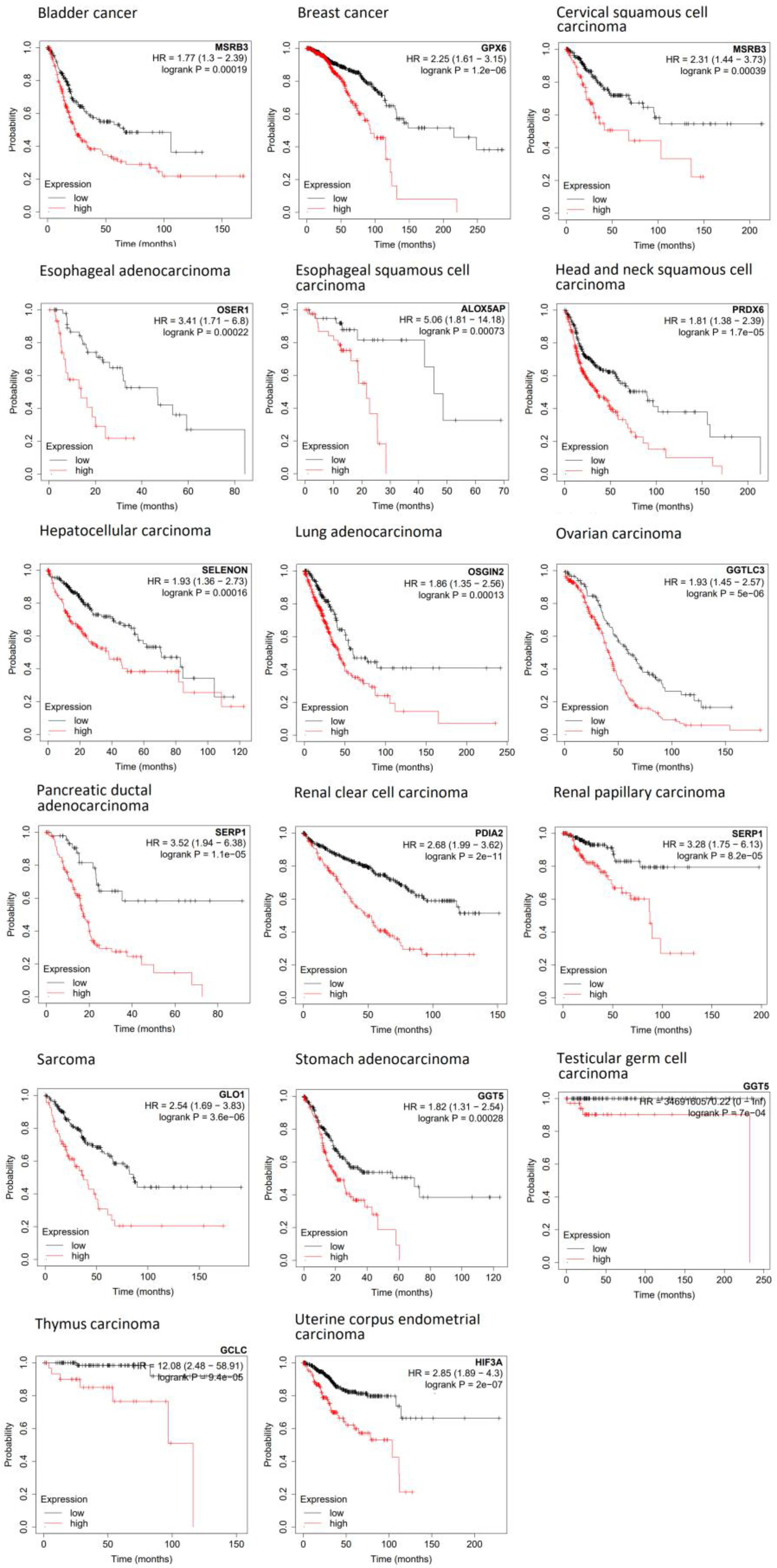
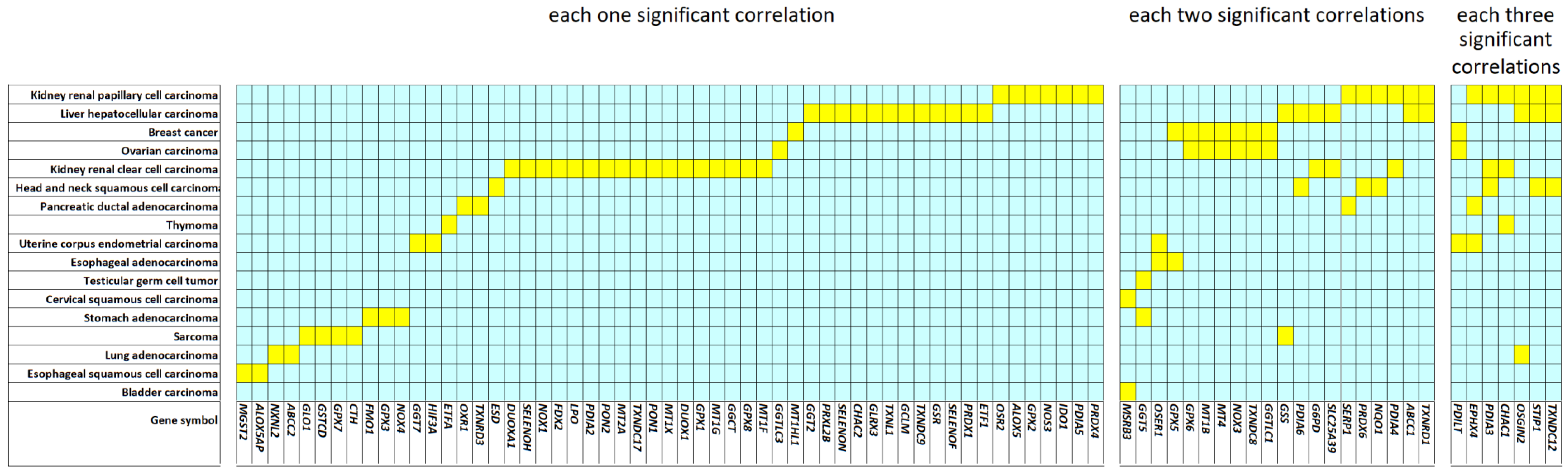
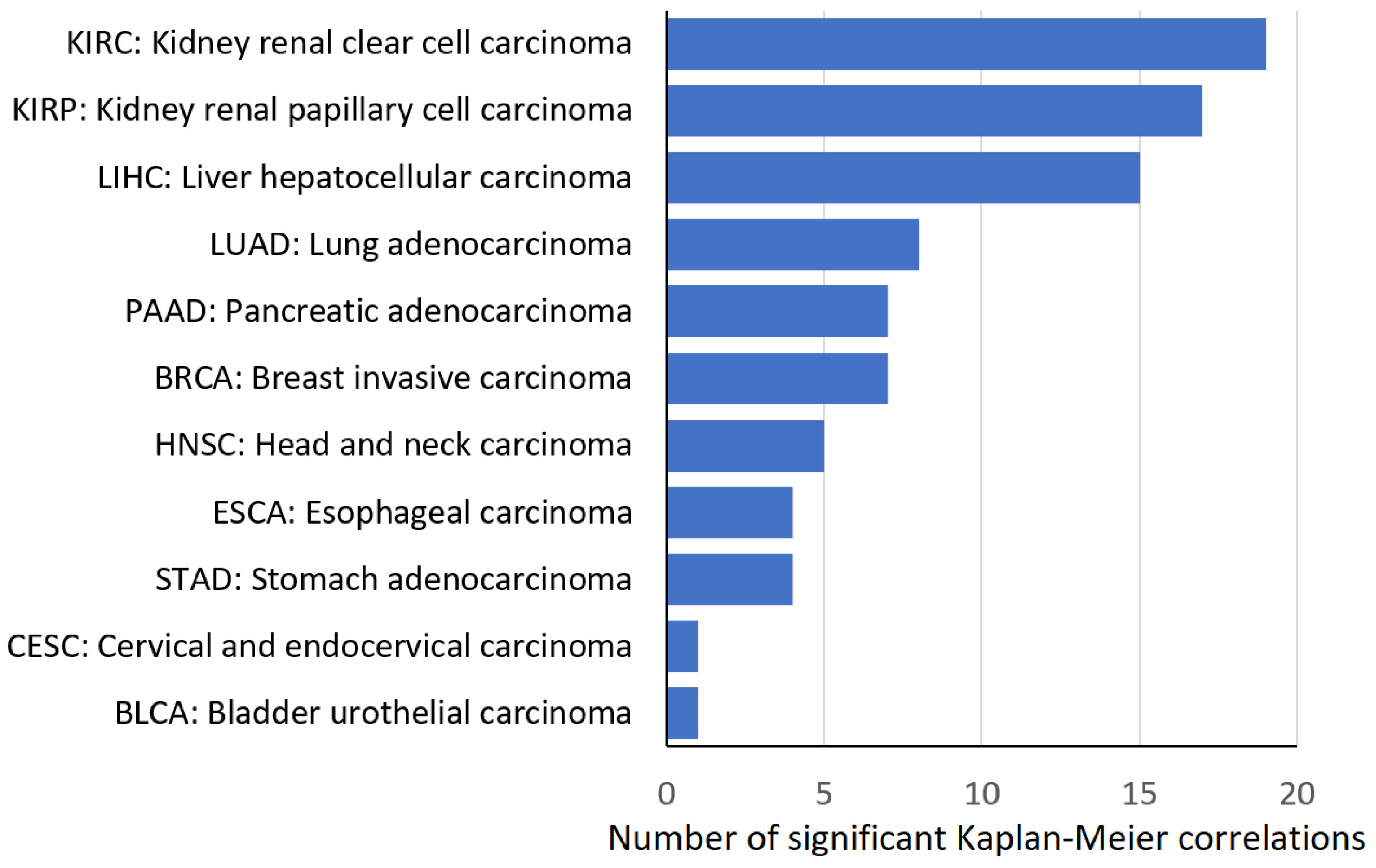
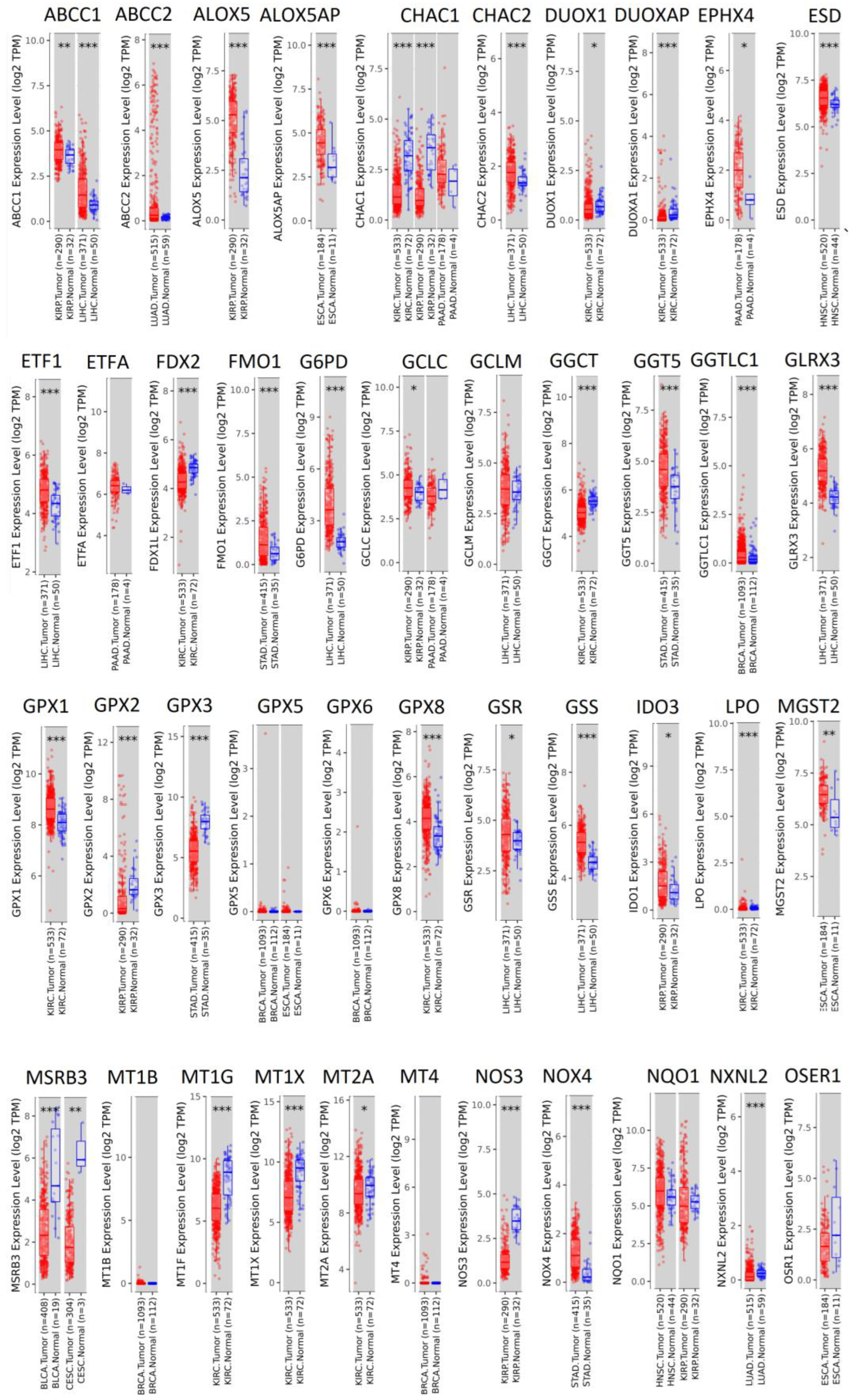
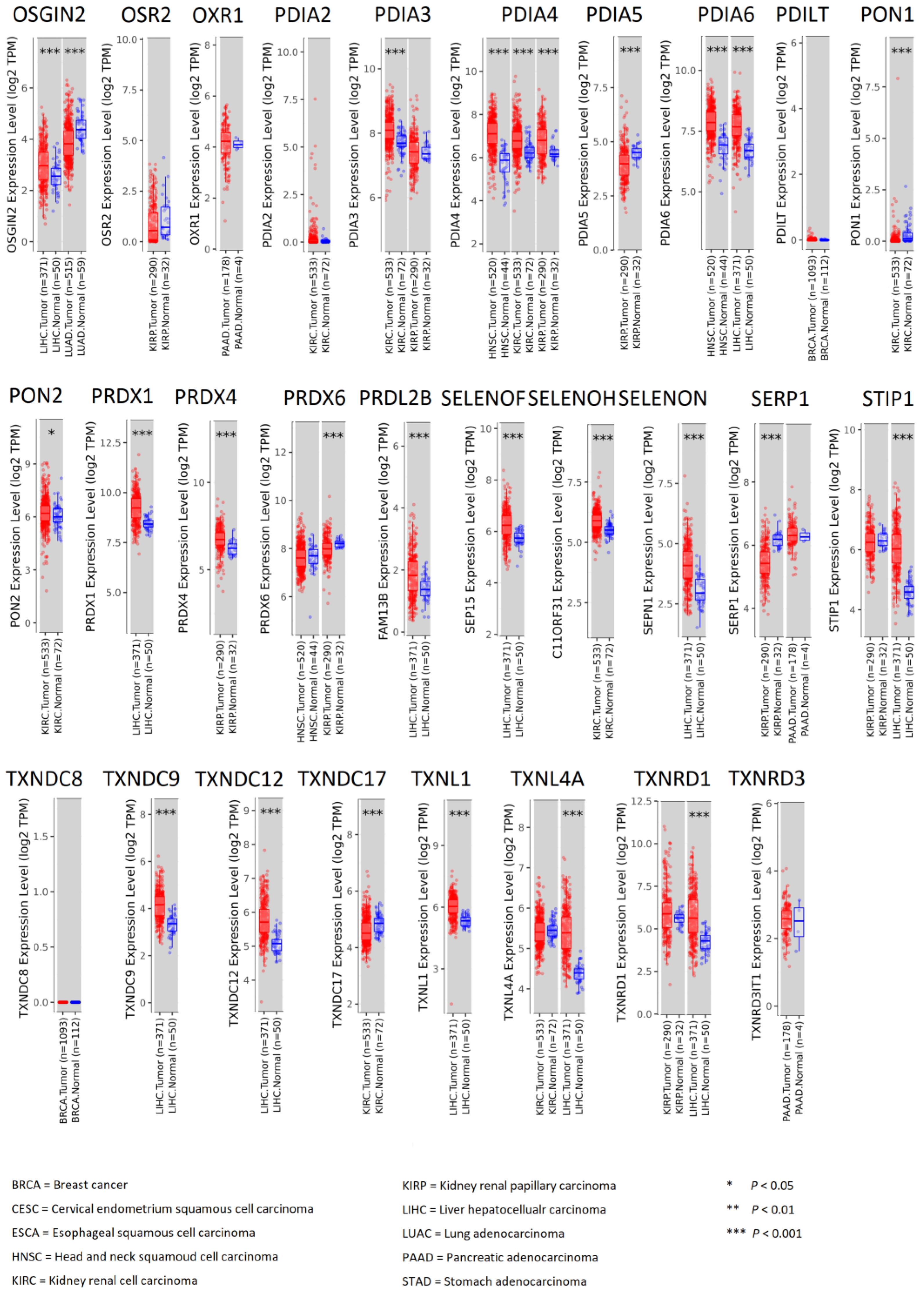
(1) Background: Oxidative stress is crucial in carcinogenesis and the response of tumors to treatment. Antioxidant genes are important determinants of resistance to chemotherapy and radiotherapy. We hypothesized that genes involved in the oxidative stress response may be valuable as prognostic biomarkers for the survival of cancer patients and as druggable targets. (2) Methods: We mined the KM Plotter and TCGA Timer2.0 Cistrome databases and investigated 205 antioxidant genes in 21 different tumor types within the context of this investigation. (3) Results: Of 4347 calculations with Kaplan–Meier statistics, 84 revealed statistically significant correlations between high gene expression and worse overall survival (p < 0.05; false discovery rate ≤ 5%). The tumor types for which antioxidant gene expression was most frequently correlated with worse overall survival were renal clear cell carcinoma, renal papillary cell carcinoma, and hepatocellular carcinoma. Seventeen genes were clearly overexpressed in tumors compared to their corresponding normal tissues (p < 0.001), possibly qualifying them as druggable targets (i.e., ALOX5, ALOX5AP, EPHX4, G6PD, GLRX3, GSS, PDIA4, PDIA6, PRDX1, SELENOH, SELENON, STIP1, TXNDC9, TXNDC12, TXNL1, TXNL4A, and TXNRD1). (4) Conclusions: We concluded that a sub-set of antioxidant genes might serve as prognostic biomarkers for overall survival and as druggable targets. Renal and liver tumors may be the most suitable entities for this approach.
Keywords: drug resistance; Kaplan–Meier analysis; oxidative stress; prognostic value; survival analysis; the cancer genome atlas drug resistance; Kaplan–Meier analysis; oxidative stress; prognostic value; survival analysis; the cancer genome atlas