Article

A Study on the Preparation Process Optimization and Performance Control of Poplar Wood-Based Panels Based on Response Surface Methodology

1
Institute of Precision Engineering and Intelligent Control, School of Mechanical Engineering, Guizhou University, Guiyang 550025, China
2
Guizhou Shixiang Technology Co., Ltd., Guiyang 550025, China
*
Author to whom correspondence should be addressed.
Forests 2026, 17(3), 304; https://doi.org/10.3390/f17030304
Submission received: 24 January 2026 / Revised: 19 February 2026 / Accepted: 21 February 2026 / Published: 27 February 2026
(This article belongs to the Special Issue Integrated Forest Products Biorefinery Perspectives)

Abstract

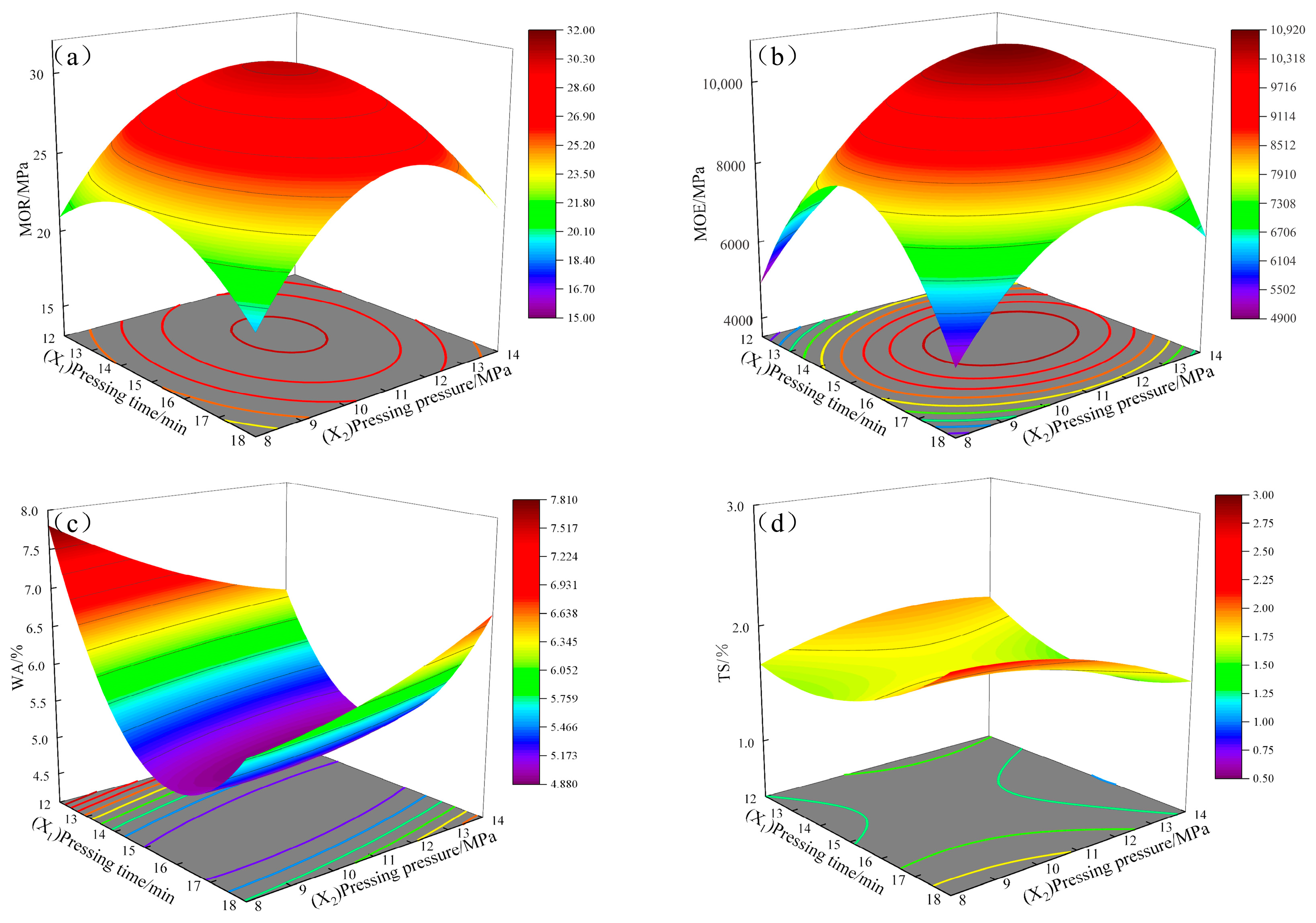
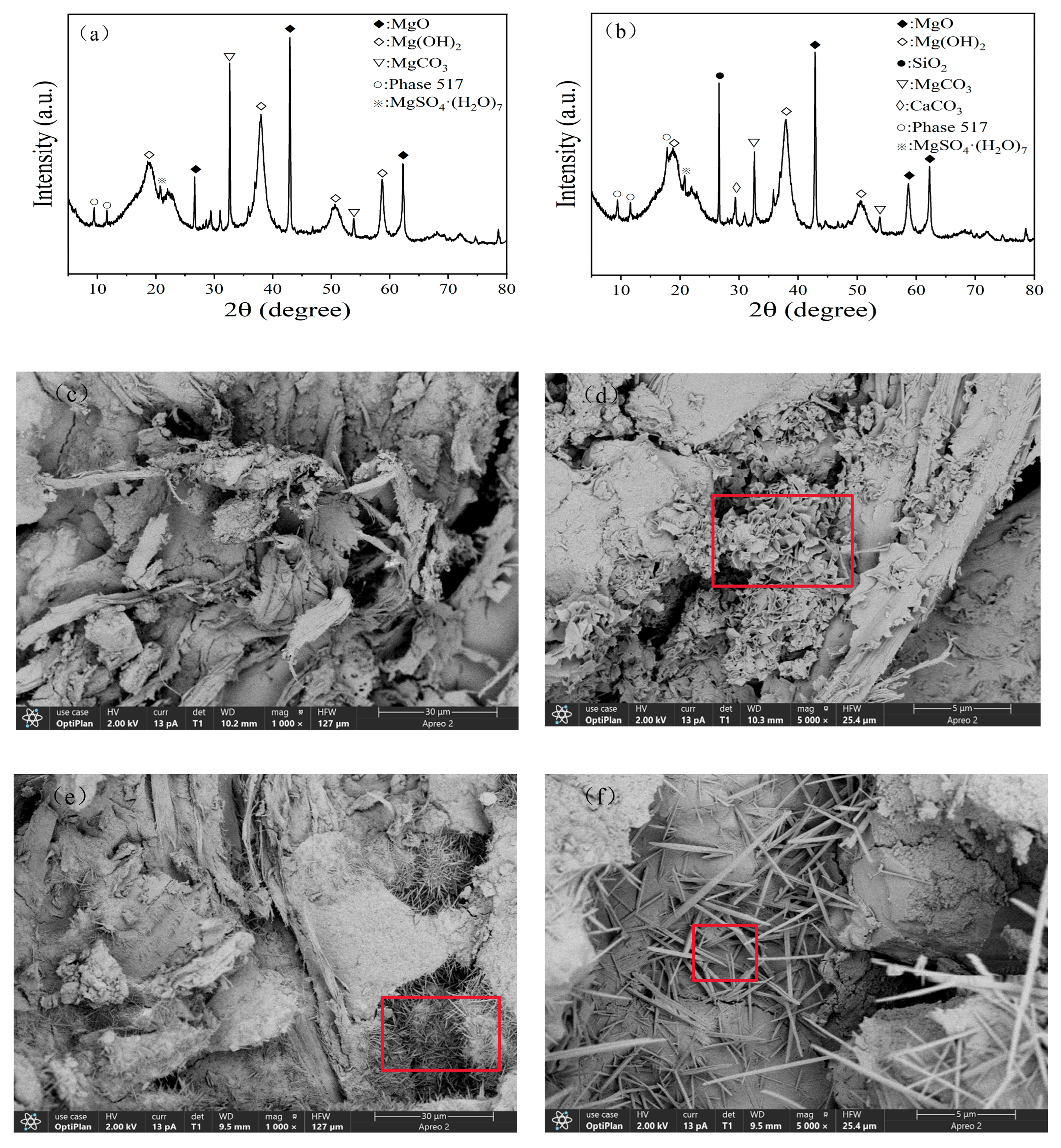
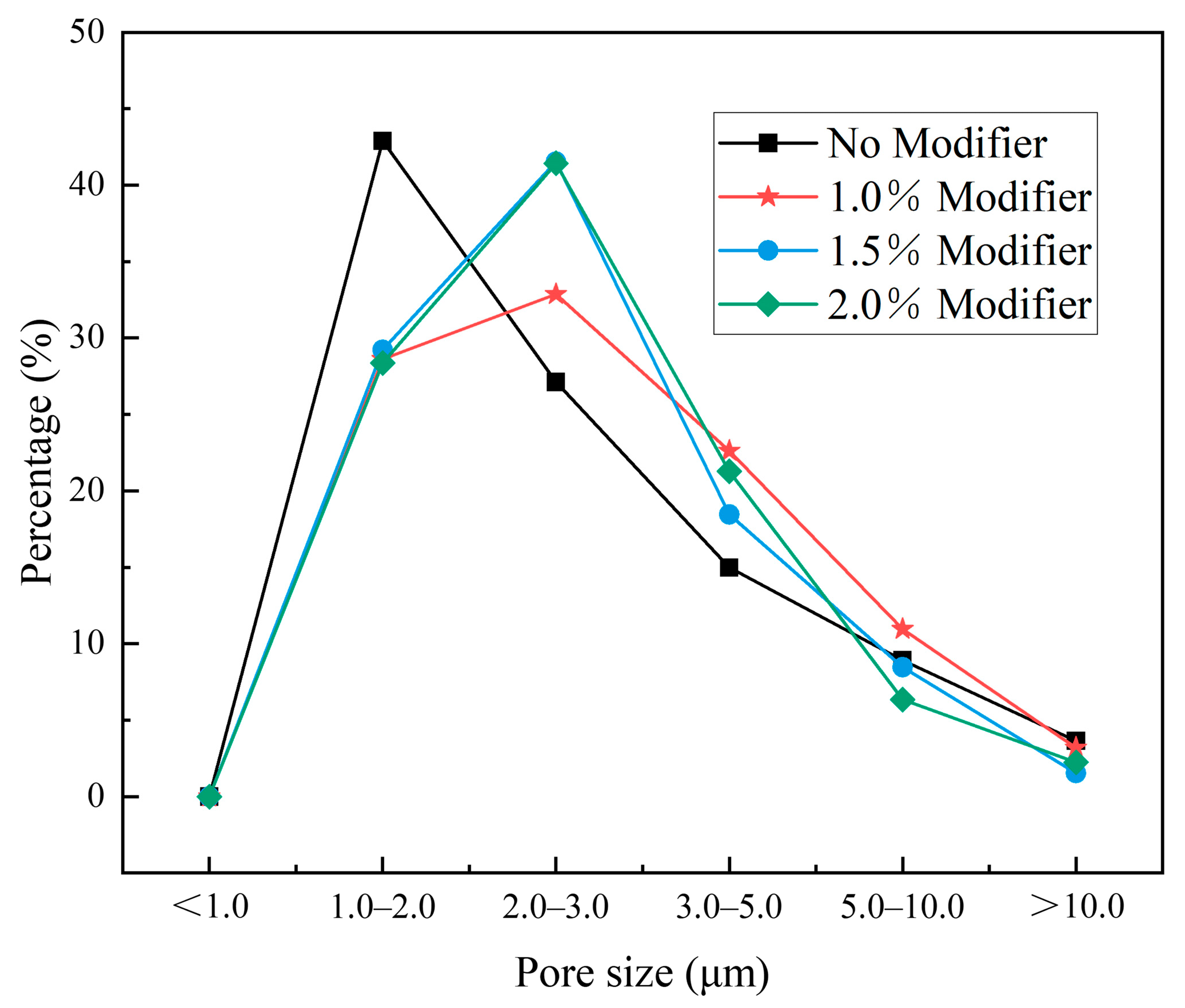
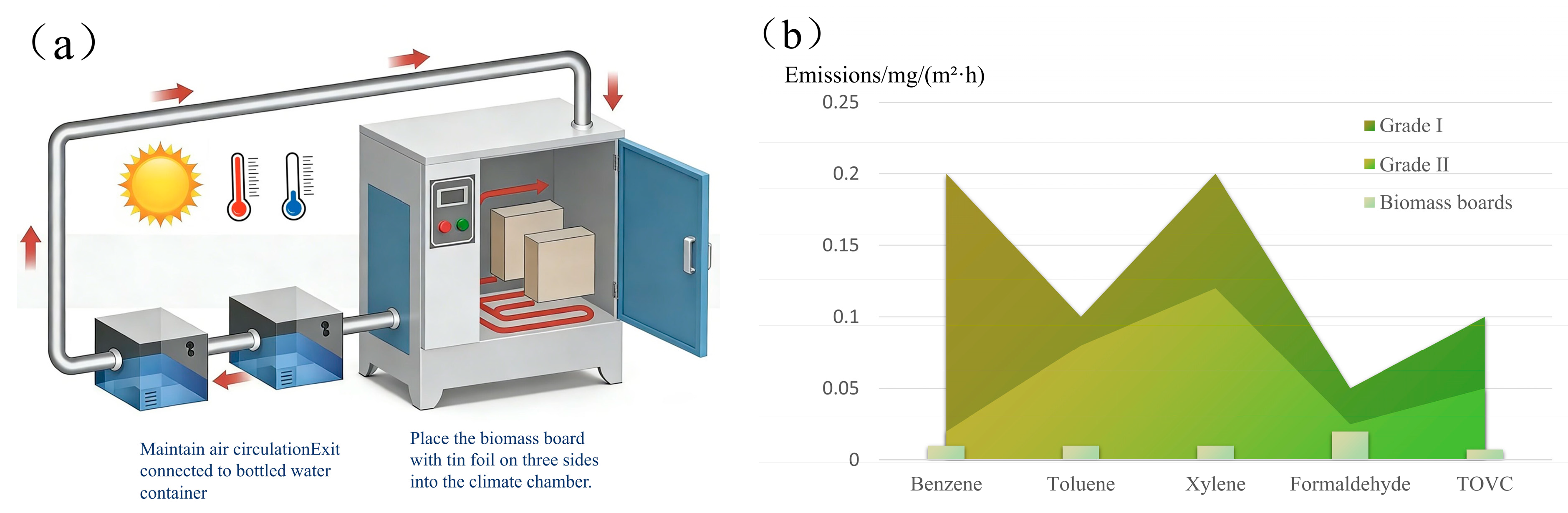
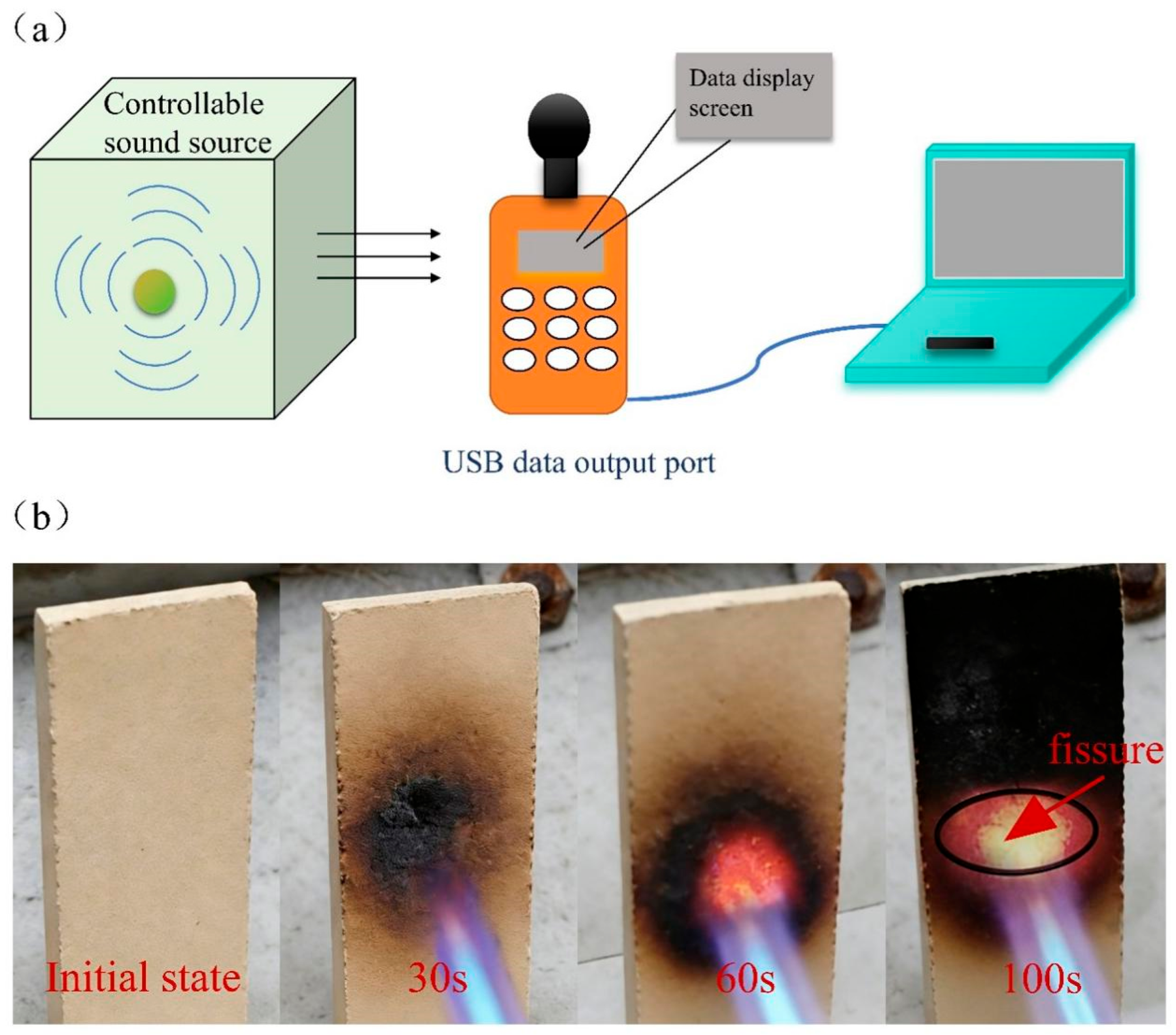
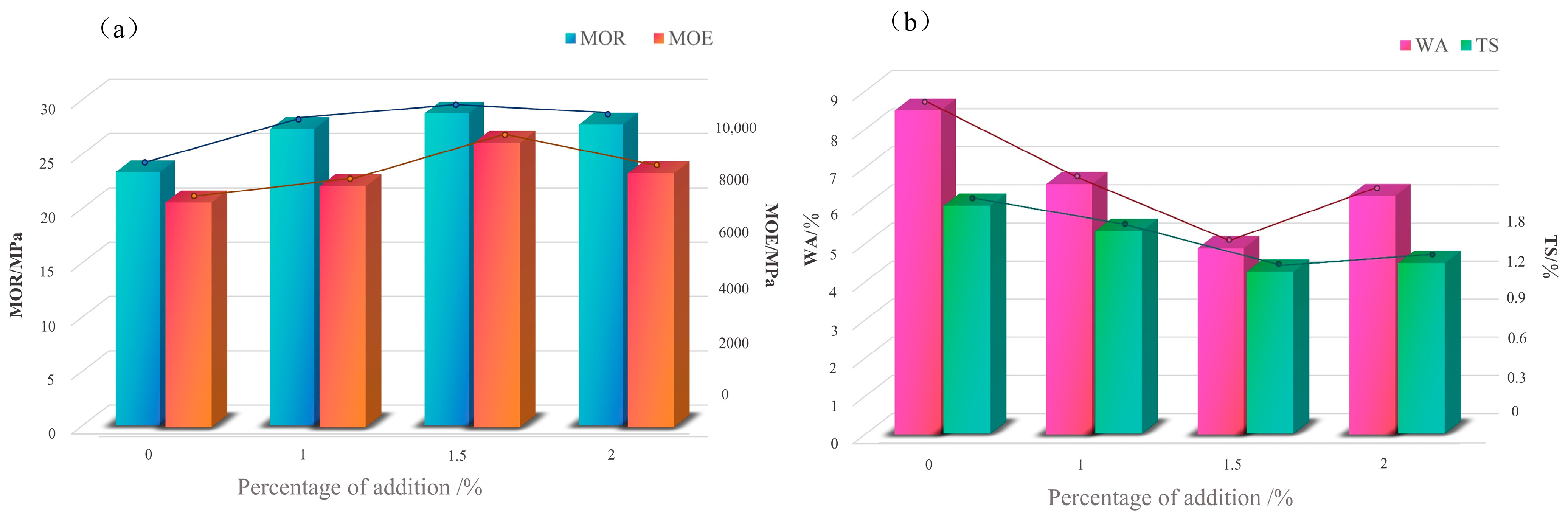
Addressing the challenges of multi-parameter interactions and unclear micro-mechanisms in poplar biomass panel manufacturing, this study employed a multi-scale approach integrating statistical optimization, microstructural characterization, and mechanism validation. A central composite design was used to investigate the effects of pressing time, pressure, and baking temperature (conditioning step) on modulus of rupture (MOR), modulus of elasticity (MOE), water absorption (WA), and thickness swelling (TS), establishing predictive models for multi-objective performance. Quantitative SEM analysis correlated macroscopic properties with microstructural parameters (porosity, pore size distribution, fiber–fiber contact ratio), elucidating how process conditions govern performance via interface quality and material densification. The optimized parameters yielded panels with MOR of 30.04 MPa, MOE of 10,716 MPa, WA of 4.98%, and TS of 1.75%. Modifier incorporation enhanced MOR and MOE by 23.10% and 26.38%, respectively, while reducing WA and TS by 50.59% and 29.89%. SEM confirmed an improvement in fiber–matrix interfacial bonding under optimized conditions. Environmental emission and combustion tests validated compliance with green development principles. This work establishes a cross-scale framework linking processing, microstructure, and performance, offering theoretical foundations for green manufacturing of high-performance biomass panels.
Keywords: poplar biomass panel; preparation process parameters; response surface methodology; SEM microstructural characterization; multi-scale correlation; green development poplar biomass panel; preparation process parameters; response surface methodology; SEM microstructural characterization; multi-scale correlation; green development