Review

Molecular Crosstalk Underlying Pre-Colonization Signaling and Recognition in Ectomycorrhizal Symbiosis


by
Rosario Ramírez-Mendoza
1,
Magdalena Martínez-Reyes
1,
Yanliang Wang
2,
Yunchao Zhou
3,
Arturo Galvis-Spinola
1,
Juan José Almaraz-Suárez
1,
Fuqiang Yu
2,* and
Jesus Perez-Moreno
1,*
1
Colegio de Postgraduados, Campus Montecillo, Edafología, Texcoco 56230, Mexico
2
Yunnan Key Laboratory for Fungal Diversity and Green Development & Yunnan International Joint Laboratory of Fungal Sustainable Utilization in South and Southeast Asia, Germplasm Bank of Wild Species, Kunming Institute of Botany, Chinese Academy of Sciences, Kunming 650201, China
3
College of Forestry, Guizhou University, Guiyang 550028, China
*
Authors to whom correspondence should be addressed.
Forests 2026, 17(1), 134; https://doi.org/10.3390/f17010134
Submission received: 26 November 2025 / Revised: 9 January 2026 / Accepted: 18 January 2026 / Published: 19 January 2026
(This article belongs to the Section Genetics and Molecular Biology)

Abstract

Ectomycorrhizal (ECM) symbiosis is a fundamental mutualism crucial for forest eco-system health. Its establishment is governed by sophisticated molecular dialogue preceding physical colonization. This review synthesizes this pre-colonization crosstalk, beginning with reciprocal signal exchange where root exudates trigger fungal growth, and fungal lipochitooligosaccharides activate host symbiotic programming, often via the common symbiosis pathway. Successful colonization requires fungi to navigate plant immunity. They employ effectors, notably mycorrhiza-induced small secreted proteins (MiSSPs), to suppress defenses, e.g., by stabilizing jasmonate signaling repressors or inhibiting apoplastic proteases, establishing a localized “mycorrhiza-induced resistance.” Concurrent structural adaptations, including fungal hydrophobins, expansins, and cell wall-modifying enzymes like chitin deacetylase, facilitate adhesion and apoplastic penetration. While this sequential model integrates immune suppression with structural remodeling, current understanding is predominantly derived from a limited set of model systems. Significant knowledge gaps persist regarding species-specific determinants in non-model fungi and hosts, the influence of environmental variability and microbiome interactions, and methodological challenges in capturing early signaling in situ. This review’s main contributions are: providing a synthesized sequential model of molecular crosstalk; elucidating the dual fungal strategy of simultaneous immune suppression and structural remodeling; and identifying crucial knowledge gaps regarding non-model systems and species-specific determinants, establishing a research roadmap with implications for forest management and ecosystem sustainability.

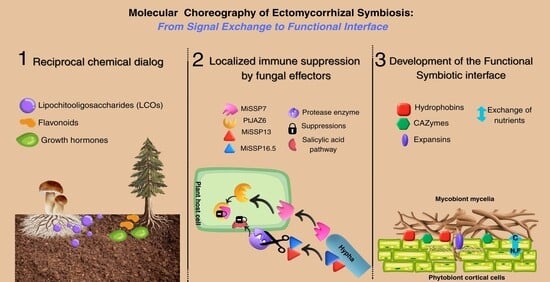
Graphical Abstract

1. Introduction

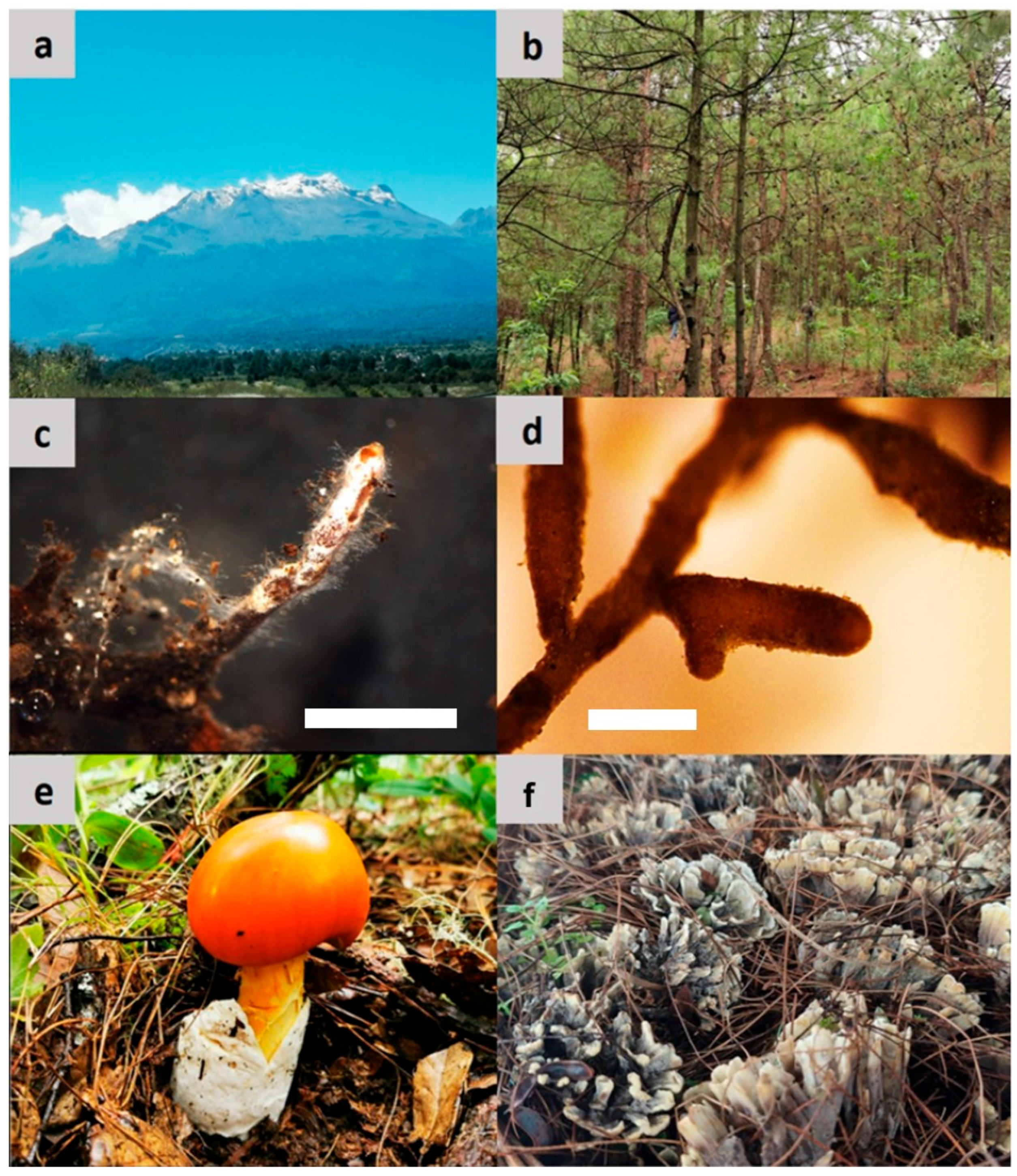
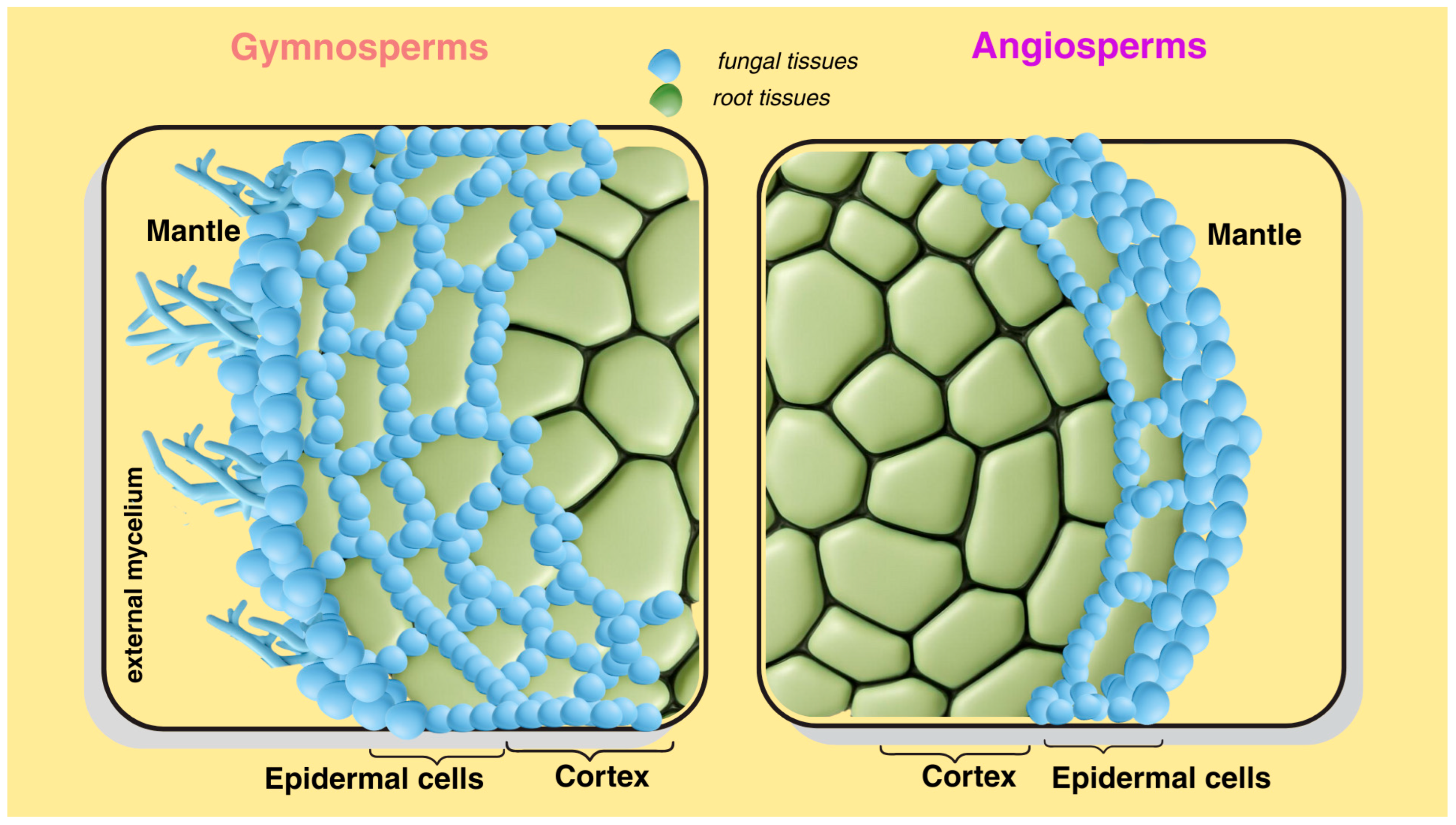
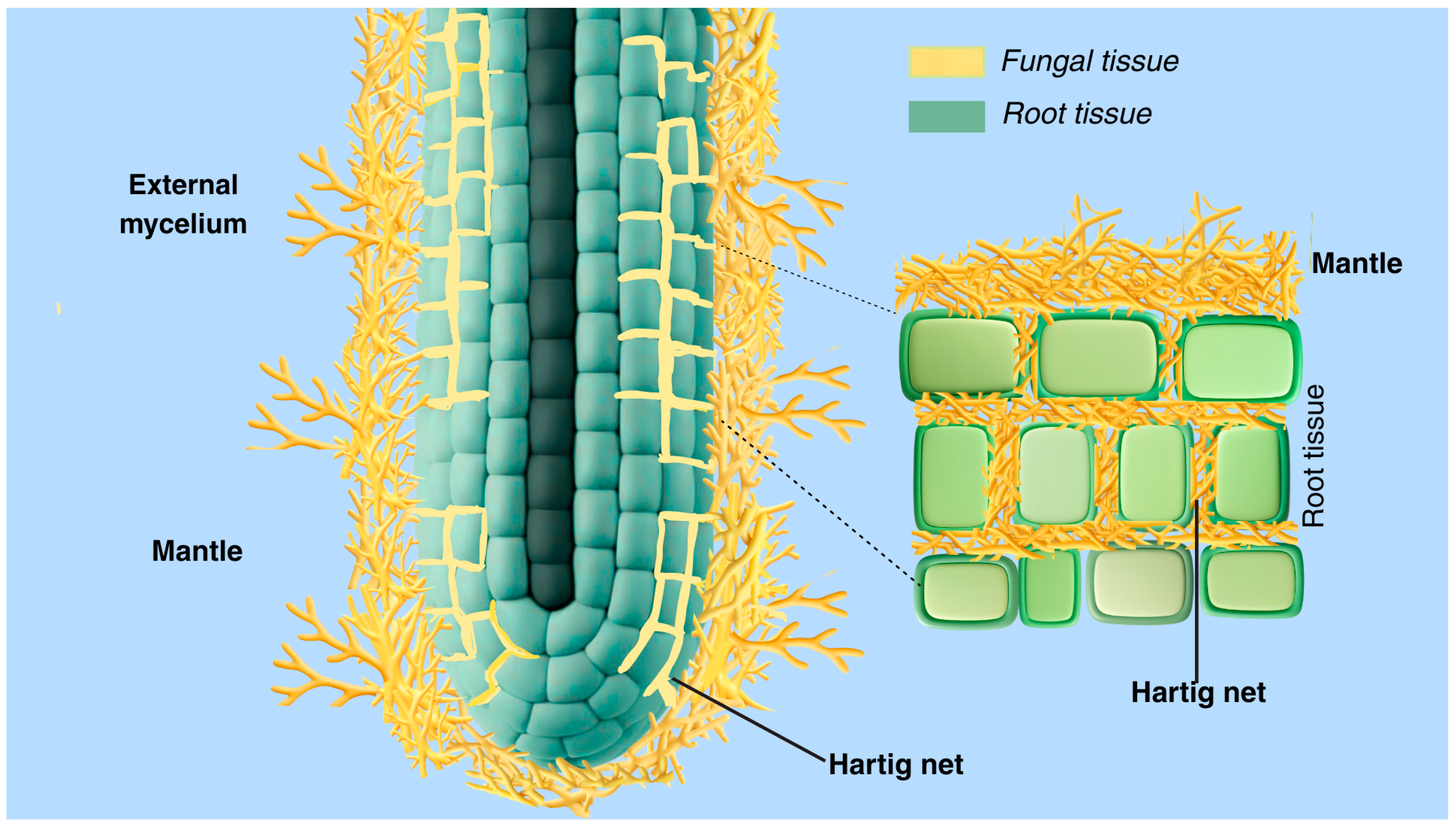
The mycorrhizal symbiosis, originating approximately 450 million years ago, was a pivotal innovation that facilitated plant colonization of terrestrial environments and remains a fundamental driver of ecosystem function [1,2,3]. The capacity to form symbiotic relationships with soil microorganisms is a deeply conserved trait in vascular plants that facilitated their adaptive radiation and historical diversification and remains integral to their contemporary ecological dominance, fitness, niche breadth, and ecosystem function. Ectomycorrhizal (ECM) symbiosis represents a more recent and specialized derivation within this ancient partnership, having emerged approximately 150–200 million years ago [2,3]. This adaptation is considered a critical factor in the rise and success of modern temperate and boreal forests (Figure 1). Representing the most diverse category of mycorrhiza, ECM symbiosis encompasses over 20,000 fungal species [4] distributed across more than 80 distinct phylogenetic clades [5]. It involves over 6000 plant species spanning 250 to 300 genera, forming obligate associations with dominant tree lineages across boreal, temperate, and select tropical biomes, including families such as Pinaceae, Fagaceae, Dipterocarpaceae, and numerous Rosaceae [6,7,8,9] (Figure 2). Structurally, the ECM association is defined by the formation of a dense fungal sheath, or mantle, surrounding the root tip, from which an extensive extraradical mycelium explores the soil. Internally, fungal hyphae penetrate the root apoplast to form a highly branched, intercellular network, the Hartig net, which constitutes the primary interface for symbiont interaction and resource exchange (Figure 3). Genomic evidence indicates that the ECM lifestyle evolved repeatedly through convergent evolution [10,11]. Various lineages of primarily saprotrophic Basidiomycota and Ascomycota independently underwent a transition from a decomposing to a symbiotic habit, characterized by the loss of numerous plant cell wall-degrading enzymes (PCWDEs) and the expansion of gene families related to symbiosis, such as those encoding small secreted effector proteins (SSPs) and membrane transporters [12].
The functional core of the ECM symbiosis is a bidirectional resource exchange: the host plant allocates photosynthetically fixed carbon to the fungal symbiont, which in return provides enhanced acquisition of soil water and limiting nutrients, notably nitrogen and phosphorus, via its extensive mycelial network [13,14,15,16]. This efficient nutrient-for-carbon trade is a cornerstone of global biogeochemical cycles, directly influencing plant productivity, health, and stress resilience, while shaping plant community dynamics and ecosystem stability [7,17,18]. The ecological impact of ECM fungi extends far beyond this basic bipartite exchange. The subterranean mycelial networks can form vast, interconnected systems that link multiple individual plants across species boundaries. This common mycelial network, sometimes termed the “wood-wide web,” facilitates the direct interplant transfer of resources, including macronutrients and defensive compounds, thereby promoting seedling establishment, enhancing community resilience, and increasing ecosystem productivity [19,20,21,22]. Furthermore, the symbiosis significantly improves host plant tolerance to abiotic stresses. The extraradical mycelium extends the plant’s hydraulic reach, improving water uptake under drought conditions [23]. Additional mechanisms confer resistance to soil salinity, heavy metal toxicity, and temperature extremes through processes involving osmotic adjustment, enhanced antioxidant capacity, and physical root stabilization [24,25,26,27]. Globally, the ECM symbiosis is estimated to occur in approximately 60% of all tree stems [28] and mediates a diverse array of critical ecological processes in forest ecosystems [29]. ECM-forming trees constitute the dominant vegetation across vast terrestrial biomes and include many of the world’s most ecologically and economically significant timber species. The term “ECM association” thus encompasses a broad spectrum of symbioses, from highly specific to generalist, maintained through diverse mechanistic and molecular pathways, underlining its central role in regulating forest ecosystem dynamics [30].
The evolutionary emergence of ECM symbiosis is a story of convergent evolution; genomic evidence indicates that various lineages of primarily saprotrophic Basidiomycota and Ascomycota independently and repeatedly underwent a shift from a decomposing to a symbiotic lifestyle [10,11]. Acknowledging the inherent heterogeneity across ECM symbioses is crucial, as significant ecological, structural, and molecular variability exists between different fungal lineages and their host plants. This diversity is exemplified by key evolutionary divergences, such as the common symbiosis pathway versus independent signaling pathways utilized by hosts in the Pinaceae family, which contrast with the common symbiosis pathway employed by many angiosperms [11]. Further structural adaptation is evident in the variable depth and cellular architecture of the Hartig net, a critical interface whose morphology differs markedly between angiosperm and gymnosperm hosts [7,31]. At the molecular level, effector and small secreted protein repertoires, essential for symbiotic establishment and maintenance, are highly divergent among major fungal lineages, contributing to distinct host ranges and interaction strategies [11,32,33]. This transition involved the loss of many plant cell wall-degrading enzymes (PCWDEs) and the expansion of gene families related to symbiosis, such as those encoding small secreted effector proteins (SSPs) and membrane transporters [12]. A deep comprehension of the sophisticated molecular dialogue that governs mutual recognition and establishment is therefore paramount. The initial compatibility between a host plant and a symbiotic fungus is dictated by a precise exchange of diffusible signals—including lipochitooligosaccharides (LCOs) and ethylene-inducing xylanase (EIX)-like proteins—and a suite of effector proteins that not only ensure species-specific recognition but also actively suppress the host’s innate immune responses to permit harmonious colonization [34,35]. LCOs constitute a diverse family of signaling molecules defined by a conserved core structure. This structure consists of an oligomeric backbone of β-1,4-linked N-acetyl-D-glucosamine (GlcNAc) residues (typically 3 to 5 units), which is N-acylated at the non-reducing terminus by a variable fatty acyl chain. The molecule’s structural and functional diversity arises from modifications at three principal sites: (i) the degree of polymerization (n) of the chitin oligomer, (ii) the length, saturation state, and functionalization of the N-linked fatty acyl chain (R1, typically C14-C20), and (iii) specific substitutions (R2-Rn) on the glucosamine residues, including acetylation, carbamoylation, methylation, sulfation, or glycosylation [36,37]. Consequently, LCOs are represented not by a single chemical formula but by a spectrum of structurally related lipoglycans. Ethylene-inducing xylanase (EIX)-like proteins represent a significant class of effectors in ectomycorrhizal (ECM) symbiosis, where their function has diverged from their canonical role as elicitors of plant immunity in pathogenic contexts. In ECM fungi, these proteins, characterized by a conserved β-sandfold, have been evolutionarily co-opted to mediate mutualistic colonization. Genomic analyses reveal an expanded family of such symbiosis-induced EIX-like proteins in ECM fungi [38], underscoring their adapted role in modulating host physiology to establish and maintain mutualistic root interactions. However, is important to note that higher ethylene levels are inhibitory for mycorrhizal colonization, whereas lower concentrations might promote it [39]. This complex crosstalk establishes a vital framework for understanding the foundational principles of symbiotic establishment, offering an instructive contrast to pathogenic interactions. Deciphering these signaling pathways is crucial not only for fundamental insights into the evolutionary adaptations that have shaped this mutualism but also for identifying the genetic determinants of symbiotic efficiency. However, it is important to acknowledge that our current understanding of the molecular mechanisms governing ectomycorrhizal symbiosis establishment is intrinsically limited by the biological complexity of the interaction itself. Current knowledge remains heavily reliant on a limited number of model fungal and plant systems, providing a view that lacks comprehensive data from non-model fungi and tree hosts in natural forests. Furthermore, critical contextual factors, including environmental variability, the modulating influence of the root and soil microbiome, and inherent methodological constraints, such as the difficulty in capturing transient early signaling events in situ, also constitute significant gaps that are not yet fully addressed. Acknowledging and strategically investigating these dimensions is essential for developing a more unified conceptual framework of ECM symbiosis in future research. Despite these intrinsic limitations, there have been important advances which provide valuable insights in the understanding of the molecular dialogue underlying pre-colonization signaling and recognition in ECM symbiosis signaling. This knowledge can be leveraged to enhance plant fitness, forest resilience, and productivity in both natural and managed ecosystems facing anthropogenic pressures and climate change.
Despite these advances, a synthesized and critical analysis of the pre-colonization dialogue, with an explicit focus on the evolutionary convergence of molecular mechanisms, is warranted. Therefore, this review is guided by two central research questions: (1) How do the roles of conserved symbiotic signals, such as LCOs, vary between hosts possessing and lacking the common symbiosis pathway (CSP), and what alternative recognition mechanisms exist? (2) What are the precise molecular strategies, particularly regarding effector protein (e.g., MiSSP) function, by which ectomycorrhizal fungi achieve localized immunomodulation to enable symbiotic establishment without triggering a systemic defense response? We hypothesize that the evolutionary transition to the ectomycorrhizal habit across diverse fungal lineages involved the convergent recruitment of a core set of molecular functions, encompassing reduced plant cell wall degradation, refined effector-mediated host communication, and specialized transport, despite substantial variation in the genetic toolkit. To address these questions and evaluate this hypothesis, this review will address the following objectives: (i) To synthesize the sequential molecular and morphological events, from pre-symbiotic signaling to the formation of the symbiotic interface, that underpin the establishment of the ectomycorrhizal association; (ii) To critically evaluate the mechanisms of mutual recognition and immune modulation, with a specific focus on the roles of signaling molecules—such as LCOs, phytohormones, and root exudates—and fungal effector proteins in overcoming host defense responses; and (iii) To consolidate current knowledge on the function of key symbiotic gene products, including small secreted proteins (SSPs) and carbohydrate-active enzymes (CAZymes), and to identify critical gaps in our understanding of their species-specific roles, thereby outlining future research priorities for the field.

2. Materials and Methods

This review was conducted following a systematic approach to identify, select, and critically appraise the relevant scientific literature concerning the molecular basis of pre-colonization signaling and recognition in ECM symbiosis. The methodology was designed to ensure a comprehensive and unbiased synthesis of current knowledge, aligning with best practices for narrative reviews that incorporate systematic elements [40].

2.1. Literature Search and Selection Strategy

A systematic literature search was performed to identify peer-reviewed articles published between January 1985 and December 2024. This timeframe was selected to capture the foundational research on ECM molecular biology from the mid-1980s onward, coinciding with the advent of advanced biochemical and genetic techniques in the field [30].

2.2. Electronic Databases and Search Strings

Searches were executed in the following bibliographic databases: Web of Science Core Collection, Scopus, PubMed, and ScienceDirect. To construct a comprehensive search, a combination of controlled vocabulary (e.g., MeSH terms in PubMed) and free-text keywords was used with Boolean operators (AND, OR). The core search string was structured as follows: (“ectomycorrhiz*” OR “ectomycorrhizal fungi”) AND (“signal*” OR “recognit*” OR “crosstalk” OR “dialogue”) AND (“pre-colonization” OR “early interaction” OR “symbiosis establishment”) AND (“molecular” OR “effector protein” OR “MiSSP” OR “lipochitooligosaccharide” OR “LCO” OR “exudate*” OR “immun”). This string was adapted to the syntax of each database. Additional targeted searches were conducted for specific key molecules (e.g., “MiSSP7”, “Laccaria bicolor effector”, “chitin deacetylase ectomycorrhiza”) to ensure the inclusion of seminal studies.

2.3. Inclusion and Exclusion Criteria

Studies were screened in a two-stage process (title and abstract followed by full-text review) against predefined criteria: (i) Inclusion Criteria: (1) Primary research articles or review articles focused on the molecular mechanisms of early signaling, recognition, or immune modulation during ECM symbiosis establishment; (2) Studies involving ECM fungi and their host plants; (3) Articles published in English in peer-reviewed journals; and (ii) Exclusion Criteria: (1) Studies focusing solely on arbuscular mycorrhizal (AM) or other non-ECM symbioses without a direct comparative link to ECM; (2) Studies exclusively describing field ecology, community composition, or applied inoculation trials without molecular data; (3) Conference abstracts, theses, and non-peer-reviewed literature. The selection process was documented, and the results were managed using reference management software (EndNote X20, Clarivate Analytics). Initial database searches yielded 2347 records. After removing duplicates (n = 512) and screening titles and abstracts, 283 articles were selected for full-text assessment. Of these, 110 articles met all inclusion criteria and formed the core corpus for this review. The decision trail for study selection proposed the selection process described in PRISMA (Preferred Reporting Items for Systematic Reviews and Meta-Analyses) statement [41]. The search considered only articles published in indexed, peer-reviewed journals according to the list of journals with metrics (Journal Citation Reports 2024).

2.4. Data Extraction and Synthesis

Relevant data were extracted from the included articles into a structured template. Extracted information encompassed: (1) Study system (fungal and plant species); (2) Molecular focus (e.g., signaling molecules, effector proteins, cell wall-modifying enzymes); (3) Key methodological approaches (e.g., genomics, transcriptomics, proteomics, functional genetics); (4) Main findings related to pre-symbiotic dialogue; and (5) Identified knowledge gaps or future directions. A narrative synthesis approach was employed, as the heterogeneity in study systems and methodologies precluded a formal meta-analysis. The extracted data were organized thematically according to the sequential stages of pre-colonization interaction: initial signal exchange, modulation of host immunity, and structural adaptation for symbiotic interface formation. This thematic framework allowed for the integration of evidence across diverse model systems [e.g., Laccaria bicolor (Maire) P.D.Orton -Populus, Pisolithus-Eucalyptus, Hebeloma-Pinus] to identify conserved mechanisms and lineage-specific innovations. Critical analysis involved comparing findings across studies to evaluate the strength of evidence for proposed models, such as the role of the CSP [42] versus alternative signaling in Pinaceae hosts [43] (G, and the convergent evolution of effector functions [34,35].

3. Results

3.1. Morphological Ontogeny and Functional Zonation of the Ectomycorrhizal Symbiosis

The establishment of the ECM symbiosis is a genetically predetermined process initiated by compatible interactions between specific fungi and host plant roots. This mutualistic association arises from a synchronized program of root development and fungal differentiation, culminating in the formation of specialized symbiotic structures [44]. The morphological ontogeny proceeds through a defined temporal and spatial sequence, initiated when host roots and compatible fungal hyphae grow in proximity under favorable environmental conditions [45,46]. Subsequent development necessitates coordinated physical and cytological modifications in both partners to facilitate the formation of these structures [47,48].
The primary site for initial contact is typically the subapical region of young, actively growing lateral roots, where cells are metabolically active and their walls are more amenable to interaction [49]. The developmental sequence can be demarcated into five consecutive, yet overlapping, stages: (1) Pre-Infection and Hyphal Attachment: This stage constitutes the initial biochemical dialogue and physical contact. Fungal hyphae recognize and adhere to the epidermal cells (rhizodermis) of the root apex. Recognition is mediated by diffusible signals, while adhesion involves fungal surface proteins interacting with root surface components; (2) Mantle Formation: Following successful attachment, the fungal mycelium undergoes prolific proliferation across the root surface. Hyphae differentiate to form a dense, pseudoparenchymatous sheath known as the mantle, which ensheathes the root tip. This structure interfaces directly with the soil environment; (3) Hartig Net Development: From the inner mantle, fungal hyphae penetrate the root apoplast via strictly intercellular growth. A fundamental structural divergence exists between host types: in most angiosperms, hyphal penetration is restricted to the intercellular spaces of the uniseriate epidermis, forming an epidermal Hartig net. In contrast, in gymnosperms, hyphae typically penetrate more deeply, growing between multiple layers of the outer cortex to form a paraepidermal or cortical Hartig net (Figure 2). This intercellular network constitutes the primary interface for nutrient and signal exchange between the symbionts. Concurrently, the host plant may mount initial defense responses, including the production of polyphenols and the deposition of secondary metabolites in cell walls; (4) Establishment of the Functional Symbiotic Zone: A fully functional ectomycorrhiza is established several millimeters behind the root apex. This spatial lag reflects the time required for complete fungal colonization and structural differentiation. Consequently, a functional zonation arises along the colonized root: the apex represents a colonization front, while regions behind the tip host the metabolically active Hartig net. The activity of this interface is thus inherently dependent on root age, growth rate, and developmental status; and (5) Maturation and Persistence: The fungal mantle on older root sections often persists long after the symbiotic association in that specific zone has ceased active nutrient exchange. These senescent ECM roots can function as storage organs for fungal reserves and as sources of propagules for new colonization events [15].
Accurately evaluating the metabolic activity of hyphae within this complex, zonated structure presents a methodological challenge. Contemporary approaches emphasize multi-method correlation to overcome individual technique limitations. Strategies combine in situ visualization (e.g., vital stains, Bioorthogonal Non-canonical Amino Acid Tagging combined with fluorescence in situ hybridization—BONCAT-FISH) with bulk activity measurements (e.g., Stable Isotope Probing—SIP). As no single method is flawless—some dyes exhibit toxicity, while SIP requires substantial isotopic enrichment—correlative evidence from complementary techniques provides the most robust distinction between metabolically active and inactive fungal hyphae in both controlled and environmental systems [50,51,52].

3.2. The Molecular Dialogue of Recognition: Root Exudates and Fungal Responses

The establishment of ECM symbiosis proceeds through three defined developmental stages: pre-contact recognition of a compatible host (Stage I), physical contact and attachment (Stage II), and the maintenance of a stable mutualistic association (Stage III) [46]. Stage I is governed by a sophisticated molecular dialogue mediated by signals released by both organisms into the rhizosphere.
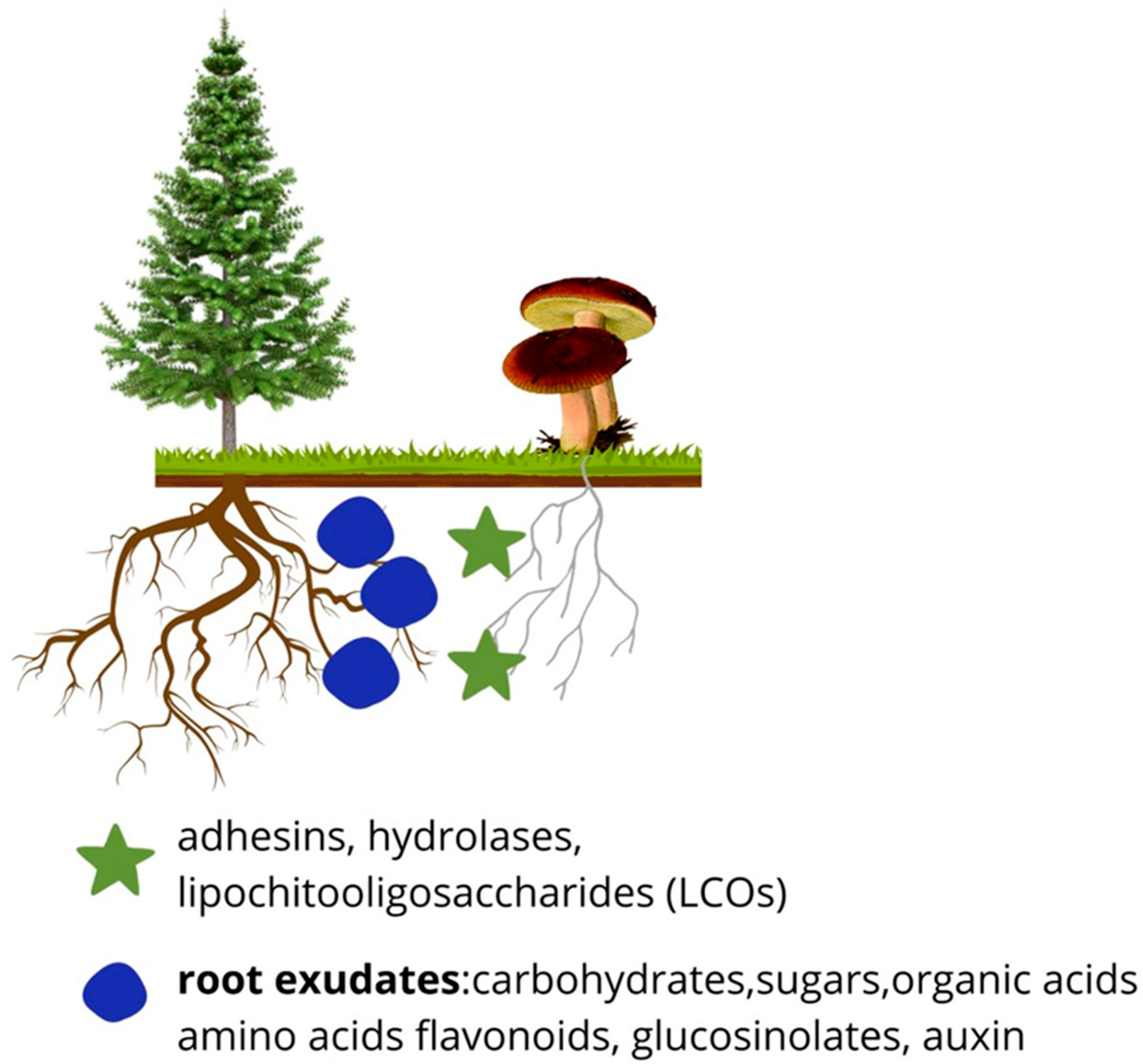
Host plants constitutively and inductively release a complex mixture of primary and secondary metabolites, including sugars, amino acids, organic acids, hormones, and flavonoids, which profoundly influence the composition and function of the root microbiome [53]. This exchange of pre-symbiotic signals is a critical prerequisite for ECM formation [54] (Figure 4). The stimulatory effect of root exudates on ECM fungi was first documented by Melin [55]. Subsequent research has identified specific bioactive compounds; for instance, the diterpene abietic acid present in Pinus sylvestris L. root exudates induce spore germination in Suillus spp. [56]. Furthermore, a host-derived flavonoid acts as a key signaling molecule in the specific interaction between Eucalyptus globulus spp. bicostata (Maiden, Blakely & Simmonds) J.B.Kirkp. and Pisolithus spp., suggesting that such secondary metabolites contribute to determining ECM partner specificity [57]. The exudation of flavonoids, known to modulate hyphal growth and branching in various fungal interactions, appears to be a widespread plant phenomenon [58].
These host-derived metabolites trigger a suite of essential developmental responses in compatible ECM fungi, including: (i) Basidiospore germination [30,56]; (ii) Directional hyphal growth (chemotropism) towards the root source [30,59]; and (iii) The initiation of the mycorrhiza formation program, including preparatory metabolic shifts [60,61,62]. Crucially, this dialogue is reciprocal. Fungal-derived signals are equally integral for activating host symbiotic programs. A key example is the secretion of lipochitooligosaccharides (LCOs) by fungi such as Laccaria bicolor, which are perceived by host plants like Populus to enhance colonization and can even induce root hair branching in legumes, demonstrating structural similarity to rhizobial Nod factors [42]. The molecular mechanisms underpinning this pre-colonization dialogue can be functionally categorized into five interconnected areas: (i) Chemotropism, (ii) Host invasion mediated by fungal adhesins and hydrolases, (iii) Developmental reprogramming of both symbionts via hormones and secondary signals, (iv) Host defense modulation, and (v) Metabolic integration for nutrient exchange [30].

3.3. Navigating the Host Immune System: Transient Activation and Effector-Mediated Suppression

The establishment of any plant-microbe interaction is initiated by mutual recognition of signaling molecules [63]. A characteristic feature of root colonization by mutualists is a transient, localized stimulation of plant defense responses during the initial contact phase, followed by their active and localized suppression to permit symbiotic development [18,64]. The plant immune system is not a mere barrier but plays an active, integral role in differentiating friend from foe. As both symbiotic and pathogenic microbes are initially recognized as foreign via conserved patterns, active modulation of immunity is a prerequisite for successful mutualism.
In the specific context of mycorrhizal symbiosis, this modulation leads to a physiological state termed “mycorrhiza-induced resistance” (MIR). MIR shares mechanistic features with both systemic acquired resistance (SAR), typically activated against biotrophic pathogens, and induced systemic resistance (ISR), commonly associated with responses to necrotrophs and beneficial microbes [63,65]. Consequently, MIR involves a complex interplay of salicylic acid (SA)- and jasmonic acid (JA)-dependent signaling pathways [18,65,66].
The initial immune trigger is the plant’s perception of conserved Microbe-Associated Molecular Patterns (MAMPs), such as fungal chitin, via pattern recognition receptors (PRRs), leading to MAMP-Triggered Immunity (MTI) [67,68,69]. Although root-specific MTI is less characterized, research in Arabidopsis confirms analogous signaling pathways operate in roots [70]. To colonize successfully, ECM fungi must therefore overcome or modulate this initial MTI [71]. Transcriptional analyses, primarily from arbuscular mycorrhizal systems but corroborated in ECM studies, reveal a consistent pattern: defense-related gene expression is elevated during early interaction stages and declines as a functional symbiosis matures [64,72,73].
Ectomycorrhizal fungi have evolved extracellular strategies to evade or suppress MTI, which can be categorized into three primary mechanisms: (1) the prevention of MAMP production or exposure, (2) the enzymatic reduction of MAMP release via hydrolysis (e.g., chitinases), and (3) the direct interference with MAMP perception by host receptors through effector proteins or competing ligands [74]. It is hypothesized that the genomic and cell wall similarities between mycorrhizal and pathogenic fungi trigger a default defense program that symbionts must actively counteract [71,75]. Following this localized suppression, the host plant often initiates long-distance signaling that systemically primes JA- and ethylene-dependent defenses (ISR), enhancing overall plant resistance [18].

3.4. Phytohormonal Crosstalk: Integrating Development and Defense

Phytohormones function as central regulators, integrating developmental cues and defense signals to orchestrate the symbiotic interface [76]. A critical prerequisite for successful Hartig net formation is the precise suppression of host defense signaling, particularly through the JA pathway. Exogenous application of JA triggers defense responses that reinforce root cell walls, directly impeding fungal penetration and symbiotic structure formation [76,77].
This hormonal manipulation is achieved directly through fungal effector activity. The archetypal example is the L. bicolor effector MiSSP7, which, upon translocation to the host nucleus, stabilizes the JA signaling co-repressor PtJAZ6, thereby preventing the activation of JA-responsive defense genes [77].
Colonization by ECM fungi lead to significant and strategic alterations in endogenous phytohormone levels, fine-tuning the symbiotic interface [76]:
Ethylene (ET): Exhibits a dose-dependent, biphasic effect. At low to moderate concentrations, ET promotes symbiosis, likely by enhancing mantle formation and hyphal aggregation. In contrast, intense ET signaling inhibits colonization, potentially by repressing the expression of fungal genes essential for symbiotic growth [39].
Salicylic Acid (SA): While SA can be a fungal metabolite, its accumulation during ECM establishment often appears non-functional or even disruptive to the integration process. Its increase may trigger host energy production and storage pathways rather than directly facilitating symbiotic integration, representing a potential point of conflict or misregulation.
Gibberellins (GA): Inactivation of GA signaling promotes fungal colonization. GAs influences the biosynthesis of glycoproteins, which are critical components of the fungal secretions (exopolysaccharides and glycoproteins) necessary for initial host root adhesion during early mycorrhizal development [78,79].
Auxins: Fungal-derived auxins, notably indole-3-acetic acid (IAA), play a multifaceted role: they facilitate root colonization, stimulate lateral root formation (thereby increasing the number of potential infection sites), and modulate host cell expansion, collectively enhancing the symbiotic interface area [80,81].
The molecular dialogue preceding physical contact is further evidenced by the regulation of fungal symbiotic nutrient transporters. The HcPT2 phosphate transporter in Hebeloma cylindrosporum Romagn. is essential for symbiotic structure growth and differentiation. Its expression is specifically upregulated in the free-living mycelium in the presence of a host root, indicating its induction is part of the pre-symbiotic molecular interaction, likely mediated by diffusible plant-derived signals such as ethylene, auxins, or flavonoids [82,83].

3.5. Lipochitooligosaccharides (LCOs): Conserved Fungal Signals with Divergent Host Perception

To facilitate mutualistic recognition, symbiotic microorganisms produce signaling molecules that distinguish them from pathogens. A key strategy involves the production of lipochitooligosaccharides (LCOs), lipoglycans structurally analogous to bacterial Nod factors [84,85]. In plants possessing the genetically conserved Common Symbiosis Pathway (CSP), these molecules are perceived by LysM receptor kinases, activating a downstream cascade involving nuclear calcium spiking, the calcium/calmodulin-dependent kinase DMI3, and the transcription factor IPD3. This culminates in the expression of the plant’s symbiotic genetic program [42,43,86]. GRAS denotes a major class of plant-specific transcription factors. The acronym is derived from the founding members that defined the family: GAI (Gibberellic Acid Insensitive), RGA (Repressor of GA1-3), and SCR (Scarecrow). These proteins are characterized by conserved C-terminal domains and function as central regulators of diverse plant processes, including hormone signaling, root and shoot development, and environmental adaptation. The GRAS gene family plays multifunctional roles in plant growth, with specific members being instrumental in orchestrating symbiotic interactions and stress responses [87].
However, the CSP is not universal. A profound evolutionary divergence is observed in the Pinaceae family (e.g., pines, firs, spruces), where no functional homologs of core CSP genes have been identified [88]. This genetic loss is correlated with their inability to form arbuscular mycorrhizas and indicates that ECM associations in these ecologically crucial hosts are established entirely independently of the CSP [89,90]. In CSP-containing hosts like Populus, L. bicolor LCOs (Myc-LCOs) induce characteristic perinuclear calcium spiking and enhance colonization [42,86].
Notably, LCO production is an ancestral trait conserved across diverse fungal lineages, including non-symbiotic species [37]. This widespread occurrence suggests a dual evolutionary interpretation: plants evolved to perceive LCOs both as general indicators of fungal presence and, in specific contexts, as precise symbiotic cues [91]. Consequently, the function of LCOs extends beyond symbiosis signaling per se. The ability of ECM fungi like H. cylindrosporum to successfully colonize non-CSP hosts like pines indicates that LCOs play intrinsic roles in fungal physiology, potentially regulating processes such as spore germination, hyphal branching, and transcriptional regulation in free-living fungi [37,42,91].

3.6. Building the Interface: Reciprocal Remodeling by Hydrophobins, Expansins, and CAZymes

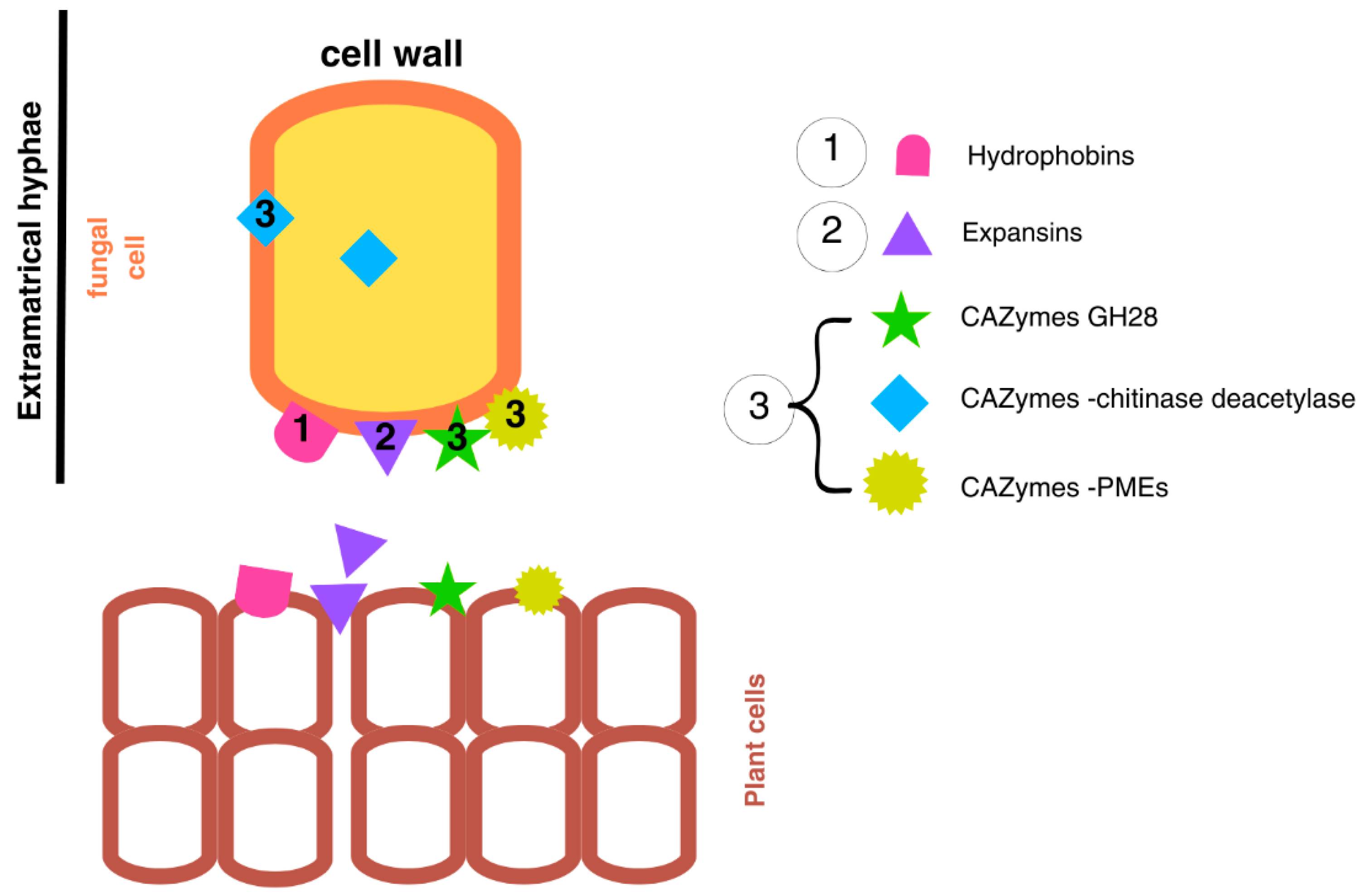
The adhesion of fungi to the root epidermis and subsequent apoplastic penetration necessitate highly coordinated modifications to the extracellular matrices of both symbionts [82]. The symbiotic interface in ectomycorrhiza is anatomically defined by the direct contact between the plant cell wall and the fungal cell wall within the apoplastic space [92].
Proteomic and transcriptomic approaches have identified key fungal gene products involved in this structural dialogue:
(1) Hydrophobins: These small, secreted fungal proteins are associated with the outer cell wall and mediate interfacial interactions with the host and environment. Their primary mechanism of action involves self-assembly at hydrophobic-hydrophilic interfaces, forming amphipathic monolayers or rodlet layers that profoundly alter surface properties [93]. This allows fungal hyphae to attach to hydrophobic plant surfaces, coat the symbiotic structures with a protective hydrophobic layer, and mediate crucial physical and signaling interactions at the plant-fungus interface. Supporting this, a genomic and transcriptomic study [94] of the ectomycorrhizal fungi Tricholoma vaccinum (Schaeff.) P. Kumm. 1871 detailed a family of nine hydrophobin genes with specialized, stage-specific roles. Key symbiosis-related hydrophobins (hyd4 and hyd5) were induced by plant root exudates and volatiles early in interaction and were upregulated during mantle and Hartig net formation, while others (e.g., hyd8) were associated with aerial hyphae and repressed during symbiosis. Furthermore, compatible versus incompatible host interactions were correlated with distinct hydrophobin gene expression profiles, underscoring their role in host recognition and symbiotic specificity. Specifically, during ectomycorrhiza formation, hydrophobins are localized to the hyphal mantle and Hartig net, where they are hypothesized to facilitate the formation of the apoplastic space by creating a water-repellent barrier, thereby regulating solute exchange and preventing direct host cell wall degradation Their absence in incompatible plant-fungus associations underscores their role in host recognition and symbiotic specificity [30,95]. Genomic analysis of L. bicolor reveals a reduction in plant cell wall-degrading enzymes but retention of saprotrophic capabilities for non-plant polysaccharides, indicating a dual saprotrophic and biotrophic lifestyle [42,46].
(2) Expansins: Transcripts encoding proteins containing an expansin domain are specifically induced in ectomycorrhizae [46]. Expansins facilitate cell wall remodeling not through enzymatic hydrolysis but by non-enzymatically disrupting hydrogen bonds between cellulose microfibrils and matrix polysaccharides, thereby inducing wall loosening and stress relaxation [96,97]. Their expression suggests ECM fungi employ subtle, physical means to soften host cell walls for intercellular penetration.
(3) Carbohydrate-Active Enzymes (CAZymes): The repertoire of CAZymes is a defining genomic signature of the evolutionary transition from saprotrophy to symbiosis. This transition involved a general reduction in the suite of plant cell wall-degrading enzymes (PCWDEs) while retaining—and in some cases expanding—specific enzyme families crucial for symbiotic interaction [54]. These enzymes facilitate controlled, localized remodeling:
Fungal Cell Wall Modifiers: Evasion of Host Immunity. A critical function of fungal-derived CAZymes is the modification of the mycobiont’s own cell wall to evade host recognition. Upon initial contact, fungi express chitinases and chitin deacetylase [82]. Chitin deacetylase catalyzes the conversion of chitin to chitosan, a pivotal evasion strategy because chitosan is a significantly less potent elicitor of plant defense responses than chitin [98,99]. This modification serves a dual purpose: it reduces the immunogenicity of the fungal cell wall, counteracting host recognition, and concurrently protects the wall from degradation by plant-derived chitinases.
Plant Cell Wall Modifiers: Facilitating Apoplastic Colonization. Simultaneously, fungi secrete CAZymes that specifically target components of the plant cell wall to facilitate intercellular colonization. This includes pectin methylesterases (PMEs) from the CE8 family [82]. PMEs alter the structure and adhesion properties of the plant cell wall matrix by demethylesterifying pectin, which can facilitate hyphal penetration and is crucial for the establishment and persistence of the Hartig net [100,101]. Furthermore, glycoside hydrolases from families such as GH28 are expressed, which target plant cell wall polysaccharides, enabling localized loosening of the apoplastic space [82].
Reciprocal Remodeling at the Symbiotic Interface. The expression of a broader suite of glycoside hydrolases that target polysaccharides of both plant and fungal origin underscores a process of continuous, reciprocal remodeling at the symbiotic interface [82]. This dynamic activity suggests the apoplastic space is not merely a static channel but a jointly modified compartment where both partners actively manage the interfacial matrix, balancing structural accommodation with the maintenance of an attenuated defense response (Figure 5).

3.7. Effector Proteins: The Fungal Toolkit for Host Reprogramming

The characterization of effector molecules in ECM fungi, which exhibit a dual saprotrophic and biotrophic lifestyle, remains a frontier of research. Genomic analyses of model fungi like L. bicolor reveal a striking expansion of genes encoding Small Secreted Proteins (SSPs), defined as proteins under 300 amino acids containing a signal peptide [46,102,103]. Many of these SSPs, of previously unknown function, show symbiosis-specific expression patterns, with the most highly induced transcripts in colonizing hyphae often encoding SSPs. These MiSSPs are now recognized as key effector proteins that manipulate host cell processes, a strategy showing clear convergence with plant pathogens [34,104].
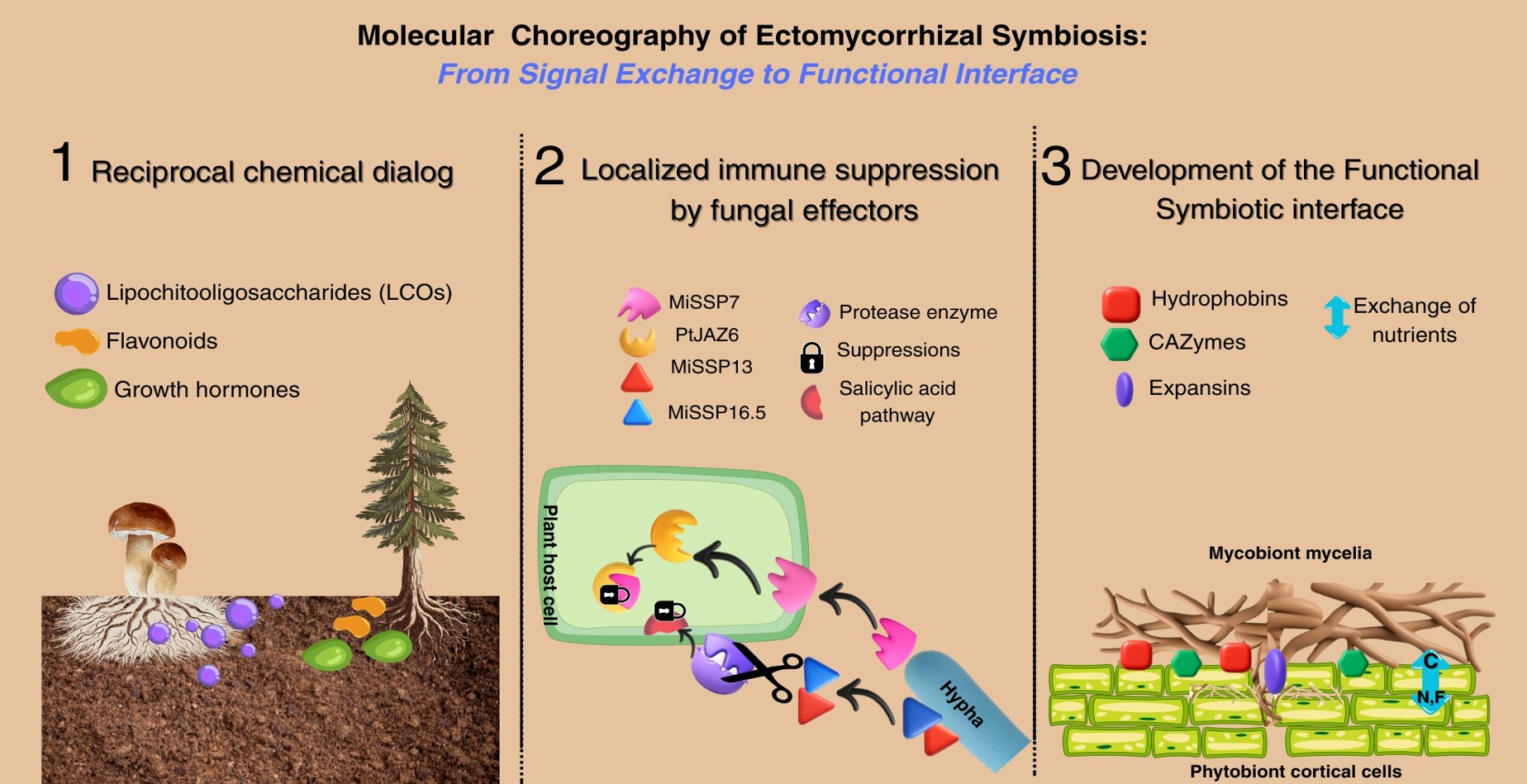
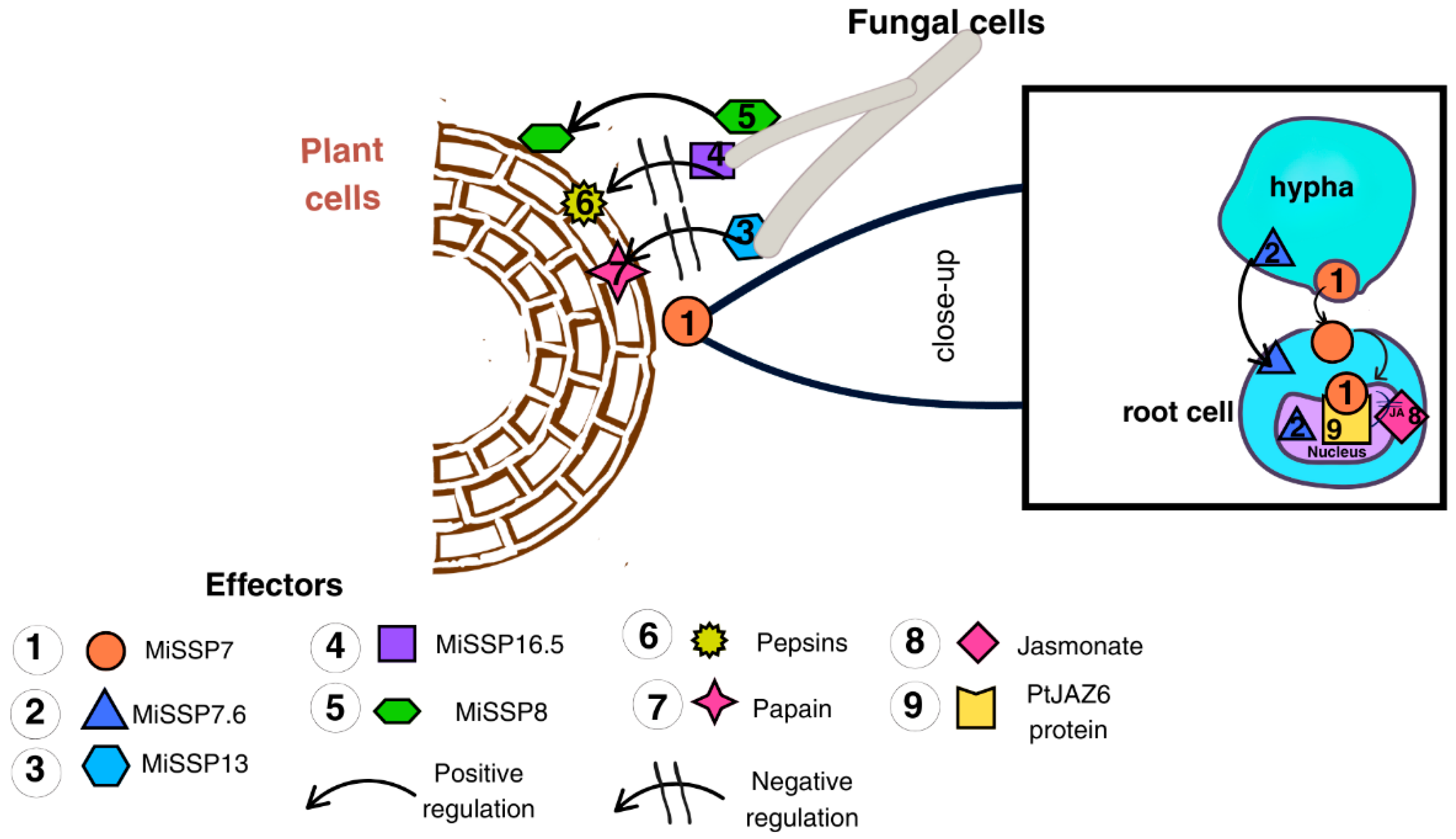
MiSSP7—A Nuclear Suppressor of Jasmonate Signaling: This is the most mechanistically well-characterized ECM effector. Secreted in response to host root exudates, MiSSP7 is imported into plant cells via phosphatidylinositol 3-phosphate-mediated endocytosis. It traffics to the host nucleus, where its RALG domain facilitates interaction with the JA signaling co-repressor PtJAZ6. By stabilizing PtJAZ6 and preventing its degradation, MiSSP7 effectively blocks the activation of JA-responsive defense genes, creating a localized immunosuppressive environment permissive for hyphal proliferation and Hartig net formation [34,77,105,106].
Apoplastic Effectors—Protease Inhibitors: Not all effectors target the nucleus. Bioinformatic and expression analyses identified MiSSP13 and MiSSP16.5 as apoplast-localized effectors upregulated during symbiosis [45]. In silico analyses suggest MiSSP13 acts as an inhibitor of cysteine proteases (e.g., papain-like proteases), while MiSSP16.5 is a putative inhibitor of aspartic proteases (e.g., pepsin). Since these host proteases are involved in activating SA- and JA-mediated defense pathways by processing precursor proteins, their inhibition by fungal effectors provides a complementary, extracellular layer of immune suppression that likely synergizes with nuclear activities like those of MiSSP7 [45,107].
Effectors with Diverse Roles: The effector repertoire is complex and temporally regulated. For instance, MiSSP8 is highly expressed in hyphae, mantle, and Hartig net, and is implicated in the very early stages of symbiosis by regulating hyphal aggregation and pseudoparenchyma formation [108]. MiSSP7.6, whose expression is modulated in ECM roots, associates with the extraradical mycelium in later stages and localizes to both plant nucleus and cytoplasm, suggesting distinct functions [109]. The specific downregulation of certain SSPs in mature ECM tips further indicates sophisticated temporal control of the effector suite during symbiosis development [46,103] (Figure 6).

3.8. Critical Synthesis and Identification of Knowledge Gaps

This synthesis consolidates a sequential model where pre-colonization signaling (LCOs, exudates) prepares both partners, enabling initial contact which triggers a transient host immune response. Successful fungi then deploy a dual strategy: (i) a molecular strategy involving effector proteins (e.g., MiSSPs) to suppress host defenses (notably JA signaling) and reprogram host development, and (ii) a structural strategy employing cell wall-modifying proteins (hydrophobins, expansins, CAZymes) to physically remodel the apoplastic interface for nutrient exchange.
However, critical evaluation reveals significant gaps, particularly regarding species-specific determinants and non-model systems. While MiSSP7 function is elegantly defined in L. bicolor-Populus, the roles of the hundreds of other predicted MiSSPs in this and other fungi are unknown. Comparative genomics identifies unique SSP sets in fungi like Cenococcum geophilum Fr. [104], but their functions are uncharacterized. It remains untested whether the JAZ stabilization mechanism is a universal hallmark of ECM symbiosis or one of several convergent solutions. Similarly, the essentiality of specific CAZyme families (e.g., particular pectinases) likely varies across fungal lineages and host plants (angiosperm vs. gymnosperm).
Major research priorities therefore include: (i) Functional characterization of effector repertoires across phylogenetically diverse ECM fungi, moving beyond single models; (ii) Elucidating CSP-independent recognition pathways in Pinaceae, which dominate boreal forests; (iii) Integrating environmental context (nutrient availability, stress) into molecular dialogue models, as most studies are conducted under controlled conditions; (iv) Developing tools for non-model trees and fungi, including stable transformation and gene editing, to enable mechanistic studies in ecologically pivotal species. Addressing these gaps is essential to transform our understanding from a model-derived paradigm into a comprehensive theory of ECM symbiosis that accounts for its remarkable natural diversity.

4. Future Outlook and Research Priorities

The molecular choreography governing ECM symbiosis establishment, as synthesized herein, provides a robust conceptual framework derived primarily from model systems. However, this very foundation reveals critical frontiers for future research that must be addressed to evolve from a model-centric understanding to a comprehensive, predictive science of ECM symbiosis in its natural context. This outlook is structured around three interconnected pillars: expanding biological and mechanistic understanding, integrating ecological complexity, and enabling responsible translation.

4.1. Deciphering Diversity: Beyond Model Systems and Single Interactions

A paramount limitation is the heavy reliance on a few model organisms, such as Laccaria bicolor-Populus or Pisolithus-Eucalyptus. Future research must aggressively expand its phylogenetic and genetic scope to encompass the vast, unexplored diversity of ECM fungi, estimated at over 25,000 species across more than 80 independent lineages. Priority should be given to: (i) Non-Model Fungal Lineages: Systematic genomic, transcriptomic, and proteomic surveys of understudied but ecologically pivotal groups, particularly in the Ascomycota (e.g., Tuber, Cenococcum) and diverse Basidiomycota from tropical and subtropical forests. This will distinguish core, conserved symbiotic toolkits from lineage-specific innovations. (ii)Non-Model Host Plants: Research must extend beyond Populus and Pinus to include key hosts in the Fagaceae, Dipterocarpaceae, and Myrtaceae families. A critical gap is understanding the molecular basis of CSP-independent signaling in Pinaceae and other hosts lacking this pathway. Comparative studies across angiosperm and gymnosperm hosts will elucidate how the structure of the Hartig net (epidermal vs. cortical) correlates with distinct molecular dialogues; and (iii) Functional Genetics in Diverse Systems: Developing genetic manipulation tools (e.g., CRISPR-Cas9) for non-model fungi and tree hosts is essential. This will move the field from correlative ‘omics’ observations to causal validation of gene function, allowing direct testing of hypotheses regarding effector roles, nutrient transporter regulation, and host specificity determinants in a wider array of symbioses.

4.2. Deepening Mechanistic Resolution of the Symbiotic Dialogue

While the sequential model of signaling, immune modulation, and structural remodeling is established, profound mechanistic questions persist.
The Effector Universe: The function of the vast majority of predicted small secreted proteins (SSPs/MiSSPs) remains unknown. Future work must identify their plant targets, subcellular localization, and mechanism of action. Key questions include: Are there universal plant targets (like JAZ proteins) among nuclear effectors? What are the precise biochemical activities and host protease targets of apoplastic effectors like MiSSP13 and MiSSP16.5. Research should also investigate the temporal regulation of effector suites and their potential synergies or redundancies.
Immune Modulation Dynamics: The precise spatiotemporal control of “mycorrhiza-induced resistance” (MIR) needs elucidation. How is the initial, transient MTI response quantitatively dampened to a permissive level without being completely abolished? What are the signaling nodes that integrate hormonal crosstalk (JA/SA/ET/auxin) to achieve this fine-tuned, localized immunosuppression. Single-cell transcriptomics and advanced imaging of early contact zones will be crucial.
Structural Remodeling Specificity: The functional importance of individual CAZyme families (e.g., specific pectinases, expansins) across different host-fungus combinations requires validation. Does the repertoire of cell wall-modifying enzymes differ systematically between fungi colonizing angiosperms versus gymnosperms, reflecting their distinct apoplastic architectures.

4.3. Bridging Molecular Mechanisms with Ecosystem Complexity and Application

Translating molecular understanding into ecological insight and practical application is a multifaceted challenge that requires acknowledging significant barriers.
(i) From Controlled Conditions to Field Realities: Laboratory findings in optimized, binary systems may not scale linearly to heterogeneous field environments. Future research must embrace complexity by studying interactions in multi-partite contexts, including the influence of the broader soil microbiome (bacteria, other fungi) on pre-symbiotic signaling and establishment. The impact of abiotic factors—soil pH, nutrient gradients, moisture variability, and climate change stressors (drought, warming)—on the molecular dialogue must be integrated into experimental designs.
(ii) Towards Applied Outcomes with Realistic Frameworks: The aspiration to harness this knowledge for forest resilience requires cautious, step-wise translation. Priorities include: 1. Defining Functional Trait Synergies: Identifying combinations of fungal genetic traits (e.g., effector suites, drought-responsive transporters) that correlate with improved host fitness under specific stresses; 2. Developing Synthetic Communities (SynComs): Constructing and testing defined fungal consortia, rather than single strains, to enhance consistency and resilience of benefits in nursery and reforestation settings, acknowledging that introduction does not guarantee persistence; 3. Tree Breeding and Biotechnology: Incorporating knowledge of beneficial molecular dialogues into tree breeding programs (e.g., selecting for root traits that favor effective symbioses) is a long-term but promising avenue. Genetic engineering of effector pathways remains a distant prospect fraught with ecological and regulatory complexity; 4. Ecosystem-Level Integration: Molecular data must be linked to forest-scale processes (carbon sequestration, nitrogen cycling) through interdisciplinary research. Long-term field experiments are indispensable for assessing the stability and ecological consequences of managed symbiotic interventions.

5. Conclusions

The establishment of the ectomycorrhizal symbiosis is a masterclass in interkingdom communication, representing a convergent evolutionary solution where saprotrophic fungi independently transitioned to mutualism. This review synthesizes evidence confirming that this transition is orchestrated by a precise, sequential molecular dialogue. It begins with reciprocal chemical signaling: host root exudates trigger fungal developmental shifts, while fungal LCOs activate symbiotic programs in CSP-competent hosts. A critical finding is the existence of CSP-independent pathways in ecologically dominant Pinaceae, highlighting the evolutionary plasticity of symbiotic recognition. A central conclusion is that successful colonization necessitates active and localized host immunomodulation. The initial fungal contact elicits a transient defense response, which is subsequently suppressed by a sophisticated fungal effector arsenal. Effectors like MiSSP7 operate within the host nucleus to destabilize jasmonate signaling, while apoplastic effectors such as MiSSP13 and MiSSP16.5 likely inhibit defense-activating proteases. This coordinated suppression is a non-negotiable prerequisite for the subsequent phase of intimate physical integration. The formation of the symbiotic interface—the mantle and Hartig net—is facilitated by specialized fungal proteins, including hydrophobins for adhesion, expansins for non-enzymatic wall loosening, and a tailored suite of CAZymes for controlled apoplastic remodeling. Crucially, fungal self-modification via chitin deacetylase reduces cell wall immunogenicity, exemplifying a stealth strategy. In summary, the journey from free-living organism to functional symbiont is governed by a timed sequence: pre-symbiotic signal exchange, effector-mediated localized immune modulation, and reciprocal cellular restructuring. This molecular choreography, evolved repeatedly across fungal lineages, underscores the ECM symbiosis as a foundational pillar of forest ecosystem form and function. Effector proteins mediate ectomycorrhizal establishment principally through the suppression of host pattern-triggered Immunity, employing apoplastic mechanisms including the enzymatic degradation of microbe-associated molecular patterns and the sequestration of defense-related signaling molecules. Although this immunosuppressive paradigm is well-documented in broader plant-microbe interactions, precise molecular targets of ectomycorrhizal effectors and their potential cell-penetrating mechanisms constitute significant, unresolved knowledge gaps. Beyond this foundational role, effector functionality encompasses a sophisticated, temporally regulated immunomodulation that varies phylogenetically and integrates with ectomycorrhizal host-fungal signaling to maintain mutualistic equilibrium, representing an essential research direction. However, this synthesis, primarily derived from model systems, also clearly delineates the frontiers of ignorance. The immense diversity of ECM fungi and their hosts remains largely unexplored at the mechanistic level. The functional catalogue of effector proteins is in its infancy, and the challenges of translating reductionist molecular knowledge into predictable outcomes in complex, dynamic forest ecosystems are substantial. Therefore, the path forward demands a dual commitment: to deepen mechanistic resolution in diverse systems using robust genetic tools, and to boldly integrate these molecular insights with ecological theory and field-based experimentation. By embracing this holistic, cross-disciplinary approach, future research can transform our understanding from a collection of model-derived pathways into a unified framework capable of informing strategies to enhance forest resilience, sustainability, and productivity in an era of global change.

Author Contributions

Conceptualization, R.R.-M. and J.P.-M.; methodology, R.R.-M.; validation, J.P.-M. and F.Y.; formal analysis, R.R.-M.; investigation, R.R.-M.; resources, J.P.-M. and Y.Z.; data curation, M.M.-R., A.G.-S., J.J.A.-S.; writing—original draft preparation, R.R.-M.; writing—review and editing, R.R.-M., J.P.-M., F.Y. and Y.W.; visualization, R.R.-M. and J.P.-M.; supervision, J.P.-M., F.Y. and Y.W.; funding acquisition, J.P.-M., F.Y. and Y.W. All authors have read and agreed to the published version of the manuscript.

Funding

This research was supported by a doctoral scholarship from the Secretaría de Ciencia, Humanidades, Tecnología e Innovación (SECIHTI; award number 426478) to the first author. Finantial funding to conduct this study was provided by the Consejo Mexiquense de Ciencia y Tecnología (COMECyT) under the Project C-SINERGIA-FICDTEM-25-032 and the Yunnan Revitalization High-end Foreign Talent Support Program to Jesús Pérez-Moreno.

Institutional Review Board Statement

Not applicable.

Informed Consent Statement

Not applicable.

Data Availability Statement

The original contributions presented in this study are included in the article. Further inquiries can be directed to the corresponding authors.

Acknowledgments

The first author thanks Secretaría de Ciencia, Humanidades, Tecnología e Innovacion for a doctoral scholarship. We acknowledge support from the Consejo Mexiquense de Ciencia y Tecnología (COMECyT) for financial support of the Project C-SINERGIA-FICDTEM-25-032.

Conflicts of Interest

The authors declare no conflicts of interest.

References

  1. Krings, M.; Taylor, T.N.; Hass, H.; Kerp, H.; Dotzler, N.; Hermsen, E.J. Fungal endophytes in a 400-million-yr-old land plant: Infection pathways, spatial distribution, and host responses. New Phytol. 2007, 174, 648–657. [Google Scholar] [CrossRef]
  2. Tedersoo, L.; May, T.W.; Smith, M.E. Ectomycorrhizal lifestyle in fungi: Global diversity, distribution, and evolution of phylogenetic lineages. Mycorrhiza 2010, 20, 217–263. [Google Scholar] [CrossRef]
  3. Brundrett, M.C.; Tedersoo, L. Evolutionary history of mycorrhizal symbioses and global host plant diversity. New Phytol. 2018, 220, 1108–1115. [Google Scholar] [CrossRef]
  4. Rinaldi, A.C.; Comandini, O.; Kuper, T.W. Ectomycorrhizal fungal diversity: Separating wheat from the chaff. Fungal Divers. 2008, 33, 1–45. [Google Scholar]
  5. Tedersoo, L.; Brundrett, M.C. Evolution of Ectomycorrhizal Symbiosis in Plants. In Biogeography of Mycorrhizal Symbiosis; Tedersoo, L., Ed.; Ecological Studies; Springer: Cham, Switzerland, 2017; Volume 230. [Google Scholar] [CrossRef]
  6. Shrestha, S.; Balami, S.; Vašutová, M.; Edwards, M.; Mandal, T.N.; Raut, J.K.; Gautam, T.P. Ectomycorrhizal fungal communities of Shorea robusta along an elevation gradient. Mycorrhiza 2025, 35, 50. [Google Scholar] [CrossRef] [PubMed]
  7. Smith, S.E.; Read, D. Introduction. In Mycorrhizal Symbiosis; Academic Press: Cambridge, MA, USA, 2008. [Google Scholar] [CrossRef][Green Version]
  8. van Galen, L.G.; Corrales, A.; Truong, C.; van den Hoogen, J.; Kumar, S.; Manley, B.F.; Stewart, J.D.; Kohout, P.; Baldrian, P.; Vetrovsky, T.; et al. The biogeography and conservation of Earth’s ‘dark’ ectomycorrhizal fungi. Curr. Biol. 2025, 35, R563–R574. [Google Scholar] [CrossRef] [PubMed]
  9. Taylor, A.F.S.; Alexander, I.A.N. The ectomycorrhizal symbiosis: Life in the real world. Mycologist 2005, 19, 102–112. [Google Scholar] [CrossRef]
  10. Hibbett, D.S.; Matheny, P.B. The relative ages of ectomycorrhizal mushrooms and their plant hosts estimated using Bayesian relaxed molecular clock analyses. BMC Biol. 2009, 7, 13. [Google Scholar] [CrossRef]
  11. Martin, F.; Kohler, A.; Murat, C.; Veneault-Fourrey, C.; Hibbett, D.S. Unearthing the roots of ectomycorrhizal symbioses. Nat. Rev. Microbiol. 2016, 14, 760–773. [Google Scholar] [CrossRef]
  12. Kohler, A.; Kuo, A.; Nagy, L.G.; Morin, E.; Barry, K.W.; Buscot, F.; Canbäck, B.; Choi, C.; Cichocki, N.; Clum, A.; et al. Convergent losses of decay mechanisms and rapid turnover of symbiosis genes in mycorrhizal mutualists. Nat. Genet. 2015, 47, 410–415. [Google Scholar] [CrossRef]
  13. Oldroyd, G.E. Speak, friend, and enter: Signalling systems that promote beneficial symbiotic associations in plants. Nat. Rev. Microbiol. 2013, 11, 252–263. [Google Scholar] [CrossRef]
  14. Khatoon, Z.; Huang, S.; Rafique, M.; Fakhar, A.; Kamran, M.A.; Santoyo, G. Unlocking the potential of plant growth-promoting rhizobacteria on soil health and the sustainability of agricultural systems. J. Environ. Manag. 2020, 273, 111118. [Google Scholar] [CrossRef]
  15. Simard, S.; Perry, D.; Jones, M.; Myrold, D.D.; Durall, D.M.; Molina, R. Net transfer of carbon between ectomycorrhizal tree species in the field. Nature 1997, 388, 579–582. [Google Scholar] [CrossRef]
  16. Strullu-Derrien, C.; Selosse, M.A.; Kenrick, P.; Martin, F.M. The origin and evolution of mycorrhizal symbioses: From palaeomycology to phylogenomics. New Phytol. 2018, 220, 1012–1030. [Google Scholar] [CrossRef]
  17. Futai, K.; Taniguchi, T.; Kataoka, R. Ectomycorrhizae and their importance in forest ecosystems. In Mycorrhizae: Sustainable Agriculture and Forestry; Springer: Dordrecht, The Netherlands, 2008; pp. 241–285. [Google Scholar] [CrossRef]
  18. Cameron, D.D.; Neal, A.L.; van Wees, S.C.; Ton, J. Mycorrhiza-induced resistance: More than the sum of its parts? Trends Plant Sci. 2013, 18, 539–545. [Google Scholar] [CrossRef]
  19. Bonfante, P. At the Interface Between Mycorrhizal Fungi and Plants: The Structural Organization of Cell Wall, Plasma Membrane and Cytoskeleton. In Fungal Associations; Hock, B., Ed.; The Mycota; Springer: Berlin/Heidelberg, Germany, 2001; Volume 9, pp. 85–107. [Google Scholar] [CrossRef]
  20. Casieri, L.; Ait, L.N.; Doidy, J.; Veneault-Fourrey, C.; Migeon, A.; Bonneau, L.; Courty, P.E.; Garcia, K.; Charbonnier, M.; Delteil, A.; et al. Biotrophic transportome in mutualistic plant-fungal interactions. Mycorrhiza 2013, 23, 597–625. [Google Scholar] [CrossRef] [PubMed]
  21. Adeleke, B.S.; Ayilara, M.S.; Akinola, S.A.; Babalola, O.O. Biocontrol mechanisms of endophytic fungi. Egypt. J. Biol. Pest Control. 2022, 32, 46. [Google Scholar] [CrossRef]
  22. Simard, S.W.; Beiler, K.J.; Bingham, M.A.; Deslippe, J.R.; Philip, L.J.; Teste, F.P. Mycorrhizal networks: Mechanisms, ecology and modelling. Fungal Biol. Rev. 2012, 26, 39–60. [Google Scholar] [CrossRef]
  23. Xu, H.; Zwiazek, J.J. Fungal Aquaporins in Ectomycorrhizal Root Water Transport. Front. Plant Sci. 2020, 11, 302. [Google Scholar] [CrossRef]
  24. Song, W. Ectomycorrhizal fungi: Potential guardians of terrestrial ecosystems. MLife 2024, 3, 387–390. [Google Scholar] [CrossRef]
  25. Chot, E.; Reddy, M.S. Role of Ectomycorrhizal Symbiosis Behind the Host Plants Ameliorated Tolerance Against Heavy Metal Stress. Front. Microbiol. 2022, 13, 855473. [Google Scholar] [CrossRef]
  26. Yan, T.; Zhang, P.; Pang, W.; Zhang, X.; Lian, C.; Zhang, T. Effects of High Temperature-Triggered Transcriptomics on the Physiological Adaptability of Cenococcum geophilum, an Ectomycorrhizal Fungus. Microorganisms 2022, 10, 2039. [Google Scholar] [CrossRef]
  27. Bai, X.N.; Hao, H.; Hu, Z.H.; Leng, P.S. Ectomycorrhizal Inoculation Enhances the Salt Tolerance of Quercus mongolica Seedlings. Plants 2021, 10, 1790. [Google Scholar] [CrossRef] [PubMed]
  28. Steidinger, B.S.; Crowther, T.W.; Liang, J.; Van Nuland, M.E.; Werner, G.D.; Reich, P.B.; Nabuurs, G.J.; Zhou, M.; Picard, N.; Herault, B.; et al. Climatic controls of decomposition drive the global biogeography of forest-tree symbioses. Nature 2019, 569, 404–408. [Google Scholar] [CrossRef] [PubMed]
  29. Ryberg, M.; Kalsoom Khan, F.; Sánchez-García, M. On the evolution of ectomycorrhizal fungi. Mycosphere 2022, 13, 2283–2290. [Google Scholar] [CrossRef]
  30. Martin, F.; Duplessis, S.; Ditengou, F.; Lagrange, H.; Voiblet, C.; Lapeyrie, F. Developmental cross talking in the ectomycorrhizal symbiosis: Signals and communication genes. New Phytol. 2001, 151, 145–154. [Google Scholar] [CrossRef]
  31. Brundrett, M.; Murase, G.; Kendrick, B. Comparative anatomy of roots and mycorrhizae of common Ontario trees. Can. J. Bot. 1990, 68, 551–578. [Google Scholar] [CrossRef]
  32. Looney, B.; Miyauchi, S.; Morin, E.; Drula, E.; Courty, P.E.; Kohler, A.; Kuo, A.; LaButti, K.; Pangilinan, J.; Lipzen, A.; et al. Evolutionary transition to the ectomycorrhizal habit in the genomes of a hyperdiverse lineage of mushroom-forming fungi. New Phytol. 2022, 233, 2294–2309. [Google Scholar] [CrossRef]
  33. Miyauchi, S.; Kiss, E.; Kuo, A.; Drula, E.; Kohler, A.; Sánchez-García, M.; Morin, E.; Andreopoulos, B.; Barry, K.W.; Bonito, G.; et al. Large-scale genome sequencing of mycorrhizal fungi provides insights into the early evolution of symbiotic traits. Nat. Commun. 2020, 11, 5125. [Google Scholar] [CrossRef]
  34. Plett, J.M.; Kemppainen, M.; Kale, S.D.; Kohler, A.; Legué, V.; Brun, A.; Tyler, B.M.; Pardo, A.G.; Martin, F. A secreted effector protein of Laccaria bicolor is required for symbiosis development. Curr. Biol. 2011, 21, 1197–1203. [Google Scholar] [CrossRef]
  35. Lo Presti, L.; Lanver, D.; Schweizer, G.; Tanaka, S.; Liang, L.; Tollot, M.; Zuccaro, A.; Reissmann, S.; Kahmann, R. Fungal effectors and plant susceptibility. Ann. Rev. Plant Biol. 2015, 66, 513–545. [Google Scholar] [CrossRef]
  36. Villalobos-Solis, M.I.; Engle, N.L.; Spangler, M.K.; Cottaz, S.; Fort, S.; Maeda, J.; Ané, J.M.; Tschaplinski, T.J.; Labbé, J.L.; Hettich, R.L.; et al. Expanding the Biological Role of Lipo-Chitooligosaccharides and Chitooligosaccharides in Laccaria bicolor Growth and Development. Front. Fungal Biol. 2022, 3, 808578. [Google Scholar] [CrossRef]
  37. Rush, T.A.; Puech-Pagès, V.; Bascaules, A.; Jargeat, P.; Maillet, F.; Haouy, A.; Maës, A.Q.; Carriel, C.C.; Khokhani, D.; Keller-Pearson, M.; et al. Lipo-chitooligosaccharides as regulatory signals of fungal growth and development. Nat. Commun. 2020, 11, 3897. [Google Scholar] [CrossRef] [PubMed]
  38. Martin, F.; Selosse, M.A. The Laccaria genome: A symbiont blueprint decoded. New Phytol. 2008, 180, 296–310. [Google Scholar] [CrossRef]
  39. Shekhawat, K.; Fröhlich, K.; García-Ramírez, G.X.; Trapp, M.A.; Hirt, H. Ethylene: A Master Regulator of Plant-Microbe Interactions under Abiotic Stresses. Cells 2022, 12, 31. [Google Scholar] [CrossRef] [PubMed]
  40. Snyder, H. Literature review as a research methodology: An overview and guidelines. J Bus Res. 2019, 104, 333–339. [Google Scholar] [CrossRef]
  41. Page, M.J.; McKenzie, J.E.; Bossuyt, P.M.; Boutron, I.; Hoffmann, T.C.; Mulrow, C.D.; Shamseer, L.; Tetzlaff, J.M.; Akl, E.A.; Brennan, S.E.; et al. The PRISMA 2020 statement: An updated guideline for reporting systematic reviews. BMJ 2021, 372, 71. [Google Scholar] [CrossRef]
  42. Cope, K.R.; Bascaules, A.; Irving, T.B.; Venkateshwaran, M.; Maeda, J.; Garcia, K.; Rush, T.A.; Ma, C.; Labbé, J.; Jawdy, S.; et al. The ectomycorrhizal fungus Laccaria bicolor produces lipochitooligosaccharides and uses the common symbiosis pathway to colonize Populus roots. Plant Cell 2019, 31, 2386–2410. [Google Scholar] [CrossRef]
  43. Garcia, K.; Delaux, P.M.; Cope, K.R.; Ané, J.M. Molecular signals required for the establishment and maintenance of ectomycorrhizal symbioses. New Phytol. 2015, 208, 79–87. [Google Scholar] [CrossRef]
  44. Gehring, C.A.; Sthultz, C.M.; Flores-Rentería, L.; Whipple, A.V.; Whitham, T.G. Tree genetics defines fungal partner communities that may confer drought tolerance. Proc. Natl. Acad. Sci. USA 2017, 114, 11169–11174. [Google Scholar] [CrossRef]
  45. Furtado, A.N.M.; de Farias, S.T.; Maia, M.D.S. Structural analyzes suggest that MiSSP13 and MiSSP16.5 may act as proteases inhibitors during ectomycorrhiza establishment in Laccaria bicolor. BioSystems 2024, 238, 105194. [Google Scholar] [CrossRef] [PubMed]
  46. Martin, F.; Aerts, A.; Ahrén, D.; Brun, A.; Danchin, E.G.; Duchaussoy, F.; Gibon, J.; Kohler, A.; Lindquist, E.; Pereda, V.; et al. The genome of Laccaria bicolor provides insights into mycorrhizal symbiosis. Nature 2008, 452, 88–92. [Google Scholar] [CrossRef] [PubMed]
  47. Mello, A.; Balestrini, R. Recent insights on biological and ecological aspects of ectomycorrhizal fungi and their interactions. Front. Microbiol. 2018, 9, 216. [Google Scholar] [CrossRef] [PubMed]
  48. Martin, F.; Kohler, A.; Duplessis, S. Living in harmony in the wood underground: Ectomycorrhizal genomics. Curr. Opin. Plant Biol. 2007, 10, 204–210. [Google Scholar] [CrossRef]
  49. Peterson, R.L.; Massicotte, H.B.; Melville, L.H. Mycorrhizas: Anatomy and Cell Biology; CABI Publishing: Wallingford, UK, 2004. [Google Scholar]
  50. Zhang, M.; Zhan, Y.; Lin, H.; Chen, J.; Seleem, M.N.; Mansour, M.; Cheng, J.X. SIP-SRS Imaging of Cell Wall Synthesis Identifies a Synergy between Micafungin and Amphotericin B. Adv. Sci. 2025, 12, e07331. [Google Scholar] [CrossRef]
  51. Adamczyk, S.; Lehtonen, A.; Mäkipää, R.; Adamczyk, B. A step forward in fungal biomass estimation—A new protocol for more precise measurements of soil ergosterol with liquid chromatography-mass spectrometry and comparison of extraction methods. New Phytol. 2024, 241, 2333–2336. [Google Scholar] [CrossRef]
  52. Hewitt, S.K.; Foster, D.S.; Dyer, P.S.; Avery, S.V. Phenotypic heterogeneity in fungi: Importance and methodology. Fungal Biol Rev. 2016, 30, 176–184. [Google Scholar] [CrossRef]
  53. Vives-Peris, V.; de Ollas, C.; Gomez-Cadenas, A.; Perez-Clemente, R.M. Root exudates: From plant to rhizosphere and beyond. Plant Cell Rep. 2020, 39, 3–17. [Google Scholar] [CrossRef]
  54. Genre, A.; Lanfranco, L.; Perotto, S.; Bonfante, P. Unique and common traits in mycorrhizal symbioses. Nat. Rev. Microbiol. 2020, 18, 649–660. [Google Scholar] [CrossRef]
  55. Melin, E. Growth factor requirements of mycorrhizal fungi of trees. Sven. Bot. Tidskr. 1954, 48, 86–94. [Google Scholar]
  56. Fries, N.; Serck-Hanssen, K.; Dimberg, L.H.; Theander, O. Abietic acid, and activator of basidiospore germination in ectomycorrhizal species of the genus Suillus (Boletaceae). Exp. Mycol. 1987, 11, 360–363. [Google Scholar] [CrossRef]
  57. Lagrange, H.; Jay-Allgmand, C.; Lapeyrie, F. Rutin, the phenolglycoside from eucalyptus root exudates, stimulates Pisolithus hyphal growth at picomolar concentrations. New Phytol. 2001, 149, 349–355. [Google Scholar] [CrossRef] [PubMed]
  58. Kalinova, J.; Radova, S. Effects of rutin on the growth of Botrytis cinerea, Alternaria alternata and Fusarium solani. Acta Phytopathol. Entomol. Hung. 2009, 44, 39–47. [Google Scholar] [CrossRef]
  59. Horan, D.P.; Chilvers, G.A. Chemotropism—The key to ectomycorrhizal formation? New Phytol. 1990, 116, 297–301. [Google Scholar] [CrossRef]
  60. Béguiristain, T.; Lapeyrie, F. Host plant stimulates hypaphorine accumulation in Pisolithus tinctorius hyphae during ectomycorrhizal infection while excreted fungal hypaphorine controls root hair development. New Phytol. 1997, 136, 525–532. [Google Scholar] [CrossRef]
  61. Salzer, P.; Hebe, G.; Hager, A. Cleavage of chitinous elicitors from the ectomycorrhizal fungus Hebeloma crustuliniforme by host chitinases prevents induction of K+ and Cl release, extracellular alkalinization and H2O2 synthesis of Picea abies cells. Plant 1997, 203, 470–479. [Google Scholar] [CrossRef]
  62. Ditengou, F.A.; Lapeyrie, F. Hypaphorine from the ectomycorrhizal fungus Pisolithus tinctorius counteracts activities of indole-3-acetic acid and ethylene but not synthetic auxins in eucalypt seedlings. Mol. Plant Microbe Interact. 2000, 13, 151–158. [Google Scholar] [CrossRef]
  63. Mauch-Mani, B.; Baccelli, I.; Luna, E.; Flors, V. Defense priming: An adaptive part of induced resistance. Annu. Rev. Plant Biol. 2017, 68, 485–512. [Google Scholar] [CrossRef] [PubMed]
  64. Kapulnik, Y.; Volpin, H.; ITzhaki, H.; Ganon, D.; Galili, S.; David, R.; Shaul, O.; Elad, Y.; Chet, I.; Okon, Y. Suppression of defence responses in mycorrhizal alfalfa and tobacco roots. New Phytol. 1996, 133, 59–64. [Google Scholar] [CrossRef]
  65. Dreischhoff, S.; Das, I.S.; Jakobi, M.; Kasper, K.; Polle, A. Local responses and systemic induced resistance mediated by ectomycorrhizal fungi. Front. Plant Sci. 2020, 11, 590063. [Google Scholar] [CrossRef]
  66. Pozo, M.J.; Azcón-Aguilar, C. Unraveling mycorrhiza-induced resistance. Curr. Opin. Plant Biol. 2007, 10, 393–398. [Google Scholar] [CrossRef]
  67. Jones, J.D.; Dangl, J.L. The plant immune system. Nature 2006, 444, 323–329. [Google Scholar] [CrossRef]
  68. Boller, T.; Felix, G. A renaissance of elicitors: Perception of microbe-associated molecular patterns and danger signals by pattern-recognition receptors. Annu. Rev. Plant Biol. 2009, 60, 379–406. [Google Scholar] [CrossRef] [PubMed]
  69. Newman, M.A.; Sundelin, T.; Nielsen, J.T.; Erbs, G. MAMP (microbe-associated molecular pattern) triggered immunity in plants. Front. Plant Sci. 2013, 4, 139. [Google Scholar] [CrossRef] [PubMed]
  70. Millet, Y.A.; Danna, C.H.; Clay, N.K.; Songnuan, W.; Simon, M.D.; Werck-Reichhart, D.; Ausubel, F.M. Innate immune responses activated in Arabidopsis roots by microbe-associated molecular patterns. Plant Cell 2010, 22, 973–990. [Google Scholar] [CrossRef] [PubMed]
  71. Zamioudis, C.; Pieterse, C.M. Modulation of host immunity by beneficial microbes. Mol. Plant Microbe Interact. 2012, 25, 139–150. [Google Scholar] [CrossRef]
  72. Liu, J.; Blaylock, L.A.; Endre, G.; Cho, J.; Town, C.D.; VandenBosch, K.A.; Harrison, M.J. Transcript profiling coupled with spatial expression analyses reveals genes involved in distinct developmental stages of an arbuscular mycorrhizal symbiosis. Plant Cell 2003, 15, 2106–2123. [Google Scholar] [CrossRef]
  73. Heller, G.; Adomas, A.; Li, G.; Osborne, J.; van Zyl, L.; Sederoff, R.; Finlay, R.D.; Stenlid, J.; Asiegbu, F.O. Transcriptional analysis of Pinus sylvestris roots challenged with the ectomycorrhizal fungus Laccaria bicolor. BMC Plant Biol. 2008, 8, 19. [Google Scholar] [CrossRef]
  74. Buscaill, P.; van der Hoorn, R.A.L. Defeated by the nines: Nine extracellular strategies to avoid microbe-associated molecular patterns recognition in plants. Plant Cell 2021, 33, 2116–2130. [Google Scholar] [CrossRef]
  75. Reinhardt, D.; Roux, C.; Corradi, N.; Pietro, A.D. Lineage-specific genes and cryptic sex: Parallels and differences between arbuscular mycorrhizal fungi and fungal pathogens. Trends Plant Sci. 2021, 26, 111–123. [Google Scholar] [CrossRef]
  76. Basso, V.; Kohler, A.; Miyauchi, S.; Singan, V.; Guinet, F.; Šimura, J.; Novák, O.; Barry, K.W.; Amirebrahimi, M.; Block, J.; et al. An ectomycorrhizal fungus alters sensitivity to jasmonate, salicylate, gibberellin, and ethylene in host roots. Plant Cell Environ. 2020, 43, 1047–1068. [Google Scholar] [CrossRef]
  77. Plett, J.M.; Khachane, A.; Ouassou, M.; Kohler, A.; Martin, F. Ethylene and jasmonic acid act as negative modulators during mutualistic symbiosis between Laccaria bicolor and Populus roots. New Phytol. 2014, 202, 270–286. [Google Scholar] [CrossRef]
  78. Lei, J.; Wong, K.K.Y.; Piché, Y. Extracellular Concanavalin A binding sites during early interactions between Pinus banksiana and two closely related genotypes of the ectomycorrhizal basidiomycete Laccaria bicolor. Mycol. Res. 1991, 95, 357–363. [Google Scholar] [CrossRef]
  79. Tagu, B.Y.D.; Martin, F. Molecular analysis of cell wall proteins expressed during the early steps of ectomycorrhiza development. New Phytol. 1996, 133, 73–85. [Google Scholar] [CrossRef]
  80. Felten, J.; Kohler, A.; Morin, E.; Bhalerao, R.P.; Palme, K.; Martin, F.; Ditengou, F.A.; Legué, V. The ectomycorrhizal fungus Laccaria bicolor stimulates lateral root formation in poplar and Arabidopsis through auxin transport and signaling. Plant Physiol. 2009, 151, 1991–2005. [Google Scholar] [CrossRef]
  81. Sebastiana, M.; Vieira, B.; Lino-Neto, T.; Monteiro, F.; Figueiredo, A.; Sousa, L.; Pais, M.S.; Tavares, R.; Paulo, O.S. Oak root response to ectomycorrhizal symbiosis establishment: RNA-Seq derived transcript identification and expression profiling. PLoS ONE 2014, 9, e98376. [Google Scholar] [CrossRef]
  82. Dore, J.; Kohler, A.; Dubost, A.; Hundley, H.; Singan, V.; Peng, Y.; Kuo, A.; Grigoriev, I.V.; Martin, F.; Marmeisse, R.; et al. The ectomycorrhizal basidiomycete Hebeloma cylindrosporum undergoes early waves of transcriptional reprogramming prior to symbiotic structures differentiation. Environ. Microbiol. 2017, 19, 1338–1354. [Google Scholar] [CrossRef]
  83. Becquer, A.; Garcia, K.; Amenc, L.; Rivard, C.; Doré, J.; Trives-Segura, C.; Szponarski, W.; Russet, S.; Baeza, Y.; Lassalle-Kaiser, B.; et al. The Hebeloma cylindrosporum HcPT2 Pi transporter plays a key role in ectomycorrhizal symbiosis. New Phytol. 2018, 220, 1185–1199. [Google Scholar] [CrossRef] [PubMed]
  84. Bozsoki, Z.; Gysel, K.; Hansen, S.B.; Lironi, D.; Krönauer, C.; Feng, F.; de Jong, N.; Vinther, M.; Kamble, M.; Thygesen, M.B.; et al. Ligand-recognizing motifs in plant LysM receptors are major determinants of specificity. Science 2020, 369, 663–670. [Google Scholar] [CrossRef] [PubMed]
  85. Sena, L.; Mica, E.; Valè, G.; Vaccino, P.; Pecchioni, N. Exploring the potential of endophyte-plant interactions for improving crop sustainable yields in a changing climate. Front. Plant Sci. 2024, 15, 1349401. [Google Scholar] [CrossRef]
  86. Venkateshwaran, M.; Volkening, J.D.; Sussman, M.R.; Ané, J. Symbiosis and the social network of higher plants. Curr. Opin. Plant Biol. 2013, 16, 118–127. [Google Scholar] [CrossRef] [PubMed]
  87. Mishra, S.; Sharma, P.; Chaudhary, R. Role of GRAS Transcription Factor in Plant Growth, Development and Various Stresses: A Review. Indian J. Agric. Res. 2024, 58, 962–968. [Google Scholar] [CrossRef]
  88. Wagg, C.; Pautler, M.; Massicotte, H.B.; Peterson, R.L. The co-occurrence of ectomycorrhizal, arbuscular mycorrhizal, and dark septate fungi in seedlings of four members of the Pinaceae. Mycorrhiza 2008, 18, 103–110. [Google Scholar] [CrossRef] [PubMed]
  89. Churchland, C.; Grayston, S.J. Specificity of Plant-microbe Interactions in the tree mycorrhizosphere biome and consequences for soil C cycling. Front. Microbiol. 2014, 5, 261. [Google Scholar] [CrossRef]
  90. Delaux, M.; Varala, K.; Edger, P.P.; Coruzzi, G.M.; Pires, J.C.; Ané, M. Comparative phylogenomics uncovers the impact of symbiotic associations on host genome evolution. PLoS Genet. 2014, 10, e1004487. [Google Scholar] [CrossRef]
  91. Liang, Y.; Tóth, K.; Cao, Y.; Tanaka, K.; Espinoza, C.; Stacey, G. Lipochitooligosaccharide recognition: An ancient story. New Phytol. 2014, 204, 289–296. [Google Scholar] [CrossRef]
  92. Balestrini, R.; Kottke, I. Structure and Development of Ectomycorrhizal Roots in Molecular Mycorrhizal Symbiosis; Wiley-Blackwell: Oxford, UK, 2016; pp. 47–61. [Google Scholar]
  93. Berger, B.W.; Sallada, N.D. Hydrophobins: Multifunctional biosurfactants for interface engineering. J. Bio.l Eng. 2019, 13, 10. [Google Scholar] [CrossRef]
  94. Sammer, D.; Krause, K.; Gube, M.; Wagner, K.; Kothe, E. Hydrophobins in the Life Cycle of the Ectomycorrhizal Basidiomycete Tricholoma vaccinum. PLoS ONE 2016, 11, e0167773. [Google Scholar] [CrossRef]
  95. Mankel, A.; Krause, K.; Kothe, E. Identification of a hydrophobin gene that is developmentally regulated in the ectomycorrhizal fungus Tricholoma terreum. Appl. Environ. Microbiol. 2002, 68, 1408–1413. [Google Scholar] [CrossRef]
  96. McQueen-Mason, S.; Durachko, D.M.; Cosgrove, D.J. Two endogenous proteins that induce cell wall extension in plants. Plant Cell 1992, 4, 1425–1433. [Google Scholar] [CrossRef]
  97. Sampedro, J.; Cosgrove, D.J. The expansin superfamily. Genome Biol. 2005, 6, 242. [Google Scholar] [CrossRef][Green Version]
  98. Blair, D.E.; Hekmat, O.; Schüttelkopf, A.W.; Shrestha, B.; Tokuyasu, K.; Withers, S.G.; van Aalten, D.M.F. Structure and mechanism of chitin deacetylase from the fungal pathogen Colletotrichum lindemuthianum. Biochemistry 2006, 45, 9416–9426. [Google Scholar] [CrossRef] [PubMed]
  99. Oliveira-Garcia, E.; Valent, B. How eukaryotic filamentous pathogens evade plant recognition. Curr. Opin Microbiol. 2015, 26, 92–101. [Google Scholar] [CrossRef] [PubMed]
  100. Micheli, F. Pectin methylesterases: Cell wall enzymes with important roles in plant physiology. Trends Plant Sci. 2001, 6, 414–419. [Google Scholar] [CrossRef]
  101. Pelloux, J.; Rustérucci, C.; Mellerowicz, E.J. New insights into pectin methylesterase structure and function. Trends Plant Sci. 2007, 12, 267–277. [Google Scholar] [CrossRef] [PubMed]
  102. De Wit, P.J.; Mehrabi, R.; Van den Burg, H.A.; Stergiopoulos, I. Fungal effector proteins: Past, present and future. Mol. Plant Pathol. 2009, 10, 735–747. [Google Scholar] [CrossRef]
  103. de Freitas Pereira, M.; Veneault-Fourrey, C.; Vion, P.; Guinet, F.; Morin, E.; Barry, K.W.; Lipzen, A.; Singan, V.; Pfister, S.; Na, H.; et al. Secretome analysis from the ectomycorrhizal Ascomycete Cenococcum geophilum. Front. Microbiol. 2018, 9, 141. [Google Scholar] [CrossRef]
  104. Peter, M.; Kohler, A.; Ohm, R.A.; Kuo, A.; Krützmann, J.; Morin, E.; Arend, M.; Barry, K.W.; Binder, M.; Choi, C.; et al. Ectomycorrhizal ecology is imprinted in the genome of the dominant symbiotic fungus Cenococcum geophilum. Nat. Commun. 2016, 7, 12662. [Google Scholar] [CrossRef]
  105. Marti, M.; Good, R.T.; Rug, M.; Knuepfer, E.; Cowman, A.F. Targeting malaria virulence and remodeling proteins to the host erythrocyte. Science 2004, 306, 1930–1933. [Google Scholar] [CrossRef]
  106. Doehlemann, G.; van der Linde, K.; Assmann, D.; Schwammbach, D.; Hof, A.; Mohanty, A.; Jackson, D.; Kahmann, R. Pep1, a secreted effector protein of Ustilago maydis, is required for successful invasion of plant cells. PLoS Pathog. 2009, 5, e1000290. [Google Scholar] [CrossRef]
  107. Misas-Villamil, J.C.; van der Hoorn, R.A.; Doehlemann, G. Papain-like cysteine proteases as hubs in plant immunity. New Phytol. 2016, 212, 902–907. [Google Scholar] [CrossRef] [PubMed]
  108. Pellegrin, C.; Daguerre, Y.; Ruytinx, J.; Guinet, F.; Kemppainen, M.; Frey, N.F.D.; Puech-Pagès, V.; Hecker, A.; Pardo, A.G.; Martin, F.M.; et al. Laccaria bicolor MiSSP8 is a small-secreted protein decisive for the establishment of the ectomycorrhizal symbiosis. Environ. Microbiol. 2019, 21, 3765–3779. [Google Scholar] [CrossRef] [PubMed]
  109. Kang, H.; Chen, X.; Kemppainen, M.; Pardo, A.G.; Veneault-Fourrey, C.; Kohler, A.; Martin, F.M. The small secreted effector protein MiSSP7.6 of Laccaria bicolor is required for the establishment of ectomycorrhizal symbiosis. Environ. Microbiol. 2020, 22, 1435–1446. [Google Scholar] [CrossRef] [PubMed]
Figure 1. Photobionts and mycobionts of the ectomycorrhizal symbiosis essential in the structure and functioning of forests. (a) Overview of the forested areas of the Iztaccihuatl volcano in central Mexico, covered with Abies religiosa (Kunth) Schltdl et Cham. and Pinus spp. forests; (b) Subtropical Pinus yunnanensis Franch. forest in Kunming, Yunnan, China; (c) Ectomycorrhizal root of Pinus pseudostrobus Lindl. with Hebeloma alpinum (J.Favre) Bruchet; (d) Ectomycorrhizal roots of Quercus mongolica Fisch. ex Ledeb. with Tuber indicum Cooke et Massee; (e) Basidioma of Amanita bassii Guzmán et Ram.-Guill. in southeastern Mexico, growing in a Pinus oaxacana Mirov. forest; (f) Basidiomata of Thelephora ganbajun M. Zang growing in Pinus yunnanensis forests in Chuxiong, Yunnan, China. White scale bars in (c,d) represent 1 mm.
Forests 17 00134 g001
Figure 2. Comparative anatomy of ectomycorrhizal colonization in gymnosperm and angiosperm roots. Schematic cross-sections illustrate the fundamental differences in Hartig net development and symbiotic interface extent. Left panel: Gymnosperm root. Fungal hyphae (depicted in blue) penetrate deeply between multiple cell layers of the epidermis and outer cortex (green), forming a paraepidermal (cortical) Hartig net. This extensive intercellular network creates a large surface area for symbiont interaction, facilitating nutrient and signal exchange across several plant cell layers; Right panel: Angiosperm root. Fungal hyphae (depicted in blue) are restricted to the intercellular spaces of the uniseriate epidermis (green), forming a confined epidermal Hartig net. The fungal mantle is typically dense, but the resulting symbiotic interface is limited to the contact zone with the epidermal cell layer.
Forests 17 00134 g002
Figure 3. Structure of an ectomycorrhiza, which comprises three principal compartments. The association includes (1) external mycelium that explores the soil substrate, (2) a dense hyphal mantle ensheathing the root tip that interfaces with the soil environment, and (3) an intercellular Hartig net, which is an interfacial region within the root cortex where symbiotic resource exchange occurs.
Forests 17 00134 g003
Figure 4. The first step in plant-ectomycorrhiza interaction is the recognition of a potential host, which occurs through the interaction between signaling molecules (exudates) released by both organisms.
Forests 17 00134 g004
Figure 5. The interaction between ectomycorrhizal fungi and the root epidermis and their sub-sequent penetration into the apoplastic space of the root cortical cells involves the alteration of the extracellular matrix of both parts by using different proteins: (1) hydrophobins, (2) expansins, and (3) carbohydrate-active enzymes (CAZymes).
Forests 17 00134 g005
Figure 6. Effectors involved in establishing ectomycorrhizal symbiosis, which suppress or manipulate the host plant’s defense pathways. (1) Effector protein MiSSP7 translocates to the nucleus, manipulating the jasmonic acid pathway by interacting with the PtJAZ6 protein. (2) Effector proteins MiSSP13 and MiSSP16.5 intervene in immune responses mediated by the salicylic acid pathway by interacting with cysteine and aspartate proteases (papain and pepsin), respectively. (3) Effector proteins MiSSP7.6 play an important role in establishing symbiosis, regulated in ecto-mycorrhizal roots and associated with extramatrix mycelium in the final stage of symbiosis development and MiSSP8, expressed in the hyphae, mantle, and Harting’s net, is involved in the early stages of symbiosis, regulating hyphal segregation and pseudoparenchyma formation.
Forests 17 00134 g006
Disclaimer/Publisher’s Note: The statements, opinions and data contained in all publications are solely those of the individual author(s) and contributor(s) and not of MDPI and/or the editor(s). MDPI and/or the editor(s) disclaim responsibility for any injury to people or property resulting from any ideas, methods, instructions or products referred to in the content.