


Abstract
This study investigated the interrelationships among Lifestyles of Health and Sustainability (LOHASs), recreational benefits, and environmentally responsible behaviors (ERBs) of visitors to the Xitou Forest Recreation Area in Taiwan and estimated the conservation value of its forest recreation resources using the contingent valuation method. The structural equation modeling analysis supported six of eight hypotheses. Three LOHAS factors (environmental awareness, internal health, and external health) indirectly promoted ERB through recreational benefits, including environmental education, psychological, physiological, and social benefits. Higher income, stronger perceived recreational benefits, and recognition of ecological or facility value significantly increased visitors’ willingness to pay (WTP). Among the three identified lifestyle clusters, the health-conscious LOHAS group consistently exhibited the highest WTP at NTD$263, with a confidence interval of NTD$255–271, surpassing both the eco-friendly group (NTD$193–209) and socially engaged group (NTD$184–200), demonstrating a stronger commitment to ecological and environmental protection and recreational facility maintenance. Forest recreation managers can target different LOHAS segments and emphasize the holistic benefits of forest recreation. Implementing flexible pricing alongside environmental education can increase WTP, supporting sustainable conservation funding and improved visitor experiences.
1. Introduction
In recent years, the concept of Lifestyles of Health and Sustainability (LOHAS) has gained recognition for its role in explaining contemporary consumer behavior related to health, environmental consciousness, and sustainable practices. Individuals adopting a LOHAS prioritize both personal well-being and environmental responsibility, reflecting a commitment to long-term ecological and social outcomes. LOHAS consumers adopt a lifestyle that prioritizes environmental responsibility, leading them to favor eco-friendly methods and healthy, natural foods, which contribute to both physical and mental health while mitigating environmental impacts, for example, by favoring organic and locally produced foods as well as low-carbon dietary and transportation choices [1,2]. Previous studies further show that LOHAS consumers tend to participate more actively in pro-environmental behaviors, including energy conservation, green product consumption, and participation in environmental protection activities [3,4]. This heightened environmental awareness and value orientation extend to natural resources, including forests and green spaces. In Taiwan, the country’s forest recreation areas attract approximately 5 million domestic visitors annually, particularly individuals with a LOHAS orientation, who prioritize health, environmental protection, and social responsibility [5].
Forests are vital not only for ecological stability and biodiversity but also for providing economic, social, and cultural benefits to society. Forests serve as vital carbon reservoirs, help maintain water cycle balance, and provide habitat for numerous species, making their preservation crucial for maintaining environmental sustainability [6]. Forests contribute significantly to local and national economies through tourism and recreation [7]; socially and culturally, they provide spaces for education, community engagement, and spiritual enrichment [8], which enhance human well-being and foster pro-environmental attitudes [9]. Forests offer a wide range of recreational benefits that appeal to people who prioritize health, well-being, and environmental engagement. These benefits extend beyond physical exercise, encompassing psychological restoration, emotional satisfaction, and social interaction [10]. Studies have shown that spending time in forested environments can reduce stress, improve mood [11], and enhance cognitive functioning, offering a therapeutic effect that cannot be easily replicated in urban settings [12]. Furthermore, diverse nature-based activities such as hiking, birdwatching, camping, and nature photography have been shown to enhance visitors’ overall life satisfaction [13,14,15,16]. Recreational experiences in forests enhance personal well-being while strengthening individuals’ connection to nature, thereby raising ecological awareness and fostering appreciation for biodiversity, conservation, and sustainable land management [17,18]. As mentioned previously, the LOHAS emphasizes personal health, environmental protection, and social responsibility, representing a pursuit of physical and mental well-being alongside sustainable development. These values lead LOHAS consumers to prefer activities and venues that align with their principles. Thus, forests, symbolizing nature and health, become ideal recreational spaces for them. Studies have indicated that LOHAS consumers tend to choose leisure activities that promote physical and mental health while adhering to environmental sustainability, such as forest walks, yoga, and meditation [19]. Engaging in these activities enhances physical relaxation and fosters psychological and emotional restoration, in line with the LOHAS’s focus on holistic mind–body balance.
Findings from the U.S. Forest Service suggest that recreation in national forests generates notable economic benefits, emphasizing the importance of non-market valuation methods in assessing visitors’ WTP for forest access and amenities [20]. Abdeta, Ayana, and Bekele [21] reported that the average household was willing to pay 167.23 Birr ($4.88) annually, while the mean willingness to contribute in labor was 49.66 man-days. Training on forest conservation was also found to provide substantial support for initiatives related to non-timber forest products, water resources, and environmental protection in the Beete-Gera forest, southwest Ethiopia. Furthermore, recreational benefits combined with environmental consciousness enhance the perceived value of forest experiences, motivating visitors to contribute financially to conservation programs, entrance fees, or donations. Evidence from Nepal shows that WTP for forest ecosystem services differs across socio-economic and spatial groups, yet in all cases forest users demonstrated readiness to contribute either in cash or labor [22]. Visitors’ WTP for forest access or conservation efforts reflects both the perceived utility of these ecosystem services and the ethical responsibility associated with maintaining them. A study examining biodiversity improvement in Puerto Rico found that stronger environmental attitudes significantly increased respondents’ WTP for nature conservation [23]. In Shanghai and Shenzhen, consumers show a significant WTP a premium for environmentally friendly children’s furniture. The primary factors driving this behavior are a LOHAS and environmental awareness. LOHAS is a consumer philosophy built on the core principles of health, environmental protection, social responsibility, and sustainability [24]. The dual focus on personal health and ecological well-being suggests that LOHAS individuals are not only more appreciative of recreational and restorative experiences in natural environments but also more willing to contribute financially to their maintenance and conservation [25,26].
Prior studies have examined the characteristics of the LOHAS demographic, including their affinity for nature and forest experiences, and have investigated the recreational benefits and ecosystem services provided by forests. Nevertheless, a gap in the literature remains, as LOHASs, recreational benefits, visitors’ environmentally responsible behaviors, and WTP are often discussed in separate lines of research rather than within a unified explanatory framework. Although previous studies suggest that LOHAS-oriented visitors have greater awareness of the mental, physical, social, and environmental functions of forests, and may therefore be more willing to pay for their protection and maintenance, these relationships have seldom been examined together. In particular, limited attention has been paid to how lifestyle orientations shape visitors’ psychological evaluations of forest experiences and how these evaluations translate into both behavioral and monetary forms of pro-environmental support. To address this gap, the present study examines how the LOHAS, serving as a Stimulus in the S–O–R framework, influences forest visitors’ perceived recreational benefits (Organism) and how these evaluations, in turn, affect their environmentally responsible behaviors and willingness to pay (Response). Understanding these dynamics is crucial for policymakers and forest managers, as it supports the formulation of strategies that balance recreational use with conservation goals, while promoting long-term ecological integrity and visitor well-being. These insights are particularly relevant to visitors at the Xitou Forest Recreation Area (XFRA) in Nantou, Taiwan, whose strong engagement with nature and heightened environmental awareness highlight the value of incorporating lifestyle-based perspectives into forest recreation management and conservation planning.
Accordingly, this study pursues three research objectives: (1) to examine how LOHAS orientations influence visitors’ perceived recreational benefits, (2) to analyze how these benefits shape environmentally responsible behaviors, and (3) to estimate how experiential and behavioral factors influence visitors’ willingness to pay for forest conservation. To achieve these objectives, this study employed a structured questionnaire survey, Structural Equation Modeling (SEM), and the Contingent Valuation Method (CVM) to analyze visitors at the XFRA in Nantou, Taiwan. The study contributes to forest recreation and environmental behavior research by integrating LOHAS, recreational benefits, ERB, and WTP into a unified S–O–R based framework, offering both theoretical advancements and practical insights for designing sustainable forest recreation strategies.
2. Materials and Methods
2.1. Theoretical Background and Research Hypotheses
2.1.1. Stimulus–Organism–Response (S–O–R) Model
Mehrabian and Russell [27] first proposed a psychological framework that explains how external environmental factors (Stimulus, S) influence an individual’s behavioral response (Response, R) through their internal psychological and emotional states (Organism, O). Specifically, the Stimulus (S) refers to external environmental cues or events, such as a store’s atmosphere or a natural setting, that capture an individual’s attention and trigger a psychological reaction [28]. The Organism (O) represents the individual’s internal psychological state, including their emotions, attitudes, cognition, and physiological responses [28]. Finally, the Response (R) is the behavioral action an individual takes in reaction to the stimulus, such as a purchase decision, an environmental action, or social interaction [27]. In consumer behavior studies, the S–O–R framework has been broadly applied across retail, online shopping, tourism, and environmental contexts to explore the influence of external stimuli on behavioral intentions mediated by emotions and cognition. Within the forestry domain, the S–O–R framework has been utilized in diverse areas, including forest recreation [29], urban forest conservation [30], low-carbon consumption behavior [31], and AI-assisted virtual tourism [32]. Specifically, Yao et al.’s [29] study constructed a theoretical model specifically for urban forest environments; stimuli (S) was defined as the park’s physical environment, service quality, and cultural features, which all affect individual visitors; the organism (O) represented the individual’s internal state, with perceived satisfaction acting as a key mediator; the response (R), was operationalized as the positive behavioral intentions demonstrated by visitors after their recreational experience. Maleknia and Enescu’s [30] study identified that both climate change evidence and societal influence serve as external stimuli. These stimuli influence individuals’ internal organism states, specifically their environmental concern, environmental responsibility, and intent to conserve urban forests. This, in turn, ultimately predicts their conservation behavior as a response. Nguyen and Tran’s [33] research, drawing on the theory of planned behavior (TPB) alongside the S–O–R framework, investigated how consumer behaviors related to sustainability are shaped by minimalism and LOHAS. The study paid particular attention to how these concepts manifest within collectivist cultures.
Grounded in the S–O–R framework, this study positions the LOHAS as the external stimulus (S) that shapes both the cognitive and affective evaluations visitors from forest recreational experience. Individuals with stronger LOHAS orientations, characterized by greater environmental awareness, concern for well-being, and socially responsible values, are more likely to perceive forest environments as mentally restorative and physically beneficial. They also tend to perceive these settings as socially enriching and environmentally educational. These perceived recreational benefits function as the organismic state (O), representing visitors’ internal evaluations and emotional responses to the forest setting. In line with the S–O–R model, these organismic states subsequently trigger behavioral responses (R), operationalized as visitors’ environmentally responsible behaviors (ERB) and their WTP for forest conservation and facility maintenance. This theoretical sequence directly informs our hypotheses: each LOHAS dimension is expected to enhance specific types of recreational benefits (H1-1–H1-4), and these benefits, in turn, are expected to promote ERB (H2-1–H2-4). By integrating LOHAS with the S–O–R model, this study advances an integrated theoretical account of how lifestyle-driven motivations shape both experiential evaluations and pro-environmental actions among forest visitors.
2.1.2. LOHAS
Lifestyle represents the core pattern through which individuals interpret their experiences, including the beliefs, goals, and strategies that guide their responses to challenges, and it continues to evolve throughout life [34]. As a construct shaped by ongoing perceptions, lifestyle remains a central framework for understanding personality and an individual’s orientation toward healthy functioning and environmental awareness. Similarly, Blackwell et al. [35] described lifestyle as a pattern of living characterized by the way people allocate their time and money, reflected in their activities, interests, opinions, as well as demographic variables. Coined by Natural Business Communication in the late 1990s, the expression “Lifestyles of Health and Sustainability” (LOHAS) captured the rise of a consumer market focused on health-conscious and sustainability-driven products and services [36]. The LOHAS framework underscores holistic well-being through the integration of physical, mental, emotional, and spiritual health with sustainable practices and social responsibility [37]. LOHAS was introduced as a lifestyle concept that integrates perceptions, attitudes, and behaviors. It emphasizes personal health and well-being while simultaneously advancing environmental and social sustainability, with the overarching aim of fostering balanced prosperity that links individuals, society, and the natural environment [38,39].
Consumers who adopt the LOHAS show a strong ecological orientation and affinity for natural living. They prefer eco-certified, local, and sustainable products, reflecting a deep commitment to environmental protection and community well-being rather than temporary trends [40]. Beyond purchasing, LOHAS individuals embrace a holistic view of health that integrates physical, mental, emotional, spiritual, and environmental dimensions. Choi and Feinberg’s [41] LOHAS scale illustrates this multidimensional perspective, emphasizing the close connection between nature awareness and lifestyle. Their sustainable behavior is further shaped by ethical and ecological motivations, as they resist impulsive, marketing-driven purchases and instead support companies that share their sustainability values [42]. Moreover, LOHAS consumers extend their influence to market advocacy; research on children’s furniture shows they help drive awareness and adoption of green products within main-stream markets [24]. Through Exploratory Factor Analysis, the LOHAS can be shown to comprise three factors: Environmental Awareness and Actions, Internal Health, External Health, and Life Fulfillment and Social Interaction [43]. Together, these studies highlight that the LOHAS embodies harmony between well-being, ecological responsibility, and sustainable consumption, positioning its adherents as active participants and advocates of global sustainability. Building on Chen [43] and Nguyen and Tran’s [33] study, which views the LOHAS as a stimulus, this research considers the LOHAS as a driving force that motivates people to approach and engage with natural areas, such as forests.
2.1.3. Recreational Benefits
Benefits are the positive outcomes individuals gain from an experience. Driver [44] defined benefits as positive changes people experience in a physical environment, such as improved interpersonal relationships, physical fitness, or stable community connections. Similarly, Bammel and Burrus-Bammel [45] viewed benefits as a positive subjective feeling derived from evaluating improvements in one’s physical and mental state during and after a leisure activity. In a travel context, tourists gain leisure benefits not only from the activity itself but also from the surrounding environment, content, and personal mindset [46,47]. These influences lead to a subjective evaluation of psychological, physiological, environmental, and social aspects, thereby generating benefits. Driver and Bruns [48] categorized these into four types: psychological and physiological, sociocultural, economic, and environmental benefits. Further classifying personal benefits, Driver and Roggenbuck [49] identified eight key areas: self-development, psychological, physiological, self-fulfillment, social, educational, spiritual, and esthetic benefits. Building on this, Kastenholz and Rodrigues [50] found that participation in environmentally friendly activities enhances personal benefits, particularly in environmental education and learning.
Recent scholarship underscores that visiting forests offers a broad range of recreational benefits encompassing physiological, psychological, social, and environmental dimensions. Bell and Thompson [51] stated that time spent in forests supports both body and mind, easing stress, boosting immune and heart health, and enhancing mood and cognition, while also deepening human–nature bonds that sustain long-term well-being. According to Tiittanen and Tyrväinen [52], even short visits to green spaces, including forests and urban environments, are associated with measurable cardiovascular benefits for women, such as improved autonomic balance and reduced heart rate, highlighting their role in promoting cardiovascular well-being and stress recovery. Forest school practitioners choose to engage in outdoor education to enhance mental and physical health, foster a deeper connection between people and the natural world, and respond to worries about environmental decline and future ecological issues, guided by their personal childhood experiences in nature and a strong enthusiasm for experiential learning in natural settings [53]. Forest experiences can reduce feelings of anxiety and depression, improve mental health, and highlight how nature-based recreational activities promote social interaction and strengthen social cohesion [54]. Moreover, the perceived value of urban forest parks, encompassing dimensions such as service quality, resource quality, and emotional benefits, positively influences visitors’ satisfaction and well-being, which in turn promotes environmentally responsible behavior. Conversely, tourism costs exert a negative effect, highlighting the importance of enhancing forest recreation quality to support environmental stewardship [55]. Forest-based recreation has been consistently linked with improvements in mental and physical health, often described as restorative experiences that mitigate stress, reduce blood pressure, and enhance mood [4]. Evidence further suggests that regularly visiting natural environments, forming emotional connections with nature, and engaging in physical activity are all associated with greater engagement in pro-environmental behaviors in both private and public spheres [56]. This study adopted four dimensions (environmental awareness and actions, internal health, external health, life fulfillment and social interaction,) revised from Chen [43] to fit four recreational benefits.
Based on above discussion and the S–O–R Model, which posits that stimulus (i.e., LOHAS) affects organism (recreational benefits), this study proposes Hypotheses 1-1–1-4:
H1-1.
The “environmental awareness and actions” dimension of visitors’ LOHAS has a positive effect on their perceived environmental benefits.
H1-2.
The “internal health” dimension of visitors’ LOHAS has a positive effect on their perceived psychological benefits.
H1-3.
The “external health” dimension of visitors’ LOHAS has a positive effect on their perceived physiological benefits.
H1-4.
The “fulfillment and social interaction” dimension of visitors’ LOHAS has a positive effect on their perceived social benefits.
2.1.4. Environmentally Responsible Behaviors (ERB)
In ecotourism and forest recreation research, Environmentally Responsible Behaviors (ERBs) are recognized as essential for promoting the sustainable management and protection of natural resources. ERB can be understood as the set of actions taken by individuals to reduce their ecological footprint while supporting the protection of natural environments in tourism contexts [57]. In the setting of forest recreation, ERB is expressed through practices such as minimizing waste, using resources wisely, and safeguarding ecosystems, behaviors that are often influenced by emotional bonds to place and pro-environmental attitudes [58]. Since 2020, scholars have increasingly explored how psychological, social, and experiential factors influence tourists’ environmentally responsible actions in forest and protected areas. Li and Song [59] emphasize the role of the tourist–environment fit, arguing that when visitors feel aligned with the recreational environment of urban forests, they are more likely to adopt ERB, especially when moderated by environmental attitudes and emotional attachment. Similarly, Tseng et al. [58] show that forest destination identity and family structure significantly shape ERB, suggesting that familial influences can reinforce pro-environmental choices during recreation. According to Zhao and Weng [55], satisfaction and subjective well-being play a mediating role in shaping the relationship between visitors’ perceived value of urban forest parks and their environmentally responsible behavior. Zhang [60] extends this by showing that recreational landscape perception indirectly fosters ERB through place identity and behavioral spillover. Moreover, tourists’ attitudes and WTP for conservation are also crucial, as Khaliliardali et al. [61] report that visitors with stronger environmental attitudes in Helen Forest, Iran, are more willing to pay for conservation programs. Meanwhile, Mehrabanzadeh and Zonoozi [62] highlight that ecotourism can stimulate rural entrepreneurship and simultaneously strengthen responsible behaviors among both tourists and locals. Theoretical applications enrich this discussion. Erfanian et al. [57] apply social cognitive theory to explain ERB, showing that self-efficacy, social norms, and outcome expectations significantly drive pro-environmental intentions in forest areas. In specific activity-based tourism, Saha and Chakraborty [63] reveal that avitourism (birdwatching) experiences promote well-being while cultivating sustained ERB. Similarly, Tian et al. [64] showed that environmentally responsible behavioral intentions in rock-climbing tourism are strengthened when individuals hold strong place attachment and biospheric values. Finally, Siregar [65] examines visitor carrying capacity in Indonesia’s Pindul Cave. The study warns that without strong ERB education and visitor management, over-tourism could threaten ecological conservation. Thus, balancing conservation with visitor satisfaction requires embedding environmental education and carrying capacity management into ecotourism [65].
Building on this literature, the present study examines how four dimensions of recreational benefits (physiological, psychological, social, and environmental education/learning) affect visitors’ ERB. This study presents Hypotheses 2-1–2-4 based on above discussion and the S–O–R Model, which argues that organism (recreational benefits) affects response (i.e., ERB).
H2-1.
Visitors’ perceived environmental education and learning benefits positively affect their environmentally responsible behaviors.
H2-2.
Visitors’ perceived psychological benefits positively affect their environmentally re-sponsible behaviors.
H2-3.
Visitors’ perceived physiological benefits positively affect their environmentally re-sponsible behaviors.
H2-4.
Visitors’ perceived social benefits positively affect their environmentally responsible behaviors.
2.1.5. Contingent Valuation Method (CVM)
The value of forest recreation resources, unlike conventional goods and services, lacks a market price and is therefore considered a non-market value [66]. To assess this, researchers primarily use two methods: the Travel Cost Method (TCM) and the Contingent Valuation Method (CVM). Also known as the hypothetical market method, the CVM is a widely used approach for measuring non-market values, applicable to a variety of environmental resources [67,68]. Using different bidding formats, CVM surveys or interviews ask respondents to state their WTP, revealing the value visitors place on these environmental assets. Findings from de Araújo et al. [69] indicate that while environmental beliefs strongly shape ecotourism attitudes and sustainable consumption behaviors that influence visitors’ WTP, these beliefs themselves do not exert a direct effect on WTP. The authors therefore recommend exploring additional explanatory variables in future research. According to Myat Noe et al. [70], tourists’ willingness to pay for conserving natural resources at Khao Laem Ya-Mu Ko Samet National Park in Thailand was analyzed using CVM and seemingly unrelated regression (SUR) techniques. Among the resources assessed, crab-eating macaques, coral reefs, dry evergreen forests, and clean air, the highest average WTP was reported for dry evergreen forests (THB 129/year).
Previous studies have proved the effects of recreational benefits on WTP. Li [71], using the CVM, investigated the recreational benefits and economic value of Shanlinxi Forest and suggested that the higher the recreational benefits obtained by forest visitors, the greater their WTP. The study also found that different benefit dimensions, such as physical and mental health, educational and esthetic value, and social interaction, were positively associated with WTP. Similarly, Choi et al. [72] reported that when tourism activities allow visitors to achieve higher levels of green and environmentally friendly experiences, their WTP increases accordingly. Yao and Kaval [73] emphasized that values obtained at the destination, such as leisure benefits, experiential participation, and satisfaction, can all influence an individual’s perceived environmental value and WTP. In addition, Zhou et al. [74] demonstrated that in Qiandao Lake National Forest Park in China, relaxation and health benefits significantly increased tourists’ WTP, suggesting that perceived well-being outcomes from forest-based recreation translate into greater economic value for conservation.
2.2. Research Framework
Drawing on prior literature and formulated hypotheses, this study develops a research framework (Figure 1). The framework focuses on examining the relationship between the LOHAS and recreational benefits among forest visitors, while also considering how these benefits influence ERB. The framework consists of two components. The first addresses the associations between LOHAS, four dimensions of recreational benefits, and ERB. The second analyzes the economic value of visitors’ WTP by investigating LOHAS clusters along with visitors’ socioeconomic variables, recreational benefits, and recognition or perceptions of XFRA forest recreation resources. To clarify how the conceptual model is structured, Figure 1 operationalizes the earlier theoretical discussion using the S–O–R paradigm. In this application, the LOHAS is positioned as the stimulus (S), shaping visitors’ internal evaluations of forest recreation. These internal evaluations are represented by the four dimensions of recreational benefits, environmental education and learning, psychological, physiological, and social benefits, which collectively form the organism (O). These perceived benefits subsequently influence visitors’ response (R), expressed through ERB. In this structure, the influence of the LOHAS on ERB occurs through recreational benefits, as reflected in the sequential pathways. This structure provides the theoretical basis for the hypotheses tested in this study.
Figure 1.
Research Framework.
2.3. Study Site
The empirical investigation was carried out in the Xitou Forest Recreation Area (XFRA), also referred to as the Nature Education Area, situated in Lugu Township, Nantou County, Taiwan (Figure 2). XFRA is located at an altitude ranging from approximately 1150 to 1900 m above sea level and is characterized by a warm temperate monsoon climate, with a mean annual temperature of around 16.6 °C. It is a popular summer retreat for visitors and a well-known destination for forest bathing. Renowned for its rich natural resources, XFRA is managed by the Experimental Forest Administration of the College of Bioresources and Agriculture at National Taiwan University. Its core missions include forest ecological conservation, academic research, environmental education, and recreation. The NTU Experimental Forest Education Center within the area has been dedicated to environmental education for many years and has been certified by Taiwan’s Ministry of Environment as an official environmental education facility [75]. This certification underscores not only its dedication to advancing environmental education and promoting sustainable development but also its professionalism and commitment to effective resource management.
Figure 2.
Map of Xitou Forest Recreation Area (Source: Compiled for this study).
The XFRA features a variety of unique natural landscapes, including Ginkgo Forest, University Pond, Cryptomeria forest, and Bamboo groves and streams [76]. These natural attractions attract substantial numbers of visitors interested in leisure activities, sightseeing, and recreational experiences as presented in Figure 3. The XFRA promotes ecotourism initiatives and offers guided interpretation programs to enhance public knowledge of environmental protection and ecological conservation. In 2024, XFRA received more than 1.18 million visitors, making it the most popular forest recreation area among Taiwan’s 19 forest recreation areas [77]. Xitou has become a highly important forest recreation area in Taiwan, particularly popular among the elderly, who enjoy hiking, walking, and breathing the fresh, phytoncide-rich air. Within the park, many older visitors often gather in pavilions to stretch, exercise, or chat over tea, forming a unique social culture among the senior community. In accordance with the “user pays” principle, all visitors to the XFRA are required to pay an admission fee. Although the NTD$200 (New Taiwan Dollar, NTD; 1 NTD ≈ 0.0327 USD) ticket price has remained unchanged for two decades, XFAR would consider an increase of 10% or more to meet rising operating costs. The senior discount ticket, currently NTD$10, would rise to NTD$30, as seniors constitute more than half of all visitors, generating high use but limited revenue [78]. The adjustment also seeks to mitigate congestion and environmental pressures, particularly on holidays.
Figure 3.
Famous attractions within XFRA (Source: Official website of XFRA). (a) University Pond. (b) Ginkgo Forest Trail. (c) Skywalk. (d) Sacred Tree Viewing Platform.
2.4. Measurement Scale
This study primarily investigated the tendencies of the LOHAS. According to previous literature, the LOHAS was mainly composed of three core dimensions: personal internal and external health, personal growth, and environmental sustainability. To understand the degree to which forest visitors value environmental sustainability and health in their daily lives, the LOHAS scale was developed, consisting of a total of 14 items. In terms of recreational benefits, based on prior research, this study examined four dimensions: environmental education and learning benefits (4 items), psychological benefits (4 items), physiological benefits (4 items), and social benefits (4 items). To measure the ERB of forest visitors, this study adopted a three-item scale. The measurement items were rated on a five-point Likert scale, ranging from 1 (“strongly disagree”) to 5 (“strongly agree”). Table 1 presents the constructs along with their respective items and cited sources.
2.5. Sampling Approach
This research employed a questionnaire-based survey as the primary method of data collection. The researchers employed a convenience sampling method, which is common in field-based behavioral research and is appropriate when accessibility and feasibility are essential considerations [79]. The researchers distributed the surveys on-site at XFRA on weekends and holidays between 1 March and 31 March 2025. The survey targeted domestic visitors visiting the attraction during this period. To enhance response validity and ensure data reliability, the questionnaires were personally administered by the researchers, with a small gift provided as an incentive. Moreover, the survey was anonymous. Prior to completing the questionnaire, participants received a comprehensive explanation regarding the objectives of the study, their rights, and the intended use of their data, thereby ensuring informed consent. The questionnaire was divided into five main sections: LOHAS, recreational benefits, WTP, socioeconomic background, and travel behavior characteristics. During the first three weeks of March, 600 questionnaires were distributed, resulting in 458 valid responses after removing incomplete or inconsistent entries. An additional 100 questionnaires were distributed during the final week of March, yielding 90 valid responses. In total, 548 out of 700 questionnaires were valid, producing an effective response rate of 78.3%.
Table 1.
Measurement scales and sources for all items.
2.6. Data Analysis Methods
After collecting the questionnaires, valid responses were coded and recorded for analysis. The data were processed using statistical software including SPSS 26.0, AMOS 23.0, and SAS v9. Descriptive statistics were employed to analyze respondents’ demographic characteristics and travel behavior, while factor analysis was conducted to categorize variables related to the LOHAS, thereby identifying key dimensions of forest visitors’ LOHAS orientations. The study employed confirmatory factor analysis to verify the reliability and validity of the measurement items. To examine visitors’ WTP, the study adopted the CVM with a closed-ended double-bounded dichotomous choice approach, asking respondents about the monetary value they were willing to contribute toward two categories of forest resources: environmental conservation and maintenance of recreational facilities. Finally, path analysis was utilized to explore the relationships among LOHAS, recreational benefits, and ERB.
3. Results
3.1. Description of the Participants
Analysis revealed a balanced gender distribution among visitors, comprising about 51.5% males and 48.5% females as presented in Table 2. Regarding marital status, the majority of visitors visiting XFRA were married, comprising 75.7%, while unmarried visitors account for 24.3%, indicating that this type of recreational forest tends to attract more married individuals. In terms of educational background, 35.3% have completed a junior college, 29.4% hold a university degree, 23.8% have junior high school or below, and 11.5% have attained a graduate-level education. These numbers indicated that most visitors were relatively well-educated, with university and junior college graduates together representing about 65% of the sample. Regarding age, 42.8% were aged 50–59, and 32.5% were 40–49, collectively accounting for roughly 75% of the visitors. Those aged 30–39 comprised 18.2% of the respondents, while individuals aged 60 or older accounted for 6.5%, indicating that survey participation at XFRA was predominantly among middle-aged groups. Regarding residential areas, 76.8% of respondents were from central Taiwan (Miaoli, Taichung, Changhua, Yunlin, Nantou), 16.7% from northern Taiwan (Keelung, Taipei, Taoyuan, Hsinchu), and 6.5% from southern Taiwan (Chiayi, Tainan, Kaohsiung, Pingtung). This study suggests that since XFRA is located in Nantou, central residents have the advantage of proximity, making it easier for them to visit the tourist area, which explains the higher proportion of visitors from central Taiwan. Regarding average monthly income, the majority of respondents (58.3%) reported earning between NTD$40,000–60,000, followed by NTD$60,000–80,000 (25.8%), NTD$80,000–100,000 (12.3%), and above NTD$100,000 (3.6%). It can be observed that most visitors have a personal monthly income concentrated in the range of NTD$40,000–80,000.
Table 2.
Participants’ sociodemographic data (n = 548).
3.2. Confirmatory Factor Analysis
Confirmatory factor analysis (CFA) was applied to evaluate the measurement model. Several indices were used to assess model fit, including the chi-square to degrees of freedom ratio (χ2/df), Comparative Fit Index (CFI), Non-Normed Fit Index (NNFI), Root Mean Square Error of Approximation (RMSEA), and Standardized Root Mean Square Residual (SRMR). The results demonstrated an acceptable model fit (χ2/df = 3.82, CFI = 0.91, NNFI = 0.92, RMSEA = 0.06, SRMR = 0.05). Hair et al. [89] recommended that standardized factor loadings should ideally reach a value of 0.7 or above. In this study, factor loadings obtained from CFA ranged between 0.74 and 0.91, thus meeting the suggested threshold. To further evaluate construct validity, Average Variance Extracted (AVE) values were obtained from the respective item loadings. As recommended by Hair et al. [89], a latent construct can be considered valid if its AVE reaches 0.5 or greater, thereby explaining no less than 50% of the variance among its indicators. The AVE values of the nine constructs in this study fell between 0.65 and 0.76, demonstrating sufficient convergent validity. Composite Reliability (CR) was also examined alongside AVE, with values ranging from 0.85 to 0.93, all above the 0.70 benchmark recommended by Hair et al. [90]. These findings indicate robust internal consistency and reliability across the constructs, as detailed in Table 3. Discriminant validity was confirmed using the Fornell–Larcker criterion, which requires that the square root of each construct’s AVE exceed its correlations with other constructs [91]. In this study, the AVE square roots on the diagonal ranged from 0.81 (for PsB, AVE = 0.65) to 0.87 (for PhB, AVE = 0.76). These values were all larger than the corresponding inter-construct correlations, which fell between 0.22 and 0.65. This demonstrates that each construct was more strongly associated with its own indicators than with those of other constructs.
Table 3.
Results of confirmatory factor analysis (n = 548).
3.3. Hypotheses Testing Results
The structural model showed an overall acceptable fit (χ2/df = 4.58, CFI = 0.92, NNFI = 0.91, RMSEA = 0.06, SRMR = 0.04). A summary of the hypothesis testing results is presented in Figure 4 and Table 4. Specifically, environmental awareness and actions exerted a significant positive effect on environmental education and learning benefits (β = 0.325, p < 0.001), which subsequently influenced ERB (β = 0.256, p < 0.05), thus supporting Hypotheses 1-1 and 2-1. Internal health positively affected psychological benefits (β = 0.243, p < 0.001), which in turn strongly predicted ERB (β = 0.462, p < 0.001), lending support to Hypotheses 1-2 and 2-2. Likewise, external health had a positive influence on physiological benefits (β = 0.287, p < 0.001), which in turn impacted ERB (β = 0.143, p < 0.05), thereby confirming Hypotheses 1-3 and 2-3. In summary, all proposed hypotheses were supported at the p < 0.05 threshold, except for Hypotheses 1-4 and 2-4.
Figure 4.
Results of structural equation modeling. * p < 0.05; *** p < 0.001.
Table 4.
Results of hypothesis testing.
3.4. Value Estimation of Willingness-to-Pay (WTP)
As mentioned above, XFRA would raise the admission fee by around 10% or more. However, past proposals to adjust fees have encountered resistance from residents and other stakeholders. This underscores the critical need for careful pricing strategies that balance financial sustainability with the ecological and recreational functions of the forest area. To better understand visitors’ price perceptions and preferences for forest recreation resources, this study employed hypothetical scenarios and questions to assess their WTP for XFRA. Specifically, the research examined visitors’ WTP for two categories of XFRA forest recreation resources: (1) ecological and environmental protection (e.g., conserving biodiversity and preserving natural landscapes), and (2) maintenance of recreational facilities (e.g., repairing infrastructure and ensuring cleanliness).
To assess ecological and environmental protection, this survey used a double-bounded dichotomous choice CVM. Participants were initially presented with a starting bid and subsequently received a follow-up question involving either a higher or lower bid, contingent upon their prior response. The empirical results indicate a clear inverse relationship between the level of the initial bid and visitors’ WTP. Specifically, when the initial bid was set at NTD$50, approximately 65.6% of respondents expressed a WTP (including both YYa and YNb response patterns). In contrast, at an initial bid of NTD$300, the acceptance rate declined to around 37.9%. Furthermore, response dynamics across the two stages of bidding reveal systematic patterns: respondents who initially accepted the first bid were less likely to accept the subsequent higher bid, whereas those who initially rejected the first bid became more inclined to accept the reduced second bid. These findings suggest that visitors’ WTP is highly sensitive to the framing of initial bid levels, and that bid adjustments in the second stage effectively capture preference shifts, thereby enhancing the robustness of WTP estimation for both ecological and environmental protection and maintenance of recreational facilities valuation as presented in Table 5.
Table 5.
Analysis of WTP amount for XFRA forest recreation resources.
The model specification of this study primarily focuses on two WTP values, ecological and environmental protection, and maintenance of recreational facilities, and analyzes the variables that influence them. The selected variables include four categories: (1) Socio-economic variable (income; the natural logarithm of the respondent’s individual income in NTD$/person); (2) Recreational Benefits (four perceived recreational benefits of XFRA) adopted from [43]; (3)Perceptions of XFRA Forest Recreation Resources (RR1: recognition of ecological and environmental protection = 1, otherwise 0; RR2: recognition of maintenance of recreational facilities = 1, otherwise 0), and (4) LOHAS Clusters (CLU1: Socially engaged LOHAS group; CLU2: Eco-friendly LOHAS group; CLU3: Health-conscious LOHAS group). The WTP estimation models are defined as follows:
WTP1 = f (lnincome, EB, PsB, PhB, SB, RR1, CLU1, CLU2)
WTP2 = f (lnincome, EB, PsB, PhB, SB, RR2, CLU1, CLU2)
To ensure greater accuracy, the study applies three probability distribution functions, Log-normal, Gamma, and Weibull, to analyze the data of the selected variables. Across the three distributional assumptions, parameter estimates remain largely consistent in sign and significance, and the log-likelihood values differ only moderately (Table 5). This indicates that the WTP results are stable and not overly sensitive to the choice of distribution. Therefore, the interpretation incorporates estimates from all three specifications to provide a more comprehensive and robust assessment. As presented in Table 6, the coefficient of personal income (lnincome) is positive and its t-value is significant, indicating that among visitors visiting XFRA, those with higher personal incomes demonstrate a greater WTP for ecological and environmental protection. In addition, aside from social benefits, the stronger the visitors’ perceived recreational benefits, namely environmental, psychological, and physiological benefits, the higher their WTP for environmental protection. Recognition of Ecological and Environmental Protection (RR1) is also positive and statistically significant, suggesting that respondents who acknowledge the importance of ecological and environmental protection show a higher WTP for such initiatives. In terms of LOHAS clusters, compared with the “Socially engaged LOHAS” group (CLU1) and the “Eco-friendly LOHAS” group (CLU2), the “Health-conscious LOHAS” group (CLU3) exhibits a relatively higher WTP for ecological and environmental protection. Similarly, higher personal income is associated with a higher WTP for the maintenance of recreational facilities. Visitors who perceived stronger benefits across all four recreational benefits exhibit greater WTP for recreational facilities maintenance. Recognition of maintenance of recreational facilities (RR2) is also positive and significant, indicating that respondents who value recreational facility maintenance demonstrate higher WTP for it. Finally, when compared with the “Socially engaged LOHAS” group (CLU1) and the “Eco-friendly LOHAS” group (CLU2), the “Health-conscious LOHAS” group (CLU3) shows a relatively higher WTP for the maintenance of recreational facilities.
Table 6.
Results of estimated value of WTP for XFRA forest recreation resources.
Based on the above models, the WTP for different forest recreation resources is estimated using the following equation:
Log (WTP) = Xi + σε x
In this formula, δ represents the parameters to be estimated, σ is the scale parameter, and WTP refers to the median WTP of the respondents. Using the estimated models, the study calculated the mean WTP and corresponding confidence intervals for each forest recreation resource, based on the WTP evaluation equation. Regarding the estimation of WTP across LOHAS clusters, Table 7 shows that the health-conscious LOHAS cluster consistently exhibits higher WTP values for both Ecological and Environmental Protection and Maintenance of Recreational Facilities, compared with the Socially engaged LOHAS cluster and the Eco-friendly LOHAS cluster. This finding is consistent with the evaluation model described earlier.
Table 7.
Evaluation results of the WTP for a LOHAS.
First, for ecological and environmental protection WTP, the socially engaged LOHAS cluster reports a WTP of NTD$231, with a confidence interval of NTD$223–229. The Eco-friendly LOHAS cluster shows a WTP of NTD$242, with a confidence interval of NTD$234–250. The Health-conscious LOHAS cluster, however, records the highest WTP at NTD$263, with a confidence interval of NTD$255–271. Overall, the Health-conscious LOHAS cluster demonstrates the highest total WTP. Second, for Maintenance of Recreational Facilities WTP, the Socially engaged LOHAS cluster has a WTP of NTD$192, with a confidence interval of NTD$184–200. The Eco-friendly LOHAS cluster shows a WTP of NTD$201, with a confidence interval of NTD$193–209. Again, the Health-conscious LO-HAS cluster leads with a WTP of NTD$216, and a confidence interval of NTD$208–224. In general, the Health-conscious LOHAS cluster maintains the highest WTP across both categories.
4. Discussion
This study provides four key insights into the constructs and variables influencing visitors’ ERB and WTP in the XFRA. First, structural analysis shows that internal and external health constructs enhance psychological and physiological benefits, which in turn promote ERB, while environmental awareness strengthens perceived environmental benefits, demonstrating that health consciousness and ecological awareness jointly shape responsible actions among forest visitors. Second, both personal income and LOHAS orientation significantly affect WTP for ecological protection and recreational facility maintenance, with the health-conscious LOHAS cluster consistently exhibiting the highest support, highlighting the importance of visitor segmentation in sustainable management. Third, perceived recreational benefits, including environmental, psychological, physio-logical, and social gains, play a critical role in motivating ERB and WTP, emphasizing that experiential aspects of forest recreation are strong drivers of conservation support. Fourth, recognition of the importance of ecological protection and facility maintenance positively influences WTP, indicating that awareness and appreciation of environmental and infrastructural values are essential for fostering both financial and behavioral contributions. Collectively, these findings highlight that visitors’ support for sustainable forest management emerges from an interplay of socio-economic conditions, LOHAS orientations, benefit perceptions, and environmental recognition, rather than being driven solely by ecological awareness.
These findings also reveal both alignments and divergences with existing studies. The strong effects of psychological and physiological benefits on ERB are consistent with prior research showing that restorative experiences enhance pro-environmental actions in forest and urban green environments [55,57]. However, the comparatively weaker influence of social benefits contrasts with studies demonstrating that positive social interaction can strengthen ERB. For instance, recent studies indicate that positive interaction between residents and visitors can foster environmentally responsible behavior via gratitude, especially among visitors with higher levels of agreeableness [92]. This finding aligns with the S–O–R model, which conceptualizes environmentally responsible behavior as the resulting behavioral response [93]. At XFRA, where recreation is typically solitary or family-based, opportunities for such cross-group interaction may be limited, reducing the salience of social benefits. Moreover, while Zhao and Weng [55] highlighted the mediating role of subjective well-being, our findings add that lifestyle orientations, especially health-conscious LOHAS values, simultaneously amplify benefit perceptions and ERB, offering an expanded interpretation beyond earlier frameworks.
The WTP results further show clear heterogeneity across LOHAS groups. The Health-conscious LOHAS cluster demonstrated the highest WTP, aligning with Zhou et al. [74], who found that relaxation- and health-related well-being significantly increase WTP in forest environments. By contrast, the Eco-friendly and Socially engaged LOHAS clusters displayed lower WTP, which may reflect different payment preferences rather than diminished environmental concern. This interpretation is consistent with Choi et al. [72], who noted that green tourism experiences can enhance WTP, but the degree varies according to individual consumption orientations. In addition, the differentiated WTP patterns resonate with Hanli et al.’s [94] findings from Liugong Island National Forest Park, where attitudinal segmentation led to significant variations in WTP for non-use values. These parallels underscore the importance of integrating lifestyle or attitudinal segmentation into conservation funding strategies.
This study validates the application of the S–O–R model to assess the relationships between LOHAS, recreational benefits, and environmentally responsible behavior in XFRA. The results highlight the connections among the three phases of the model: the stimulus stage (LOHAS), the organism stage (recreational benefits), and the response stage (ERB). The findings indicate that forest visitors’ LOHAS positively influences their pursuit of perceived recreational benefits. It is evident that forest recreational elements and the benefits the XFRA provide can shape visitors’ environmentally responsible behaviors during forest activities. These results are consistent with, and further supplement, the understanding of the S–O–R model in the context of forest recreation literature [30,31,32,89]. The influence of the LOHAS serves as a critical driving force in stimulating visitors’ social engagement, eco-friendly awareness and actions, as well as psychological and physical health consciousness within forest recreation destinations. This influence is further reflected in the analysis, which indicates that visitors perceiving significant recreational benefits in natural settings, including XFRA, are more likely to engage in environmentally responsible behavior, consistent with earlier academic findings [55,57,59], which highlighted a strong association between recreational benefits and ERB. Finally, visitors with a health-conscious LOHAS exhibited a higher WTP for ecological and environmental protection, and for the maintenance of recreational facilities, aligning with prior studies [43,70,72].
5. Conclusions
This study examined the relationships among LOHASs, recreational benefits, environmentally responsible behaviors, and willingness to pay among forest visitors at XFRA. The findings provide both theoretical insights and practical implications for sustainable forest recreation management. From an academic perspective, this study contributes to forest recreation and environmental behavior research in three key ways. First, it extends the S–O–R framework by empirically demonstrating how LOHASs operate as a stimulus shaping visitors’ perceived recreational benefits, which then drive environmentally responsible behaviors. Second, it offers integrated evidence of how psychological, physiological, and social recreational benefits translate into both behavioral and monetary support for forest conservation, an area seldom examined in prior LOHAS or ERB studies. Third, by incorporating lifestyle segmentation into WTP analysis, the study provides new insights into heterogeneity in conservation funding support among forest visitors. These contributions collectively advance theoretical understanding of the links among LOHAS, ERB, and WTP in forest recreation contexts.
From a managerial perspective, the results offer several practical implications for XFRA and similar forest recreation sites. First, targeted program design for health-conscious visitors is recommended. Given that the health-conscious LOHAS group demonstrates the highest WTP, XFRA can develop specialized programs tailored to this segment. Activities such as forest therapy, guided wellness walks, eco-fitness trails, and mindfulness retreats can integrate health promotion with environmental protection. Such initiatives would not only enhance visitor satisfaction but also encourage stronger contributions to ecological conservation and facility maintenance. Second, it is recommended to promote value communication that extends beyond ecology. The analysis indicates that WTP is associated with multiple recreational benefits, not limited to environmental aspects. Managers should therefore highlight the psychological, social, and physiological benefits of forest recreation in their promotional campaigns. By presenting forest recreation as a holistic experience that enhances mental health, fosters social connections, and supports physical well-being, XFRA can attract a broader visitor base and strengthen public support for conservation funding. Third, it is recommended to implement differentiated pricing and contribution mechanisms. Currently, visitors’ WTP across the three LOHAS clusters ranges from NTD$184 to NTD$263, which encompasses the current entrance fee of NTD$220. Since visitors with a higher WTP tend to contribute more, XFRA could adopt strategies such as voluntary donation tiers, premium eco-passes, or membership schemes that bundle additional services with conservation contributions. This approach would allow contributions to be scaled according to visitors’ WTP, ensuring sustainable funding for both ecological initiatives and the maintenance of recreational facilities. Lastly, it is recommended to integrate environmental education with facility management. The study highlights that recognizing the importance of ecological protection and facility maintenance significantly increases visitors’ WTP. XFRA can therefore incorporate environmental education into the visitor experience through interpretive signage, guided tours, and participatory workshops. Furthermore, establishing explicit connections between the quality of facilities, ecological integrity, and visitor enjoyment enables managers to enhance visitors’ sense of responsibility and motivate stronger financial support for conservation initiatives.
Taken together, the findings highlight the significance of LOHAS-based segmentation, perceived benefits, and the recognition of environmental values in shaping visitors’ support for conservation and recreation. For XFRA, the evidence points to the need for management practices that go beyond preserving ecological quality and facility standards, encompassing the proactive communication of the diverse benefits of forest recreation. Ultimately, by aligning marketing, program design, and educational strategies with the diverse needs of visitors, XFRA can secure more sustainable funding and foster long-term visitor commitment to both environmental protection and recreational enjoyment. These recommendations have implications for multiple stakeholder groups. Resource managers can directly apply the proposed program designs, educational approaches, and facility–ecology integration strategies in on-site operations. Local authorities may use the findings to refine pricing policies, allocate conservation funding, and develop broader visitor management frameworks. Tourism organizations can incorporate LOHAS-oriented segmentation and value communication strategies into destination marketing and promotion. Together, these stakeholder-specific applications enhance the practical value of the study for advancing sustainable forest recreation management.
This study is subject to certain limitations. First, it examined only nature-based visitors at XFRA, which may restrict the applicability of the observed links among LOHAS, recreational benefits, and ERB. In addition, the use of convenience sampling limits the representativeness of the sample, and the findings should be interpreted with caution when generalizing to broader visitor populations. The findings may also not be transferable to other constructs (e.g., cognitive restoration, well-being, life satisfaction) or to diverse tourist groups, including alternative LOHAS clusters or international audiences. Future research should expand the model to include these diverse constructs and tourist groups. Additionally, due to access limitations, the sample was primarily composed of middle-aged visitors (40–59 years), who accounted for 75% of all participants. It remains unclear whether older visitors would exhibit similar patterns of behavior and WTP, as participants aged 60 and above represented only 6.5% of the entire sample. Therefore, future research should place greater emphasis on examining the WTP of older visitors, with particular attention to those aged 65 and above who are subject to an NTD$30 entrance fee. This line of inquiry could contribute to validating and expanding upon the current findings.
Author Contributions
Four co-authors contributed to the completion of this article together. M.K. was the first author contributed to the conceptualizing the research framework, data analysis, the results and conclusion, and editing; H.-Y.C. mainly contributed to the review, editing, and results and conclusion; S.-Y.L. mainly contributed to the review and editing; and C.-M.H. acted as corresponding author on their behalf throughout the review, editing, results confirmation, and submission process. All authors have read and agreed to the published version of the manuscript.
Funding
This research received no external funding.
Data Availability Statement
The raw data supporting the conclusions of this article will be made available by the authors on request.
Conflicts of Interest
The authors declare no conflicts of interest.
References
- Mursid, A. Investigating LOHAS for Muslim customers segment: Does Islamic religiosity matter? J. Islam. Mark. 2024, 15, 633–651. [Google Scholar] [CrossRef] [Scilit]
- Sonmez, D.; Taylor, S., Jr. Nutrition and nature: Means-end theory in crafting sustainable and health-conscious meal kit experiences. Sustainability 2024, 16, 3327. [Google Scholar] [CrossRef] [Scilit]
- López-Mosquera, N.; Sánchez, M. Theory of planned behavior and the value-belief-norm theory explaining willingness to pay for a suburban park. J. Environ. Manag. 2012, 113, 251–262. [Google Scholar] [CrossRef] [Scilit] [PubMed]
- Reza, M.I.H.; Hossain, M.A.; Uddin, S.B. Recreational forests for co-benefits: Conservation, tourism, and well-being. Front. For. Glob. Change 2025, 8, 1670540. [Google Scholar] [CrossRef] [Scilit]
- Forestry and Nature Conservation Agency. Travel Information. 2023. Available online: https://www.forest.gov.tw/travel (accessed on 11 March 2025).
- Food and Agriculture Organization of the United Nations. Global Forest Resources Assessment 2020 (FRA 2020); FAO: Rome, Italy, 2020; Available online: https://www.fao.org/forest-resources-assessment (accessed on 26 January 2025).
- Qiu, Y.; He, D.; Xu, Z.; Shi, X. The role of the forest recreation industry in China’s national economy: An input–output analysis. Sustainability 2023, 15, 9690. [Google Scholar] [CrossRef] [Scilit]
- Rooyakkers, M. Teaching Forests as Living Museums: Case Study Research in Innovative Practices that Further National, Community, and Environmental Sustainability. Master’s Thesis, Royal Roads University, Victoria, BC, Canada, 2024. [Google Scholar]
- He, S.; Yu, Y.; Lan, S.; Zheng, Y.; Liu, C. Influence of perceived sensory dimensions on cultural ecosystem benefits of national forest parks based on public participation: The case of Fuzhou National Forest Park. Forests 2024, 15, 1314. [Google Scholar] [CrossRef] [Scilit]
- Rastkhadiv, A.; Fouladi, A.; Bapiri, J. Perceived cultural ecosystem services in Zaribar Coastal Park: Implications for tourist well-being. J. Bulg. Geogr. Soc. 2025, 53, 1–28. [Google Scholar] [CrossRef] [Scilit]
- Oh, B.; Lee, K.J.; Zaslawski, C.; Yeung, A.; Rosenthal, D.; Larkey, L.; Back, M. Health and well-being benefits of spending time in forests: Systematic review. Environ. Health Prev. Med. 2017, 22, 71. [Google Scholar] [CrossRef] [Scilit]
- Yu, C.; Hsieh, H. Beyond restorative benefits: Evaluating the effect of forest therapy on creativity. Urban For. Urban Green. 2020, 51, 126670. [Google Scholar] [CrossRef] [Scilit]
- Cakici, C.; Karacaoğlu, S.; Yolal, M. Examining the nature involvement and green consumption values of nature photography tourists. GeoJ. Tour. Geosites 2017, 20, 177–190. [Google Scholar]
- Janeczko, E.; Łukowski, A.; Bielinis, E.; Woźnicka, M.; Janeczko, K.; Korcz, N. “Not just a hobby, but a lifestyle”: Characteristics, preferences and self-perception of individuals with different levels of involvement in birdwatching. PLoS ONE 2021, 16, e0255359. [Google Scholar] [CrossRef] [Scilit]
- Karacaoğlu, S. Searching for life satisfaction in nature through tourism: An exploratory research on hikers. Eur. J. Tour. Hosp. Recreat. 2024, 14, 140–152. [Google Scholar] [CrossRef] [Scilit]
- Chaoyi, C.; Huijuan, L.; Zhenbin, W. Influencing factors of tourist loyalty in China camping destinations based on Expectation Confirmation Theory: The mediating role of satisfaction and well-being. Humanit. Soc. Sci. Commun. 2025, 12, 1418. [Google Scholar] [CrossRef] [Scilit]
- Brovina, F.; Sallaku, D. Sustainable development of forest parks for active recreation: A balance between nature conservation and physical education. Sci. J. Ukr. J. For. Wood Sci. 2024, 15, 165–179. [Google Scholar] [CrossRef] [Scilit]
- Riedl, M.; Němec, M.; Jarský, V. Thirty years of research on ecosystem services: The socio-economic role of forest visits and foraging in enhancing human well-being. Forests 2024, 15, 1845. [Google Scholar] [CrossRef] [Scilit]
- Urh, B. Lifestyle of health and sustainability: The importance of health consciousness impact on LOHAS market growth in ecotourism. Quaestus 2015, 6, 167. [Google Scholar]
- Rosenberger, R.S.; White, E.M.; Kline, J.D.; Cvitanovich, C. Recreation Economic Values for Estimating Outdoor Recreation Economic Benefits from the National Forest System; Gen. Tech. Rep. PNW-GTR-957; Pacific Northwest Research Station, USDA Forest Service: Portland, OR, USA, 2017; p. 33. [Google Scholar]
- Abdeta, D.; Ayana, A.N.; Bekele, Y. Willingness to pay for forest conservation: Evidence from a contingent valuation survey analysis in Southwest Ethiopia. Glob. Ecol. Conserv. 2023, 46, e02551. [Google Scholar] [CrossRef] [Scilit]
- Acharya, R.P.; Maraseni, T.N.; Cockfield, G. Estimating the willingness to pay for regulating and cultural ecosystem services from forested Siwalik landscapes: Perspectives of disaggregated users. Ann. For. Sci. 2021, 78, 51. [Google Scholar] [CrossRef] [Scilit]
- Tavárez, H.; Abelleira, O.; Elbakidze, L. Environmental awareness and willingness to pay for biodiversity improvement in Puerto Rico. J. Environ. Stud. Sci. 2024, 14, 154–166. [Google Scholar] [CrossRef] [Scilit]
- Wan, M.; Toppinen, A. Effects of perceived product quality and Lifestyles of Health and Sustainability (LOHAS) on consumer price preferences for children’s furniture in China. J. For. Econ. 2016, 22, 52–67. [Google Scholar] [CrossRef] [Scilit]
- Tyrväinen, L.; Miettinen, A. Property prices and urban forest amenities. J. Environ. Econ. Manag. 2000, 39, 205–223. [Google Scholar] [CrossRef] [Scilit]
- Mandziuk, A.; Fornal-Pieniak, B.; Ollik, M. The willingness of inhabitants in a medium-sized city and its surrounding settlements to pay for recreation in urban forests in Poland. iForest 2021, 14, 483–489. [Google Scholar] [CrossRef] [Scilit]
- Mehrabian, A.; Russell, J.A. An Approach to Environmental Psychology; MIT Press: Cambridge, MA, USA, 1974. [Google Scholar]
- Donovan, R.J.; Rossiter, J.R. Store atmosphere: An environmental psychology approach. J. Retail. 1982, 58, 34–57. [Google Scholar]
- Yao, X.; Sun, Y.; Sun, B.; Huang, Y. The impact of the urban forest park recreation environment and perceived satisfaction on post-tour behavioral intention—Using Tongzhou grand canal forest park as an example. Forests 2024, 15, 330. [Google Scholar] [CrossRef] [Scilit]
- Maleknia, R.; Enescu, R.E. Does climate change stimulate citizens’ responses to conserving urban forest? Insights from stimulus-organism-response theory. Ecol. Model. 2025, 501, 111000. [Google Scholar] [CrossRef] [Scilit]
- Xiong, W.; Liu, D.; Li, Z.; Wang, Q.; Yao, S. How does ant forest influence low carbon consumption behavior: An analysis based on the SOR model. Sustainability 2024, 16, 1736. [Google Scholar] [CrossRef] [Scilit]
- Wu, S.; Wang, S. Exploring the impact of AI-enhanced virtual tourism on tourists’ pro-environmental behavior: A stimulus–organism–response model perspective. Acta Psychol. 2025, 253, 104773. [Google Scholar] [CrossRef] [Scilit]
- Nguyen, K.H.; Tran, M.D. Fostering sustainable consumer behaviors: Integrating minimalism, lifestyle of health and sustainability, and collectivist culture through the Theory of Planned Behavior. Bus. Strategy Dev. 2025, 8, e70127. [Google Scholar] [CrossRef] [Scilit]
- Kelly, G.A. The Psychology of Personal Constructs; Norton: New York, NY, USA, 1995. [Google Scholar]
- Blackwell, R.D.; Miniard, P.W.; Engel, J.F. Consumer Behavior, 9th ed.; Harcourt College Publishers: Fort Worth, TX, USA, 2001. [Google Scholar]
- Emerich, M. LOHAS means business. LOHAS J. 2000, 1–5. Available online: https://www.monicaemerich.com/downloads/lohas_means_business.pdf (accessed on 15 July 2019).
- Das, B. Healthy lifestyle for a sustainable future: A study on undergraduate students. Int. J. Res. Rev. 2025, 12, 187–195. [Google Scholar] [CrossRef] [Scilit]
- Cheng, C.C.; Chang, Y.Y.; Tsai, M.C.; Chen, C.T.; Tseng, Y.C. An evaluation instrument and strategy implications of service attributes in LOHAS restaurants. Int. J. Contemp. Hosp. Manag. 2019, 31, 194–216. [Google Scholar] [CrossRef] [Scilit]
- Jančaříková, K.; Brůnová, L.; Huňková, Z.; Marcom, G.S.; Svobodová, S.; Jančařík, A. The LOHAS (Lifestyle of Health and Sustainability) Attitude questionnaire for assessing sustainable lifestyles among university students. J. Educ. Cult. Soc. 2025, 16, 521–534. [Google Scholar] [CrossRef] [Scilit]
- Sözer, E.G.; Civelek, M.E.; Ertemel, A.V.; Pehlivanoğlu, M.Ç. The determinants of green purchasing in the hospitality sector: A study on the mediation effect of LOHAS orientation. Sustainability 2024, 16, 10590. [Google Scholar] [CrossRef] [Scilit]
- Choi, S.; Feinberg, R.A. The LOHAS (lifestyle of health and sustainability) scale development and validation. Sustainability 2021, 13, 1598. [Google Scholar] [CrossRef] [Scilit]
- Matharu, M.; Jain, R.; Kamboj, S. Consumers’ lifestyle of health and sustainability as determining factor of purchase behaviour for sustainable products: An empirical analysis. Glob. Bus. Econ. Rev. 2021, 25, 1–20. [Google Scholar] [CrossRef] [Scilit]
- Chen, L.J. Low Carbon Traveler’s Leisure Benefit and Willingness to Pay. Master’s Thesis, National Dong Hwa University, Hualien, Taiwan, 2014. [Google Scholar]
- Driver, B.L. The defining moment of benefits. Parks Recreat. 1997, 32, 38–41. [Google Scholar]
- Bammel, G.; Burrus-Bammel, L.L. Leisure and Human Behaviour; Burgess Publishing Company: Minneapolis, MN, USA, 1982; p. 361. [Google Scholar]
- Chan, J.K.L. The consumption of museum service experiences: Benefits and value of museum experiences. J. Hosp. Mark. Manag. 2009, 18, 173–196. [Google Scholar] [CrossRef] [Scilit]
- Mannell, R.C.; Stynes, D.J. A retrospective: The benefits of leisure. In Benefits of Leisure; Driver, B.L., Ed.; Venture: State College, PA, USA, 1991; pp. 461–473. [Google Scholar]
- Driver, B.L.; Bruns, D.H. Concepts and uses of the benefits approach to leisure. Leis. Sci. 1999, 21, 349–369. [Google Scholar]
- Driver, B.L.; Roggenbuck, J.W. Benefit of nonfacilitated uses of wilderness. For. Serv. Proc. 2000, 3, 33–49. [Google Scholar]
- Kastenholz, E.; Rodrigues, A. Discussing the potential benefits of hiking tourism in Portugal. Int. J. Tour. Hosp. Res. 2007, 18, 5–21. [Google Scholar] [CrossRef] [Scilit]
- Bell, S.; Thompson, C.W. Human engagement with forest environments: Implications for physical and mental health and wellbeing. In Challenges and Opportunities for the World’s Forests in the 21st Century; Fenning, T., Ed.; Springer: Dordrecht, The Netherlands, 2013; pp. 71–92. [Google Scholar]
- Tiittanen, P.; Tyrväinen, L. Acute effects of visits to urban green environments on cardiovascular physiology in women: A field experiment. Environ. Res. 2017, 159, 176–185. [Google Scholar] [CrossRef] [Scilit]
- McCree, M. Future shock, generational change, and shifting eco-social identities: Forest school practitioners’ reasons to train. In Research Handbook on Childhoodnature: Assemblages of Childhood and Nature Research; Springer International Publishing: Cham, Switzerland, 2020; pp. 925–952. [Google Scholar]
- Song, Y.; Ikei, H.; Miyazaki, Y. Physiological and psychological effects of forest and urban walking in middle-aged adults. Int. J. Environ. Res. Public Health 2022, 19, 1452. [Google Scholar]
- Zhao, J.; Weng, L. The impact of tourists’ perceived value on environmentally responsible behavior in an urban forest park: The mediating effects of satisfaction and subjective well-being. Forests 2024, 15, 1730. [Google Scholar] [CrossRef] [Scilit]
- Teixeira, A.; Gabriel, R.; Martinho, J.; Santos, M.; Faria, A.; Oliveira, I.; Moreira, H. Pro-environmental behaviors: Relationship with nature visits, connectedness to nature and physical activity. Am. J. Health Promot. 2023, 37, 12–29. [Google Scholar] [CrossRef] [Scilit]
- Erfanian, S.; Maleknia, R.; Halalisan, A.F. Application of social cognitive theory to determine shaping factors of environmental intention and behaviors of ecotourists in forest areas. Front. For. Glob. Change 2024, 7, 1489170. [Google Scholar] [CrossRef] [Scilit]
- Tseng, Y.H.; Ku, C.M. Forest recreation policy and management in Taiwan: Past, present, and future. Taiwan J. For. Sci. 2018, 33, 87–102. [Google Scholar]
- Li, Y.; Song, M. The influence of tourist–environment fit on environmental responsibility behavior: A moderated mediation model. Forests 2024, 15, 1726. [Google Scholar] [CrossRef] [Scilit]
- Zhang, L.; Sun, H.; Zhao, Y. Analyzing tourists’ willingness to pay for forest ecosystem services in China. Forest Policy Econ. 2024, 150, 103072. [Google Scholar]
- Khaliliardali, Z.; Amirnejad, H.; Limaei, S.M. Examining the components of environmental attitude on tourists’ willingness to pay in Helen forest protected area. J. Environ. Stud. 2025, 10, 9853–9864. [Google Scholar]
- Mehrabanzadeh, R.; Zonoozi, S.J. Factors affecting the development of rural entrepreneurship with an emphasis on ecotourism (case study: Silvana Region, Urmia City). J. Rural Res. 2025, 16, 143–159. [Google Scholar]
- Saha, D.; Chakraborty, A. Influence of avitourism experience in developing environmentally responsible behaviour. Tour. Recreat. Res. 2024, 50, 1221–1234. [Google Scholar] [CrossRef] [Scilit]
- Tian, Z.; Zhang, Q.; Kim, K. Experiential value and environmentally responsible behavioral intention in rock-climbing tourism: The role of place attachment and biospheric value. J. Outdoor Recreat. Tour. 2024, 45, 100975. [Google Scholar] [CrossRef] [Scilit]
- Siregar, A.A. An analytical approach to visitor carrying capacity and conservation: The Pindul Cave’s of Yogyakarta. Int. J. Green Tour. Res. Appl. 2025, 5, 52–68. [Google Scholar] [CrossRef] [Scilit]
- Grazhdani, D. Results of two non-market valuation methods used to estimate recreational fishing in the Lakes Prespa watershed. J. Environ. Manag. Tour. 2024, 15, 52–68. [Google Scholar] [CrossRef] [Scilit] [PubMed]
- Etuk, U.S.; Nissi, C.F. Application of contingent valuation method for valuation of environmental goods: Matters arising from valuing a community swamp in Akwa Ibom State, Nigeria. Glob. Sci. Acad. Res. J. Econ. Bus. Manag. 2024, 3, 23–28. [Google Scholar]
- Bhatt, M. (Ed.) Non-Market Valuation in South Asia: Bridging Theory and Practice in Environmental Economics; Taylor & Francis: London, UK, 2025. [Google Scholar]
- de Araújo, A.F.; Andrés Marques, M.I.; Candeias, M.T.R.; Vieira, A.L. Willingness to pay for sustainable destinations: A structural approach. Sustainability 2022, 14, 2548. [Google Scholar] [CrossRef] [Scilit]
- Myat Noe, M.; Sasaki, N.; Pramanik, M.; Abe, I.; Tsusaka, T.W. Estimating tourists’ willingness to pay for conservation of natural resources in Thailand: Evidence from Khao Laem Ya–Mu Ko Samet National Park. Tour. Hosp. 2025, 6, 109. [Google Scholar] [CrossRef] [Scilit]
- Li, B. Estimating the Leisure Benefits and Economic Value of Sun-Link-Sea with the Contingent Valuation Method. Master’s Thesis, National Yunlin University of Science and Technology, Douliu, China, 2007. [Google Scholar]
- Choi, G.; Parsa, H.G.; Sigala, M.; Putrevu, S. Consumers’ environmental concerns and behavior in the lodging industry: A comparison between the United States and Greece. J. Qual. Assur. Hosp. Tour. 2009, 10, 93–112. [Google Scholar] [CrossRef] [Scilit]
- Yao, R.T.; Kaval, P. Valuing biodiversity enhancement in New Zealand. Int. J. Ecol. Econ. Stat. 2010, 16, 26–42. [Google Scholar]
- Zhou, B.; Wang, Y.; Huang, S.; Qiao, G. Perceived benefits and tourist willingness to pay more in national forest parks: The moderating roles of ecocentrism, collectivism, and power distance. J. Vacat. Mark. 2025, 31, 13567667251314202. [Google Scholar] [CrossRef] [Scilit]
- National Taiwan University. The Xitou Forest Recreational Area. 2025. Available online: https://neecs.moenv.gov.tw/Home/PlaceQry?utm_source=chatgpt.com (accessed on 21 March 2025).
- National Taiwan University. Scenic Spots of The Xitou Forest Recreational Area. 2025. Available online: https://www.exfo.ntu.edu.tw/xitou/page.php?id=23 (accessed on 30 March 2025).
- Smile Taiwan. Top Tourist Attractions in Each County for 2024 Revealed! What Are the Popular Spots Across 22 Counties? 2024. Available online: https://smiletaiwan.cw.com.tw/article/7813 (accessed on 12 March 2025).
- United Daily News. The Xitou Senior Discount Ticket of 10 TWD Has Tripled, and Entrance Fees Across Both Park Areas Have Been Fully Increased. 2023. Available online: https://travel.udn.com/travel/story/7207/7158193 (accessed on 11 March 2025).
- Etikan, I.; Musa, S.A.; Alkassim, R.S. Comparison of convenience sampling and purposive sampling. Am. J. Theor. Appl. Stat. 2016, 5, 1–4. [Google Scholar] [CrossRef] [Scilit]
- Dolnicar, S.; Leisch, F. Selective marketing for environmentally sustainable tourism. Tour. Manag. 2008, 29, 672–680. [Google Scholar] [CrossRef] [Scilit]
- Ballantyne, R.; Packer, J.; Falk, J. Visitors’ learning for environmental sustainability: Testing short- and long-term impacts of wildlife tourism experiences using structural equation modeling. Tour. Manag. 2010, 31, 1–10. [Google Scholar] [CrossRef] [Scilit]
- Yeh, C.F.; Lin, J.H.; Chang, C.Y. Perceived sensory dimensions and benefits of urban forests: Evidence from visitors in Taiwan. Urban For. Urban Green. 2023, 81, 127841. [Google Scholar]
- Lendvai, M.B.; Kovács, I.; Balázs, B.F.; Beke, J. Health and environment conscious consumer attitudes: Generation Z segment personas according to the LOHAS model. Soc. Sci. 2022, 11, 269. [Google Scholar] [CrossRef] [Scilit]
- Laroche, M.; Bergeron, J.; Barbaro-Forleo, G. Targeting consumers who are willing to pay more for environmentally friendly products. J. Consum. Mark. 2001, 18, 503–520. [Google Scholar] [CrossRef] [Scilit]
- Lord, E.; Patterson, I. The benefits of physically active leisure for people with disabilities: An Australian perspective. Ann. Leis. Res. 2008, 11, 123–144. [Google Scholar] [CrossRef] [Scilit]
- Okudan, B.; Isik, O.; Yagmur, R.; Salkim, C.B.; Talaghir, L.G.; Iconomescu, T.M. Nature-based activities and mental well-being in adults: A study on perceived health outcomes. Front. Public Health 2025, 13, 1611830. [Google Scholar] [CrossRef] [Scilit] [PubMed]
- Zhou, X.; Tang, C.; Lv, X.; Xing, B. Visitor engagement, relationship quality, and environmentally responsible behavior. Int. J. Environ. Res. Public Health 2020, 17, 1151. [Google Scholar] [CrossRef] [Scilit]
- Wu, C.; Lin, T.; Huang, C. The relationship between forest therapy, psychological restoration, and pro-environmental behavior. Int. J. Environ. Res. Public Health 2022, 19, 5564. [Google Scholar]
- Hair, J.F.J.; Black, W.C.; Babin, B.J.; Anderson, R.E. Multivariate Data Analysis, 7th ed.; Pearson Prentice Hall: Upper Saddle River, NJ, USA, 2010. [Google Scholar]
- Hair, J.F.J.; Hult, G.T.M.; Ringle, C.; Sarstedt, M. A Primer on Partial Least Squares Structural Equation Modeling (PLS-SEM); Sage Publications: Thousand Oaks, CA, USA, 2016. [Google Scholar]
- Fornell, C.; Larcker, D.F. Evaluating structural equation models with unobservable variables and measurement error. J. Mark. Res. 1981, 18, 39–50. [Google Scholar] [CrossRef] [Scilit]
- Tu, H.; Ma, J. Does positive contact between residents and tourists stimulate tourists’ environmentally responsible behavior? The role of gratitude and boundary conditions. J. Travel Res. 2022, 61, 1774–1790. [Google Scholar] [CrossRef] [Scilit]
- Wu, H.C.; Hsieh, C.M.; Yang, C.H.; Huang, W.S.; Ku, G.C.M. Mediating role of attitudinal and behavioral loyalty between destination attractiveness and environmentally responsible behavior based on Stimulus-Organism-Response model. Asia Pac. J. Tour. Res. 2022, 27, 712–725. [Google Scholar] [CrossRef] [Scilit]
- Hanli, S.H.E.N.; Xin, Z.H.E.N.G.; Chunhung, L.E.E.; Jingbo, J.I.A.; Hayat, K.R. Tourists’ Willingness to Pay for the Non-Use Values of Ecotourism Resources in a National Forest Park. J. Resour. Ecol. 2023, 14, 331–343. [Google Scholar] [CrossRef] [Scilit]
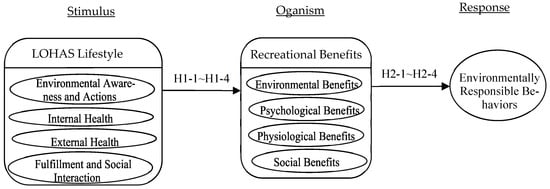
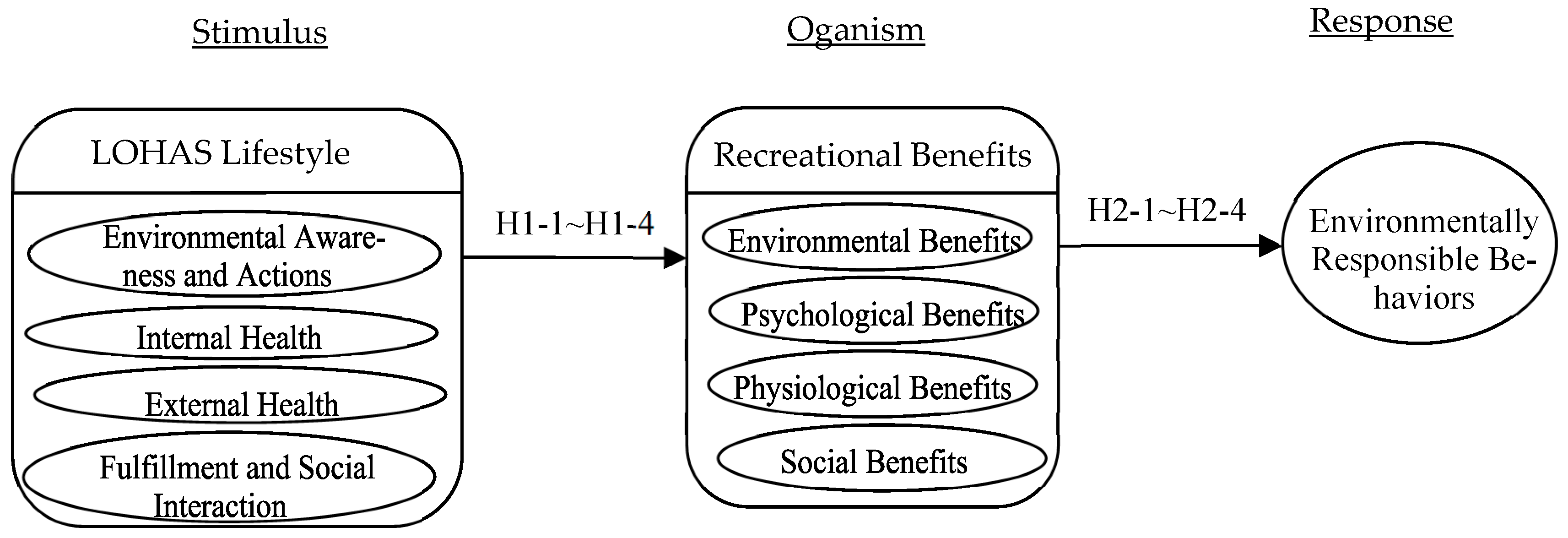
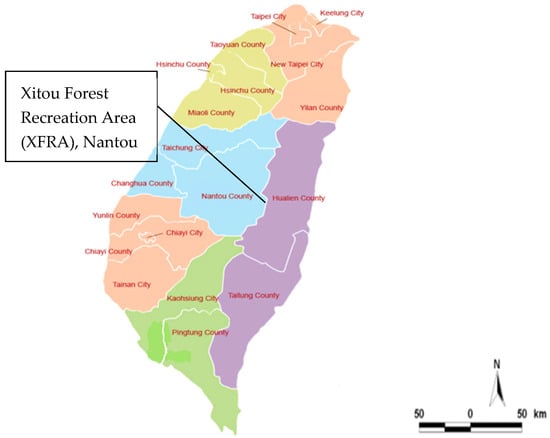
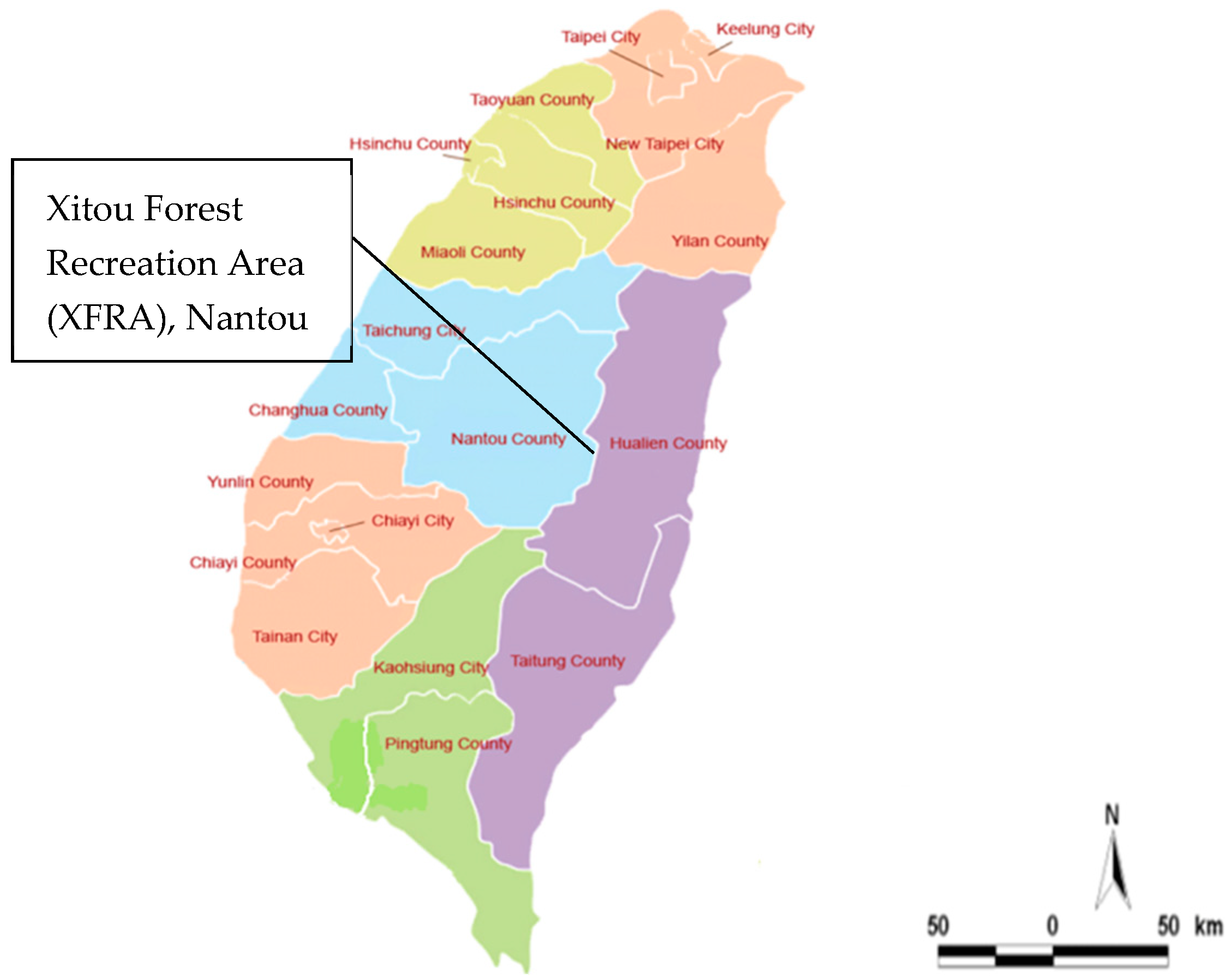
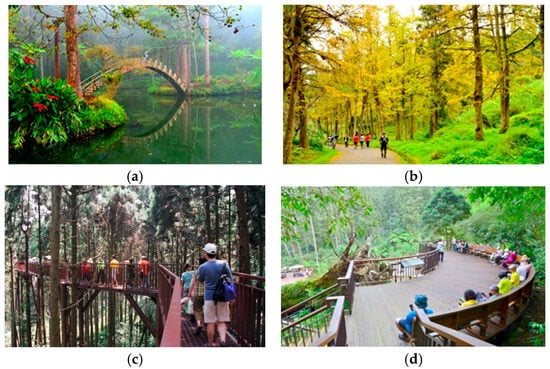
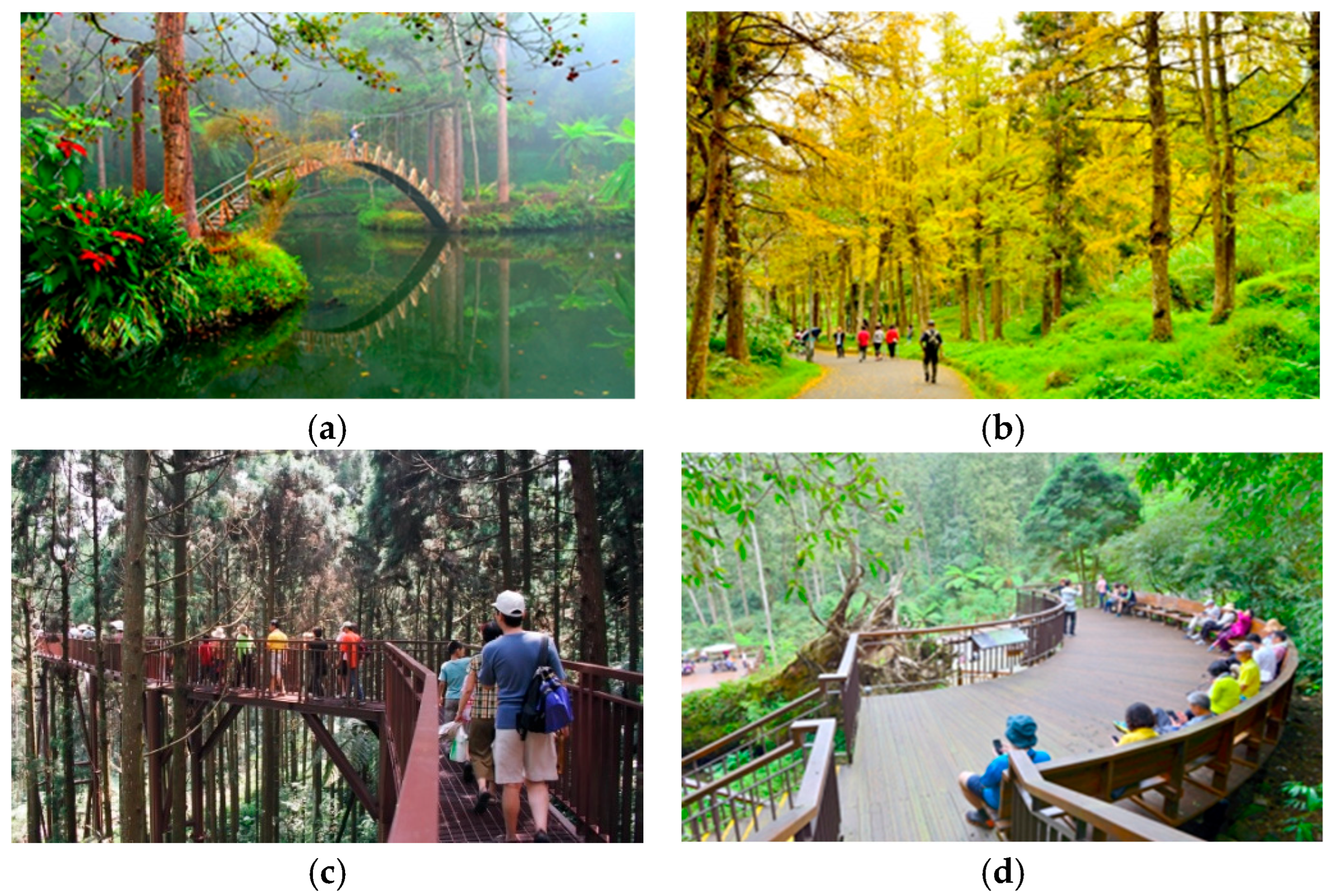
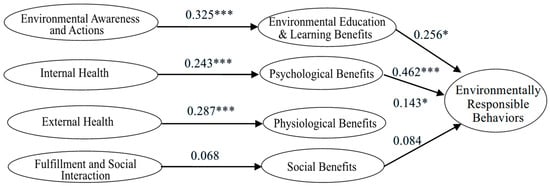
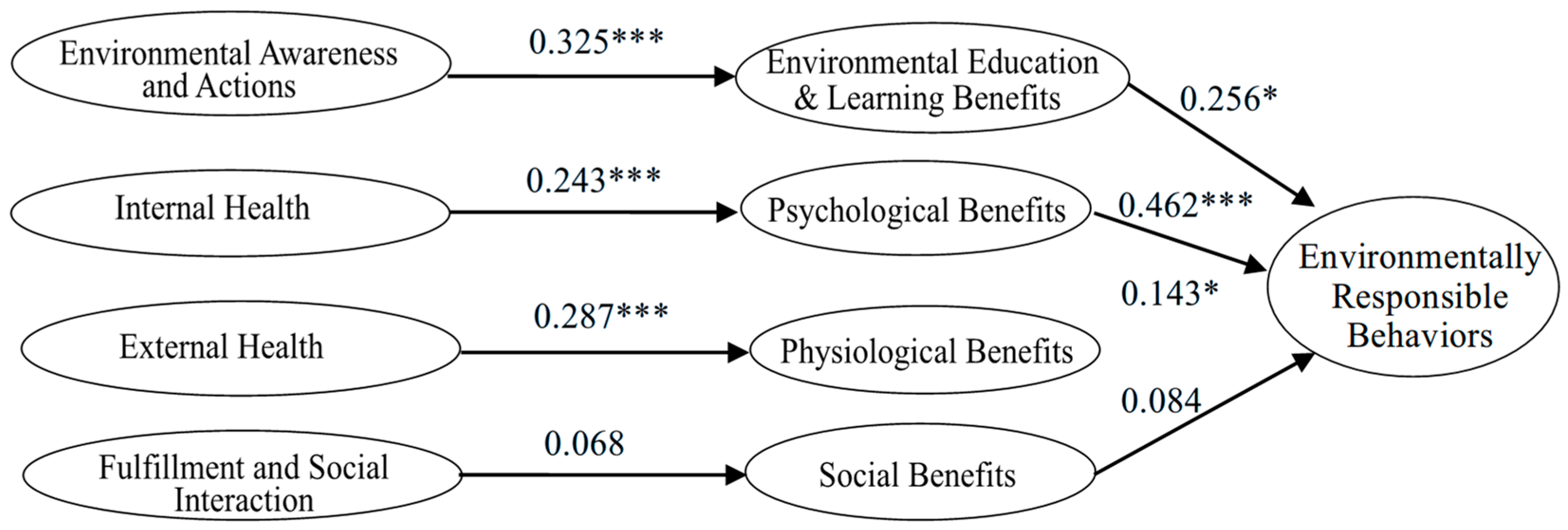

Disclaimer/Publisher’s Note: The statements, opinions and data contained in all publications are solely those of the individual author(s) and contributor(s) and not of MDPI and/or the editor(s). MDPI and/or the editor(s) disclaim responsibility for any injury to people or property resulting from any ideas, methods, instructions or products referred to in the content. |
© 2025 by the authors. Licensee MDPI, Basel, Switzerland. This article is an open access article distributed under the terms and conditions of the Creative Commons Attribution (CC BY) license (https://creativecommons.org/licenses/by/4.0/).