
Article

A Scoring Algorithm for the Early Prediction of Academic Risk in STEM Courses
by
Vanja Čotić Poturić
1,2,
Sanja Čandrlić
1 and
Ivan Dražić
2,*
1
Faculty of Informatics and Digital Technologies, University of Rijeka, 51000 Rijeka, Croatia
2
Faculty of Engineering, University of Rijeka, 51000 Rijeka, Croatia
*
Author to whom correspondence should be addressed.
Algorithms 2025, 18(4), 177; https://doi.org/10.3390/a18040177
Submission received: 22 February 2025 / Revised: 16 March 2025 / Accepted: 18 March 2025 / Published: 21 March 2025
(This article belongs to the Special Issue Artificial Intelligence Algorithms and Generative AI in Education)

Abstract

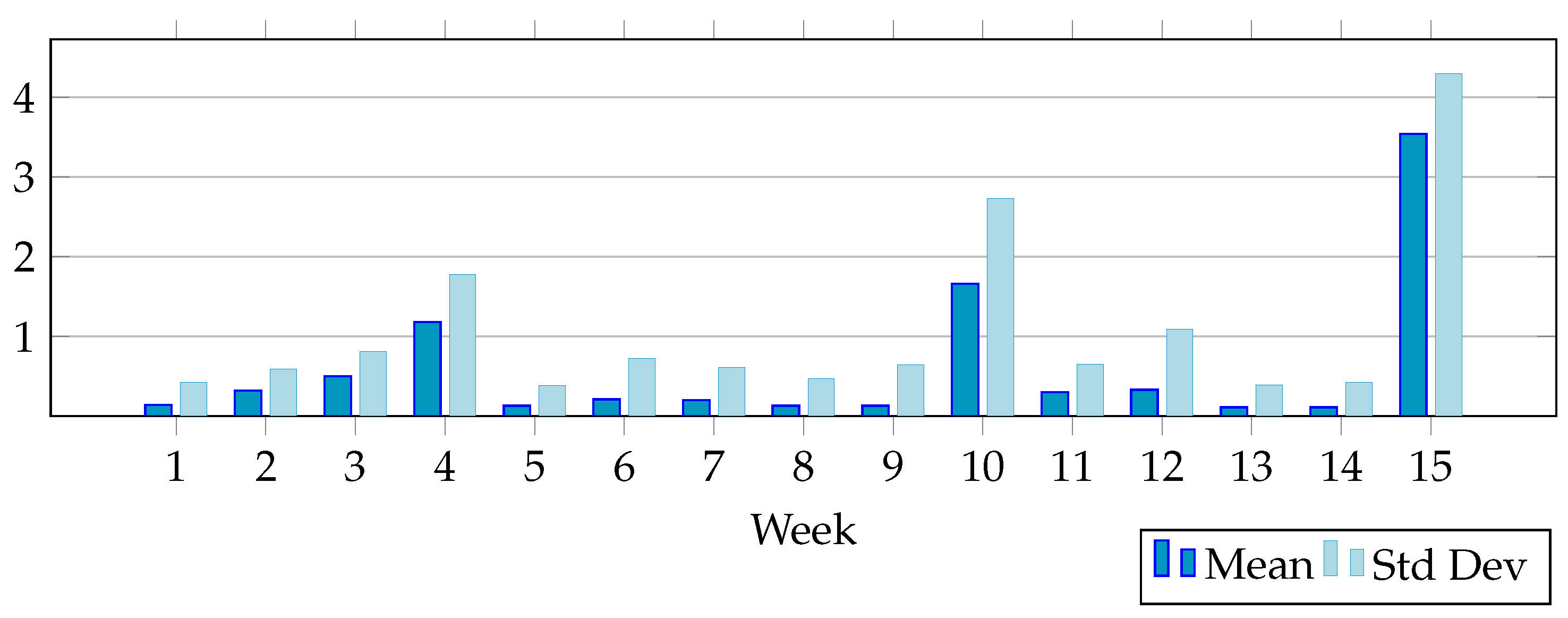
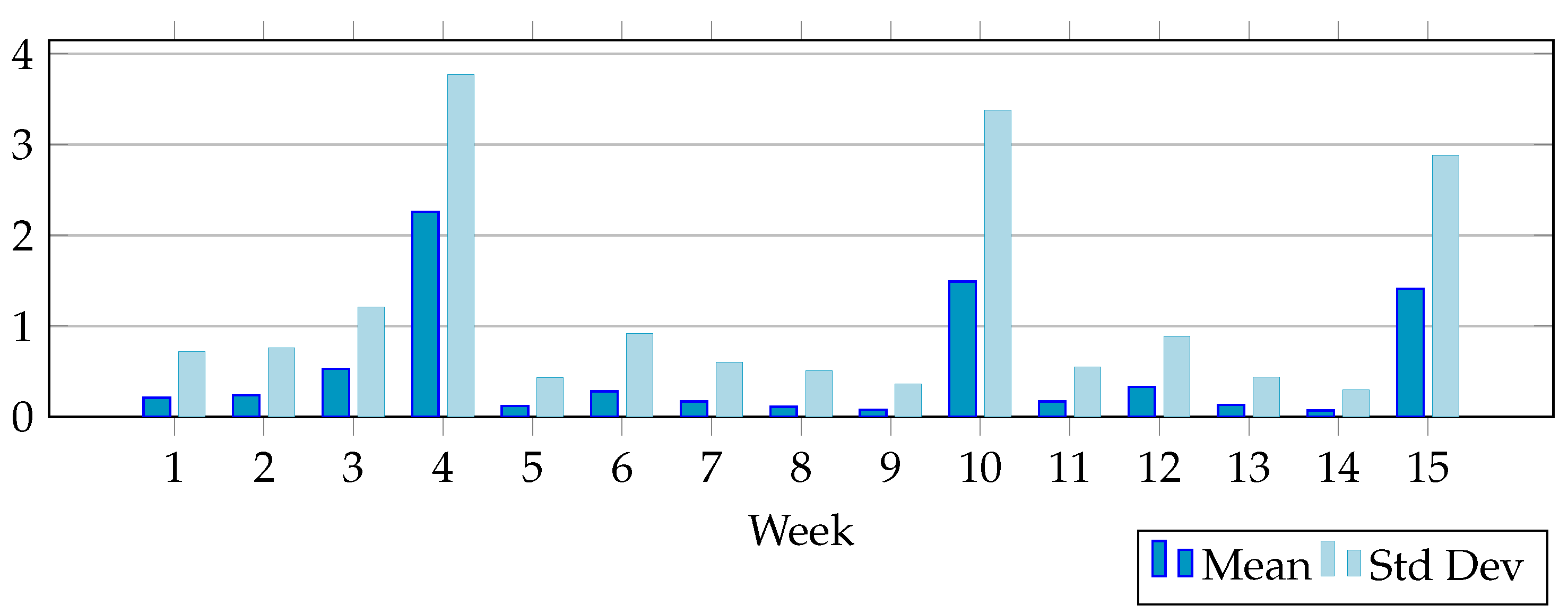
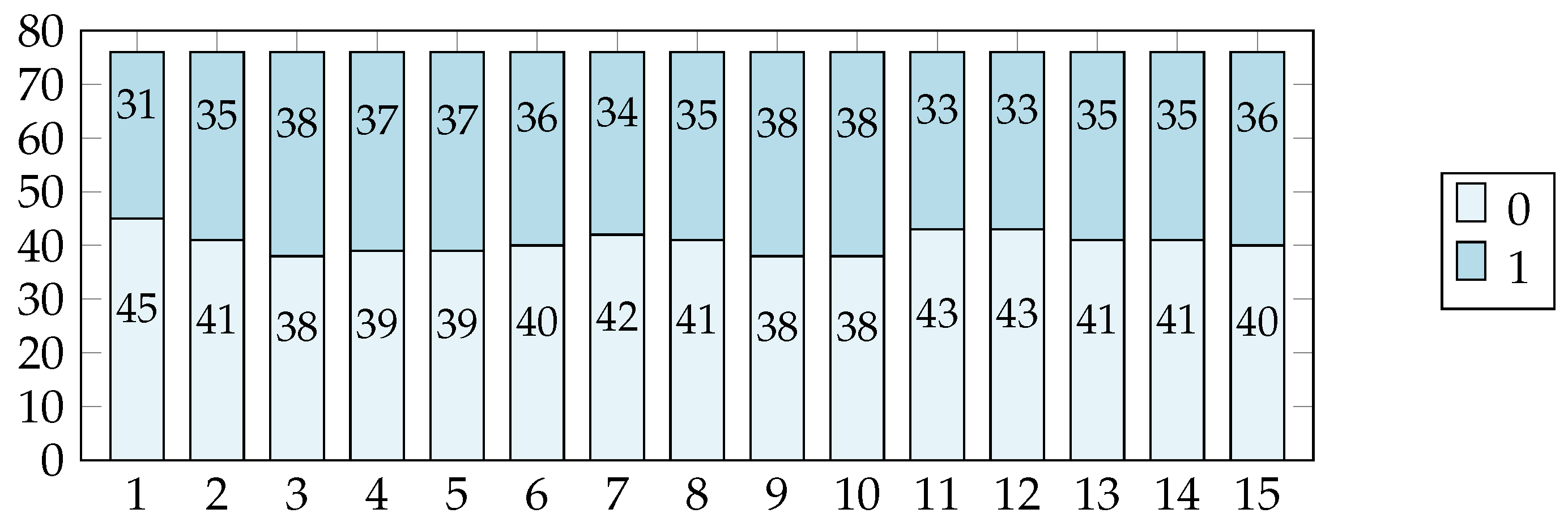
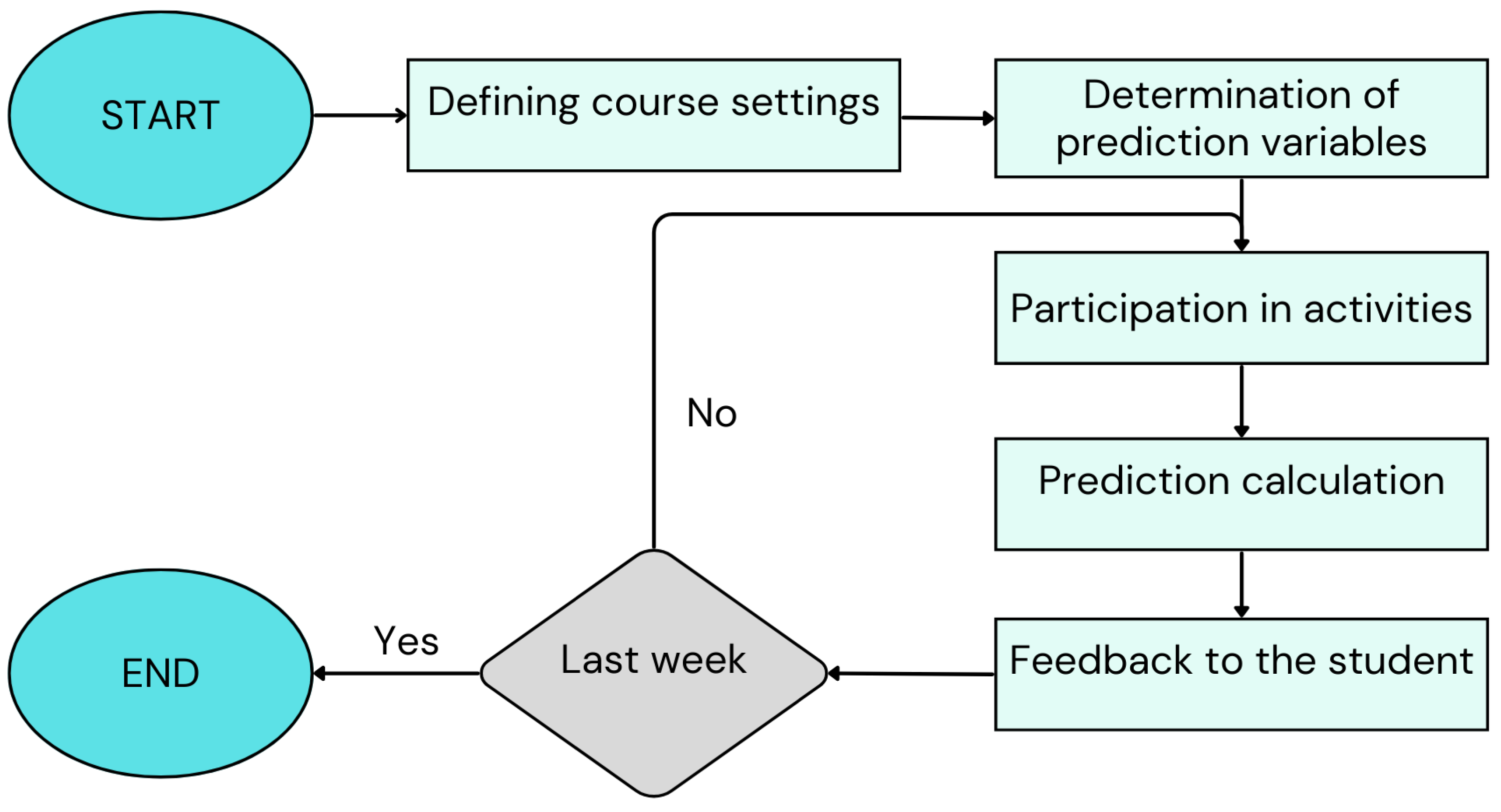
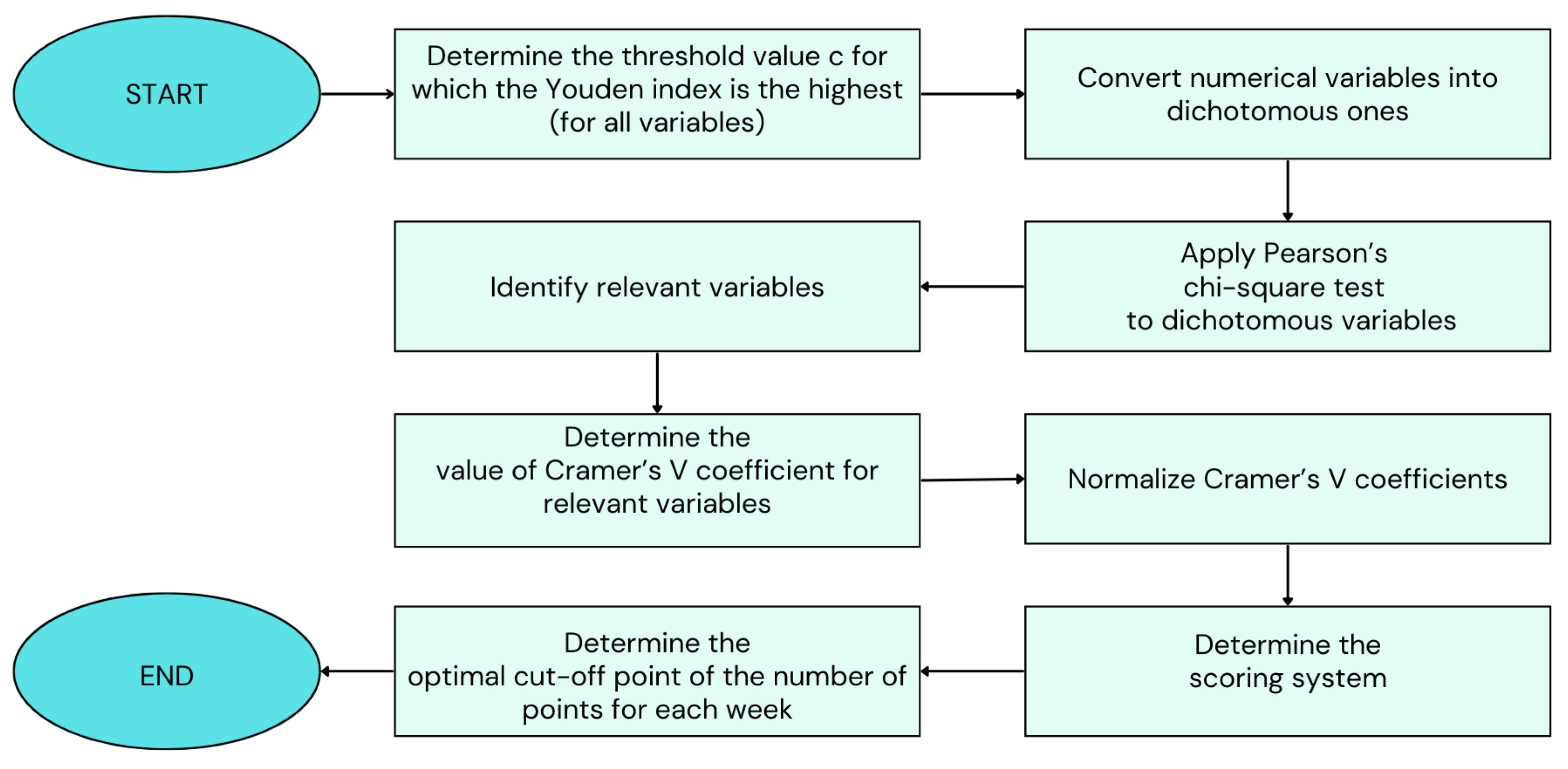
Educational data mining (EDM) and learning analytics (LA) are widely applied to predict student performance, particularly in determining academic success or failure. This study presents the development of a scoring algorithm for the early identification of students at risk of failing science, technology, engineering, and mathematics (STEM) courses. The proposed approach follows a structured process: First, educational data are collected, processed, and statistically analyzed. Next, numerical variables are transformed into dichotomous predictors, and their relevance is assessed using Cramér’s V measure to quantify their association with course outcomes. The final step involves constructing a scoring system that dynamically evaluates student performance over 15 weeks of instruction. Prospective validation of the model demonstrated excellent predictive performance (accuracy = 0.93, sensitivity = 0.95, specificity = 0.92), confirming its effectiveness in early risk detection. The resulting scoring algorithm is distinguished by its methodological simplicity, ease of implementation, and adaptability to different educational settings, making it a practical tool for timely interventions.
Keywords: educational data mining; learning analytics; academic risk prediction; scoring algorithm; Cramér’s V; early intervention educational data mining; learning analytics; academic risk prediction; scoring algorithm; Cramér’s V; early intervention