Article

Deep Learning-Based Boolean, Time Series, Error Detection, and Predictive Analysis in Container Crane Operations


School of Science, Technology, Engineering and Mathematics (STEM), Munster Technological University (MTU), Kerry Campus, V92 HD4V Kerry, Ireland
*
Author to whom correspondence should be addressed.
Algorithms 2024, 17(8), 333; https://doi.org/10.3390/a17080333
Submission received: 16 June 2024 / Revised: 20 July 2024 / Accepted: 24 July 2024 / Published: 1 August 2024

Abstract

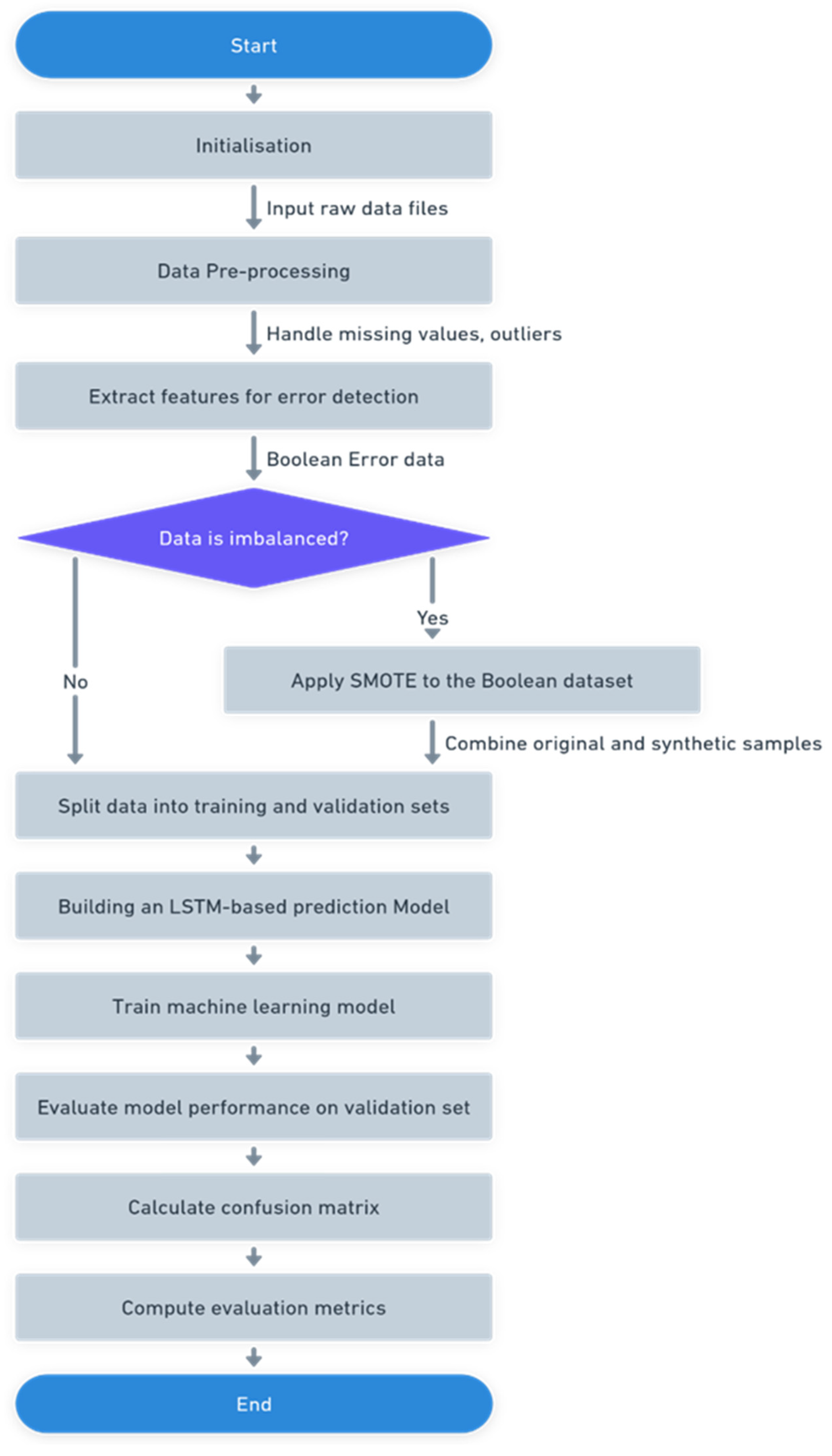
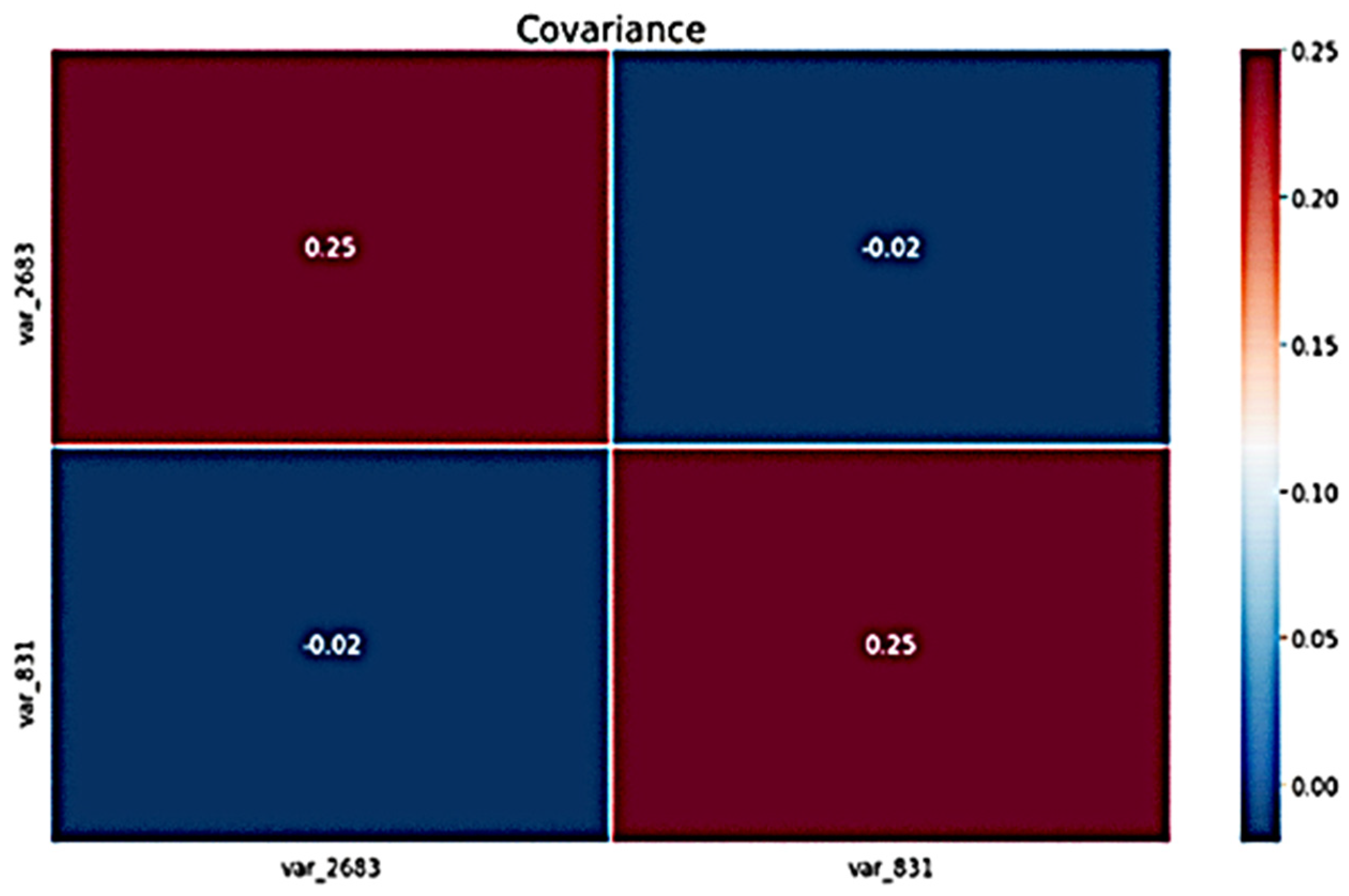
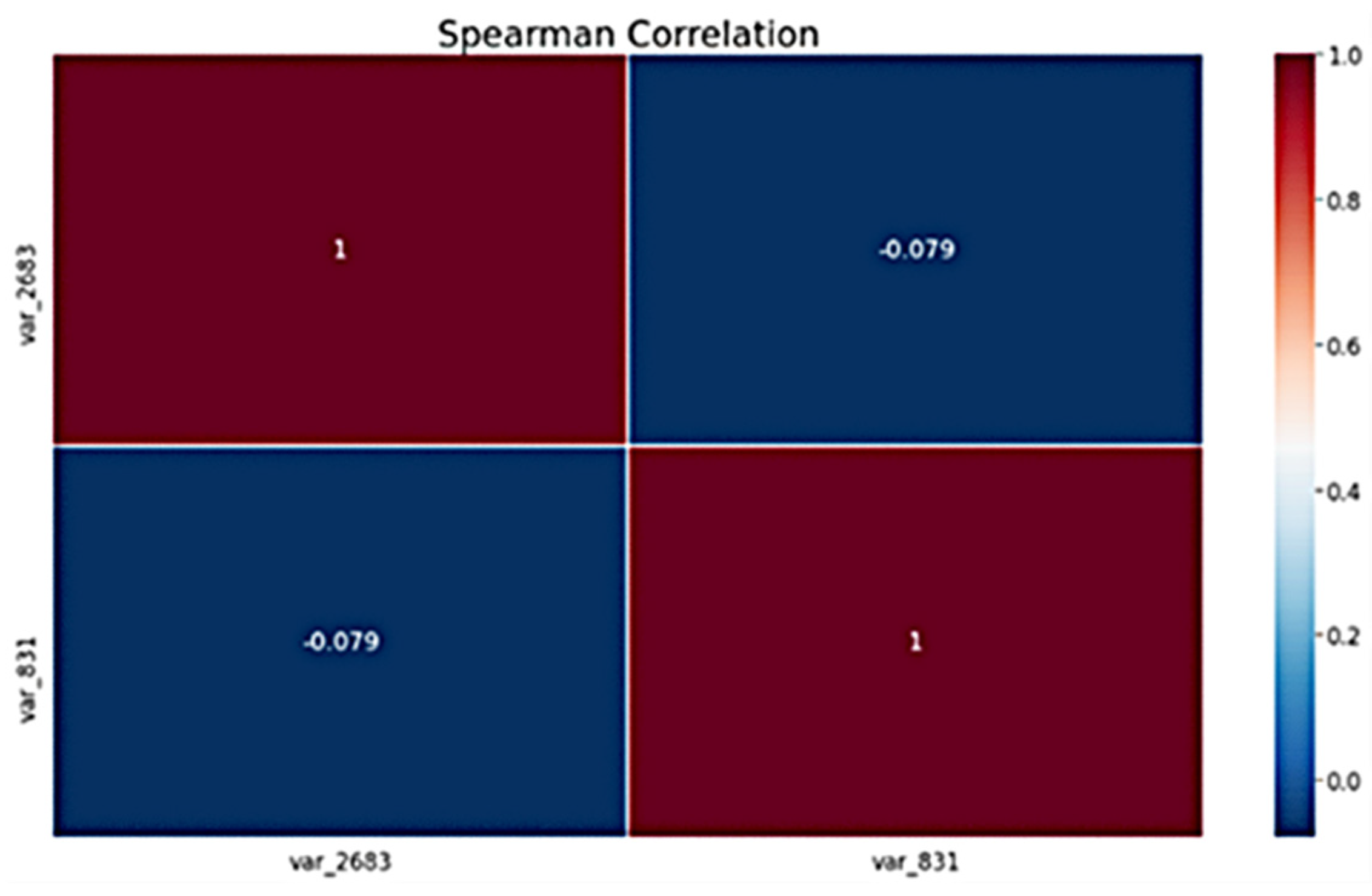
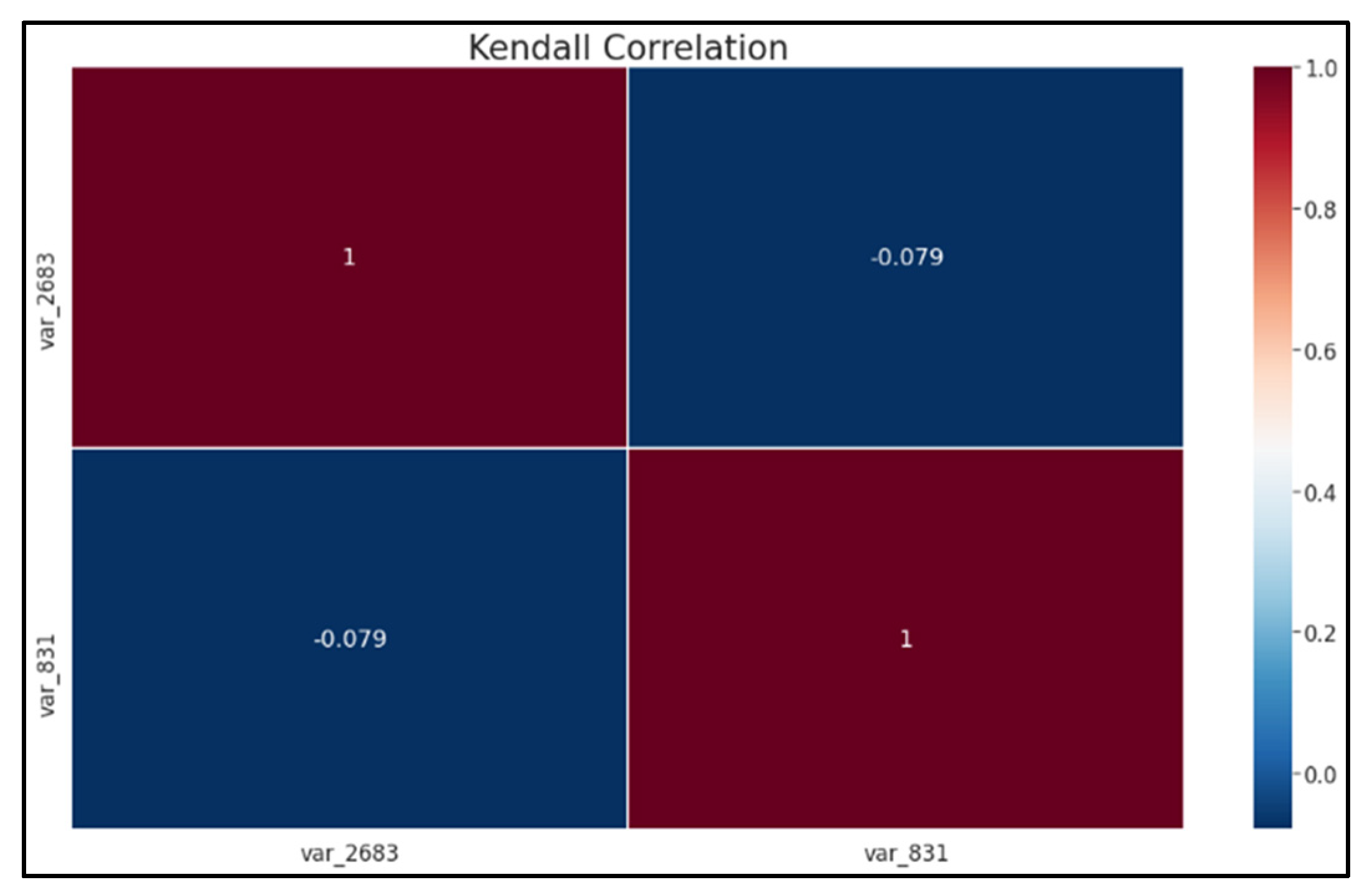
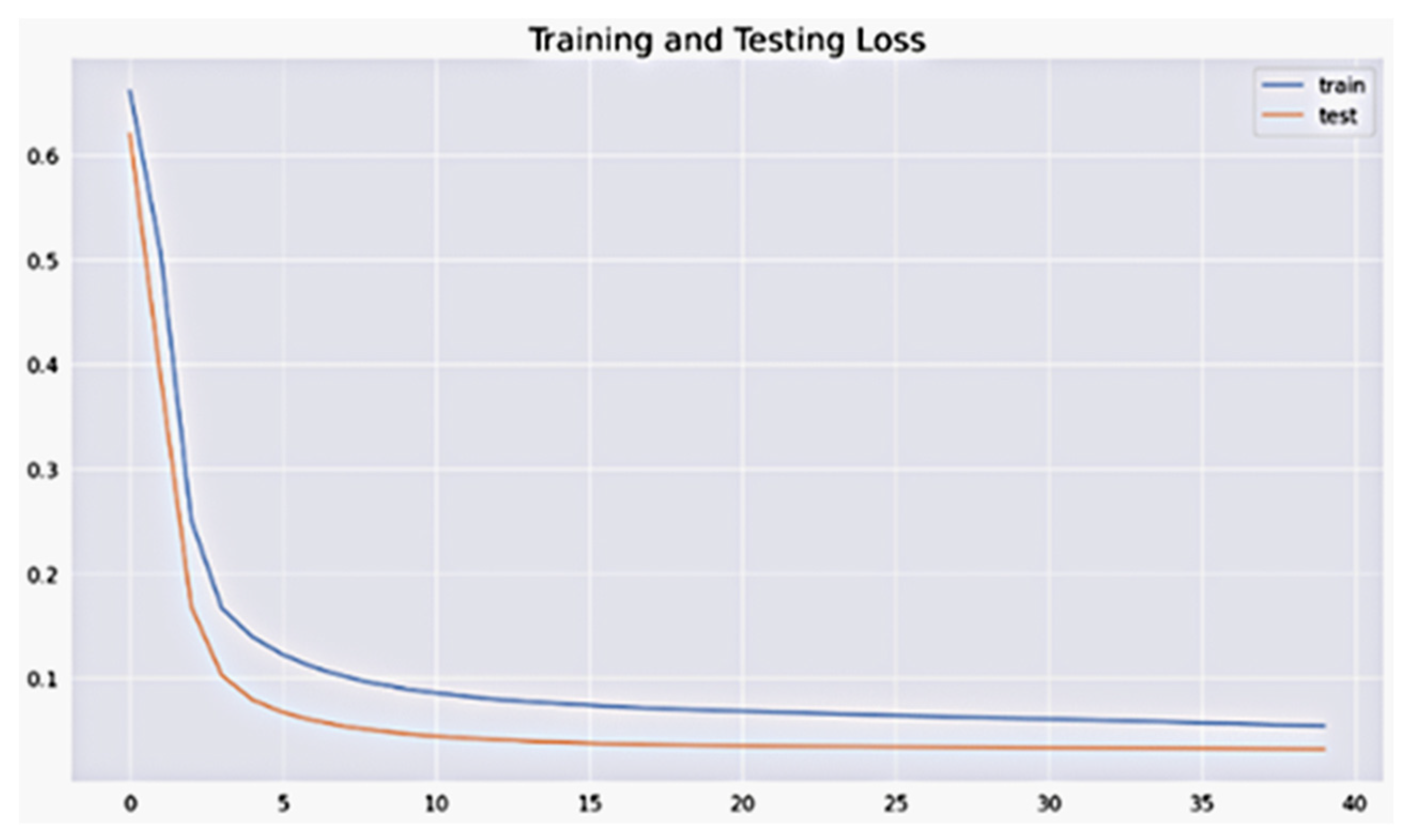
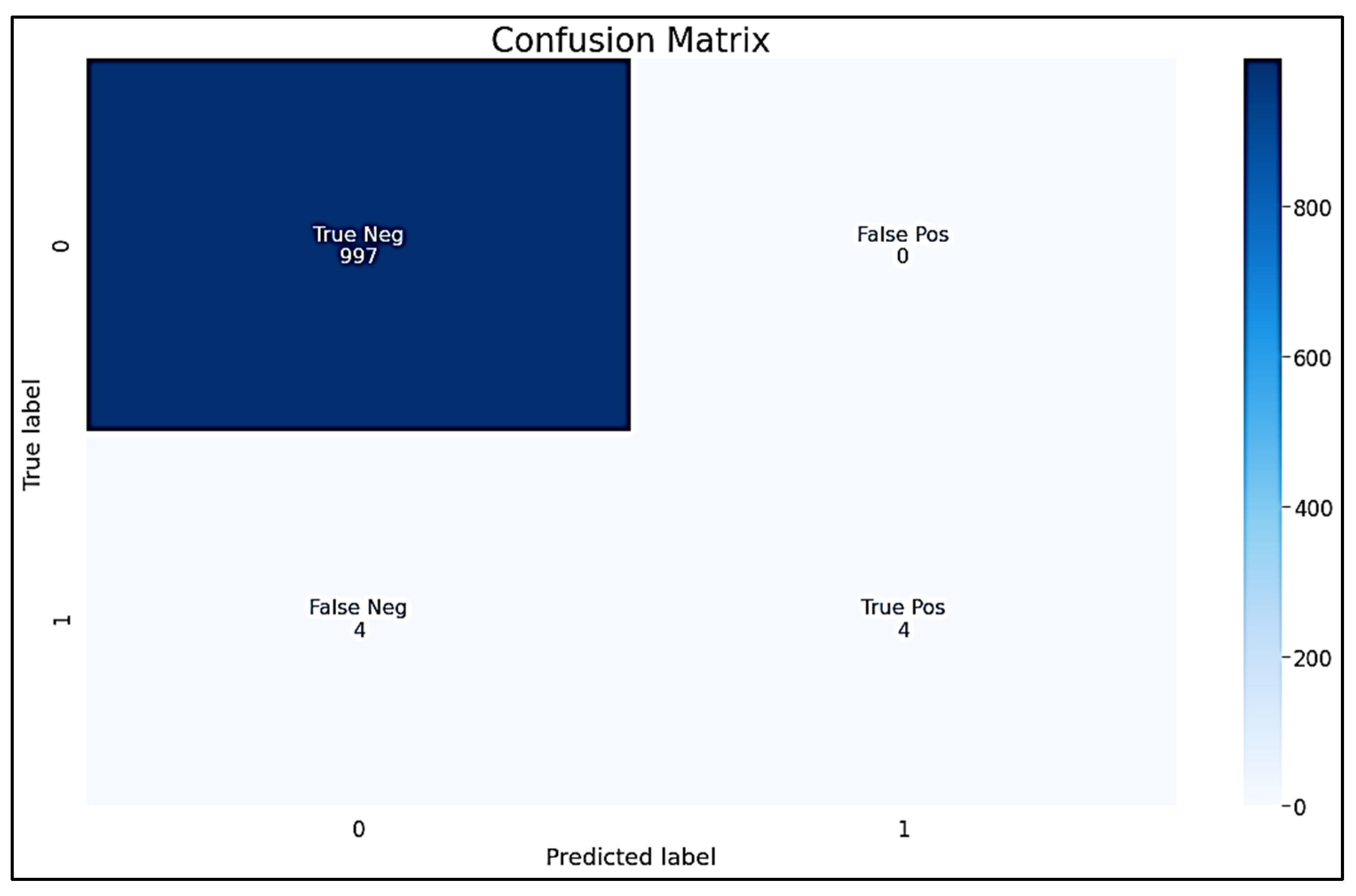
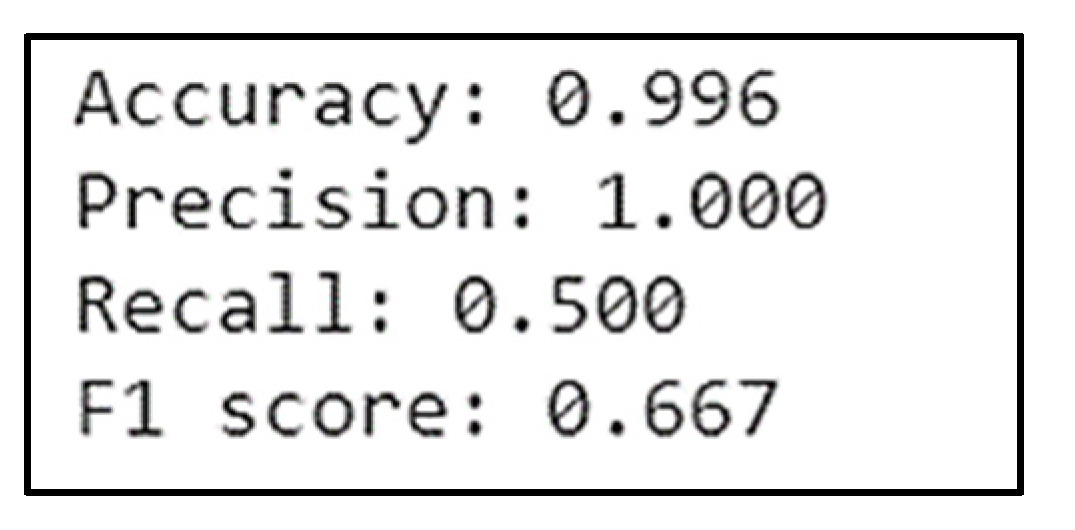
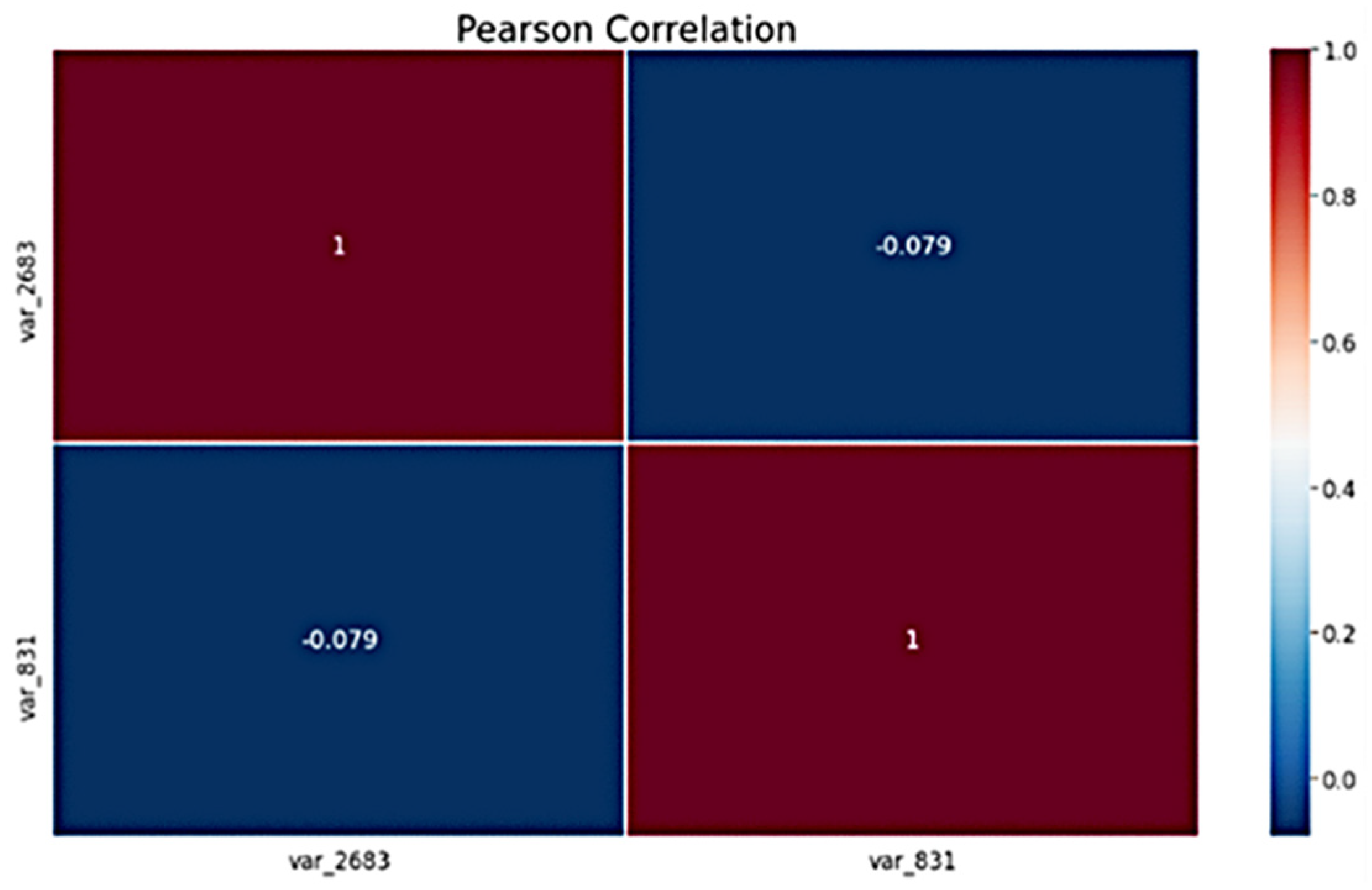
Deep learning is crucial in marine logistics and container crane error detection, diagnosis, and prediction. A novel deep learning technique using Long Short-Term Memory (LSTM) detected and anticipated errors in a system with imbalanced data. The LSTM model was trained on real operational error data from container cranes. The custom algorithm employs the Synthetic Minority Oversampling TEchnique (SMOTE) to balance the imbalanced data for operational data errors (i.e., too few minority class samples). Python was used to program. Pearson, Spearman, and Kendall correlation matrices and covariance matrices are presented. The model’s training and validation loss is shown, and the remaining data are predicted. The test set (30% of actual data) and forecasted data had RMSEs of 0.065. A heatmap of a confusion matrix was created using Matplotlib and Seaborn. Additionally, the error outputs for the time series for the next n seconds were projected, with the n seconds input by the user. Accuracy was 0.996, precision was 1.00, recall was 0.500, and f1 score was 0.667, according to the evaluation criteria that were produced. Experiments demonstrated that the technique is capable of identifying critical elements. Thus, future attempts will improve the model’s structure to forecast industrial big data errors. However, the advantage is that it can handle imbalanced data, which is usually what most industries have. With additional data, the model can be further improved.
Keywords: predictive analytics; deep learning; data analytics; time series Boolean data; error detection; deep neural networks; Recurrent Neural Networks (RNNs); Long Short-Term Memory (LSTM) networks; Synthetic Minority Oversampling TEchnique (SMOTE); container cranes; maritime industry predictive analytics; deep learning; data analytics; time series Boolean data; error detection; deep neural networks; Recurrent Neural Networks (RNNs); Long Short-Term Memory (LSTM) networks; Synthetic Minority Oversampling TEchnique (SMOTE); container cranes; maritime industry