Molecular Orientation and Mechanical Properties of Biomass-Derived Aliphatic Polyamide (PA11) by High-Pressure Compression Molding




Highlights
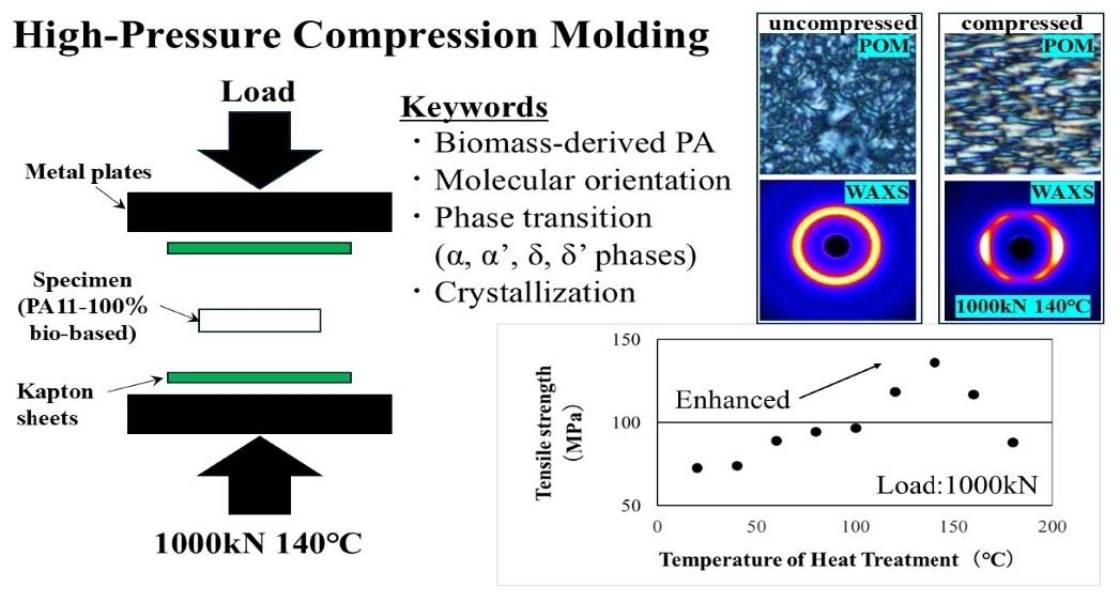
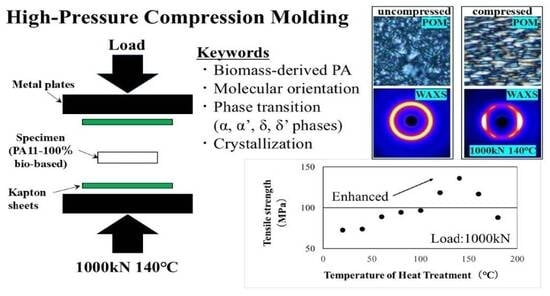
- This study demonstrated that high-pressure thermal compression molding significantly modifies the crystalline structure and mechanical properties of biomass-derived aliphatic polyamide PA11, specifically the grade Rilsan® BMN O TLD manufactured by Arkema—a fully bio-based resin derived from castor oil.
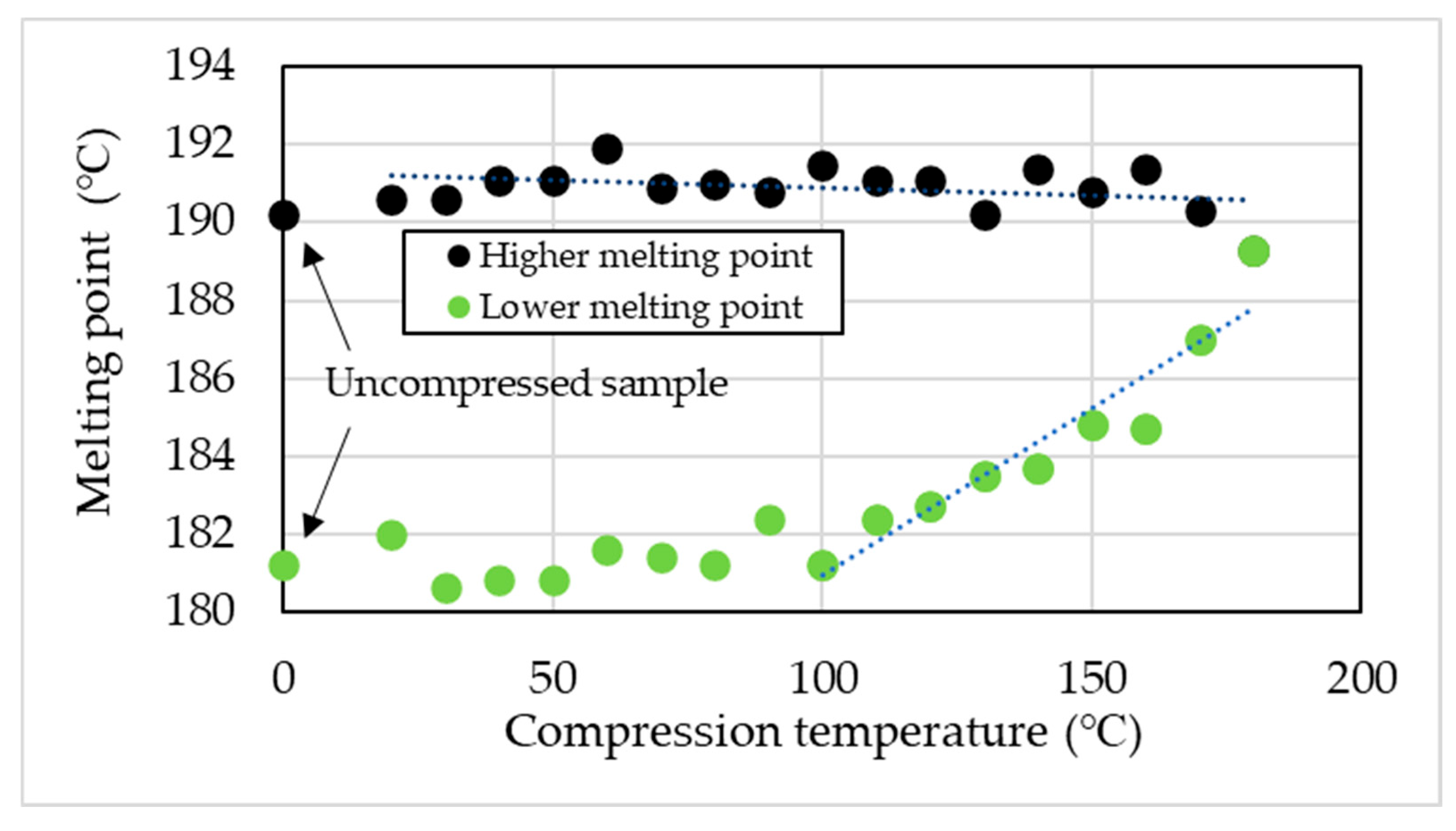
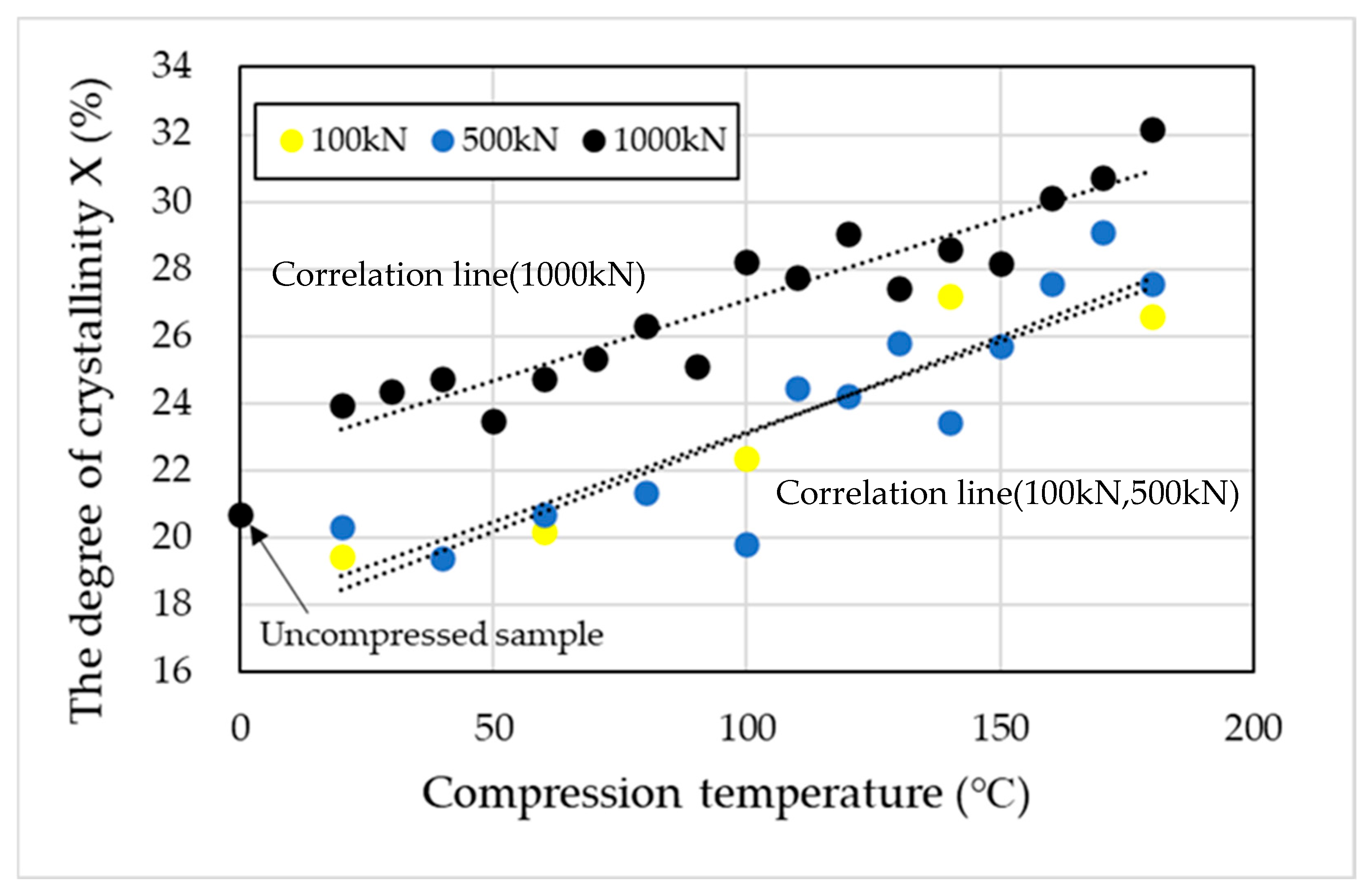
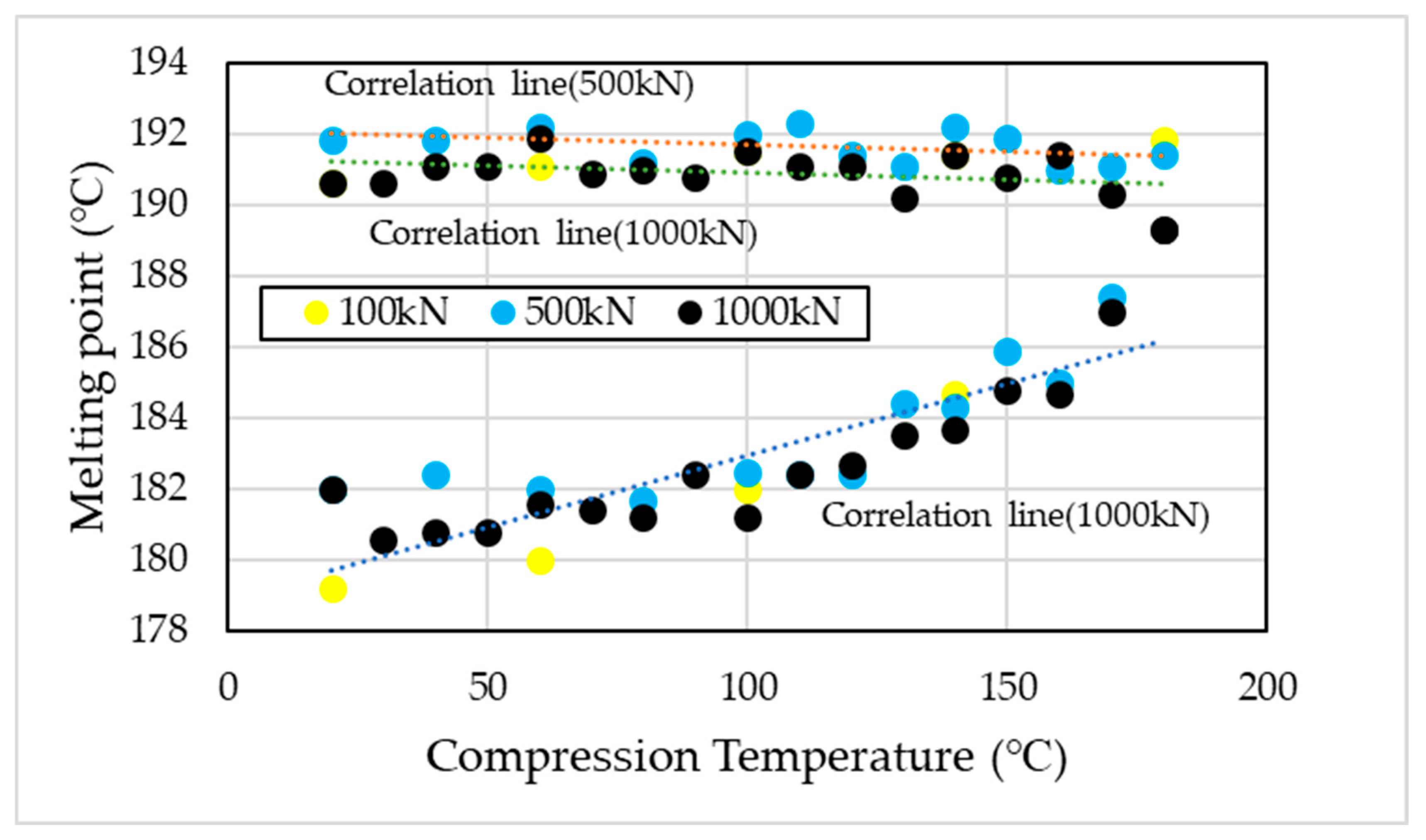
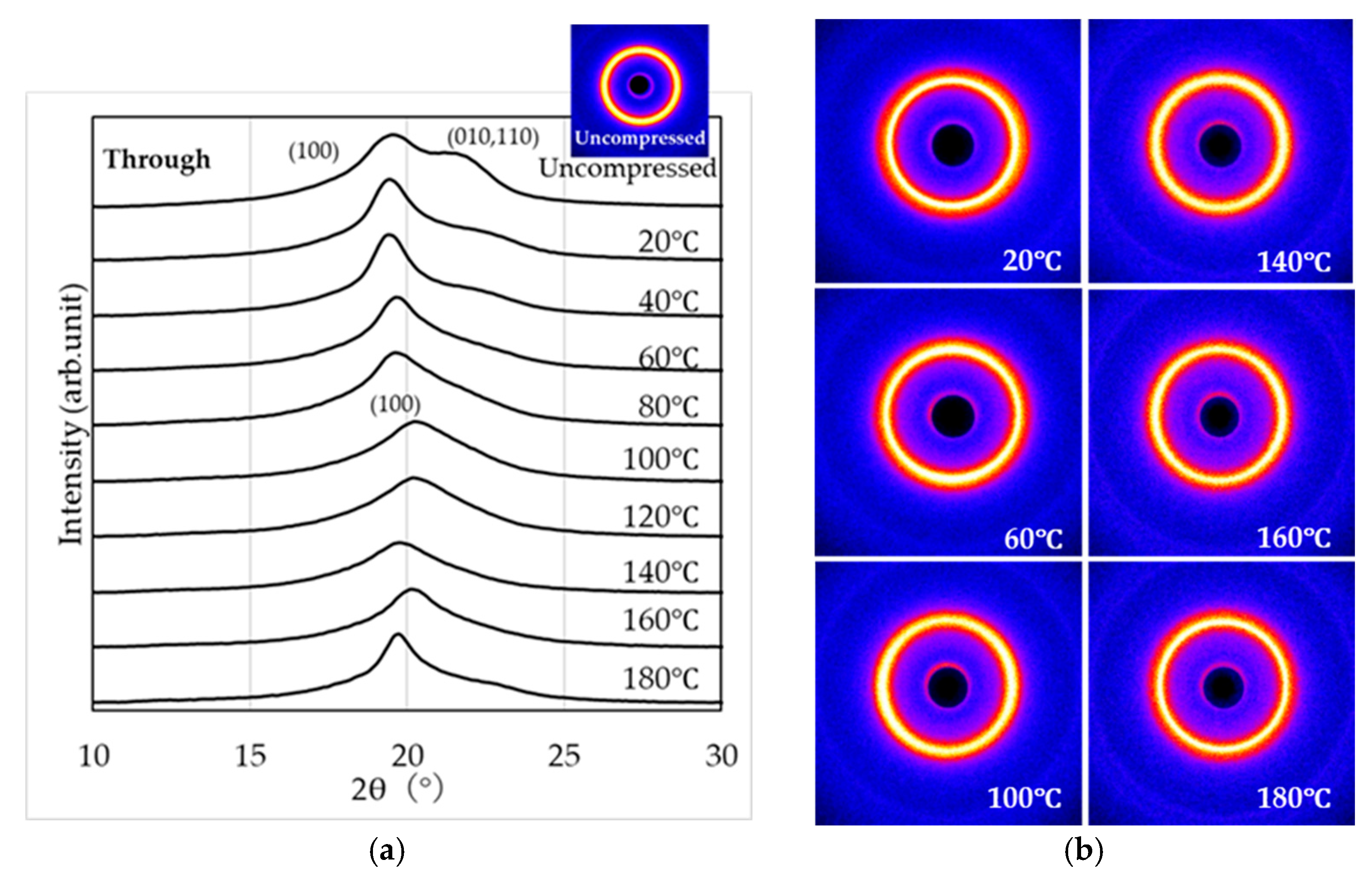
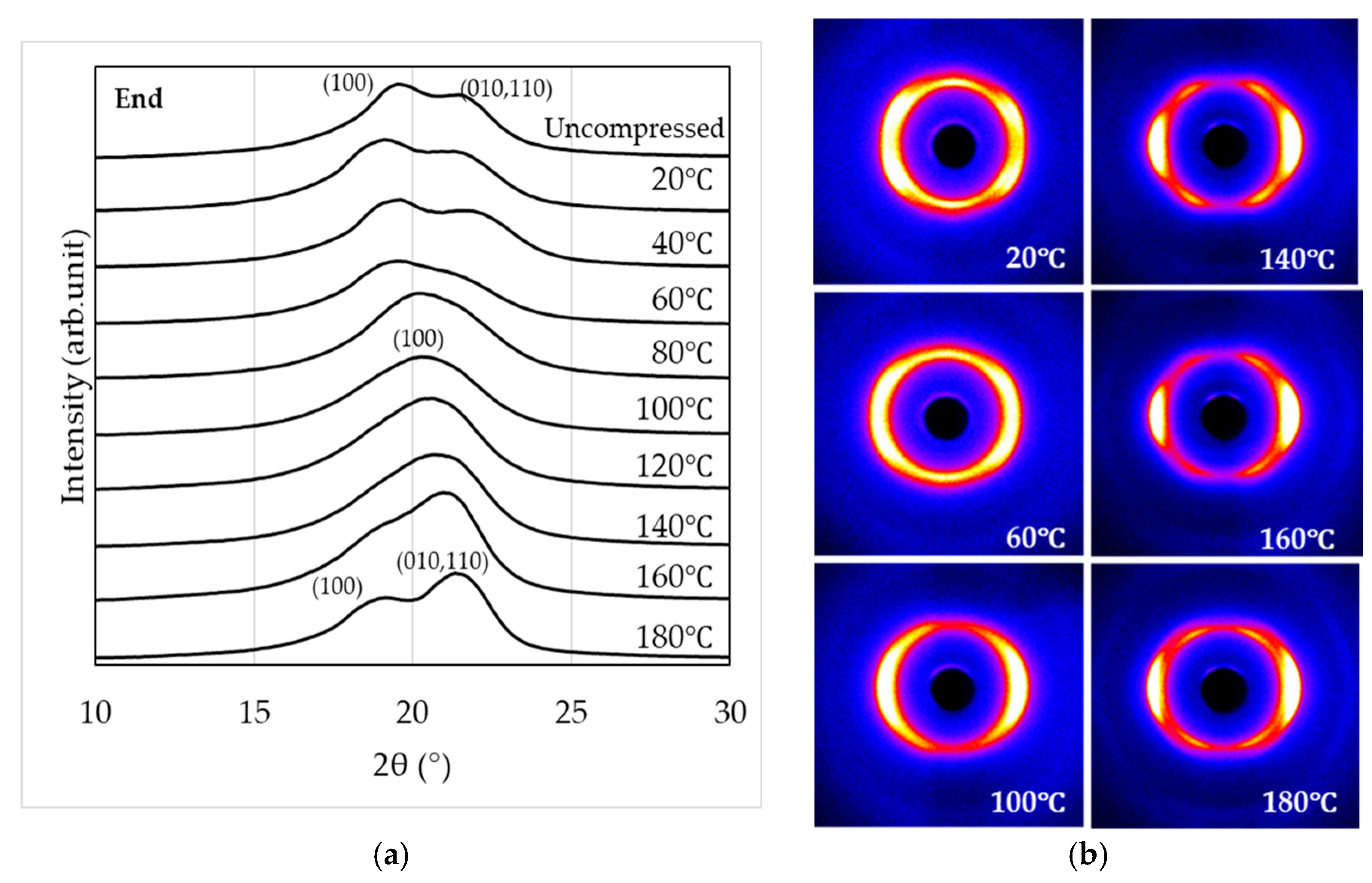
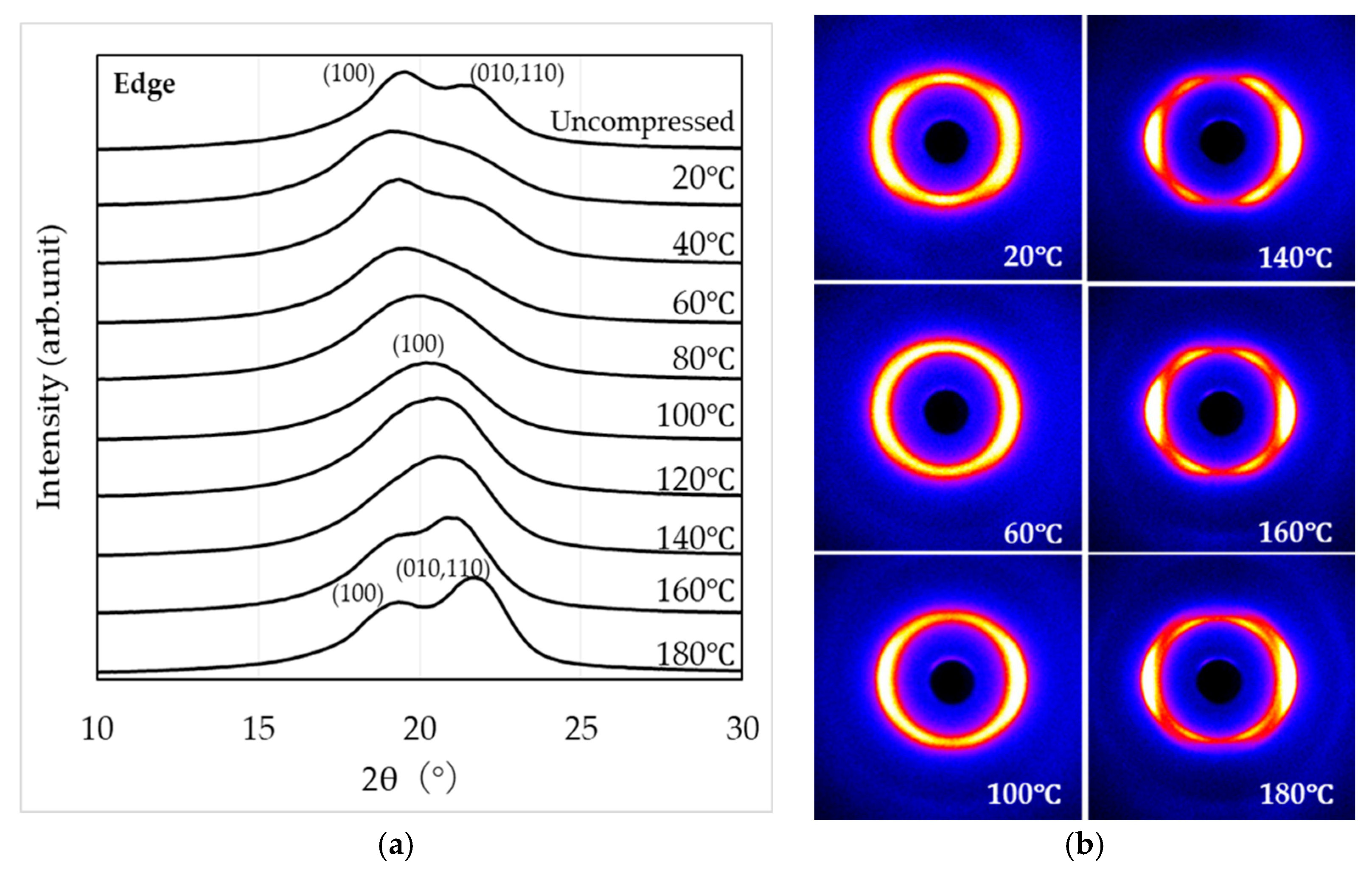
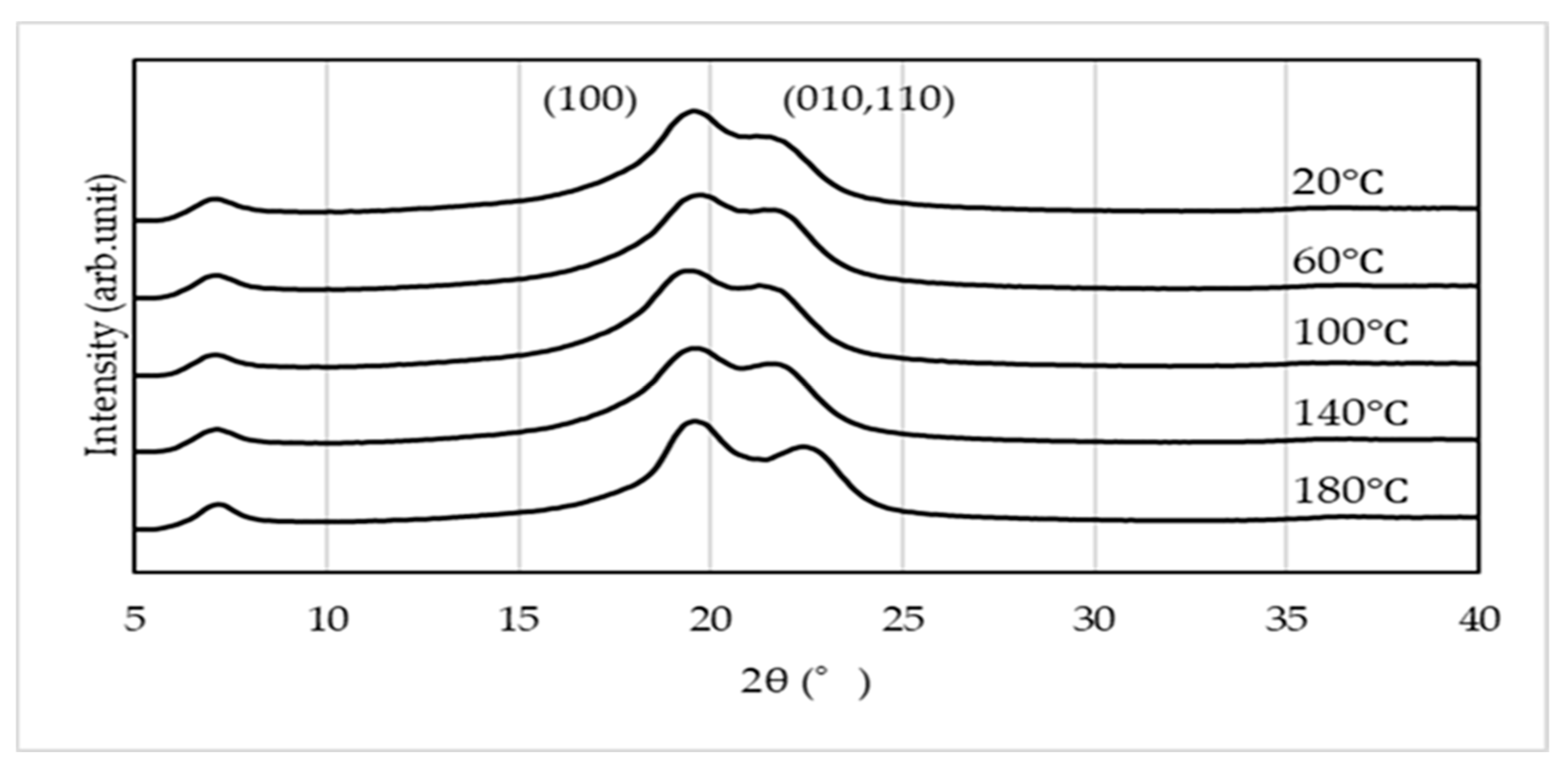
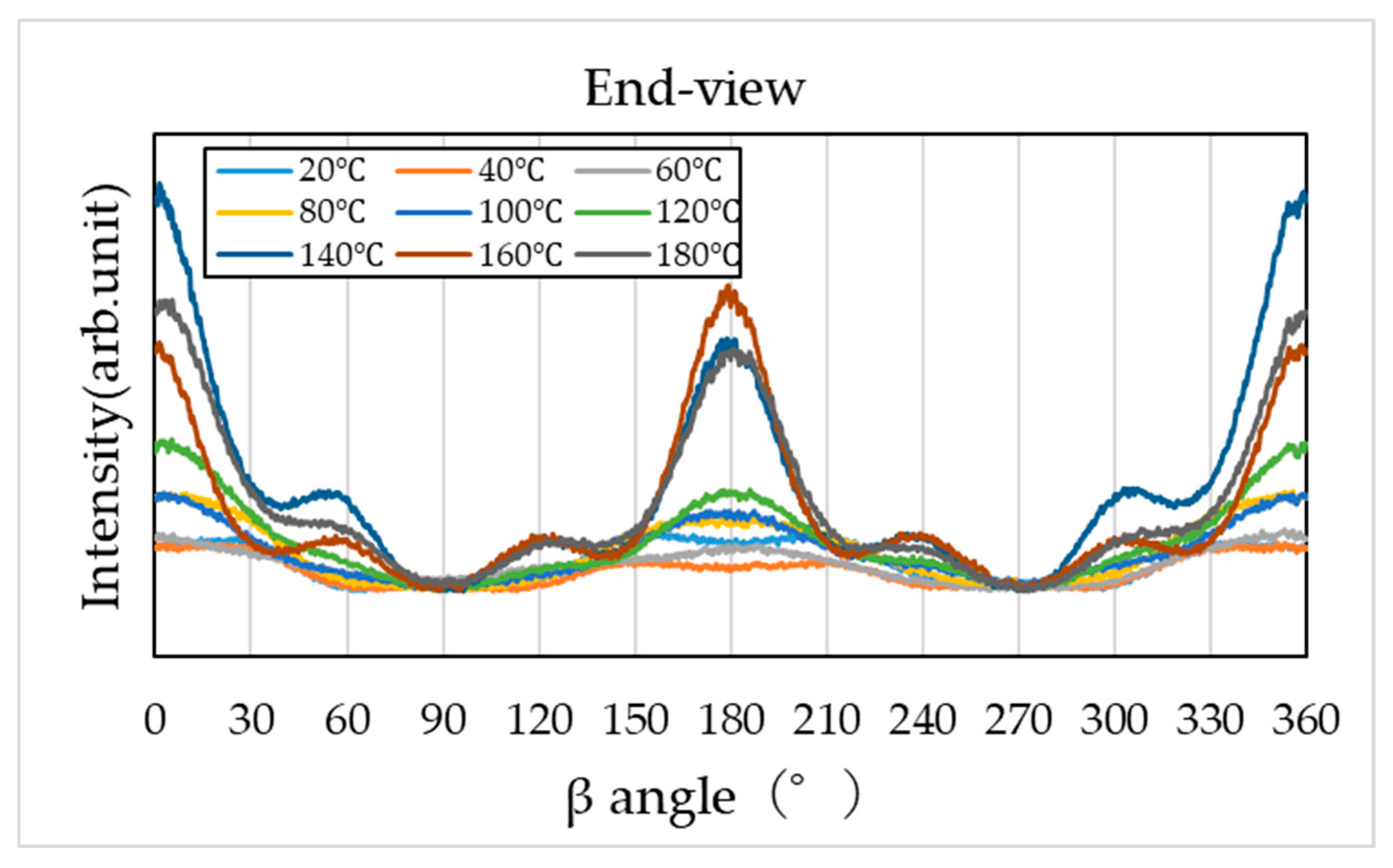
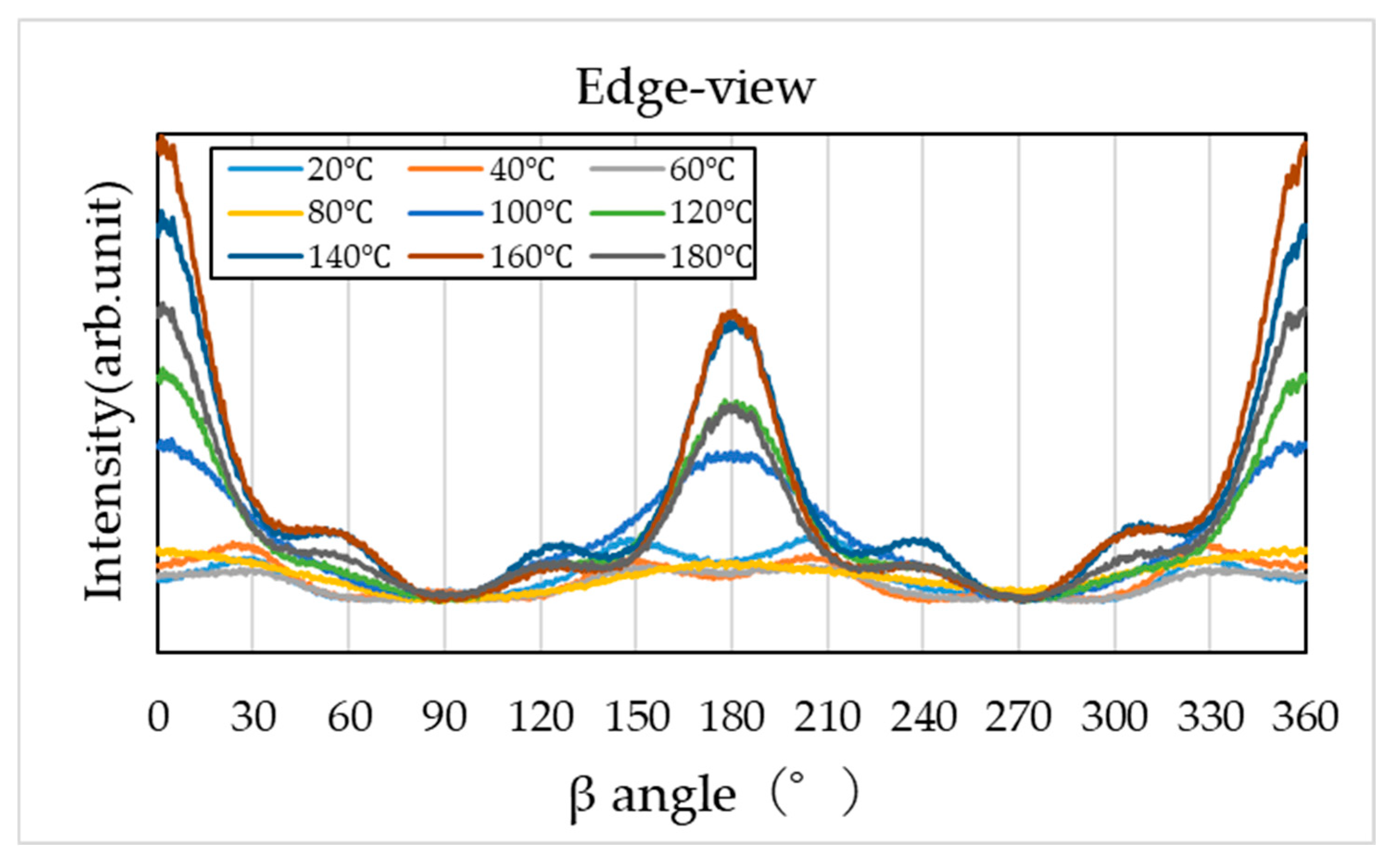
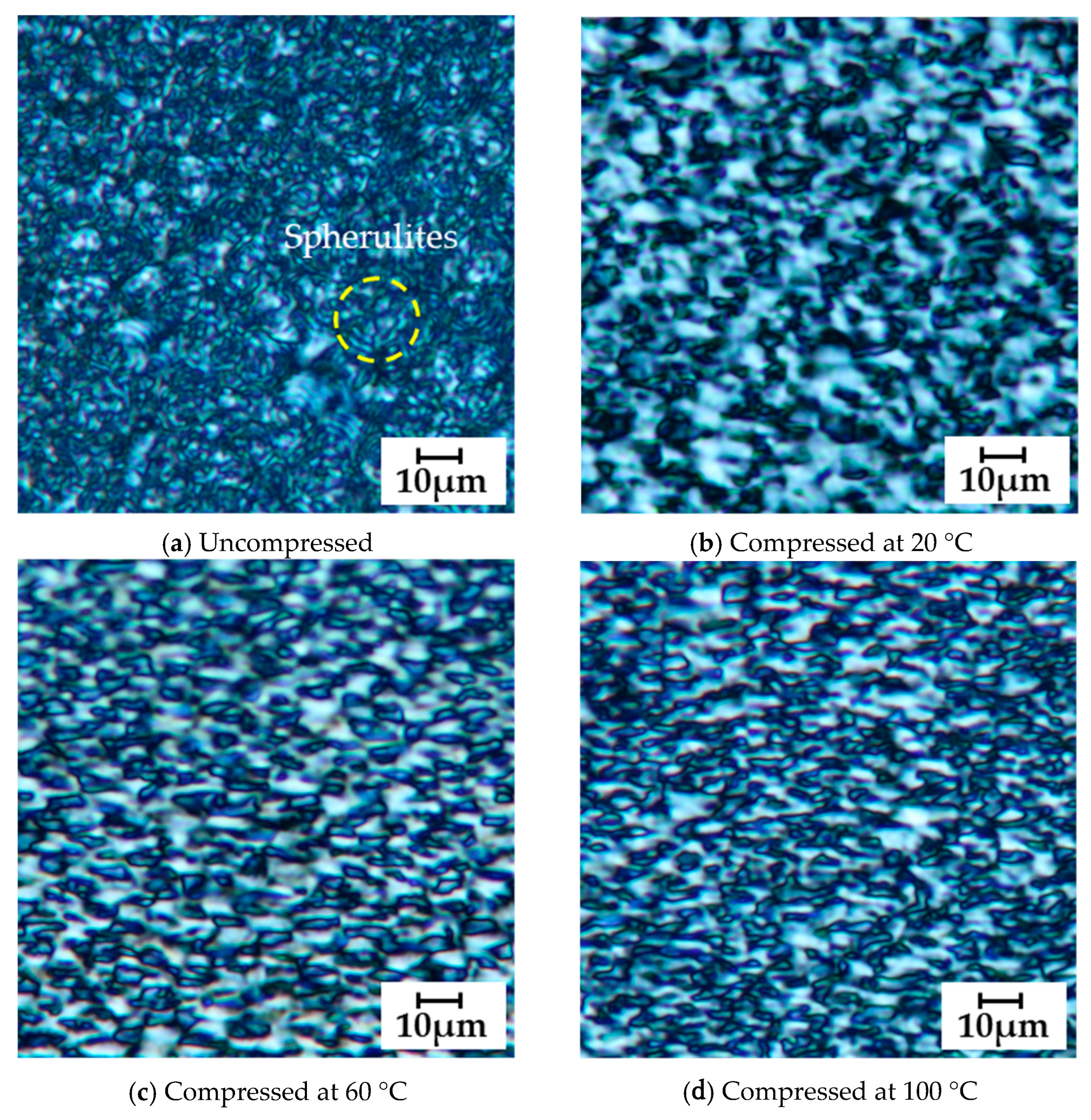
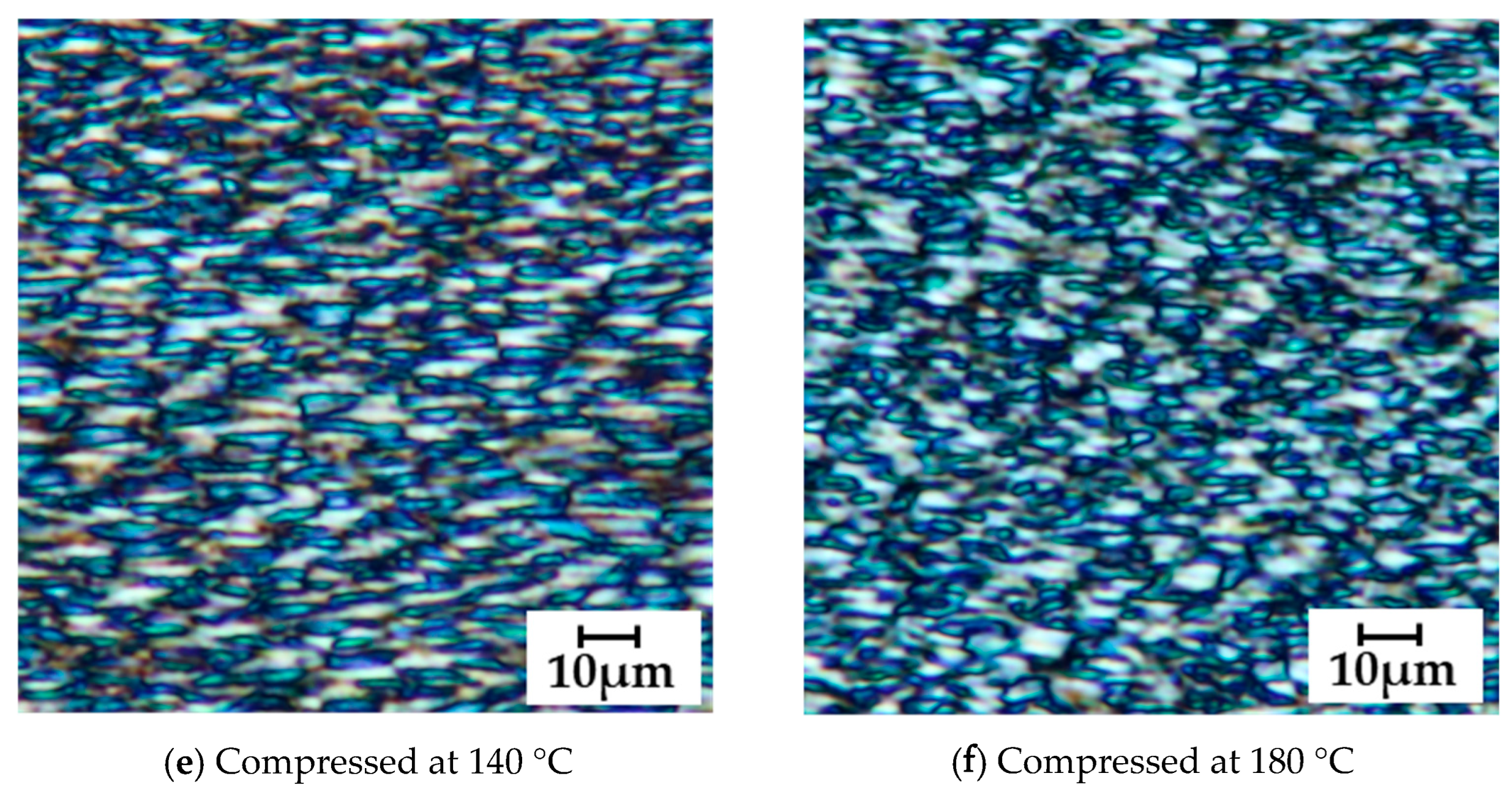
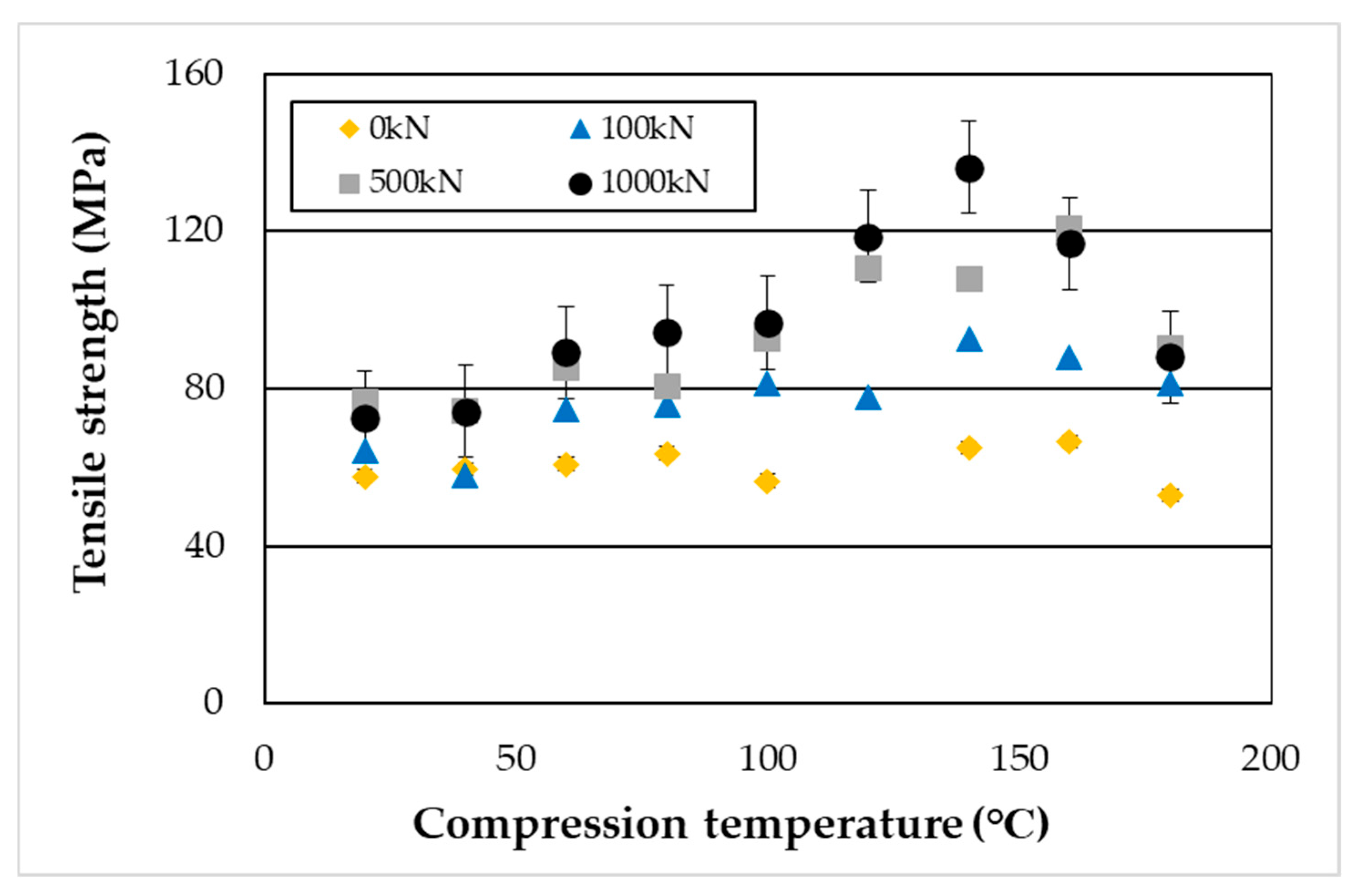
- The tensile fracture strength reached a maximum—approximately 2.4 times higher than that of the uncompressed sample—under experimental conditions of 140 °C and 1000 kN. This enhancement is proposed to be primarily attributable to the molecular orientation and crystallization of the δ’, which remained stable without undergoing Brill transition even after cooling to room temperature, while its crystallinity increased, as supported by POM observations, WAXS analysis, and DSC analysis. In contrast, at 180 °C, although the degree of crystallinity increased, molecular orientation decreased, resulting in reduced tensile strength.
- These findings indicate that the mechanical properties of a fully biomass-derived aliphatic polyamide, PA11, which exhibits crystal polymorphism, are governed by a complex interplay among phase transitions, molecular orientation, and crystallization, all of which are strongly influenced by temperature and pressure conditions.
- If the mechanical properties of the biomass-derived polyamide PA11 can be enhanced through high-pressure thermal compression molding, it could be utilized in a wider range of applications. This suggests the potential to shift from petroleum-derived polymers to renewable, biomass-derived polymers, thereby contributing to environmental sustainability.
- These results suggest that, even for polymers whose crystalline phases or structures typically change upon cooling to room temperature, the method has the potential to suppress such phase transformations. This capability may improve durability against strength degradation and dimensional changes under service conditions, and we therefore consider it a topic for future study.
- Expanding the application of this method to other biomass-derived polymers with various crystal polymorphs may allow temperature and pressure conditions to be combined to control phase transitions, molecular orientation, and crystallization. This approach has the potential to contribute not only to improved mechanical strength but also to enhancements in a range of other material properties.
Abstract
1. Introduction
2. Materials and Methods
2.1. Materials and Preparation
2.2. High-Pressure Compression Molding Method
2.3. Differential Scanning Calorimetry (DSC)
2.4. Wide-Angle X-Ray Scattering (WAXS)
2.5. Polarized Optical Microscopy (POM)
2.6. Tensile Testing
3. Results
3.1. High-Pressure Compression Molding Results
3.2. Differential Scanning Calorimetry (DSC) Results
3.3. Wide-Angle X-Ray Scattering (WAXS) Results
3.4. Polarized Optical Microscopy (POM) Observations
3.5. Tensile Testing Results
4. Discussion
5. Conclusions
Author Contributions
Funding
Institutional Review Board Statement
Informed Consent Statement
Data Availability Statement
Acknowledgments
Conflicts of Interest
References
- Japan Biomass Pla. Available online: https://www.jbpaweb.net/english/e-bp/ (accessed on 29 November 2025).
- Roadmap for Bioplastics Introduction. Available online: https://www.env.go.jp/recycle/plastic/bio/roadmap_for_bioplastics_introduction.html (accessed on 29 November 2025).
- Rilsan@PA11. Available online: https://hpp.arkema.com/en/product-families/rilsan-polyamide-11-resins/ (accessed on 29 November 2025).
- Shinya, M.; Atsushi, M. Castor Oil Based Polyamides -Characteristic and Functional Enhancement of Polyamide 11. Seikei-Kakou 2012, 24, 438–443. [Google Scholar] [CrossRef]
- Atsushi, M.; Maho, Y. Polyimide 11 as Bio-based Engineering Plastic and Its Application. J. Mater. Life Soc. 2009, 21, 118–124. [Google Scholar] [CrossRef]
- Mohsen, B.; Juana, A.; Miguel, M. Comparative characterization of hot-pressed polyamide 11 and 12: Mechanical, thermal and durability properties. Polymers 2021, 13, 3553. [Google Scholar] [CrossRef] [PubMed]
- Chen, P.K.; Newman, B.A.; Scheinbeim, J.I.; Pae, K.D. High pressure melting and crystallization of nylon-11. J. Mater. Sci. 1985, 20, 1753–1762. [Google Scholar] [CrossRef]
- Little, K. Investigation of nylon “texture” by X-ray diffraction. Br. J. Appl. Phys. 1959, 10, 225–230. [Google Scholar] [CrossRef]
- Holmes, D.R.; Bunn, C.W.; Smith, D.J. The crystal structure of polycaproamide: Nylon 6. J. Polym. Sci. 1955, 17, 159–177. [Google Scholar] [CrossRef]
- Keller, A.; Cheng, S.Z.D. The role of metastability in polymer phase transitions. Polymer 1998, 39, 4461–4487. [Google Scholar] [CrossRef]
- Zhang, Q.; Mo, Z.; Zhang, H.; Liu, S.; Cheng, S.Z.D. Crystal transitions of Nylon 11 under drawing and annealing. Polymer 2001, 42, 5543–5547. [Google Scholar] [CrossRef]
- Masakazu, I. Studies on crystallization of high polymers by differential thermal analysis. J. Polym. Sci. Part A 1963, 1, 2697–2709. [Google Scholar]
- Pepin, J.; Miri, V.; Lefebvre, J.-M. New Insights into the Brill Transition in Polyamide 11 and Polyamide 6. Macromolecules 2016, 49, 564–573. [Google Scholar] [CrossRef]
- Kohji, T.; Kazuhiro, T.; Yasuaki, O.; Makoto, H.; Tomoko, H.; Yayoi, Y.; Chellaswami, R. Structural phase transition of aliphatic nylons viewed from the simultaneous measurements of WAXD and SAXS. Macromol. Symp. 2006, 242, 250–256. [Google Scholar] [CrossRef]
- Slichter, W.P. Crystal structures in polyamides made from ω-amino acids. J. Polym. Sci. 1959, 36, 259–266. [Google Scholar]
- Fernandez, J.O.; Swallowe, G.M.; Fee, S.F. Crystallization of nylon 11 under compressive high strain rates. J. App. Polym. Sci. 2001, 80, 2031–2038. [Google Scholar]
- Katalee, J.; Jason, L.W.; Alicyn, M.R.; Ines, K.; Walter, F.; René, A. Crystallization of polyamide 11 during injection molding. Polym. Eng. Sci. 2018, 58, 1053–1061. [Google Scholar]
- Sangkeun, R.; James, L.W. Crystalline structure and morphology of biaxially oriented polyamide-11 film. J. Polym Sci. Part B Polym. Phys. 2002, 40, 2624–2640. [Google Scholar]
- Alicyn, M.R.; Nichole, W.; Christoph, S.; René, A. Supercooling-controlled heterogenous and homogenous crystal nucleation of polyamide 11 and its effect onto the crystal/mesophase polymorphism. Polymer 2016, 106, 29–34. [Google Scholar]
- Balizer, E.; Fedderly, J.; Haught, D.; Dickens, B.; Dereggi, A.S. FTIR and X-ray study of polymorphs of nylon 11 and relation to ferroelectricity. J. Polym. Sci. Polym. Phys. 1994, 32, 365–369. [Google Scholar]
- Penel-Pierron, L.; Séguéla, R.; Lefebvre, J.M.; Miri, V.; Depecker, C.; Jutigny, M.; Pabiot, J. Structural and Mechanical Behavior of Nylon-6 Films. II. Uniaxial and Biaxial Drawing. J. Polym. Sci. Part B Polym. Phys. 2001, 39, 1224–1236. [Google Scholar] [CrossRef]
- Sasaki, T. Notes on the polymorphism in nylon 11. J. Polym. Sci. Part B Polym. Lett. 1965, 3, 557–560. [Google Scholar] [CrossRef]
- Kawaguchi, A.; Ikawa, T.; Fujiwara, Y.; Tabuchi, M.; Monobe, K. Polymorphism in lamellar single crystals of Nylon 11. J. Macromol. Sci. Part B Phys. 1981, 20, 1–20. [Google Scholar] [CrossRef]
- Kim, K.G.; Newman, B.A.; Scheinbeim, J.I. Temperature dependence of the crystal structures of Nylon 11. J. Polym. Sci. Polym. Phys. Ed. 1985, 23, 2477–2482. [Google Scholar] [CrossRef]
- Nair, S.S.; Ramesh, C.; Tashiro, K. Crystalline phases in Nylon 11: Studies using HTWAXS and HTFTIR. Macromolecules 2006, 39, 2841–2848. [Google Scholar] [CrossRef]
- Newman, B.A.; Sham, T.P.; Pae, K.D. A high-pressure x-ray study of Nylon 11. J. Appl. Phys. 1977, 48, 4092–4098. [Google Scholar] [CrossRef]
- Roguet, E.; Tencé-Girault, S.; Castagnet, S.; Grandidier, J.C.; Hochstetter, G. Micromechanisms involved in the atypical tensile behavior observed in polyamide 11 at high temperature. J. Polym. Sci. Part B Polym. Phys. 2007, 45, 3046–3059. [Google Scholar] [CrossRef]
- Dosiere, M.; Point, J.J. Orientation of the boundary faces in nylon-11 lamellar crystals. J. Polym. Sci. Polym. Phys. Ed. 1984, 22, 1383–1398. [Google Scholar] [CrossRef]
- Jolly, L.; Tidu, A.; Heizmann, J.J.; Bolle, B. Microstructure evolution in polyamide PA11 under small uniaxial extension. Polymer 2002, 43, 6839–6851. [Google Scholar] [CrossRef]
- Itoh, T.; Miyaji, H.; Asai, K. Thermal properties of α- and γ forms of Nylon 6. Jpn. J. Appl. Phys. 1975, 14, 206–215. [Google Scholar] [CrossRef]
- Vanden-Poel, G.; Mathot, V.B.F. High performance differential scanning calorimetry (HPer DSC): A powerful analytical tool for the study of the metastability of polymers. Thermochim. Acta 2007, 461, 107–121. [Google Scholar] [CrossRef]
- Ayret, M.; René, A.; Daniela, M.; Christoph, S.; Aida, B. Effect of Supercooling on Crystallization of Polyamide 11. Macromolecules 2013, 46, 828–835. [Google Scholar] [CrossRef]
- Fusao, I.; Toshihiko, T. The Formation of Intragranular Ferrite Plates in Medium-carbon Steels for Hot-forging and Its Effect on the toughness. ISIJ Int. 1995, 35, 1128–1133. [Google Scholar]
- Masataka, H.; Akira, W.; Naobumi, S.; Hajime, I. Tensile Properties of Forged Mg-Al-Zn-Ca Alloy. Mater. Trans. 2008, 49, 554–558. [Google Scholar]
- Nakata, T.; Xu, C.; Suzawa, K.; Yoshida, K.; Kawabe, N.; Kamado, S. Enhancing mechanical properties of rolled Mg-Al-Ca-Mn alloy sheet by Zn addition. Mater. Sci. Eng. A 2018, 737, 223–229. [Google Scholar] [CrossRef]
- Satoshi, K. Processing and characterization of forged poly (lactic acid) screw. Mater. Syst. 2011, 29, 23–30. [Google Scholar] [CrossRef]
- Yasuo, S.; Masaki, O. Bioresorbable devices made of forged composites of hydroxyapatite (HA) particles and poly-L-lactide (PLLA): Part I: Basic characteristics. Biomaterials 1999, 20, 859–877. [Google Scholar]
- Hiroshi, K.; Kaoru, T. Development of Press Orientation Molding Method. Seikei-Kakou 1997, 9, 306–312. [Google Scholar] [CrossRef]
- Jianhui, Q. Effects of Roll Process on the Morphology and Tensile Properties of Injection-Molded Polypropylene. Kobunshi Ronbunshu 2006, 63, 397–403. [Google Scholar]
- Qiu, J.; Murata, T.; Wu, X.; Kudo, M.; Sakai, E. Plastic deformation mechanism of crystalline polymer materials during the rolling process. J. Mater. Sci. 2012, 48, 1920–1931. [Google Scholar] [CrossRef]
- Murata, T.; Qiu, J.; Wu, X. Effect of rolling temperature on microstructure and tensile properties of polypropylene. Polym. Eng. Sci. 2013, 53, 2573–2581. [Google Scholar] [CrossRef]
- Wang, L.; Qiu, J.; Sakai, E. Microstructures and mechanical properties of polylactic acid prepared by a cold rolling process. J. Mater. Process. Technol. 2016, 232, 184–194. [Google Scholar] [CrossRef]
- Bazhenov, S.L.; Efimov, A.V.; Bobrov, A.V.; Kechek’yan, A.S.; Grokhovskaya, T.E. The influence of preliminary rolling on the mechanical properties of polyethylene terephthalate. Polym. Sci. Ser. A 2015, 57, 285–295. [Google Scholar] [CrossRef]
- Wang, L.; Qiu, J.; Sakai, E. Mechanical and electrical properties of polylactic acid/carbon nanotube composites by rolling process. Sci. Eng. Compos. Mater. 2018, 25, 891–901. [Google Scholar] [CrossRef]
- ISO 1133-1:2022; Plastics—Determination of the Melt Mass-Flow Rate (MFR) and Melt Volume-Flow Rate (MVR) of Thermoplastics—Part 1: Standard Method. ISO: Genève Switzerland, 2022.
- Masamichi, H.; Kiyoka, O. Nano-Oriented Crystals (NOCs) of Polymers Crystallized by Melt-Elongation. Seikei-Kakou 2014, 26, 240–246. [Google Scholar] [CrossRef]
- Kiyoka, O.; Kaori, W.; Masamichi, H. Crystallization of polymers. Oyo Buturi. 2006, 75, 461–466. [Google Scholar] [CrossRef]
- Kaori, W.; Kiyoka, O.; Akihiko, T.; Shinichi, Y.; Takashi, T.; Kiyohito, K.; Koji, Y.; Masamichi, H. Acceleration Mechanism of Growth Rates under Shear Flow Due to the Oriented Melt-The Novel Morphology of Spiral Crystal (Spiralite). Macromolecules 2006, 39, 1515–1524. [Google Scholar]


Disclaimer/Publisher’s Note: The statements, opinions and data contained in all publications are solely those of the individual author(s) and contributor(s) and not of MDPI and/or the editor(s). MDPI and/or the editor(s) disclaim responsibility for any injury to people or property resulting from any ideas, methods, instructions or products referred to in the content. |
© 2026 by the authors. Licensee MDPI, Basel, Switzerland. This article is an open access article distributed under the terms and conditions of the Creative Commons Attribution (CC BY) license.
Share and Cite
Ura, K.; Nishitsuji, S.; Kobayashi, Y.; Ito, H. Molecular Orientation and Mechanical Properties of Biomass-Derived Aliphatic Polyamide (PA11) by High-Pressure Compression Molding. Materials 2026, 19, 513. https://doi.org/10.3390/ma19030513
Ura K, Nishitsuji S, Kobayashi Y, Ito H. Molecular Orientation and Mechanical Properties of Biomass-Derived Aliphatic Polyamide (PA11) by High-Pressure Compression Molding. Materials. 2026; 19(3):513. https://doi.org/10.3390/ma19030513
Chicago/Turabian StyleUra, Keisuke, Shotaro Nishitsuji, Yutaka Kobayashi, and Hiroshi Ito. 2026. "Molecular Orientation and Mechanical Properties of Biomass-Derived Aliphatic Polyamide (PA11) by High-Pressure Compression Molding" Materials 19, no. 3: 513. https://doi.org/10.3390/ma19030513
APA StyleUra, K., Nishitsuji, S., Kobayashi, Y., & Ito, H. (2026). Molecular Orientation and Mechanical Properties of Biomass-Derived Aliphatic Polyamide (PA11) by High-Pressure Compression Molding. Materials, 19(3), 513. https://doi.org/10.3390/ma19030513