Performance of Repair Mortars Composed of Calcium Sulfoaluminate and Amorphous Calcium Aluminate
Abstract
1. Introduction
2. Experimental Program
2.1. Materials
2.2. Mix Proportions
2.3. Test Methods
3. Results and Discussion
3.1. Fluidity
3.2. Setting Time
3.3. Compressive and Flexural Strength
3.4. Ultrasonic Pulse Velocity (UPV)
3.5. Freeze–Thaw Resistance
3.6. XRD Analysis
3.7. SEM Observations
4. Conclusions
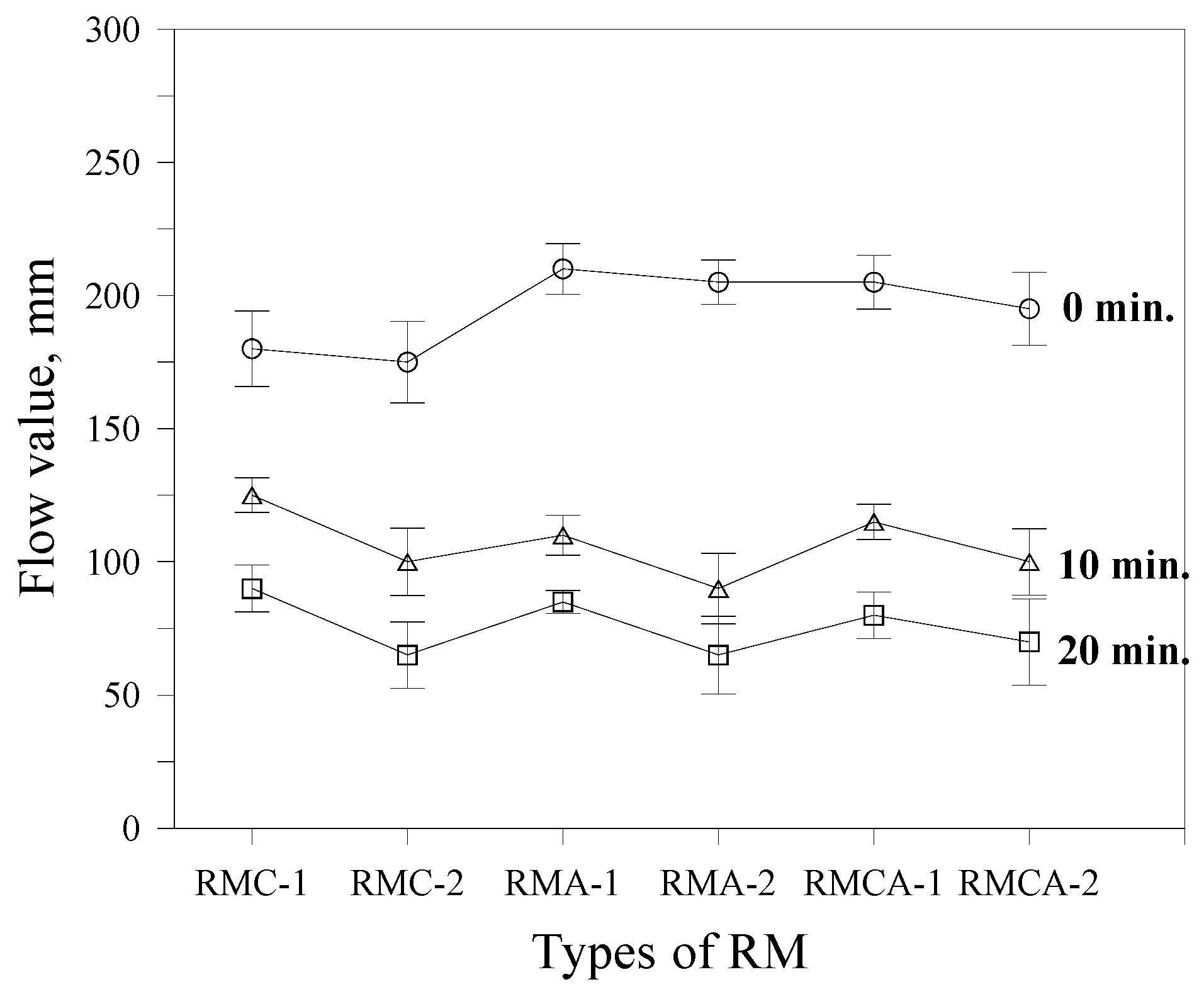
- The initial flow values of RMA mortars were relatively high; however, they demonstrated a more pronounced loss of fluidity over time. Overall, fluidity decreased as the dosage of aluminate-based binders increased.
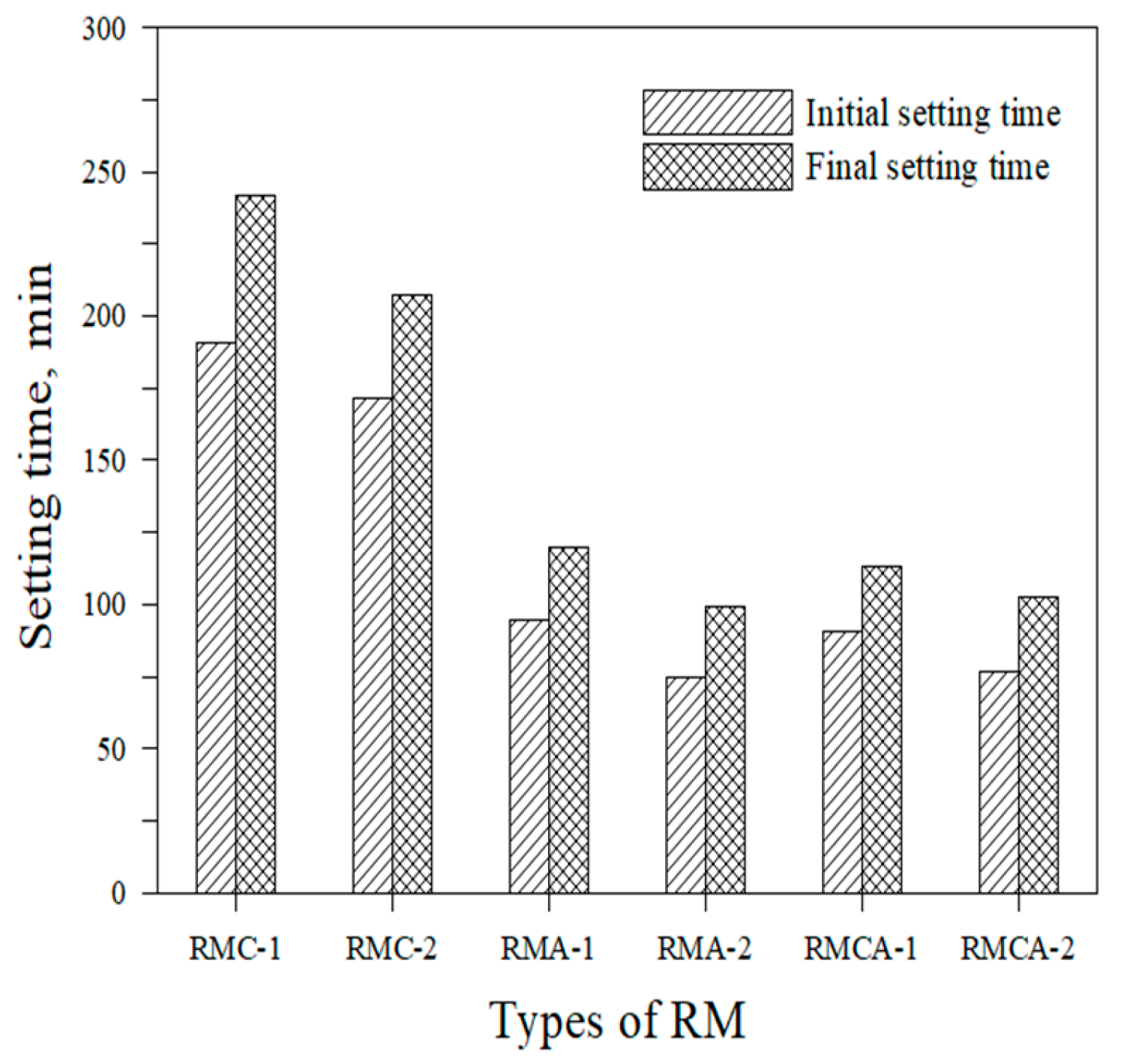
- The setting time was reduced by increasing the amount of CSA and ACA. The setting time of RMA mortars was approximately 50% shorter than that of RMC mortars, primarily attributed to the hydration of C12A7, which represents the primary component of ACA.
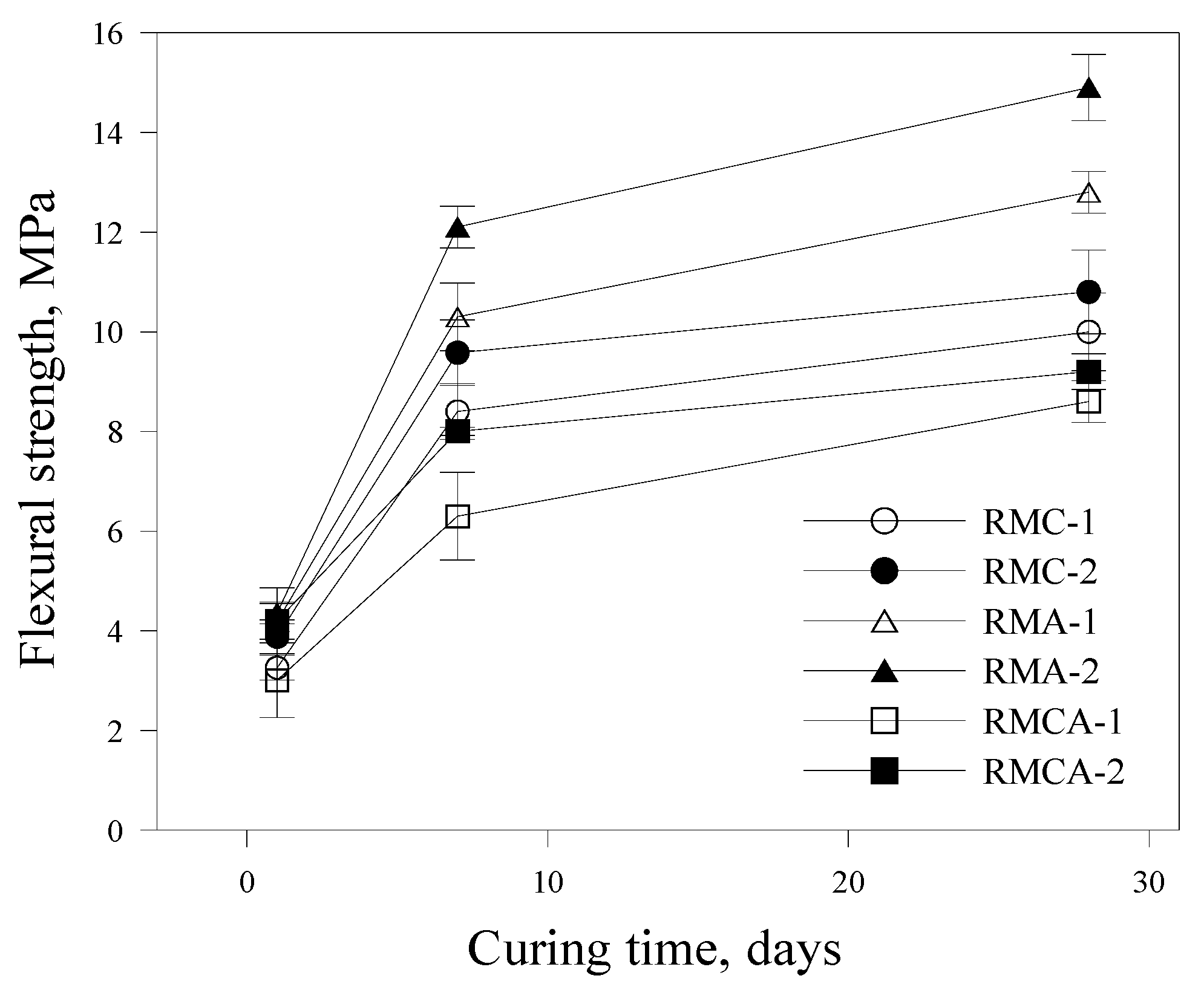
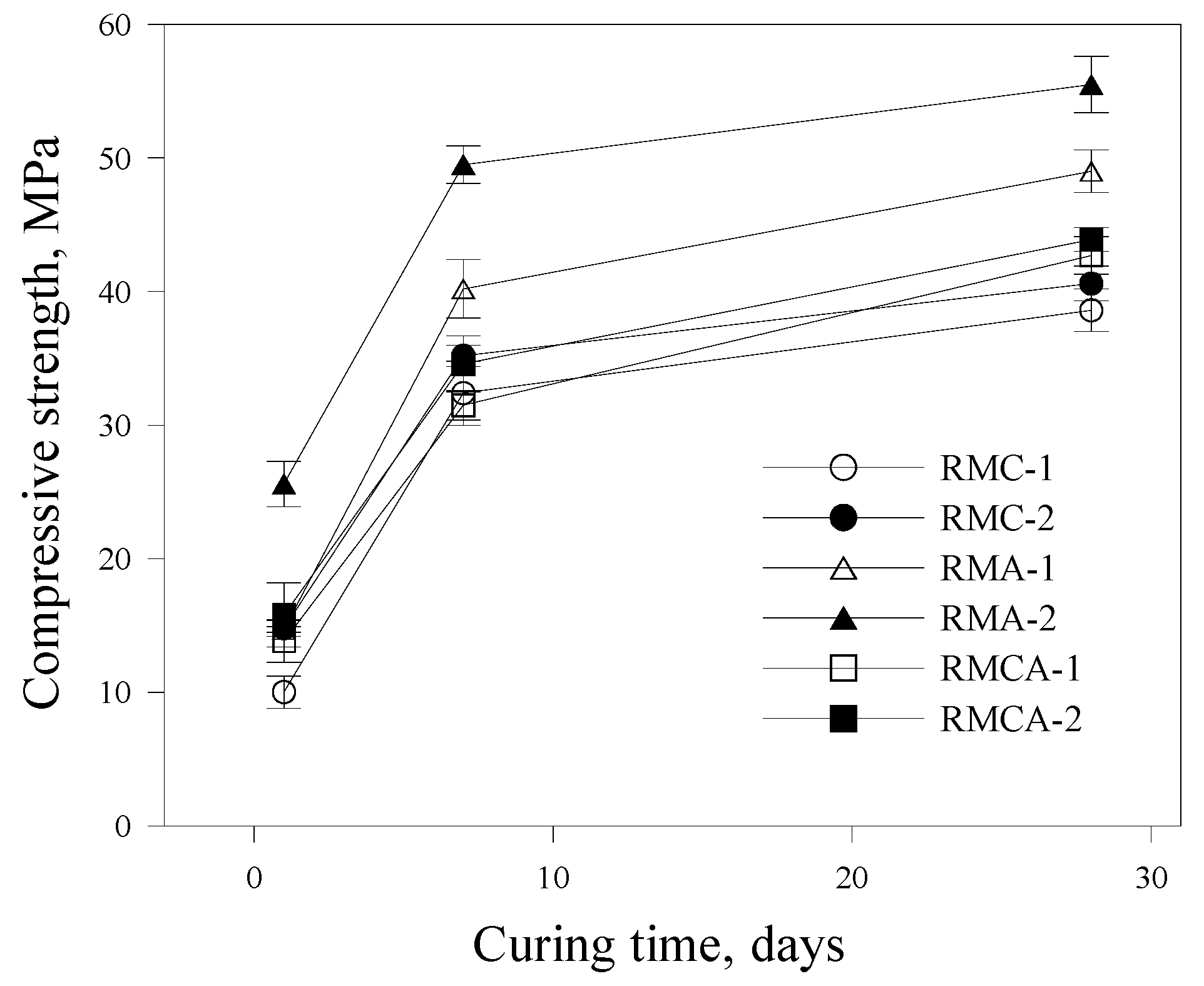
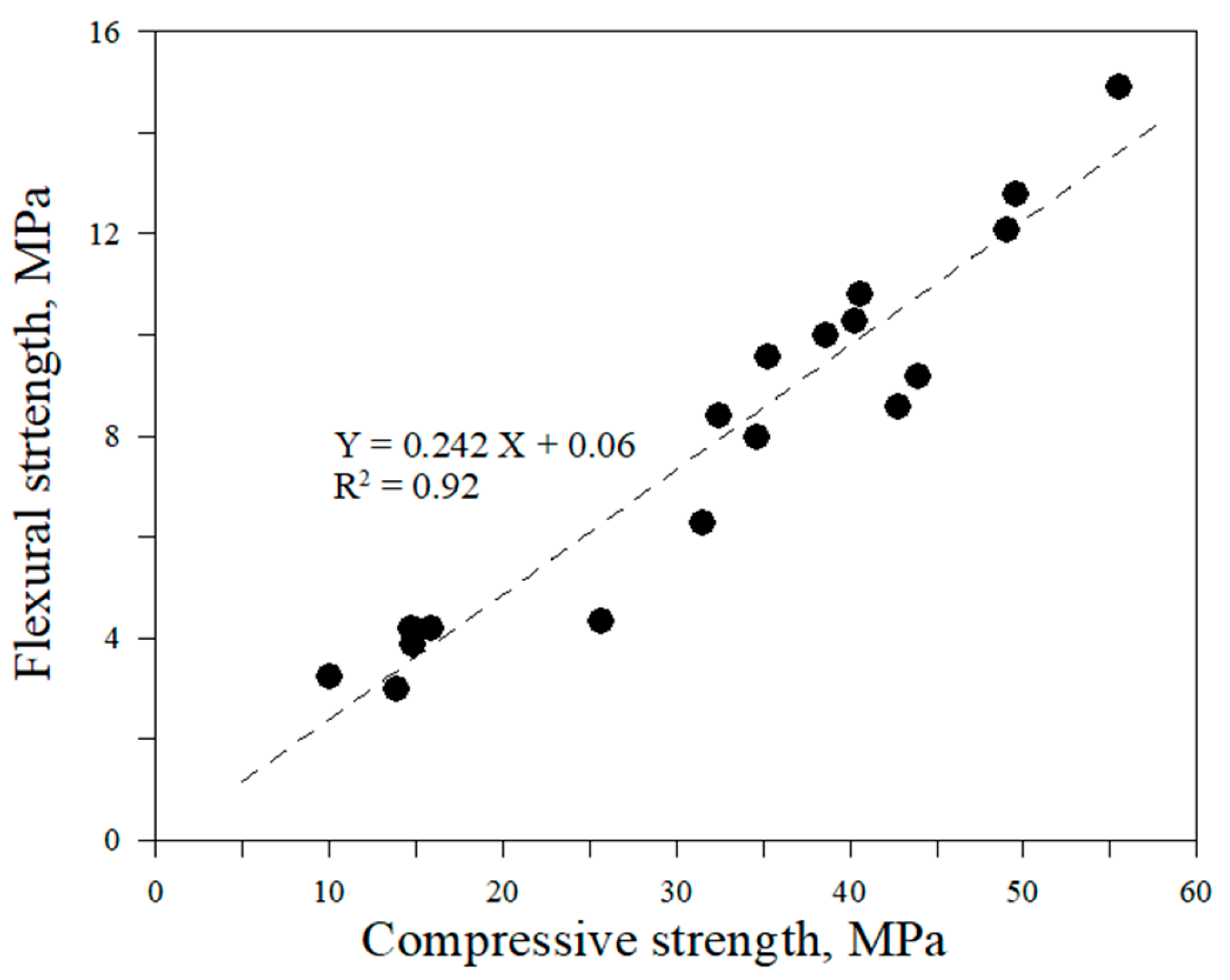
- The compressive and flexural strength results indicated that the strength development of ACA mortars was superior to that of CSA mortars from the earliest ages. For example, the compressive strength of RMA-2 after 28 days of curing was significantly higher by 36.7% compared with that of RMC-2, with the difference further increasing to 74.1% after 1 day of curing. A similar trend was observed in flexural strength.
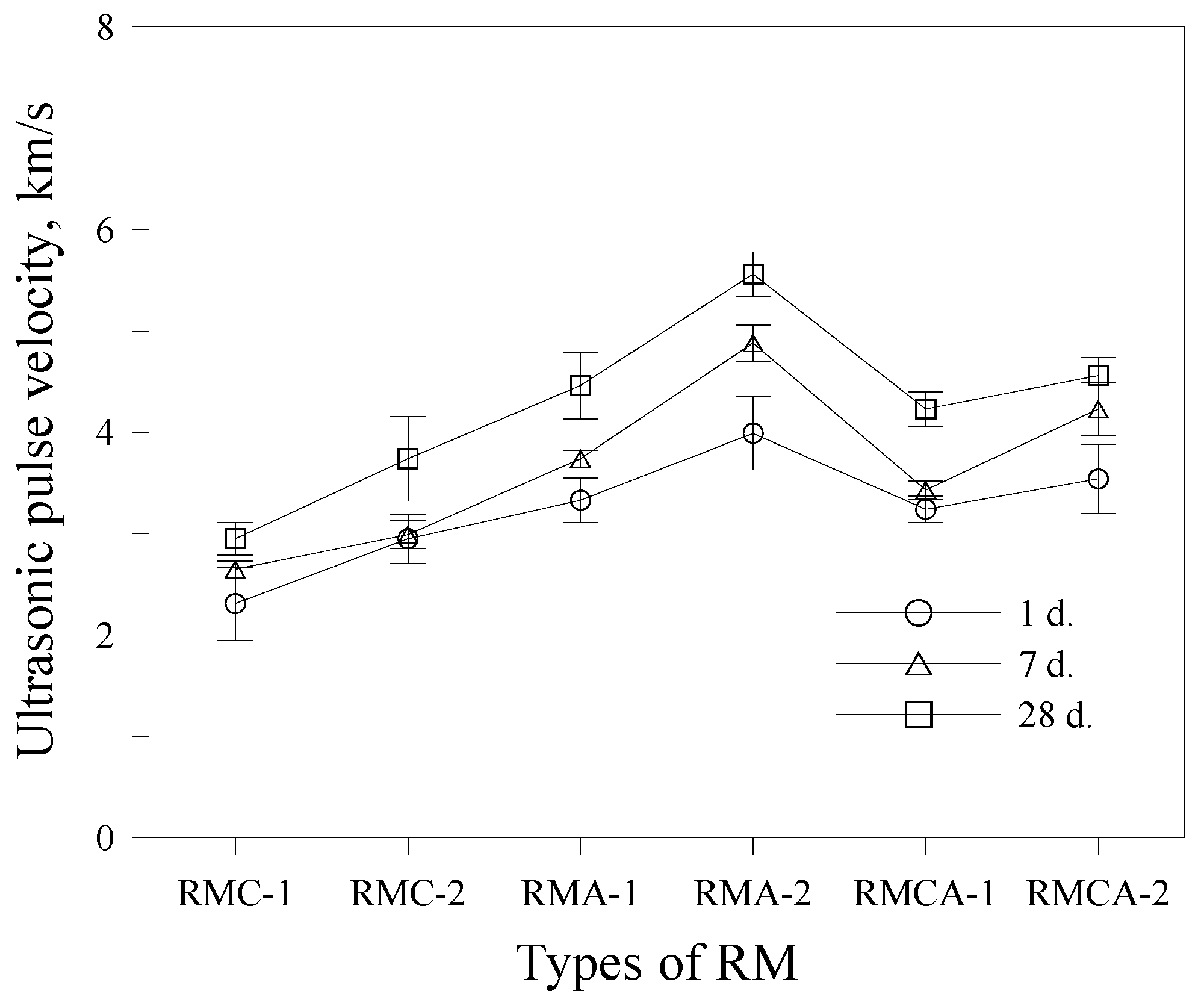
- Higher contents of aluminate-based binders resulted in increased UPV values. The incorporation of ACA had a particularly positive effect on UPV; at the first and 28th days, the UPVs of RMA-2 were 3.99 and 5.56 km/s, which were approximately 35% and 48% higher than those of RMC-2, respectively.
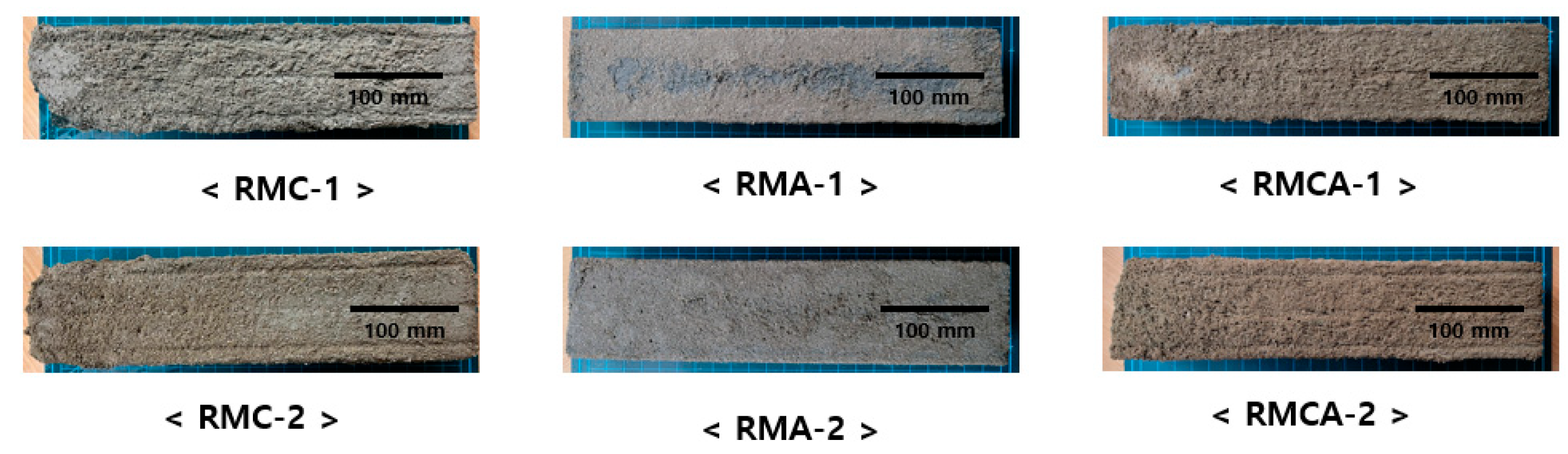
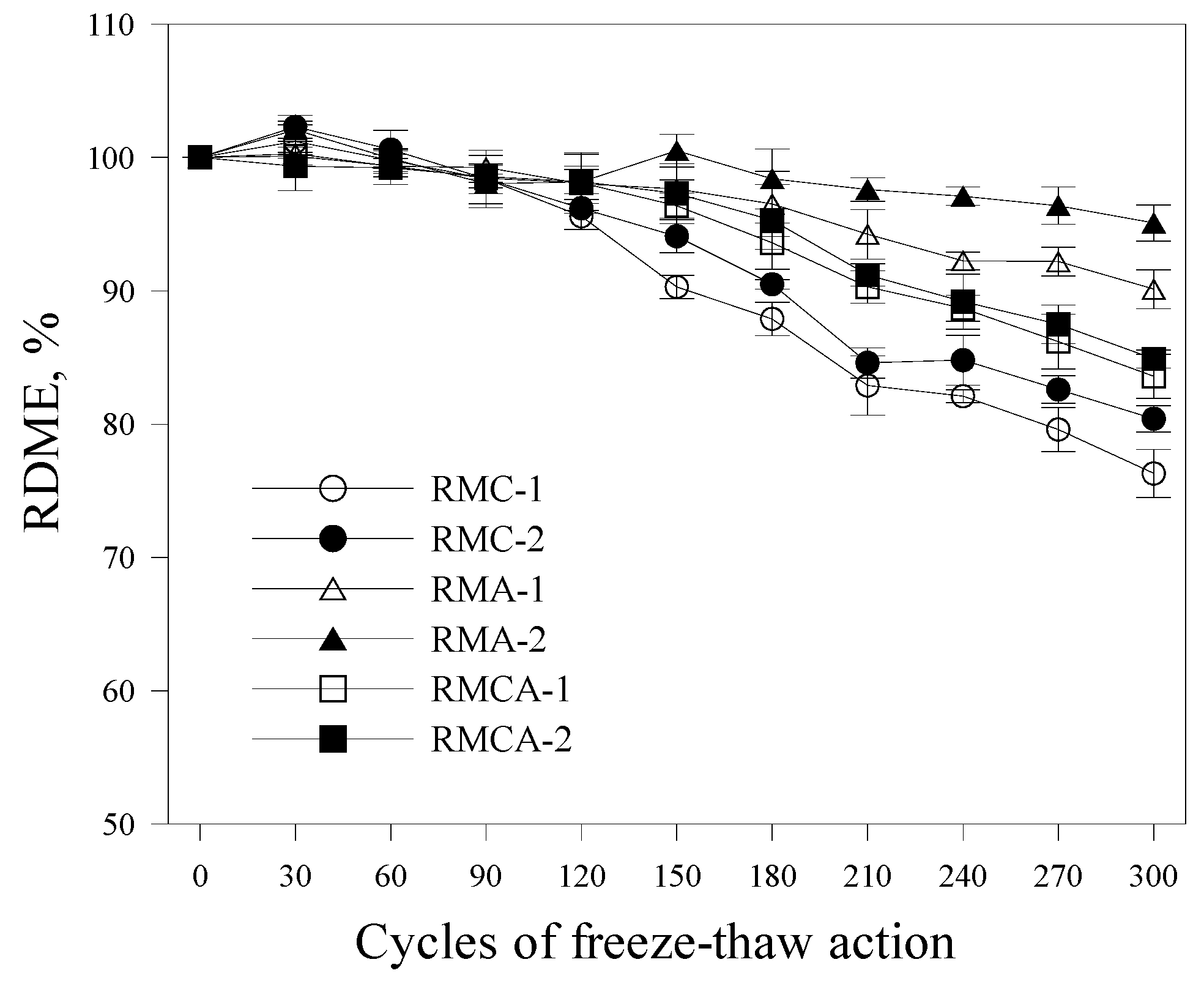
- In freeze–thaw resistance tests, RMA mortars maintained relative RDME values above 90%, whereas those of RMC mortars fell below 80%, validating the significance of ACA in enhancing durability. After 300 cycles, visual inspection revealed that RMA specimens remained relatively intact, displaying only minor surface cracks. In contrast, RMC specimens demonstrated pronounced surface scaling, spalling, and softening.
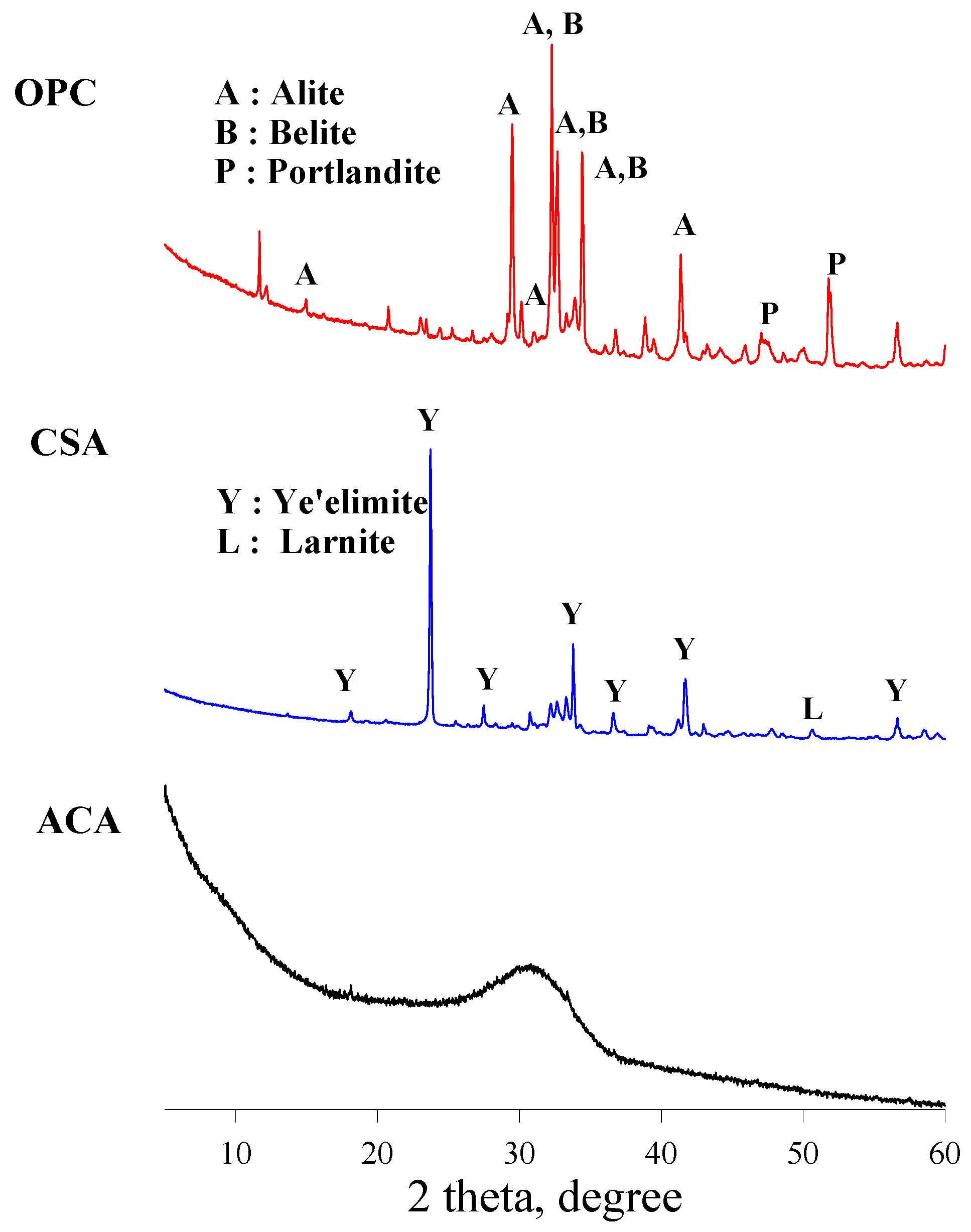
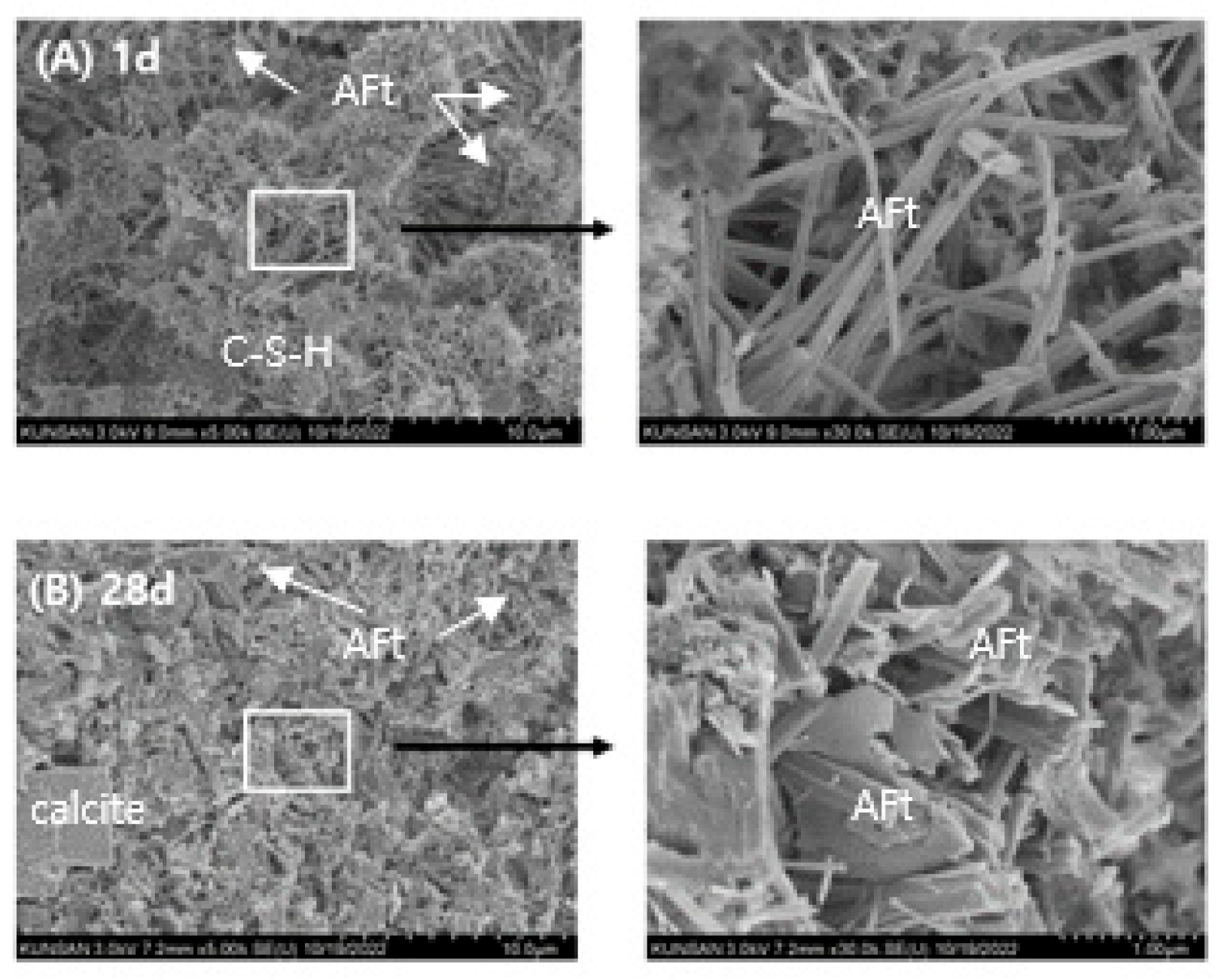
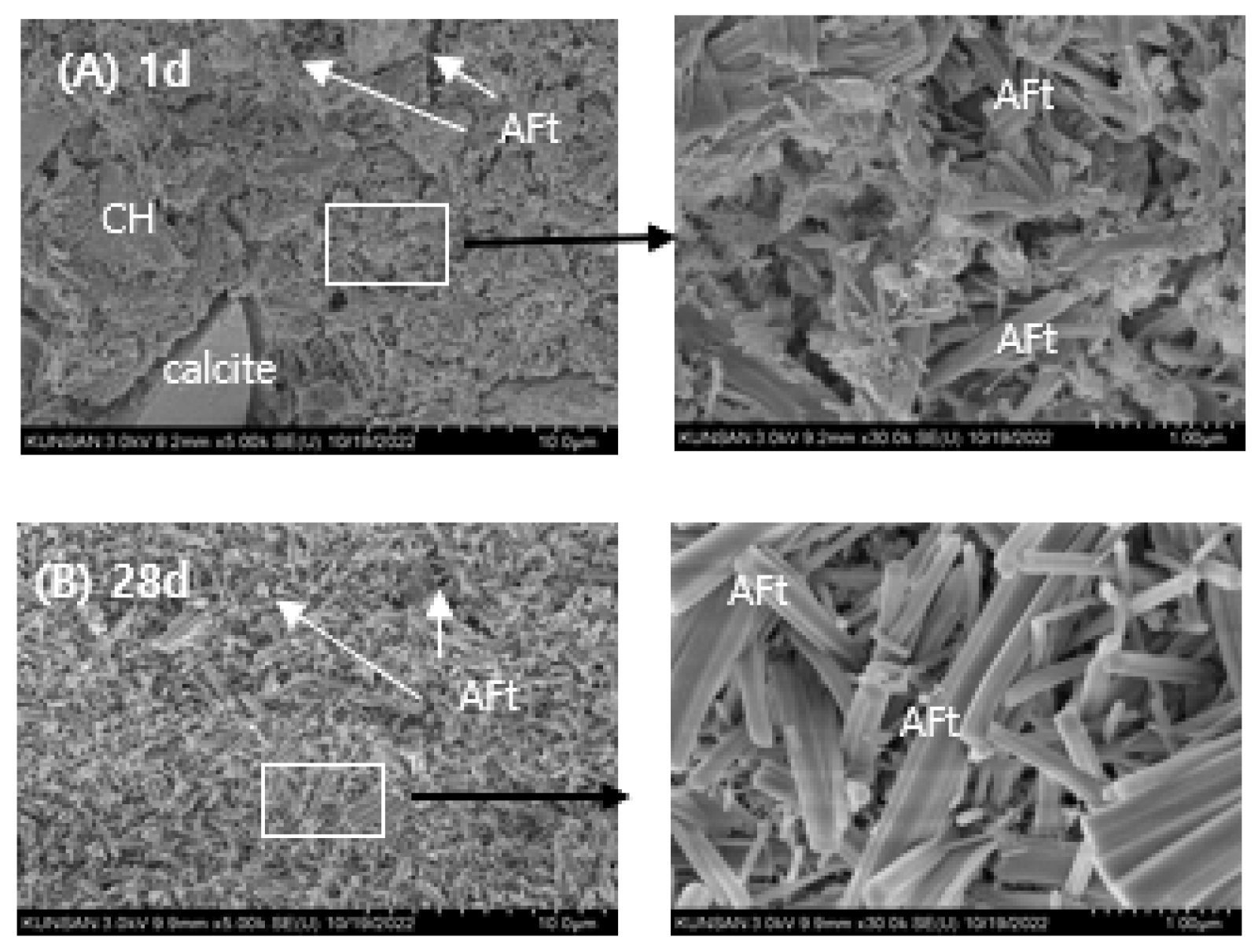
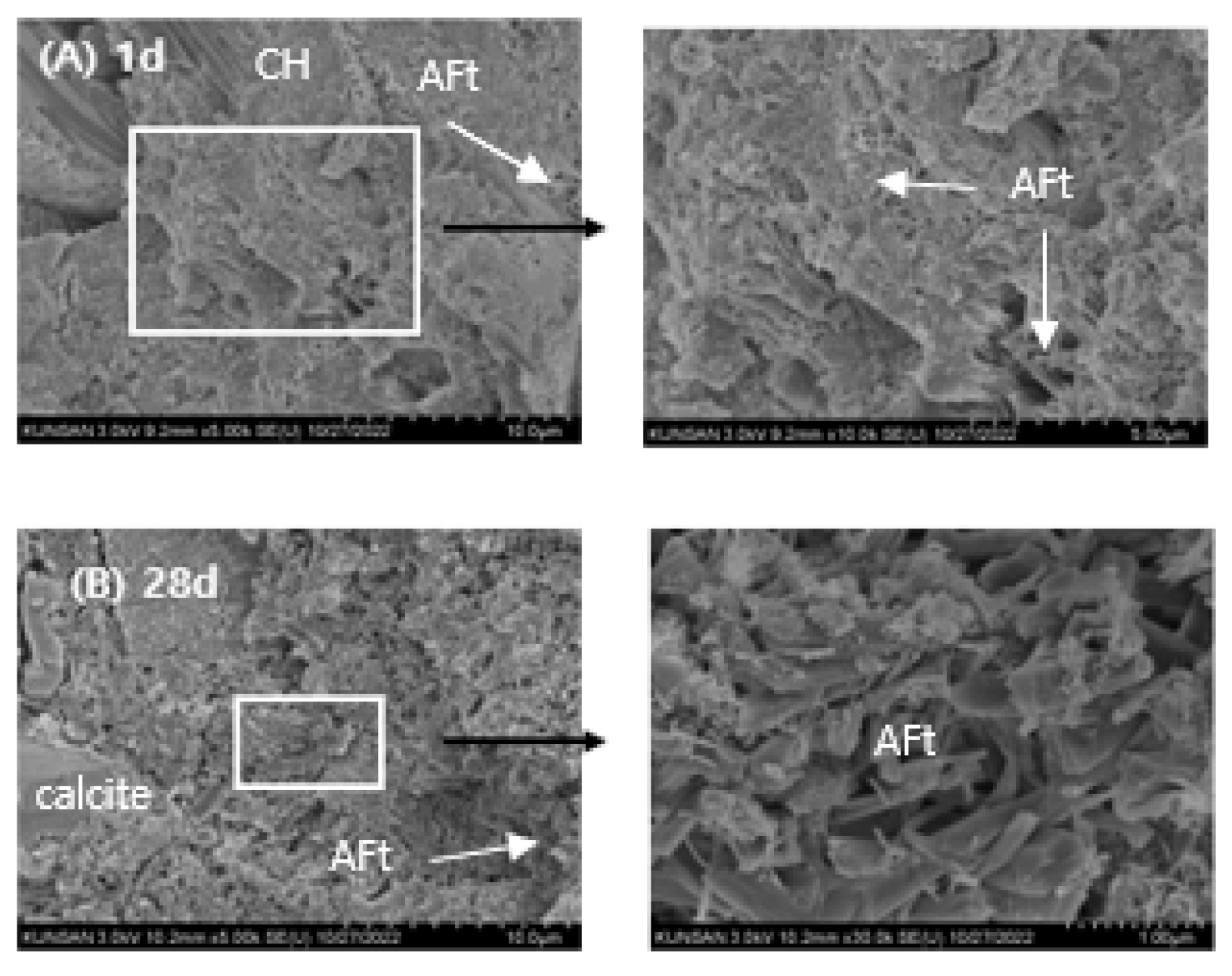
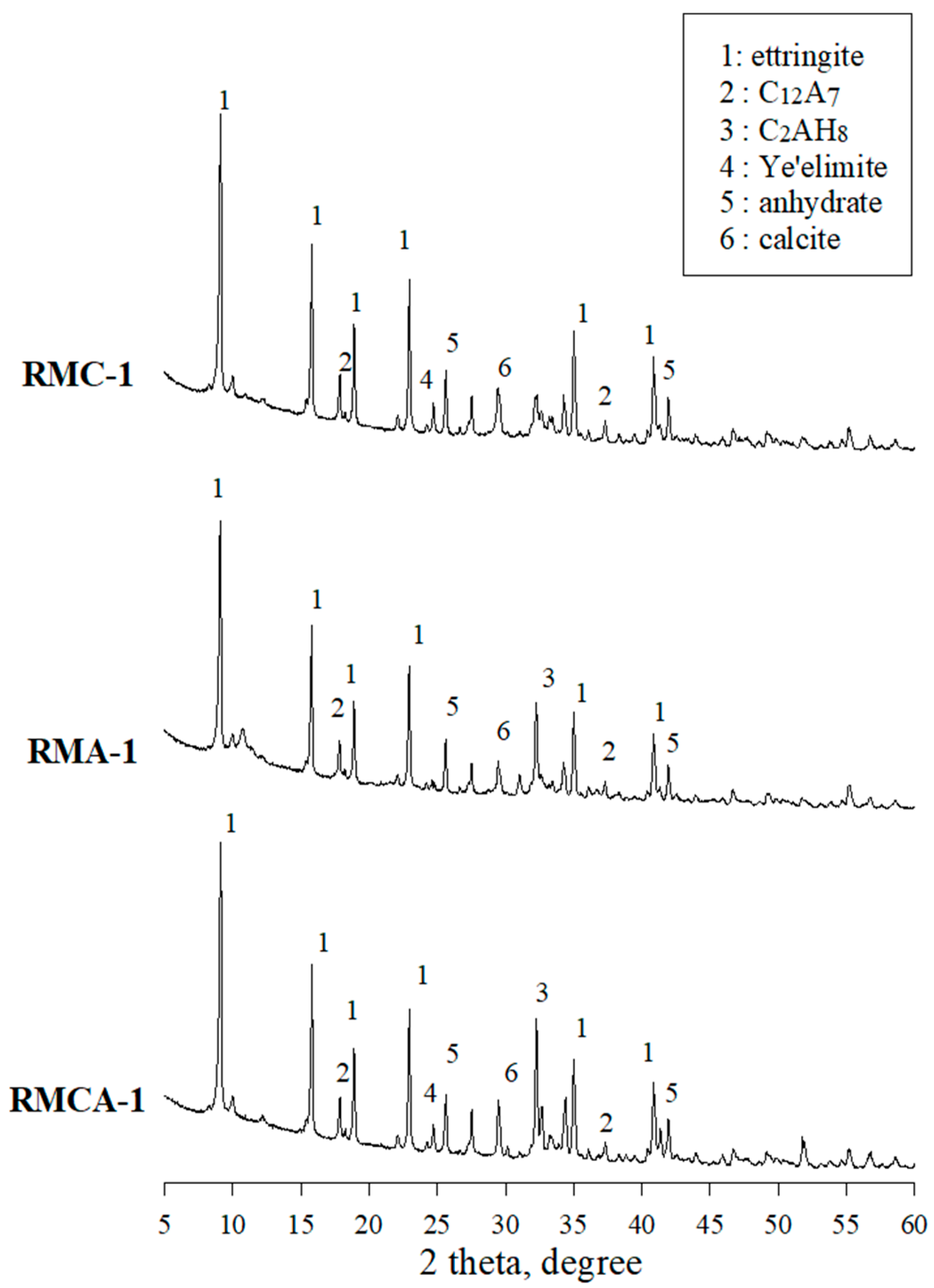
- XRD analysis revealed that RMC samples generated significant amounts of ettringite through the hydration of ye’elimite, whereas ACA samples primarily generated C2AH8, resulting from C12A7 hydration. These distinct hydration products are believed to significantly impact the mechanical properties and durability of the mortars.
Author Contributions
Funding
Data Availability Statement
Conflicts of Interest
Abbreviations
| RM | Repair mortars |
| CSA | Calcium sulfoaluminate |
| AG | Anhydrite gypsum |
| UPV | Ultrasonic pulse velocity |
| RDME | Relative dynamic modulus of elasticity |
| OPC | Ordinary Portland cement |
| ACA | Amorphous calcium aluminate |
| XRD | X-ray diffraction |
| SEM | Scanning electron microscopy |
References
- Vasquez, I.B.; Trauchessec, R.; Tobon, J.I.; Lecomte, A. Influence of ye’elimite/anhydrate ratio on PC-CSA hybrid cements. Mater. Today Commun. 2020, 22, 100778. [Google Scholar]
- Park, S.; Lee, N.; Park, K. Early-age hydration behavior of calcium sulfoaluminate (CSA) cement/ordinary Portland cement-blended ultra-high performance concrete. J. Build. Eng. 2024, 87, 109058. [Google Scholar] [CrossRef]
- Wang, S.; Li, B.; Zeng, H.; Liang, C.; Zhang, G. Comparison of mechanical strengths and microstructure of Portland cement-calcium sulfoaluminate cement binders with cellulose ethers of different viscosities. Constr. Build. Mater. 2024, 437, 137022. [Google Scholar] [CrossRef]
- Wolf, J.J.; Jansen, D.; Goetz-Neunhoeffer, F.; Neubauer, J. Mechanisms of early ettringite formation in ternary CSA–OPC–anhydrite systems. Adv. Cem. Res. 2019, 31, 195–204. [Google Scholar] [CrossRef]
- Chen, I.A.; Hargis, C.W.; Juenger, M.C. Understanding expansion in calcium sulfoaluminate–belite cements. Cem. Concr. Res. 2012, 42, 51–60. [Google Scholar] [CrossRef]
- Jiang, B.; Qian, Z.; Gu, D.; Pan, J. Repair concrete structures with high-early-strength engineered cementitious composites (HES-ECC): Material design and interfacial behavior. J. Build. Eng. 2023, 68, 106060. [Google Scholar] [CrossRef]
- Tao, Y.; Rahul, A.V.; Mohan, M.K.; De Schutter, G.; Van Tittelboom, K. Recent progress and technical challenges in using calcium sulfoaluminate (CSA) cement. Cem. Concr. Compos. 2023, 137, 104908. [Google Scholar] [CrossRef]
- Qian, J.; You, C.; Wang, Q.; Wang, H.; Jia, X. A method for assessing bond performance of cement-based repair materials. Constr. Build. Mater. 2014, 68, 307–313. [Google Scholar] [CrossRef]
- Hyun, J.H.; Noh, J.H.; Kim, H.S.; Kim, Y.Y. Durability characteristics of Latex modified concrete for bridge deck pavement produced with CSA-based admixture for traffic opening at the age of 24 hours. Int. J. Concr. Struct. Mater. 2017, 29, 625–631. [Google Scholar]
- Shen, Y.; Chen, X.; Zhang, W.; Li, X.; Qian, J. Influence of ternesite on the properties of calcium sulfonamides cements blended with fly ash. Constr. Build. Mater. 2018, 72, 482–490. [Google Scholar]
- Yoon, H.N.; Seo, J.; Park, S. Effects of M-value on long-term microstructural evolution of CSA cement blended with slag. J. Build. Eng. 2024, 82, 108241. [Google Scholar] [CrossRef]
- Nakagawa, K.; Terashima, I.; Asaga, K.; Daimon, M. Influence of Ca(OH)2 and CaSO4·2H2O on hydration reaction of amorphous calcium aluminate. Cem. Concr. Res. 1990, 20, 824–832. [Google Scholar] [CrossRef]
- ASTM C150-24; Standard Specification for Portland Cement. American Society for Testing Materials: West Conshohocken, PA, USA, 2024.
- Nakagawa, K.; Terashima, I.; Asaga, K.; Daimon, M. A study of hydration of amorphous calcium aluminate by selective dissolution analysis. Cem. Concr. Res. 1990, 20, 655–661. [Google Scholar] [CrossRef]
- ASTM C1437-20; Standard Test Method for Flow of Hydraulic Cement Mortar. American Society for Testing Materials: West Conshohocken, PA, USA, 2020.
- ASTM C807-21; Standard Test Method for Time of Setting of Hydraulic Cement Mortar by Modified Vicat Needle. American Society for Testing Materials: West Conshohocken, PA, USA, 2021.
- ASTM C109/C109M-21; Standard Test Method for Compressive Strength of Hydraulic Cement Mortars. American Society for Testing Materials: West Conshohocken, PA, USA, 2021.
- ASTM C348-21; Standard Test Method for Flexural Strength of Hydraulic-Cement Mortars. American Society for Testing Materials: West Conshohocken, PA, USA, 2021.
- ASTM C597-22; Standard Test Method for Ultrasonic Pulse Velocity Through Concrete. American Society for Testing Materials: West Conshohocken, PA, USA, 2022.
- ASTM C666-97; Standard Test Method for Resistance of Concrete to Rapid Freezing and Thawing. American Society for Testing Materials: West Conshohocken, PA, USA, 1997.
- Pelletier, L.; Winnefeld, F.; Lothenbach, B. The ternary system Portland cement–calcium sulphoaluminate clinker–anhydrite: Hydration mechanism and mortar properties. Cem. Concr. Compos. 2010, 32, 497–507. [Google Scholar] [CrossRef]
- Wang, P.; Li, N.; Xu, L. Hydration evolution and compressive strength of calcium sulphoaluminate cement constantly cured over the temperature range of 0 to 80 °C. Cem. Concr. Res. 2017, 100, 203–213. [Google Scholar] [CrossRef]







| SiO2 | Al2O3 | Fe2O3 | CaO | MgO | SO3 | TiO2 | LOI | |
|---|---|---|---|---|---|---|---|---|
| OPC | 19.8 | 4.8 | 3.1 | 61.5 | 2.9 | 2.8 | 0.3 | 1.3 |
| CSA | 9.1 | 28.0 | 3.1 | 44.3 | 2.5 | 10.1 | 1.0 | 0.70 |
| ACA | 3.8 | 42.8 | 0.8 | 48.4 | 1.2 | 0.2 | 2.2 | 0.3 |
| AG | 3.3 | 1.5 | 0.2 | 42.4 | 0.3 | 51.9 | - | - |
| Mixes | w/b (%) | Binders (g) | Fines (g) | |||
|---|---|---|---|---|---|---|
| OPC | CSA | ACA | AG | |||
| RMC-1 | 57 | 17.5 | 8.75 | - | 8.75 | 70 |
| RMC-2 | 10.5 | 14.0 | - | 10.5 | ||
| RMA-1 | 17.5 | - | 8.75 | 8.75 | ||
| RMA-2 | 10.5 | - | 14.0 | 10.5 | ||
| RMCA-1 | 17.5 | 4.38 | 4.38 | 8.75 | ||
| RMCA-2 | 10.5 | 7 | 7 | 10.5 | ||
Disclaimer/Publisher’s Note: The statements, opinions and data contained in all publications are solely those of the individual author(s) and contributor(s) and not of MDPI and/or the editor(s). MDPI and/or the editor(s) disclaim responsibility for any injury to people or property resulting from any ideas, methods, instructions or products referred to in the content. |
© 2026 by the authors. Licensee MDPI, Basel, Switzerland. This article is an open access article distributed under the terms and conditions of the Creative Commons Attribution (CC BY) license.
Share and Cite
Lee, S.; Park, S. Performance of Repair Mortars Composed of Calcium Sulfoaluminate and Amorphous Calcium Aluminate. Materials 2026, 19, 261. https://doi.org/10.3390/ma19020261
Lee S, Park S. Performance of Repair Mortars Composed of Calcium Sulfoaluminate and Amorphous Calcium Aluminate. Materials. 2026; 19(2):261. https://doi.org/10.3390/ma19020261
Chicago/Turabian StyleLee, Seungtae, and Seho Park. 2026. "Performance of Repair Mortars Composed of Calcium Sulfoaluminate and Amorphous Calcium Aluminate" Materials 19, no. 2: 261. https://doi.org/10.3390/ma19020261
APA StyleLee, S., & Park, S. (2026). Performance of Repair Mortars Composed of Calcium Sulfoaluminate and Amorphous Calcium Aluminate. Materials, 19(2), 261. https://doi.org/10.3390/ma19020261