Performance Analysis of an Integrated Multi-Stage System for Coffee Industry Wastewater Treatment



Highlights
- Integrated treatment for coffee wastewater was successfully developed.
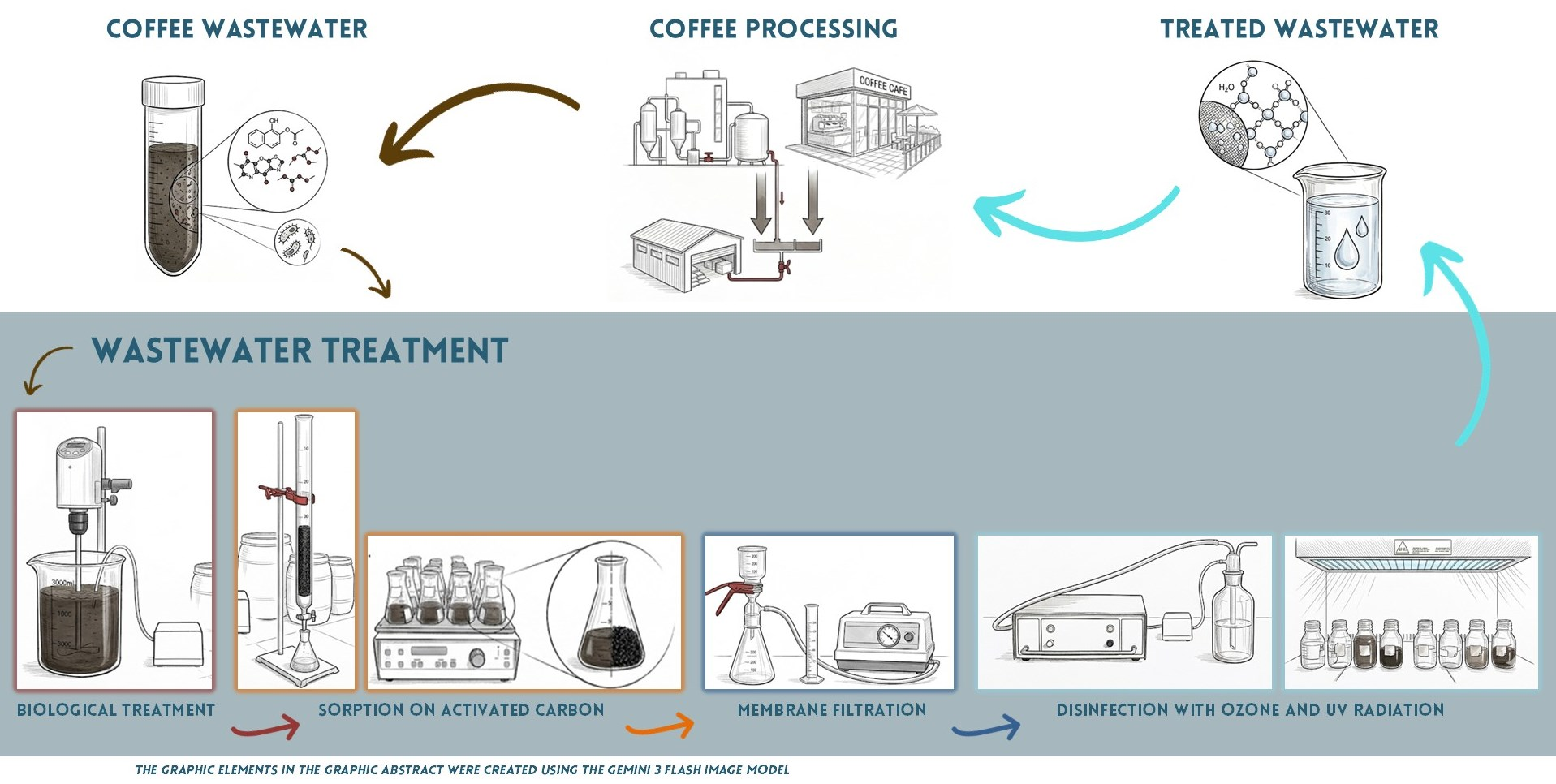
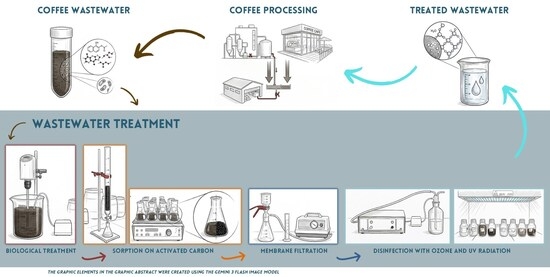
- Combined SBR, activated carbon, and membrane filtration ensured high removal rates.
- Dual disinfection with ozone and UV improved final water quality.
- Achieved high organic and nutrient removal efficiencies.
- Demonstrated potential for wastewater reuse in industrial applications.
Abstract
1. Introduction
2. Materials and Methods
2.1. Research Substrate
2.2. Biological Treatment
2.3. Sorption on Activated Carbon
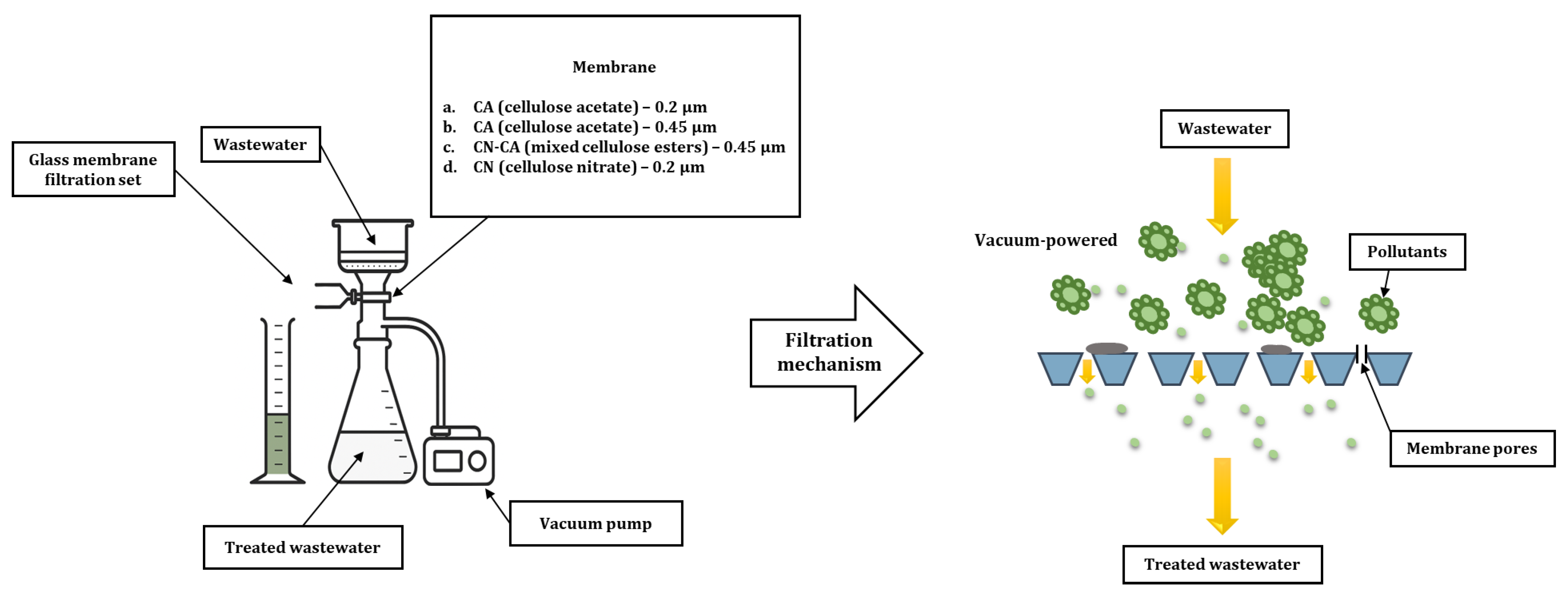
2.4. Membrane Filtration
- CA (cellulose acetate)—0.2 µm (manufactured by Ahlstrom-Munksjö Germany GmbH, Bärenstein, Germany),
- CA (cellulose acetate)—0.45 µm (manufactured by Ahlstrom-Munksjö Germany GmbH, Bärenstein, Germany),
- CN-CA (mixed cellulose esters)—0.45 µm (manufactured by Ahlstrom-Munksjö Germany GmbH, Bärenstein, Germany),
- CN (cellulose nitrate)—0.2 µm (manufactured by Sartorius, Germany).
2.5. Disinfection with Ozone and UV Radiation
- pH by the electrometric method using a pH meter with an electrode in accordance with the methodology described by Hermanowicz et al. (1976) [28];
- Phosphates by the spectrophotometric method with ascorbic acid in accordance with the methodology described by Hermanowicz et al. (1976) [28];
- Total organic carbon (TOC) was determined in accordance with PN-EN 1484 [29] using a Multi N/C 3100 TOC analyzer from Analytik Jena (manufactured in Jena, Germany);
- Ammoniacal nitrogen was determined spectrophotometrically using ready-made tests from HACH (method 8155 Powder Pillows—salicylate method);
- Turbidity was read from a HACH laboratory turbidimeter.
3. Results
3.1. Biological Treatment
3.2. Integration of Biological Wastewater Treatment with Activated Carbon Sorption Process
3.2.1. Static Method
3.2.2. Dynamic Method
3.3. Integration of Biological Wastewater Treatment with Sorption and Membrane Filtration Processes
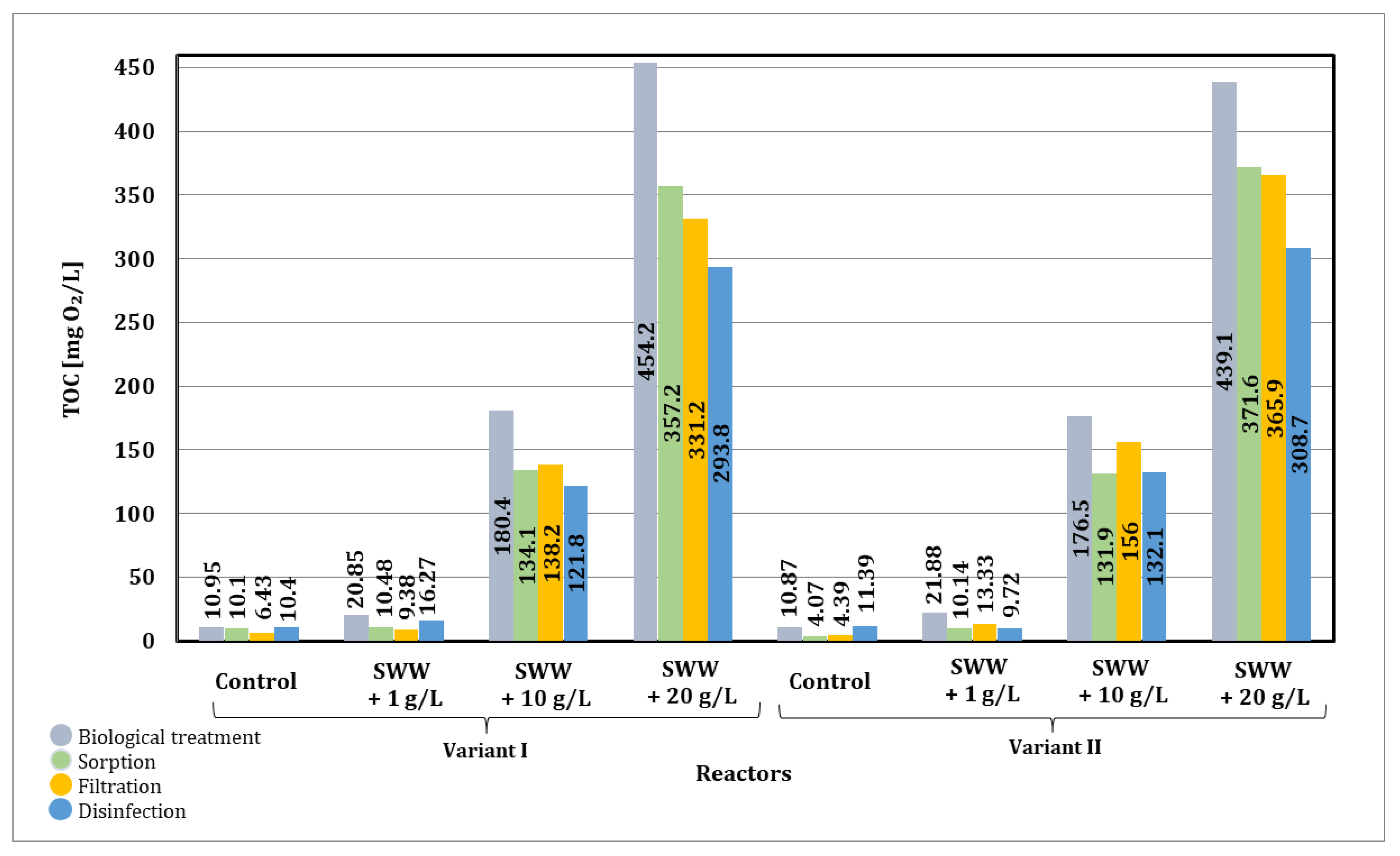
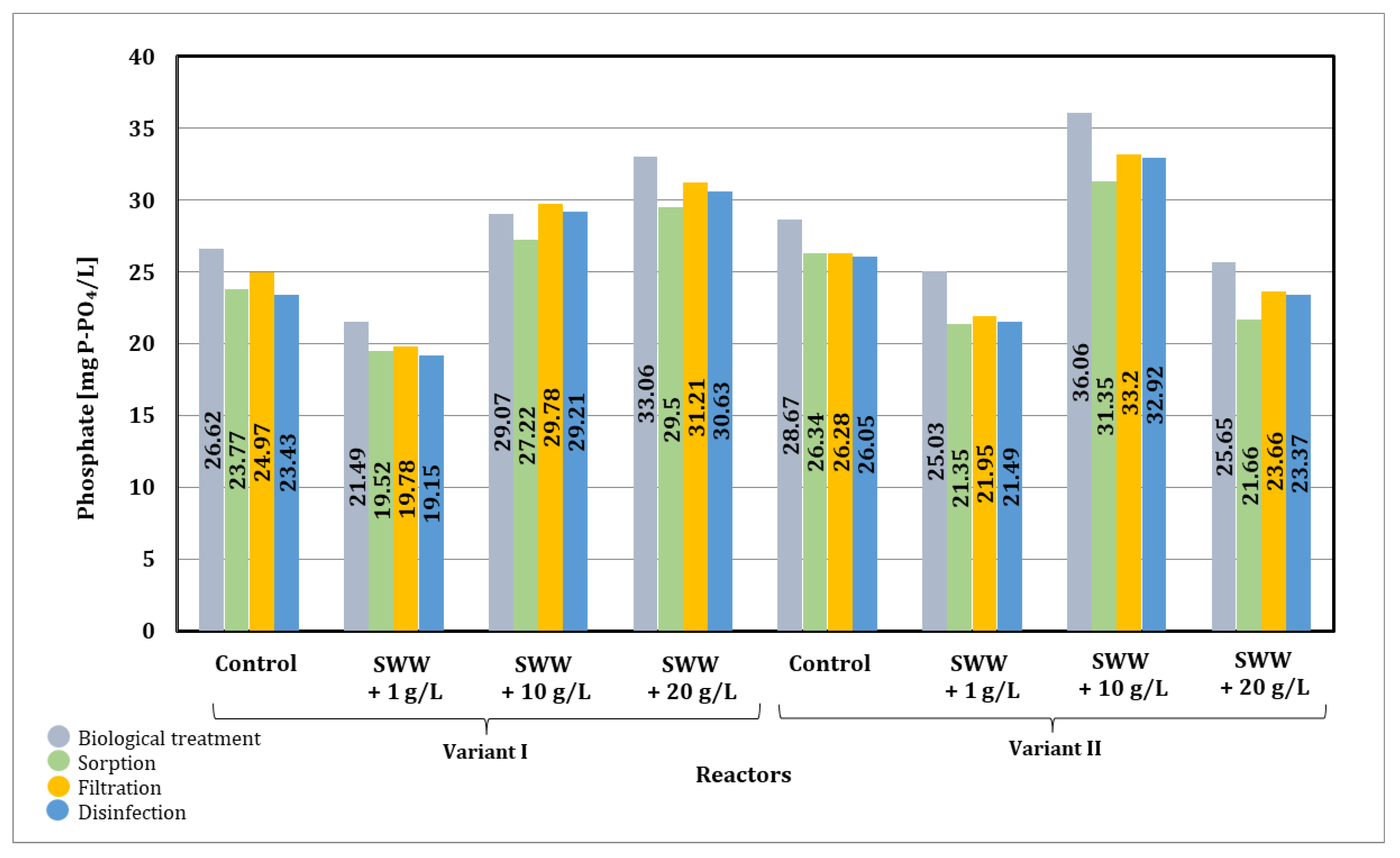
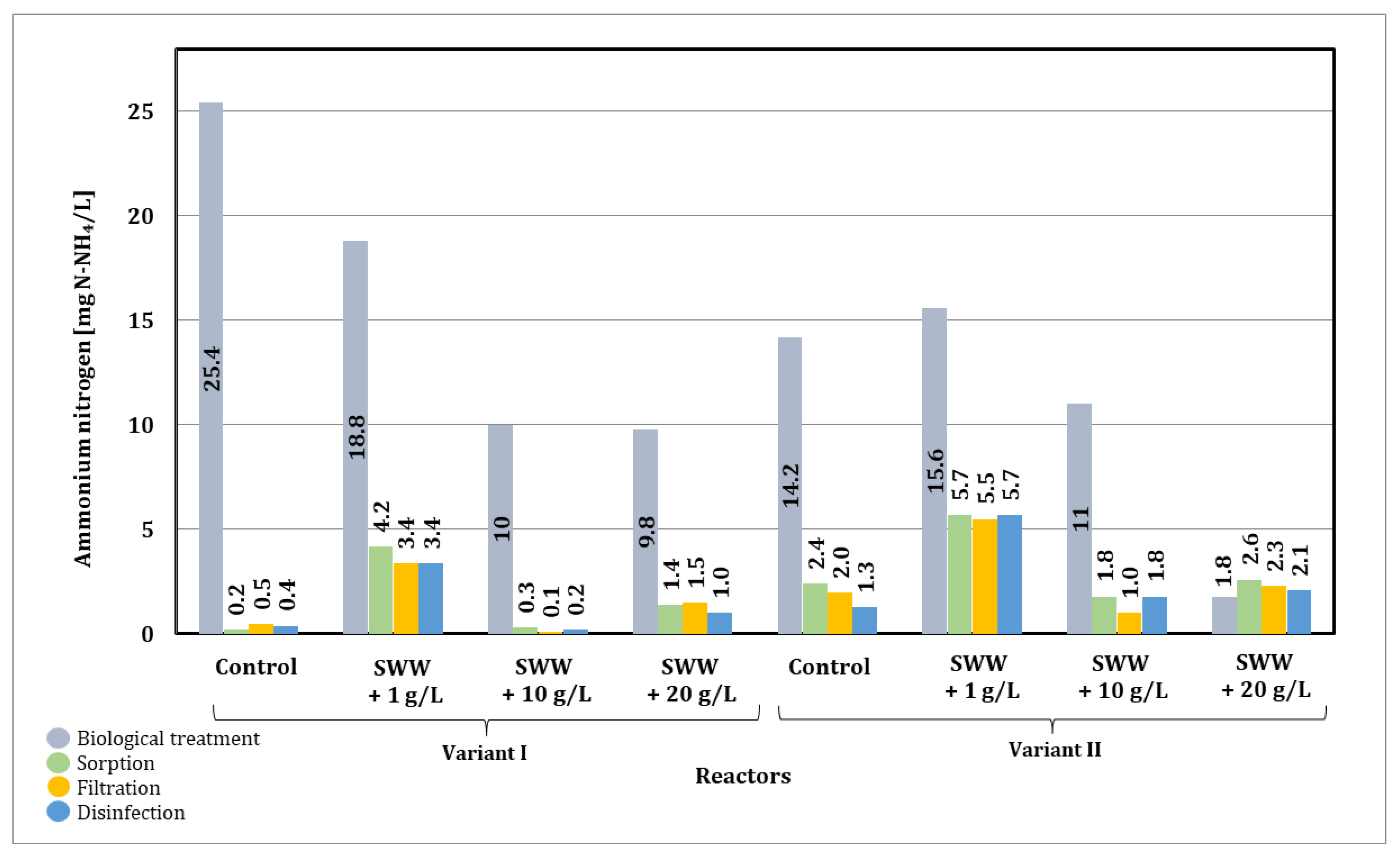
3.4. Multi-Stage Wastewater Treatment with Disinfection
4. Discussion
4.1. Biological Treatment
4.2. Integration of Biological Wastewater Treatment with Activated Carbon Sorption Process
4.3. Integration of Biological Wastewater Treatment with Sorption and Membrane Filtration Processes
4.4. Multi-Stage Wastewater Treatment with Disinfection
4.5. Energy Consumption and Cost Analysis of the Integrated Treatment System
5. Conclusions
5.1. Research Substrate
- There is still a lack of sufficient research in scientific literature on the treatment of wastewater from the coffee industry using integrated technological systems involving biological processes, sorption, membrane filtration, and disinfection.
- The studies conducted have shown that the specific composition of wastewater containing coffee bean extract significantly affects the efficiency of individual treatment stages, especially with poorly biodegradable organic compounds.
- Wastewater with a high concentration of coffee bean extract proved difficult to treat effectively and to achieve the parameters required by applicable environmental standards.
5.2. Biological Treatment
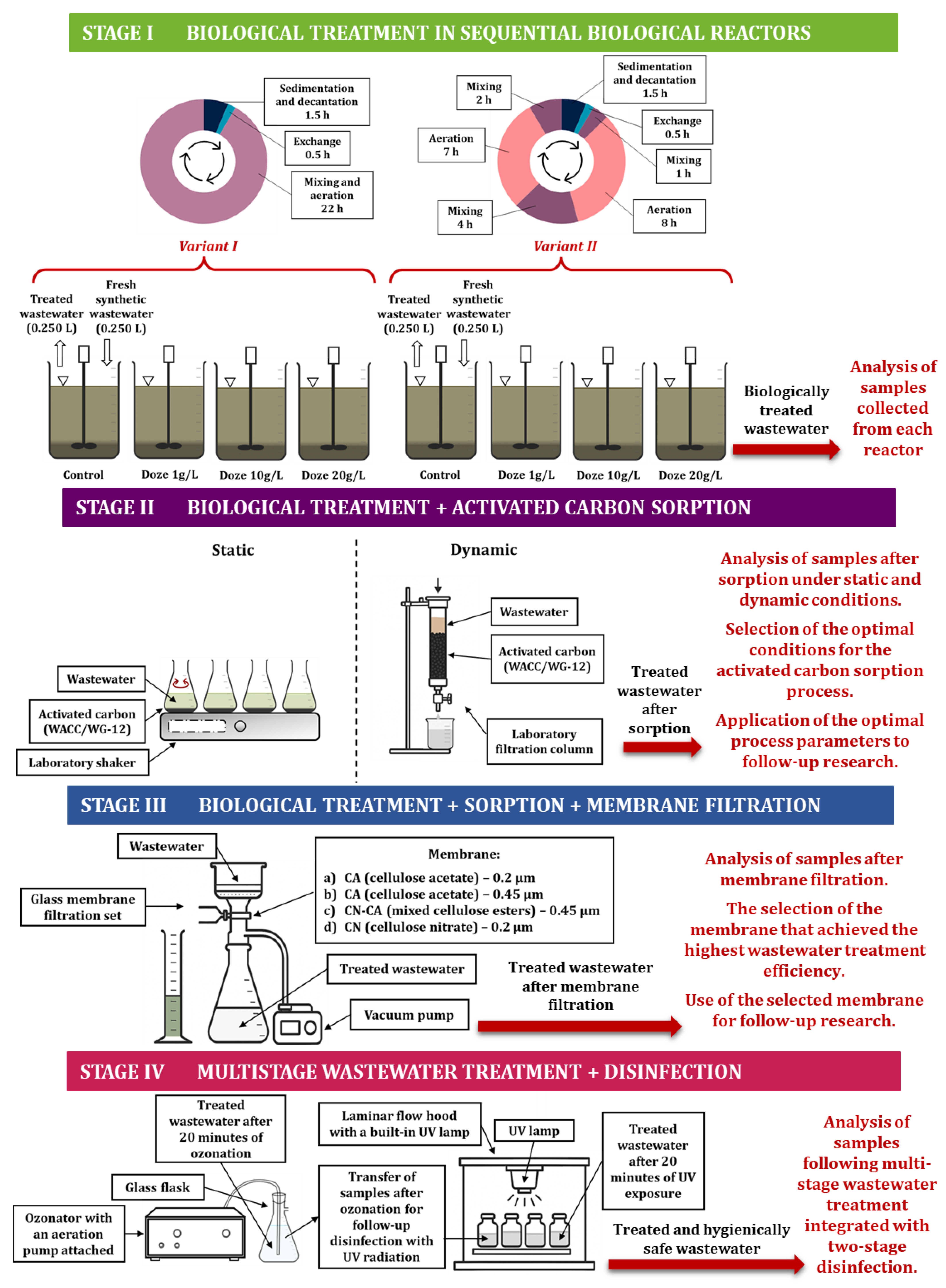
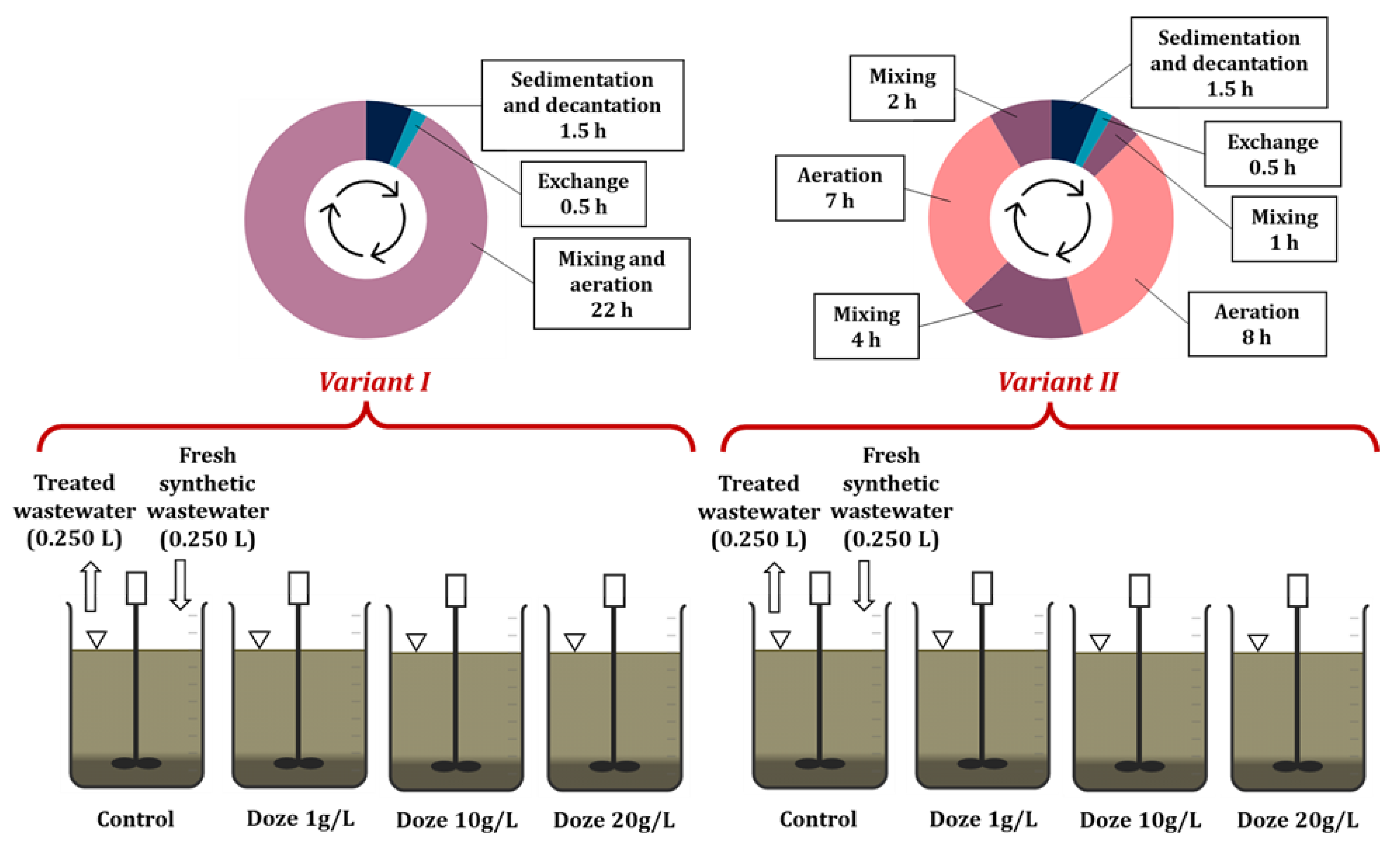
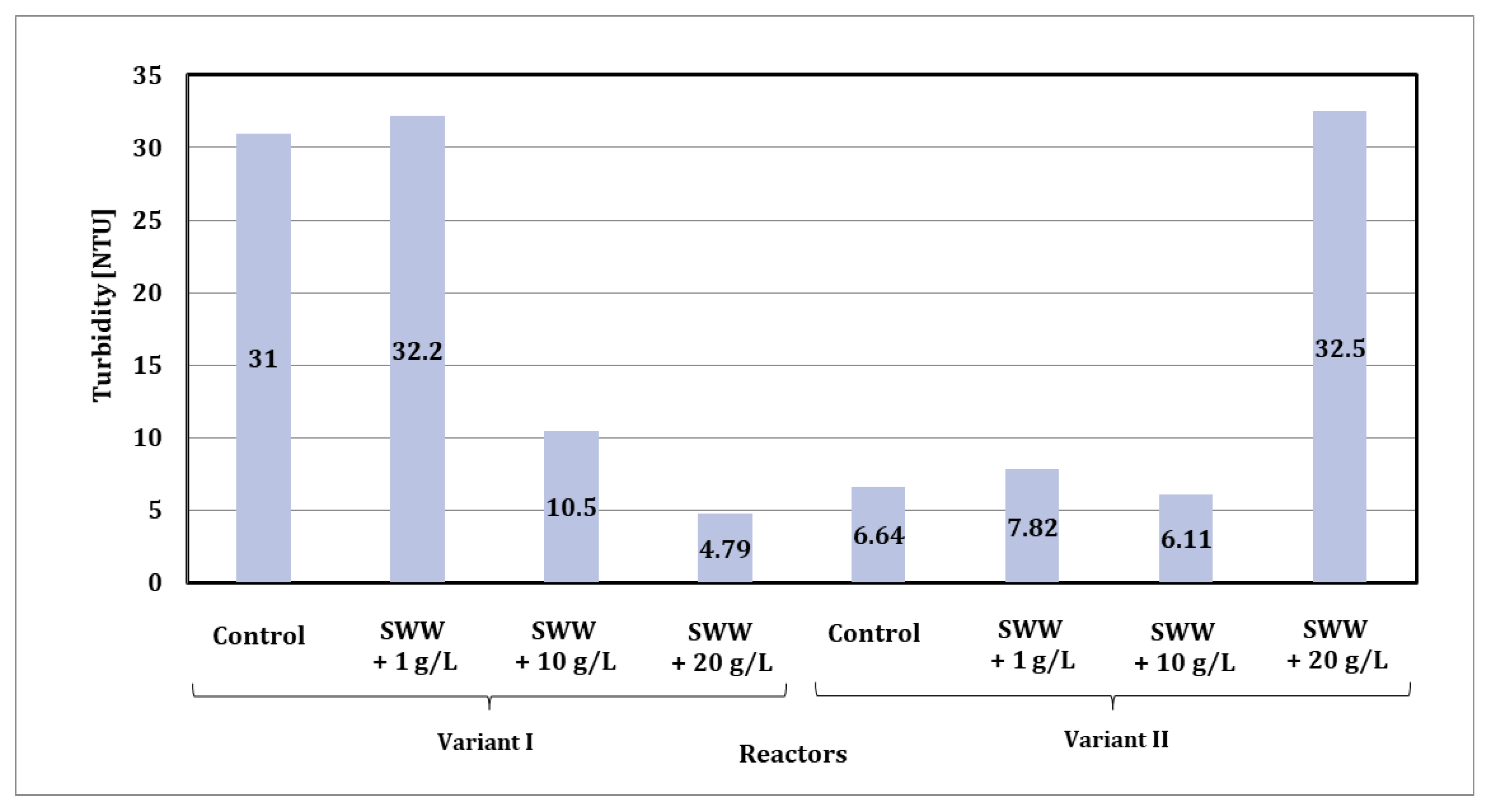
- An analysis of two variants of sequential biological reactor operation phases showed that better results were obtained in variant II, which used an alternating aeration and mixing system, as opposed to variant I, which was based on 22 h of continuous mixing and aeration of the reactors.
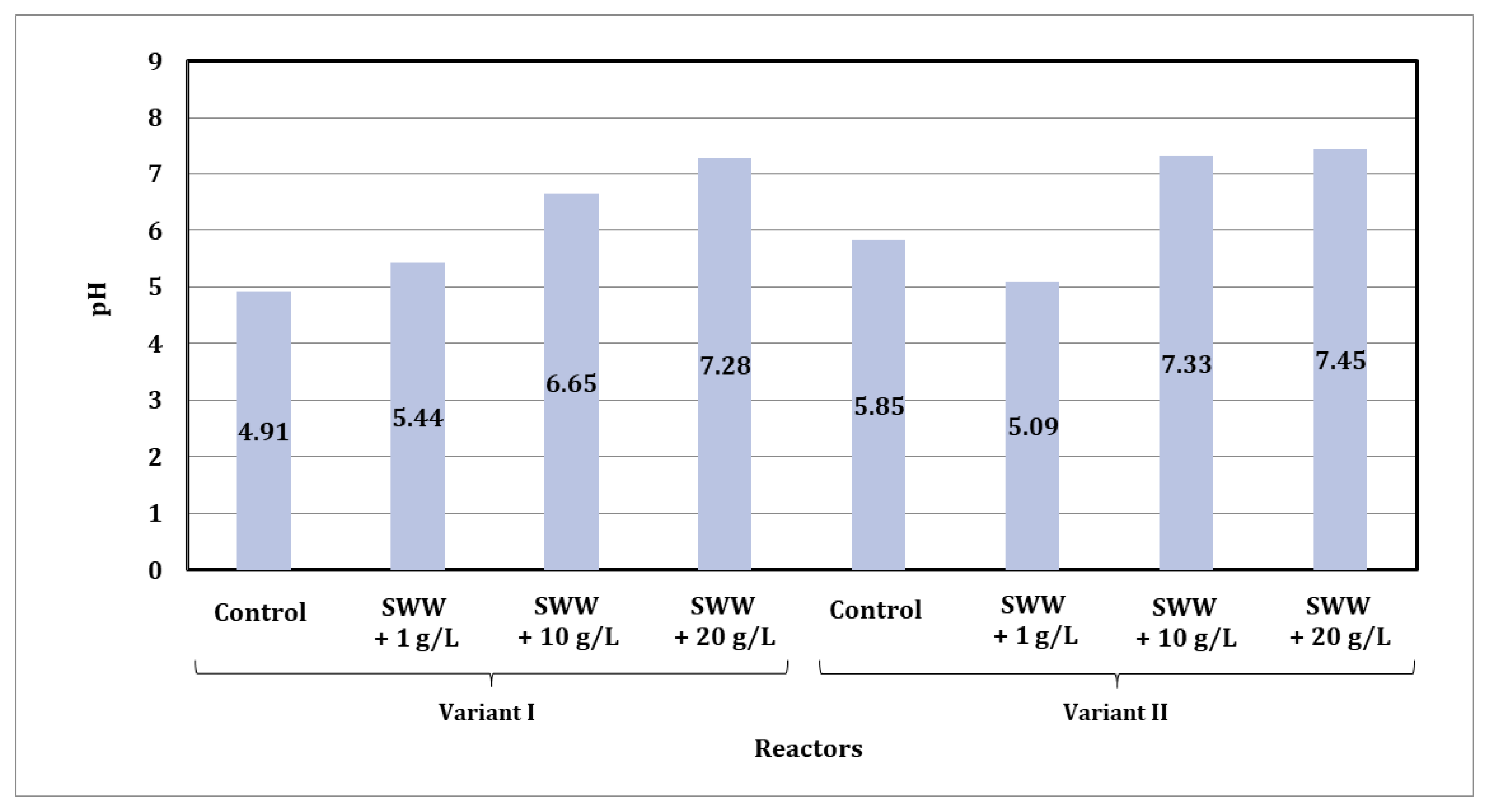
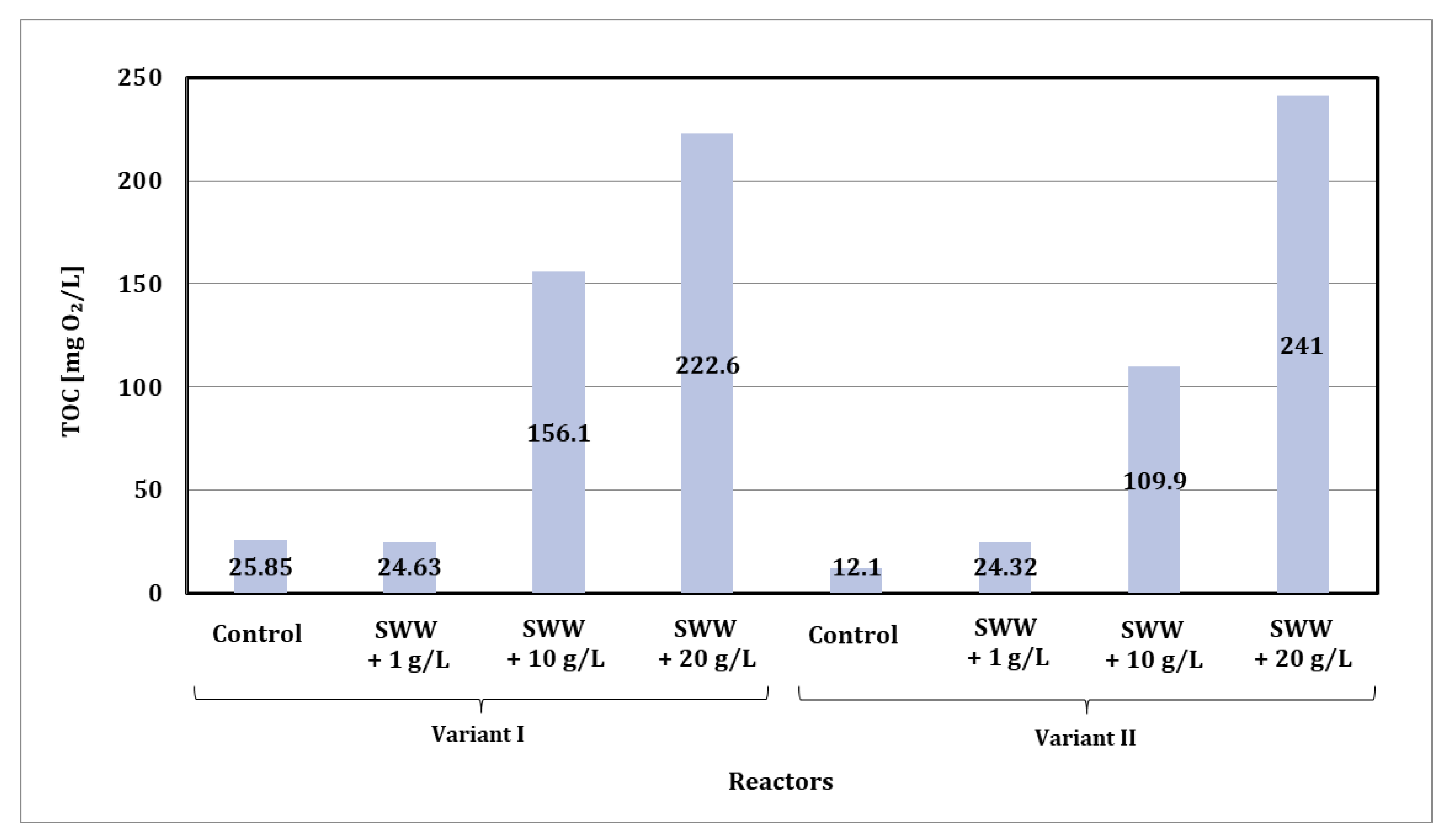
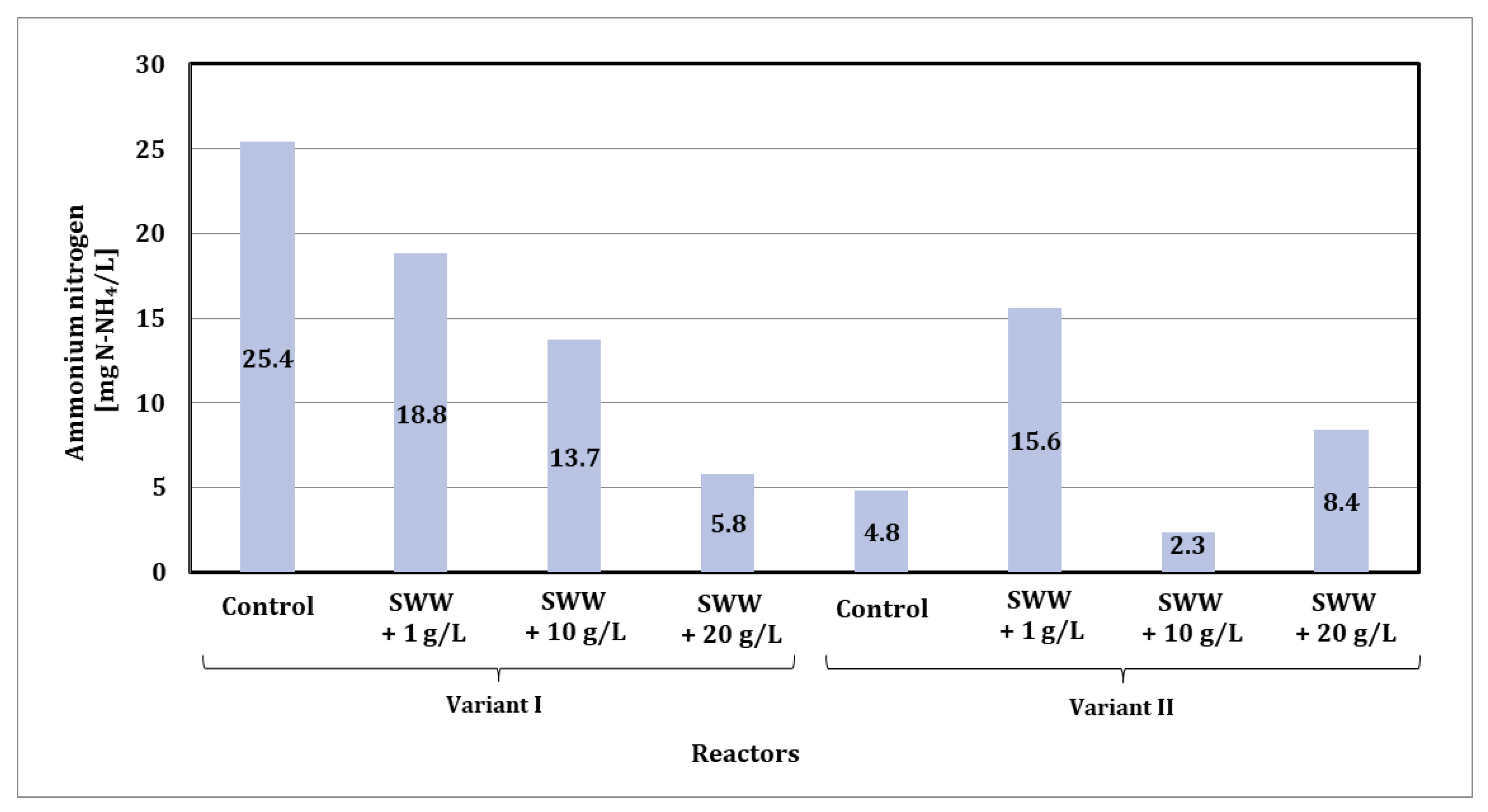
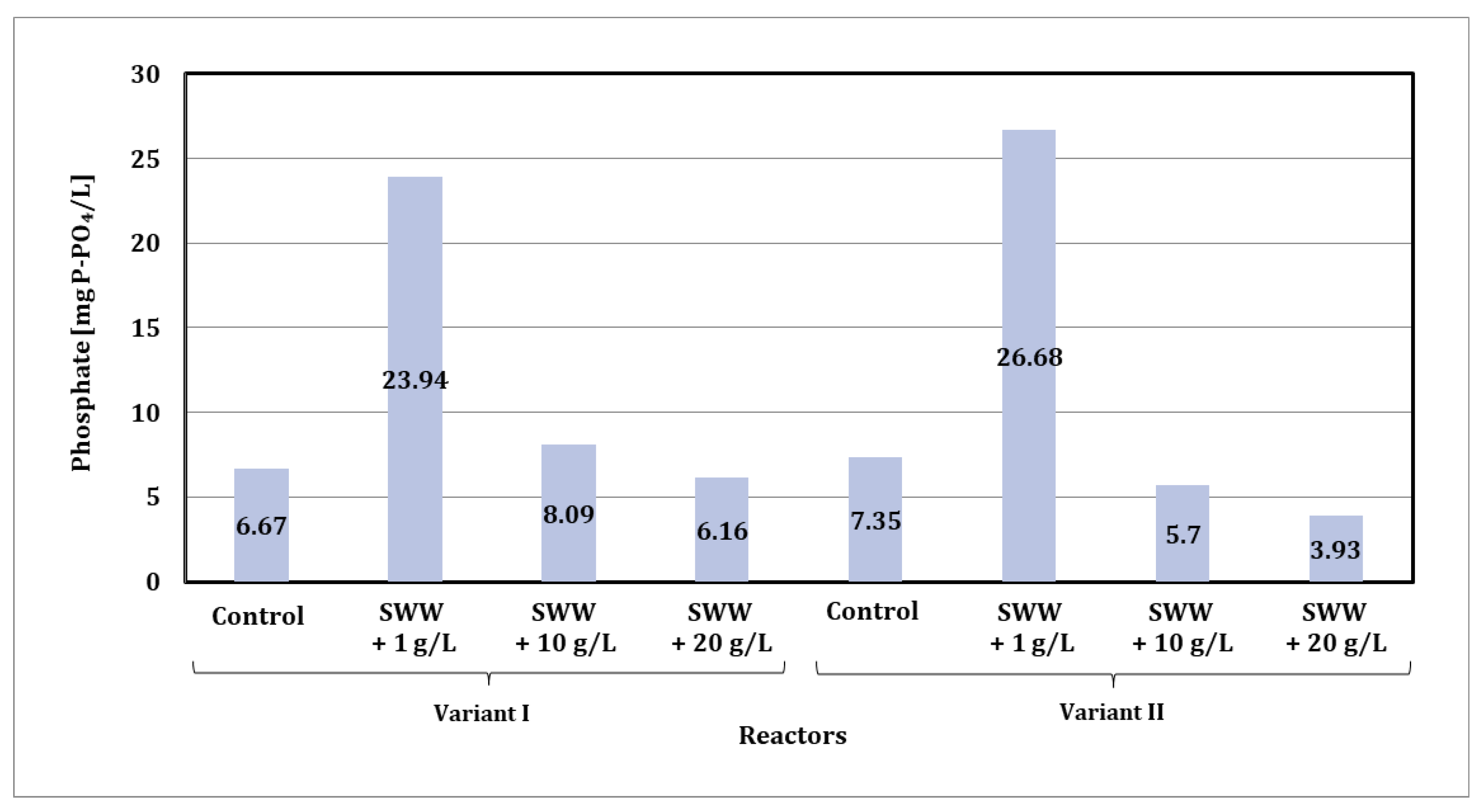
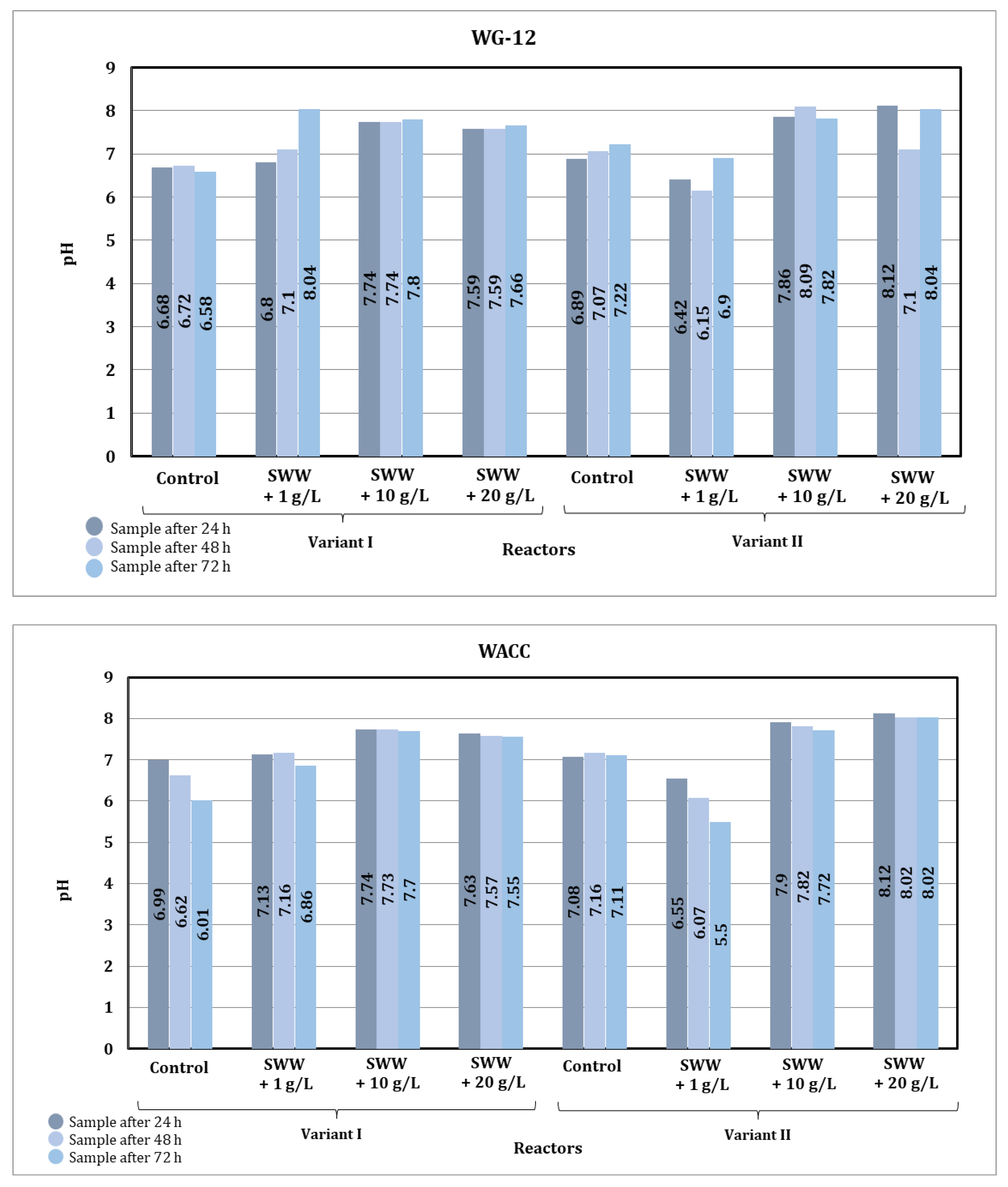
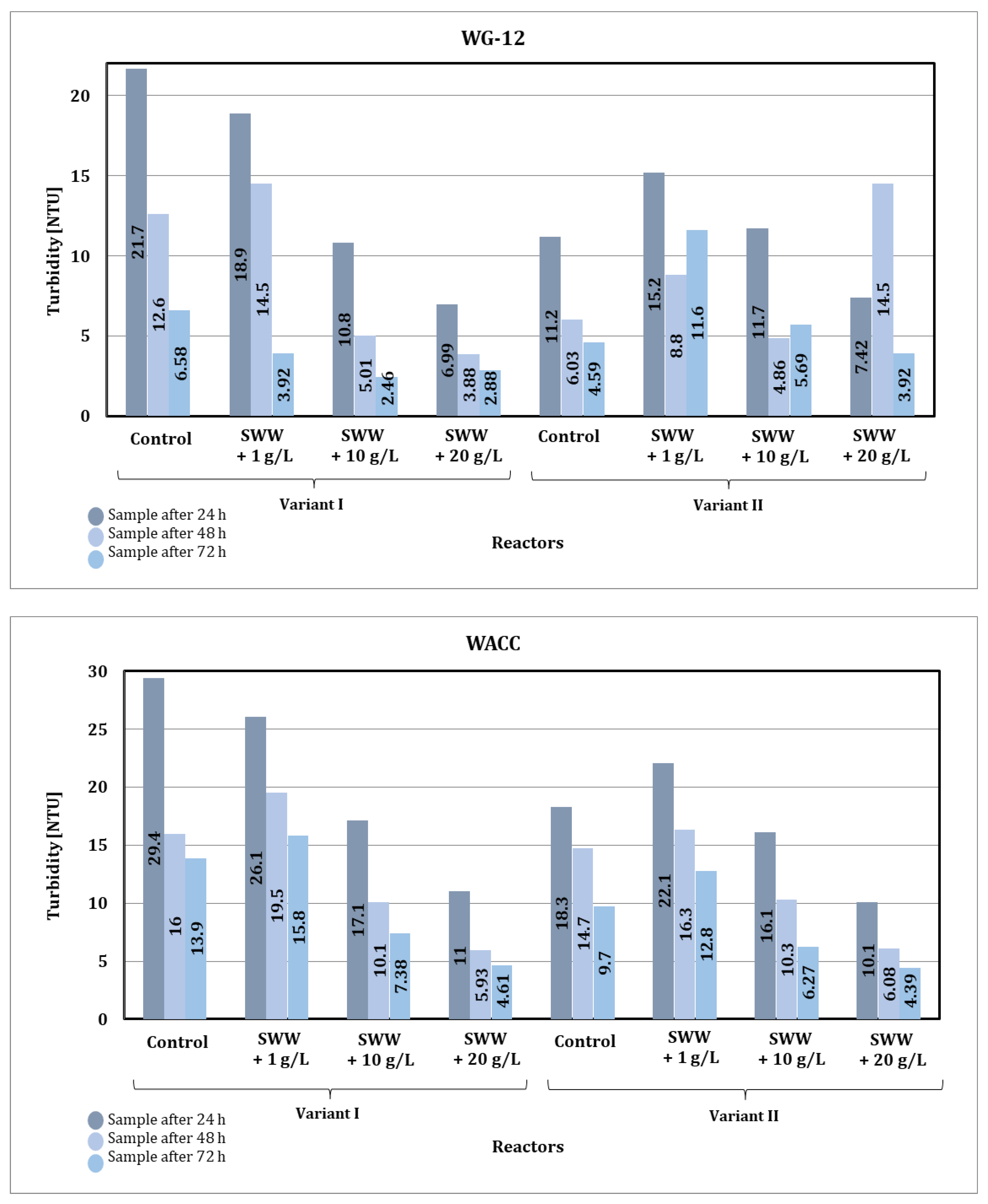
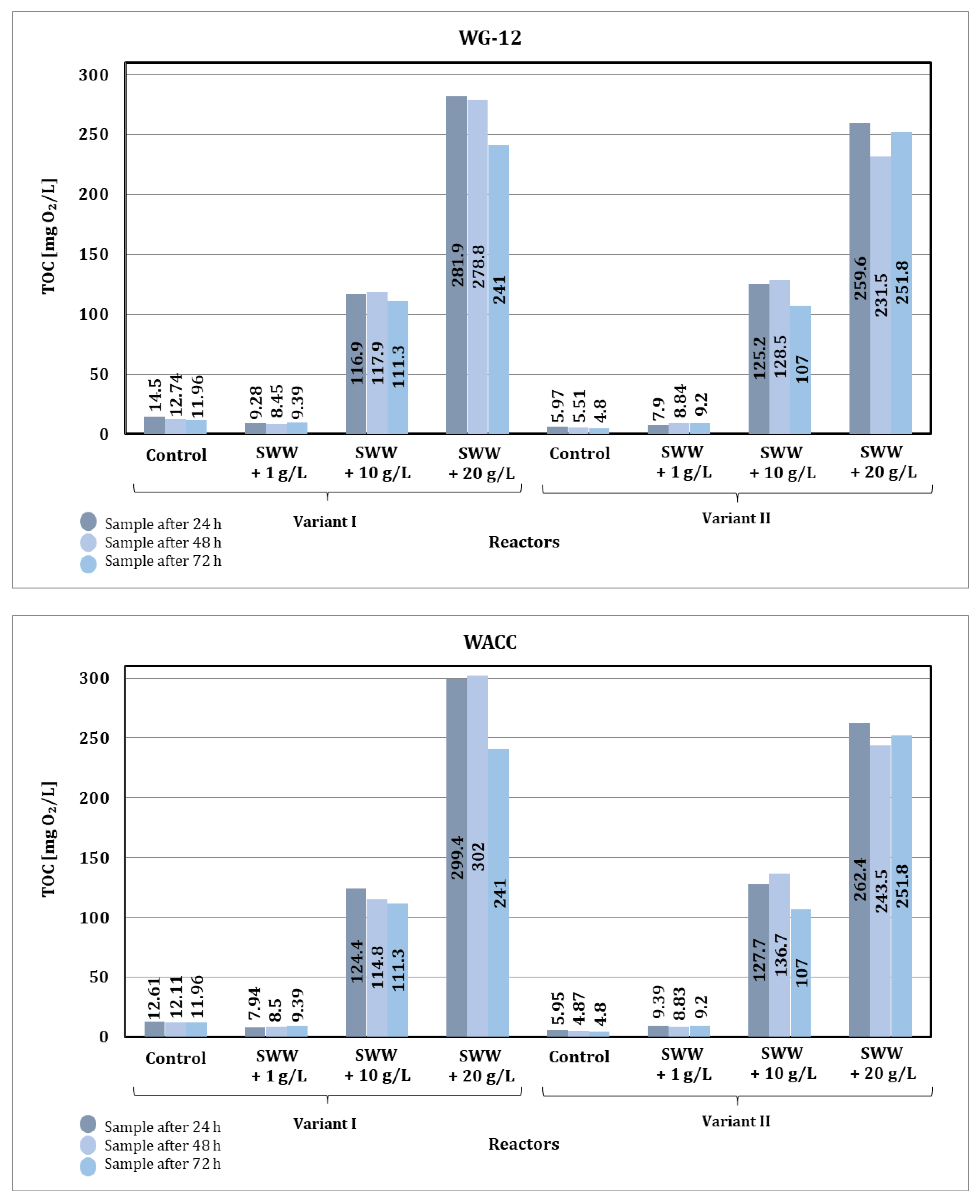
- In the selected variant of reactor operating phases, the following degrees of pollutant removal were achieved: total organic carbon—69.3–88.5%, ammonium nitrogen—0–65.2%, phosphates—25.4–85.9%, turbidity—33.7–90.5%. At the same time, an increase in pH values was observed, from 5.64–6.77 before the process to 5.09–7.45 after its completion.
- Biological wastewater treatment enabled significant removal of pollutants. Still, its effectiveness was insufficient due to the complex composition of the model wastewater, which was enriched with coffee bean extract in three different concentrations. Therefore, it was necessary to apply further treatment stages, including sorption, membrane filtration, and disinfection using ozone and UV radiation.
5.3. Integration of Biological Wastewater Treatment with Activated Carbon Sorption Process
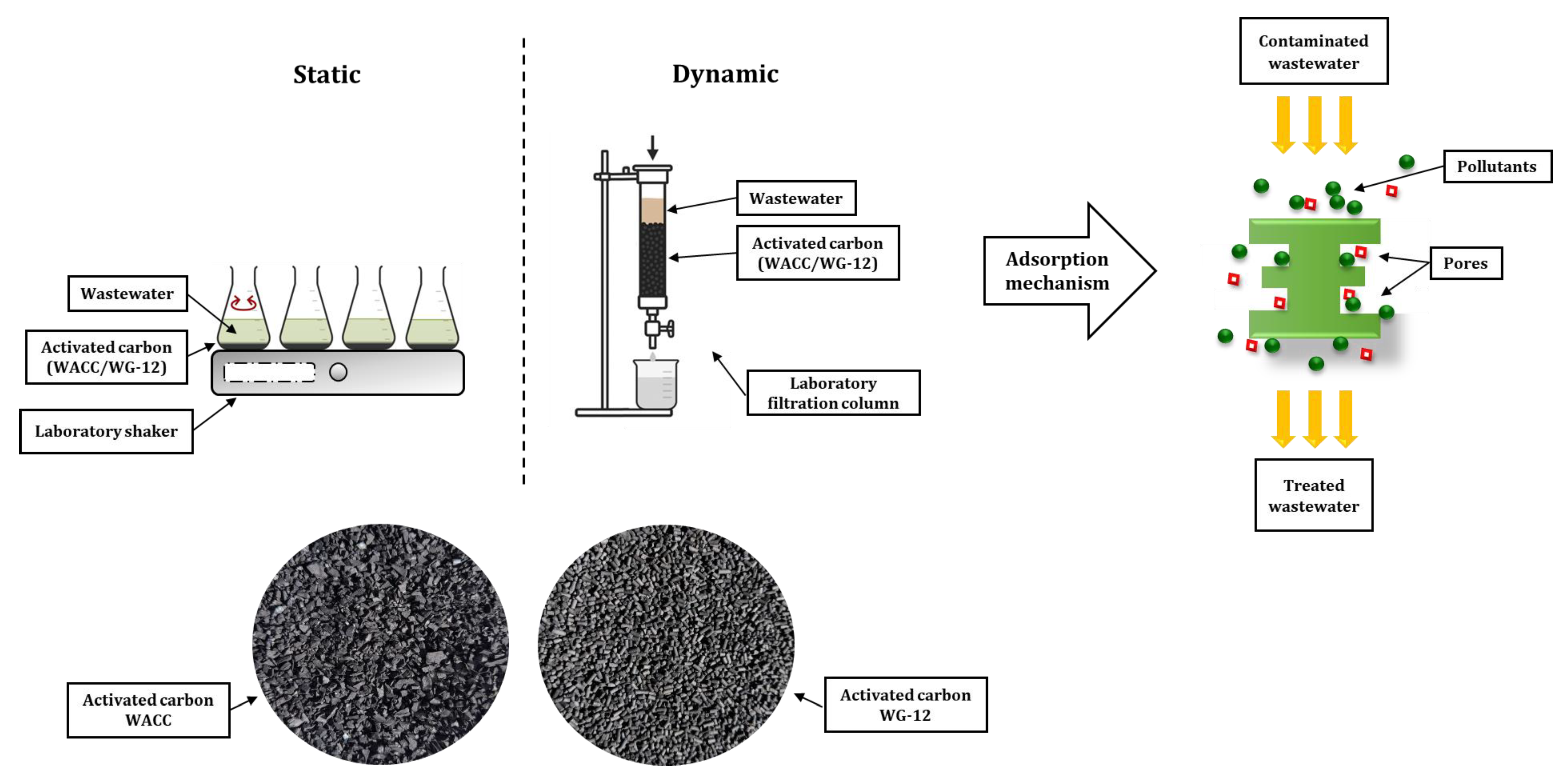
- Analysis of sorption under static and dynamic conditions showed higher efficiency and shorter contact time in the dynamic process, in which the sample flows through the activated carbon bed.
- The dynamic method ensured further removal of turbidity, total organic carbon, and phosphates, as well as greater operational and economic efficiency, and was therefore selected for further research.
- Slightly better results were obtained using WG-12 activated carbon.
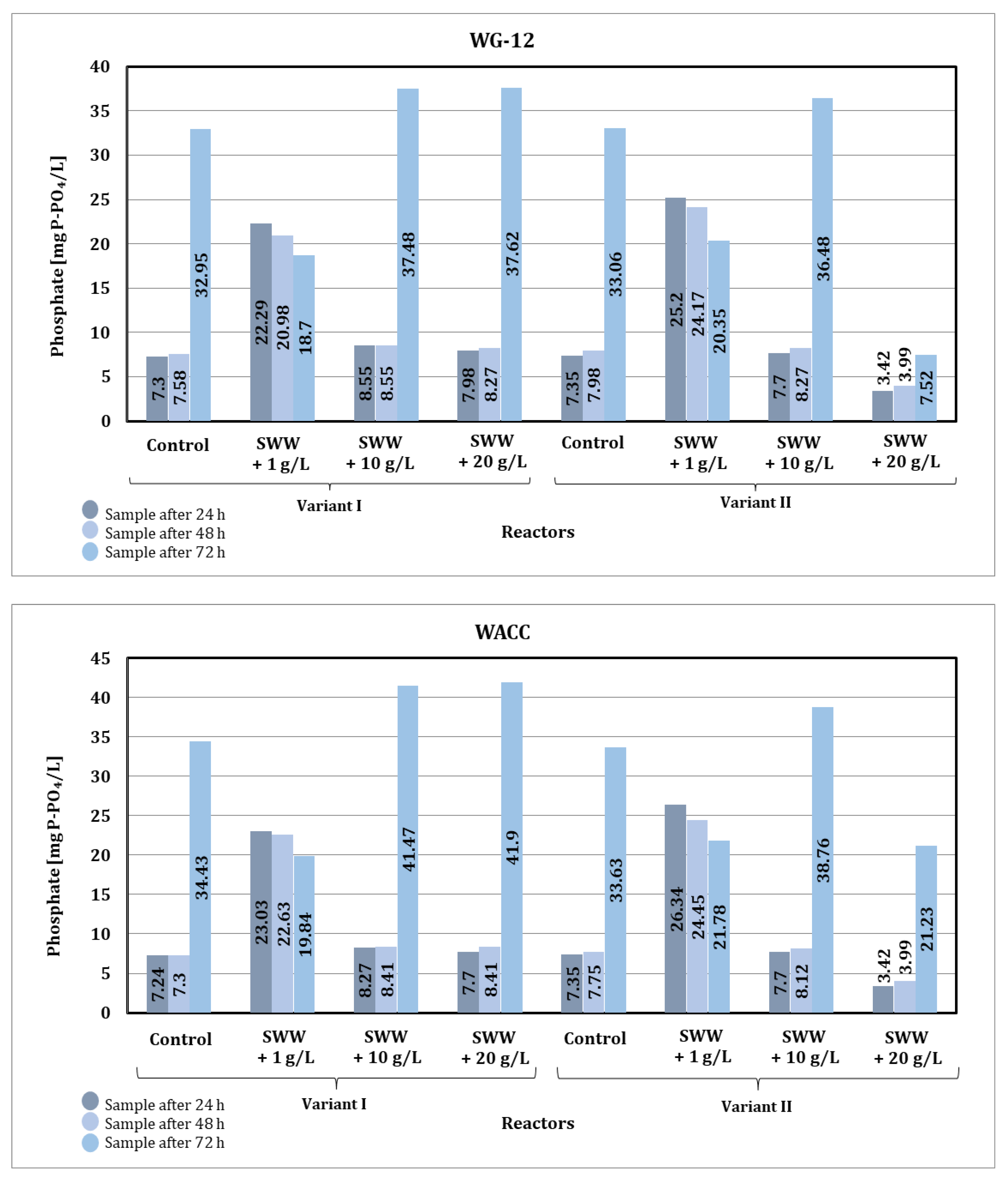
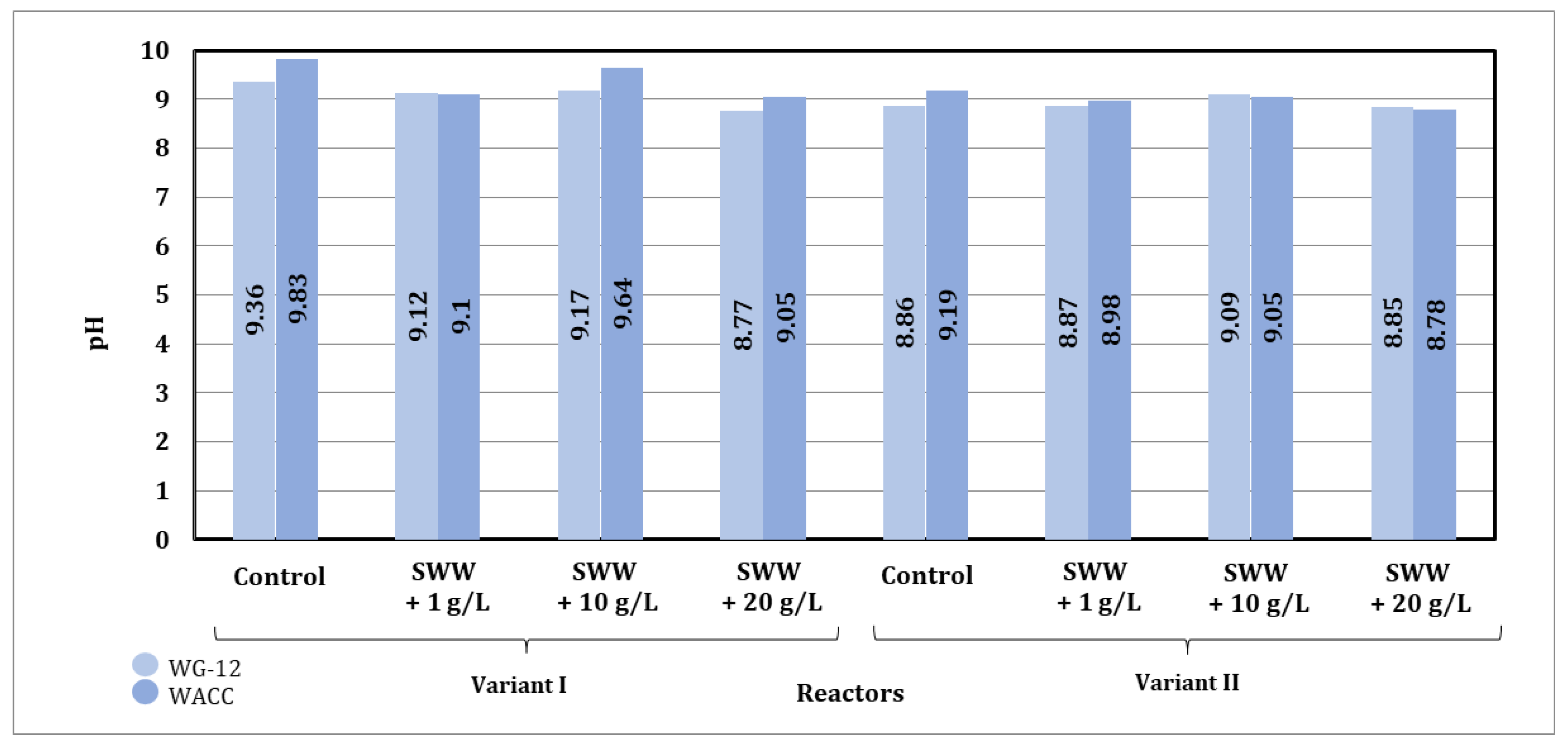
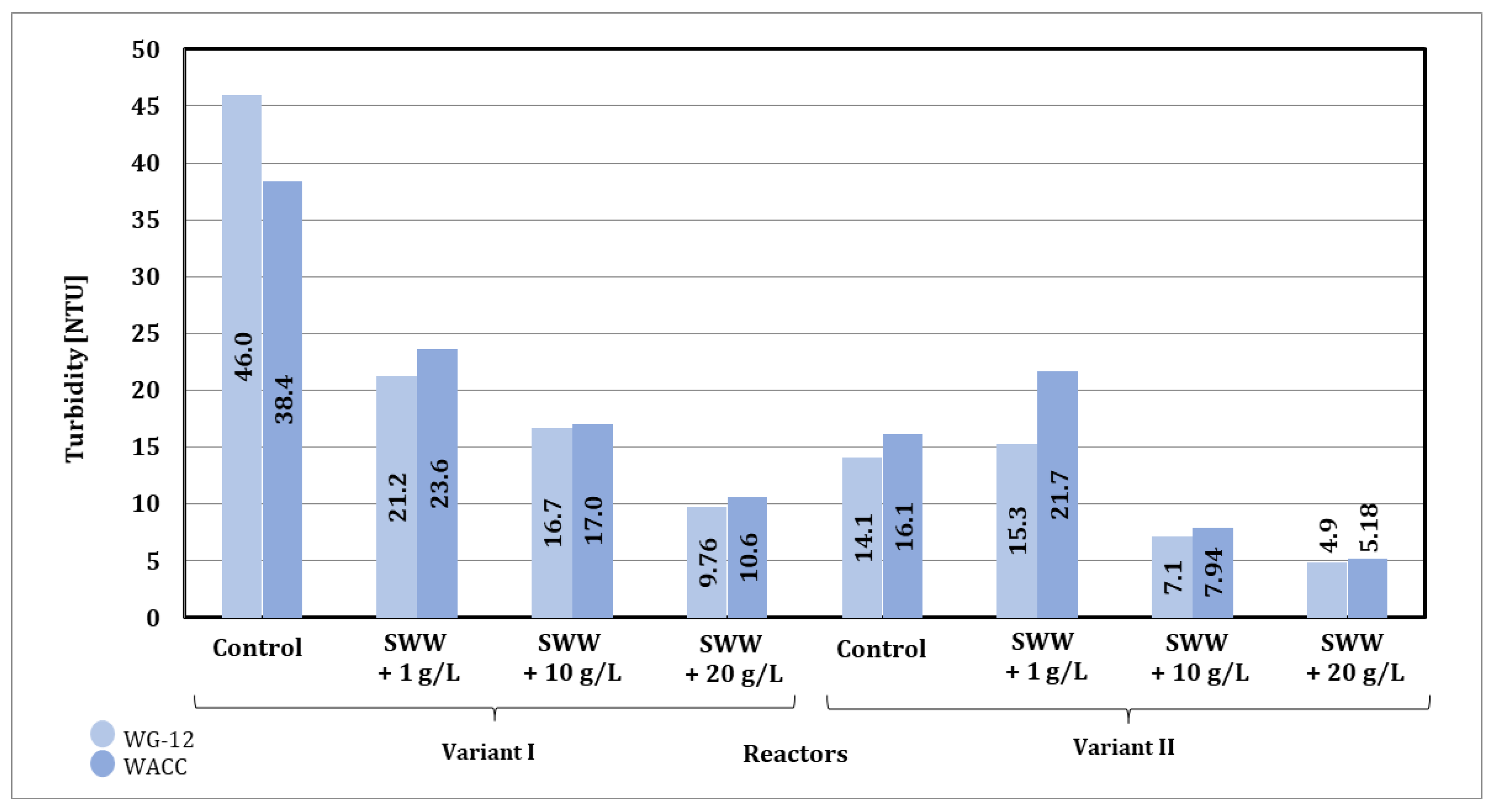
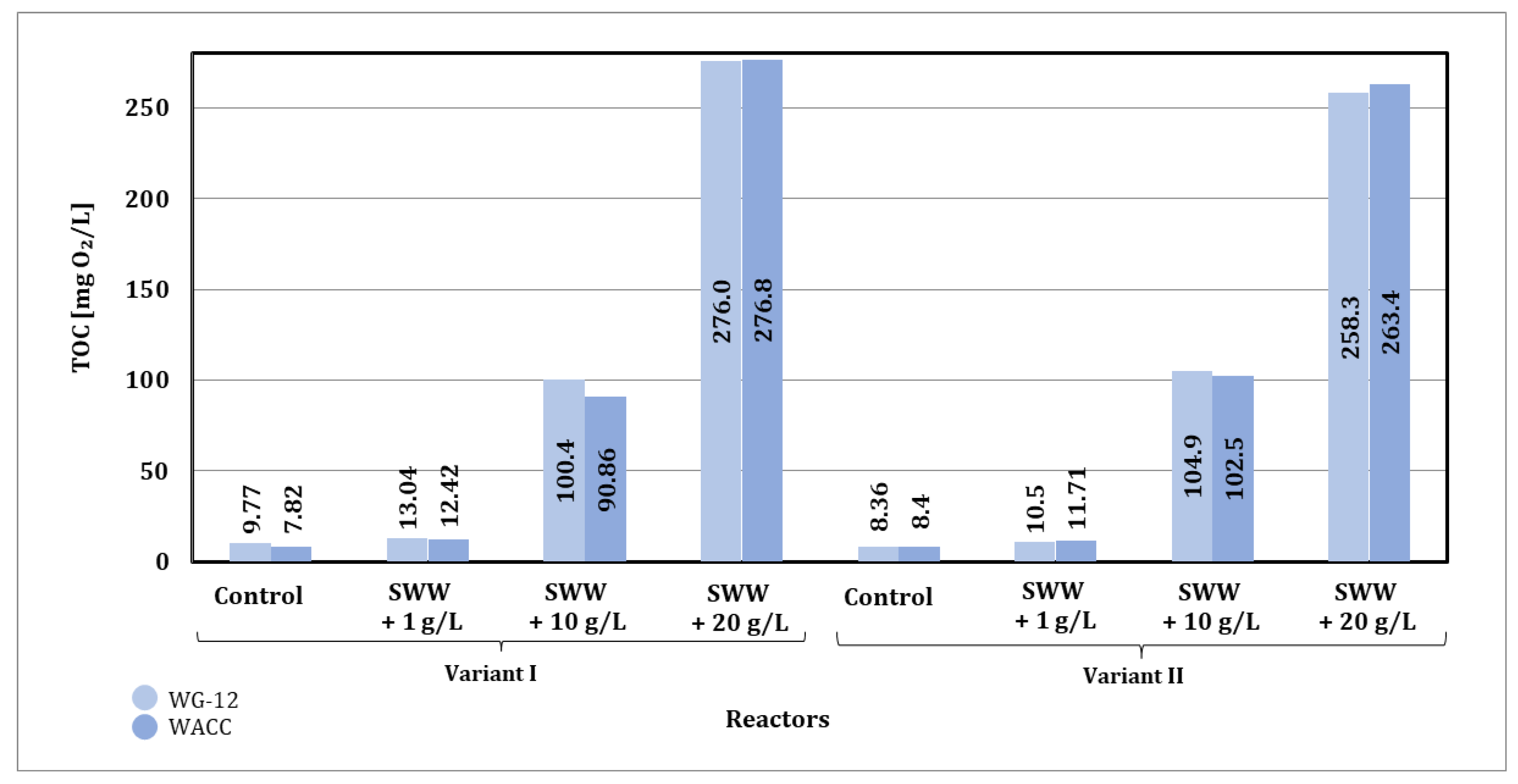
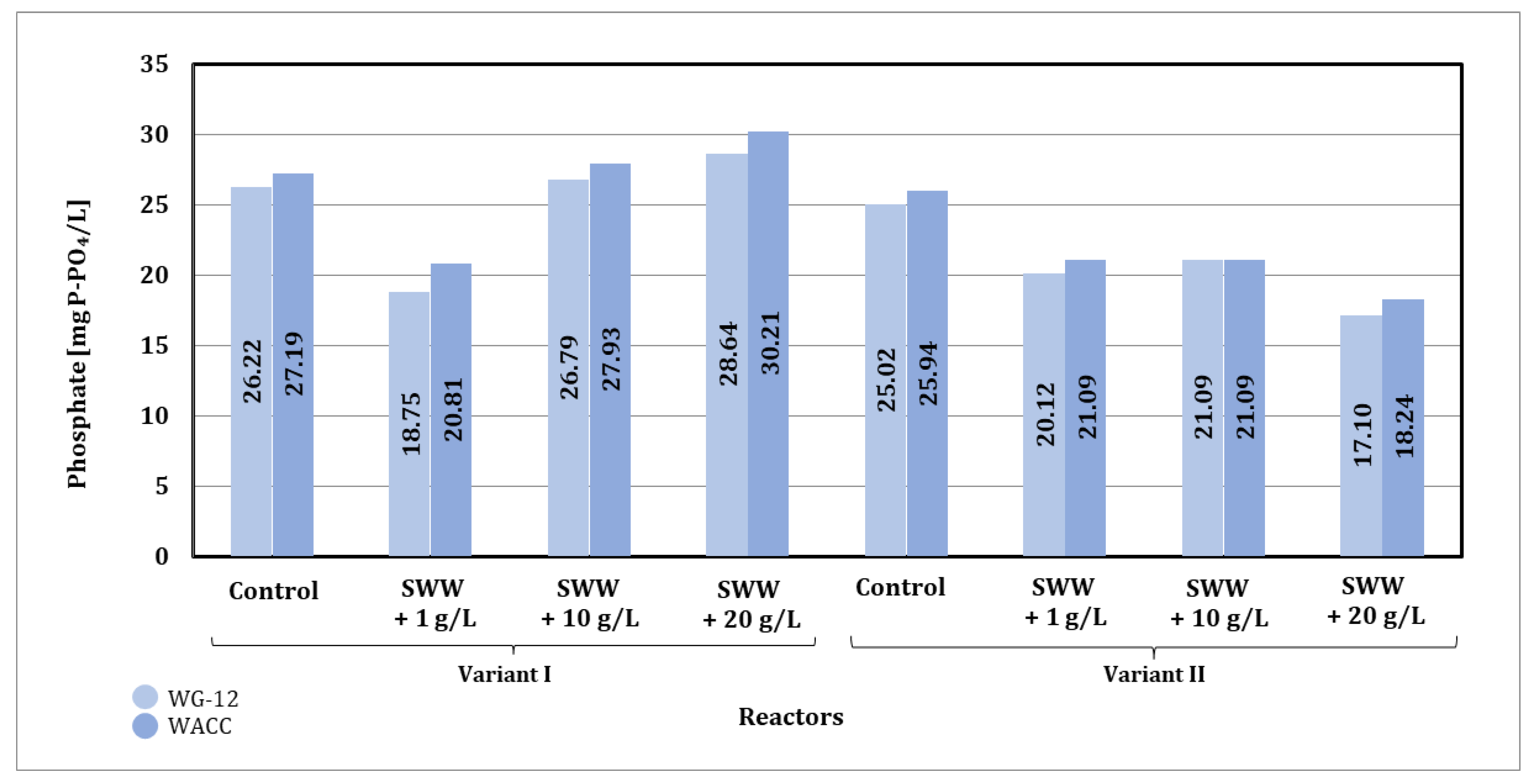
- Under dynamic conditions, WG-12 activated carbon allowed for further effective removal of total organic carbon (0–56.8%), phosphates (0–24.6%), and turbidity (0–84.9%), while increasing the pH value of the samples (8.85–9.09) and preparing the sample for the next stage—membrane filtration.
5.4. Integration of Biological Wastewater Treatment with Sorption and Membrane Filtration Processes
- After completion of the sorption process, the samples were subjected to membrane filtration, with the best results achieved using cellulose nitrate (CN) membranes with a pore diameter of 0.2 µm, which were used in the next stage of the tests.
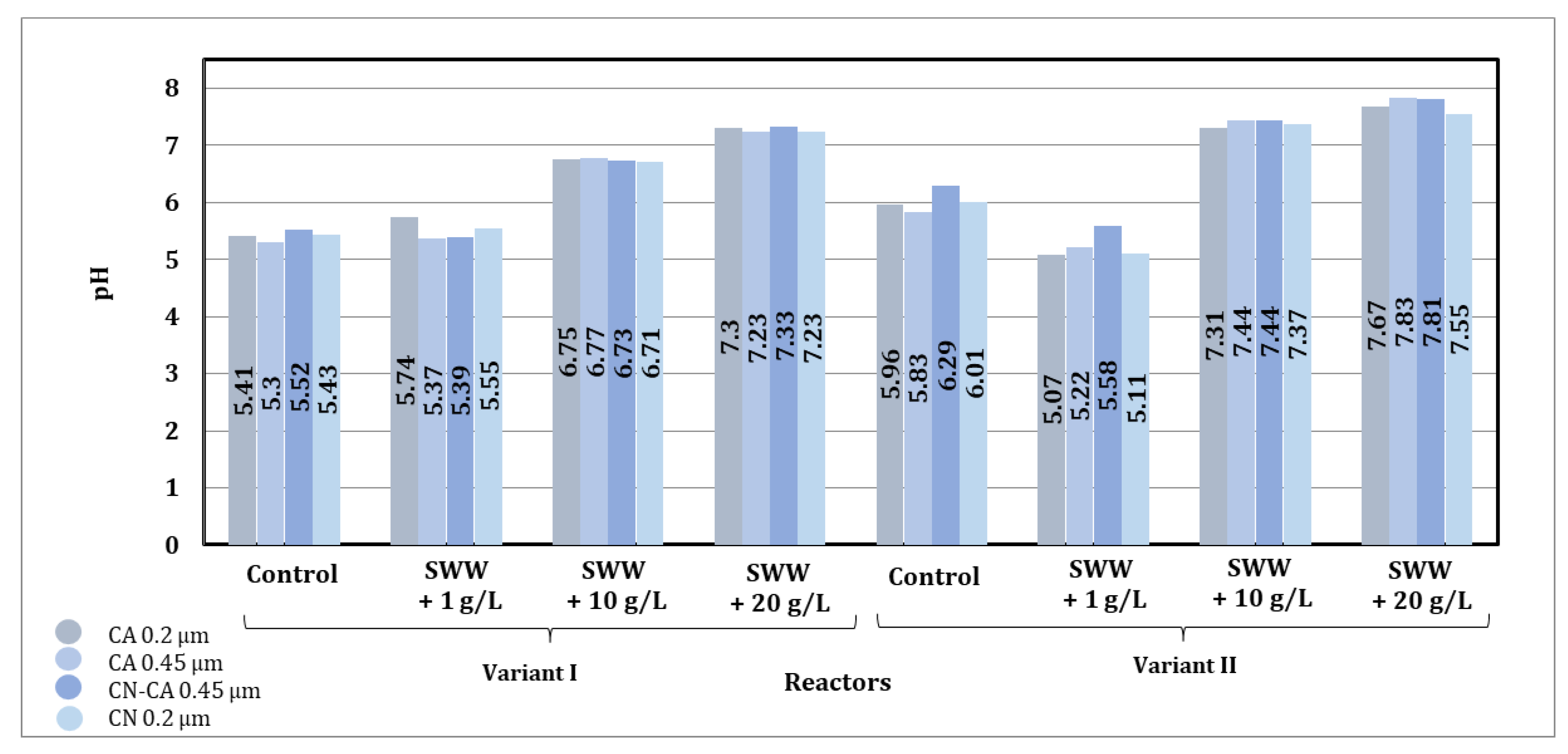
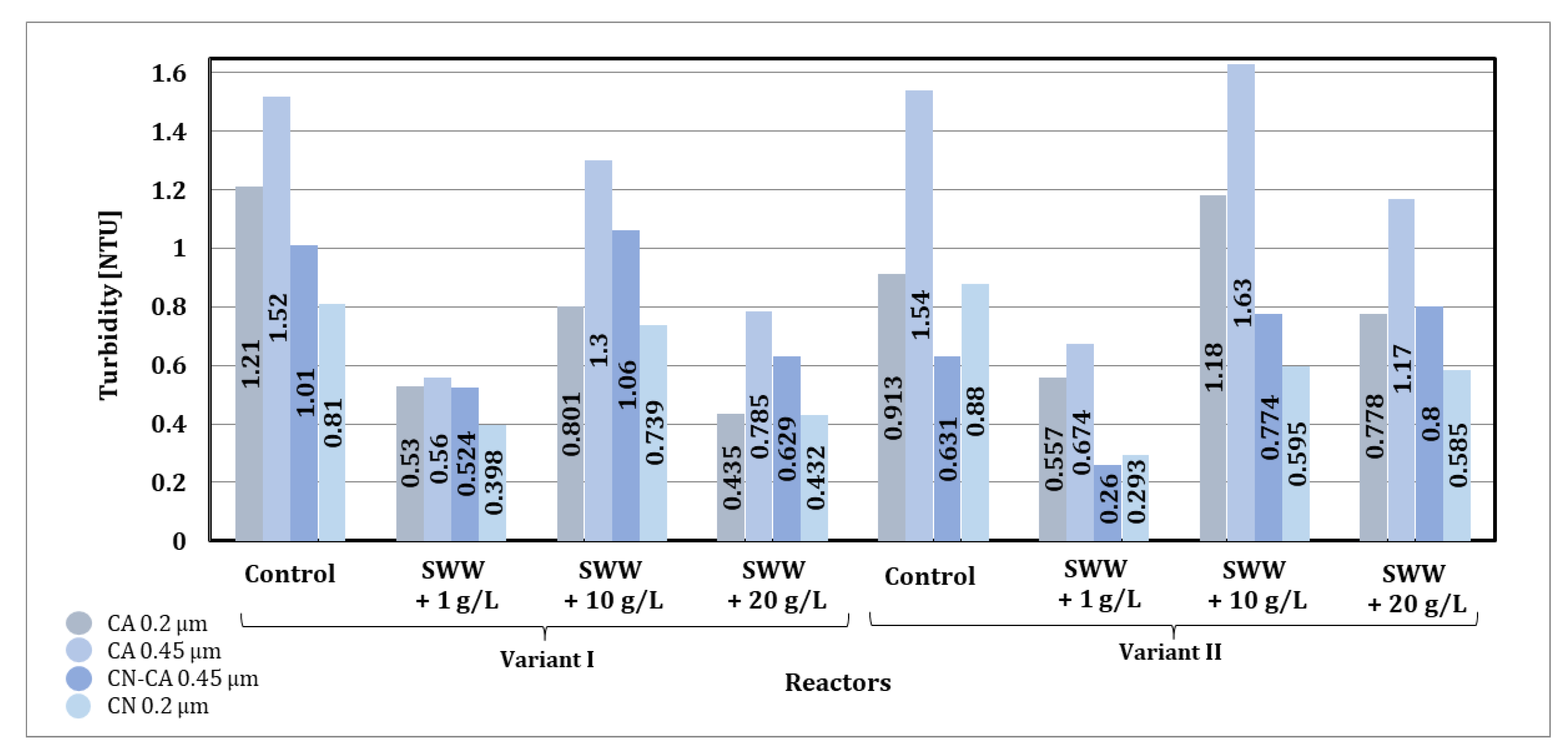
- Membrane filtration also allowed for further removal of turbidity (88.1–98.1%) and maintenance of the pH value within the optimal range of 5.11–7.55.
5.5. Multi-Stage Wastewater Treatment with Disinfection
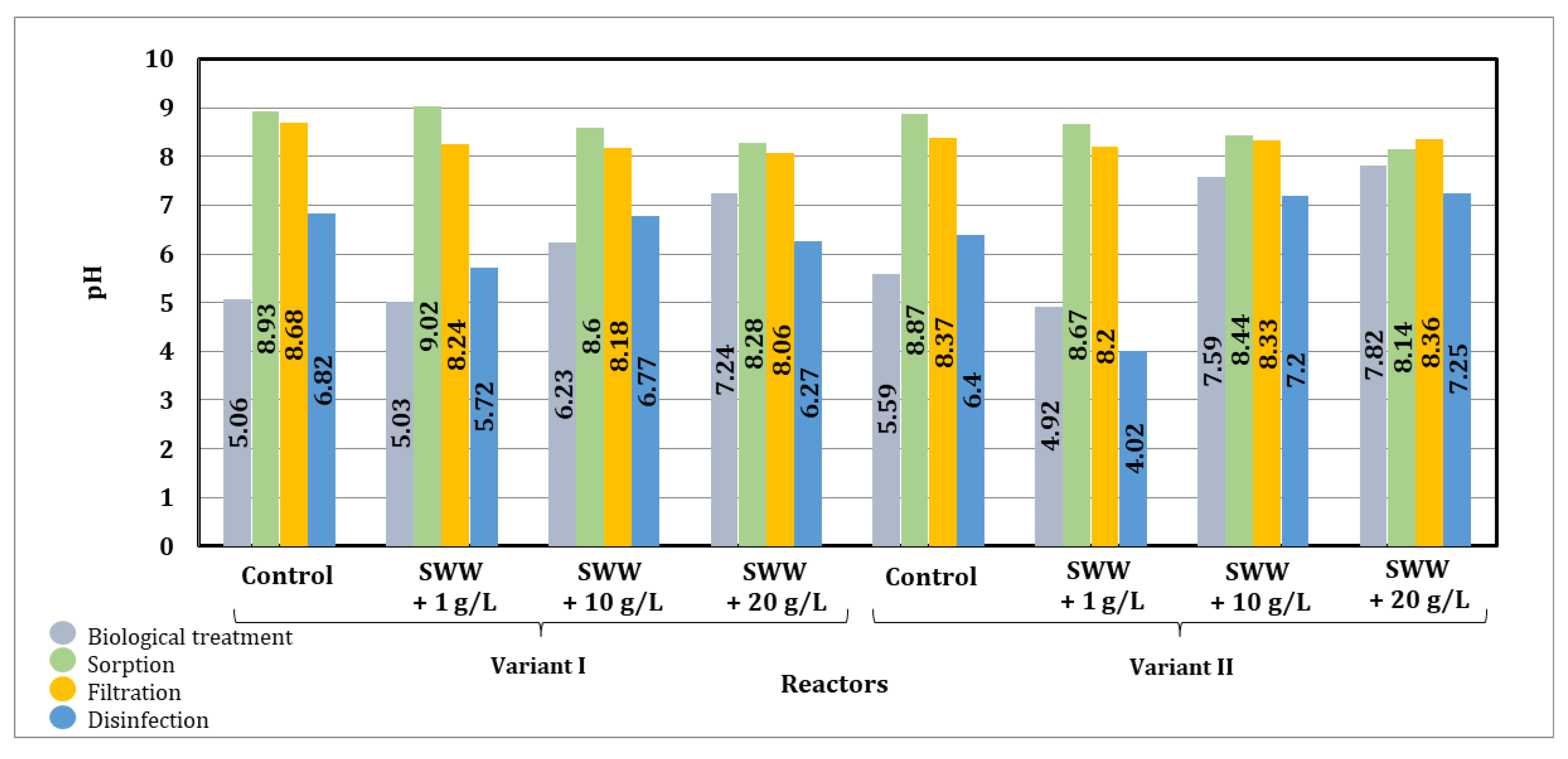
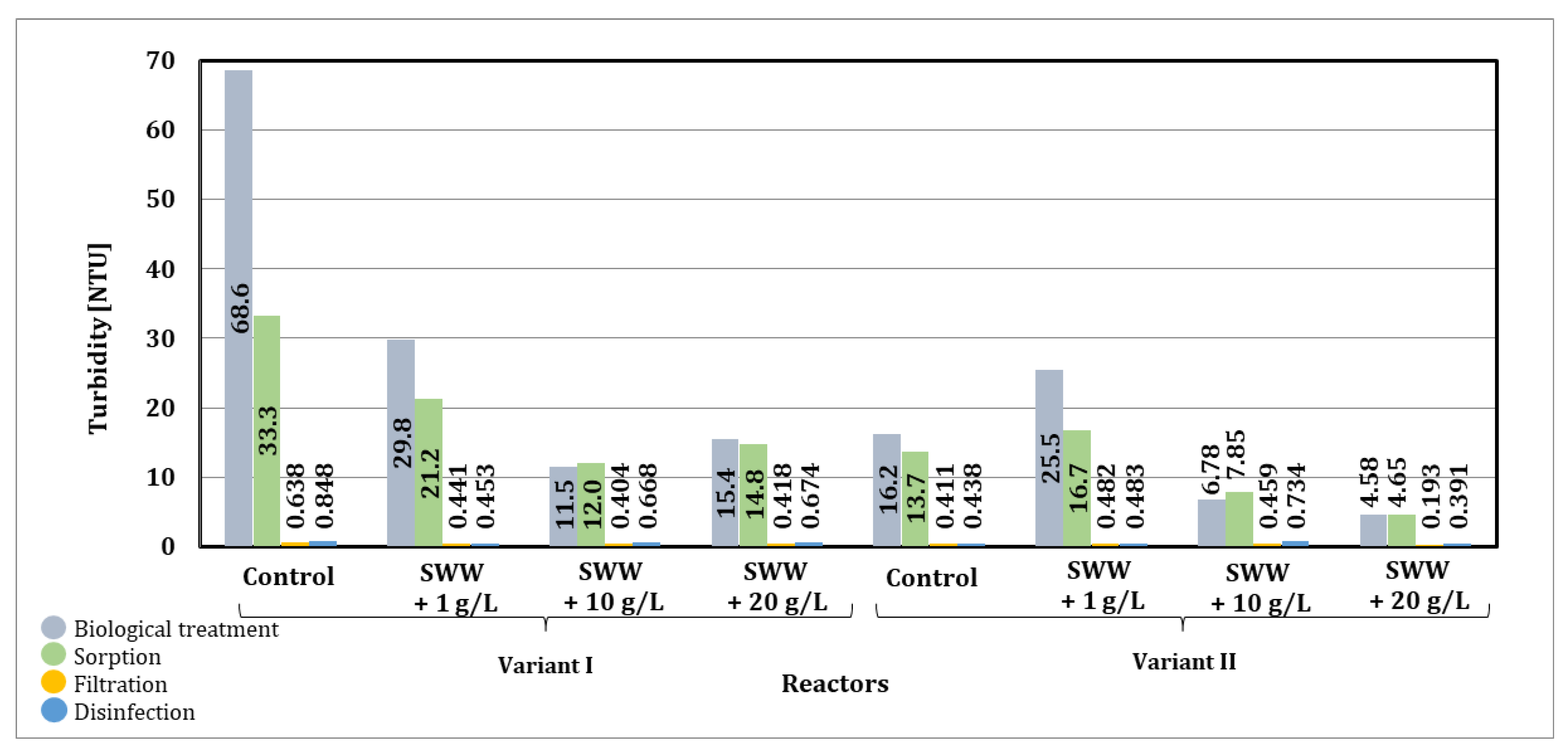
- The integrated, multi-stage technological system used allowed for the effective combined removal of total organic carbon (82.4–95.4%), ammonium nitrogen (0–77.4%), phosphates (0–39.9%), and turbidity (96.3–99.8%), while stabilizing the pH value (4.02–7.25). The variability in ammonium nitrogen and phosphate removal was mainly due to transformations during biological treatment (ammonification and phosphorus release), differences in SBR operation, and limited effectiveness of subsequent stages for dissolved nutrients.
- In addition, the use of two-stage wastewater disinfection (ozonation and UV radiation) enabled the effective removal of microorganisms and further improvement of physicochemical parameters, including the color of treated wastewater.
Author Contributions
Funding
Data Availability Statement
Conflicts of Interest
Abbreviations
| AOPs | Advanced Oxidation Processes |
| BOD | Biochemical Oxygen Demand |
| CA | Cellulose Acetate |
| CFD | Coagulation–Flocculation–Decantation process |
| CN | Cellulose Nitrate |
| CN-CA | Mixed cellulose esters |
| COD | Chemical Oxygen Demand |
| HRT | Hydraulic Retention Time |
| ICO | International Coffee Organization |
| MBR | Membrane Bioreactor |
| SBR | Sequencing Batch Reactors |
| SWW | Synthetic Wastewater |
| TOC | Total Organic Carbon |
References
- Sengupta, B.; Priyadarshinee, R.; Roy, A.; Banerjee, A.; Malaviya, A.; Singha, S.; Mandal, T.; Kumar, A. Toward sustainable and eco-friendly production of coffee: Abatement of wastewater and evaluation of its potential valorization. Clean Techn. Environ. Policy 2020, 22, 995–1014. [Google Scholar] [CrossRef]
- International Coffee Organization. Monthly Coffee Market Report—January 2025 (Coffee Year: 2024/2025). 2025. Available online: https://ico.org/documents/cy2024-25/cmr-0125-e.pdf (accessed on 30 November 2025).
- Agudelo-Escobar, L.M.; Cabrera, S.E.; Avignone Rossa, C. A bioelectrochemical system for waste degradation and energy recovery from industrial coffee wastewater. Front. Chem. Eng. 2022, 4, 814987. [Google Scholar] [CrossRef]
- Skorupa, A.; Worwąg, M.; Kowalczyk, M. Coffee industry and ways of using by-products as bioadsorbents for removal of pollutants. Water 2023, 15, 112. [Google Scholar] [CrossRef]
- Alemayehu, Y.A.; Asfaw, S.L.; Tirfie, T.A. Management options for coffee processing wastewater: A review. J. Mater. Cycles Waste Manag. 2020, 22, 454–469. [Google Scholar] [CrossRef]
- Campos, R.; Pinto, V.; Melo, L.; Rocha, S.; Sélia, J. New sustainable perspectives for “coffee wastewater” and other by-products: A critical review. Future Foods 2021, 4, 100058. [Google Scholar] [CrossRef]
- Fernandes, A.; Mello, F.; Filho, S. Impacts of discarded coffee waste on human and environmental health. Ecotoxicol. Environ. Saf. 2017, 141, 30–36. [Google Scholar] [CrossRef]
- Asha, G.; Kumar, B.M. Performance evaluation of sequencing batch reactor for treatment of coffee pulping wastewater. J. Sci. Res. Rep. 2015, 9, 1–9. [Google Scholar] [CrossRef] [PubMed]
- Yusuf, M.; Nugraha, C.; Hendrasarie, N. Sequencing batch reactor–continuous flow effectiveness for treating restaurant wastewater. In Proceedings of the 2nd International Conference Eco-Innovation in Science, Engineering, and Technology; NST Proceedings: Surabaya, Indonesia, 2021; pp. 148–158. [Google Scholar] [CrossRef]
- Bogusławski, B.; Głowacka, A. Corrosion mechanisms in sanitary sewage systems. Wodociągi Kanaliz. 2019, 5, 15–17. [Google Scholar]
- Central Statistical Office. Between 2022 and 2023, the Number of Catering Establishments in Poland Increased (from 83,937 to 93,306). 25 November 2024. Available online: https://poradnikrestauratora.pl/artykuly/gus-pomiedzy-2022-r-a-2023-r-wzrosla-liczba-placowek-gastronomicznych-w-polsce-z-83-937-do-93-306/ (accessed on 30 November 2025).
- This Waste Can Be a Valuable Industrial Raw Material. Available online: https://portalkomunalny.pl/ten-odpad-moze-byc-cennym-surowcem-przemyslowym-521363/ (accessed on 30 November 2025).
- Foorginezhad, S.; Mohseni-Dargah, M.; Firoozirad, K.; Aryai, V.; Razmjou, A.; Abbassi, R.; Garaniya, V.; Beheshti, A.; Asadnia, M. Recent advances in sensing and assessment of corrosion in sewage pipelines. Process Saf. Environ. Prot. 2021, 147, 192–213. [Google Scholar] [CrossRef]
- Skorupa, A.; Worwąg, M. Management and use of by-products from coffee bean processing. In New Insights into the Green Deal Strategies, 3rd ed.; Mineral and Energy Economy Research Institute PAS—Publishing House: Kraków, Poland, 2022; pp. 63–77. [Google Scholar]
- Bisekwa, E. Environmental Pollution and Management of Wet Coffee Processing Wastewater in Burundi. Master’s Thesis, Jomo Kenyatta University of Agriculture and Technology, Nairobi, Kenya, 2021. [Google Scholar]
- Roychand, R.; Li, J.; De Silva, S.; Saberian, M.; Law, D.; Pramanik, B.K. Development of zero cement composite for the protection of concrete sewage pipes from corrosion and fatbergs. Resour. Conserv. Recycl. 2021, 164, 105166. [Google Scholar] [CrossRef]
- Ilyas, M.; Ahmad, W.; Khan, H.; Yousaf, S.; Yasir, M.; Khan, A. Environmental and health impacts of industrial wastewater effluents in Pakistan: A review. Rev. Environ. Health 2019, 34, 171–186. [Google Scholar] [CrossRef] [PubMed]
- Nahiun, K.M.; Sarker, B.; Keya, K.N.; Mahir, F.I.; Shahida, S.; Khan, R.A. A review on the methods of industrial wastewater treatment. Sci. Rev. 2021, 7, 20–31. [Google Scholar] [CrossRef]
- DAS Environmental Experts. Chemical-Physical Methods of Wastewater Treatment. Available online: https://www.das-ee.com/en-us/wastewater-treatment/treatment-technologies/chemical-physical-processes/ (accessed on 30 November 2025).
- Jakubaszek, A. Pollutants removal efficiency in the hydroponic lagoon of the wastewater treatment plant. Civ. Environ. Eng. Rep. 2022, 32, 293–305. [Google Scholar] [CrossRef]
- Rashid, R.; Shafiq, I.; Akhter, P.; Iqbal, M.J.; Hussain, M. A state-of-the-art review on wastewater treatment techniques: The effectiveness of adsorption method. Environ. Sci. Pollut. Res. 2021, 28, 9050–9066. [Google Scholar] [CrossRef] [PubMed]
- Sun, L.; Yang, J.; Niu, Y. Overview of electrochemical method in the treatment of municipal sewage. Int. J. Electrochem. Sci. 2022, 17, 220612. [Google Scholar] [CrossRef]
- Skorupa, A.; Worwąg, M.; Kowalczyk, M. Analysis of the effect of caffeine on the efficiency of wastewater treatment processes by integrated methods. Desalin. Water Treat. 2025, 322, 101198. [Google Scholar] [CrossRef]
- PN-72/C-04550/09; Determination of the Efficiency of Biochemical Oxidation of Anionic and Non-Ionic Synthetic Surface-Active Agents by the Activated Sludge Method under Kinetic Conditions. Polish Committee for Standardization (PKN): Warsaw, Poland, 1972.
- Shanmugam, M.K.; Gummadi, S.N. Degradation of synthetic coffee wastewater using induced cells of Pseudomonas sp. NCIM 5235. Int. J. Environ. Sci. Technol. 2021, 18, 3013–3022. [Google Scholar] [CrossRef]
- Granular Activated Carbon. Available online: https://pl.all.biz/wegiel-aktywny-ziarnisty-wacc-8x30-g216899 (accessed on 18 April 2026).
- Granular Activated Carbon (GAU). Available online: https://www.envi-pur.cz/en/water-treatment-granulovane-aktivni-uhli/ (accessed on 18 April 2026).
- Hermanowicz, W.; Dojlido, J.; Dożańska, W.; Koziorowski, B.; Zerbe, J. Physical and Chemical Testing of Water and Wastewater; Arkady: Warsaw, Poland, 1999. [Google Scholar]
- PN-EN 1484:1999; Water Quality—Guidelines for the Determination of Total Organic Carbon (TOC) and Dissolved Organic Carbon (DOC). Polish Committee for Standardization (PKN): Warsaw, Poland, 1999.
- Ijanu, E.M.; Kamaruddin, M.A.; Norashiddin, F.A. Coffee processing wastewater treatment: A critical review on current treatment technologies with a proposed alternative. Appl. Water Sci. 2020, 10, 11. [Google Scholar] [CrossRef]
- Całus-Makowska, K.; Binkowski, Ł.J.; Grobelak, A. Pharmaceutical residues in wastewater treatment plants in Poland: Removal efficiency and risk assessment. J. Environ. Manag. 2025, 394, 127480. [Google Scholar] [CrossRef]
- Chowaniec, K.; Fryźlewicz-Kozak, B. The influence of mixing process on wastewater treatment. Tech. Trans. 2014, 2014, 3–10. [Google Scholar]
- Mahesh, S.; Kantha, S.; Lobo, A.L. Performance evaluation of two batch operations using electrochemical coagulation followed by sequencing batch reactor in treating coffee wastewater. Int. J. ChemTech Res. 2014, 6, 339–346. [Google Scholar]
- Aderibigbe, D.; Giwa, A.R.; Bello, I. Characterization and treatment of wastewater from food processing industry: A review. Imam J. Appl. Sci. 2017, 2, 27–36. [Google Scholar] [CrossRef] [PubMed]
- Qasim, W.; Mane, A.V. Characterization and treatment of selected food industrial effluents by coagulation and adsorption techniques. Water Resour. Ind. 2013, 4, 1–12. [Google Scholar] [CrossRef]
- Aouay, F.; Attia, A.; Dammak, L.; Ben Amar, R.; Deratani, A. Activated carbon prepared from waste coffee grounds: Characterization and adsorption properties of dyes. Materials 2024, 17, 3078. [Google Scholar] [CrossRef]
- Mayasopa, I.; Viena, V.; Yunita, I.; Mulyati, D. Activated carbon from coffee (Coffea arabica L.) husk impregnated with ZnCl2 and CaCl2 for the adsorption of tofu wastewater. Proc. Int. Conf. Multidiciplinary Res. 2024, 6, 279–289. [Google Scholar] [CrossRef]
- Blinová, L.; Sirotiak, M. Utilization of waste-based sorbents for removal of pharmaceuticals from water: A review. Res. Pap. Fac. Mater. Sci. Technol. Slovak Univ. Technol. 2021, 29, 22–36. [Google Scholar] [CrossRef]
- Gururaj, A.; Kumar, B.M.; Achyuth, K.N.; Manoj, B.R. Coffee processing wastewater management: An overview. J. Eng. Res. Rep. 2021, 20, 52–61. [Google Scholar] [CrossRef]
- Phan, P.T.; Nguyen, T.T.; Nguyen, N.H.; Padungthon, S. Triamine-bearing activated rice husk ash as an advanced functional material for nitrate removal from aqueous solution. Water Sci. Technol. 2019, 79, 850–856. [Google Scholar] [CrossRef]
- Hernández, K.; Muro, C.; Ortega, R.E.; Velazquez, S.; Riera, F. Water recovery by treatment of food industry wastewater using membrane processes. Environ. Technol. 2021, 42, 775–788. [Google Scholar] [CrossRef]
- Pervez, M.N.; Mishu, M.R.; Stylios, G.K.; Hasan, S.W.; Zhao, Y.; Cai, Y.; Zarra, T.; Belgiorno, V.; Naddeo, V. Sustainable treatment of food industry wastewater using membrane technology: A short review. Water 2021, 13, 3450. [Google Scholar] [CrossRef]
- Raza, W.; Lee, J.; Raza, N.; Luo, Y.; Kim, K.H.; Yang, J. Removal of phenolic compounds from industrial wastewater based on membrane-based technologies. J. Ind. Eng. Chem. 2019, 71, 1–18. [Google Scholar] [CrossRef]
- Ezugbe, E.O.; Rathilal, S. Membrane technologies in wastewater treatment: A review. Membranes 2020, 10, 89. [Google Scholar] [CrossRef]
- Yang, X.; Flowers, R.C.; Weinberg, H.S.; Singer, P.C. Occurrence and removal of pharmaceuticals and personal care products (PPCPs) in an advanced wastewater reuse facility. Water Res. 2011, 45, 5218–5228. [Google Scholar] [CrossRef]
- Czech, B. Removal of pharmaceuticals from water and wastewater using adsorption and photocatalytic methods. In Adsorbents and Catalysts: Selected Technologies and the Environment; Ryczkowski, J., Ed.; University of Rzeszów: Rzeszów, Poland, 2012; pp. 443–452. ISBN 978-83-931292-8-7. (In Polish) [Google Scholar]
- Zhang, J.; Wu, H.; Shi, L.; Wu, Z.; Zhang, S.; Wang, S.; Sun, H. Photocatalysis coupling with membrane technology for sustainable and continuous purification of wastewater. Sep. Purif. Technol. 2024, 329, 125225. [Google Scholar] [CrossRef]
- Pandis, P.K.; Kalogirou, C.; Kanellou, E.; Vaitsis, C.; Savvidou, M.G.; Sourkouni, G.; Zorpas, A.A.; Argirusis, C. Key points of advanced oxidation processes (AOPs) for wastewater, organic pollutants and pharmaceutical waste treatment: A mini review. ChemEngineering 2022, 6, 8. [Google Scholar] [CrossRef]
- Karolewski, S. Advanced oxidation of landfill leachate—A review of methods. Inż. Morska Geotech. 2015, 36, 81–85. (In Polish) [Google Scholar]
- Chen, W.; Juan, C.; Wei, K. Decomposition of dinitrotoluene isomers and 2,4,6-trinitrotoluene in spent acid from toluene nitration process by ozonation and photo-ozonation. J. Hazard. Mater. 2007, 147, 501–508. [Google Scholar] [CrossRef]
- Andreozzi, R.; Canterino, M.; Di Somma, I.; Lo Giudice, R.; Marotta, R.; Pinto, G.; Pollio, A. Effect of combined physico-chemical processes on the phytotoxicity of olive mill wastewaters. Water Res. 2008, 42, 1684–1692. [Google Scholar] [CrossRef] [PubMed]
- Sangave, P.C.; Gogate, P.R.; Pandit, A.B. Combination of ozonation with conventional aerobic oxidation for distillery wastewater treatment. Chemosphere 2007, 68, 32–41. [Google Scholar] [CrossRef]
- Jorge, N.; Teixeira, A.R.; Matos, C.C.; Lucas, M.S.; Peres, J.A. Combination of coagulation–flocculation–decantation and ozonation processes for winery wastewater treatment. Int. J. Environ. Res. Public Health 2021, 18, 8882. [Google Scholar] [CrossRef]
- Gavrilaș, S.; Gerőcs, T.; Chereji, B.-D.; Munteanu, F.-D. Trends in Advanced Wastewater Treatment Technologies: From Membrane Bioreactors to Advanced Oxidation Processes. Water 2026, 18, 350. [Google Scholar] [CrossRef]
- Ozgun, H.; Hassoun, A.; Tabar, S.A.; Akdag, Y.; Eryildiz-Yesir, B.; Kosar, S.; Isik, O.; Koyuncu, I.; Ersahin, M.E.; Guven, H. Municipal wastewater treatment using an integrated system of aerobic granular sludge, membrane, and ultraviolet processes for reuse in irrigation. Clean Technol. Environ. Policy 2026, 28, 64. [Google Scholar] [CrossRef]
- Ghimire, U.; Sarpong, G.; Gude, V.G. Transitioning wastewater treatment plants toward circular economy and energy sustainability. ACS Omega 2021, 6, 11794–11803. [Google Scholar] [CrossRef]
- Siatou, A.; Manali, A.; Gikas, P. Energy consumption and internal distribution in activated sludge wastewater treatment plants of Greece. Water 2020, 12, 1204. [Google Scholar] [CrossRef]
- Song, X.; Li, P.; Zhang, B.; Yu, K.; Zhang, D.; He, Y. Realization approaches for constructing energy self-sufficient wastewater treatment plants: A review. Carbon Neutrality 2025, 4, 21. [Google Scholar] [CrossRef]
- Ferrentino, R.; Langone, M.; Fiori, L.; Andreottola, G. Full-Scale Sewage Sludge Reduction Technologies: A Review with a Focus on Energy Consumption. Water 2023, 15, 615. [Google Scholar] [CrossRef]
- Crutchik, D.; Franchi, O.; Jeison, D.; Vidal, G.; Pinto, A.; Pedrouso, A.; Campos, J.L. Techno-Economic Evaluation of Ozone Application to Reduce Sludge Production in Small Urban WWTPs. Sustainability 2022, 14, 2480. [Google Scholar] [CrossRef]









| Indicator | Unit | Synthetic Wastewater with Coffee Extract | Synthetic Wastewater | ||
|---|---|---|---|---|---|
| 1 g/L | 10 g/L | 20 g/L | |||
| Ph | - | 6.77 | 5.76 | 5.64 | 6.43 |
| Turbidity | NTU | 11.8 | 64.2 | 160.0 | 8.62 |
| Phosphates | mg P-PO4/L | 35.77 | 19.81 | 27.93 | 2.68 |
| Ammonium nitrogen | mg N-NH4/L | 5.50 | 6.6 | 9.3 | 6.0 |
| Total organic carbon | mg O2/L | 212.1 | 922.2 | 1750.0 | 82.64 |
| Names of the Individual Phases for Variant I of the Reactor Operating Cycle | Duration of Each Phase of the Cycle | Names of the Individual Phases for Variant II of the Reactor Operating Cycle | Duration of Each Phase of the Cycle |
|---|---|---|---|
| Sedimentation and decantation | 1.5 h | Sedimentation and decantation | 1.5 h |
| Exchange | 0.5 h | Exchange | 0.5 h |
| Mixing and aeration | 22 h | Mixing | 1 h |
| Aeration | 8 h | ||
| Mixing | 4 h | ||
| Aeration | 7 h | ||
| Mixing | 2 h |
| WACC | WG-12 | |
|---|---|---|
| Specific surface area, minimum | 1000 m2/g | 800–1100 m2/g |
| Iodine value, minimum | 1000 mg/g | 1000 mg/g |
| Dechlorination capacity | <5 cm | |
| Humidity, maximum | 5% | 2% |
| Ash content, maximum | 5% | 15% |
| pH | ~8 | ~7 |
| Hardness, minimum | 98% | 95% |
| Bulk density | 480 ± 30 g/L | 450 ± 30 g/L |
| Grain size | 0.6–2.4 mm | 1.0–1.5 mm |
Disclaimer/Publisher’s Note: The statements, opinions and data contained in all publications are solely those of the individual author(s) and contributor(s) and not of MDPI and/or the editor(s). MDPI and/or the editor(s) disclaim responsibility for any injury to people or property resulting from any ideas, methods, instructions or products referred to in the content. |
© 2026 by the authors. Licensee MDPI, Basel, Switzerland. This article is an open access article distributed under the terms and conditions of the Creative Commons Attribution (CC BY) license.
Share and Cite
Skorupa, A.; Worwąg, M.; Kowalczyk, M.; Szuniewicz, P. Performance Analysis of an Integrated Multi-Stage System for Coffee Industry Wastewater Treatment. Materials 2026, 19, 2098. https://doi.org/10.3390/ma19102098
Skorupa A, Worwąg M, Kowalczyk M, Szuniewicz P. Performance Analysis of an Integrated Multi-Stage System for Coffee Industry Wastewater Treatment. Materials. 2026; 19(10):2098. https://doi.org/10.3390/ma19102098
Chicago/Turabian StyleSkorupa, Angelika, Małgorzata Worwąg, Mariusz Kowalczyk, and Paulina Szuniewicz. 2026. "Performance Analysis of an Integrated Multi-Stage System for Coffee Industry Wastewater Treatment" Materials 19, no. 10: 2098. https://doi.org/10.3390/ma19102098
APA StyleSkorupa, A., Worwąg, M., Kowalczyk, M., & Szuniewicz, P. (2026). Performance Analysis of an Integrated Multi-Stage System for Coffee Industry Wastewater Treatment. Materials, 19(10), 2098. https://doi.org/10.3390/ma19102098