Article

Magnetic-Response-Driven Capture Behavior of Paramagnetic and Diamagnetic Fine Metal Particles in a Dry High-Gradient Magnetic Field


1
School of Electrical and Information Engineering, Hunan Institute of Technology, 18 Henghua Rd., Zhuhui District, Hengyang 421002, China
2
Department of Electrical and Electronic Engineering, Tokyo Metropolitan University, 6-6 Asahigaoka, Hino 191-0065, Japan
*
Author to whom correspondence should be addressed.
Materials 2026, 19(1), 49; https://doi.org/10.3390/ma19010049
Submission received: 16 November 2025 / Revised: 16 December 2025 / Accepted: 18 December 2025 / Published: 22 December 2025

Abstract

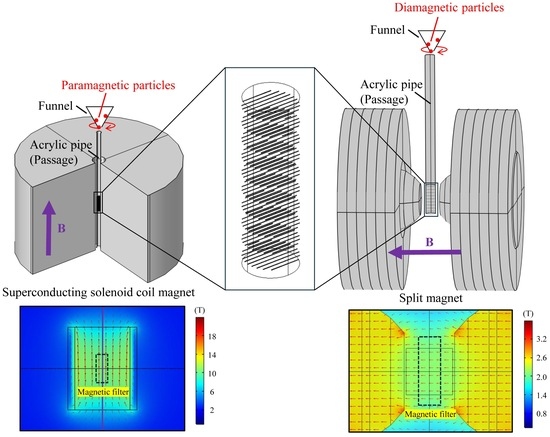
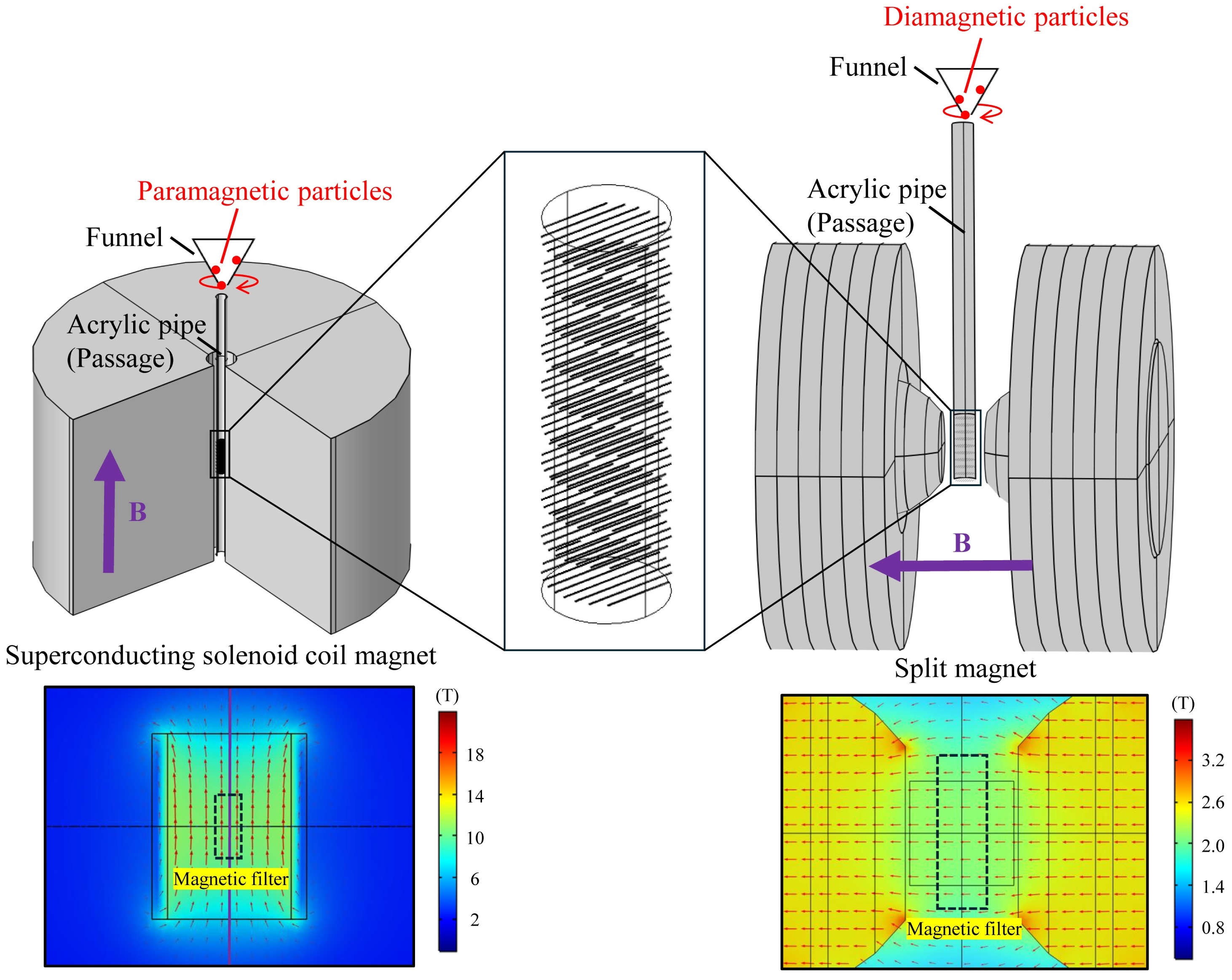
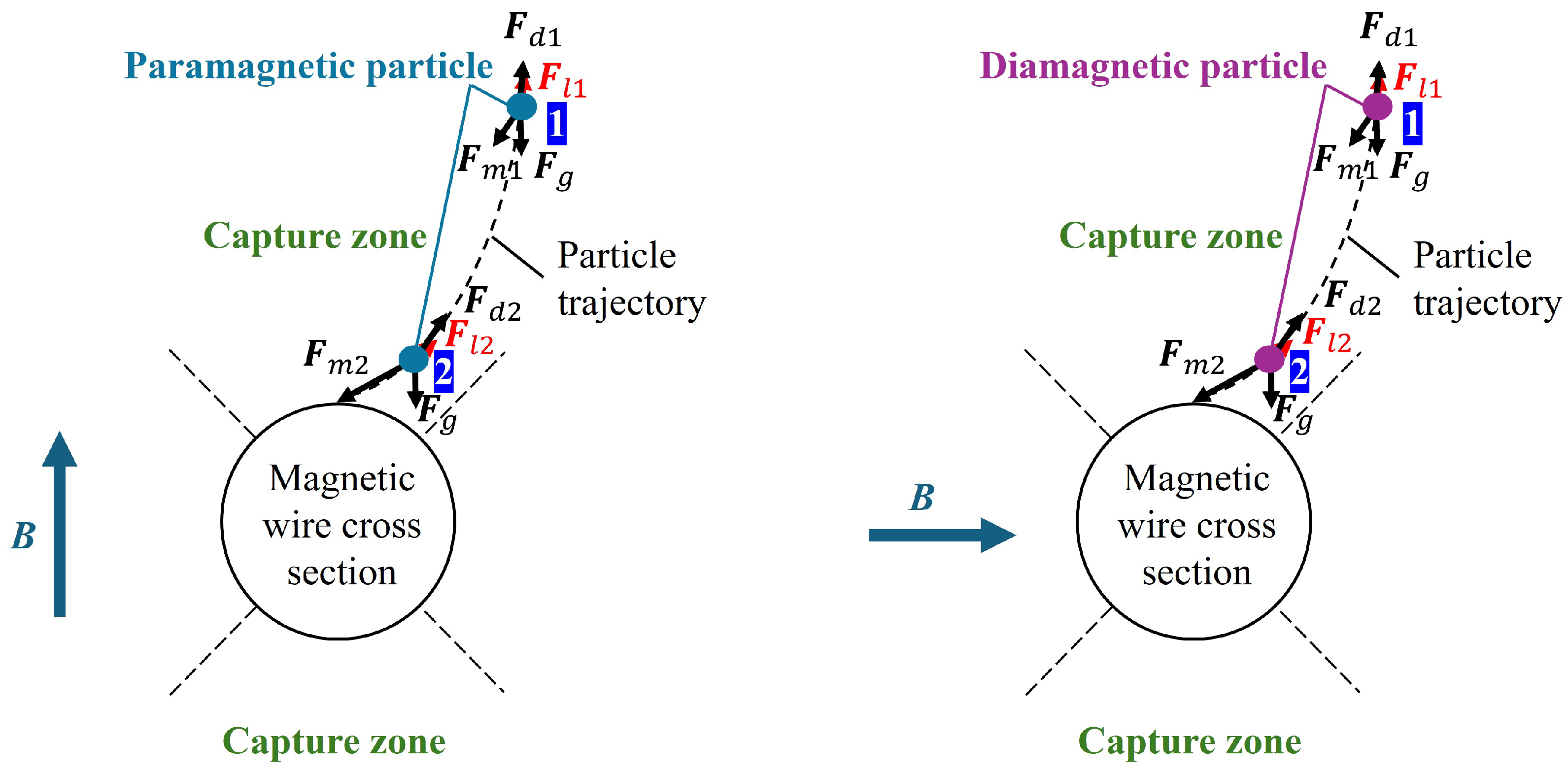
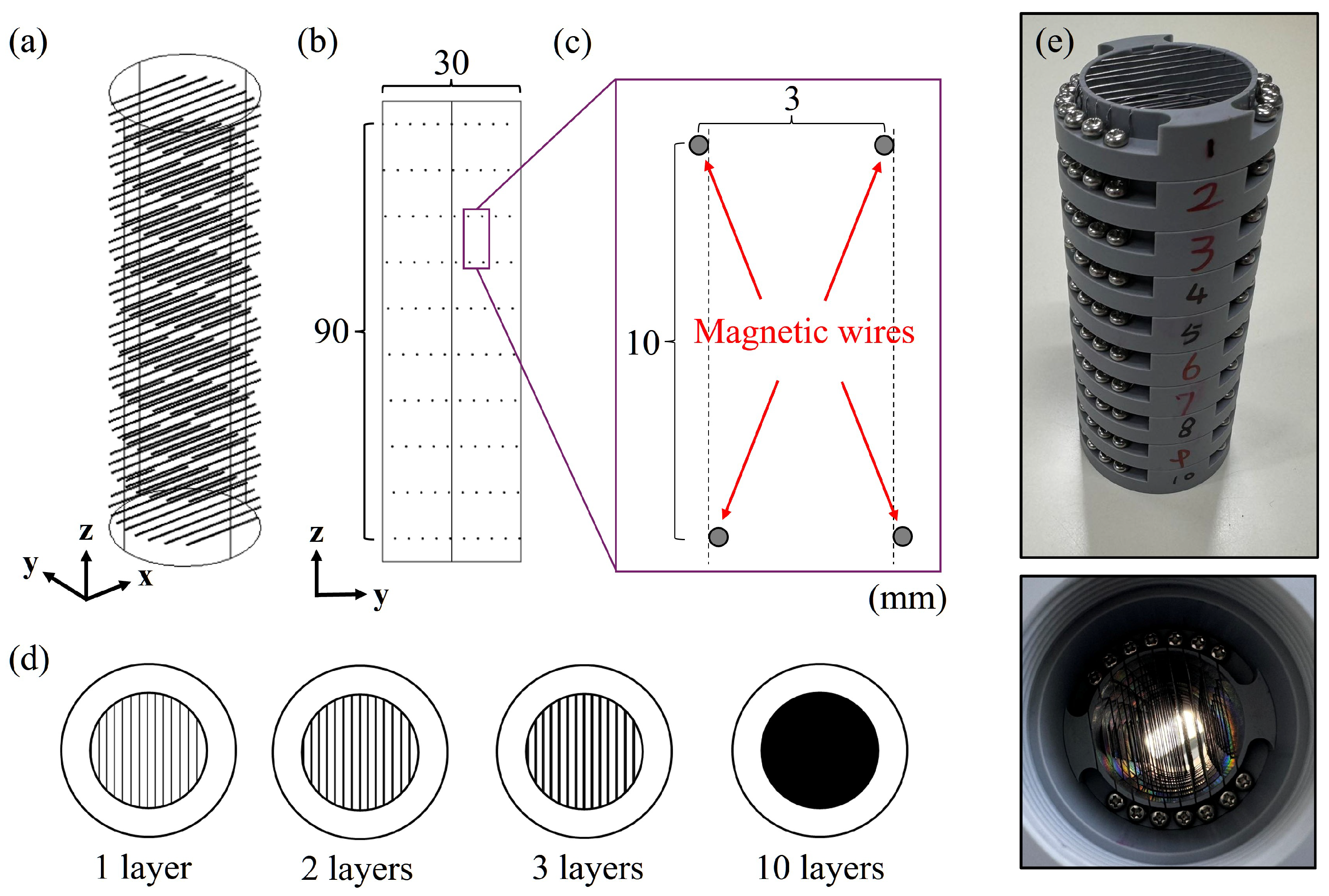
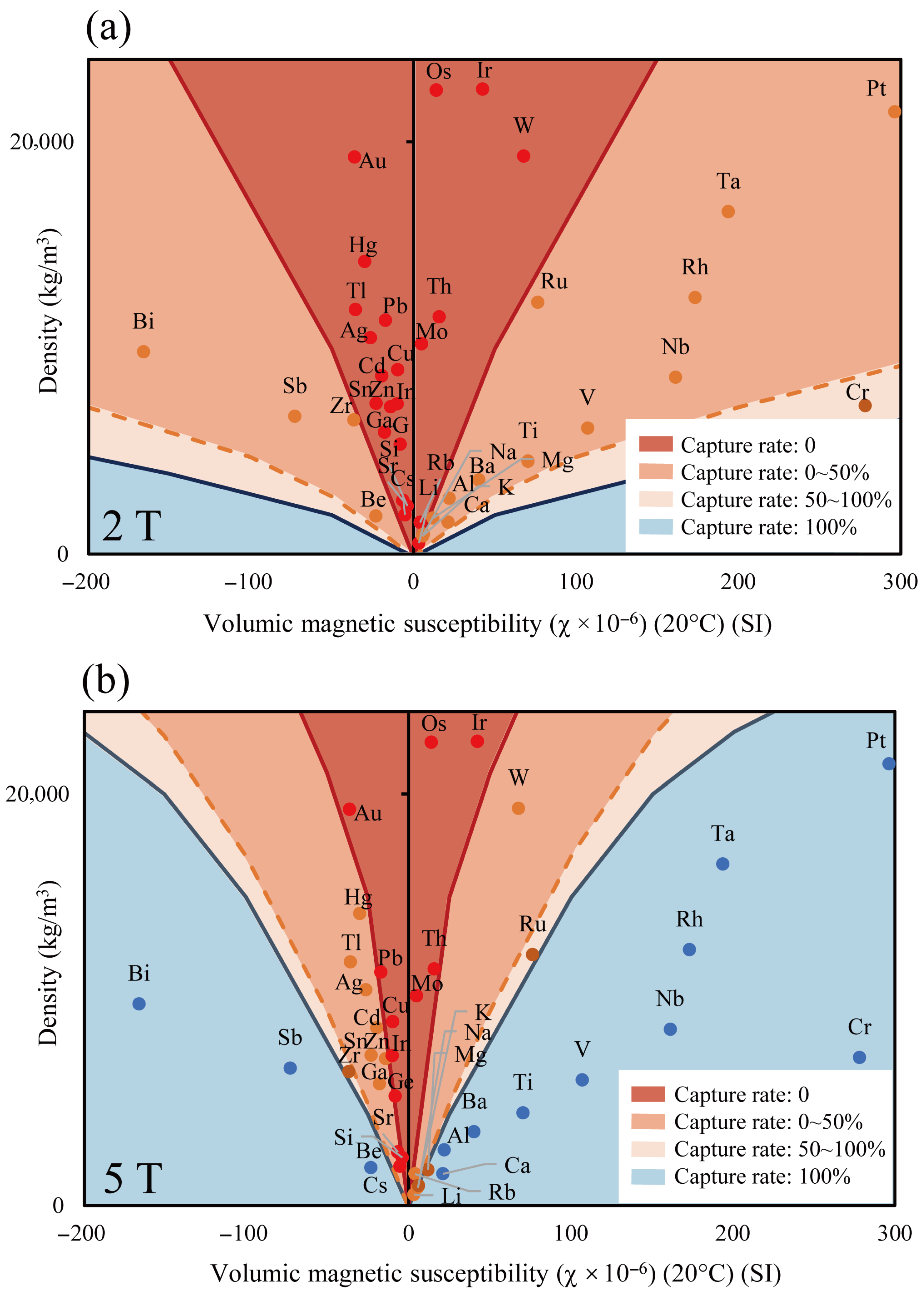
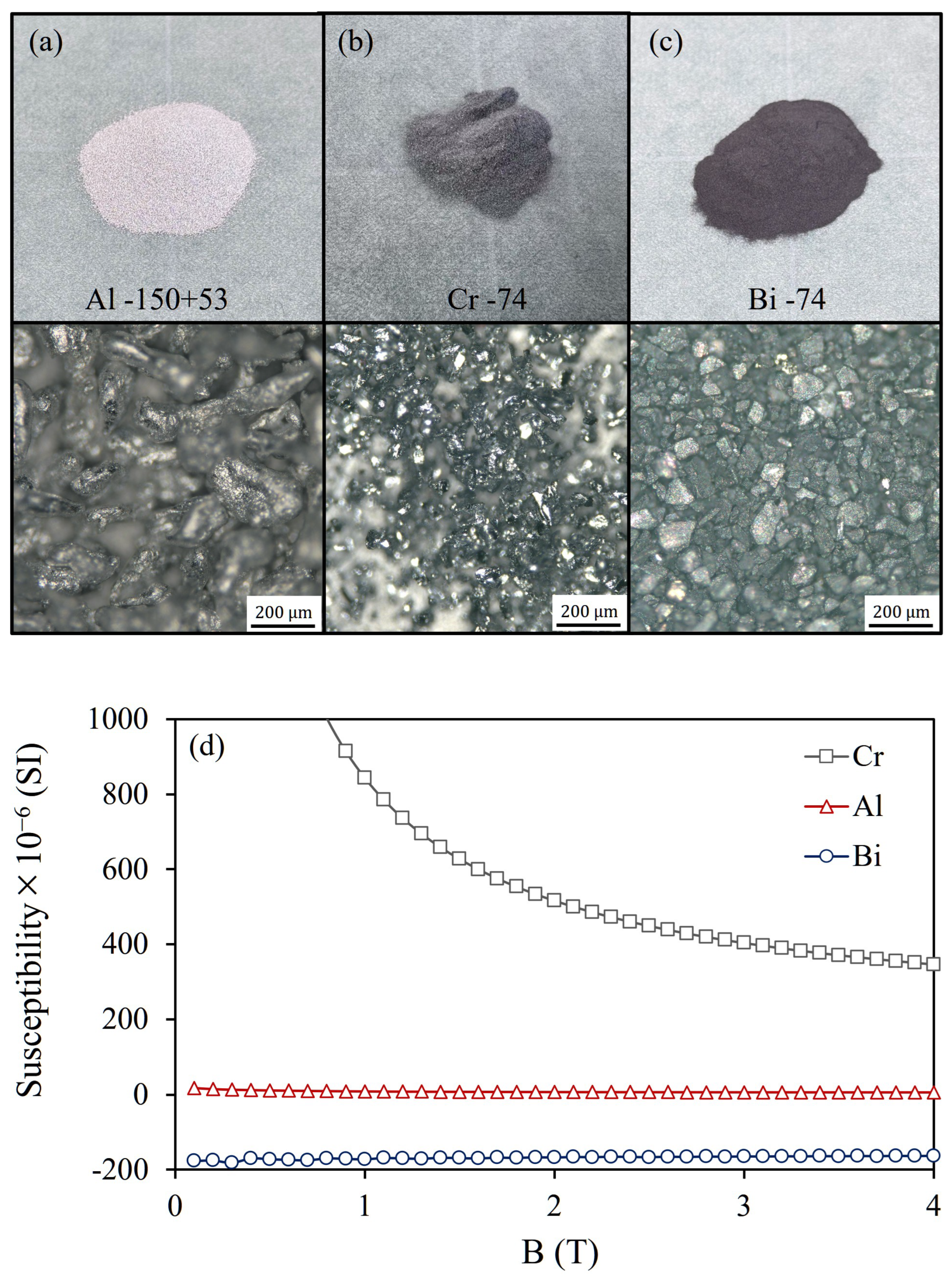
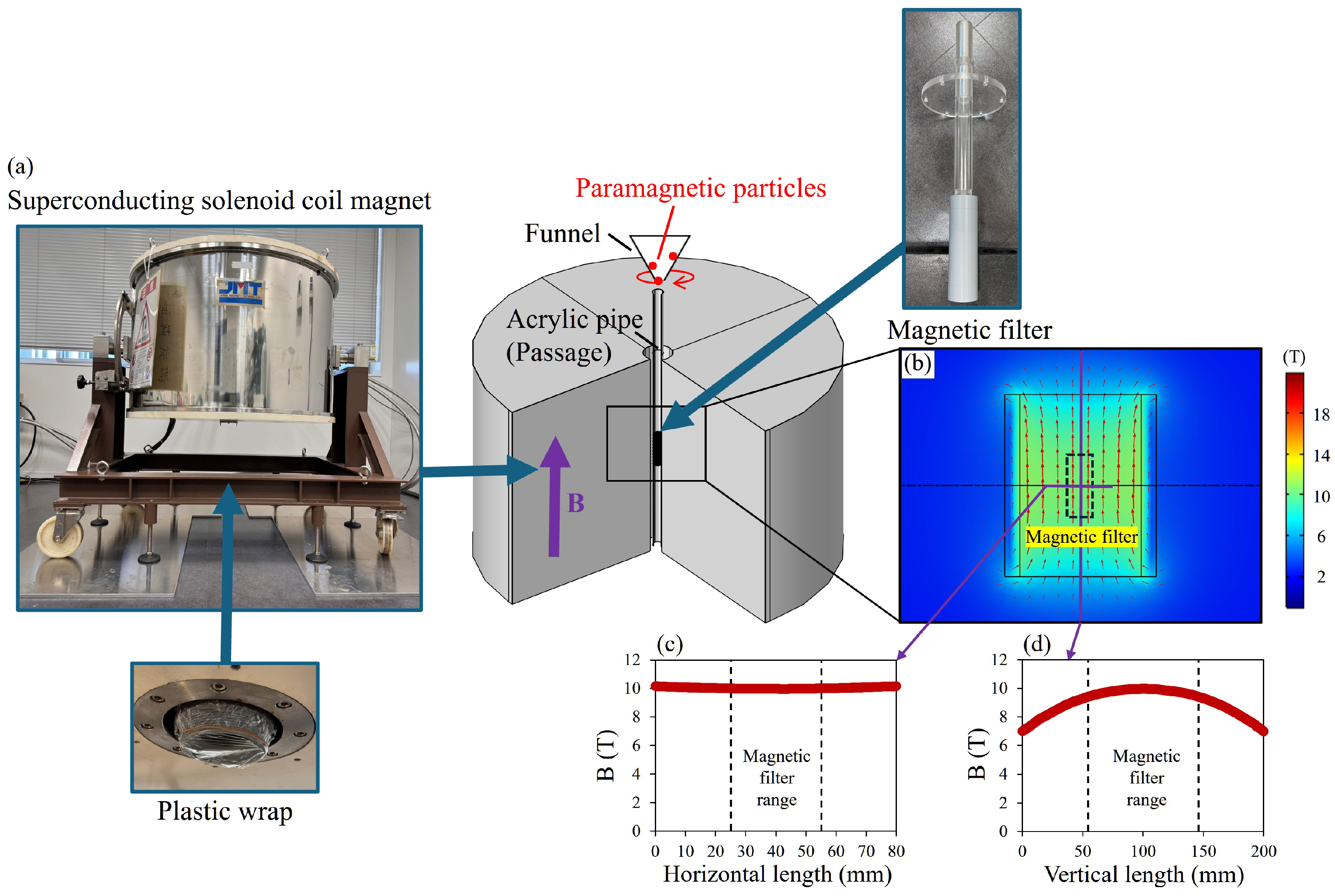
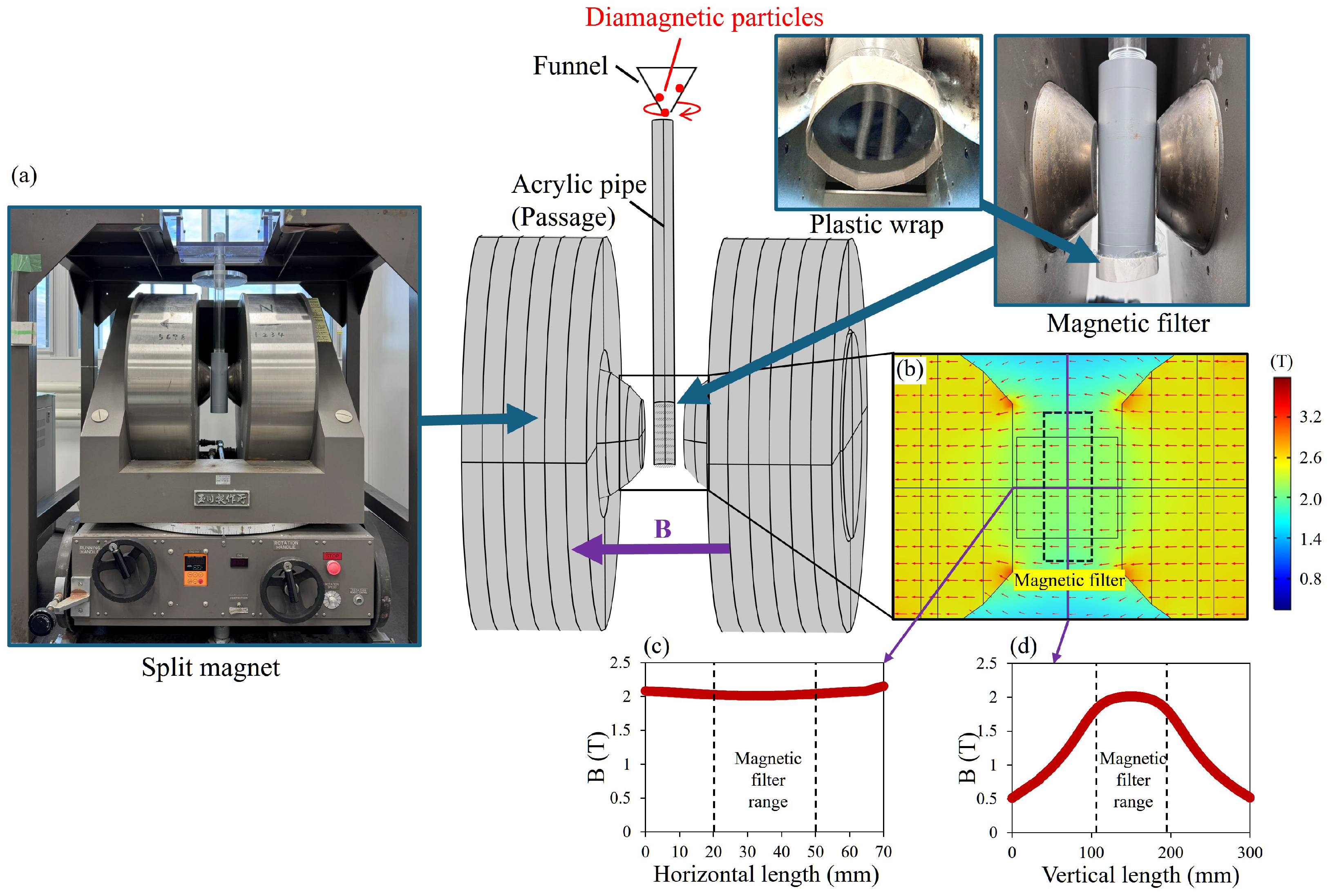
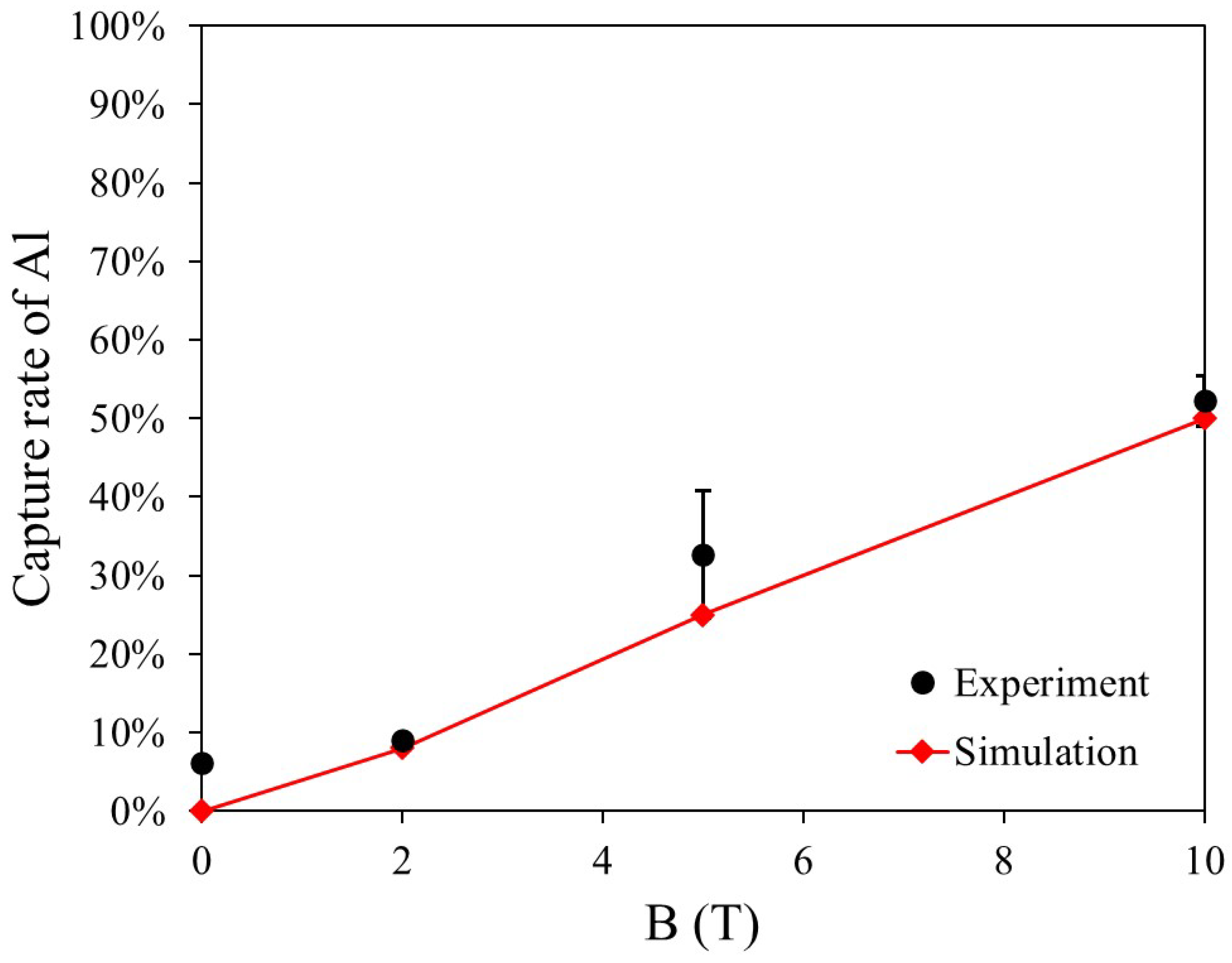
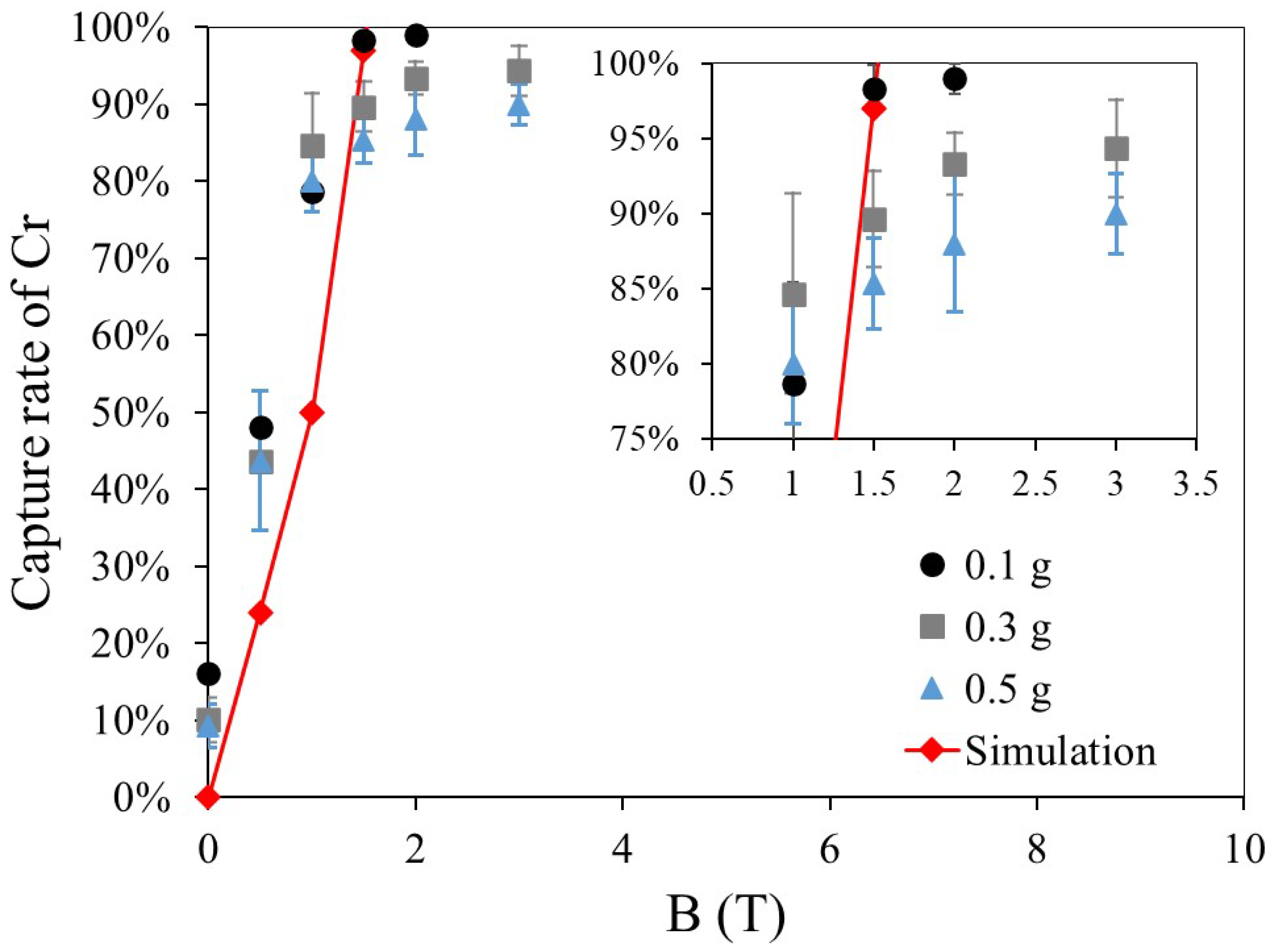
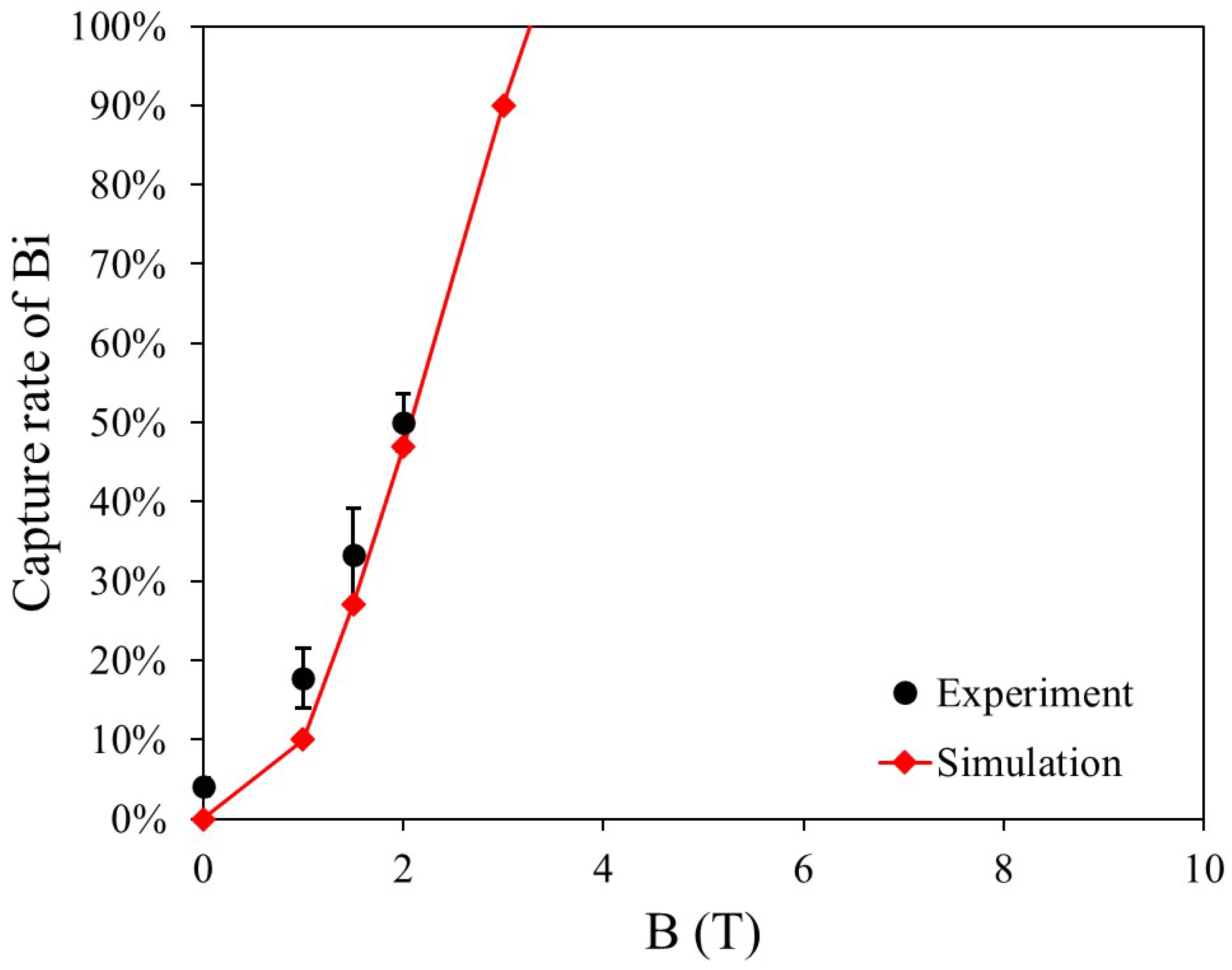
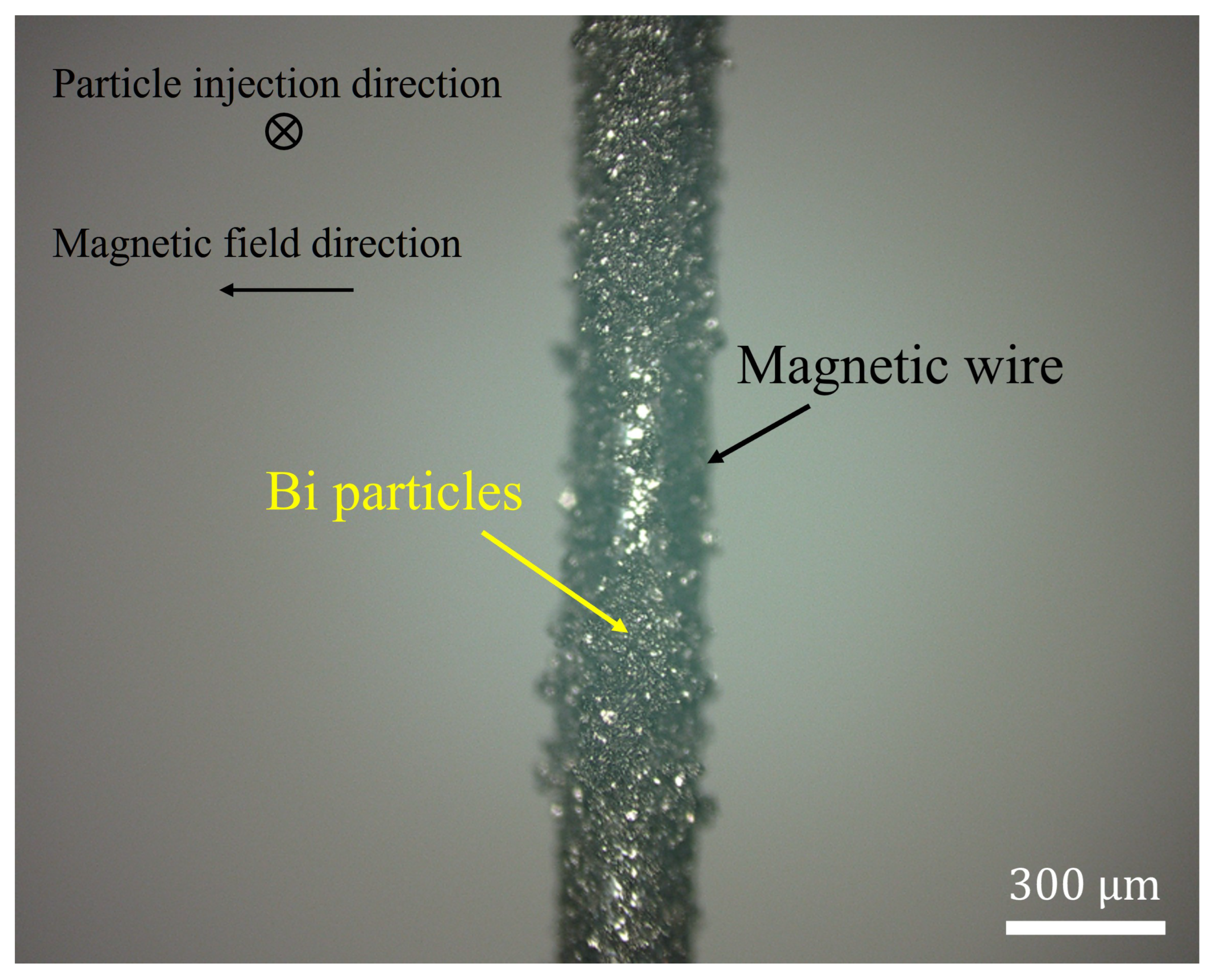
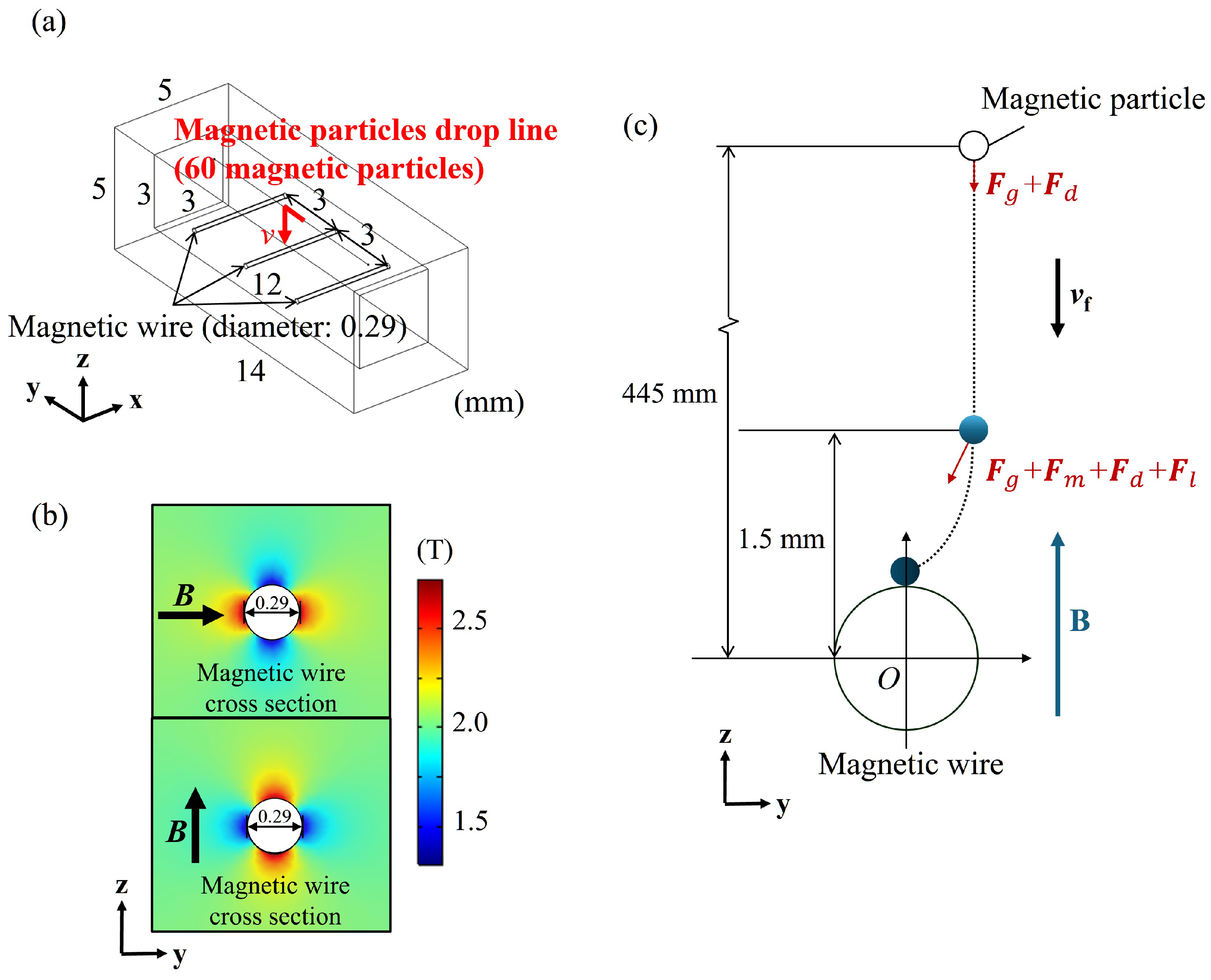
Dry High-Gradient Magnetic Separation (Dry-HGMS) enables the manipulation of fine metal particles through their intrinsic magnetic responses. Research to date has predominantly addressed ferromagnetic powders, while the capture behavior of paramagnetic and diamagnetic particles with weak magnetic susceptibility has received limited examination. In this study, a multilayer magnetic filtration structure consisting of uniformly spaced unidirectional magnetic wires is developed to investigate the response-driven capture of such particles under dry conditions. By controlling the direction of the applied magnetic field, the system enables the selective capture of both paramagnetic and diamagnetic particles without inducing powder clogging. To clarify the capture mechanisms, a finite element method (FEM) framework is established that accounts for magnetic, drag, gravitational forces and Lorentz forces. The resulting capture maps reveal the dependence of particle trajectories on magnetic susceptibility, density, and electrical conductivity. Experiments performed on Al and Cr (paramagnetic) and Bi (diamagnetic) particles show trends consistent with the simulations. These results demonstrate that the proposed filtration system utilizes the magnetic-response characteristics of fine metal particles and extends the applicability of Dry-HGMS to weakly magnetic and diamagnetic materials.
Keywords: dry high gradient magnetic separation; paramagnetic metals; diamagnetic metals; simulation analysis; Lorentz force; coefficient of restitution dry high gradient magnetic separation; paramagnetic metals; diamagnetic metals; simulation analysis; Lorentz force; coefficient of restitution
Graphical Abstract