Article

Thermoanalytical and Tensile Strength Studies of Polypropylene Fibre-Reinforced Cement Composites Designed for Tunnel Applications


1
Faculty of Safety Engineering and Civil Protection, Fire University, 52/54 Słowackiego Street, 01-629 Warsaw, Poland
2
Institute of Safety Engineering, Fire University, 52/54 Słowackiego Street, 01-629 Warsaw, Poland
3
Independent Researcher, 41-803 Zabrze, Poland
*
Authors to whom correspondence should be addressed.
Materials 2026, 19(1), 142; https://doi.org/10.3390/ma19010142
Submission received: 18 November 2025 / Revised: 13 December 2025 / Accepted: 17 December 2025 / Published: 31 December 2025
(This article belongs to the Section Construction and Building Materials)

Abstract

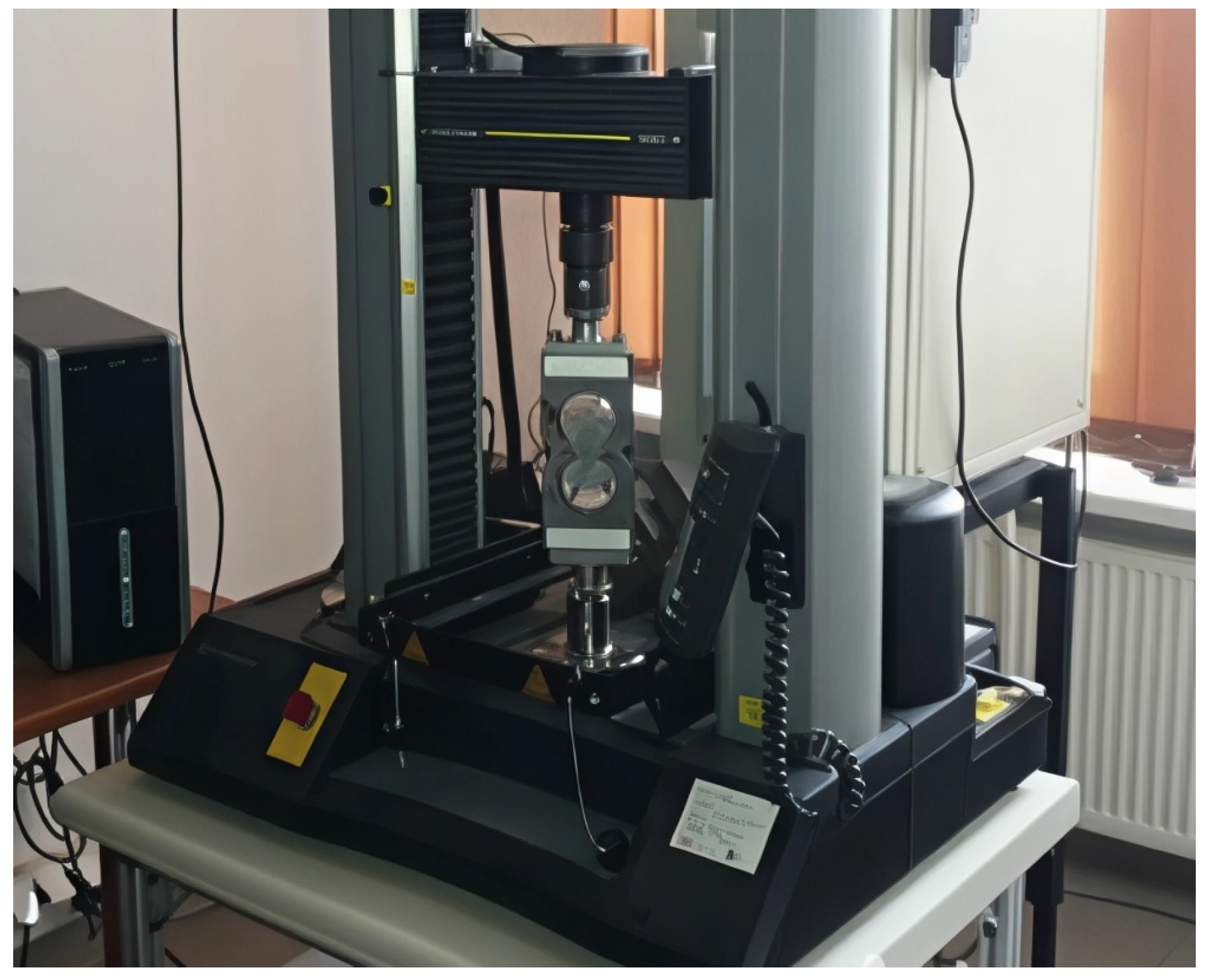
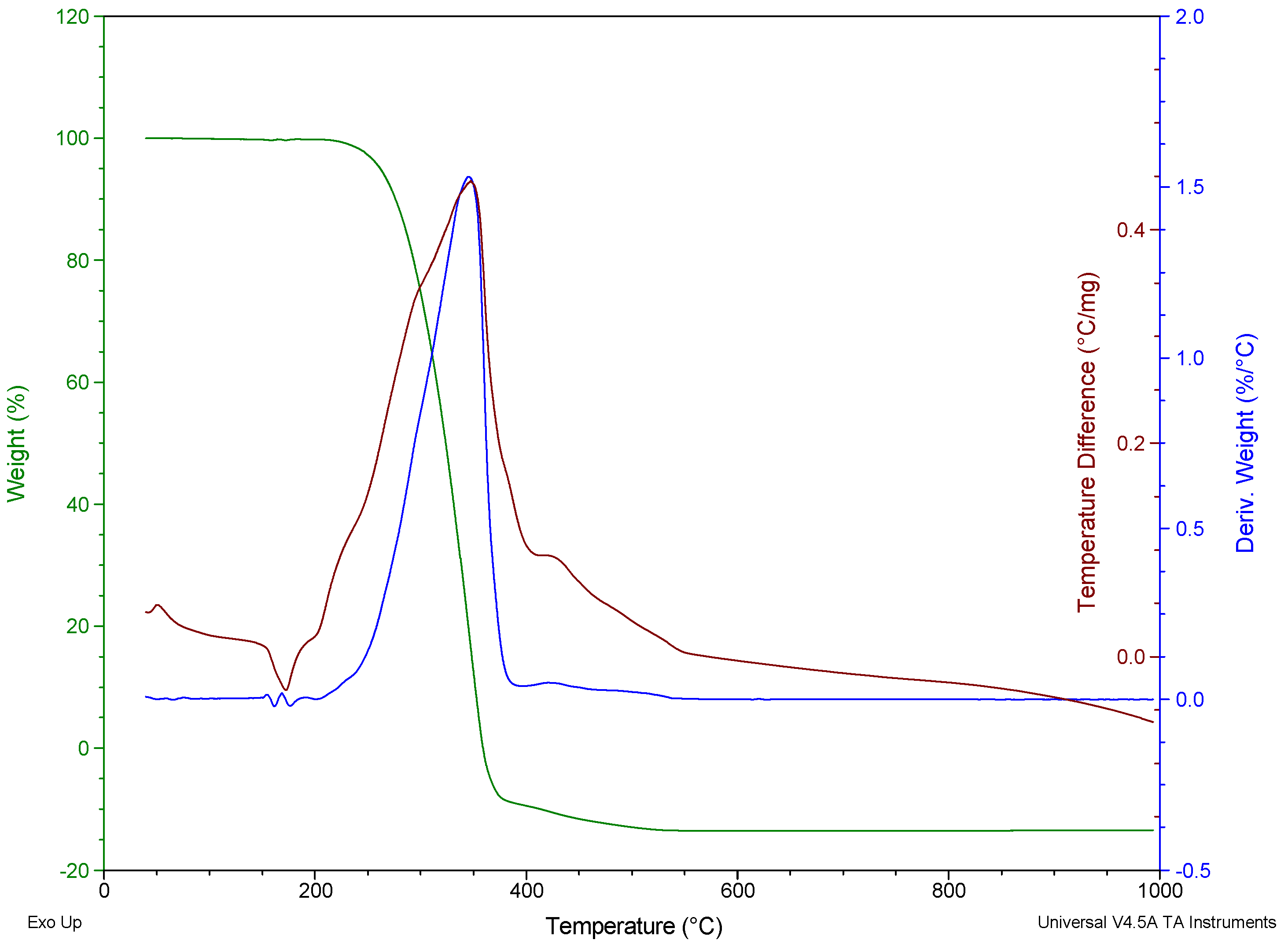
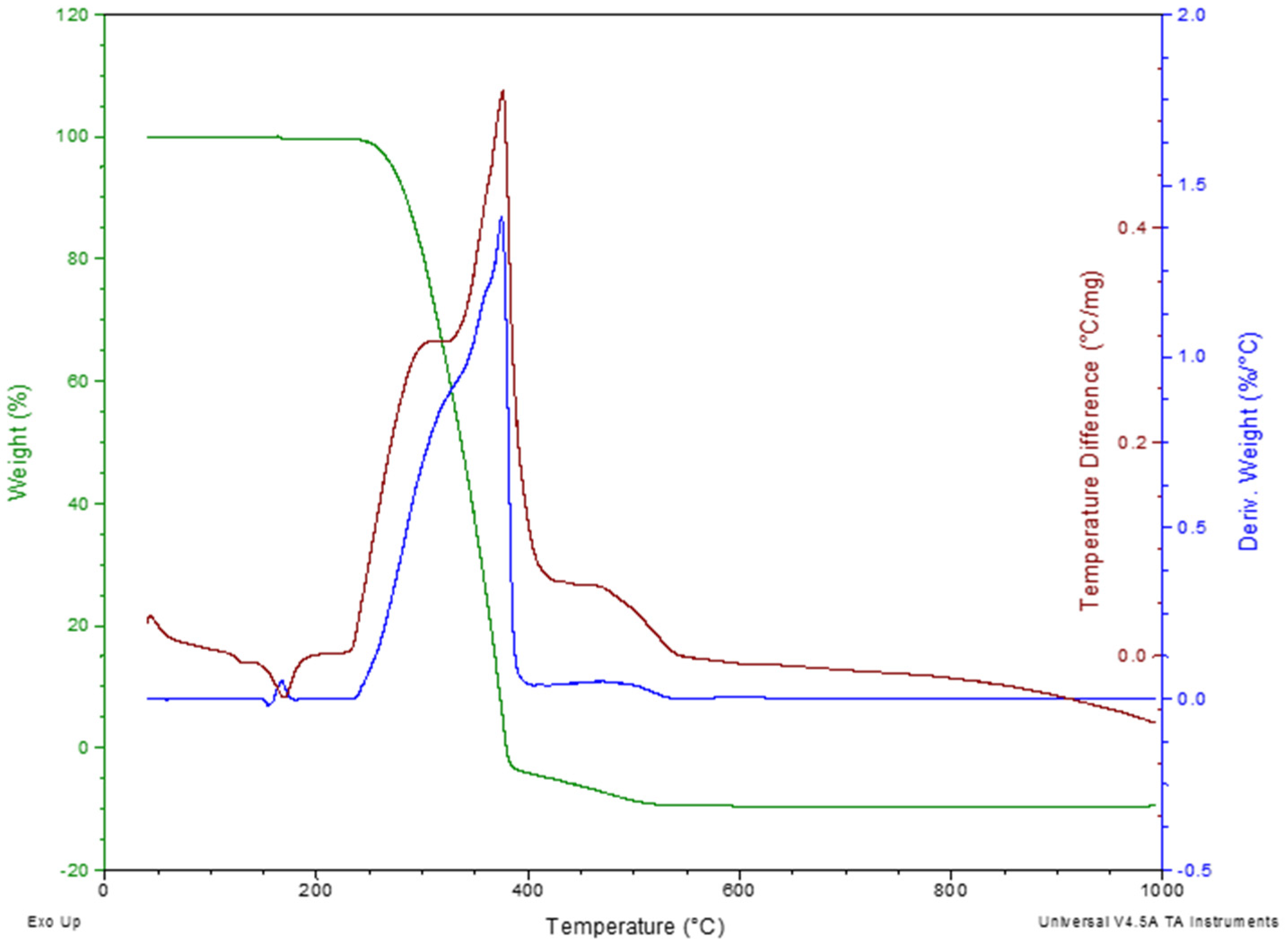
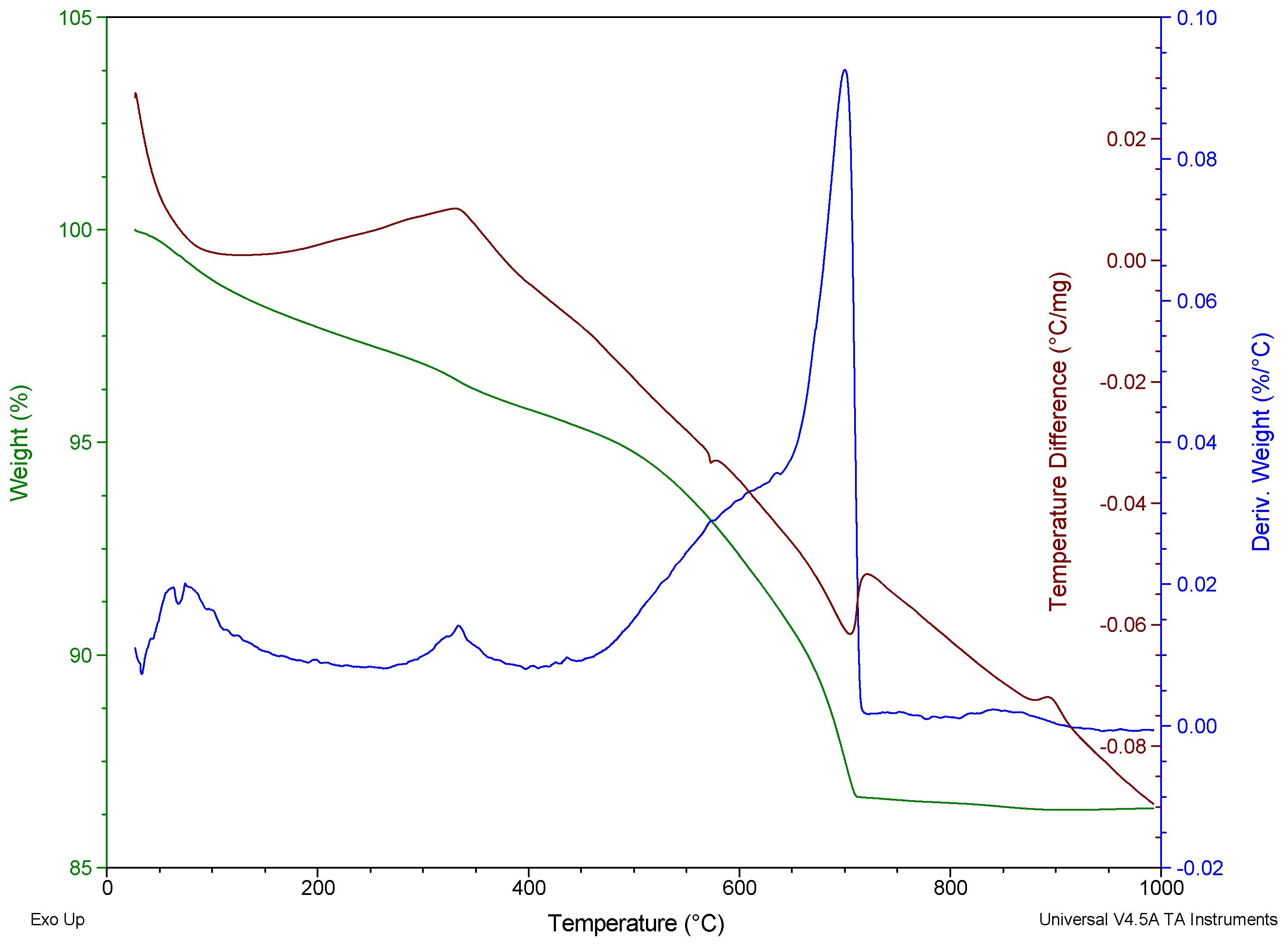
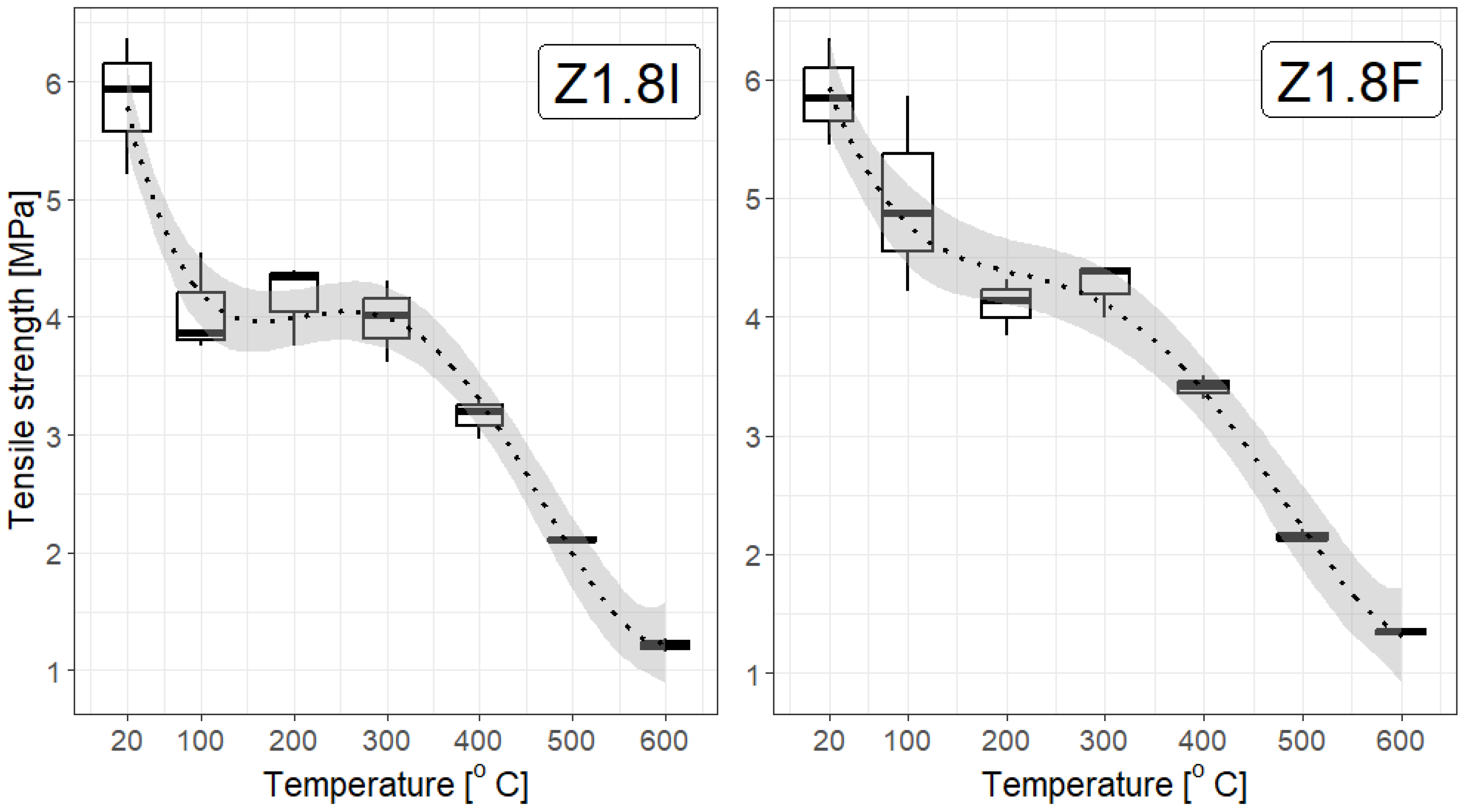
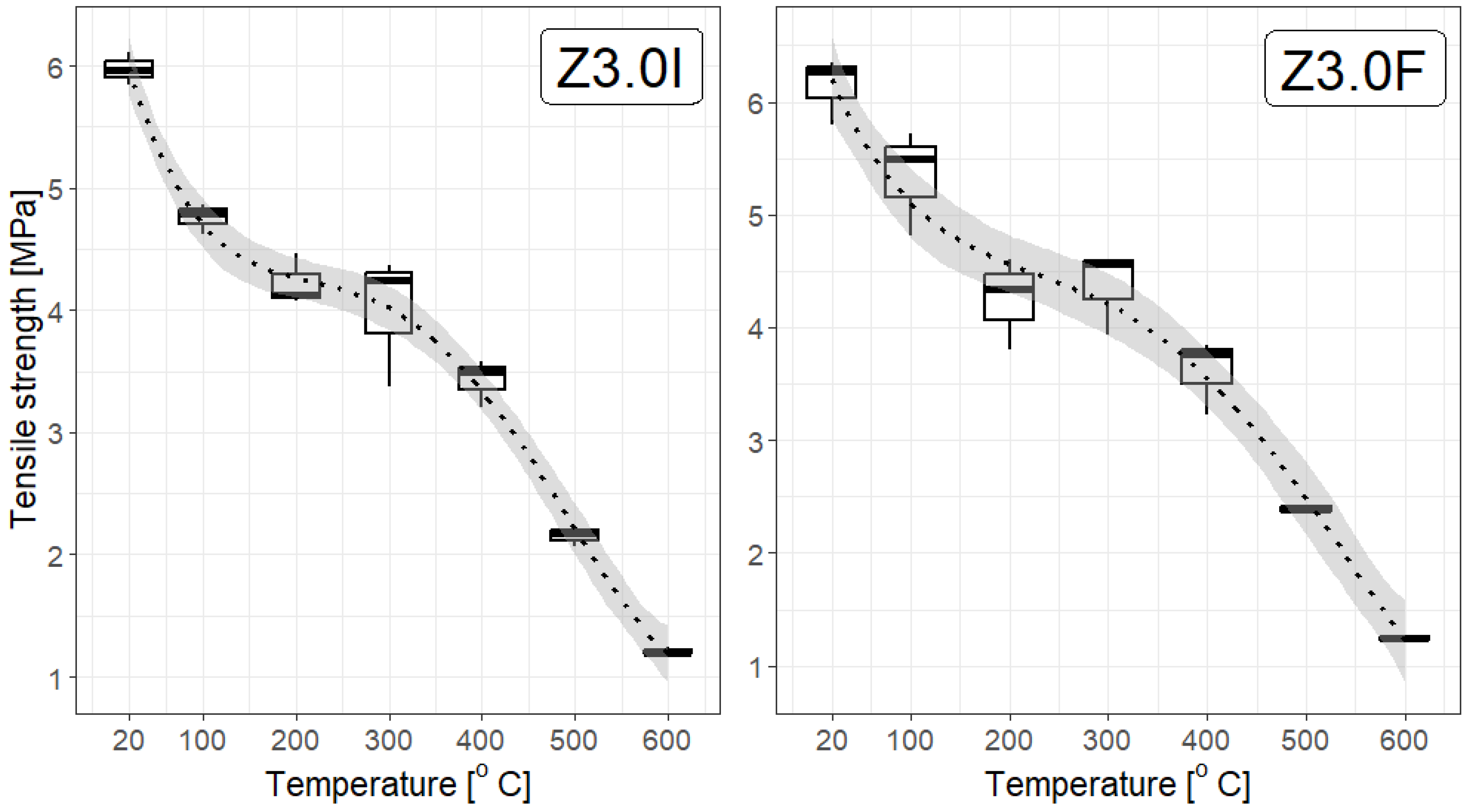
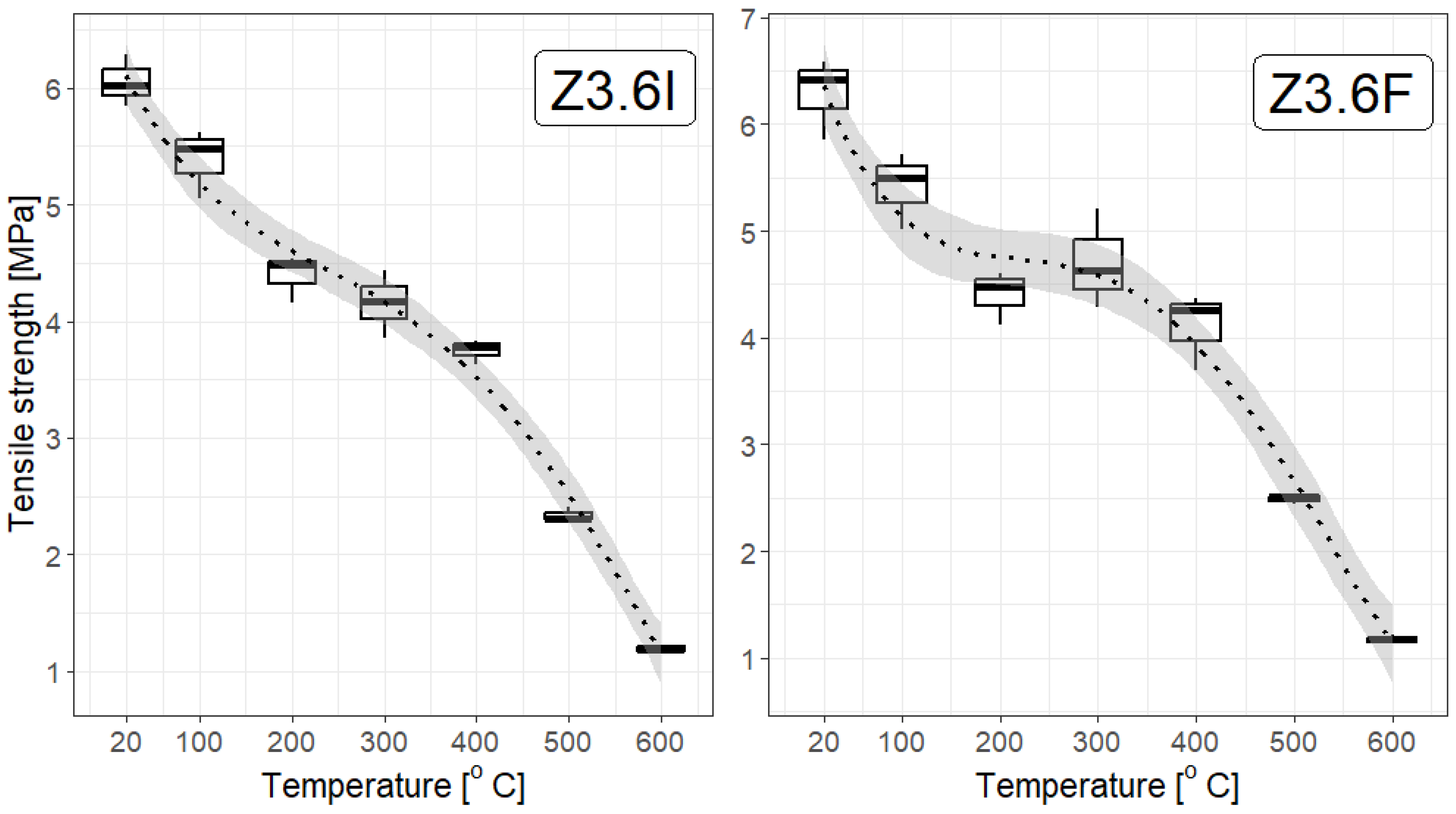
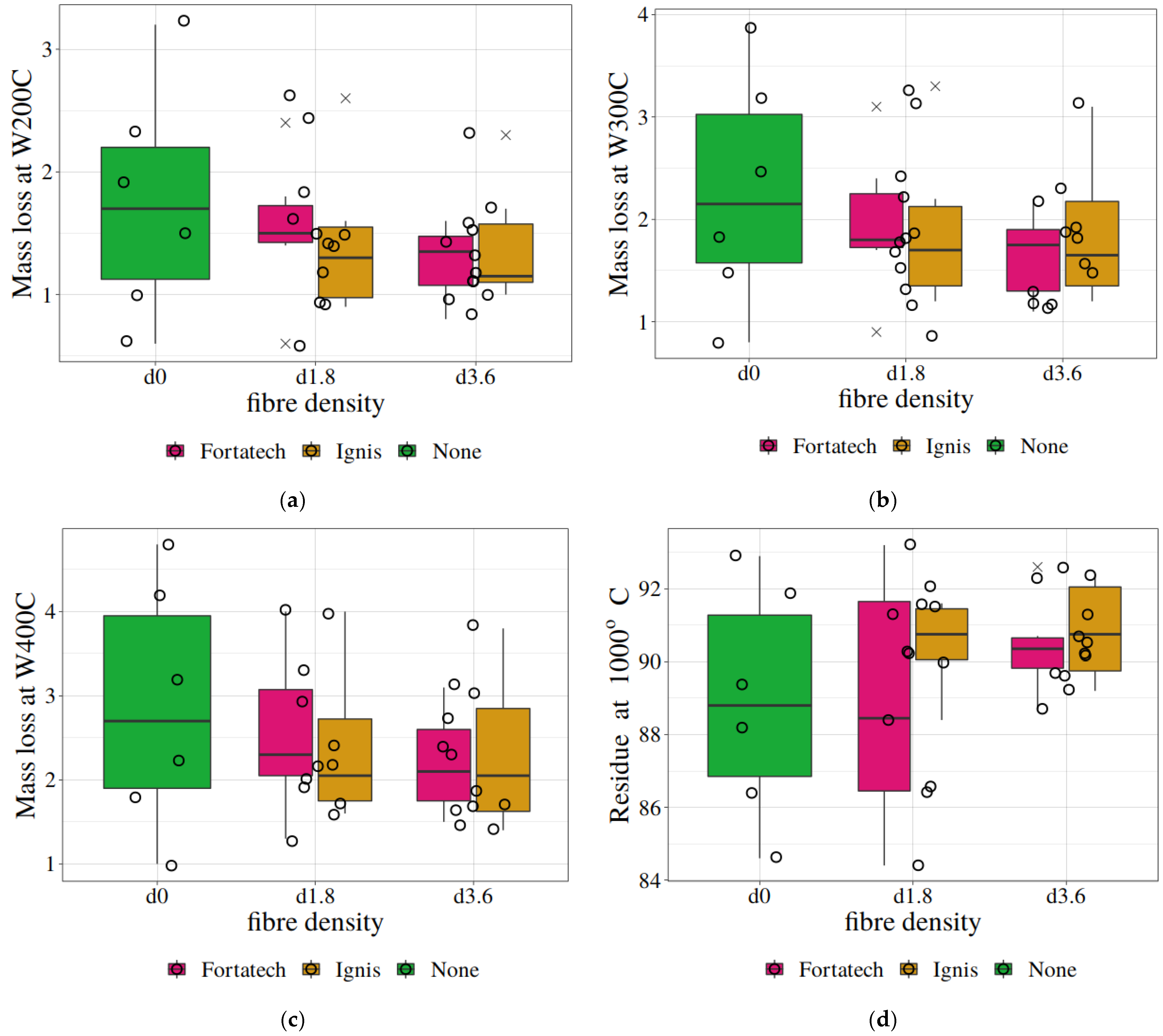
In this article, the thermal and mechanical properties of mortars reinforced with polypropylene (PP) fibres have been studied. Particularly, the effect of polypropylene fibres’ addition on the thermal behaviour of fine-grained building mortars at high temperatures was studied using simultaneous thermal analysis. Two types of polypropylene fibres, differing in shape and size, were used as fillers. The thermal behaviour of cement mortar samples with and without fibres was described. Special attention was given to the thermal behaviour of fibre-reinforced cement mortars subjected to the high temperatures of 100 °C, 200 °C, 300 °C, 400 °C, 500 °C, and 600 °C. Comparative studies using simultaneous thermal analysis (STA) were also performed for non-heated samples (20 °C). The TG, DTG, and DTA curves were analysed to investigate the effects related to the dehydration and the decomposition of hydration and carbonation products. Compared to mortar samples without fibres, the results showed that the presence of polypropylene fibres contributes to an increase in the thermal stability of the samples. It has been proven that the impact of the type and amount of PP fibres in the tested range (1.8 kg/m3 vs. 3.6 kg/m3) on the thermal stability of specimens of tested cement composites was found not to be significantly visible. Next, extensive research was performed on the impact of fire environmental exposure on the variability in the strength parameters of the mortars. Tensile strength tests were conducted based on the standards specified by the Polish Committee for Standardization. The research material consisted of high-strength, fine-grained building mortars, modified by an original method with polypropylene fibres at concentration of 1.8 kg/m3, 3.0 kg/m3, and 3.6 kg/m3. For reference, ordinary mortars without fibres were used, as well. Tensile strength was evaluated for mortar samples, which were exposed to temperatures of 100 °C, 200 °C, 300 °C, 400 °C, 500 °C, and 600 °C, respectively. Special attention was paid to the thermal behaviour of cement mortars reinforced with polypropylene (PP) fibres, subjected to high temperatures. Based on the obtained test results, a detailed statistical analysis was developed, along with comprehensive temperature–parameter relationships, which could enable an approximate post-failure assessment of the mortar’s condition. The main outcomes of this paper include optimal fibre dosage, which is 3.6 kg/m3, identified optimal fibre type, namely F fibre, as well as plateau in tensile strength for temperatures between 200 °C and 400 °C for fibre-reinforced samples.
Keywords: cementitious composite; cement mortars; polypropylene fibre; thermal degradation; effect of high temperature; tunnel applications; mechanical properties cementitious composite; cement mortars; polypropylene fibre; thermal degradation; effect of high temperature; tunnel applications; mechanical properties